Storia
From acquisition to a new agricultural model
In 1933, Alessandro Mottura, a civil engineer from Piedmont, purchased the estate at Civitella d’Agliano. The property was then organized around 21 mezzadrie, or sharecropping farms, with mixed agriculture rather than viticulture alone.
Sergio Mottura, born in 1942, left Torino for Civitella d’Agliano in 1963, when he was 21, and assumed responsibility for the family estate. The later end of sharecropping required a new production model. Sergio responded by renewing the property’s winegrowing activity while retaining its broader agricultural character. Orvieto DOC represented the historical inheritance of the area, while Grechetto became the estate’s principal long-term project.
Building the modern vineyards
The first modern vineyard was planted at Ombrico in 1968. Its Grechetto material was selected from old vines traditionally trained as viti maritate, with trees used as living supports, on one of the estate’s 21 sharecropping farms. Rather than purchasing standardized nursery material, the new vines were selected with the help of local sharecroppers whose families had cultivated Grechetto for generations.
Poggio della Costa followed in 1970. This east-facing, 7-hectare Grechetto vineyard at 140 metres became one of the principal expressions of Sergio Mottura’s work with the variety. San Martino was planted in 1979 and became the source of the estate’s Chardonnay-based traditional-method sparkling wine. Magone, an older vineyard originally planted in 1962, was grafted to Pinot Nero in 1980.
Estate bottling and the emergence of the range
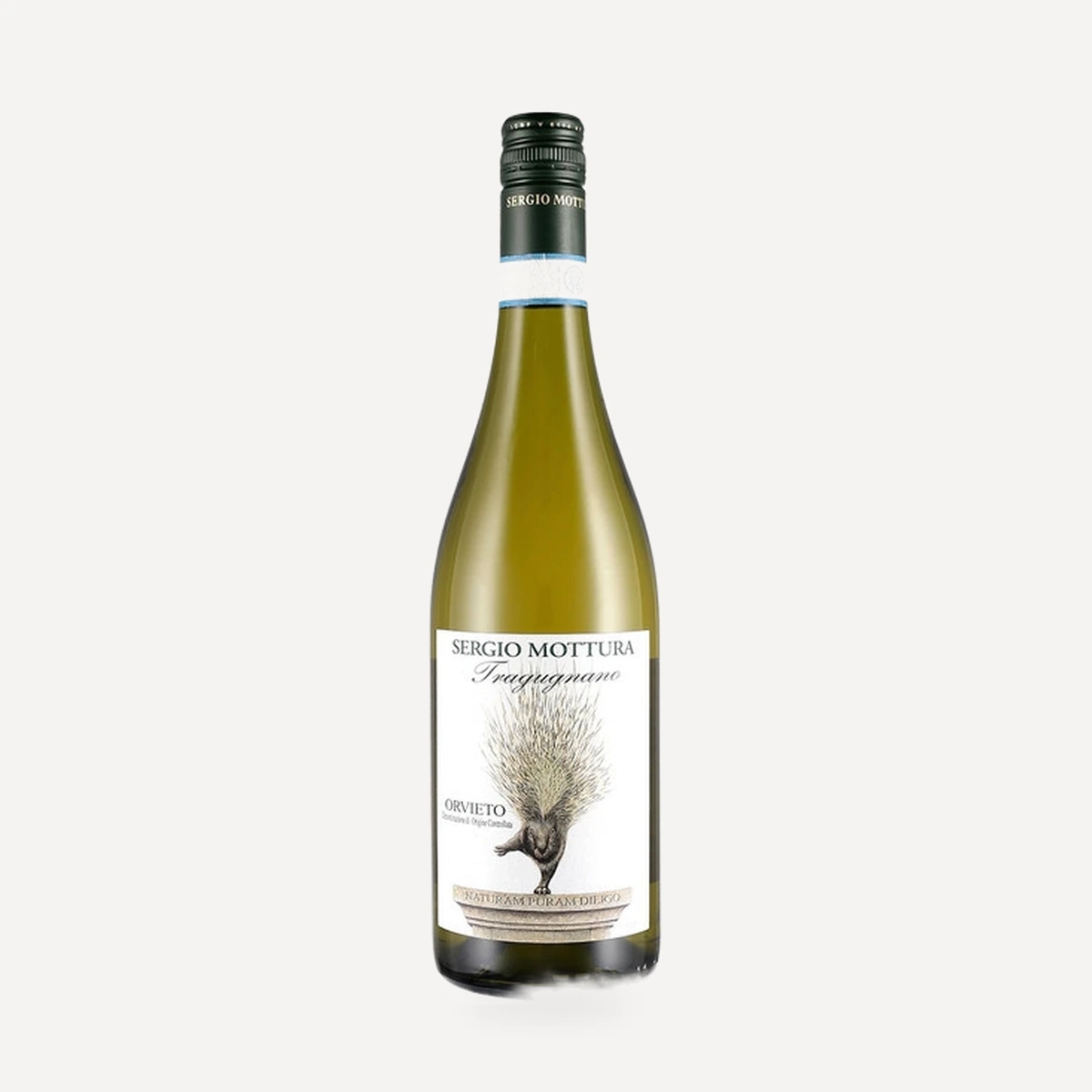
The first vintage of the estate’s traditional-method Spumante was produced in 1984. In 1990, Sergio Mottura began estate bottling with Orvieto Secco and Grechetto Poggio della Costa. Tragugnano and Muffo followed with first vintages in 1992, while Magone’s first vintage was 1993.
In 1994, five barriques bearing the Louis Latour name were filled with vintage Grechetto. This marked the beginning of the barrique-aged Grechetto project associated first with Latour a Civitella and subsequently with La Torre a Civitella. Civitella Rosso had its first vintage in 1996, followed by Nenfro in 2004 and Syracide in 2009.
A modern production facility was completed in 1998 at Strada Ombricolo. Designed for vinification, bottling, packaging and storage, it has a capacity of 2,500 hl. It operates alongside the historic cellar in the centre of Civitella d’Agliano, four kilometres away.
Organic conversion and environmental development
By the end of the 1980s, Sergio Mottura’s experience with the estate’s diverse crops had led him toward an agricultural model placing natural balance at its centre. The introduction of European Community Regulation 2092/91 provided the framework for conversion to organic production in 1991. After a five-year transition, the estate obtained organic certification in 1996.
The organic programme developed through spontaneous ground cover, elimination of chemical fertilizers and the adoption of lower-impact crop-protection techniques. In 2018, chestnut tannin replaced copper-based fungicides in the control of downy mildew. Recovery mist sprayers were also adopted to collect and reuse excess treatment material.
The winery’s environmental infrastructure includes photovoltaic generation sufficient for its energy needs and a phyto-evapotranspiration system for treating wastewater. Its sustainability programme now extends beyond cultivation to environmental, economic, ethical and social considerations.
Recognition and continuing development
In the 2004 edition of Vini d’Italia, published in 2003 by Gambero Rosso and Slow Food, Grechetto Latour a Civitella became the first white wine from Lazio to receive Tre Bicchieri. Beginning in 2005, Stelvin screw caps were offered alongside cork closures for all the estate’s white wines.
Sergio Mottura was named Viticoltore dell’Anno—rendered as Winemaker of the Year in the English version—in Gambero Rosso’s Vini d’Italia guide in 2012. In 2024, FIVI presented him with the Leonildo Pieropan Prize, recognizing his journey from engineering studies and the family farm to a wider role in Italian wine, as well as his commitment to territory, agricultural landscape, culture and future generations.
Terroir
The estate lies at Civitella d’Agliano in the Tuscia viterbese, close to Viterbo and the Lazio–Umbria boundary. Its position is framed by the clay hills and calanchi of Tuscia to the west and the fertile Tiber plains to the east. The Tiber Valley forms both a natural and administrative boundary with Umbria, while Lake Bolsena and the volcanic complex of the Monti Vulsini lie nearby.
The soils are predominantly volcanic, derived from the Monti Vulsini–Lake Bolsena complex, with alluvial material deposited by historical flooding of the Tiber. The technical composition given across the estate’s vineyard material is 40% clay, 40% sand and 20% silt. Basalt, clay, tuff and localized gravel veins create further variation within the property.
The 120-hectare estate forms a mixed agricultural mosaic of 37 hectares of vineyards together with olive groves, cereal fields, meadows and woodland. This mix supports the biodiversity around the cultivated parcels.
Individual sites introduce distinct conditions. Poggio della Costa is east-facing at 140 metres. The Montepulciano vineyard is crossed by gravel veins. Ombrico and Mecone occupy relatively low positions, allowing autumn mists from Lake Alviano—an artificial lake formed by the Tiber—to reach the grapes and encourage noble rot. San Martino lies among rolling volcanic hills oriented toward Lake Bolsena. The subterranean tuff caves in Civitella d’Agliano maintain a stable temperature of approximately 12°C for élevage and traditional-method bottle maturation.
Vinificazione
The estate began organic conversion in 1991 and received certification in 1996 after a five-year transition. Its current technical sheets carry the Bioagricert IT-BIO-007 organic mark and identify the agricultural origin as Italy.
Organic vineyard management includes spontaneous grass cover and the exclusion of chemical fertilizers. Crop-protection work uses natural solutions and recovery mist sprayers that collect excess spray rather than dispersing it. Since 2018, chestnut tannin has been used against downy mildew in place of copper-based fungicides.
The mixed 120-hectare property—vineyards, olive groves, cereals, meadows and woodland—is managed as a broader biodiversity system. San Martino is cultivated with attention to biodiversity and natural rhythms.
Harvesting and grape selection are performed by hand. Timing is adapted to each variety and intended use: Chardonnay in the second half of August; Grechetto, Syrah, Merlot and Pinot Nero generally in the first half of September; Procanico and Montepulciano in the first half of October. Grapes intended for Muffo are harvested at the beginning of October and dried on racks exposed only to natural weather conditions until mid-December.
Two complementary cellars
Production is divided between two facilities approximately four kilometres apart. The modern winery at Strada Ombricolo was built in 1998 and has a capacity of 2,500 hl. It receives the grapes and houses vinification, bottling, packaging and storage. A photovoltaic installation supplies its energy, while wastewater is treated through phyto-evapotranspiration.
The historic cellar occupies a seventeenth-century building in the centre of Civitella d’Agliano. Still wines mature below ground in barriques and steel, while the tuff caves provide a constant temperature of about 12°C for bottle maturation of the traditional-method Spumante.
Cellar practices
White grapes are gently pressed, followed by preventive static settling of the must. Fermentation normally takes place in steel. Depending on the intended expression, maturation may continue in steel on fine lees or combine steel and barriques. The barrique-aged Grechetto programme began in 1994 with five Louis Latour barrels. Red grapes are destemmed and fermented in steel, with pump-overs and either délestage or punch-down during maceration; malolactic fermentation takes place in steel before maturation in steel or barriques.
The Chardonnay traditional-method base wine ferments in temperature-controlled stainless steel, then remains for seven months on fine lees before tirage. Refermentation and maturation take place in the historic tuff caves, with 96 months on the lees. It is finished as Brut Nature without added dosage or sugar.
Stelvin screw caps were introduced alongside cork in 2005 for the white-wine range.
Filosofia
Sergio Mottura defines its idea of great wine primarily through white varieties. Winegrowing is treated as a combination of knowledge, sensitivity and respect for terroir, with daily work directed toward balance rather than a fixed stylistic formula.
Grechetto stands at the centre of this philosophy. Sergio Mottura’s interest developed from the variety’s aromatic expression, intensity, structure and capacity to age. The modern Grechetto vineyards were propagated from old local vines selected with sharecroppers rather than from standardized nursery stock, linking the renewed estate to generations of local cultivation. Orvieto represents continuity with the area’s historical wine culture; Grechetto represents the estate’s forward-looking commitment.
The environmental philosophy has progressed from certified organic farming toward a wider conception of sustainability. Soil protection and ecological balance remain fundamental, while environmental, economic, ethical and social responsibility are increasingly treated as parts of the same programme. The work is also framed as stewardship of the agricultural landscape and of resources intended for future generations.
Vini
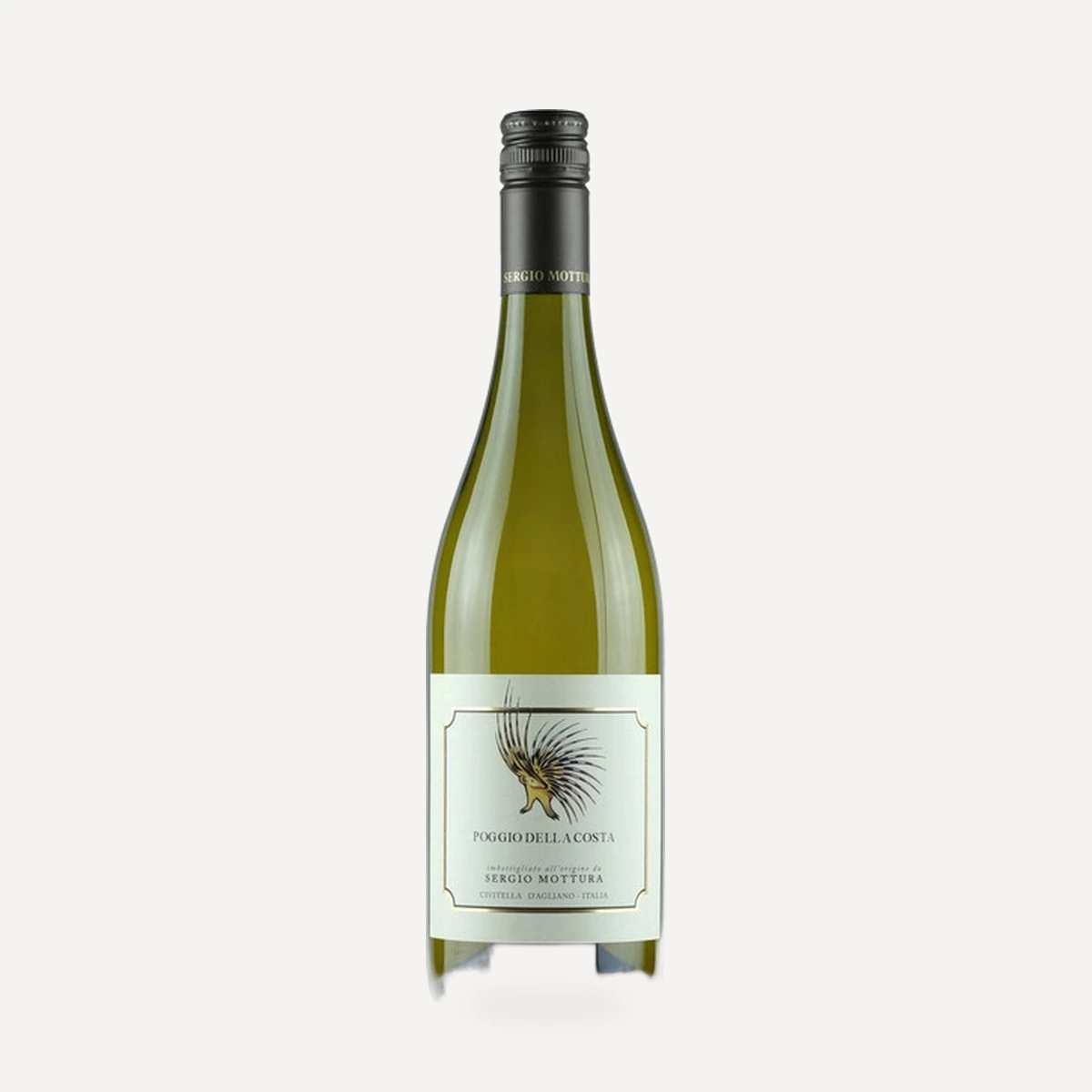
Grechetto Poggio Della Costa IGT
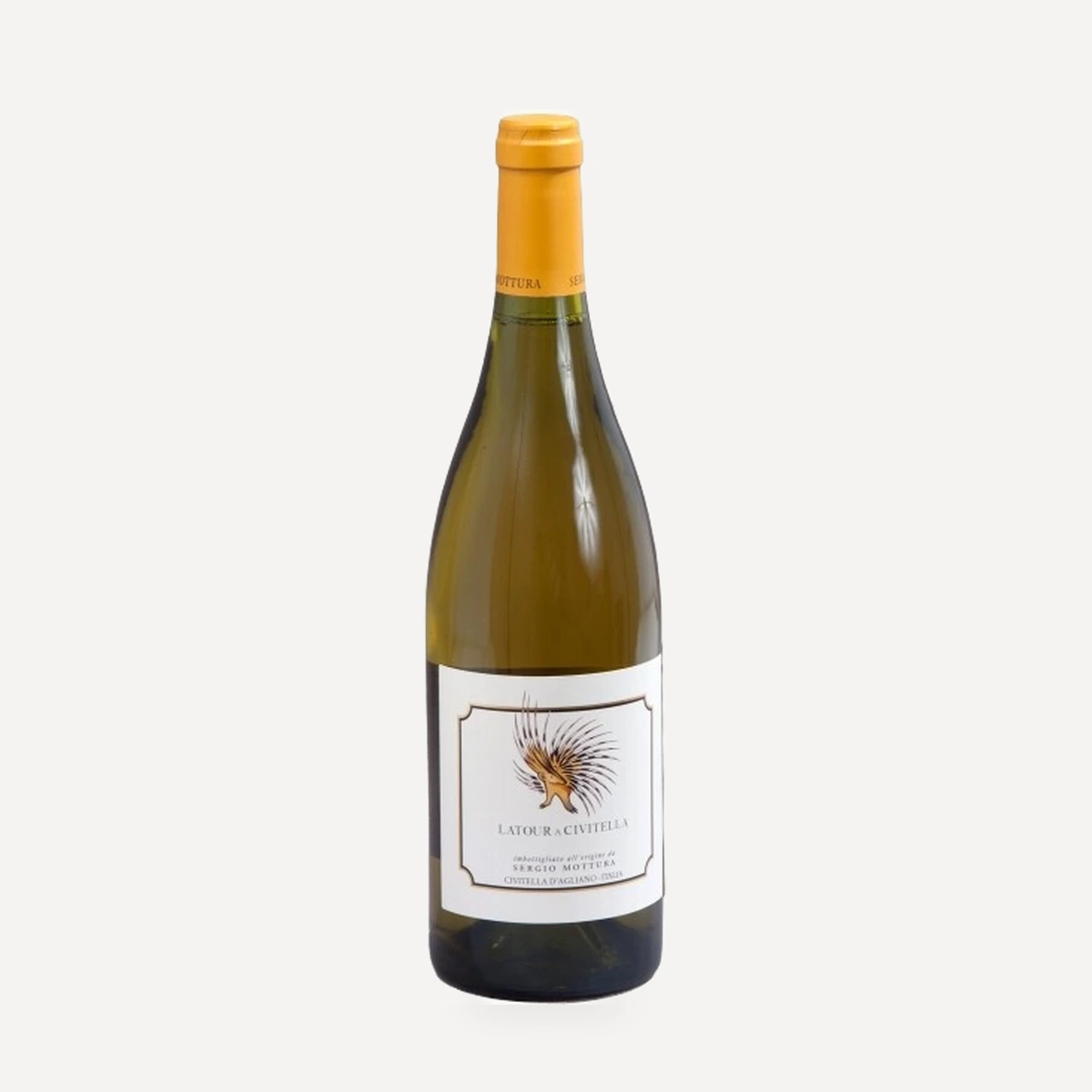
Sergio Mottura Grechetto Latour a Civitella IGT
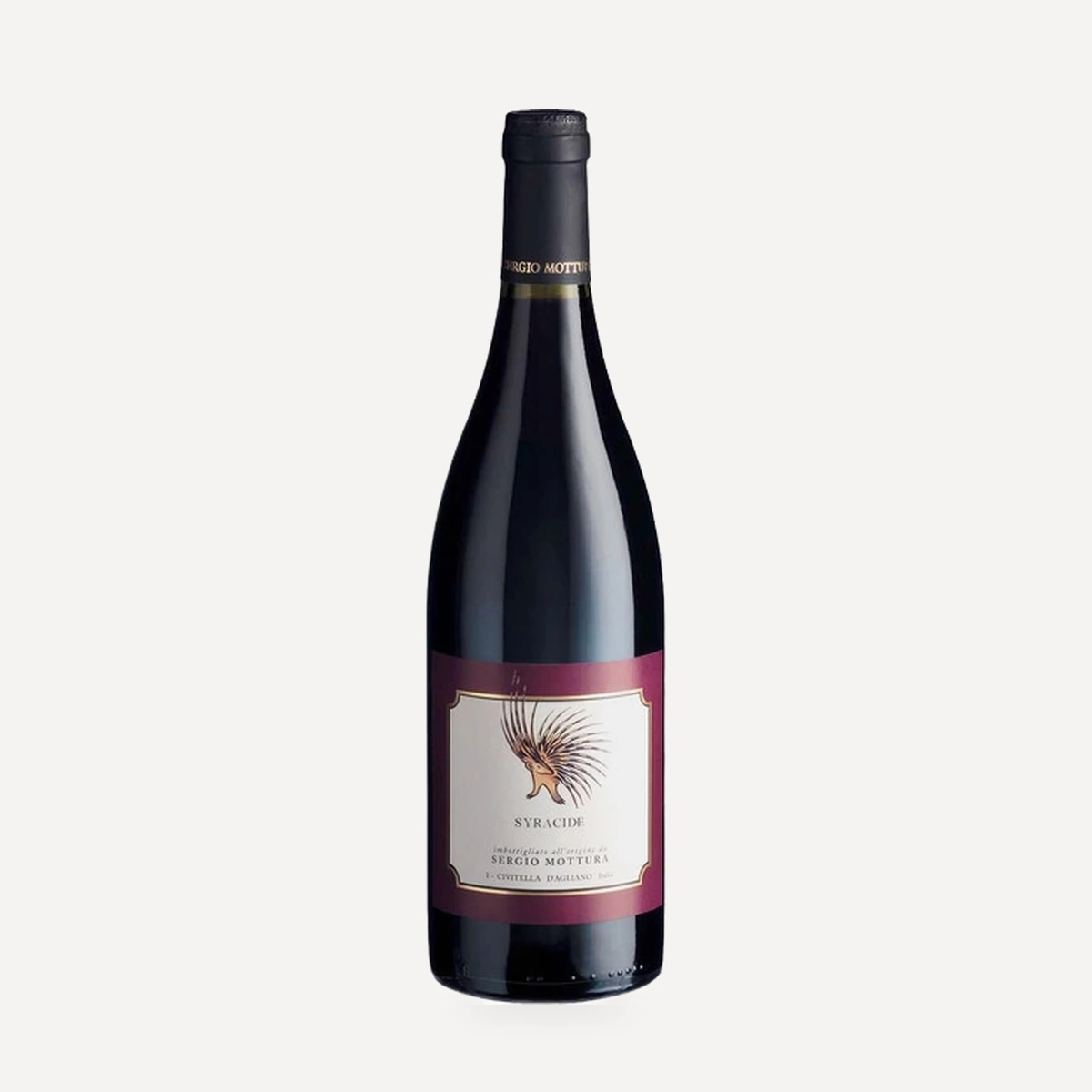
Syracide Lazio IGT
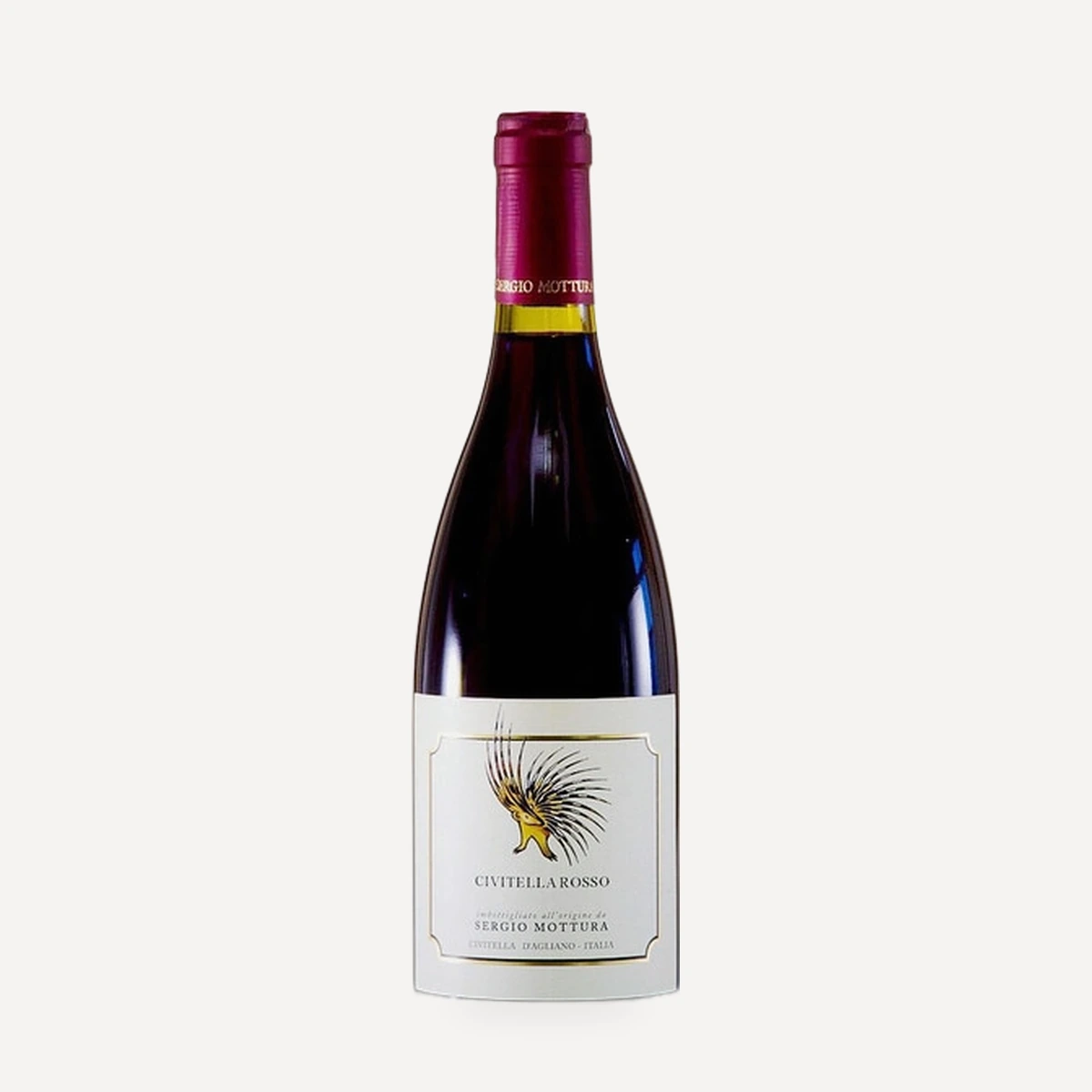
Civitella Rosso Lazio IGT
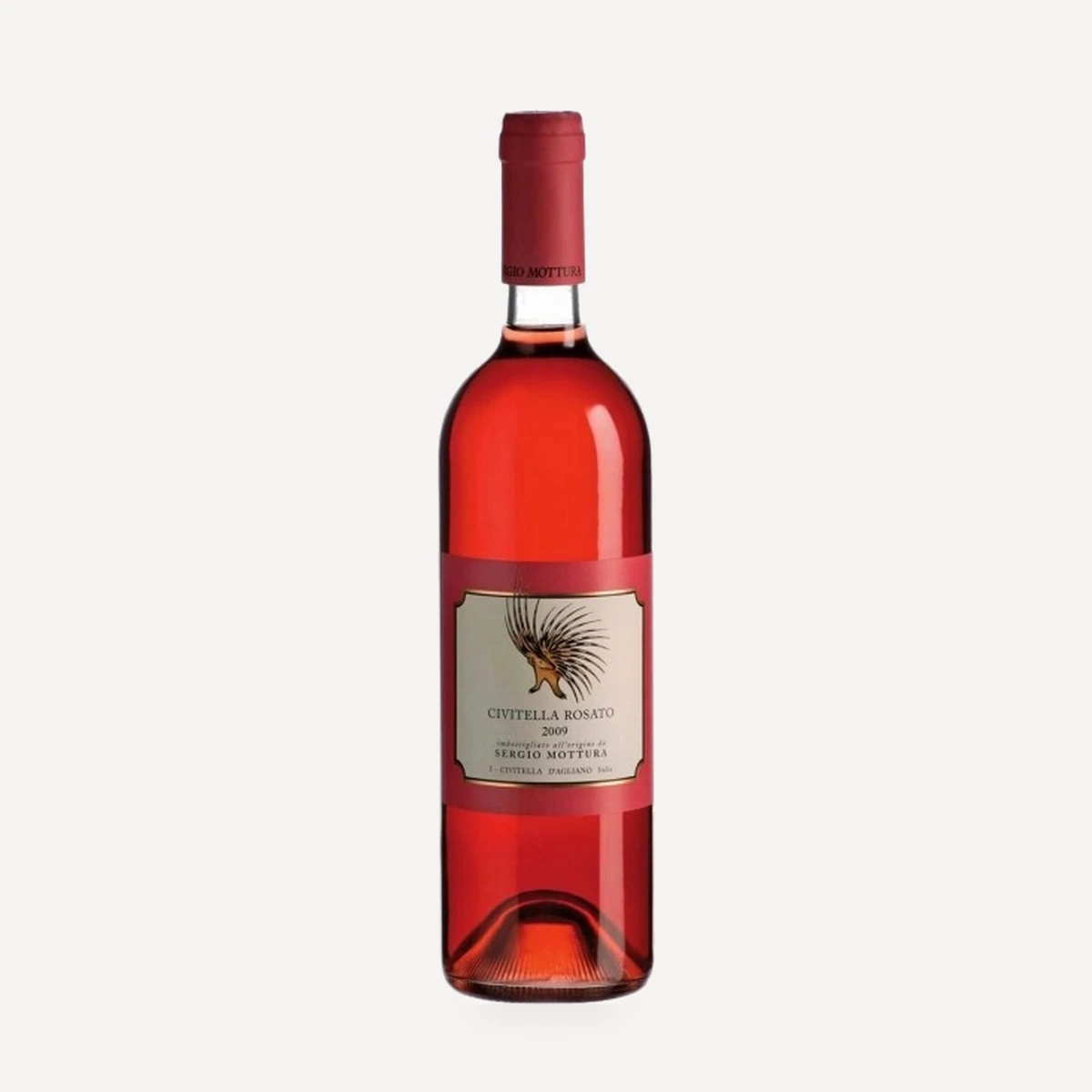
Sergio Mottura Civitella Rosato IGT
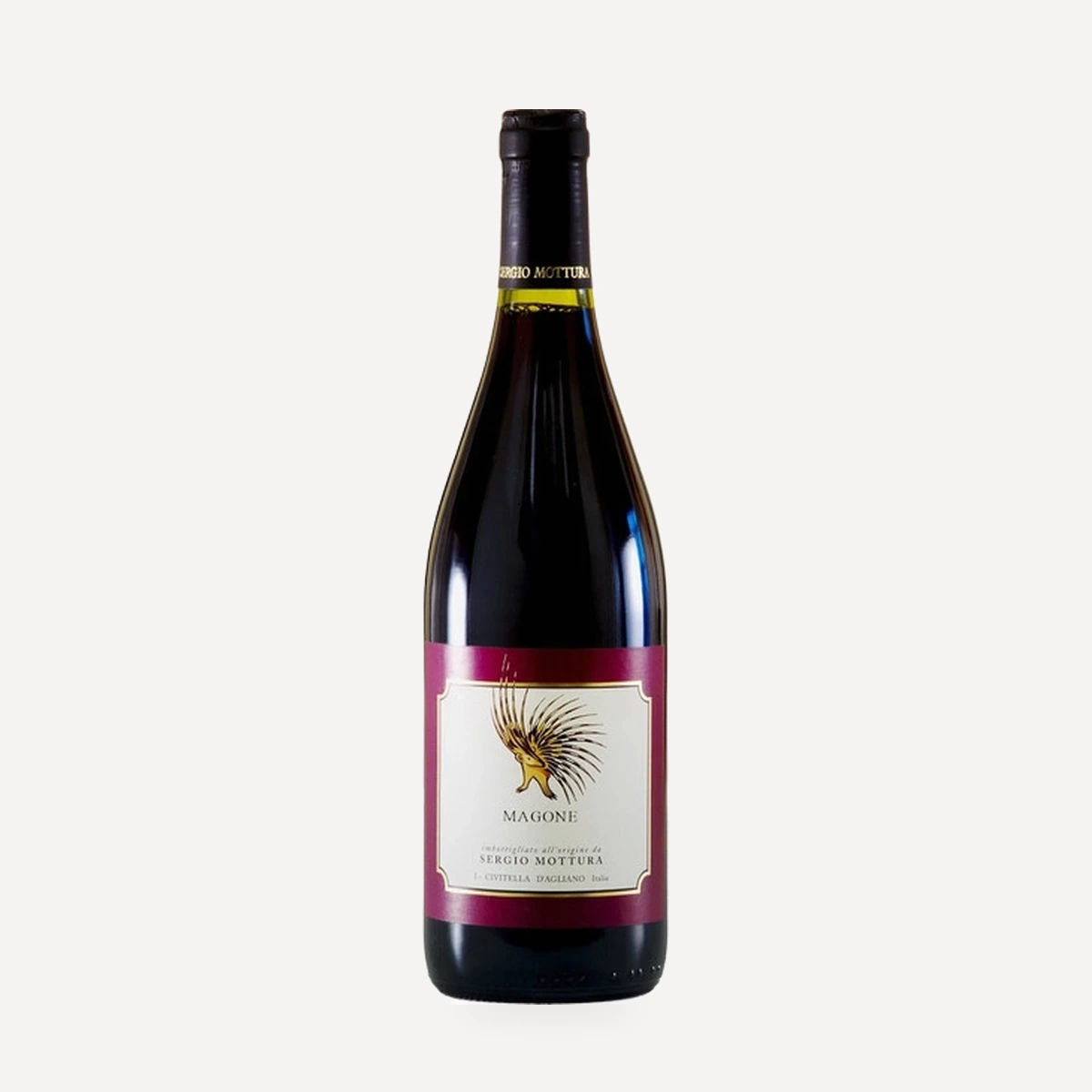
Magone Pinot Nero IGT
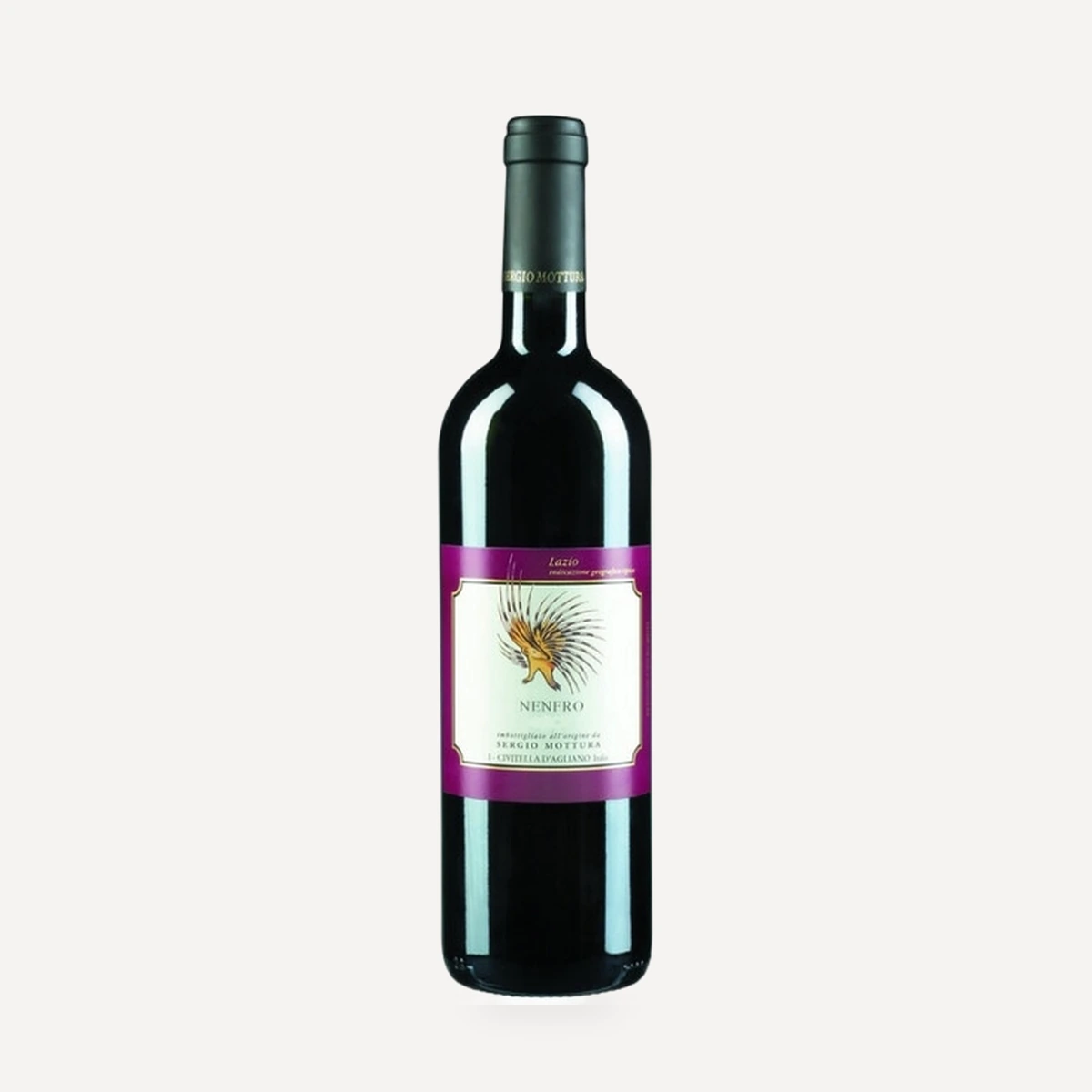
Nenfro IGT