Storia
Ancient roots
The estate landscape preserves traces of Ancient Rome, the Via Appia and a long agricultural tradition. Tuff caves retain evidence of a Roman past associated with religious cults, water and commerce. This historical setting informs the estate’s identity and the Roman imagery used for its contemporary labels.
The medieval tower
Torre di Presciano was built in the 9th century. Standing above the valley and surrounded by vineyards and olive groves, it became the historic focal point of the property. The tower and its volcanic-rock caves connect the estate’s Roman remains, medieval architecture and continuing agricultural use.
The present estate
Tenimenti Leone now comprises 72 hectares of agricultural landscape, including 38 hectares under vine. Native vines are being recovered and integrated with younger plantings, while certified-organic management, agronomic observation and laboratory analysis link vineyard work with cellar production. Torre di Presciano remains the estate’s emblem of continuity and renewal, and its medieval spaces have also been adapted for vineyard hospitality.
Terroir
Tenimenti Leone lies at Lanuvio in the Colli Albani. Its vines occupy a landscape shaped by an extinct volcano, whose subsurface materials retain heat and minerals. Tuff, pozzolana and peperino are characteristic components of this volcanic setting.
The vineyards associated with the current range are located around Via Fontana Parata at approximately 130 metres above sea level. Their soils are volcanic in origin and have a sandy-clay-loam texture. The estate links these soils with structure, savouriness, freshness and mineral tension in the grapes and wines. Volcanic rock also defines the property’s built environment: historic caves have been cut into the tuff beneath the estate.
Vinificazione
Viticulture is based on certified-organic management and continual observation of soil and vines. Organic cultivation is treated as an extension of respect for living soil rather than as a separate commercial proposition.
Agronomists and the estate’s oenologist follow the vineyards daily. Their work includes phytosanitary monitoring, foliar analysis, microclimate control and calibrated underground irrigation. Field observations are supported by soil and grape analyses and by laboratory sampling. Each growing season is documented, studied and interpreted.
Native vines are recovered and integrated with younger plantings to preserve biodiversity and varietal continuity. Across the vineyards described for the current range, planting density is 4,300 vines per hectare and yields are 90–100 quintals per hectare. Grapes are harvested manually. Most are collected in 18 kg crates, while the fruit from the single Bellone parcel destined for sparkling production is selected by bunch in the vineyard. Red varieties are picked after reaching both technological and phenolic maturity.
Harvest assessment and traceability
Each harvest begins with grape sampling, oxidation trials and assessments of sugar and phenolic maturity. Field monitoring, soil analysis and grape analysis feed into the cellar’s internal laboratory, where must development can be followed daily. The production chain is traced from agronomic observations through bottling. Daily sanitation and continuous sensory checks support consistency throughout cellar work.
Fermentation and maturation
Fermentations take place under controlled temperatures. The white-wine approach represented in the current range begins with gentle pressing, followed by cold static settling for natural clarification. Fermentation uses selected yeasts and runs at 18°C for 12 days. Blending components are vinified separately before assembly. Still white wines mature for six months on fine lees in stainless-steel tanks and receive light filtration before bottling.
Red grapes are destemmed and fermented with selected yeasts at 26°C for approximately ten days. Alcoholic fermentation is followed by malolactic fermentation, then six months of maturation on fine lees in stainless-steel tanks.
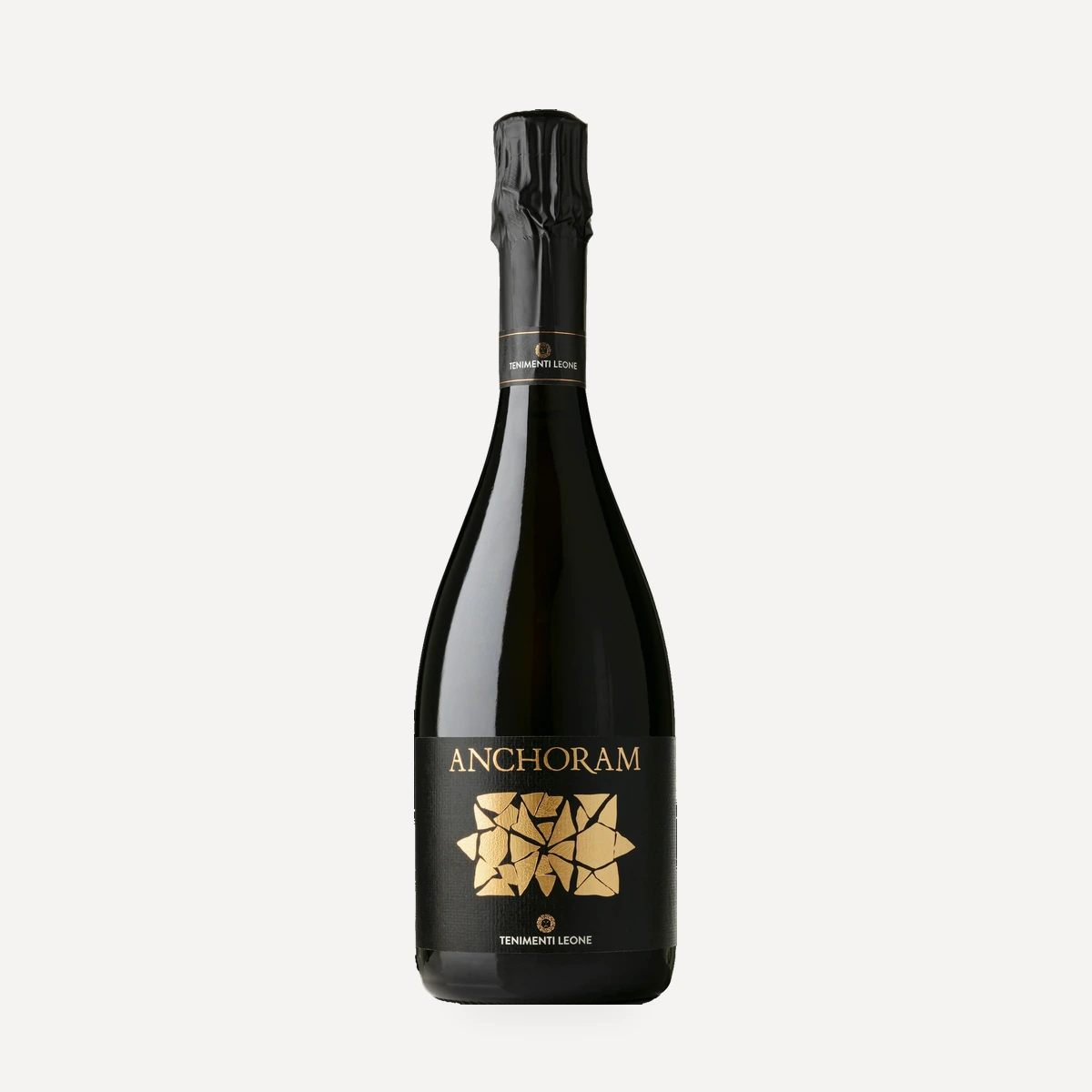
For the Bellone sparkling wine, gently pressed must undergoes cold static settling and a 12-day fermentation at 18°C with selected varietal yeasts. Secondary sparkling-wine production follows the Charmat method.
Technology is used in pursuit of clean, precise wines that express the estate’s volcanic setting without superfluous embellishment.
Filosofia
Tenimenti Leone presents vineyard work as a balance between observation and care, guided by attentiveness to the land and respect for living soil. Organic management, recovery of native vines and integration of younger plantings are intended to preserve biodiversity and varietal continuity.
In the cellar, method and sensitivity are treated as complementary. Technology, laboratory analysis, sanitation and sensory control serve precision and purity rather than stylistic superstructure. The objective is to produce wines that reflect the volcanic territory with authenticity, freshness and clarity.
The estate’s wider identity joins agriculture to historical memory. Ancient Roman traces, medieval architecture, native vines and the volcanic substratum are treated as a continuous cultural and agricultural inheritance. Torre di Presciano embodies this idea of continuity and renewal.
Vini
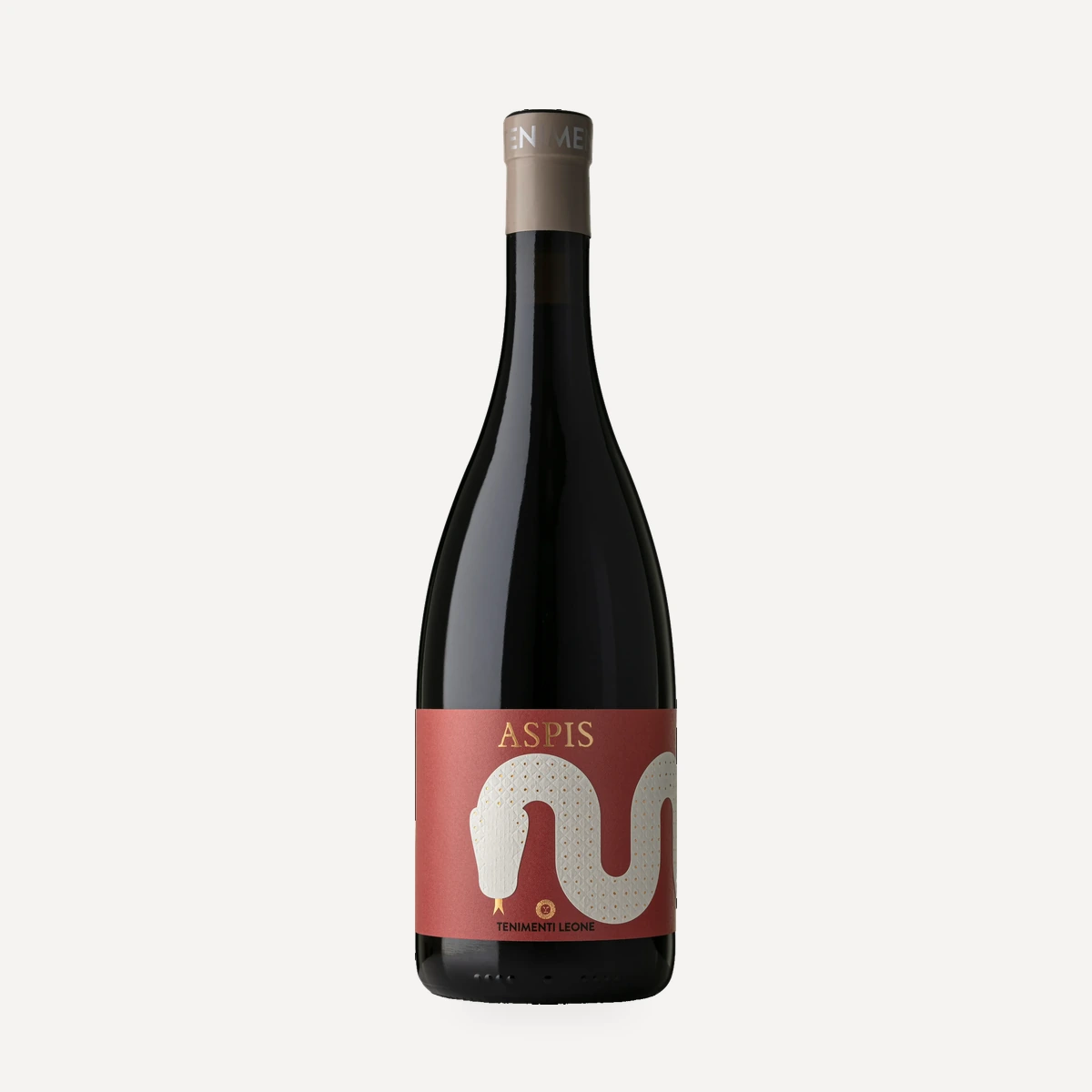
Aspis
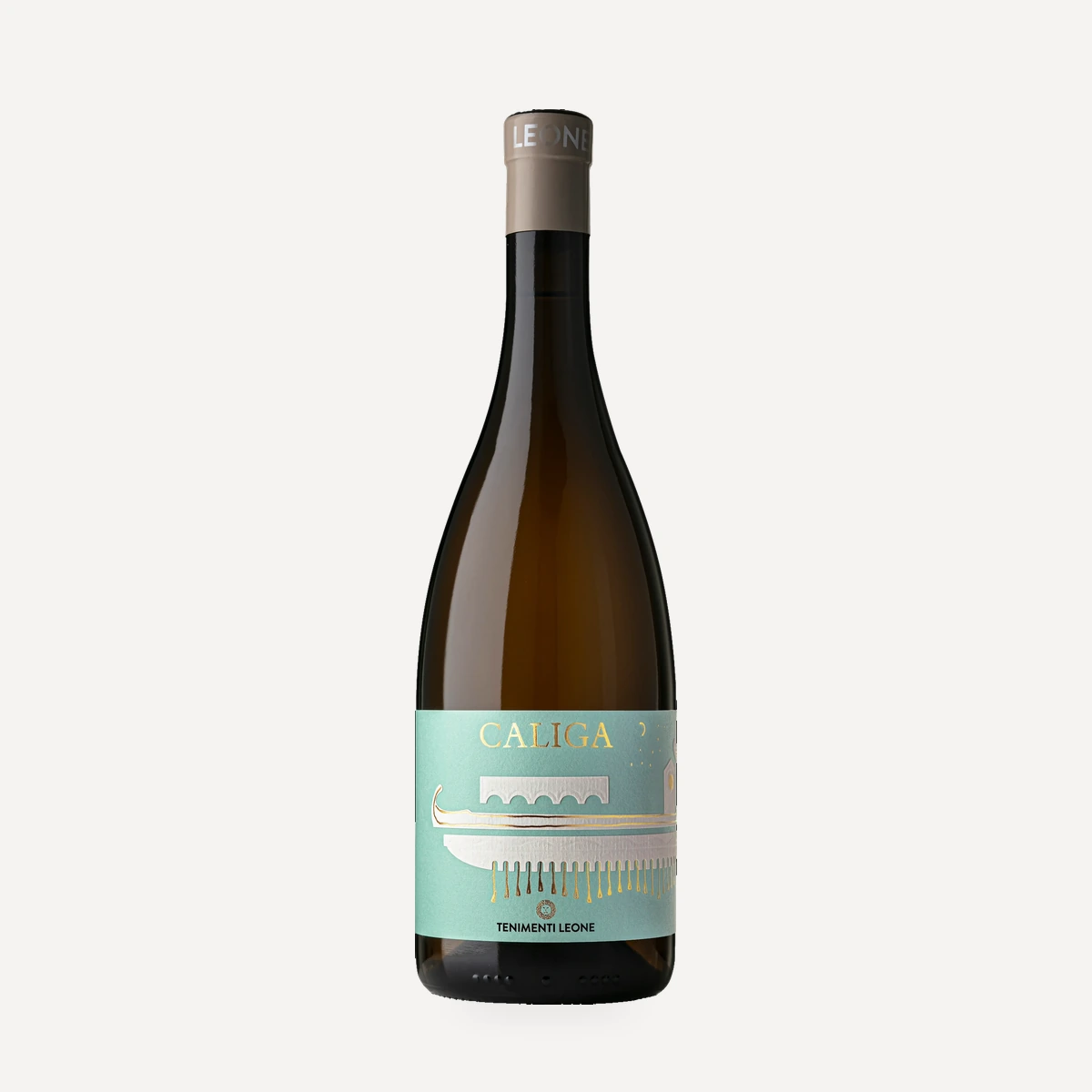
Caliga
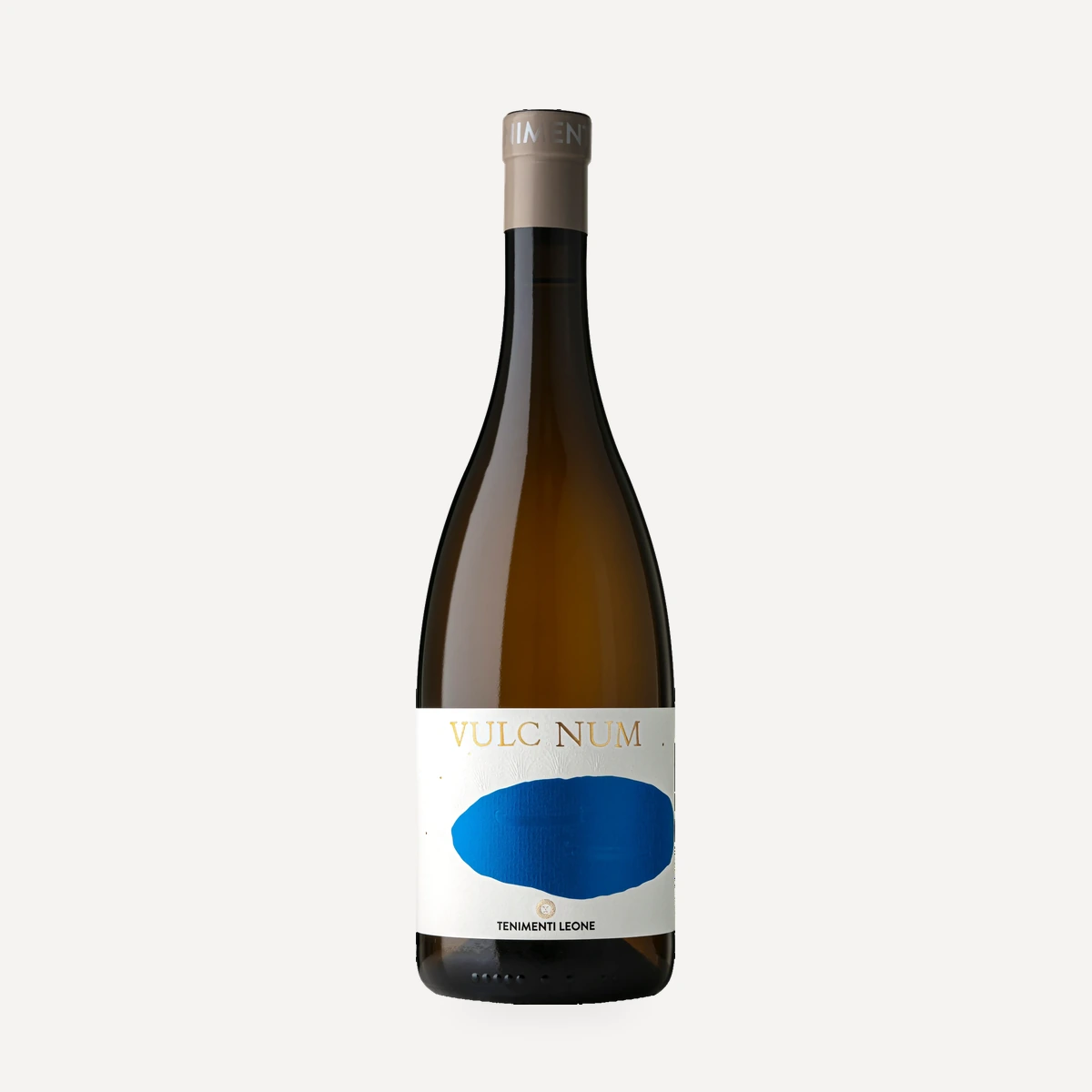
Vulc Num