Storia
Ancient viticulture and the medieval fortress
Viticulture in the Colli Orientali del Friuli reaches back to Roman times. During the Middle Ages, vines were cultivated alongside olives and grain, while wine served both as a tradable commodity and as an expression of a family’s prosperity.
The hill occupied a strategic position above an old route connecting Aquileia with Cividale del Friuli, linking the sea, the hills and the nearby Abbey of Rosazzo. Before becoming a country residence, Torre Rosazza was a medieval fortification used to watch and defend the roads below. Loopholes remain visible on the façade, while battlements survive inside the attic.
1550: the Antonini and Turris Rosacea
In 1550, the noble Antonini family converted the medieval stronghold into a residence. Already owners of the agricultural property, they restored the tower and created a fully equipped hilltop villa for family life and entertaining guests, naming it Turris Rosacea.
The oldest section of the cellar also dates from the Antonini period and held wine for the family’s consumption. The restored villa retains frescoes commissioned for the Antonini in its principal rooms. At another stage in the building’s agricultural life, part of the cellar was used to raise silkworms; sharecroppers later converted the space into an agricultural store.
The De Marchi family and the World Wars
Ownership passed from the Antonini to the De Marchi family. The two World Wars left particularly strong marks on the property. Following the Battle of Caporetto during the First World War, the estate came under Austrian control and returned to Italy at the end of the conflict. During the Second World War, it became a setting for fighting between German occupation forces and the Italian Resistance.
The La Secular Casa delle Zitelle, an institution founded in 1595 to educate girls and assist young women in need—especially during wartime—was the final owner before Leone Alato.
1950s: a dedicated winery
The cellar at the foot of the villa was devoted entirely to wine production from the 1950s. The villa and cellar are now protected by the Monuments and Fine Arts authorities. Technological development continued while retaining the historic structure.
1970s and 1978: establishment of the modern vineyards
The oldest surviving estate vineyards were planted during the 1970s. In 1978, the Picolit vineyard known as Sedrera sotto il Palazzo was planted. Picolit was distributed across the property according to the most favorable exposures, and Torre Rosazza developed the largest area devoted to the variety in the Colli Orientali del Friuli.
1980s: cold processing and a new approach to red wine
During the 1980s, cold technology and stainless-steel tanks were introduced for processing white grapes. In 1987, the Altromerlot project began with the intention of producing a Merlot unlike the Friulian styles then available. Its first vintage followed in 1988. The project expanded the use of 225–300 L wooden barrels, smaller than traditional Friulian casks, and helped establish a different approach to estate red wine based on long maturation in French oak.
2000s: cellar renewal
The winery underwent a complete renovation during the 2000s. Small stainless-steel tanks were installed so that grapes harvested from the different terraced ronchi could be handled in appropriately sized individual lots.
Restoration, Leone Alato and the present identity
A comprehensive restoration revealed the Antonini frescoes, the medieval battlements in the attic and the historic cellar structure associated with both wine storage and silkworm cultivation. Leone Alato succeeded La Secular Casa delle Zitelle as owner.
In 2021, Torre Rosazza introduced a renewed visual identity. Its emblem brings together the medieval tower, the façade’s loopholes, the curves of the surrounding ronchi and the layered ponca soil. The contemporary production philosophy combines native Friulian varieties, international grapes and continuing cellar research, with an emphasis on fresh, elegant wines that preserve varietal character.
Terroir
Colli di Rosazzo
The 100 ha estate occupies the Colli di Rosazzo, in the first hills of the Colli Orientali del Friuli and only a few minutes from the Abbey of Rosazzo. Eighty hectares are under vine. Terraced vineyards known locally as ronchi surround the villa in a natural amphitheater.
Across the Colli Orientali del Friuli, the average elevation is 100–250 m above sea level. The area receives substantial rainfall, particularly in spring and autumn, while the proximity of the Julian Prealps supports regular ventilation. The estate’s vineyards also benefit from the Bora and air currents arriving from the Adriatic Sea. Marked day–night temperature differences favor the development of aromatic and sugar concentration in the grapes.
Ponca
The characteristic soil is ponca, a sedimentary formation of marl alternating with sandstone. It is rich in limestone, potassium and phosphorus but poor in organic matter. The material breaks down rapidly into clay-like soil capable of retaining water, an important property during dry and hot periods. Its color ranges from blue-grey toward yellow. The combination of low fertility, water-holding capacity and mineral composition is associated with body, color, tannic expression and minerality in the fruit and wines.
Exposure by variety
Red varieties occupy the higher part of the hill, principally on southwest-facing sites that encourage full ripening. Aromatic white varieties are placed on cooler northeast exposures, where day–night temperature differences are more pronounced. Ribolla Gialla occupies the highest, sandstone-rich and wind-exposed ground, allowing later harvests and greater structure. Picolit is distributed through the estate on favorable south- and west-facing sites.
Friuli Grave
Torre Rosazza also produces a Friuli Grave range. This production zone extends for approximately 7,000 ha along the Tagliamento between the provinces of Pordenone and Udine. Its name derives from the large pebbles deposited by centuries of river flooding. The vineyards are sheltered from cold winds; proximity to the Adriatic moderates the climate, while stony ground intensifies the thermal difference between day and night.
Vinificazione
Vineyard work is performed by hand from pruning through grape harvest. The approach gives manual work priority where direct judgment of the vines and bunches is considered irreplaceable.
Soil-management techniques are used to help the vines withstand drought and high summer temperatures. Ponca’s capacity to retain water complements this work, while the terraced arrangement and carefully selected exposures assist full and balanced ripening.
The estate uses three training systems: Guyot, spurred cordon and Sylvoz. Varieties are matched to distinct parts of the amphitheater: red grapes to high southwest-facing slopes, aromatic whites to cooler northeast-facing sites, Ribolla Gialla to high sandstone-rich and windy ground, and Picolit to selected south- and west-facing positions.
Hand harvesting is part of the estate’s stated vineyard practice. SQNPI certification is specifically documented for the crop-protection regime associated with the Blanc de Noir Lis Vedranis fruit.
Historic cellar and technological development
The winery lies at the foot of the villa and shares its architectural protection by the Monuments and Fine Arts authorities. The cellar evolved from a space used for silkworm cultivation and agricultural storage into a facility devoted entirely to wine production from the 1950s.
Cold processing and stainless-steel tanks were introduced for white grapes in the 1980s. The Altromerlot project subsequently expanded the use of 225–300 L wooden barrels, smaller than traditional Friulian casks. During the 2000s, the facility underwent a complete renovation and gained small stainless-steel tanks, allowing grapes from different ronchi to be managed in appropriately sized lots.
Processing principles
The same detailed attention applied to cultivation and harvest continues in the cellar, with the central objective of retaining the distinguishing traits of each variety. Techniques remain under development rather than fixed by convention.
Bâtonnage is used to build structure. Maceration presses and time on the lees for cooled grapes are employed to increase the aromatic content of must and wine. Slow, controlled fermentation at low temperature is used to preserve the aromatic qualities of the harvested fruit.
Small-barrel fermentation is part of the approach to the traditional sweet wines Verduzzo Friulano and Picolit, preserving characteristic scents, delicate aromas and sweetness. Traditional-method sparkling-wine research has also become part of the program: the Lis Vedranis collection comprises Blanc de Blancs, Blanc de Noir and Rosé, while earlier trials with native black grapes led to a Friulian Blanc de Noir.
The production model is conceived as a closed, continually evolving system extending from vineyard to bottle and intended to remain in harmony with nature.
Filosofia
Torre Rosazza presents wine as an expression of the culture, history and contrasts of Friuli: an Italian and Central European borderland shaped by exchanges among peoples and traditions. Its aim is to return the authenticity of that place through the wines rather than detach production from its historical setting.
The estate gives particular importance to native white grapes—Friulano, Ribolla Gialla and Picolit—while applying the same care to native reds and international varieties. Native grapes are treated as the starting point for communicating Friuli, but openness to other varieties and techniques is also regarded as part of the region’s character.
Its stated style is elegant, fresh and contemporary, with the distinctive qualities of each variety preserved from vineyard through processing. Tradition is carried forward rather than reproduced unchanged: historical varieties, terraced vineyards and the protected cellar coexist with cold processing, small-lot stainless steel, controlled fermentation, lees work and experiments in sparkling-wine production.
The estate describes research as a willingness to move beyond established patterns. Innovation is concentrated in the cellar, while manual judgment remains central in the vineyard. The overall production system is intended to be modern, continually evolving and harmonious with nature.
Three recurring values frame this approach: Friuli as land, identity and cultural inheritance; meticulous cultivation of native grapes; and determination to keep improving while remaining confident in a way of working formed by the region’s history.
Vini
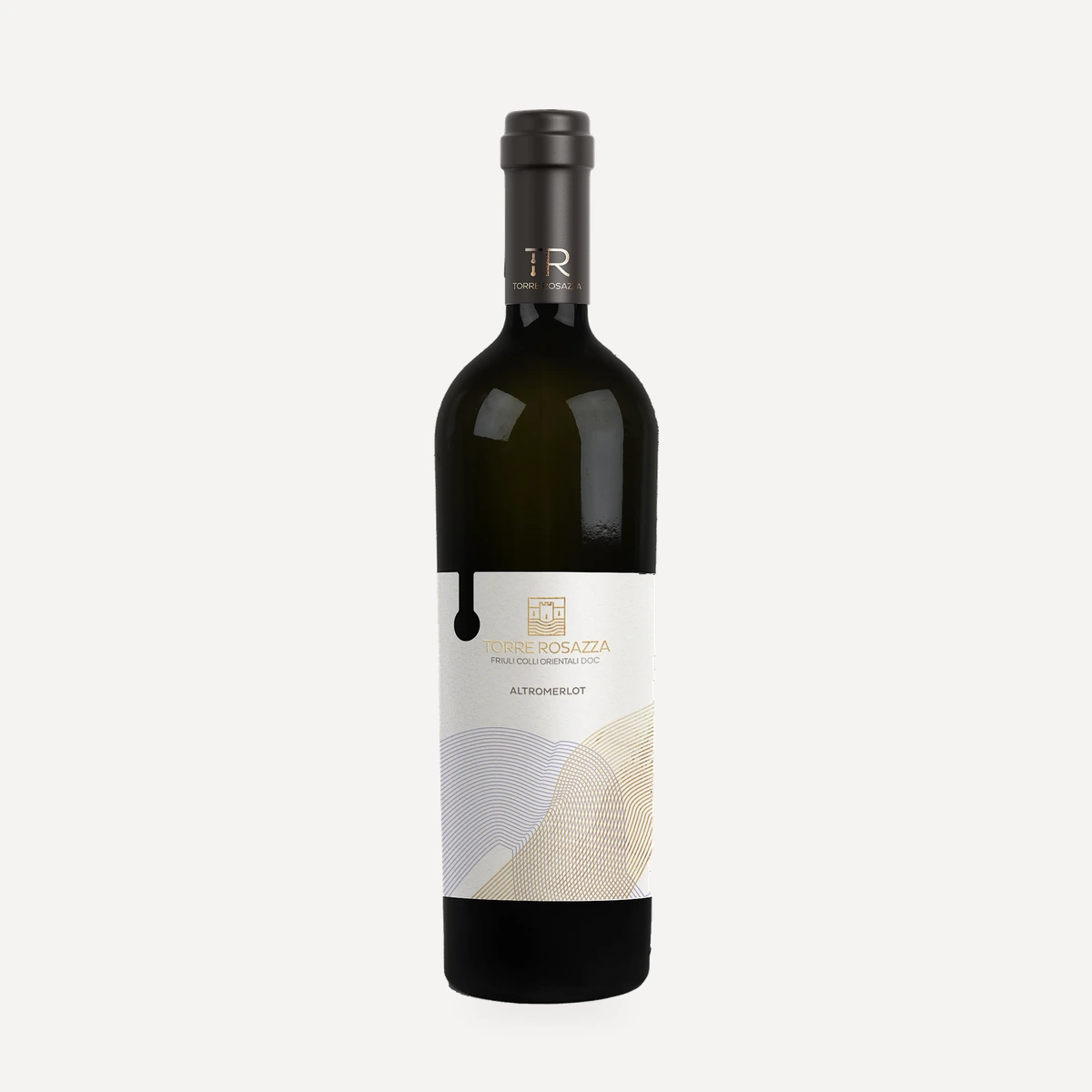
Altromerlot Friuli Colli Orientali DOC
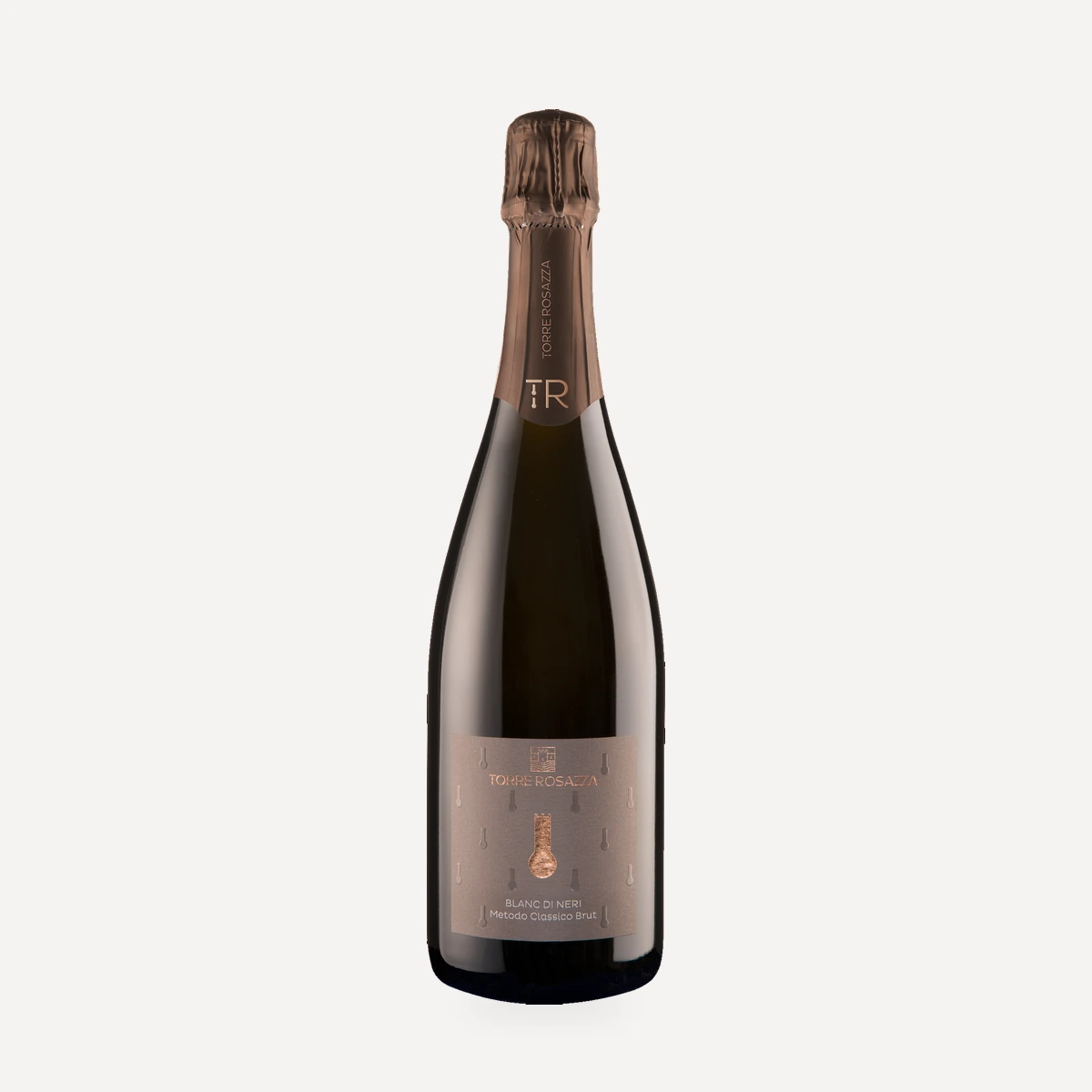
Blanc di Neri Vino Spumante di Qualità Brut Metodo Classico
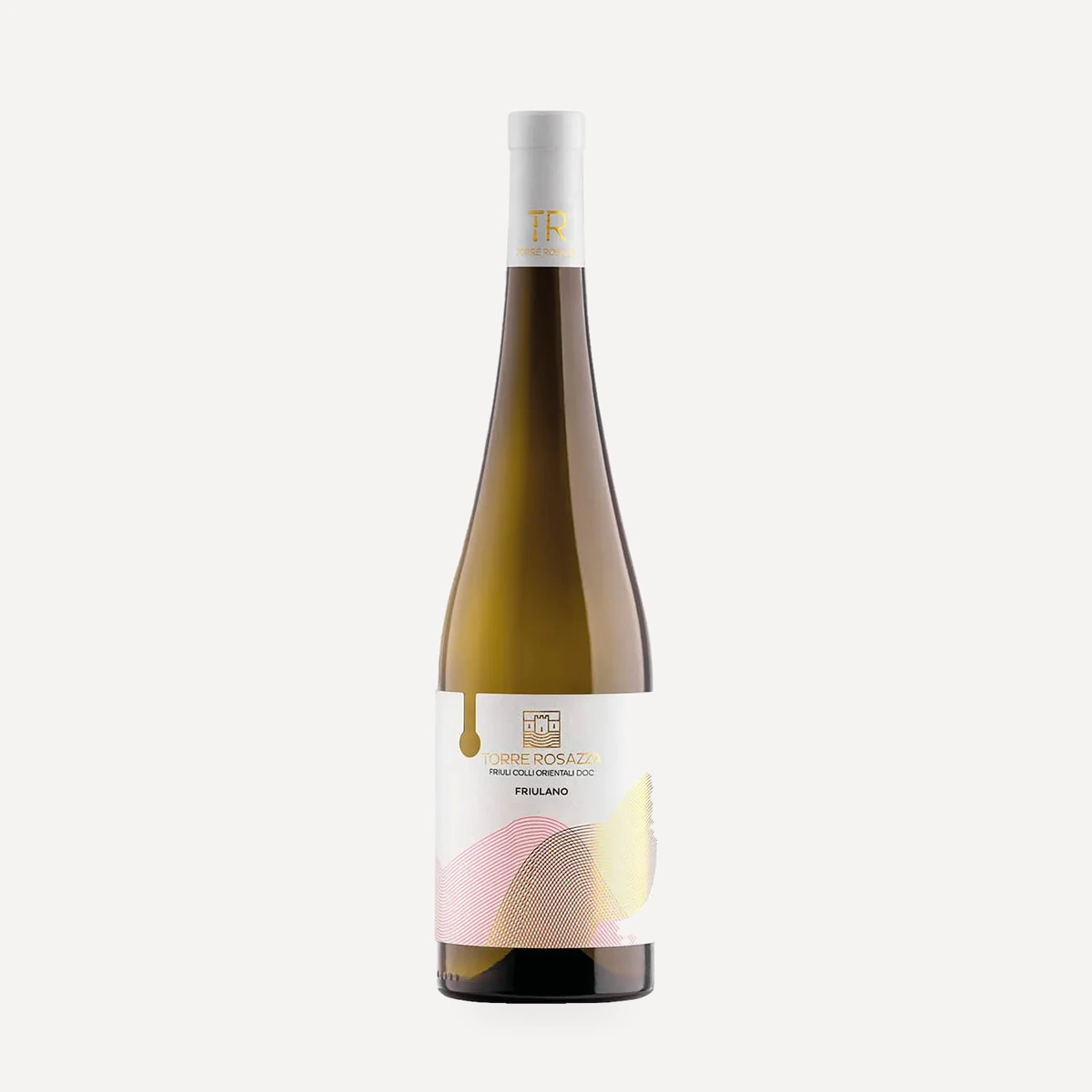
Friulano Friuli Colli Orientali DOC
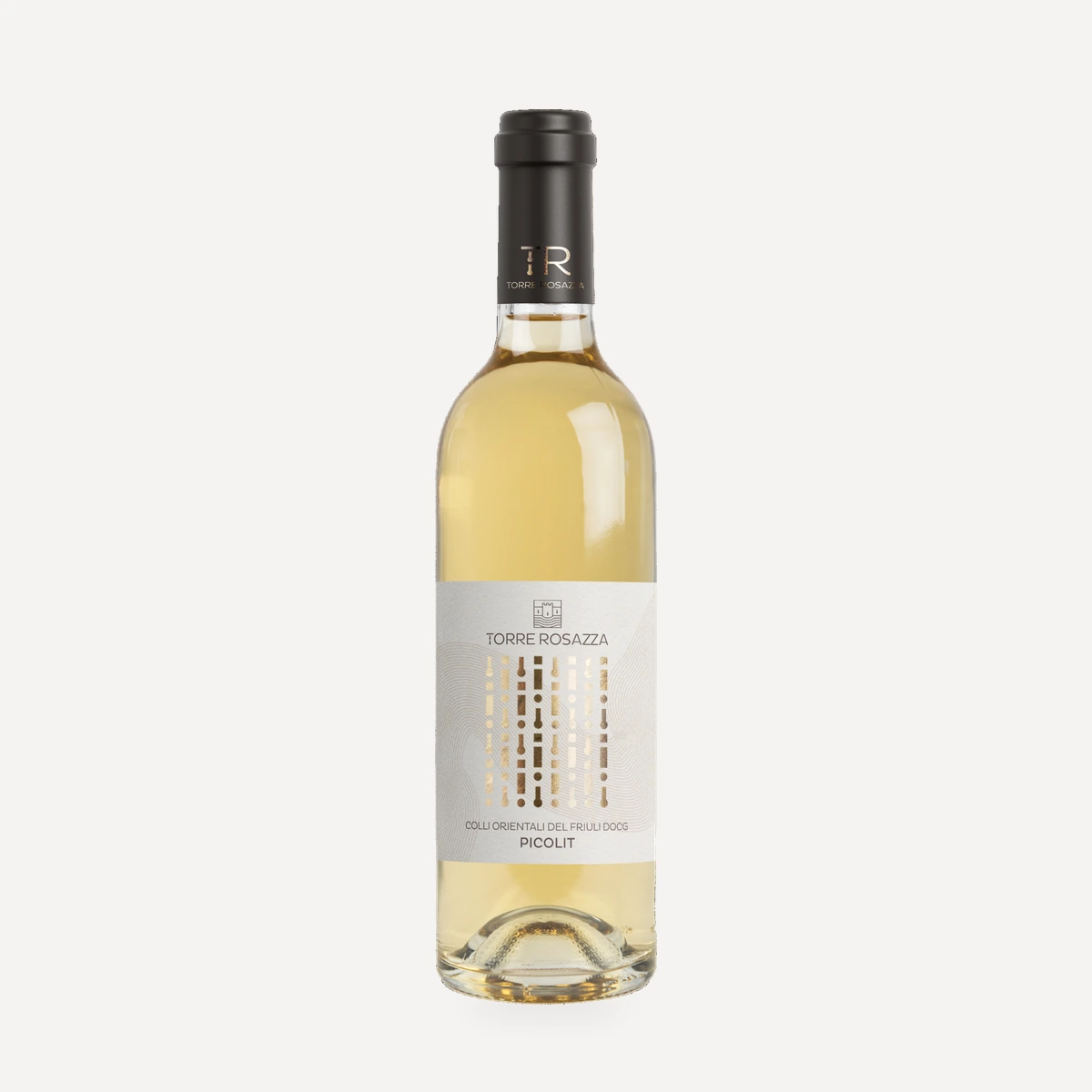
Picolit Colli Orientali del Friuli DOCG
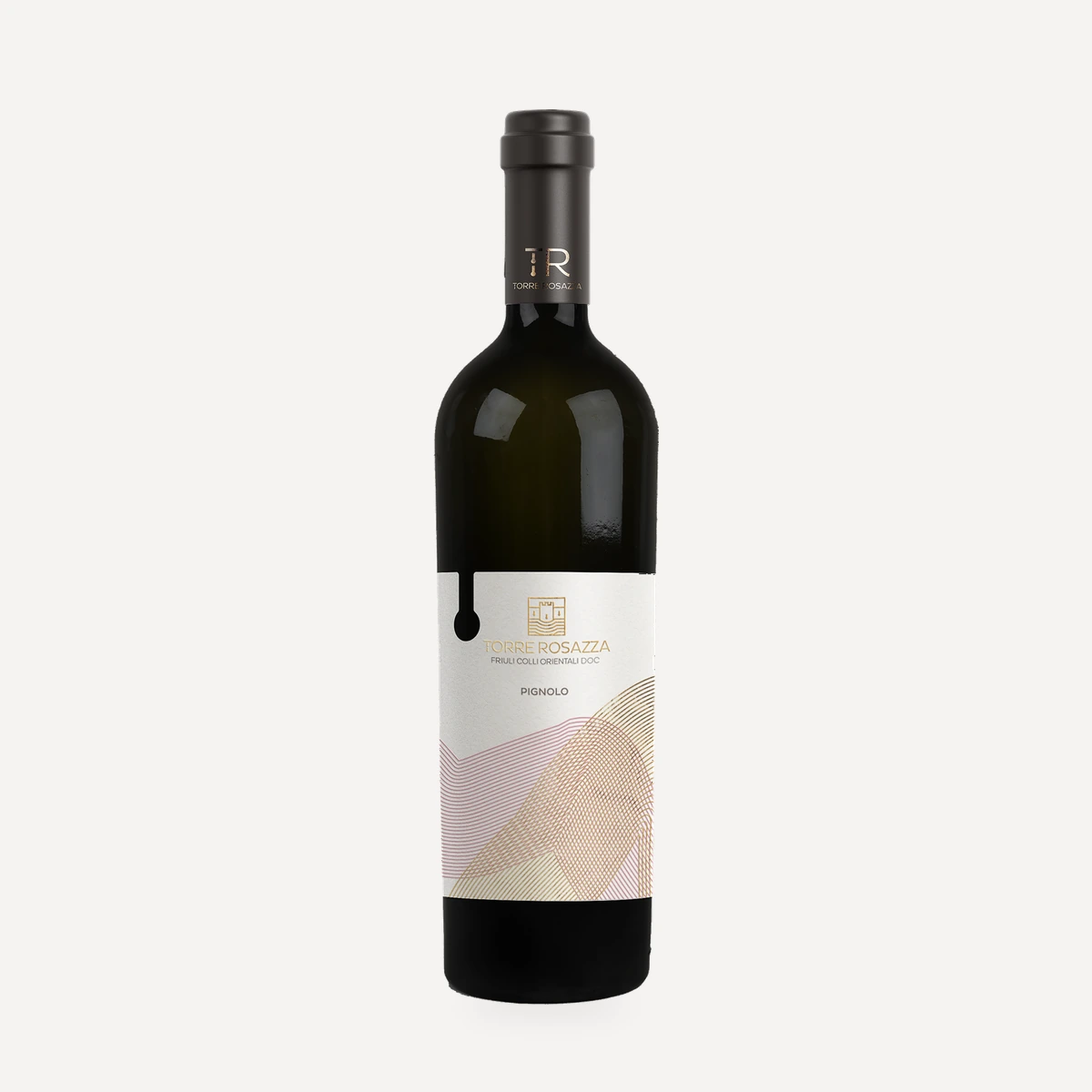
Pignolo Friuli Colli Orientali DOC
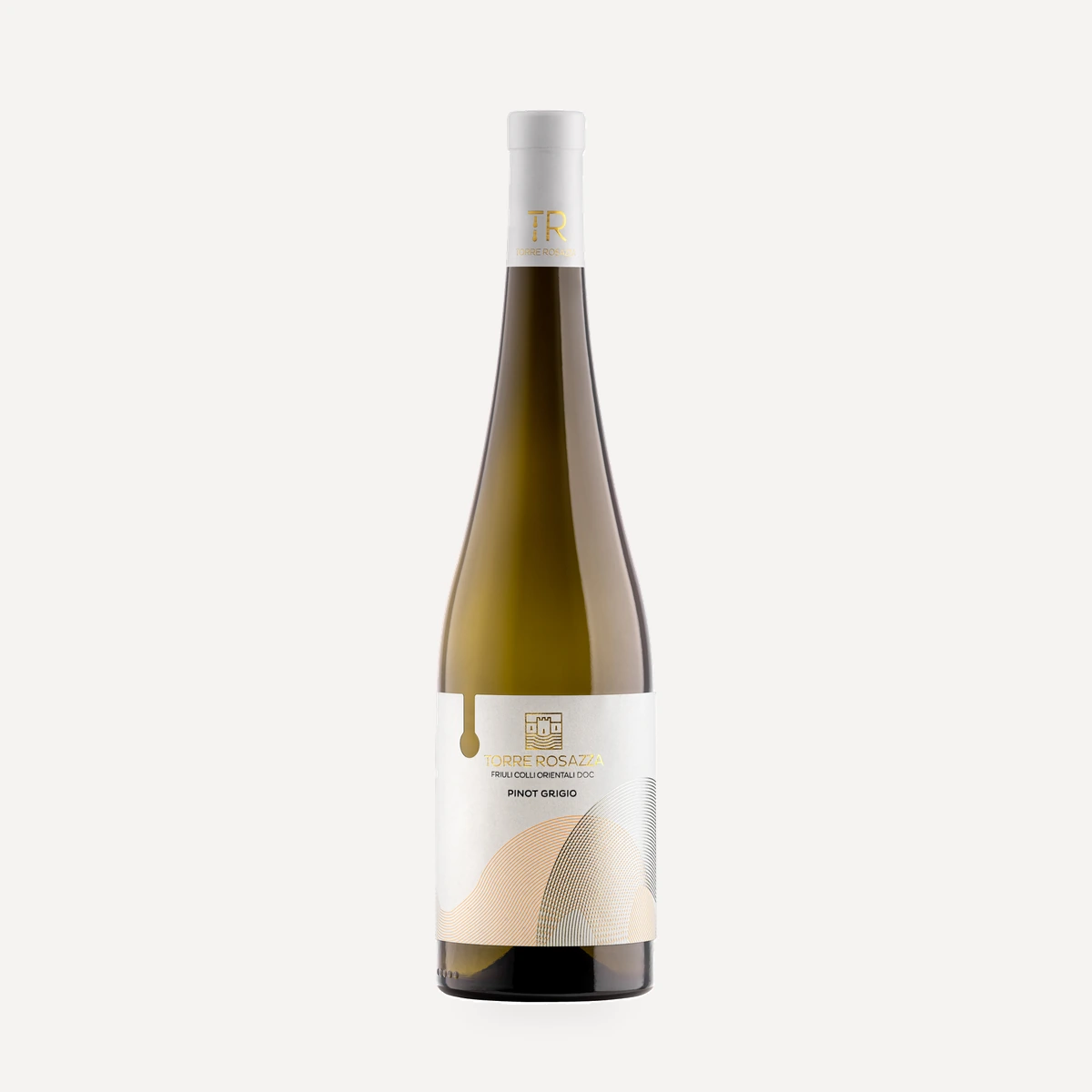
Pinot Grigio Friuli Colli Orientali DOC
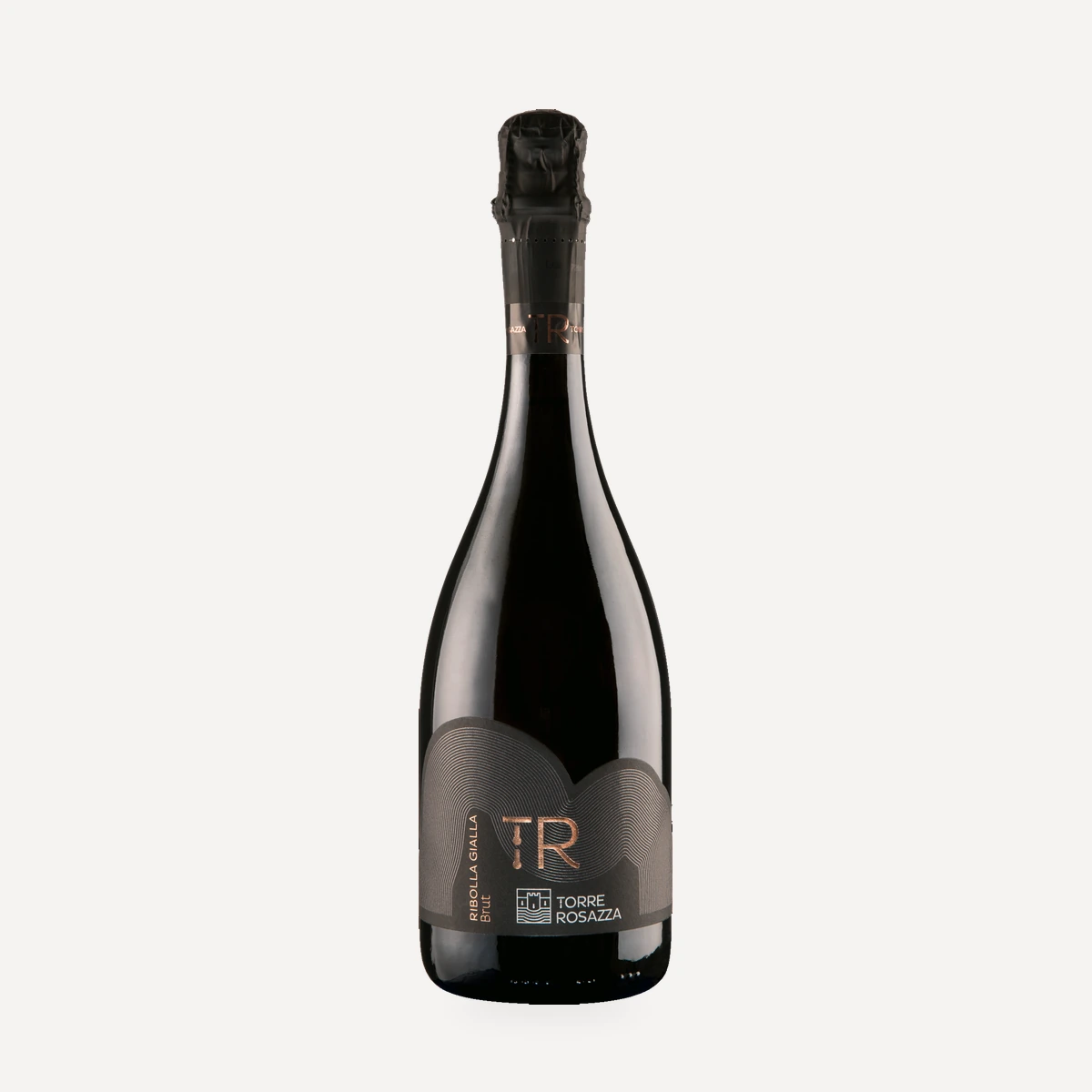
Ribolla Gialla Brut Vino Spumante Brut
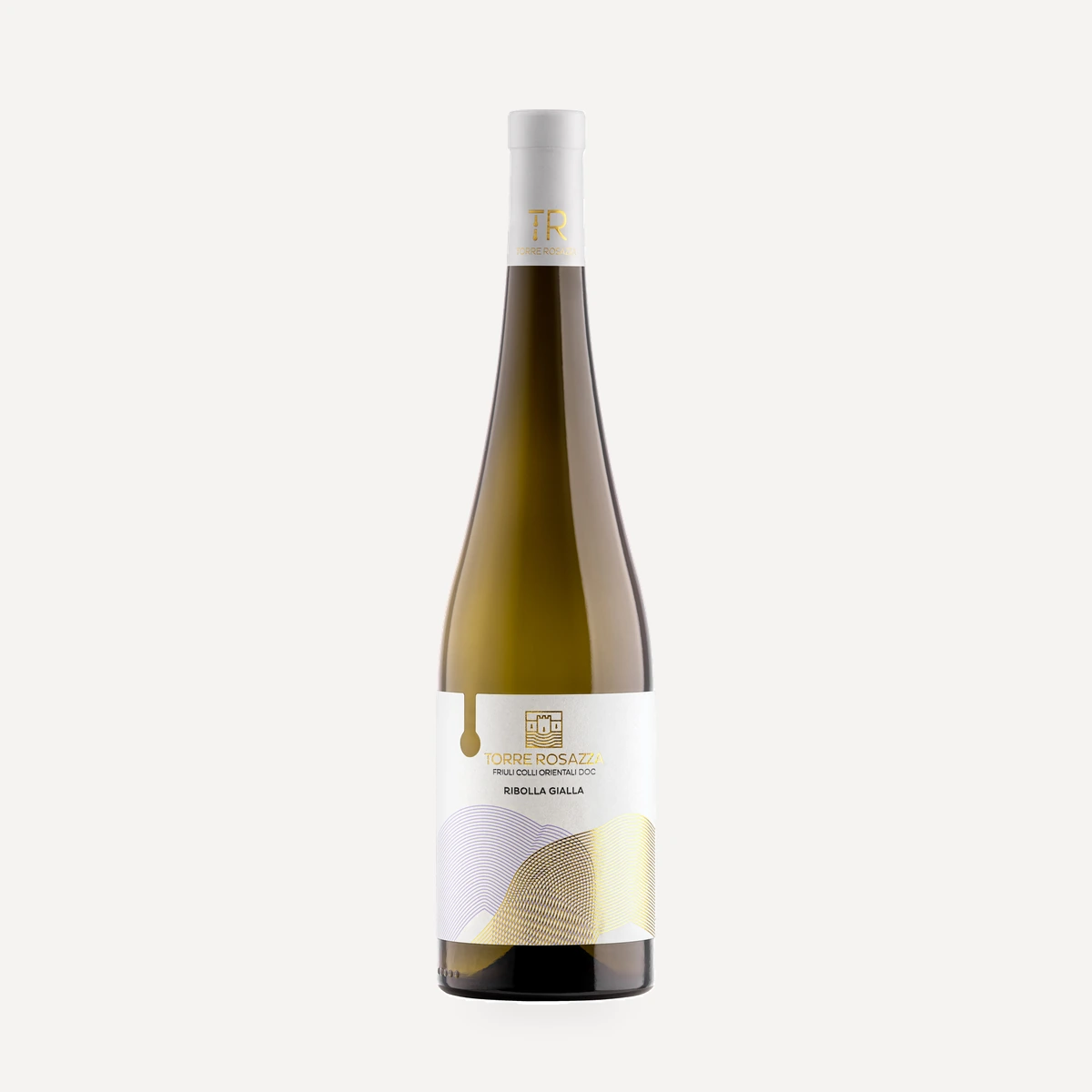
Ribolla Gialla Friuli Colli Orientali DOC
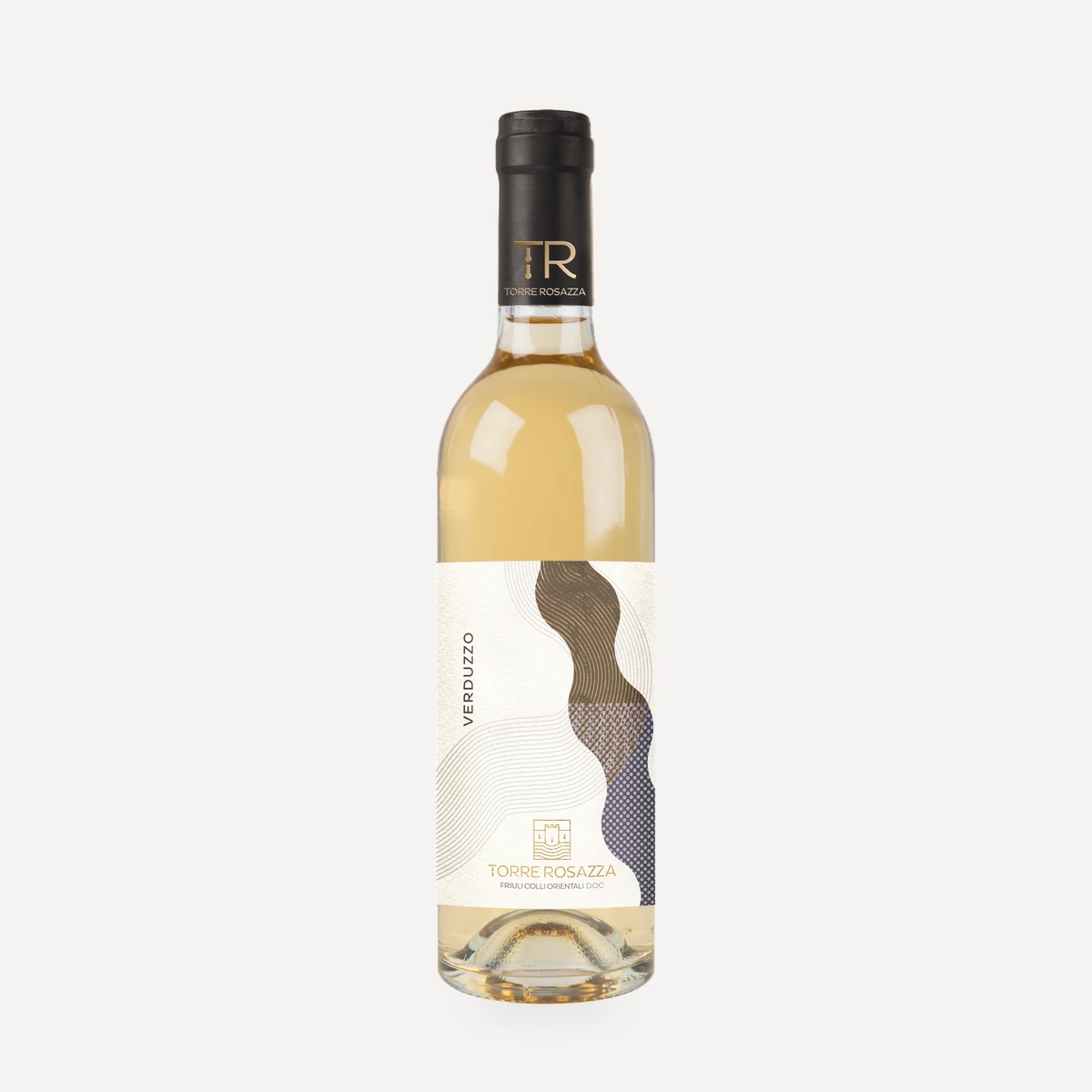
Verduzzo Colli Orientali del Friuli DOC
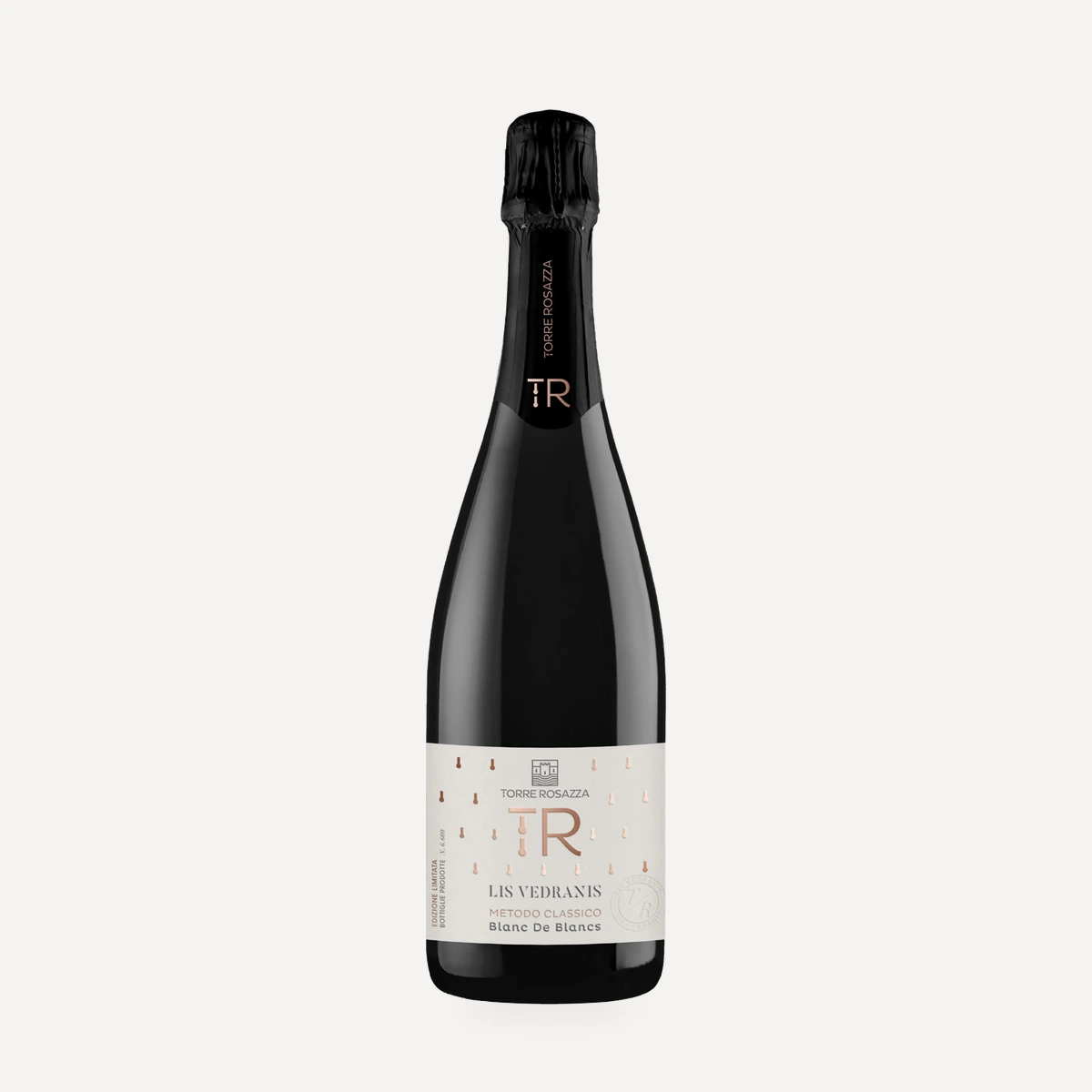
Blanc de Blancs Lis Vedranis Metodo Classico Brut
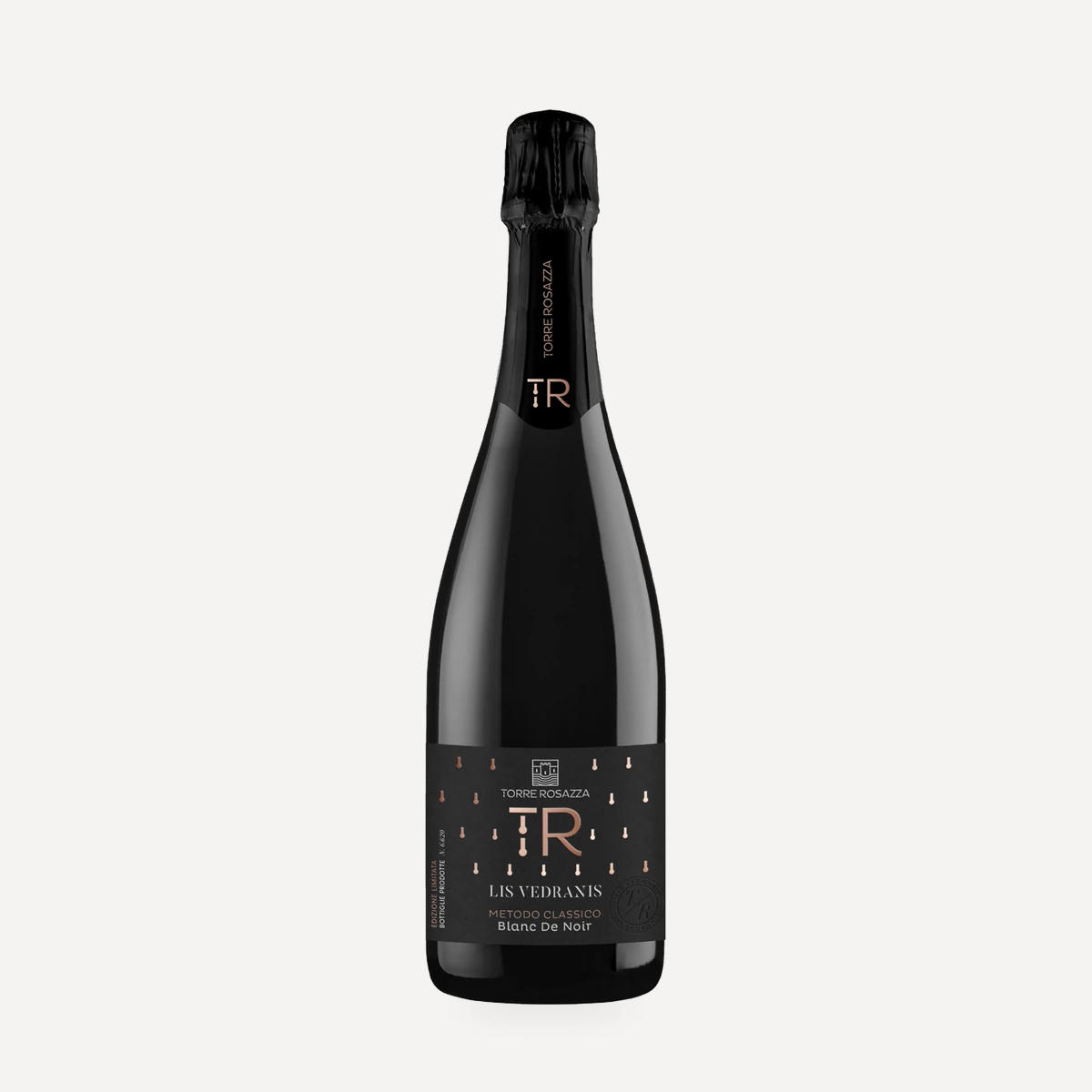
Blanc de Noir Lis Vedranis Metodo Classico Brut
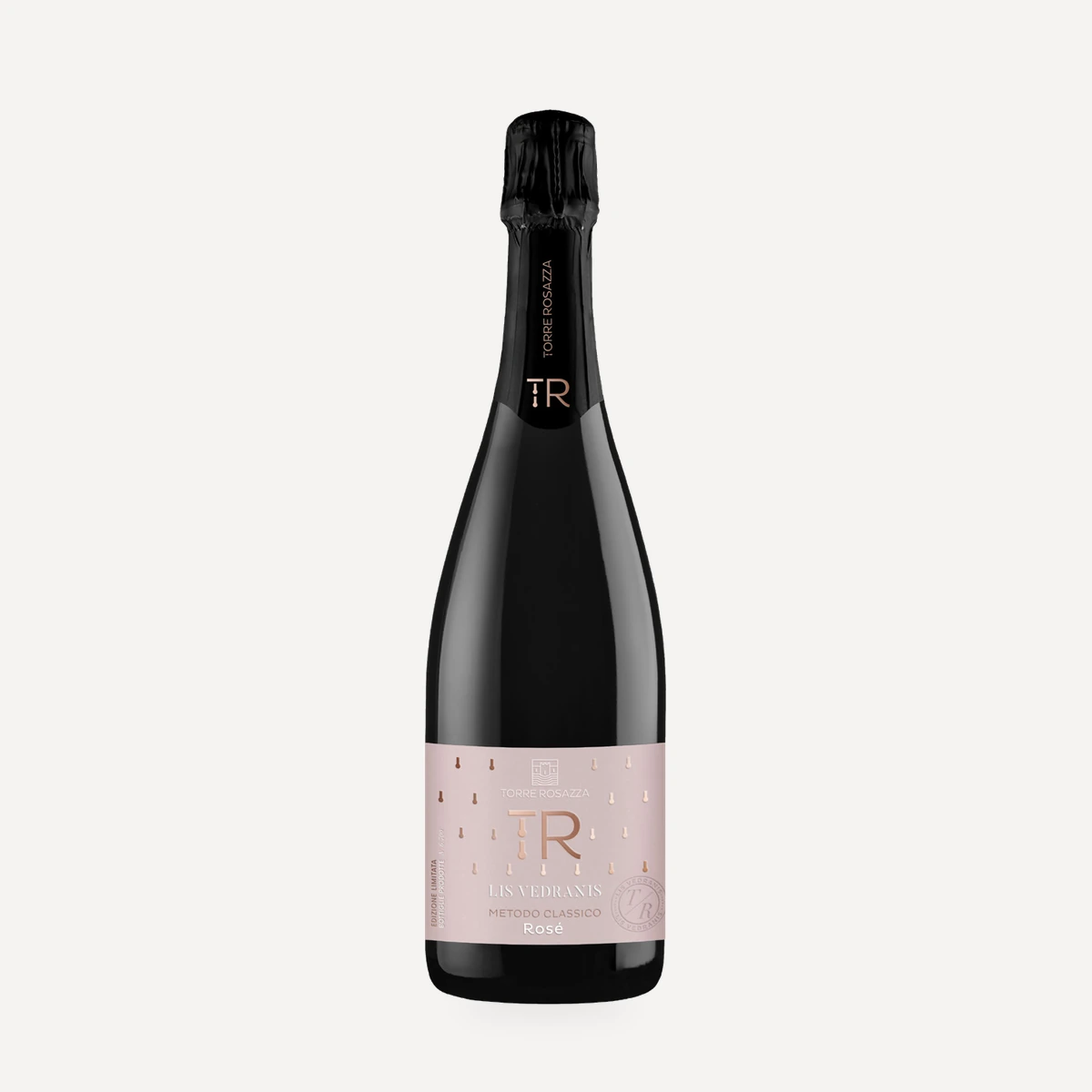
Rosè Lis Vedranis Metodo Classico Brut
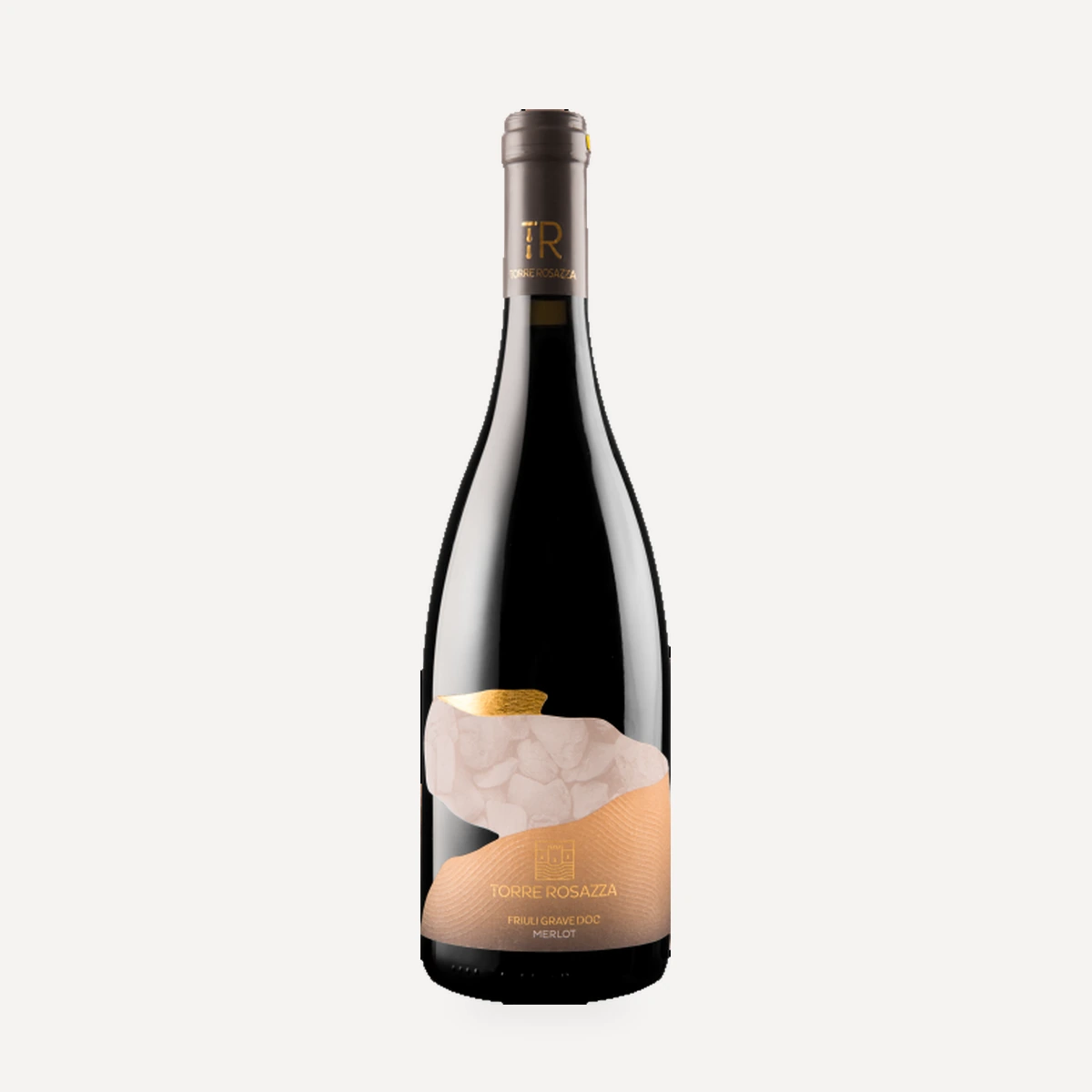
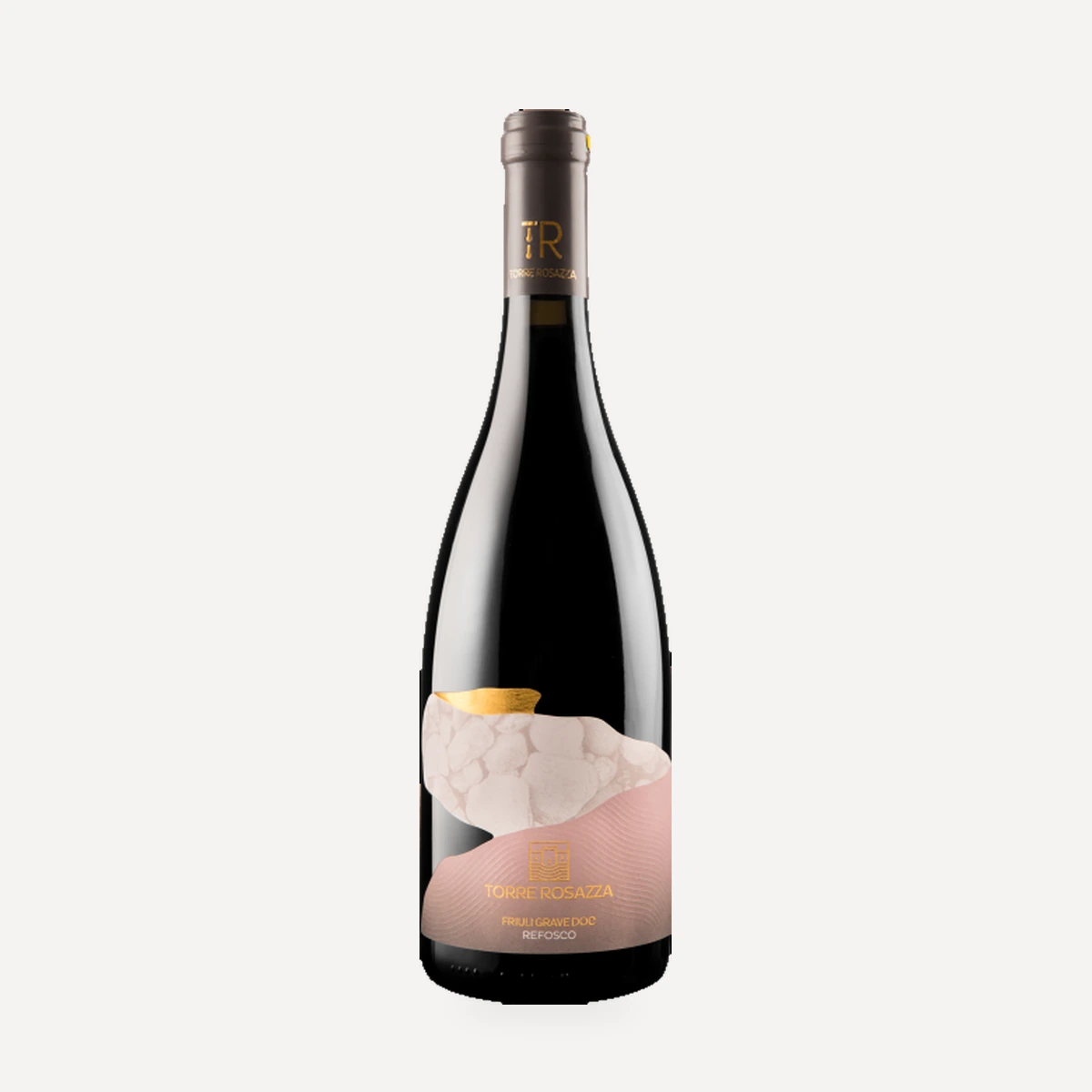
Merlot Friuli Grave DOC
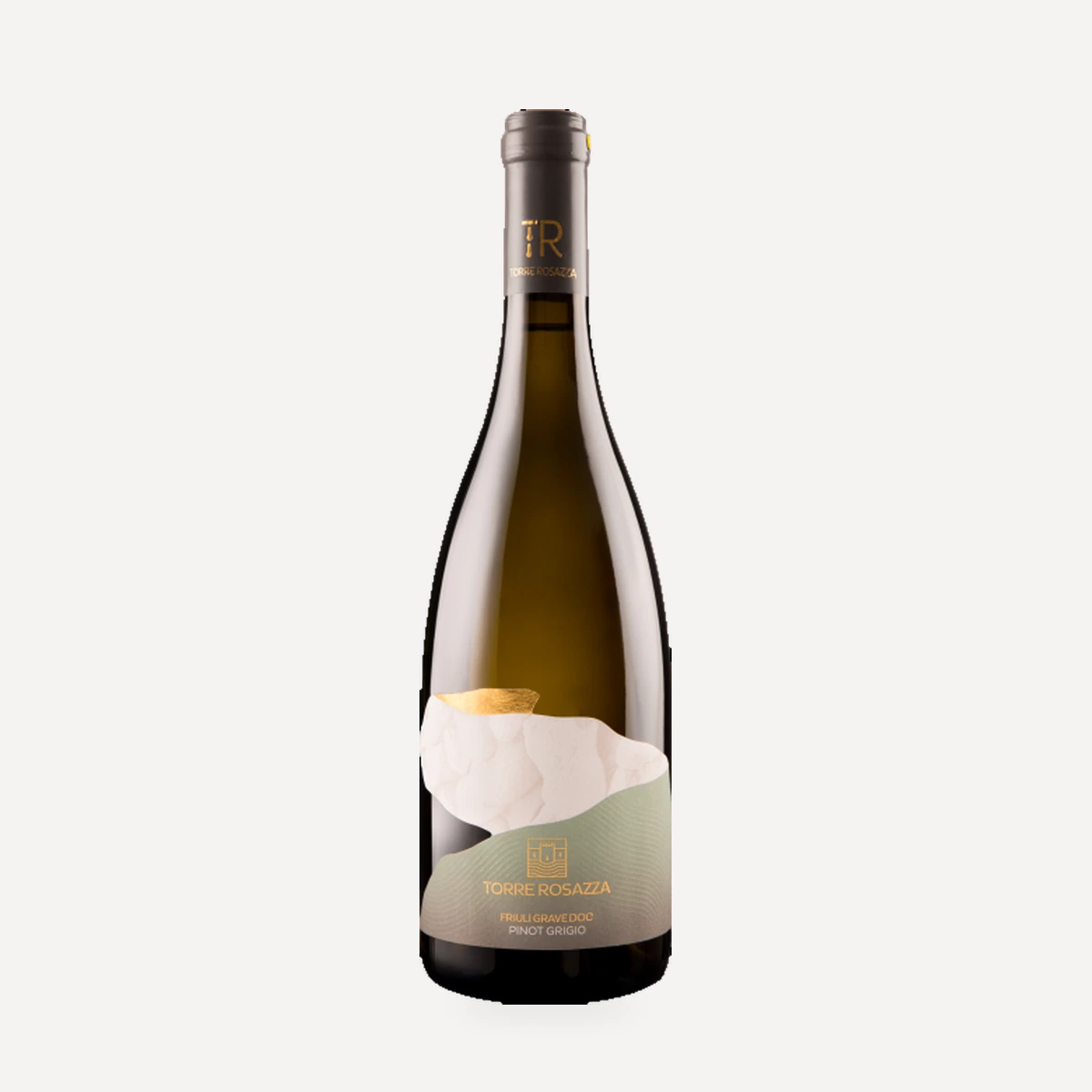
Pinot Grigio Friuli Grave DOC
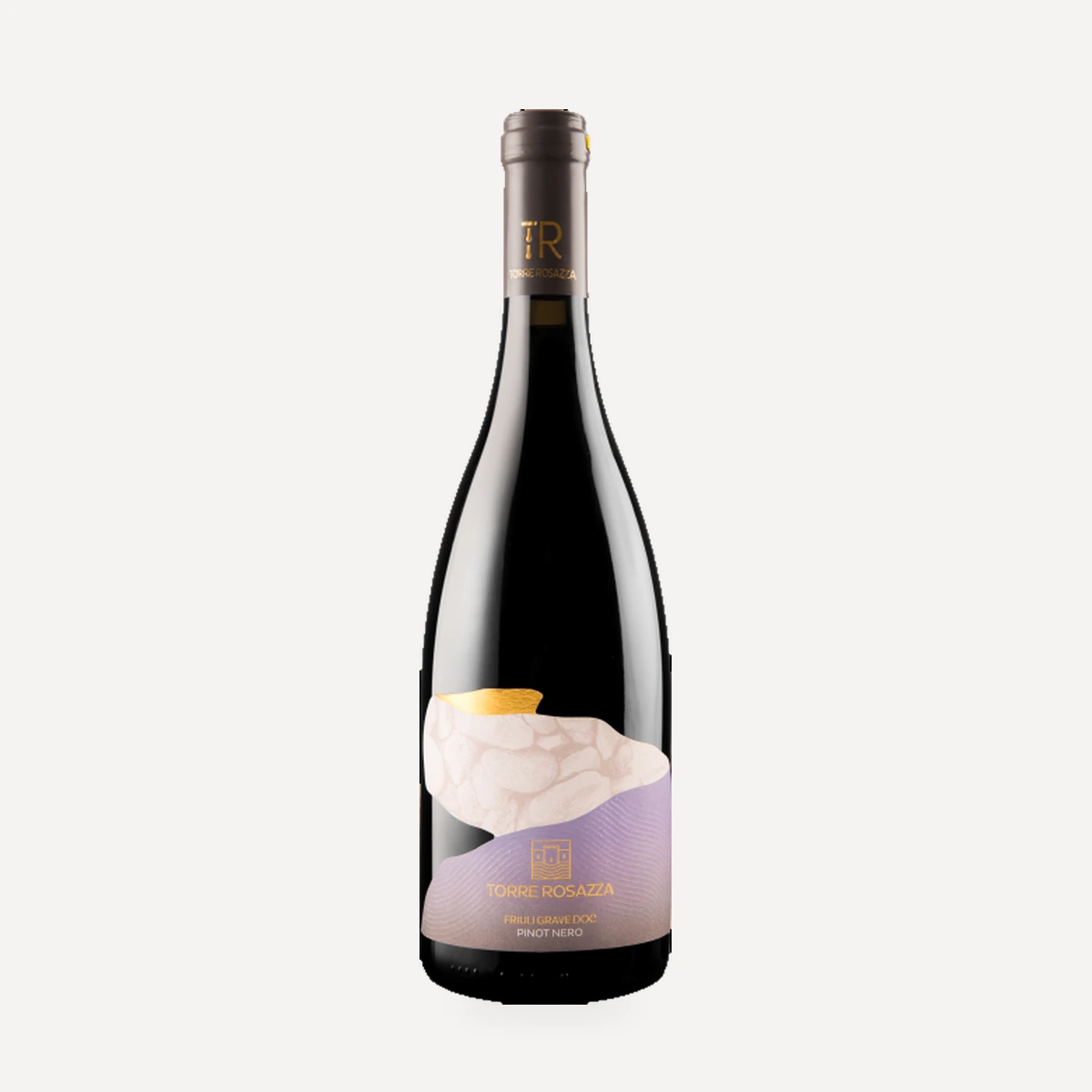
Pinot Nero Friuli Grave DOC
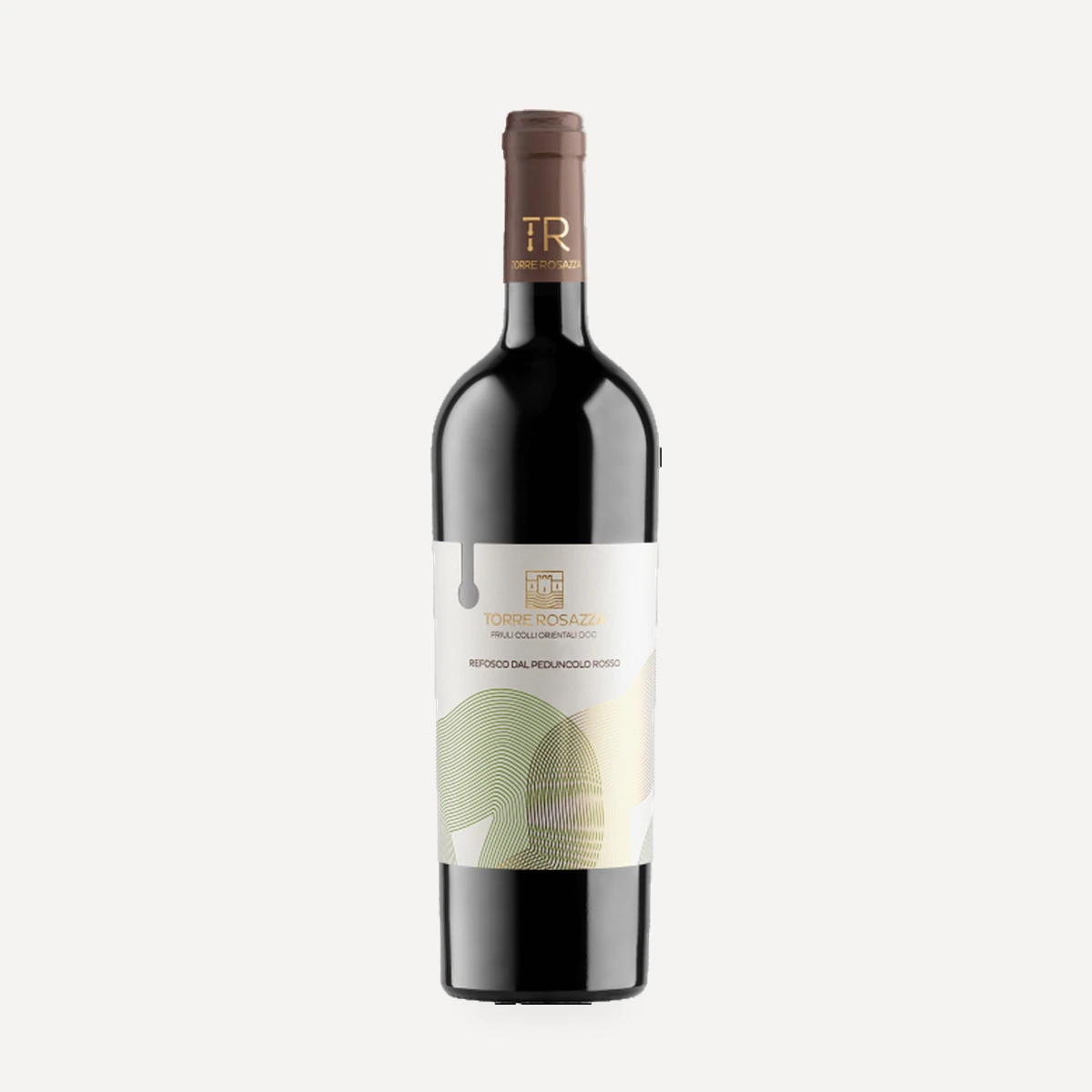
Refosco dal Peduncolo Rosso Friuli Colli Orientali DOC
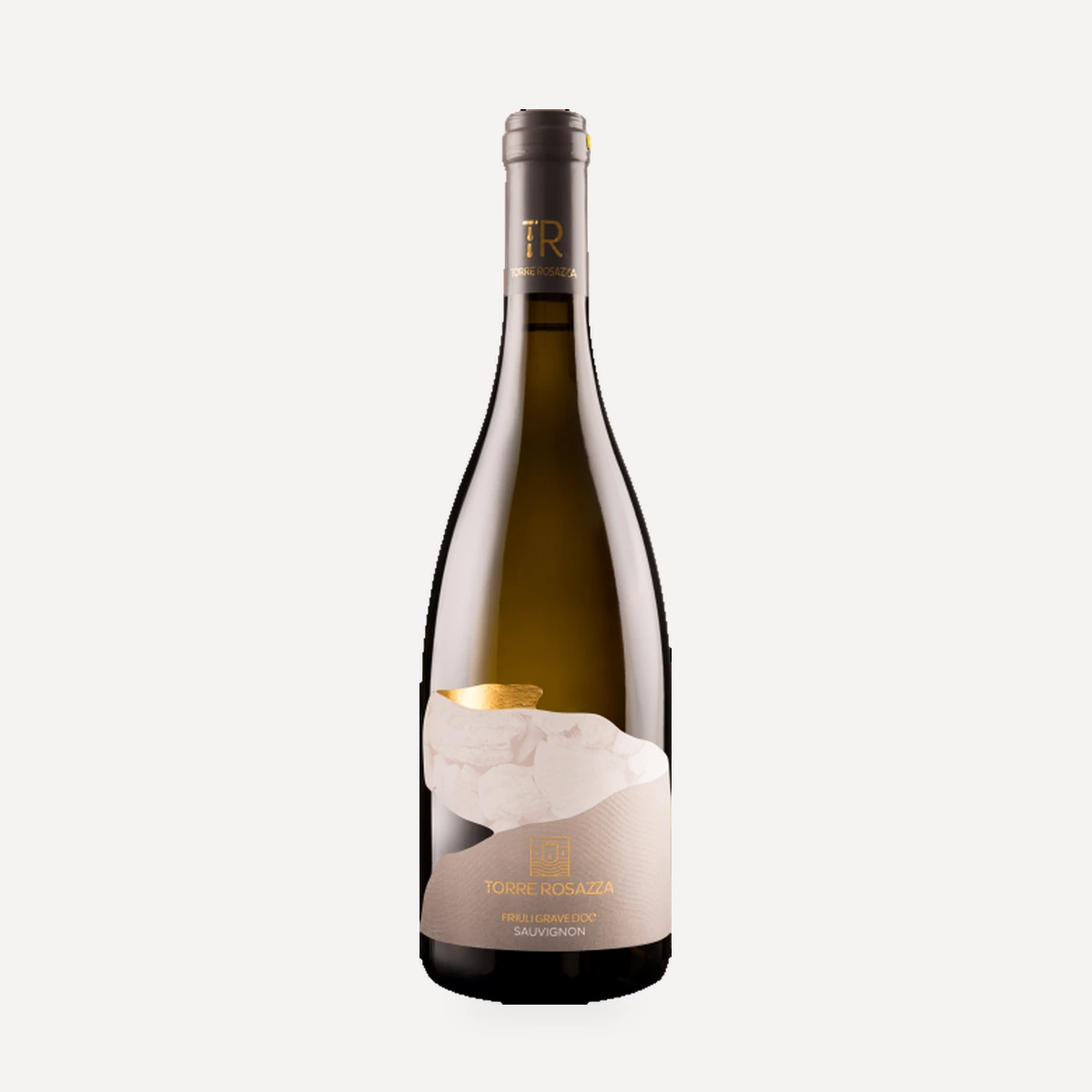
Sauvignon Friuli Grave DOC
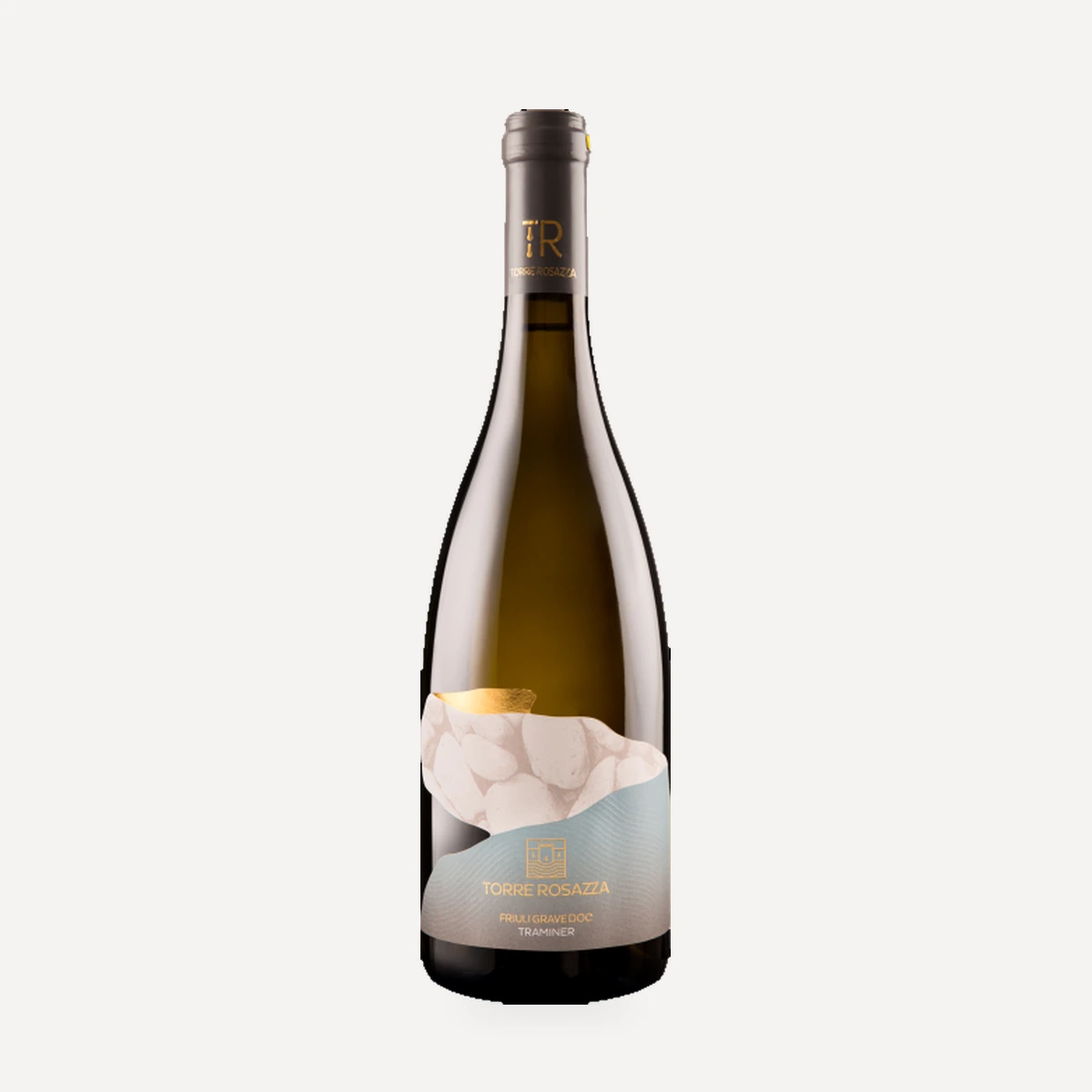
Traminer Friuli Grave DOC
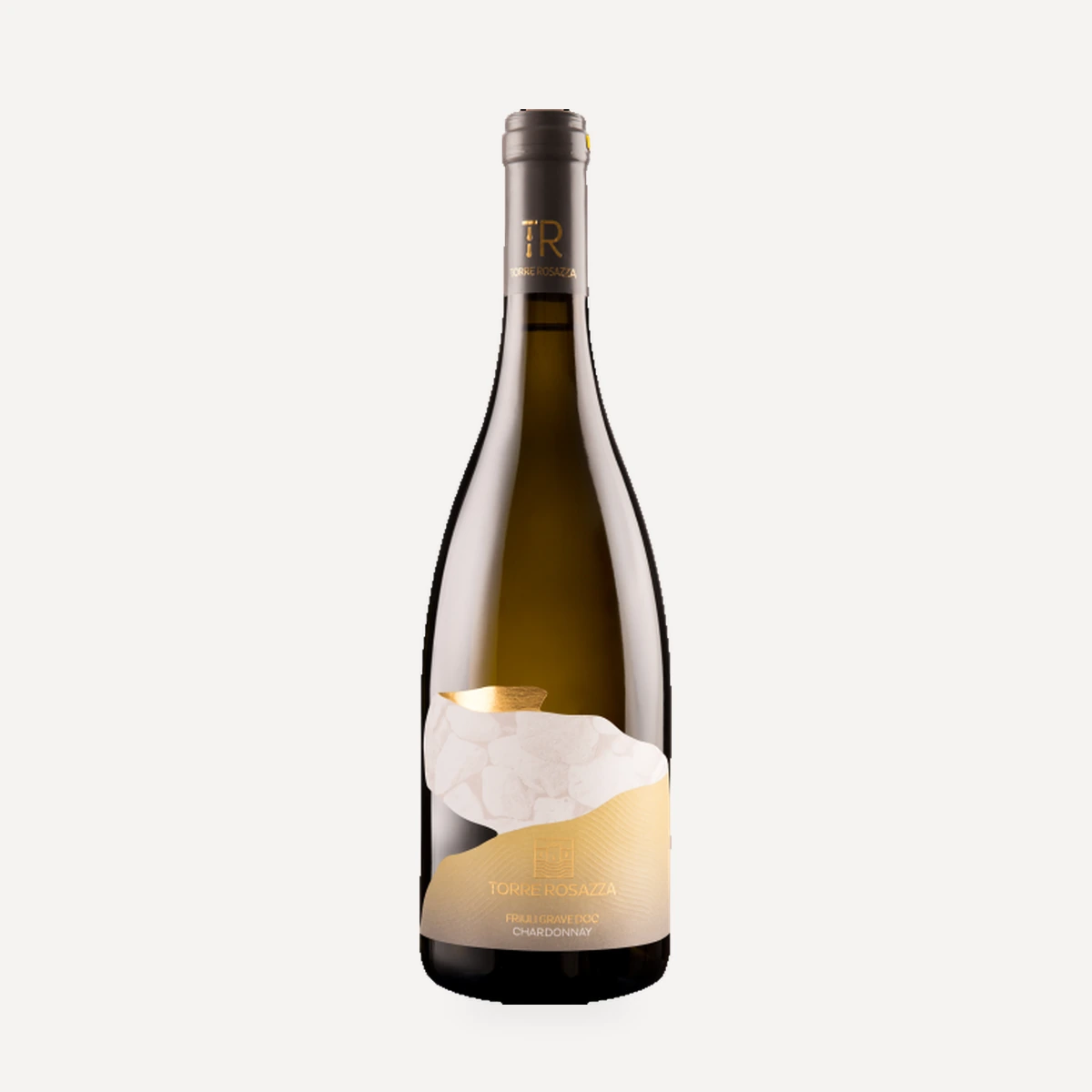
Chardonnay Friuli Grave DOC