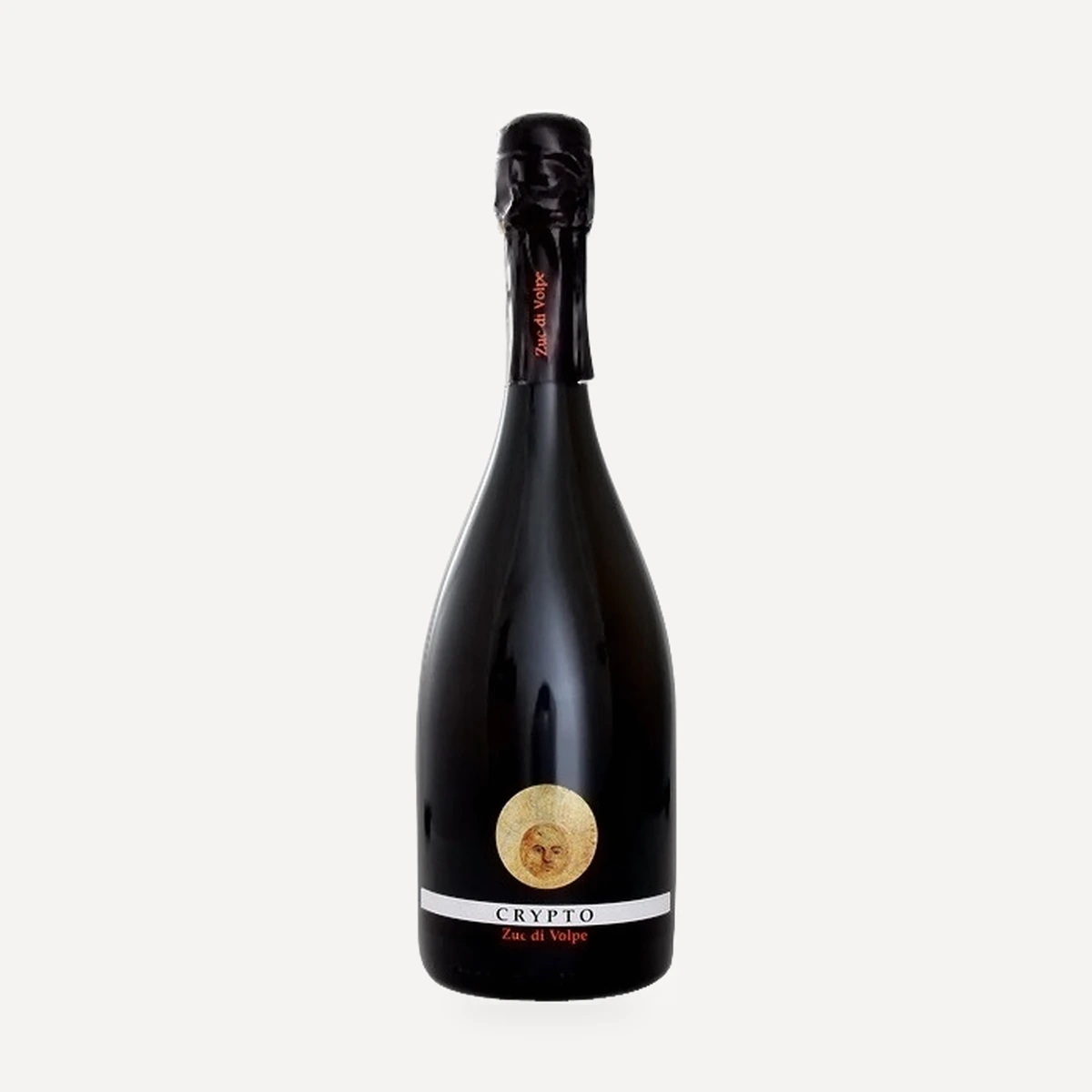
Storia
The villa and the first documentary evidence
The physical heart of Volpe Pasini is a late-sixteenth-century villa whose original structure dates to 1596, surrounded by the buildings that house the offices and cellar. The 20,000 m² historic property also contains a centuries-old park and a small Ribolla Gialla vineyard. The earliest documents establishing wine production on the property date from the eighteenth century. From that period onward, the estate retained a predominantly agricultural vocation.
The nineteenth and early twentieth centuries
From 1800 onward, Ribolla Gialla was repeatedly planted and replanted within the walled garden, maintaining the variety's place at the historic centre of the property.
In the early twentieth century, Villa Volpe Pasini received members of the Italian royal family as well as Luigi Pirandello and Gabriele D’Annunzio. The estate records all of them as admirers of its wines.
In 1933, grapes from the Zuc di Volpe vineyard produced Pinot Zucco, described as perhaps the first Italian Pinot Bianco to be bottled. This established an early connection between the vineyard and bottled, site-specific wine.
From an agricultural estate to a dedicated winery
During the second half of the twentieth century, the property's agricultural activity became increasingly and eventually exclusively focused on wine. From the 1960s, only the best wines were considered worthy of carrying the Zuc di Volpe mark on their labels, formalising the vineyard's role as the estate's qualitative reference point.
In the 1970s, Volpe Pasini joined a small group of pioneering producers that promoted Friulian wine in Italy and abroad. The business moved away from the commercial model of selling wine in demijohns and redirected its efforts toward higher quality, bottled production and the development of international markets, particularly Germany and the United States.
Project Merlot and the modern estate
At the end of the 1990s, Volpe Pasini created “Progetto Merlot” to demonstrate the potential for important red wine in an area primarily associated with whites. The project produced Focus and was accompanied by an emphasis on controlled production, extended red-wine maceration and maturation in the estate's barrel cellar.
Villa Rosa was subsequently fully restored with close attention to its historic architecture and converted into Volpe Pasini's communication and hospitality centre. Geothermal energy and the extensive vegetation around the complex form part of its environmental design.
Today, half of the estate's wine is sold outside Italy through an export network operating for more than thirty years. Production is divided between 60% white wine and 40% red wine, while the 52 ha of vineyards themselves are planted in equal proportions to white and red varieties.
Terroir
Volpe Pasini's 52 ha of vineyards occupy hills at Togliano and Prepotto, at the northernmost end of the Friulian hill chain within the Friuli Colli Orientali area. Half of the vineyard surface is planted to white varieties and half to red.
The soils are identified as Ponca. The estate associates this formation with the vigour and strength of its vineyards. Soil, subsoil, topography and individual microclimates are treated as the principal sources of variation among the vines. The mountain chain immediately behind the historic vineyards is considered a decisive influence on local agronomy.
Site morphology varies markedly. Zuc di Volpe forms a natural amphitheatre at Togliano. Prepotto is a terraced, approximately 10 ha vineyard whose profile is compared to an Aztec pyramid. Its days are intensely warm and its nights very cold, creating a pronounced diurnal contrast. Zanolli extends around the walls of Villa Rosa, while Giardino delle Mura is enclosed within the estate's historic walls.
Vinificazione
The estate vineyards cover 52 ha, divided equally between white- and red-berried varieties. Vineyard work is organised around the differences created by soil, subsoil, topography and microclimate across Togliano and Prepotto, with the mountain chain behind the sites treated as an important agronomic influence.
For the red-wine program, production is deliberately contained to obtain more concentrated material for long macerations. At Giardino delle Mura, Ribolla Gialla has been repeatedly replanted since 1800, maintaining the historic variety within the enclosed vineyard.
Respect for nature and harmony with the territory are central stated principles. The wider Villa Rosa complex uses geothermal energy, while its abundant vegetation is credited with capturing more carbon dioxide than the complex produces.
Production balance
The winery's output is divided into 60% white wine and 40% red wine.
White-wine production
White-wine production follows contemporary technological principles informed by the physical and biological development of fermentation. Reductive technology is used to preserve and refine aromatic expression, while cryomaceration is employed to increase structure.
Red-wine production
The red-wine program is based on restrained vineyard production and careful management of maceration. Extraction focuses on the controlled solubilisation of tannins, with very long macerations used for the more ambitious reds.
Maturation
A dedicated barrel cellar forms the centre of the maturation program. Red wines enter it initially firm and angular, then develop a softer structure and the intended aromatic complexity through time in appropriately selected wood. The cellar became particularly important to the late-1990s “Progetto Merlot,” which was conceived to demonstrate the potential for serious red wine in a territory strongly associated with white varieties.
Across the cellar, traditional knowledge is combined with modern technology, with the work presented as a collective effort involving the oenologist, vineyard workers, cellar staff and the wider team.
Filosofia
Volpe Pasini defines its production philosophy through three ideas: originality, longevity and pleasantness. Originality is understood as the direct expression of a particular territory—the vine's capacity to translate its place into grapes and, ultimately, into wine that cannot be reproduced elsewhere.
This territorial potential also imposes a human responsibility. The estate's stated position is that nature's contribution must be cared for, protected and preserved through attentive work. Modern production techniques are expected to respect nature and remain in harmony with the land.
Quality is presented as a synthesis of history, tradition, culture and innovation rather than the achievement of one individual. The team brings together long-established farming knowledge and contemporary technical methods, with Lorenzo Landi's oenological direction integrated into the work of the vineyard, cellar, administrative and commercial staff. The intended stylistic attributes are freshness, elegance and long ageing capacity, while each vintage is valued as both a continuation of tradition and a new expression of the land.
Vini
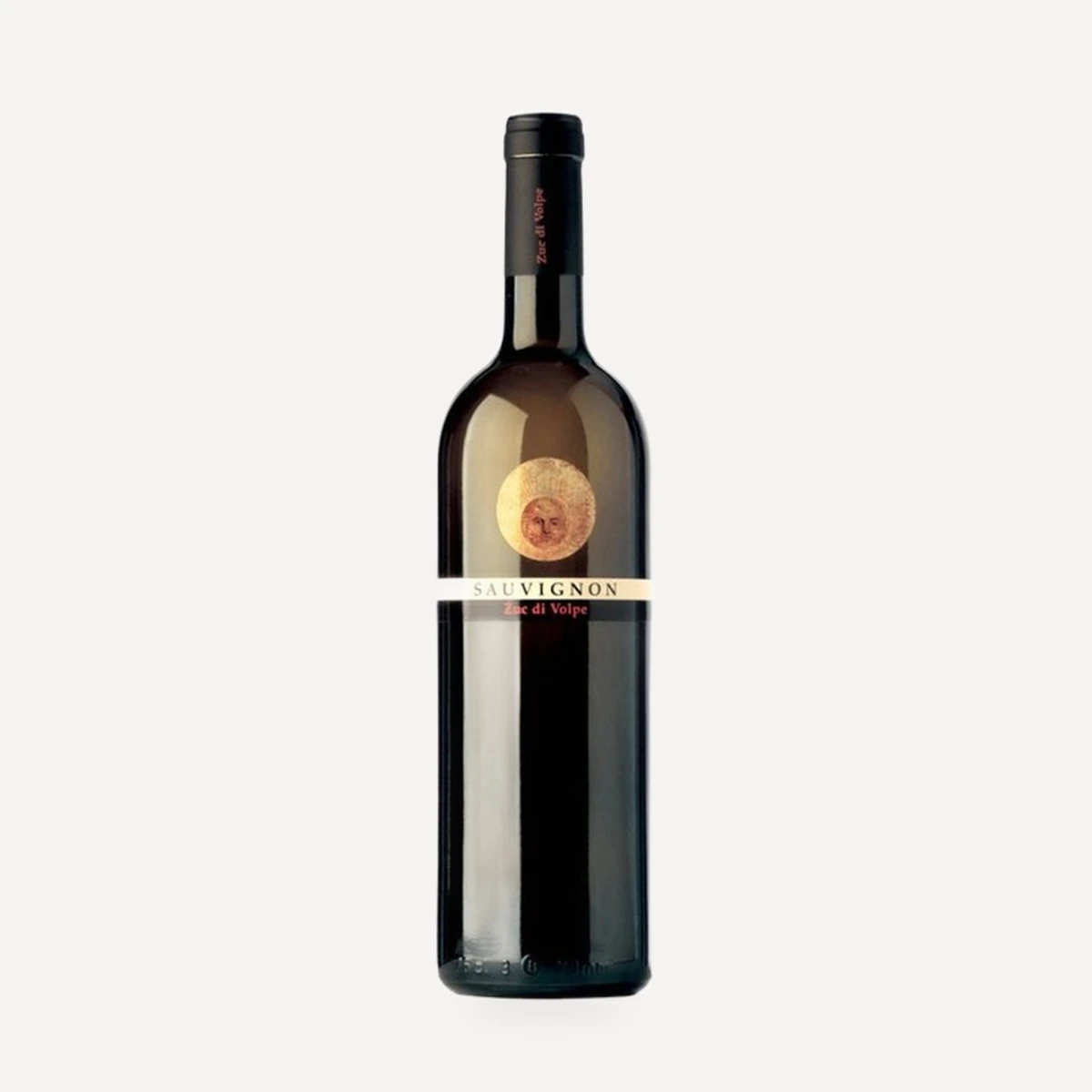
Sauvignon Zuc di Volpe DOC
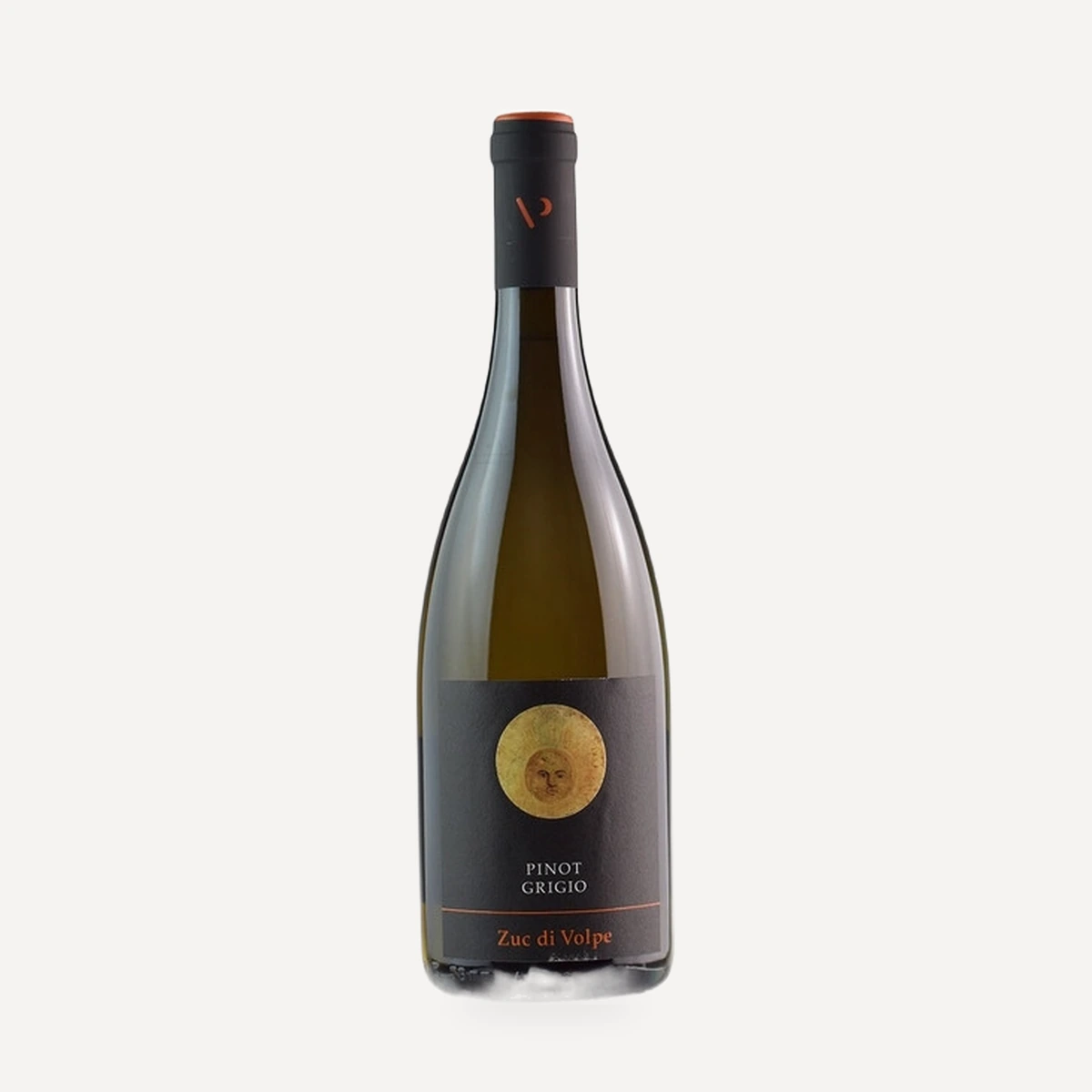
Pinot Grigio Zuc di Volpe DOC
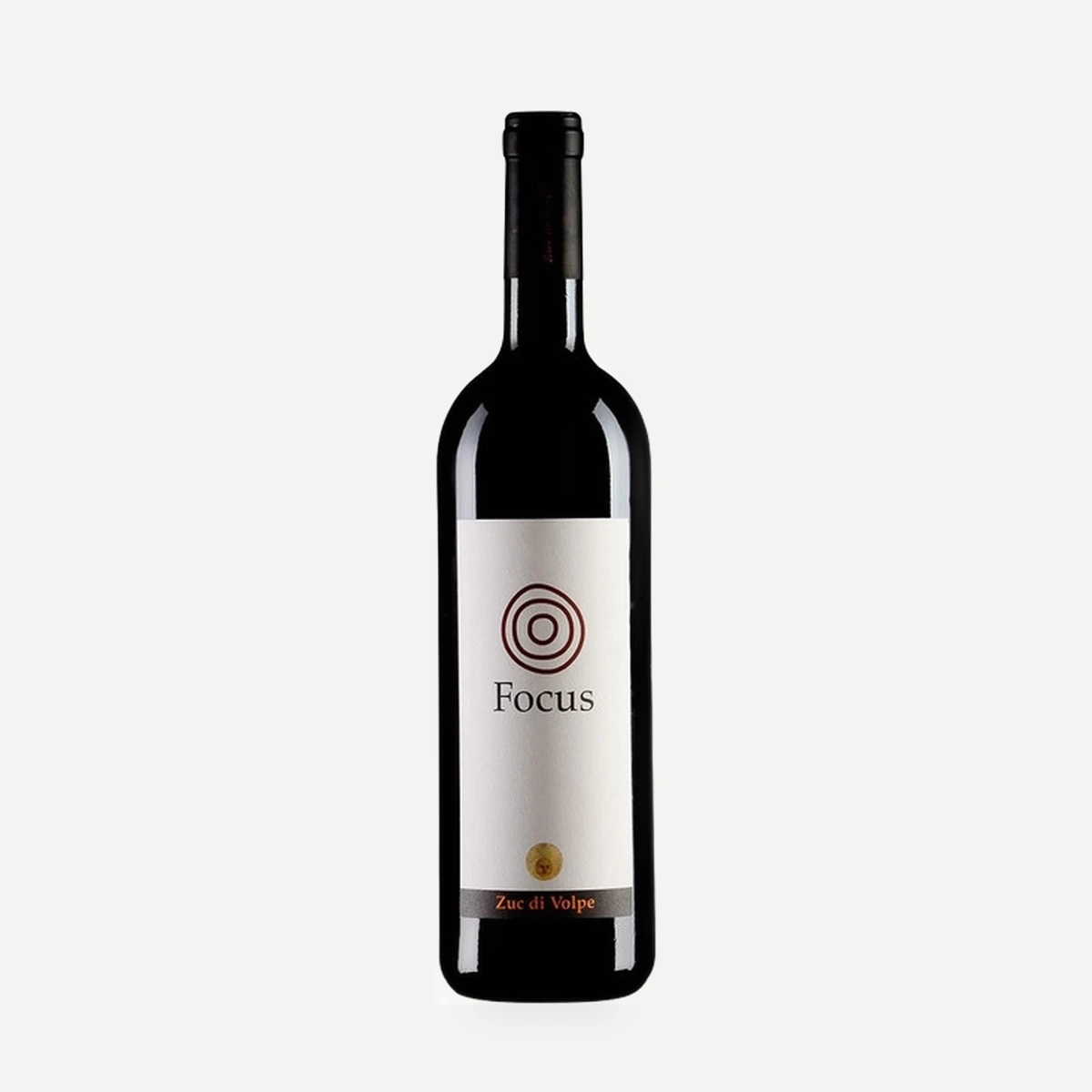
Focus Zuc di Volpe DOC
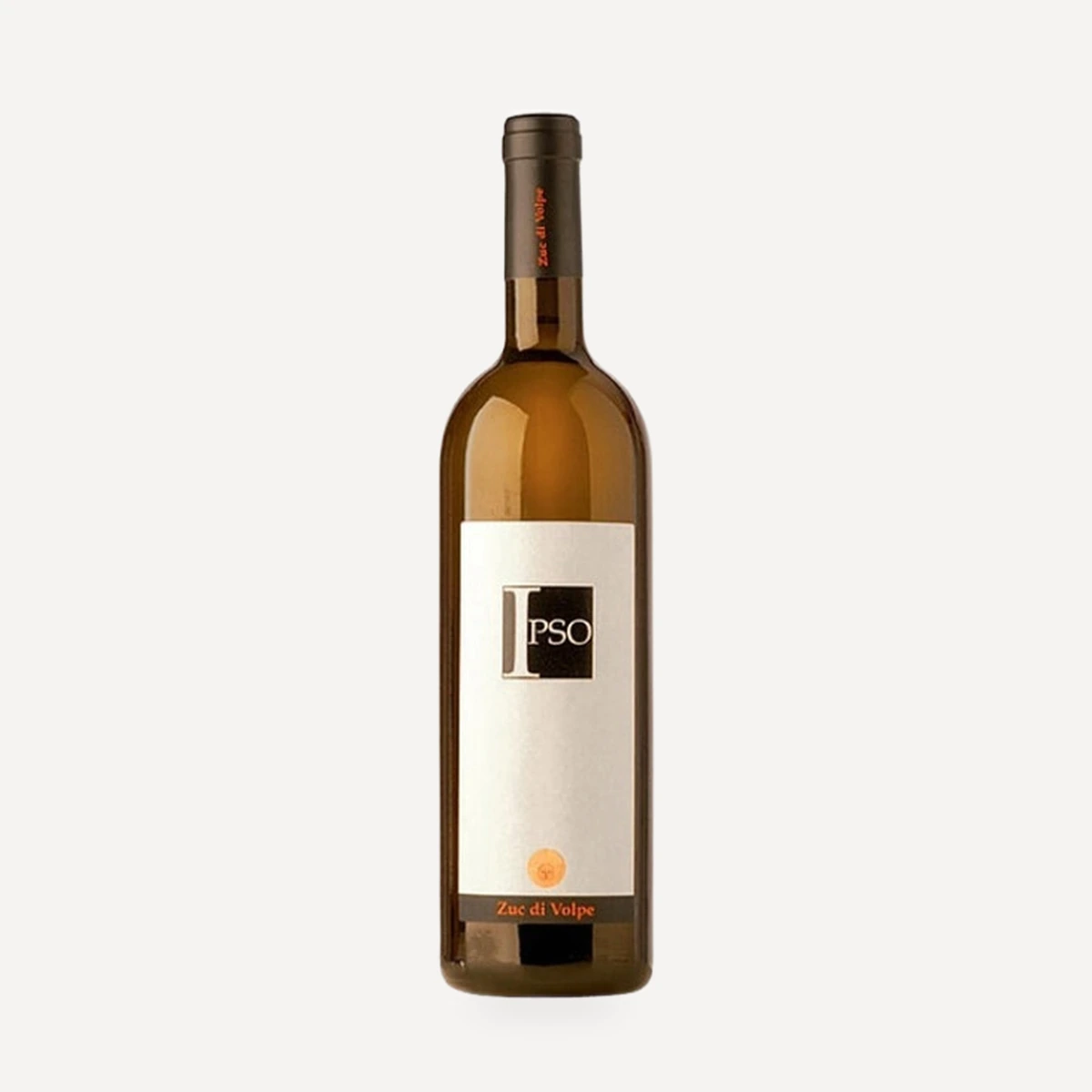
Ipso Zuc di Volpe DOC
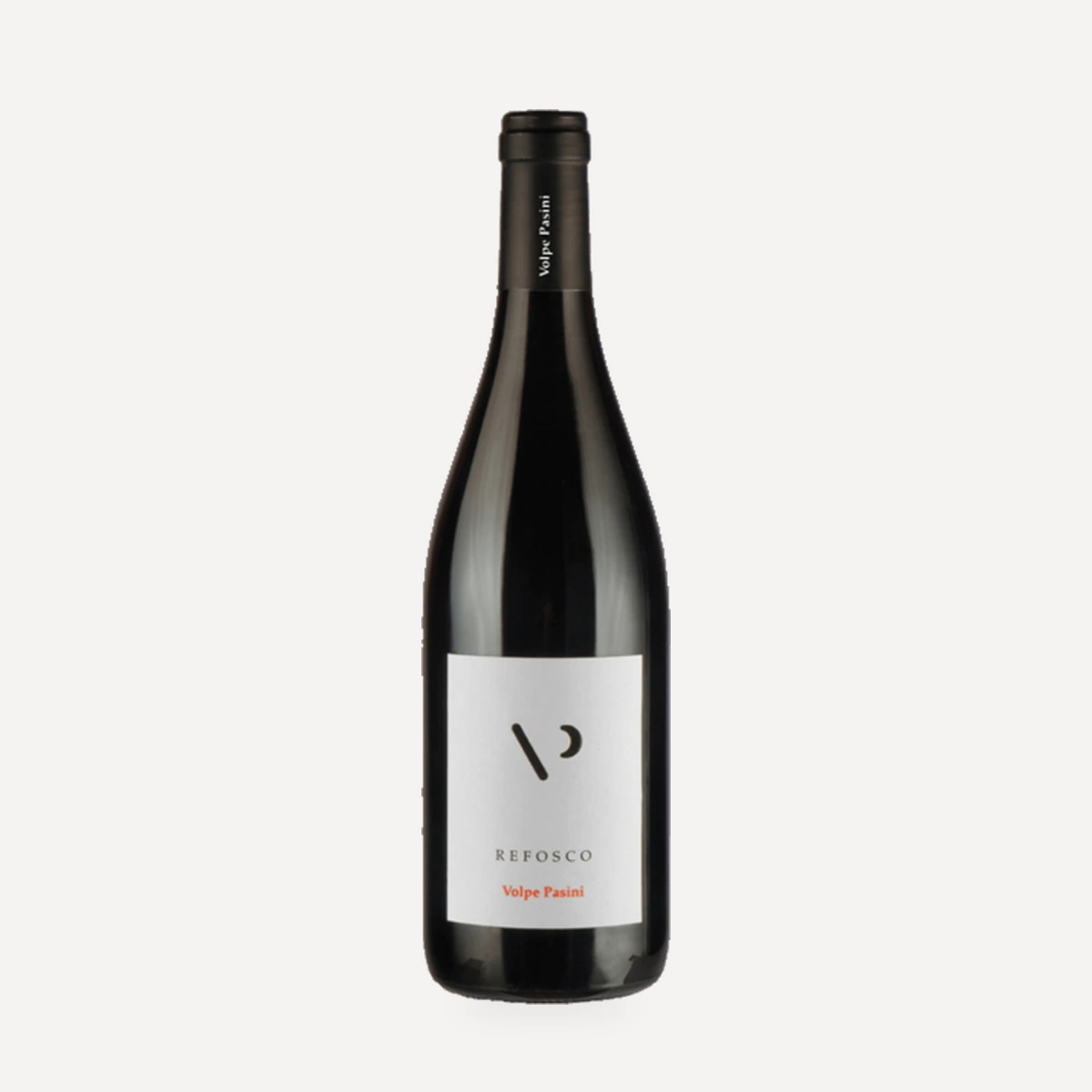
Refosco dal peduncolo rosso
Cabernet DOC
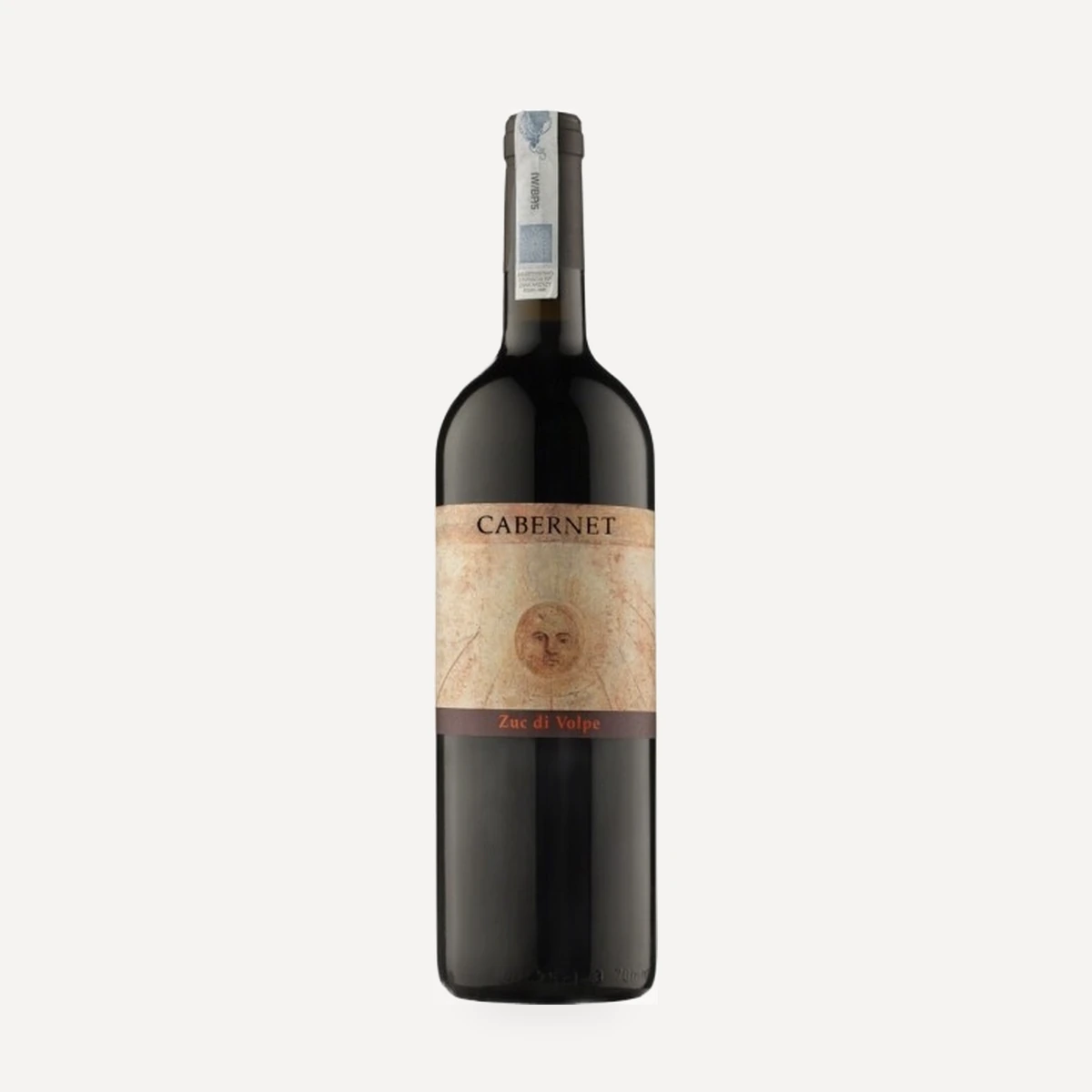
Cabernet Zuc di Volpe DOC
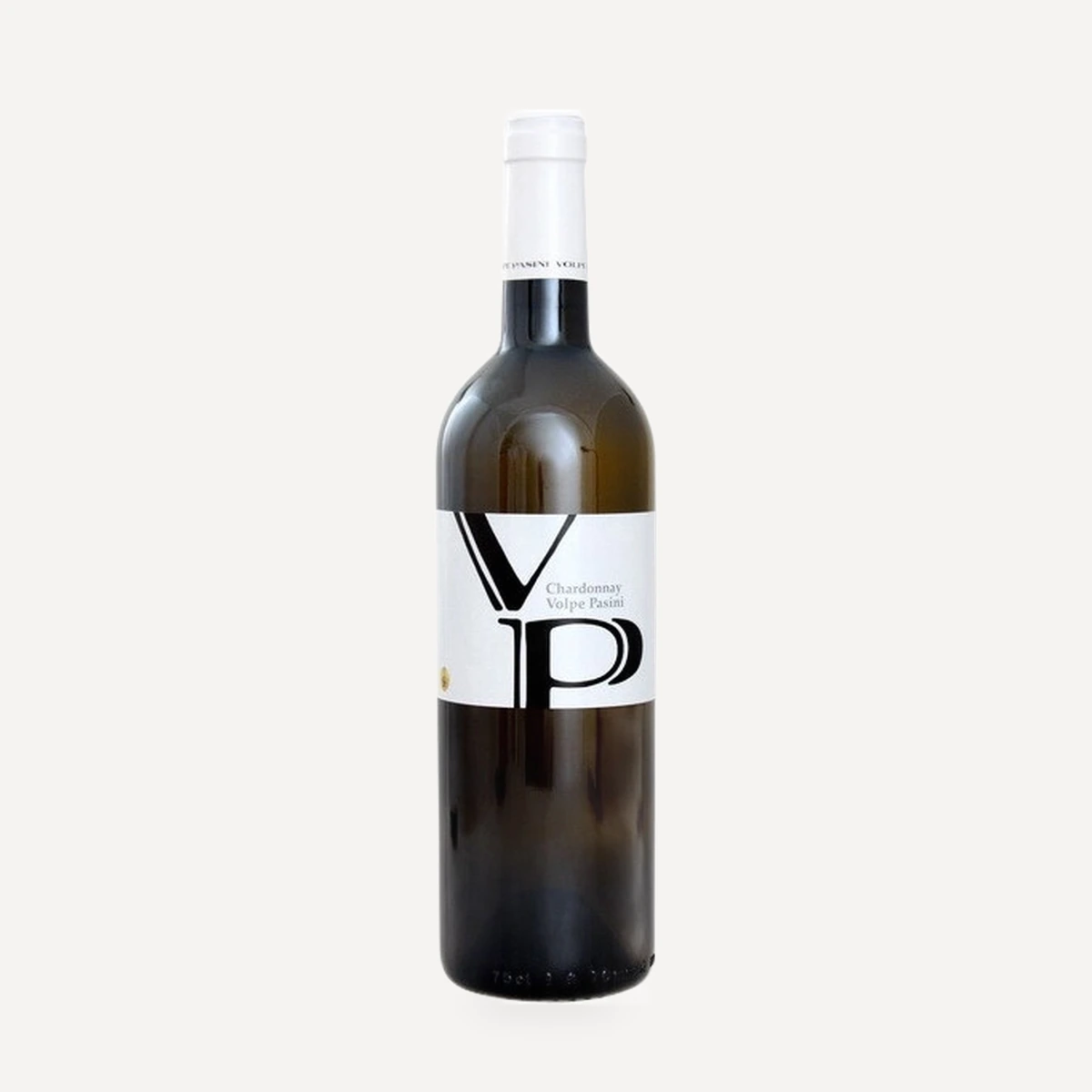
Chardonnay DOC
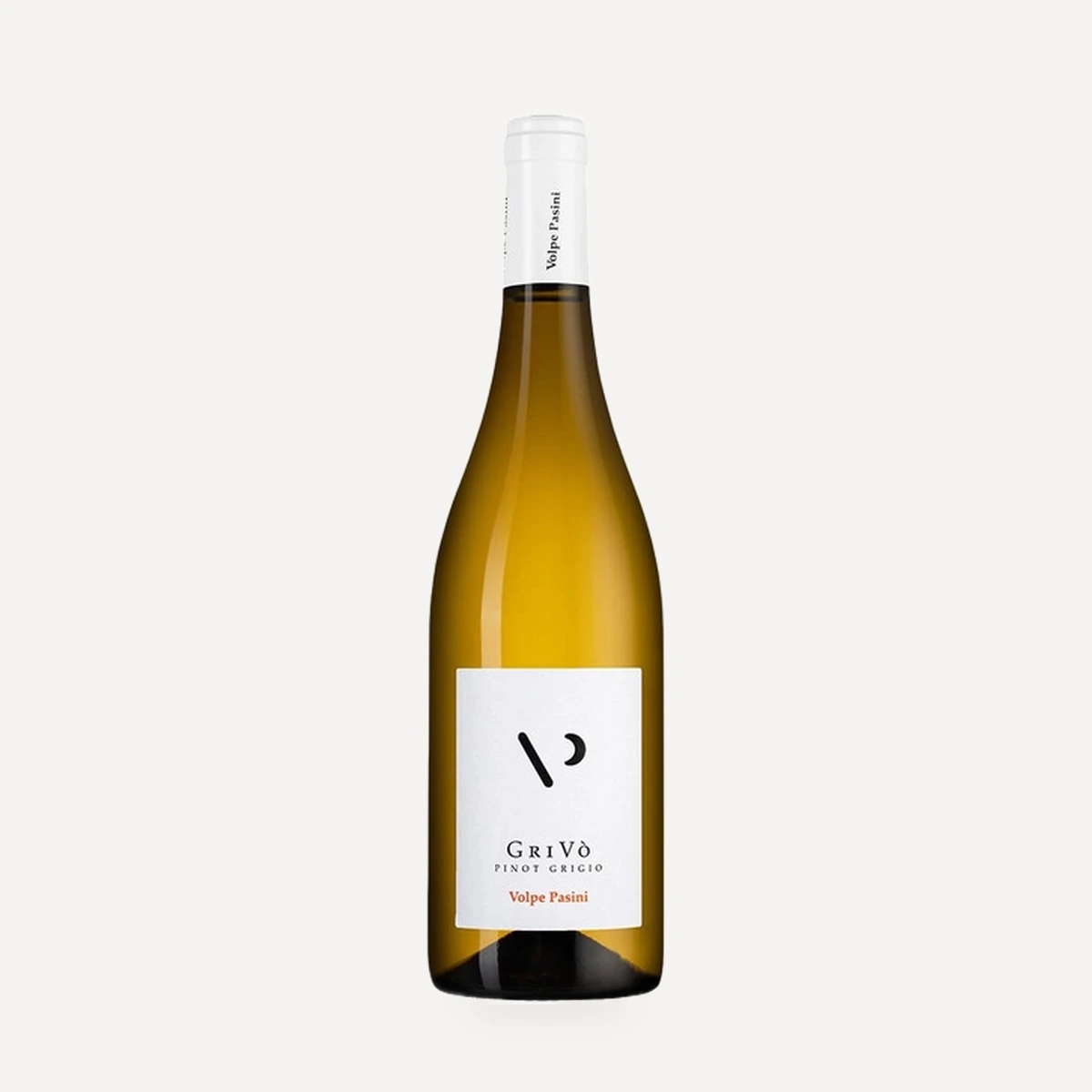
Grivo Pinot Grigio DOC
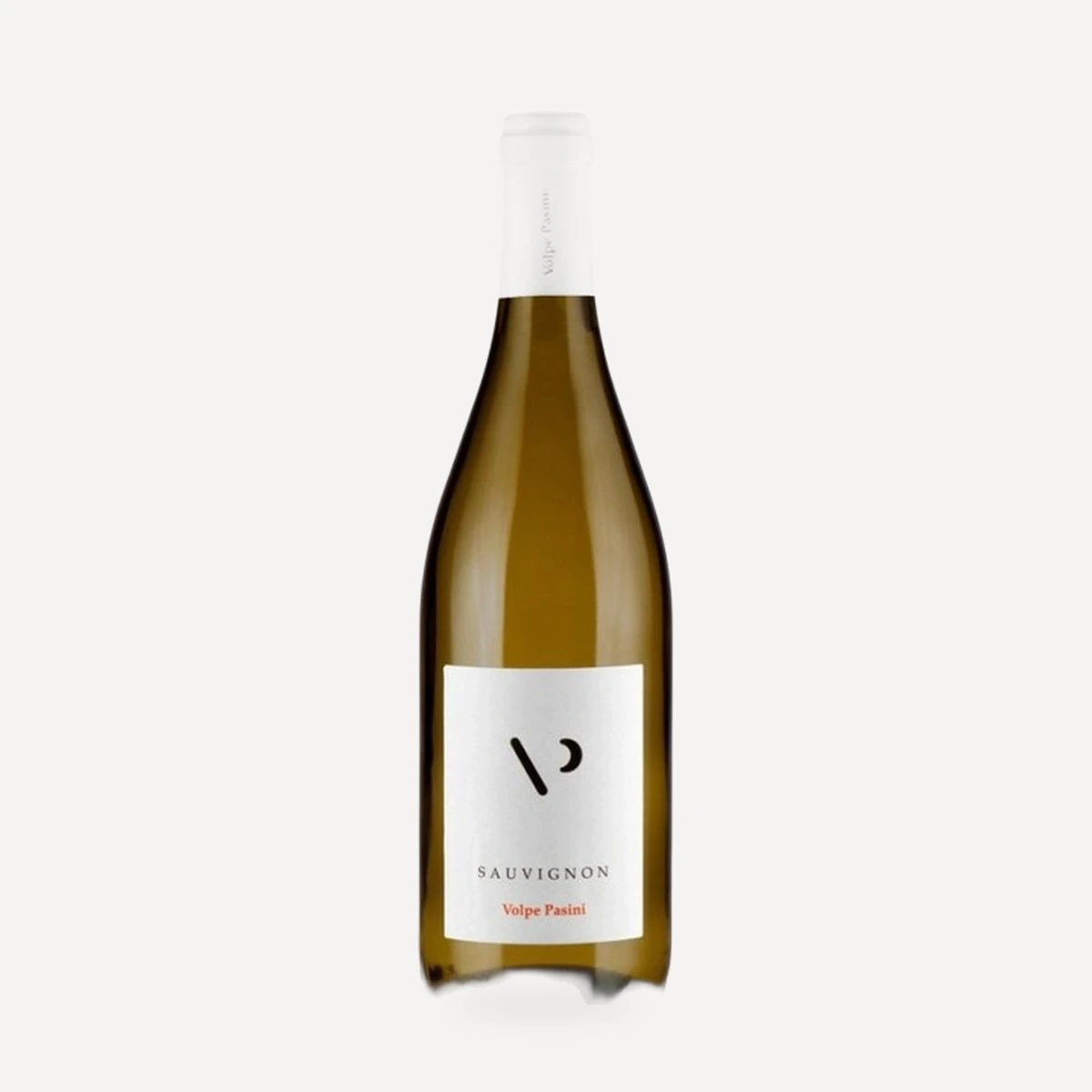
Sauvignon DOC
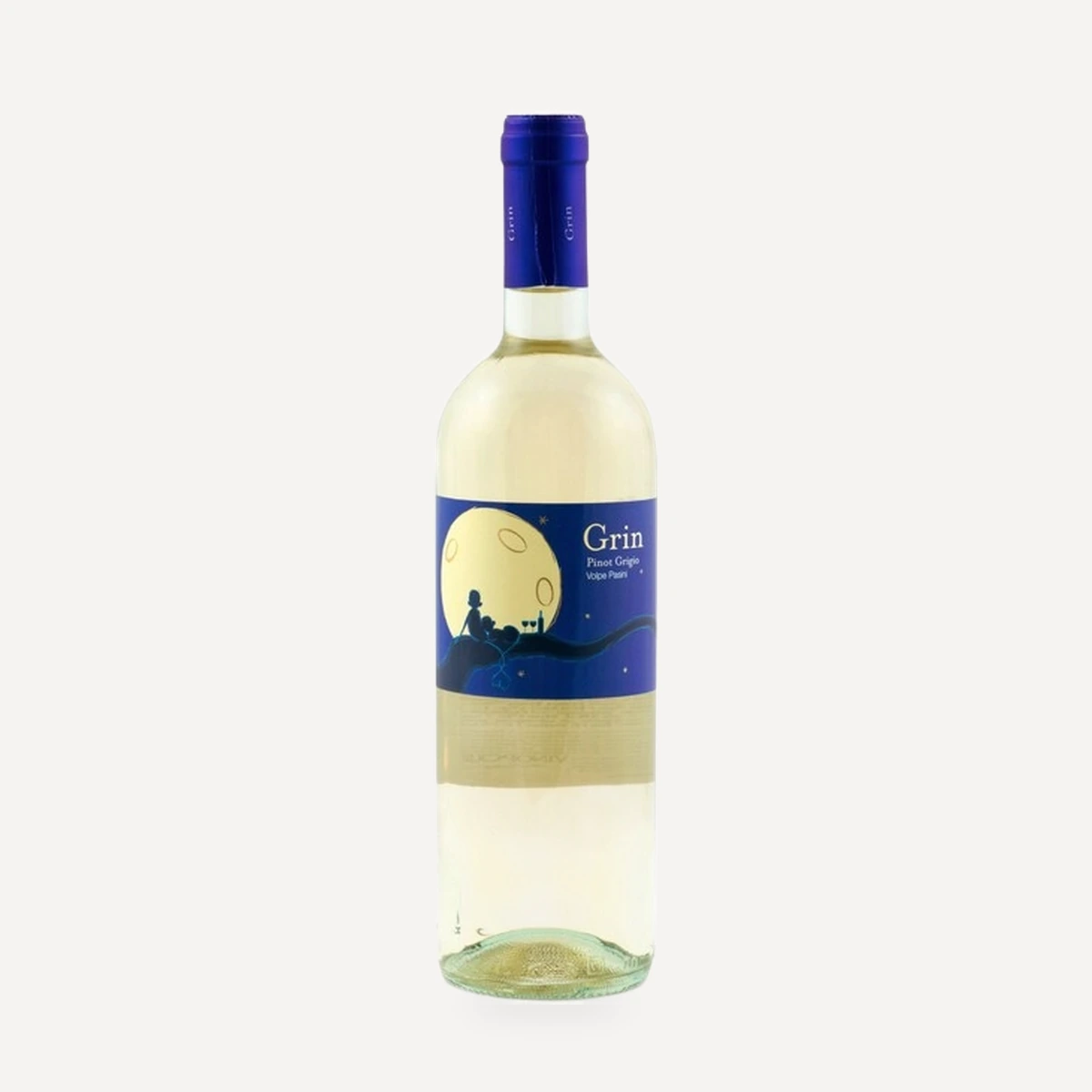
Grin Pinot Grigio Friuli-Venezia-Giulia DOC
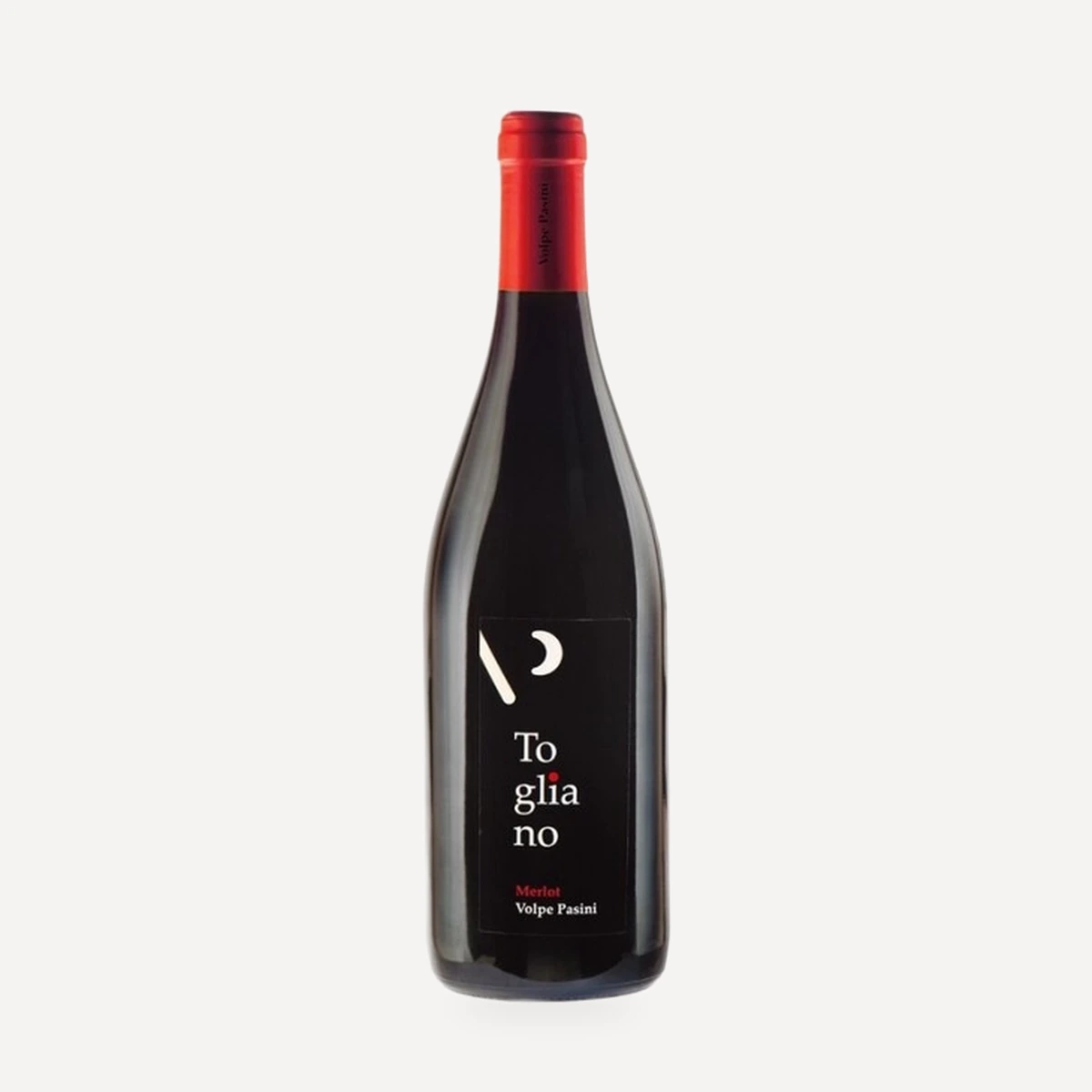
Togliano Merlot DOC
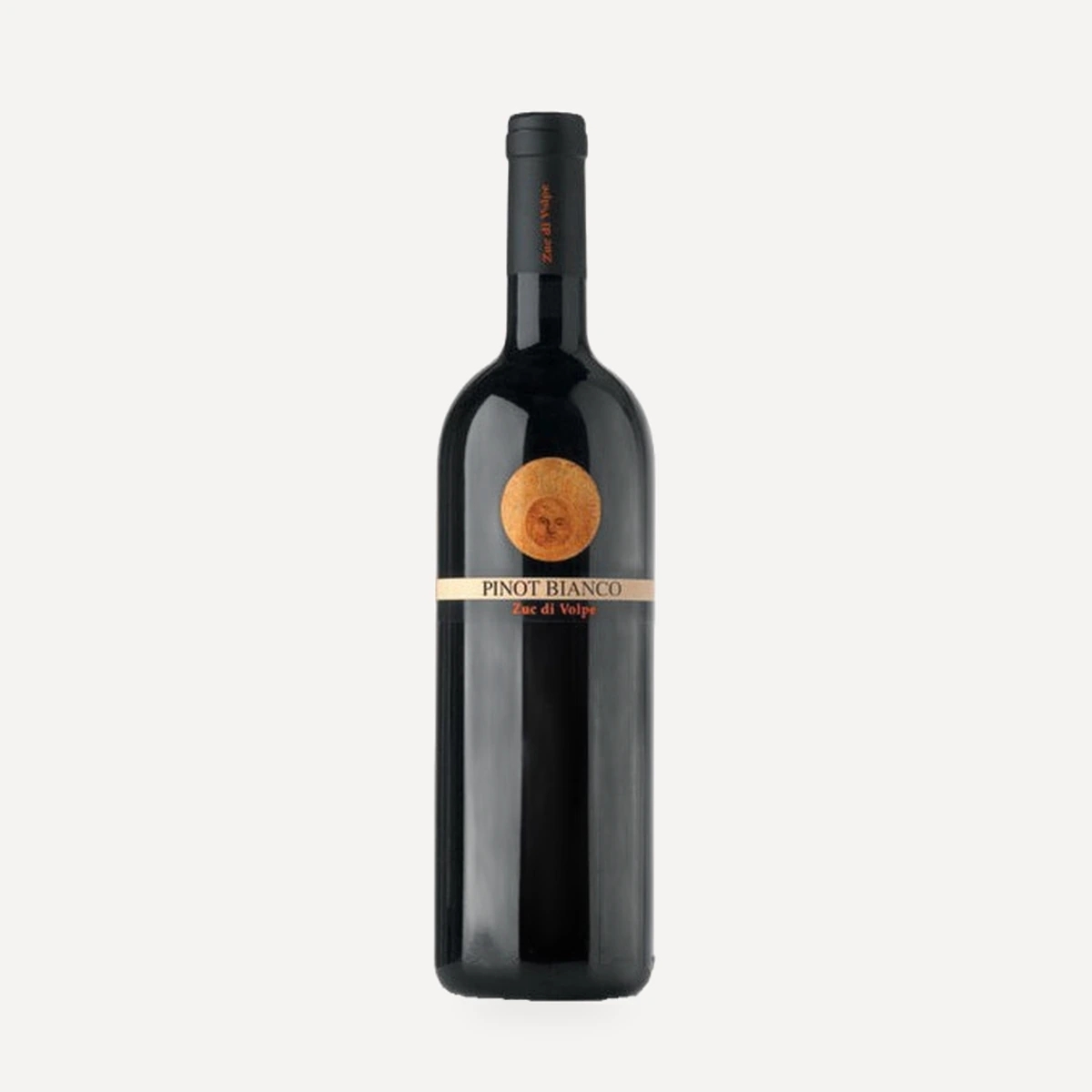
Pinot Bianco Zuc di Volpe Colli Orientali del Friuli DOC
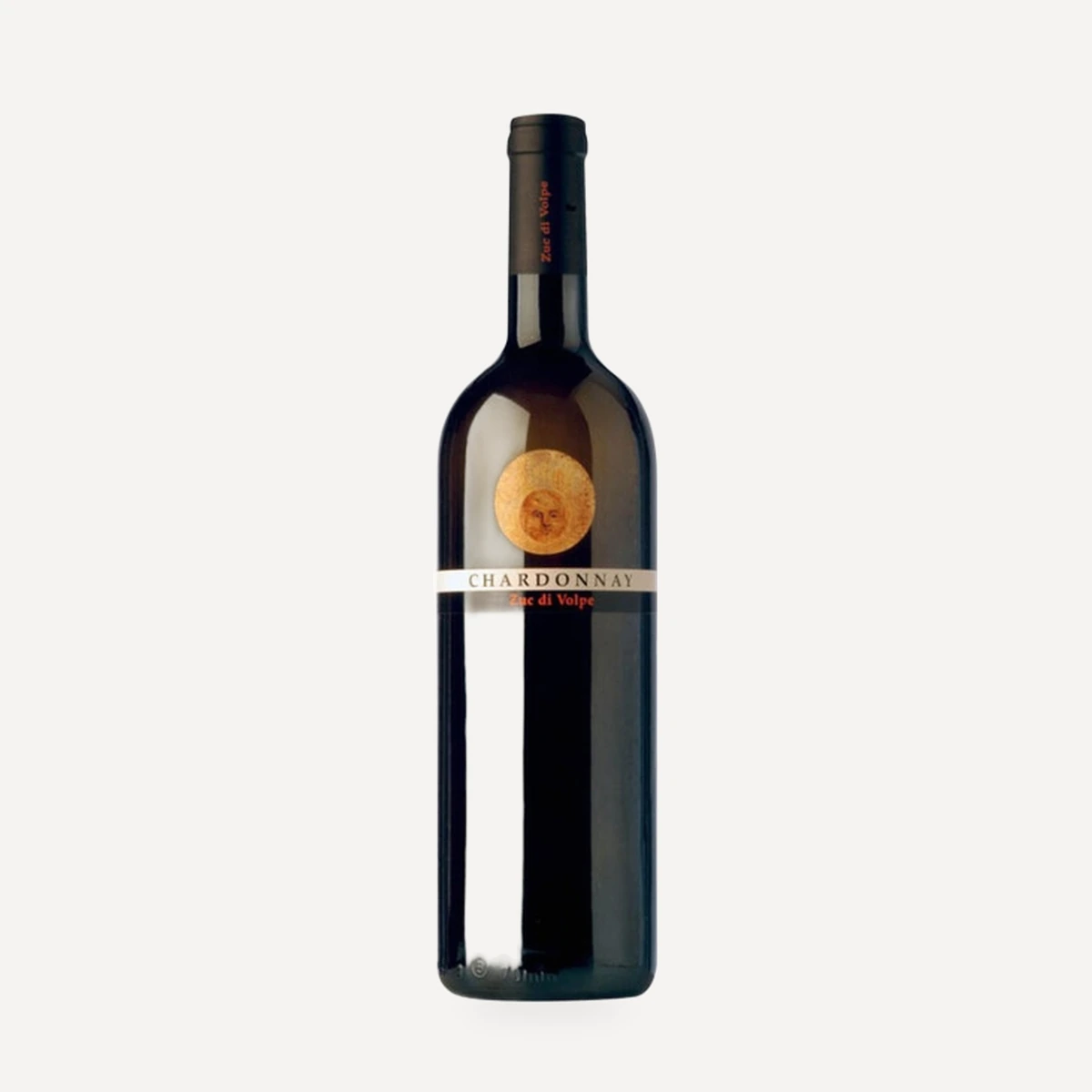
Chardonnay Zuc di Volpe DOC
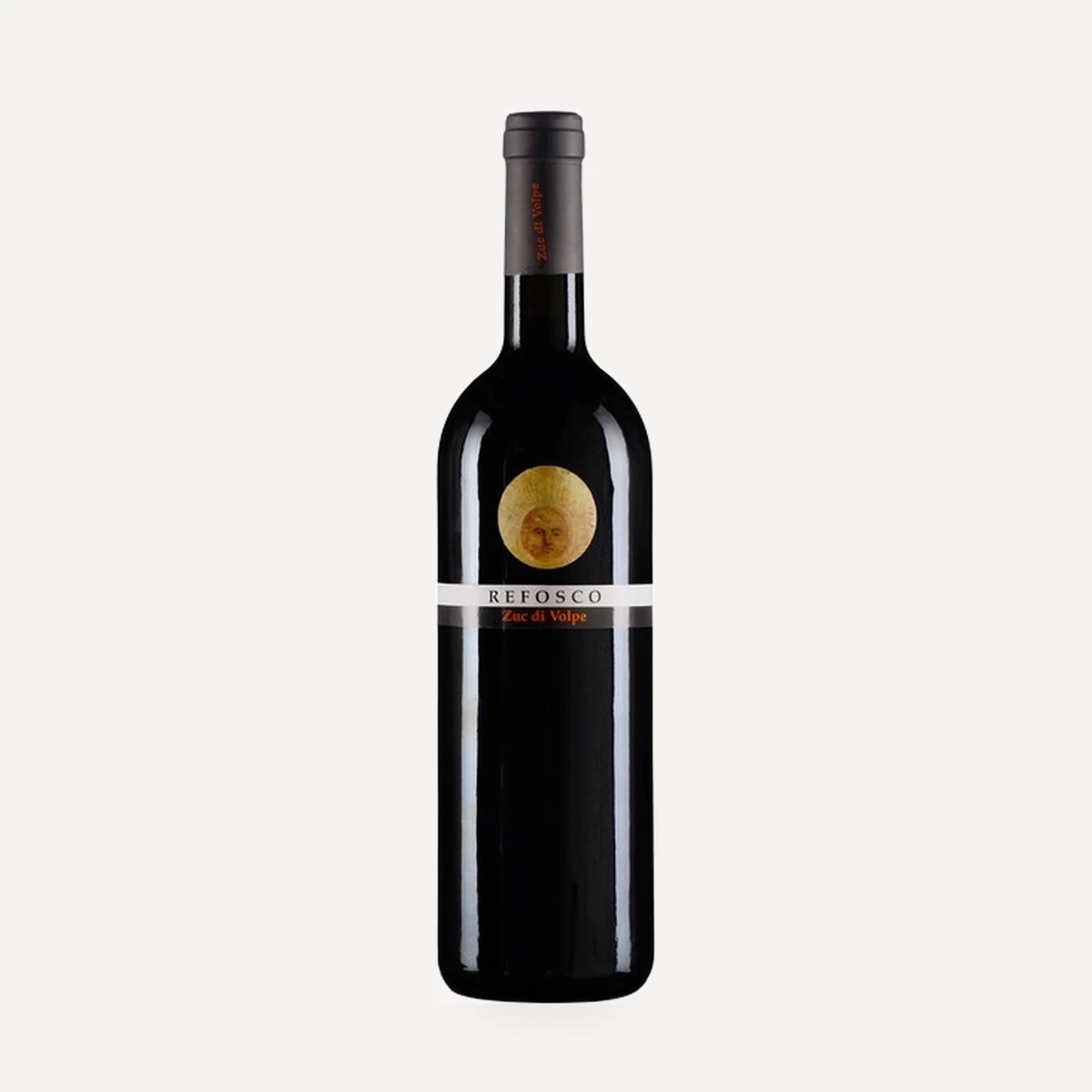
Refosco Zuc di Volpe DOC