Storia
The beginning of the Sicilian project
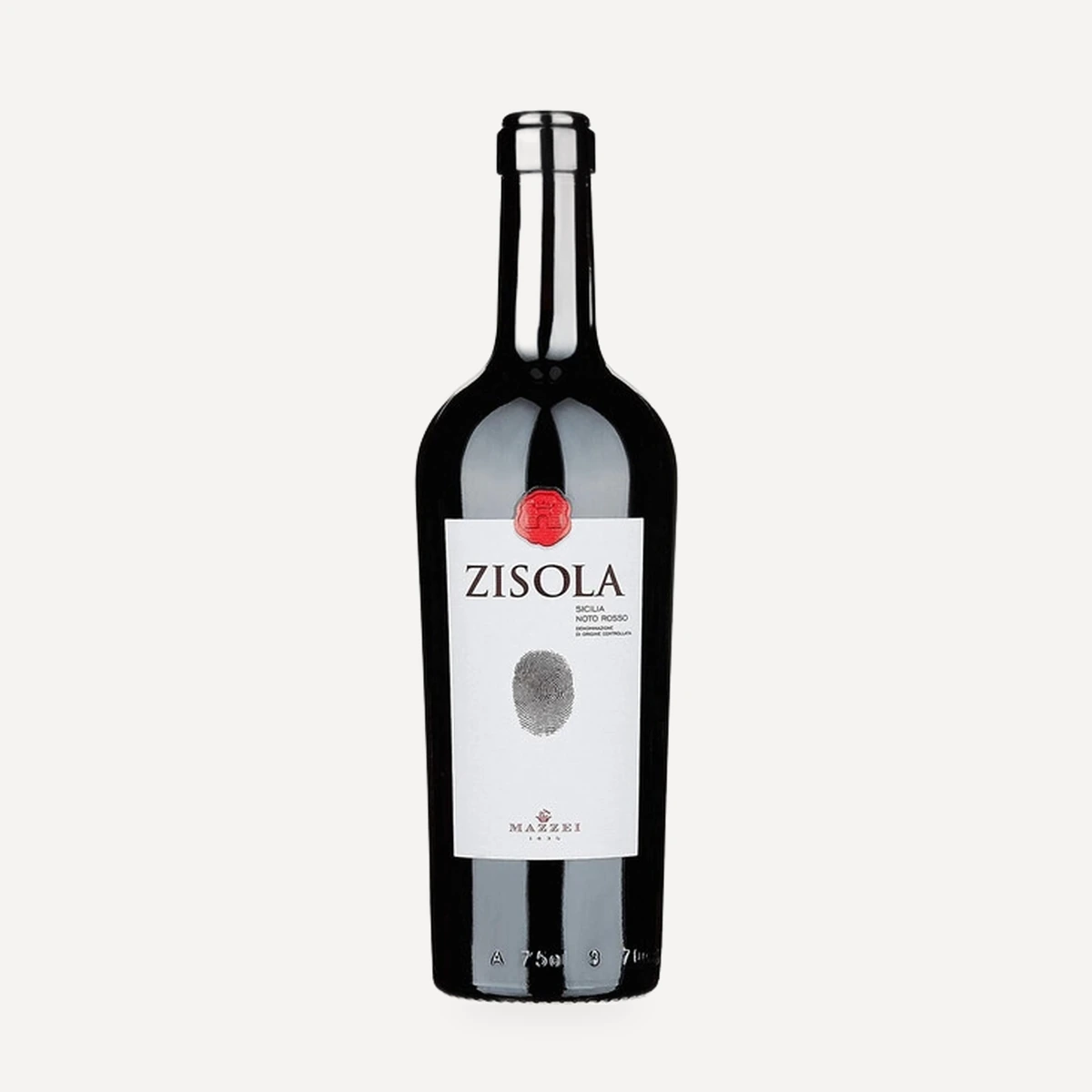
Zisola lies in south-eastern Sicilia, a few steps from Noto. The Mazzei family identified unrealized viticultural potential in this landscape and launched its winemaking project there in 2003. The project centred on the local identity of south-eastern Sicilia, particularly Nero d'Avola, while applying the family's accumulated winemaking experience to a new territory.
The 50-hectare property developed around three traditional bagli. Vineyards, citrus groves, olive trees and almond trees form the estate's cultivated “gardens.” The main baglio overlooks Noto, while an 18th-century baglio accommodates the winery and barrel cellar; another part of the historic complex houses the family villa.
Development of the range
Doppiozeta began with the 2006 vintage. It evolved into the estate's Nero d'Avola cru, sourced from three selected parcels—Piscina, Sopra Navel and Mandorleto—and became the clearest expression of Zisola's parcel-by-parcel approach.
The first vintage of Effe Emme, a varietal Petit Verdot named for Filippo Mazzei's monogram, was 2011. The white-wine range expanded with the first Azisa vintage in 2014, followed by the first vintage of the Syrah-based Achilles in 2015.
The 2021 vintage introduced Contrada Zisola, a varietal Catarratto conceived to develop the potential of an indigenous Sicilian white grape through low-yielding alberello vines and a parcel-focused approach.
The first vintage of Lucido was 2025, adding a wine based on Catarratto Lucido. The contemporary range comprises four reds and three whites.
Organic vineyards and broader estate agriculture
Zisola's vineyards are now described as organic. This follows a broader sustainable-management programme that eliminated herbicides and chemical top-dressing, introduced estate compost and green manure, and adopted biological pest-control measures. Organic cultivation also extends to the citrus grove, where Mediterranean fruit species are managed with respect for natural cycles and harvested at carefully selected times.
Terroir
Location and elevation
Zisola is situated at Contrada Zisola in south-eastern Sicilia, close to Noto and the Ionian coast. The estate vineyards range from 90 to 130 metres above sea level. Technical descriptions of several vineyards place them at 130 metres, with south-eastern exposure; the three Doppiozeta parcels collectively span 95–130 metres and also face south-east.
Climate and maritime influence
The climate is that of a southern Mediterranean island: winters are mild, while summers are hot and dry. Breezes from the nearby Ionian Sea temper summer heat and soften winter conditions. Zisola's elevation allows the vineyards to benefit from this cooling circulation. The proximity of the sea also supplies strong ventilation, an important element in the conditions of the Catarratto vineyards.
The 2025 growing season was distinguished by unusually wet summer weather, including two separate rainfall events of 50 mm each. Harvest was interrupted on several occasions. Late-ripening Nero d'Avola and Catarratto reached optimal maturity later than average, with Nero d'Avola delayed by approximately one week. The resulting grapes had moderate potential alcohol and strong acidity.
Soils
The soils are medium-textured, highly calcareous and mineral, with abundant stones or rocky skeletal material. The combination of limestone, stones, elevation and marine ventilation is associated with freshness, refinement, complexity and a compact structure. For the three principal Nero d'Avola cru parcels, the soil is described more specifically as medium-textured, calcareous and mineral, with a substantial rocky component.
A cultivated Mediterranean landscape
The vineyards sit within a larger agricultural mosaic of olive trees, citrus orchards and almond groves. The estate's citrus garden includes Navel and Valencia oranges, pink grapefruit, lemons, mandarins and avocados. These cultivated areas surround the three historic bagli and form the “gardens” that define Zisola's landscape.
Vinificazione
Alberello cultivation
All 24 hectares of vineyards are trained as traditional Sicilian alberello, or head-pruned bush vines. Planting density is given as 5,500 vines per hectare, with current individual vineyard information commonly specifying 5,550 vines per hectare. Alberello training is used both to preserve Sicilian viticultural tradition and to control the natural vigour of varieties such as Syrah. The Contrada Zisola vines are deliberately kept at low yields.
Organic and sustainable management
The vineyards are organically cultivated. Earlier technical information identified the selected Doppiozeta parcels as organic and still in conversion; the more recent estate magazine describes Zisola's vineyards simply as organic.
The sustainable-management programme is intended to maintain ecosystem stability and biodiversity. Herbicides and chemical top-dressing have been eliminated. Pruned shoots, grape stalks, grape marc, olive pomace and horse manure are recycled into estate compost, which is used as an organic fertilizer.
Green manure is used to build soil organic matter and increase agro-ecosystem biodiversity. Cover crops are sown in alternating rows and cut after germination. The mixtures include field beans, common vetch, sainfoin, clovers, oats, barley, blue tansy, mustard, pasture hawksbeard, lupins, peas and horseradish.
Biological pest control receives particular attention. Sex pheromones are used against the principal vine and olive phytophagous pests, reducing reliance on synthetic insecticides. Soil and water management also aims to limit erosion and maximize the amount of water and organic matter retained in the ground.
Parcel knowledge and harvest
Vineyard work is adapted to the microclimate, available resources, soil characteristics and biological complexity of each parcel. The three principal Nero d'Avola sites—Piscina, Sopra Navel and Mandorleto—receive a deliberately tailored approach intended to preserve their differences.
Grapes are harvested by hand. In 2025, the estate harvest began with Grillo on 26 August and finished with Nero d'Avola on 20 October. The unusually rainy summer interrupted picking and delayed the late varieties, particularly Nero d'Avola.
Winery and cellar
The production area occupies the main historic baglio, an 18th-century building that also accommodates the barrel cellar. The winery is compact but equipped for the estate's production. Temperature-controlled stainless-steel vats are used for vinification, while approximately 350 oak barrels are available for maturation.
Estate visits follow the production sequence from the vineyards into the winemaking area and then the barrel cellar, emphasizing the connection between the cultivated landscape, fermentation facilities and maturation spaces.
The cellar supports a range built around native Nero d'Avola and Catarratto alongside Grillo, Syrah and Petit Verdot. Production choices are adapted to the identity of individual grapes and parcels rather than imposed as a single standardized technique across the range.
Filosofia
Zisola's guiding objective is to interpret south-eastern Sicilia through its own grapes and growing conditions. Native varieties, particularly Nero d'Avola and Catarratto, are treated as expressions of territorial identity rather than as generic regional raw materials.
The Mazzei family's stated approach combines inherited winemaking experience with respect for the distinctive character of each terroir. At Zisola this is expressed through alberello cultivation, detailed knowledge of individual parcels and tailored vineyard work. Each harvest is approached as an opportunity to produce an original interpretation of the grape and the place, including the differences created by climate and soil from one vintage to another.
Environmental stewardship forms part of the same philosophy. Organic cultivation, biodiversity, erosion control, improved soil-water storage, composting and biological pest management are intended to protect the land and pass it intact to future generations.
Tradition and experimentation coexist within this framework. Traditional Sicilian bush vines and indigenous varieties remain central, while newer projects explore parcel selection, natural fermentations and alternative maturation vessels where appropriate. The aim is not stylistic uniformity but a faithful, contemporary expression of Zisola's different grapes and sites.
Vini
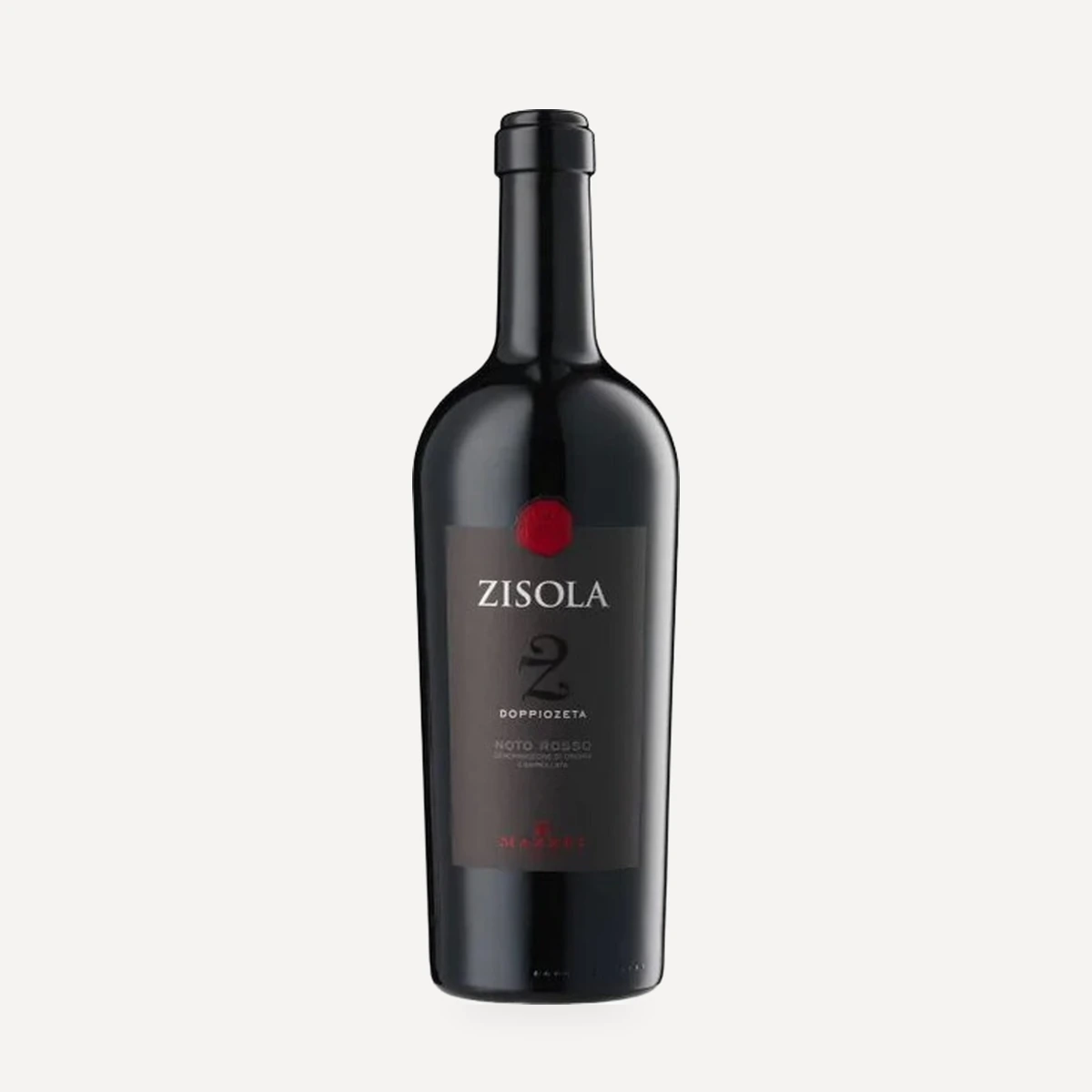
Doppiozeta Noto Rosso DOC
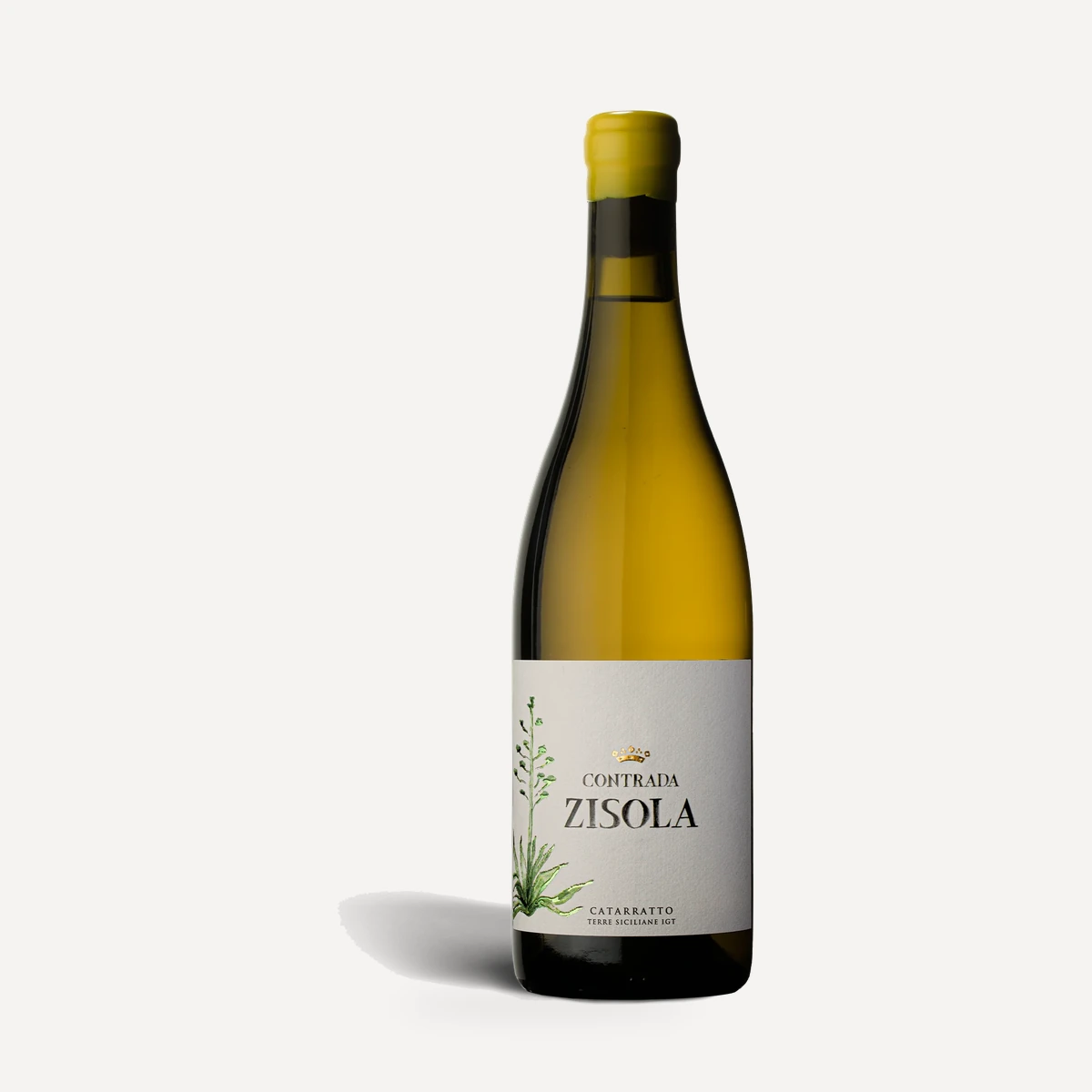
Contrada Zisola Catarratto Terre Siciliane IGT
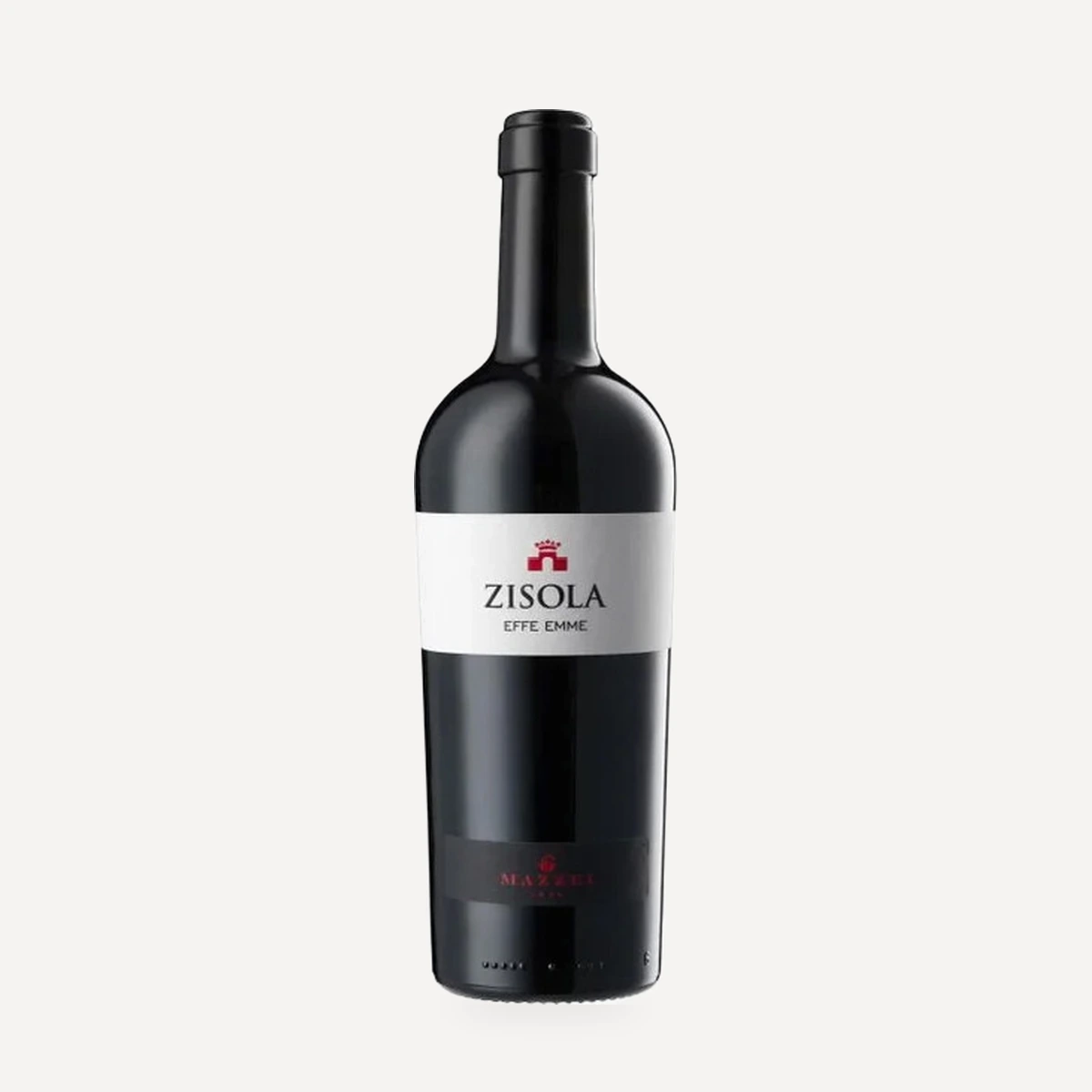
Effe Emme Sicilia Petit Verdot DOC
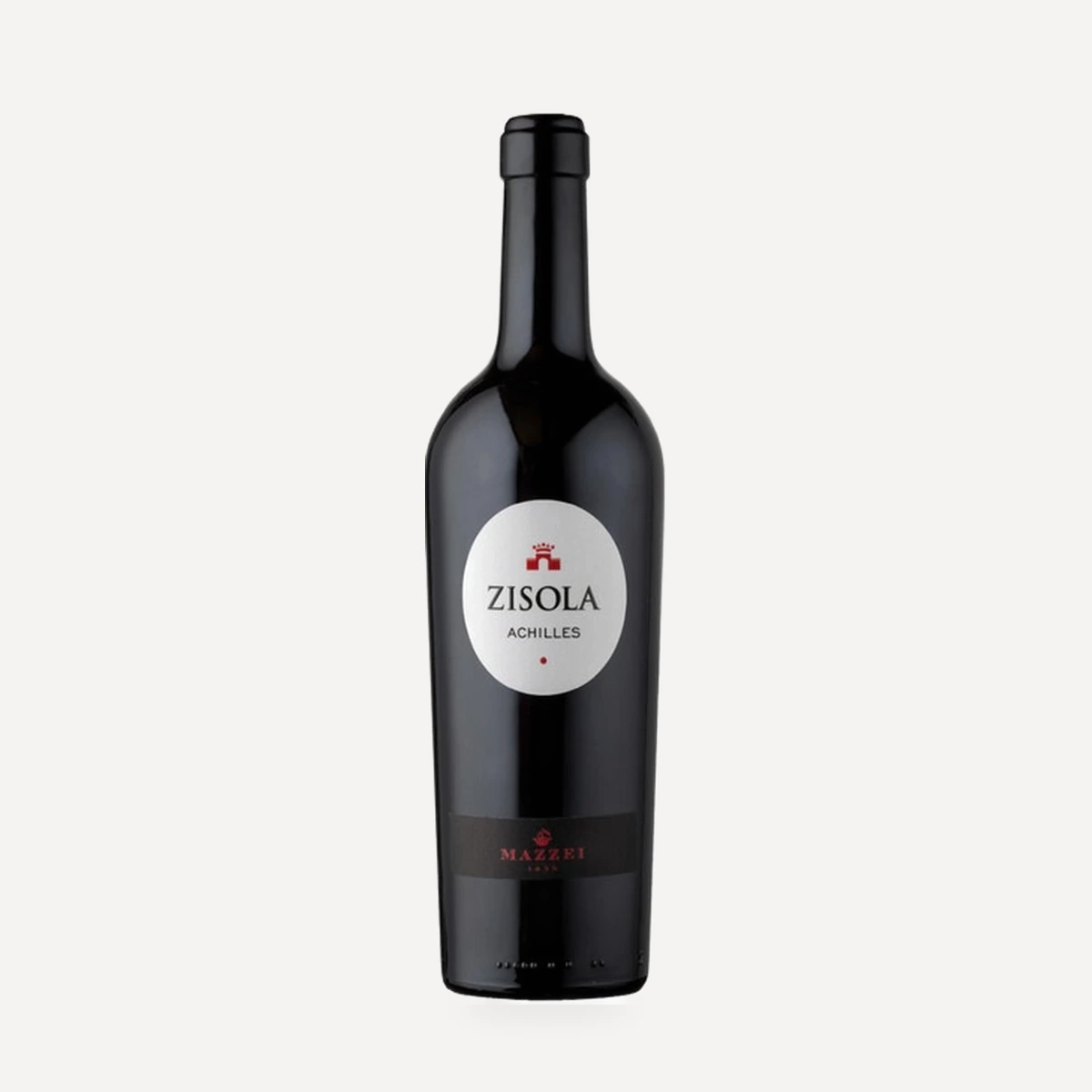
Achilles Syrah Sicilia DOC
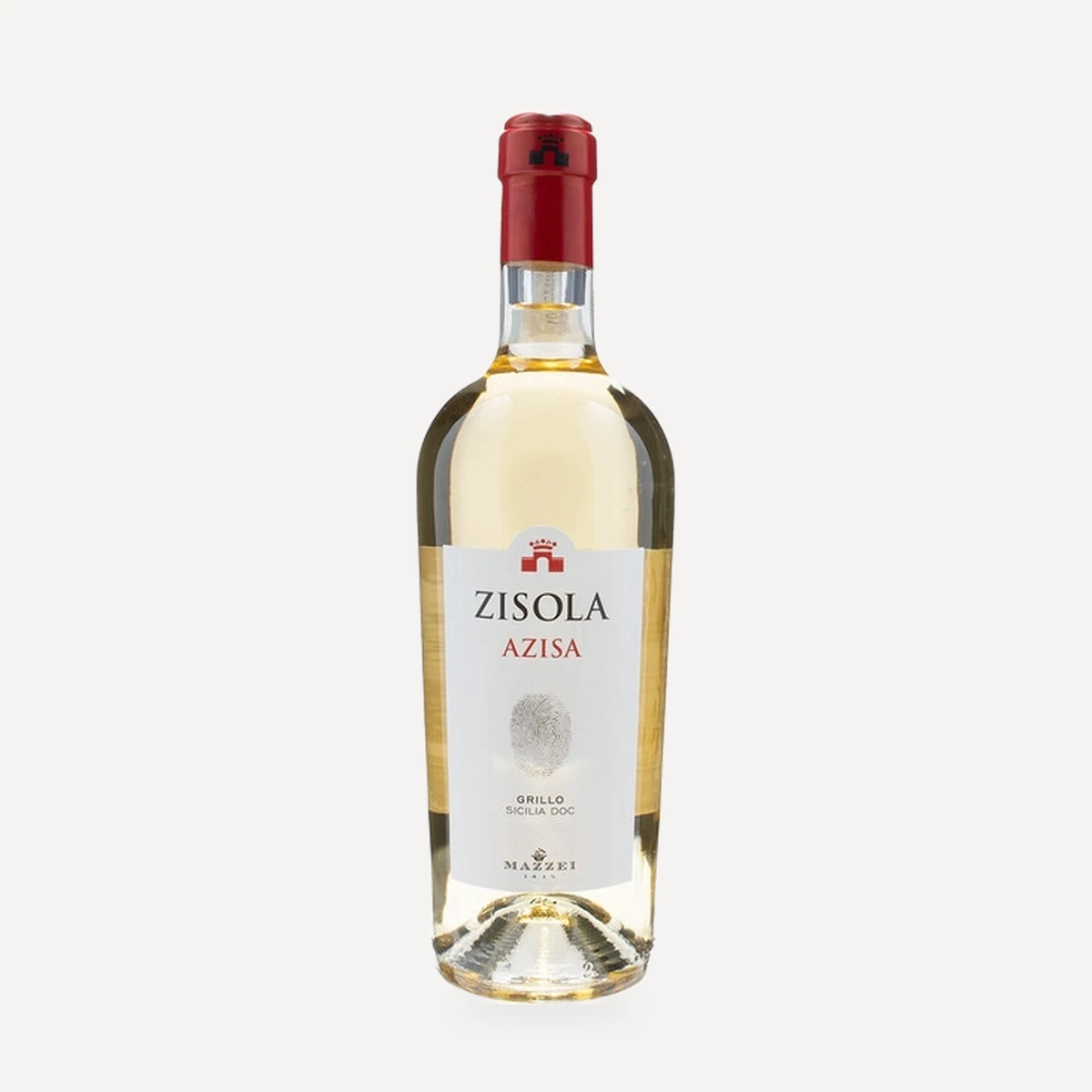
Azisa Sicilia DOC