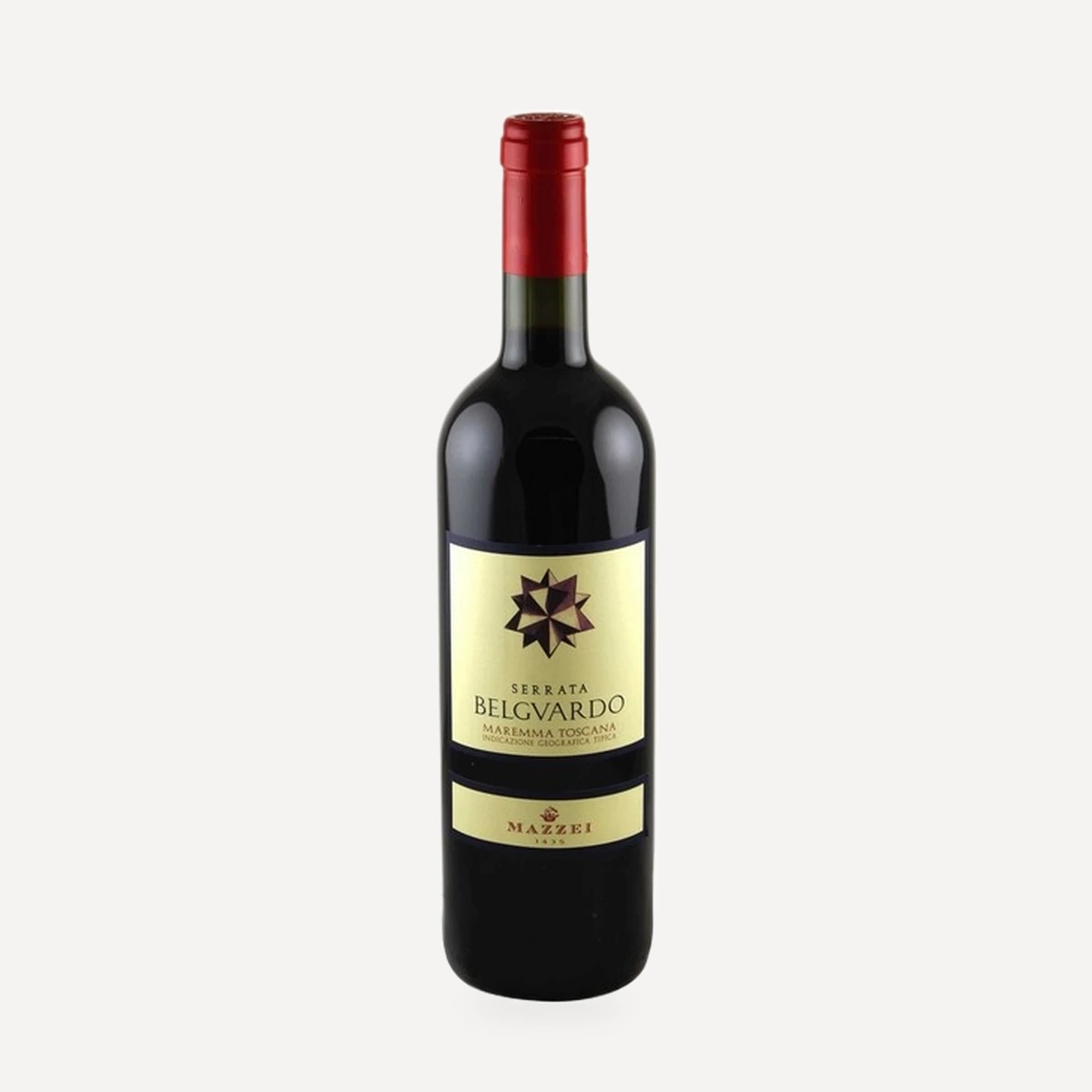
Storia
Acquisition and redevelopment
The Mazzei family acquired Tenuta Belguardo in 1997, extending its activities into the coastal environment of Maremma Toscana. Francesco Mazzei’s managerial and commercial work helped make the expansion possible in active collaboration with Filippo Mazzei.
The acquisition followed years of research into the estate’s terroir. An intensive vineyard-replanting programme began immediately, based on the deliberate selection of grape varieties and clones for the property’s different soil and climatic conditions. The programme combined local varieties—Sangiovese, Alicante, Ciliegiolo and Vermentino—with Cabernet Sauvignon, Cabernet Franc and Syrah, while leaving room for further experimental plantings.
Development of the estate’s range
The first vintage of the estate’s principal red cru, Tenuta Belguardo, was 2000; the project was introduced in 2001 and reserved for suitable vintages. The estate subsequently developed a range spanning four reds, three whites and one rosé. Research in both vineyard and cellar led to Belguardo V, based on two Vermentino clones from Corsica and two from Sardinia. Other projects broadened the range through Sangiovese, Ciliegiolo, Grenache and blends inspired by the estate’s relationship with the Tyrrhenian coast.
Sustainability and current development
Belguardo later joined the Mazzei family’s sustainable-farming programme, designed to protect ecosystem stability and biodiversity. Chemical weeding and chemical topdressing were eliminated; estate residues were redirected into compost; green manure became the means of naturally increasing soil organic matter; and biological pest control was introduced to reduce reliance on synthetic insecticides. By the seventh edition of M1435 Magazine, Belguardo was undergoing organic conversion.
Terroir
Coastal position and relief
Tenuta Belguardo lies on the hills between Grosseto and Montiano, close to the Tyrrhenian Sea. Its vineyards face south to south-west, with gradients ranging from 10% to 19%. The principal estate figures place them between 100 and 180 metres above sea level.
Soils
The vineyards occupy poor, skeletal soils dominated by fine gravel created through the breakdown of sandstone and alberese, the local limestone-and-clay formation. Soil texture varies across the property: medium-textured sections retain water effectively, while sandy-loam sections provide strong drainage. This diversity supports the cultivation of markedly different varieties.
Maritime microclimate
The Tyrrhenian Sea exerts a strong influence on the estate. Thermal currents are especially important during spring and summer, and constant ventilation offsets the vineyards’ exposure to solar radiation. The microclimate combines low humidity, rainfall below the local average and a high rate of evapotranspiration. The interaction of exposure, ventilation, soils and water behaviour underpins the estate’s ability to grow both local and international varieties.
Vinificazione
Belguardo follows the Mazzei family’s sustainable agricultural programme, whose objectives are ecosystem stability, biodiversity and the long-term preservation of the land.
Chemical weeding and chemical topdressing have been eliminated. Pruned shoots, grape stalks, grape marc, olive pomace and horse manure are recycled into estate compost and returned to the land as organic fertiliser.
Green manure is used to increase soil organic matter naturally and diversify the vineyard agro-ecosystem. Species sown in alternating rows include field beans, common vetch, sainfoin, clovers, oats, barley, blue tansy, mustard, pasture hawksbeard, lupins, peas and horseradish; the vegetation is cut after germination.
Biological pest control receives particular attention. Sex pheromones are used against principal vine and olive phytophagous pests to minimise the application of synthetic insecticides. The broader approach also incorporates measures intended to protect the soil against erosion and maximise its water reserve. Belguardo is undergoing organic conversion.
Production takes place in an estate winery that includes a dedicated barrel-ageing room. Vineyard redevelopment has been accompanied by research in the cellar as well as in the vines, including the work behind Belguardo V. The hospitality programme includes guided visits to both the winery and barrel room.
Filosofia
Belguardo shares a production philosophy centred on expressing the identity of each territory while respecting its particular characteristics. At the estate, this is reflected in the matching of varieties and clones to a varied coastal terroir, the development of both local and international grapes, and continuing research in vineyard and cellar.
The Mazzei family places particular emphasis on native varieties as expressions of place, while also treating diversity and nature as fundamental values. Sustainable agriculture, protection of the hydrogeological balance, erosion control and preservation of soil water reserves are intended to leave the land intact for future generations.
The stated quality objective is not uniformity between estates, but the application of the family’s accumulated experience in ways suited to each individual environment. Belguardo’s eclectic range—reds, whites and rosé—follows from the diversity of its soils and maritime microclimates rather than from a single-variety model.
Vini
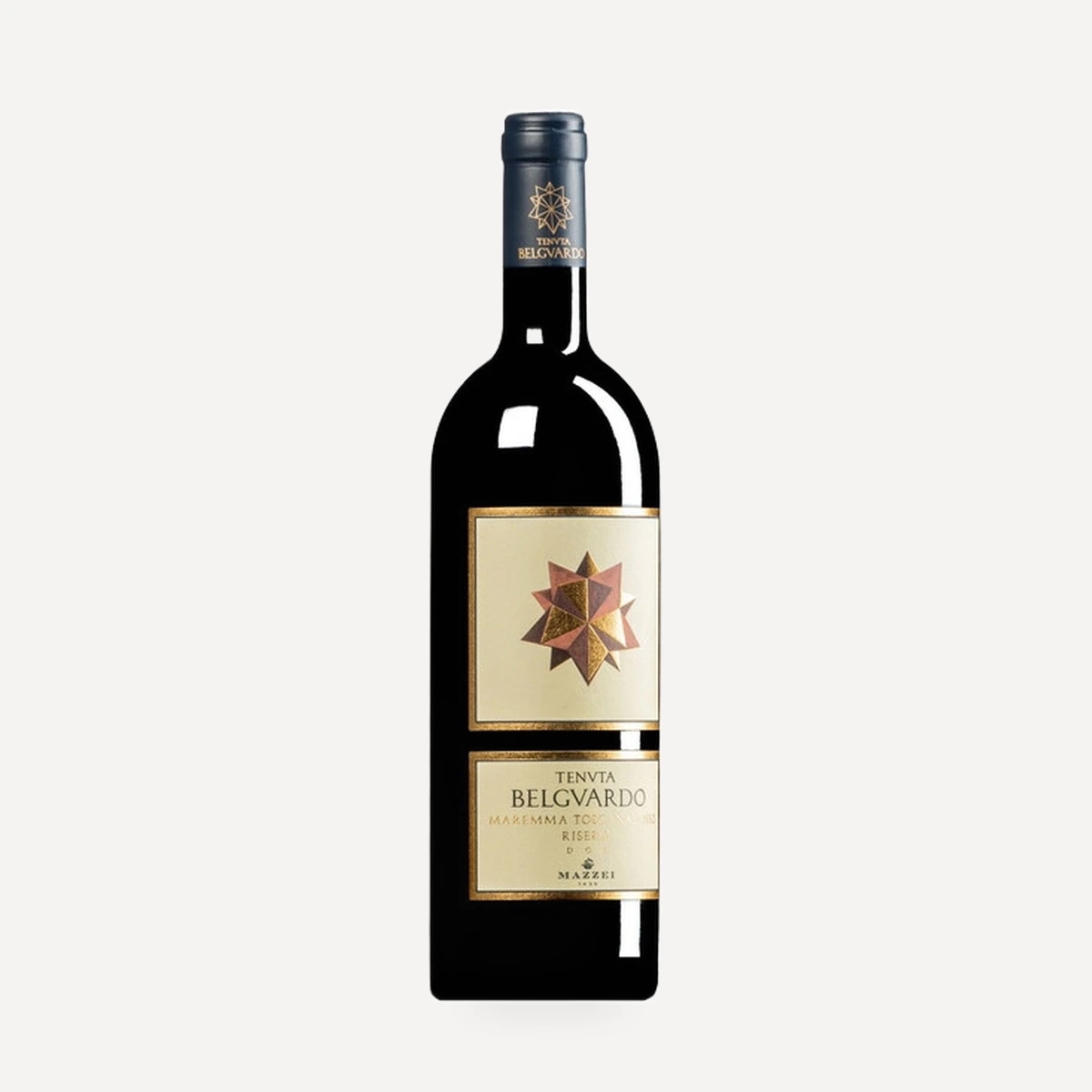
Tenuta Belguardo Maremma Toscana Rosso Riserva DOC
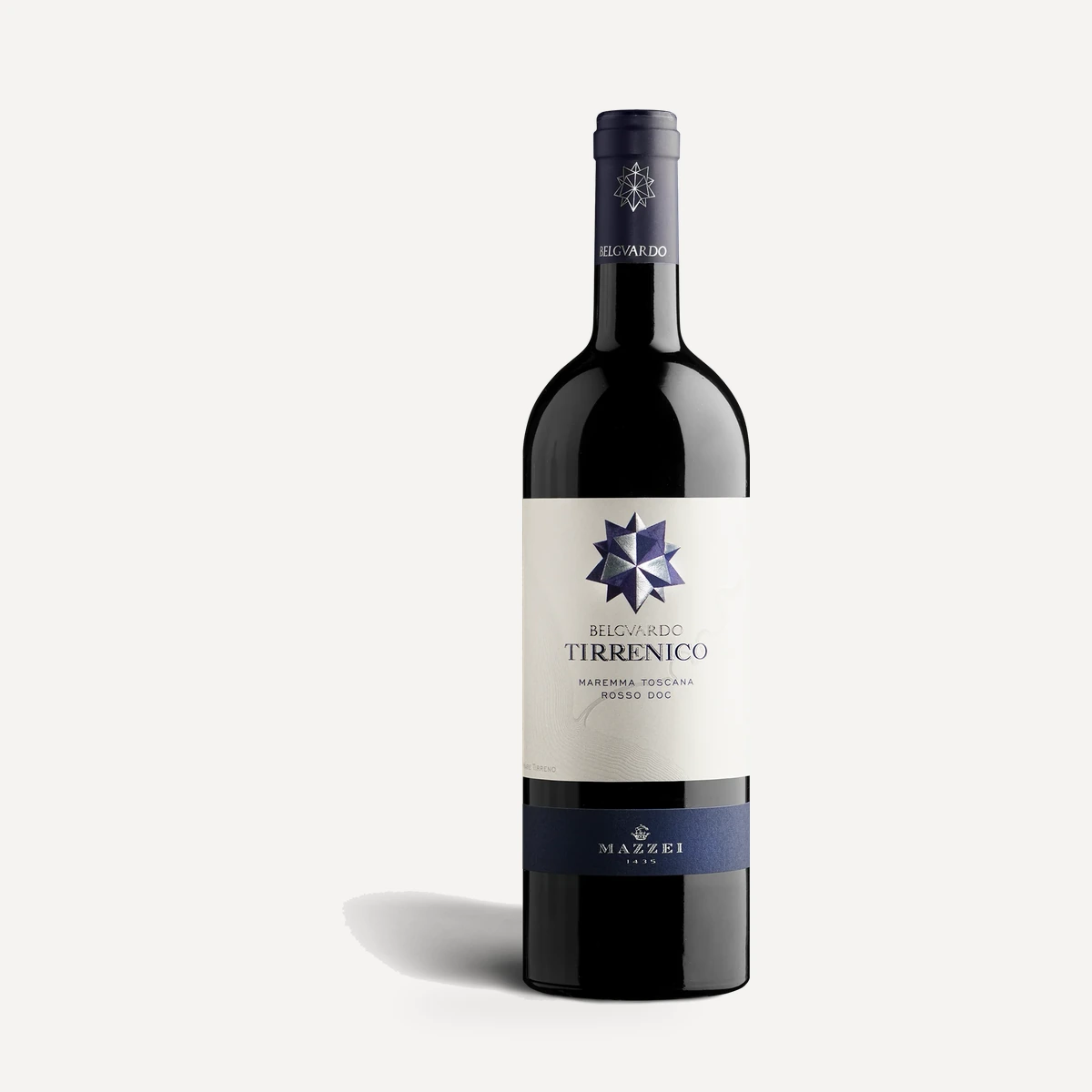
Belguardo Tirrenico Maremma Toscana DOC
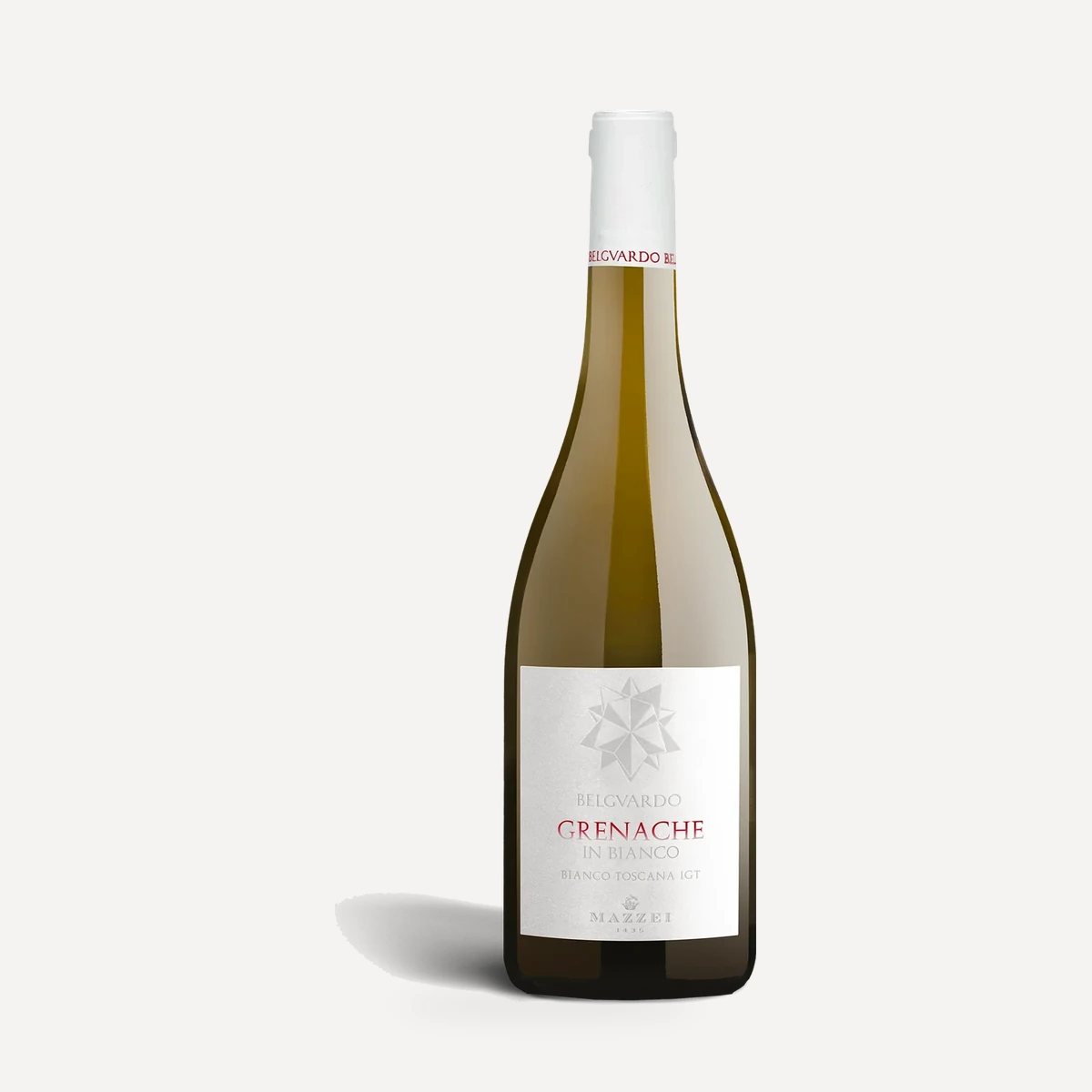
Belguardo Grenache in Bianco Toscana IGT
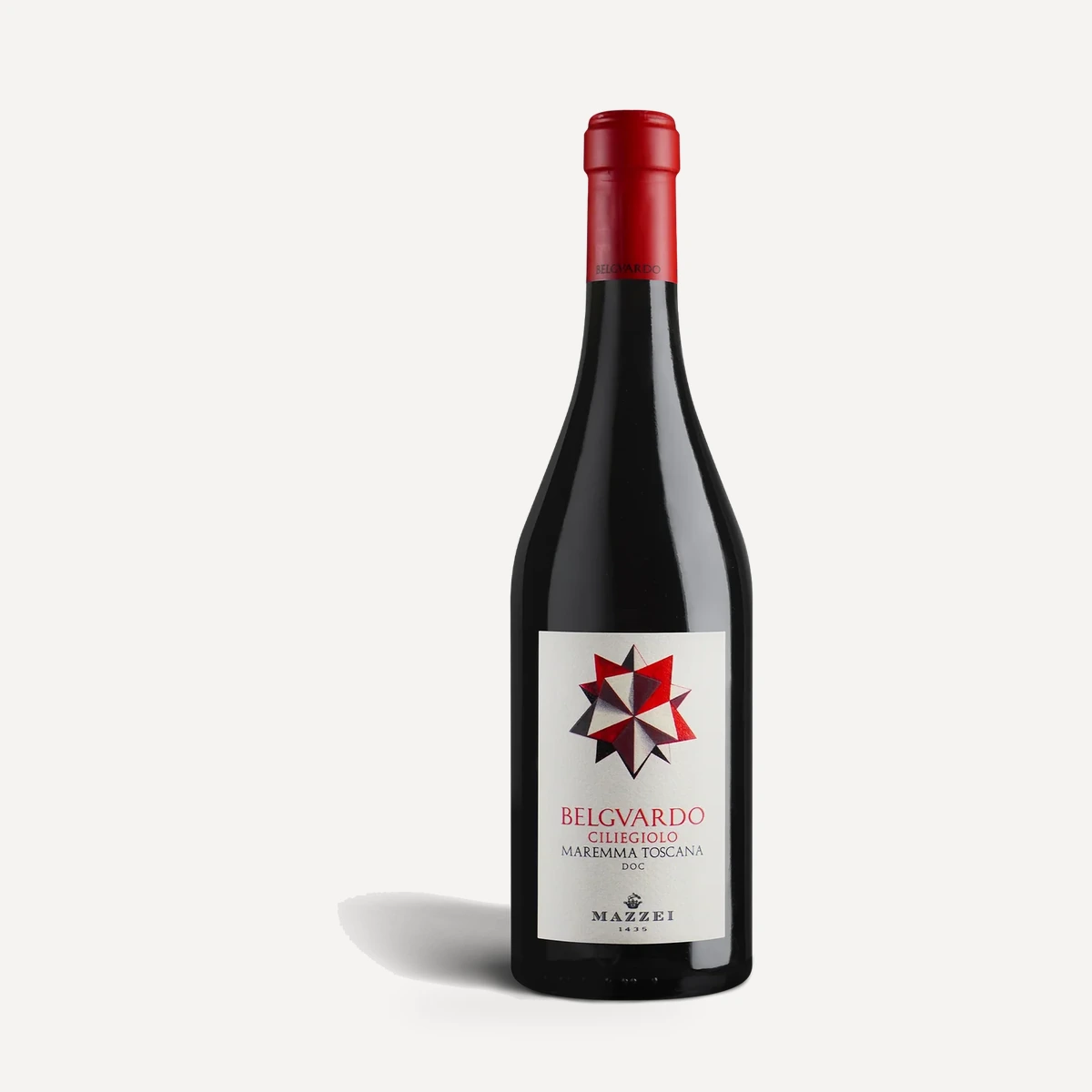
Belguardo Ciliegiolo Maremma Toscana DOC
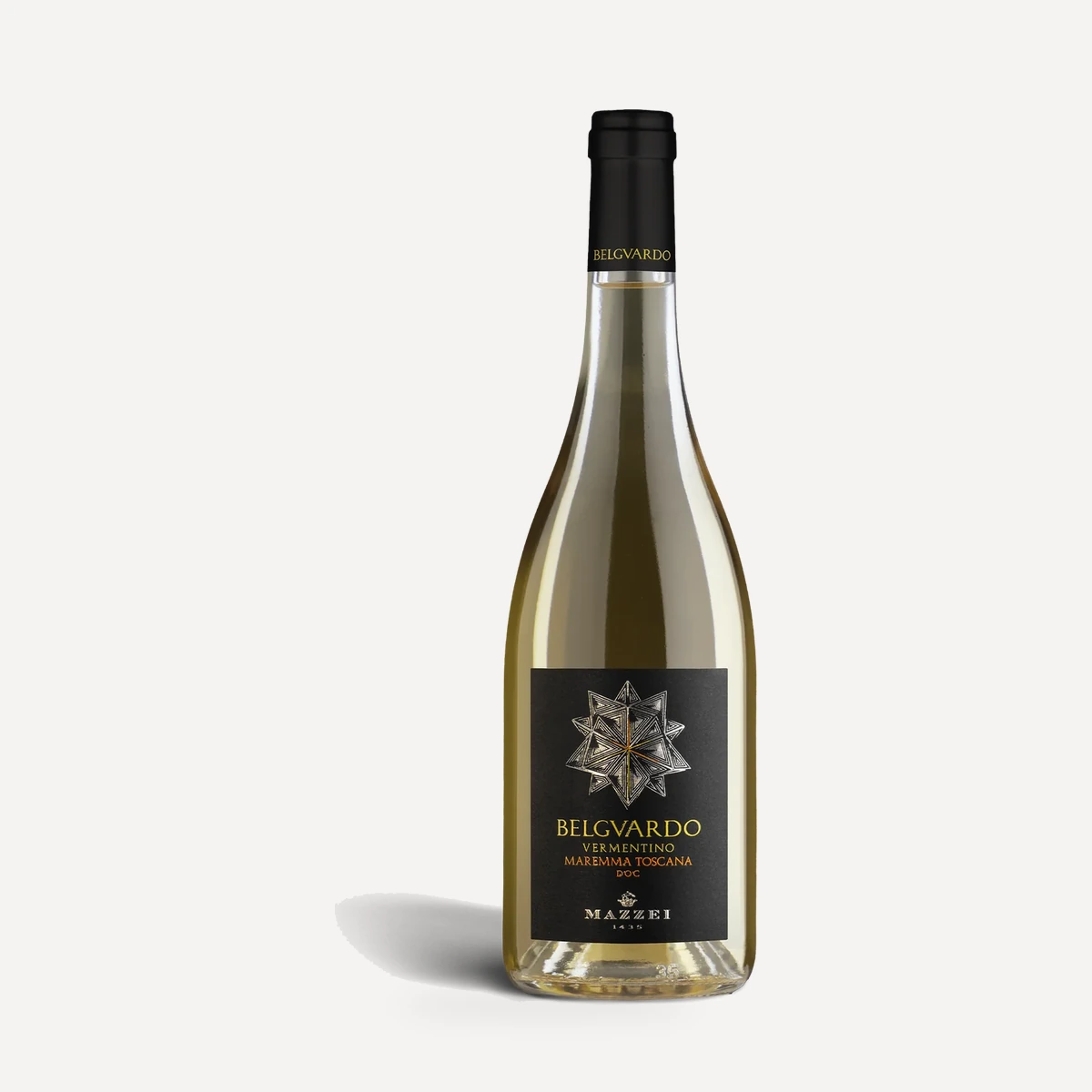
Belguardo Vermentino Maremma Toscana DOC
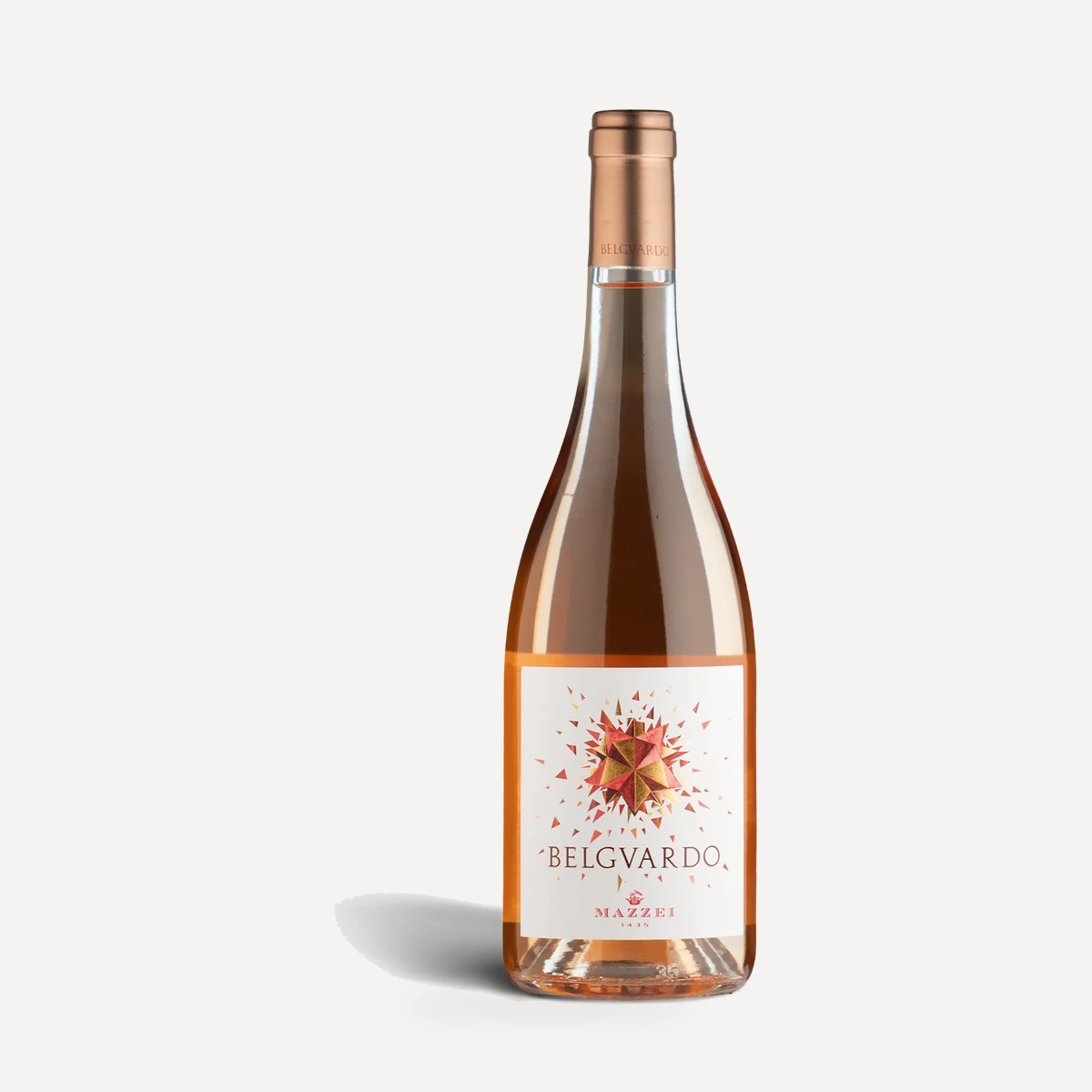
Belguardo Rosé Toscana IGT
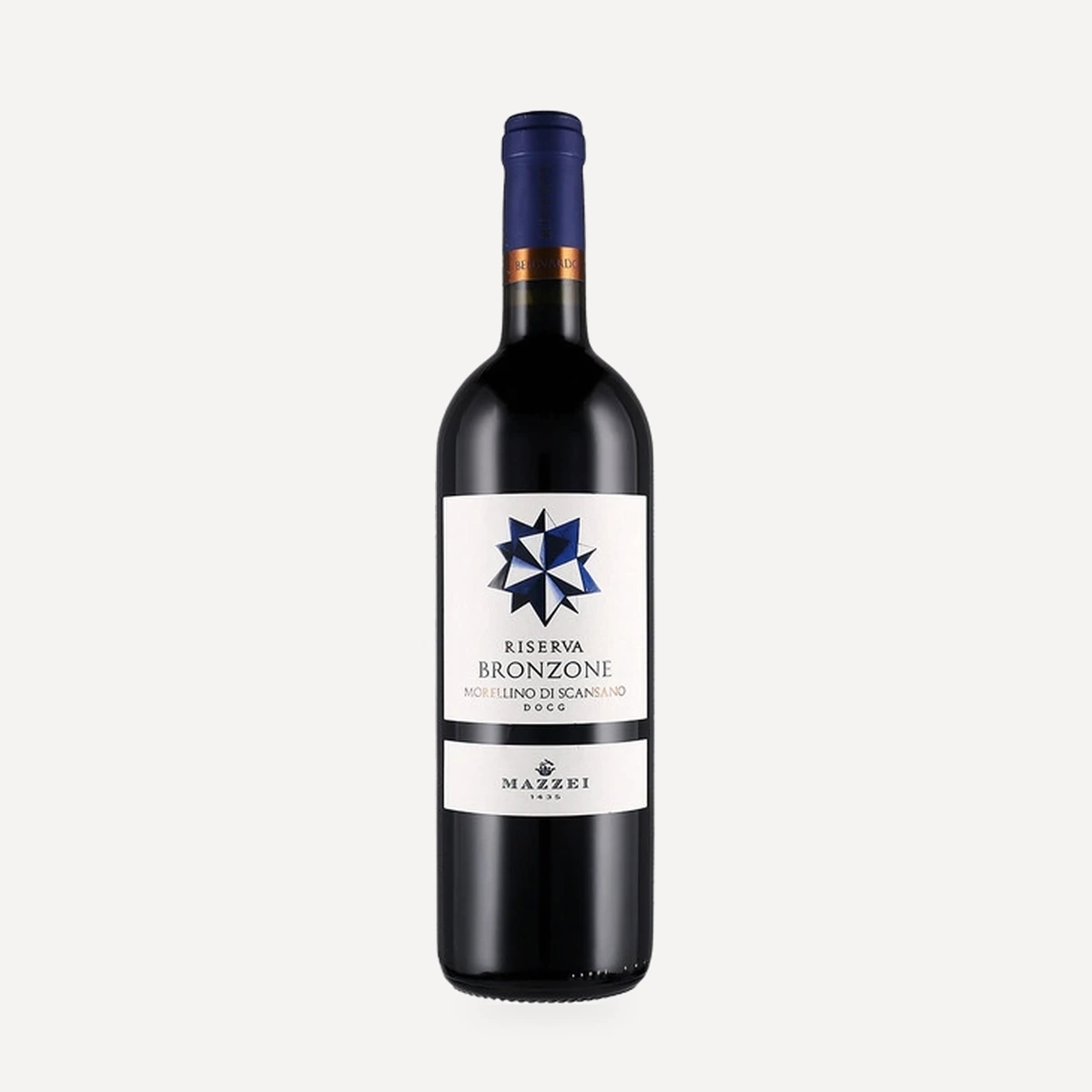
Belguardo Bronzone Morellino di Scansano Riserva DOCG