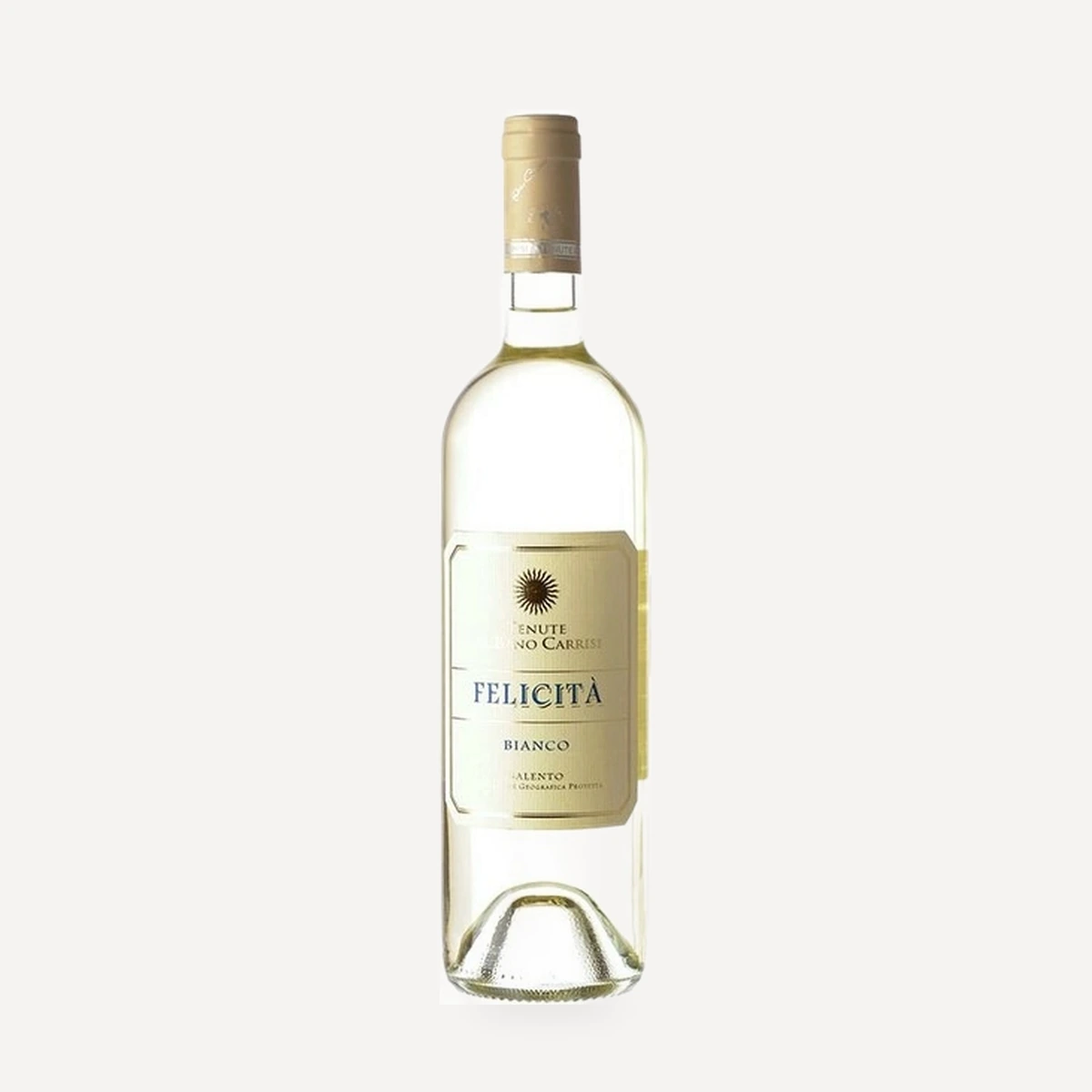
History
Rural roots and a promise to Don Carmelo
Al Bano Carrisi was born into a farming family in Cellino San Marco. His attachment to the land began in childhood, when his father, Don Carmelo, took him into the vineyard and taught him to clear away weeds. Don Carmelo's lesson was that the land gives back what people give to it, an idea that became central to Al Bano's understanding of wine and agricultural work.
Al Bano left Cellino San Marco in conditions of poverty, telling his father that he would become a singer and return to build a winery dedicated to him. Don Carmelo regarded the plan as a dream far removed from the family's difficult circumstances.
1973: foundation of the winery
Al Bano fulfilled the promise in 1973, when his wine business was established. The original range was Don Carmelo, named in honour of his father. When Don Carmelo eventually held the bottle bearing his name, he responded with emotion and pride, acknowledging his son's determination.
Development of the range
The winery subsequently expanded beyond its founding white-wine range to produce red, rosé and white wines. Its historical account describes ten wine lines and an olive oil. The wines draw on vineyards reported as being between 40 and 75 years old and associated with Primitivo, Negroamaro, Chardonnay and Aleatico; another current wine also identifies Sauvignon among the grapes grown around Cellino San Marco.
Wine remains closely connected to Al Bano's rural origins: he presents it as part of his roots and culture, and as an expression of the history of his native land.
Terroir
The winery is based at Contrada Bosco in Cellino San Marco, in the province of Brindisi and at the gateway to Salento. The estate lies between the Adriatic and Ionian seas, a few kilometres from the coast and approximately 20 km from Lecce. Its setting combines vineyards and olive groves with the ancient Curtipitrizzi woodland.
The broader estate is centred on a seventeenth-century masseria and a historic borgo. Curtipitrizzi comprises 60 ha of woodland and is presented as one of Europe's largest privately owned forests. Its environment includes spontaneous woodland flora, horses and other animals, placing the vineyards within a wider agricultural and wooded landscape.
Winemaking
Al Bano Carrisi's relationship with viticulture began in childhood, when Don Carmelo took him into the vineyard and taught him to remove weeds. This practical lesson was joined to a broader ethic of reciprocity with the land: agricultural care was understood as something the land would ultimately return.
The winery's present-day viticultural identity is expressed through love and respect for the land, continuity with the Carrisi family's farming background and the preservation of rural values. The vineyards include mature plantings reported as 40–75 years old.
The winery includes a dedicated barrel cellar, or bottaia. Its production sequence encompasses vinification, bottling and maturation. The barrel cellar forms the concluding stage of estate visits, where these phases are presented to guests.
The range comprises red, rosé and white wines. The winery's detailed production techniques are attached to individual wines rather than expressed as one universal protocol for the entire cellar.
Philosophy
Al Bano Carrisi describes love and respect for the land as principles learned from birth. His approach is rooted in a farming family and in Don Carmelo's lesson that the land gives in return for what people give to it.
Wine is understood as a profound personal passion connected to roots and culture rather than merely a commercial product. In this view, every glass carries something of the history of the native land. The winery's founding itself embodies that outlook: it grew from a son's promise to his farmer father and retained that family memory in the name of its first range.
Wines
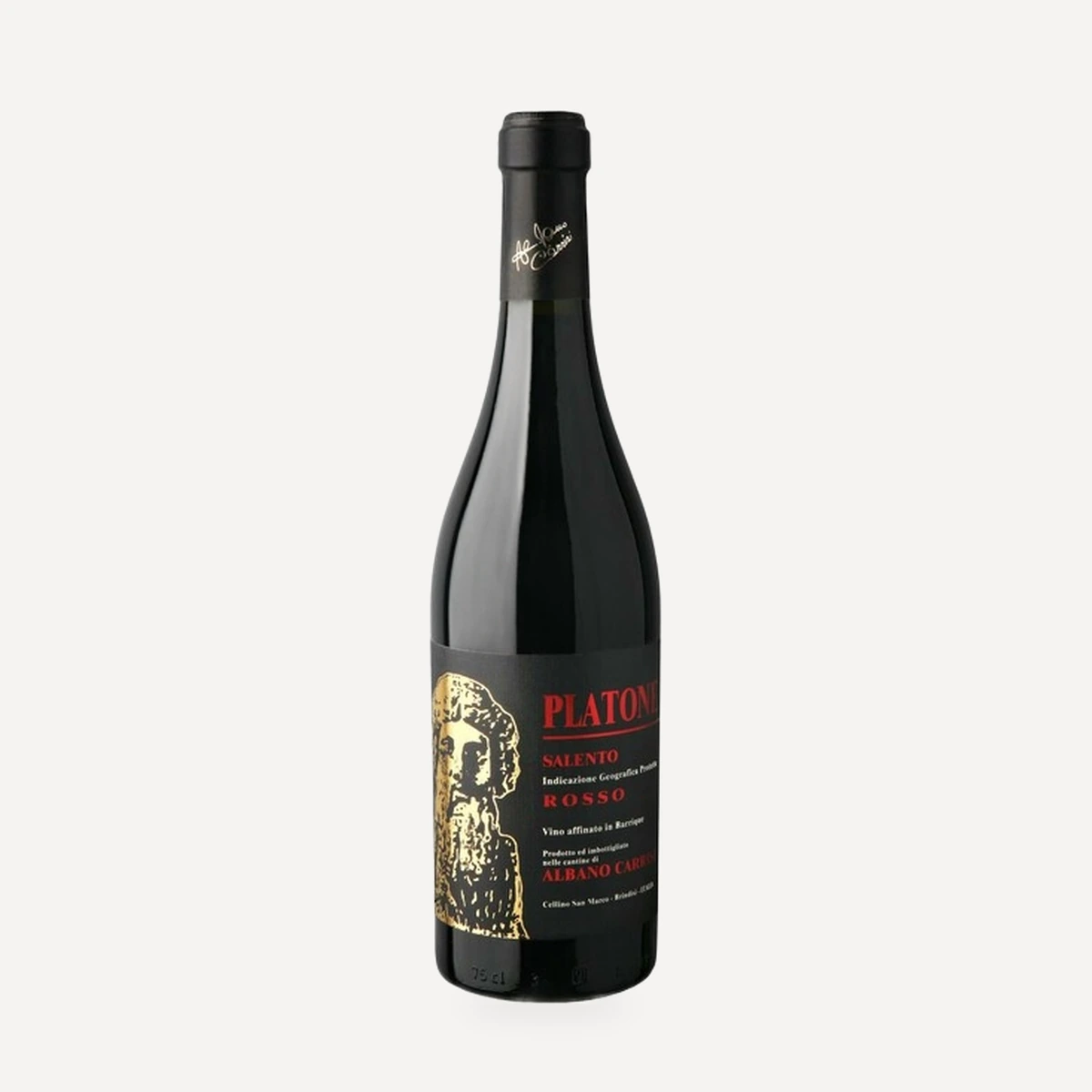
Platone (Salento) IGP
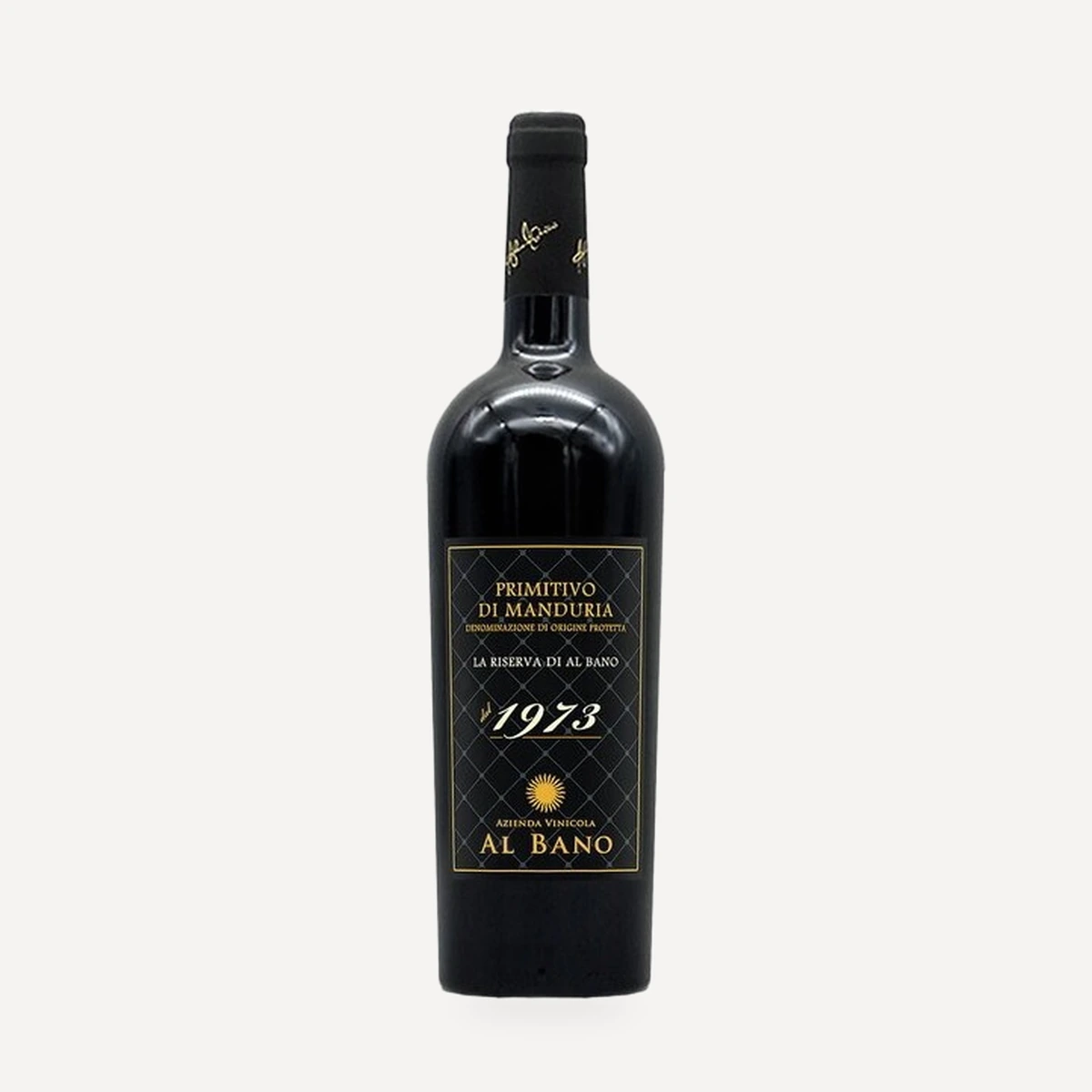
Primitivo di Manduria (& Riserva) DOP
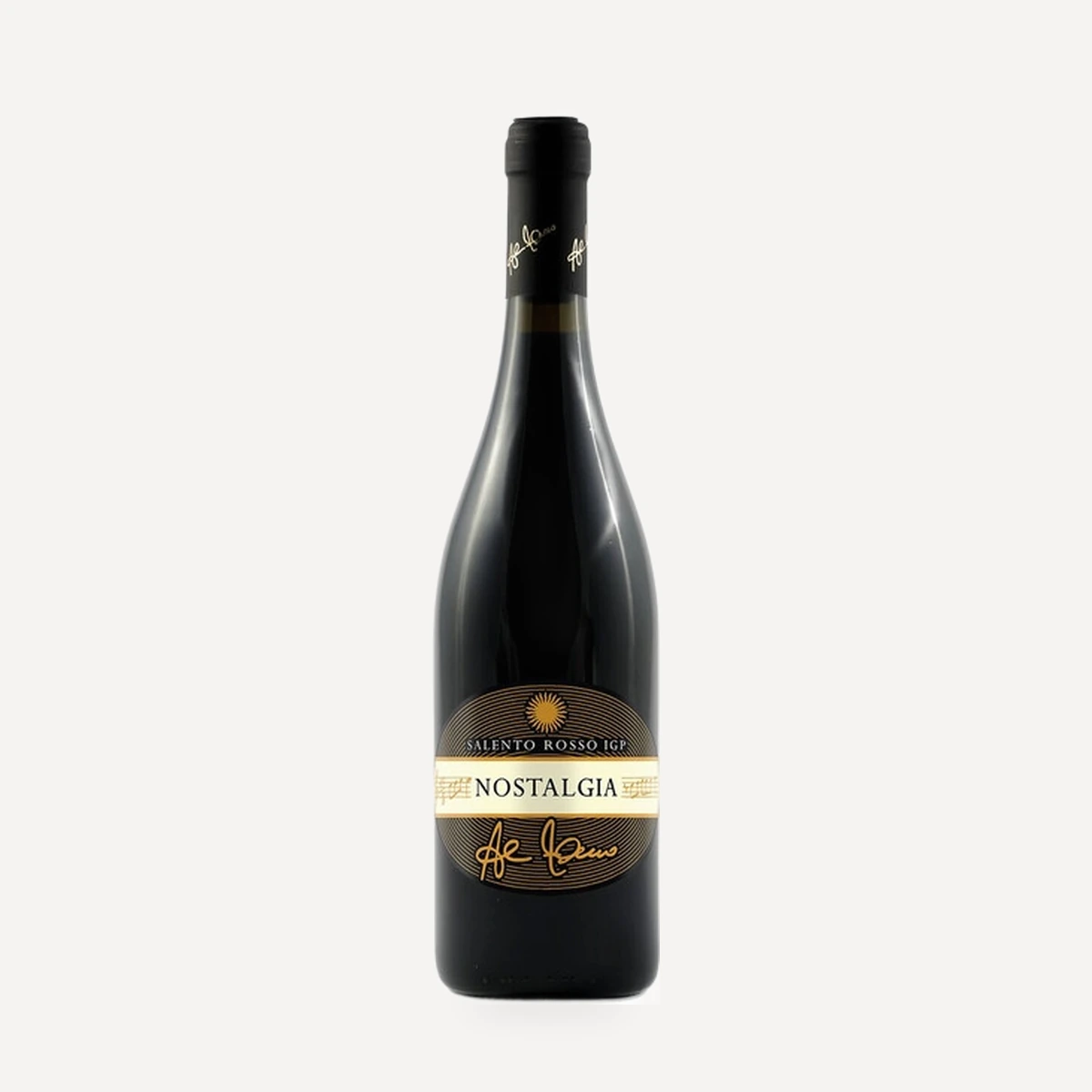
Nostalgia
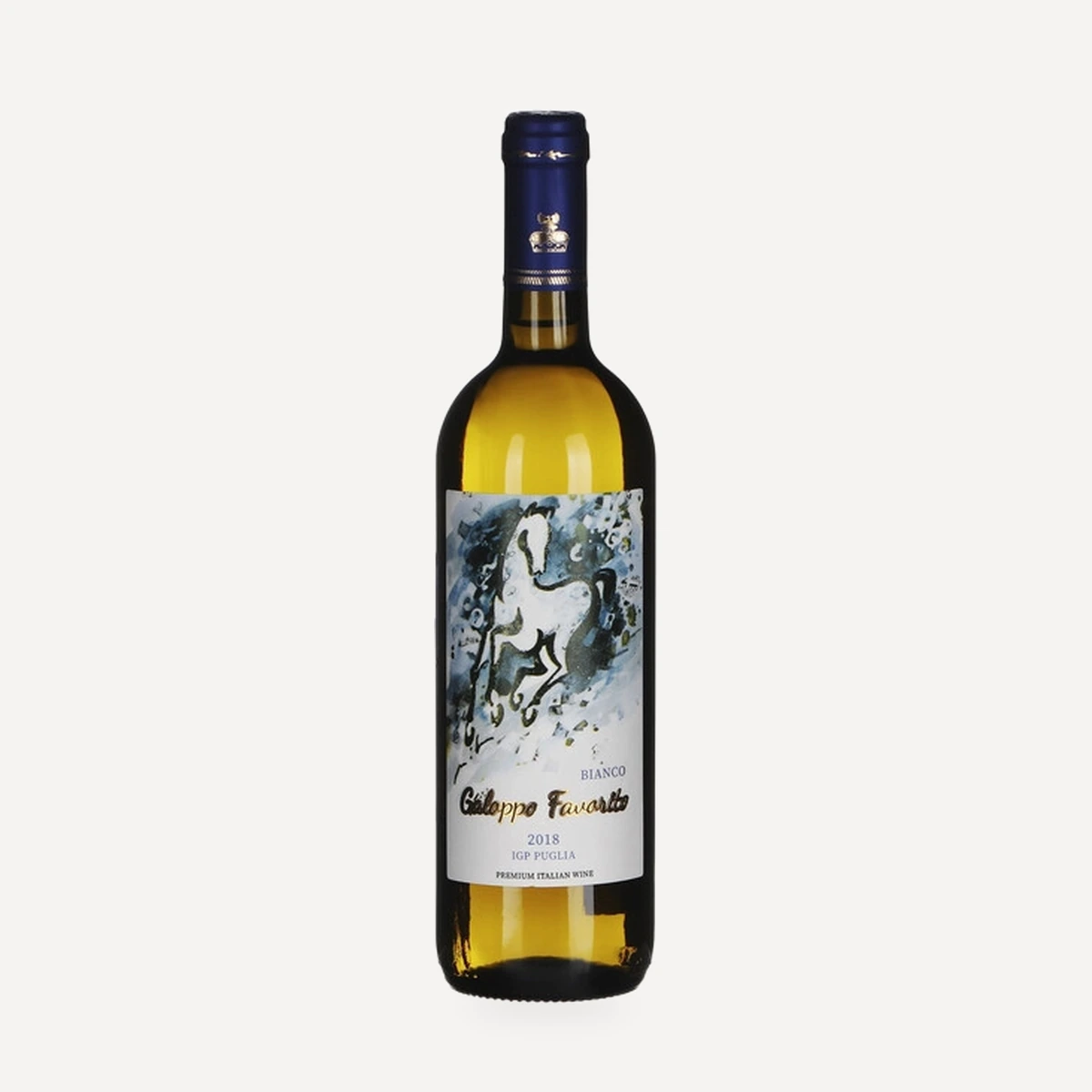
Galoppo Favorito Bianco Puglia IGP
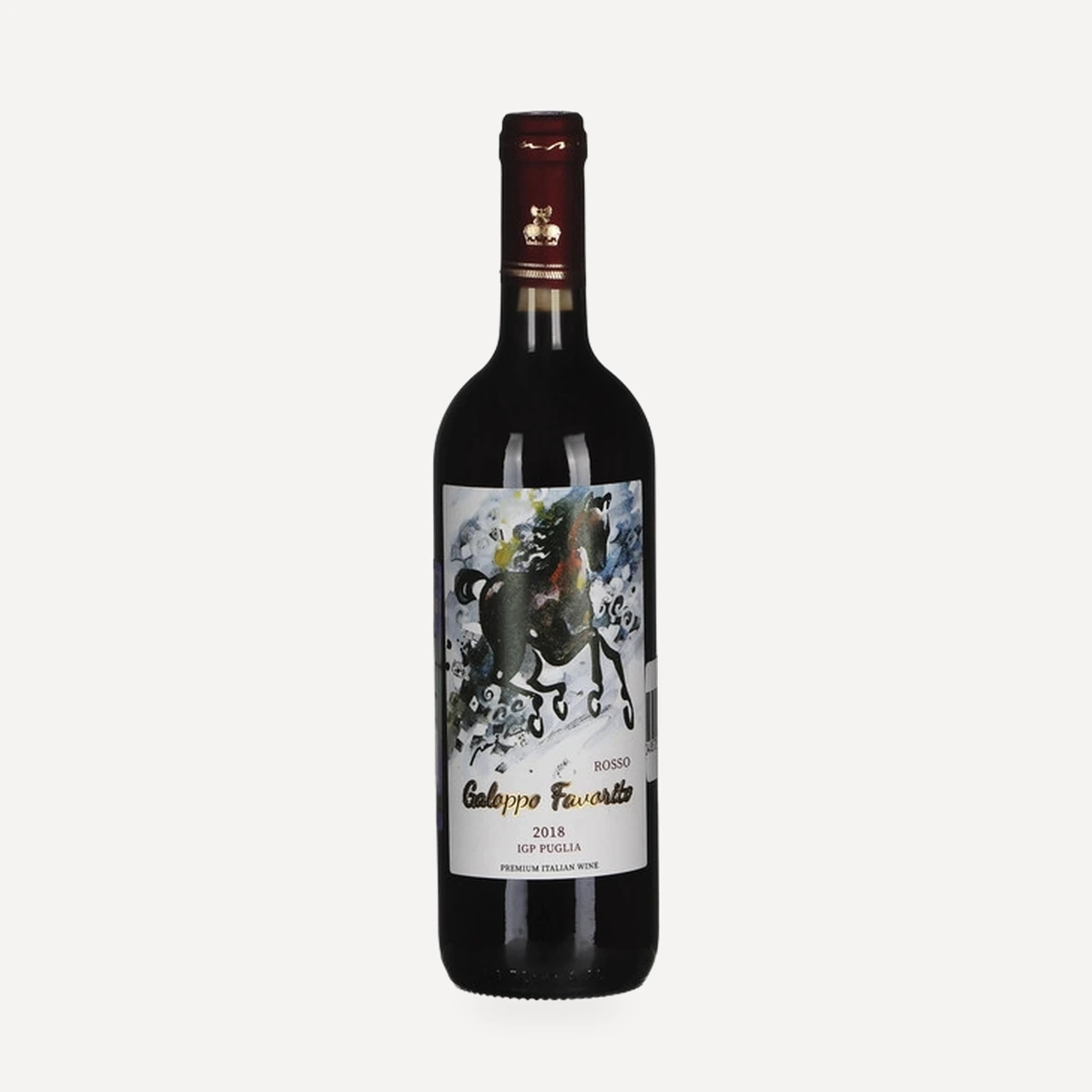
Galoppo Favorito Rosso Puglia IGP
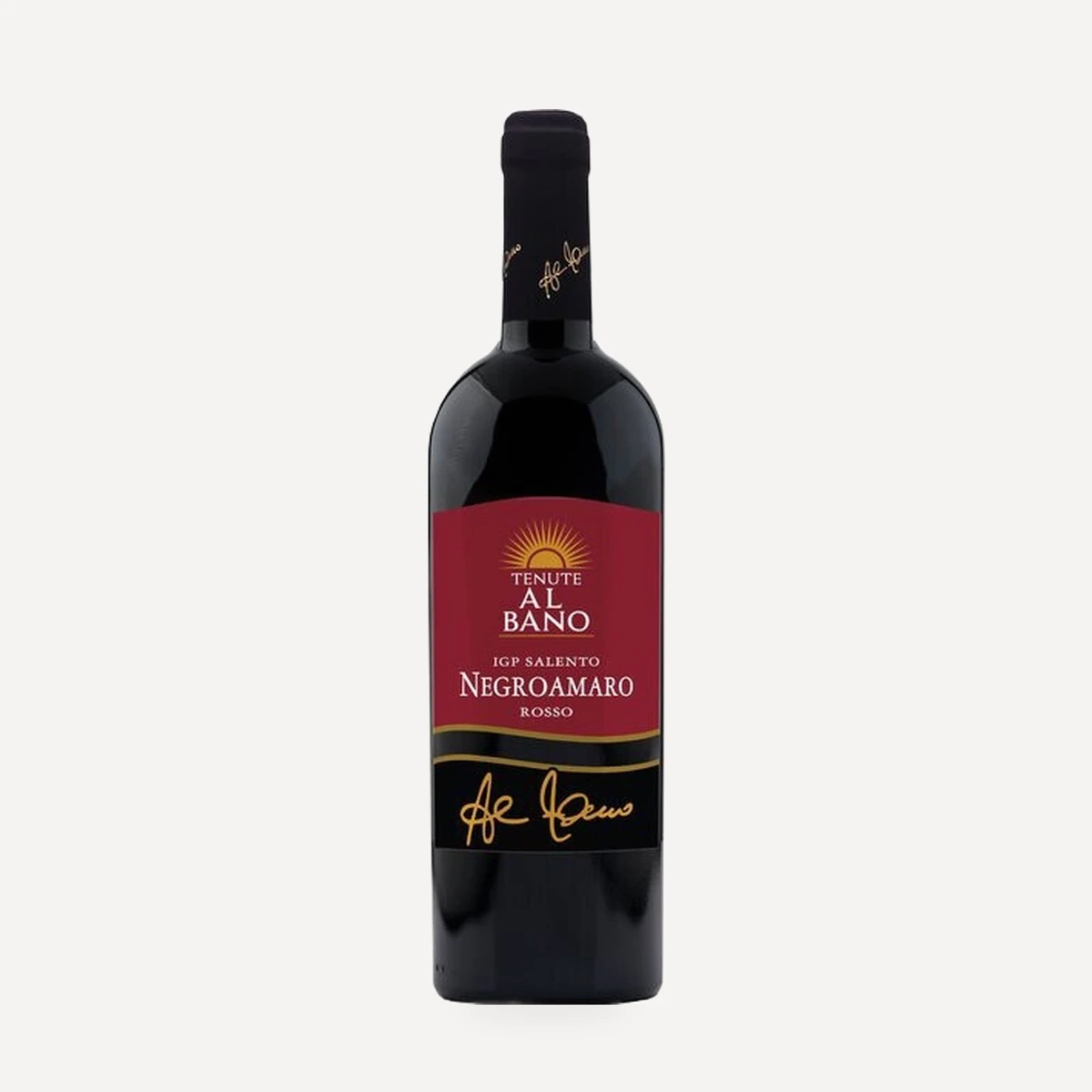
Negroamaro Rosso Salento IGP
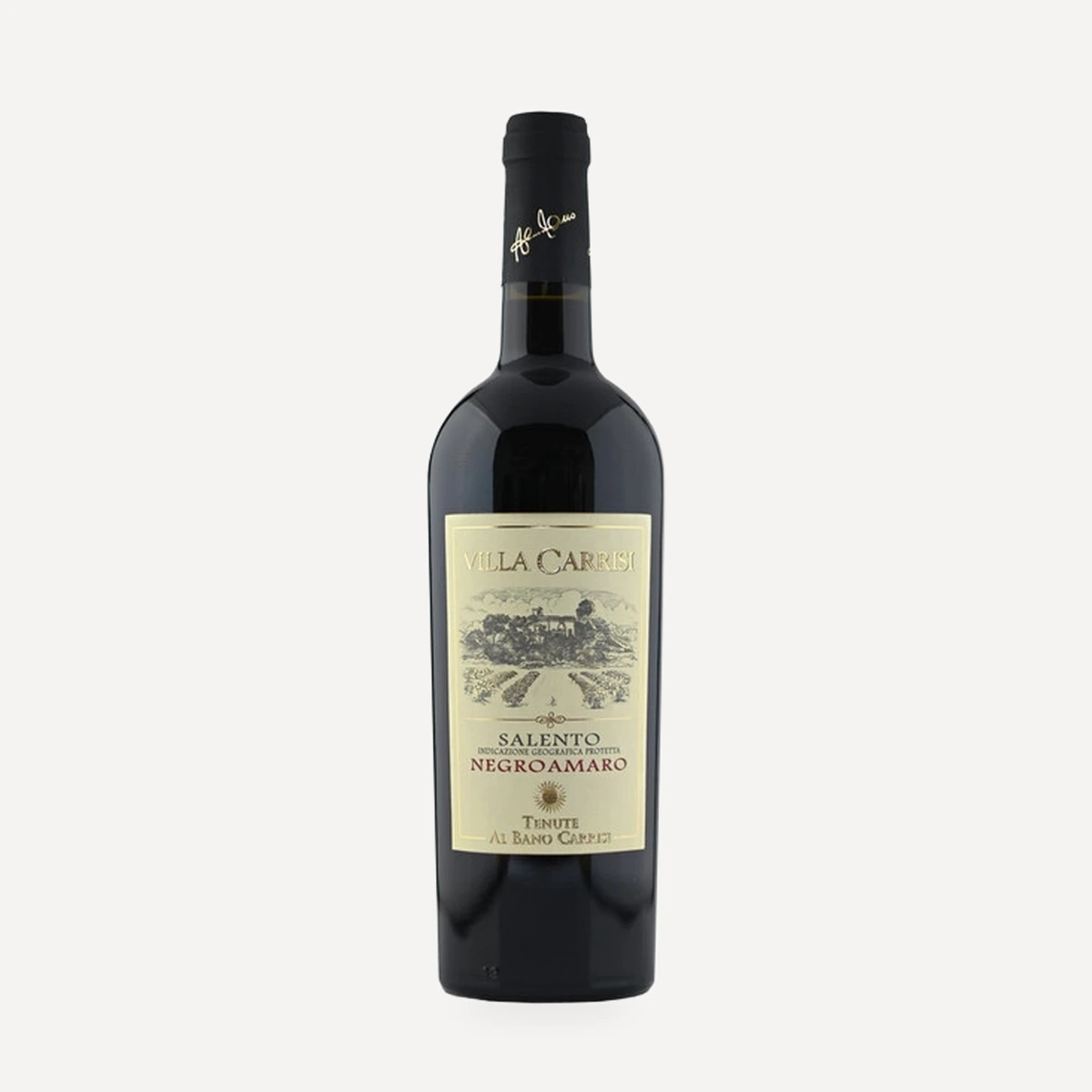
Villa Carrisi Negroamaro Salento IGP
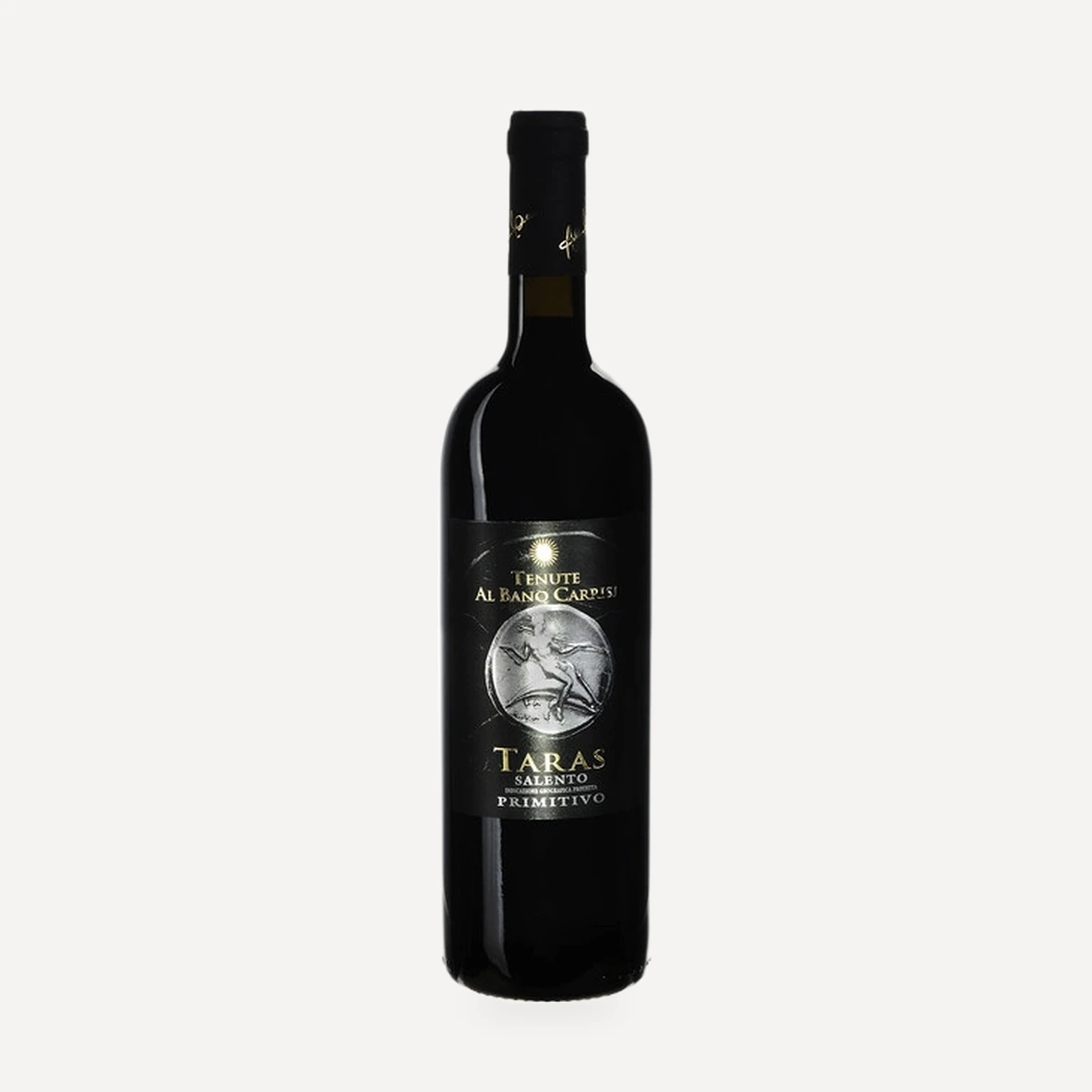
Taras (Salento) IGP
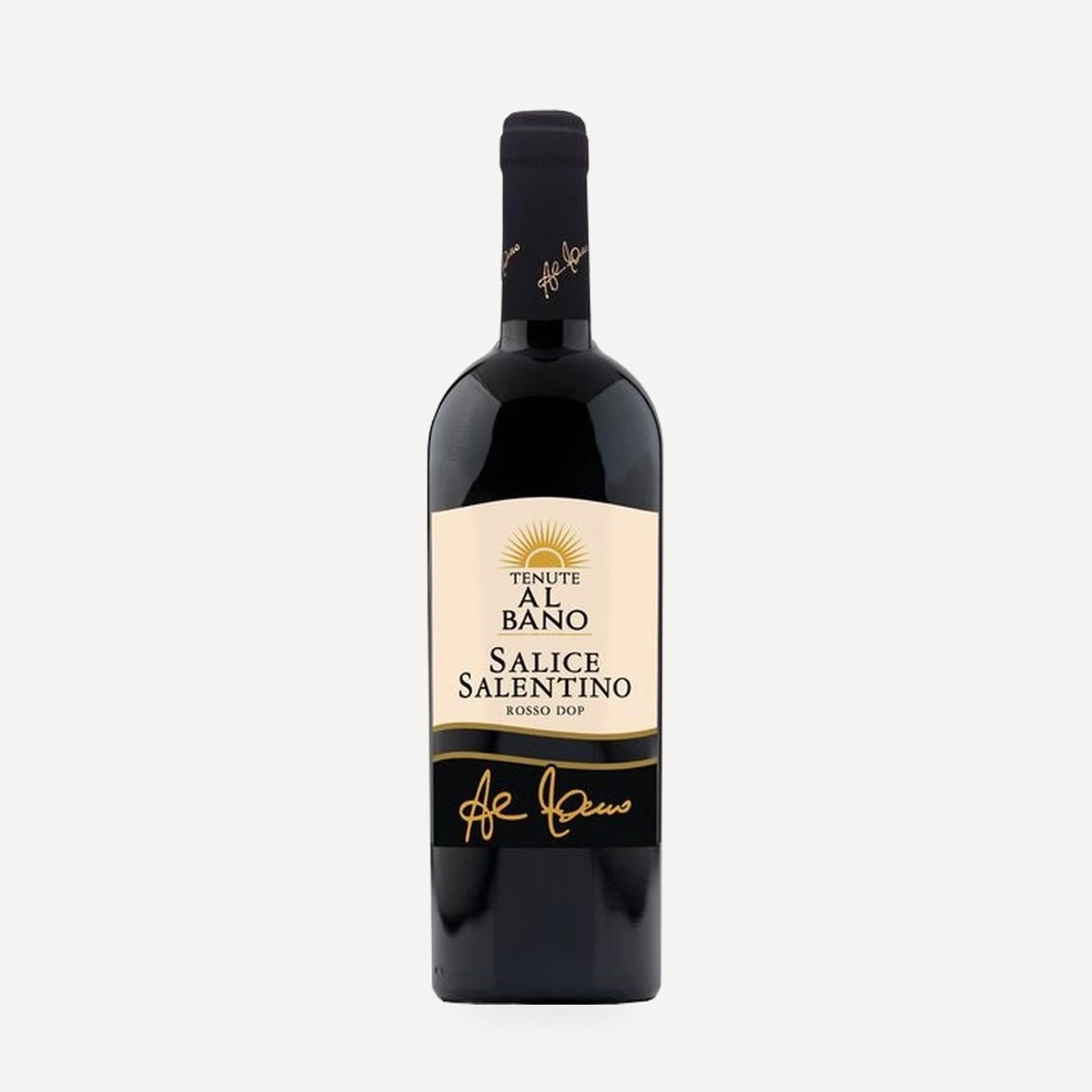
Salice Salentino
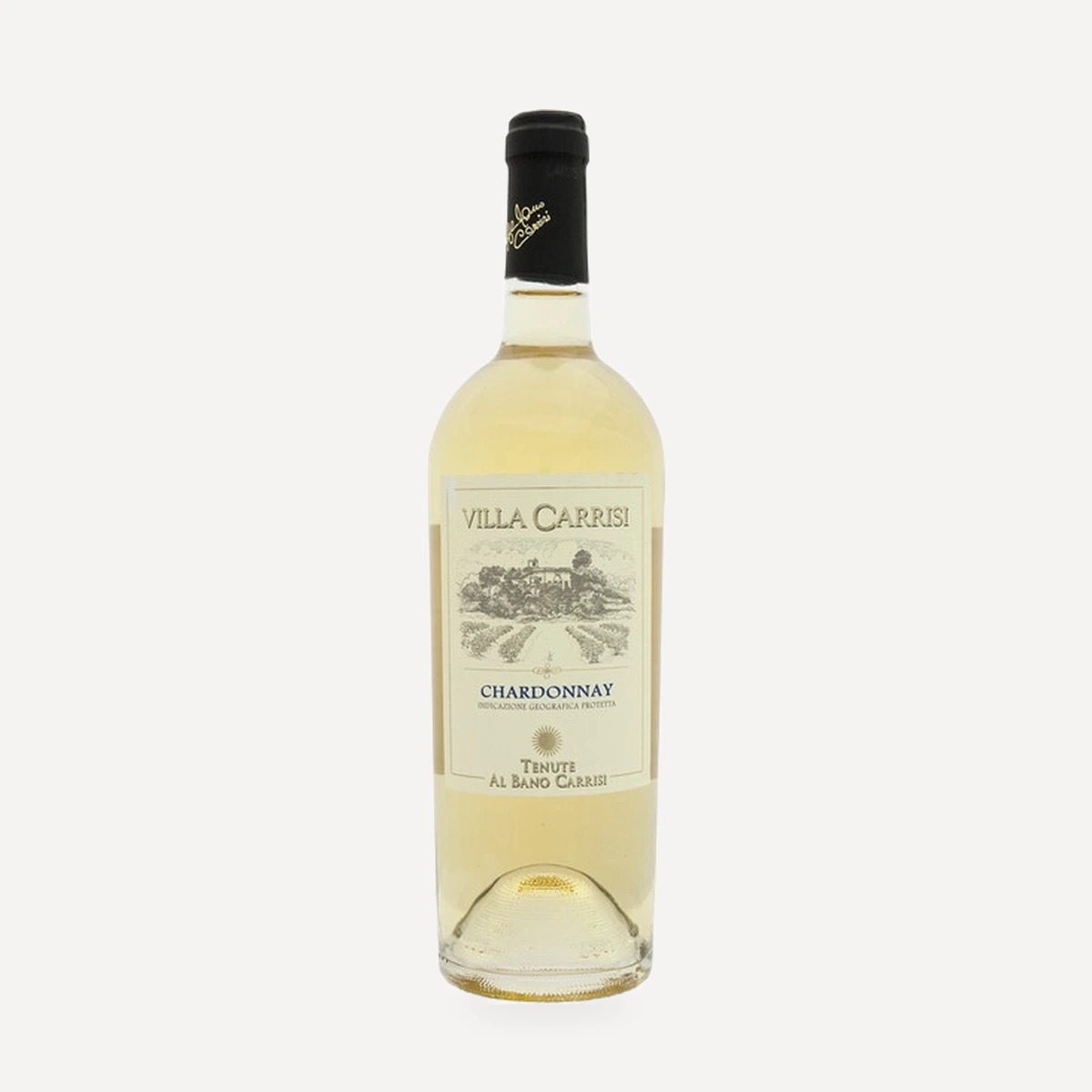
Villa Carrisi Chardonnay Salento IGP
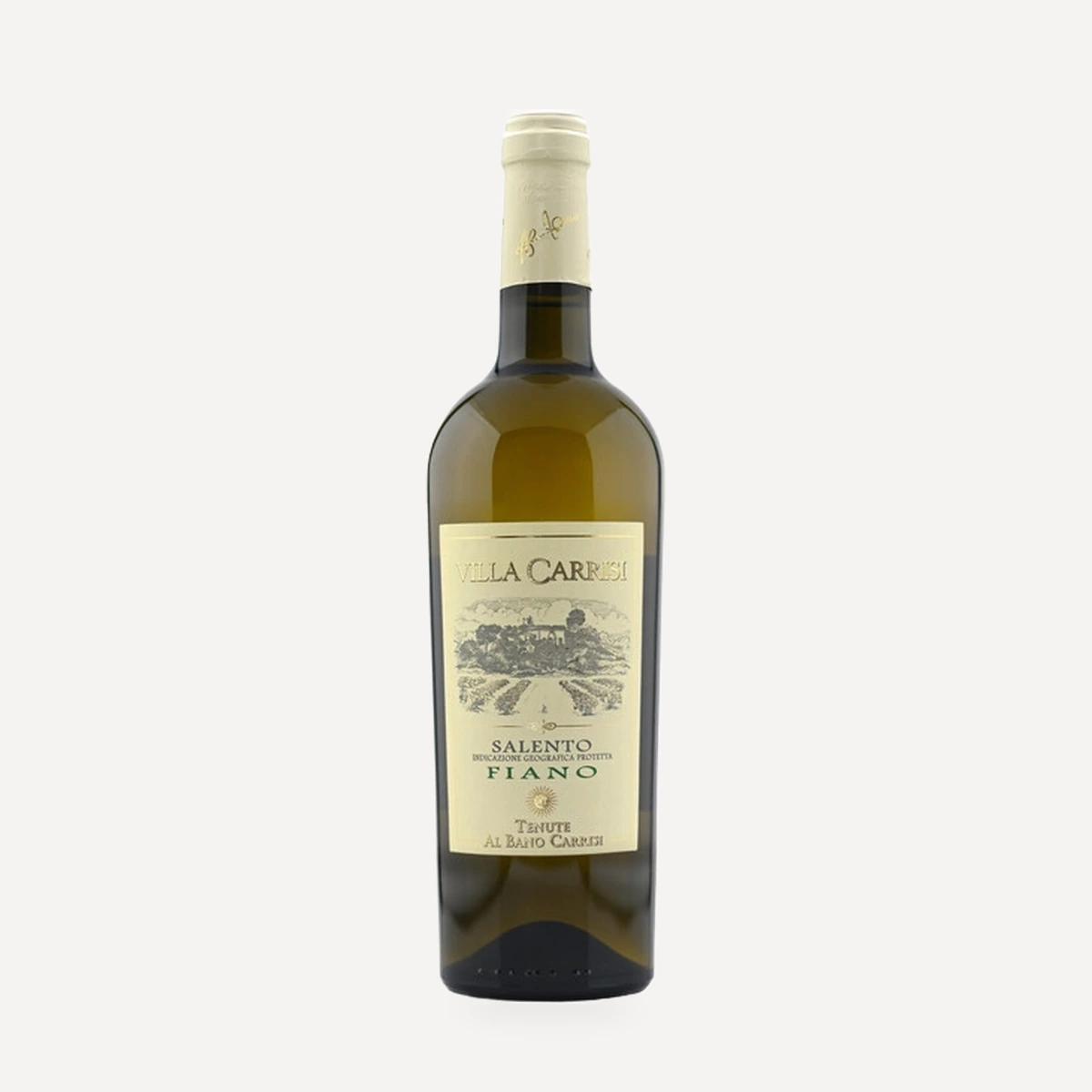
Villa Carrisi Fiano Salento IGP
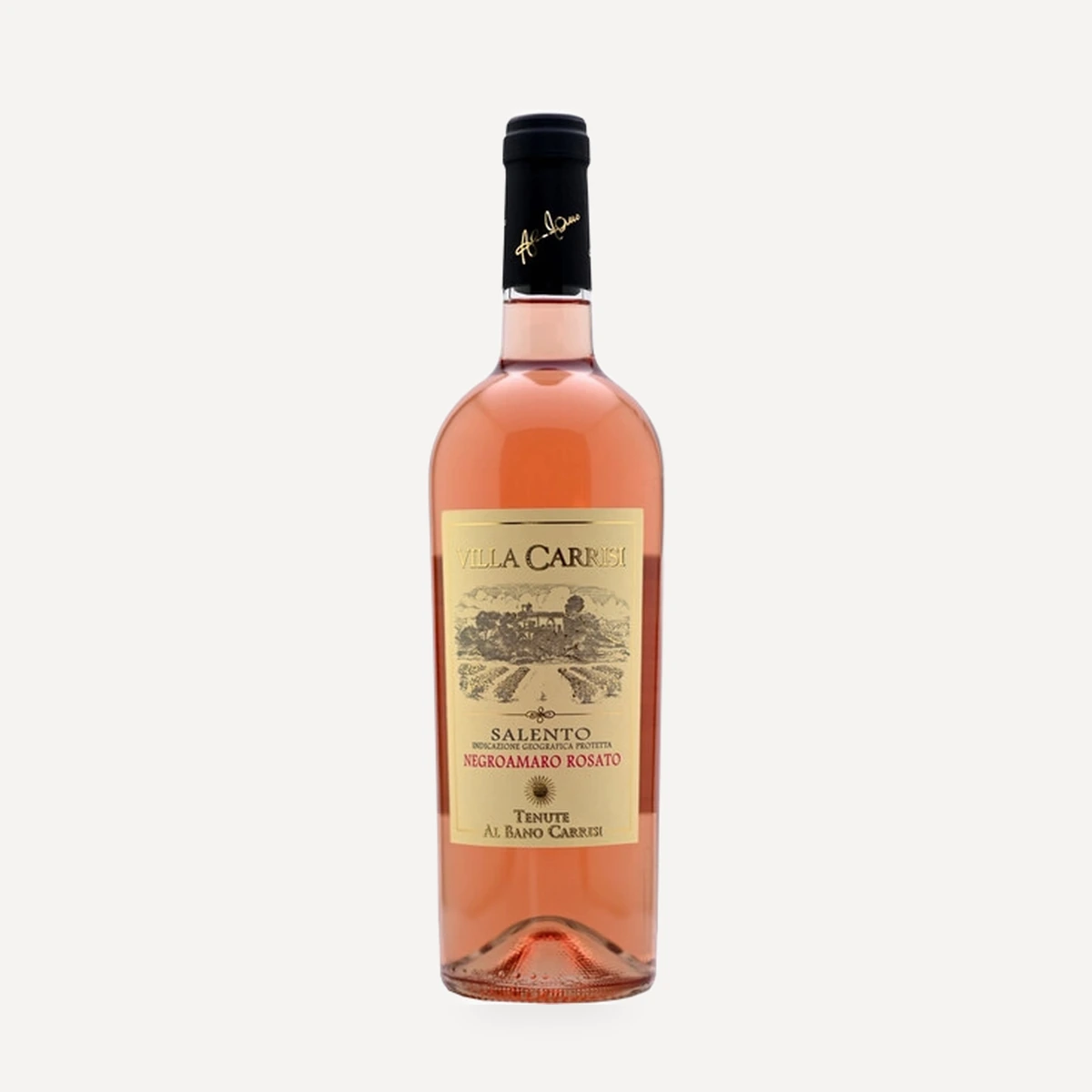
Villa Carrisi Negroamaro Rosato Salento IGP
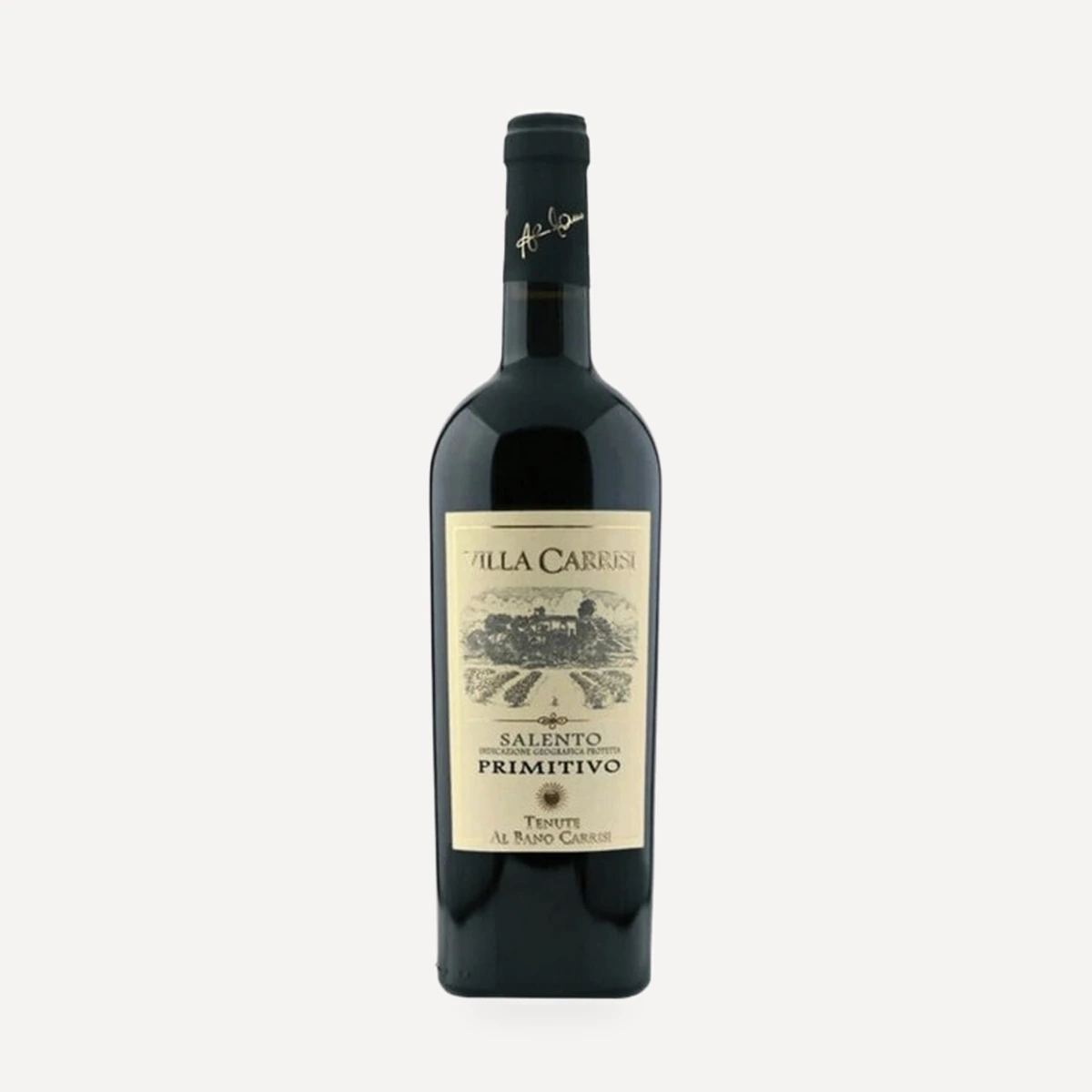
Villa Carrisi Primitivo Salento IGP