History
1928 — Foundation in Fossalta di Piave
Carlo Botter and his wife Maria established Botter in Fossalta di Piave, a village near Venice. The enterprise began as a small outlet selling wine in casks and demijohns. Their work provided the foundation for a brand that subsequently expanded beyond its local beginnings and came to present Veneto and Italian wine to an international audience.
Continuity of the brand identity
The connection with the founders remains visible in the contemporary identity. Carlo Botter’s signature is placed on the wines as a tribute to his memory. The faun emblem has accompanied Botter since its beginnings and now appears as a seal, maintaining visual continuity as the brand has evolved.
The present identity also retains a close association with Venice. Architectural references, the spires of St Mark’s and the striped briccole of the Venetian lagoon inform the design and names of the two principal ranges.
Terroir
Veneto
Veneto forms the geographical and cultural centre of Botter’s identity. The region is presented as a place where wine customs, local heritage and the land are closely connected. Its geological and climatic diversity supports a varied collection intended to interpret the character of Veneto through different grape varieties and denominations.
Technical materials for the named Veneto wines repeatedly identify clayey and sandstone soils. More detailed descriptions vary by production area: Prosecco DOC is associated with hilly terrain and soils containing clay, limestone and sand, while the Delle Venezie and Veneto settings are described principally through the interaction of maritime and Alpine influences.
Asolo and the foothills of Monte Grappa
Asolo lies in the province of Treviso at the foot of Monte Grappa. The surrounding hills alternate vineyards, woods and small villages. Suitable sunlight supports grape ripening, while hot but ventilated summers, cold winters and rainfall distributed throughout the year define the local microclimate.
A complementary description emphasizes the meeting of breezes from the Adriatic Sea and cold Alpine air. Warm but moderate summers and mild winters permit gradual, even ripening. Asolo received DOCG recognition in 2009.
Prosecco DOC areas
The Prosecco DOC landscape is described as hilly, with a temperate climate, warm summers and mild winters under the protection of the Alps to the north. Day–night temperature differences encourage ripening while helping preserve freshness and aromatic character. Clay, limestone and sand provide drainage and a mineral component.
Elsewhere within the denomination, Adriatic breezes meet fresh Alpine air. The resulting microclimate combines warm but moderate summers with mild winters and supports slow, even ripening. For Prosecco DOC Rosé, vineyard slopes and well-drained soils reduce risks associated with heavy rainfall, while balanced exposure allows the grapes to ripen evenly.
Delle Venezie
The Delle Venezie environment is moderated by the Adriatic Sea and protected by the Alps. Sunny days and cool nights support balanced, gradual ripening. Another description adds that maritime influence tempers hot summers, while the Alps provide protection from northerly winds. Winters are cold and humid; summers are hot and sultry, with temperature fluctuations that favour slow ripening.
Veneto Merlot contexts
Merlot is associated with the interaction of warm summer sun and cooler mountain breezes. Day–night temperature variation contributes to gradual ripening. A second Veneto description emphasizes a varied landscape, temperate conditions, light and breezes.
Philosophy
Venetian roots and an outward-looking identity
Botter defines its authenticity through its relationship with Venice, understood as a historic crossroads of cultures and a city open to the wider world. The brand seeks to combine respect for tradition with a future-oriented outlook.
Accessibility and quality
Its stated objective is to offer versatile, accessible wines suited to different occasions and generations. Research, innovation and a concrete commitment to quality are identified as the means of presenting Veneto grape varieties with elegance.
Continuity through design
Visual identity reinforces the relationship between past and future. Carlo Botter’s signature preserves the founder’s memory, while the faun maintains an emblem used from the beginnings. Architectural forms and Venetian stylistic details inform a design language centred on harmony, individuality and winemaking quality.
Wines
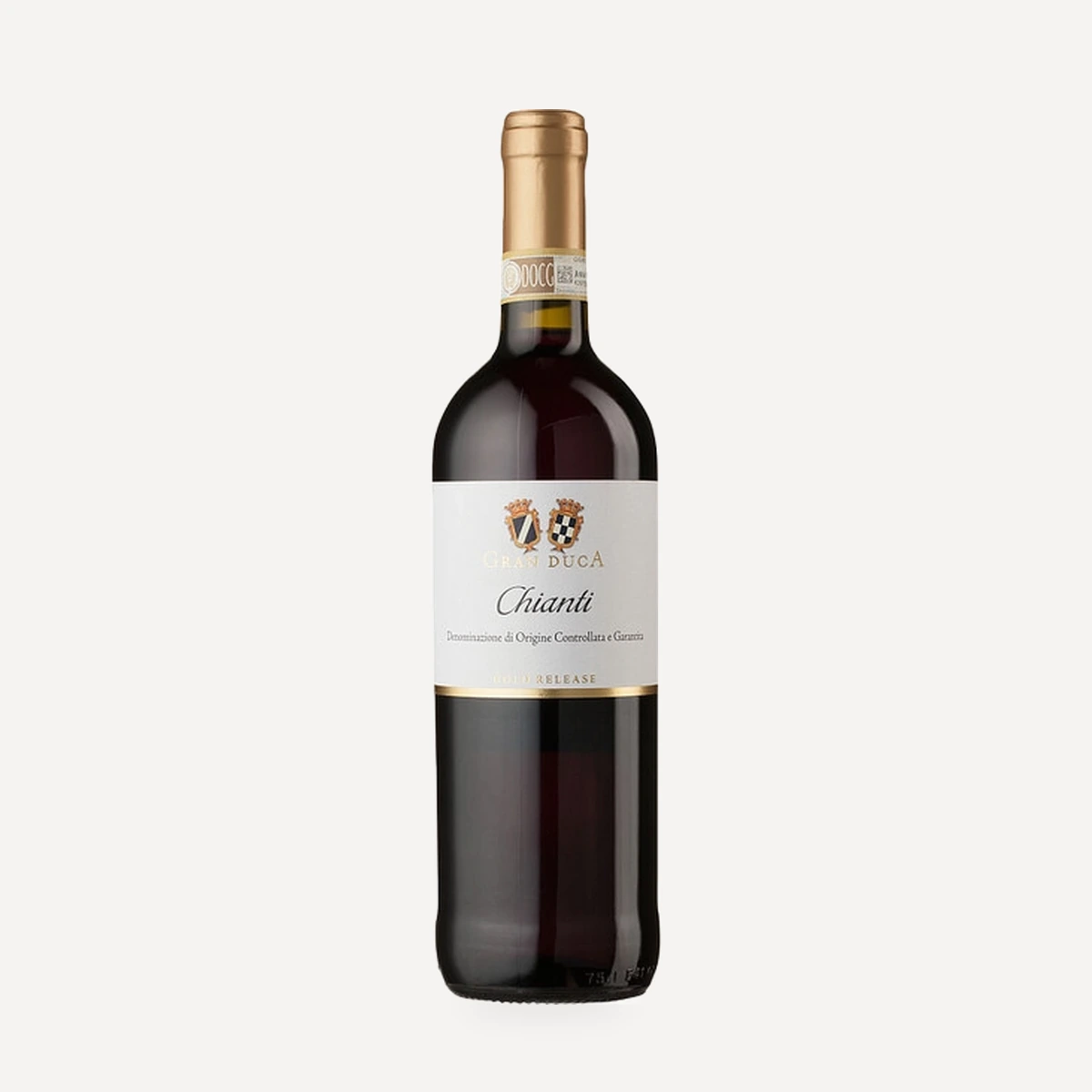
Gran Duca Chianti DOCG
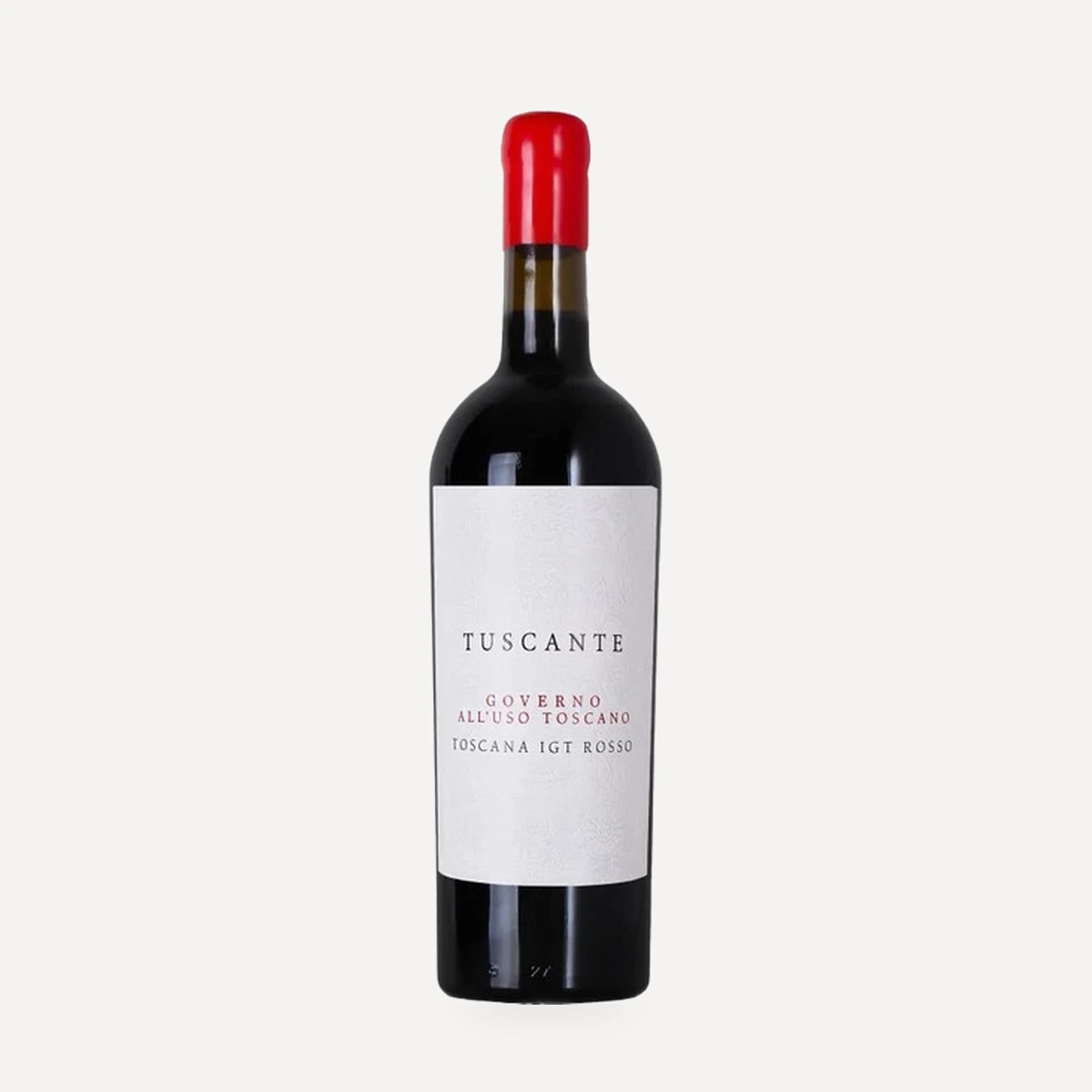
Tuscante Governo all' Uso Toscano Toscana IGT
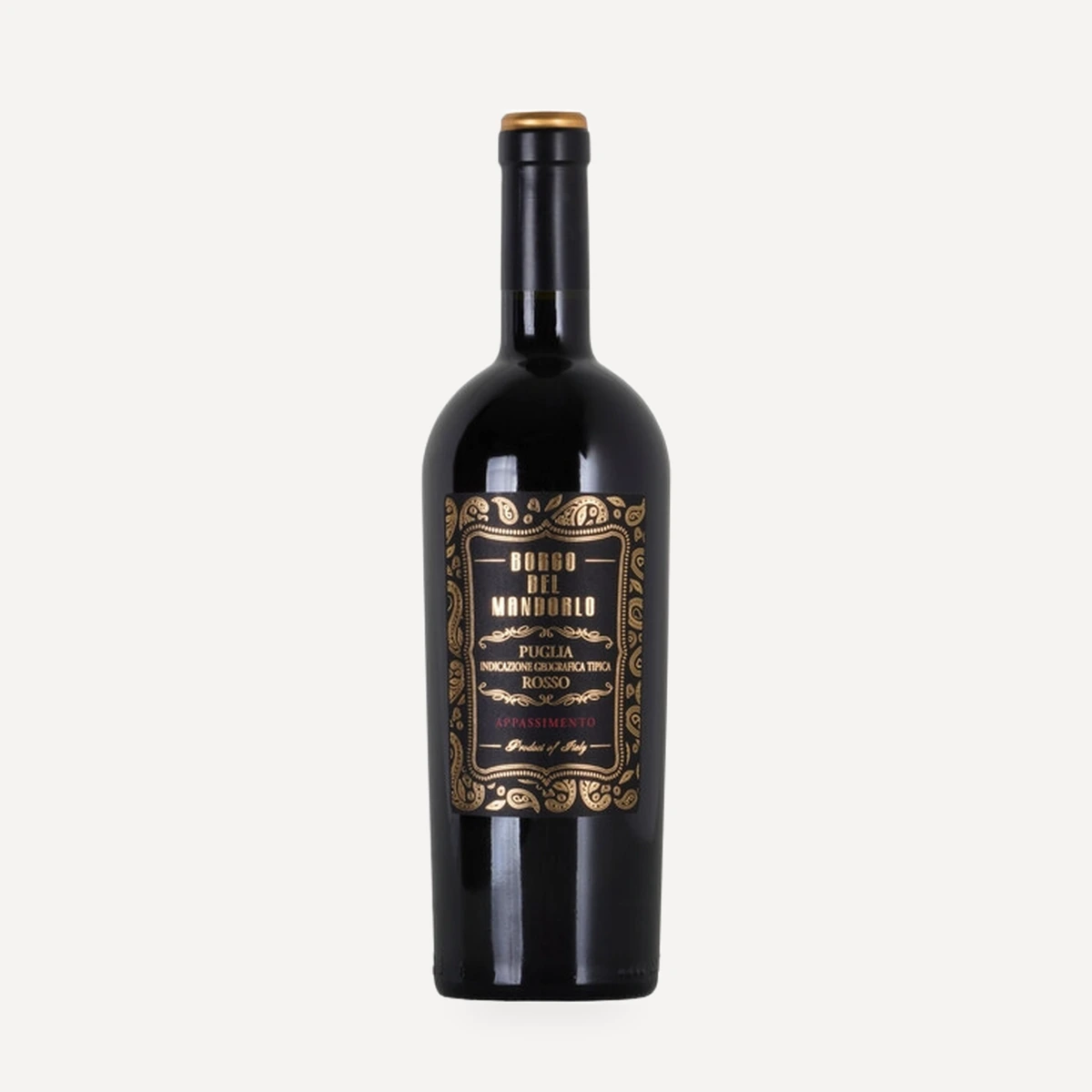
Borgo del Mandorlo Appassimento Rosso Puglia IGT
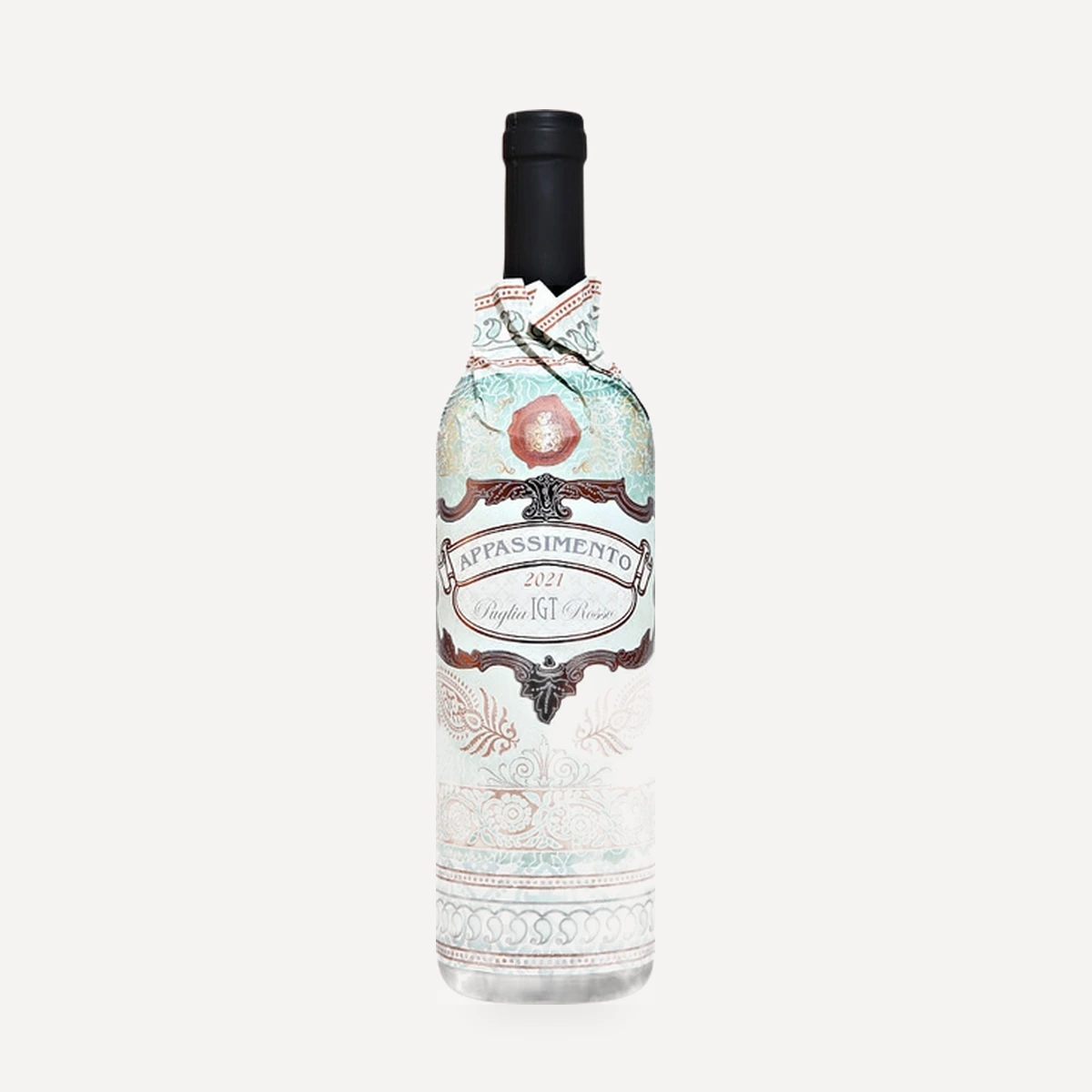
Appassimento Rosso Puglia IGT
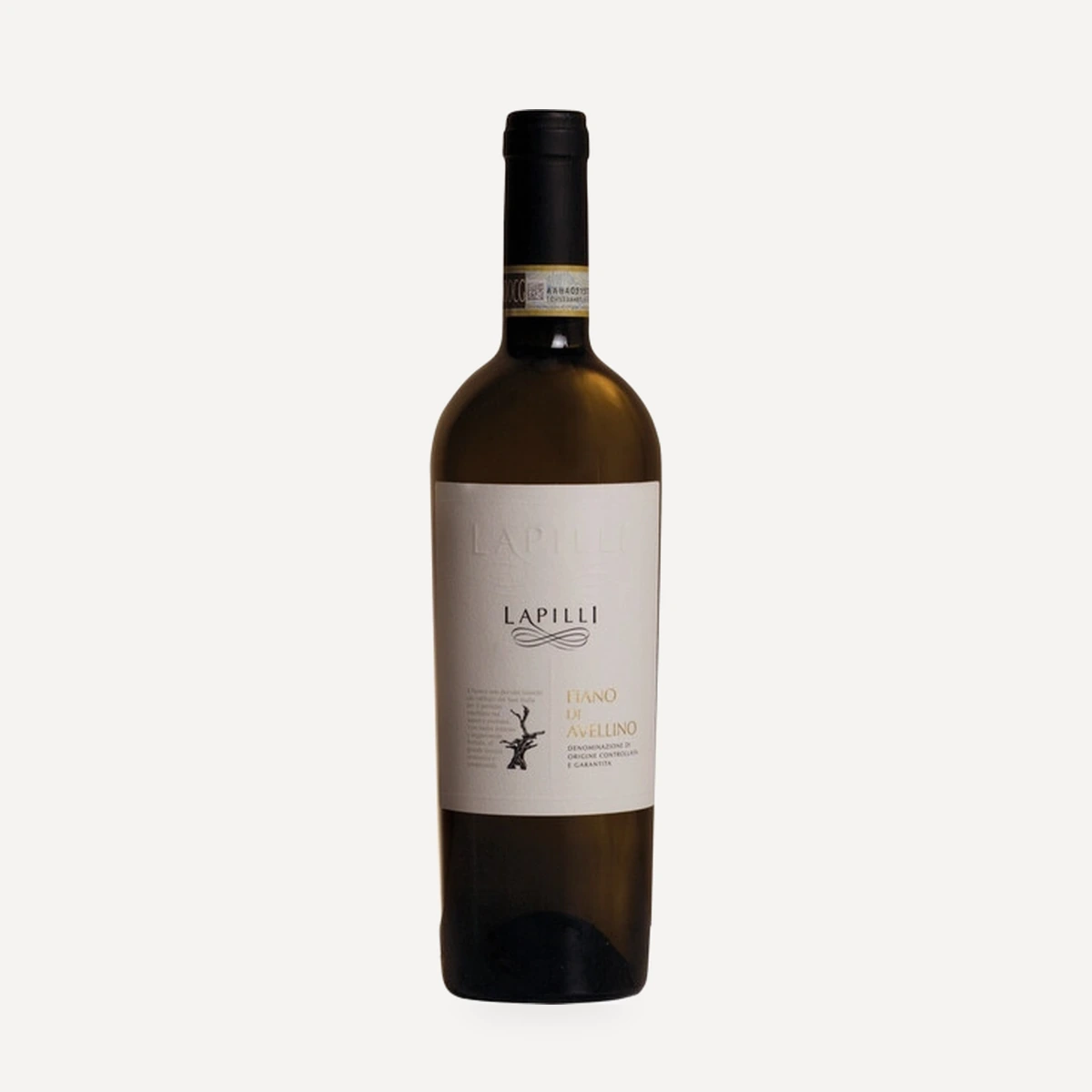
Lapilli Fiano di Avellino DOCG
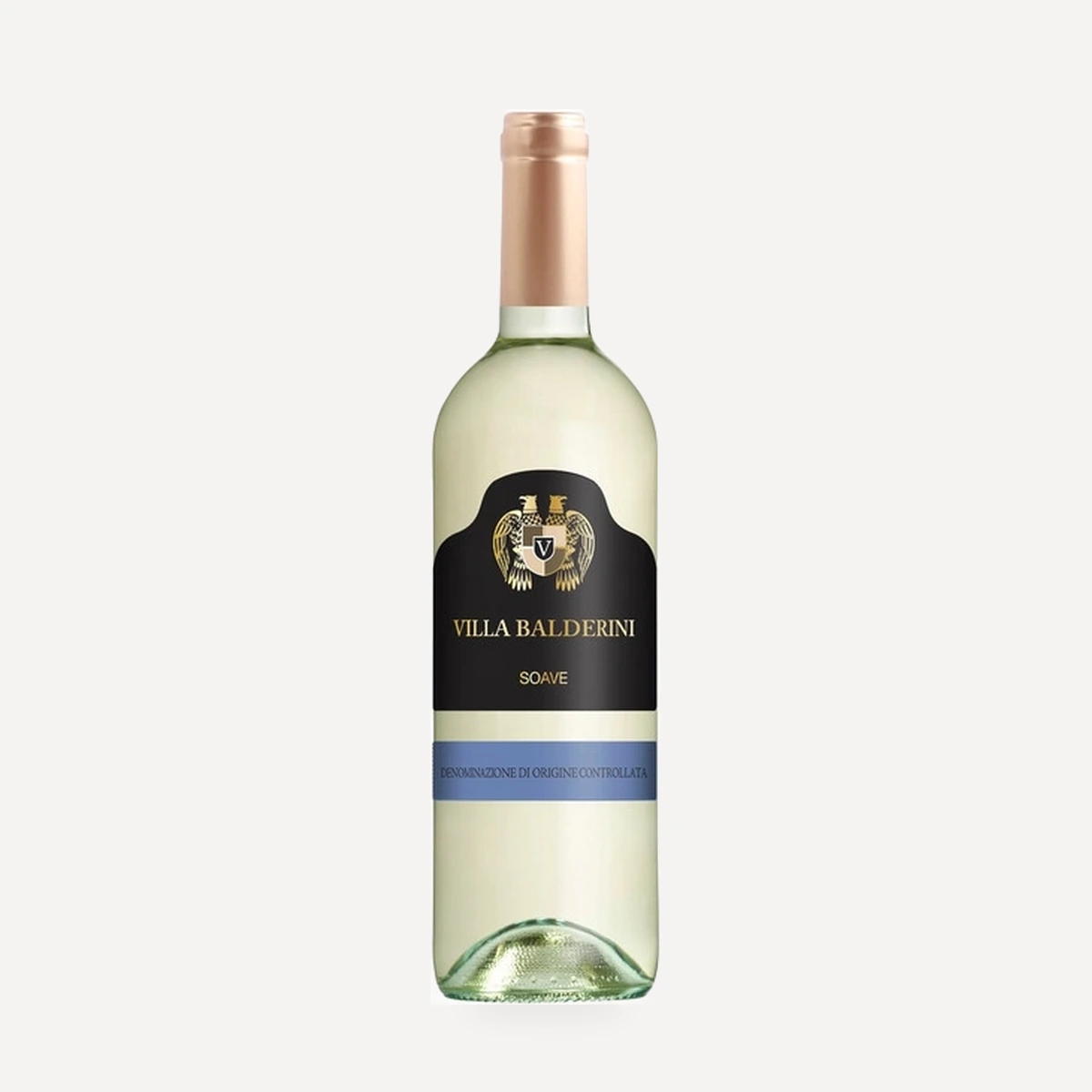
Villa Balderini Soave DOC
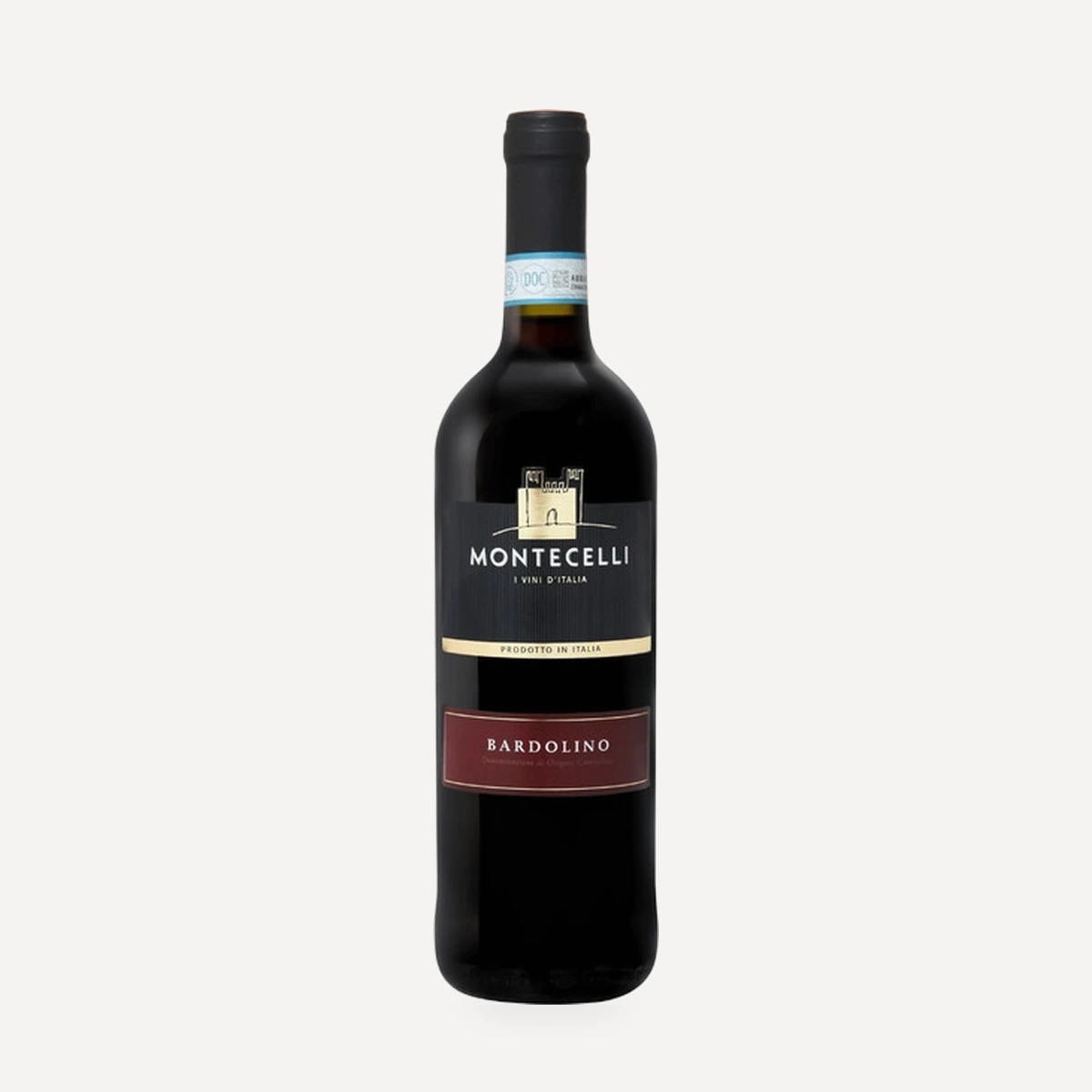
Montecelli Bardolino DOC
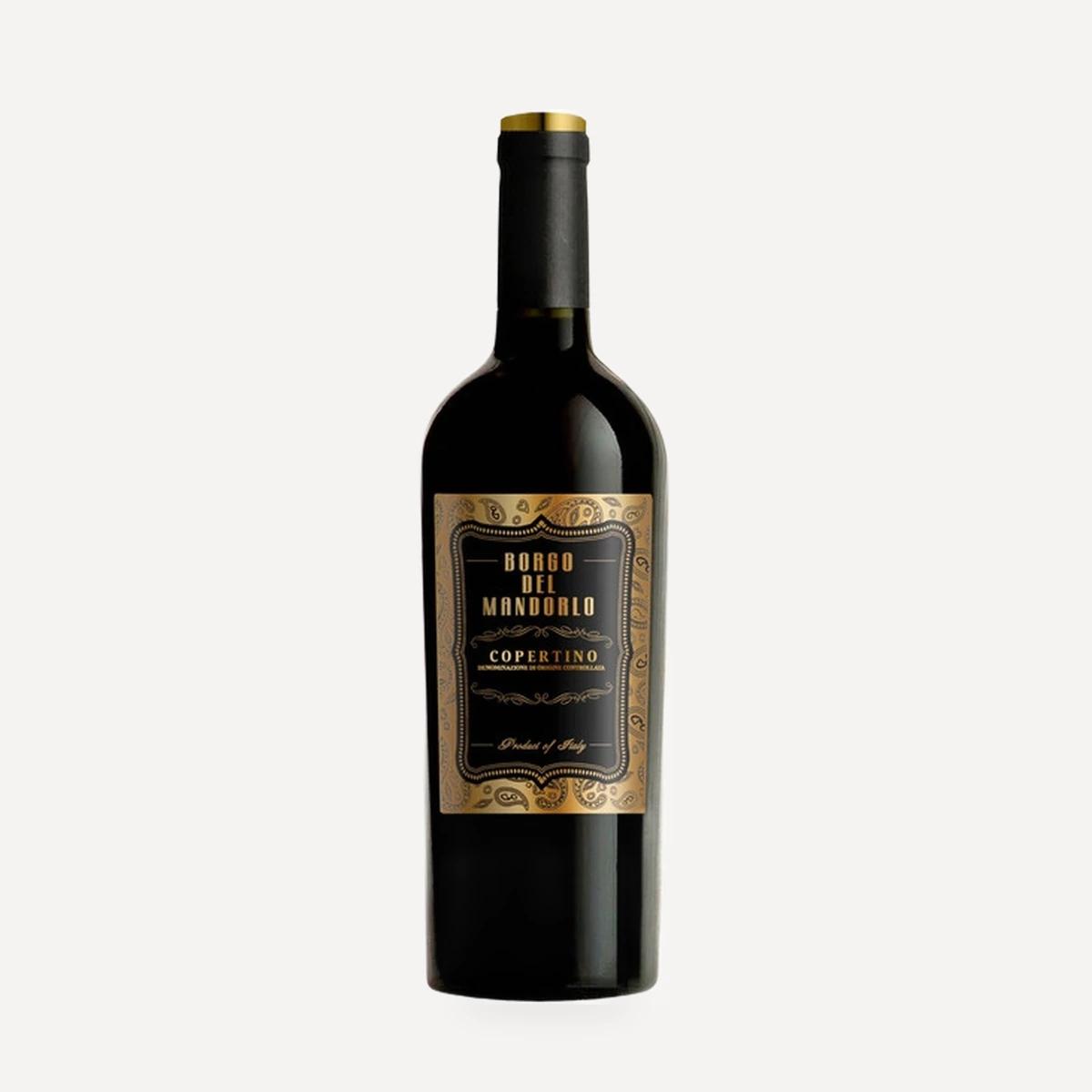
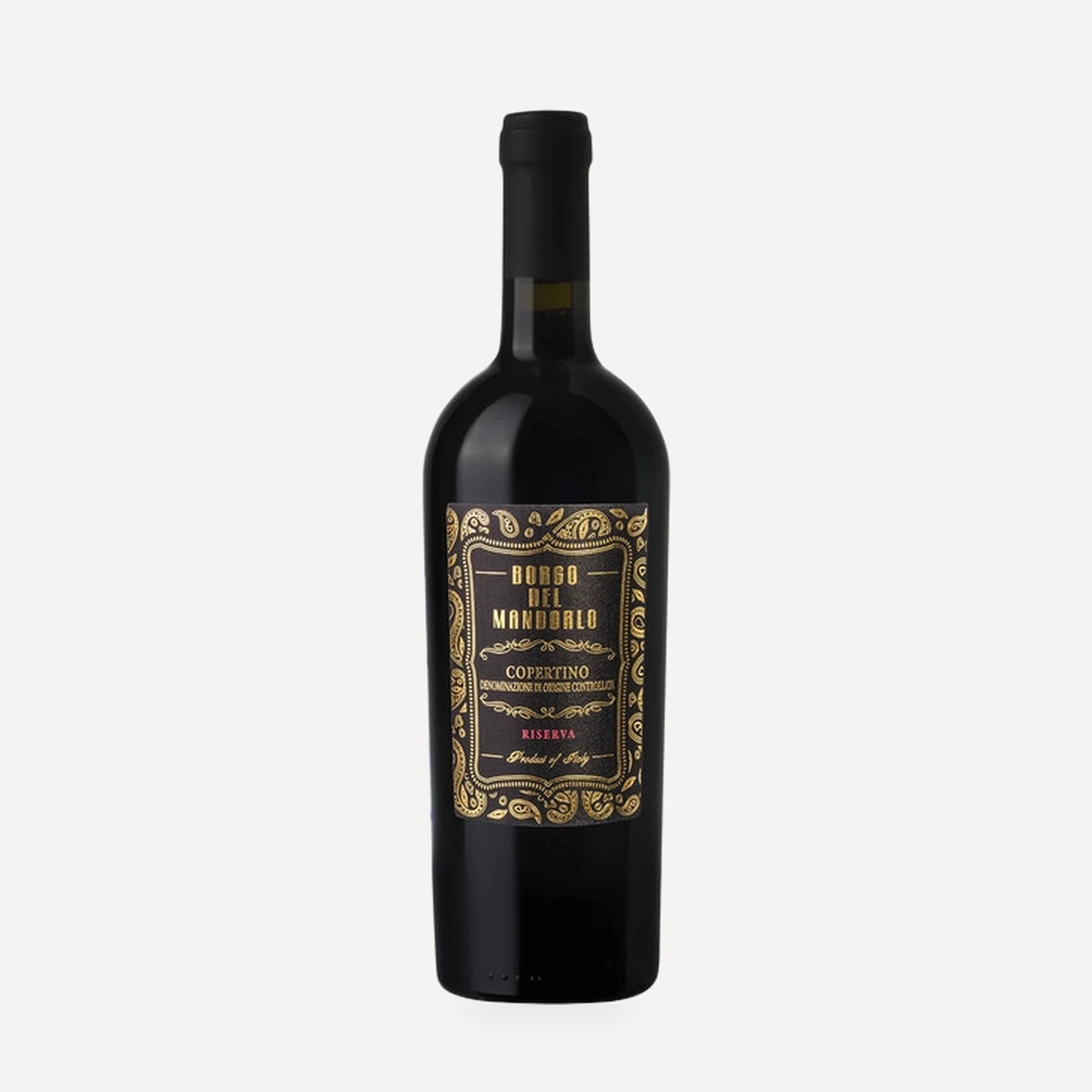
Borgo del Mandorlo Copertino DOC
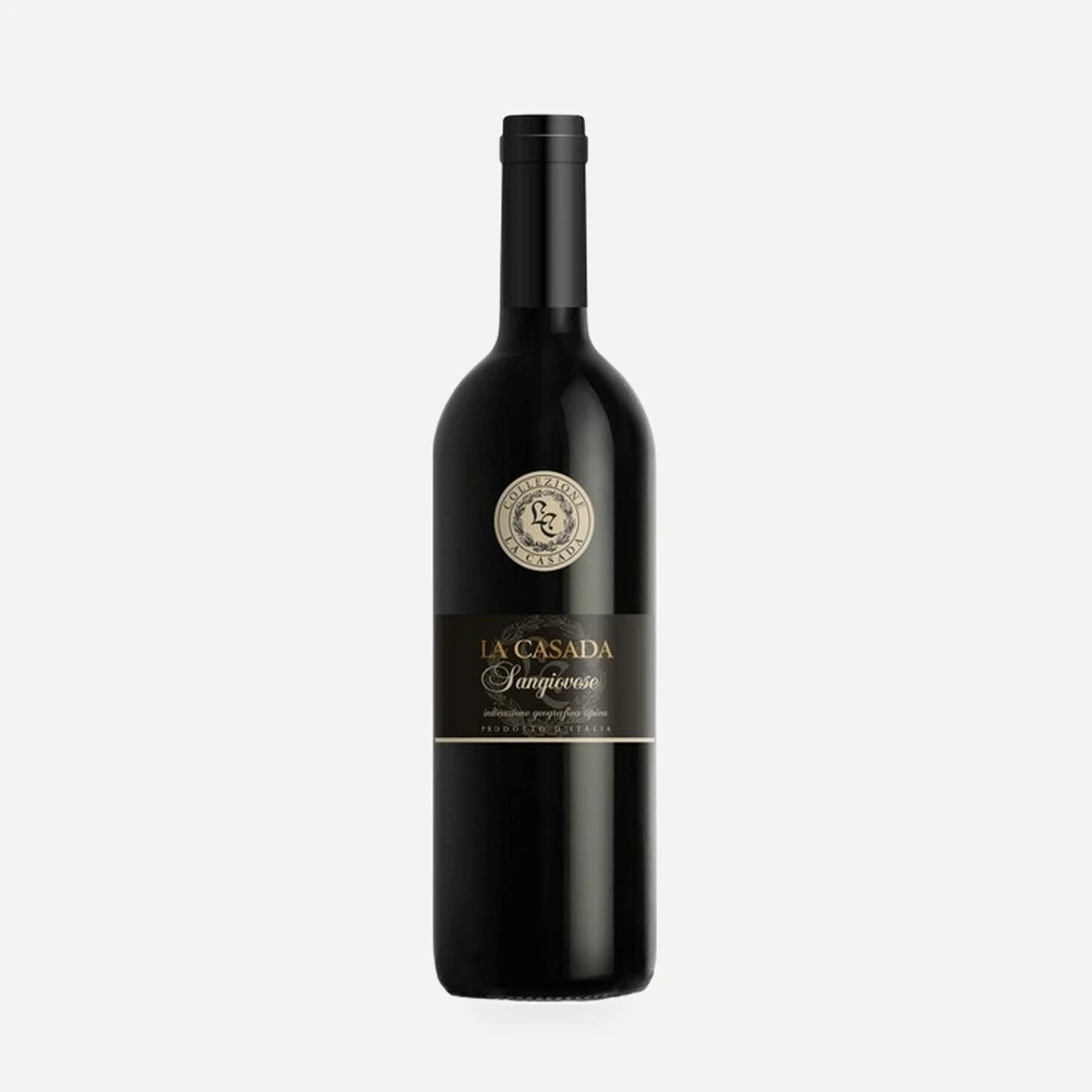
La Casada Sangiovese Rubicone IGT
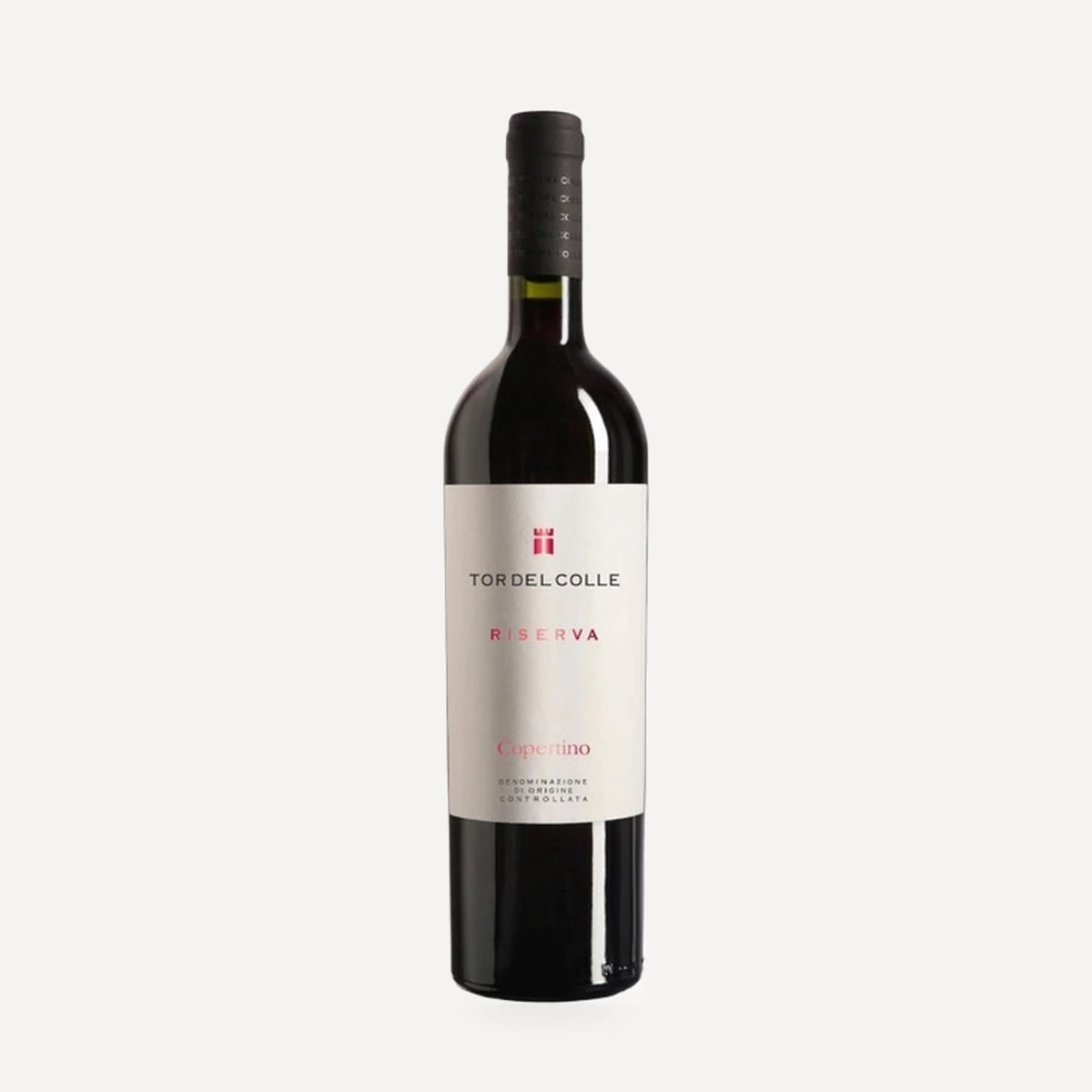
Tor del Colle Copertino Riserva DOC
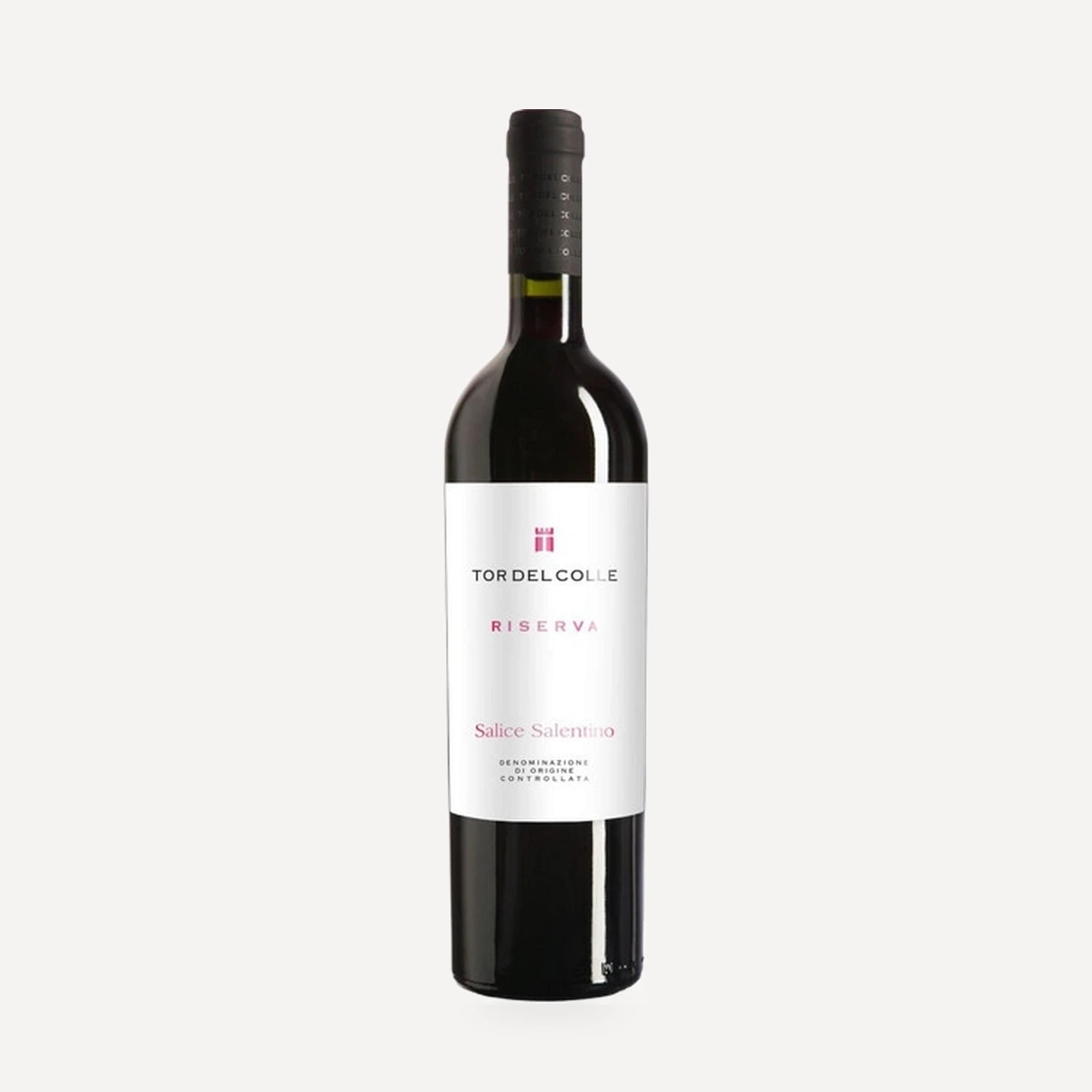
Tor del Colle Salice Salentino Riserva DOC
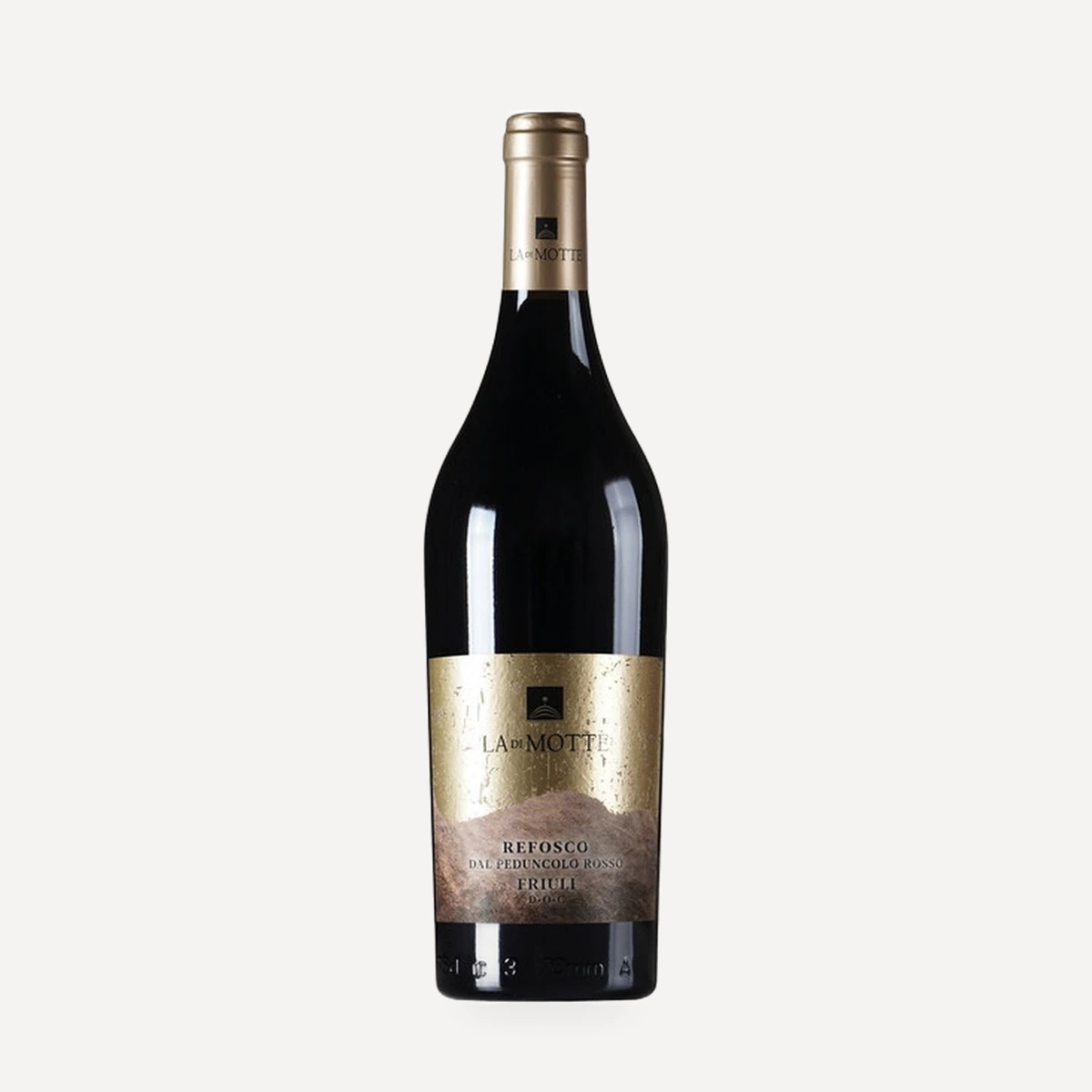
La di Motte Refosco dal Peduncolo Rosso Friuli DOC
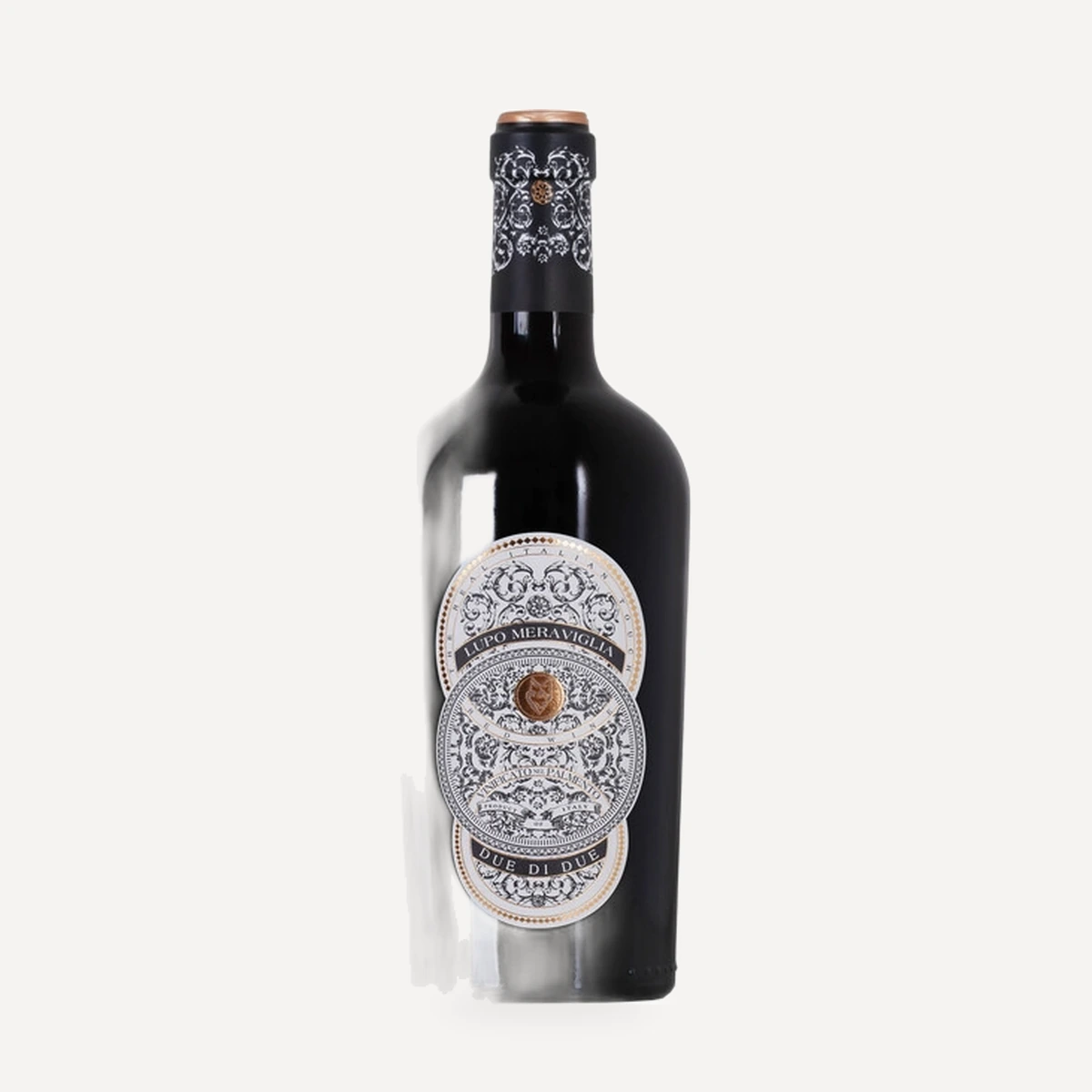
Lupo Meraviglia Due di Due Puglia IGT
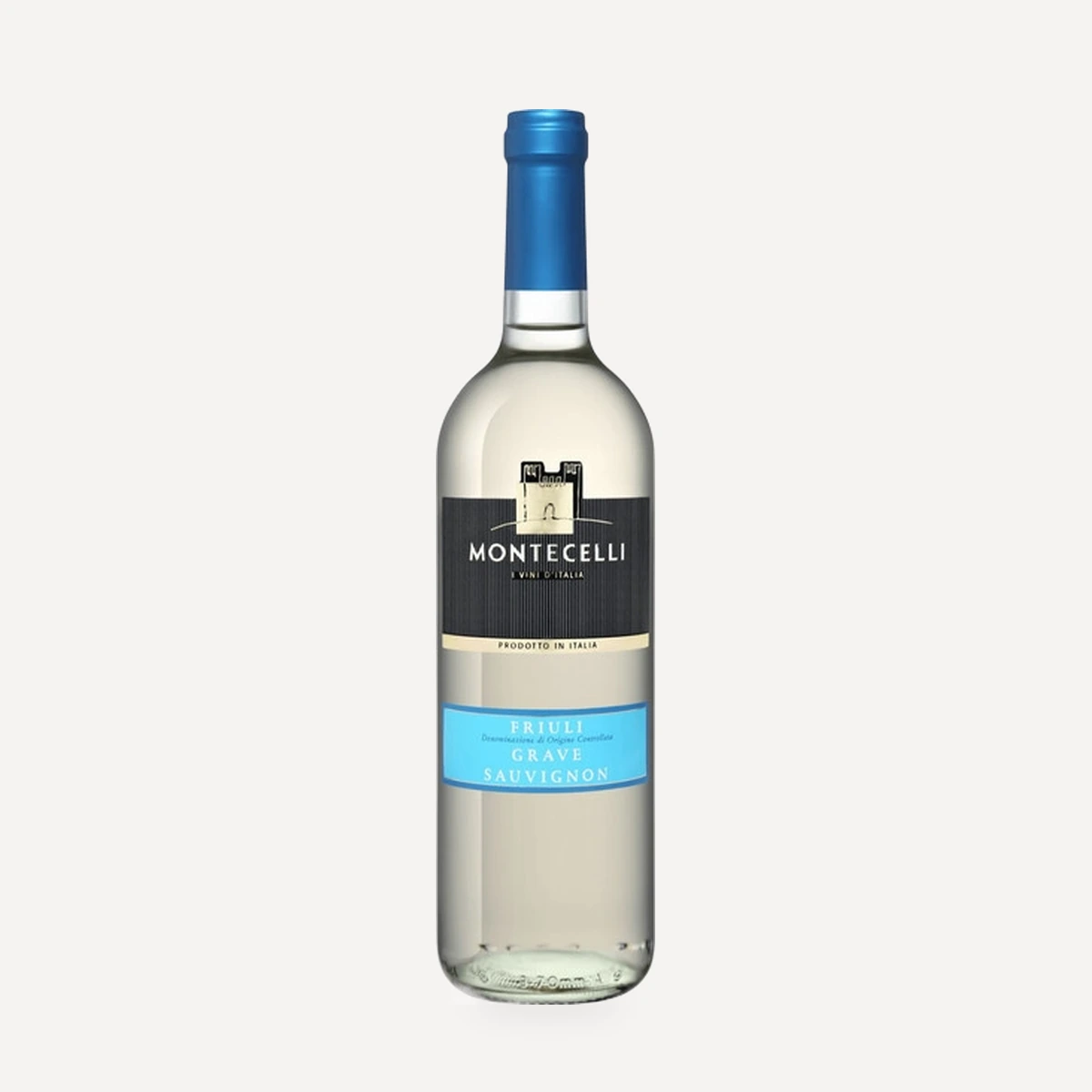
Montecelli Sauvignon Friuli Grave DOC
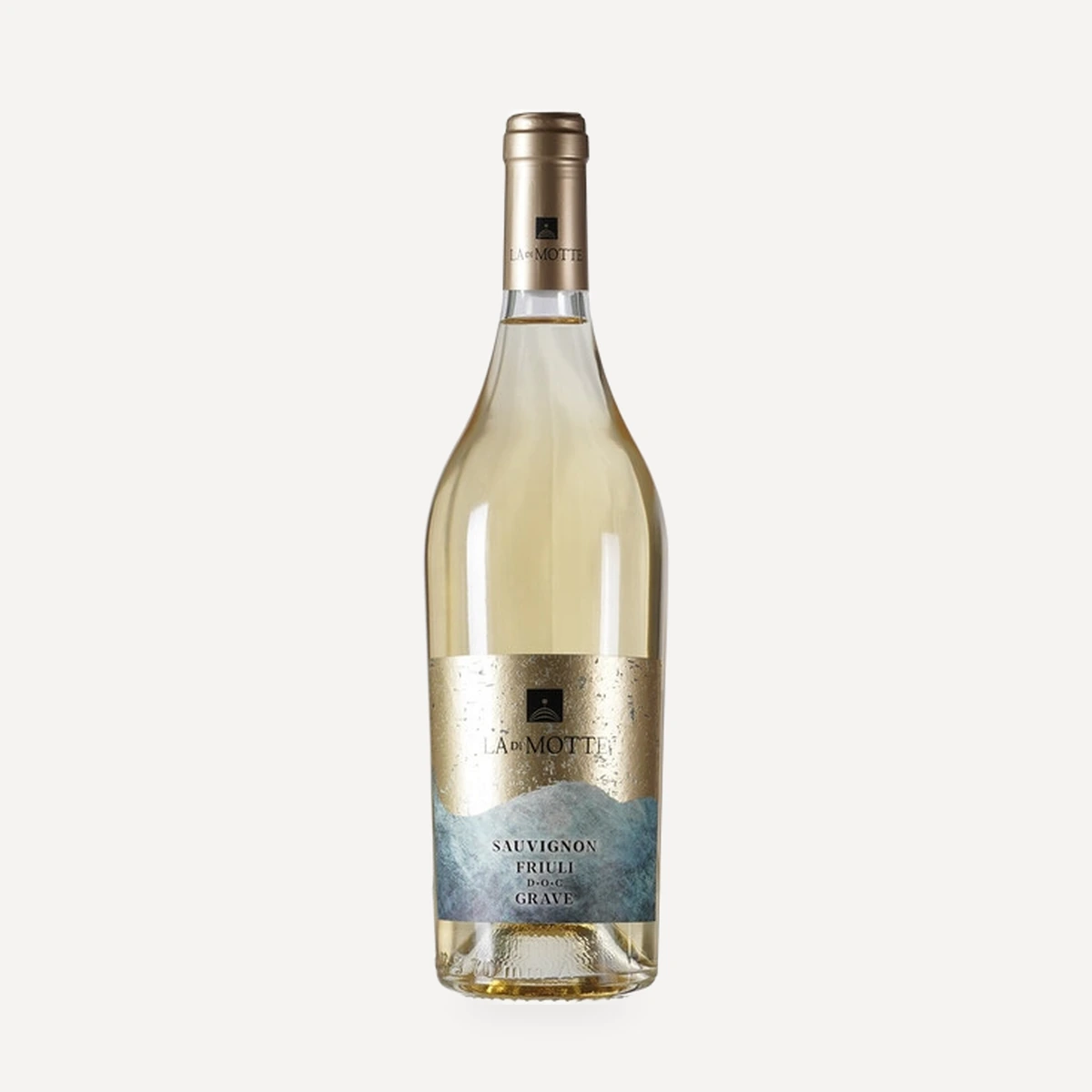
La di Motte Sauvignon Friuli Grave DOC
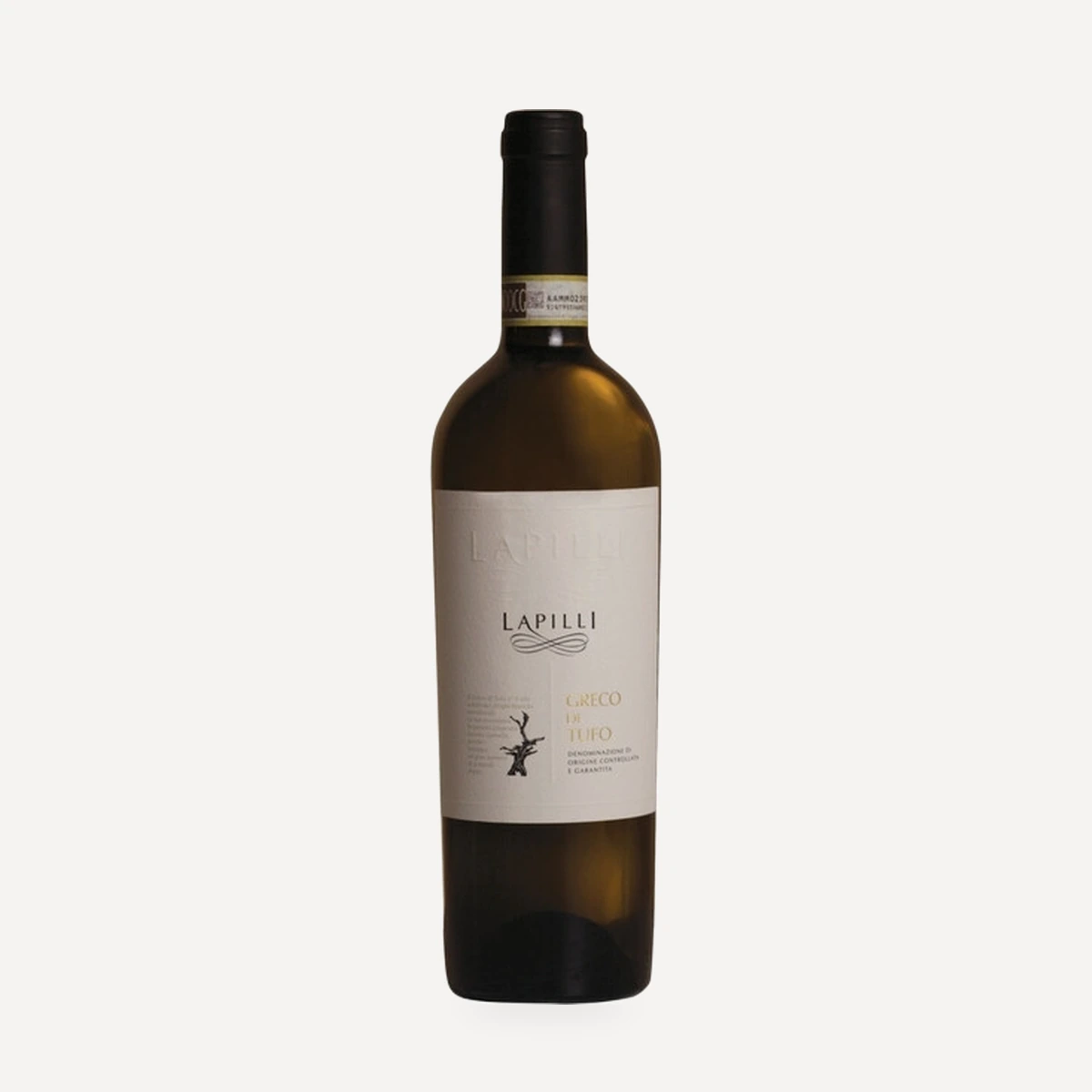
Lapilli Greco di Tufo DOCG
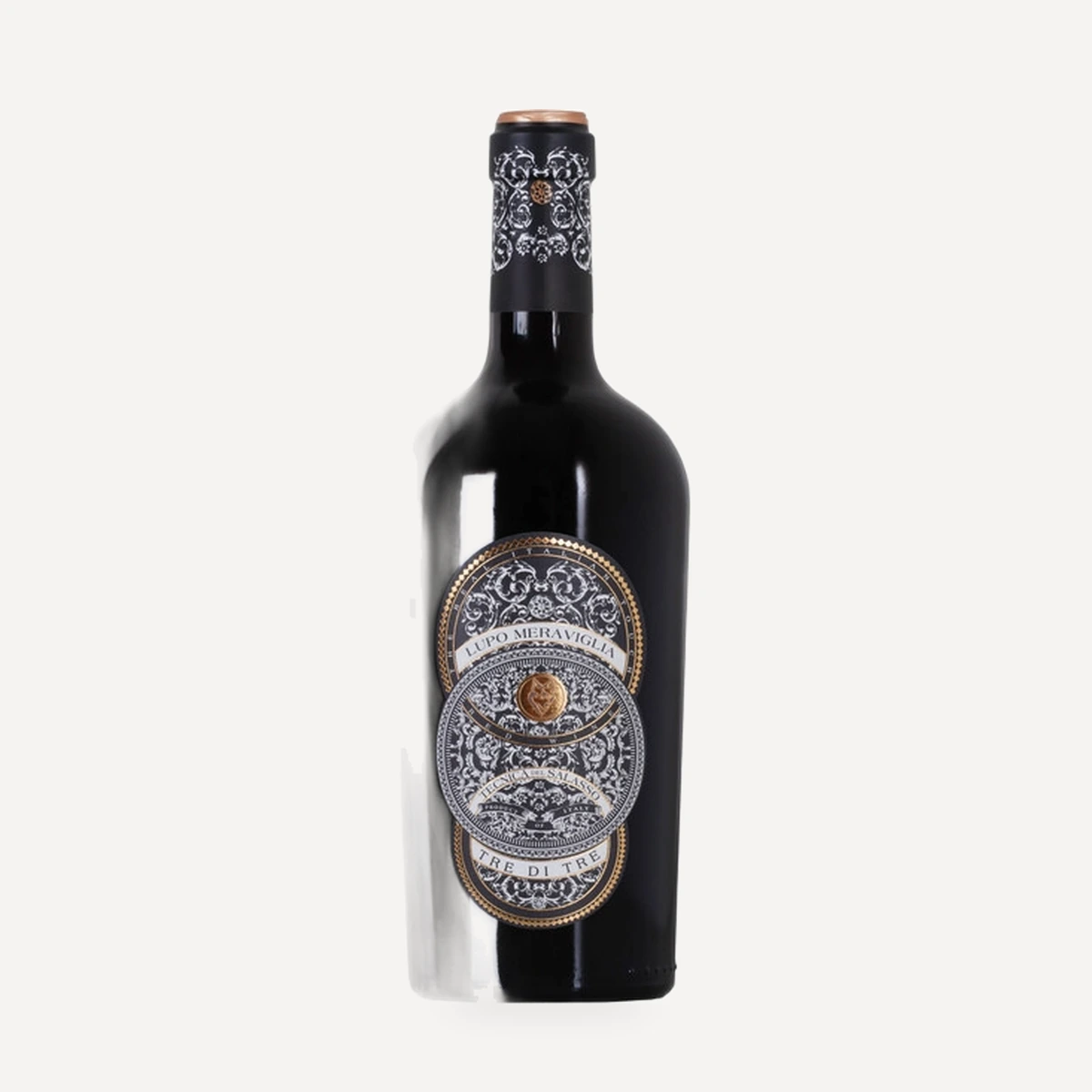
Lupo Meraviglia Tre di Tre Puglia IGT
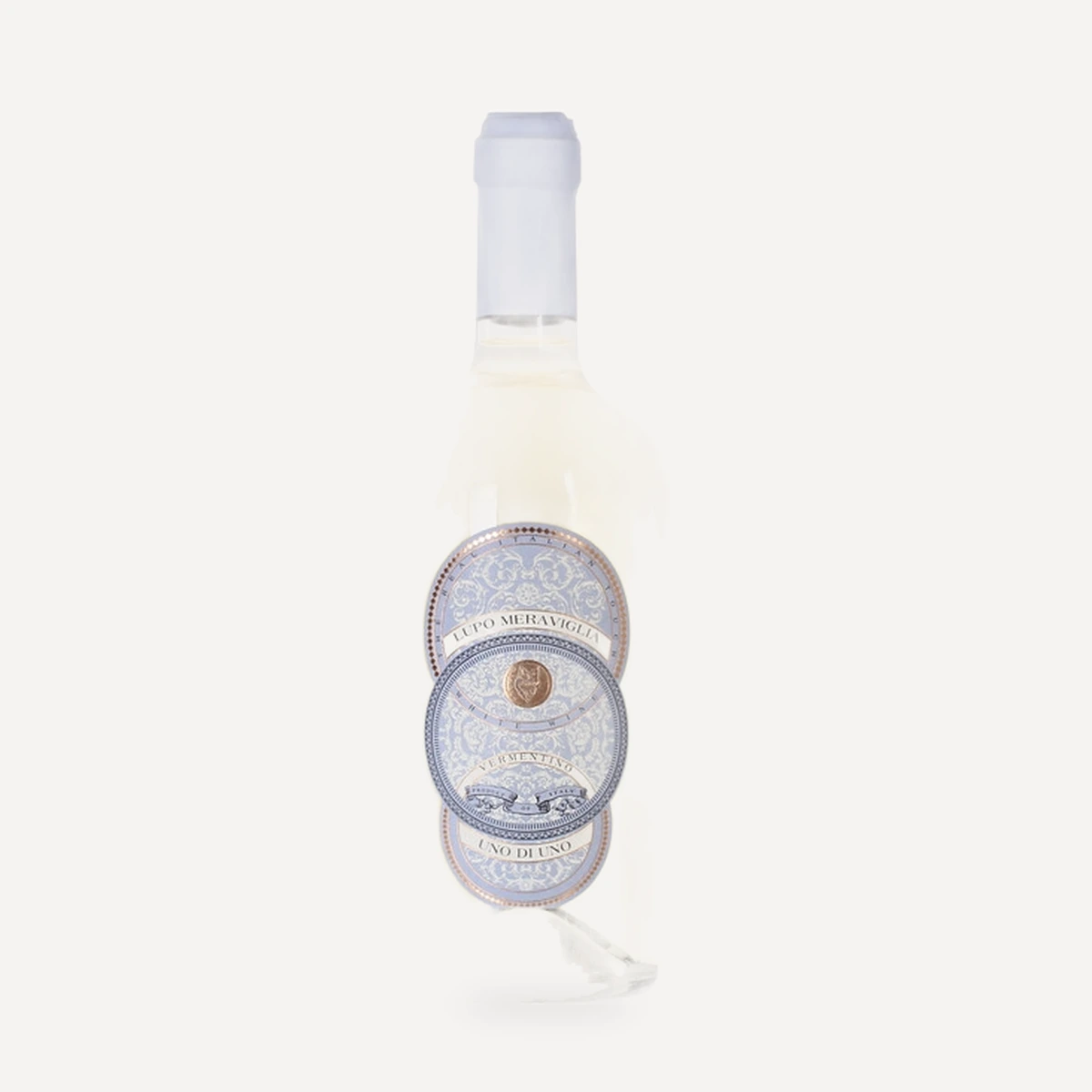
Lupo Meraviglia Uno di Uno Vermentino Puglia IGT
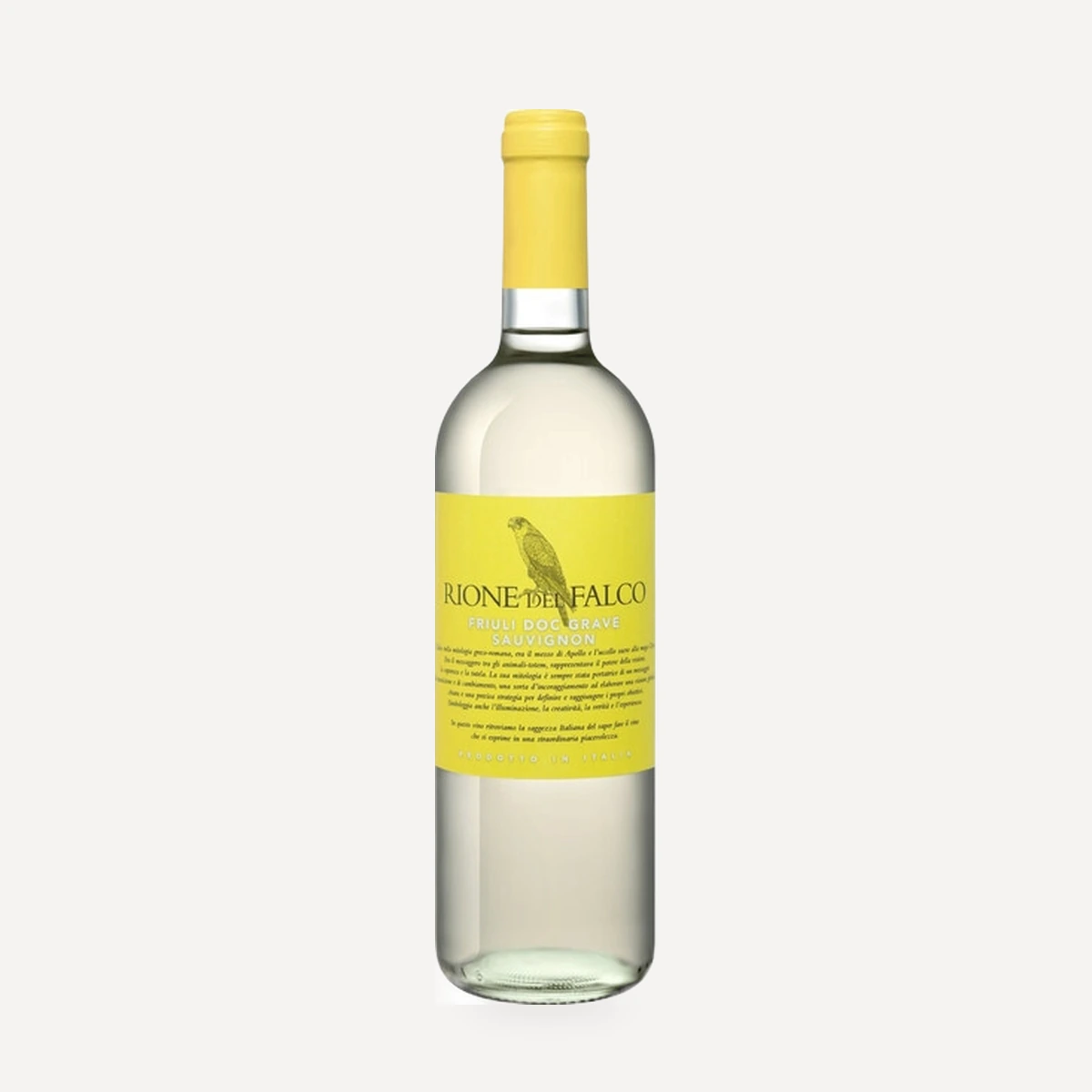
Rione del Falco Sauvignon Friuli Grave DOC
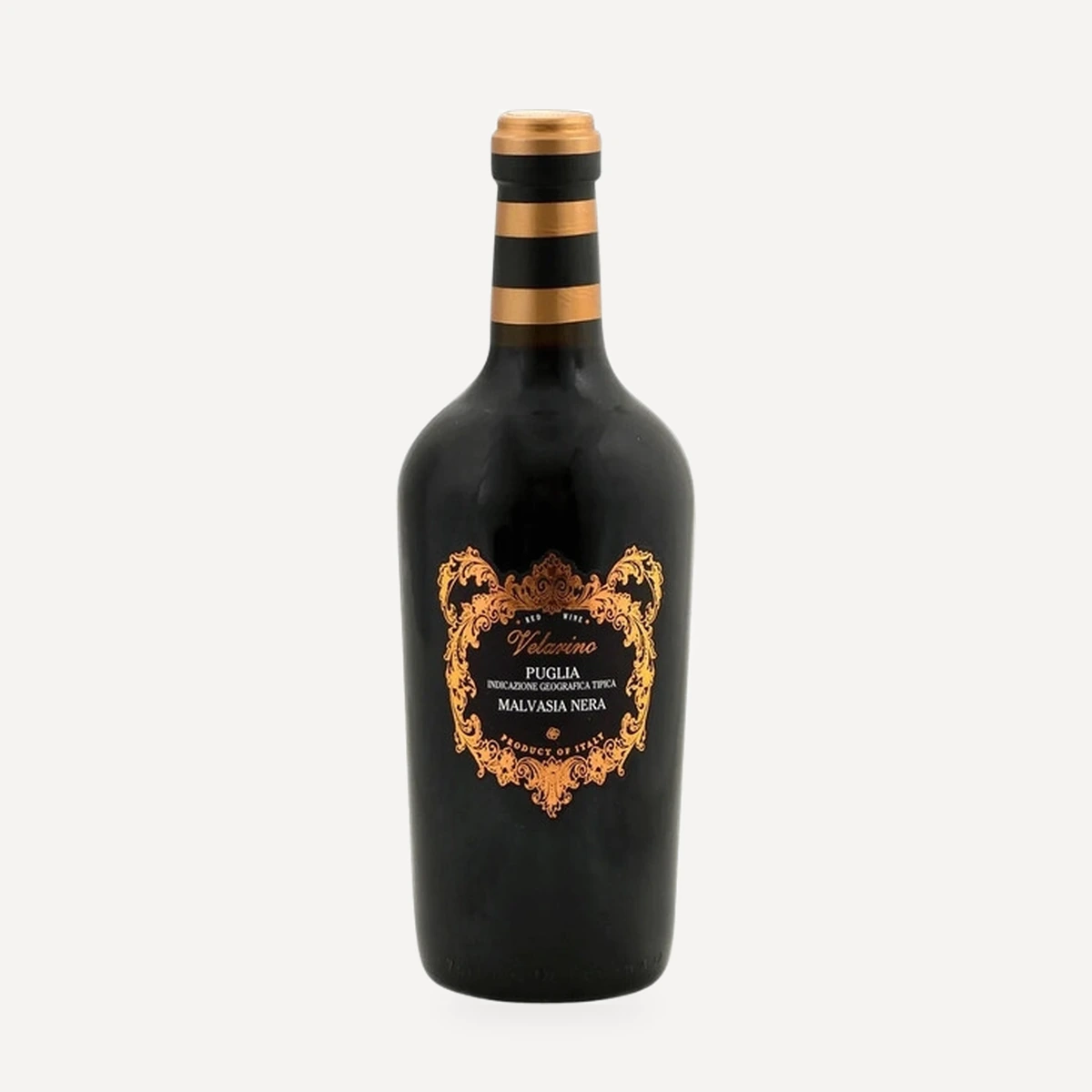
Malvasia Nera Salento IGT
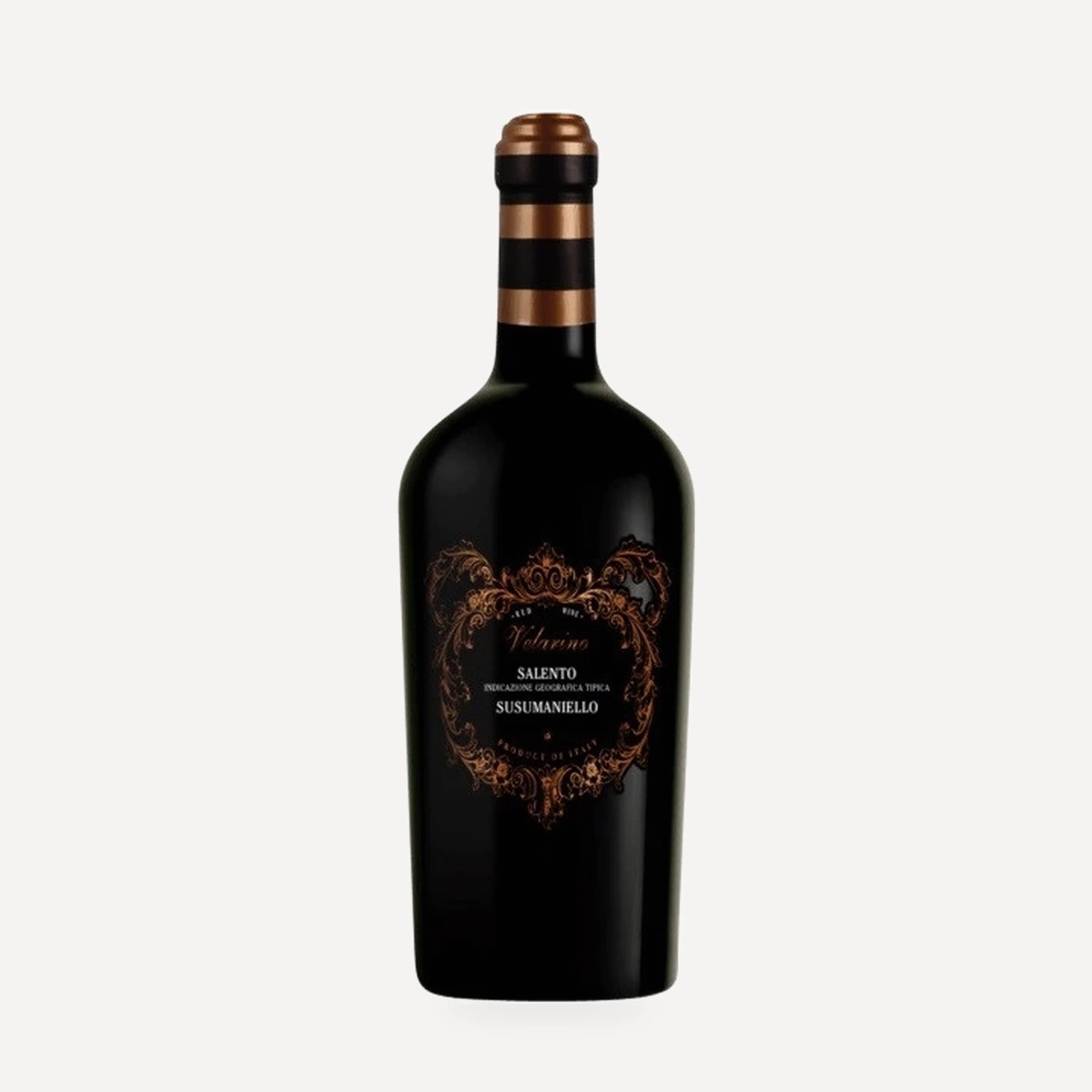
Susumaniello Salento IGT
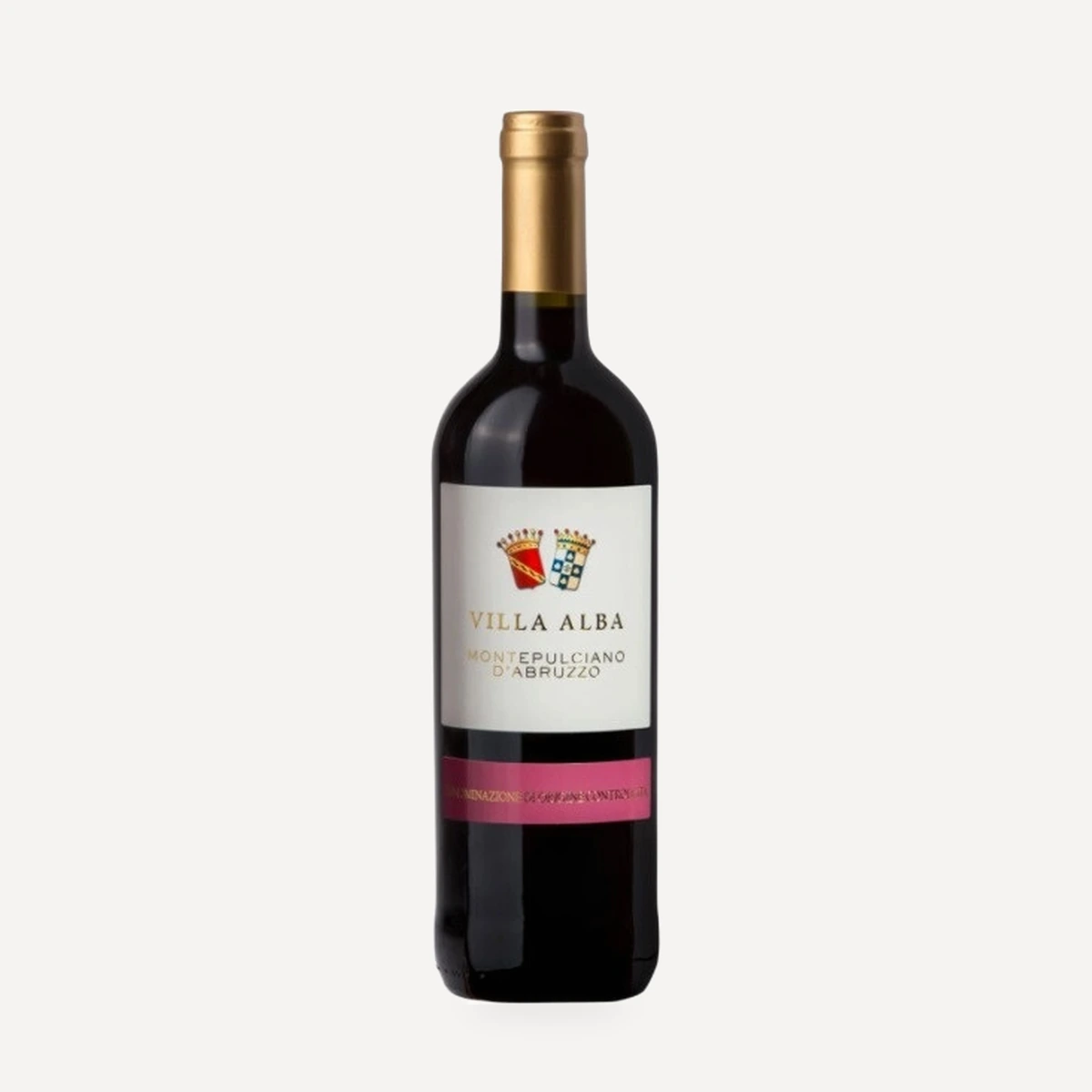
Villa Alba Montepulciano d'Abruzzo DOC
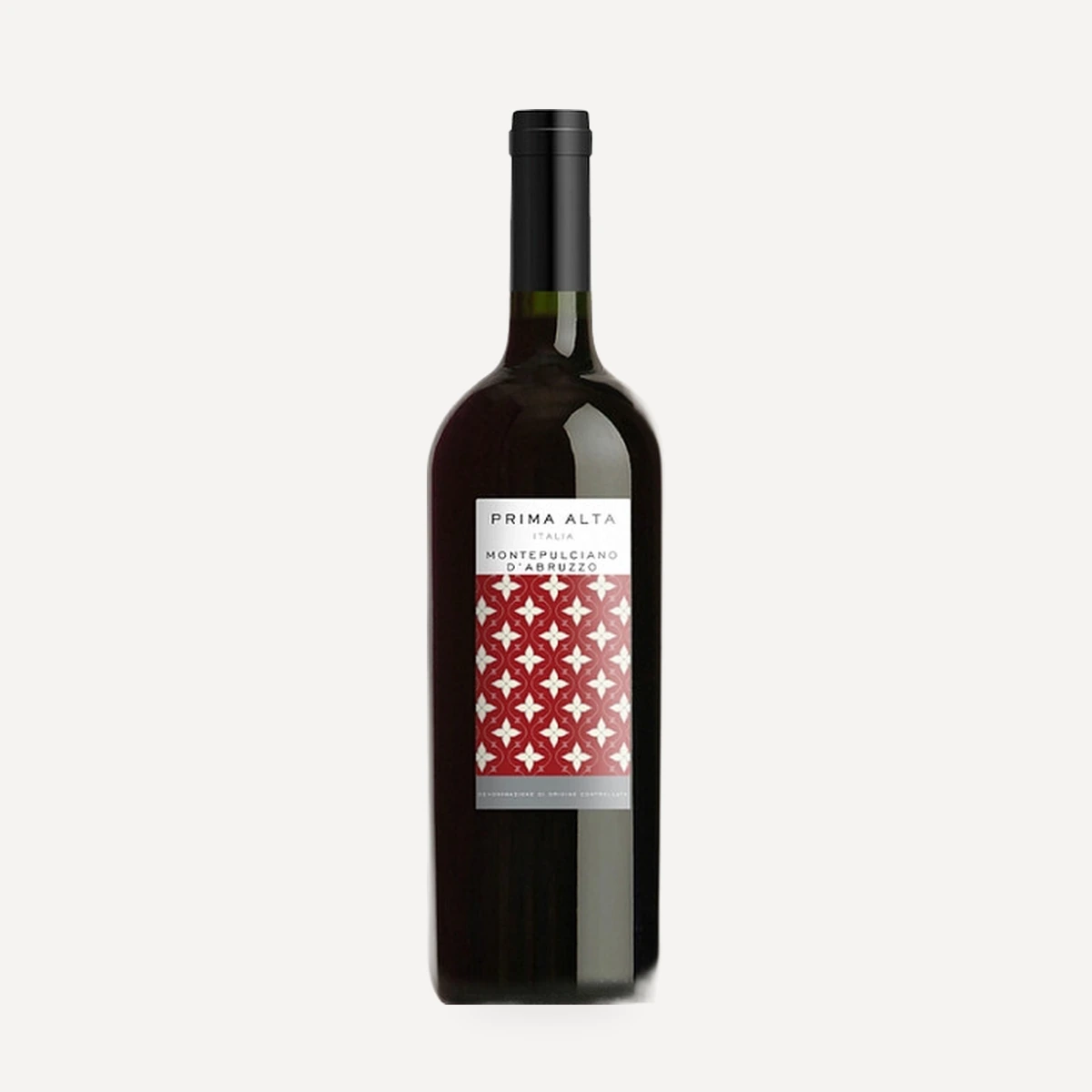
Prima Alta Montepulciano d'Abruzzo DOC
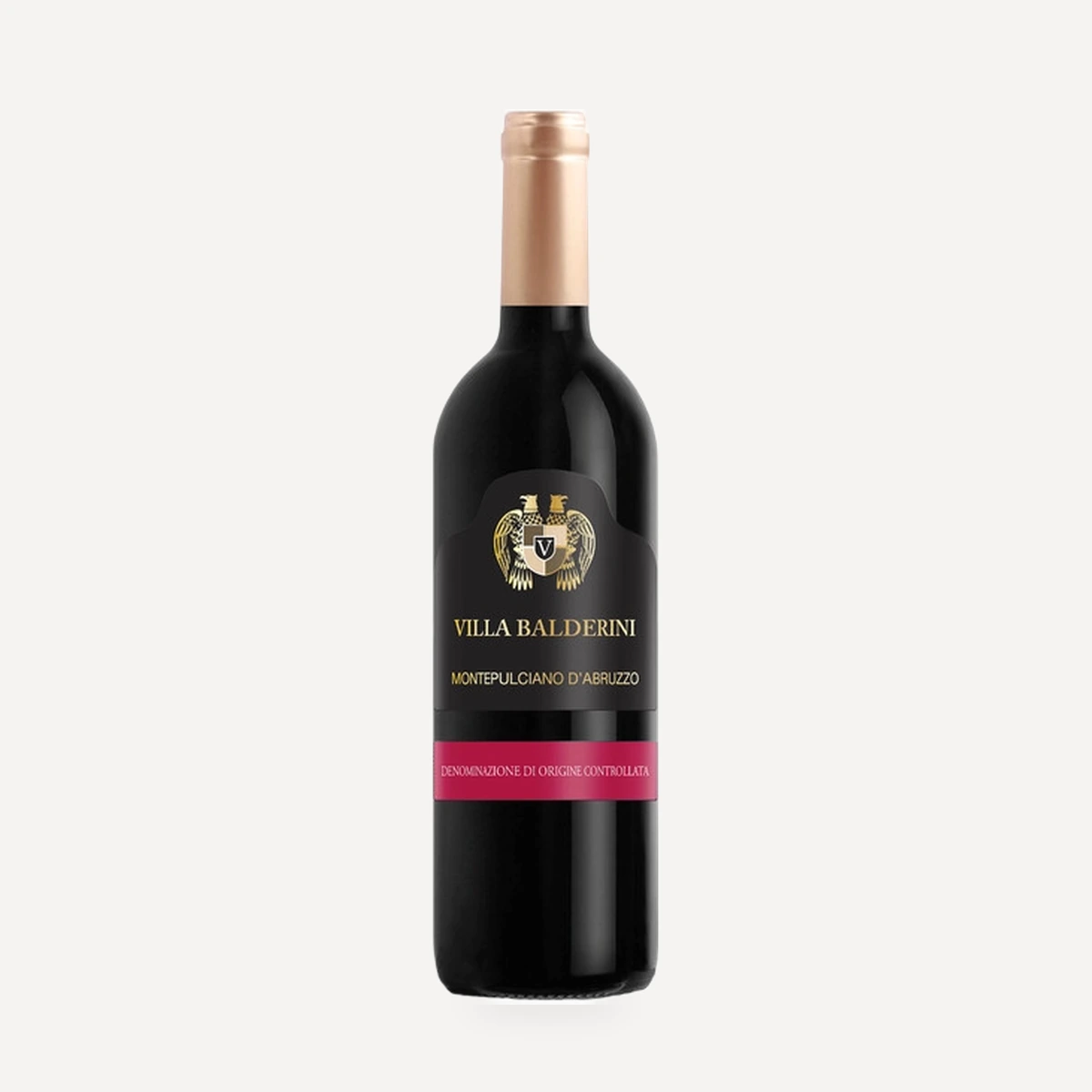
Villa Balderini Montepulciano d'Abruzzo DOC
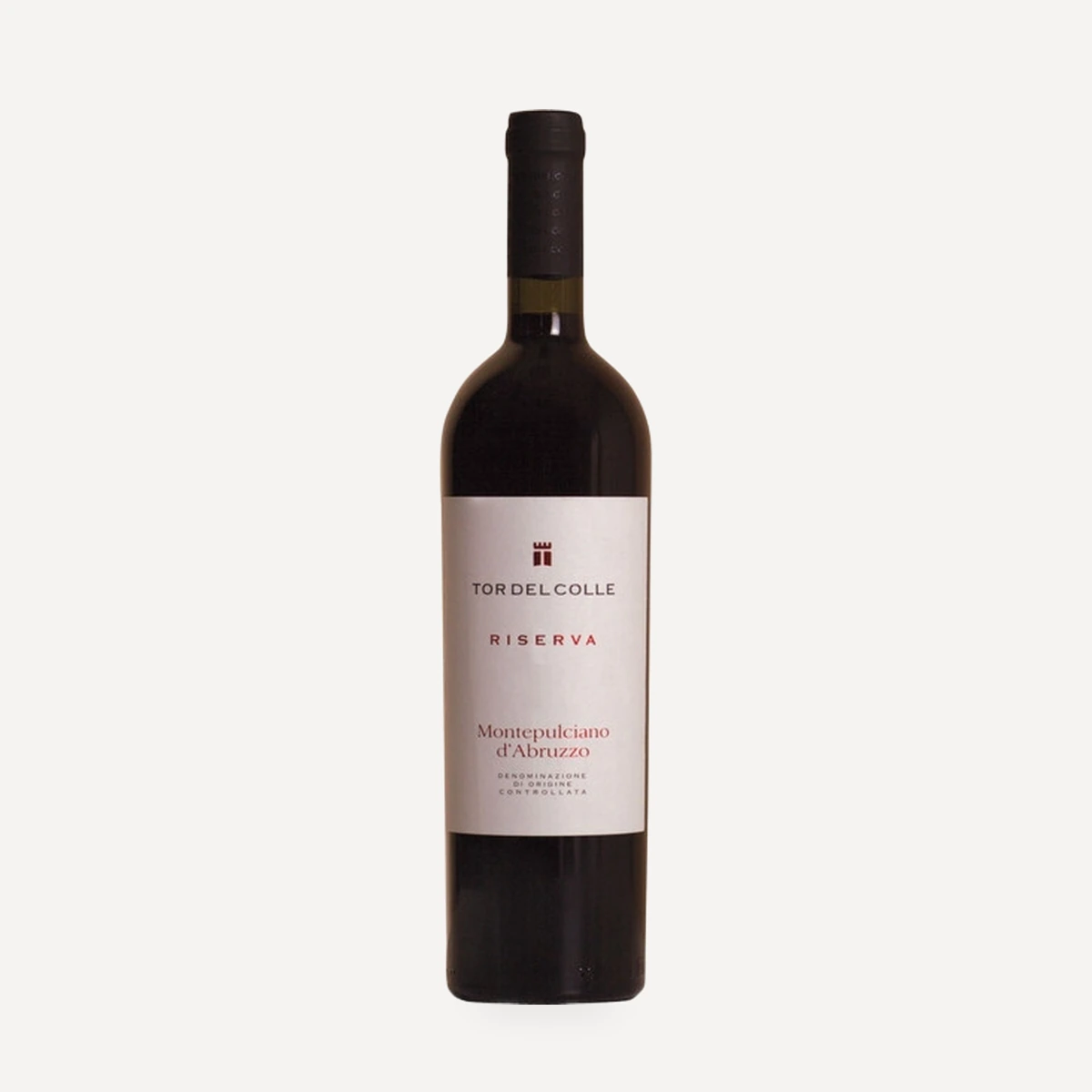
Tor del Colle Montepulciano d'Abruzzo Riserva DOC
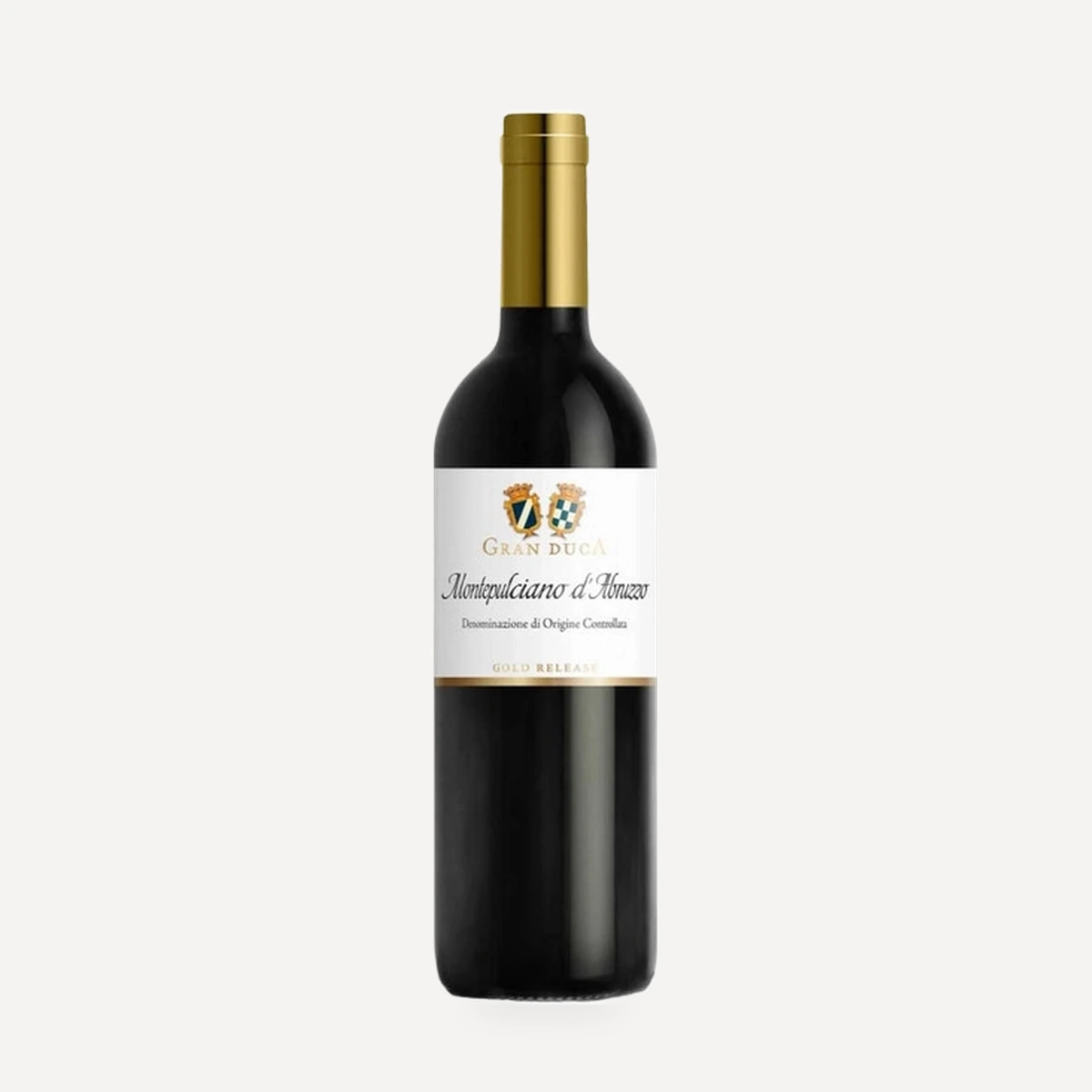
Gran Duca Montepulciano d'Abruzzo DOC
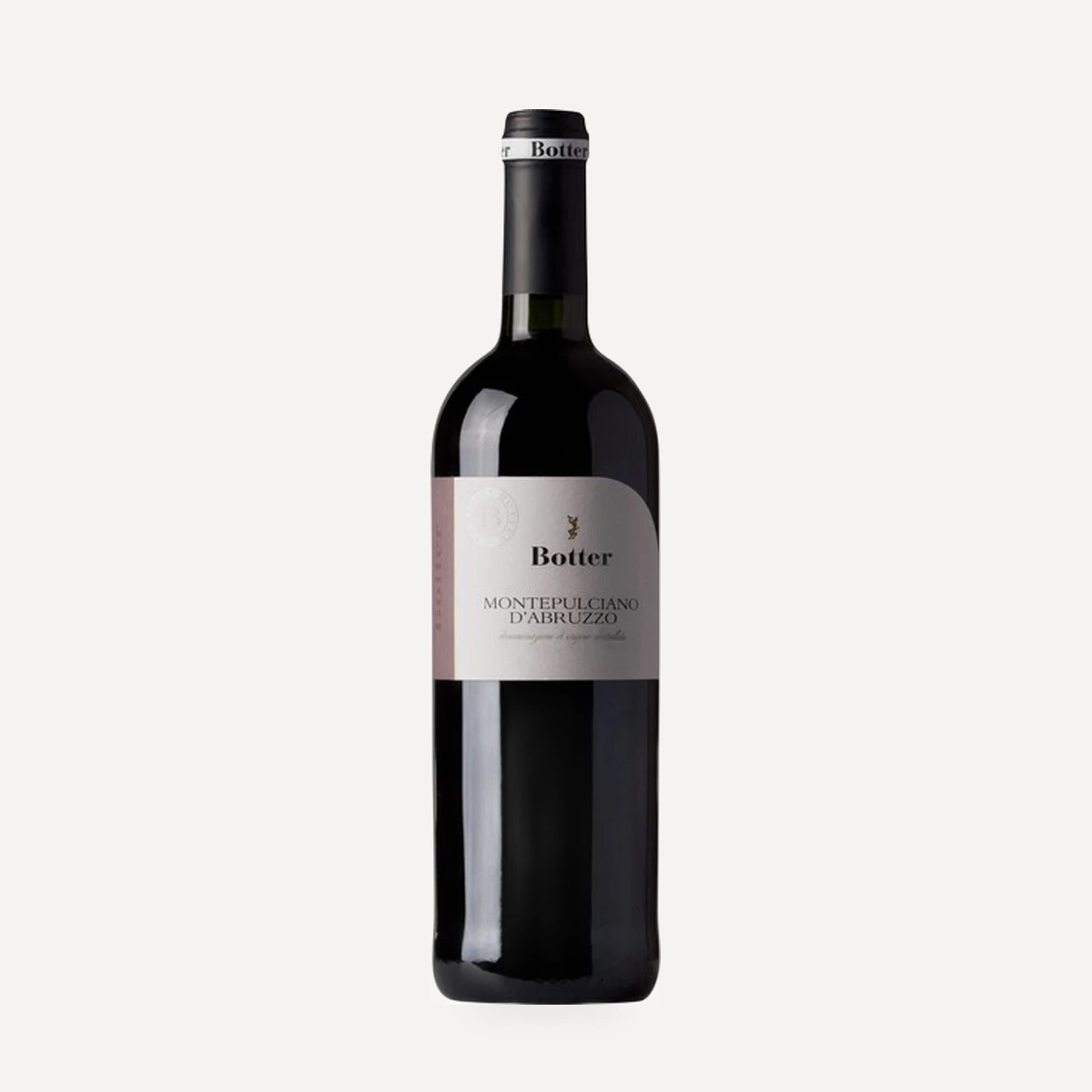
Montepulciano d'Abruzzo DOC
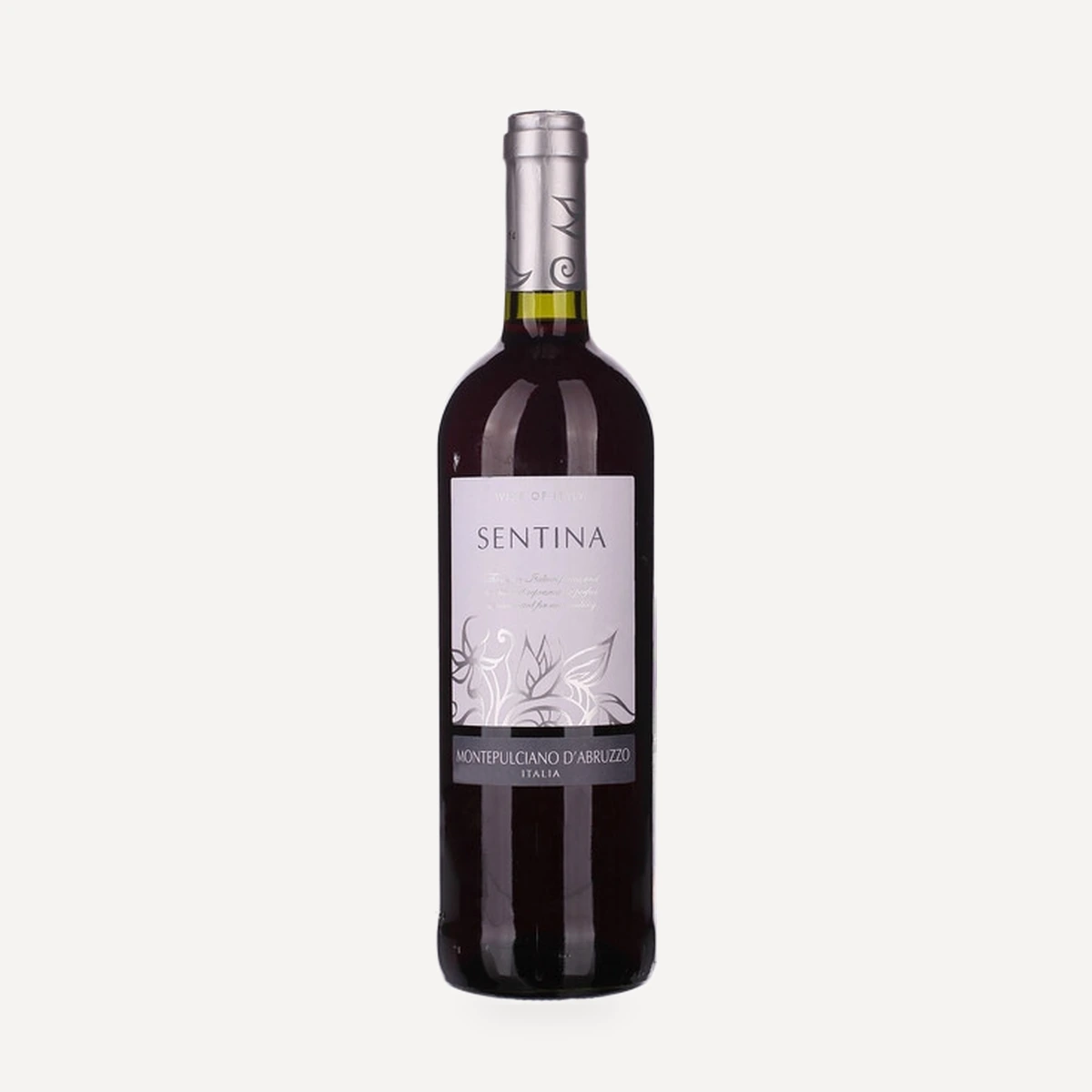
Sentina Montepulciano d'Abruzzo DOC
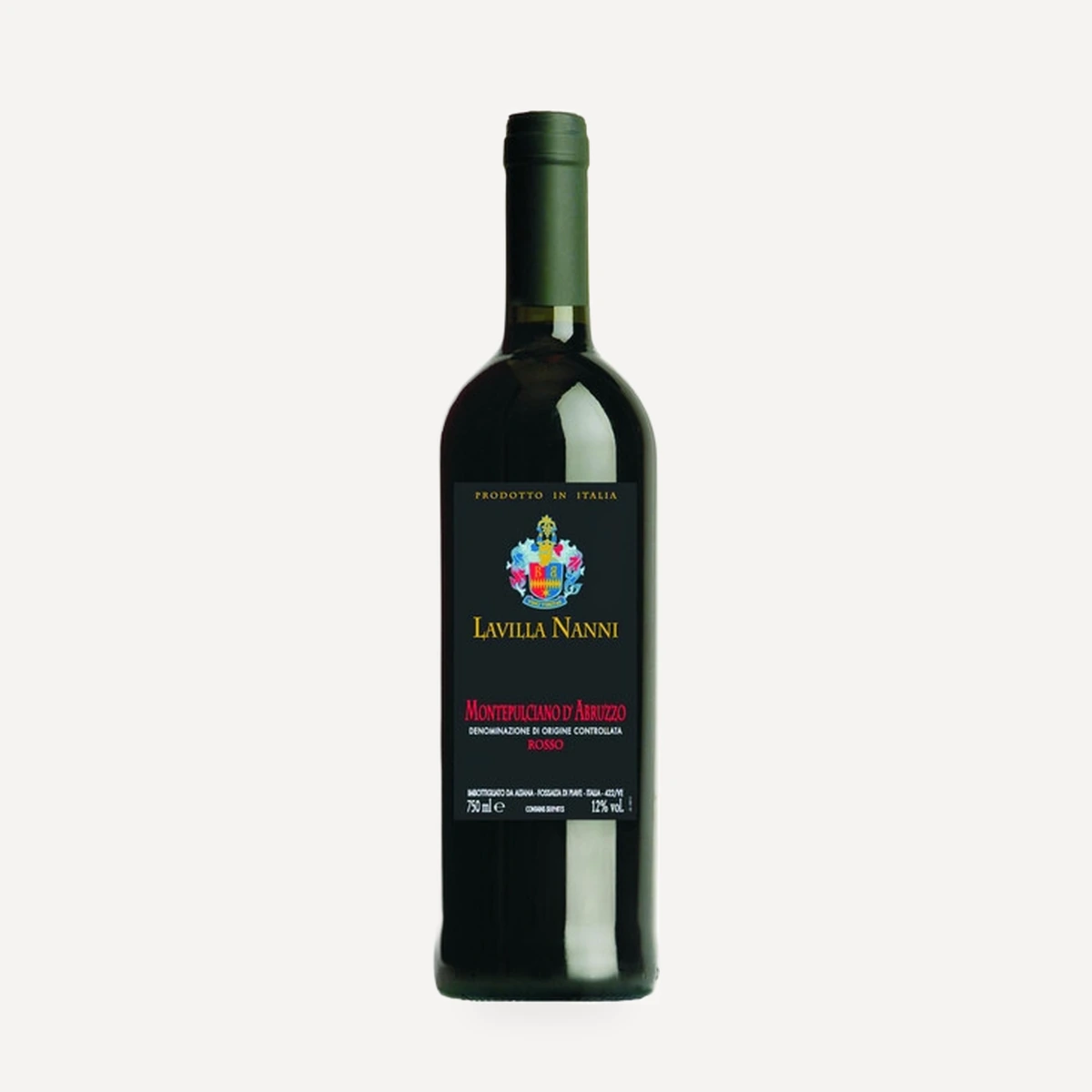
Lavilla Nanni Montepulciano d'Abruzzo DOC
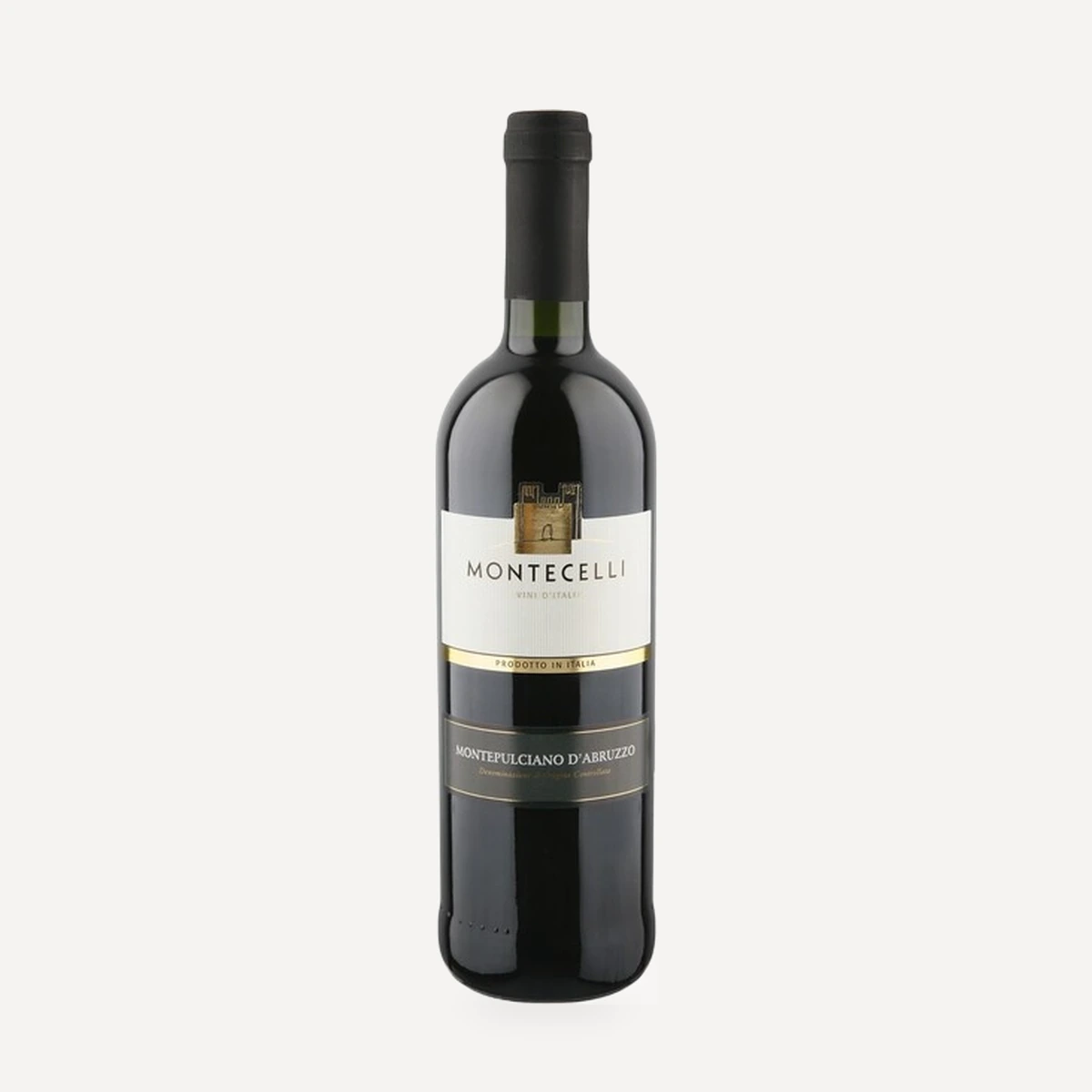
Montecelli Montepulciano d'Abruzzo DOC
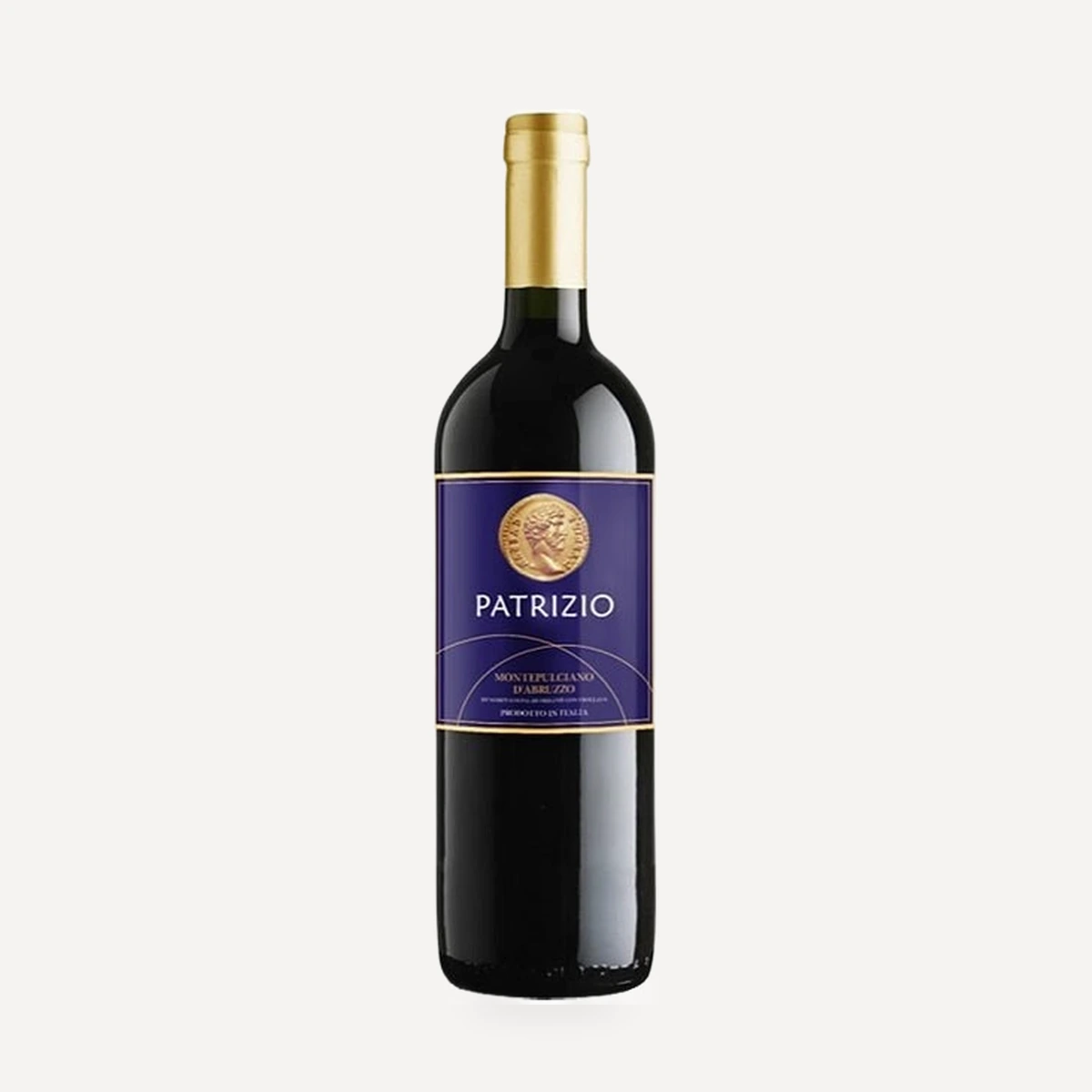
Patrizio Montepulciano d'Abruzzo DOC
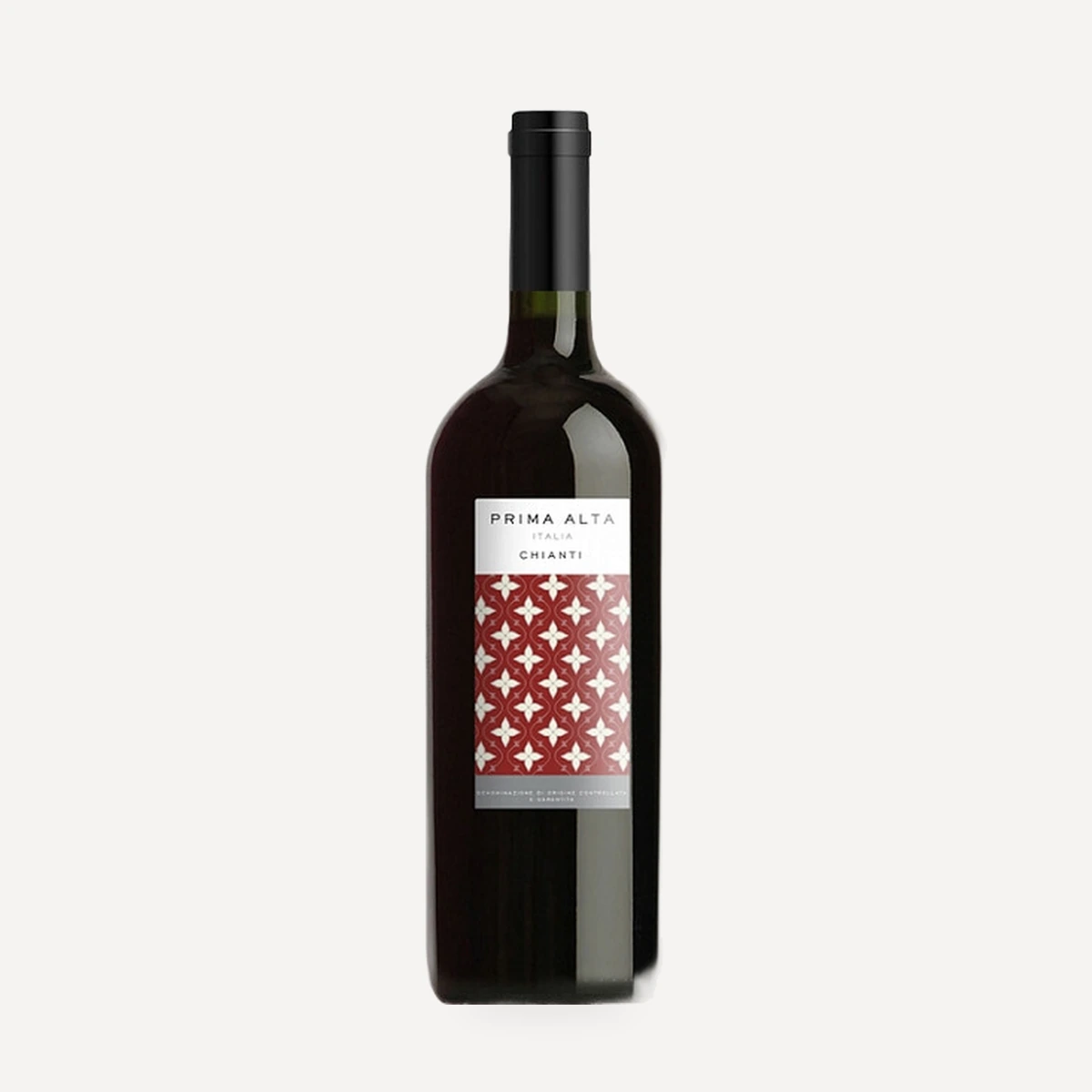
Prima Alta Chianti DOCG
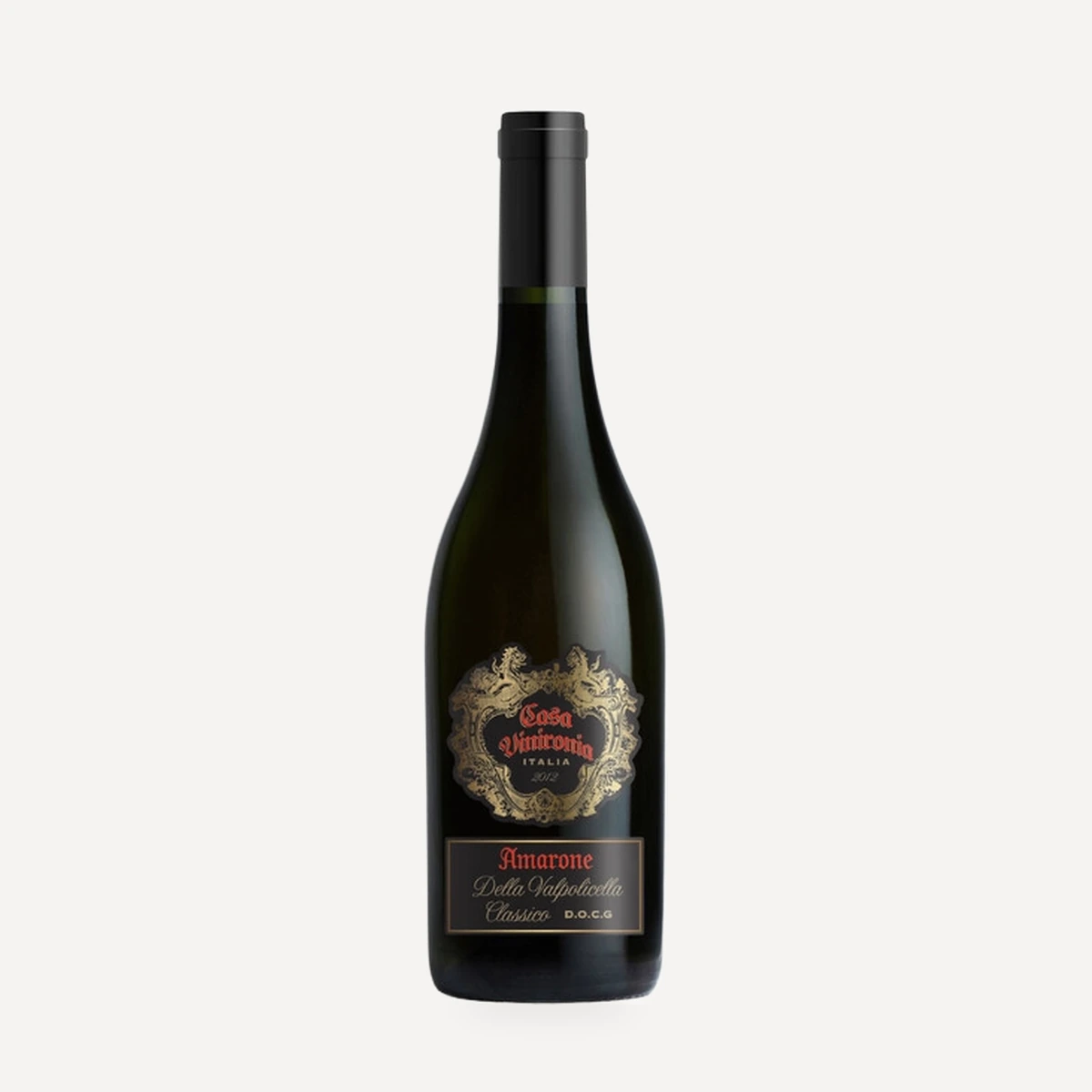
Casa Vinironia Amarone Della Valpolicella Classico DOCG
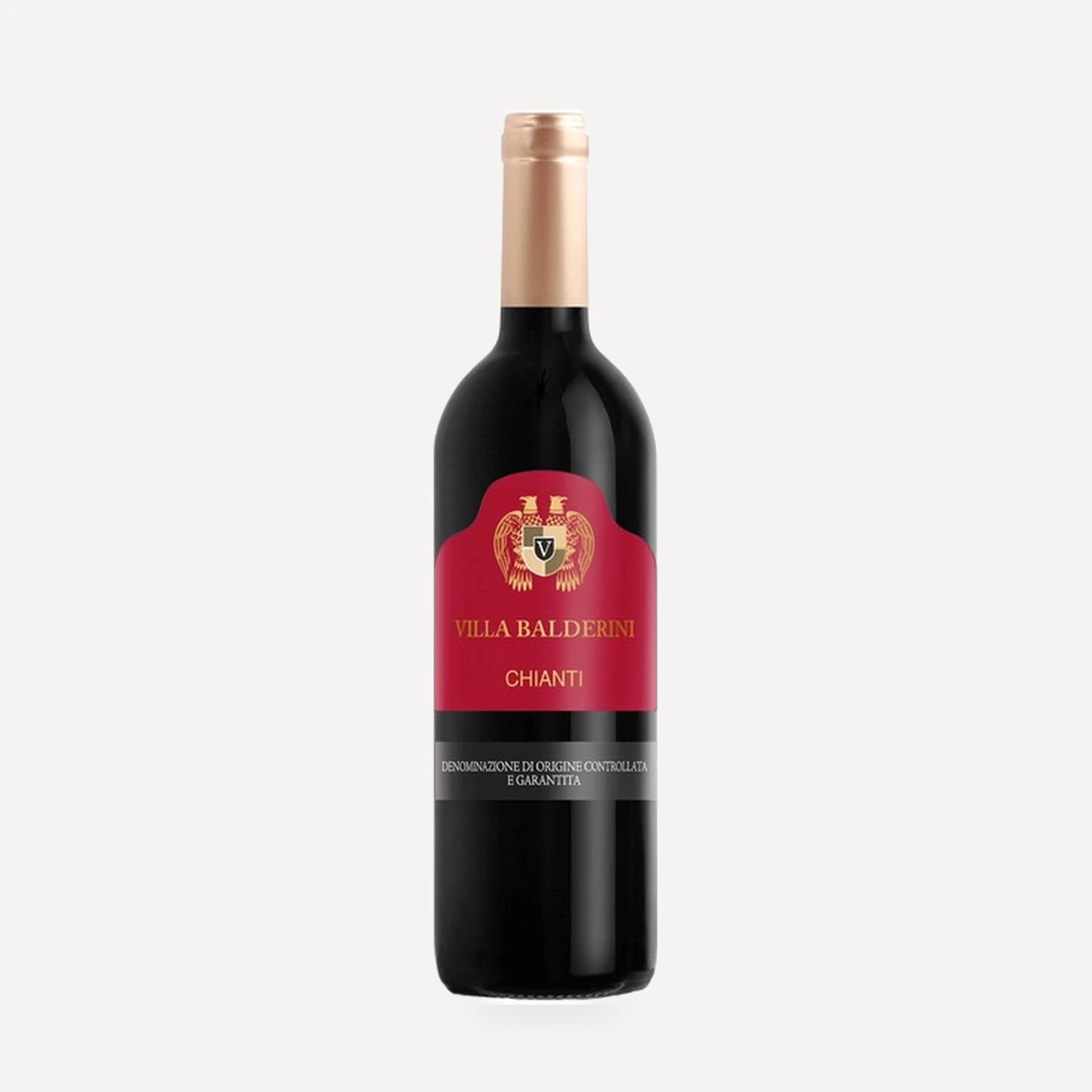
Villa Balderini Chianti DOCG
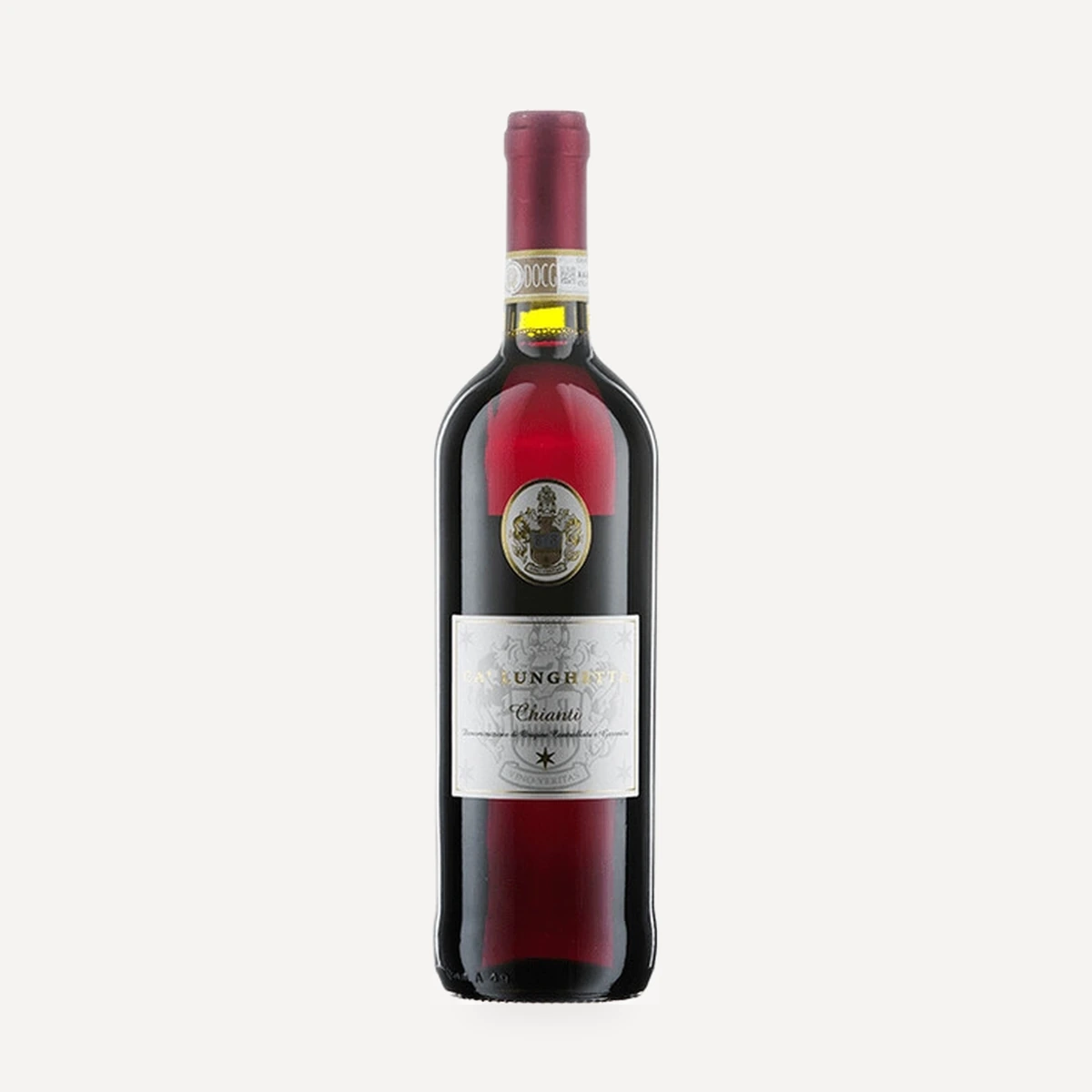
Ca' Lunghetta Chianti DOCG
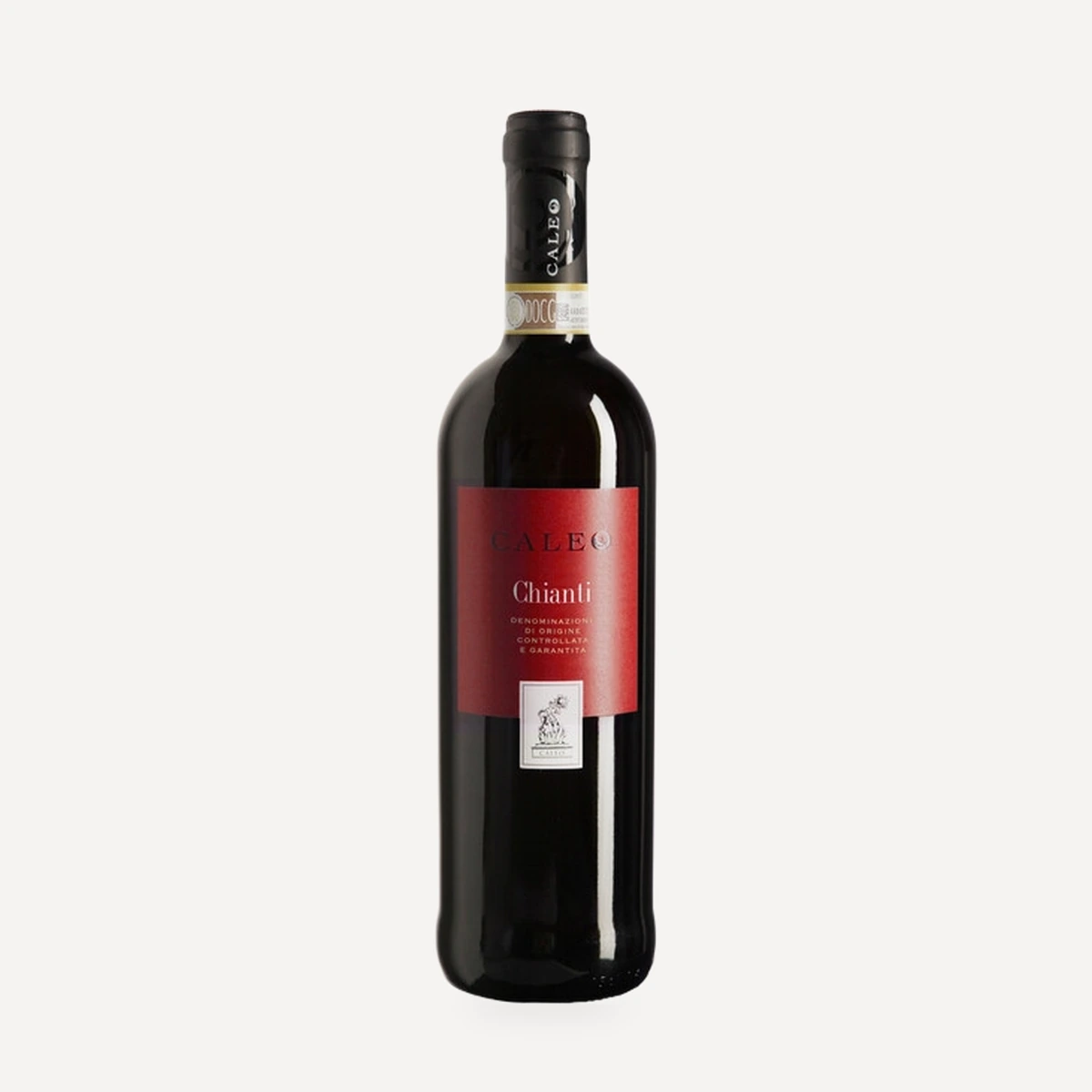
Caleo Chianti DOCG
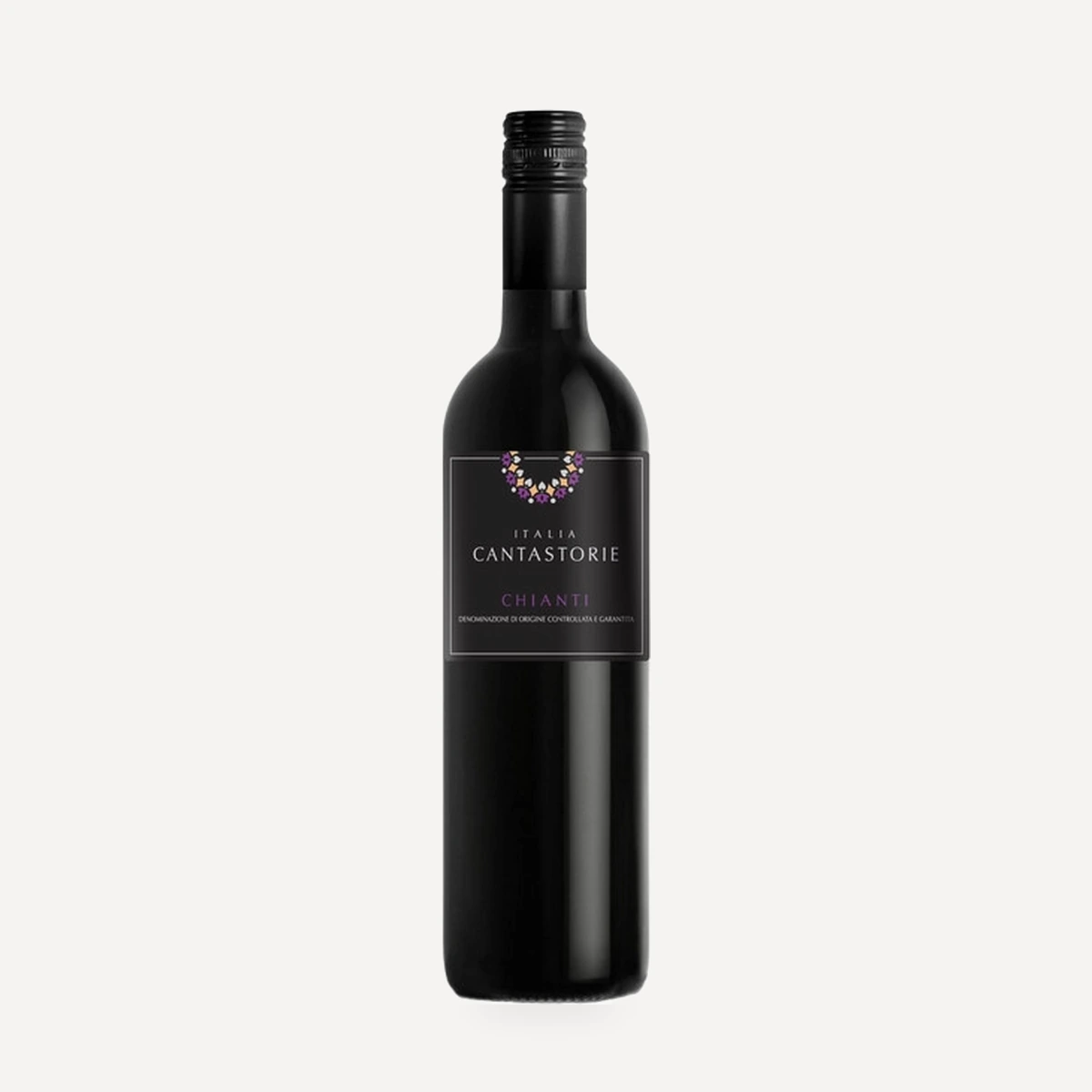
Cantastorie Chianti DOCG
Cantastorie Valpolicella DOC
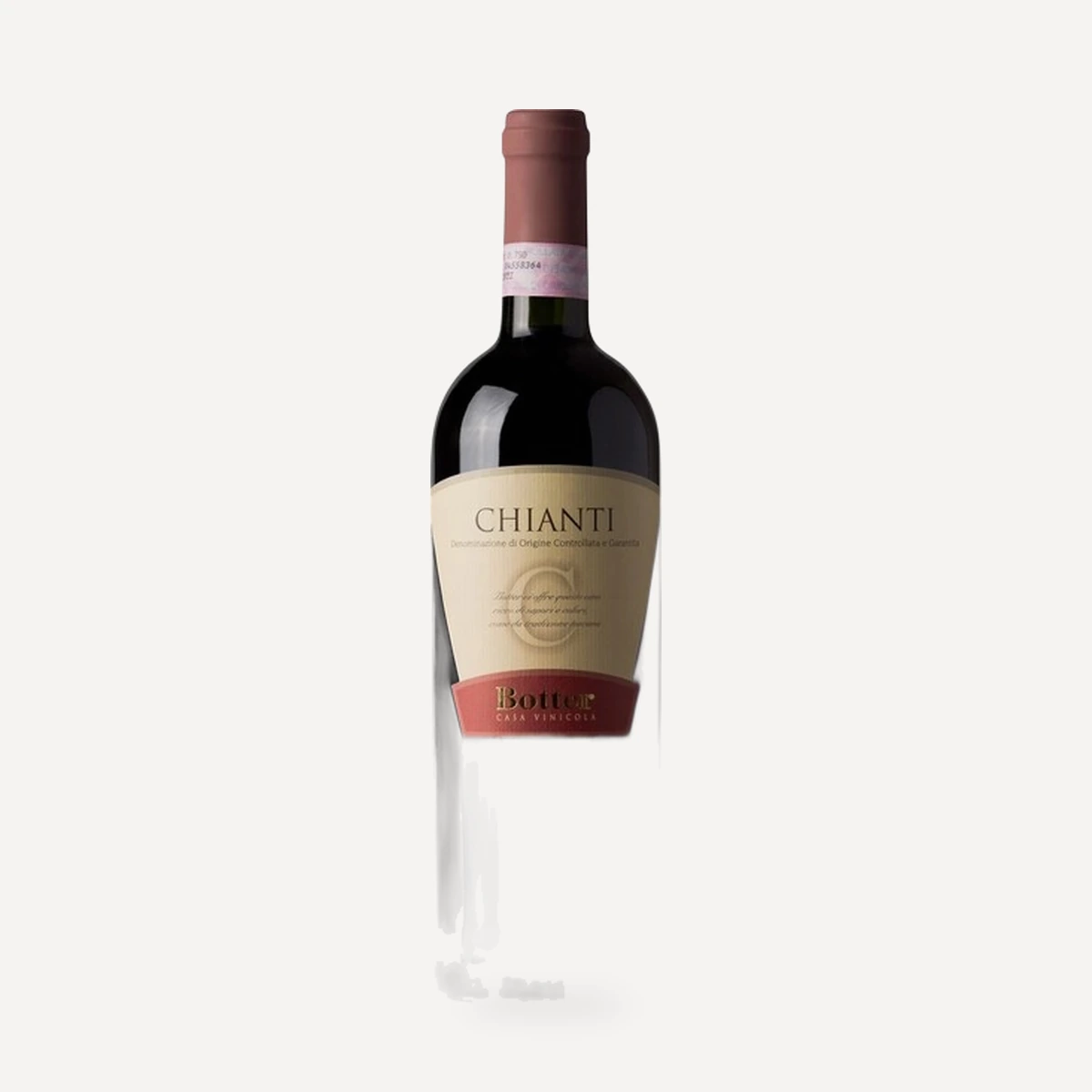
Chianti DOCG
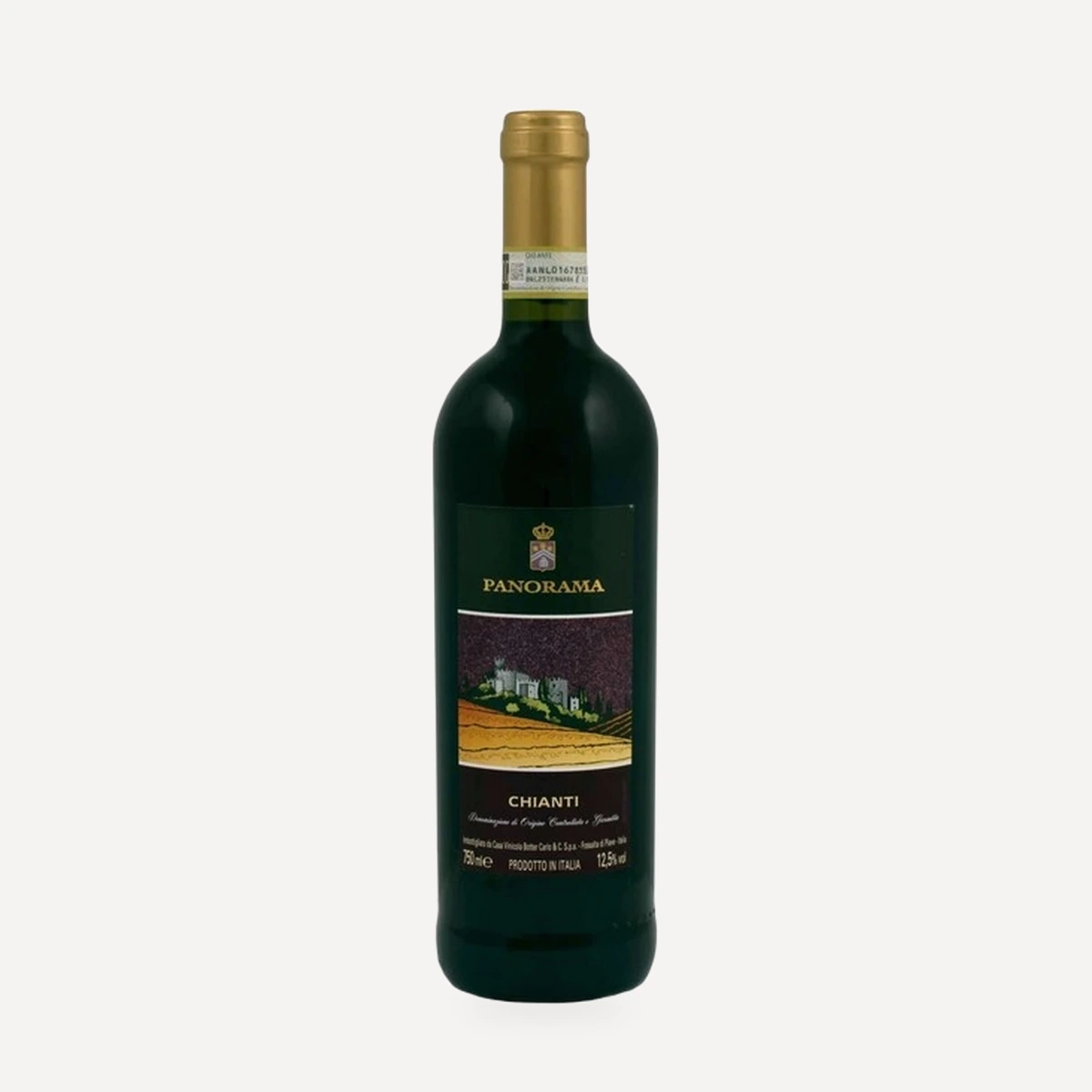
Panorama Chianti DOCG
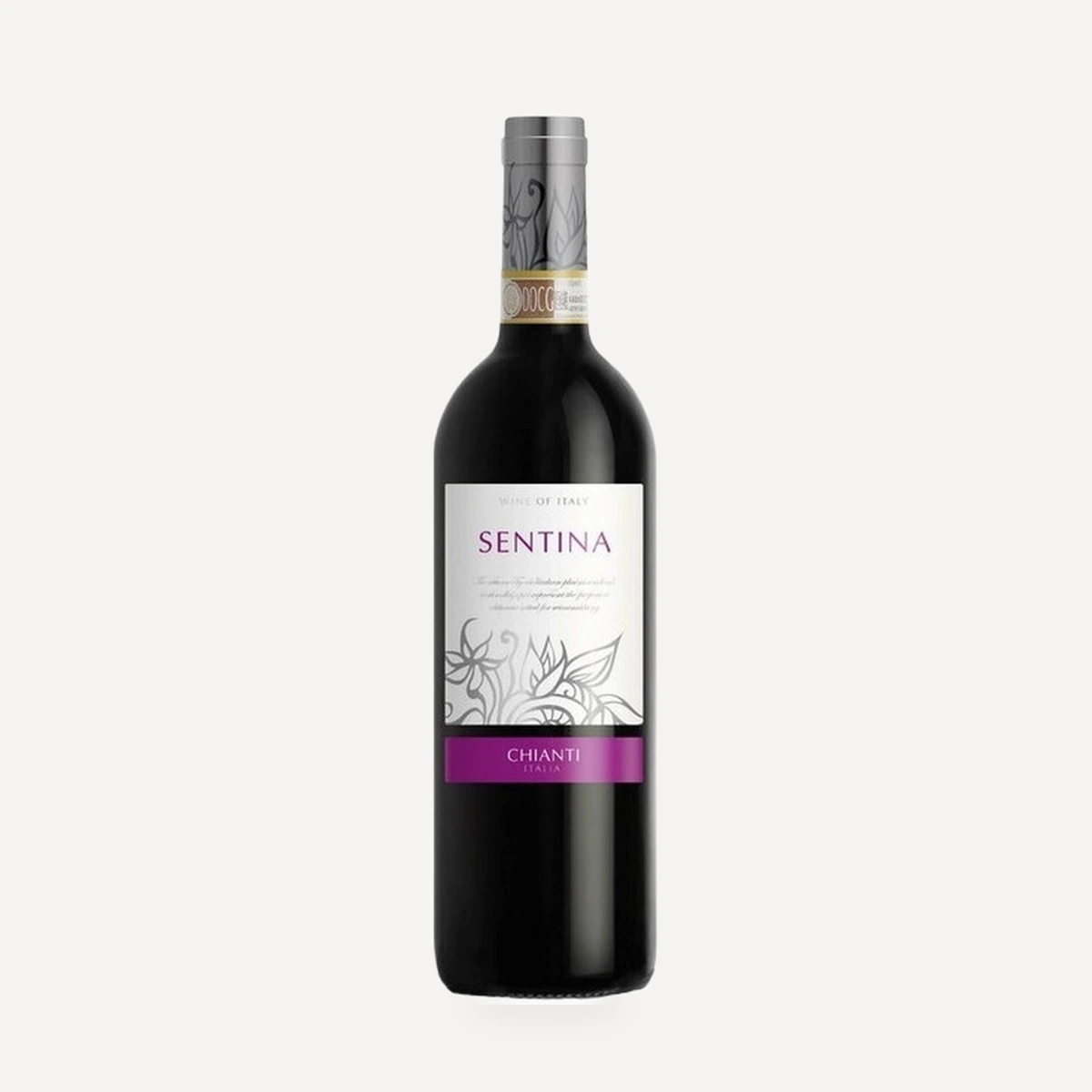
Sentina Chianti DOCG
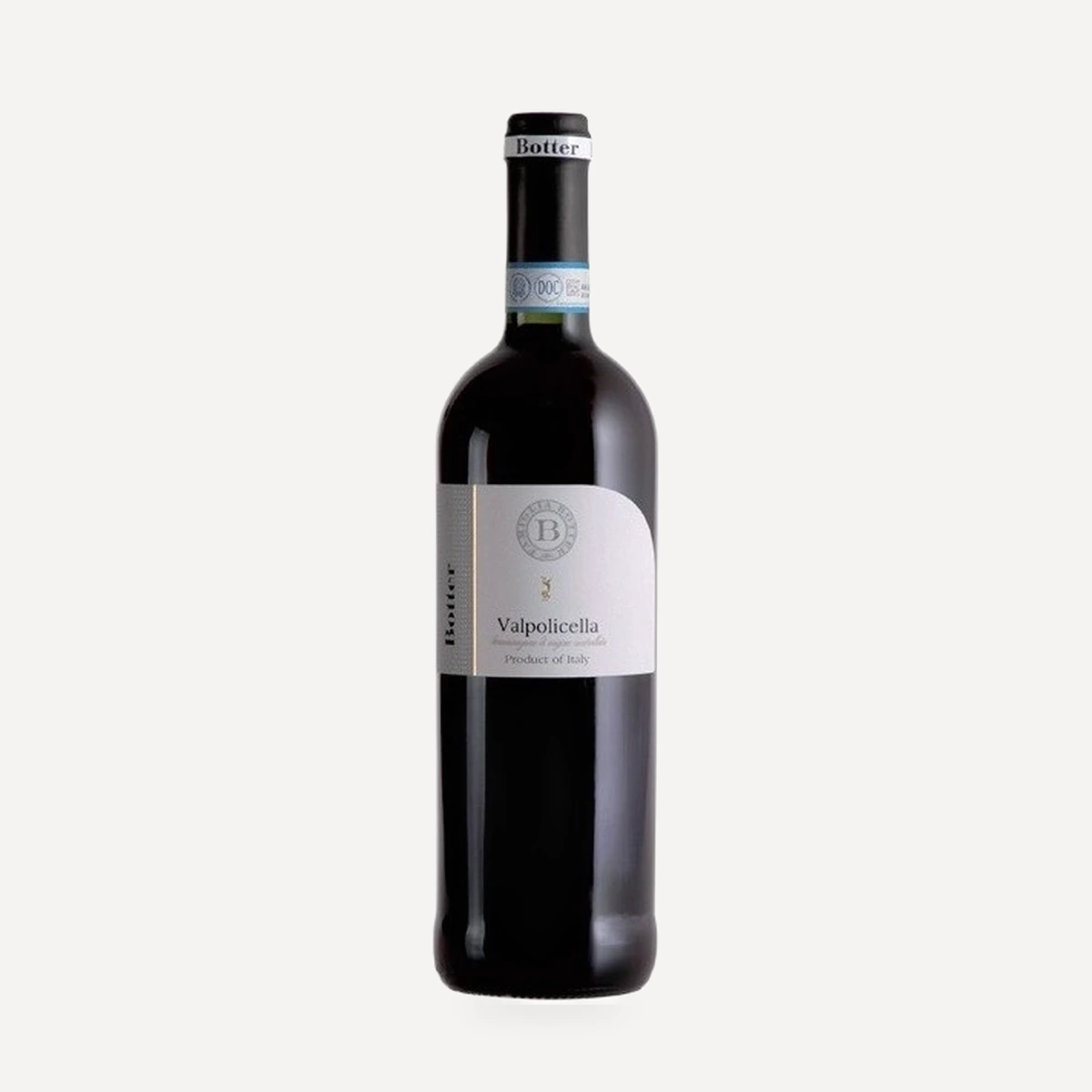
Valpolicella DOC
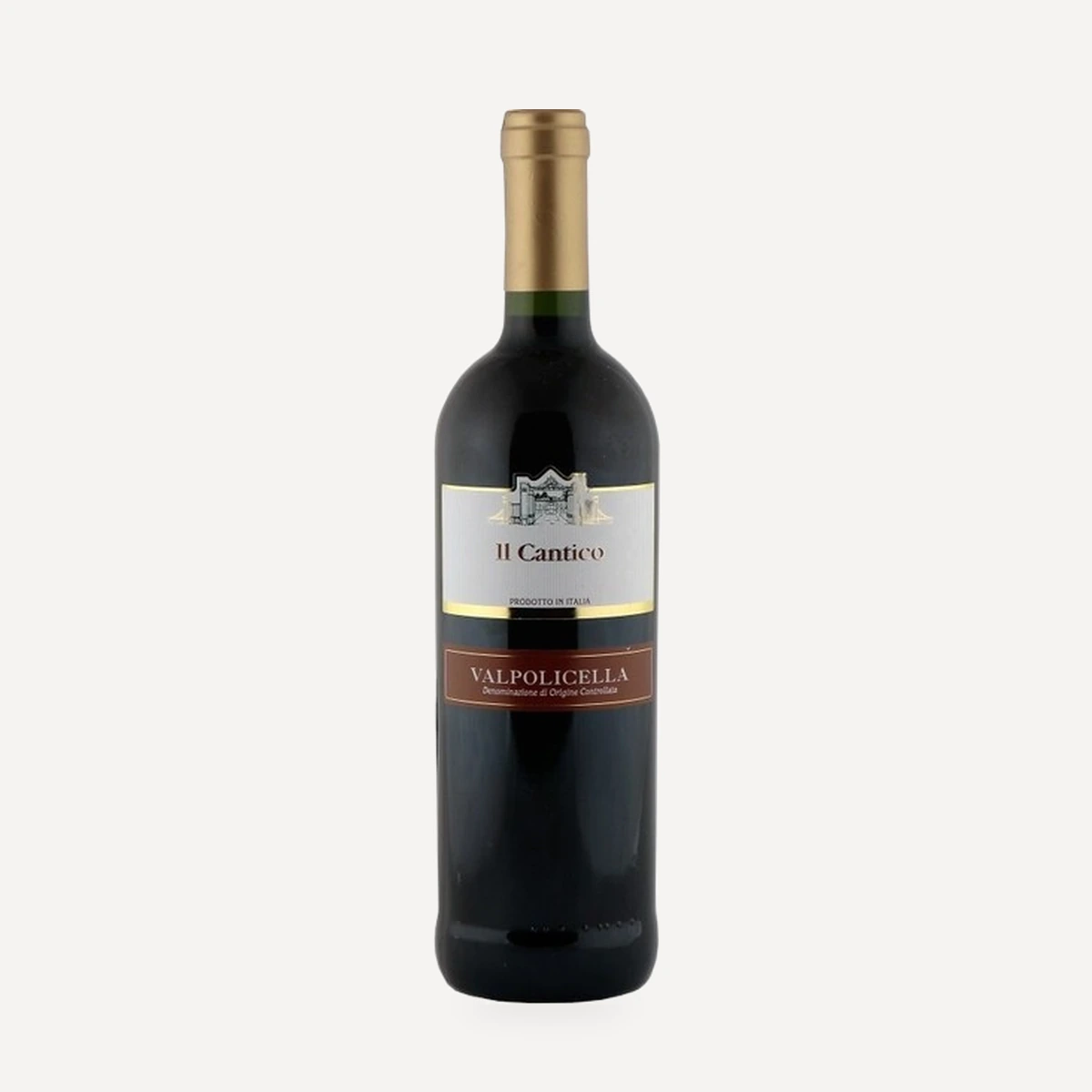
Il Cantico Valpolicella DOC
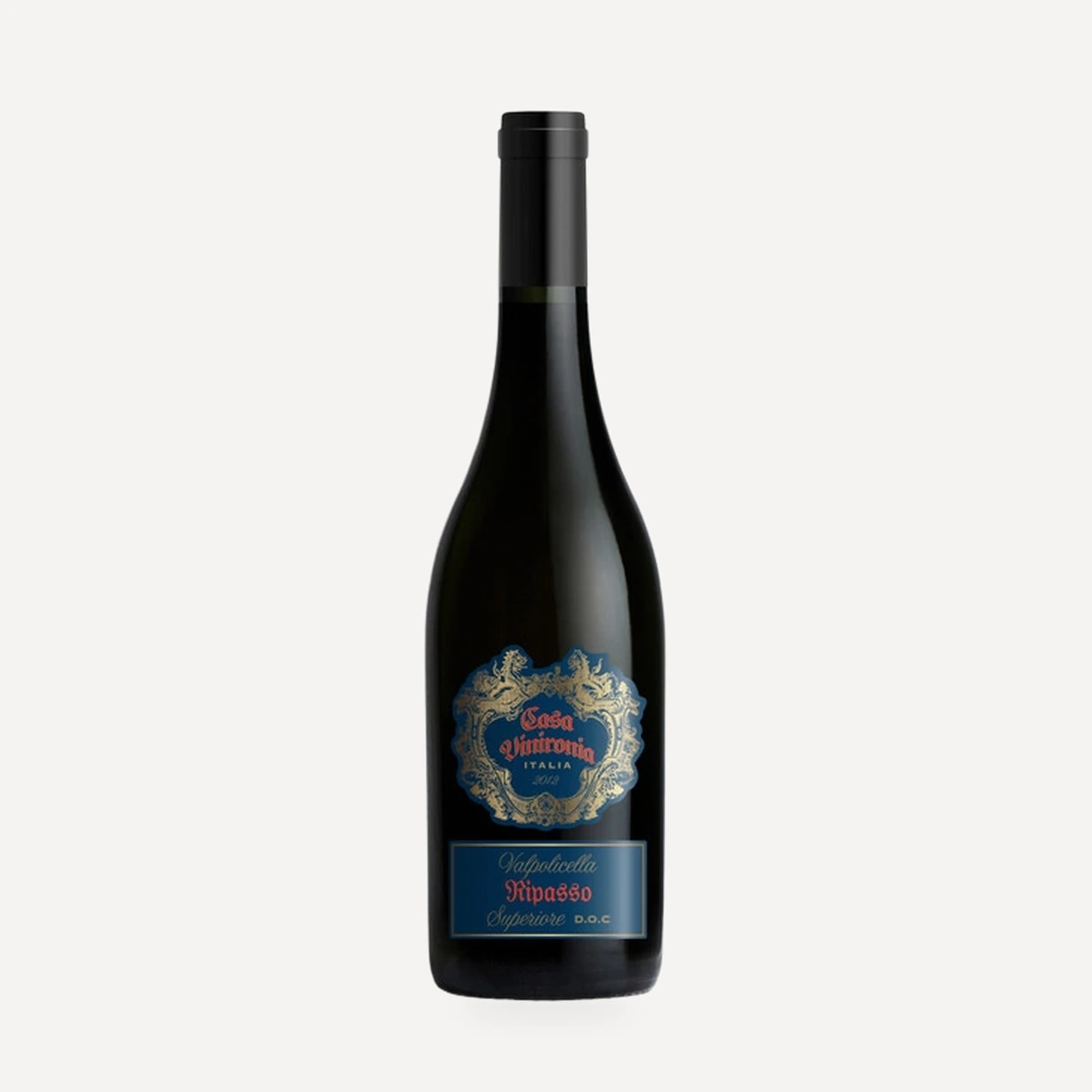
Casa Vinironia Ripasso Valpolicella Superiore DOC
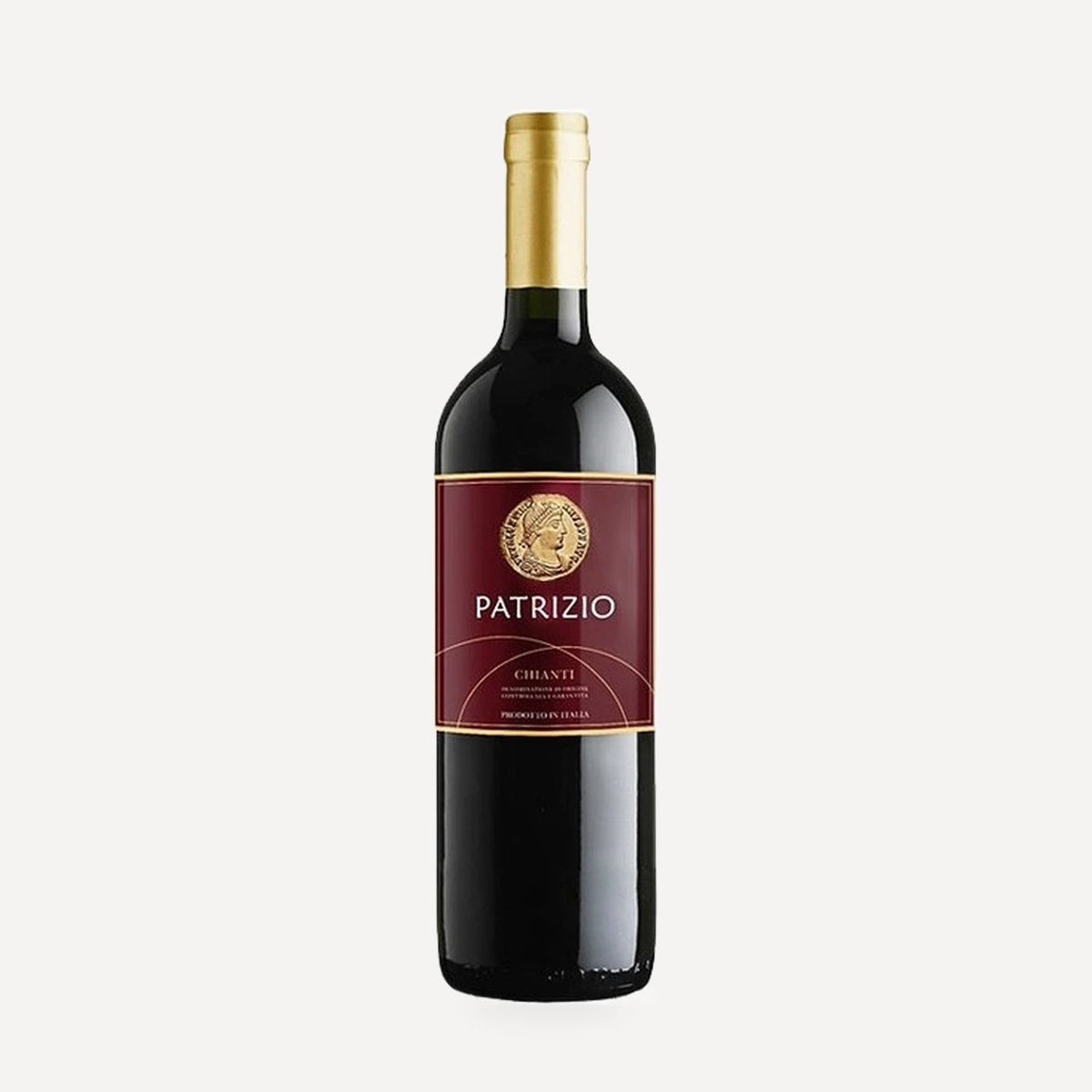
Patrizio Chianti DOCG
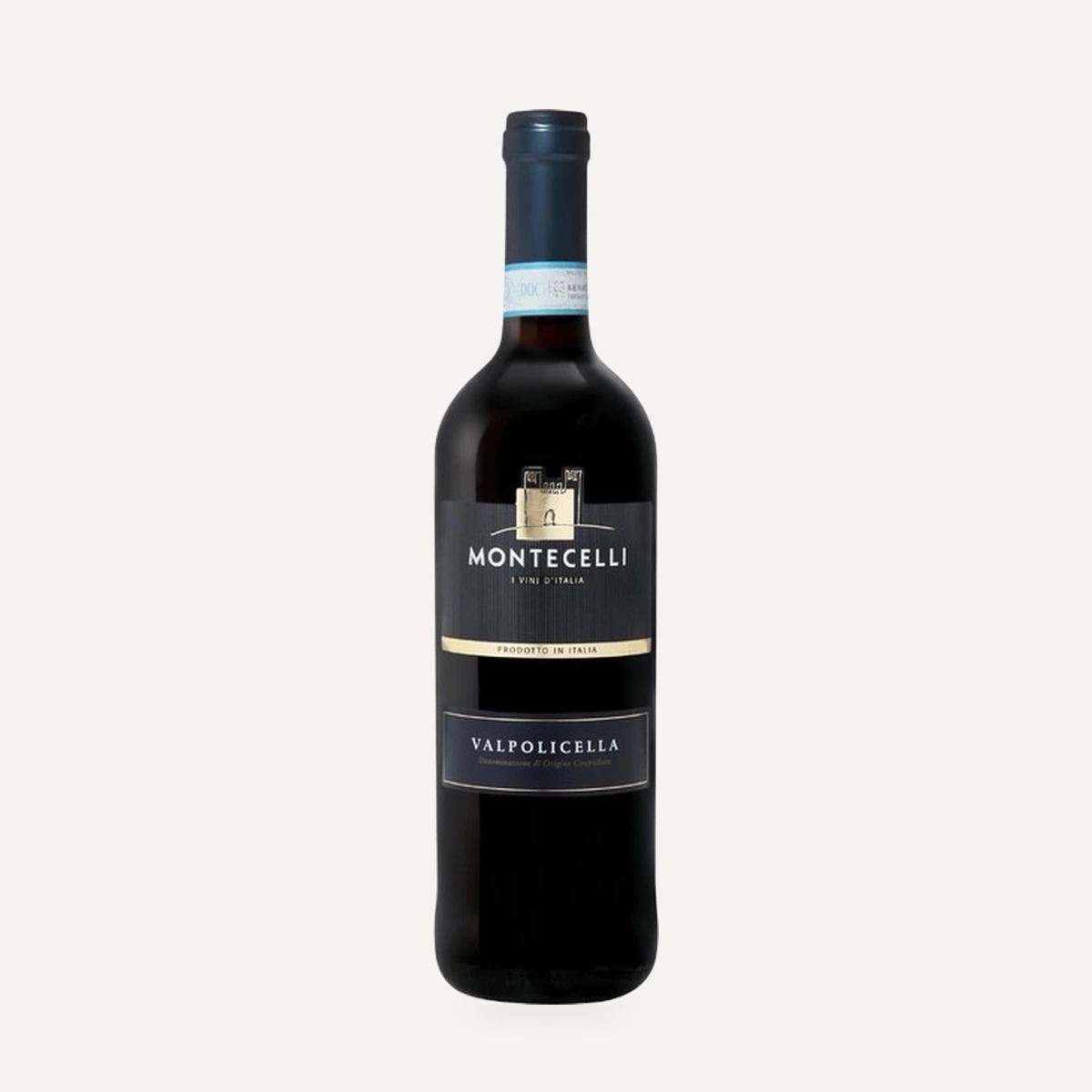
Montecelli Valpolicella DOC
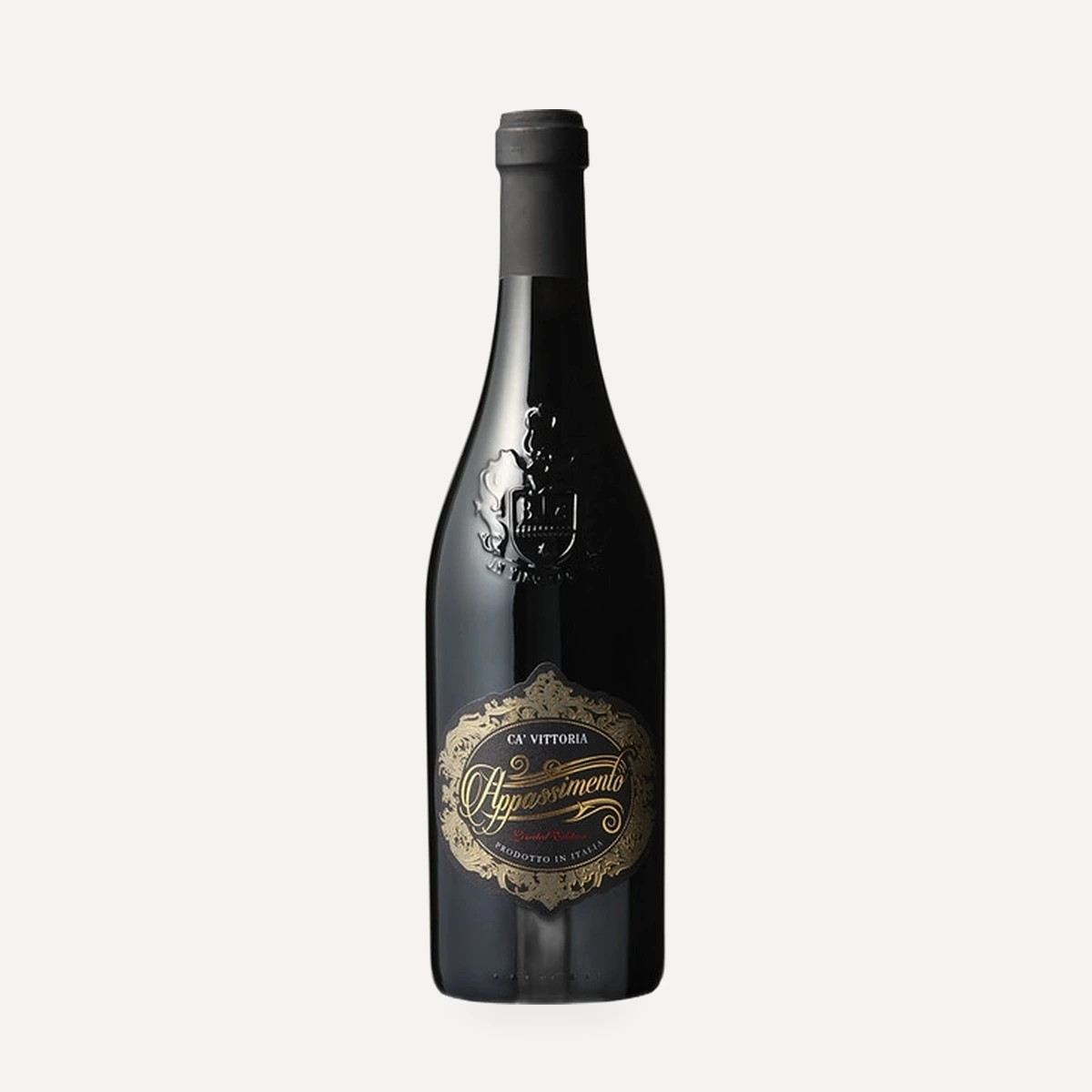
Ca' Vittoria Appassimento Puglia Rosso IGT
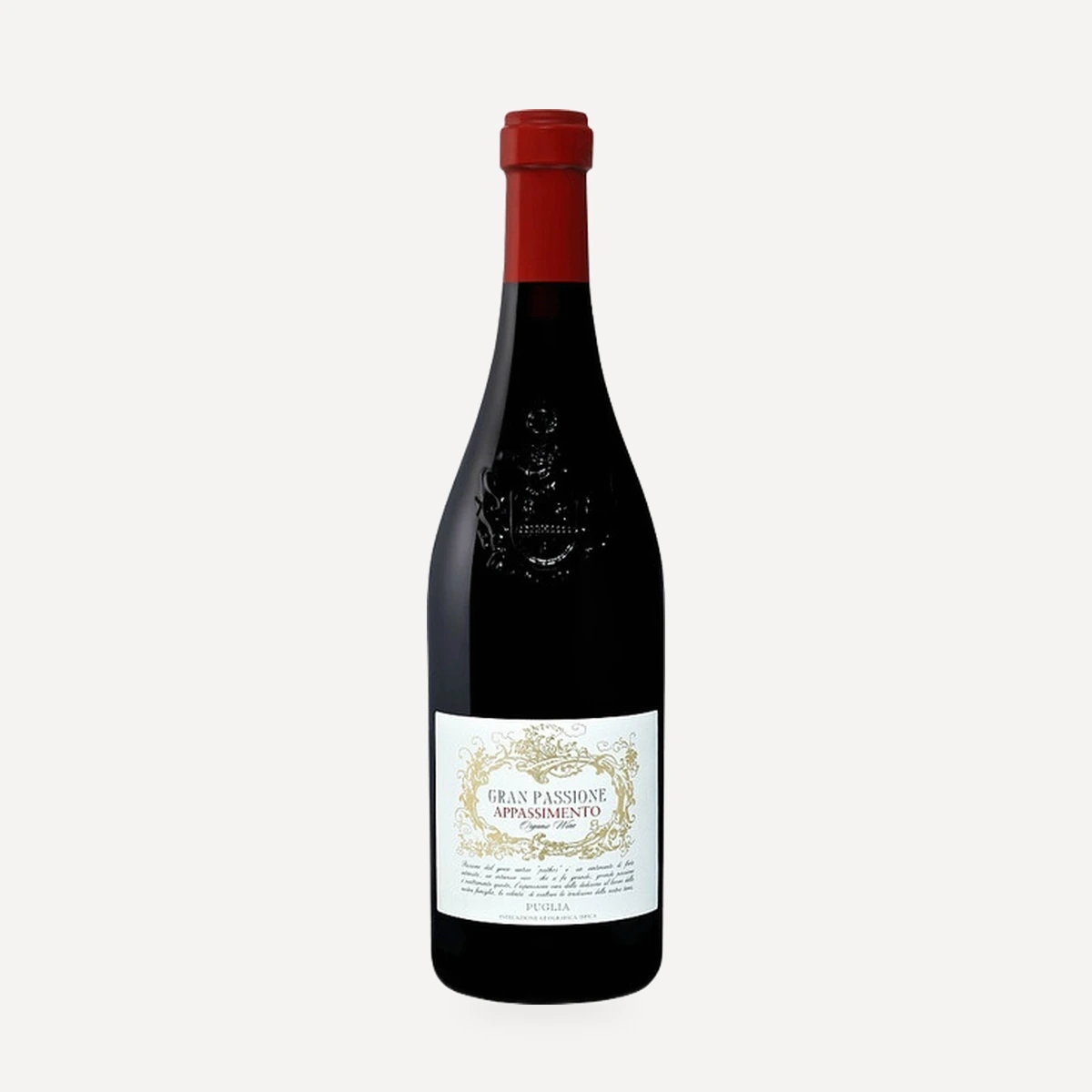
Gran Passione Appassimento Puglia IGT
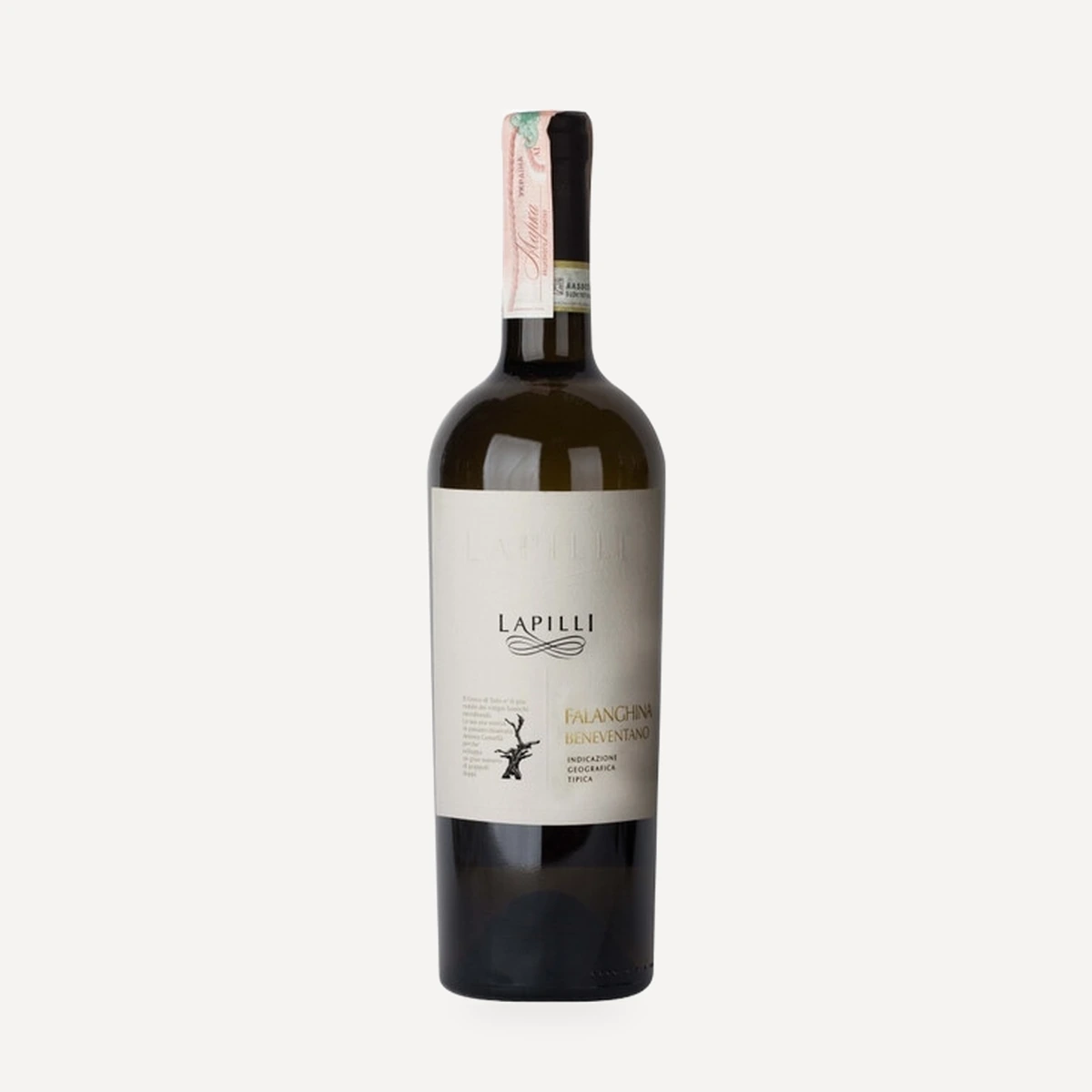
Lapilli Falanghina Beneventano IGT
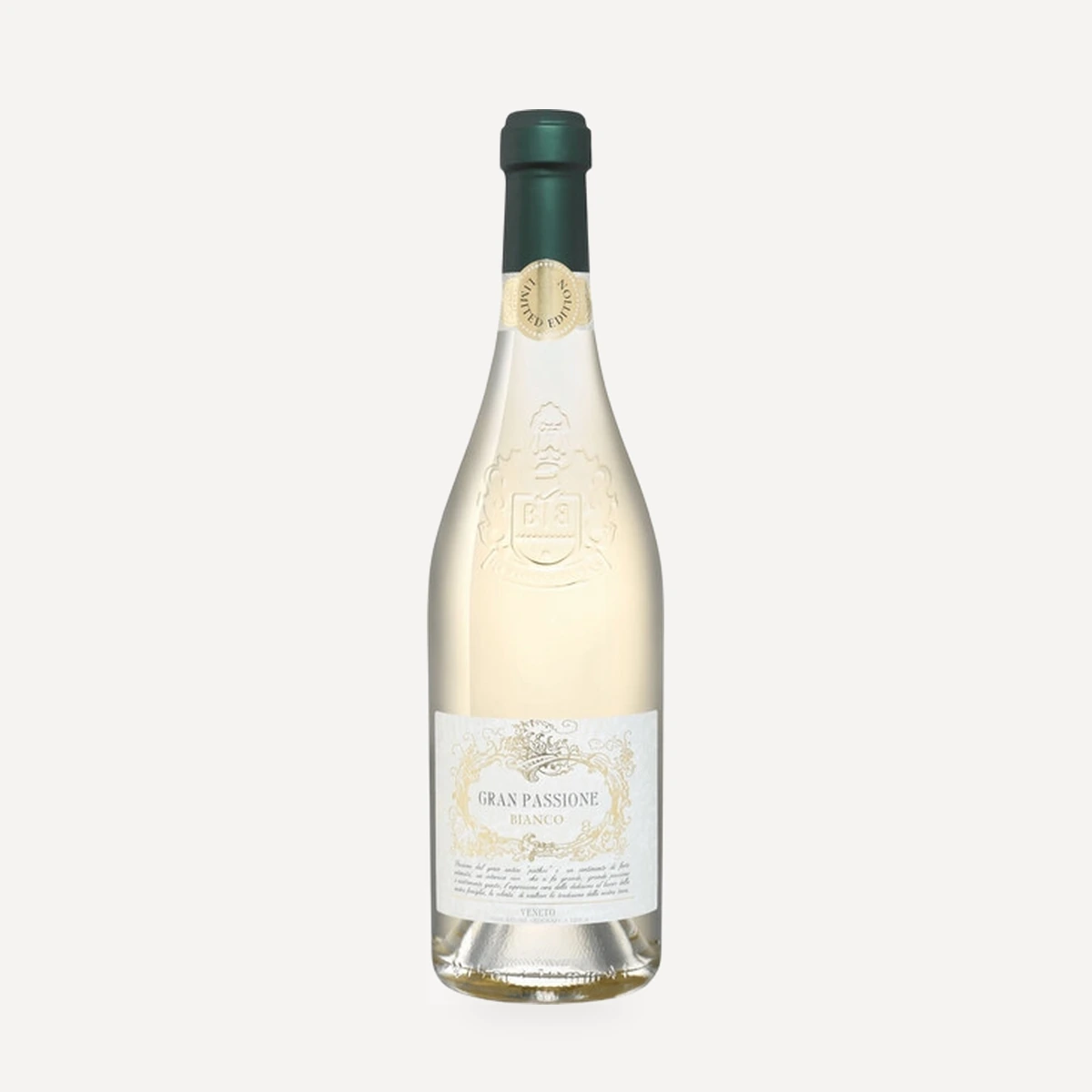
Gran Passione Bianco Veneto IGT
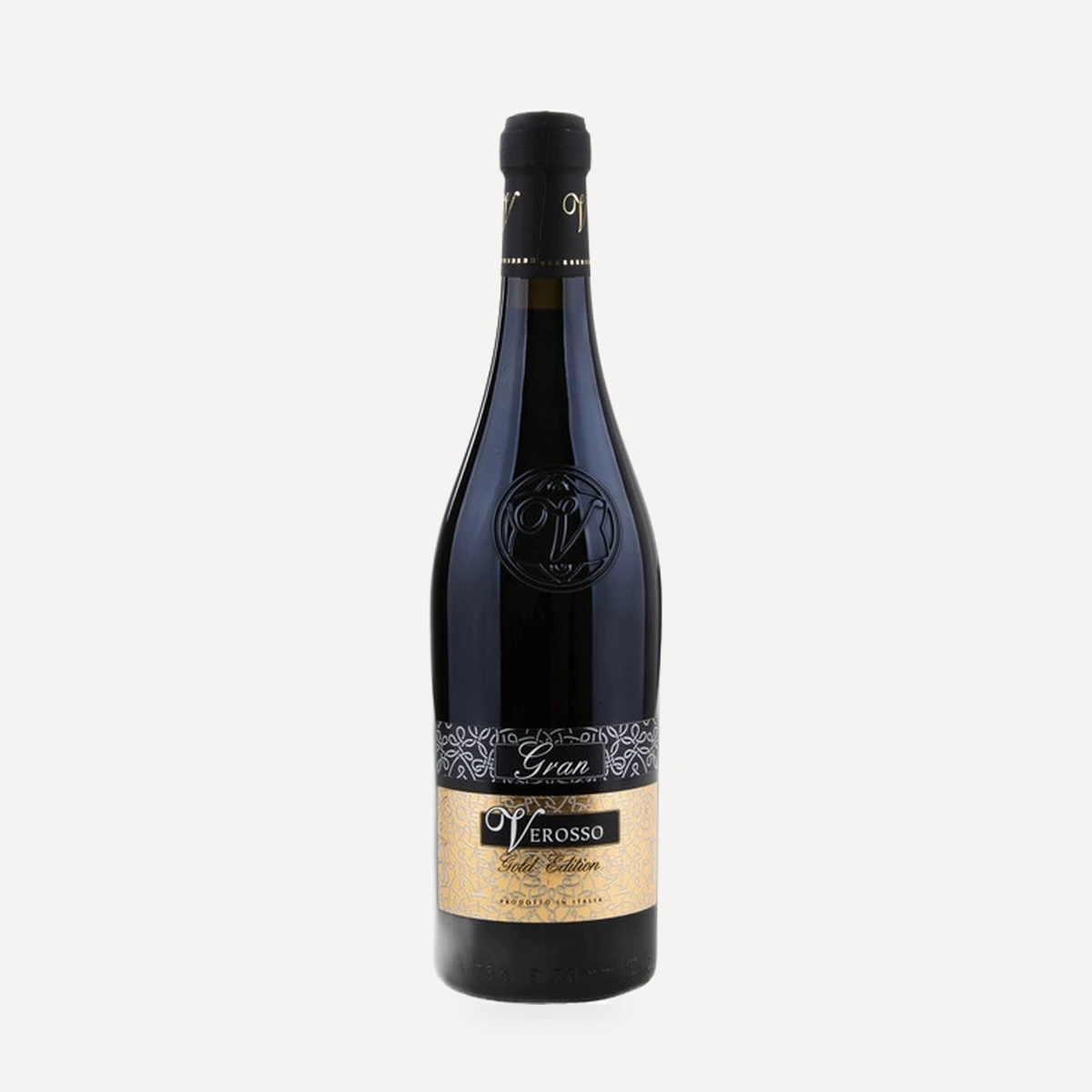
Gran Verosso Gold Edition Veneto IGT
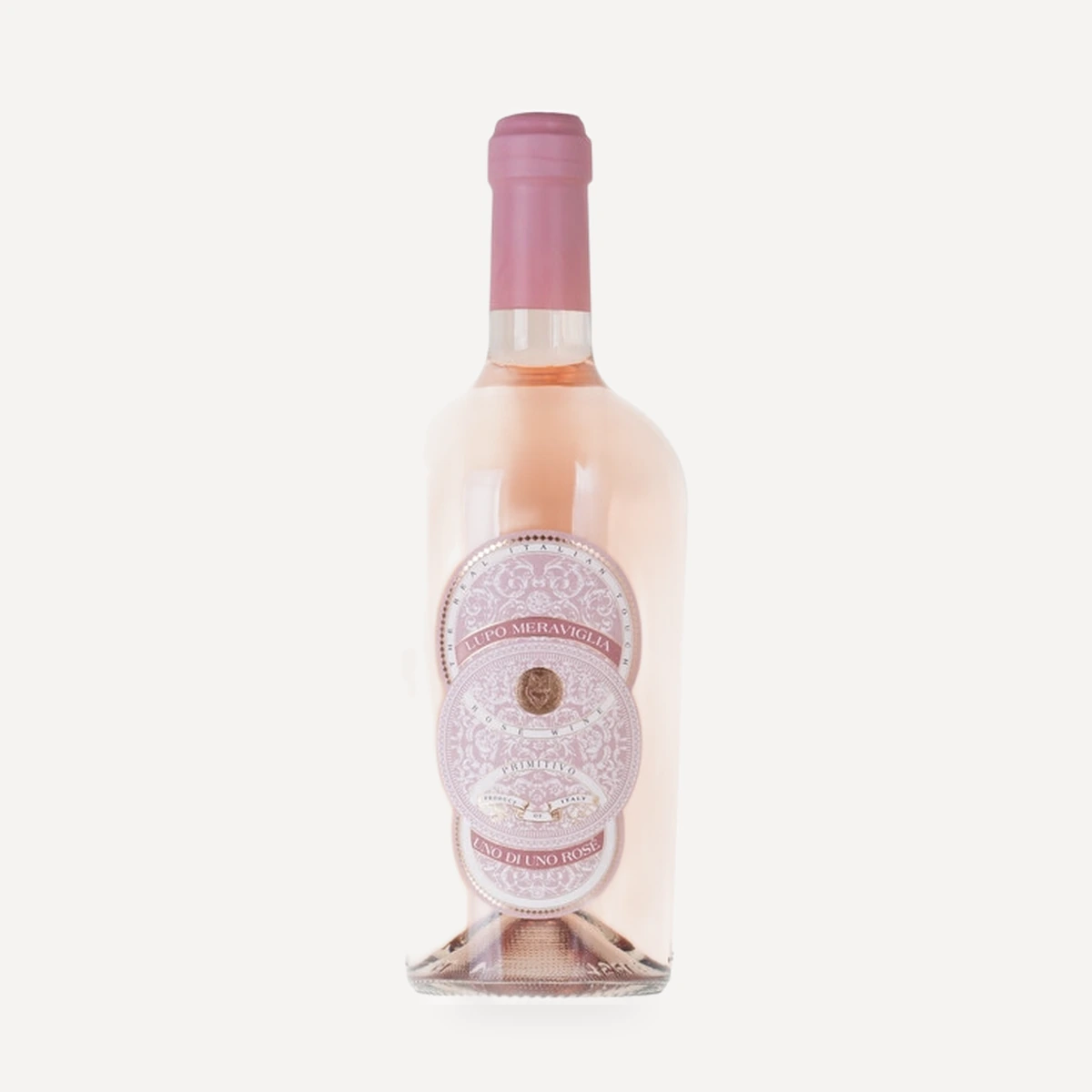
Lupo Meraviglia Uno di Uno Primitivo Rose Puglia IGT
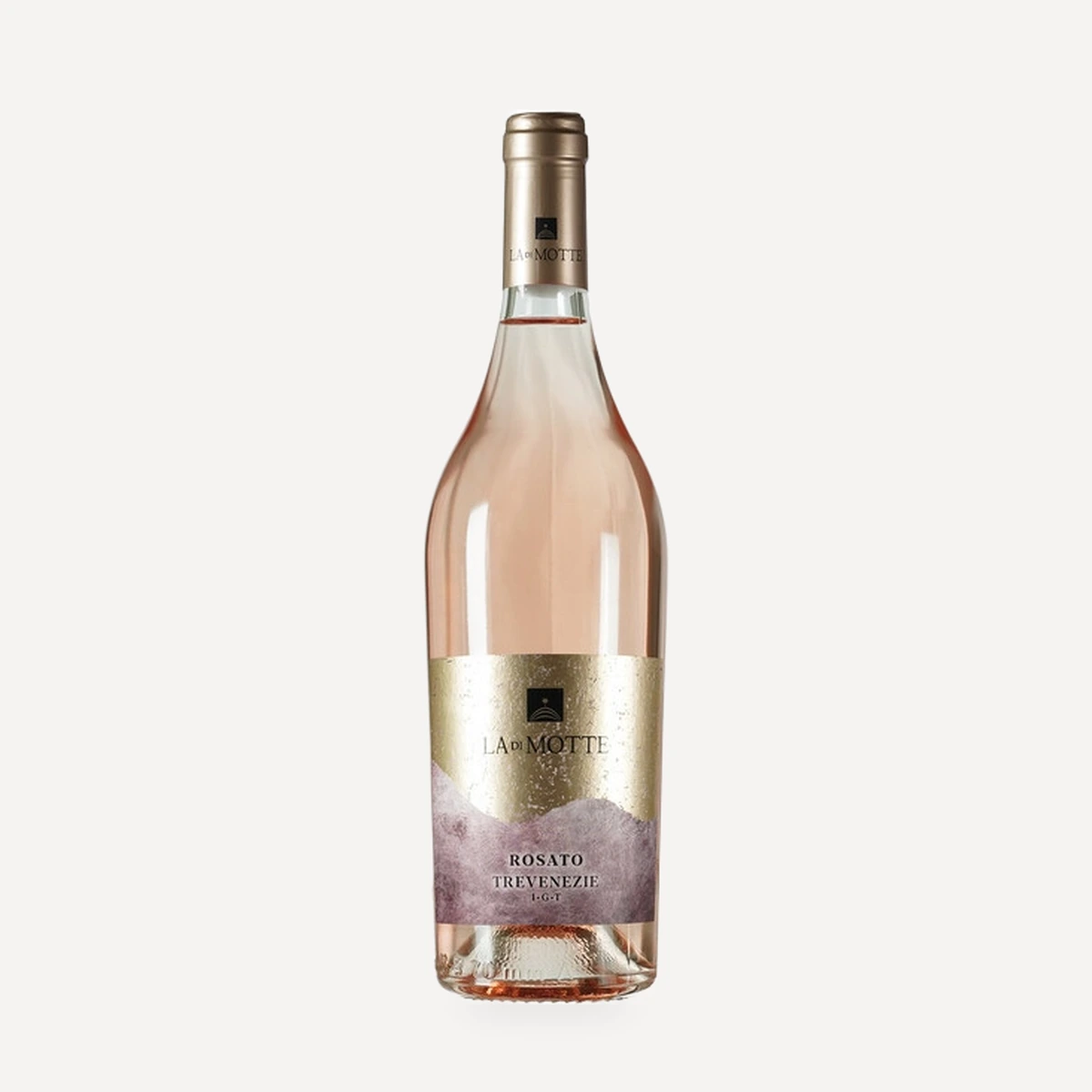
La di Motte Rosato Trevenezie IGT
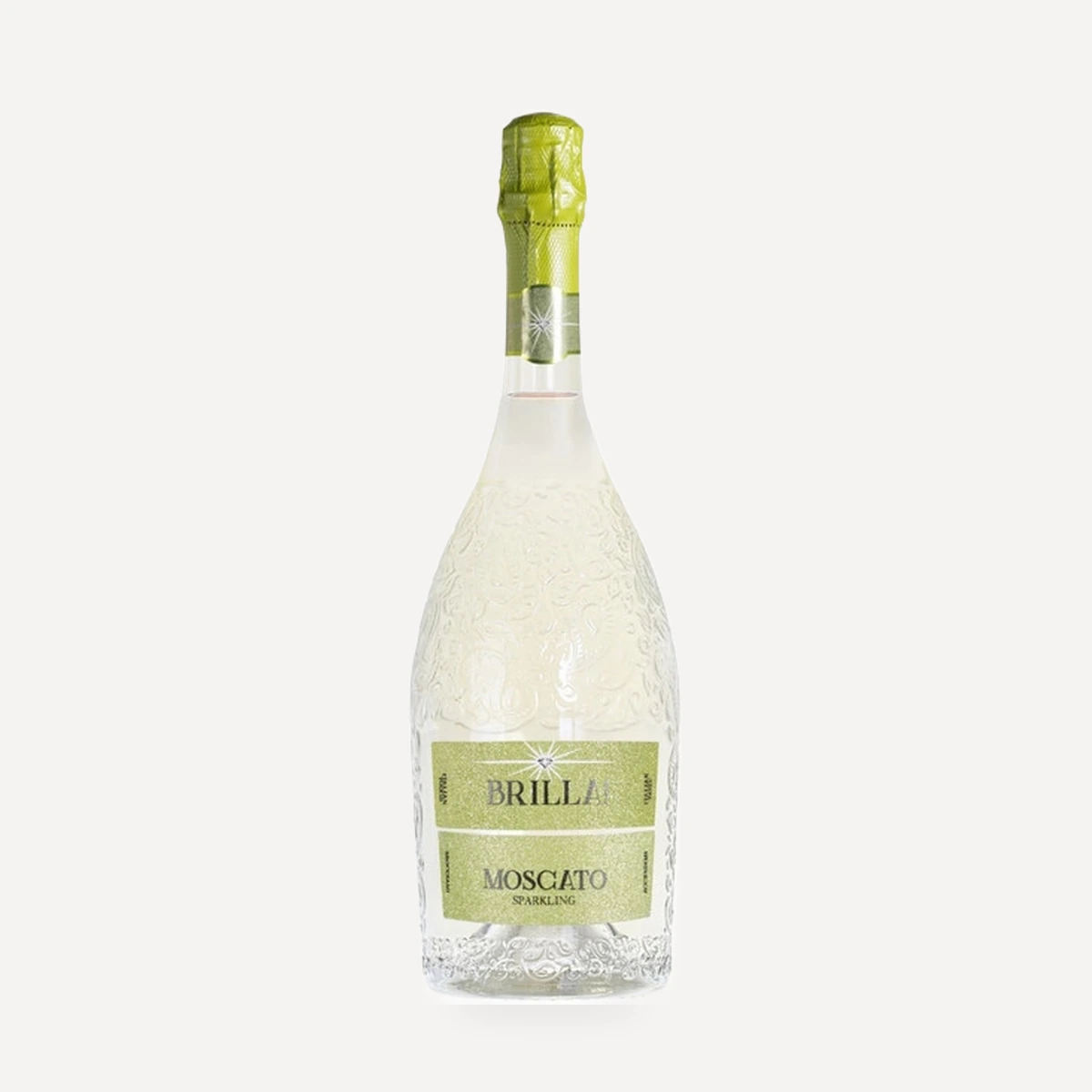
Brilla! Moscato
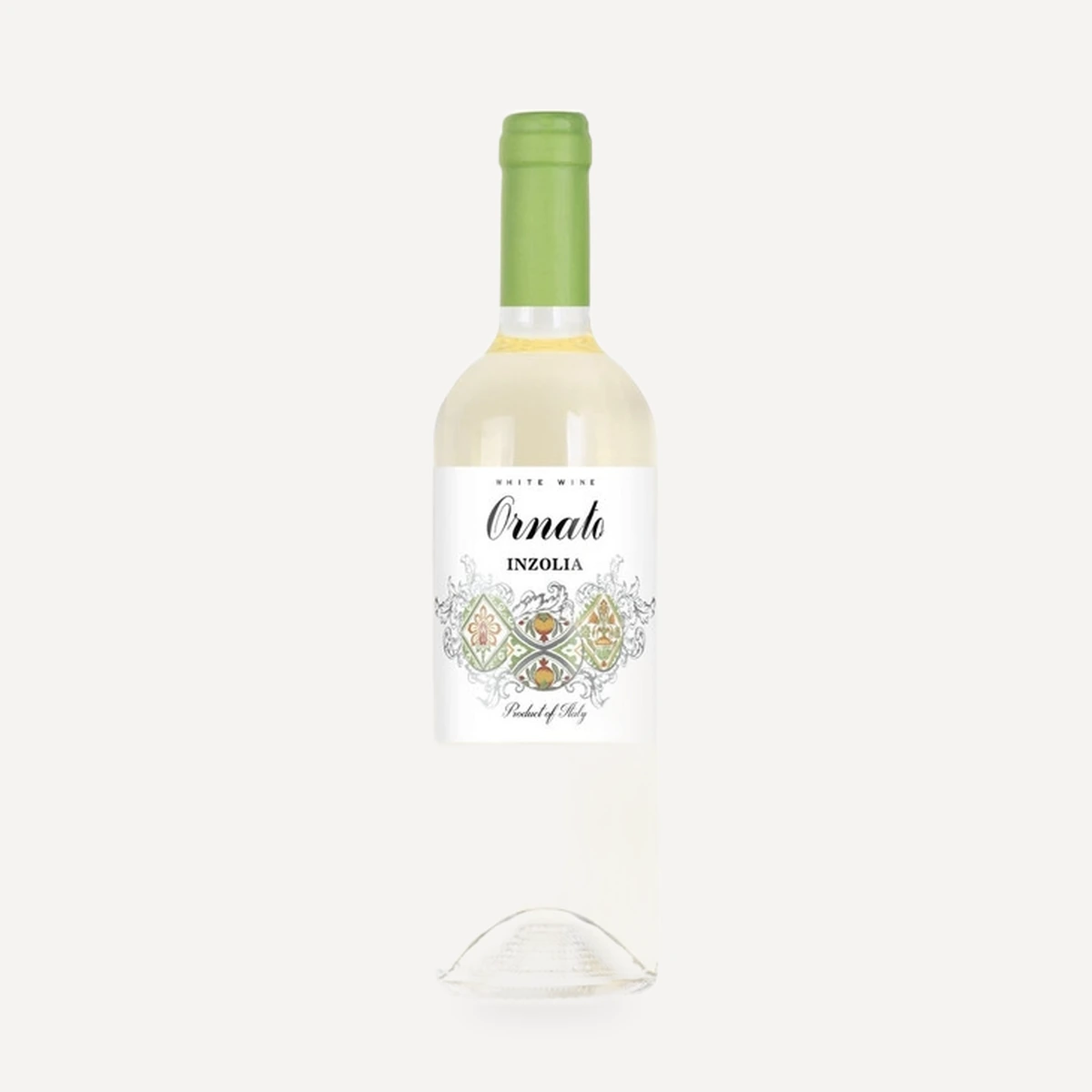
Ornato Inzolia Sicilia IGT
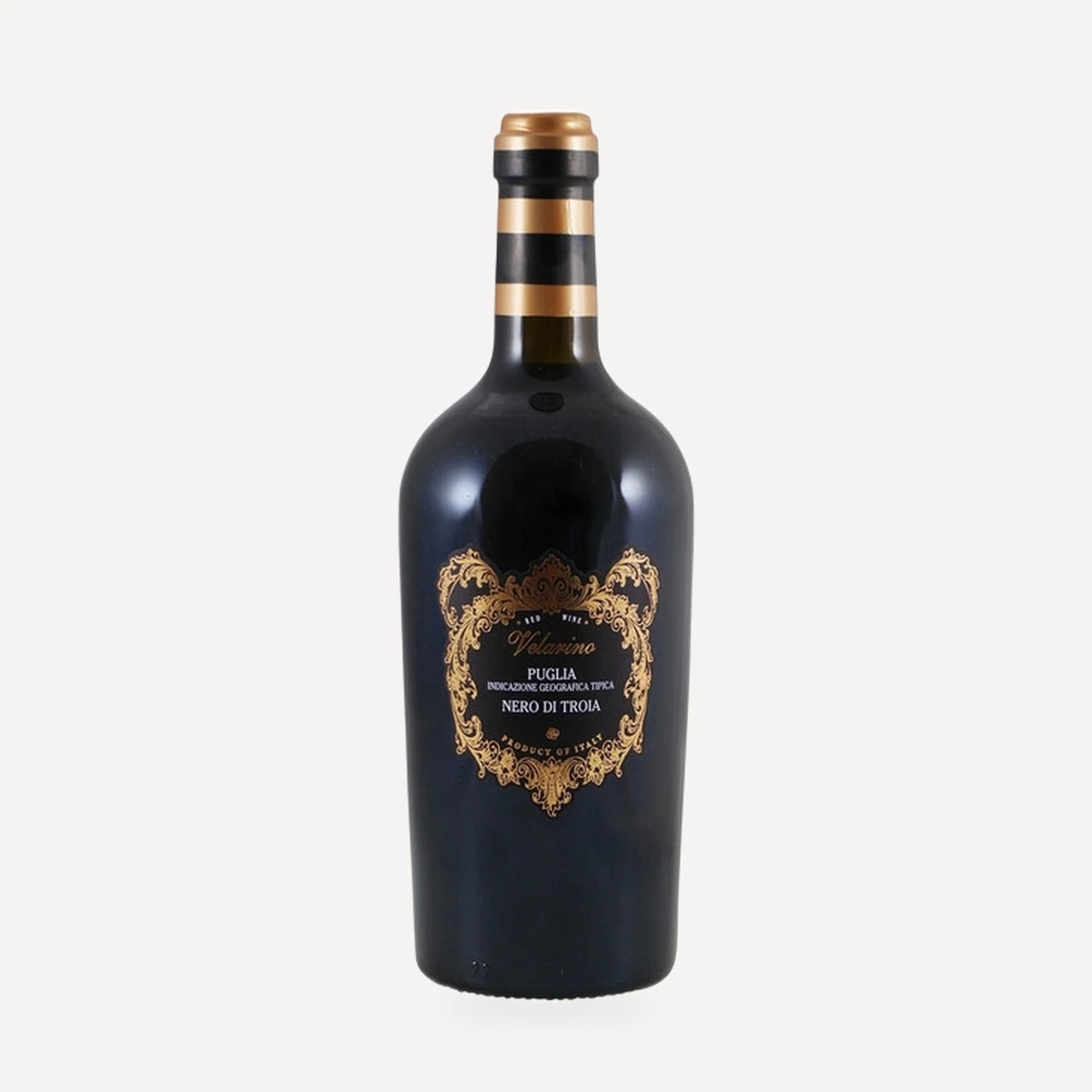
Nero di Troia Puglia IGT
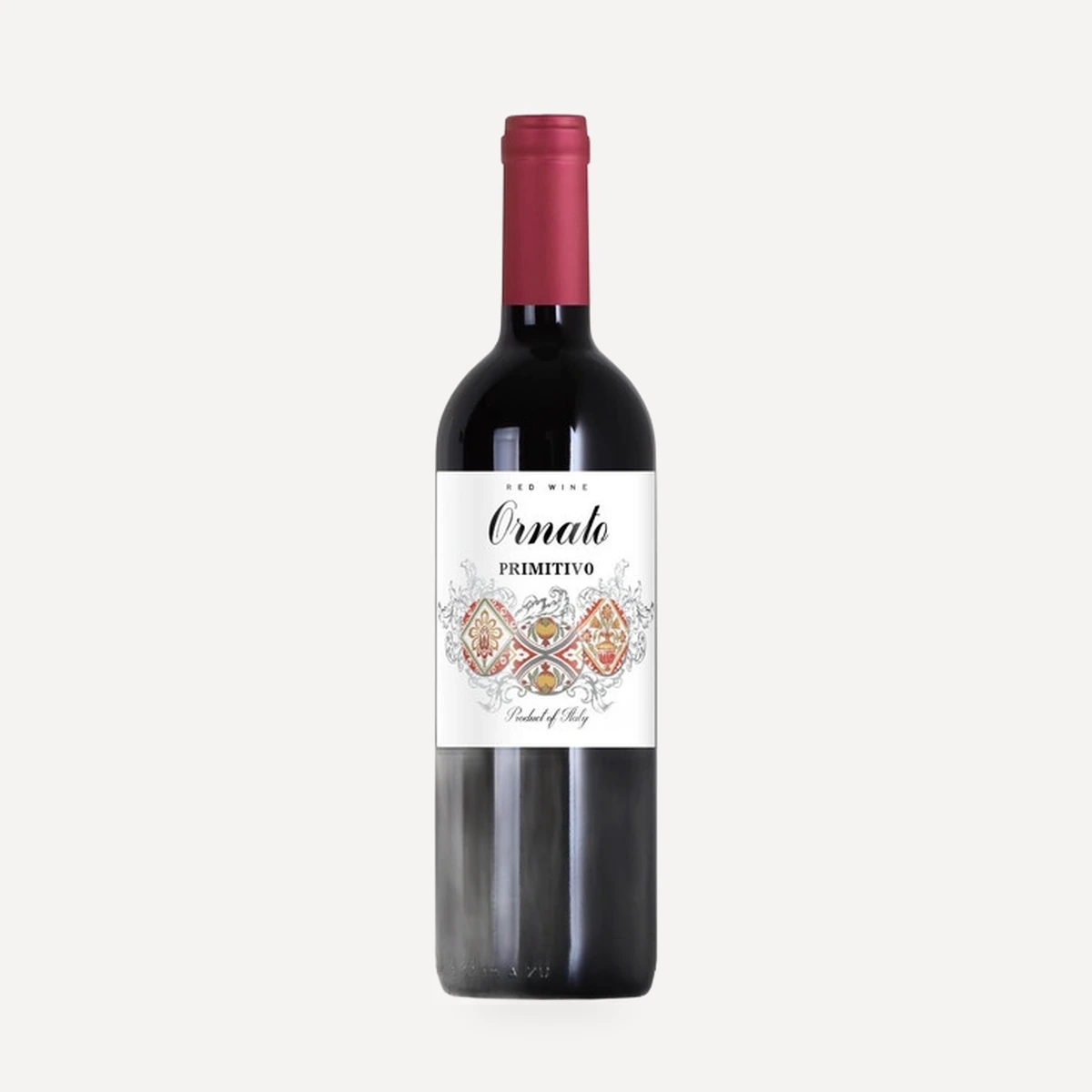
Ornato Primitivo Sicilia IGT
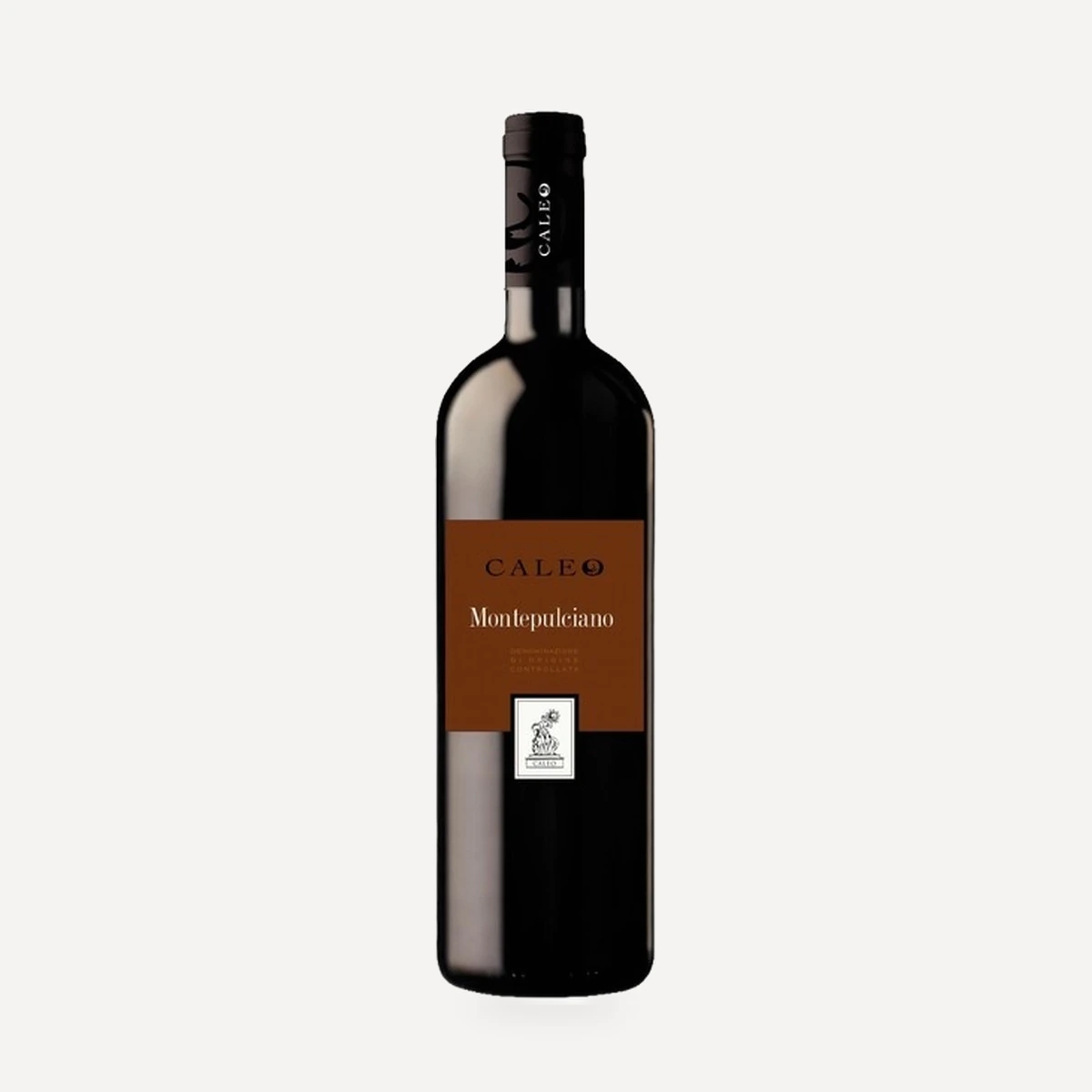
Caleo Montepulciano d'Abruzzo DOC
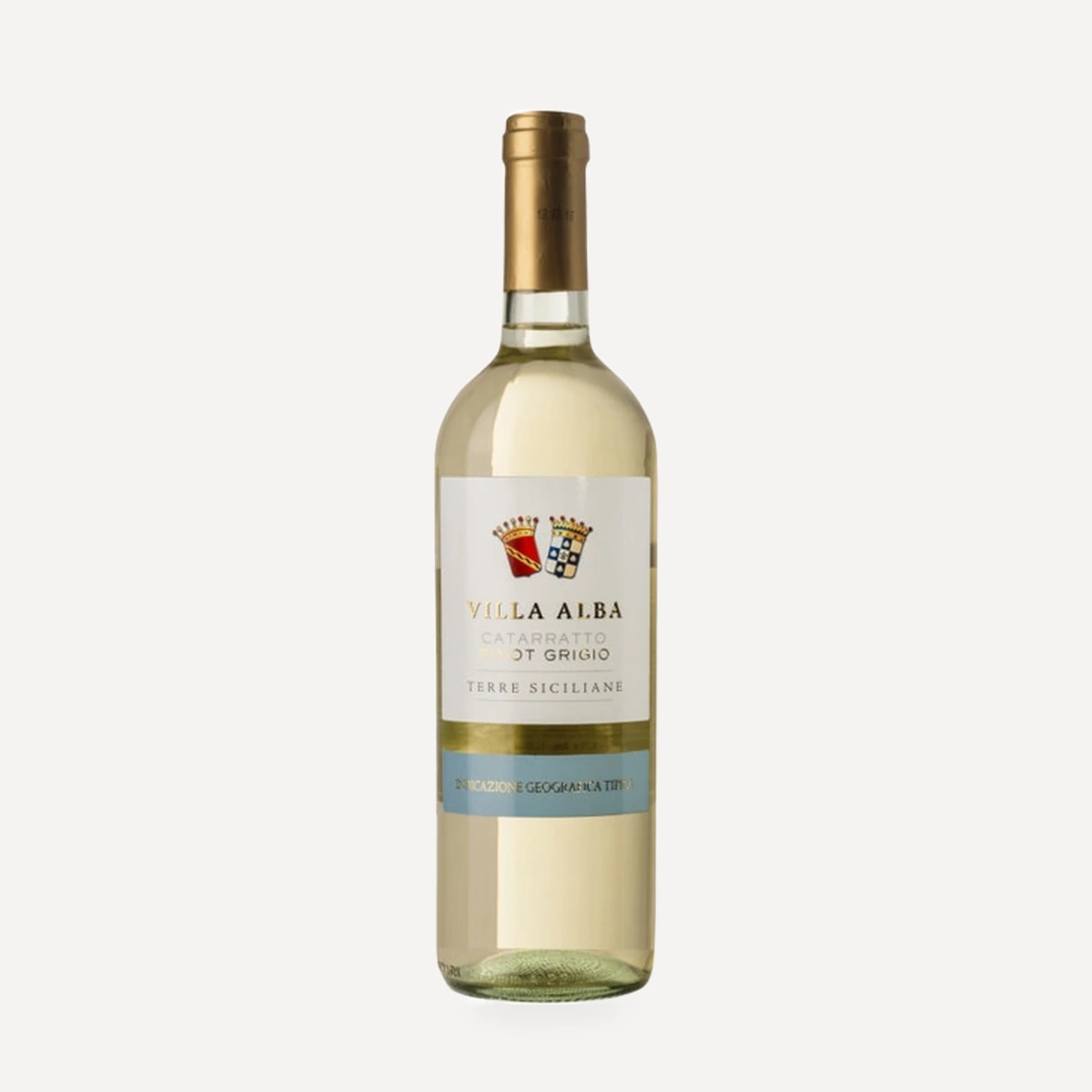
Villa Alba Catarratto Pinot Grigio Veneto IGT
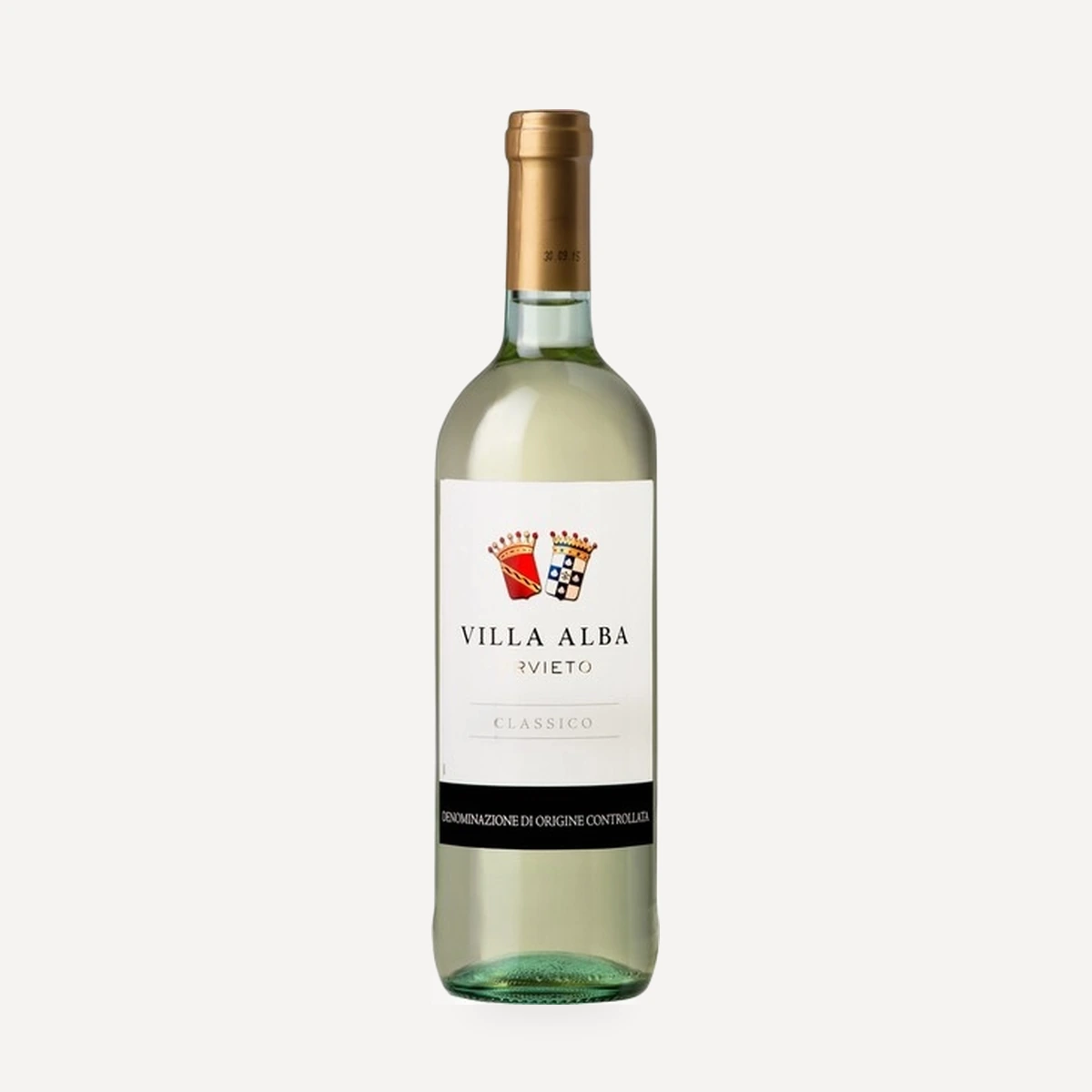
Villa Alba Orvieto Classico DOC
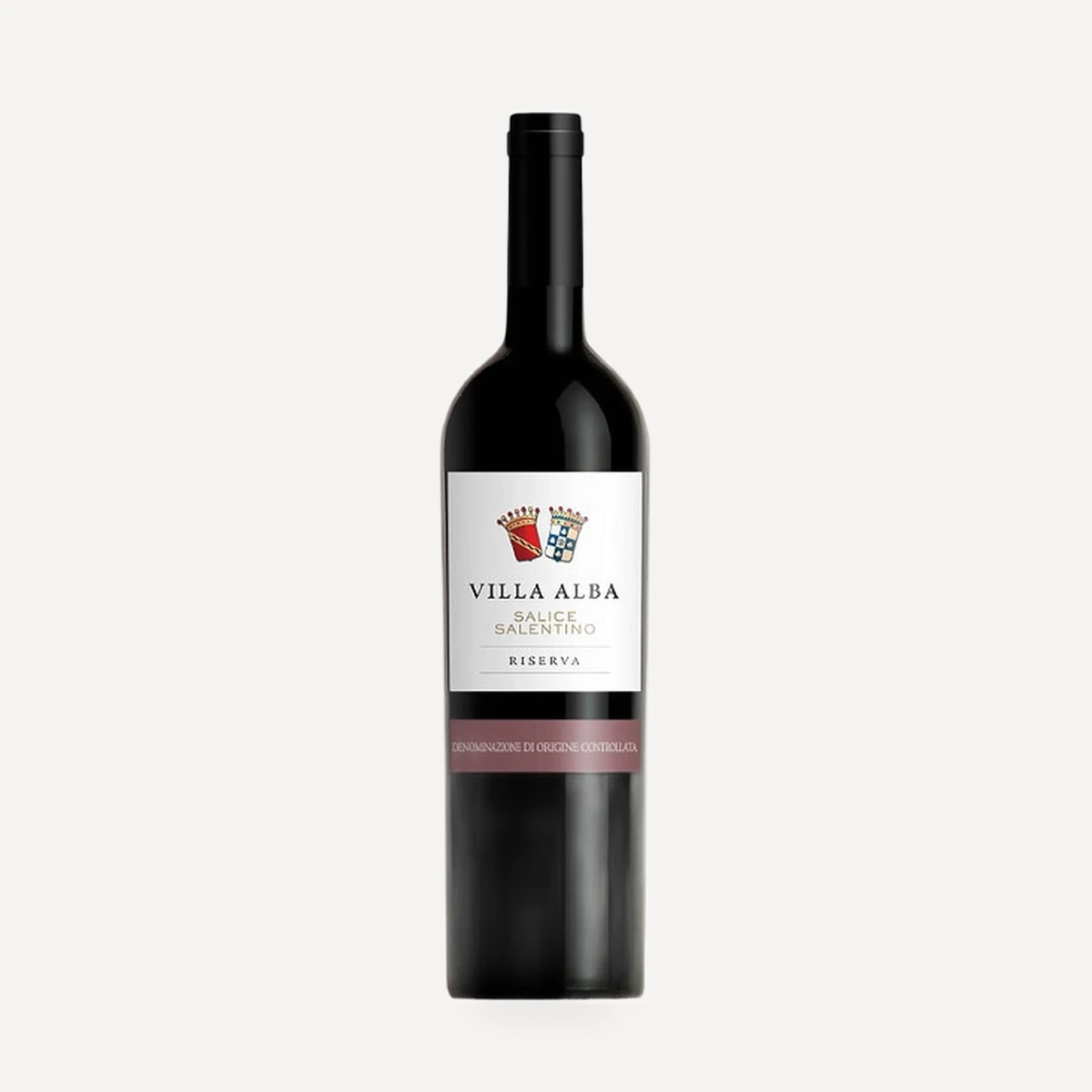
Villa Alba Salice Salentino Riserva DOC
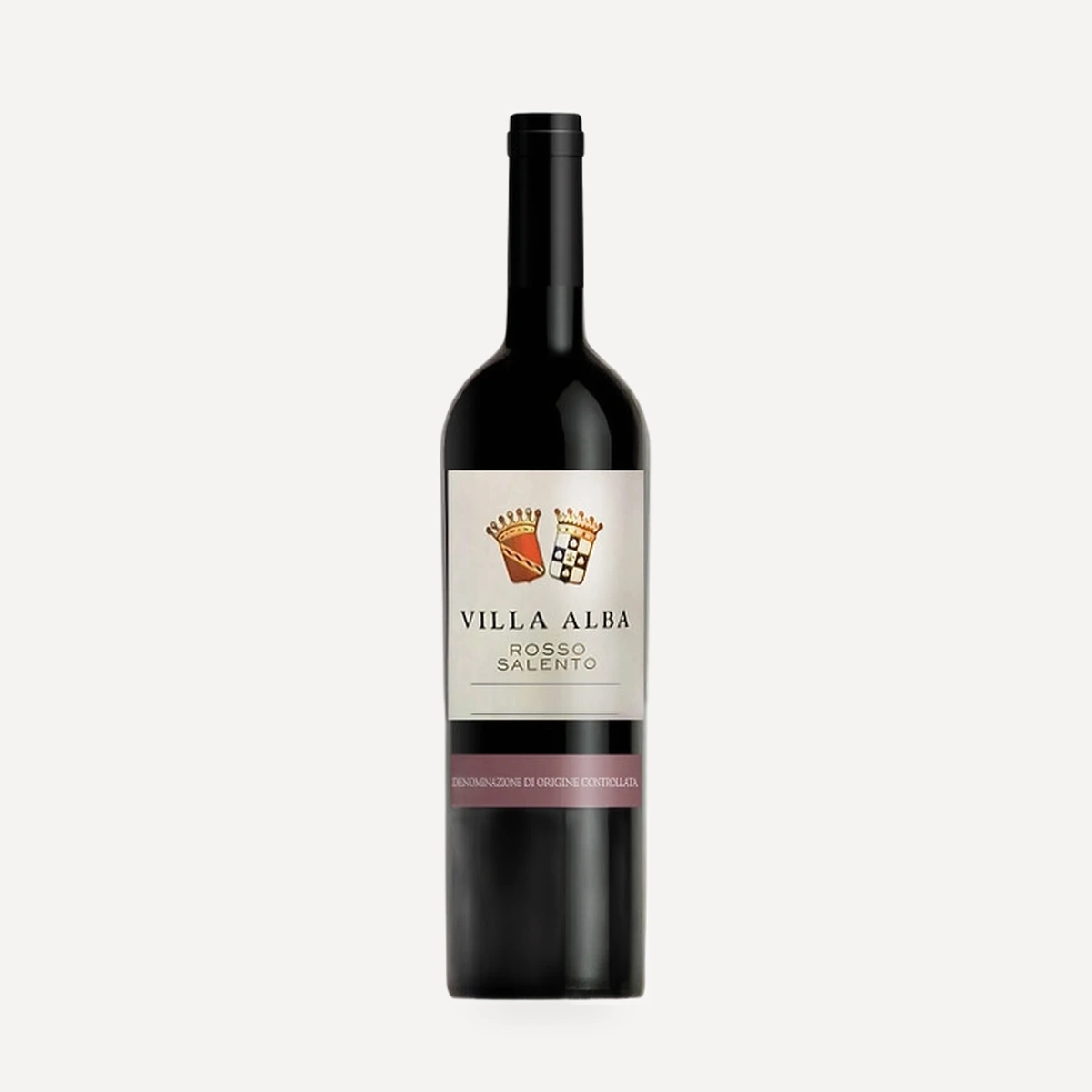
Villa Alba Rosso Salento Semi Sweet DOC
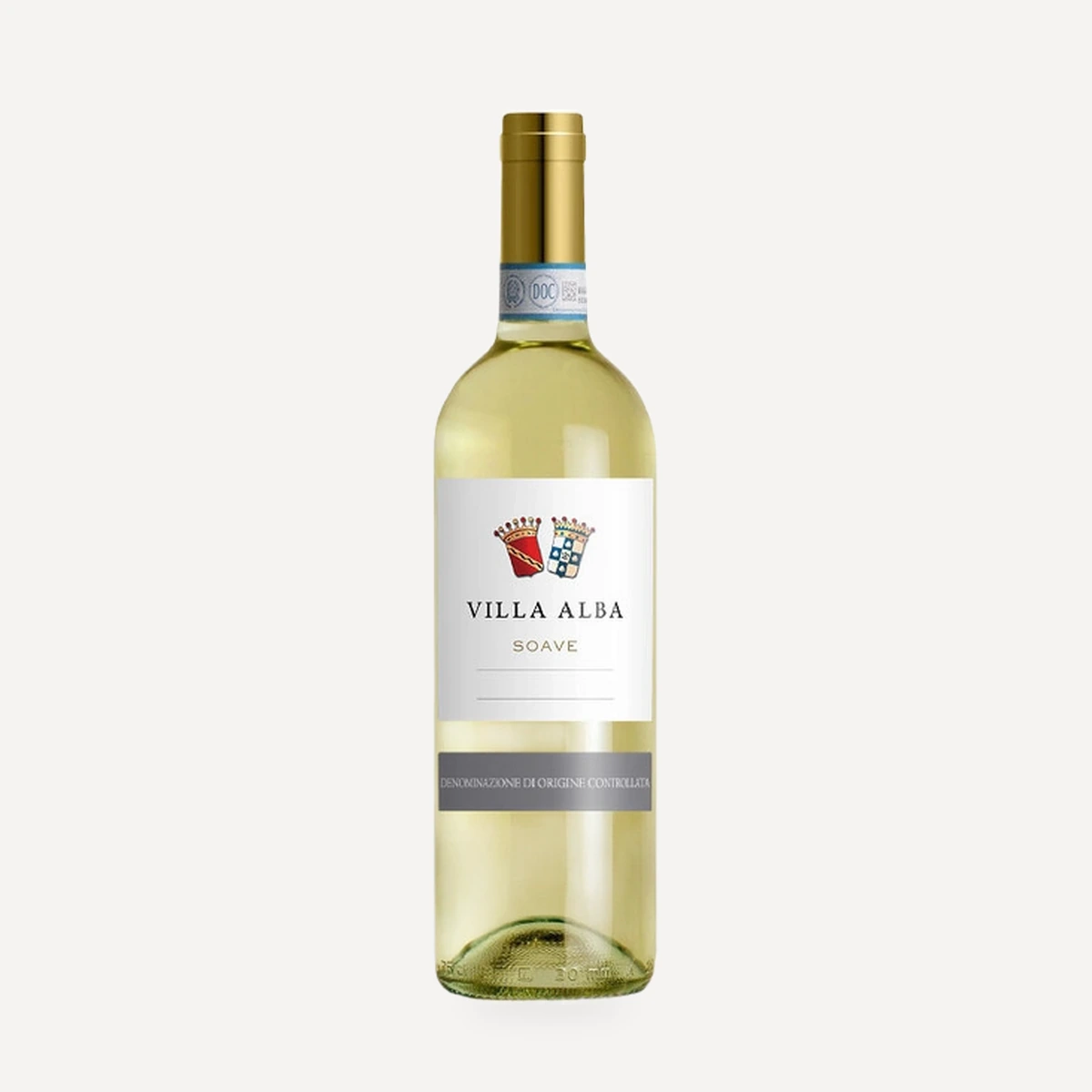
Villa Alba Soave DOC
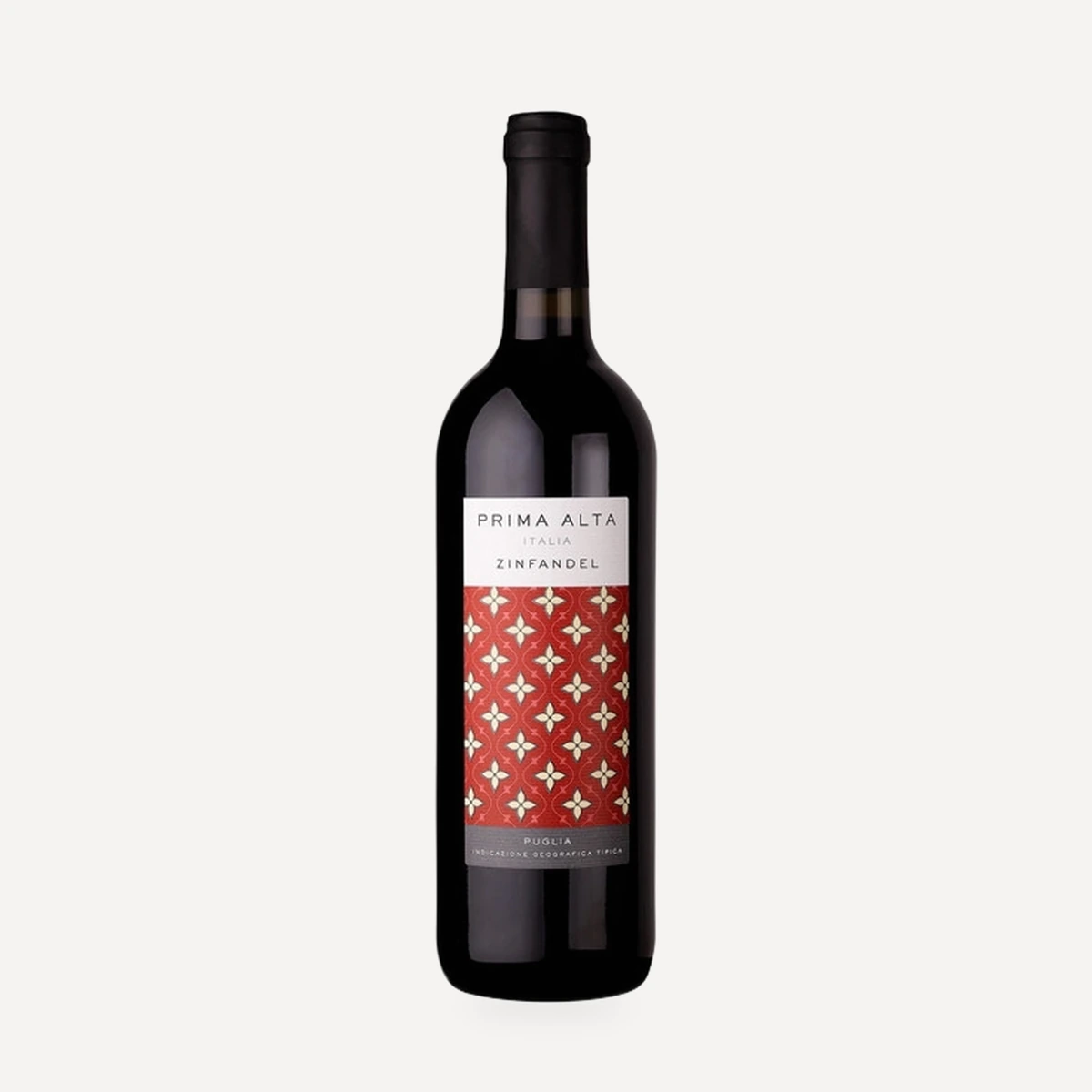
Prima Alta Zinfandel Puglia IGP
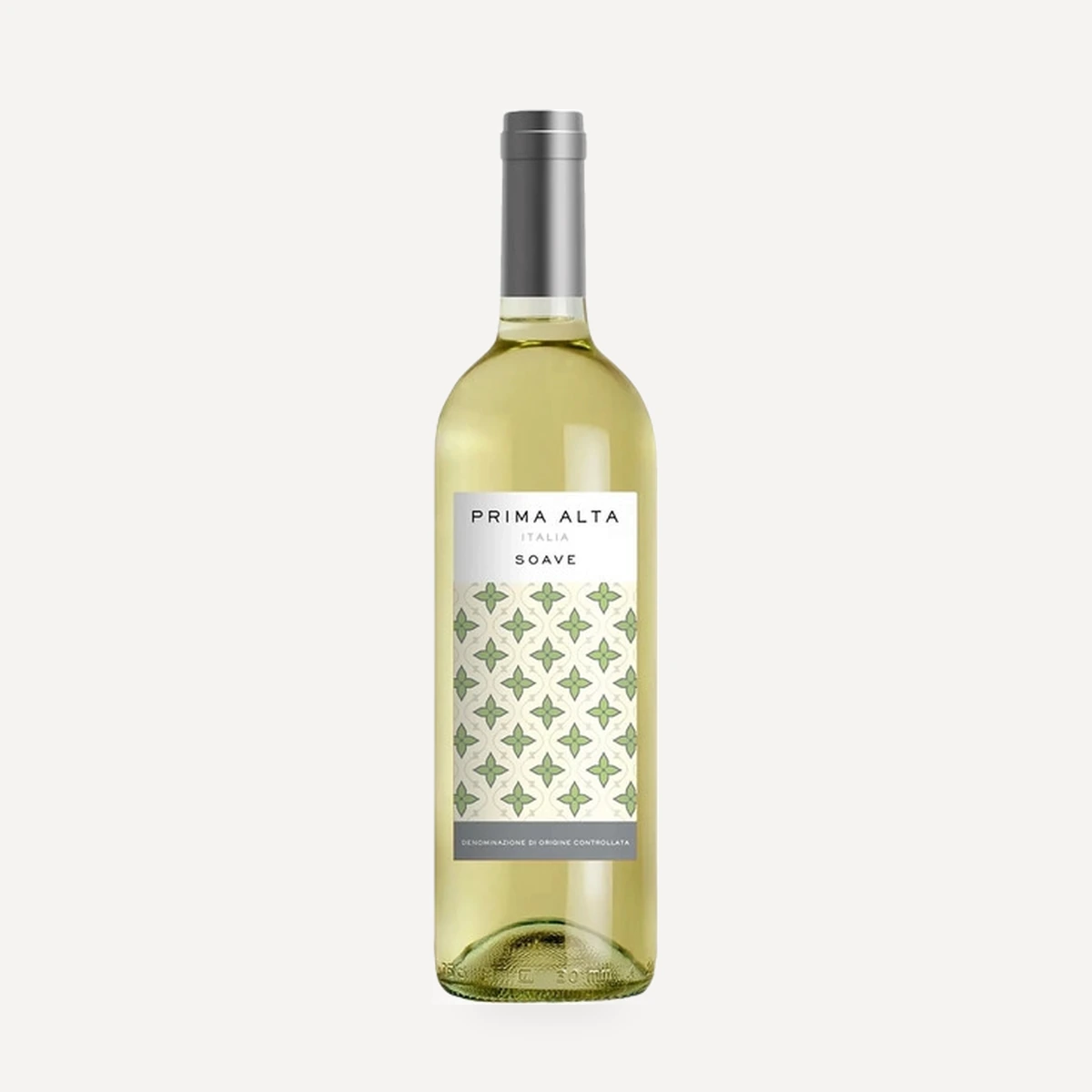
Prima Alta Soave DOC
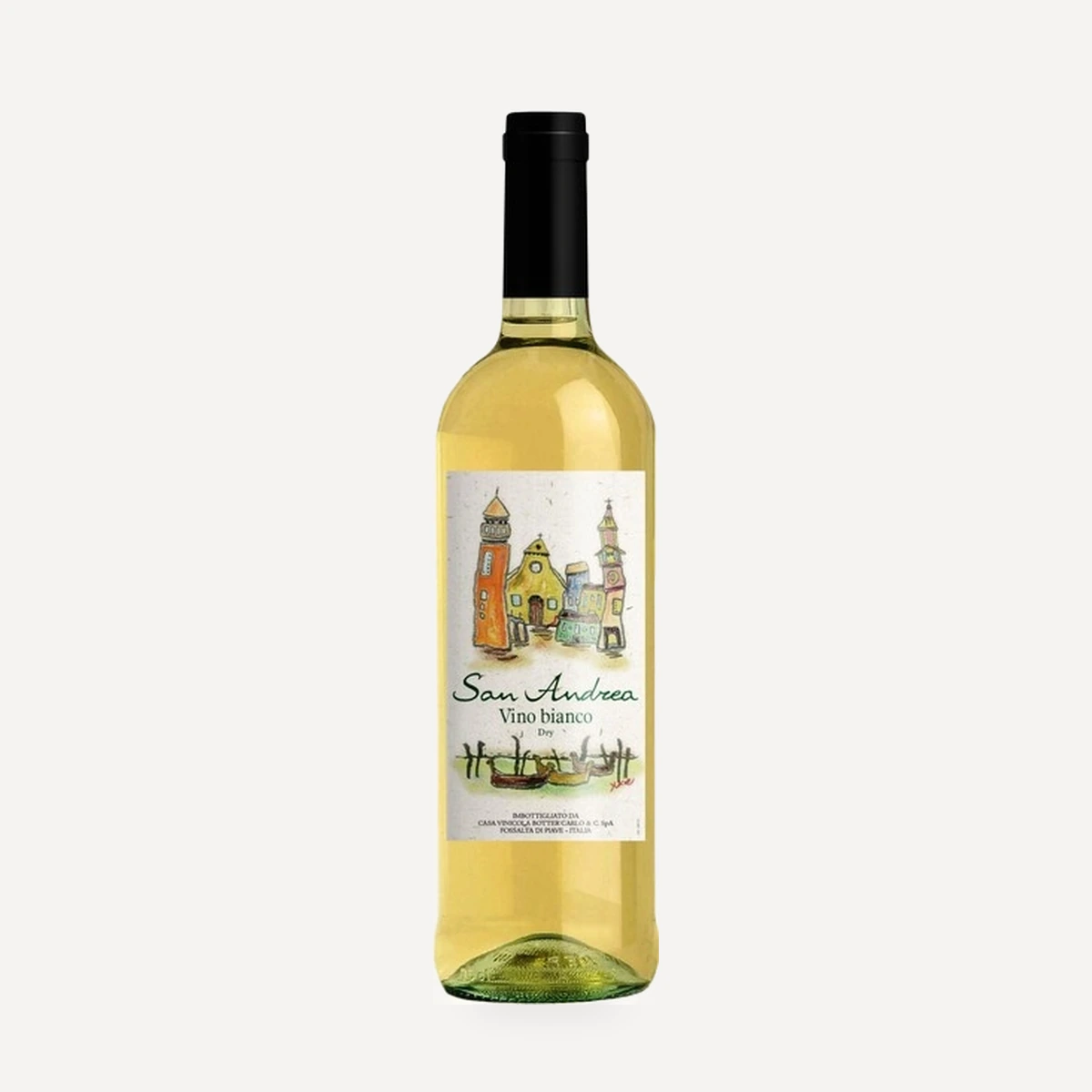
San Andrea Bianco Dry
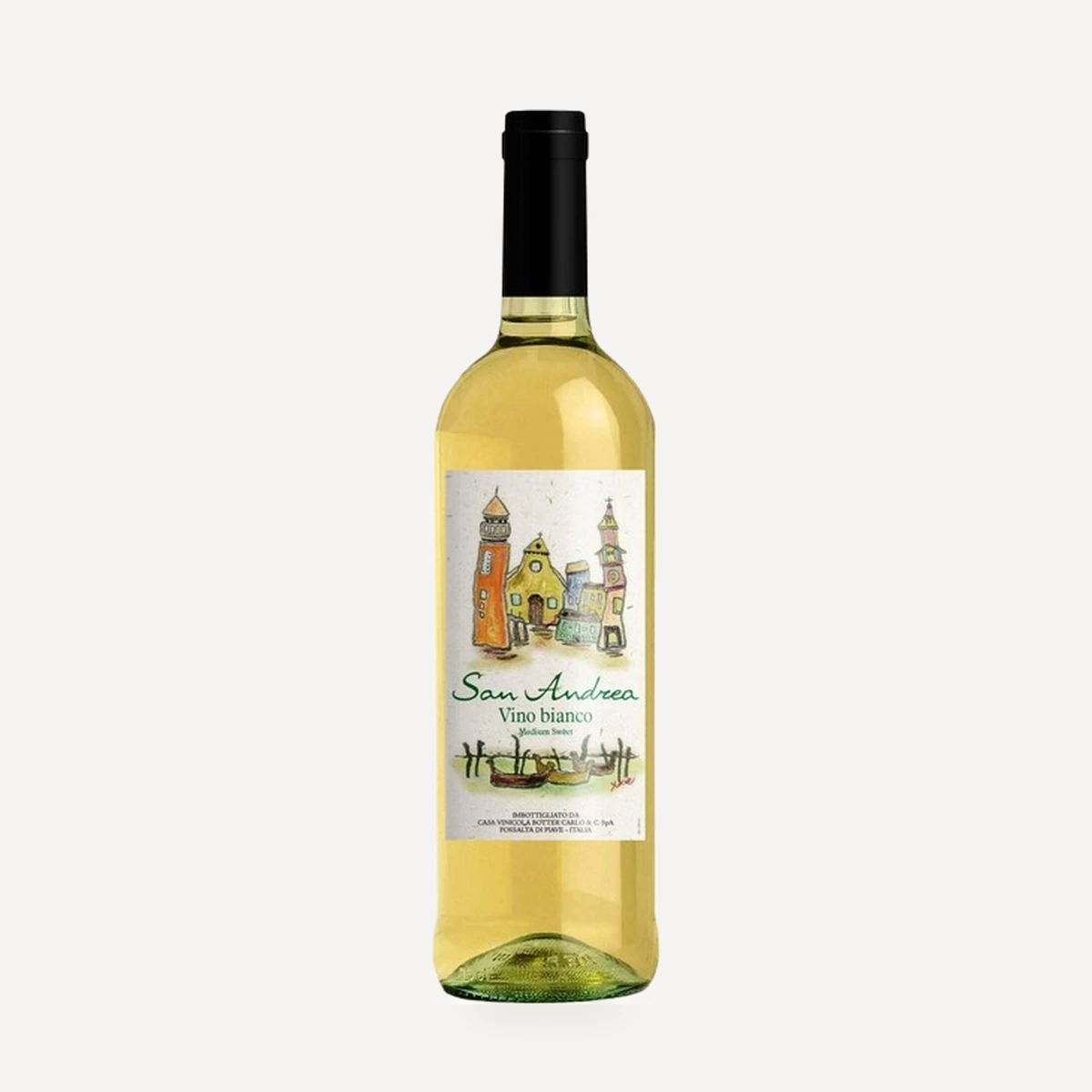
San Andrea Bianco Semi-sweet
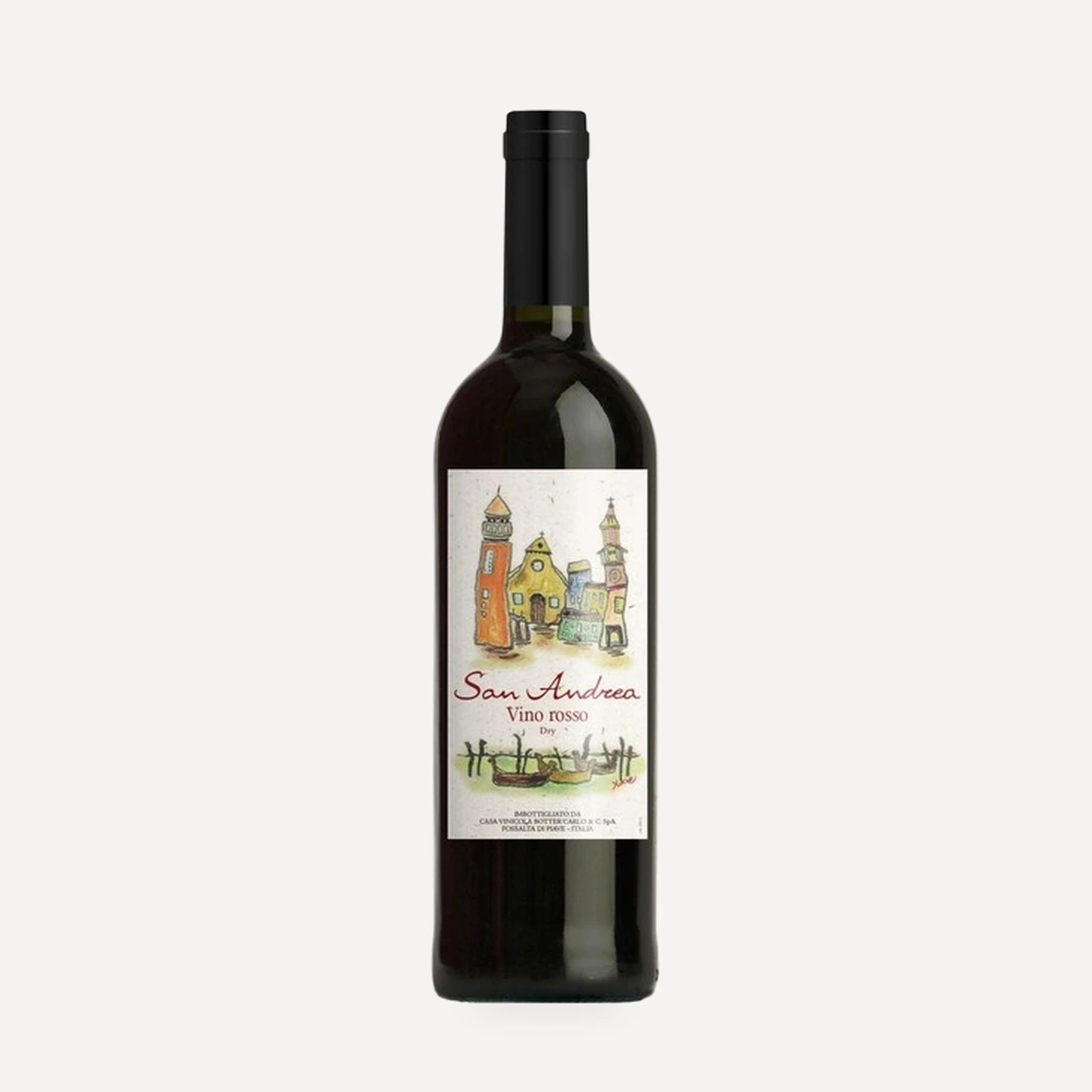
San Andrea Rosso Dry
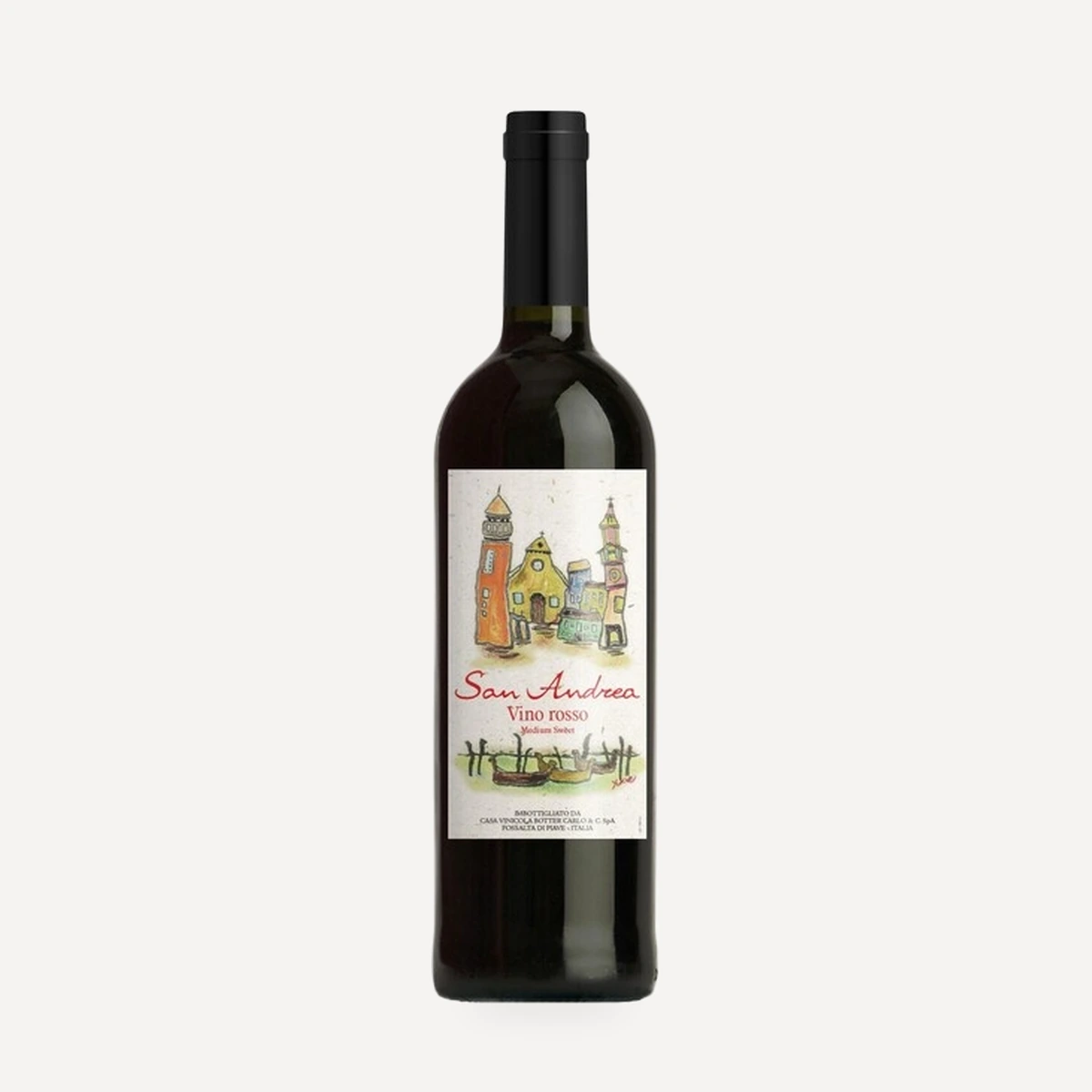
San Andrea Rosso Semi-sweet
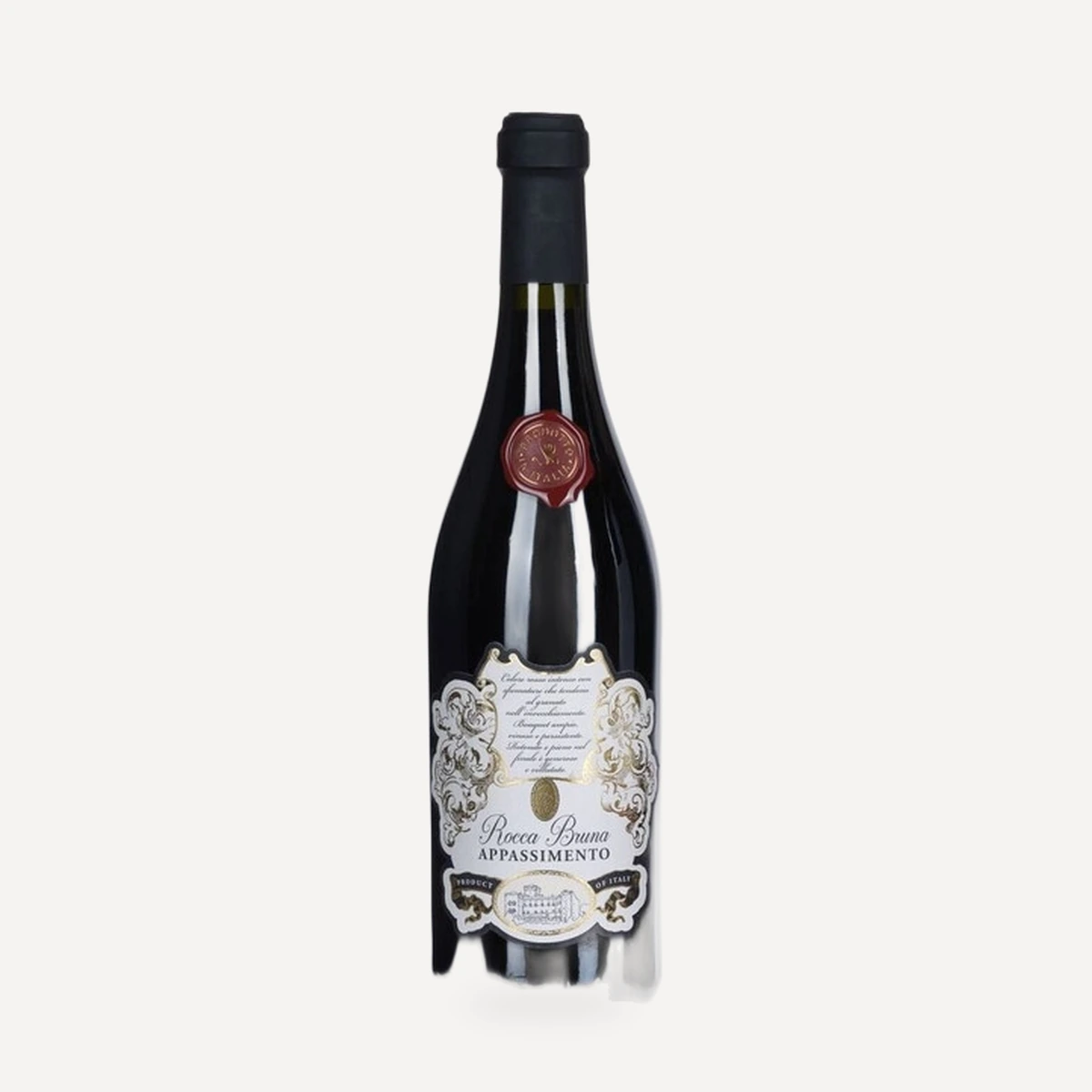
Rocca Bruna Appassimento Puglia Rosso IGT
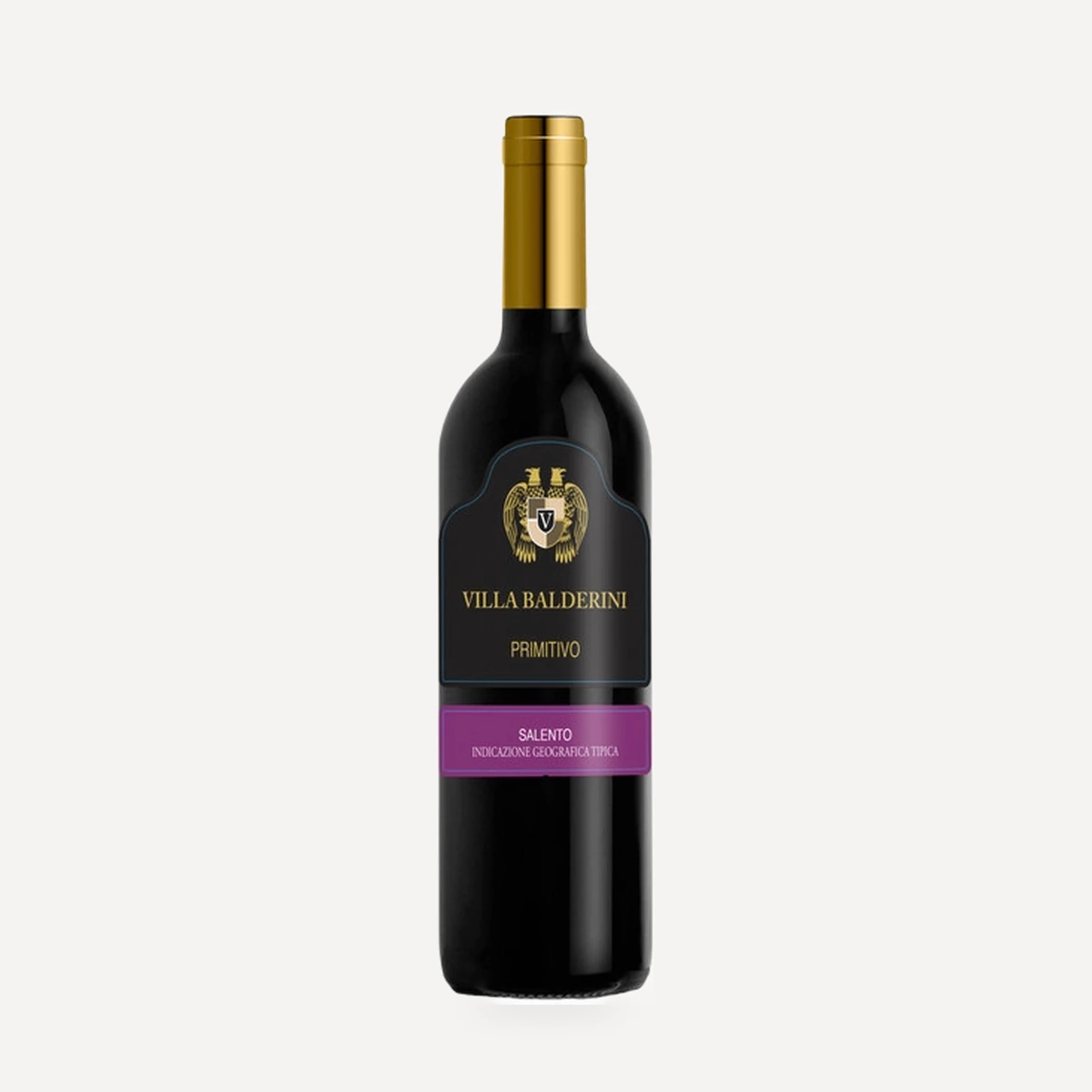
Villa Balderini Primitivo Salento IGT
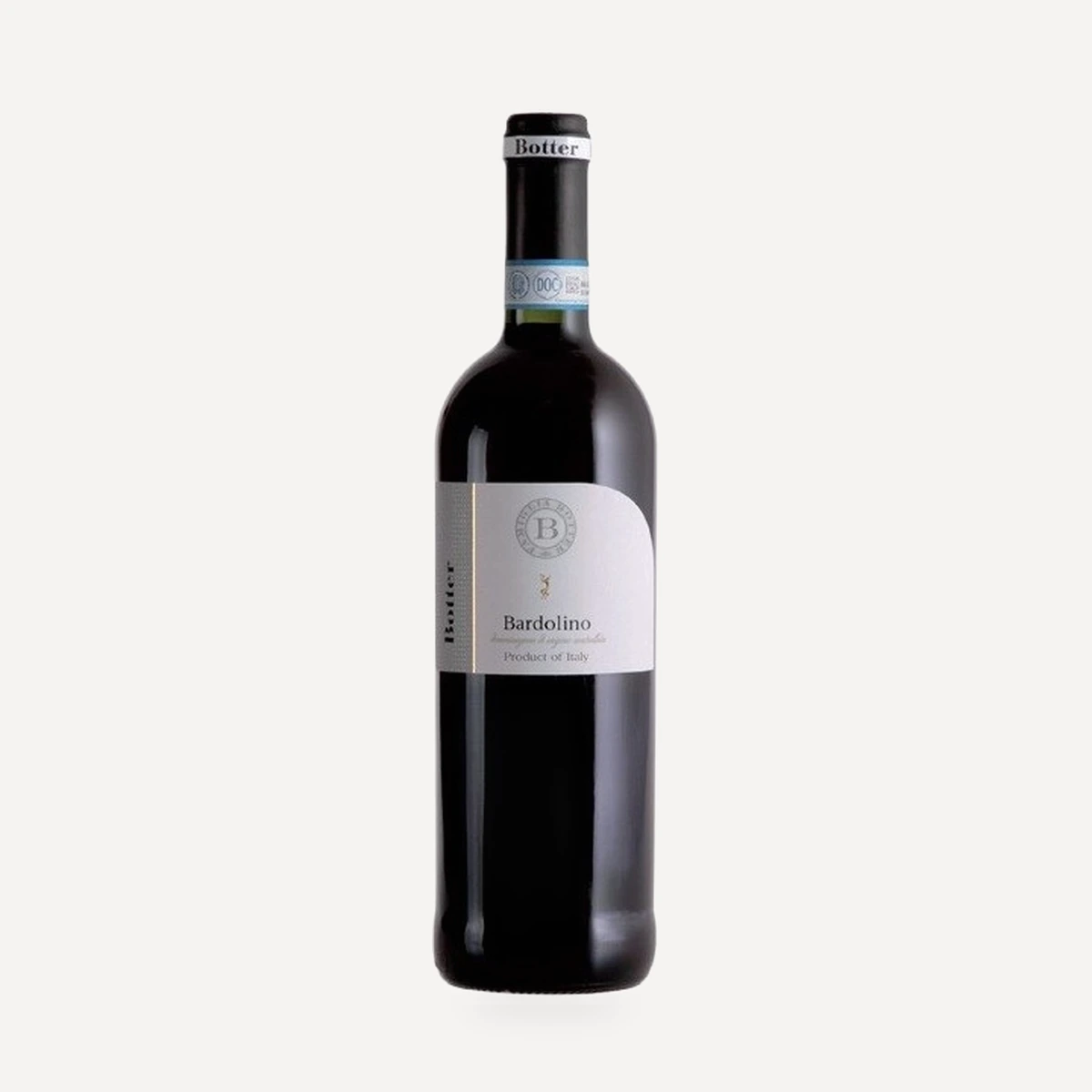
Bardolino DOC
Cantastorie Bardolino DOC
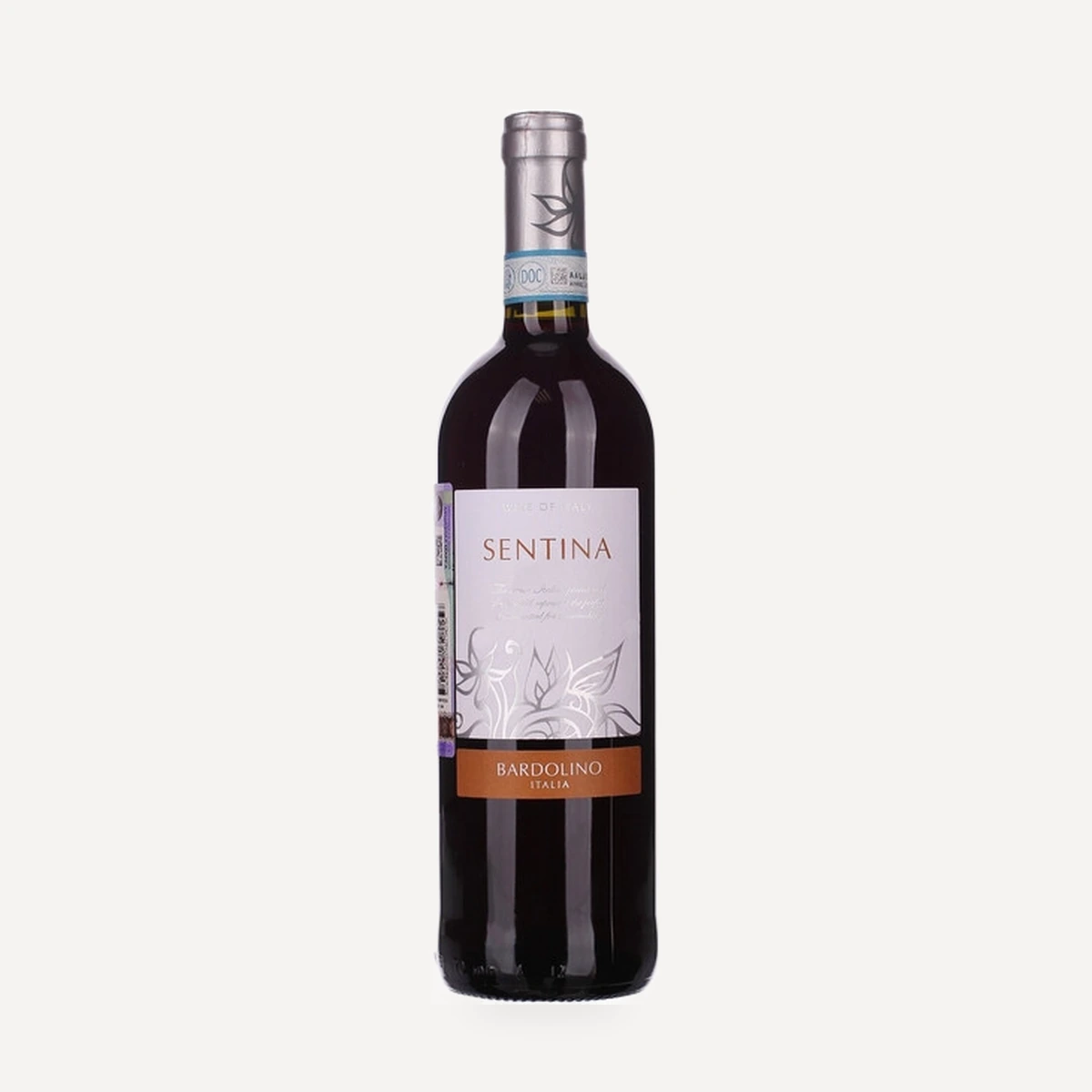
Sentina Bardolino DOC
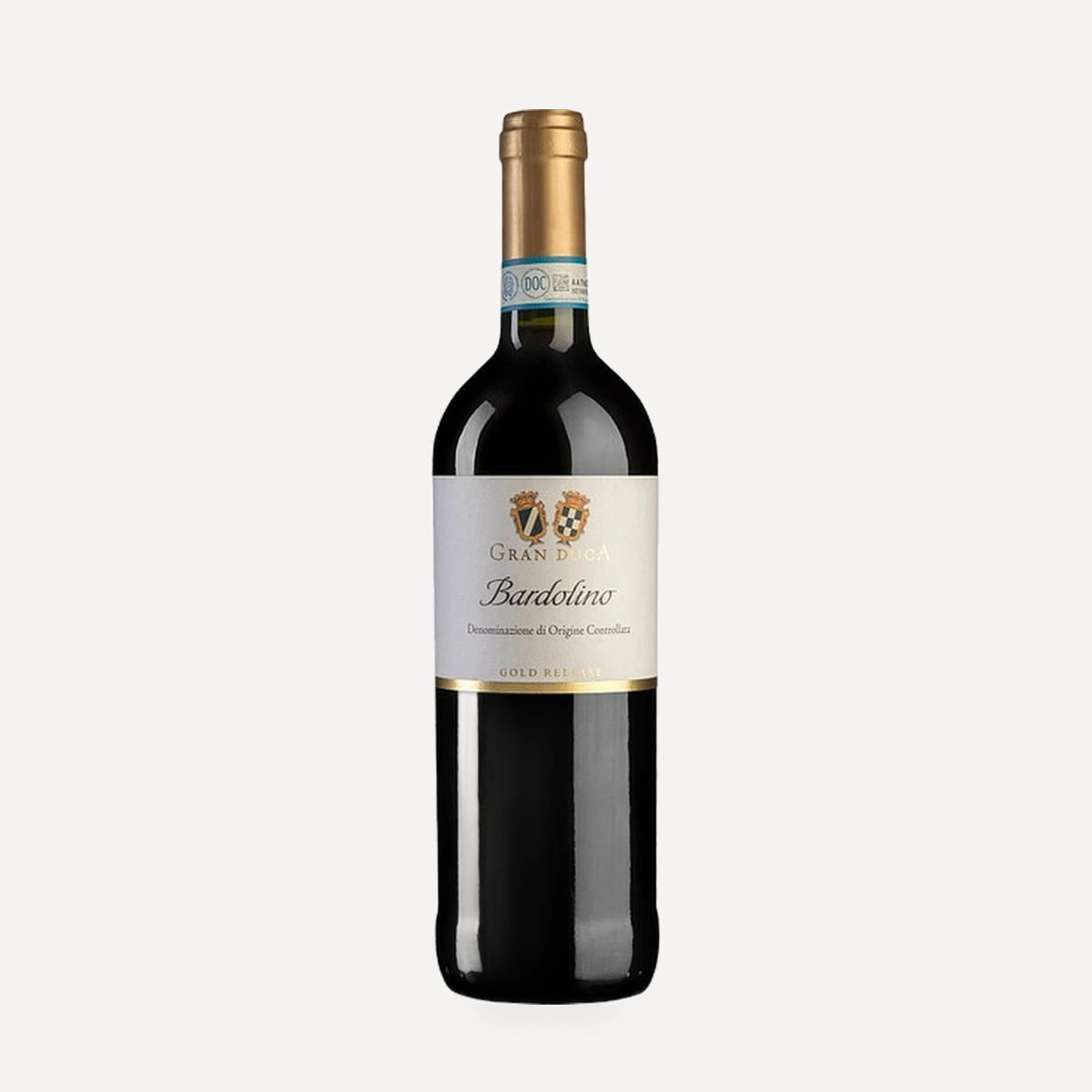
Gran Duca Bardolino DOC
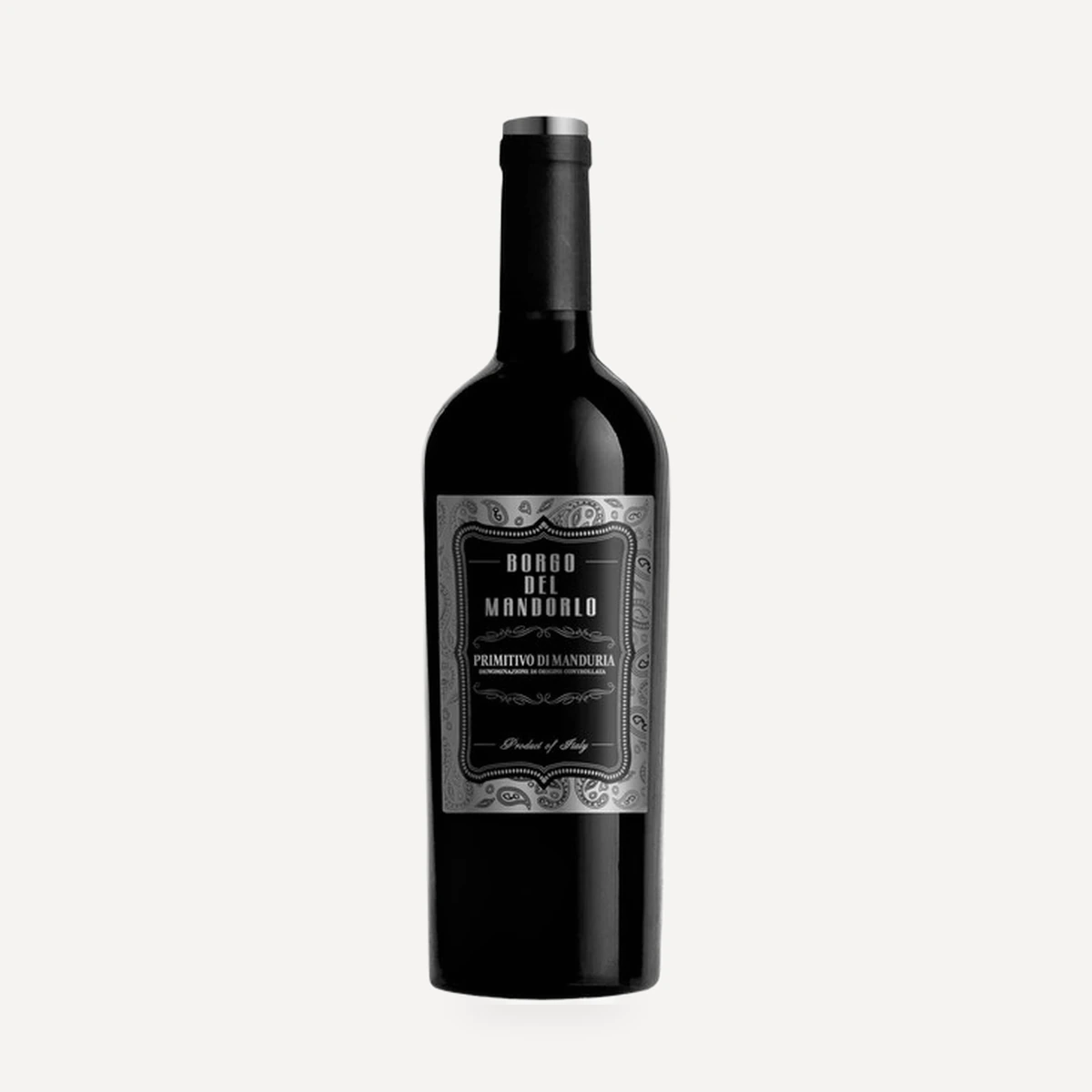
Borgo del Mandorlo Primitivo di Manduria DOC
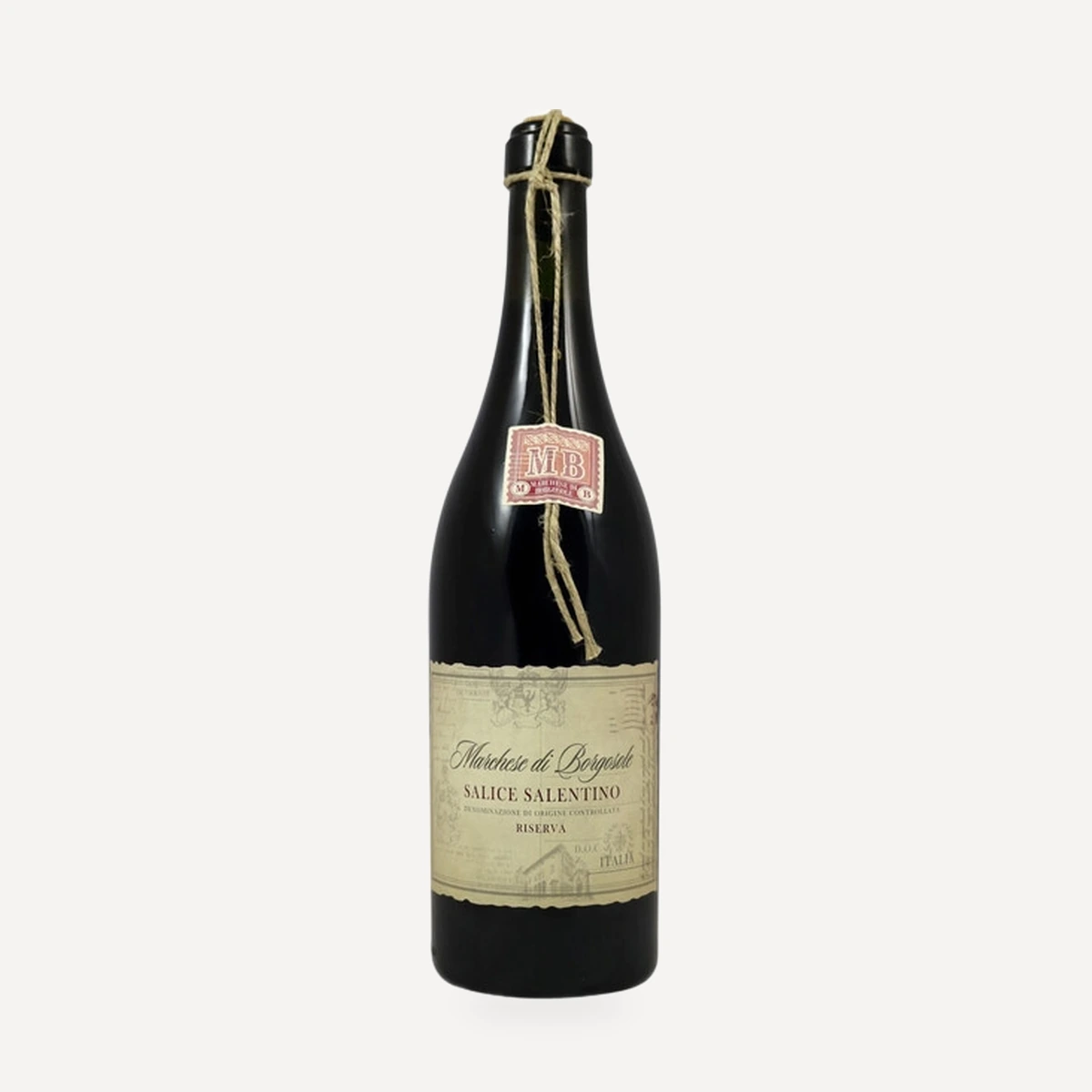
Marchese di Borgosole Riserva Salice Salentino DOC
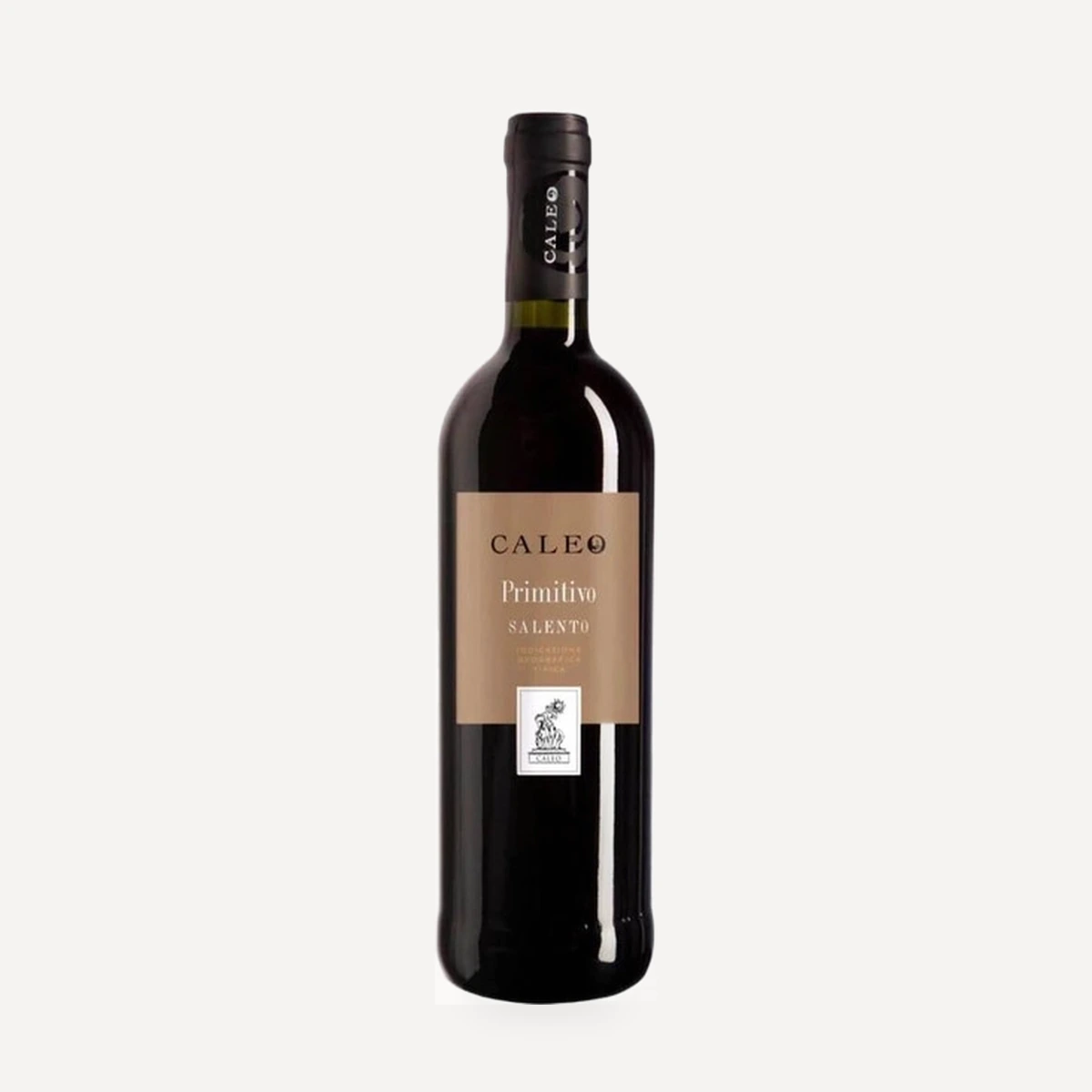
Caleo Primitivo Salento IGT
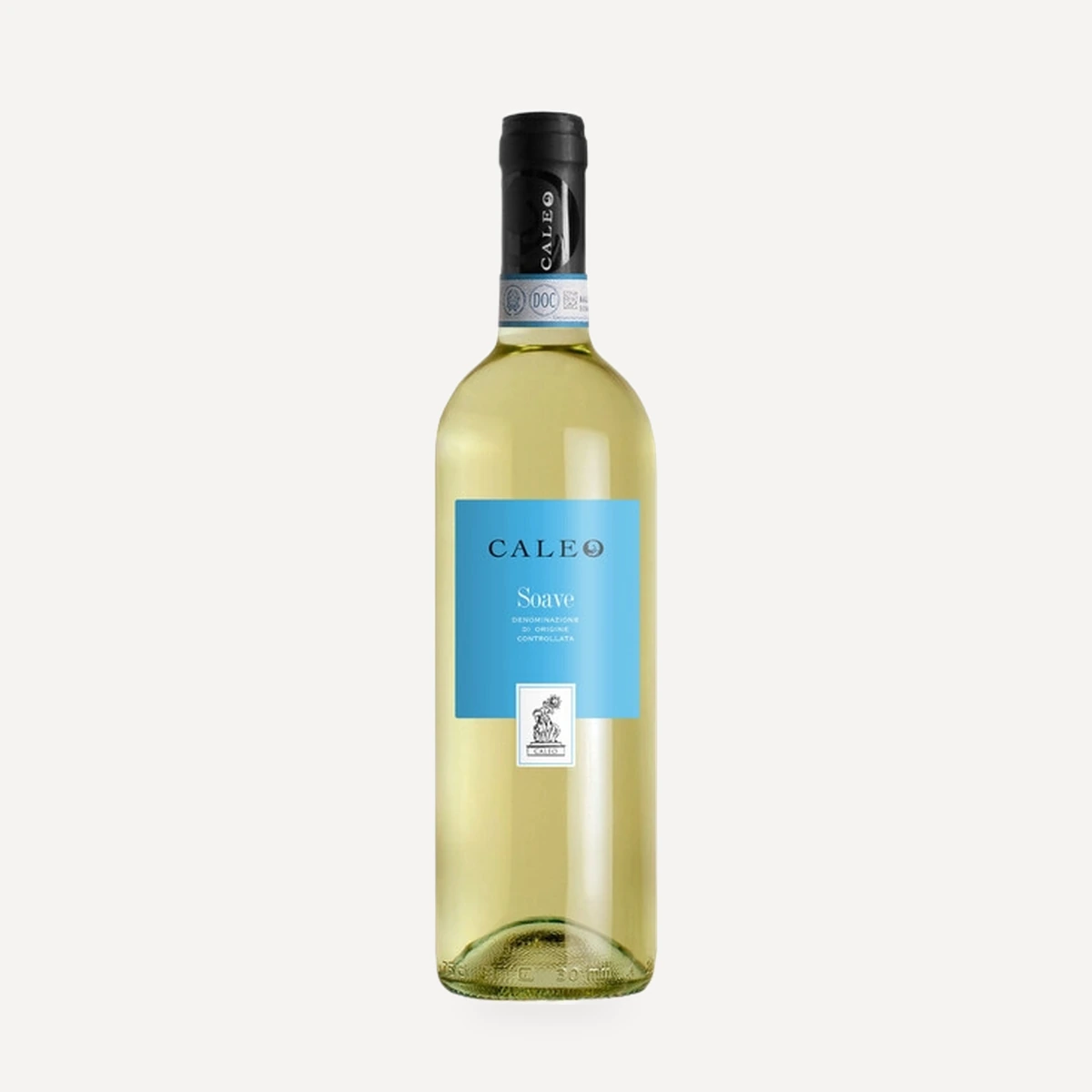
Caleo Soave DOC
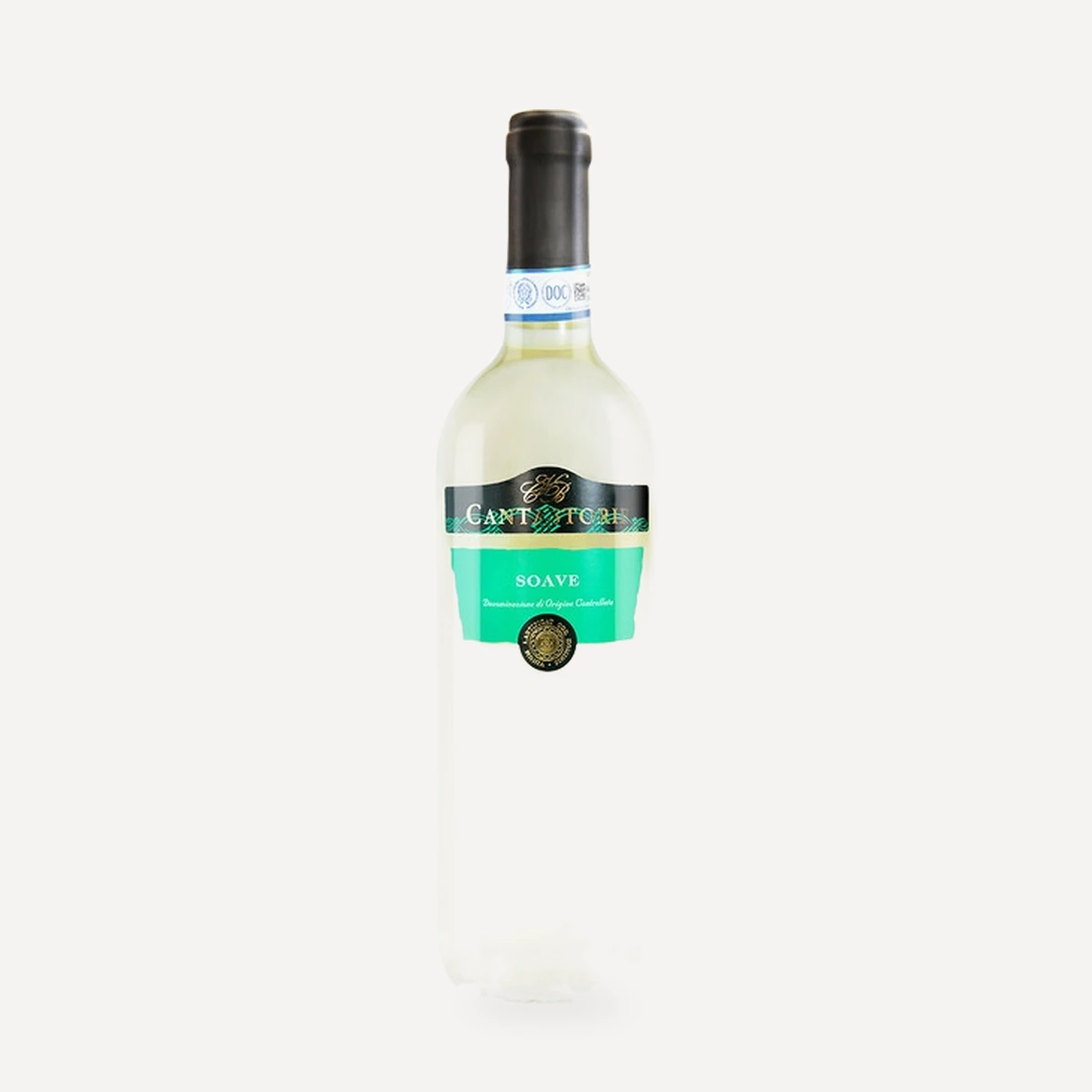
Cantastorie Soave DOC
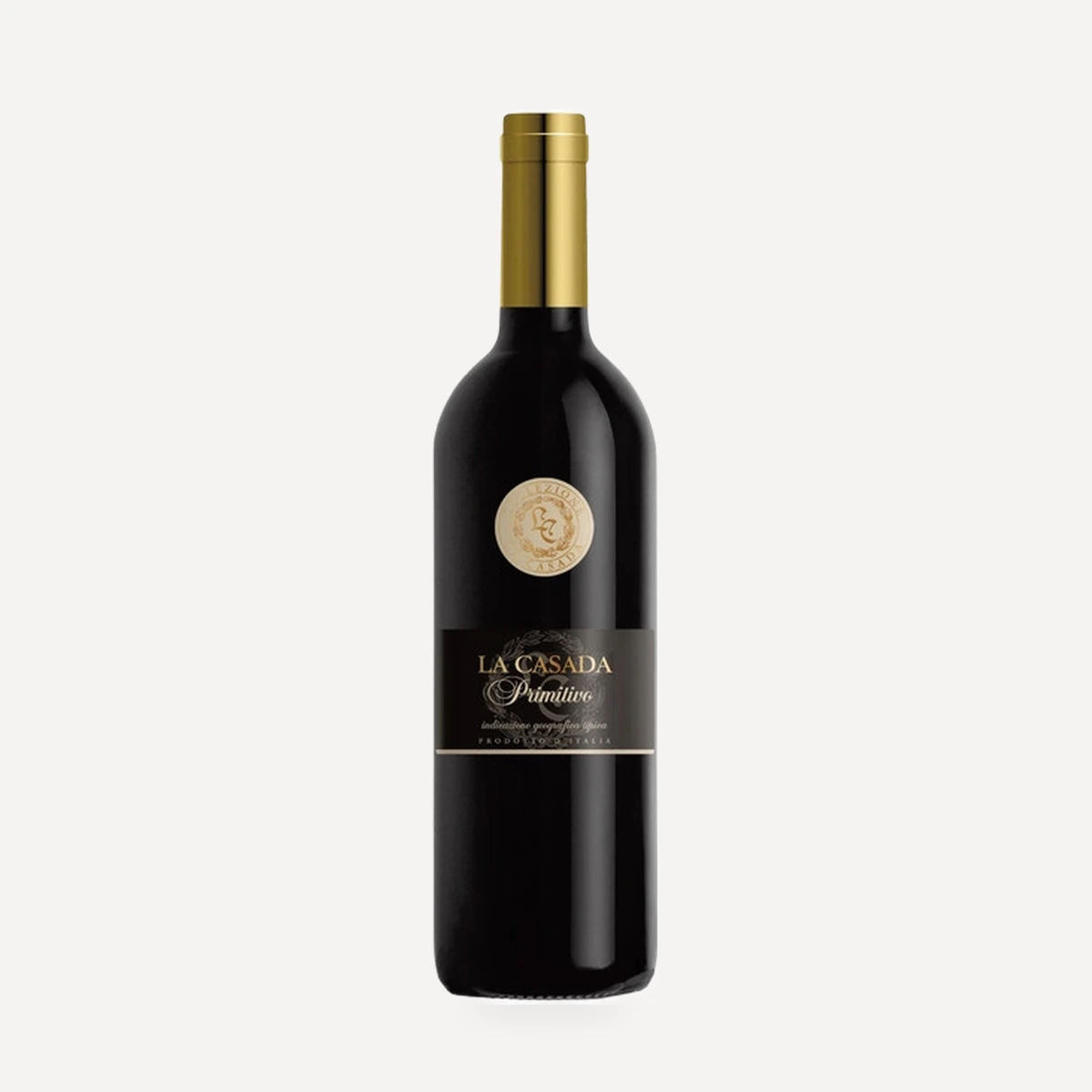
La Casada Primitivo Salento IGT
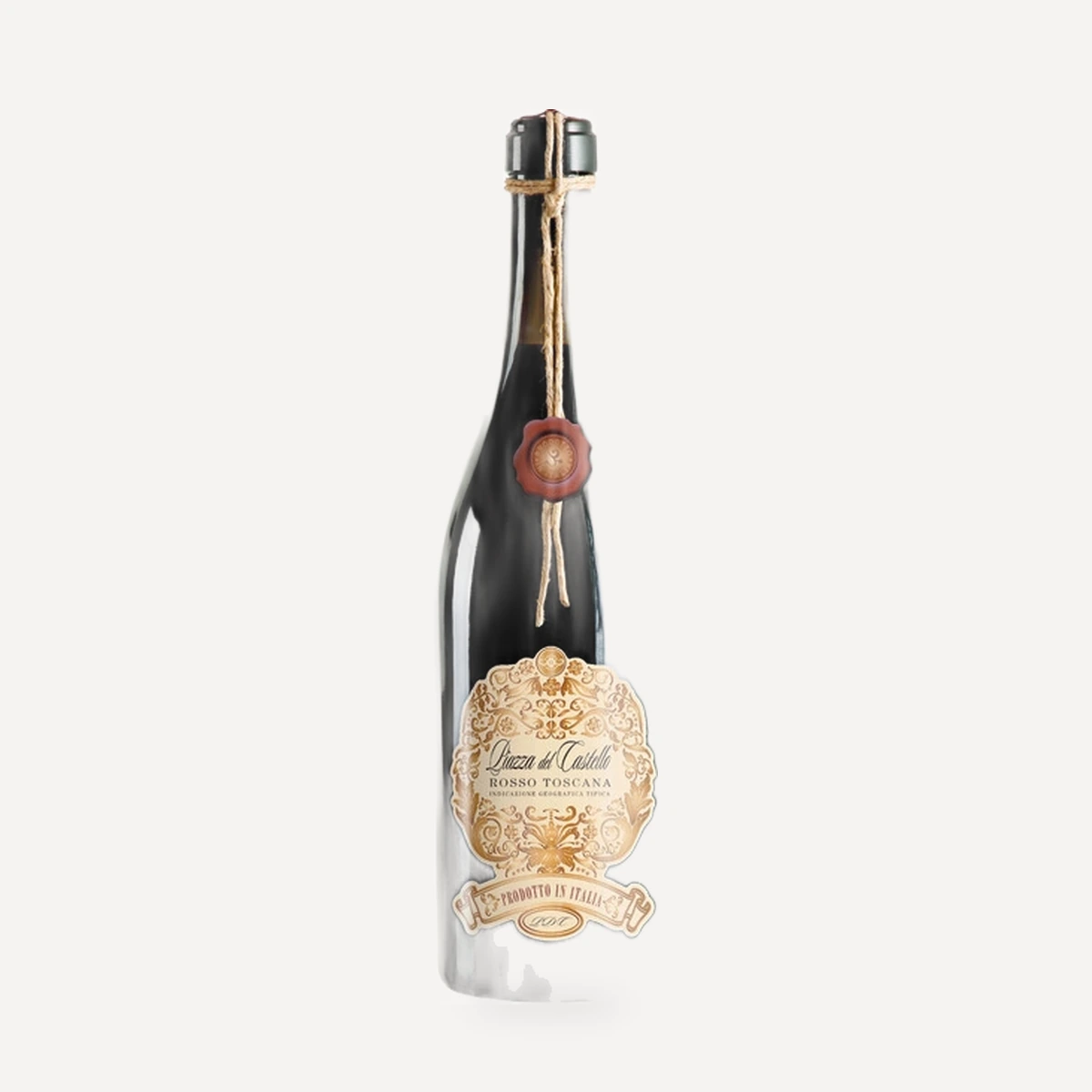
Piazza del Castello Rosso Toscana IGT
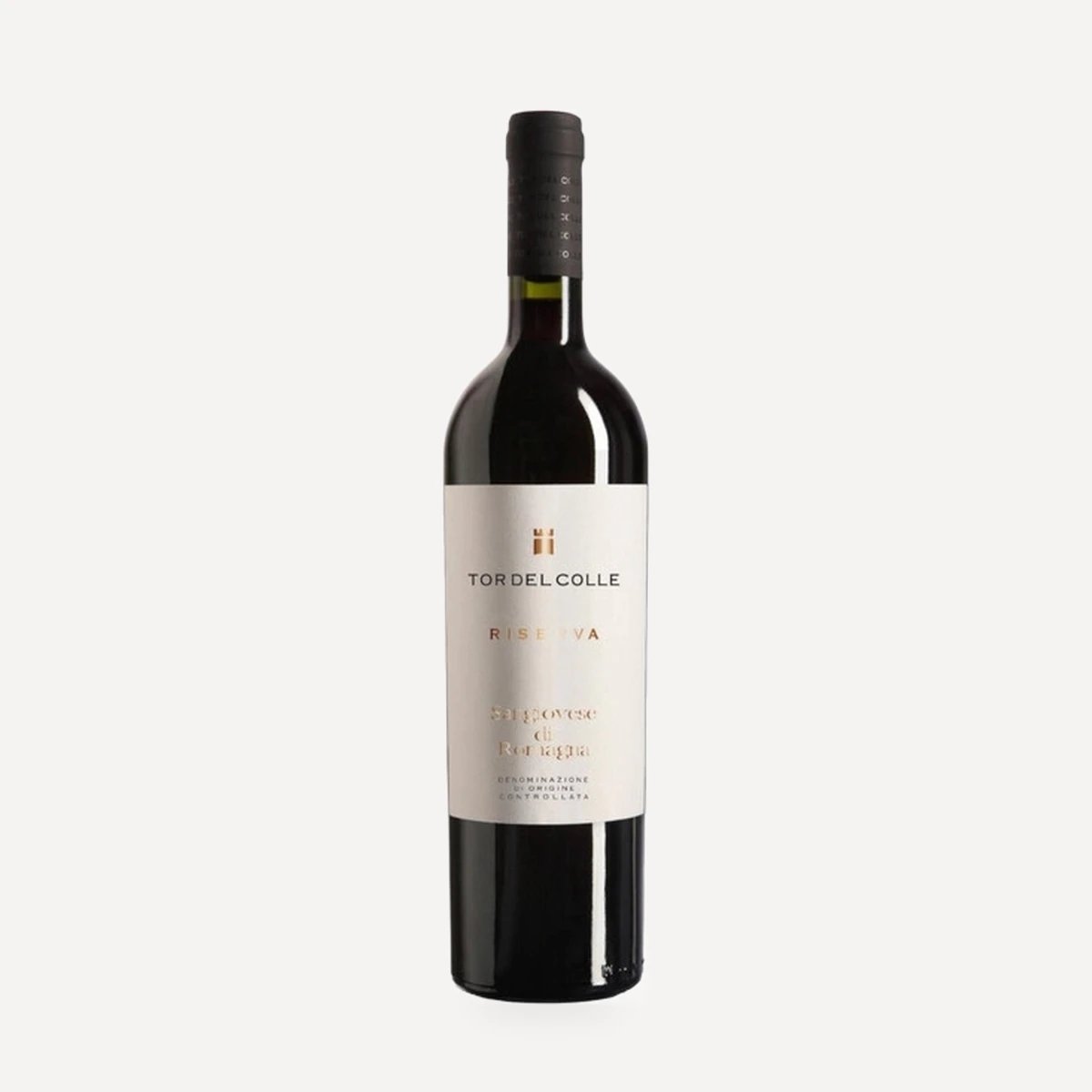
Tor del Colle Sangiovese di Romagna Riserva DOC
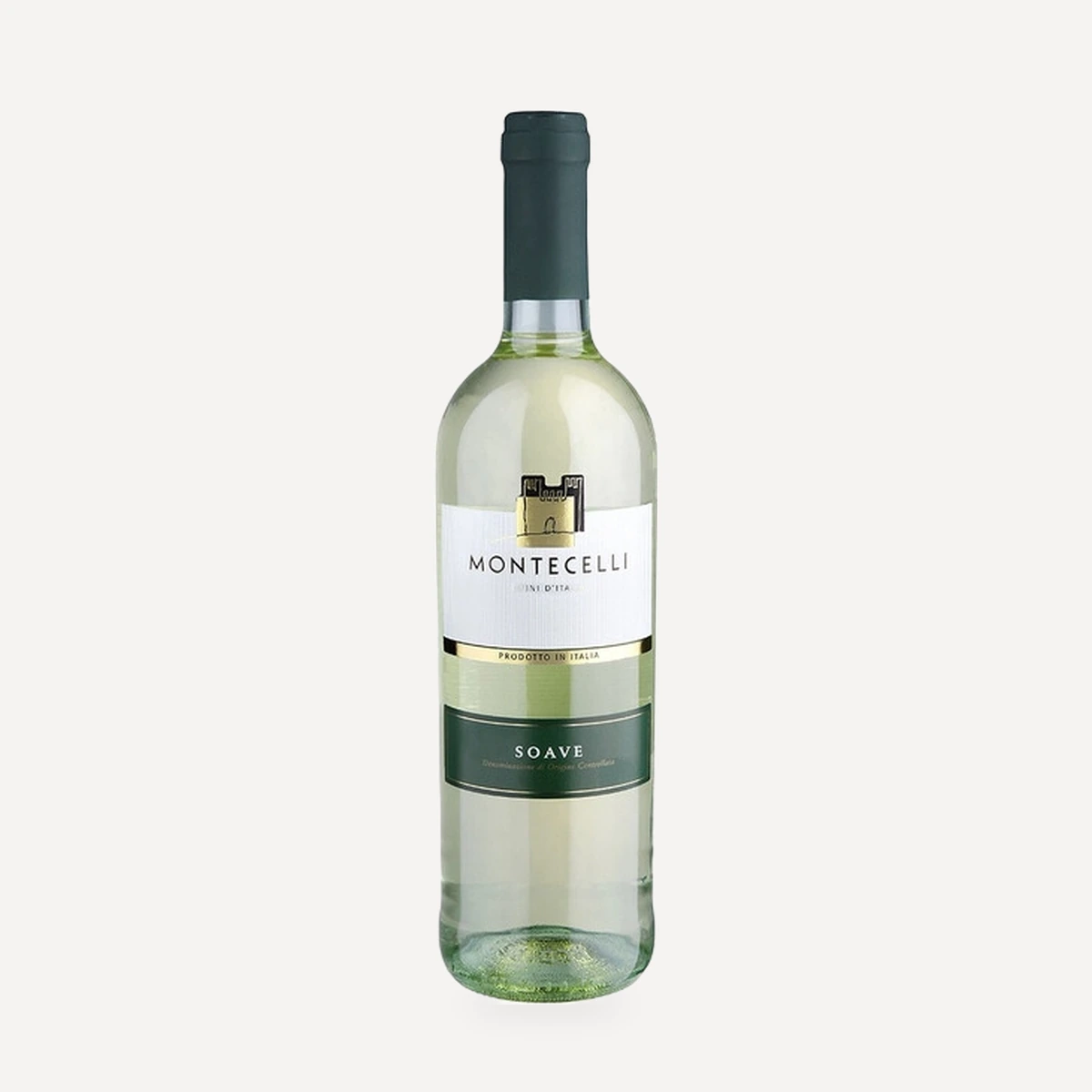
Montecelli Soave DOC
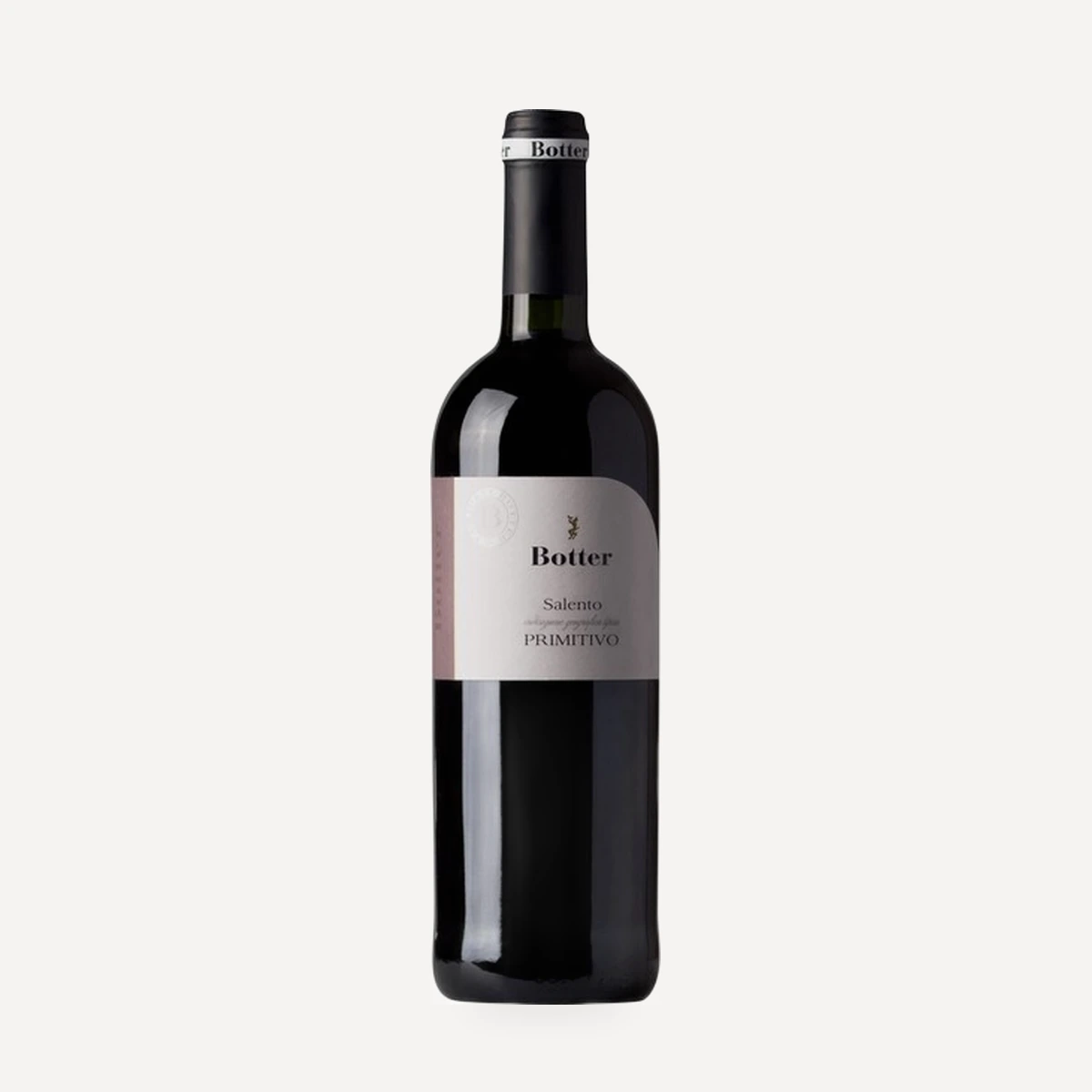
Primitivo Salento DOC
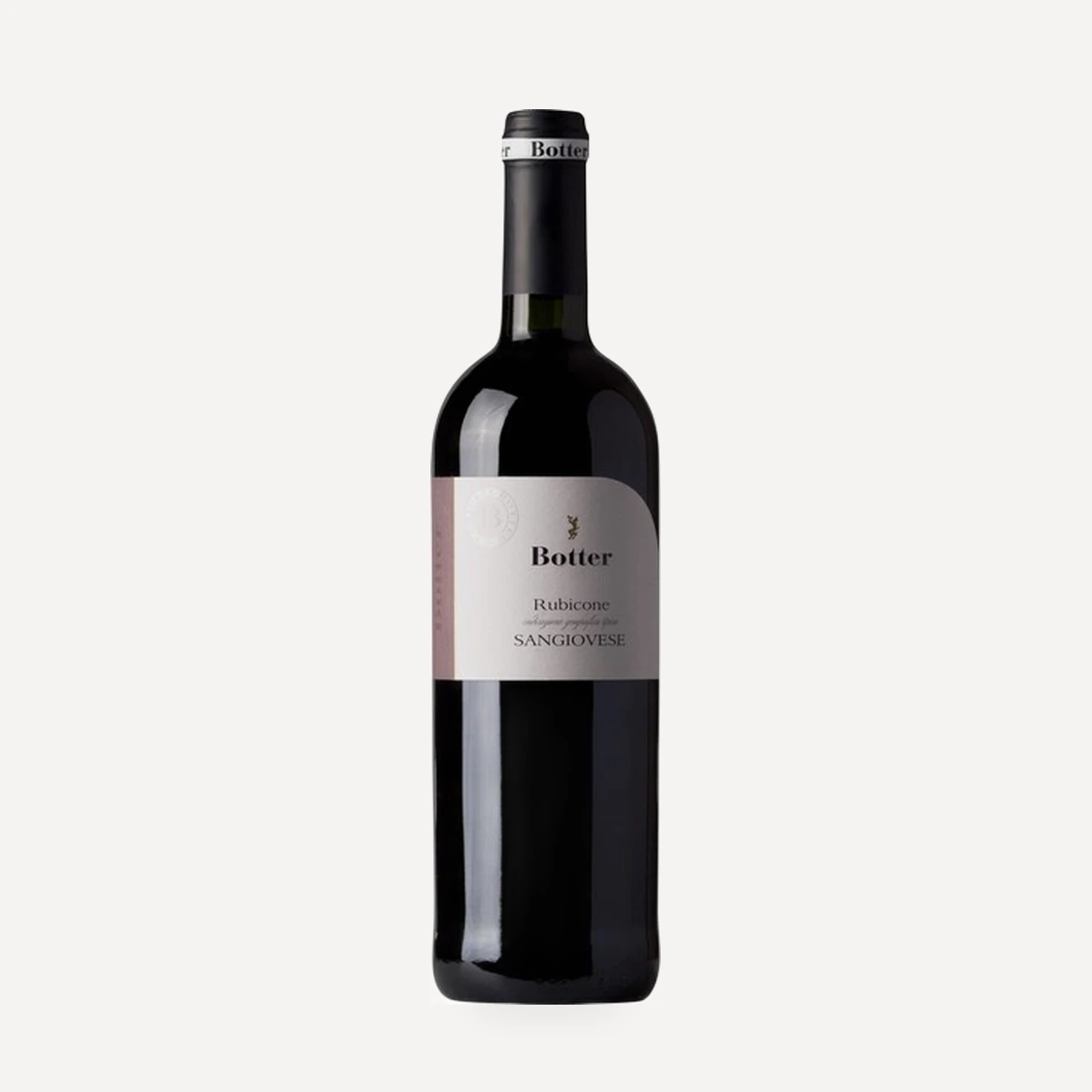
Sangiovese Rubicone IGT
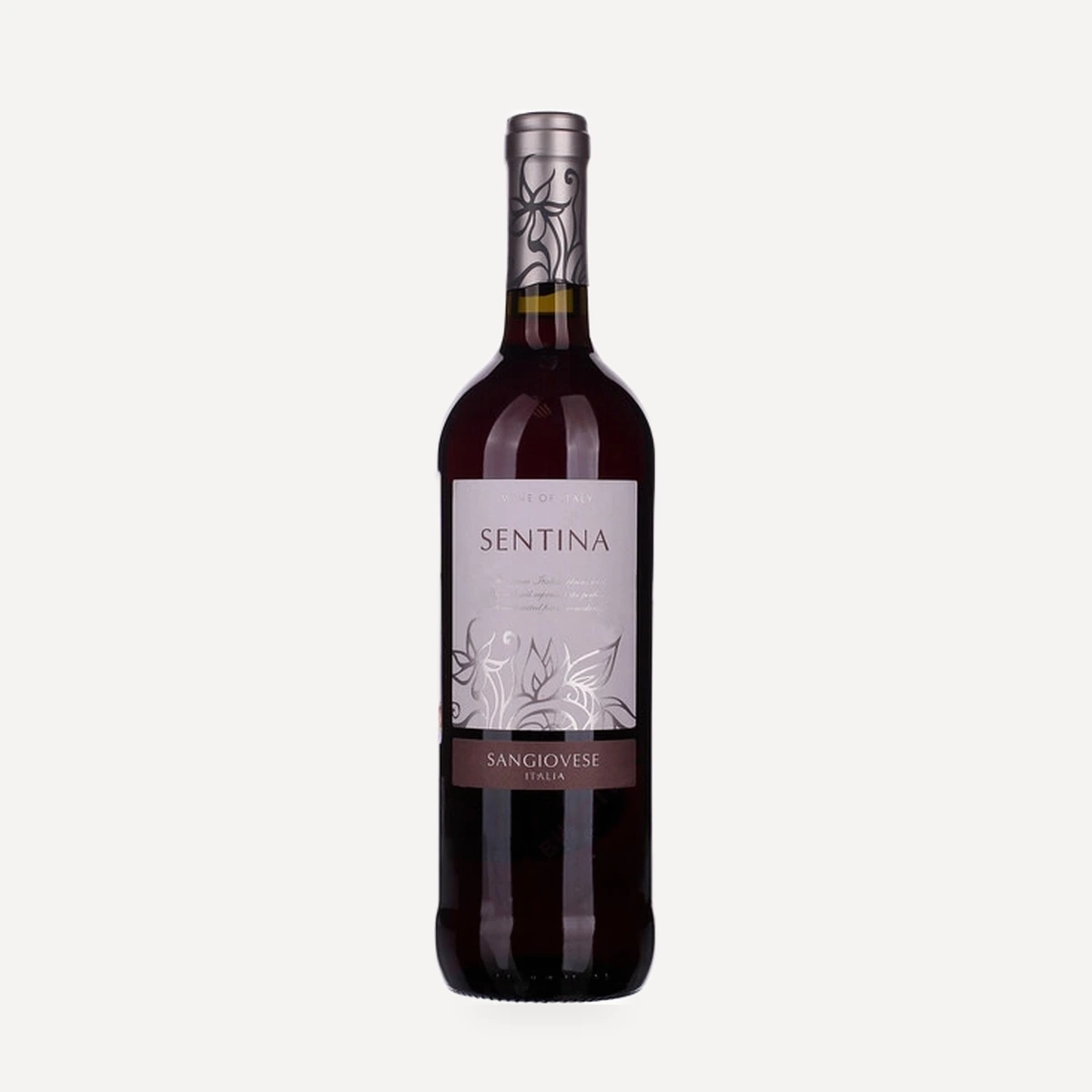
Sentina Sangiovese Rubicone IGT
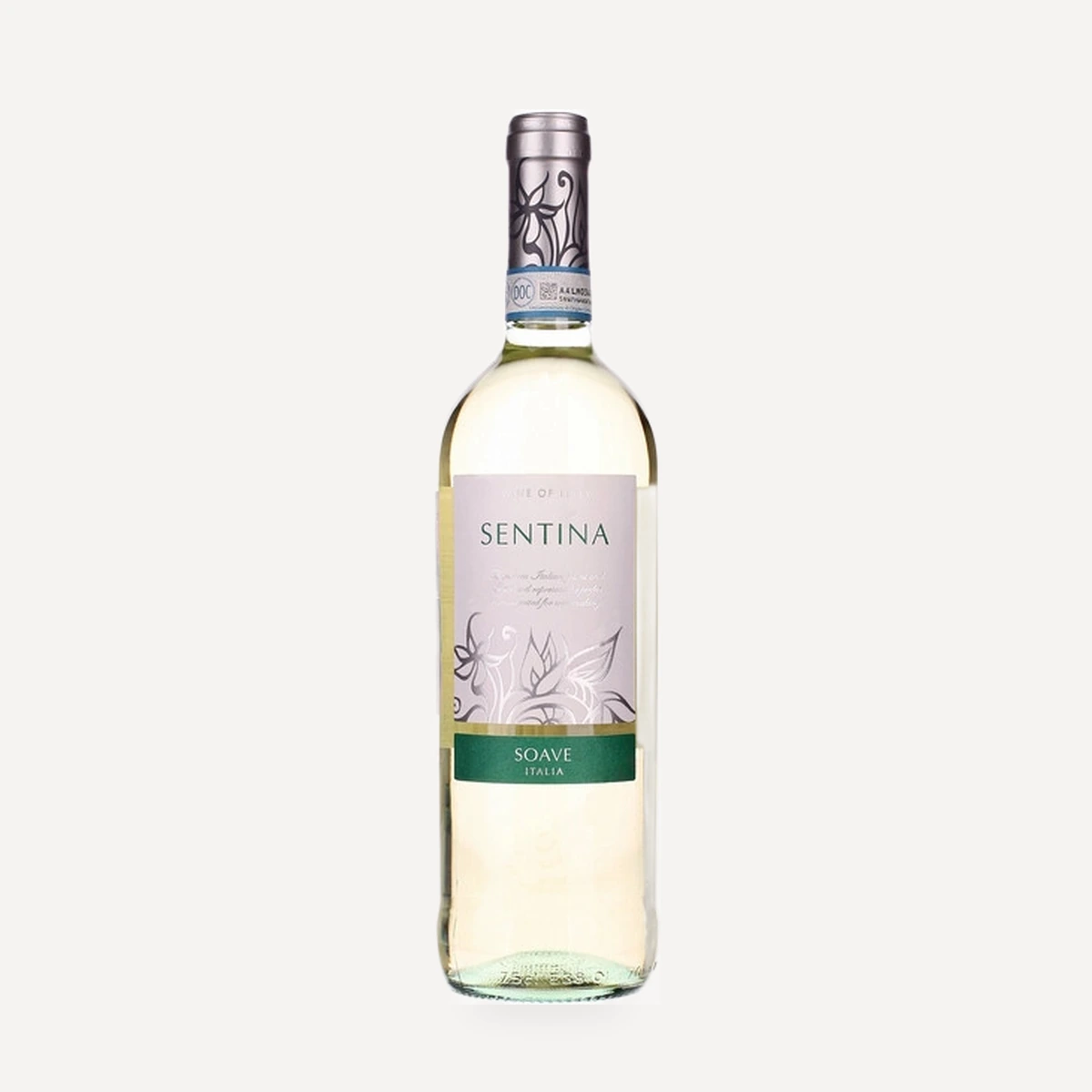
Sentina Soave DOC
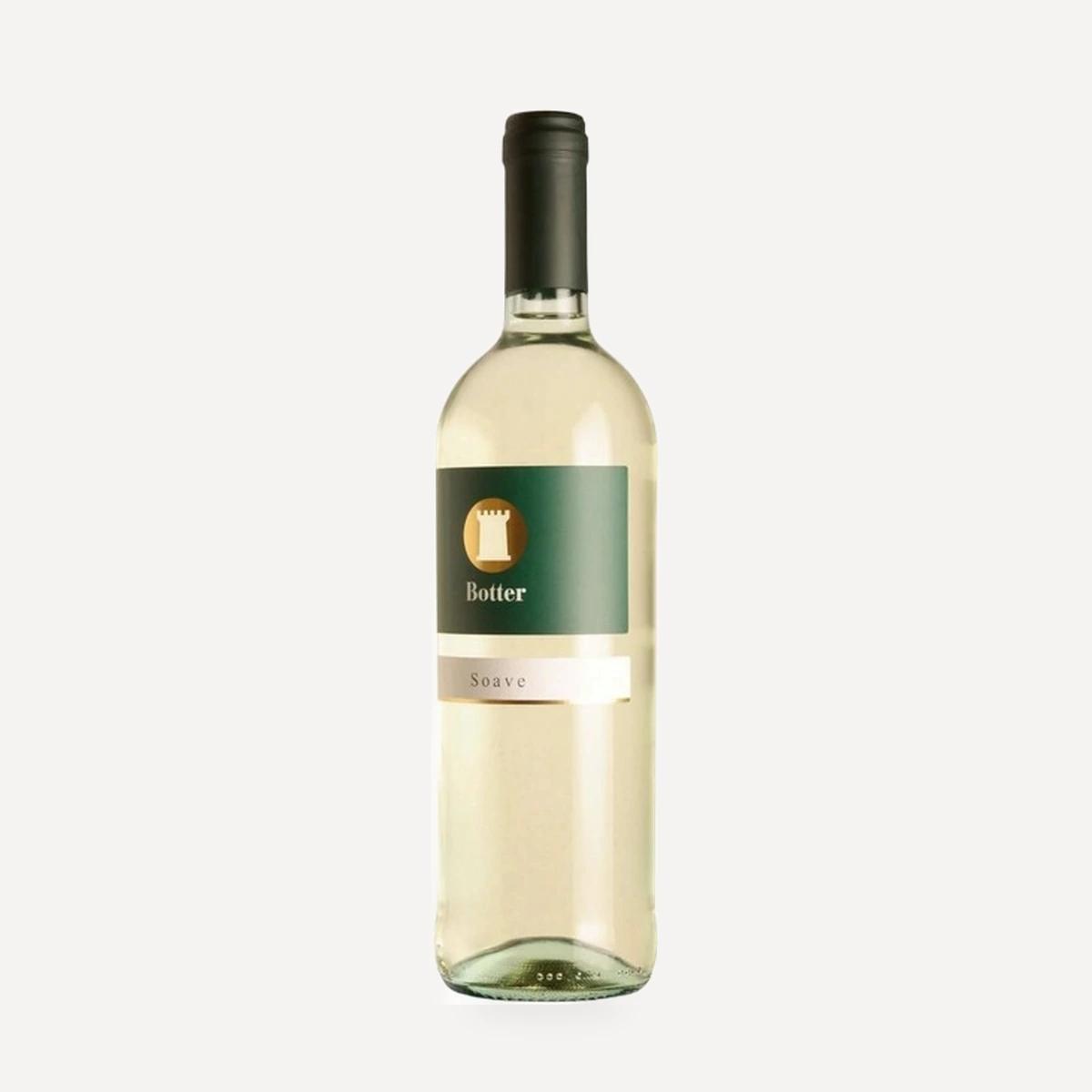
Soave DOC
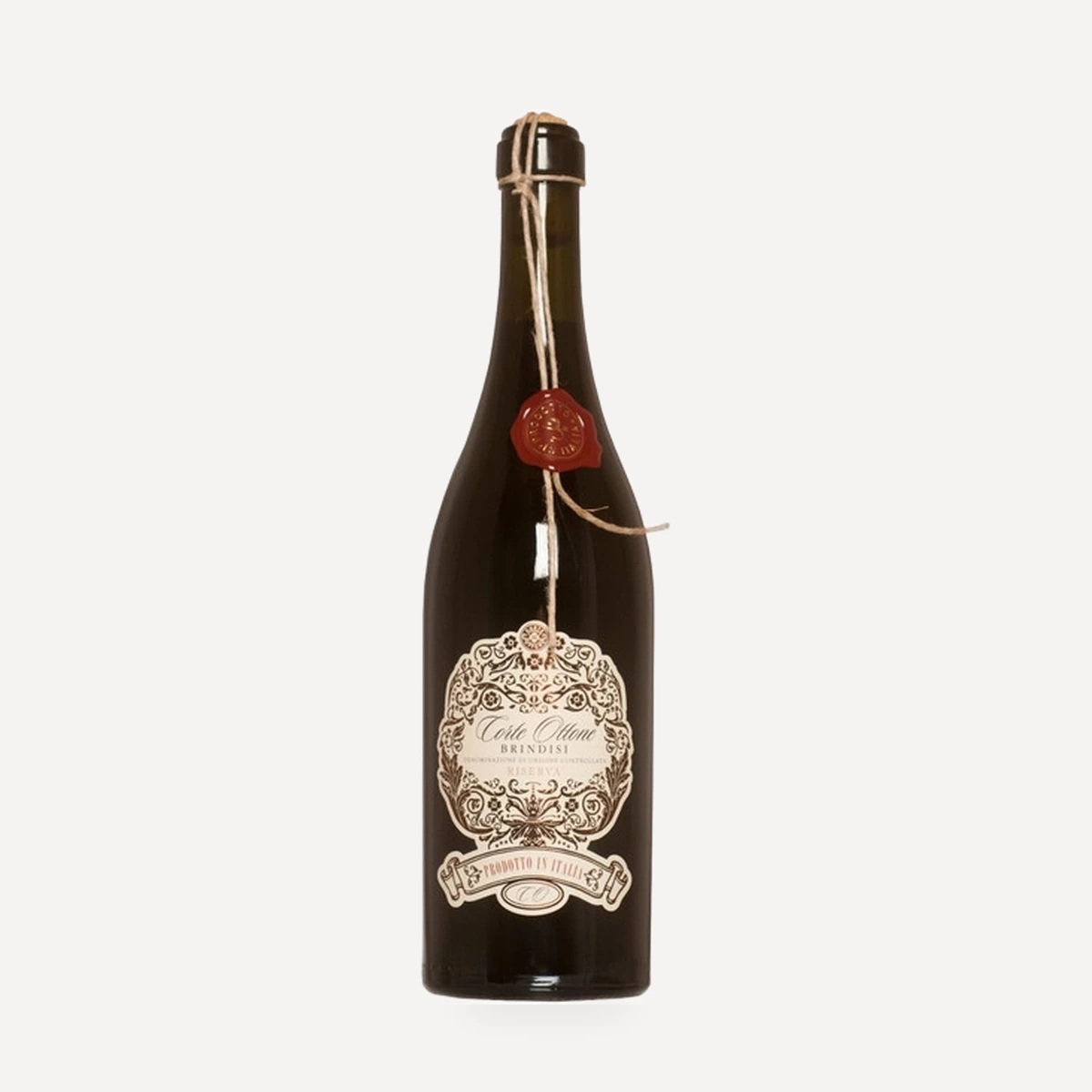
Corte Ottone Brindisi Riserva DOC
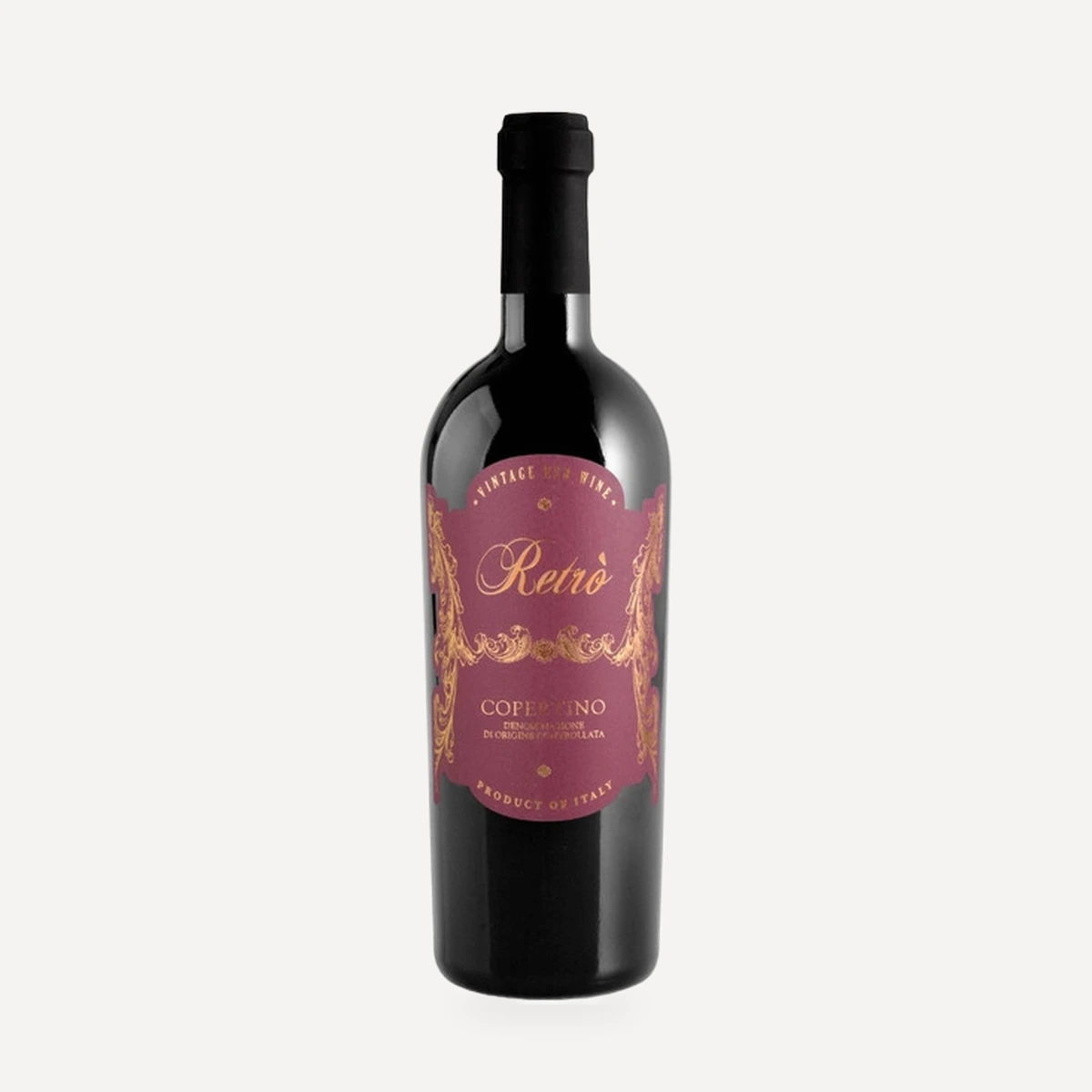
Retro Copertino DOC
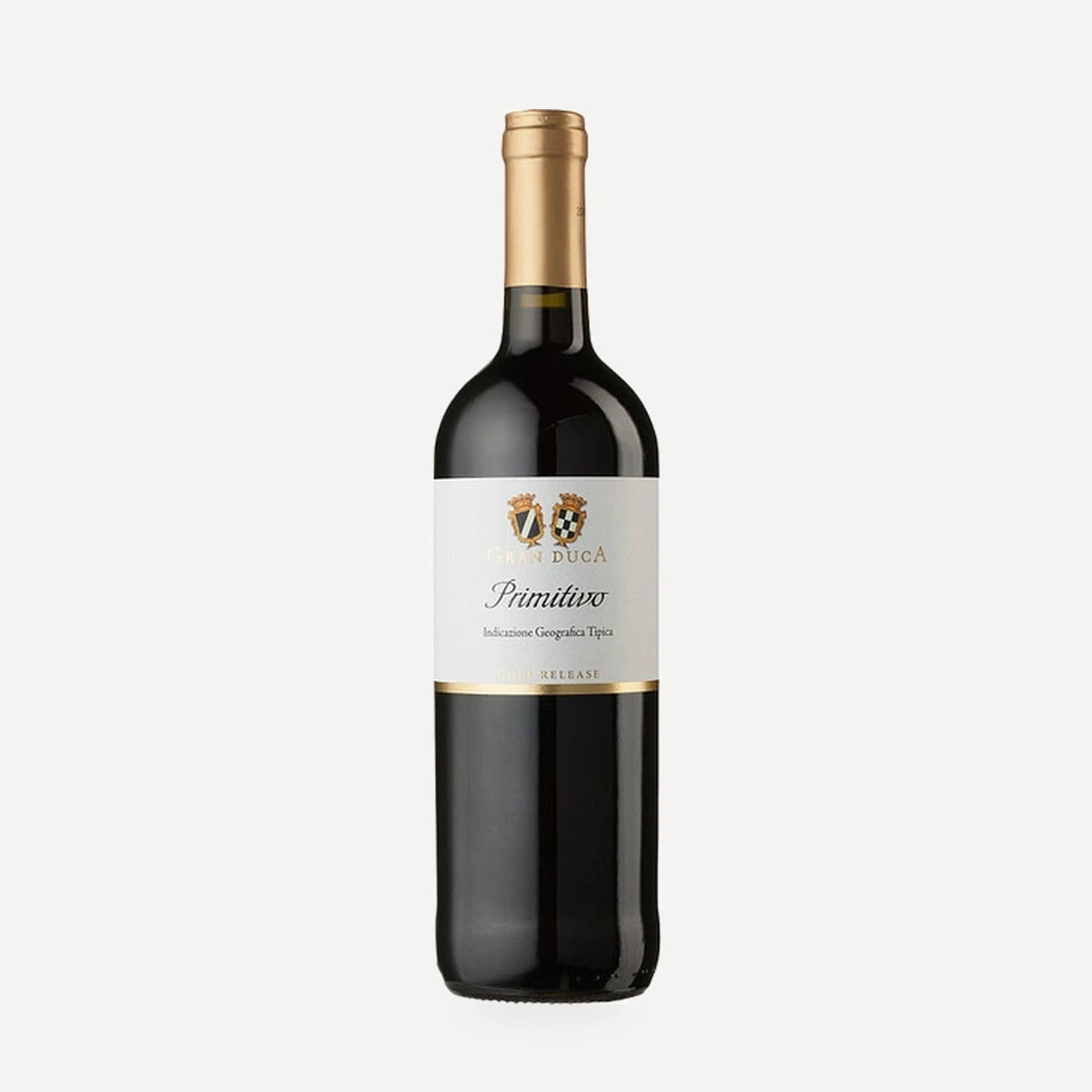
Gran Duca Primitivo IGT
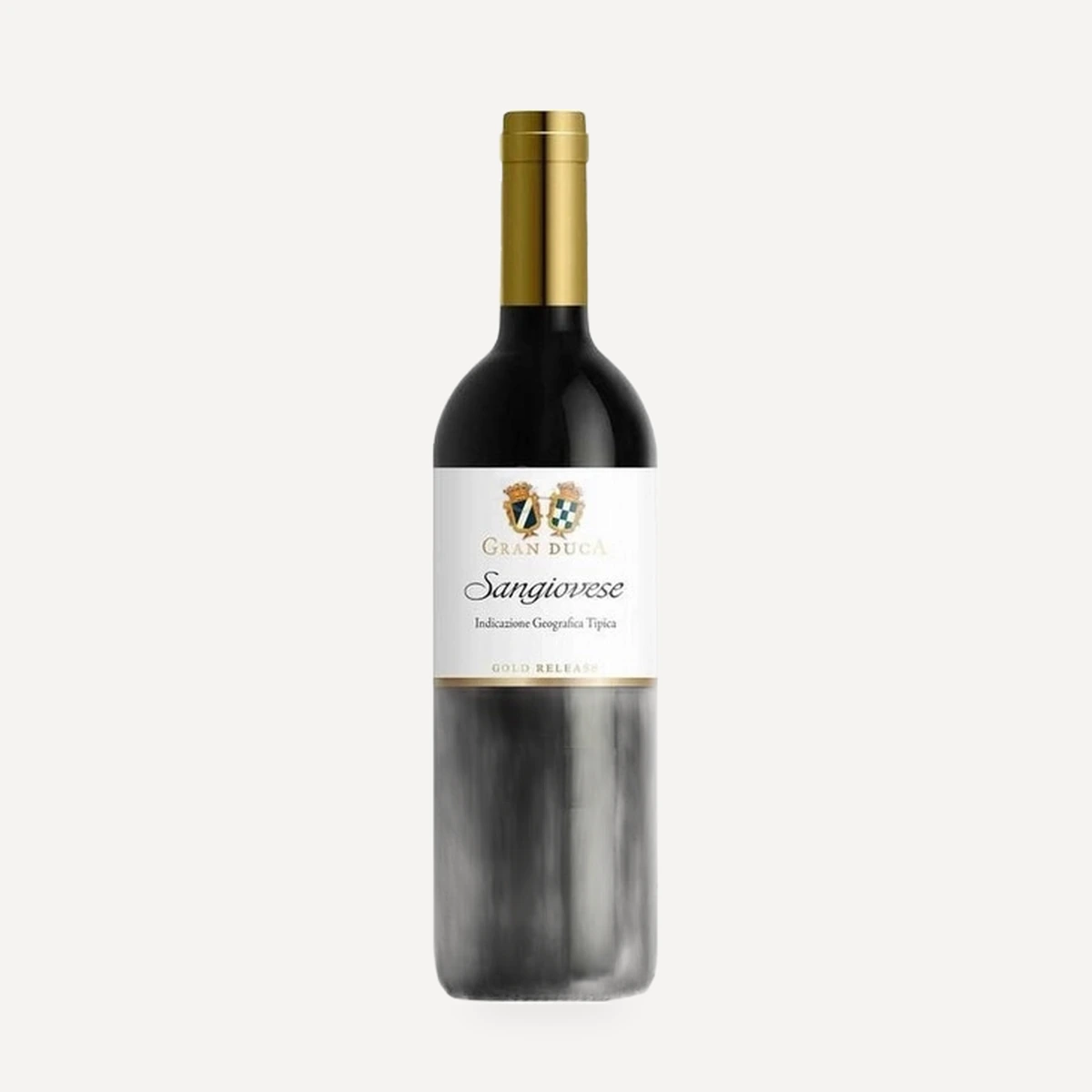
Gran Duca Sangiovese Rubicone IGT
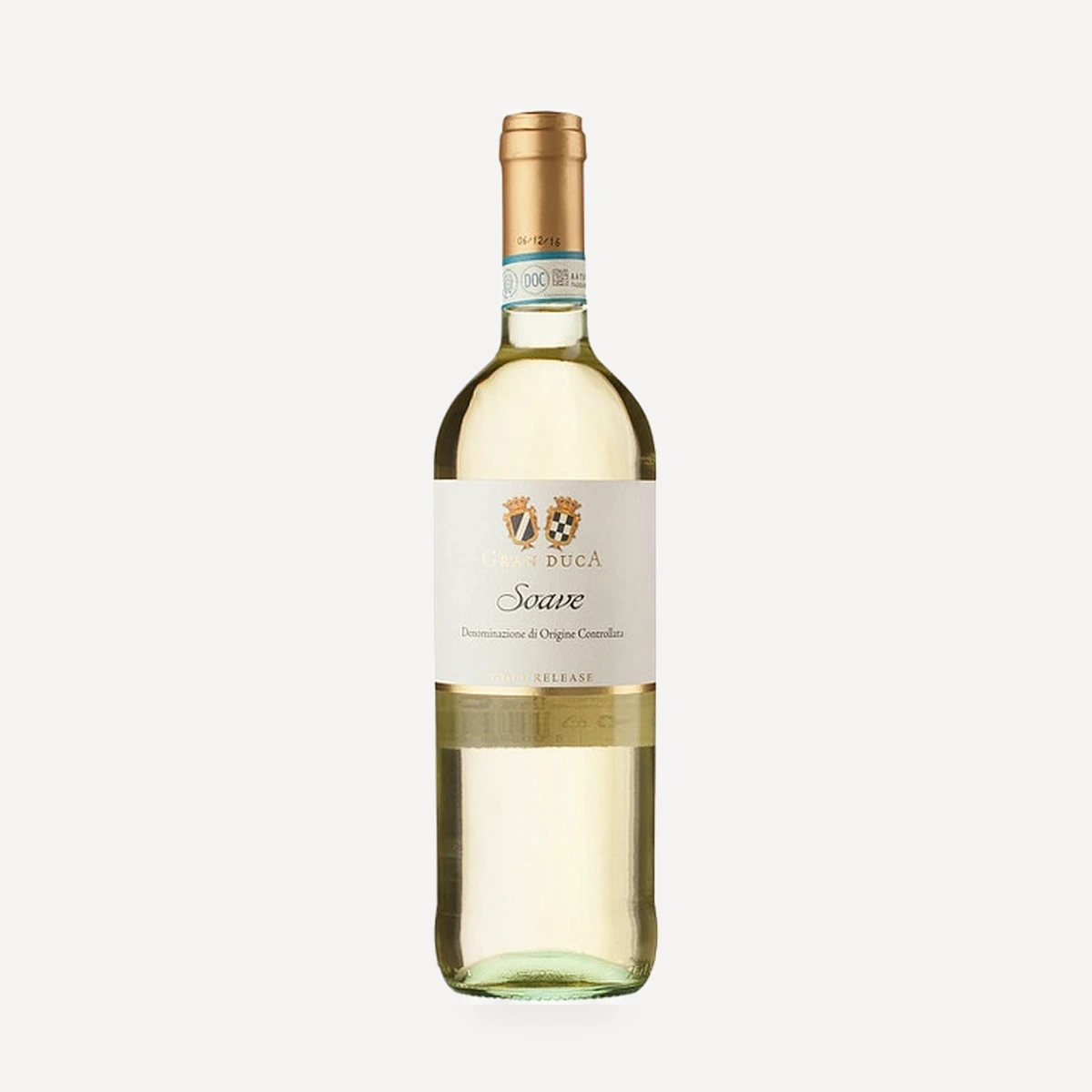
Gran Duca Soave DOC
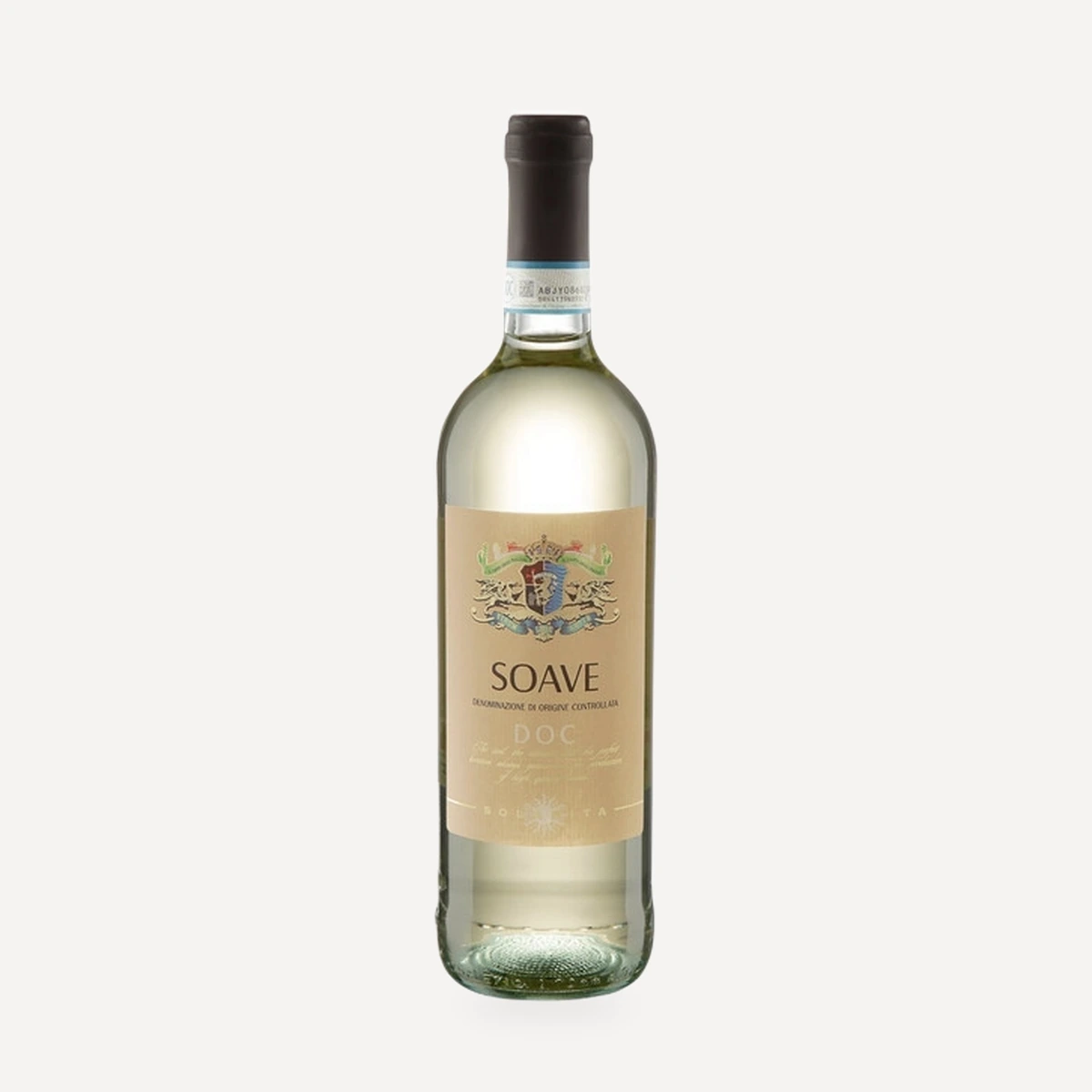
Solarita Soave DOC
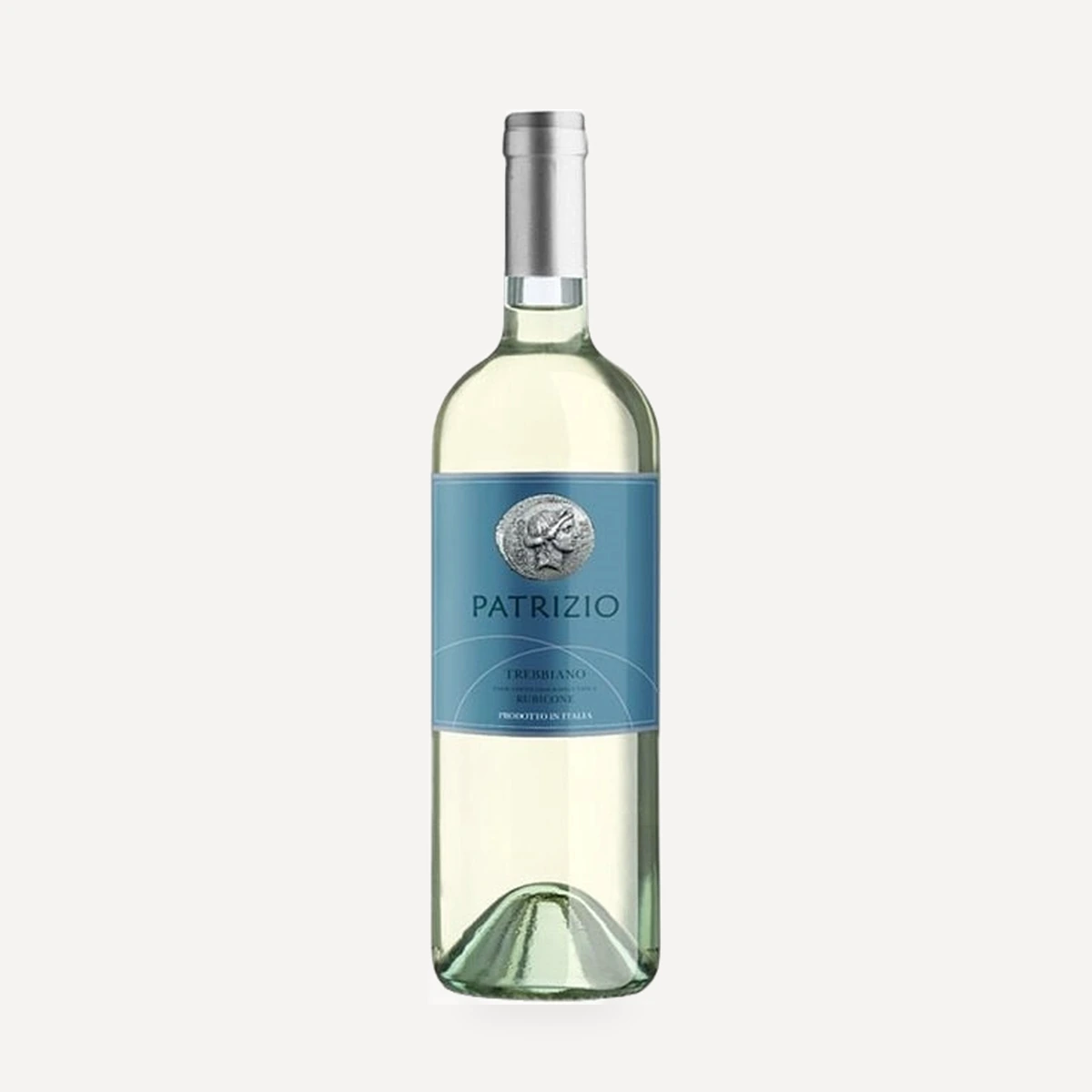
Patrizio Trebbiano Rubicone IGT
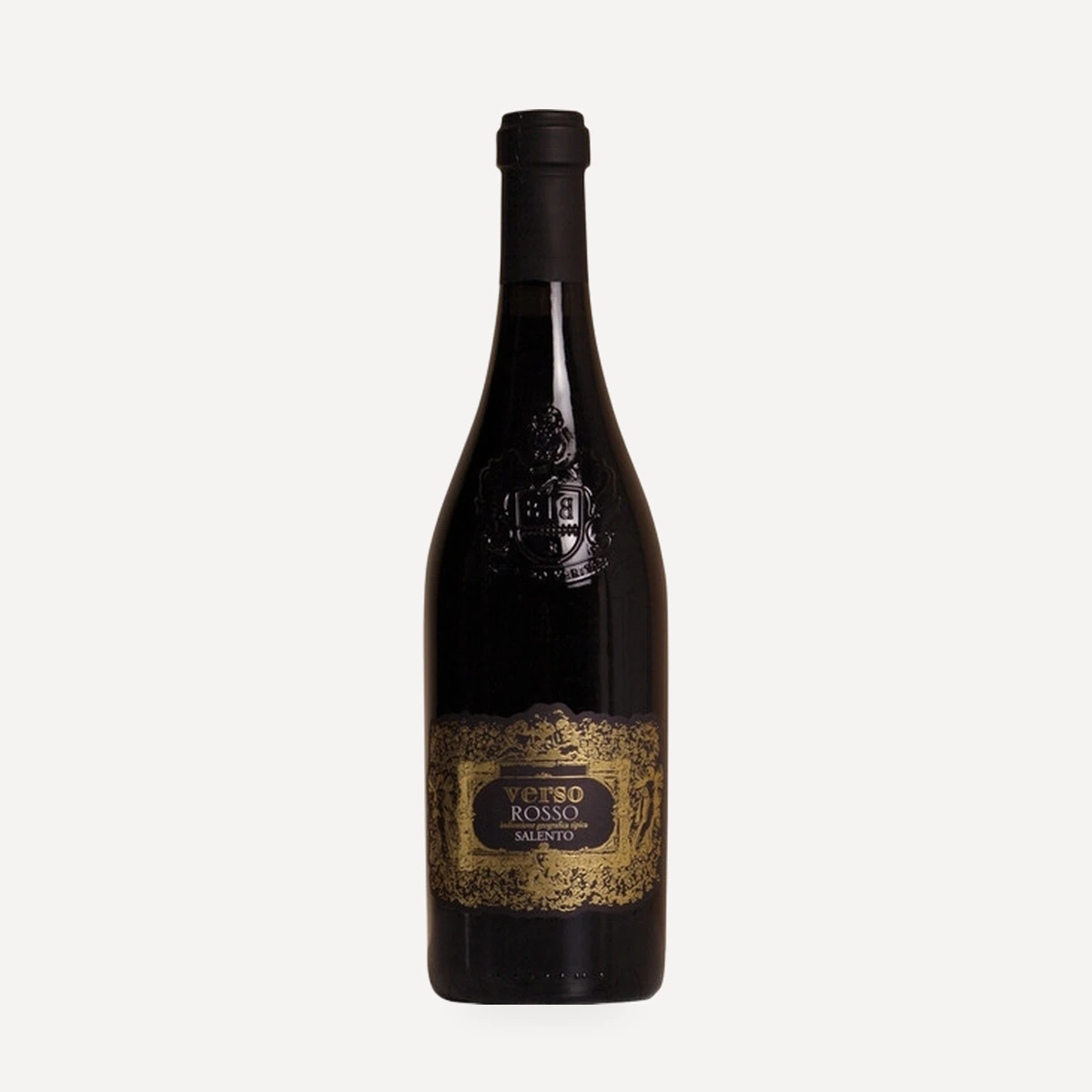
Verso Rosso Salento IGT
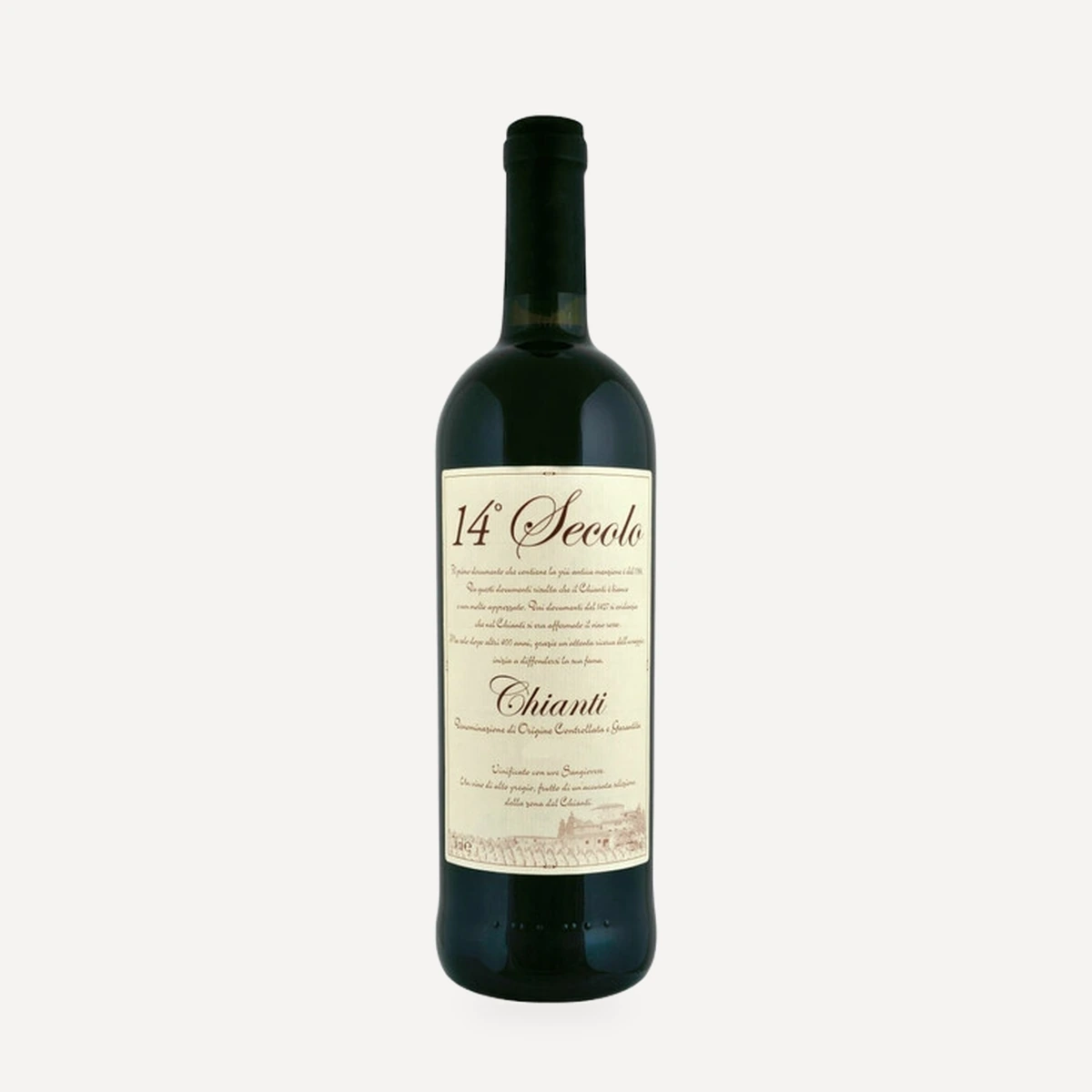
14 Secolo Chianti DOCG
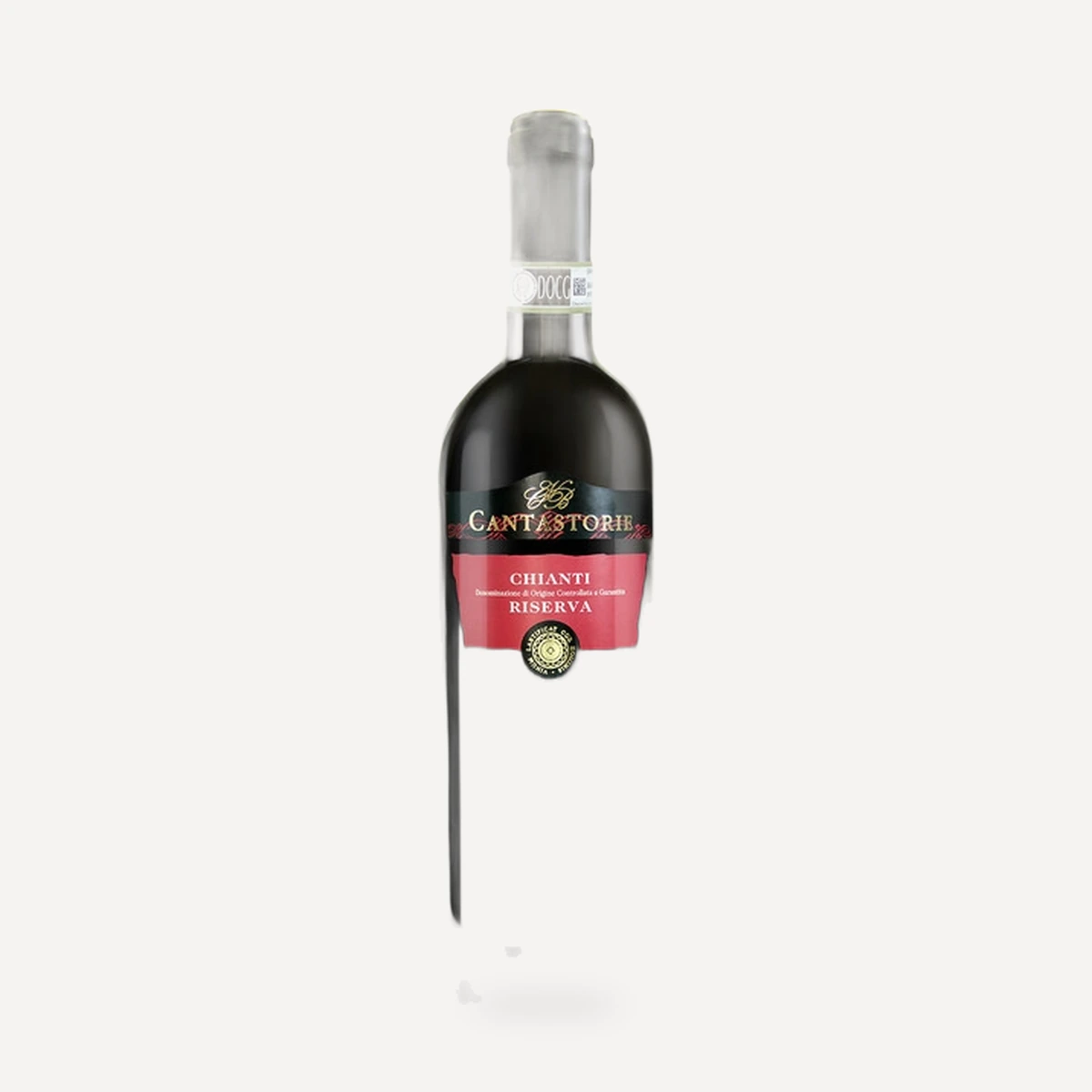
Cantastorie Chianti Riserva DOCG
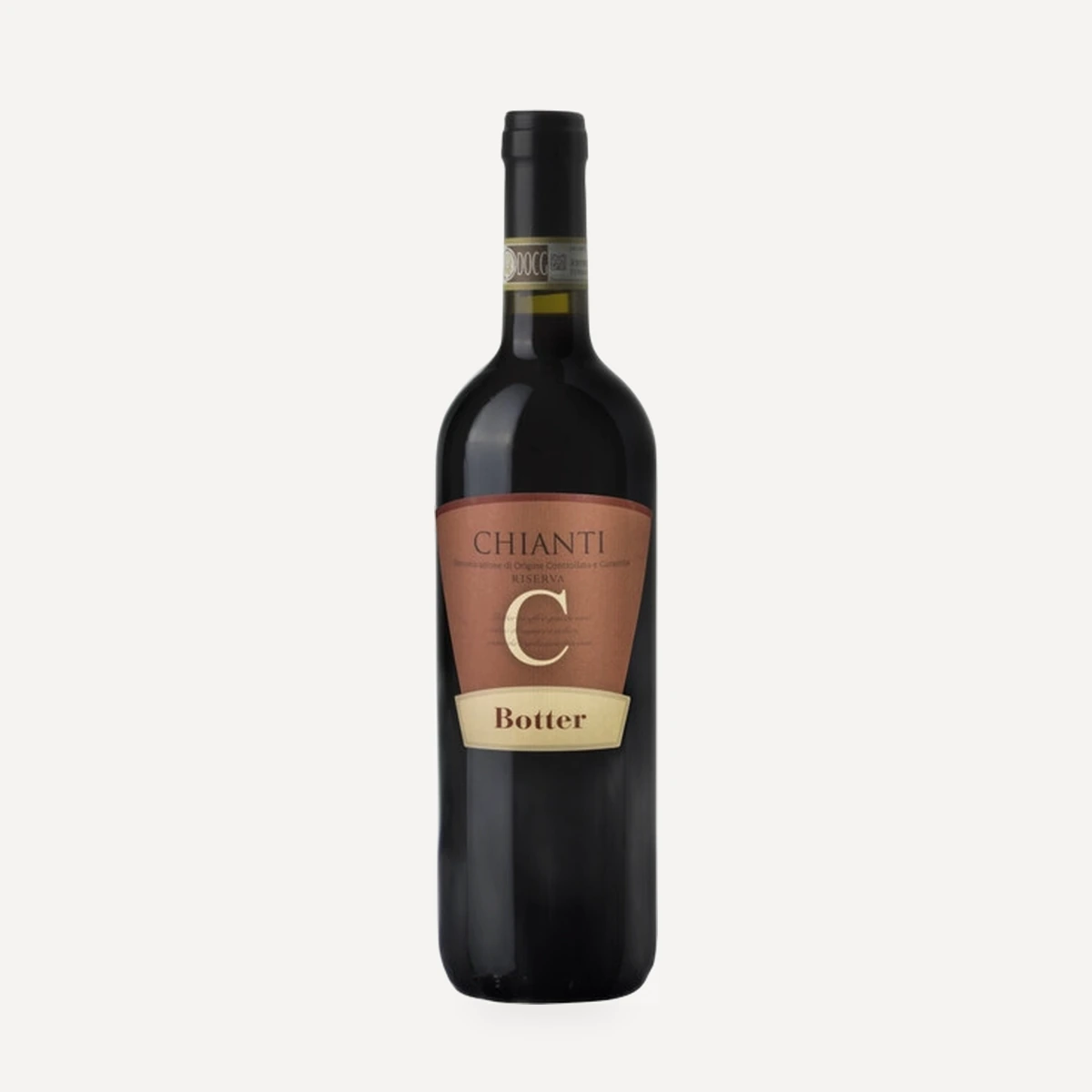
Chianti Riserva DOCG
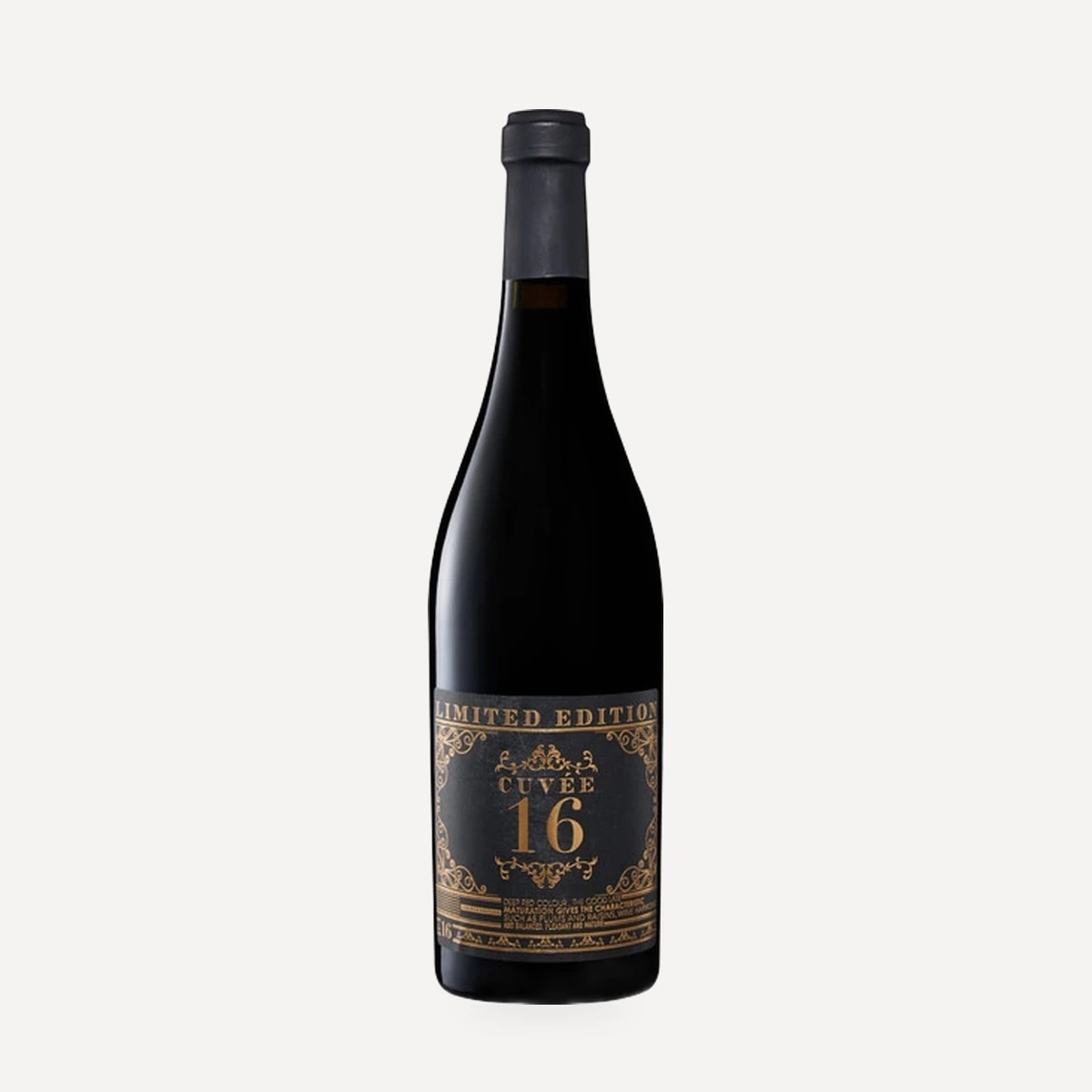
Cuvee 16 Limited Edition
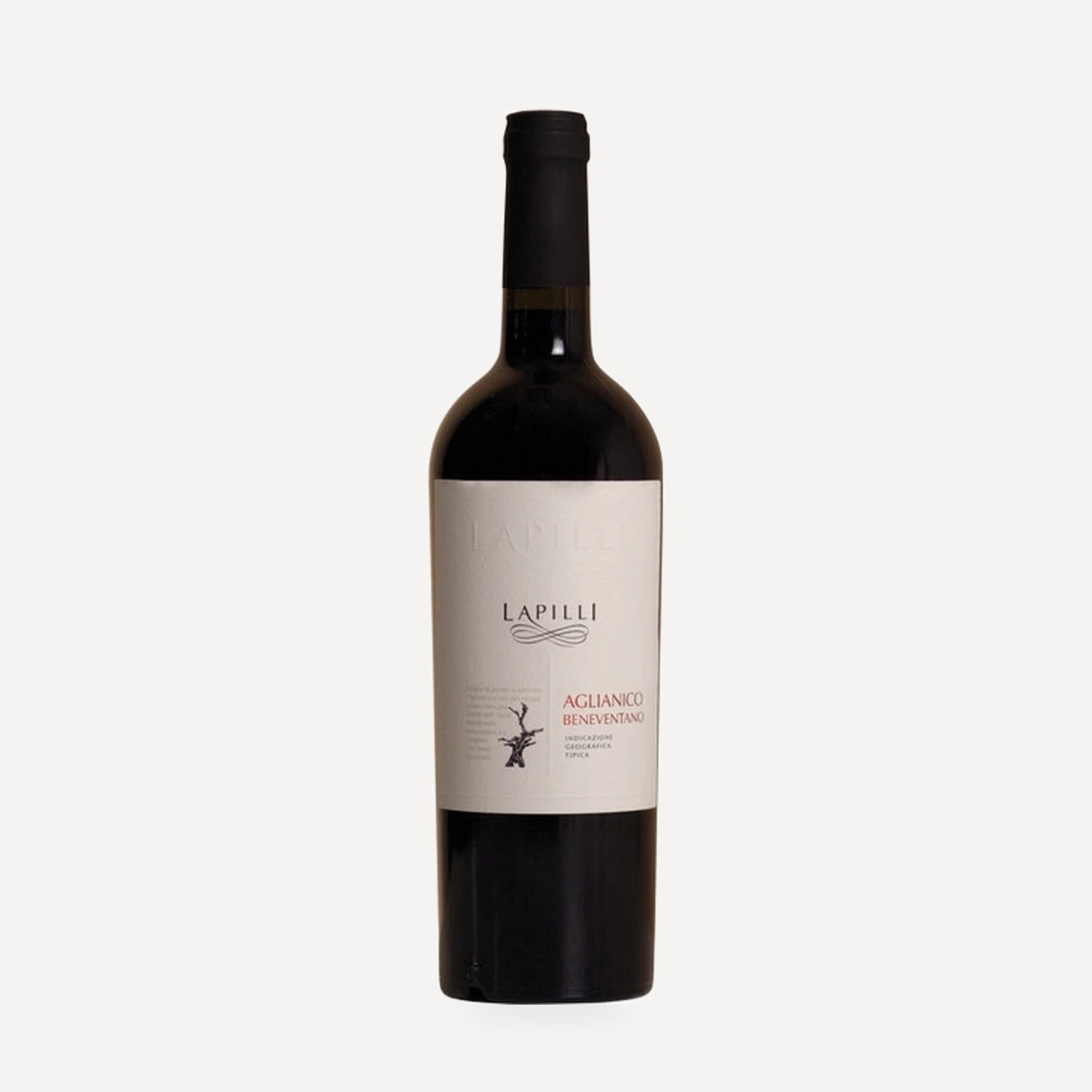
Lapilli Aglianico Beneventano IGT
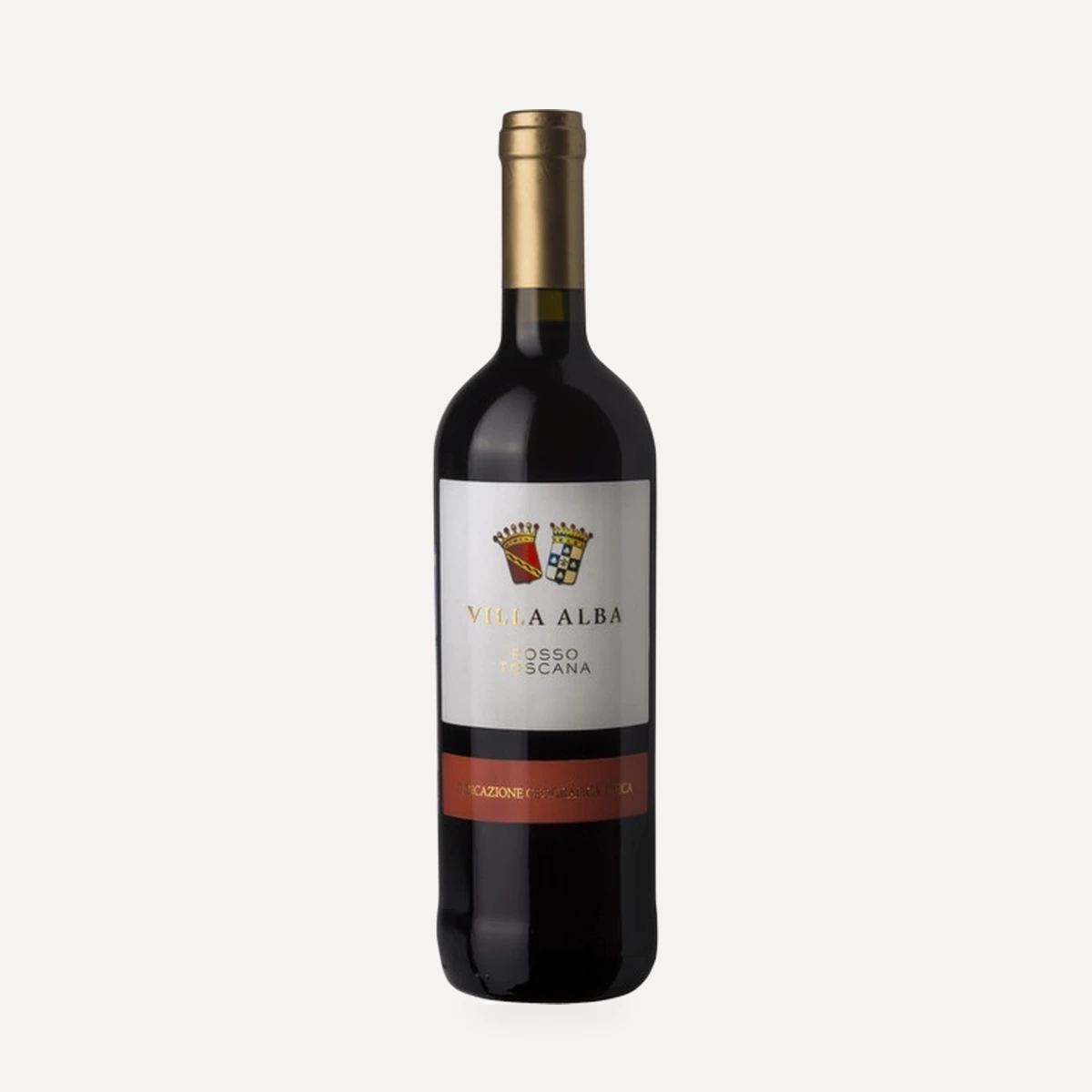
Villa Alba Rosso Toscana IGT
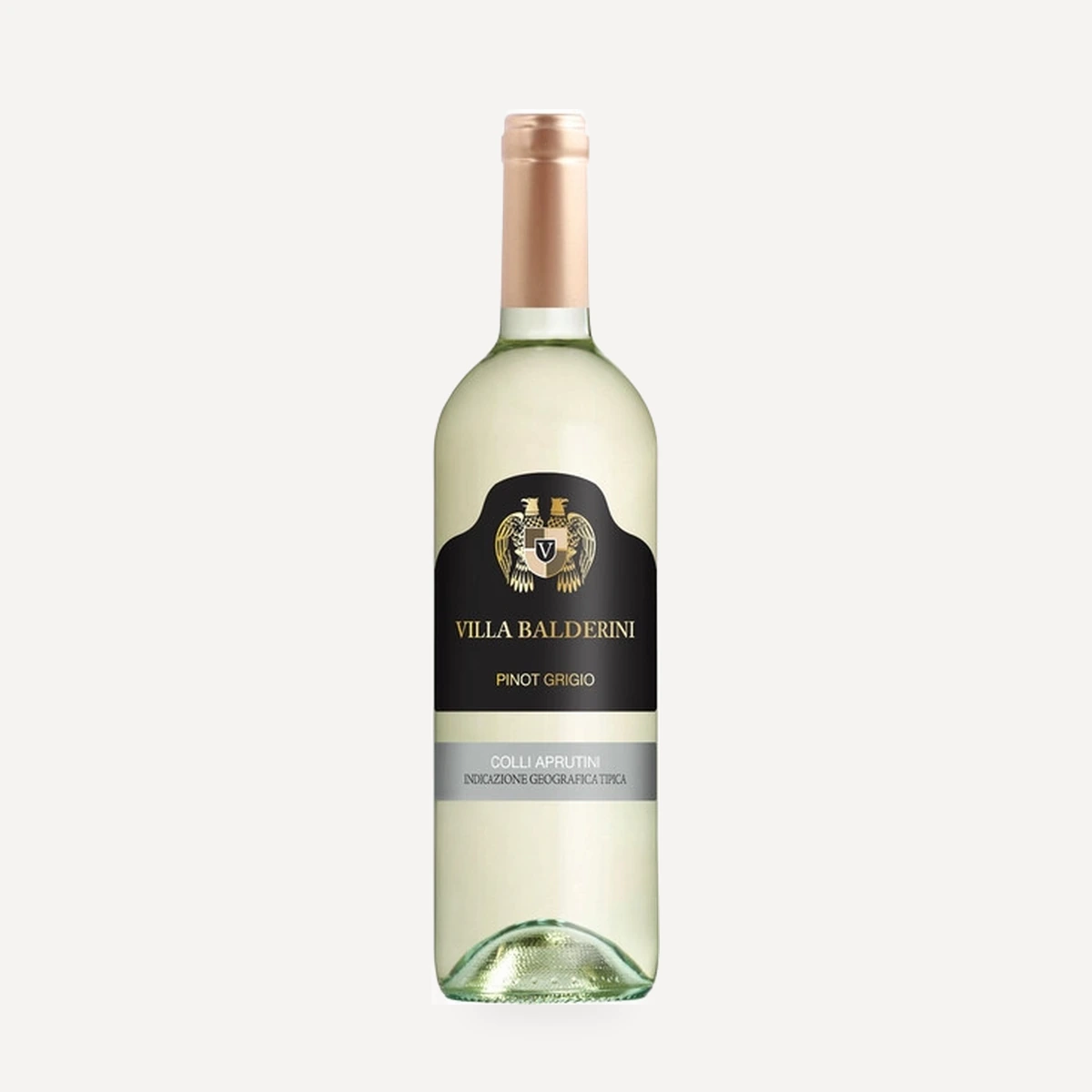
Villa Balderini Pinot Grigio Colli Aprutini IGT
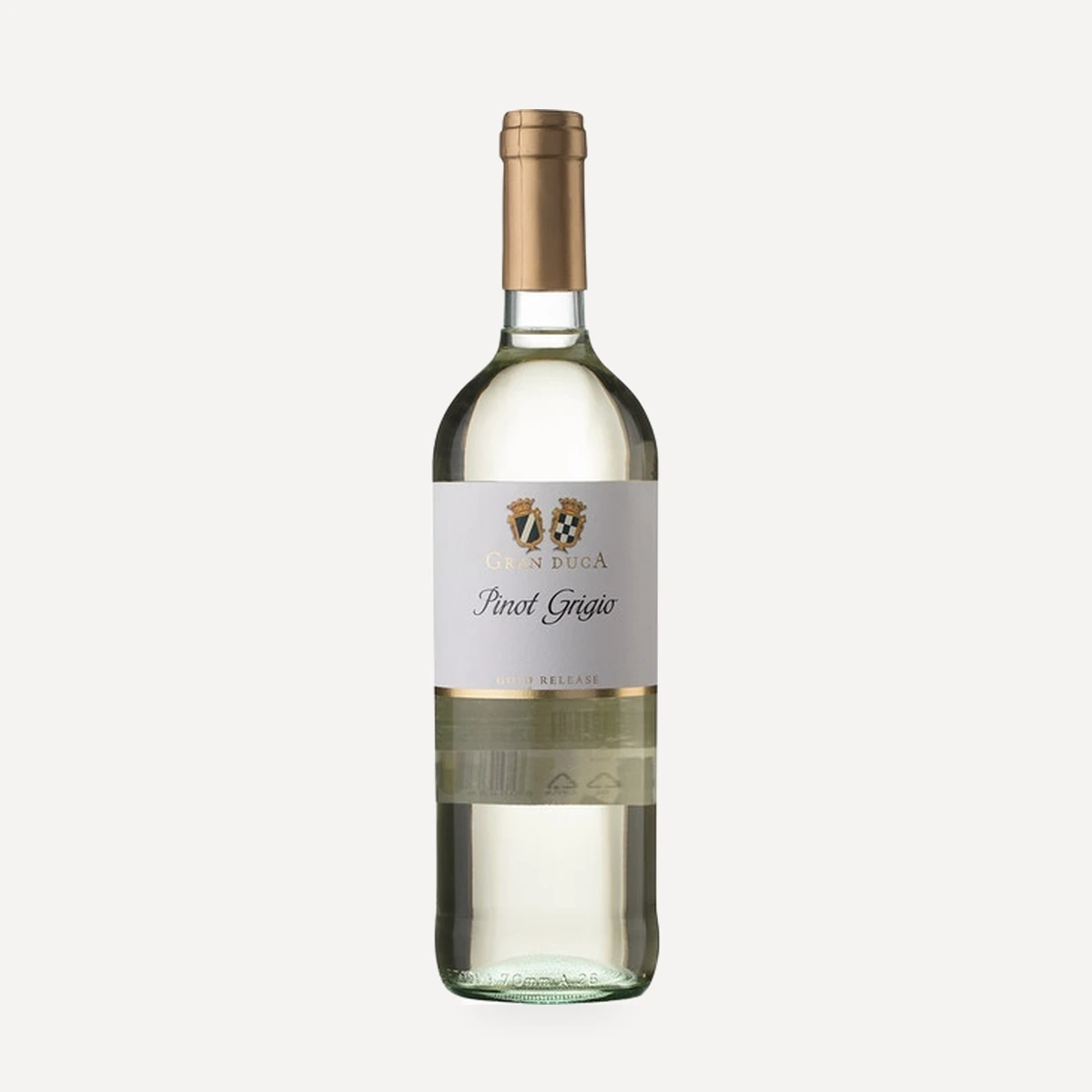
Gran Duca Pinot Grigio Colli Aprutini IGT
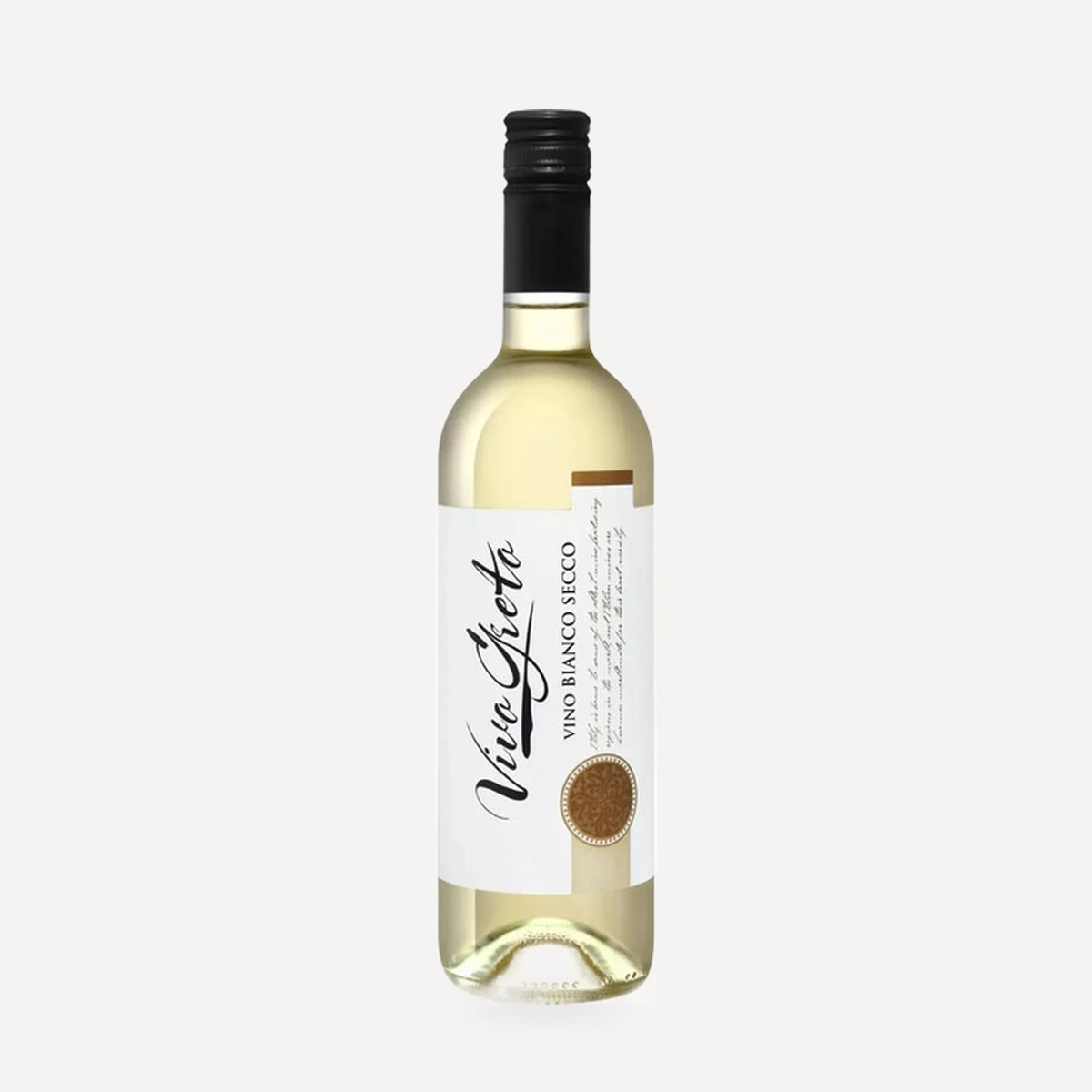
Vivo Greto Bianco Secco
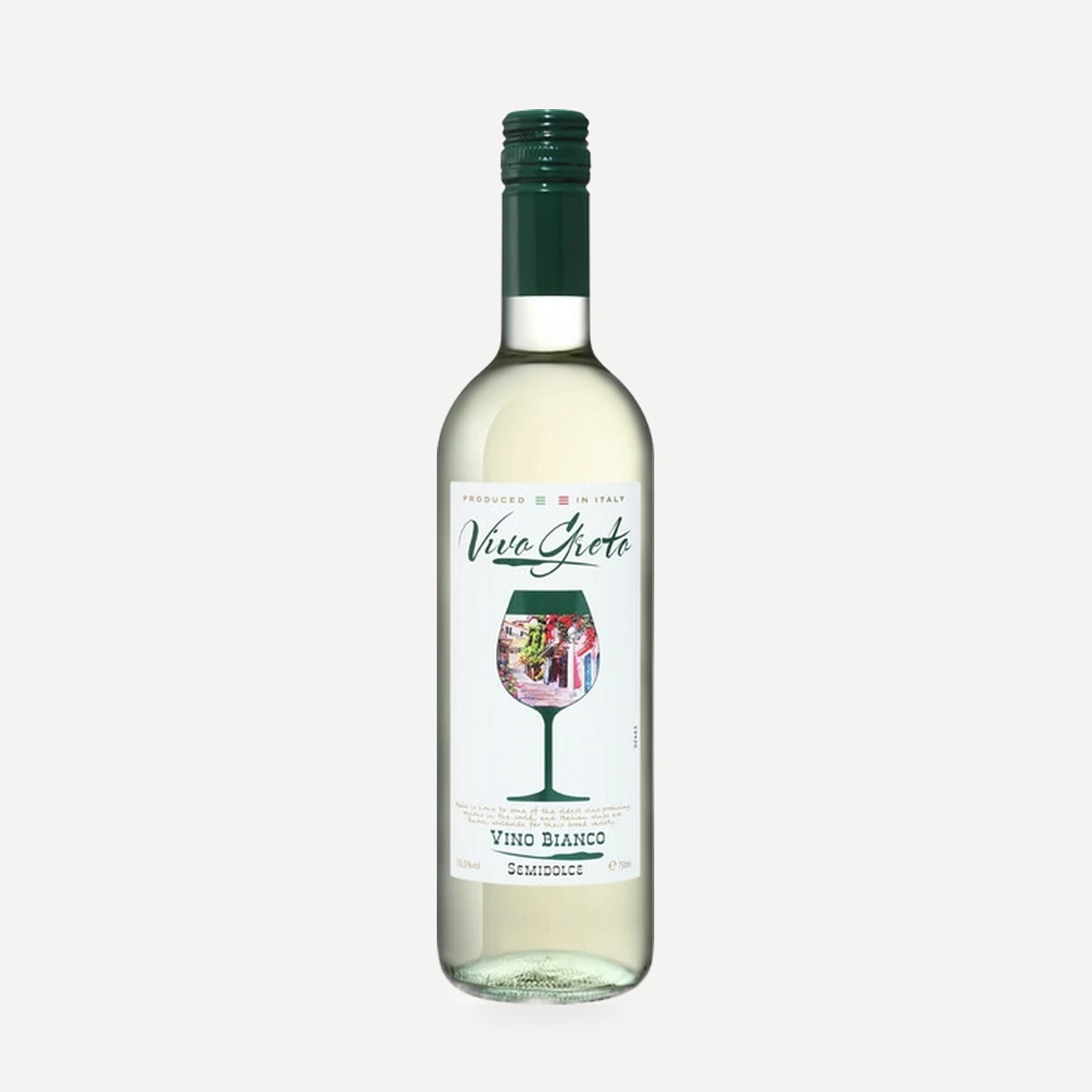
Vivo Greto Bianco Semidulce
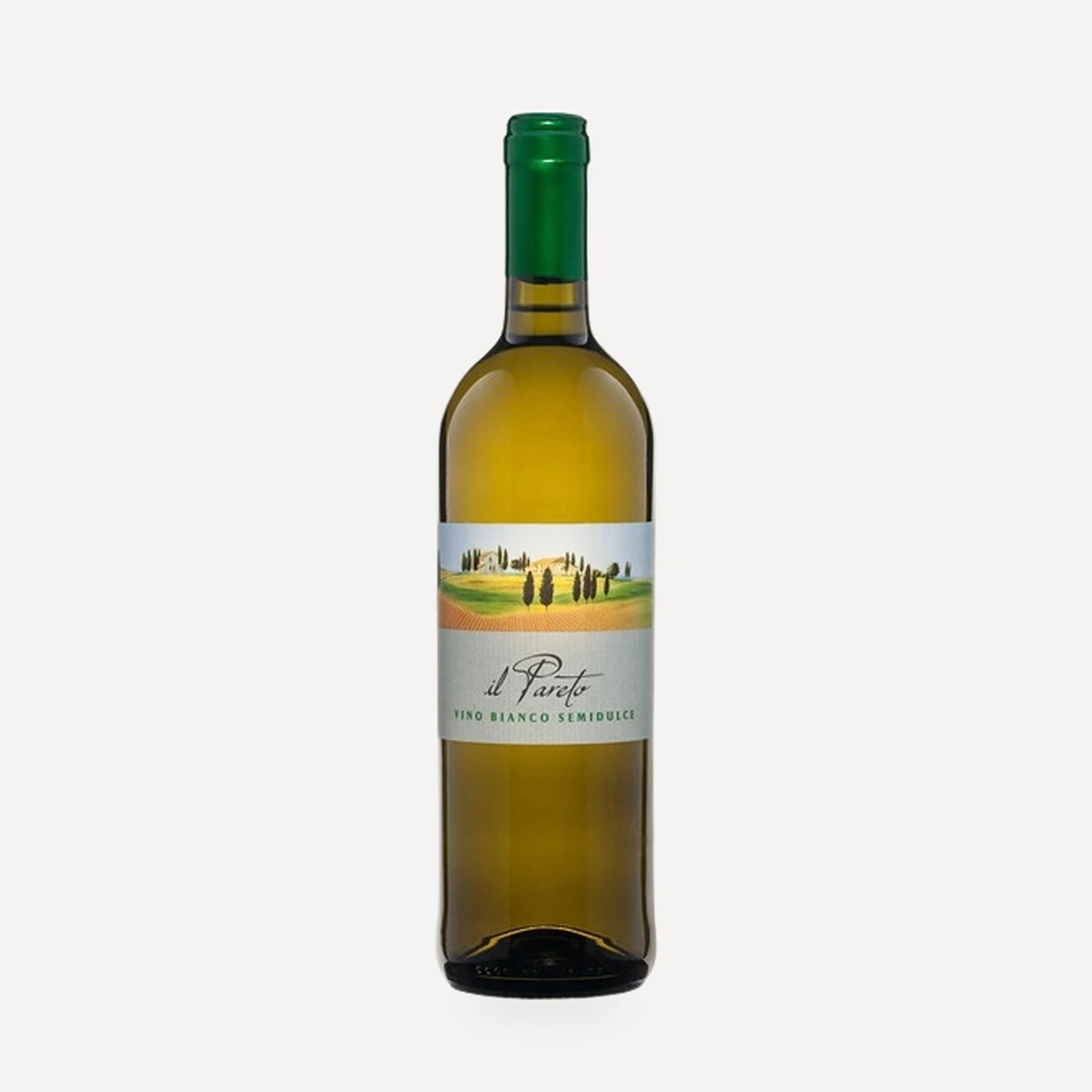
Il Pareto Bianco Semidulce
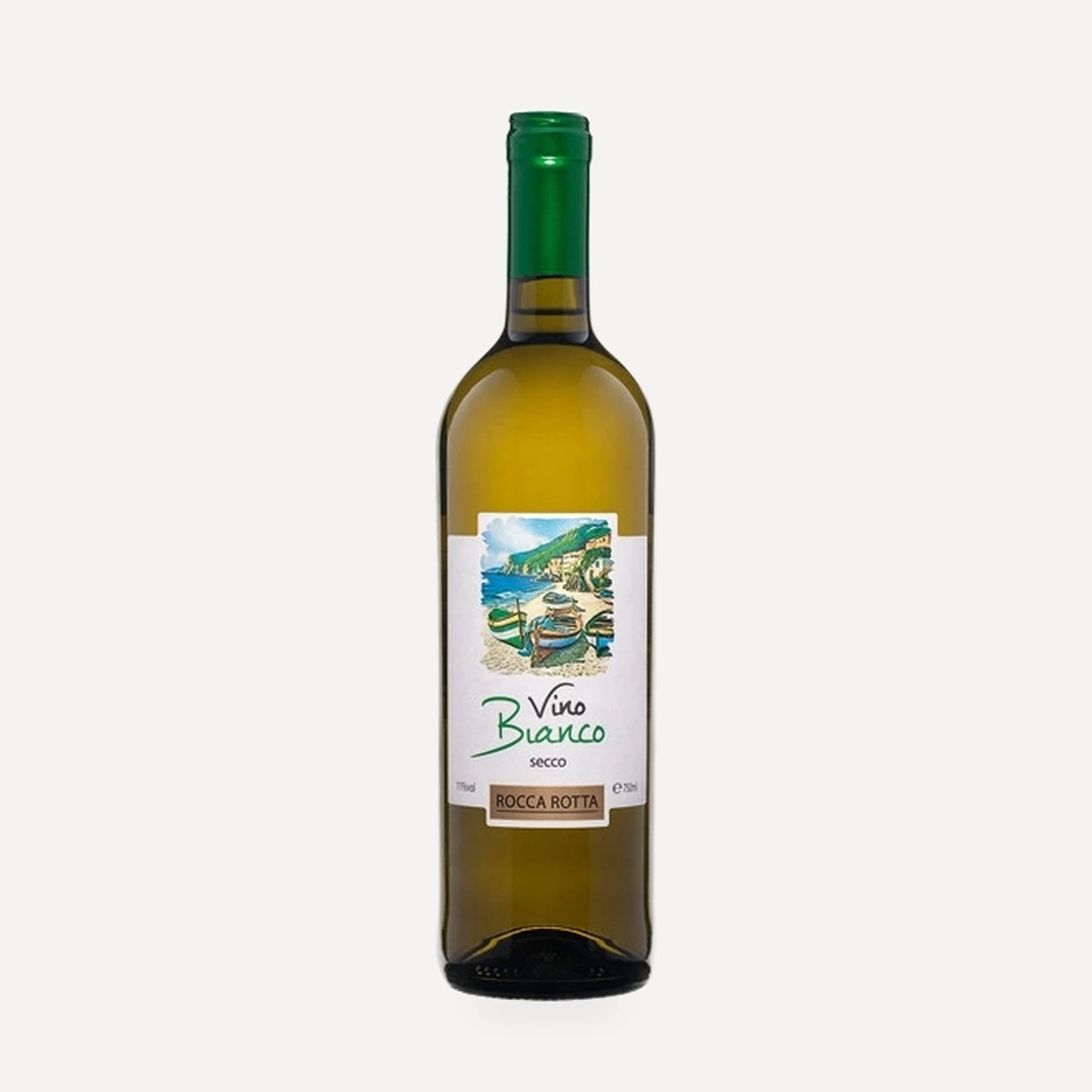
Rocca Rotta Bianco Secco
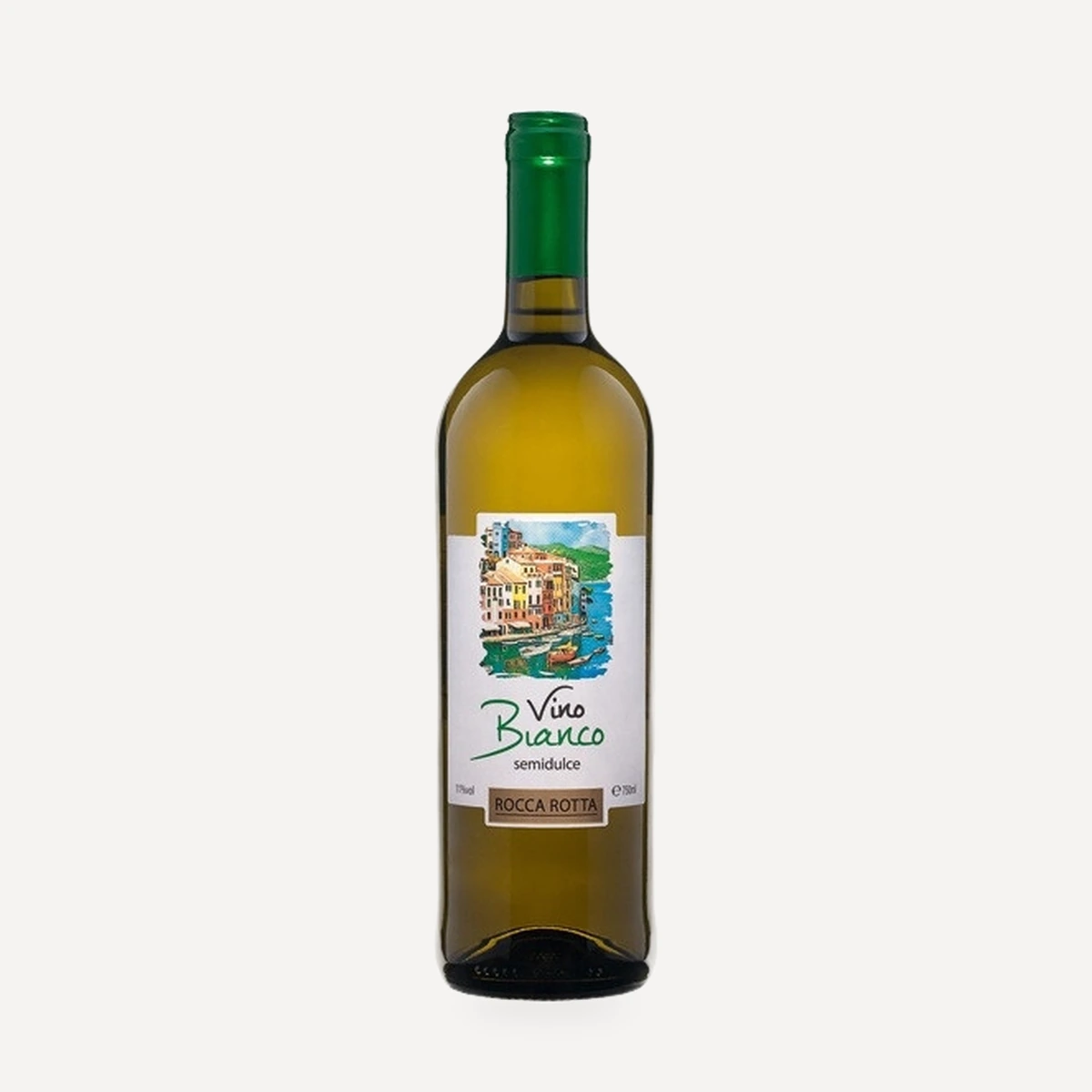
Rocca Rotta Bianco Semidulce
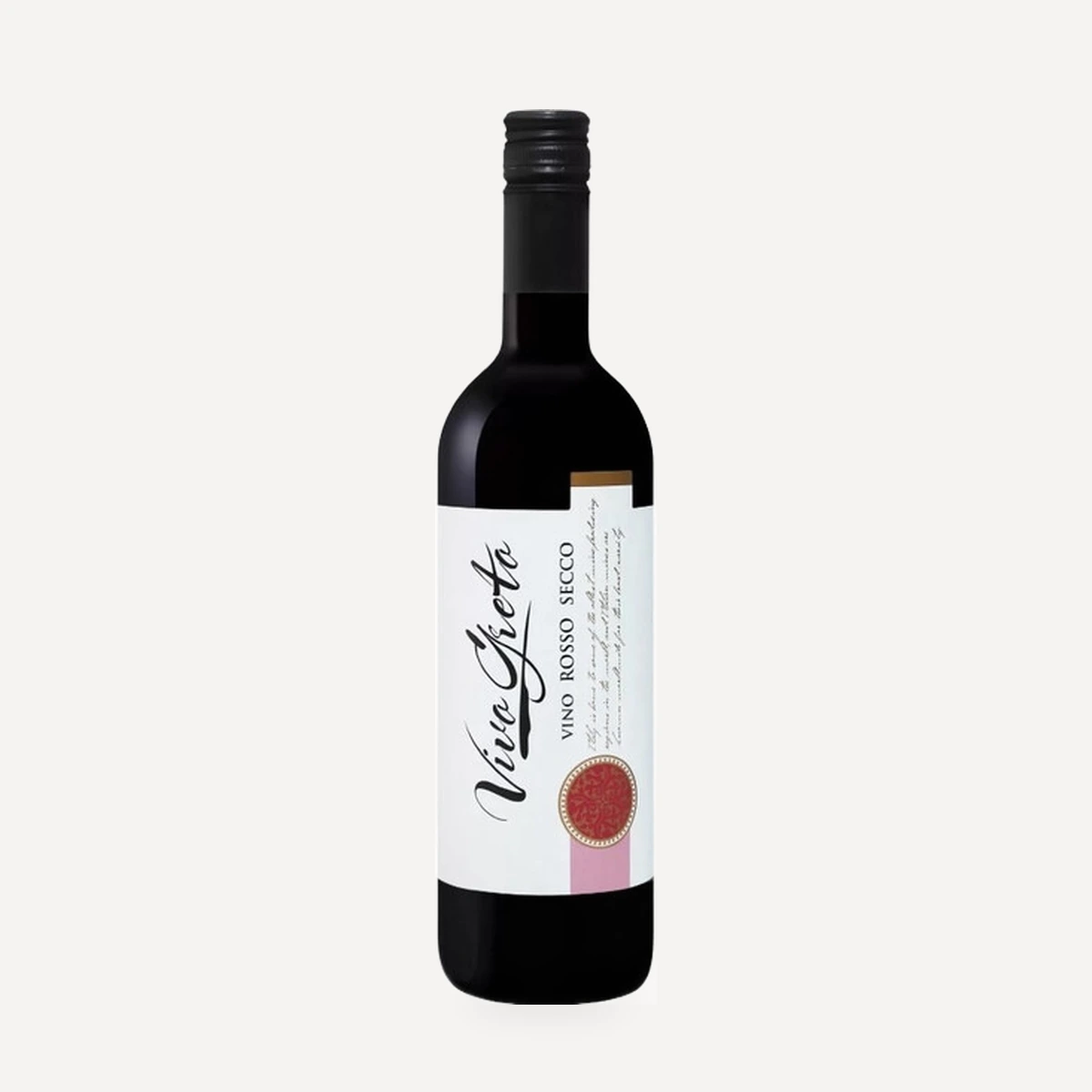
Vivo Greto Rosso Secco
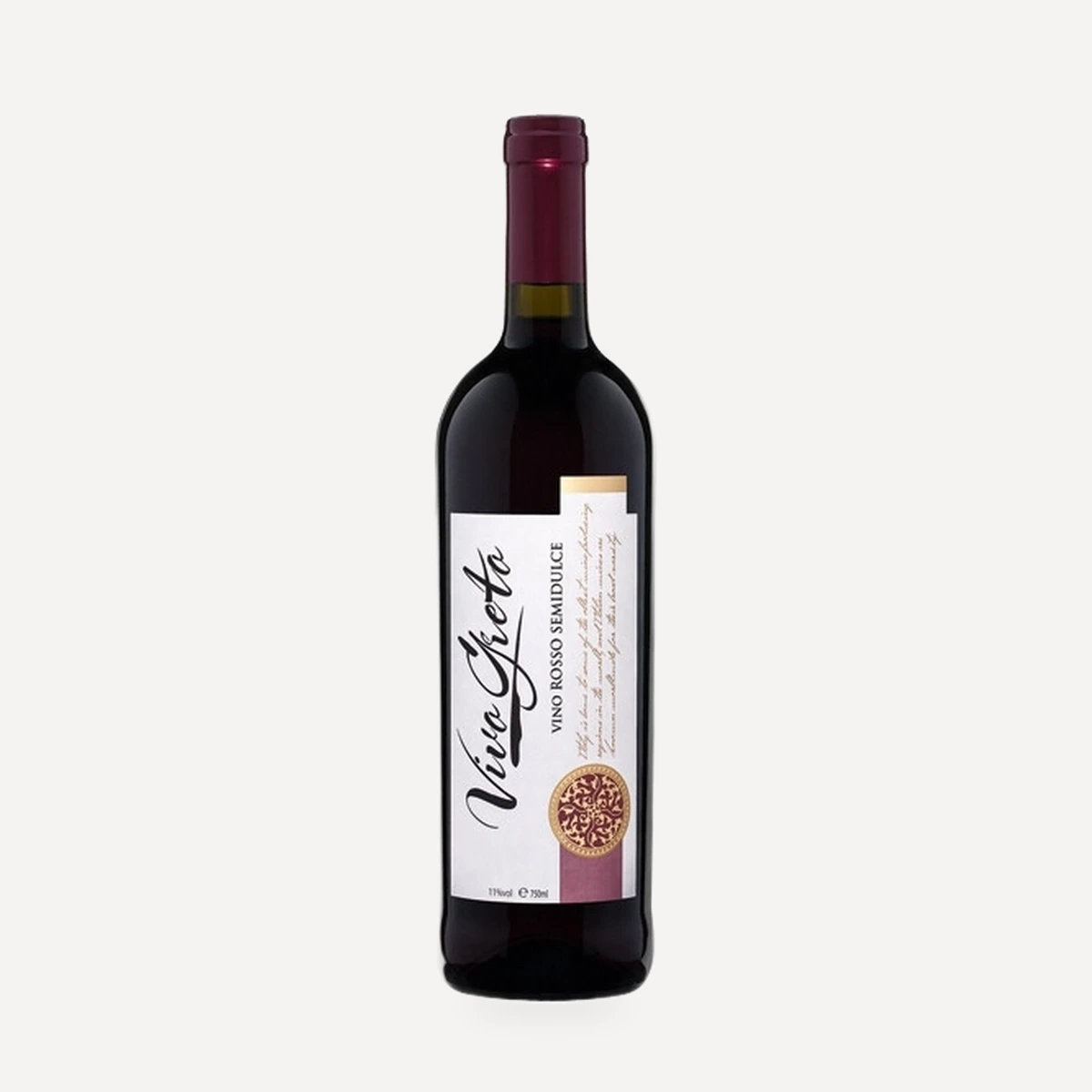
Vivo Greto Rosso Semidulce
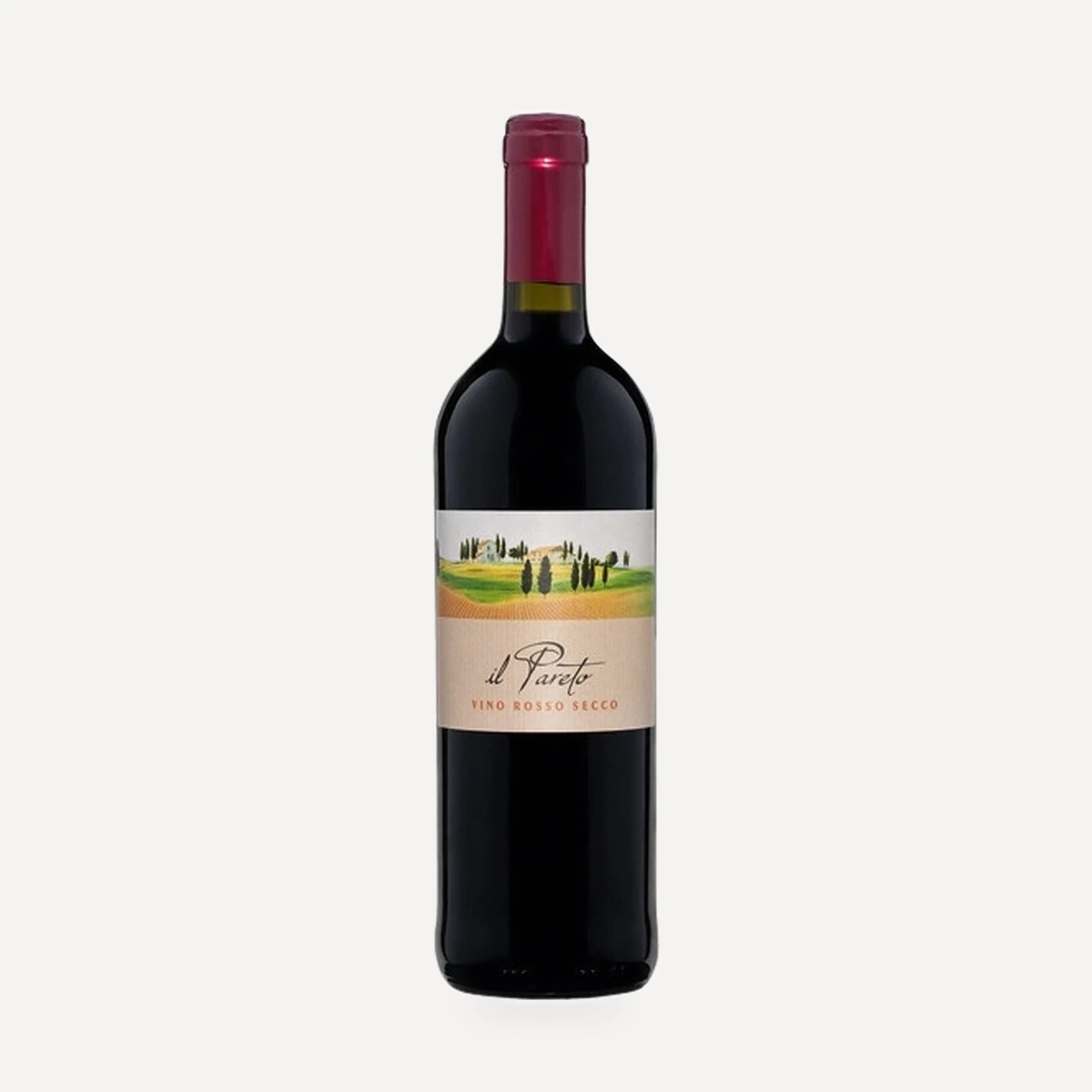
Il Pareto Rosso Secco
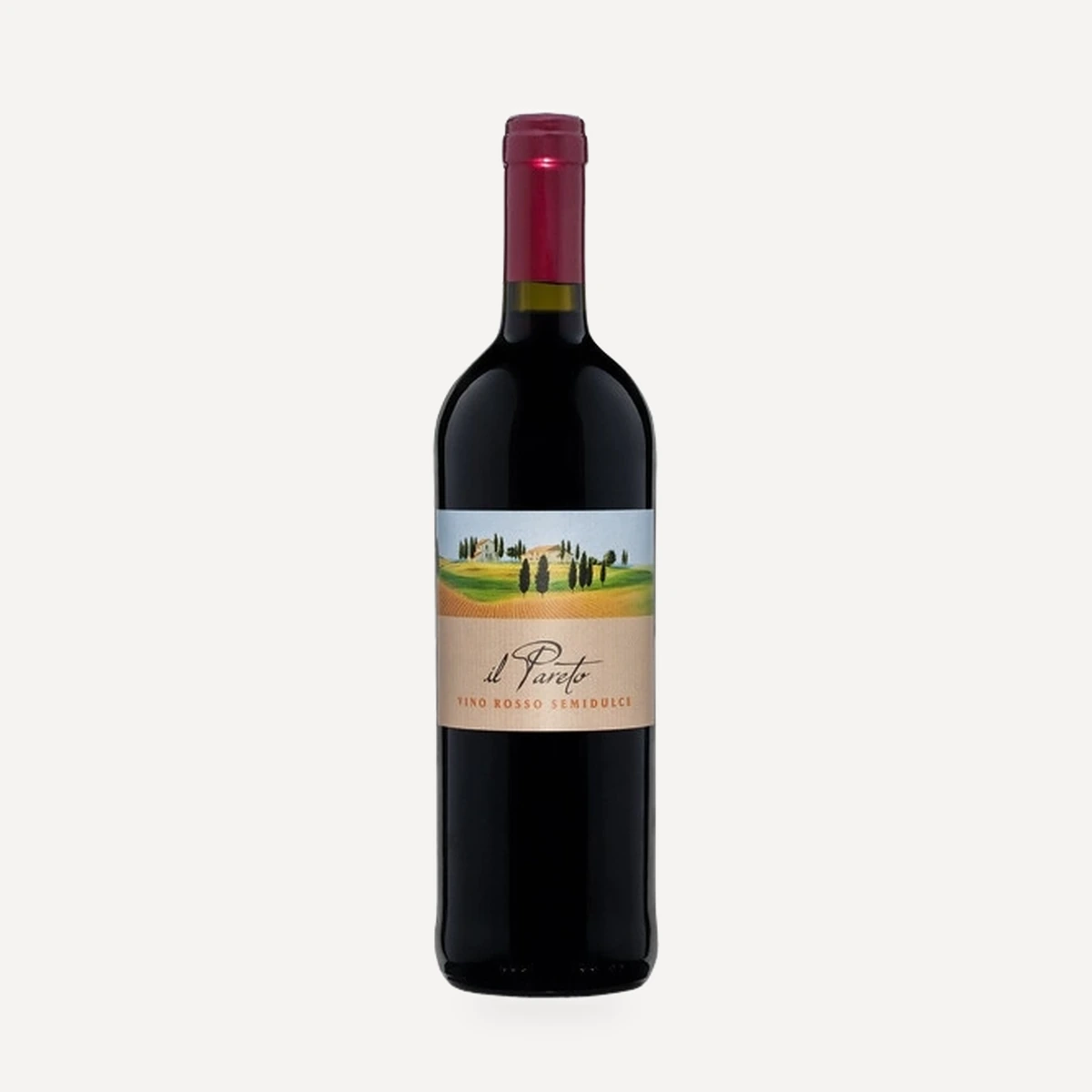
Il Pareto Rosso Semidulce
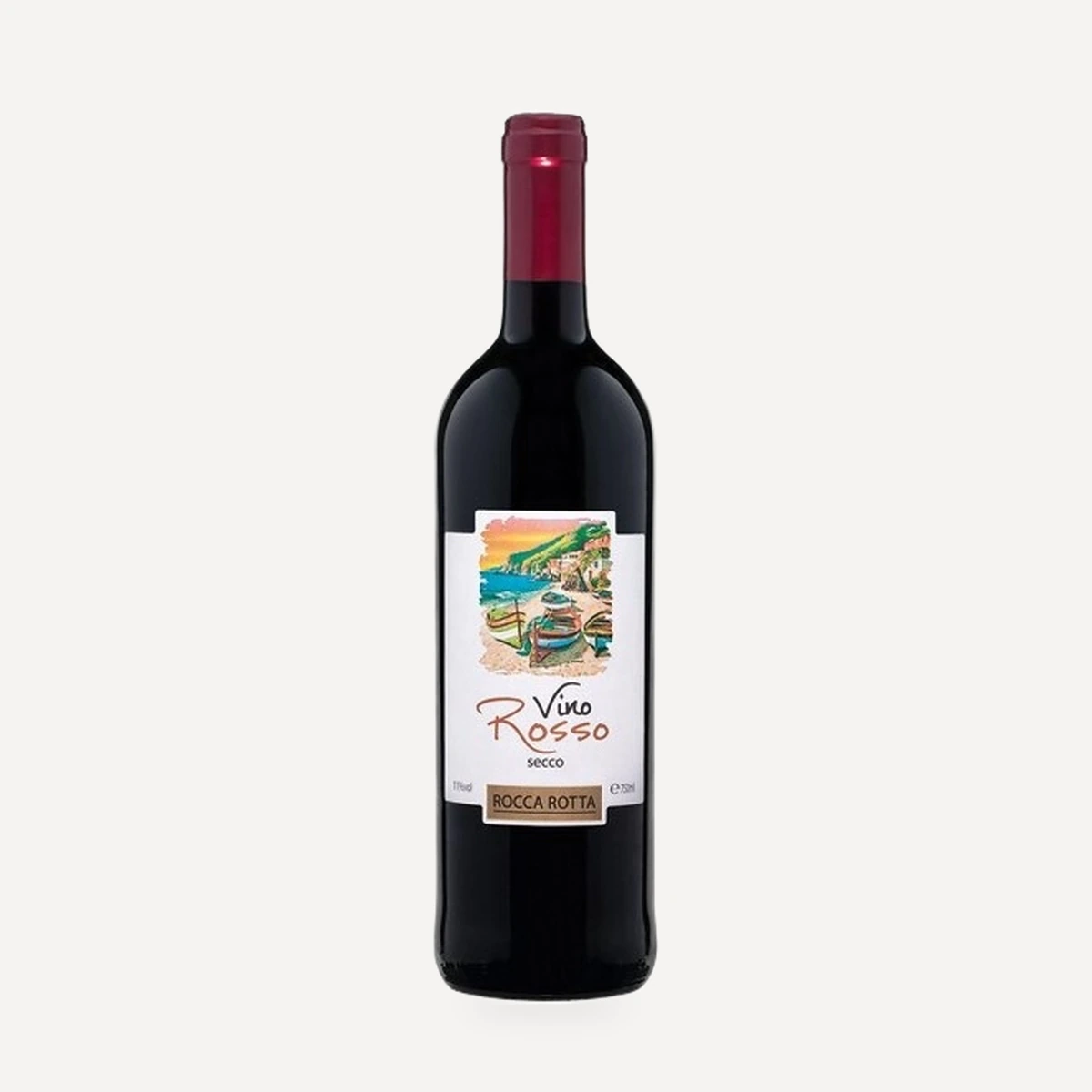
Rocca Rotta Rosso Secco
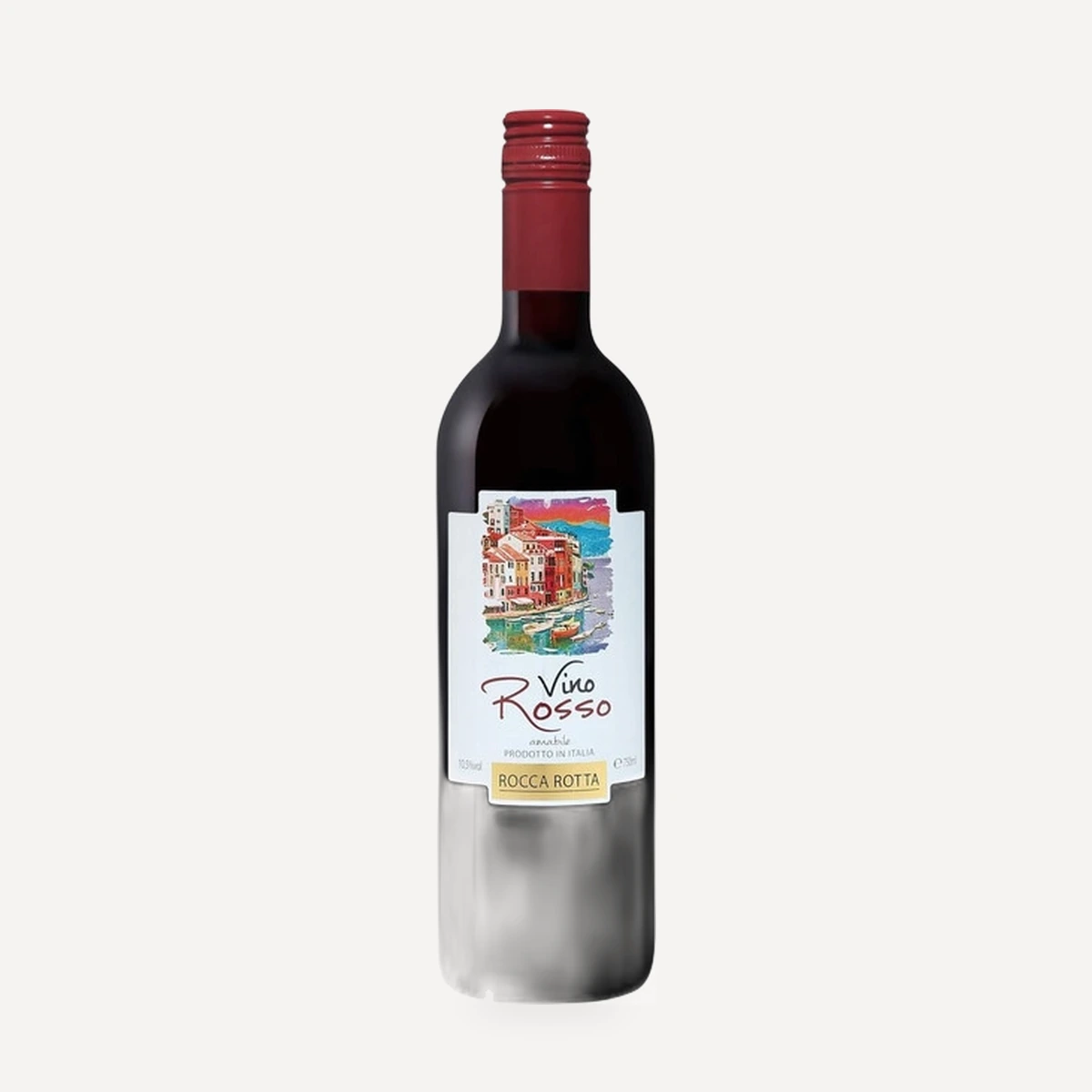
Rocca Rotta Rosso Semidulce
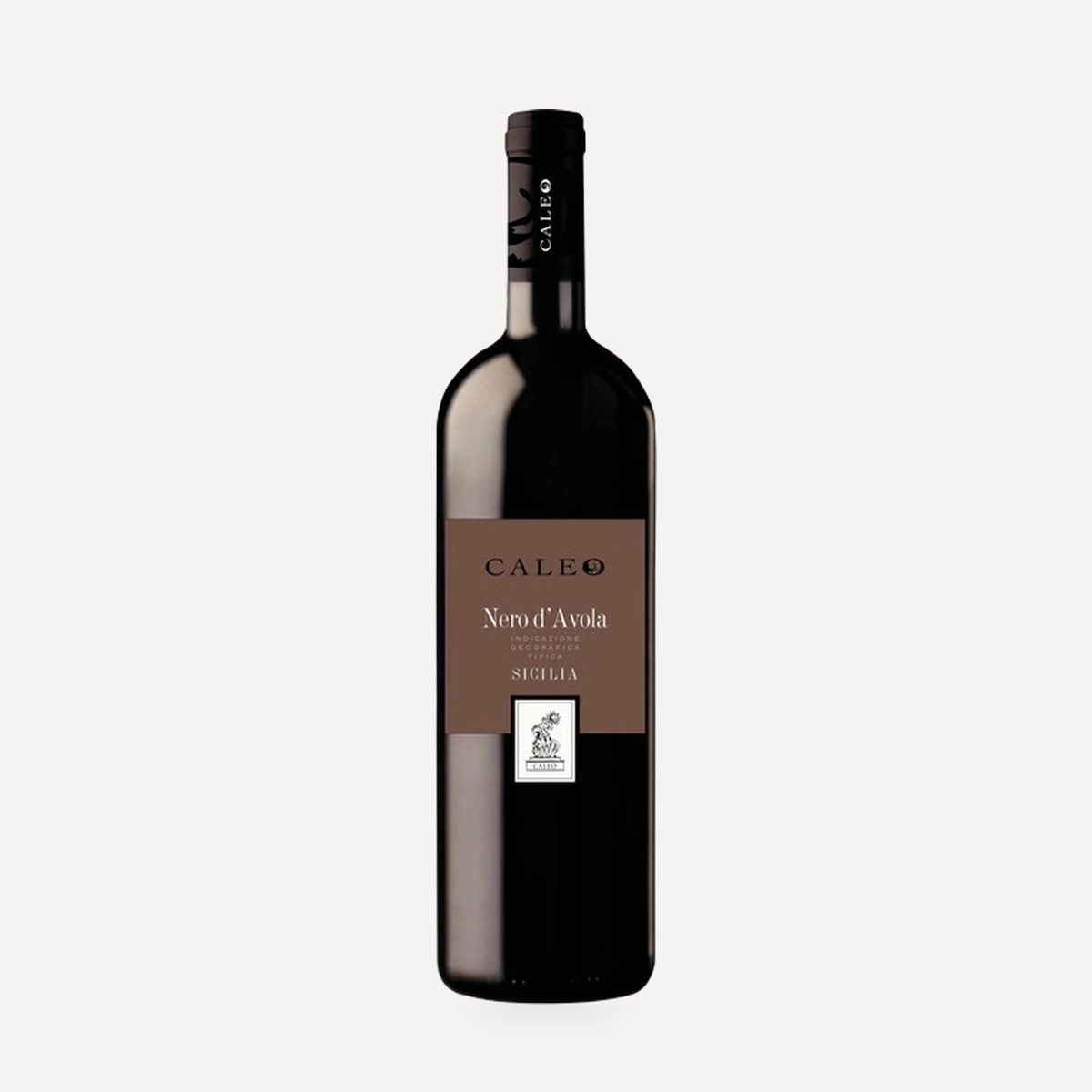
Caleo Nero d'Avola Sicilia IGT
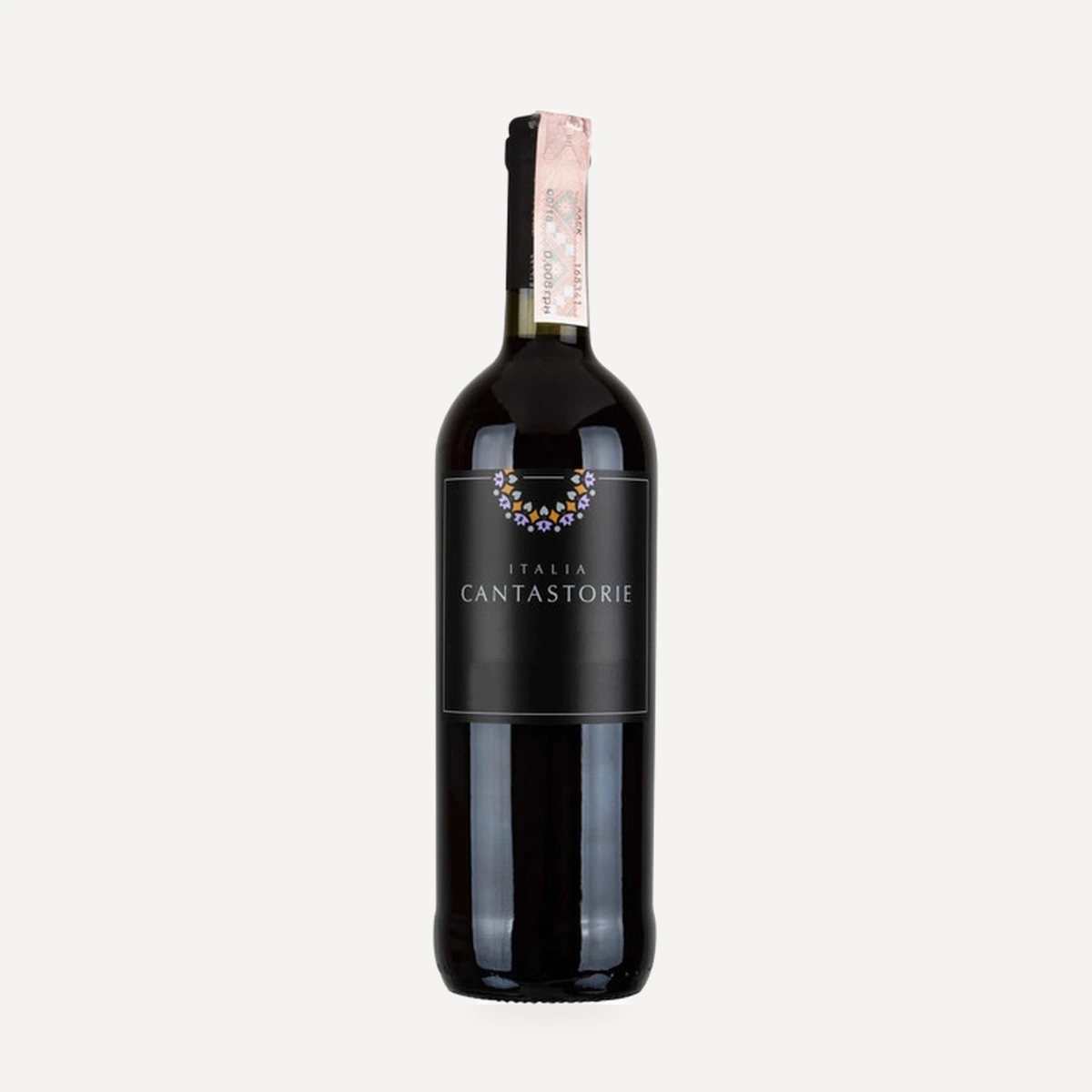
Cantastorie Nero d'Avola Sicilia IGT
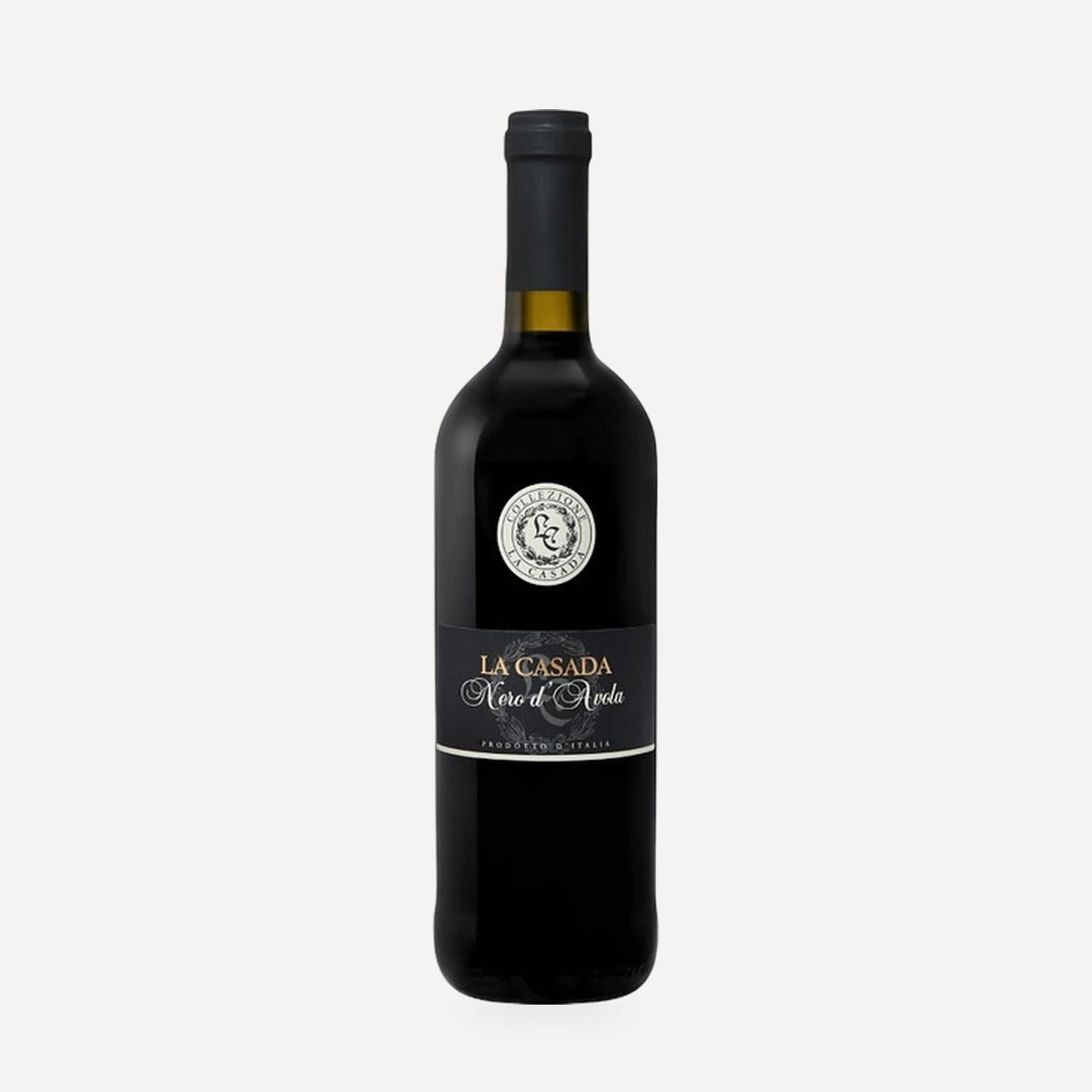
La Casada Nero d'Avola Sicilia IGT
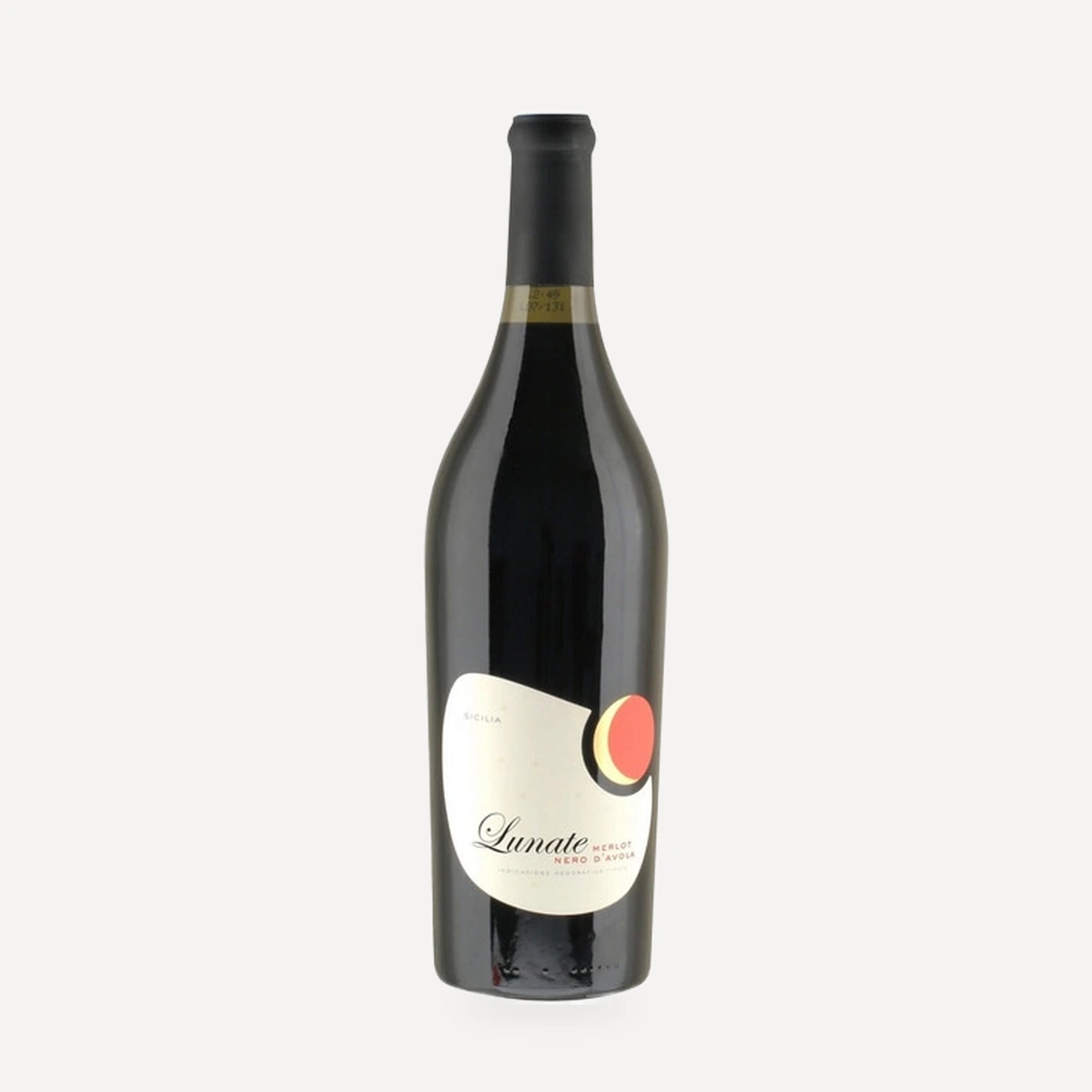
Lunate Merlot Nero d'Avola Terre Siciliane IGT
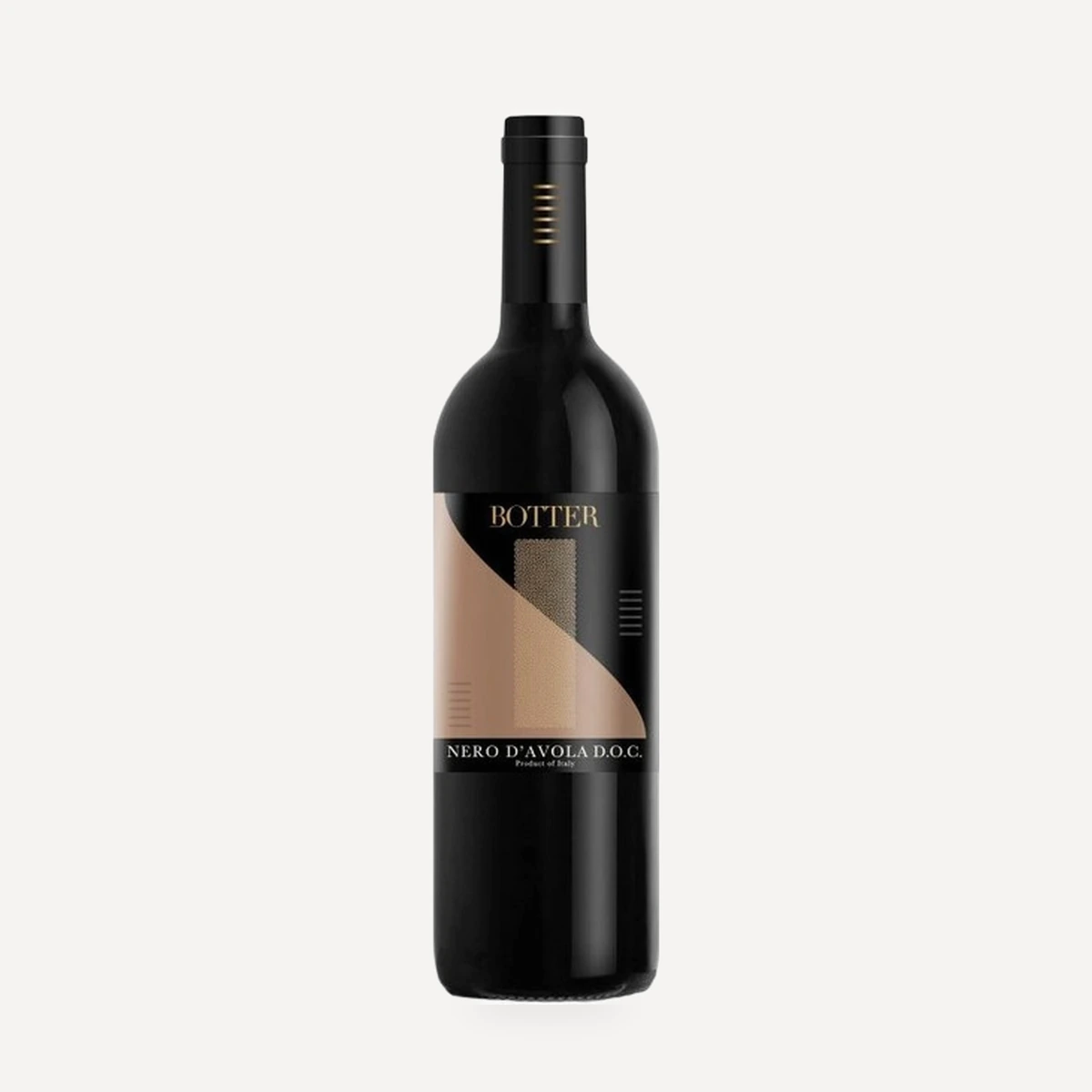
Nero d'Avola DOC
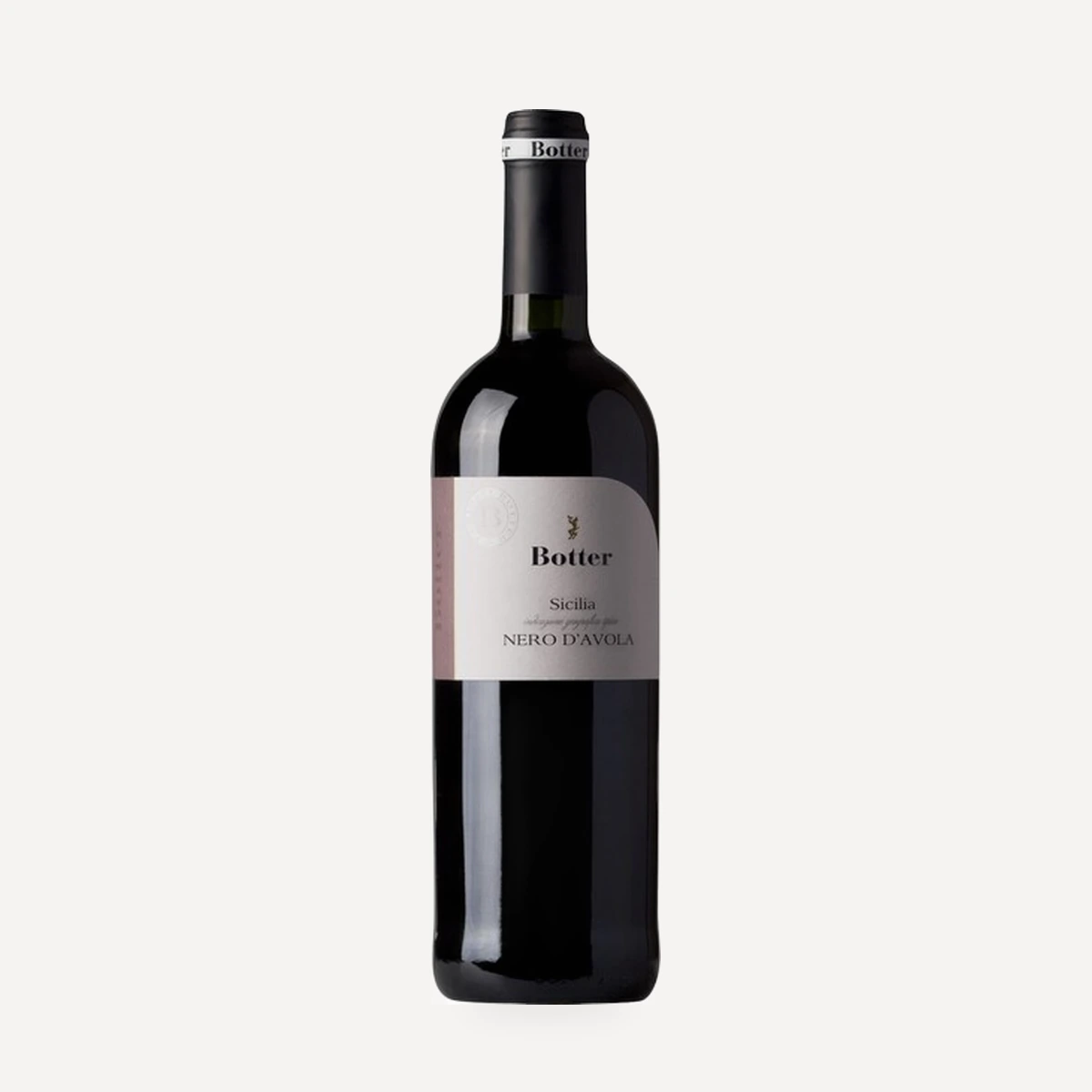
Nero d'Avola Sicilia IGT
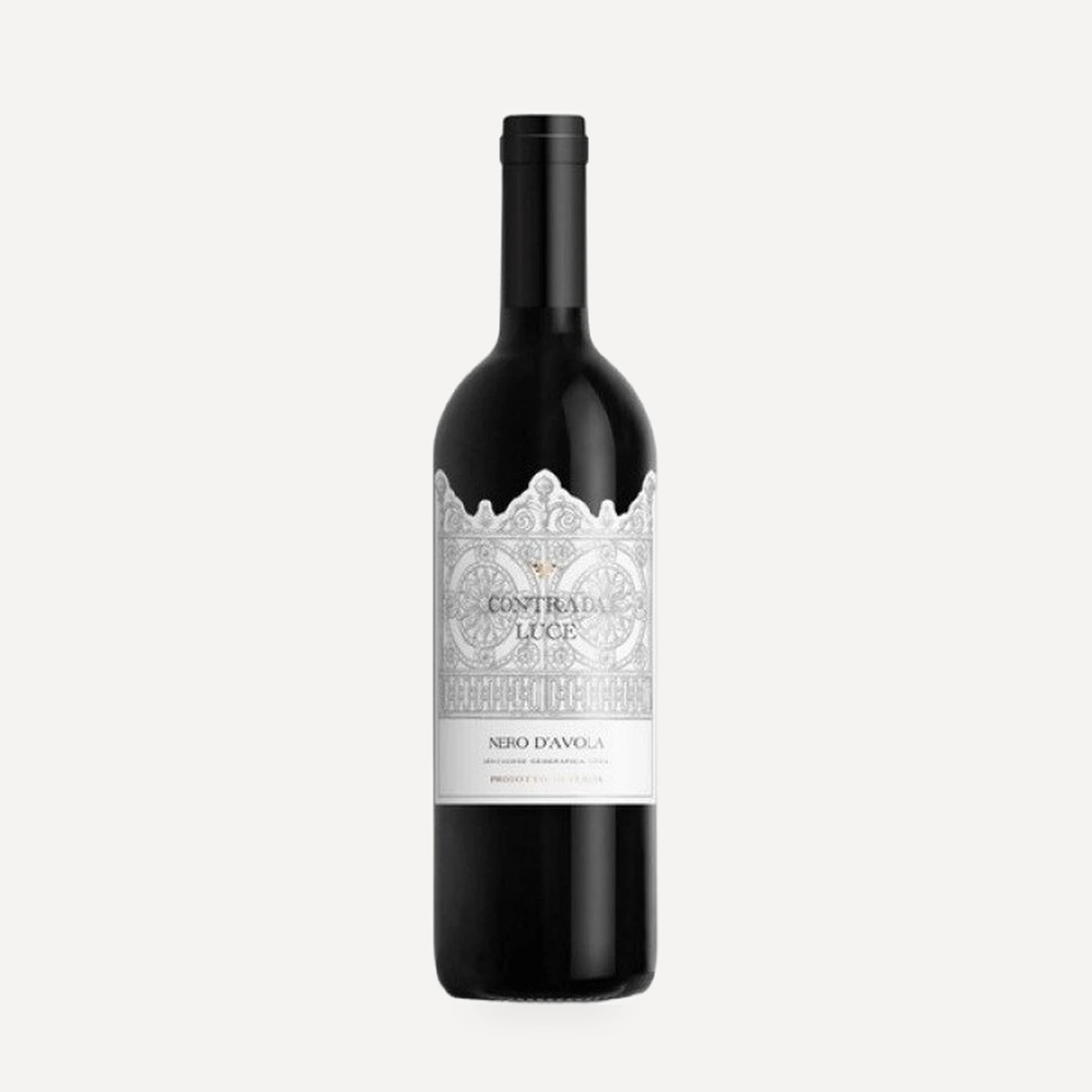
Contrada Luce Nero d'Avola Sicilia IGT
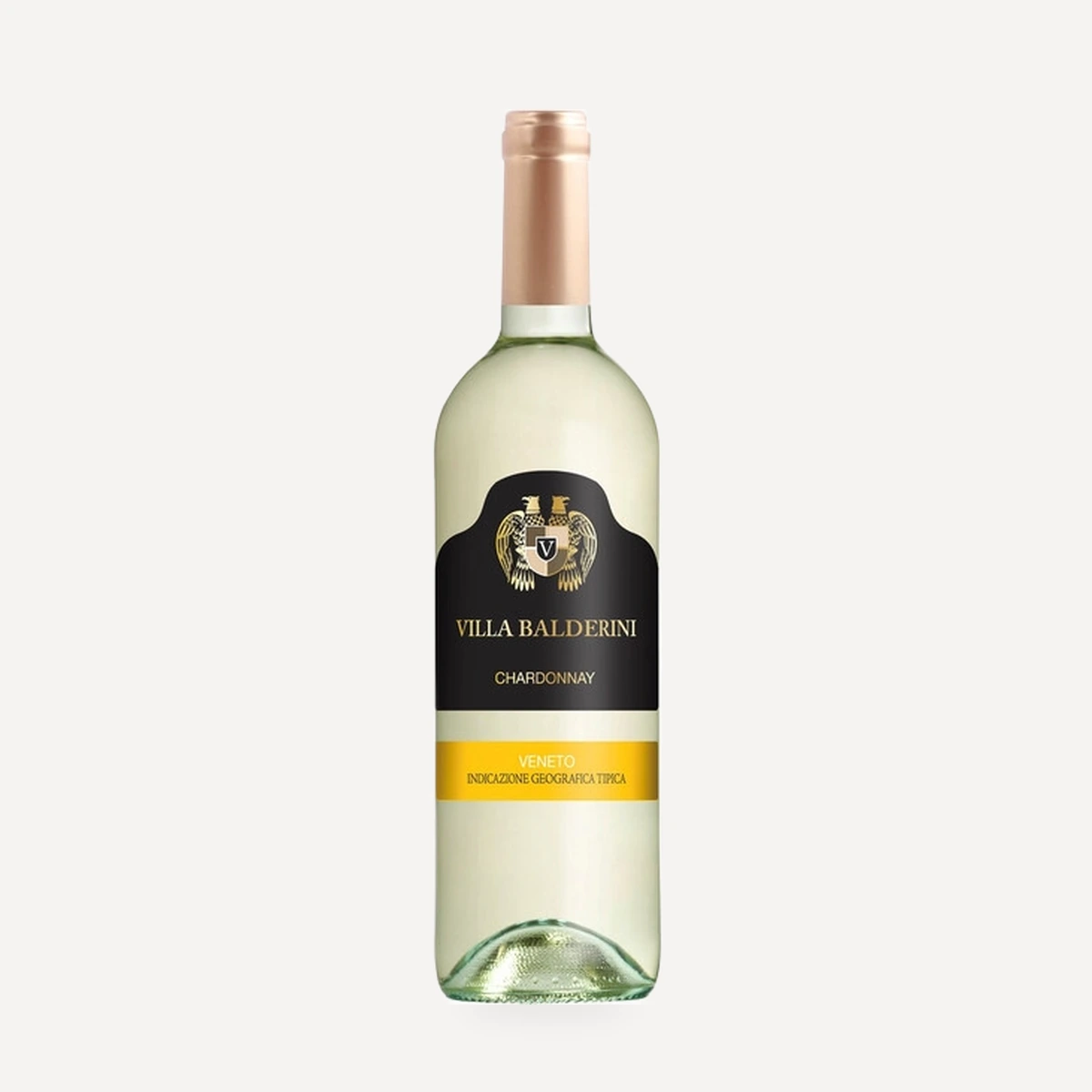
Villa Balderini Chardonnay Veneto IGT
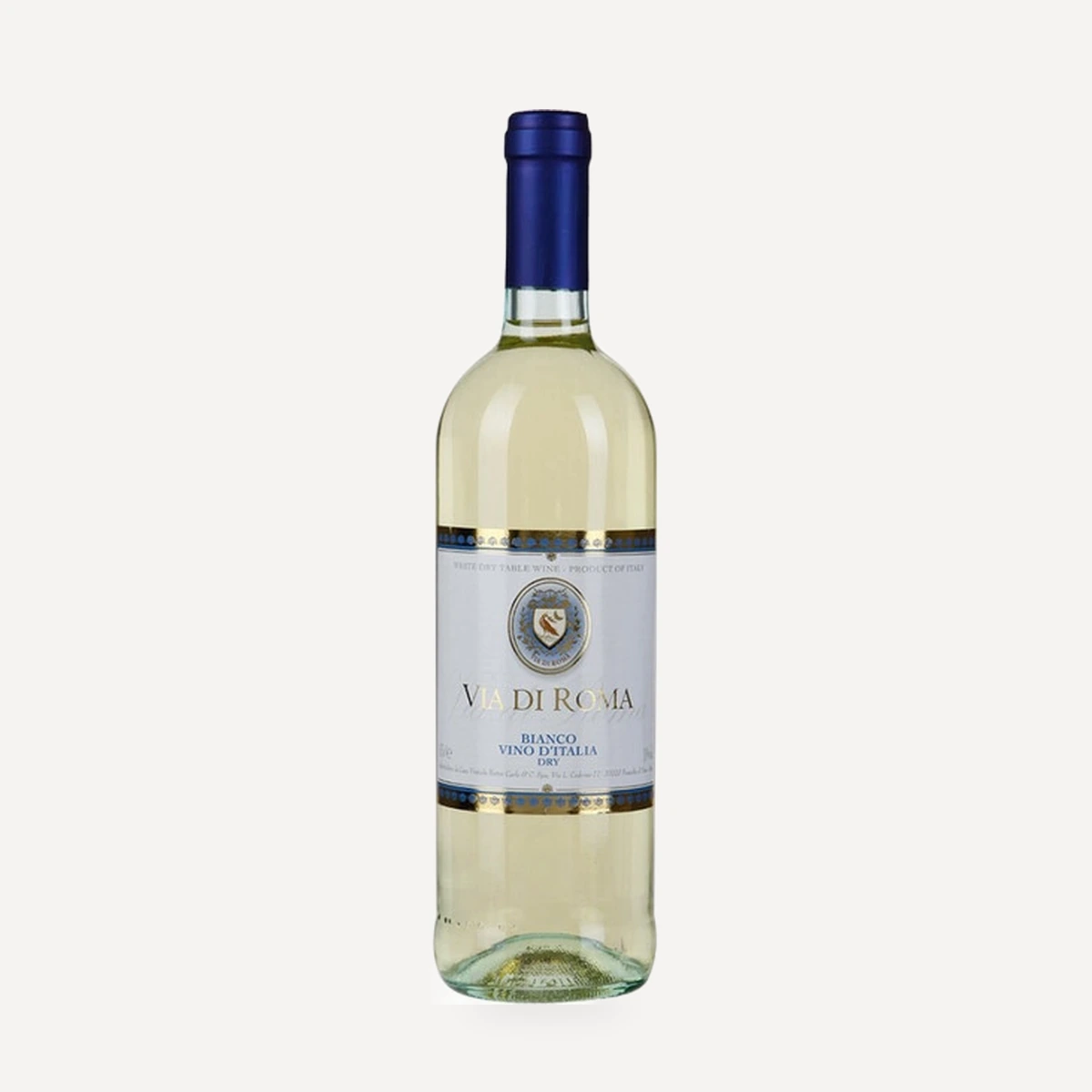
Via Di Roma Bianco Dry
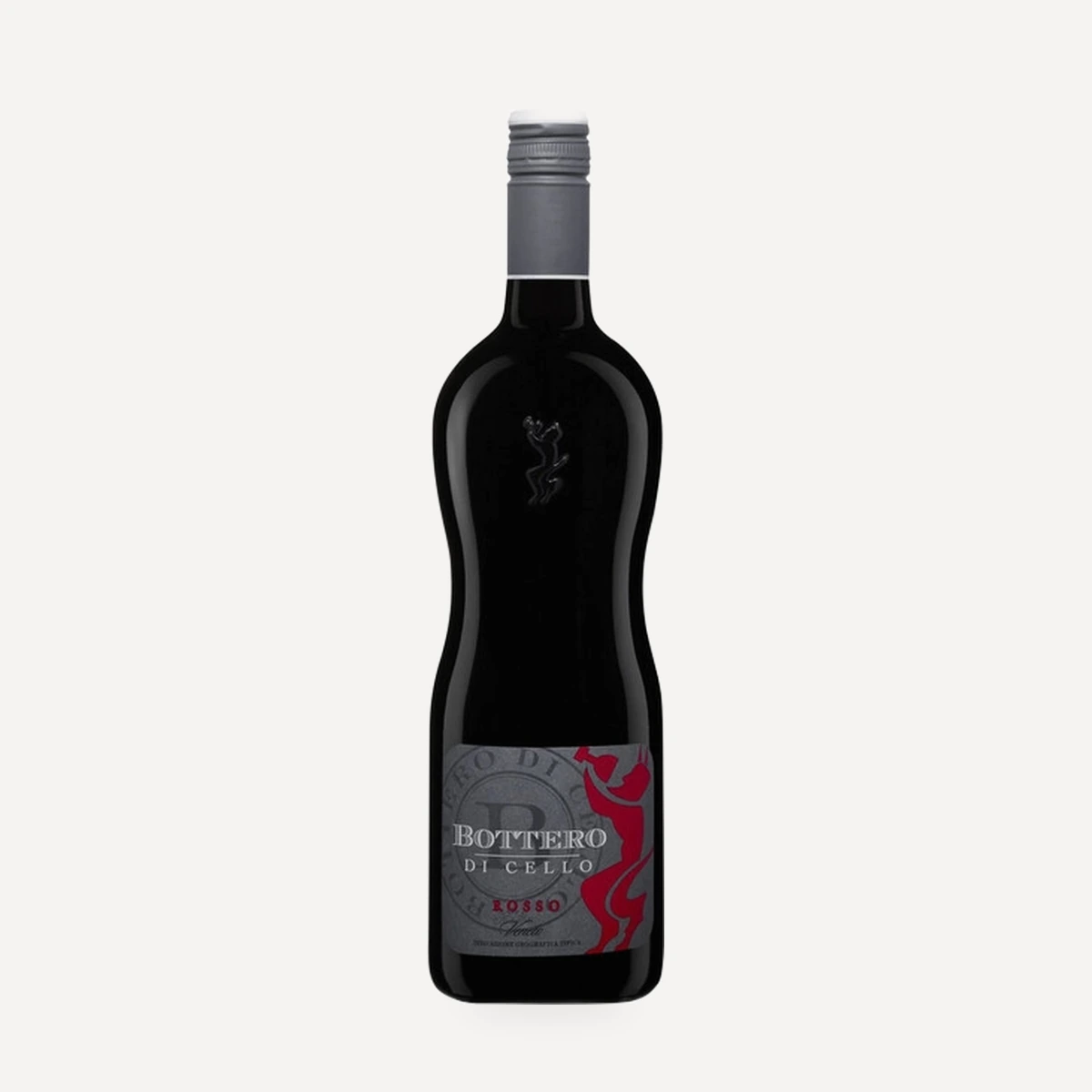
Bottero di Cello Rosso Veneto IGT
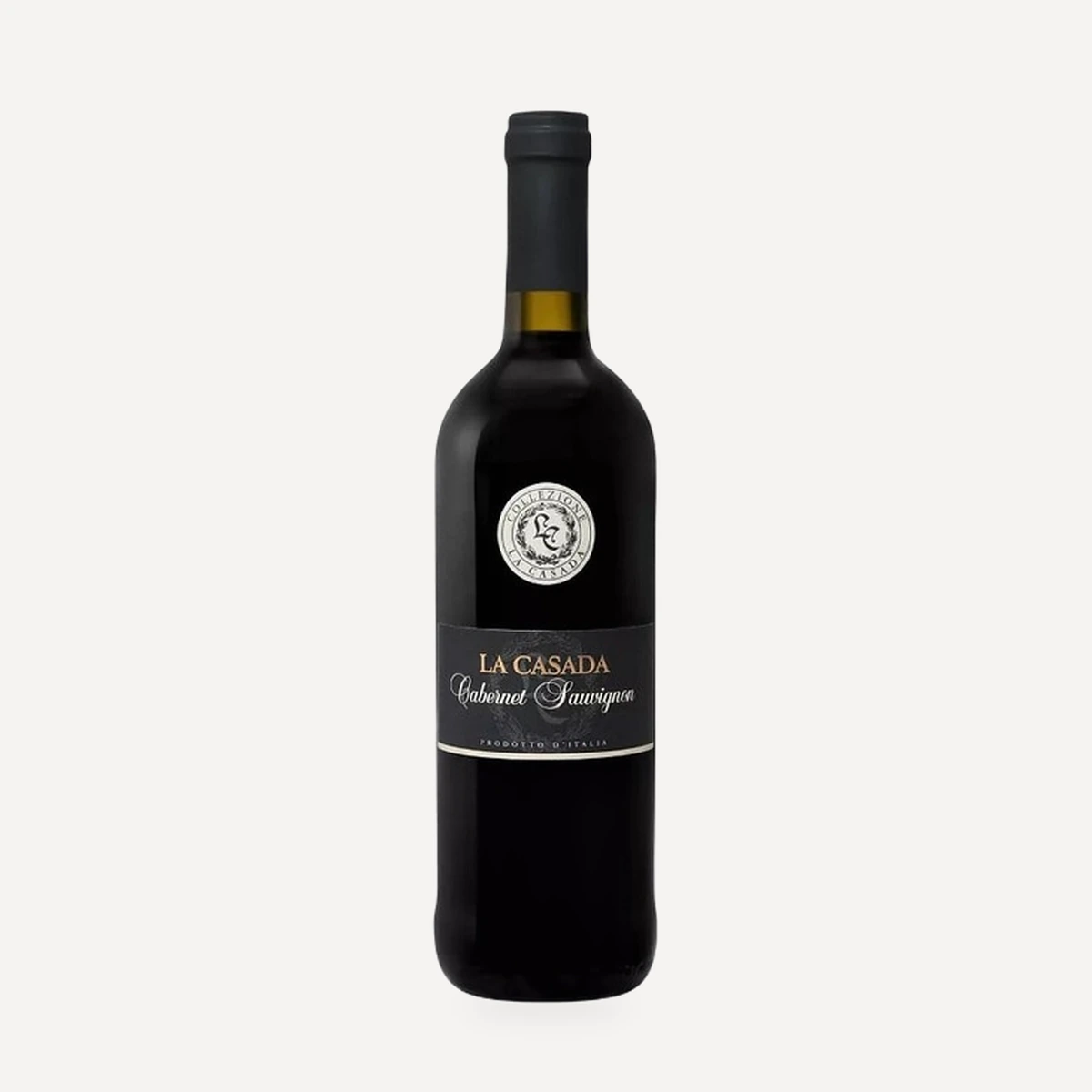
La Casada Cabernet Sauvignon Veneto IGT
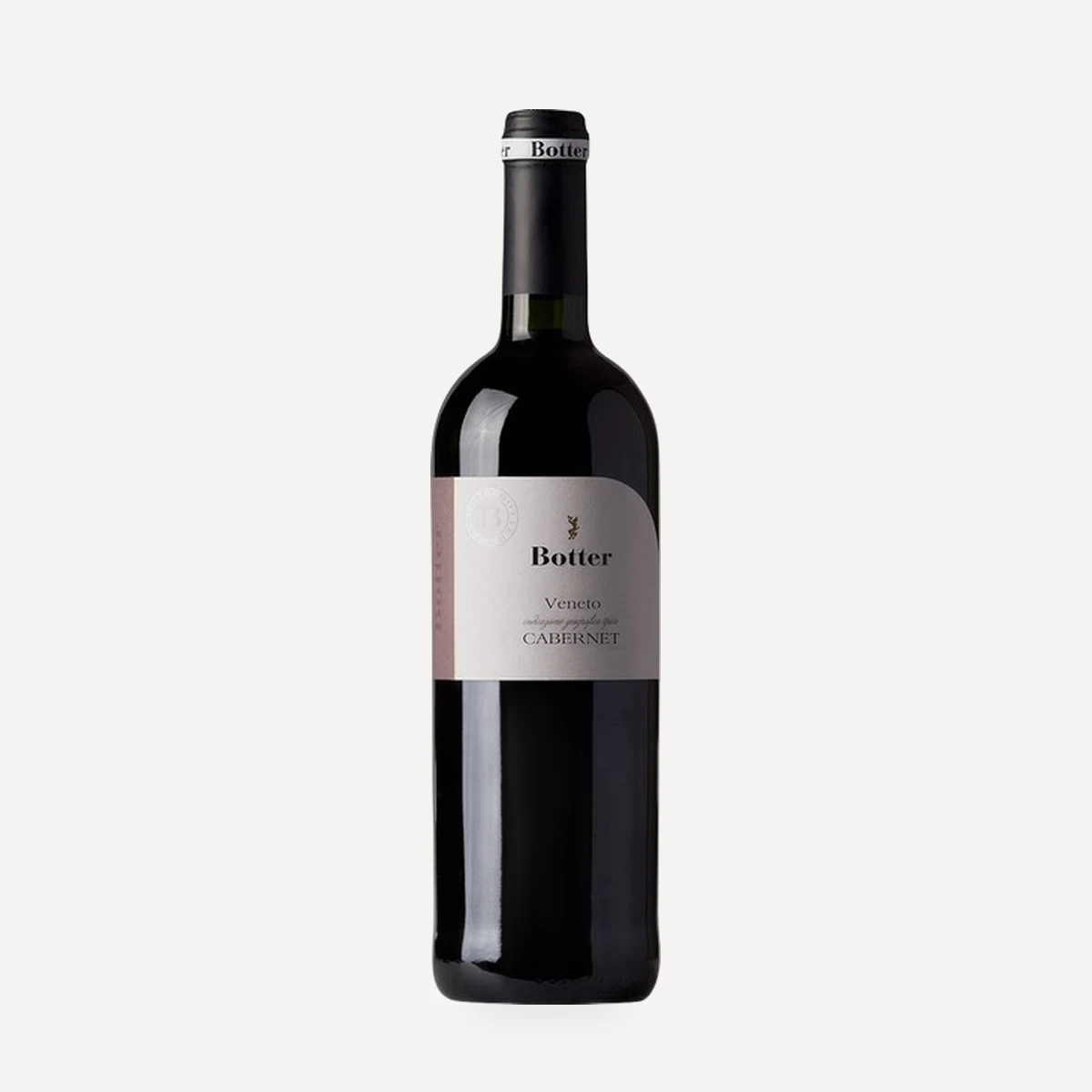
Cabernet Veneto IGT
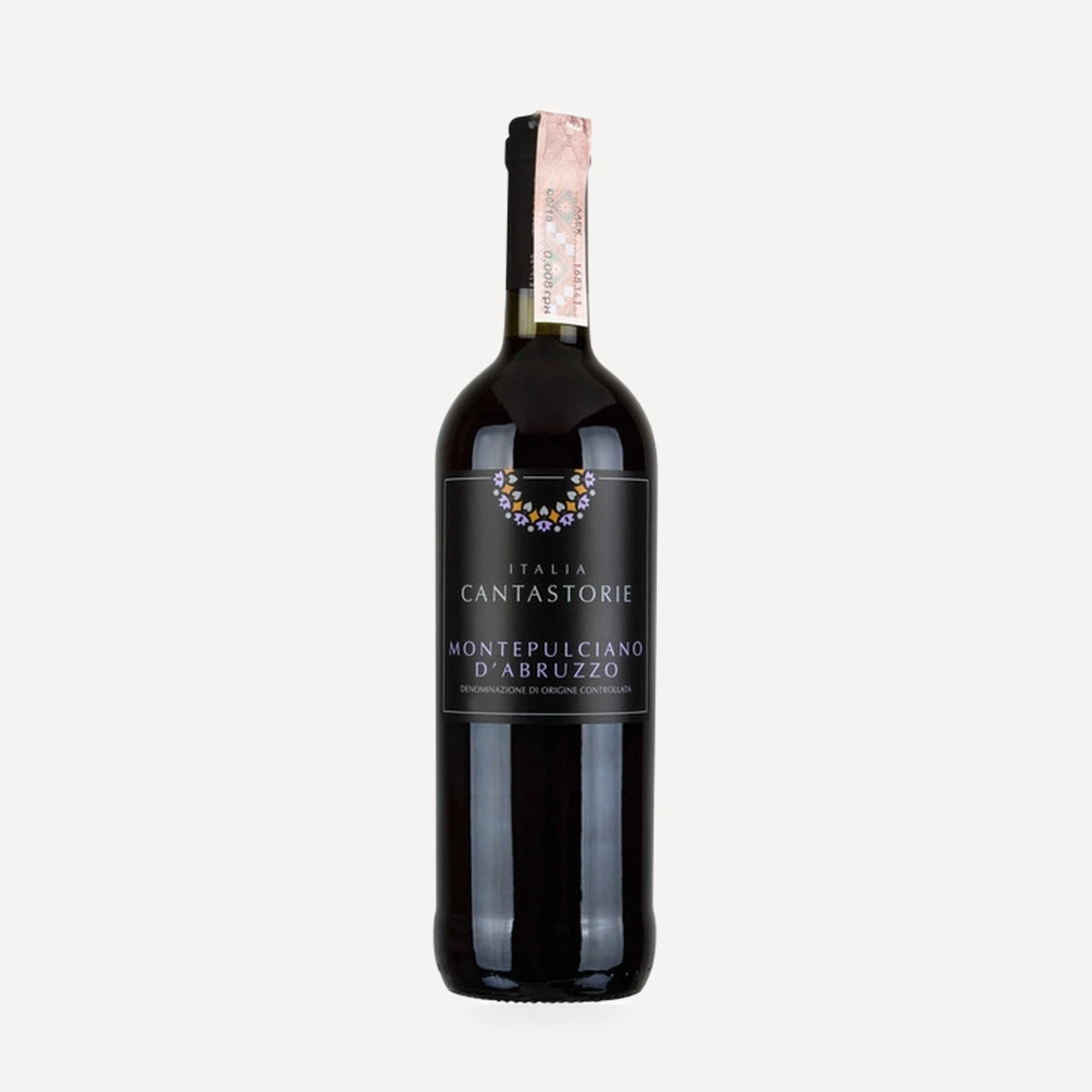
Cantastorie Montepulciano DOC
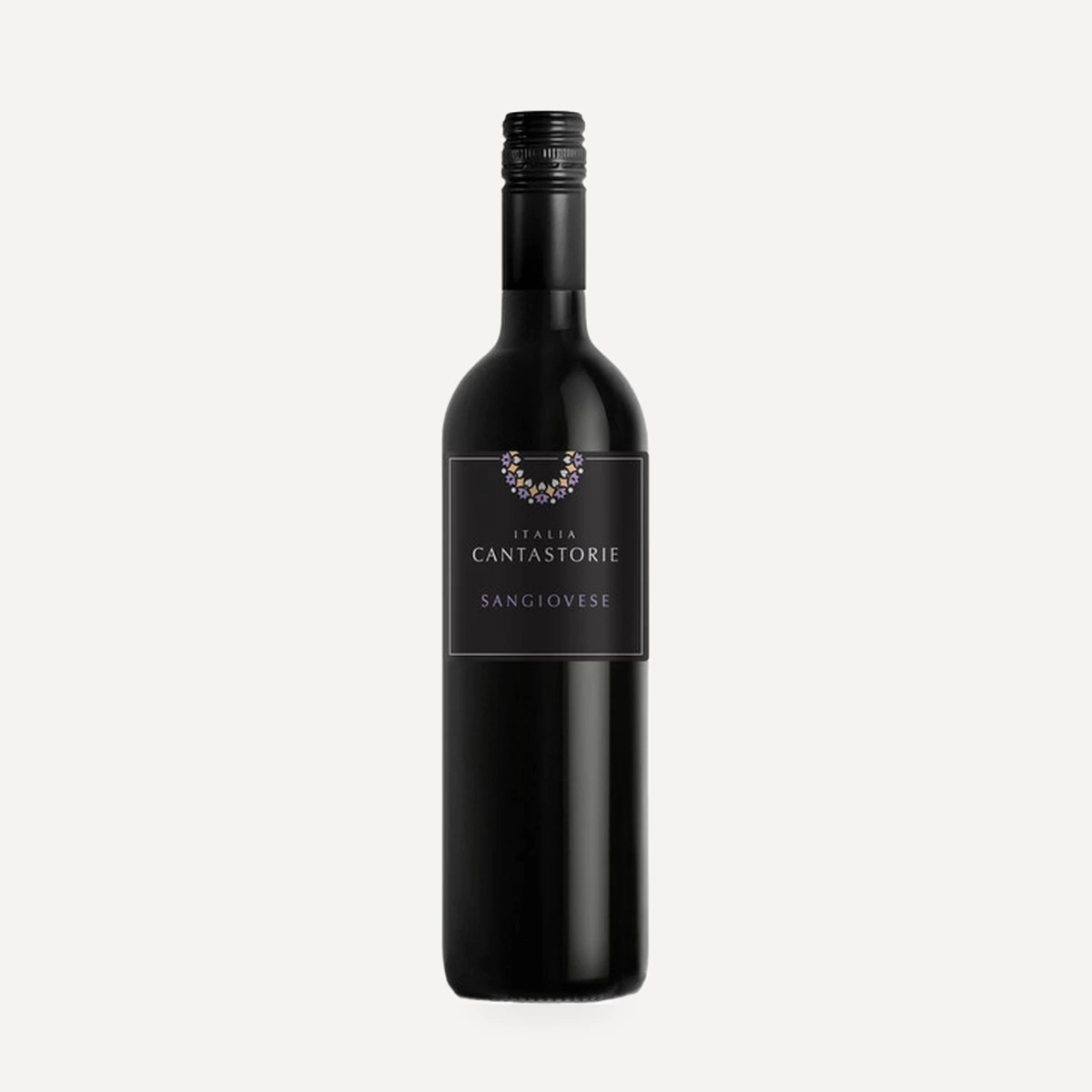
Cantastorie Sangiovese IGT
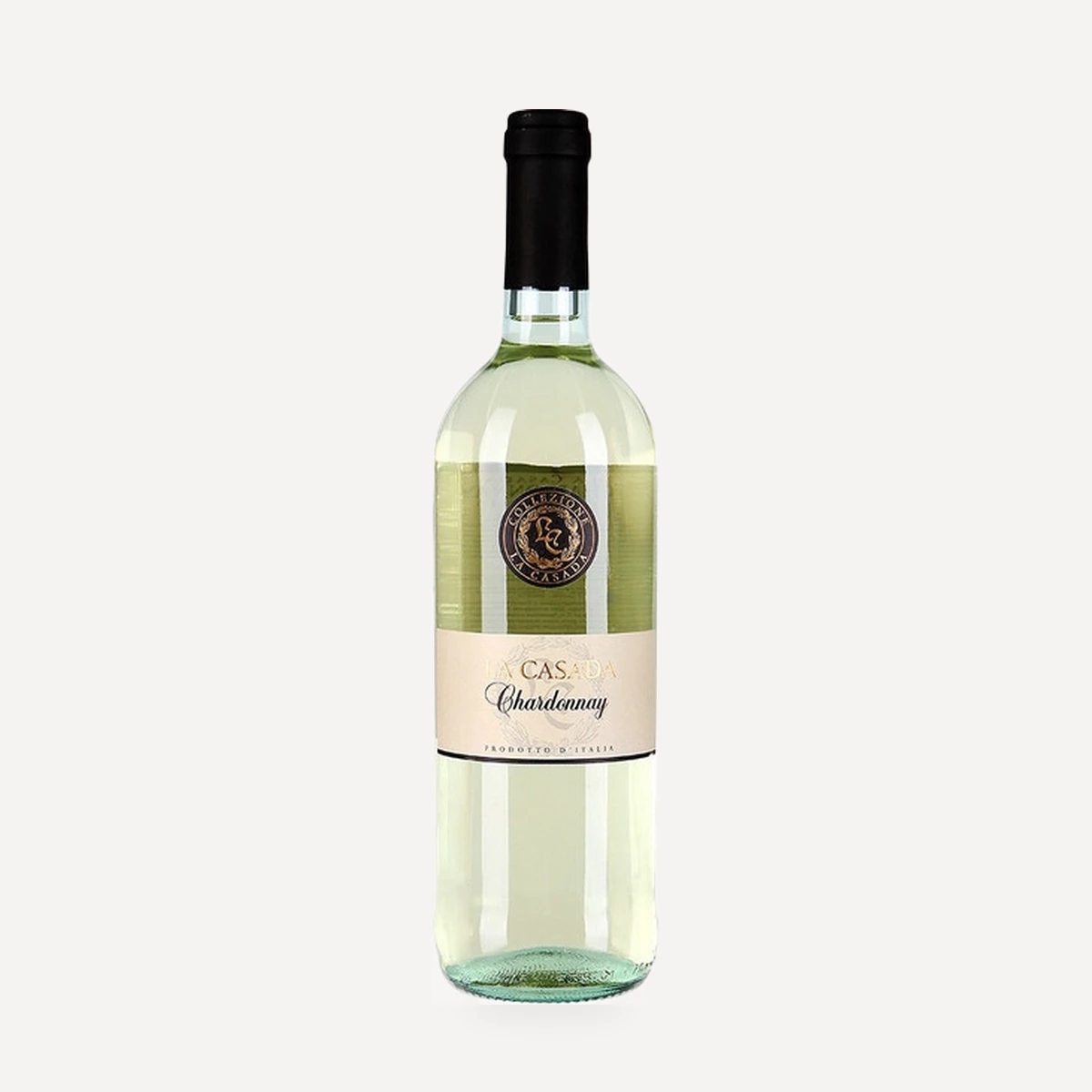
La Casada Chardonnay Veneto IGT
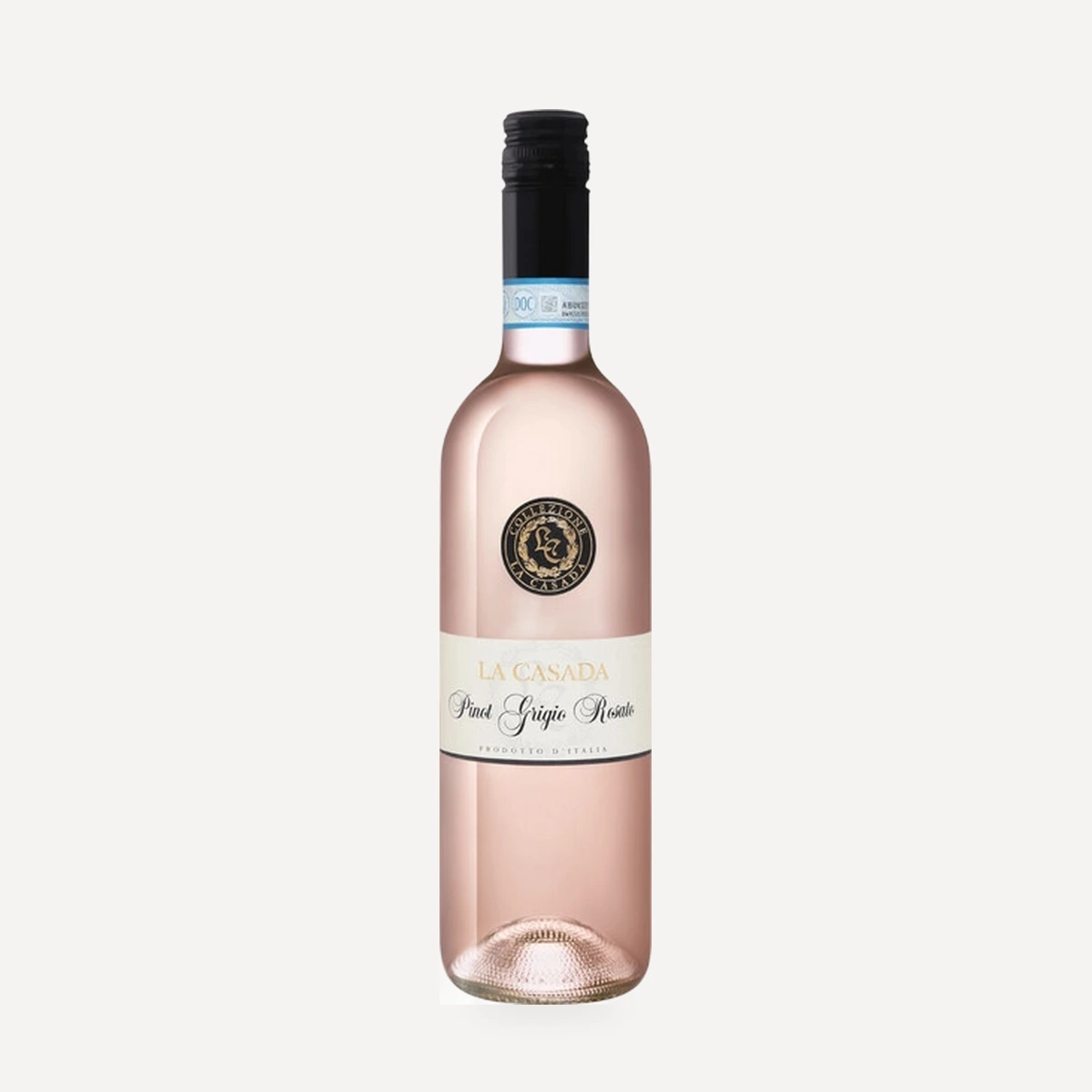
La Casada Pinot Grigio Rosato Terre Siciliane IGP
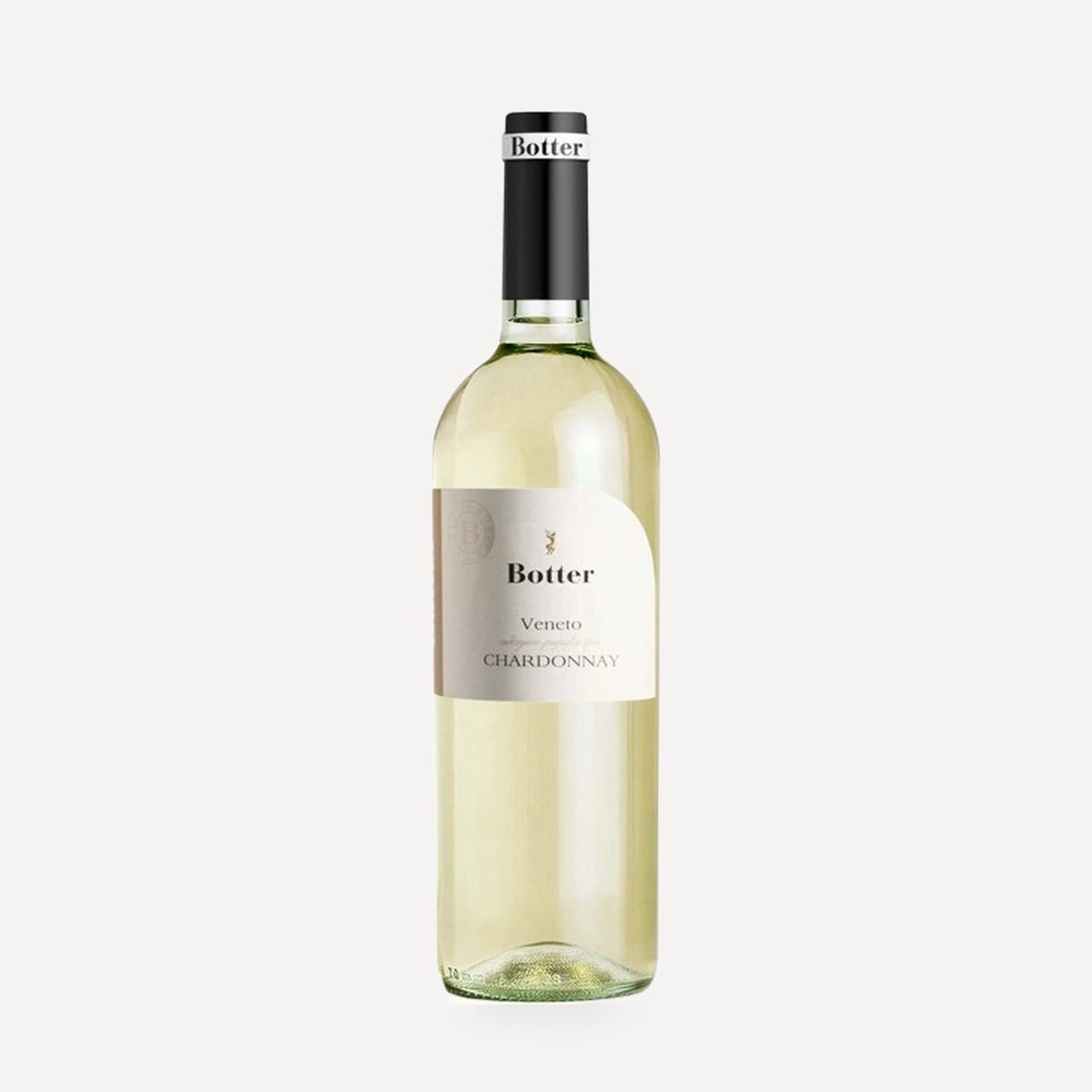
Chardonnay Veneto IGT
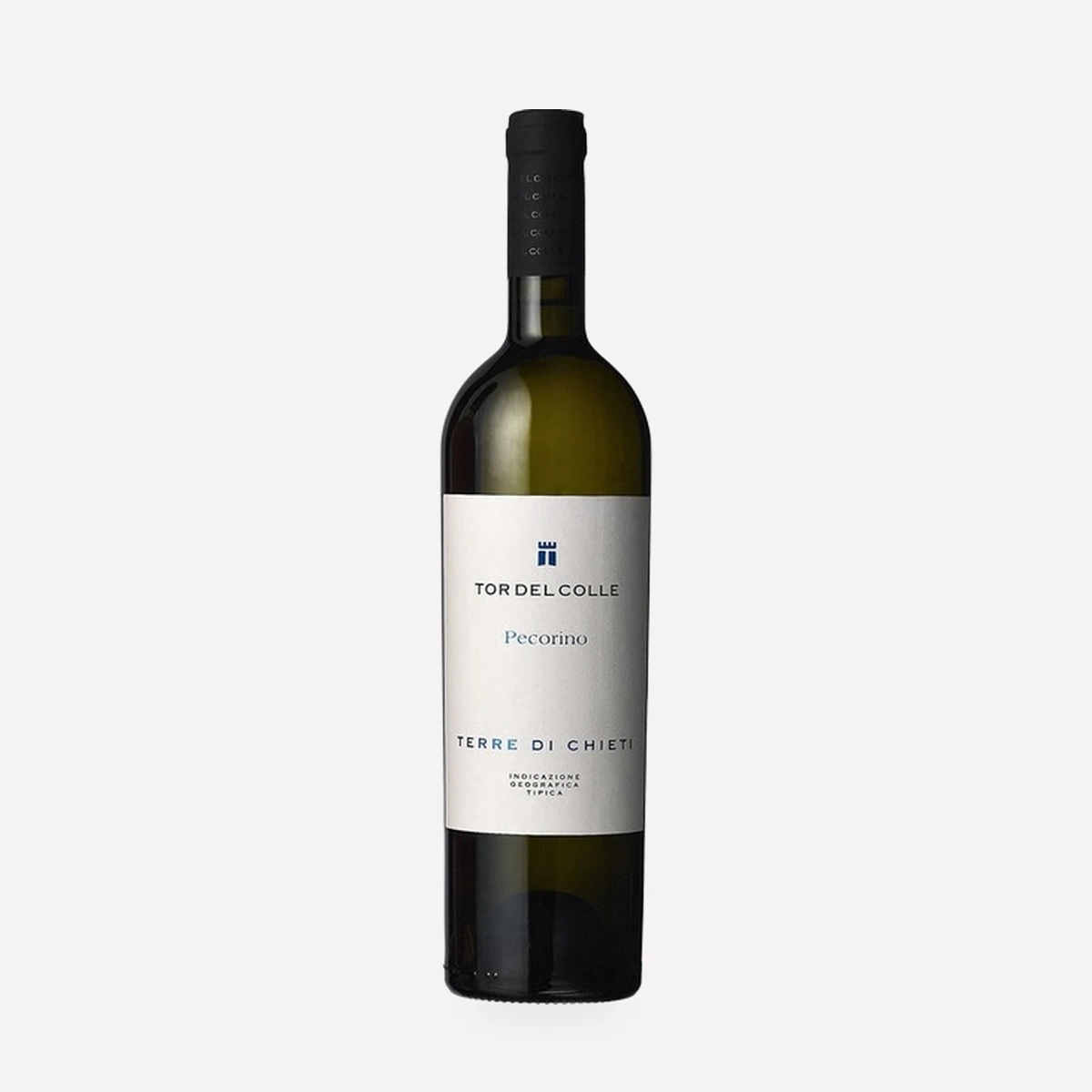
Tor del Colle Pecorino Terre di Chieti IGT
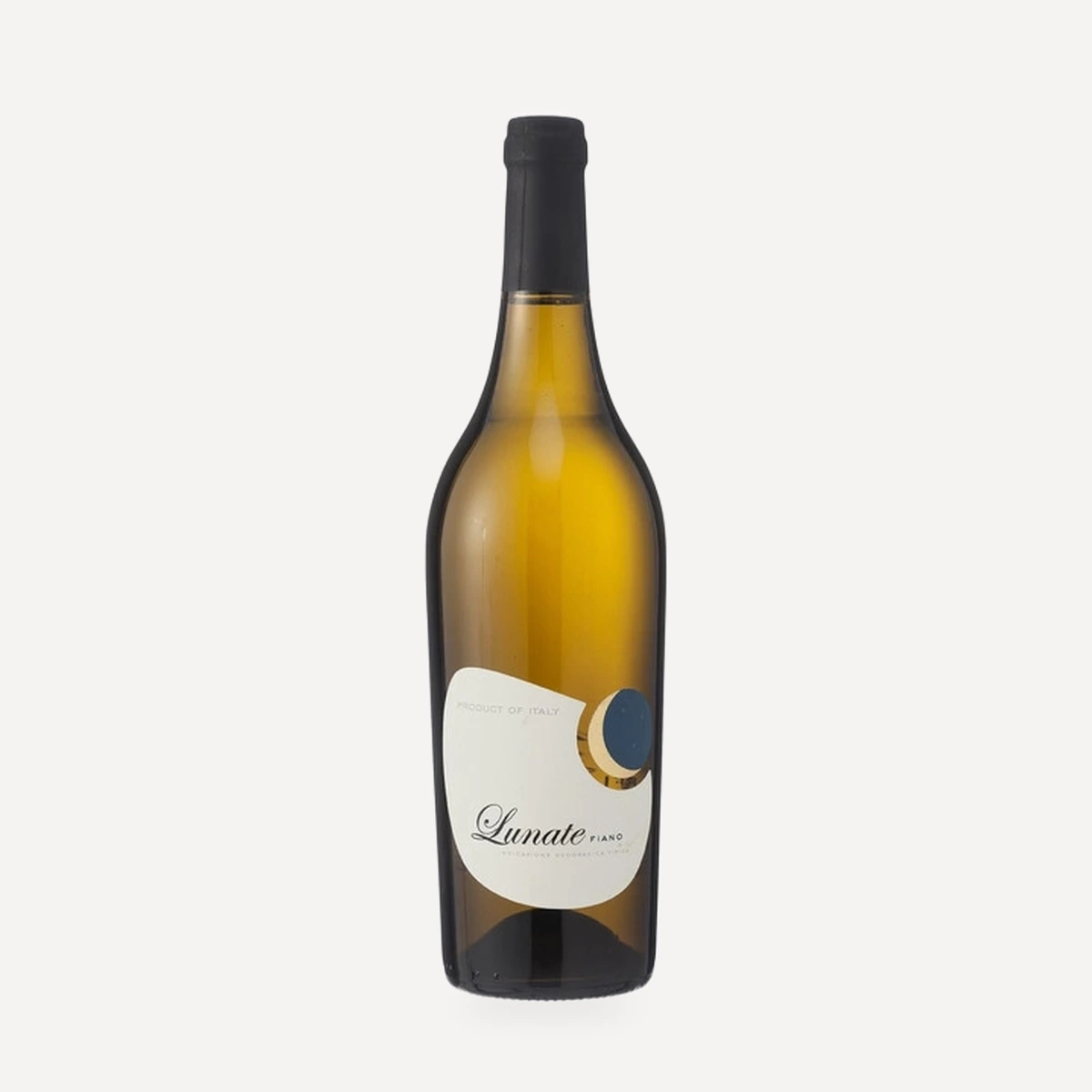
Lunate Fiano Terre Siciliane IGT
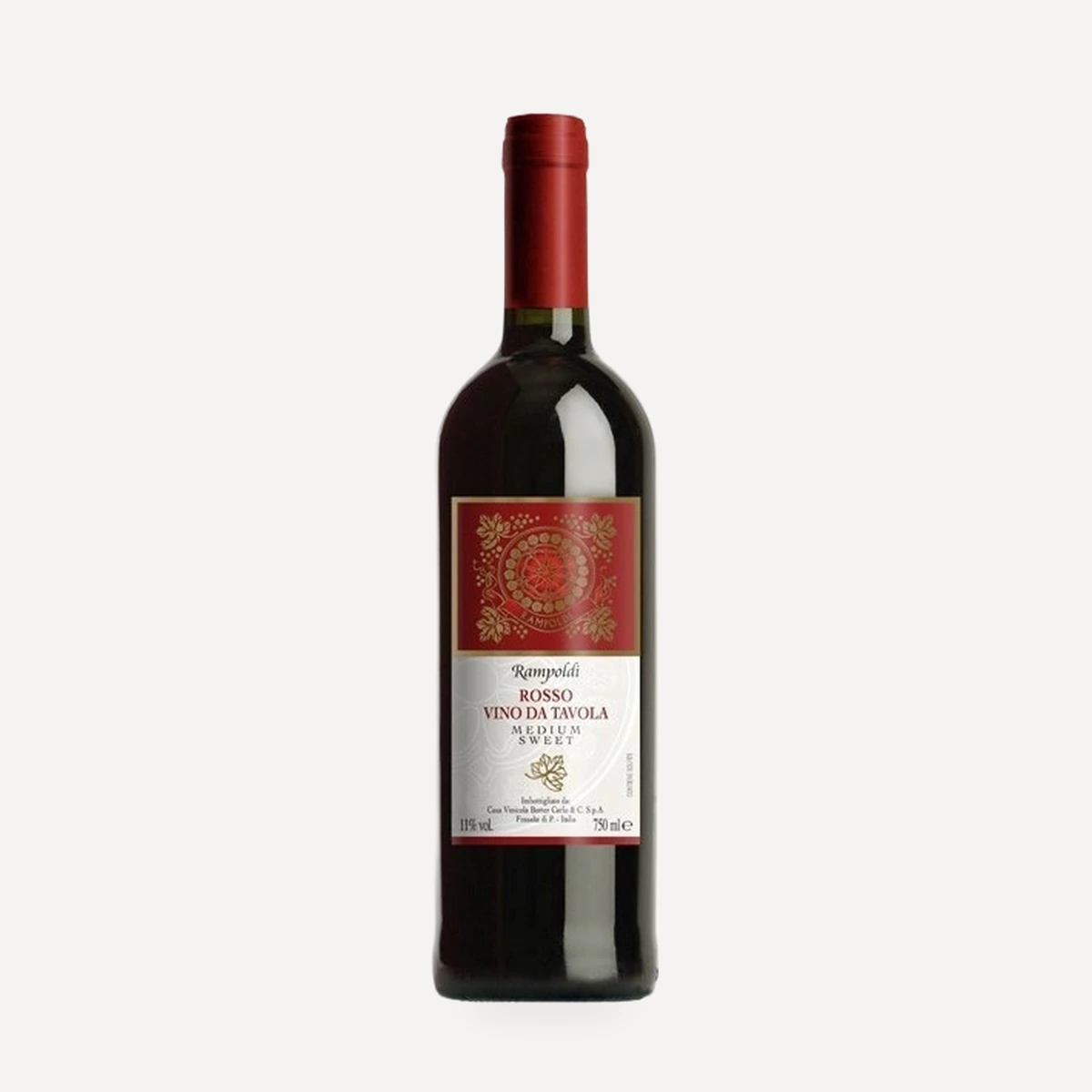
Rampoldi Rosso
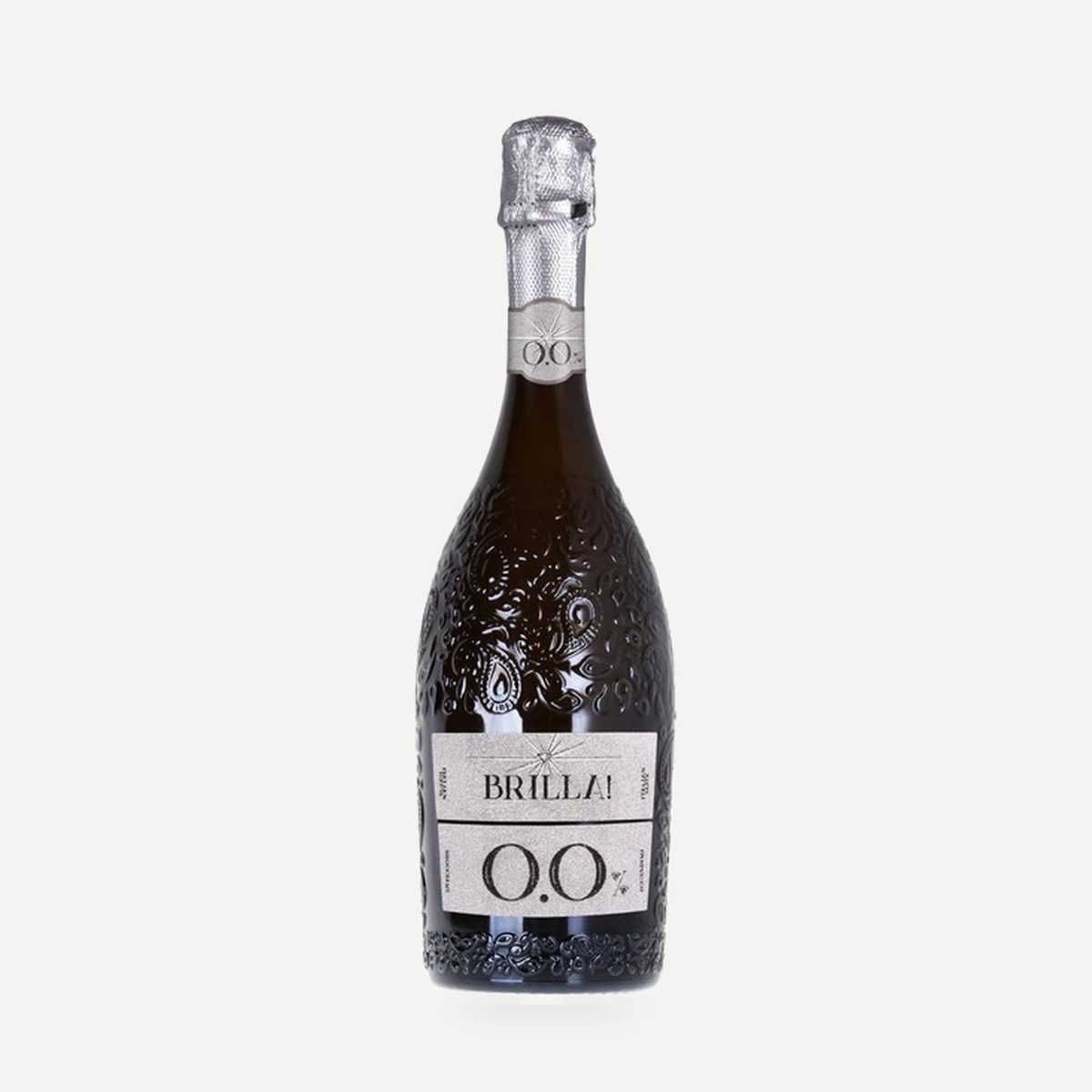
Brilla! 0.0%
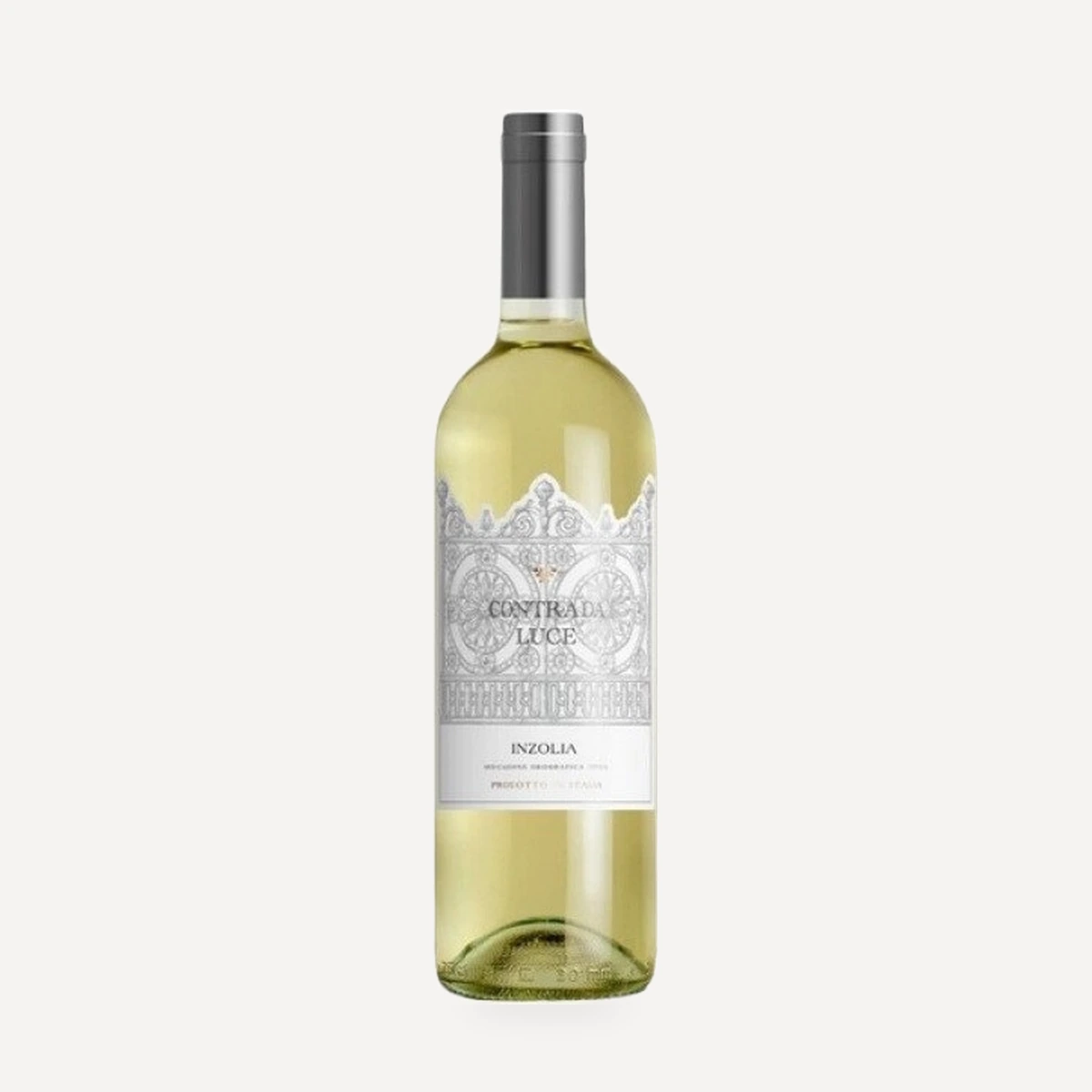
Contrada Luce Inzolia Sicilia IGT
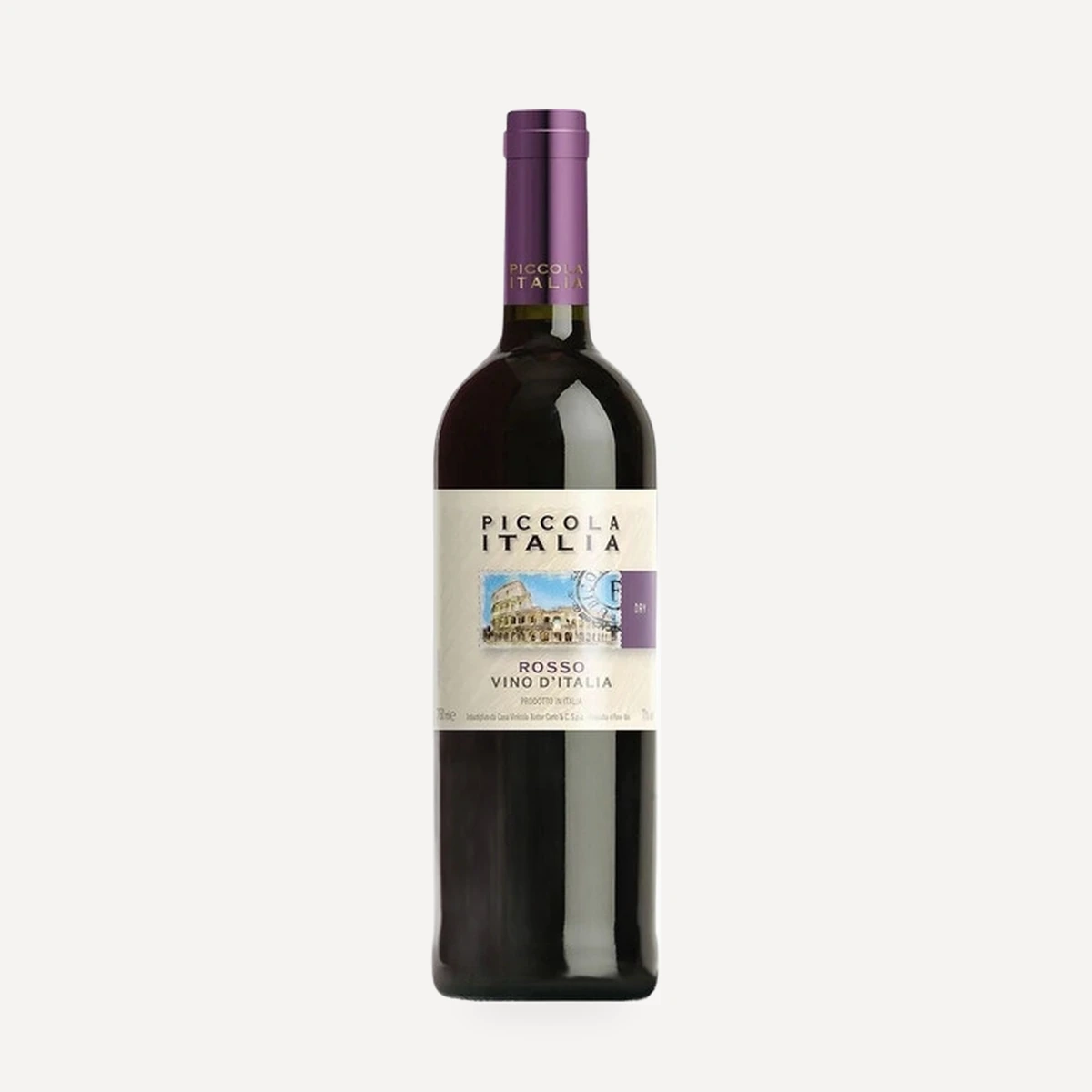
Piccola Italia Rosso Dry
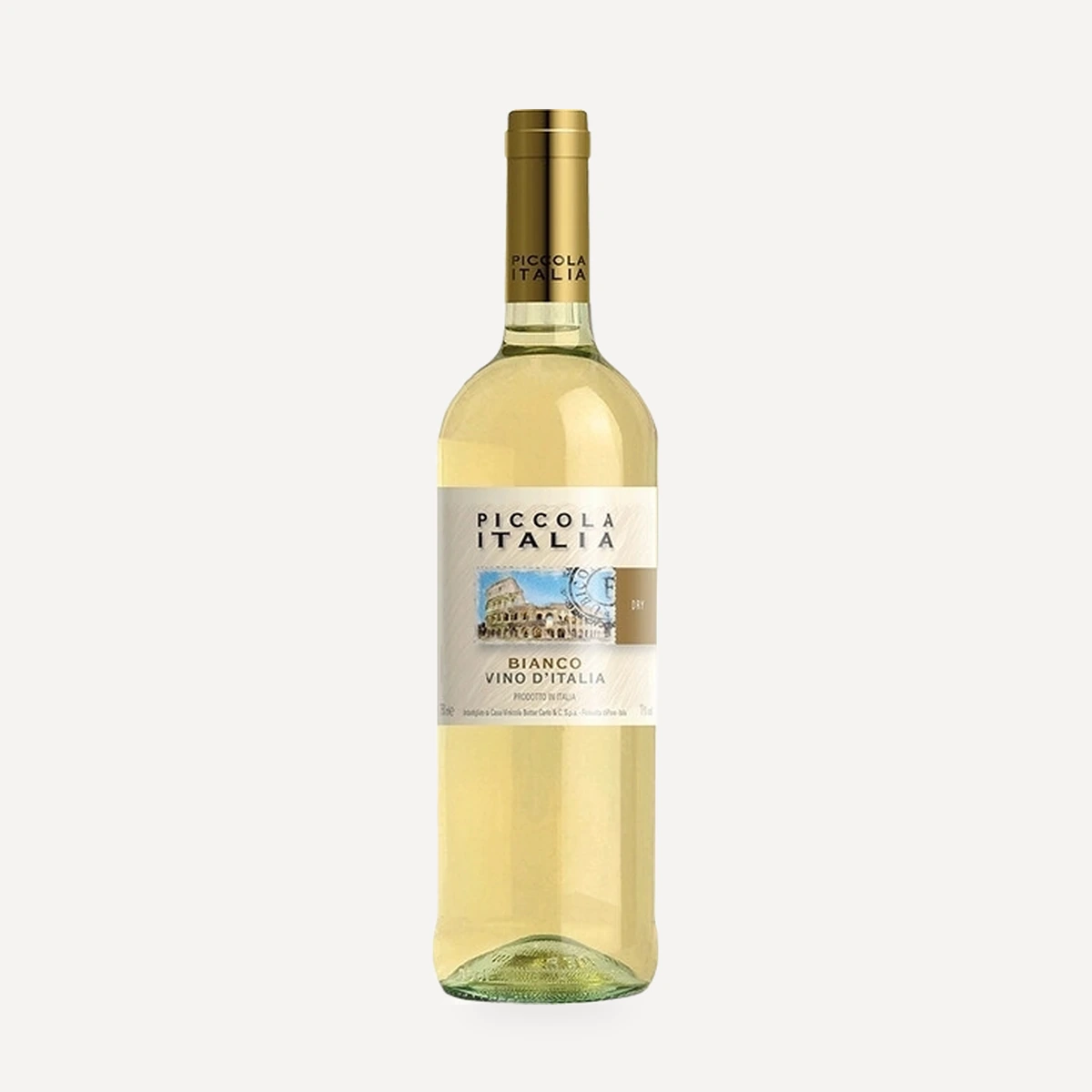
Piccola Italia White Dry
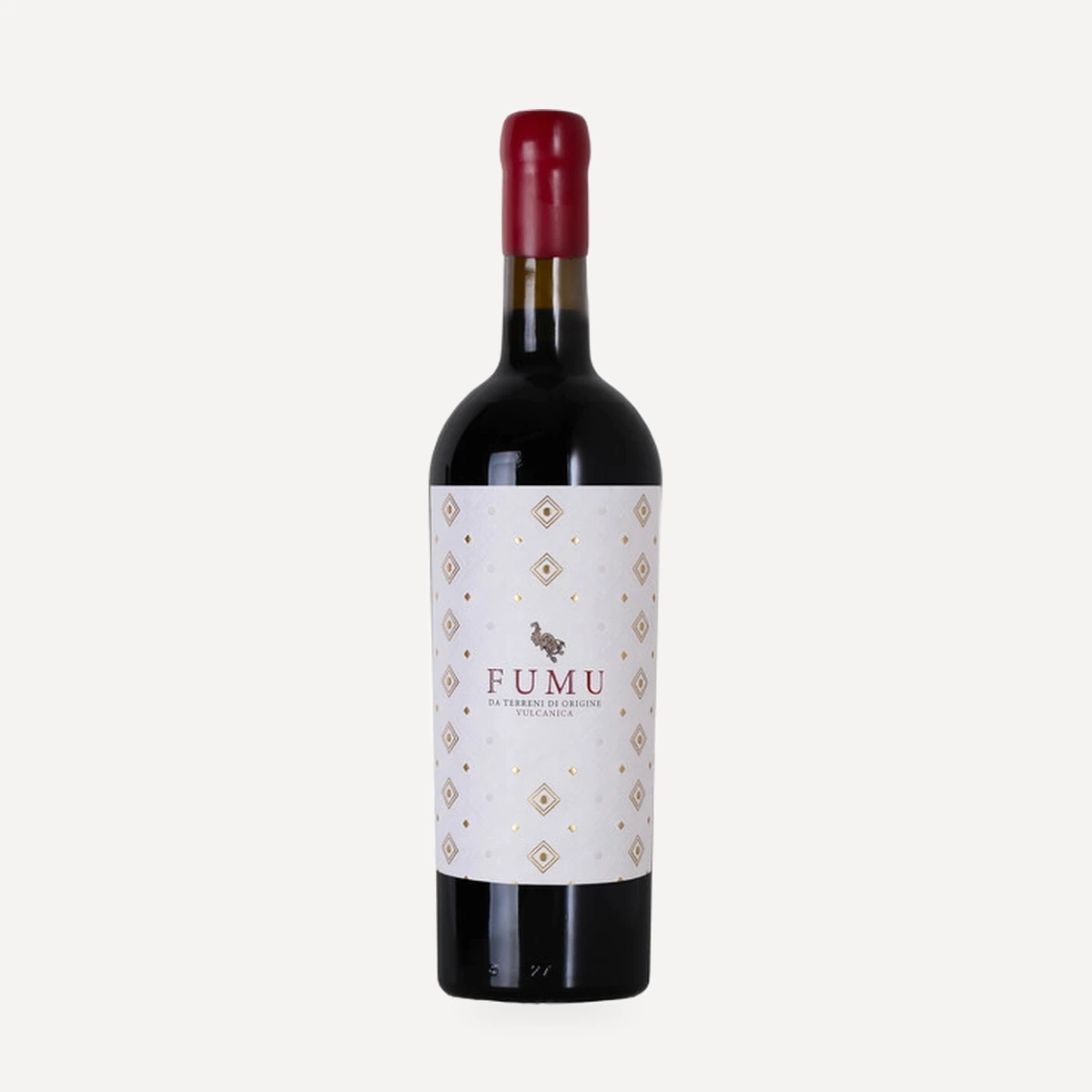
Fumu Rosso Terre Siciliane IGT
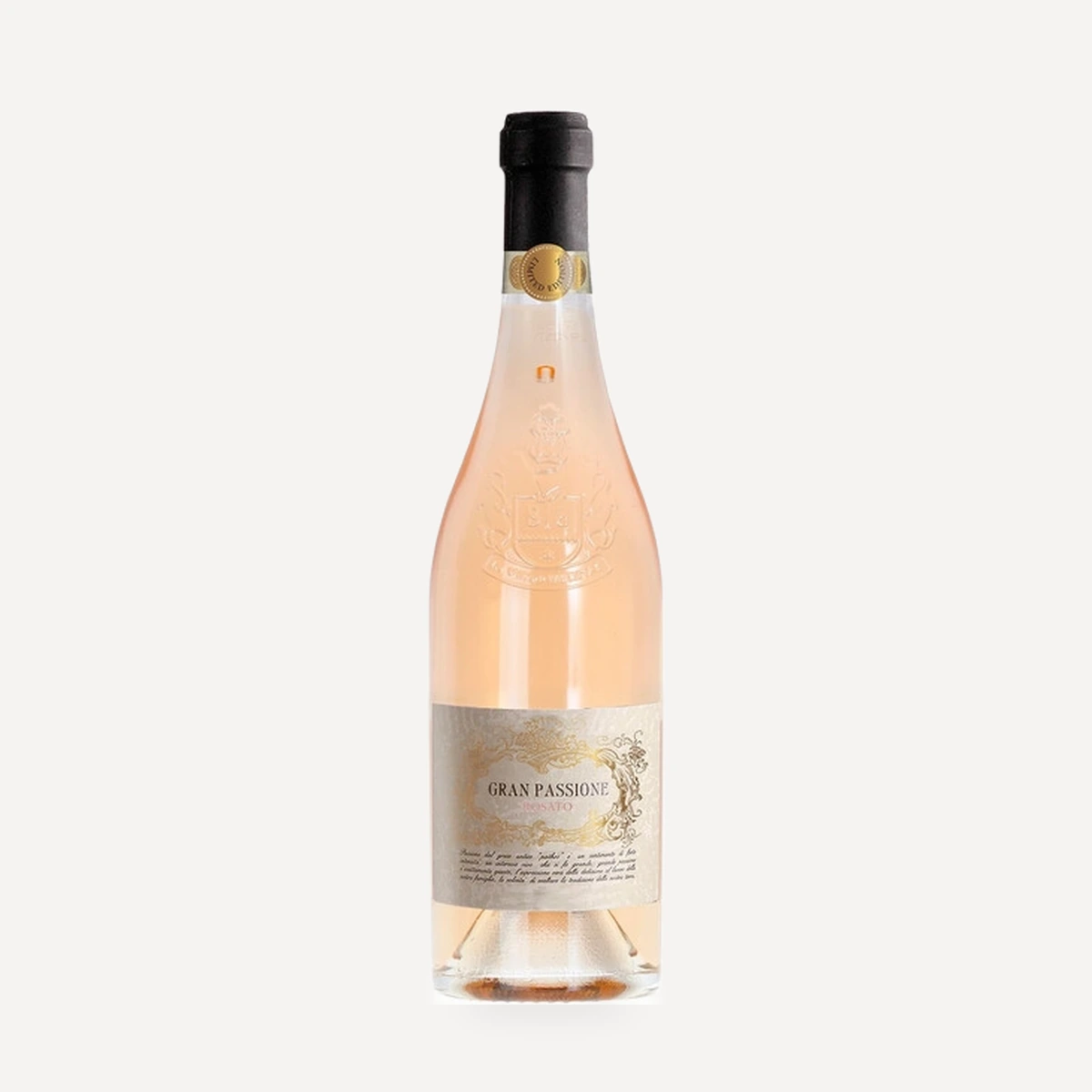
Gran Passione Rosato Veneto IGT
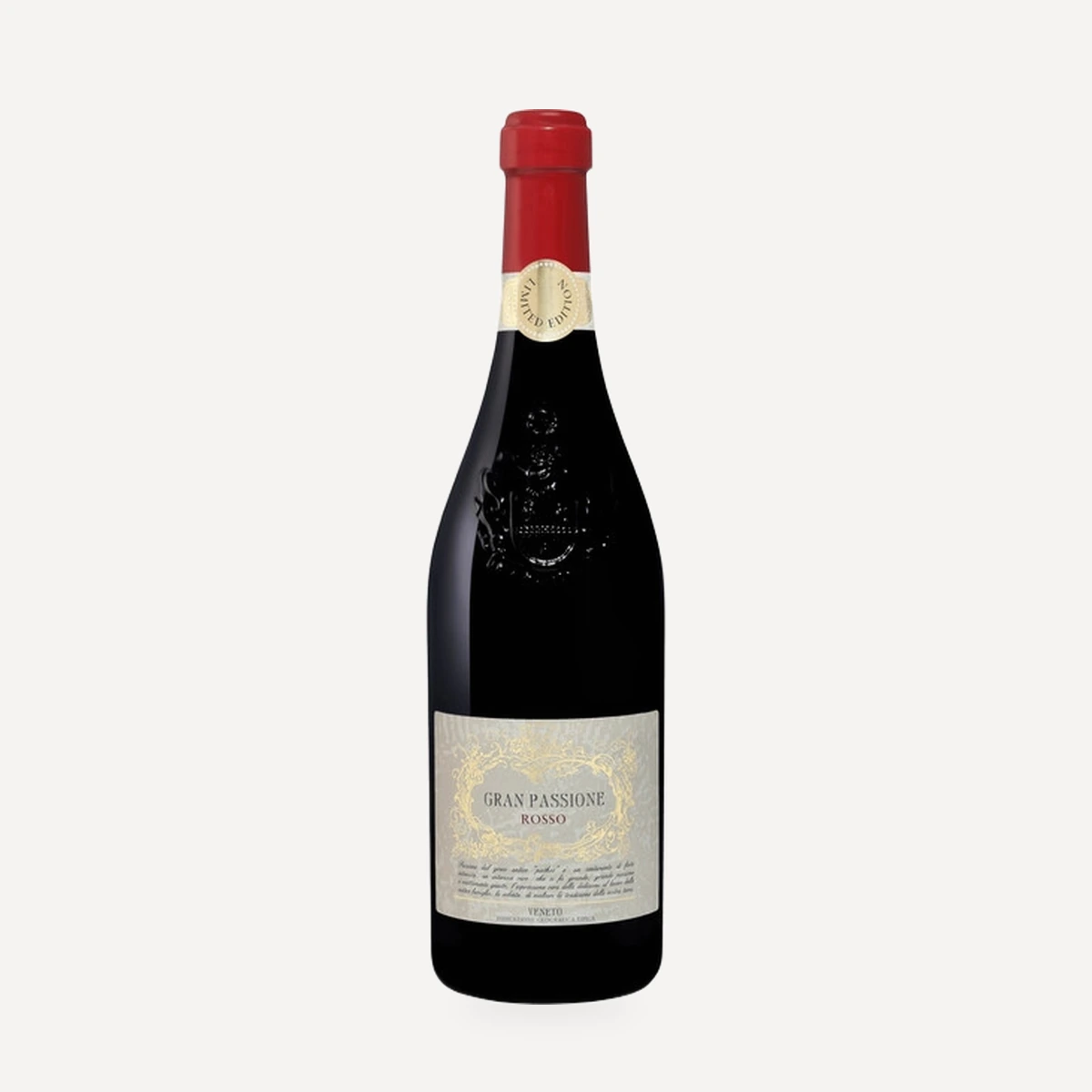
Gran Passione Rosso Veneto IGT
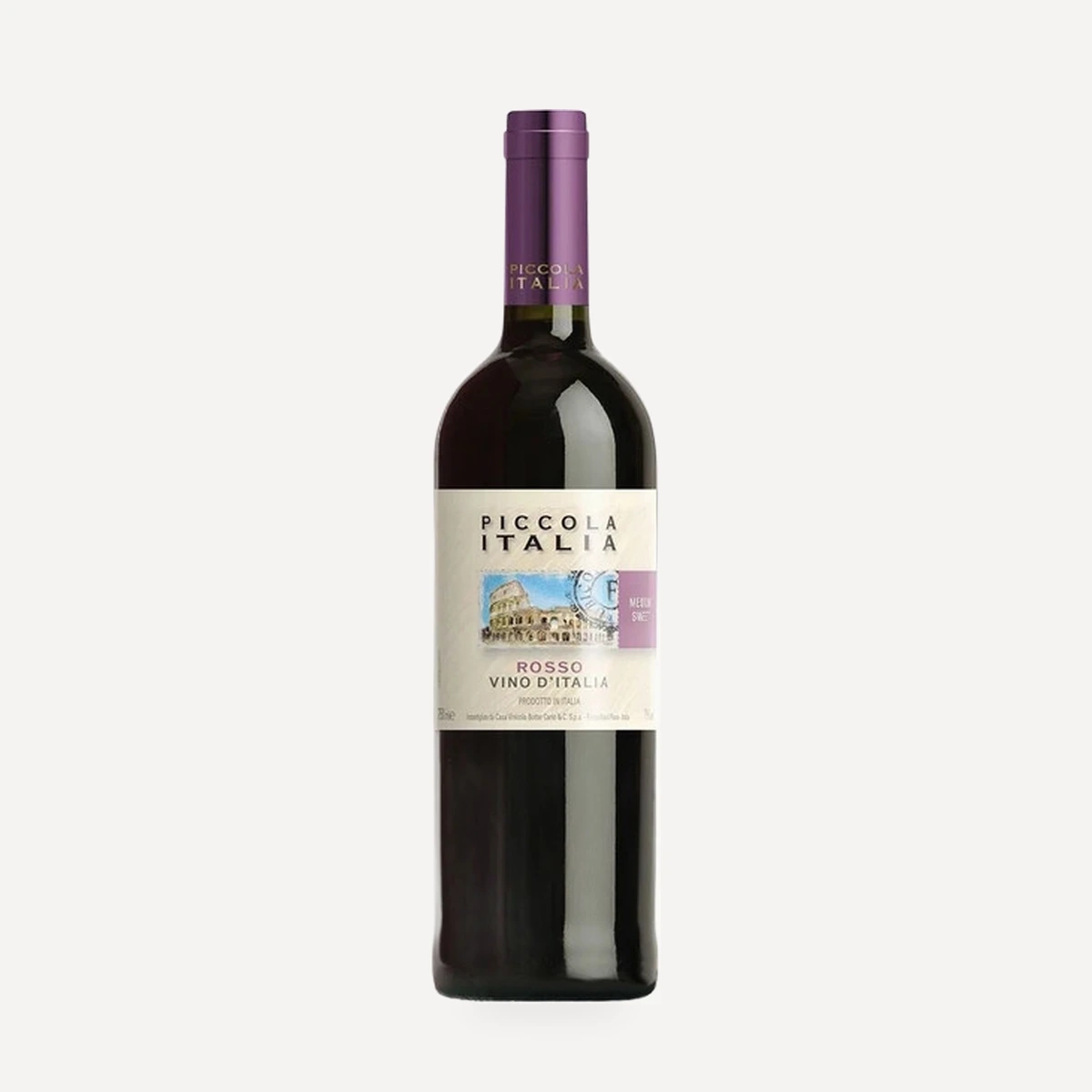
Piccola Italia Rosso Medium-Sweet
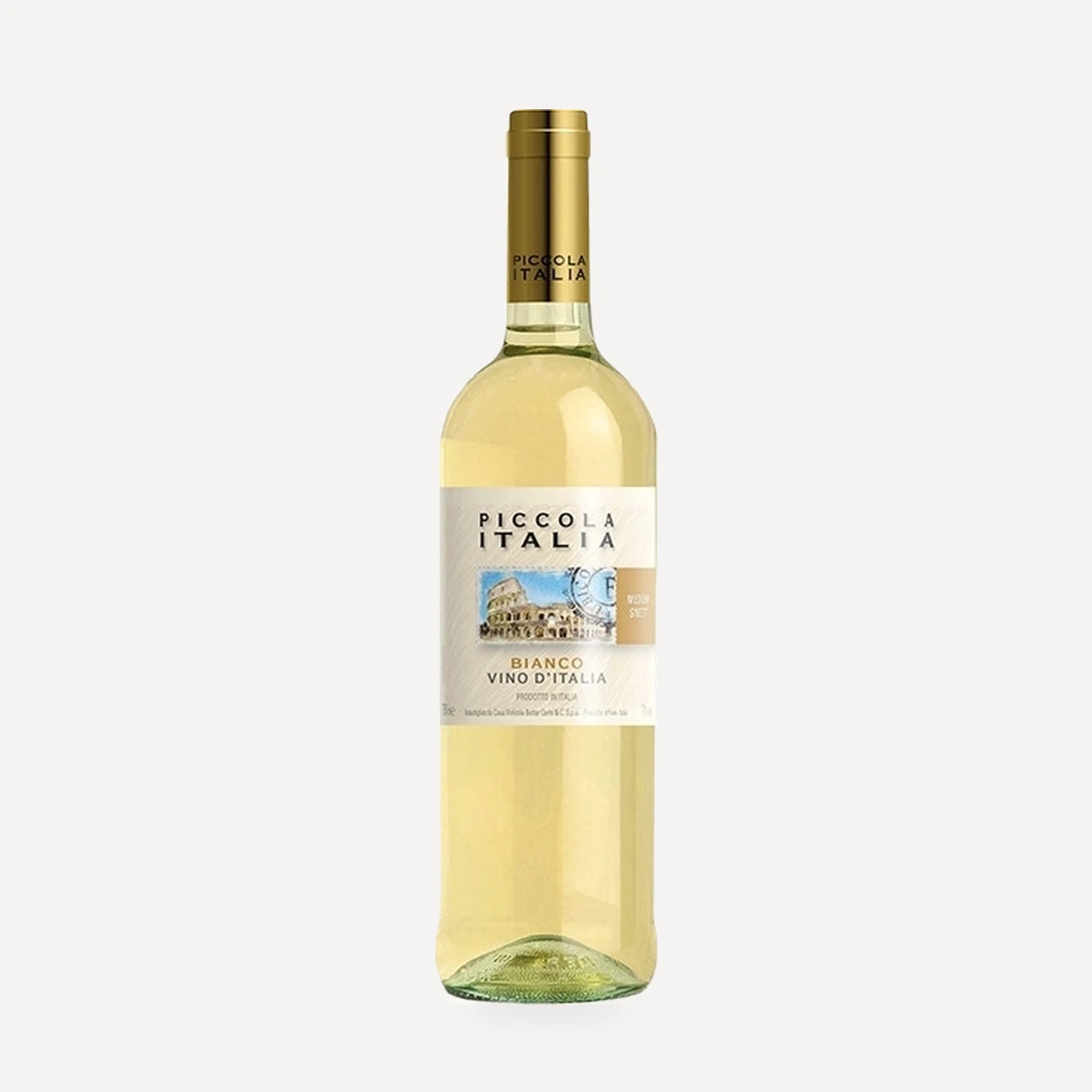
Piccola Italia White Medium-Sweet
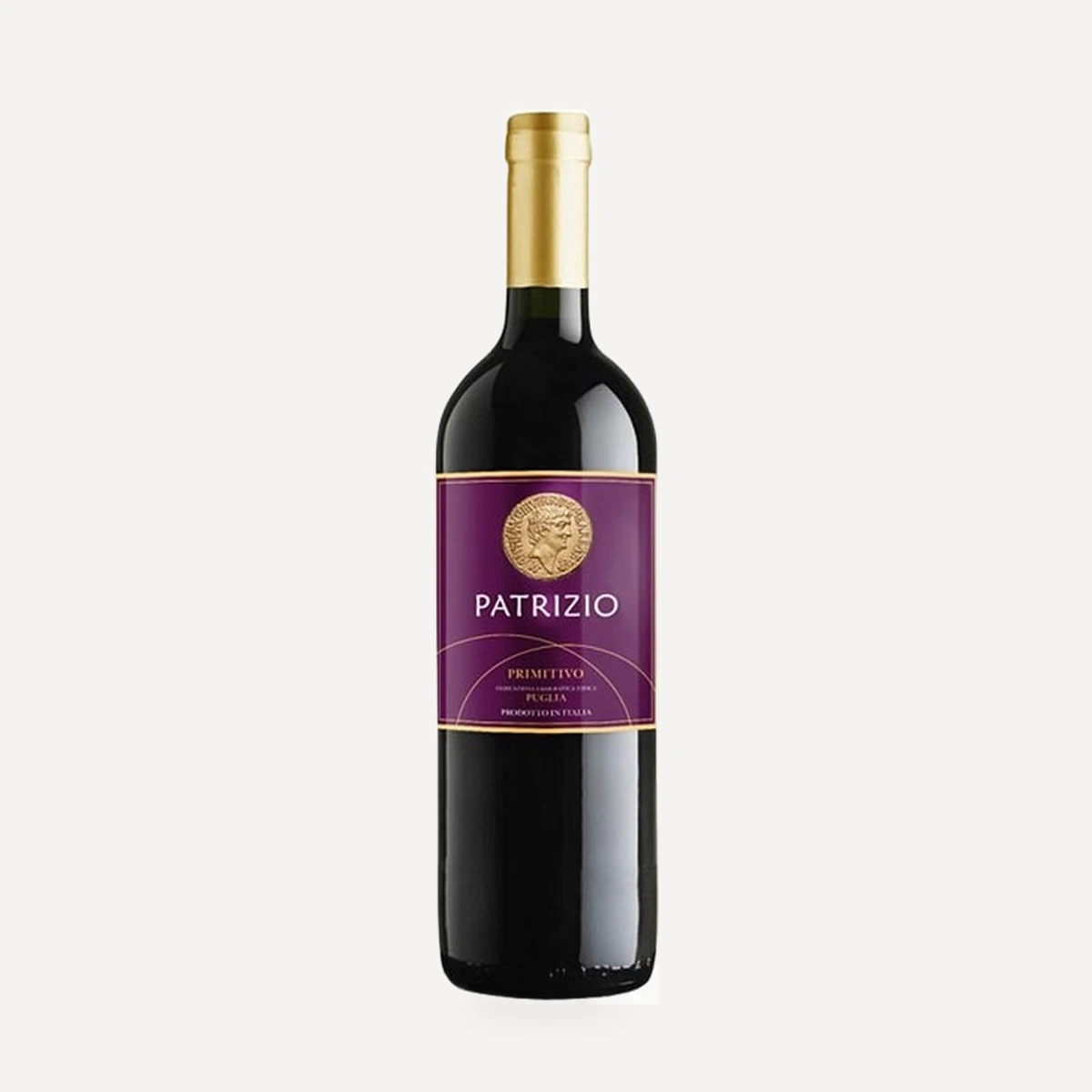
Patrizio Primitivo Puglia IGT