History
Earlier roots
The Moretti family's connection with building and architecture can be traced through Vittorio Moretti's paternal line to the 1400s. From his mother he inherited an attachment to agriculture and the care of the land, rooted in childhood summers spent in the countryside with his maternal grandparents. These two influences—construction and cultivation—later shaped his approach to Bellavista, where landscape, buildings, art and wine were conceived as parts of one environment.
Franciacorta itself had been associated with viticulture since the time of Pliny and Virgil and was recognized as a prosperous wine-growing area during the Middle Ages. Its modern renewal began in the 1970s, when a group of entrepreneurs that included Vittorio Moretti studied and experimented with the area's suitability for sparkling wine. Their ambitions extended beyond wine to a synthesis of production, landscape, local identity and hospitality.
The creation of Bellavista
Vittorio Moretti's decision to become a winegrower grew out of his longstanding attachment to the land. Bellavista began with a few hectares, the Moretti family home and an adjoining cellar, initially with the aim of producing good wine to share with friends. Trips to France became an important formative experience: Moretti learned from established masters and encountered communities whose lives revolved around wine.
The Bellavista project dates to 1977 and was founded on a search for harmony. Its home was established on Bellavista hill, at the centre of Franciacorta's morainic amphitheatre. The ancient place-name became the winery's name and helped frame its emphasis on vineyard exposure, finesse and the relationship between the family residence and the cellar. The old cellar within the Moretti home remains connected to the later underground complex and is used to preserve rare reserves.
Development of a house style
Bellavista developed a parcel-based approach in which vineyards are individually named and cultivated according to their particular characteristics. Base wines retain the identities of different soils, exposures, microclimates, grape varieties and individual vines before being assembled into cuvées. The Alma project became the broadest expression of this approach: its compositions draw on more than 100 distinctive base wines representing vineyards across Franciacorta.
The production system combined soft pressing, separate treatment of different musts, first fermentation in steel or oak pièce, extensive selection and annual blending. Underground ageing facilities grew into approximately 2 km of tunnels excavated through Bellavista hill. Their naturally stable temperature and humidity remove the need for artificial conditioning. Manual riddling remains prevalent, while the reserves are disgorged à la volée.
Cultural partnerships and contemporary stewardship
In 2004, following the reopening of Teatro alla Scala after restoration, Bellavista became part of the Milan opera house's annual season-opening ritual on 7 December. The partnership linked Bellavista's vintage Brut with the theatre through shared themes of creativity, discipline and performance.
Bellavista's oenological philosophy is now entrusted to Francesca Moretti. Richard Geoffroy works alongside her as mentor and cellar master, supported by a younger team of technicians and oenologists. Their current work treats tradition as something to be renewed with each harvest rather than replicated mechanically. Alma has consequently evolved into numbered annual editions and a trilogy comprising Alma Assemblage, Alma Non Dosato Assemblage and Alma Rosé Assemblage, while retaining the original project's commitment to harmony, biodiversity and detailed vineyard interpretation.
Terroir
Geological setting
Bellavista lies in Franciacorta, within a morainic amphitheatre formed by glacial movements from Val Camonica during the Secondary and Tertiary geological eras. This origin produced a close juxtaposition of markedly different soils. The soils are described as rich in silt, sand and stones and comparatively poor in clay.
Landscape and climatic influences
The vineyards occupy a varied landscape bounded by Lake Iseo and the Lombard Prealps. Vineyard identity changes with under-row biodiversity, microclimate and exposure. Lake Iseo generates the Ora wind, which travels towards Favento, while Monte Guglielmo contributes another recognizable element to the viticultural landscape.
Bellavista hill stands at the centre of the morainic amphitheatre. Its slopes combine vineyards, woodland, the family home, cellar and sculpture park. The woods provide continuity and coolness, while the hill's different exposures are used to produce base wines with distinct characters.
Vineyard-scale variation
The estate's interpretation of place is built from small differences among named vineyards. Uccellanda is defined by powerful terraces. Rocchetta combines elevation, temperature variation and slow ripening, with views towards the Torbiato peat bogs. Sasso is associated with depth and rootedness, while Valle d'Oro is distinguished by biodiversity. Cancello is connected with the origins of the winery's plant material and massal selection. Casotte provides consistent, energetic Pinot Nero; Brede gives Chardonnay marked by consistency and finesse; and Ceppate is associated with an established chestnut tree.
These variations in soil, landscape, exposure, mesoclimate, grape variety and vine genetics create a broad range of base wines. The final cuvées are conceived as assemblies of these individual identities rather than expressions of a uniform estate profile.
Winemaking
Bellavista's viticulture is organized around the identity of individual vineyards and vines. Every vineyard is named, and each is cultivated in accordance with its perceived aptitude rather than subjected to a uniform formula. Chardonnay, Pinot Nero and Pinot Bianco provide base wines with different sensory profiles, while old, healthy vines with deep roots are regarded as an essential repository of the house style.
The vigneron system gives individual workers continuing responsibility for the same vines year after year. This continuity is intended to develop detailed knowledge of each plant's needs and seasonal changes. Long-serving pruners and their teams return to the same vineyards annually; their initials are marked on the end posts of the rows entrusted to them. The work combines manual craft with precision viticulture, supported by targeted and continuing training.
Harvest timing is decided separately for each vineyard and parcel. The decision combines direct sensory evaluation—walking the vineyard, touching the fruit, tasting berries and examining pulp—with laboratory measurements of physical and chemical parameters. The assessment is repeated each year rather than governed by a fixed calendar.
Grapes are harvested manually by experienced teams. Bunches are handled as little as possible, and the interval between picking and pressing is limited to a maximum of two hours. The number of individual parcels selected for separate base wines is reconsidered at every harvest, preserving vintage variation and the distinct contribution of each suitable site.
Pressing and first fermentation
Winemaking is based on slow, closely supervised cellar work. Grapes are pressed softly to preserve the distinguishing qualities of each vineyard. The cellar team then decides whether each must should undergo its first fermentation in an oak pièce or in steel. There is no fixed treatment for every base wine: its development and character determine the vessel and subsequent handling.
Selection and assemblage
The winery maintains a large number of separate selections. Each base wine is assessed as an individual component, and the assemblage is redesigned for every harvest. Blending must reconcile three objectives: respecting the character of the vintage, preserving the identity of the individual musts and maintaining the recognizable sensory profile of each cuvée. Alma can draw on more than 100 base wines with individually defined aromatic profiles.
Second fermentation and lees ageing
After the cuvée is assembled, second fermentation and maturation take place in bottle. The wines rest in contact with the lees while developing tertiary aromas and perlage. Bottles are protected from light, heat and noise and kept at stable temperature and humidity.
Ageing takes place in approximately 2 km of underground tunnels excavated through Bellavista hill. The subterranean position and thermal inertia of the buried walls maintain natural temperature and humidity, eliminating the need for artificial conditioning. The tunnel system extends to the old cellar in the Moretti family home, where the earliest production began and where rare reserves continue to be stored. Dedicated galleries house large formats, Riserva Vittorio Moretti, Meraviglioso and the Inedita collections.
Finishing
Riddling is performed predominantly by hand. The reserves are disgorged à la volée, maintaining a manual practice that Bellavista treats as part of its cellar culture and identity.
Philosophy
Bellavista defines identity as a complex relationship among the memory of the land, human creativity, individual vineyards, individual vines and the people who care for them. Nature and human work are treated as interdependent: the objective is to recognize what each site and season can offer and respond without imposing a predetermined cellar recipe.
The house describes its approach as “gentle oenology.” In practice, this means close manual supervision, soft pressing, separate interpretation of base wines and measured use of technology. Technology may assist work in the vineyard and cellar, but decisions remain guided by human observation, sensitivity and skill. Manual riddling and à la volée disgorgement of reserves embody this commitment to craft.
Vintage variation is accepted as the starting point for each new composition. The blend is rewritten annually so that the finished wine remains faithful both to the harvest and to the established Bellavista profile. Tradition is therefore understood as an evolving practice: the past is preserved through renewed interpretation rather than repetition.
The current philosophy also emphasizes resilience. Faced with accelerating environmental change, the aim is to anticipate future conditions and prepare vineyards to adapt while continuing to express their potential. Biodiversity, patient observation, respect for time and the individuality of each vine form the stated guides for this work.
Francesca Moretti's oenological direction, supported by Richard Geoffroy and the technical team, seeks to make Bellavista contemporary without severing its connection to the founding project. Harmony remains the central ideal: an alliance in which human creativity receives the potential offered by nature without force.
Wines
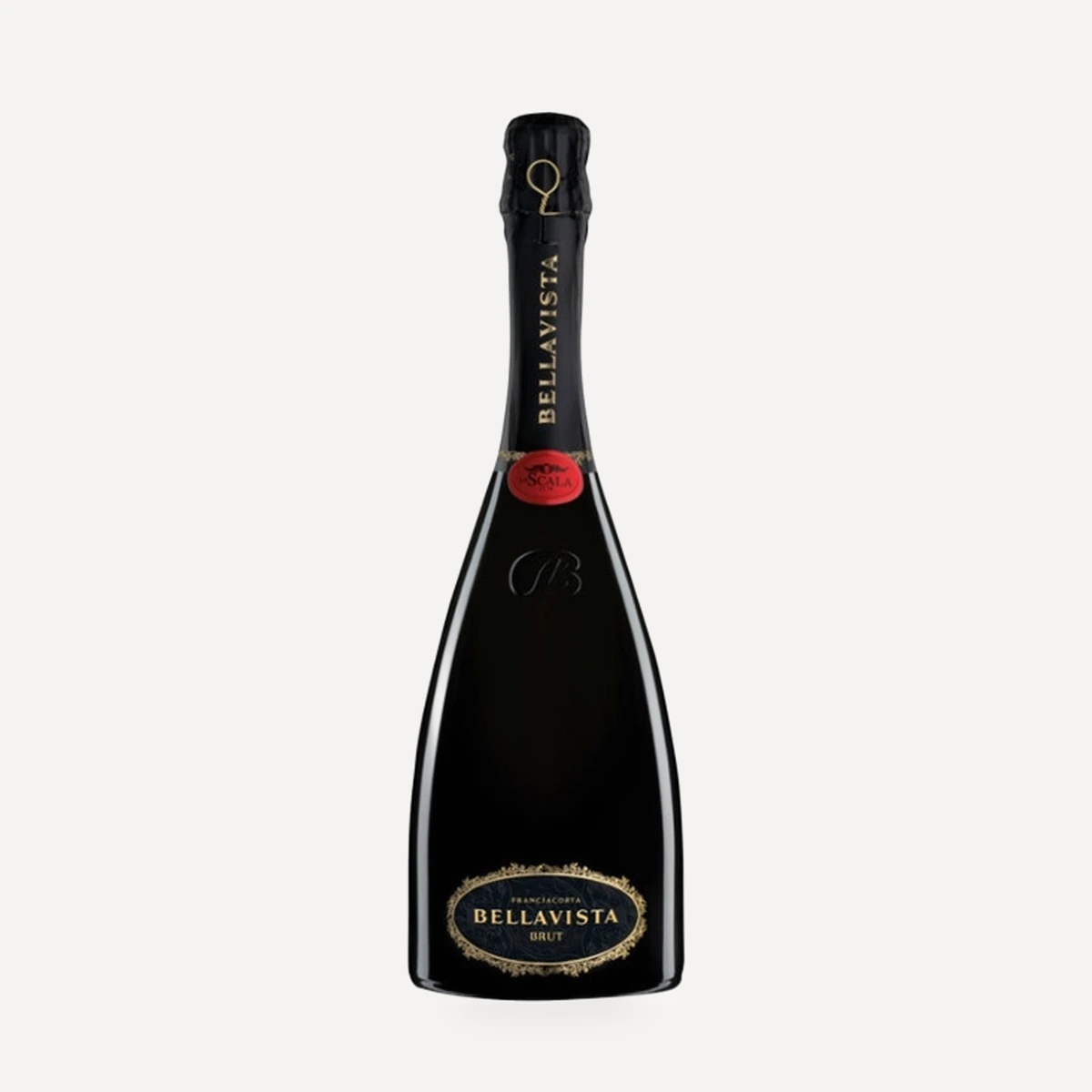
Brut Teatro alla Scala
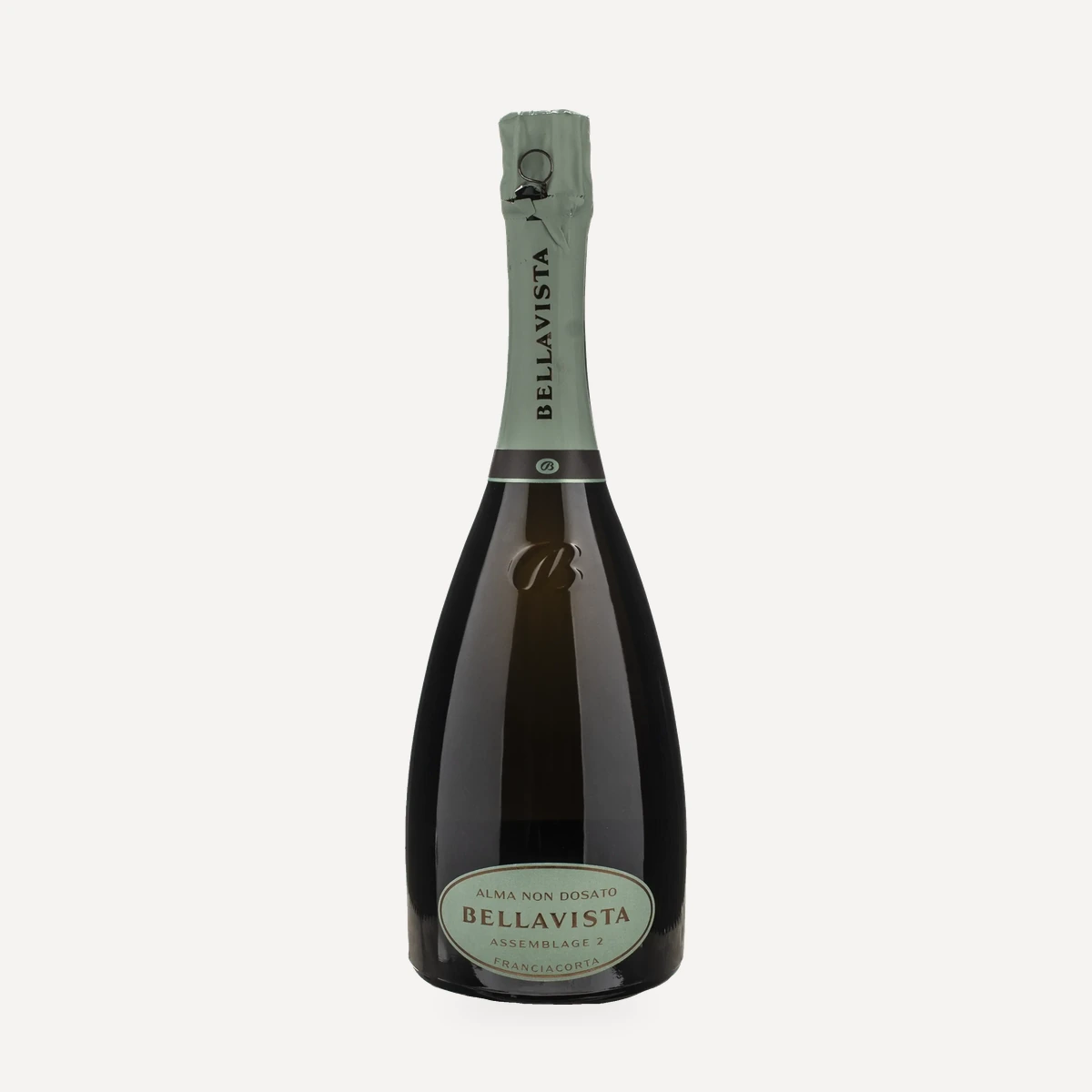
Alma Non Dosato Assemblage
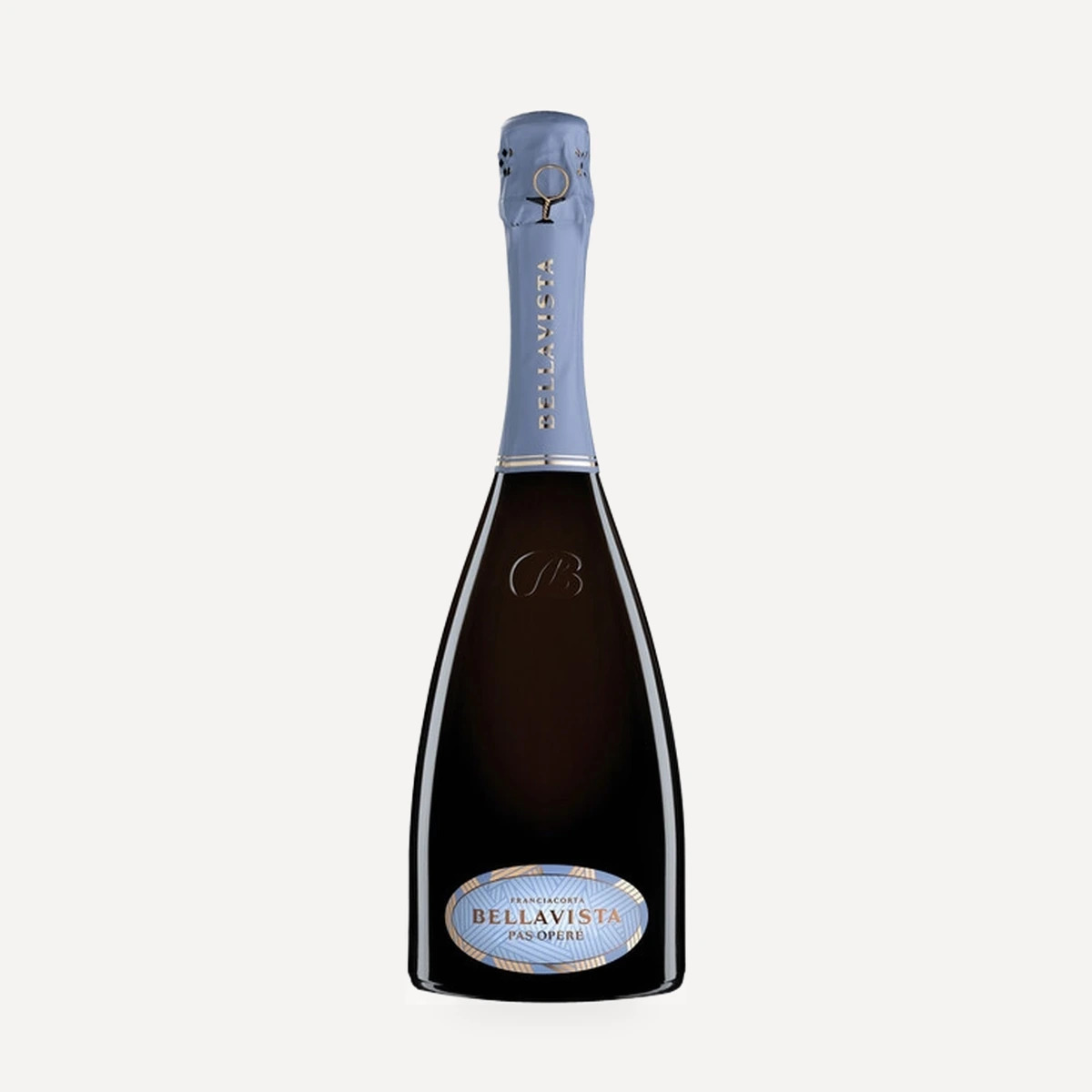
Pas Operé
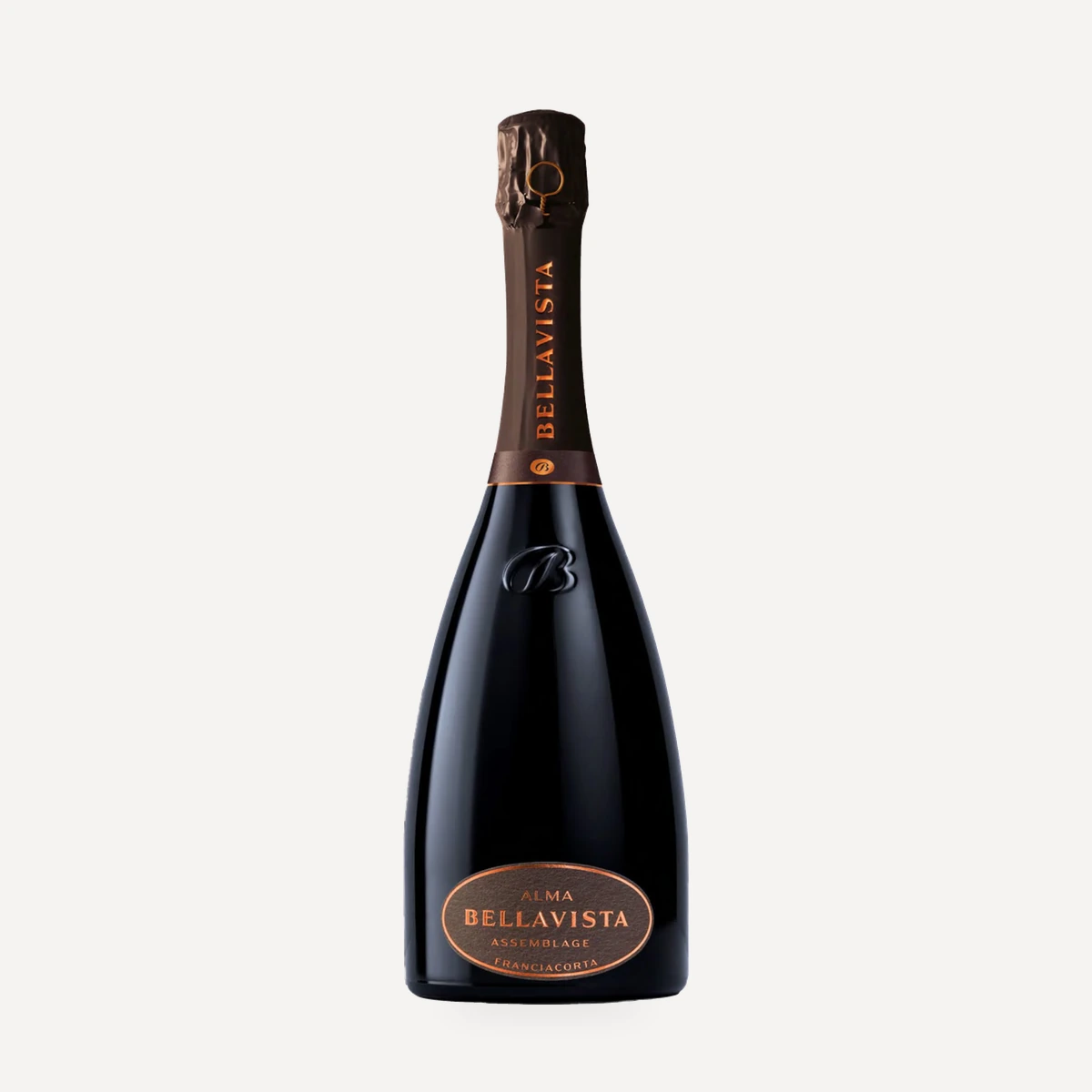
Alma Assemblage
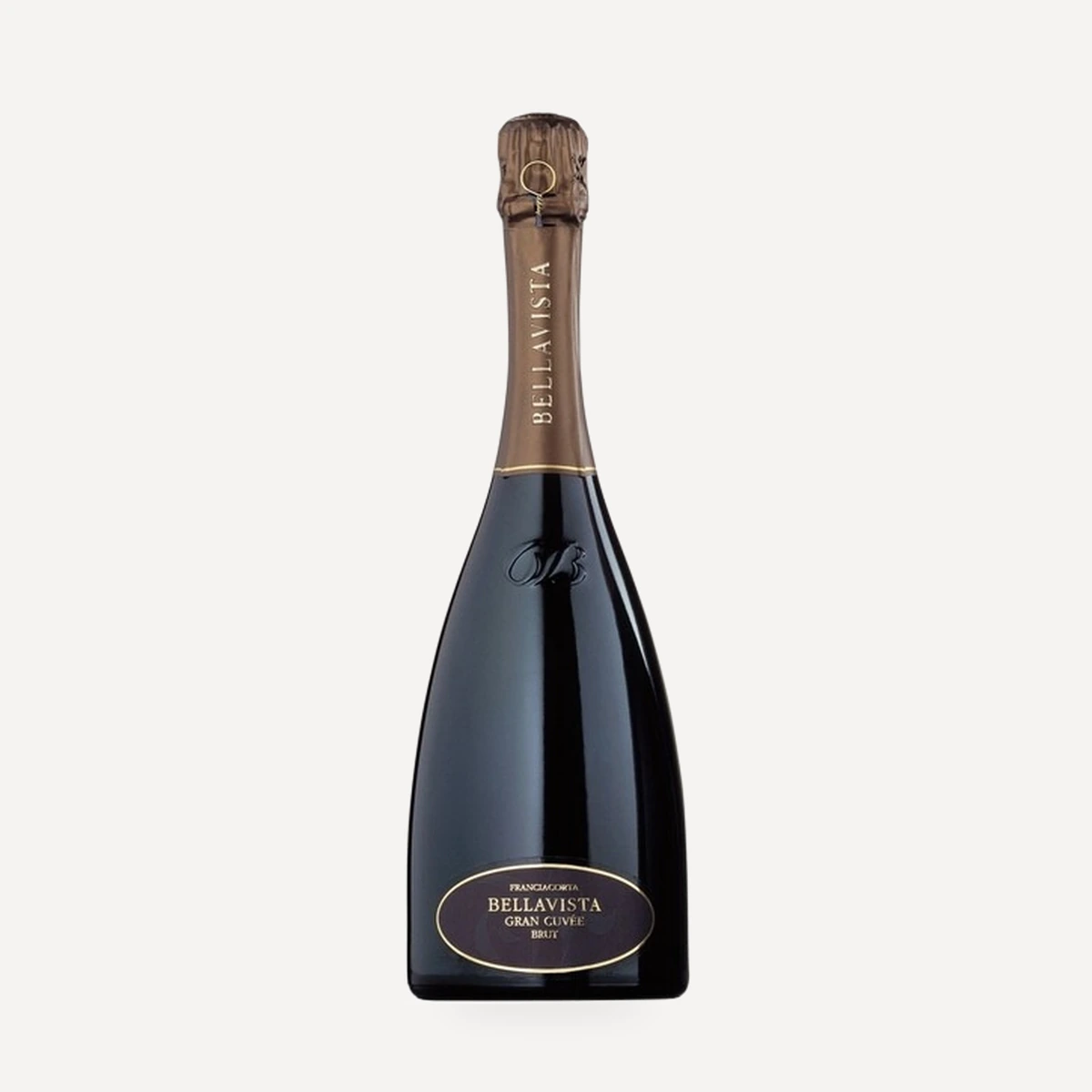
Franciacorta Gran Cuvee Brut
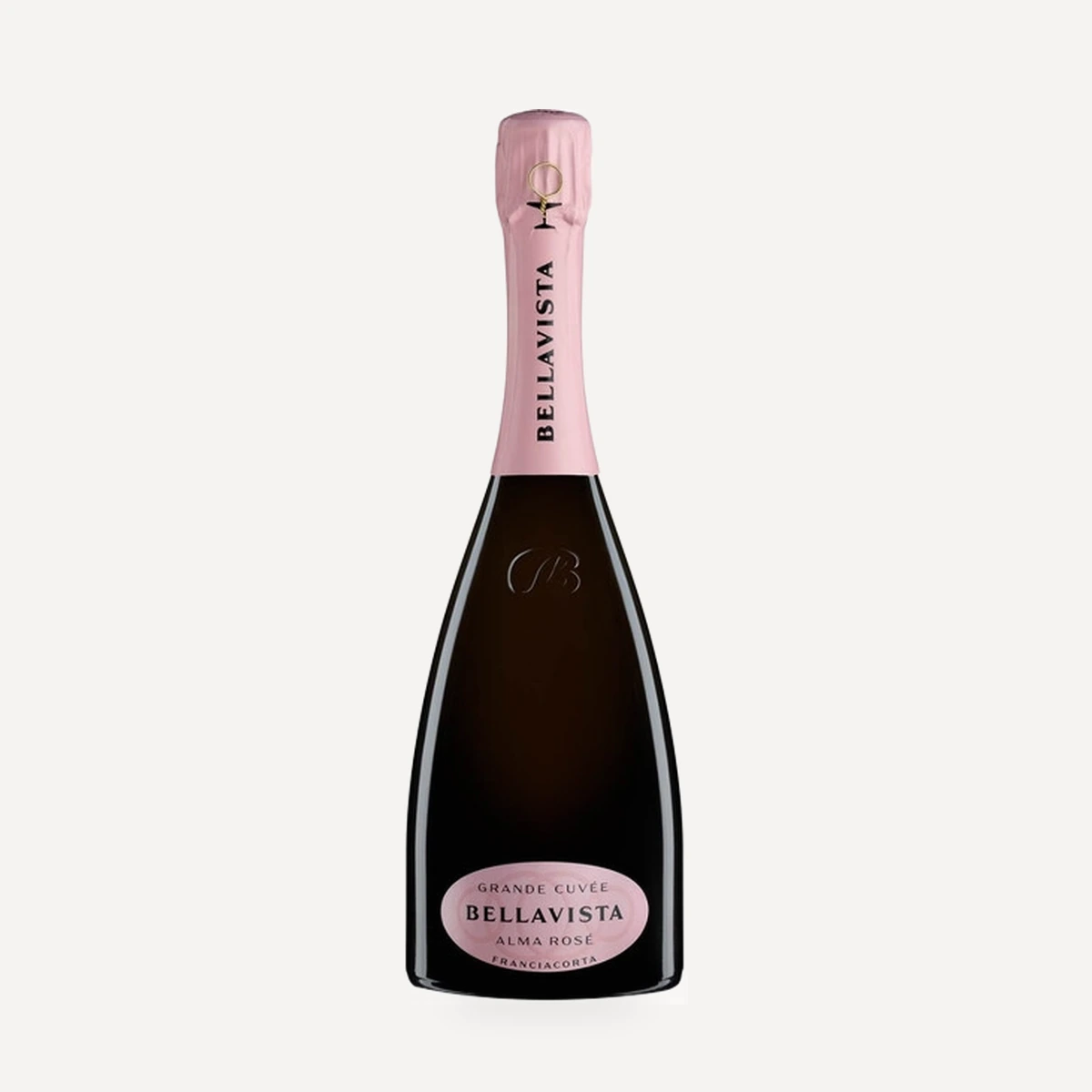
Alma Rosé Assemblage
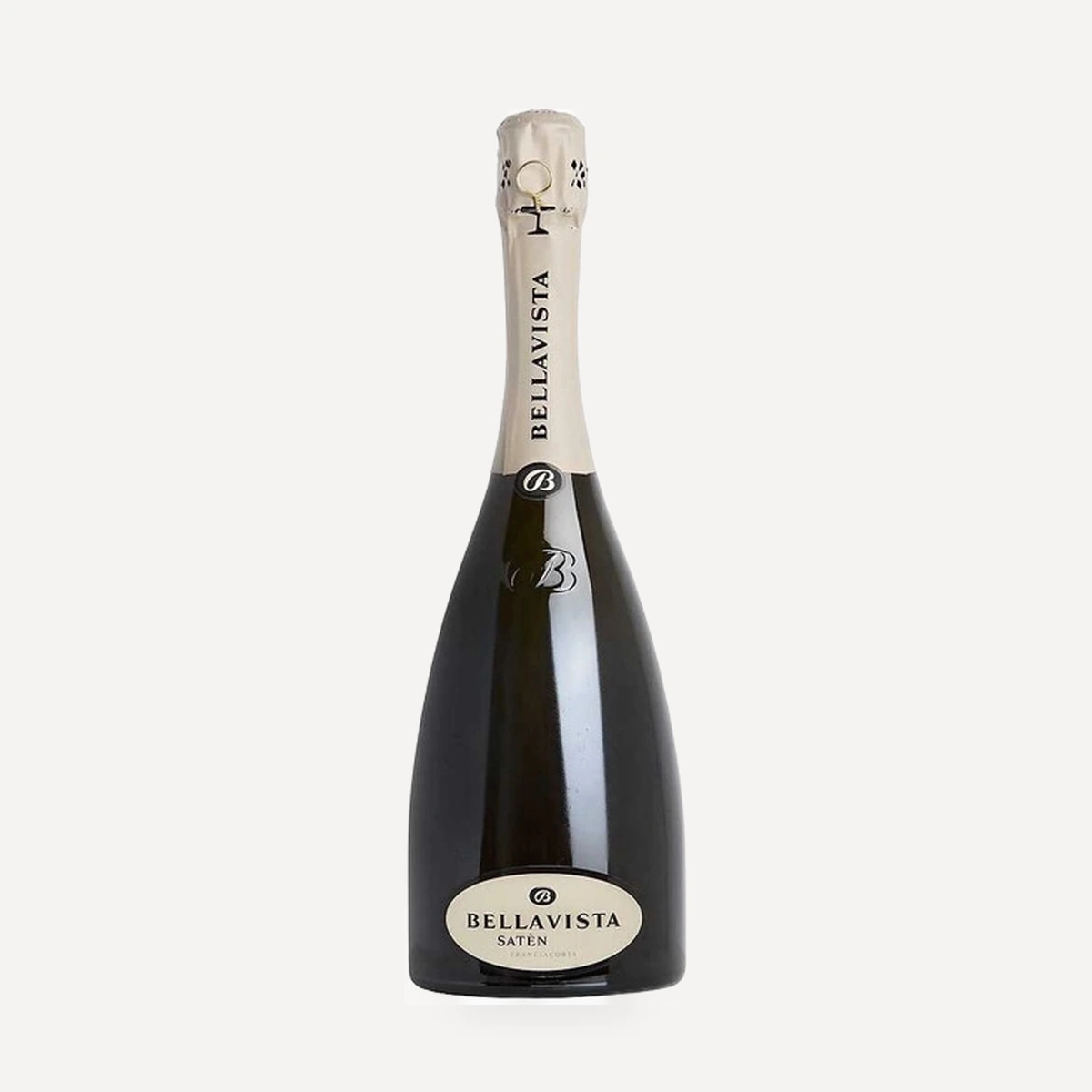
Satèn
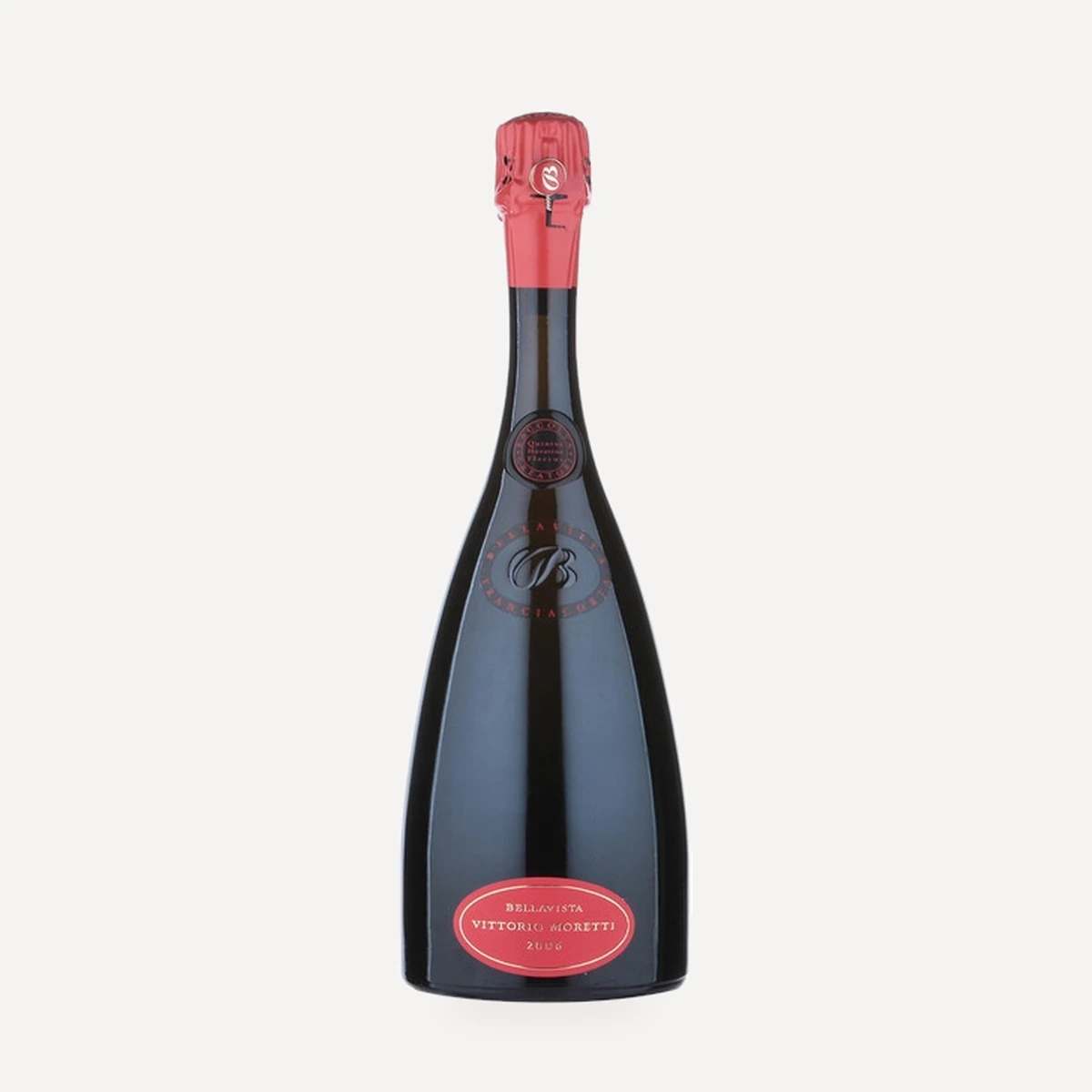
Vittorio Moretti
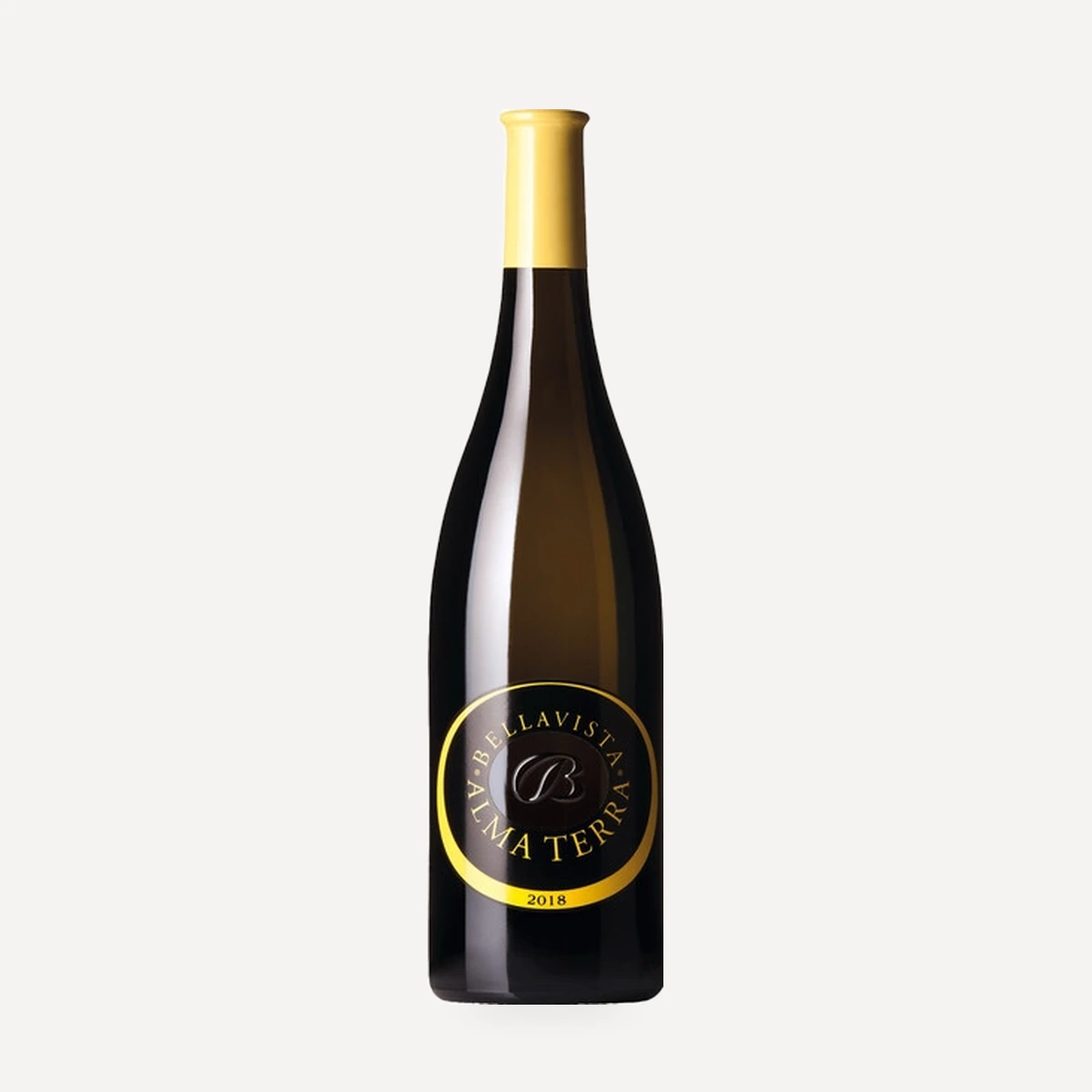
Alma Terra Curtefranca Bianco DOC
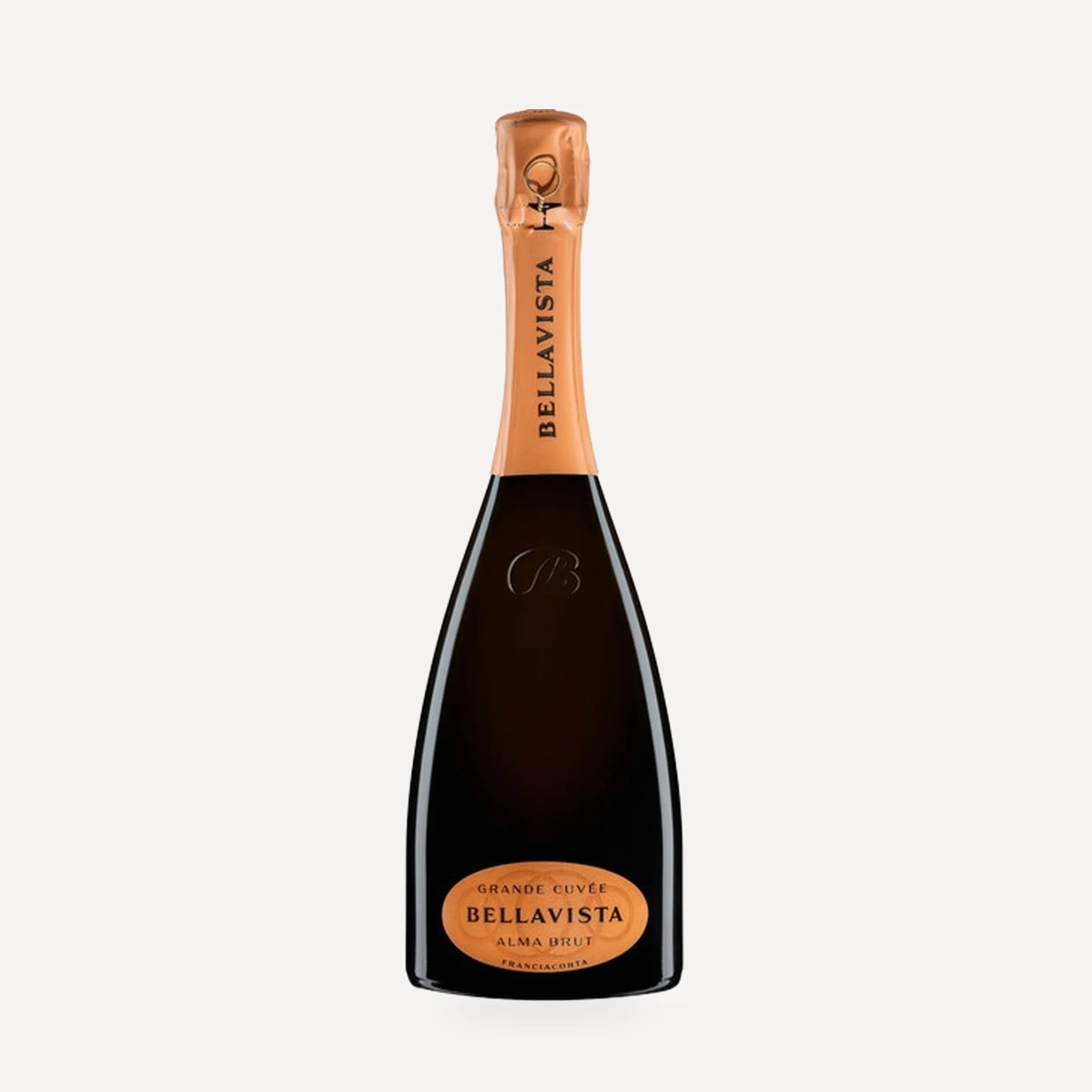
Alma Grande Cuvee Franciacorta DOCG
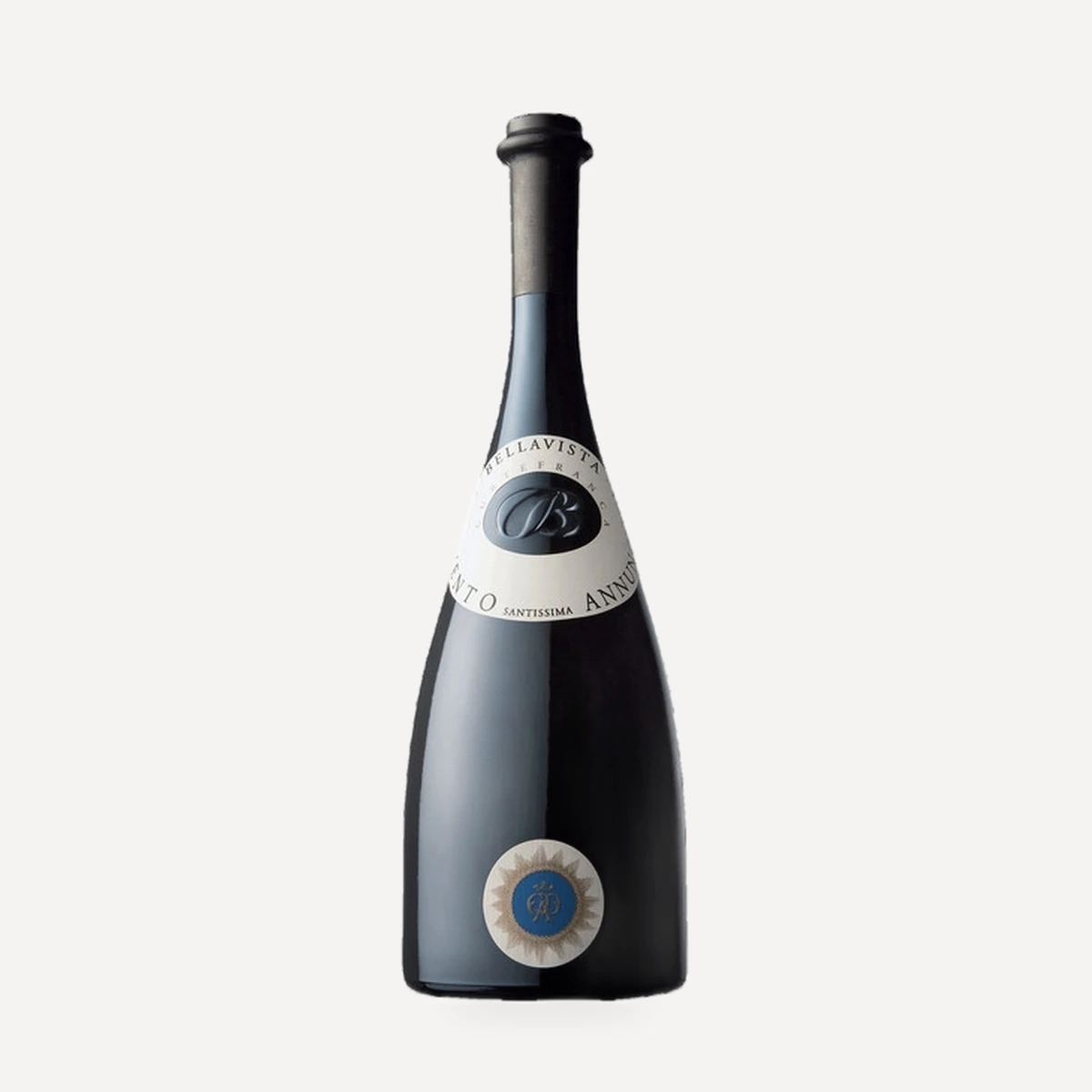
Curtefranca Convento Della Santissima Annunciata Franciacorta DOC
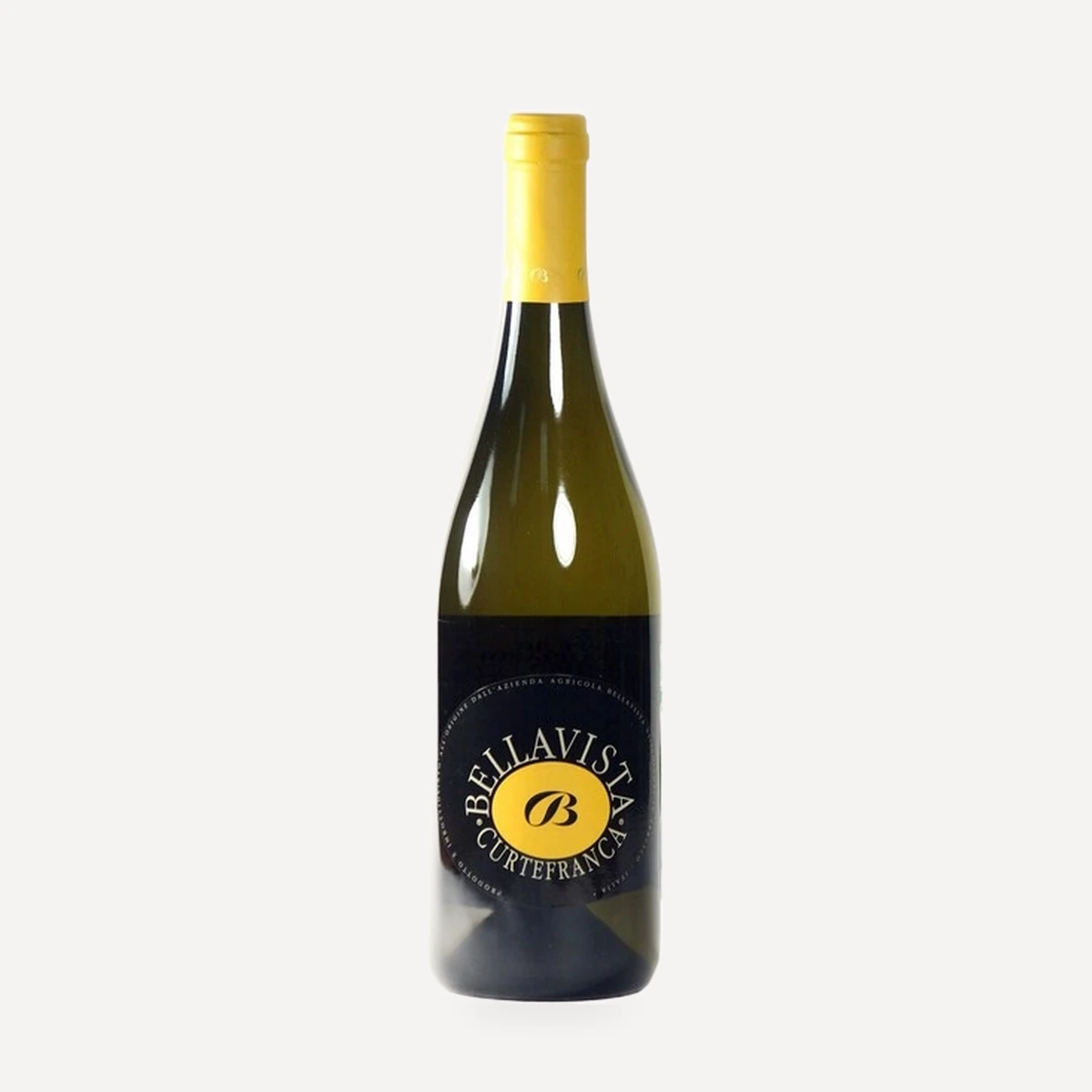
Curtefranca Bianco Terre di Franciacorta DOC
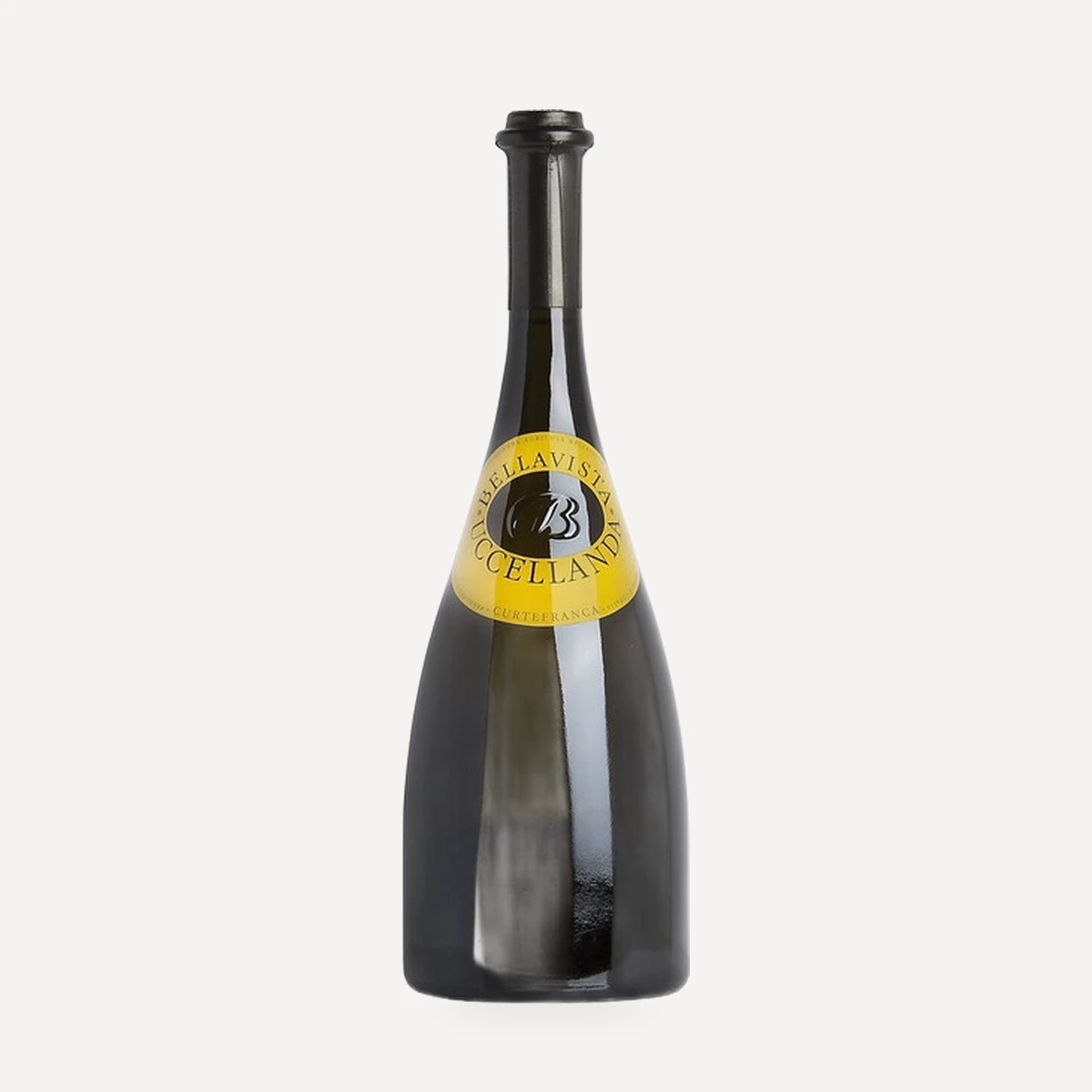
Curtefranca Uccellanda Franciacorta DOC
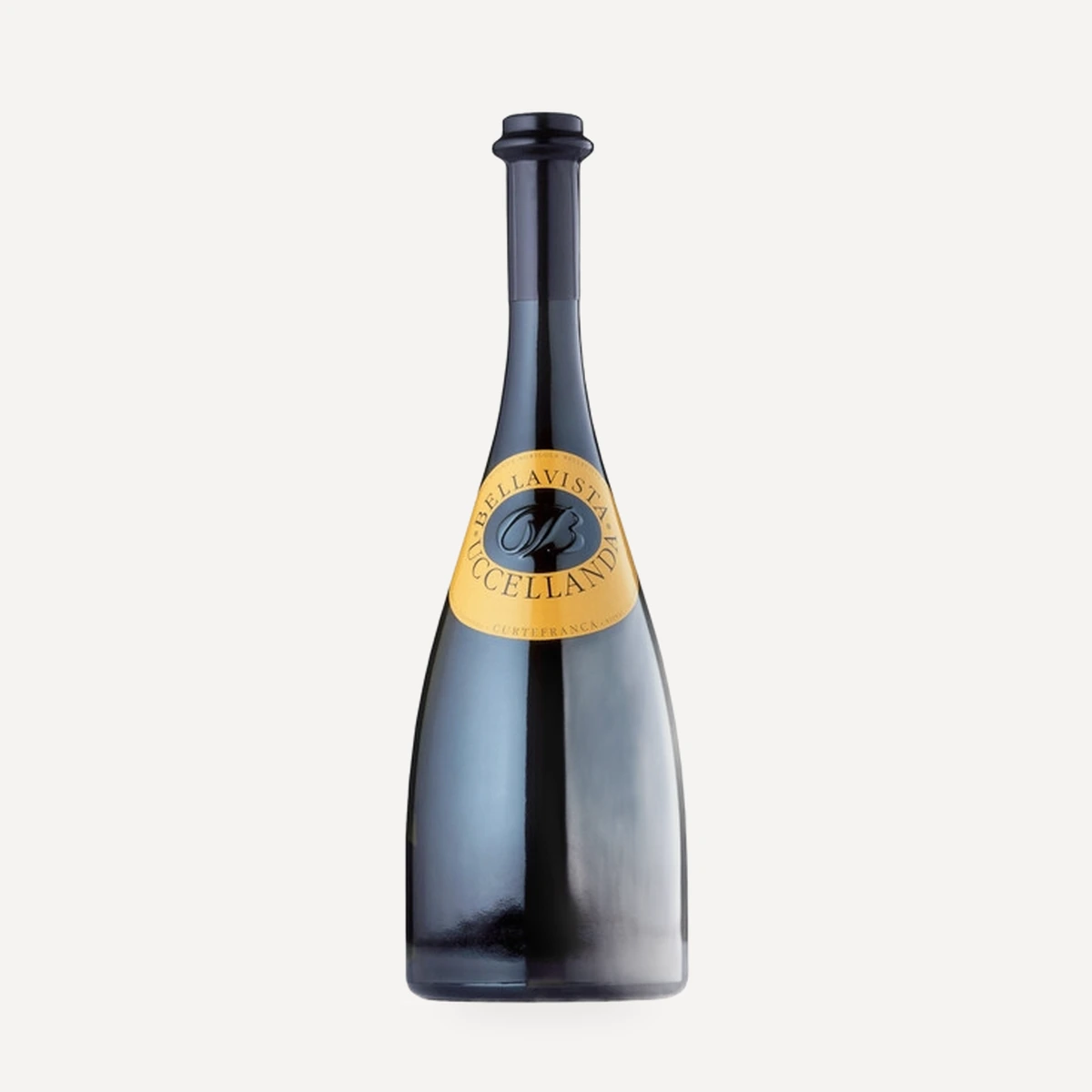
Uccellanda Curtefranca DOC
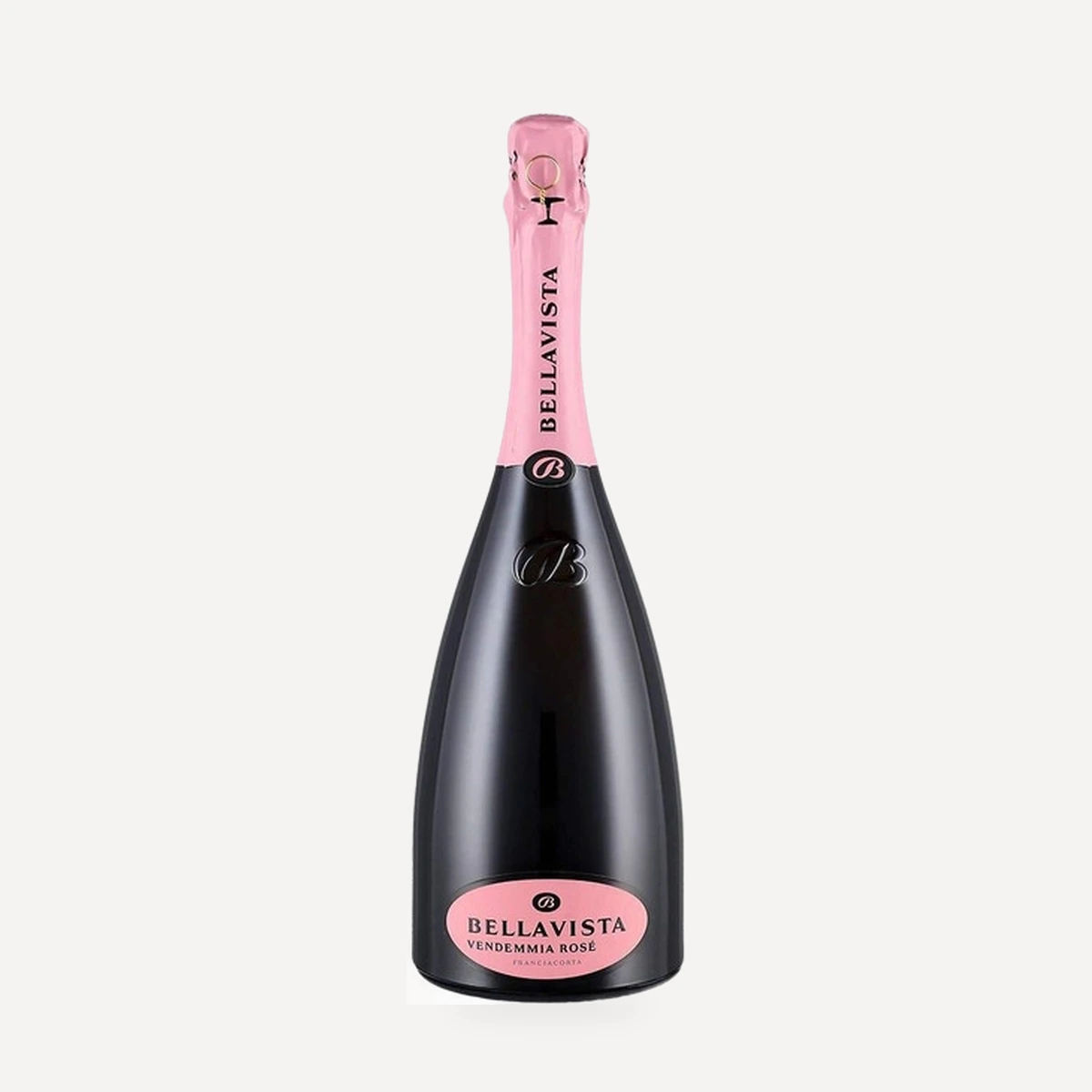
Rosé
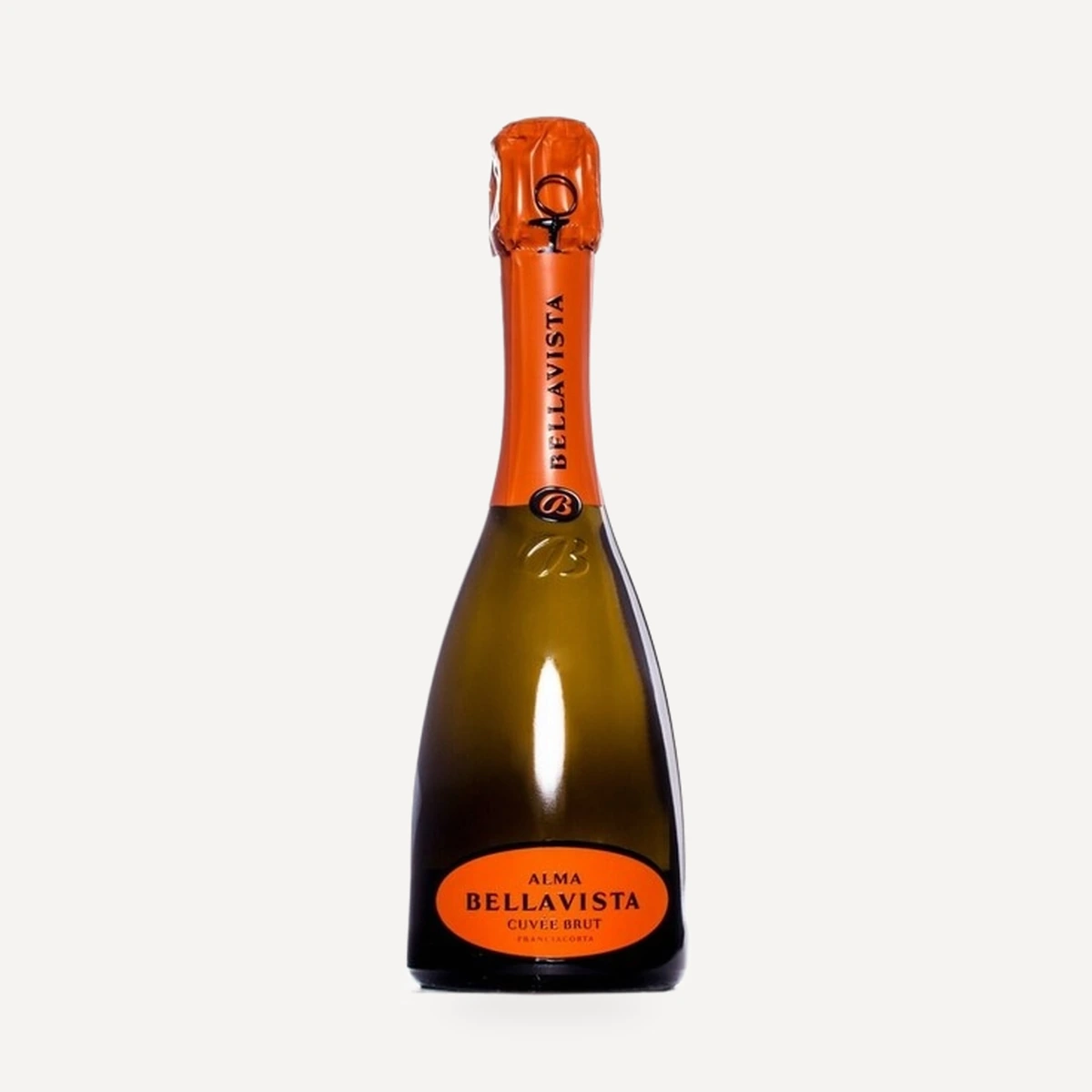
Franciacorta Cuvee Brut
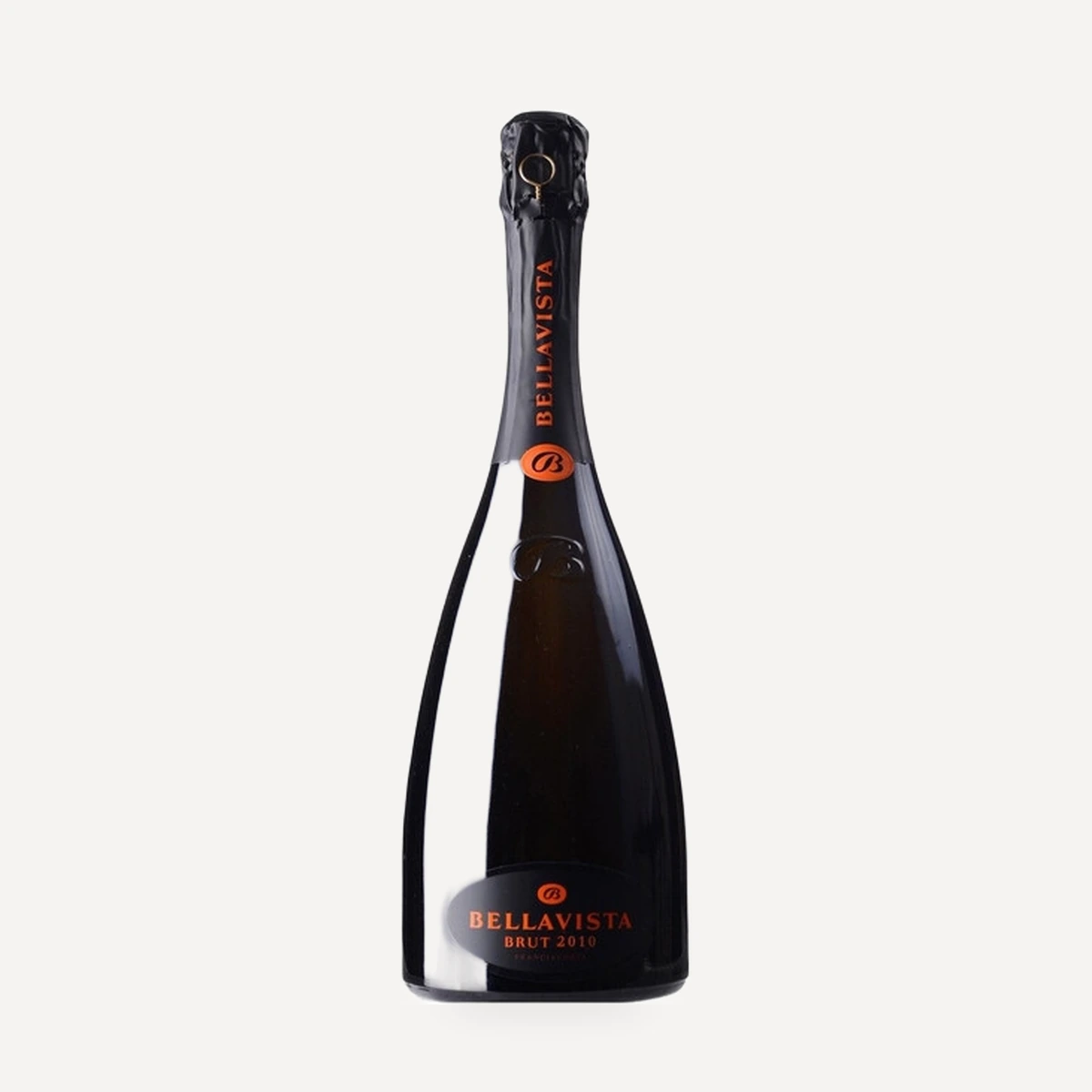
Brut Franciacorta DOCG