History
Eighteenth-century roots
Documents dating from the middle of the eighteenth century record Bartolomeo Bortolomiol, the ancestor from whom the family inherited both its name and its occupation. Bartolomeo cultivated vines throughout his life on the hills of Valdobbiadene and passed his attachment to the land and viticulture to successive generations.
Giuliano Bortolomiol’s education and wartime interruption
Giuliano Bortolomiol was born on 27 February 1922 in Ponteggio, a small district of Valdobbiadene. His father, Guglielmo, was a broker or intermediary, an important occupation in the rural society of the period. Continuing the family’s winegrowing tradition, Giuliano enrolled at the Conegliano School of Oenology. His studies were interrupted in 1943 when he was called up for military service.
After the Second World War, Giuliano returned to his studies, qualified as a wine technician and gained his first cellar experience in Friuli and Puglia. He chose to return to his native territory and participate in rebuilding the vineyards and economy damaged by the conflict.
1946: the Prosecco Confraternity
In 1946 Giuliano founded the Prosecco Confraternity. Its immediate purpose in the economic decline following the war was to discourage growers from abandoning their vineyards and countryside. It supported their work, encouraged restoration of the local winegrowing patrimony and sought to restart the area’s economy. Giuliano framed its purpose through the words “it is our duty to do something”: duty expressed responsibility to the territory and its people; doing meant enterprise, risk and persistence; something represented invention and the addition of new knowledge to established tradition.
1949: establishment of the winery
In 1949 Giuliano formally founded Cantina Fratelli Bortolomiol with his brothers Labano and Guglielmo. This is the foundation date used for the modern winery. The enterprise developed a distinct identity around selection, experimentation, technological research and improving the quality of sparkling wine from Valdobbiadene.
1960: the first Brut Prosecco in the territory
Giuliano selected grapes while they were still on the vine and adopted innovative processing and winemaking methods centred on the Martinotti–Charmat method. In 1960 he introduced the territory’s first dry Brut Prosecco, at a time when Extra Dry and Dry expressions prevailed. He considered Brut especially demanding: quality depended on repeated selection beginning at harvest, careful white vinification, immediate filtration of the must, controlled fermentation and close attention through bottling.
1962–1969: creation of the protection consortium and DOC recognition
In 1962 Giuliano joined ten other producers to establish the Consortium for the Protection of Conegliano and Valdobbiadene Prosecco wine and propose formal production rules. The consortium created a link between growers, producers and public institutions and laid the groundwork for the government’s recognition of the Denominazione d’Origine Controllata in 1969.
Further experimentation
During the 1960s Giuliano selected the Piave area for the Cabernet that became Il Mormorò. In the early 1970s he made his first rosé sparkling wine. Another experiment with a particularly dry Pinot Nero sparkling wine developed into Riserva del Governatore after friends asked him to prepare an original cuvée for the visit of a distinguished governor.
From 1986 Giuliano marked bottles from the year’s finest Extra Dry selection with a red pencil line. Originally reserved for friends who shared his attachment to land, tradition and wine, this practice became the identity of Bandarossa.
Giuliano remained a prominent figure in Prosecco production and the Conegliano Valdobbiadene territory until 2000. He welcomed interested visitors into his cellar, explained how each wine had been made and treated careful work, research and technological innovation as indispensable to quality.
Ottavia and the generational transition
Ottavia Scagliotti arrived in Valdobbiadene in the 1950s. Alongside Giuliano she helped rebuild an essential part of the post-war wine economy and supported the small family project as it developed into an established business. She acted as Giuliano’s adviser, held the family together during difficult periods and guided the sudden and delicate transfer of responsibility to their daughters.
Giuliano and Ottavia passed the business to Maria Elena, Elvira, Luisa and Giuliana. The four daughters continued the founder’s work while adding environmental, social and cultural projects. The modern identity of the company is explicitly female-led and combines family continuity with sustainability, innovation and stewardship of the Valdobbiadene hills.
Environmental and cultural development
In 2008 the family decided to convert its vineyards to organic farming. The programme encompassed plant health, planting and training choices, pruning, soil cultivation, canopy management and harvest. A parallel biodiversity project began protecting, studying and recovering genetic material from stable Glera vines more than 60 years old.
The Green Mark Management Protocol followed in 2011. It established internal environmental and quality requirements for growers supplying the winery, supplementing the Conegliano Valdobbiadene Consortium’s vineyard protocol with an emphasis on lower-impact plant protection.
The family restored an old Valdobbiadene silk mill and created Parco della Filandetta – Wine & Art Farm. The complex combines a working winery, an organic vineyard, tasting spaces, a stone amphitheatre, industrial archaeology and a programme of contemporary Land Art.
In 2018 Bortolomiol and Indaco2, a University of Siena spin-off, began Life Cycle Assessment work covering vineyard management, vinification and sparkling-wine production, bottling, packaging and end-of-life treatment. On 14 April 2021, Ius Naturae received an Environmental Product Declaration under ISO 14025, presented as the first EPD issued in the winegrowing sector. The monitoring framework follows ISO 14040–44.
In 2022 the winery celebrated the centenary of Giuliano’s birth with a programme examining both his pioneering work and the capacity of Prosecco Superiore DOCG to develop with age. Its first Sustainability Report assessed environmental, social and economic performance against five United Nations Sustainable Development Goals. In 2023, beehives were introduced beside the organic vineyard at Parco della Filandetta, and Giuliana Bortolomiol joined the board on 28 June.
Terroir
Setting and relief
The Conegliano Valdobbiadene Prosecco Superiore area occupies hills in north-eastern Italy around 45°52′40″ N and 12°17′5″ W, with elevations from 70 to 450 metres above sea level. Relief becomes particularly steep toward the north, and many cultivated surfaces are small and difficult to access.
The Treviso Prealps form a wall behind the hills, extending from Monte Cesen to Col Visentin parallel to the DOCG’s hilly axis. They shelter the vineyards from cold north-eastern winds, especially in spring, allowing only moderated airflow to reach the hills. The air is notably dry in winter and through the other seasons. Seasonal temperature variation is limited, while the contrast between day and night is substantial.
Rive and the cultivated landscape
A Rive is a small, specifically named hillside area distinguished by steepness, favourable sunlight, ventilation and generally very low yield per vine. Its identity links the physical site, the growers’ labour and the resulting grapes. Cultivation on these slopes also protects the land against erosion and depletion of organic matter.
Between the seventeenth and nineteenth centuries, growers shaped the landscape through grassy terraces or ciglioni, the Bellussera training system and a mosaic of small vineyards alternating with woodland, villages and rural dwellings. The UNESCO landscape extends from Valdobbiadene to Vittorio Veneto and south into parts of Conegliano, Susegana and San Vendemiano.
Its three defining forms are the hogback, ciglione and mosaic landscape. Hogbacks are rugged east–west ridges alternating with narrow valleys. Ciglioni, documented from the sixteenth century, use vegetation rather than stone to retain steep terraces; soil and plant roots reinforce their edges and reduce erosion and runoff. The mosaic landscape places numerous small vineyards beside non-productive woodland, creating connections between different natural habitats.
Soils
Three principal soil origins are identified. Sandstone and marl occur at the highest elevations of the northern sector; these soils may be deep and well structured or so shallow that bedrock reaches the surface. Morainic soils around Ogliano and Vittorio Veneto derive from the melting of the Lapisino branch of the ancient Piave glacier. Cemented and sandy conglomerates extend across the southern belt and originate in Pliocene rocks dating from approximately 5.3 to 2.5 million years ago.
Woodland influence
The family owns more than 3 ha of woodland near Monte Cesen. Besides acting as a carbon sink, this wooded area helps contain and protect the Valdobbiadene hills from cold northern winds.
Winemaking
Family vineyards began conversion to organic cultivation in 2008 under European organic-winegrowing requirements. The programme is intended to preserve the vineyard habitat and human health while maintaining grape quality. It limits synthetic chemicals and uses copper and sulphur for plant protection. Organic management also governs planting and training choices, pruning, soil cultivation, canopy work and harvest. Continuous observation in the vineyard follows the vines’ natural cycles and identifies emerging problems.
A genetic-conservation project protects Glera biodiversity by studying and recovering material from the most stable vines more than 60 years old. The selected plant material is intended to improve both vineyard quality and productivity without losing the variety’s inherited diversity.
Since 2011 all participating grape suppliers have worked within the internal Green Mark Management Protocol. It combines product-quality objectives with lower-impact vineyard management and supplements the Conegliano Valdobbiadene Consortium protocol by prioritising less environmentally burdensome plant-protection products. In 2022 the winery worked with 61 suppliers farming 80 ha across the denomination’s 15 municipalities; 75% adhered fully to Green Mark.
The surrounding mosaic of vines, woodland and grassed terraces is treated as part of vineyard stewardship. Vegetated ciglioni reinforce terrace edges and limit erosion and runoff, while woodland links habitats and shelters the hills. Beehives introduced beside the Parco della Filandetta vineyard in early 2023 further extend the biodiversity programme.
The historic production headquarters are at Via Garibaldi 142 in Valdobbiadene. Parco della Filandetta contains an additional working winemaking cellar within the restored silk-mill complex.
Giuliano Bortolomiol established the winery’s modern sparkling-wine approach through careful selection of grapes in the vineyard and use of the Martinotti–Charmat method. His Brut protocol began with special selection at harvest and continued through white vinification, prompt must filtration, fermentation and bottling.
Across the principal sparkling-wine range, grapes are vinified white by gentle pressing. Primary fermentation takes place at controlled temperature with selected yeasts. The Traditional Glera wines commonly come from vines trained in the locally developed modified capuccina system and are generally harvested between 15 and 30 September. Ius Naturae is harvested from early September and uses Double Guyot training.
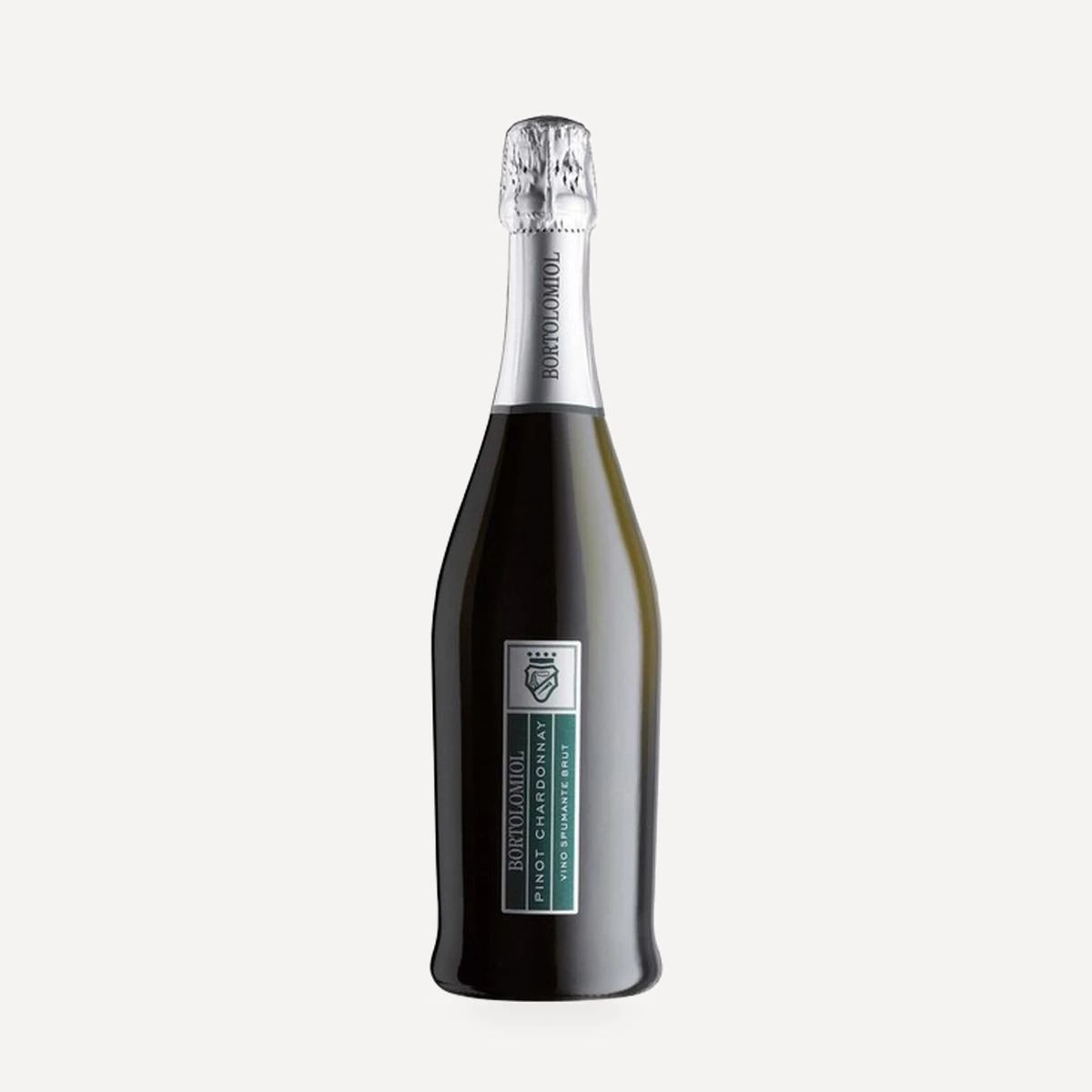
Some cuvées employ extended Martinotti–Charmat maturation. Bandarossa Special Edition Vigna di Collagù remains in contact with its lees for more than three months, followed by four months of bottle rest in a temperature-controlled cellar. Riserva del Governatore is made as a long-Charmat Pinot Nero. Filanda Rosé receives a short period of skin maceration before gentle pressing, while Miòl Rosé combines white-vinified Glera with red-vinified, macerated Pinot Nero.
The winery produced 3,075,386 bottles in 2022. Life Cycle Assessment encompasses vineyard work, still-wine vinification, secondary fermentation, bottling and packaging disposal. Photovoltaic generation reduced estimated annual emissions by 20 t CO2e, while management of family-owned woodland and meadows accounted for a further estimated reduction of 35 t CO2e.
Philosophy
Bortolomiol’s family philosophy joins continuity with experimentation. Giuliano’s legacy is defined as the determination to look forward, imagine the future within the traditions of the hills and pursue continual improvement. His approach treated quality as the result of painstaking selection, technical knowledge and an ability to explain how each production choice shaped the finished wine.
The present generation considers preservation of the Valdobbiadene hills a daily responsibility that must guide business decisions. Its declared priorities include energy saving, reducing waste, rationalising water use, environmental and social regeneration, creativity and safeguarding the territory for future generations.
Sustainability is organised around two inseparable areas: people and environment. The family presents responsible business as a condition for financial growth that benefits both company performance and the communities and places connected to production. Environmental decisions extend from organic cultivation and supplier protocols to life-cycle measurement, renewable energy, packaging and woodland management.
The company also treats vintage variation as meaningful. Its organic project seeks to retain the spontaneous character of each harvest rather than erase differences between years. The historic Brut programme similarly rests on the conviction that low-dosage Prosecco demands more exacting raw-material selection and close control throughout production.
Family governance is explicitly female-led. Creativity, gender equity, cultural work and social responsibility are presented as part of the same stewardship model as vineyard conservation.
Wines
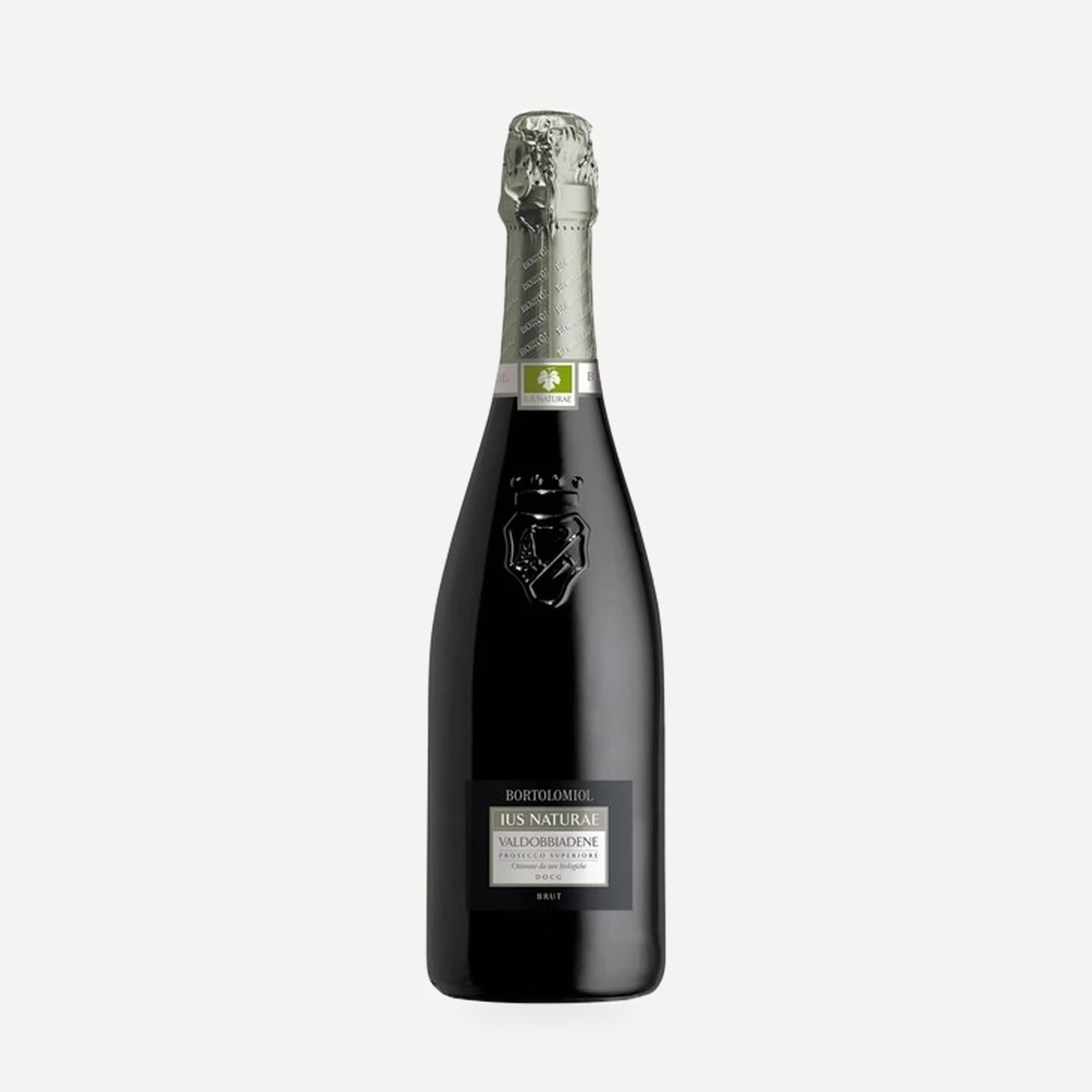
Ius Naturae Valdobbiadene Prosecco Superiore Brut Millesimato Organic Wine DOCG
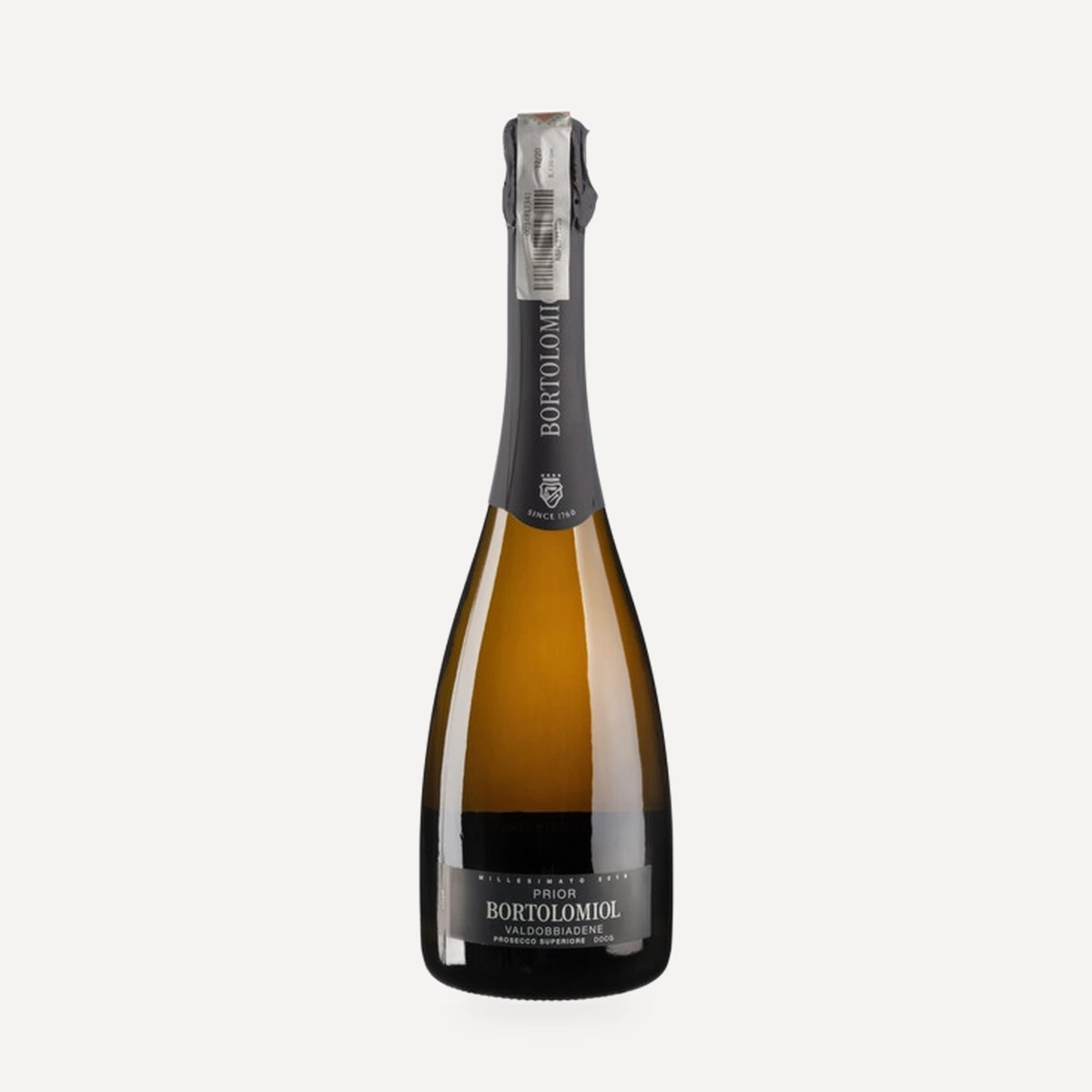
Prior Valdobbiadene Prosecco Superiore Brut Millesimato DOCG
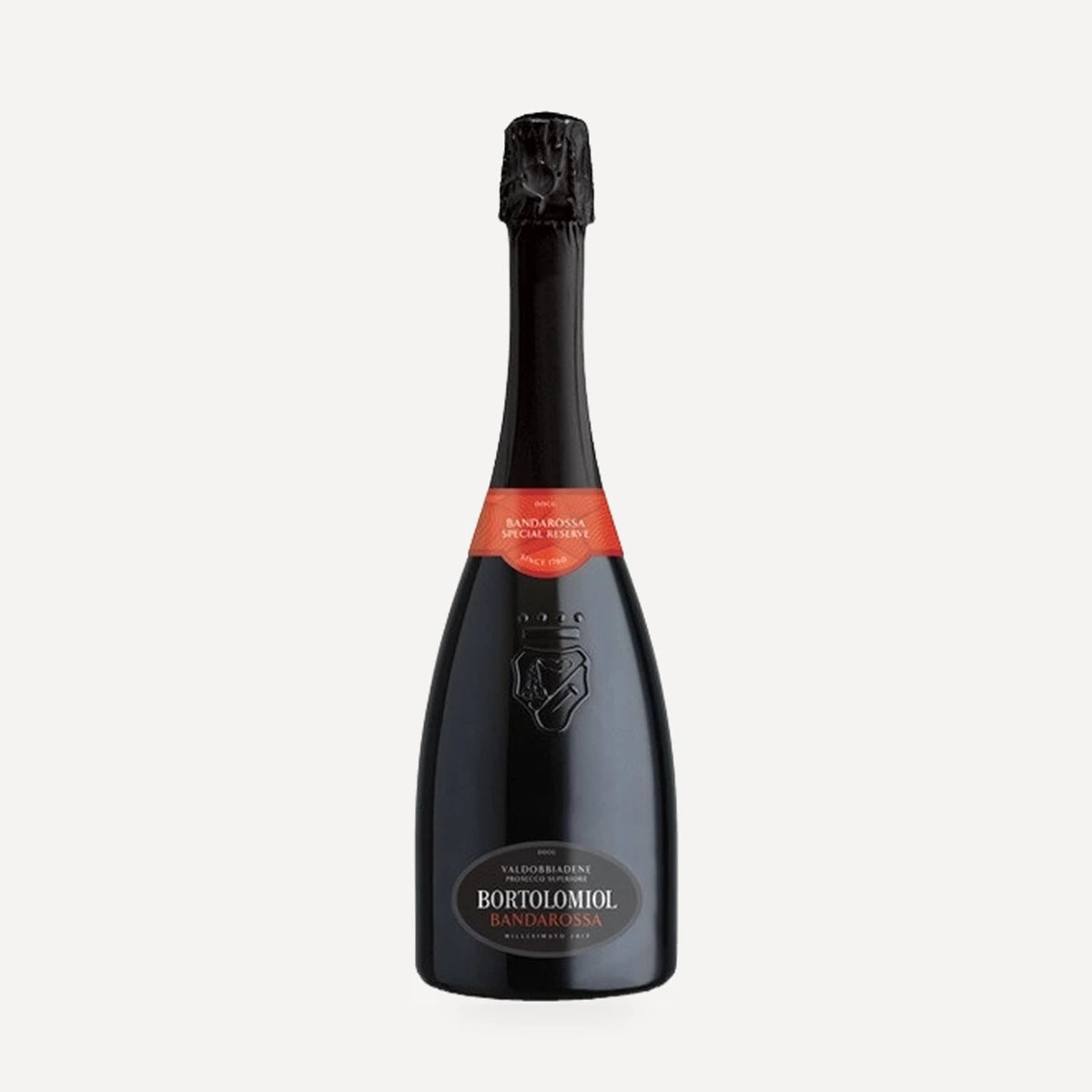
Bandarossa Valdobbiadene Prosecco Superiore Extra Dry Millesimato DOCG
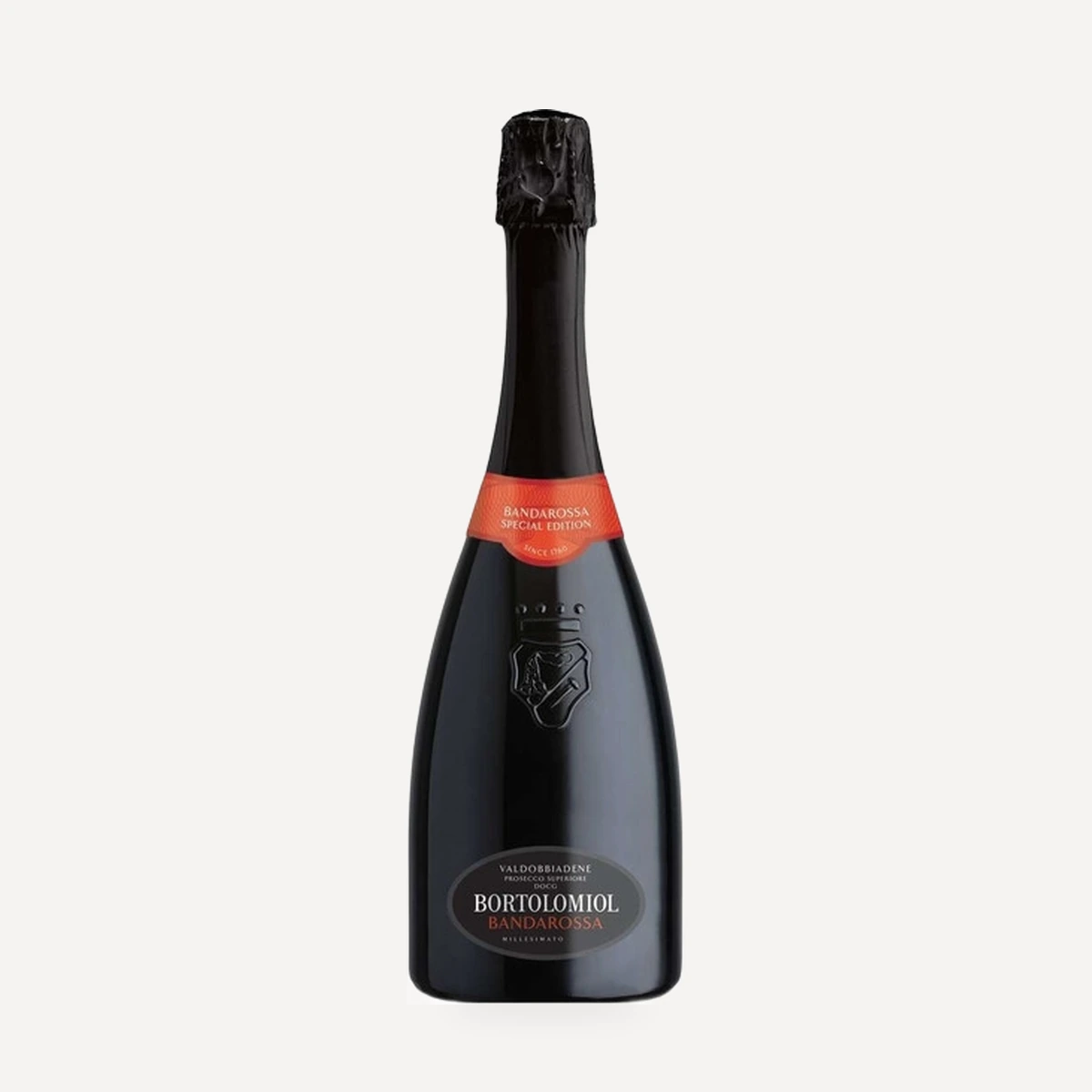
Bandarossa Special Edition Vigna di Collagù Valdobbiadene Prosecco Superiore Extra Dry Millesimato DOCG
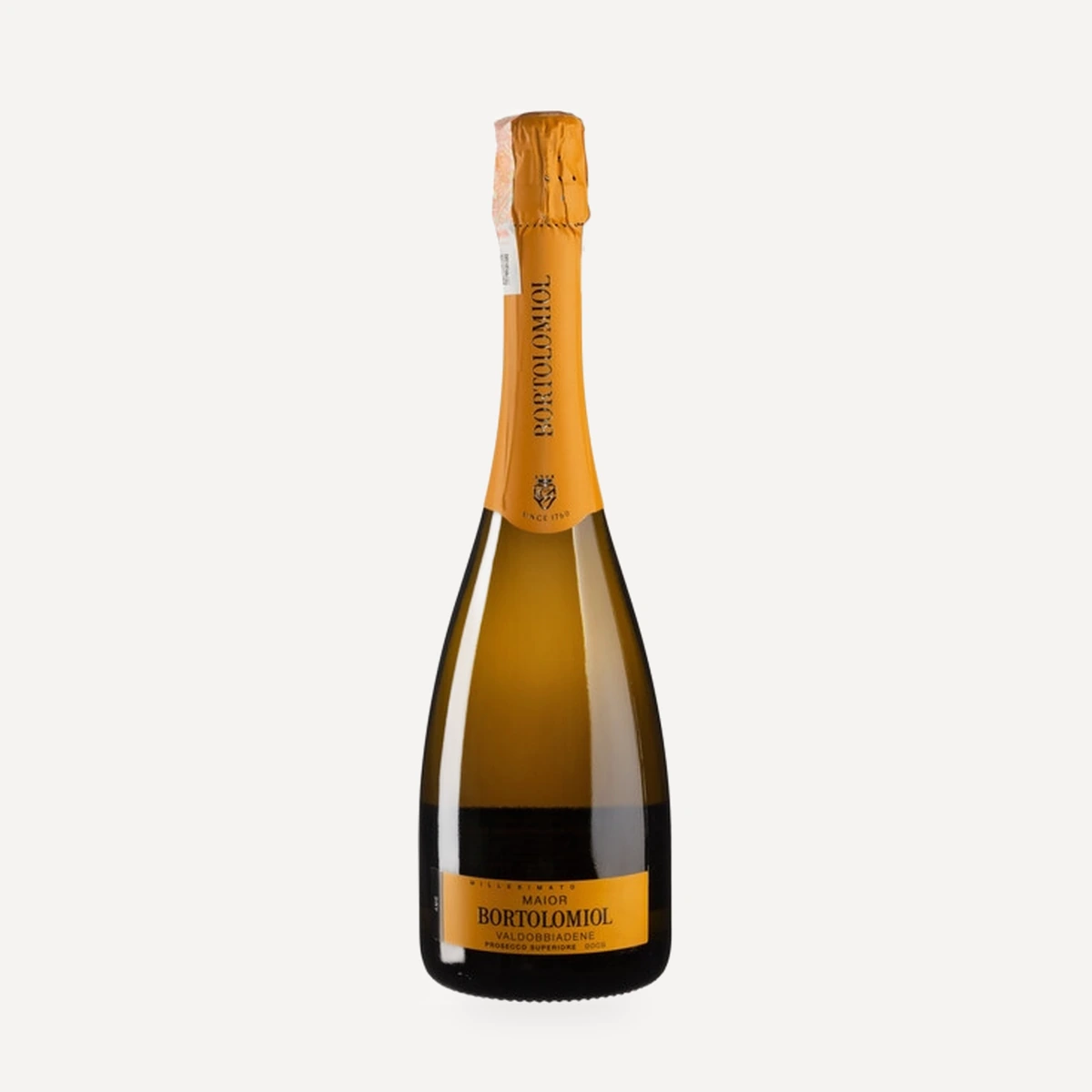
Maior Valdobbiadene Prosecco Superiore Dry Millesimato DOCG
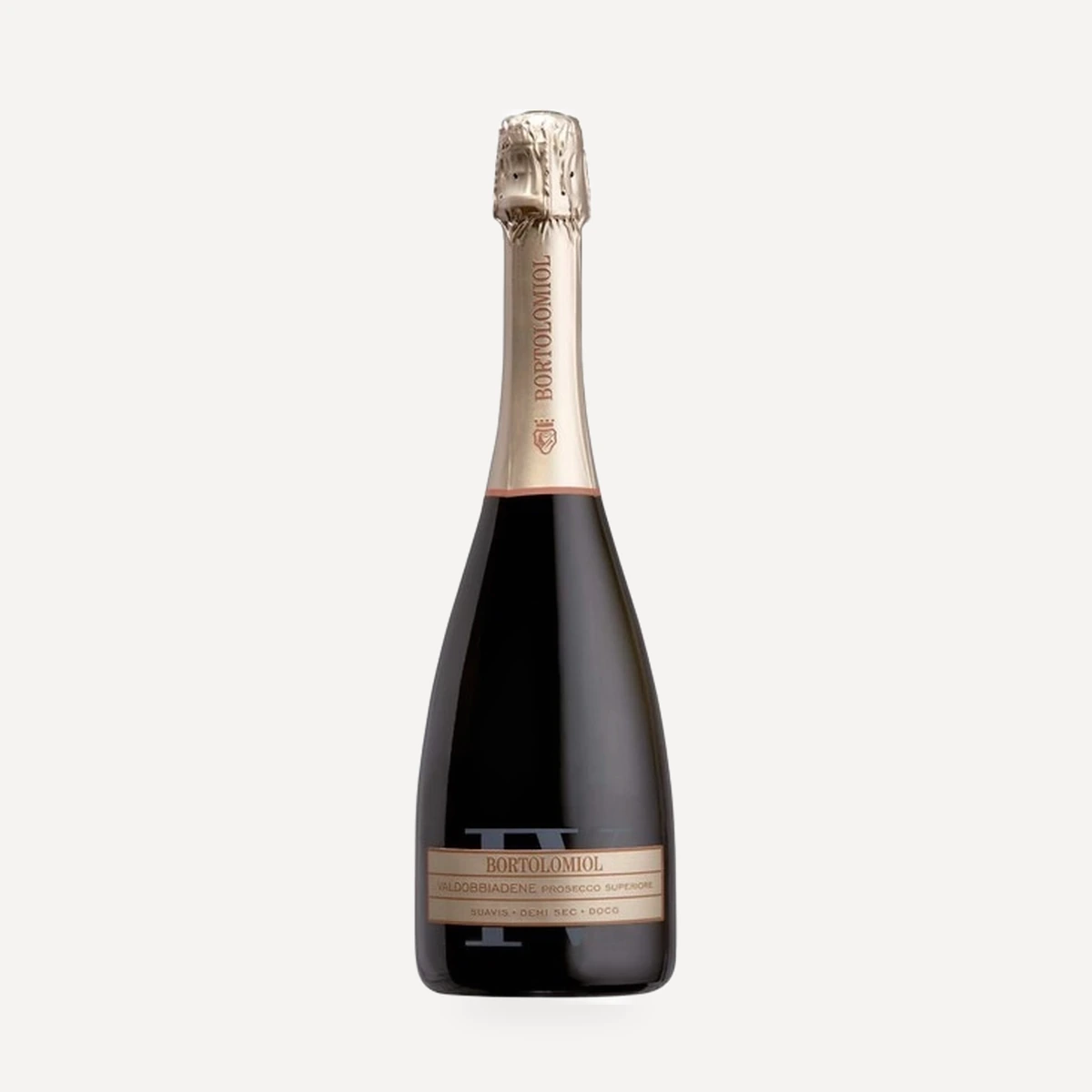
Suavis Valdobbiadene Prosecco Superiore Demi Sec Millesimato DOCG
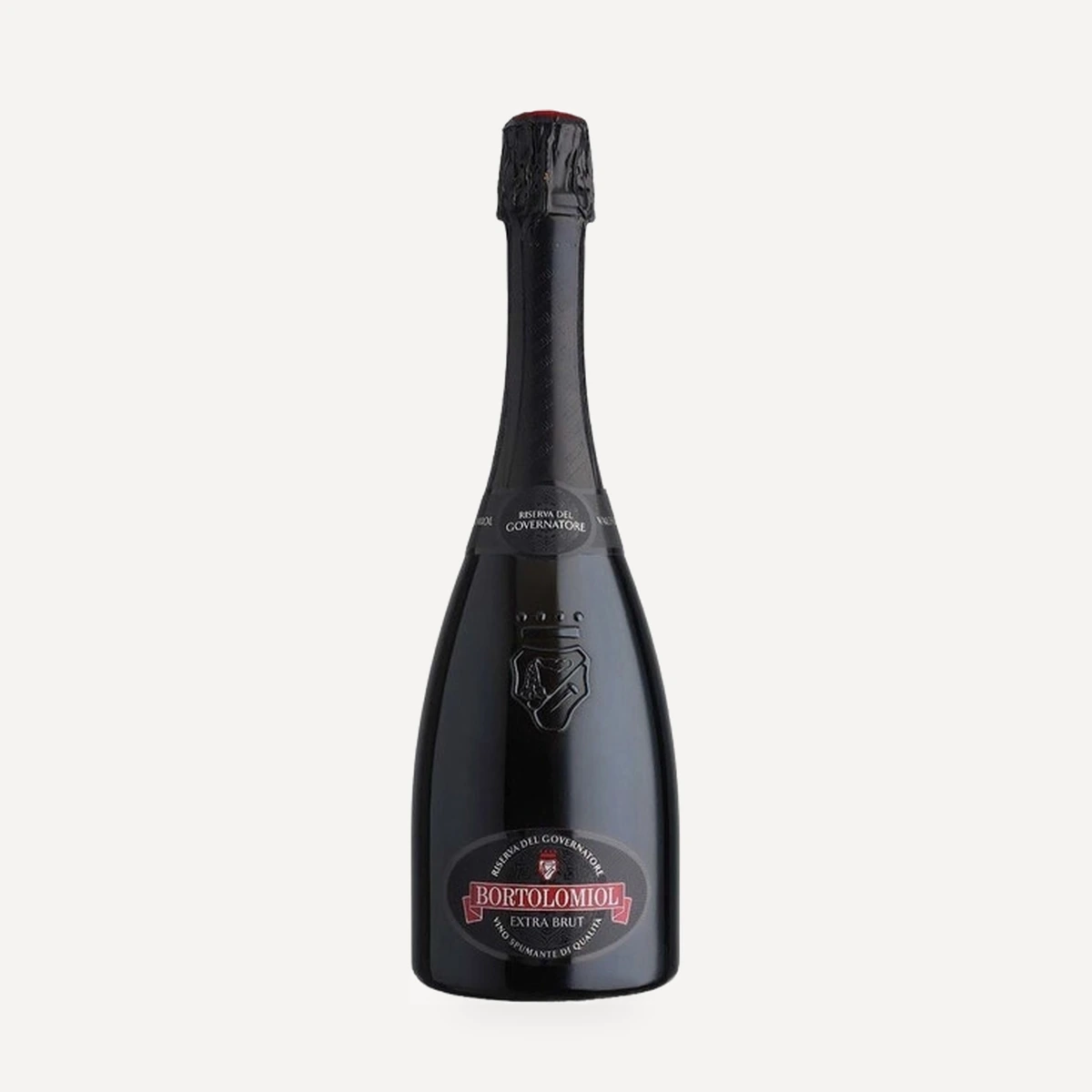
Riserva del Governatore Extra Brut Millesimato
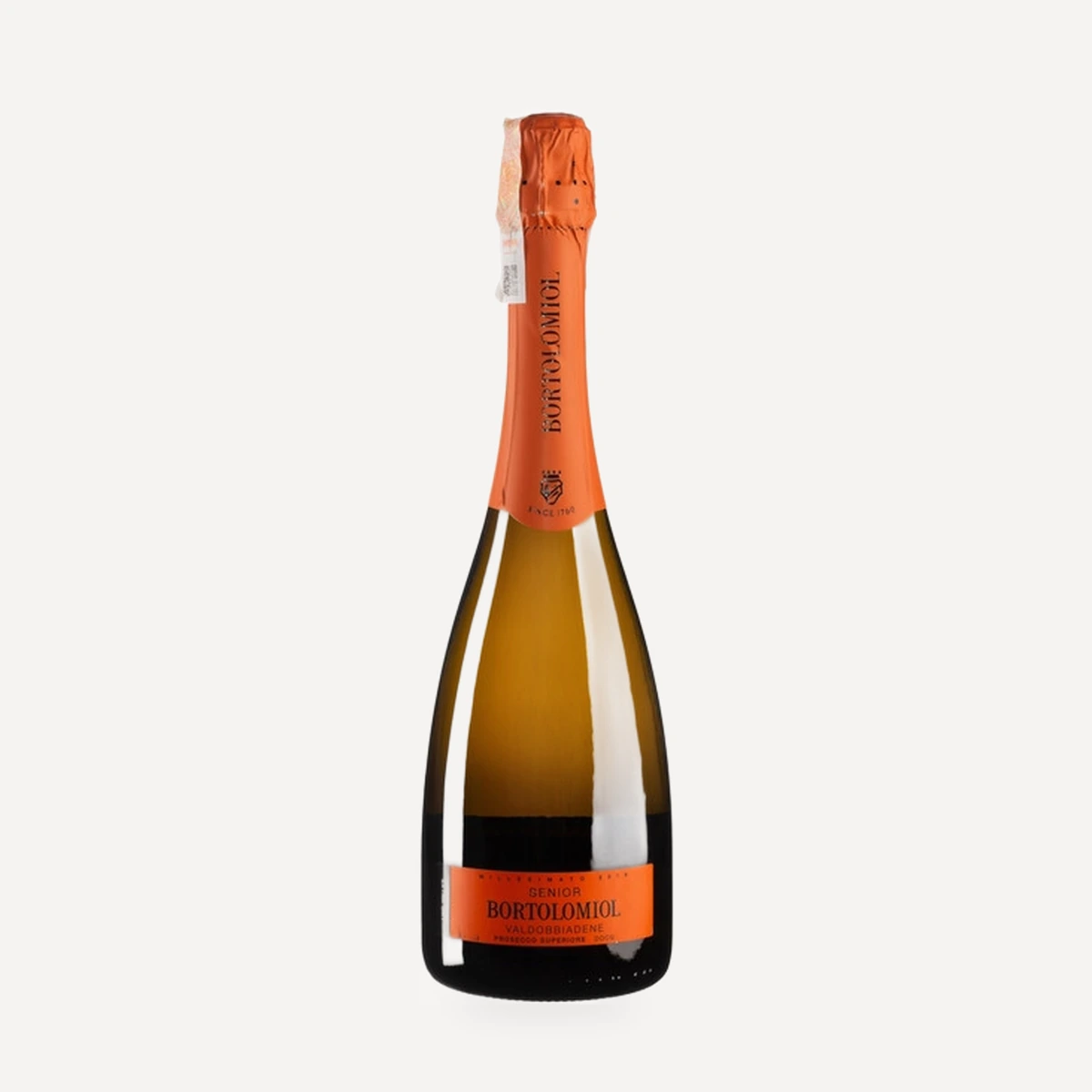
Senior Valdobbiadene Prosecco Superiore Extra Dry Millesimato DOCG
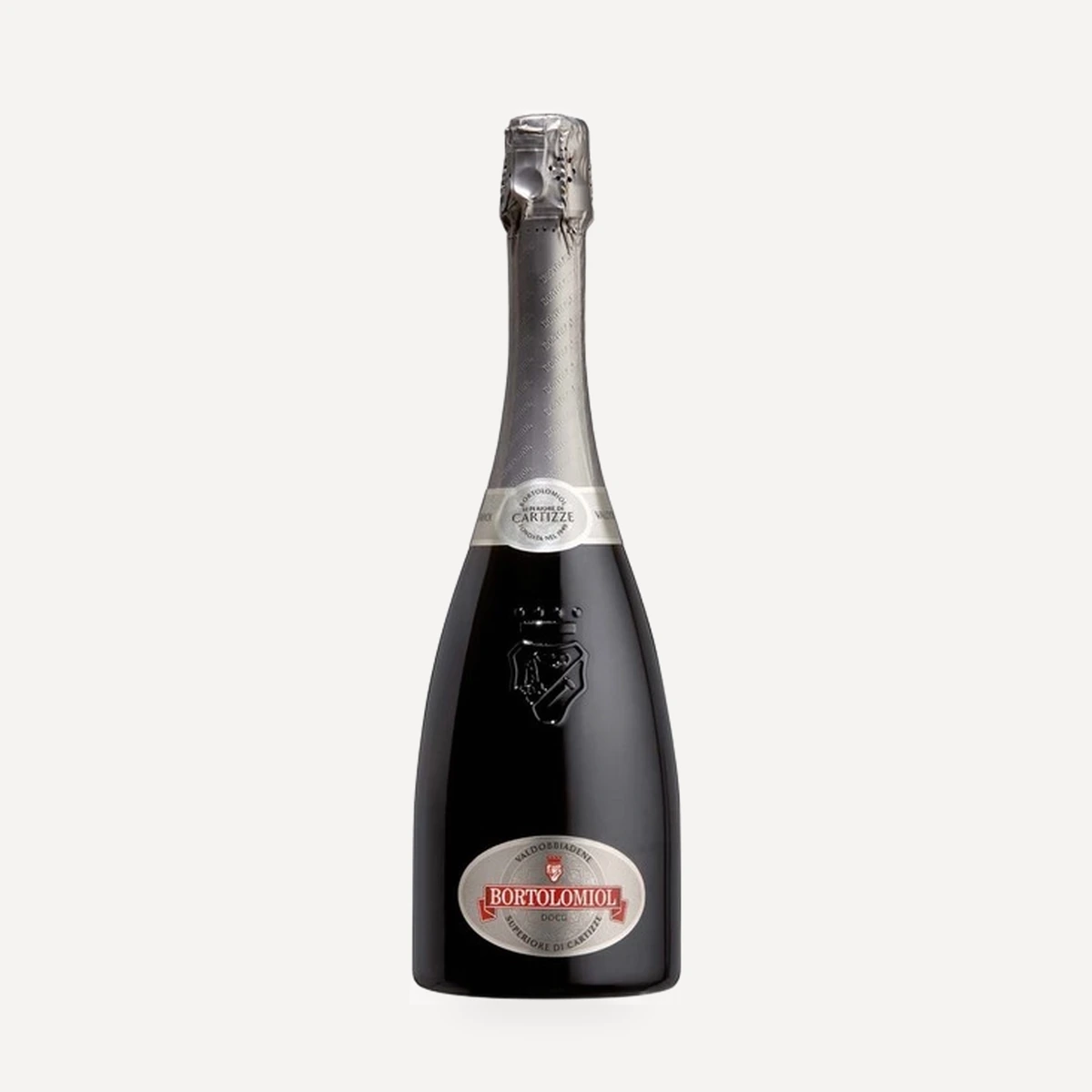
Superiore di Cartizze Valdobbiadene Dry Millesimato DOCG
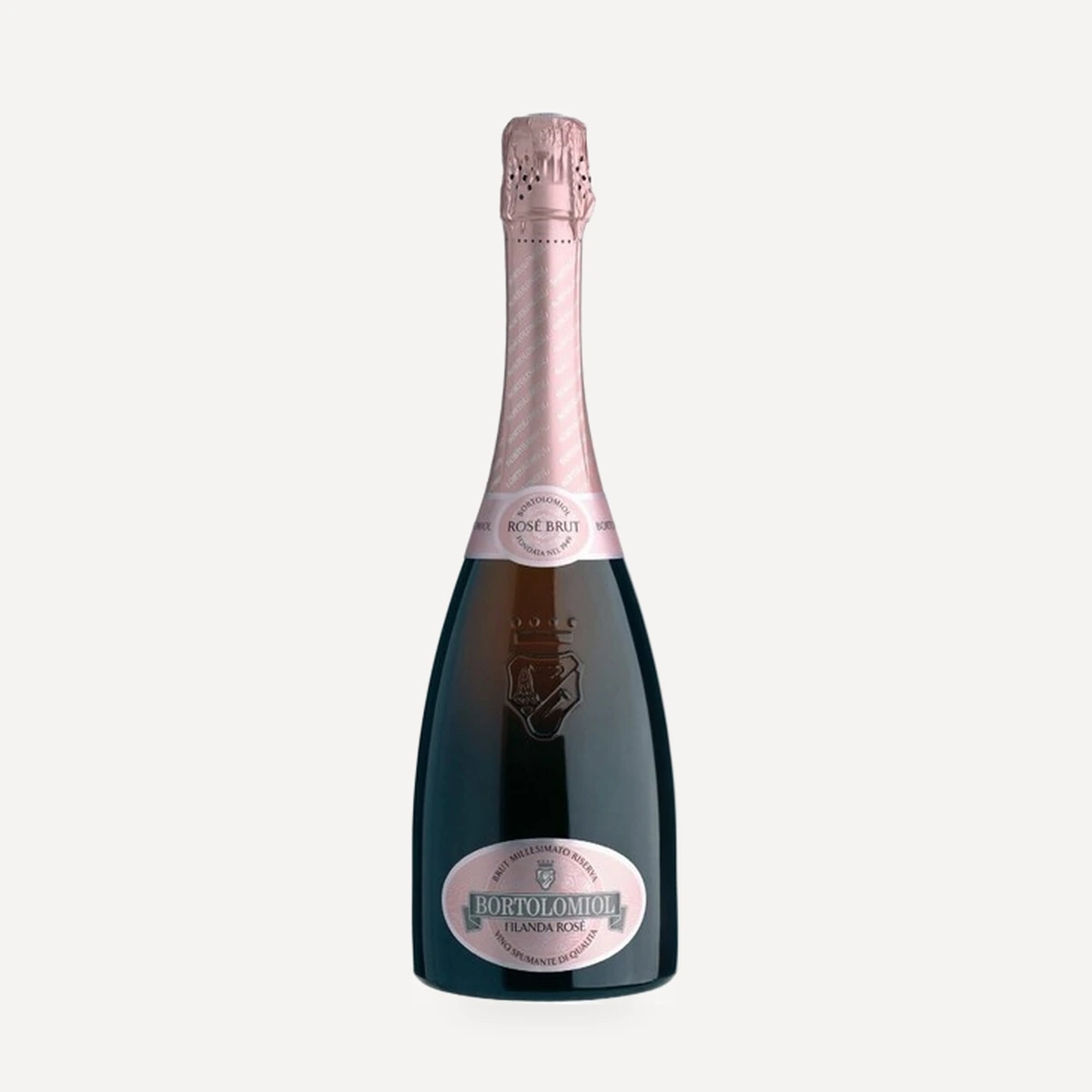
Filanda Rosé Brut Millesimato Pinot Nero
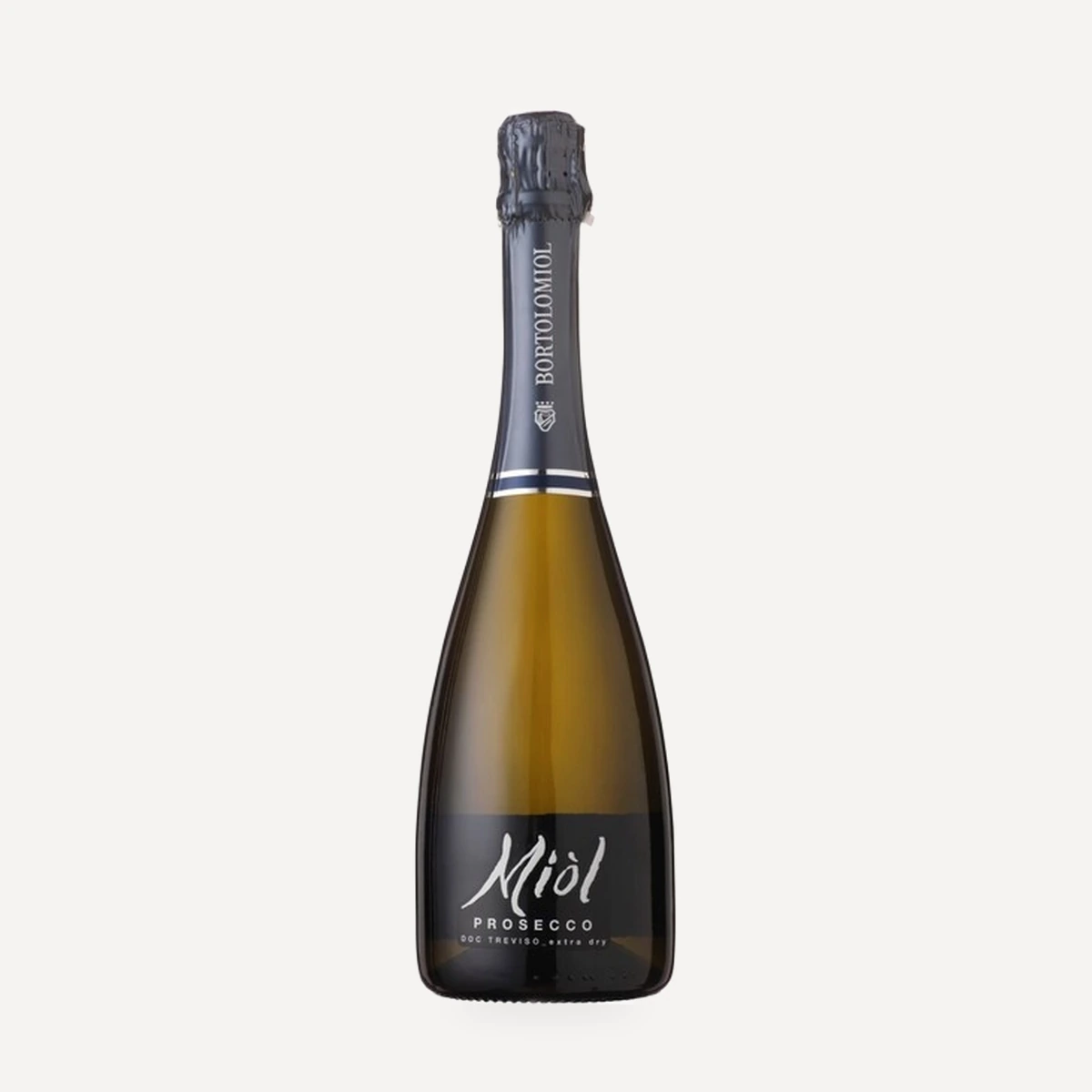
Miòl Prosecco Treviso Extra Dry Millesimato DOC
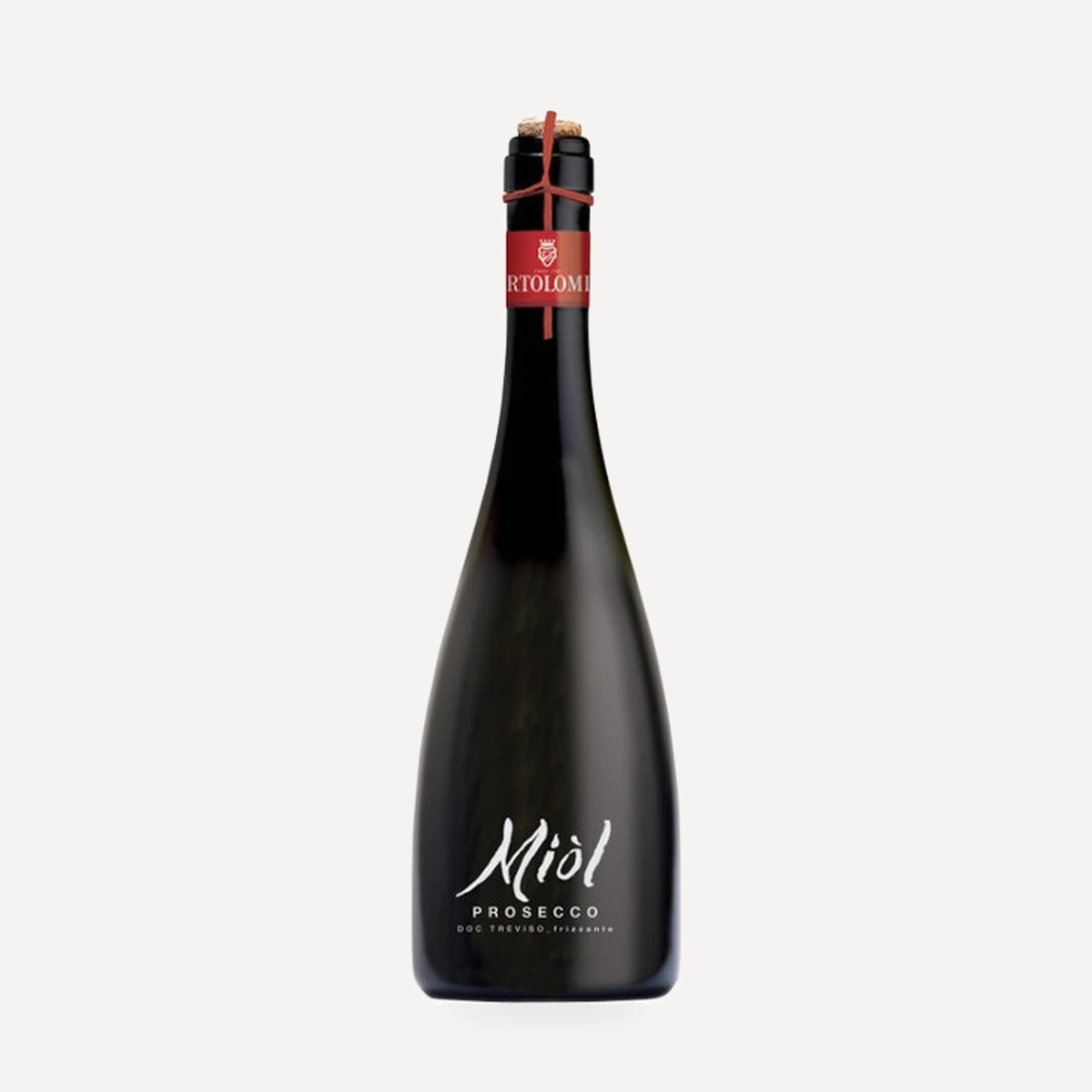
Miòl Prosecco Treviso Vino Frizzante DOC