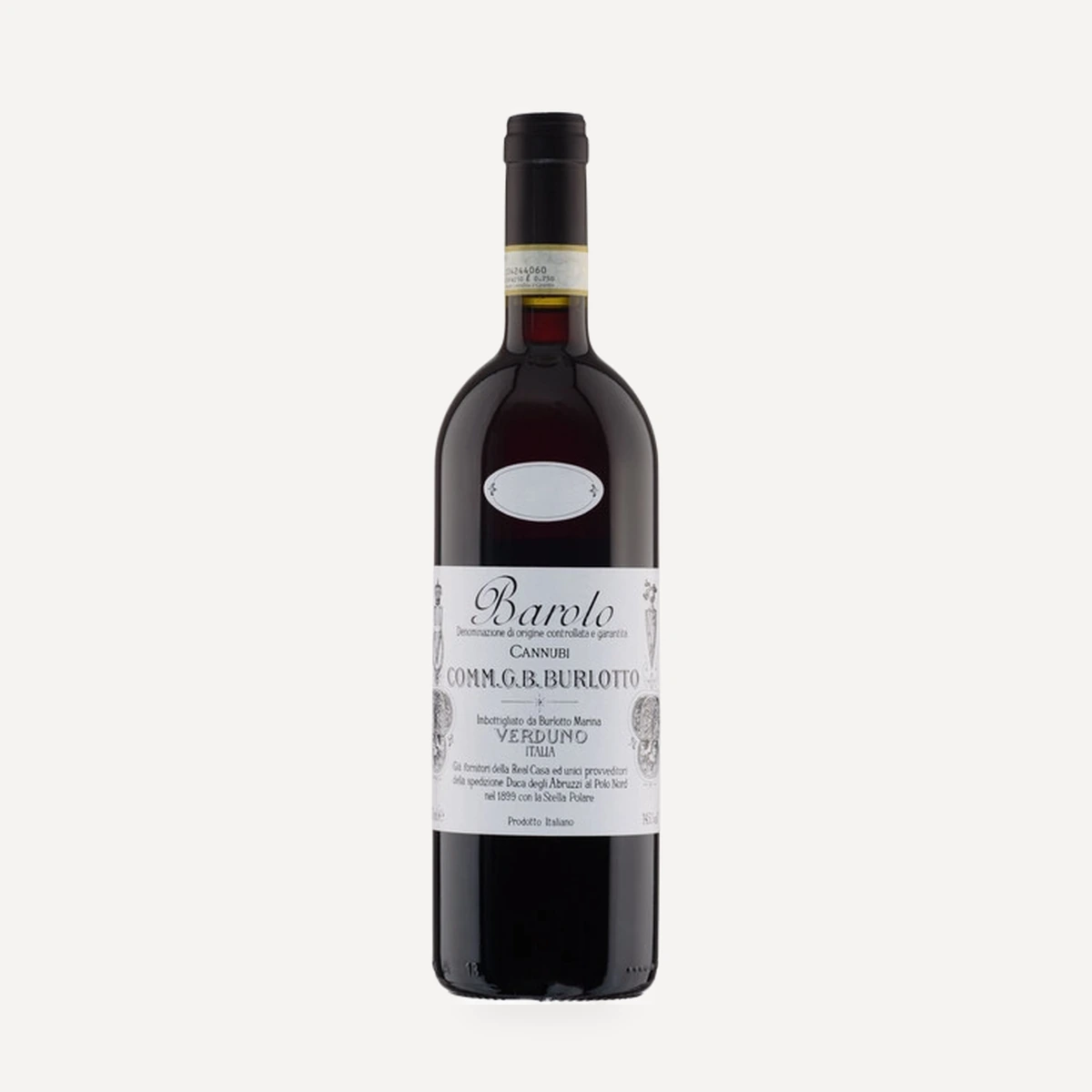
About this wine
Vineyard and terroir
The Cannubi vineyard covers approximately 15 ha. Its soils bring together formations from different geological periods and contain 45% sand, 35% silt and 20% clay, with high levels of alkalinity, calcium and limestone and traces of potassium and magnesium. This composition, including fine sand and a substantial clay component, contributes finesse and elegance to the fruit and wine.
Vinification
The grapes are harvested by hand, with unsuitable fruit removed, and transported to the winery in 20 kg crates. After destemming, the must moves by gravity into open French oak vats for alcoholic fermentation, with daily pumping over. Malolactic fermentation takes place in large French oak casks. The wine is bottled, usually in summer, without fining or filtration.
Ageing
The wine matures in large French oak casks for 20–36 months and rests in the cellar for at least another nine months after bottling before release.
Vintage notes
The 2017 growing season in Piedmont was hot and received very little rainfall. Pronounced differences between daytime and nighttime temperatures, including cool summer nights, moderated the effect of the heat. The wines showed no signs of overripeness and were rich and firm.
Label / history
Cannubi appears in documents dating to 1700. The Manzoni family preserves a bottle of Nebbiolo inscribed “Cannubi 1752,” indicating that the vineyard name was in use before the appearance of Barolo wine.