History
The agricultural enterprise before 1850
The Burlotto family enterprise existed before the winery’s formal foundation and originally combined several rural and agricultural activities. It occupies an eighteenth-century building in Verduno, a historic Barolo-producing commune.
1850: a decisive turn towards wine
In 1850, Giovan Battista Burlotto redirected the pre-existing family business firmly towards viticulture and wine production. The date survives in numerous family documents and marks this strategic change rather than the beginning of the family’s agricultural activity.
Giovan Battista, known as “GiBi,” initially held the title of Cavaliere and was later appointed Commendatore, prompting the corresponding change in the company name. He concentrated on the traditional wines of the Langa, using fruit from vineyards already owned by the family, including Monvigliero in Verduno and Cannubi in Barolo.
This was also the period in which Barolo was acquiring a more clearly defined, shared classical identity built around finesse, aromatic complexity, intensity and longevity. Giovan Battista contributed to that consolidation through a consistent commitment to winegrowing and the Langa.
Recognition in the nineteenth and early twentieth centuries
The winery became an official supplier to the Royal House of Savoy and received numerous distinctions at fairs and exhibitions in Europe and across the Atlantic. Thirty-two dated medals and emblems displayed on the winery façade preserve a record of its production, commercial activity and prominence between the nineteenth and twentieth centuries.
Giovan Battista was also appointed sole wine supplier to the Duke of the Abruzzi’s North Pole expedition of 1899–1900. A satirical illustration in La luna, portraying him sharing an imaginary toast with a polar bear, later inspired the name Locanda dell’Orso Bevitore.
At the beginning of the twentieth century, Comm. G.B. Burlotto acquired the historic villa now known as Villa Giobatta, set among the Cannubi vineyards in Barolo.
Francesco and Ignazio Burlotto
After Giovan Battista’s death, the winery passed to his son Francesco. Francesco died prematurely, and stewardship then passed to Francesco’s son Ignazio.
Ignazio managed the estate alone through the difficult war years. He became the only local producer continuing to vinify Pelaverga as a varietal wine, both cultivating the grape himself and purchasing small quantities from neighbouring growers. His persistence was decisive in preserving the tradition that became Verduno Pelaverga.
1958–1968: vineyard continuity and a young successor
A surviving section of Monvigliero was planted in 1958. Other parts of this key estate vineyard were subsequently renewed with a combination of massale material from the family vineyards and selected clones on several rootstocks.
Ignazio died in 1968. The winery then passed to his daughter Marina Burlotto, who was only seventeen years old. She represents the family’s fourth generation.
Vineyard renewal and expansion
Sections of Monvigliero were planted in 1987 and 1992, followed by further planting in 2015. The estate retained multiple planting ages and rootstocks within the three Monvigliero parcels rather than treating the vineyard as a uniform block.
The Cannubi Valletta parcel was replanted in 1988 on Kober 5BB, selected for its vigour in the vineyard’s extremely poor sandy subsoil.
The family’s most recent vineyard acquisition was a 1.07-hectare parcel in Castelletto, Monforte d’Alba. Beginning with the 2018 vintage, fruit from its upper slope—where vines were planted in 1973—became the basis of a new single-vineyard Barolo.
Fourth and fifth generations
Marina Burlotto, her husband Giuseppe Alessandria and their children Fabio and Cristina Alessandria represent the fourth and fifth generations at the head of the family enterprise. Their work continues to centre on the classical wines of the Alba Langa, interpreting inherited practices as a living responsibility rather than a fixed protocol.
Recovery of the estate’s rural buildings
The family extended its activity into hospitality by restoring buildings formerly used in the winery’s rural operations. Locanda dell’Orso Bevitore opened in Verduno in 2004. Restoration of Villa Giobatta, the historic Cannubi property acquired at the beginning of the twentieth century, was completed in 2020.
Terroir
The estate’s vineyards cover just over 16 hectares distributed among 14 crus in Verduno, Barolo, Monforte d’Alba and Roddi. Seven of the vineyards are recognized Barolo geographical mentions. Their altitudes extend from approximately 250 to 360 metres, with individual slopes facing south, west, east, north-west or east-south-east.
Western Barolo geology
Monvigliero lies entirely on laminated Marne di Sant’Agata Fossili: fine grey-blue sediments formed between 7 and 11 million years ago, combining clay, silt and sand with a strong limestone component. This geology is associated with fine aromas, mature but non-aggressive tannins, delicacy and a long, savoury profile.
Breri adjoins Monvigliero and shares the same geological formation. Cannubi also belongs to the Marne di Sant’Agata Fossili group, although its clay-limestone marls take an exceptionally sandy form and create extremely poor subsoils.
Neirane, Rocche dell’Olmo and Boscatto lie on the Cassano Spinola Formation. This laminated, marly structure is more friable in summer and more compact in winter than Monvigliero, contains less limestone, has a lower pH and is more than one million years younger; its fossil composition also differs. These sites are associated with elegant wines of intense but unsaturated colour, firm tannic presence, warmth and incisive, energetic flavours.
Monforte d’Alba
Castelletto lies on an extension of the Lequio Formation characteristic of Serralunga: alternating layers of clay-rich marl and sand. Its gentle east-south-east orientation gives the vines morning sun, an exposure the family considers important for drawing delicacy and elegance from a site otherwise known for depth and structure.
Verduno and Roddi sites beyond Barolo
Cadìa shares the geological texture of the “Tortonian” Barolo sector encompassing Verduno, Barolo, La Morra, Cherasco, Novello and part of Monforte d’Alba. Its full southern exposure reinforces the site’s tendency towards softness and delicate tannins.
Castagna is geologically complex because it stands at the meeting point of Marne di Sant’Agata Fossili, the Cassano Spinola Formation and gypsum-bearing formations. Perno and L’Urdiä occupy the Cassano Spinola Formation; at L’Urdiä this consists of laminated calcareous marl.
Across the Verduno vineyards, calcareous soils generally balance clay, sand and silt, supporting water retention. Short distances can separate materially different geological formations and vineyard exposures, giving the estate a varied set of mesoclimates and soil structures.
Winemaking
Manual work is considered essential throughout the vineyards, and sustainability is a fixed principle of the estate’s viticulture. The precise cultivation programme is adjusted to the season, the grape variety, the individual cru and the requirements of each vintage rather than imposed as an unchanging protocol.
The documented vineyards use Guyot training. Monvigliero preserves several vine ages, massale material from the estate’s own vineyards, selected clones and rootstocks chosen for different soil conditions, including Riparia, 420A and Kober 5BB. Cannubi Valletta also uses Kober 5BB, whose vigour is suited to its poor sandy subsoil.
Harvesting is performed by hand to protect fruit integrity. Grapes may be selected when required and are transported to the cellar in 20 kg boxes. No organic, biodynamic or other third-party viticultural certification is identified.
Winemaking is adapted to the circumstances of the vintage, the potential of each cru and grape variety, and the way each lot develops during fermentation and maturation. The estate rejects a single predetermined model of a “perfect wine” and does not treat tradition as a fixed technical recipe.
The constant principles are delicacy, patience and limited force in cellar operations. Large barrels remain central to maturation, while each wine is allowed to follow an individual course rather than being standardized across vineyards or vintages. Decisions are made through observation, reflection and comparison as the wine transforms and develops in the cellar.
Philosophy
The family regards tradition as dynamic rather than fossilized. Its purpose is not to repeat identical farming and winemaking procedures every year, but to interpret the interaction among grape variety, vineyard, terroir, season and vintage.
Each wine follows a path adapted to the cru’s resources and to its evolution during fermentation and maturation. The family works without a predetermined image of a flawless wine, relying instead on reflection, comparison and attentive observation. This approach is described as honest craftsmanship without dogma, ritual or self-display.
Classicism, solemnity, balance and precision provide the estate’s compass. These values are not intended to homogenize the vineyards or suppress their emotional and expressive differences. Manual vineyard work, sustainable cultivation, large barrels, gentle cellar handling, patience and trust in each wine’s capacity to develop are the practical constants.
The continuation of the family estate is understood as a responsibility inherited from earlier generations. Memory is expressed through present choices rather than through the uncritical preservation of an archaic working method.
Wines
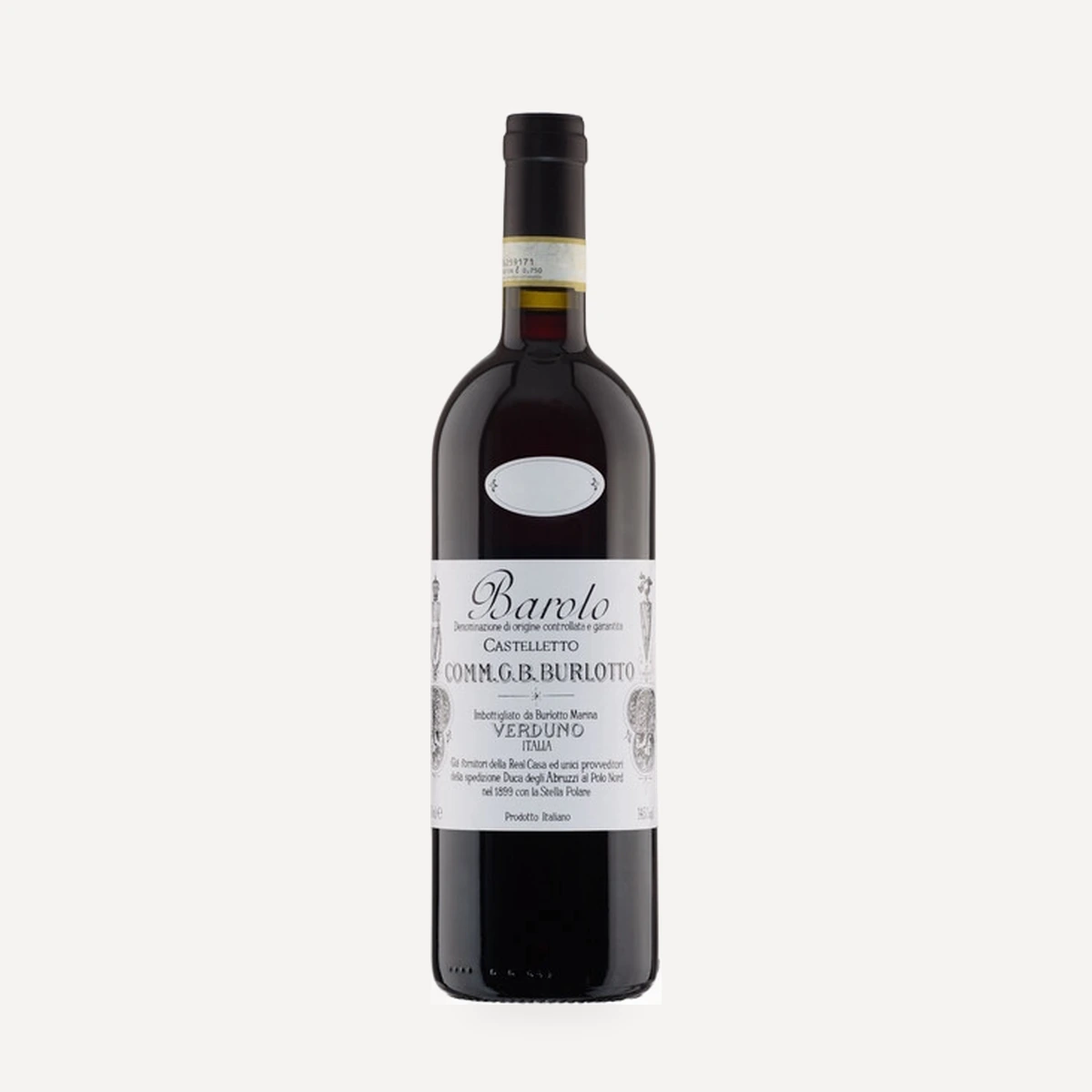
Barolo Castelletto DOCG
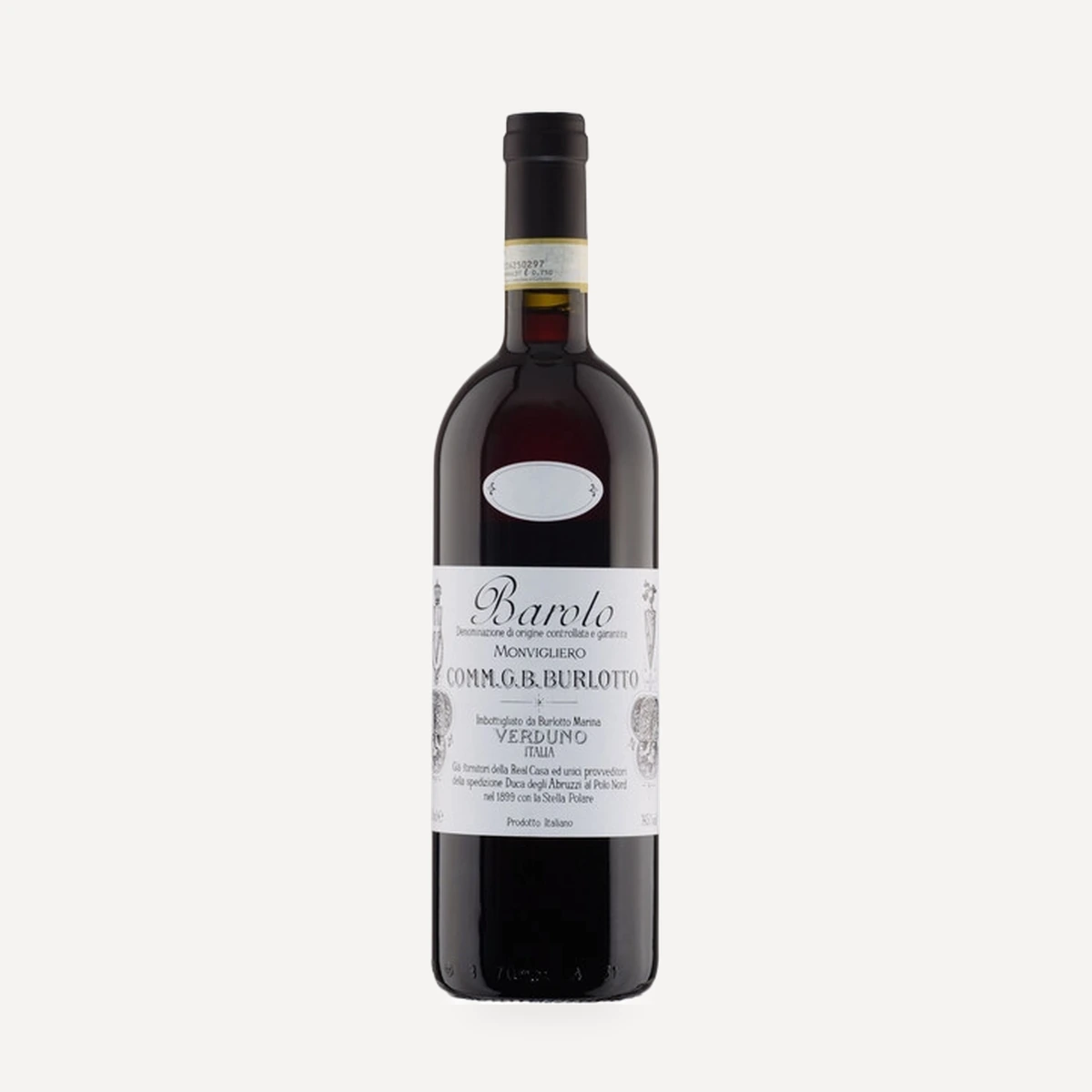
Barolo Monvigliero DOCG
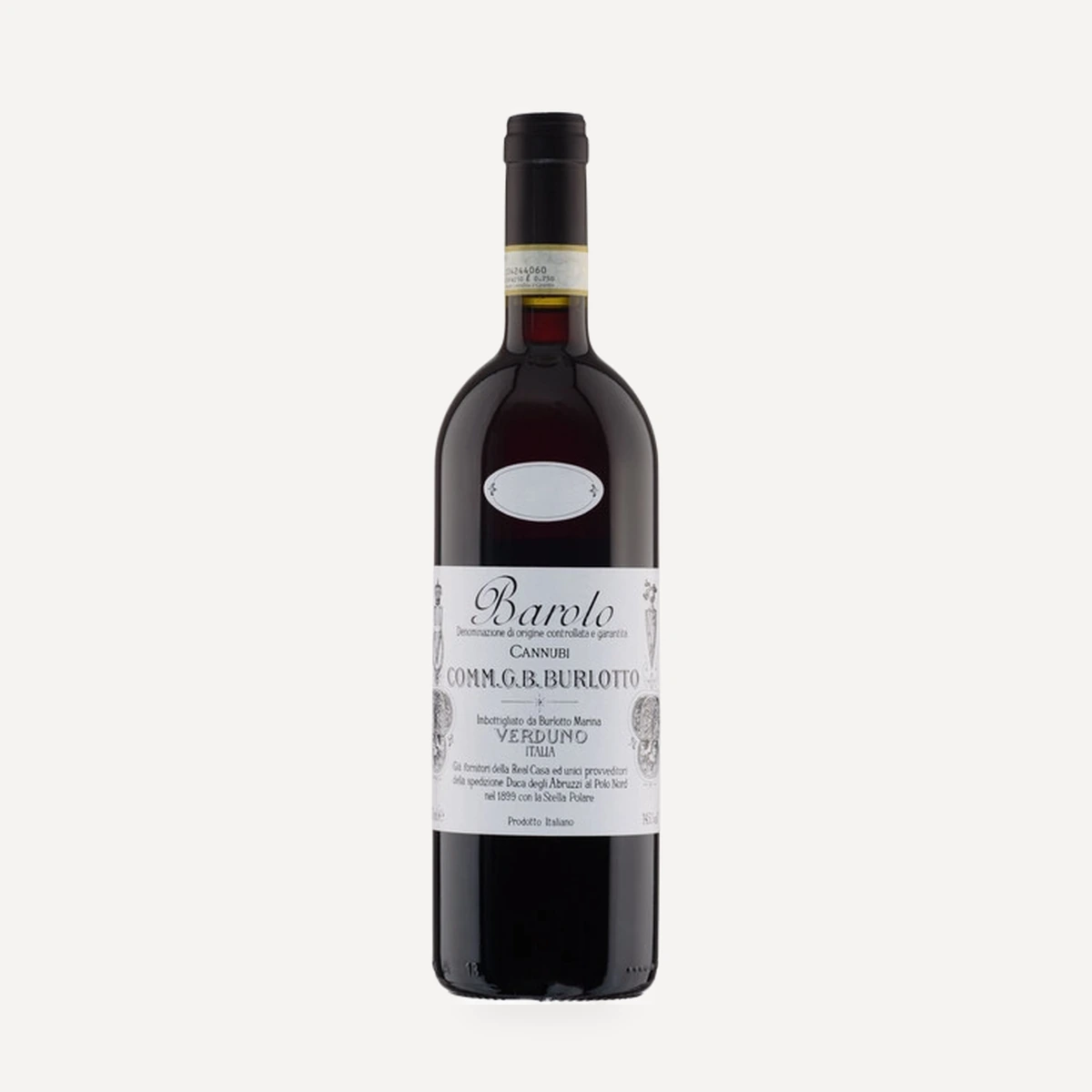
Barolo Cannubi DOCG
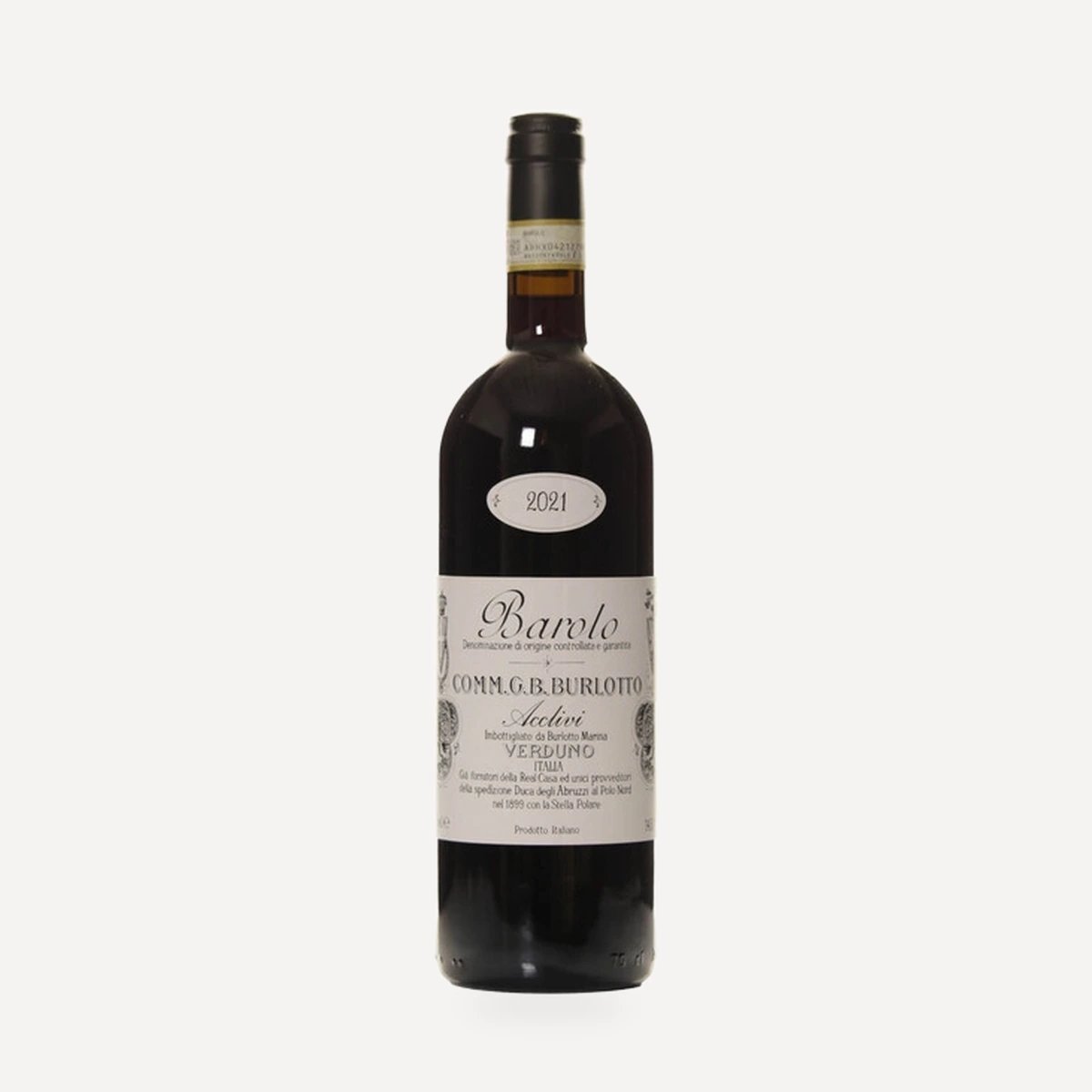
Barolo Acclivi DOCG
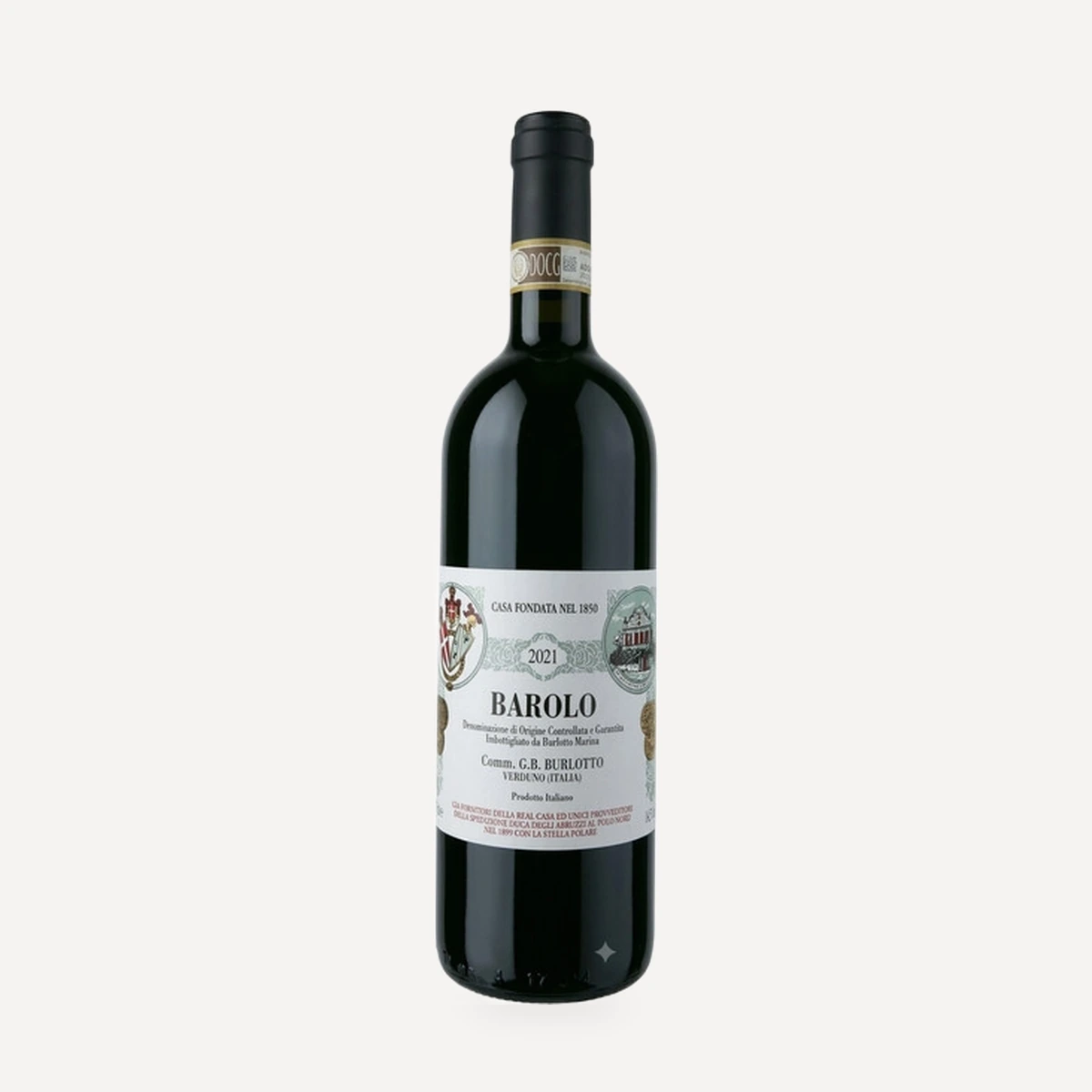
Barolo DOCG
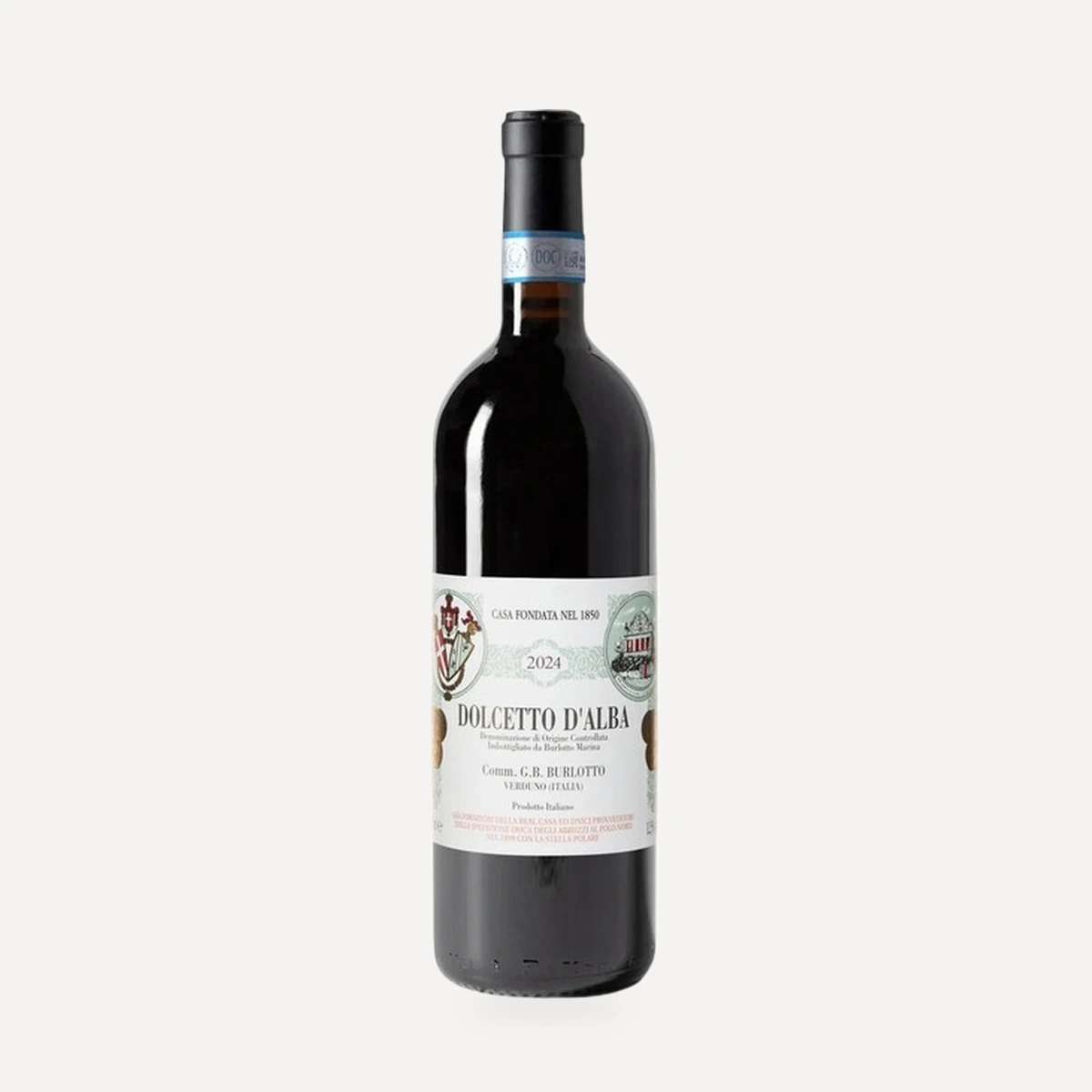
Dolcetto d’Alba DOC
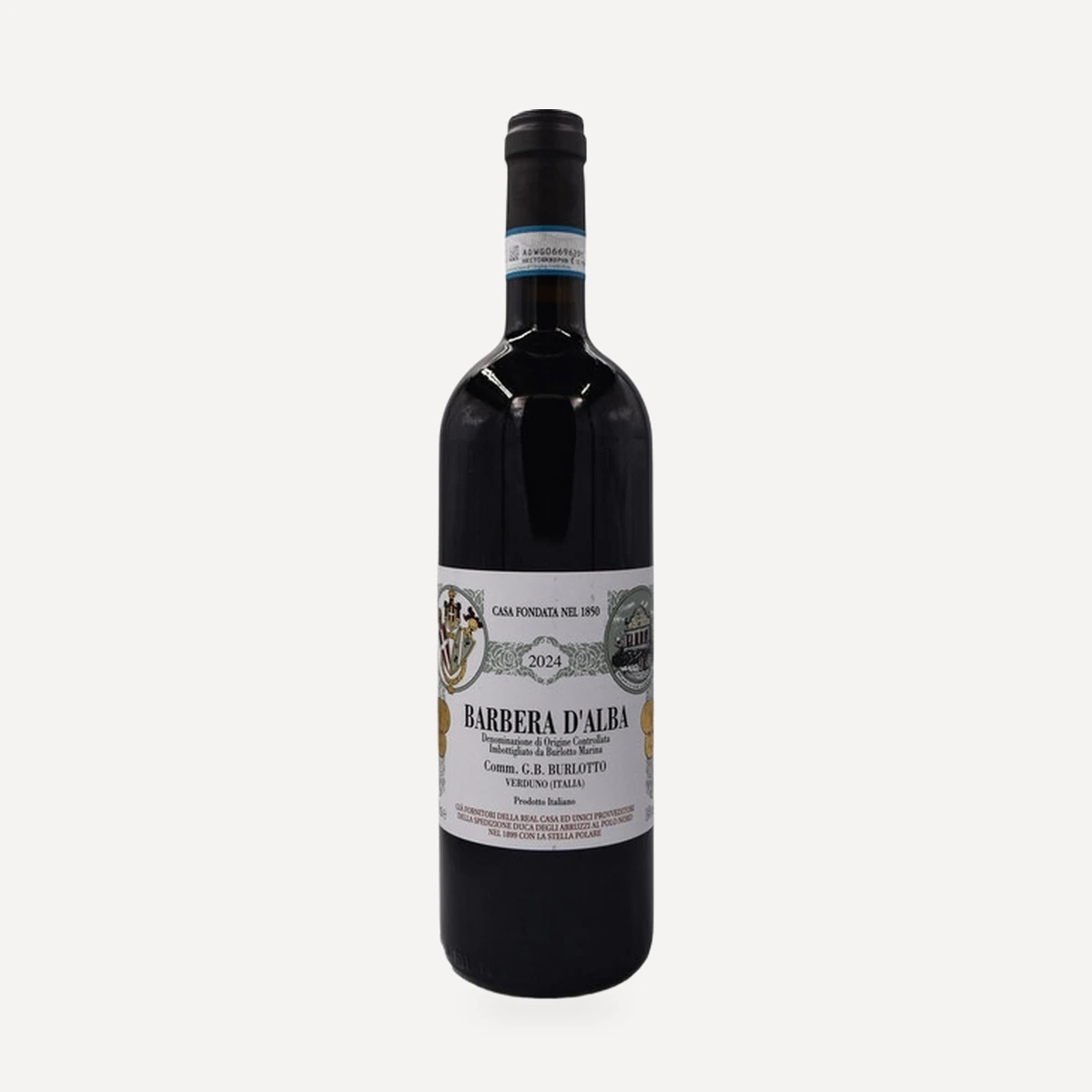
Barbera d’Alba DOC
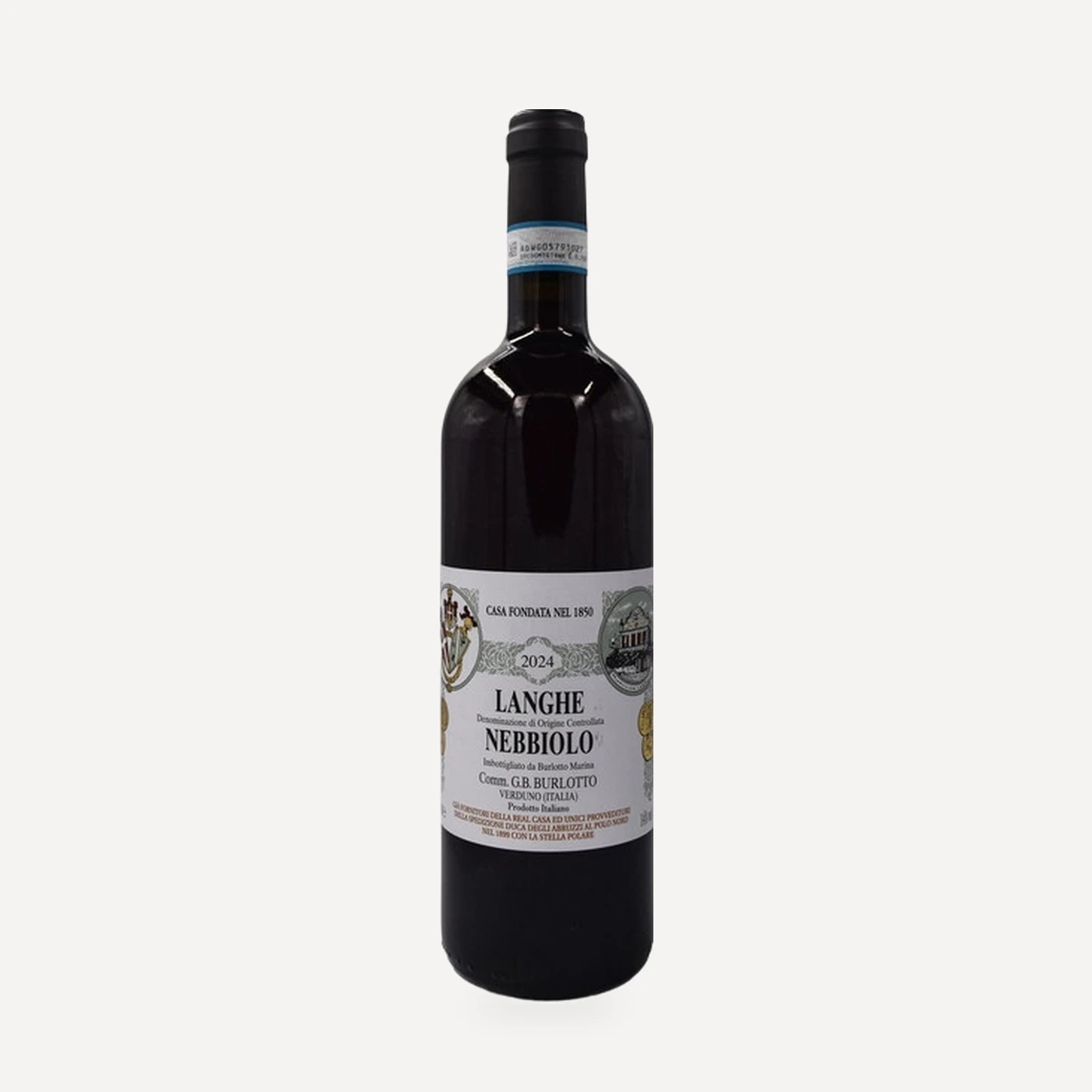
Langhe Nebbiolo DOC
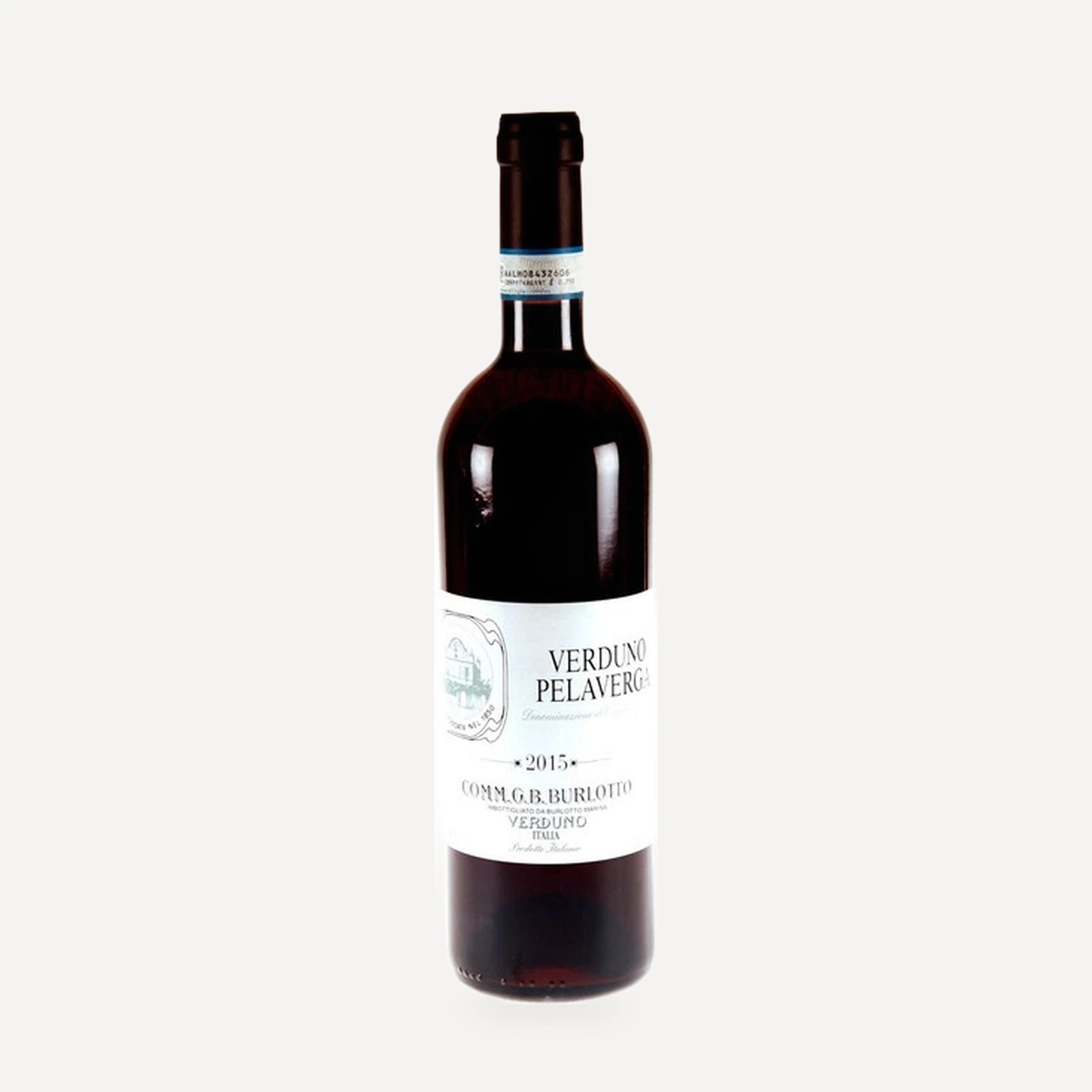
Verduno Pelaverga DOC
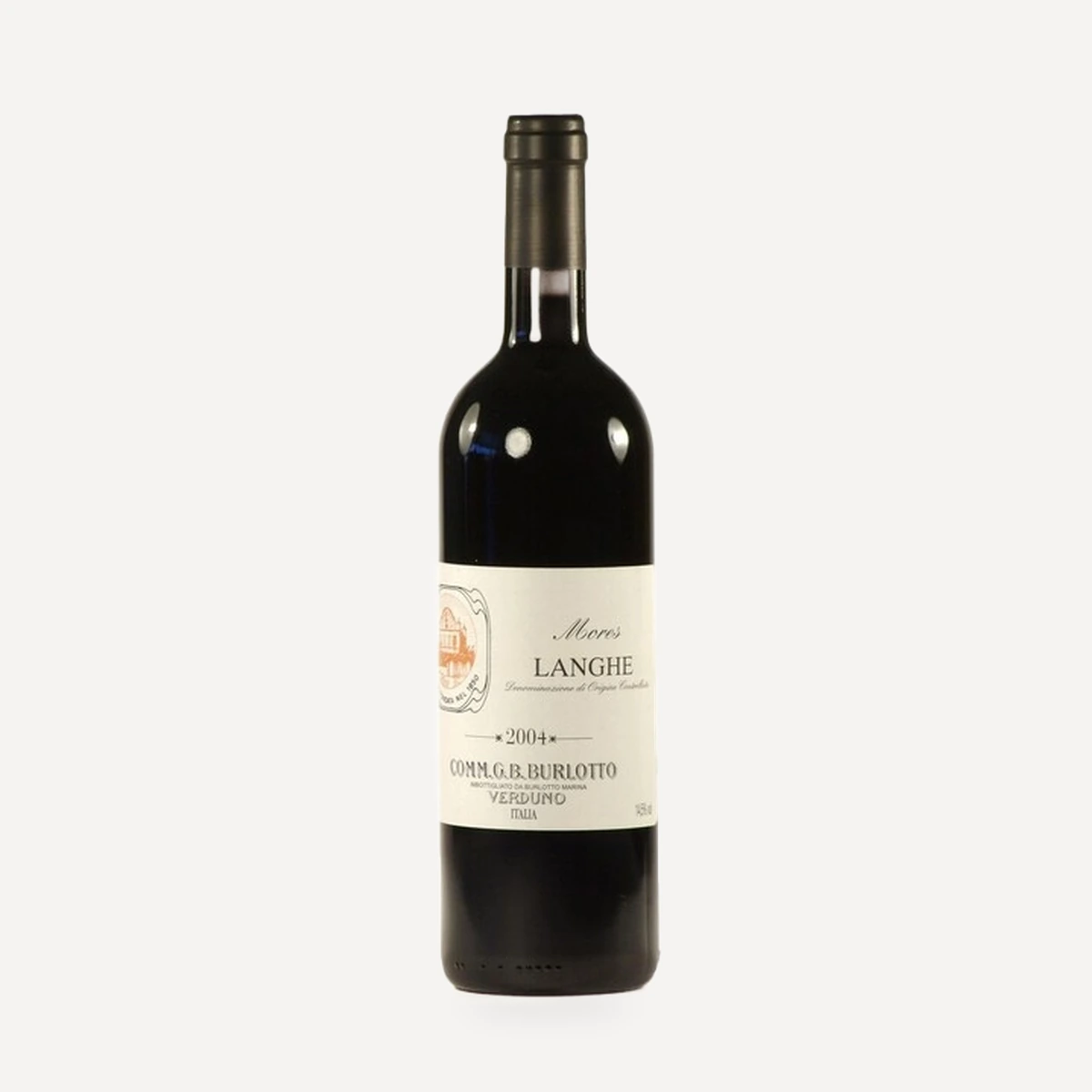
Mores Langhe DOC
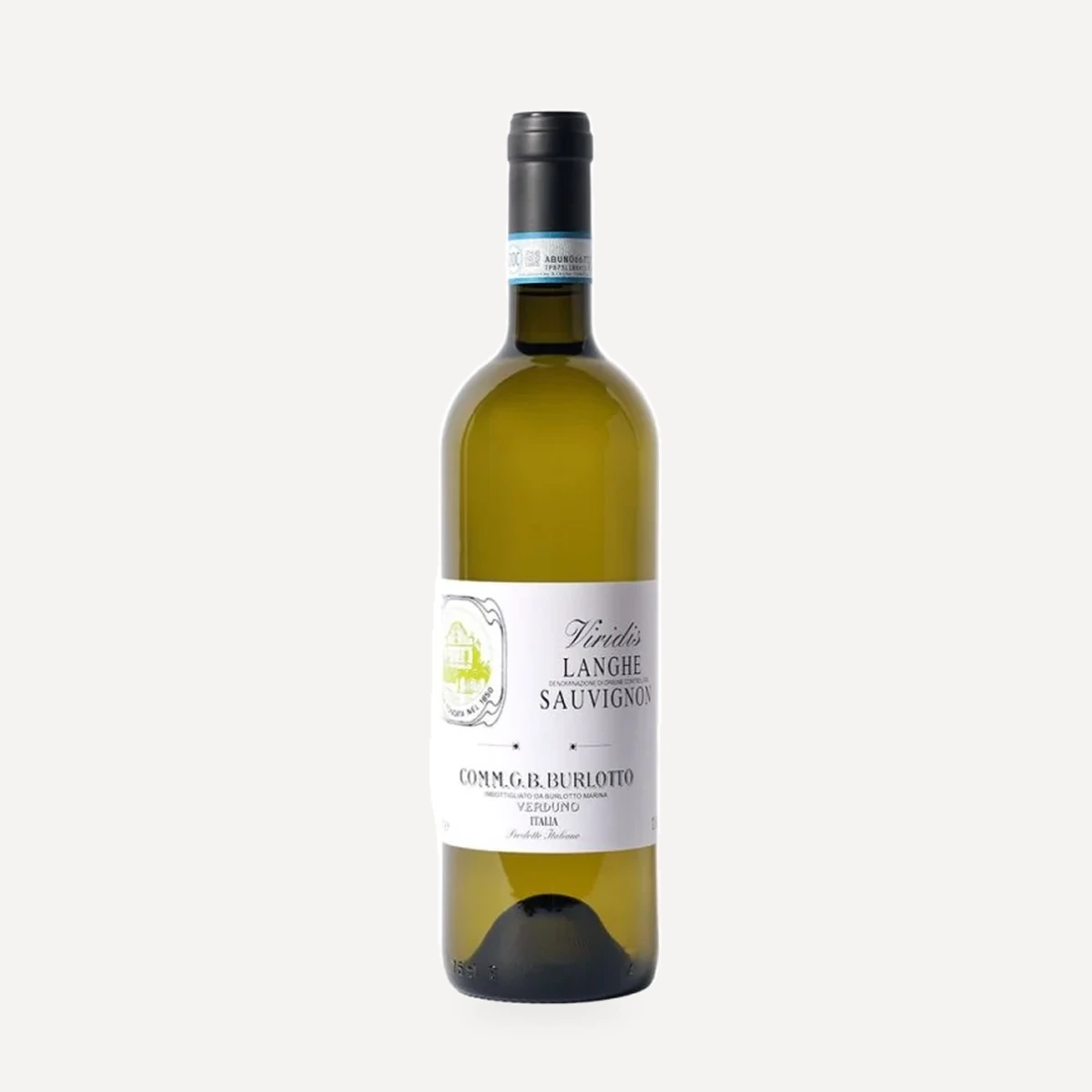
Viridis Langhe Sauvignon DOC
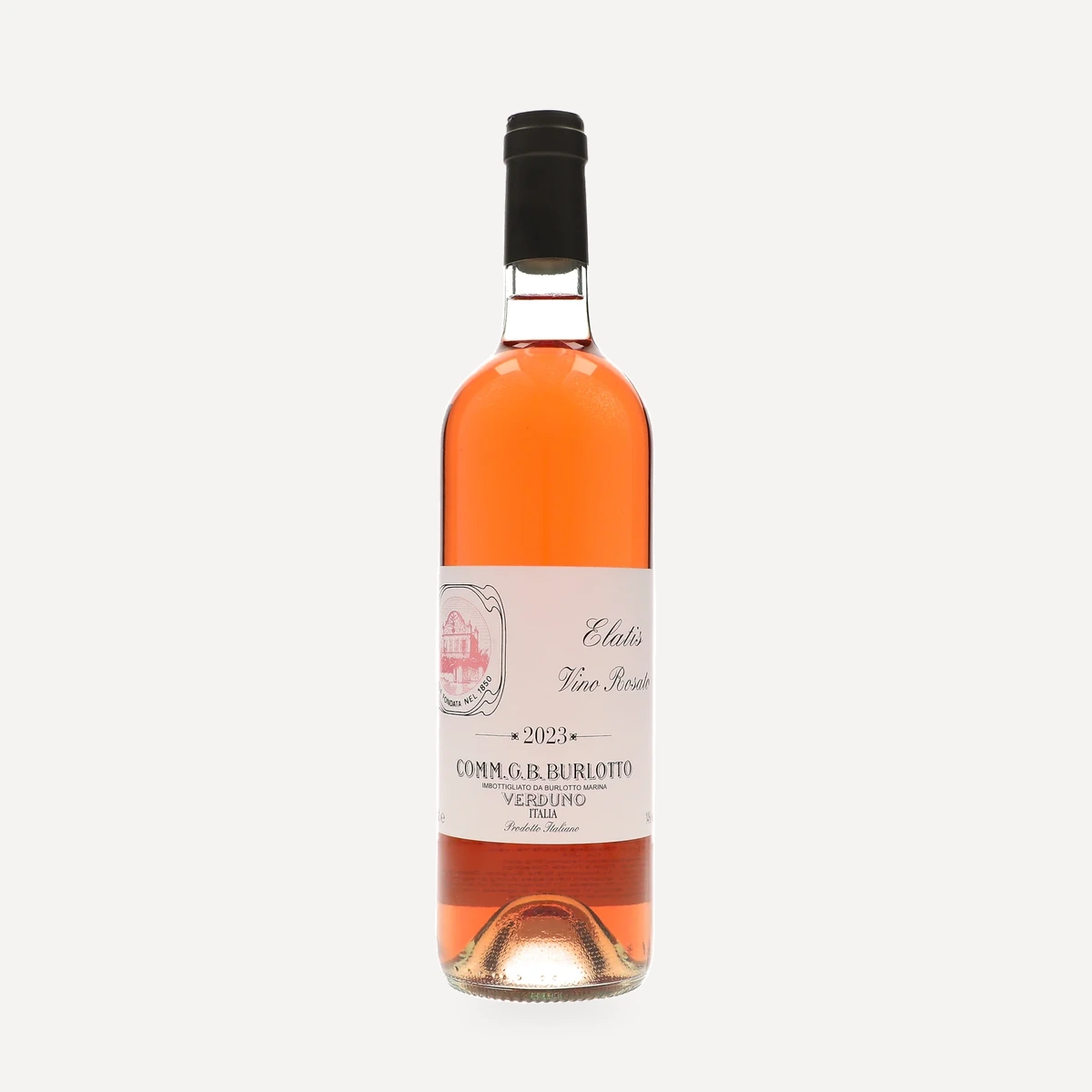
Elatis Vino Rosato
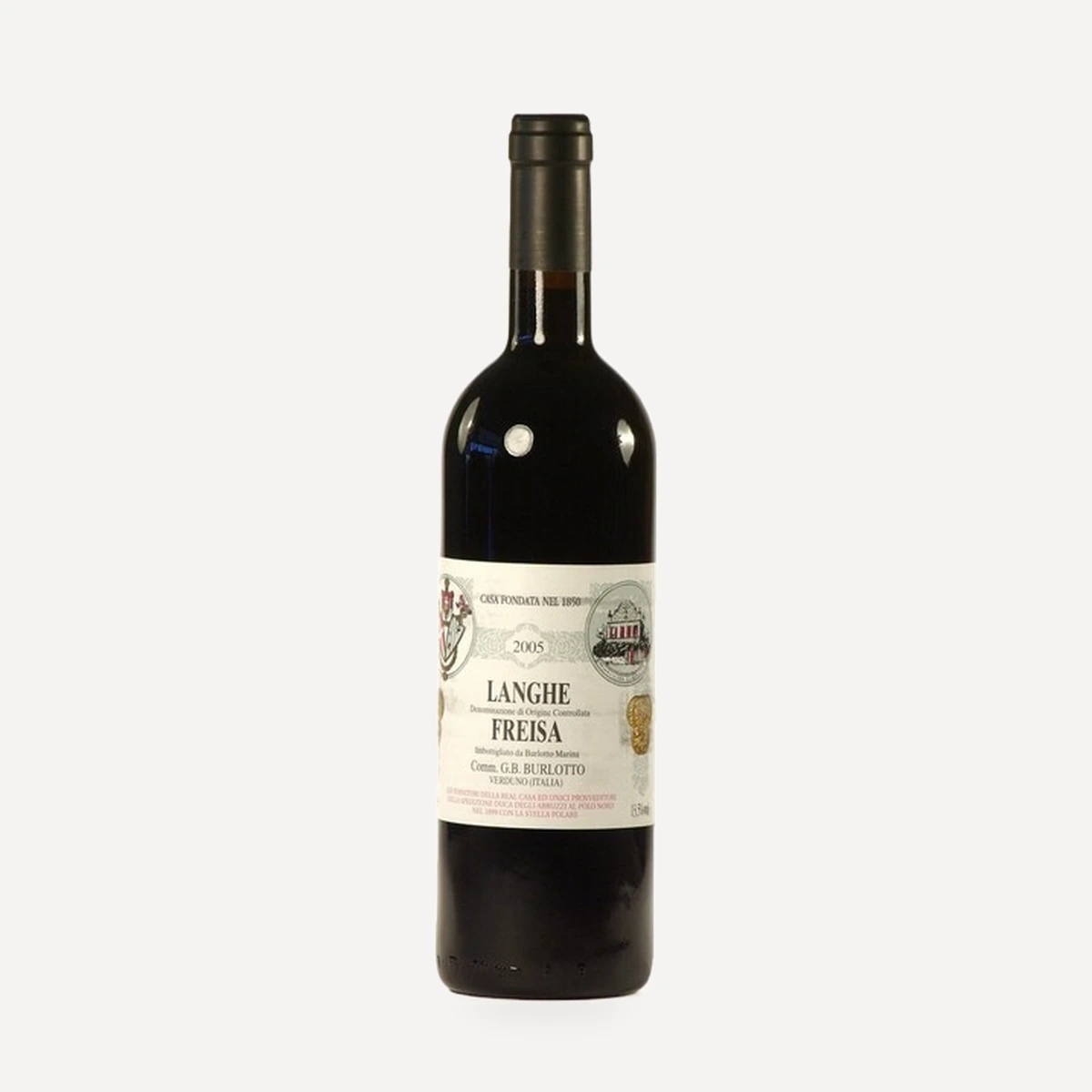
Langhe Freisa DOC
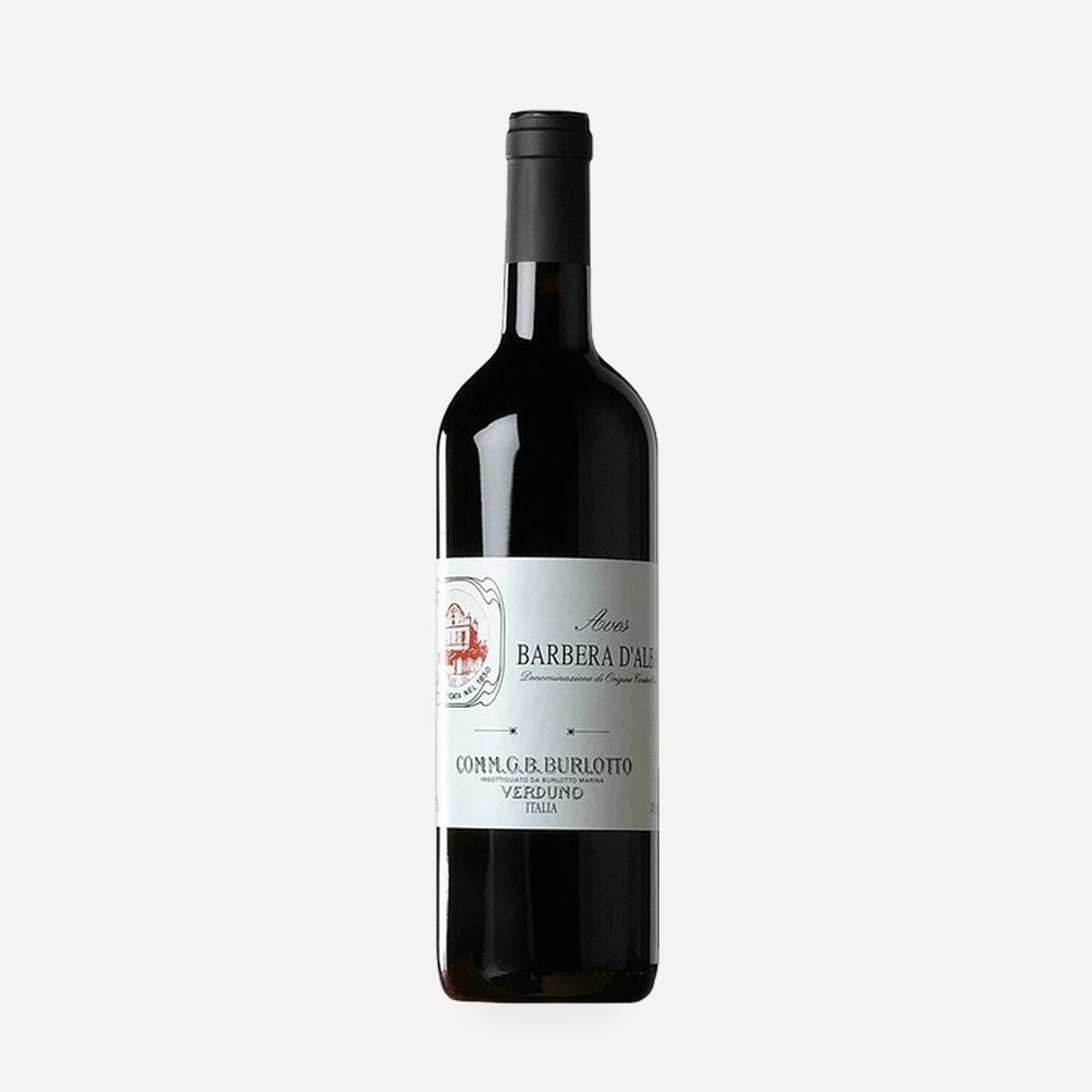
Aves Barbera d’Alba DOC