History
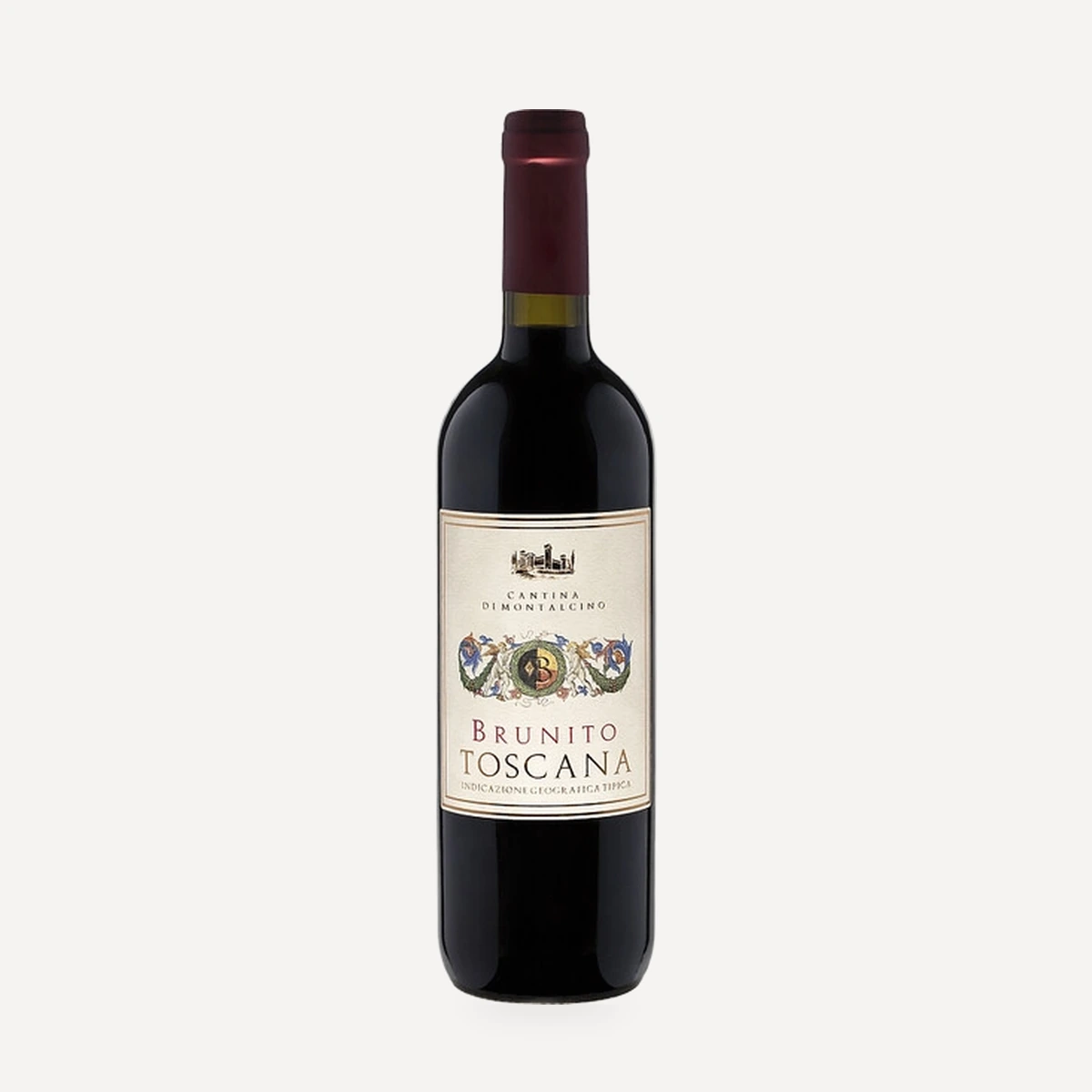
Cantina di Montalcino was founded in 1970 by a small group of local producers and became the only cooperative winery in the territory.
The original building was demolished and reconstructed beginning in 2000.
The present architectural design was inaugurated in 2011 and was conceived to reflect Tuscan hills and historical Brunello production.
The winery joined the Toscana Wine Architecture circuit in 2015.
In 2022 Cantina di Montalcino became the property of Prosit Group, which began a new project with the historic grower families.
Today approximately 40 local growers deliver grapes from 90 ha planted to Sangiovese across all four quadrants of Montalcino.
Terroir
The Montalcino production area is described as four quadrants with different orientation, elevation and soil-climate conditions. Ripening can vary by up to 20 days, earlier in the south and later in the north and west. The municipality rises to approximately 650 m at Poggio Civitella and is bounded by the Ombrone, Asso and Orcia rivers.
Winemaking
Brunello vineyards are described as hilly sites with good sun exposure and mineral-rich, typically calcareous soils. Grapes are harvested manually and selected before transport to the winery.
The vinification area allows pump-overs of different intensity. The underground barrel cellar contains 74 Slavonian-oak casks, most with a capacity of 5,500 L. Different barrel ages provide organoleptic variation. Rosso 2022 fermented for 10–15 days in stainless steel at around 24°C and aged about six months in steel. Brunello is transferred to 5,500 L Slavonian oak for at least two years. The winery’s current range contains Rosso, Brunello and 4Q Riserva.
Philosophy
The winery presents itself as a contemporary interpretation of Brunello and Rosso rooted in local grower families, territorial diversity and distinctive architecture.
Wines