About this wine
Vineyard and terroir
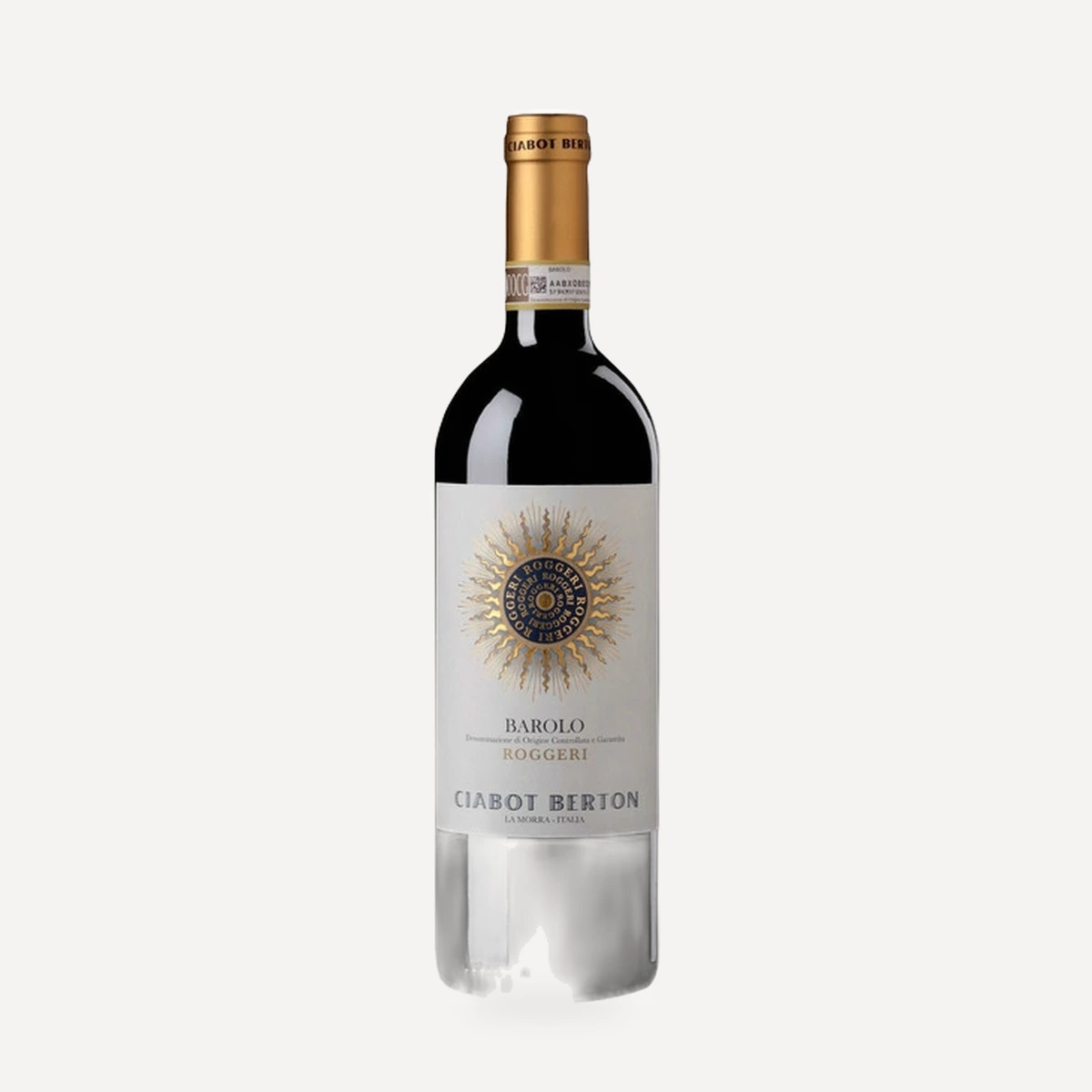
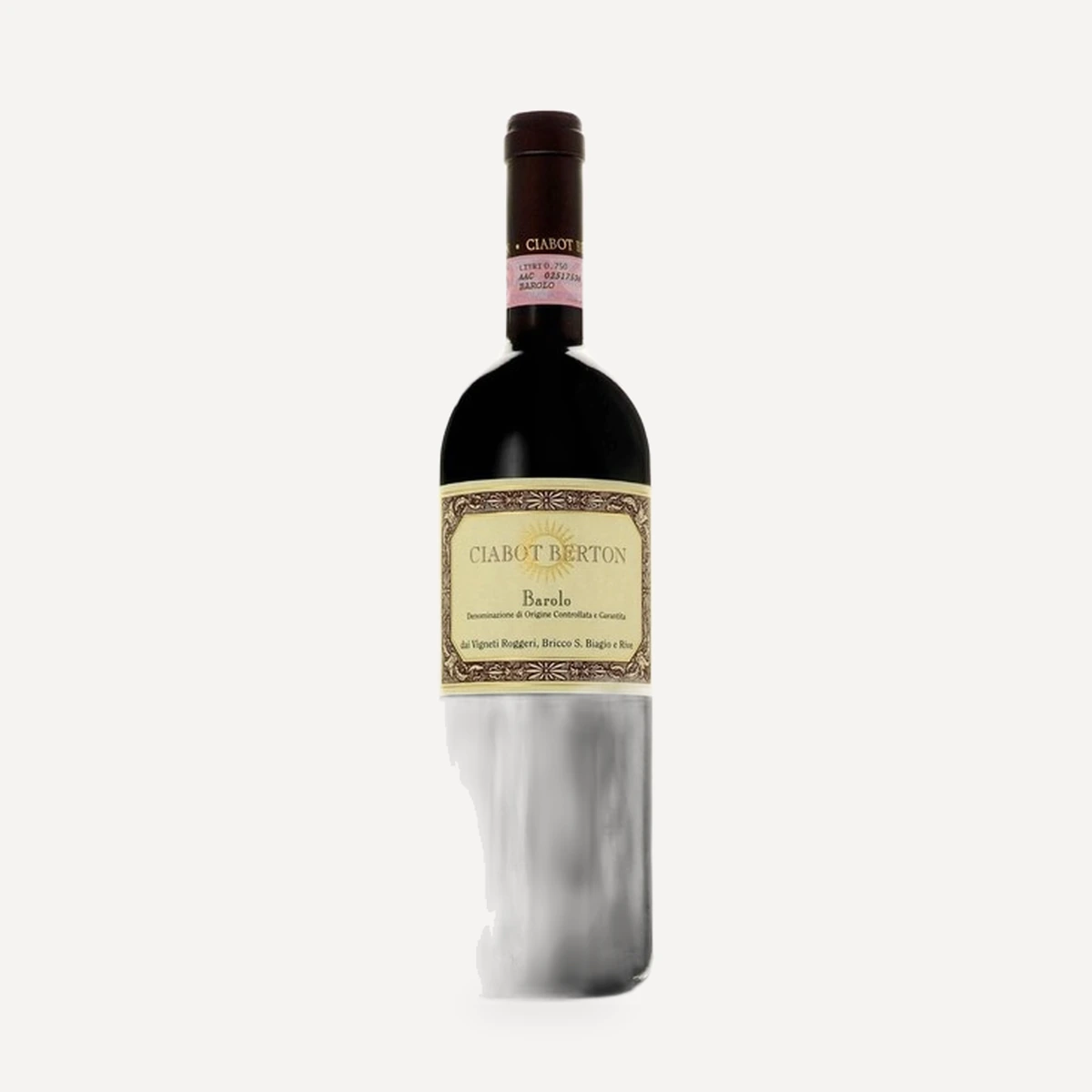
The fruit comes from three historic vineyards in La Morra: Bricco San Biagio, Roggeri and Rive. The hillside sites lie at 250–300 m above sea level, with south-easterly and south-westerly exposures. Their soils combine sand, limestone and clay. The vines average 35 years of age, with a planting density of 3,800 vines per hectare and a yield of 45 hl/ha.
Bricco San Biagio stands opposite the cellar; its four hectares face south to south-west, and much of the site is planted to Nebbiolo for Barolo. Roggeri faces south-east at 300 m and runs from the village of Roggeri to the foot of the winery. Rive is the family's historic vineyard, purchased by Luigi Oberto in 1876 for 2,700 lire.
Grapes
100% Nebbiolo.
Vinification
Traditional temperature-controlled vinification and maceration take place in concrete tanks.
Ageing
Matured in Slavonian oak barrels.
Technical data
Alcohol is 14–14.5%, with acidity of 5.2–5.6 g/L. Annual production is 15,000 bottles. Formats are 0.375 L, 0.75 L and 1.5 L, and the minimum stated cellar life is 10 years.
Tasting profile
Garnet red with ruby highlights. The expansive, ethereal nose combines mineral and balsamic nuances with rose, spice, red fruit and wax. The palate is tangy, rich and persistent, with firm tannic support and a notably balanced, sophisticated profile.
Serving and pairing
Ideal with roasts, braised red meats, game and mature cheeses.
Label / history
For more than 50 years, the wine has expressed the territory and the character of its three constituent vineyards.