History
1876 — The first family vineyard
The family's documented viticultural story begins in 1876, when Giovenale Viberti, a decorated musketeer, purchased its first vineyard in Rive, one of La Morra's crus. Rive remains the historic family holding. A vineyard account records a purchase price of 2,700 lire.
1885 — The farmhouse and Bricco San Biagio
After Giovenale's death, his widow Teresa purchased a farmhouse in Borgata Tetti and the family's first plot in Bricco San Biagio. At this stage the grapes were delivered to the cooperative winery in Alba. Maddalena and Luigi, representing the second generation, continued the family activity.
1899 — The third generation
By 1899, Giovenale and Caterina, the third generation, had assumed responsibility for the family farm.
1935–1958 — Luigi and the arrival of Roggeri
Luigi, the son of Giovenale, was born in 1935 and was remembered within the family as an enterprising, forward-looking child. In 1958 he married Maria Beatrice Roggero. Her dowry included family vineyards in the Roggeri cru, bringing another important La Morra site into the estate.
Late 1950s — From mixed farming to specialised viticulture
Under Luigi, the property began its transition from a traditional Langa farm—combining vineyards with fruit cultivation and livestock—to an operation increasingly specialised in vines and wine. The principles that continue to inform the cellar's winemaking philosophy began to take shape during this period.
1961 — The first bottled Barolo
The estate bottled its first vintage of Barolo in 1961. During the 1960s and 1970s, the family continued expanding its holdings in Bricco San Biagio and Roggeri.
1980s — Construction of the present cellar
The current winery was constructed during the 1980s in an elevated, panoramic position at La Morra overlooking the Barolo hills. Its name came from a small rural building, or ciabòt in Piedmontese, that once stood on the site. The building had belonged to a man named Berton, who accidentally caused a fire while trying to make fireworks. Its ruins can still be seen from the winery.
1990s — New management, land and parcel-based vinification
Marco, born in 1971, took charge of the estate in 1997. The family continued acquiring land and improving cellar processes. Greater attention was given to vinifying individual parcels separately so that their distinct characteristics could be preserved and expressed.
The 1990s also marked the beginning of vineyard management under integrated pest-management rules. This initiated a structured low-environmental-impact approach that later incorporated many techniques associated with organic farming and an explicit concern for biodiversity.
From the 1990s into the 2000s — The first single-vineyard Barolo
Alongside the established Barolo Ciabòt Berton, the estate created its first single-vineyard Barolo from selected parcels of old vines in Roggeri. The decision extended the parcel-focused approach from vineyard and cellar practice into the range itself.
2000s — Rocchettevino
The Oberto family acquired the approximately three-hectare Rocchettevino holding during the 2000s. The vineyard added a higher-altitude, east- and south-east-facing site planted mainly to Nebbiolo, with a smaller proportion of Dolcetto.
2010 — Federica joins the estate
Federica, Marco's wife and a qualified sommelier, joined the business in 2010, adding her professional experience and passion for wine to the family operation.
2023 — New reception and tasting spaces
A detailed renovation led by the architecture practice Lato51 created new areas for hospitality, tastings and winery visits. The project was designed as a setting in which wine, terroir and family values could be presented together.
2024 — Rebranding and new plantings
In 2024, the estate introduced a new logo and redesigned labels as part of a broader effort to present its traditions in a contemporary visual language. The labels drew inspiration from the frescoed ceilings of the family farmhouse at Santa Maria and linked those historic decorative elements with the current identity.
The recently acquired Tre Querce vineyard was also planted in 2024 with Langhe Nebbiolo and Nascetta, together with Viognier.
Today — The fifth generation
The estate is now managed by the fifth generation: Marco and Federica's sons Edo, Giacomo and Nicola. Their role continues a family succession extending across five generations of winegrowers in La Morra.
Terroir
La Morra and its named sites
The six named vineyard areas—Bricco San Biagio, Roggeri, Rive, Cappallotti, Rocchettevino and Tre Querce—are presented as La Morra sites. They occupy different elevations and exposures and are vinified separately to preserve their individual identities.
Bricco San Biagio lies on the hill opposite the winery. Its vineyards face south to south-west, and veins of sand lighten the soil. Roggeri faces south-east at 300 m and has deep, clay-rich soils. Rive is a small, south-facing historic holding. Cappallotti faces east and is distinguished by an underground aquifer. Rocchettevino occupies east- and south-east-facing slopes at 350–450 m. Tre Querce faces east at approximately 200 m.
These differences influence the fruit and structural profiles associated with the sites. Bricco San Biagio's lighter, sand-veined soils are linked with floral expression and finesse. Roggeri's old vines and deep clay produce grapes rich in polyphenols, associated with structure and marked tannins. Cappallotti's aquifer is associated with freshness and drinkability. The old vines at Rocchettevino yield fruit used for austere, balsamic and structured wines.
Roero Favorita source
The Favorita used for Langhe Favorita Alissa comes from hillside vineyards in the Roero zone. These vineyards face east at approximately 250 m and have sandy-calcareous soil.
Winemaking
Vineyard management has followed integrated pest-management rules since the 1990s. The approach incorporates many techniques associated with organic agriculture while seeking to identify the needs of each vineyard and safeguard biodiversity.
Work is adapted to the seasons and the individual characteristics of each site. From pruning through harvest, every subzone is managed with the aim of recognising and strengthening its inherent traits. Particular attention is given to slow, complete ripening so that the harvested grapes can carry the identity of their variety, soil, climate and vintage into the cellar.
The parcel structure is preserved beyond the vineyard: sites are kept separate for vinification rather than treated as a uniform source of fruit. At Tre Querce, the estate established new Nebbiolo, Nascetta and Viognier plantings in 2024.
Parcel-based production
The central production principle is separate, single-variety vinification of the different vineyard parcels. This is intended to retain the distinctions created by grape variety, soil, climate, site and vintage rather than blending them away at the outset.
Barolo production
The published methods for the Barolo range use traditional, temperature-controlled maceration in concrete tanks. Roggeri and Rocchettevino receive prolonged contact between must and skins. Maturation takes place in Slavonian oak barrels.
Other red wines
Temperature-controlled maceration in steel is used for Barbera d'Alba, Dolcetto d'Alba and Langhe Nebbiolo. The old-vine Bricco S. Biagio Barbera is matured in French oak, while Fisetta and Dolcetto d'Alba Rutuin remain in steel. Langhe Nebbiolo Tre Utin is matured in steel and then in bottle.
White and rosé production
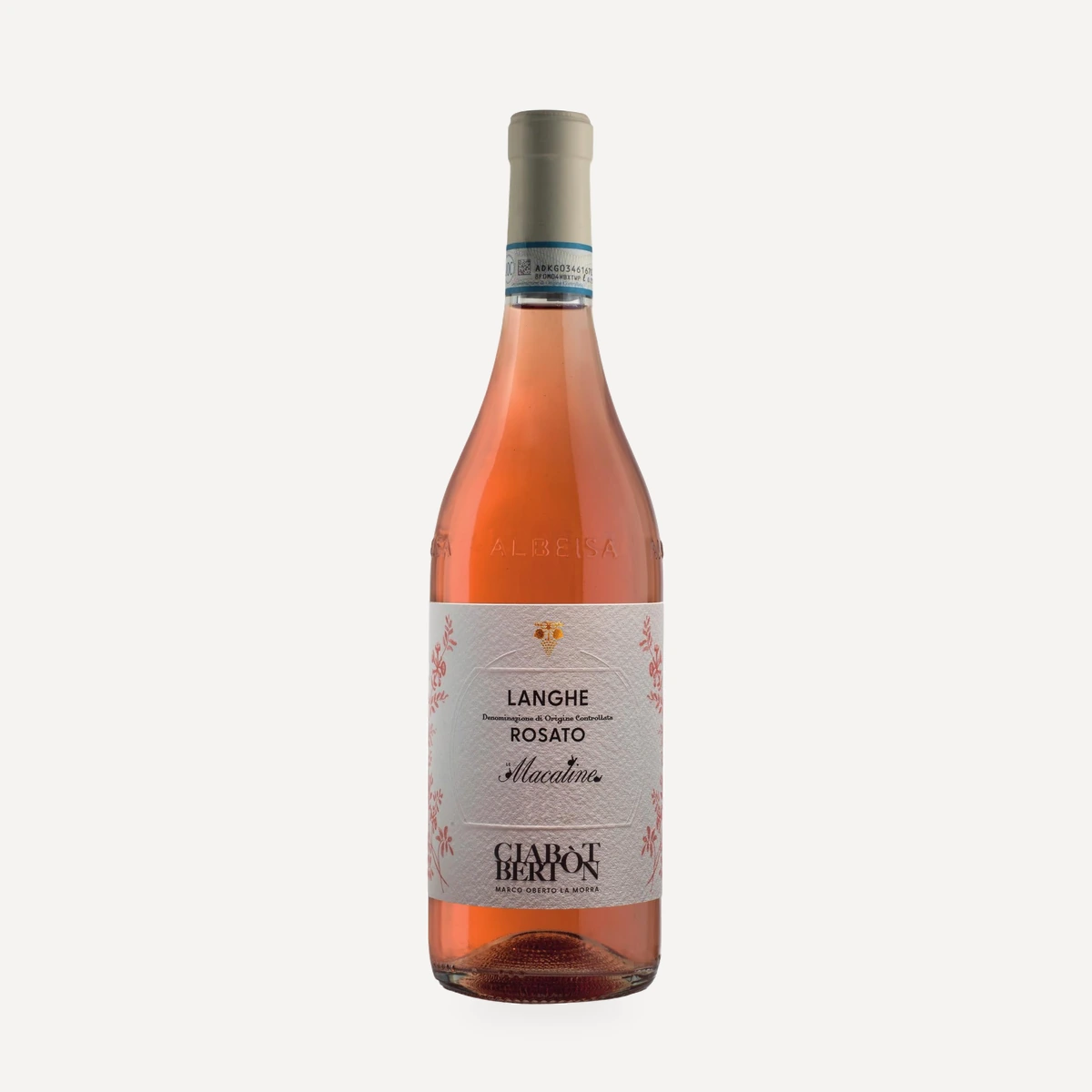
Favorita is softly pressed and statically settled before off-skin fermentation at 18°C. It remains on its lees for at least four months. Langhe Rosato is also softly pressed, but receives brief must-to-skin contact before static settling and fermentation at 18°C; maturation takes place in steel and bottle.
Philosophy
Ciabòt Berton's philosophy combines the accumulated experience of five generations with a willingness to innovate. Tradition is treated as a living framework capable of remaining relevant rather than as a fixed set of gestures.
The estate defines grapes, soil and the hand of the winegrower as the three essential elements of wine. Its role is therefore interpretive: natural vineyard rhythms are followed, each subzone is managed according to its needs, and parcels are vinified separately so that variety, soil, climate and vintage remain recognisable.
Respect for land and biodiversity is expressed through integrated pest management, the adoption of numerous organic-farming techniques and close attention to slow, complete grape ripening. Quality is associated with patient vineyard work and the accurate expression of differences among sites and years, rather than with conformity to fashion.
Family continuity is equally central. The identity joins the roots of the Oberto family, the vineyard landscape of La Morra and the convivial culture represented by the ciabòt with a contemporary approach to production, hospitality and visual communication.
Wines
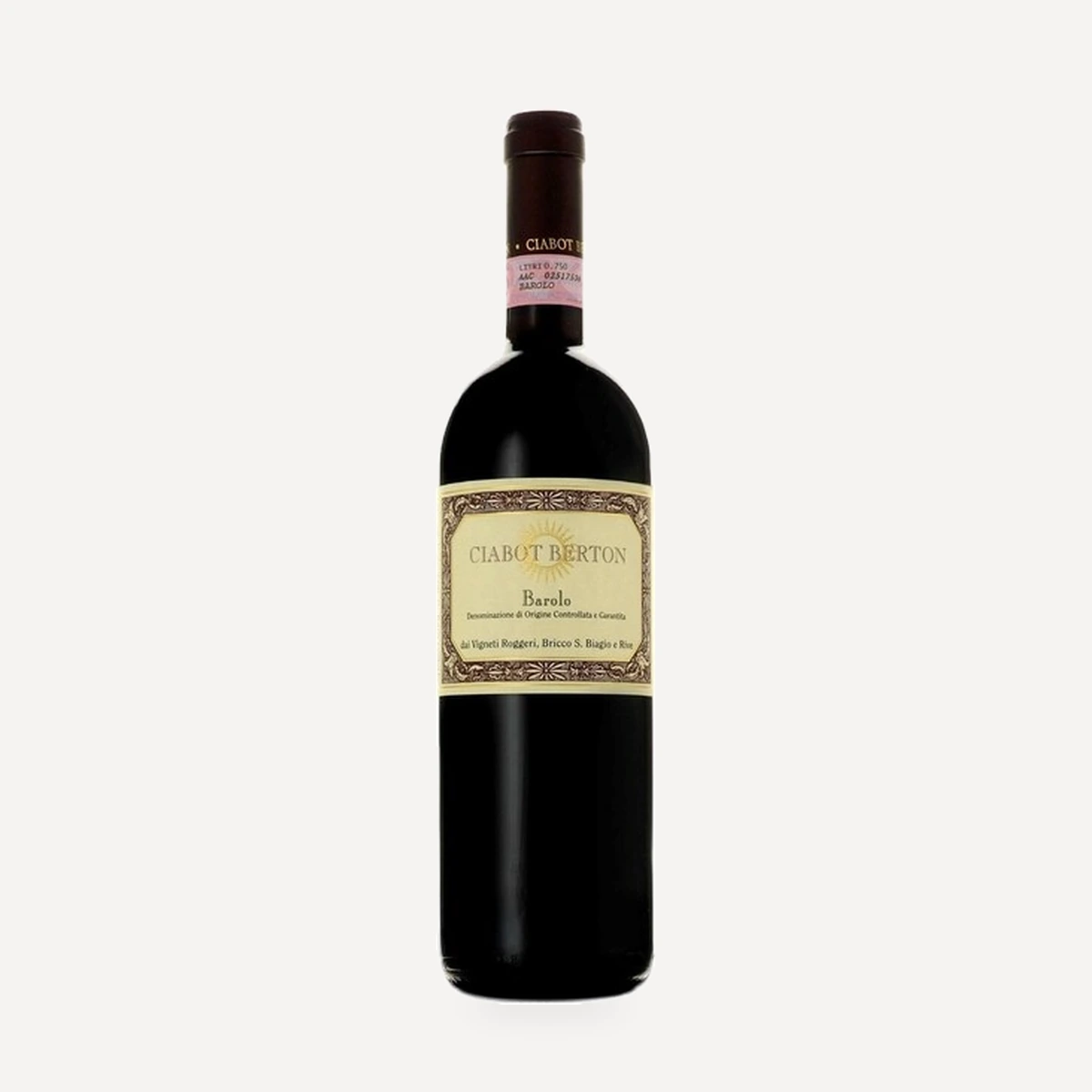
Barolo Ciabòt Berton 1961
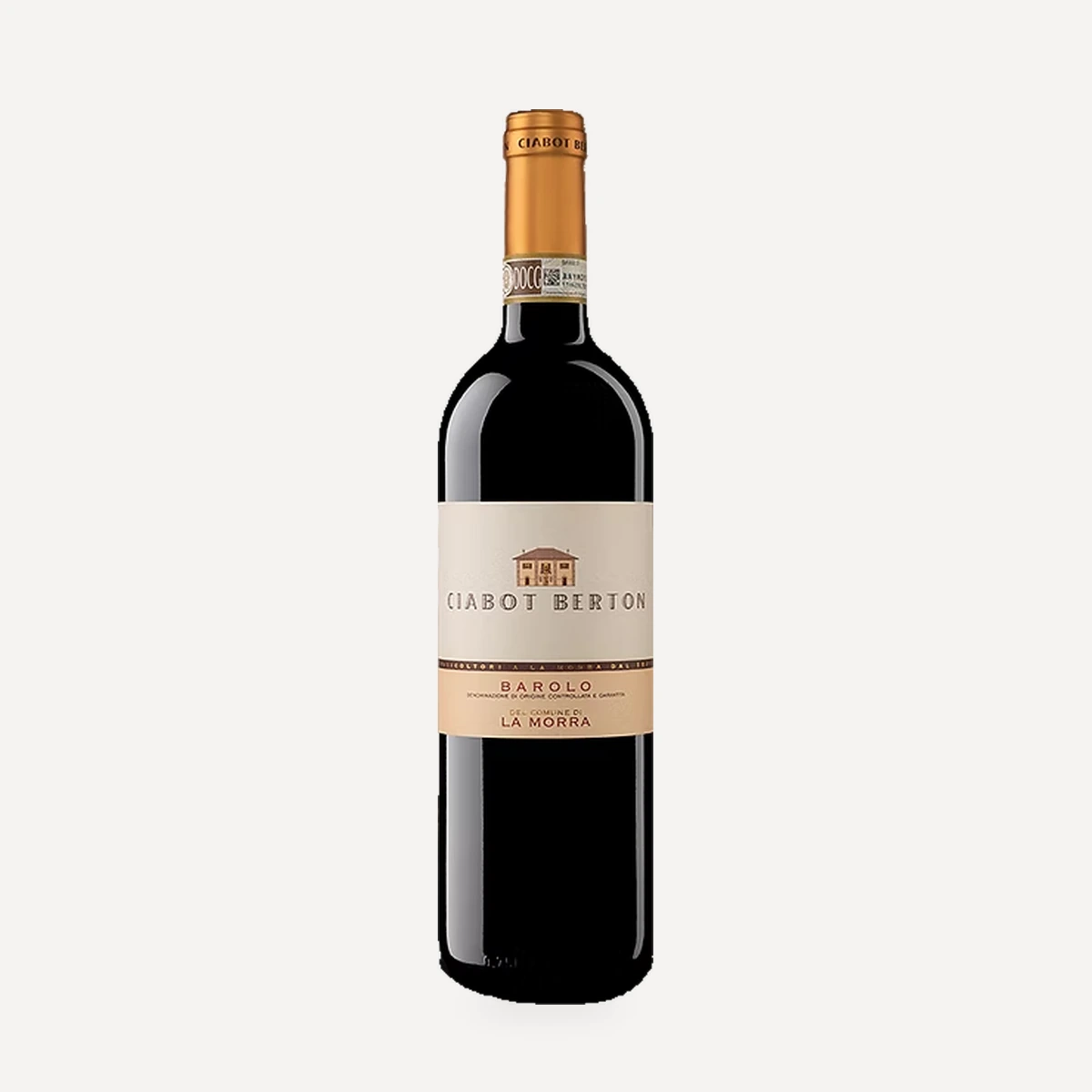
Barolo La Morra
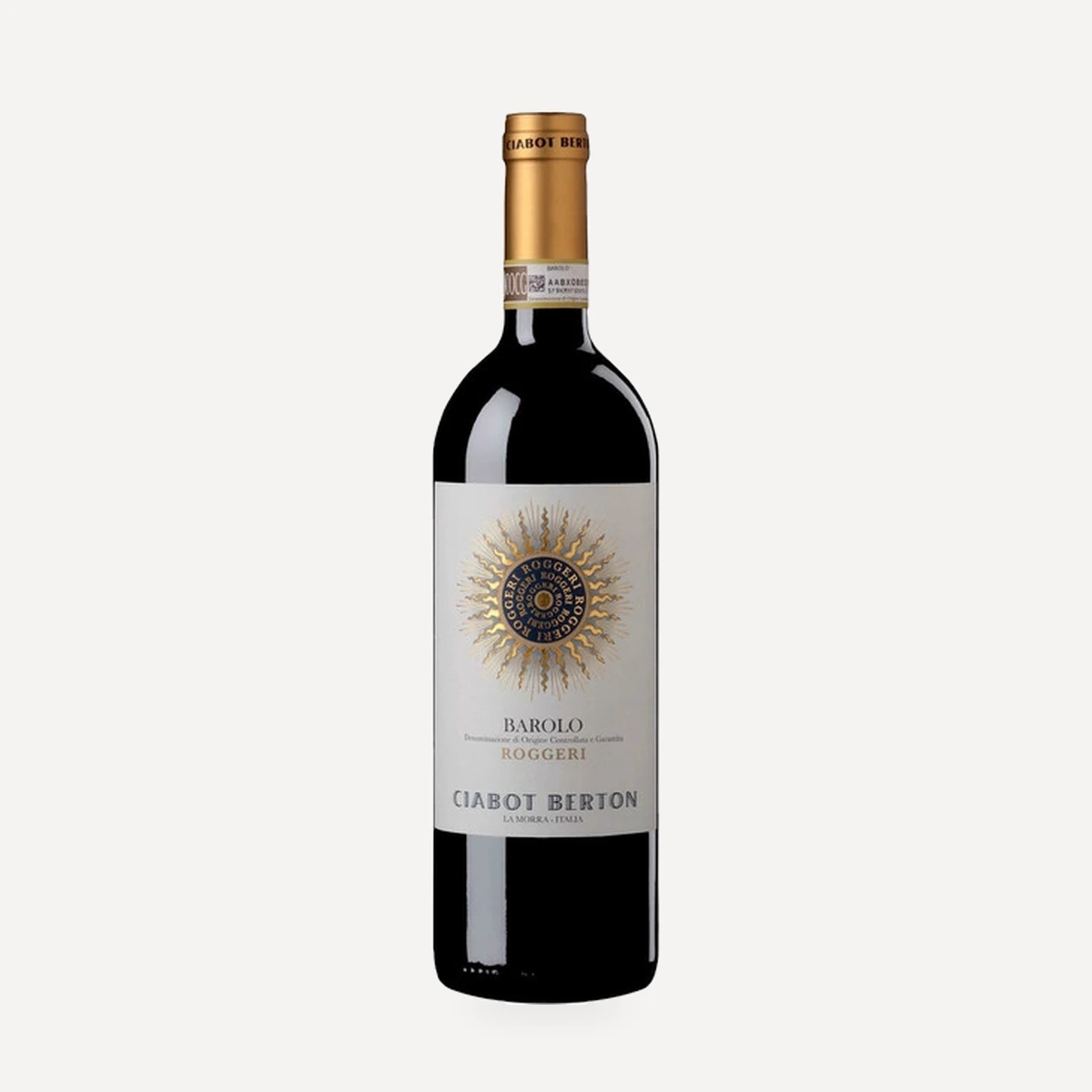
Barolo Roggeri
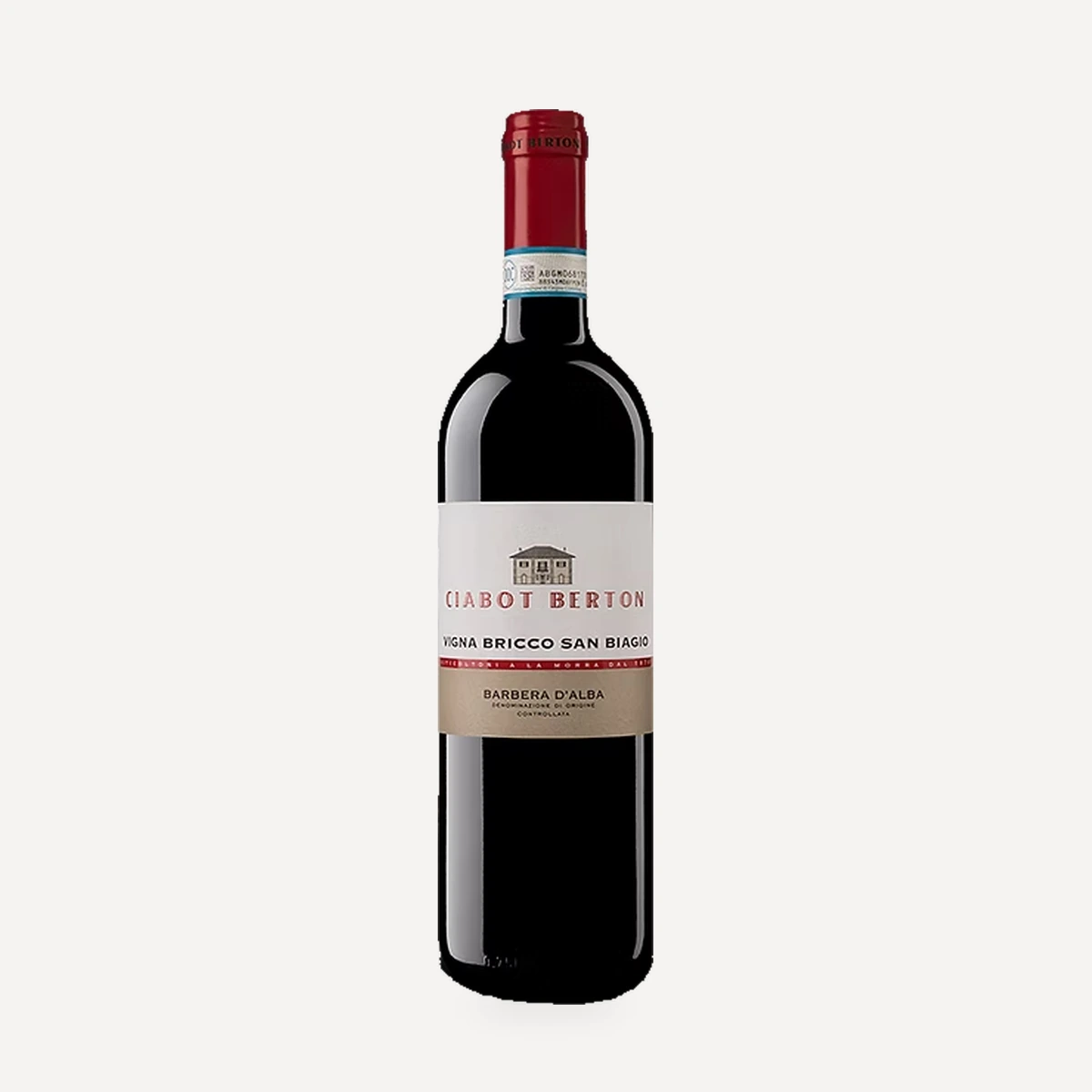
Barbera d'Alba Bricco S. Biagio
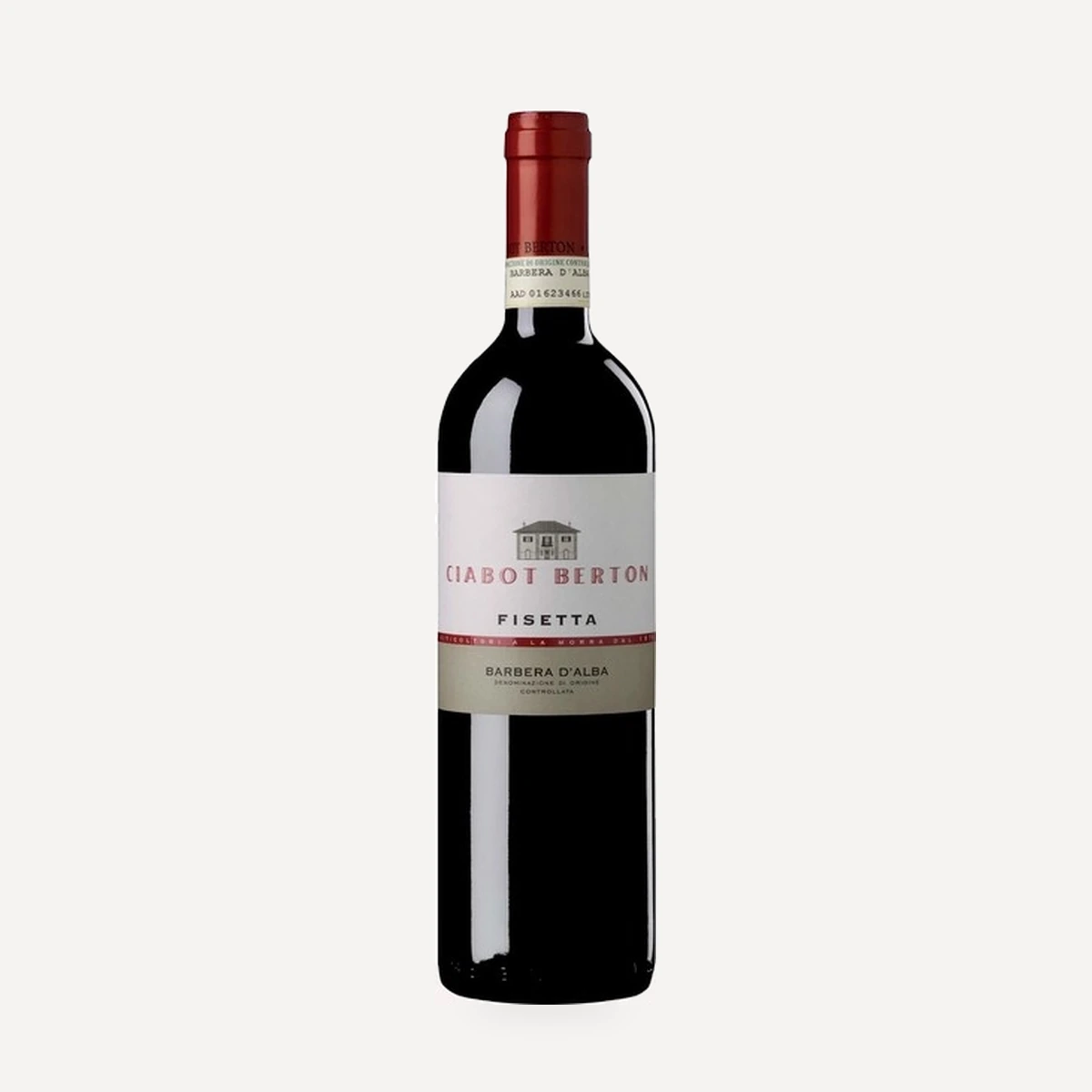
Barbera d'Alba Fisetta
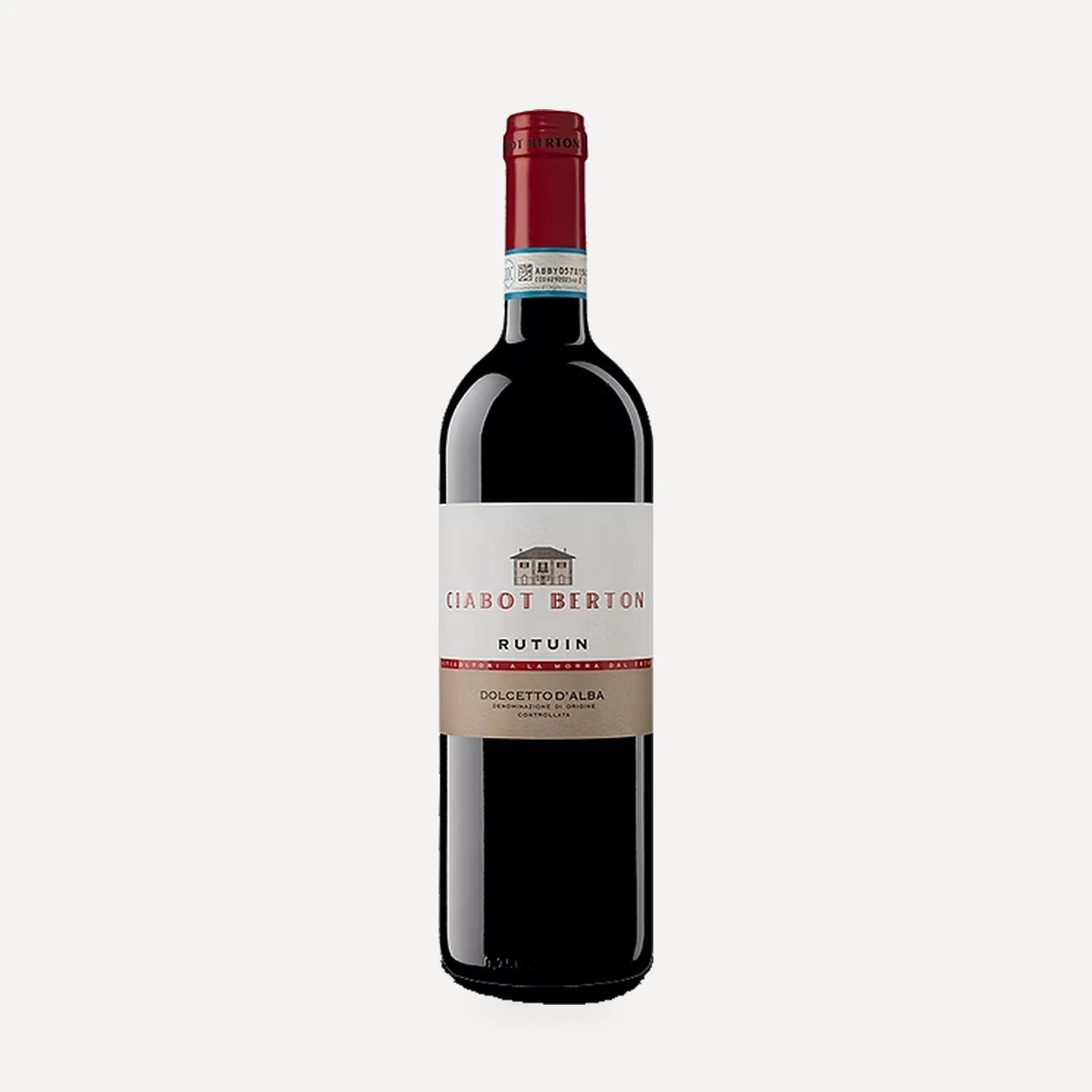
Dolcetto d'Alba Rutuin
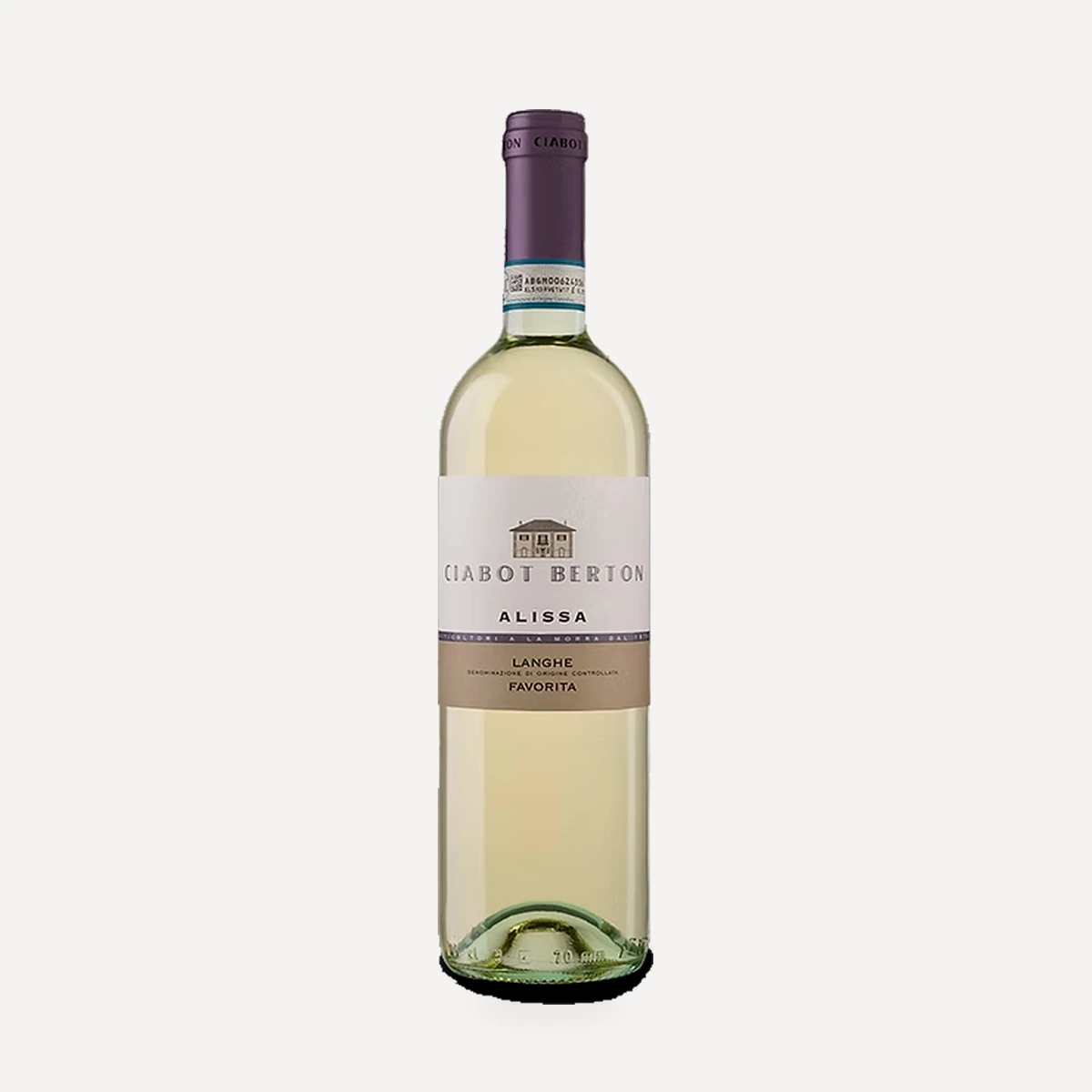
Langhe Favorita Alissa