History
Nineteenth-century roots in Neive
The Rivetti family has lived in the Neive hamlet now called Rivetti since the 1800s. The family’s ancestral farmhouse remains there. Its position in a small hollow below the ridge gave Giuseppe Rivetti and his descendants the local nickname “I Valletta.”
Giuseppe owned the vineyards of Bricco di Neive beside the present winery. These are the estate’s oldest vineyards and have been cultivated manually by the Rivetti family for more than four generations. Some of their vines are now almost a century old.
Dante Rivetti and estate-bottled wine
During the 1970s, Dante Rivetti began selecting the area’s best vineyards and making wine under the family name. This established the identity of the modern family winery around its Neive holdings and the traditional grape varieties of the Langhe.
Expansion during the 1980s
In the 1980s, Dante acquired vineyard plots in the Costigliole d’Asti hamlets of Bionzo and Santa Margherita. These holdings extended the estate from the Langhe into the Asti sector of Monferrato and provided sites for Barbera, Moscato, Pinot Nero and Chardonnay. The Costigliole vineyards later became the source of the estate’s white and rosé Metodo Classico wines.
The family has also preserved Barbaresco Bricco di Neive Riservas from the 1980s onward, creating a historical collection that follows the estate’s Barbaresco through successive vintages.
The present generation
Dante’s children, Ivan, Katia and Mara, now lead the family business. Their tenure is associated with sustainable vineyard management, close attention to the land and the preservation of the classical expression of Langhe grape varieties. The family currently cultivates 55 hectares across Neive, Mango and Costigliole d’Asti. Approximately 21 hectares of Nebbiolo destined for Barbaresco lie entirely within Neive, in the Bricco di Neive, Bric Micca and Rivetti MGAs.
Terroir
Neive and the Barbaresco hills
Neive lies between Asti and Alba and forms the productive center of the estate’s Barbaresco activity. Vine rows climb and trace the curved hillsides. The bends of the Tanaro River and the streams crossing the area form secluded side valleys interspersed with woods and hazelnut groves. Villages occupy the hilltops, locally called bricchi, while water erosion has created ravine-like geological formations known as Rocche.
All of the estate’s approximately 21 hectares of Nebbiolo for Barbaresco are within Neive. They occupy the Bricco di Neive, Bric Micca and Rivetti MGAs along the southern ridge of the Tinella stream.
Contrasting vineyard soils
Bricco di Neive rises above 400 metres and has reddish soils. Its position and soils are associated with austere, structured wines marked by acidity, mineral character and long ageing potential.
At Bric Micca, white, sandy soils contrast with the red soils of Bricco di Neive. They produce full, austere wines with pronounced freshness; its Barbaresco is comparatively approachable after maturation.
The Rivetti MGA climbs southwest from the Tinella Valley toward Bricco di Neive. Its characteristically reddish, clay-rich soils are associated with structure and accessibility.
Monferrato and the Moscato Hills
The Costigliole d’Asti vineyards lie in the Asti portion of Monferrato bordering the Barbaresco sector of the Langhe. Here the soils become lighter: layers of sand and limestone replace the Langhe clays. The conditions support Barbera and Moscato as well as Pinot Nero and Chardonnay.
At Mango, approximately 2 hectares of Moscato Bianco form an amphitheater between San Donato and the country church of Sant’Elena, overlooking the narrow Belbo River valley. Sandy limestone conglomerates and whitish marls create the locally distinctive calcina, a fine white powder that rises underfoot. The pale soils and favorable exposure support Moscato d’Asti with floral aromas and freshness.
Winemaking
Viticulture is organized around a sustainable approach intended to remain close to the land and preserve the classical expression of Langhe grape varieties. The estate cultivates 55 hectares between Neive, Mango and Costigliole d’Asti.
The historic Bricco di Neive vineyards are worked manually and have remained under Rivetti family cultivation for more than four generations. Their oldest vines are almost a century old. The estate’s vineyard pattern matches grape varieties to distinct sites: Nebbiolo for Barbaresco is confined to approximately 21 hectares in Neive; Barbera, Moscato, Pinot Nero and Chardonnay occupy suitable sites at Costigliole d’Asti; and approximately 2 hectares of Moscato Bianco grow at Mango.
Winery and red-wine production
The winery stands at Bricco di Neive beside the family home. Red grapes are gently destemmed and crushed. Fermentations take place under controlled temperatures and use the traditional practice of pumping over.
Young wines mature in stainless-steel tanks. Barbaresco and Barbera d’Alba Superiore move to a dedicated barrel-cellar wing, where they undergo long maturation in oak vessels of different sizes.
White wines
White grapes are gently pressed after short cold macerations on the skins. The must ferments in stainless steel at low temperature, an approach intended to preserve aroma, acidity and floral character.
Metodo Classico
The estate produces its Metodo Classico wines internally according to the traditional champenoise method. The wines mature for extended periods on their lees. Pinot grown in Costigliole d’Asti supplies this sparkling-wine program.
Philosophy
The family’s approach centers on complete respect for the intrinsic characteristics of each cultivated variety and wine type. Its stylistic goal is a clean, traditional and classically Piedmontese expression rather than a uniform cellar signature.
In the vineyards, Ivan, Katia and Mara connect sustainability with proximity to the land and fidelity to the classical character of the Langhe grapes. In the cellar, gentle handling, temperature control, traditional pumping over and distinct maturation paths for young, ageworthy and sparkling wines translate that principle into practice.
Family continuity is equally central: historic vineyards beside the home remain under manual cultivation after more than four generations, while the retained Bricco di Neive Riservas preserve the development of the estate’s Barbaresco from the 1980s onward.
Wines
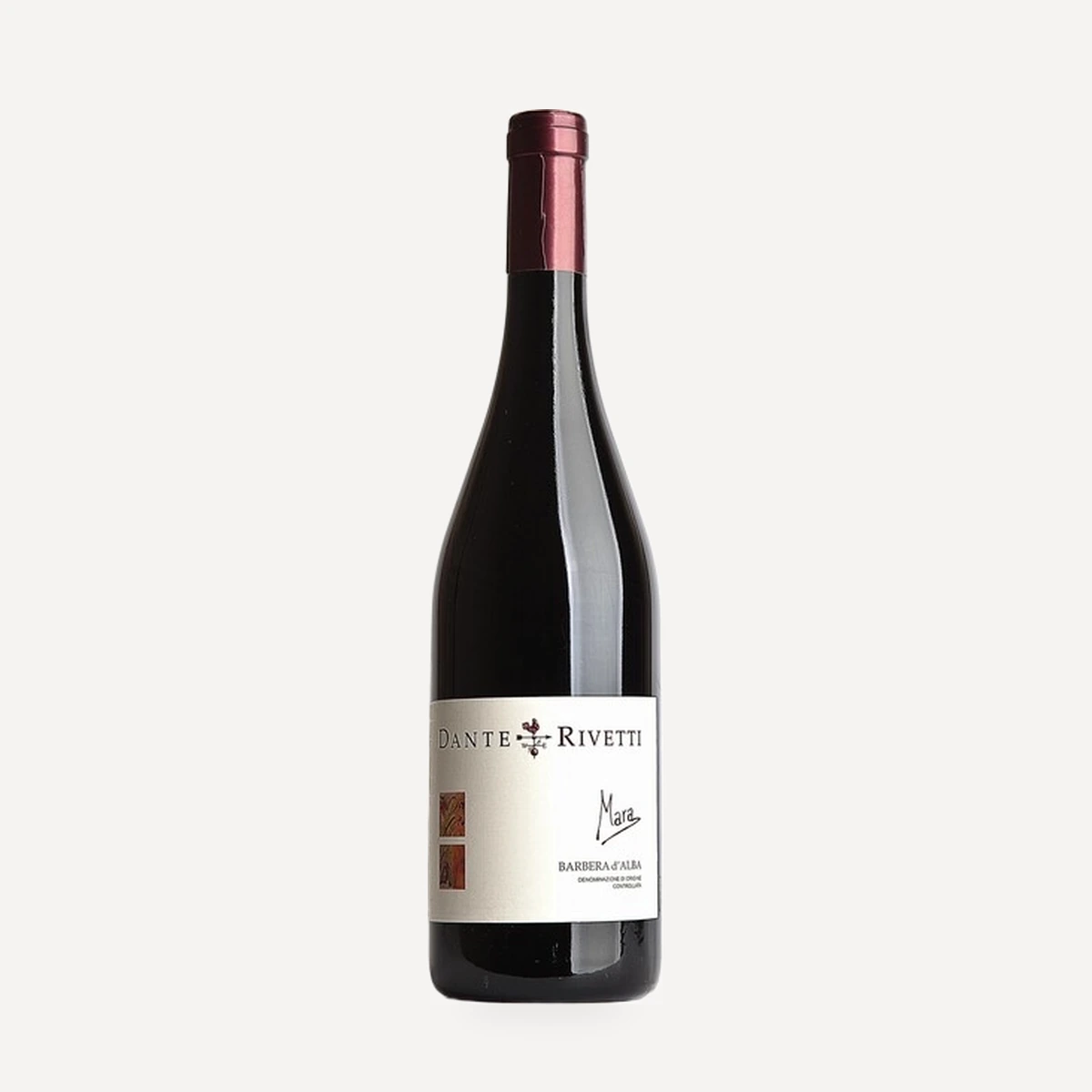
Barbera d’Alba Mara DOC
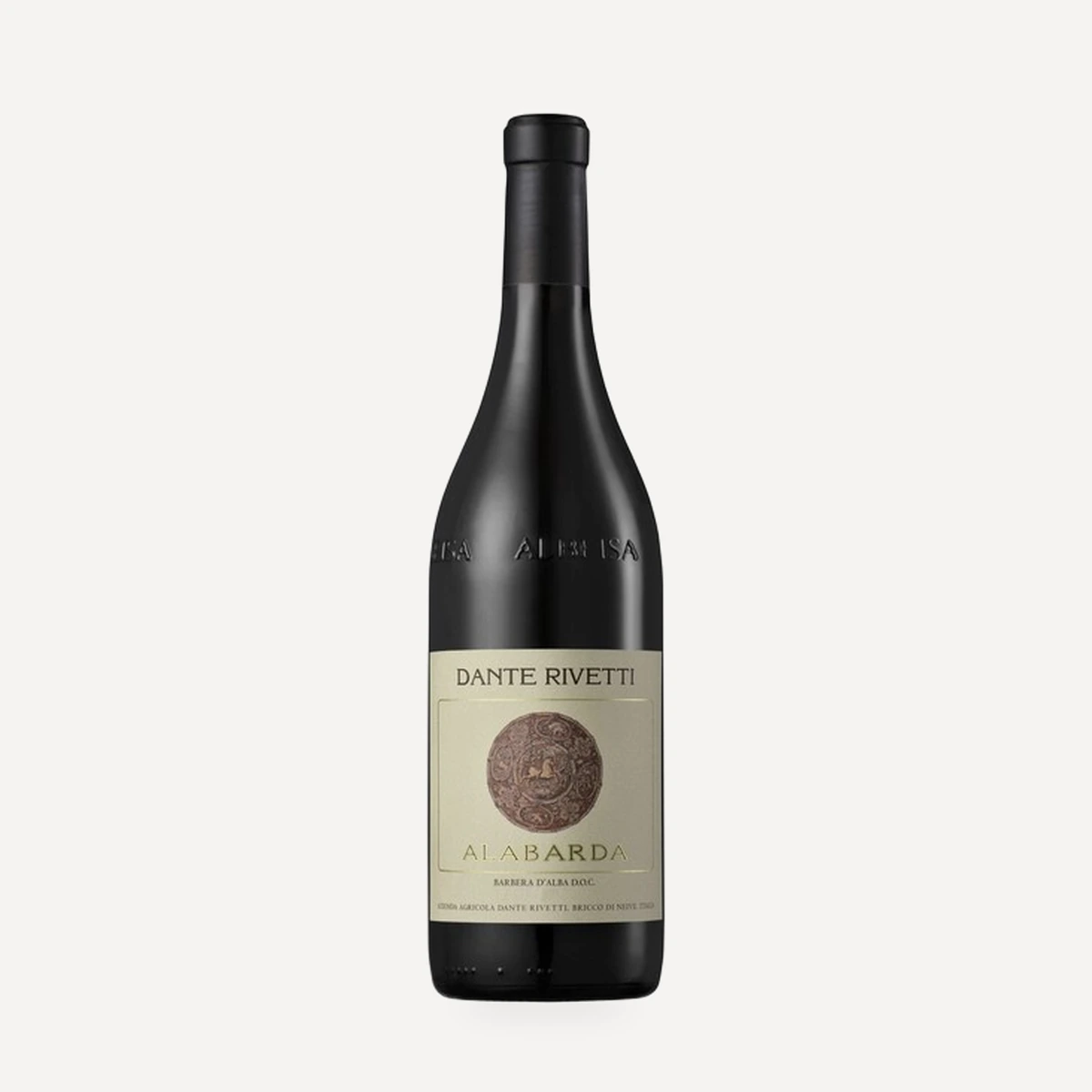
Barbera d’Alba Superiore Alabarda DOC
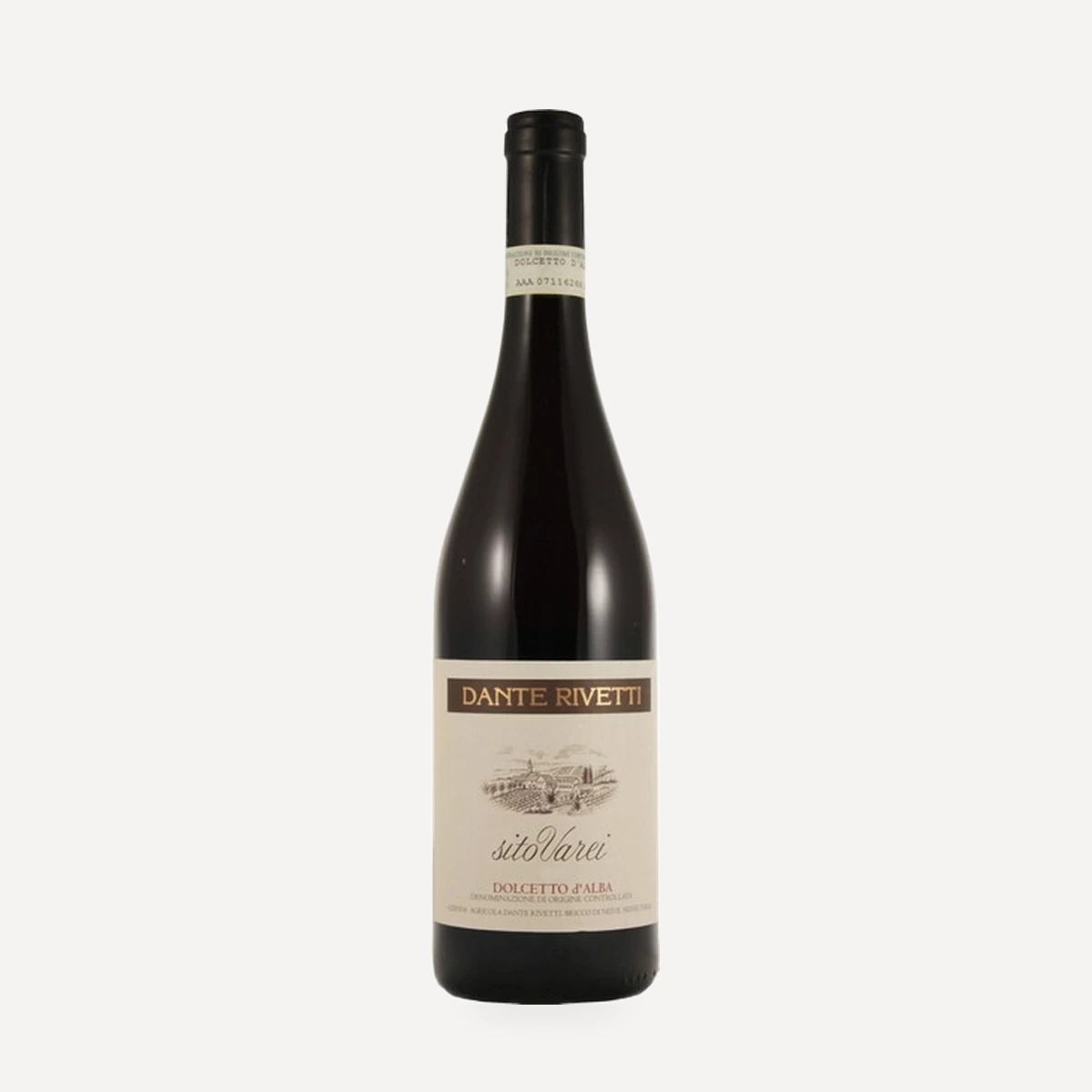
Dolcetto d’Alba Sito Varej DOC
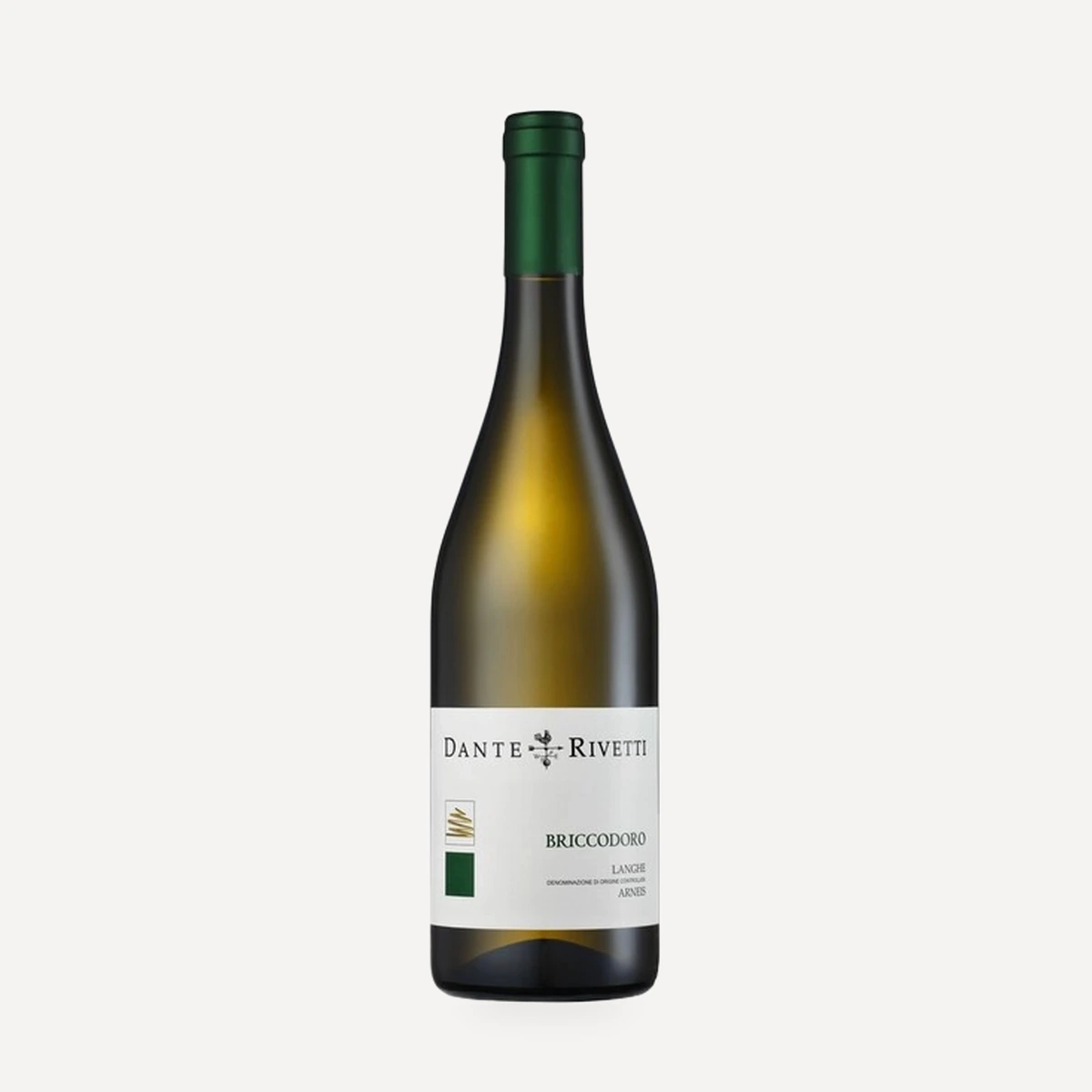
Langhe Arneis Briccodoro DOC
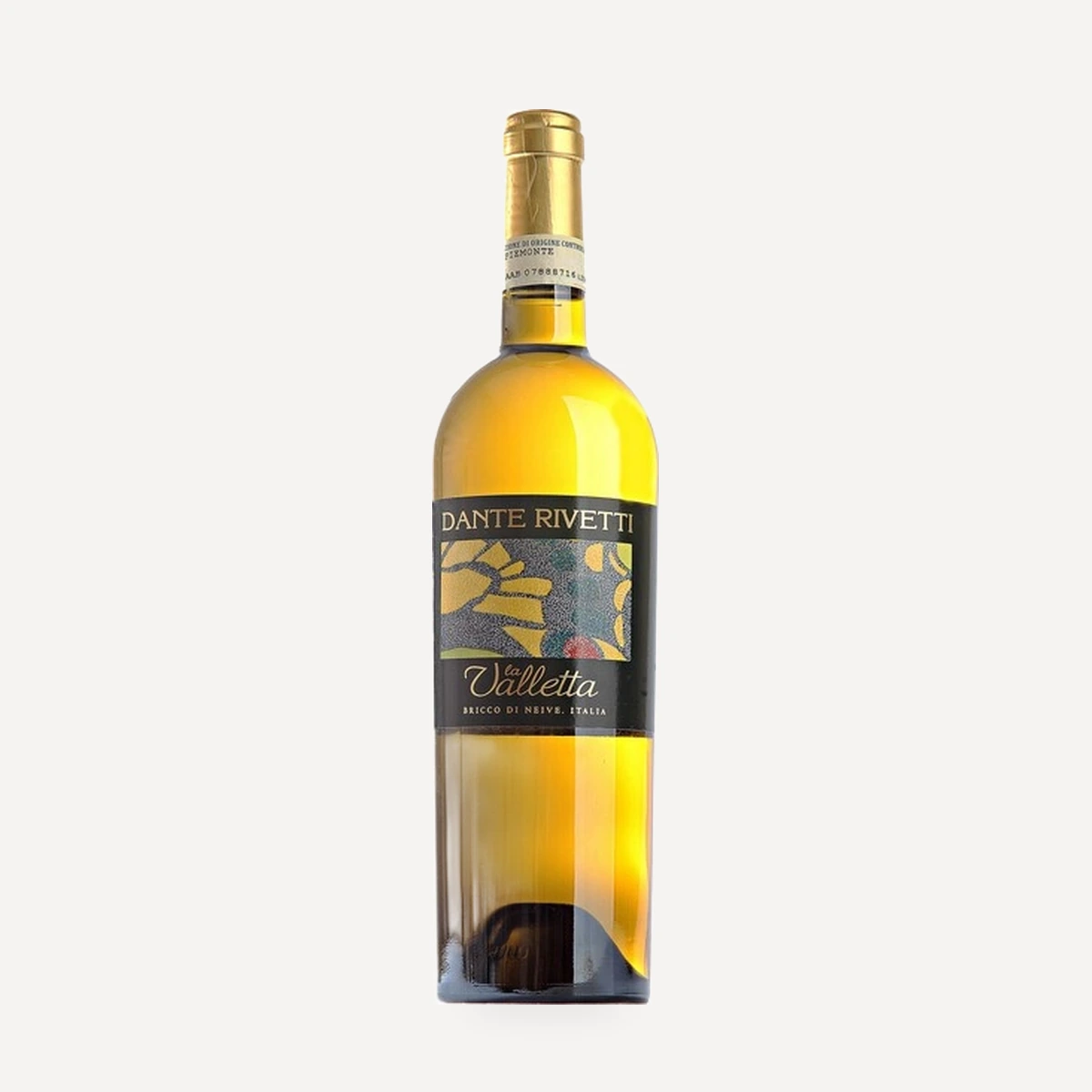
Piemonte Chardonnay La Valletta DOC
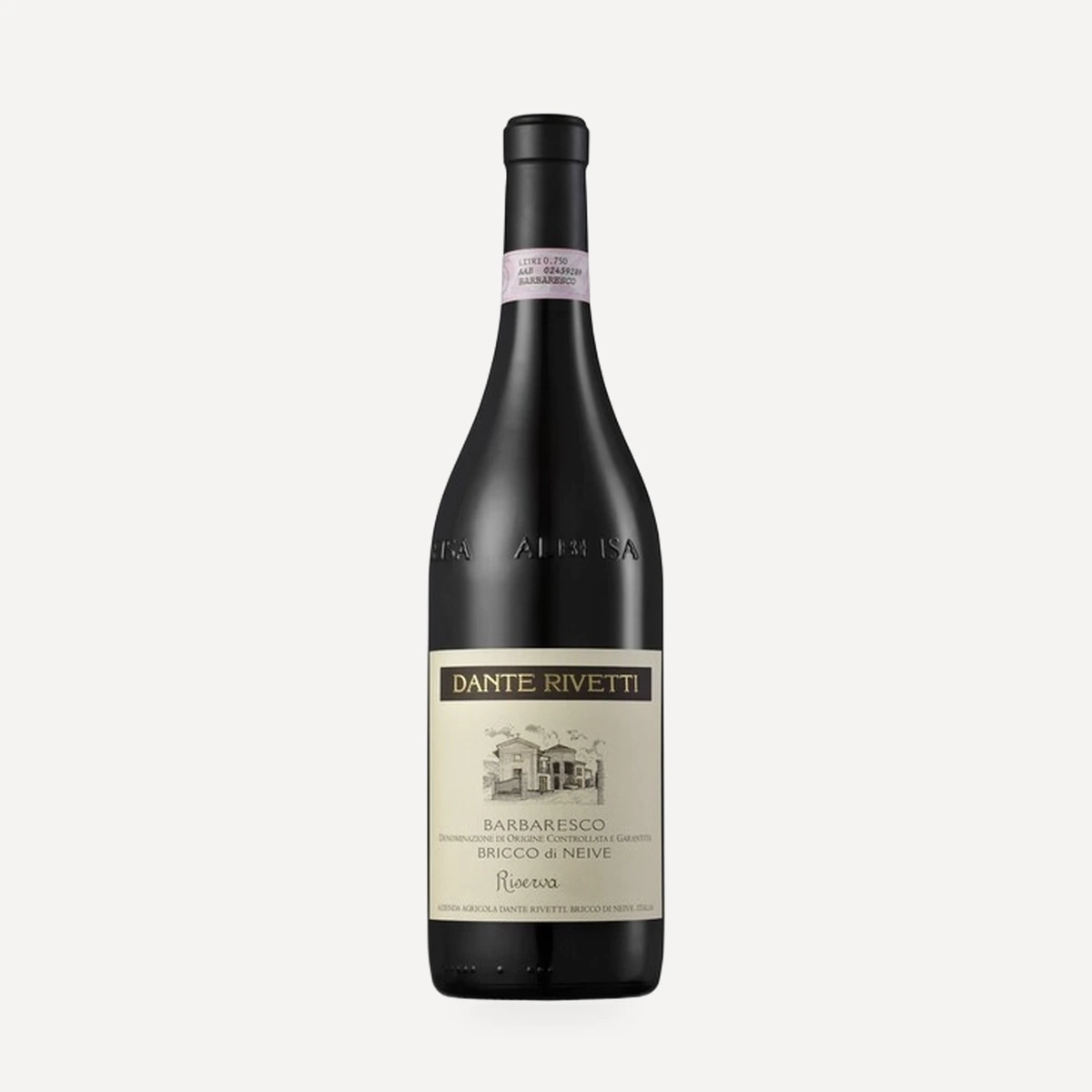
Barbaresco Bricco di Neive Riserva DOCG