History
Alibrando Dei and the first vineyards
The modern history of Cantine Dei begins in 1964, when Alibrando Dei acquired land at Bossona and planted the family’s first vineyard. The site became the foundation of a wine-growing project focused on the red wines of Montepulciano.
During the 1970s, the property expanded through the purchase of Villa Martiena and the vineyards around it. Villa Martiena and its land became the operational heart of the estate.
The first Dei Vino Nobile
The exceptional 1985 harvest produced the first bottle of Vino Nobile di Montepulciano bearing the Dei family name. This marked the family’s transition from vineyard ownership to an estate identified by its own wines.
The second and third generations
Alibrando’s son, engineer Glauco Dei, developed the family’s long-established work in travertine extraction and craftsmanship into an international architectural activity. In the 1990s, Caterina Dei began working alongside her father, becoming the third-generation heir and interpreter of the family’s values.
In 1999, Bossona became a Riserva after extended maturation in wood and bottle. The wine is produced under the Bossona Riserva label only in selected vintages, from a vineyard managed at yields of approximately 40 quintals per hectare.
A winery in travertine
At the age of eighty, Glauco Dei conceived a second winery that would join the family’s two worlds, stone and wine. He designed the building as a travertine home for the family’s wines. Construction took place from 2009 to 2014.
The winery descends seven metres underground and is entered by a circular travertine ramp shaped like a spiral shell, an architectural reference to the fossil shells found in Bossona’s soil. The maturation room has a coffered travertine ceiling supported by monumental columns. Large windows in the bottling and packaging area face an amphitheatre-shaped courtyard, integrating production with art, music and hospitality.
Expansion, sustainability and cultural life
New parcels were added to the historic vineyards as the estate developed five production units: Martiena, Bossona, La Ciarliana, Cervognano and La Piaggia. The La Piaggia vineyard, planted in 2005, reached maturity in 2015 and became the source of Madonna della Querce, dedicated by Caterina Dei to her father Glauco.
Organic cultivation began in 2018 and received Valoritalia certification in June 2021. In 2024, Cantine Dei obtained Equalitas certification, extending its sustainability framework across environmental, economic and social performance.
Under Maria Caterina Dei, the estate combines wine production with music, contemporary art, food, accommodation and cultural events. The winery amphitheatre and sculpture park were developed as places where architecture, vineyards and artistic activity meet.
Terroir
Cantine Dei has approximately 60 hectares under vine, divided among five production units around Montepulciano: Martiena, Bossona, La Ciarliana, Cervognano and La Piaggia. The vineyards occupy elevations from approximately 250 to 400 metres above sea level. Their different soils and mesoclimates form the basis of the estate’s zoning programme.
Martiena lies at approximately 350 metres and has medium-textured sandy-clay soil. More detailed vineyard descriptions also identify sand, tuff and sedimentary rock. Its proximity to the winery allows harvested fruit to reach the reception area immediately.
La Piaggia lies at approximately 350–370 metres. Its Pliocene soils are described as clay-loam with a small proportion of stones and, more specifically, as alternating tufaceous clay and sand. Geological ages given for the site range from 1.8–6.8 million to 2.5–5 million years. The 1.5-hectare plot is considered particularly suited to Sangiovese.
Bossona rises to approximately 350–400 metres. It is one of the sunniest parts of Montepulciano and benefits from constant ventilation, favourable exposure and good grape ripening. Its Pliocene subsoil contains tuff, calcareous sandstone, stones, fossil shells and fine sand. The skeletal, fossil-rich composition provides strong drainage.
La Ciarliana lies at approximately 250–300 metres and has medium-textured clay soil with limestone and tuff. Cervognano lies at approximately 250 metres and is likewise characterized by clay- and limestone-rich soil.
The estate divides each production unit into more homogeneous subzones according to soil composition, pedoclimatic conditions and vine productivity. This zoning recognizes that conditions may vary over only a few metres and allows each subzone to be managed according to its own requirements.
Winemaking
Organic cultivation
Organic farming began in 2018 and was formally certified by Valoritalia in June 2021. Synthetic and hazardous pesticides and chemical herbicides are excluded. Crop protection relies on natural products, biostimulants, plant-strengthening products and antagonistic microorganisms.
Soil and fertility
Soil is managed with conservative, relatively low-energy techniques. Decompactors and harrows are used for cleaning and aerating the ground. Vineyards normally maintain complete grass cover or alternate grassed rows. During winter and spring, alternate rows may be sown with grass and legume green manures, while spontaneous vegetation is retained in the unsown rows. Surface cultivation is normally avoided during summer except in emergencies.
Fertility inputs include green manure and natural fertilizers such as manure and humus. Weed control is mechanical. These measures are intended to protect soil as a living resource while limiting erosion and energy use.
Vine balance, plant protection and new vineyards
Canopy and undervine management are used to prevent pest pressure and establish a balanced relationship between vegetative growth and crop load. Before a new vineyard is planted, the pedological and climatic suitability of the proposed site is formally evaluated and recorded.
Drainage ditches are kept clean so that water can flow away with minimal intervention and reduce hydrogeological risk. An underground drainage network operates near the buildings.
Ripening and harvest decisions
During the final stage of ripening, fruit from every vineyard is analysed at least weekly. Analytical measurements are combined with regular tasting and daily vineyard inspections of vine health to identify the optimum harvest date. Rosé fruit is picked about two weeks before the fruit intended for Rosso di Montepulciano, after véraison is complete but while acidity remains high and sugar accumulation is adequate.
Biodiversity and resource monitoring
The Equalitas programme covers soil, water and air biodiversity alongside carbon and water footprints. Its planned biological indicators include epiphytic lichens on tree bark, aquatic-invertebrate communities in surface water and soil invertebrates such as annelids, springtails, mites, isopods, myriapods and insects. Water is managed as a monitored resource, and the estate combines organic farming with renewable-energy use, recycling and waste reduction.
Grape reception and pre-fermentation decisions
Fruit from each vineyard is monitored through the final phase of ripening, with weekly analysis, regular tasting and daily health checks informing the harvest date. Pre-fermentation operations are then adjusted to the sensory and analytical character of each vintage and must. The process may be modified at each stage to maintain the intended quality standard.
White and rosé wines are generally made by gently pressing whole grapes, followed by settling and low-temperature fermentation. Red grapes are destemmed and lightly crushed; the intensity of destemming and crushing varies with grape condition and the intended result.
Fermentation and cellar control
Fermentations take place in stainless steel. Each tank is assessed every day, both analytically and organoleptically. Sugar consumption and temperature are monitored throughout alcoholic fermentation, while skin maceration is managed to optimize extraction. Complete analyses are performed halfway through and at the end of fermentation. Malolactic fermentation is carried out by indigenous lactic-acid bacteria.
Blending decisions are made first through sensory assessment and then checked analytically, with each component evaluated for the intended final wine.
Cellar, maturation and bottling
The production building descends seven metres underground and is organized into four visitor-accessible areas. Its maturation room has a coffered travertine ceiling and monumental columns. The bottling and packaging area is enclosed by large windows opening toward an amphitheatre-shaped courtyard.
Across the cellar, maturation vessels include stainless steel, large Slavonian-oak casks, tonneaux, barriques and small caratelli. The estate also refines wines in bottle. A geothermal installation provides winery climate control. Chlorite- and hypochlorite-based sanitizers have been eliminated, and machinery is progressively being renewed for greater energy efficiency and lower fuel consumption.
Philosophy
Cantine Dei presents wine as the product of an encounter between land and people, nature and time. Its declared aim is to preserve the balance among these elements while respecting the environment and expressing the individual identity of each vineyard.
The estate seeks wines defined by elegance, harmony and authenticity. It regards wine not only as a beverage but as a vehicle for the identity and history of Montepulciano, capable of creating an emotional memory comparable to music. Vineyard work follows sustainable principles, cellar work is described as artisanal in care, and innovation is accepted when it remains consistent with tradition.
Across three generations, wine and land have been treated as inheritances to safeguard. Maria Caterina Dei defines the estate’s mission as protecting and promoting Vino Nobile di Montepulciano and its territory with full respect for the environment. Zoning supports this philosophy by linking each wine more closely to a specific vineyard while adapting cultivation to local conditions.
Environmental, economic and social responsibilities are treated as inseparable. The estate’s commitments include biodiversity, responsible water and energy use, waste reduction, fair working conditions, equal opportunity, continuous training, transparent supplier relationships and support for the local economy and community.
Wines
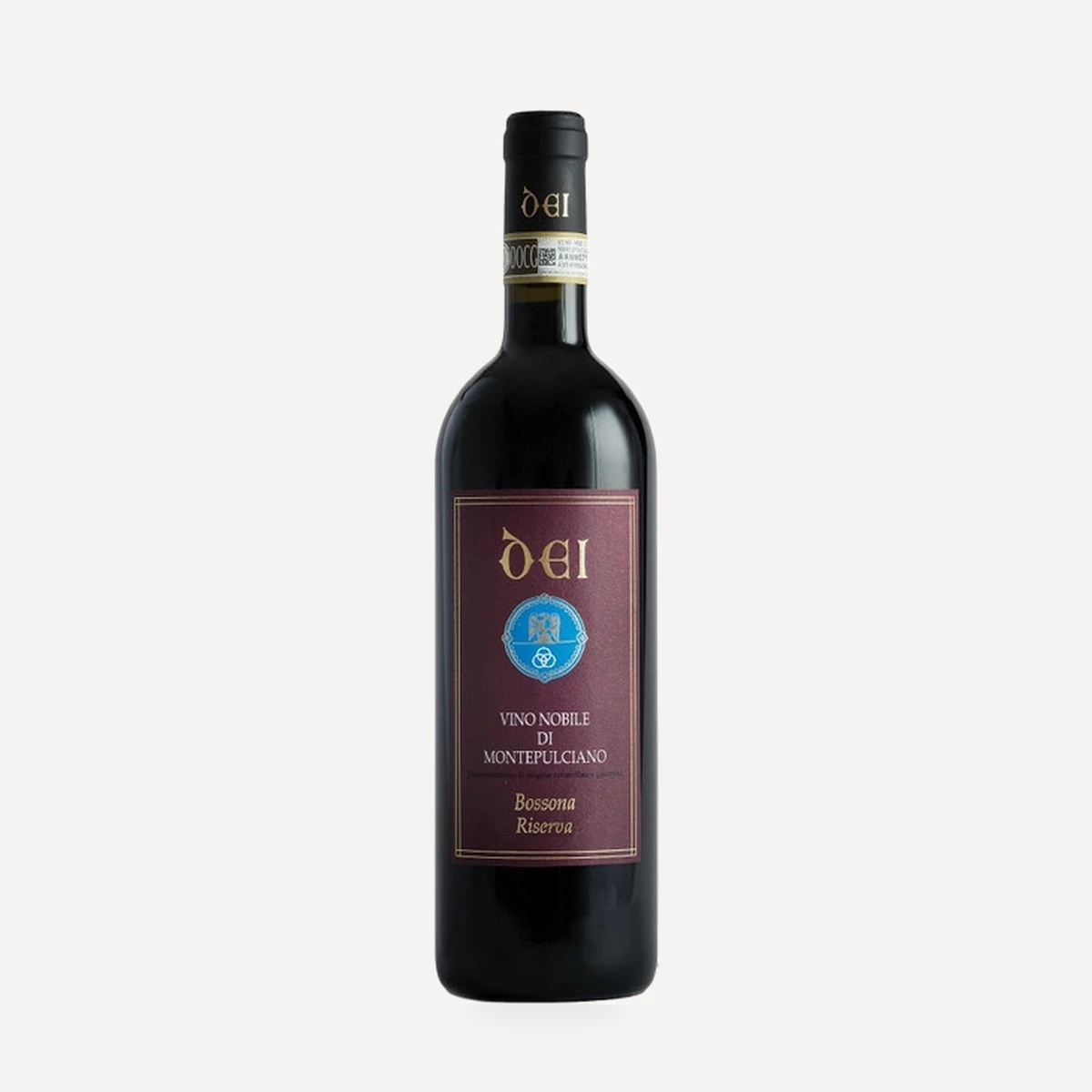
Bossona Vino Nobile Montepulciano Riserva DOCG
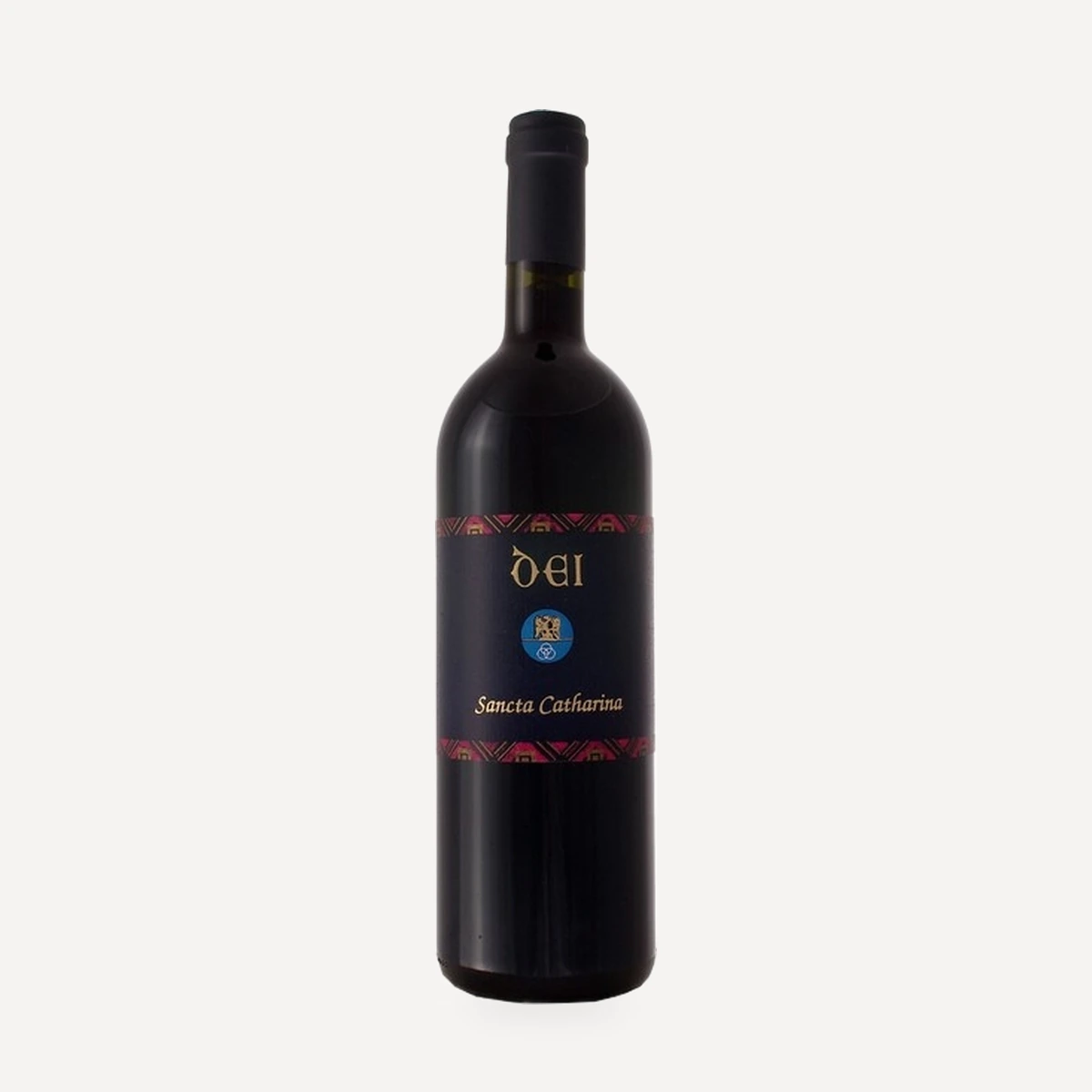
Sancta Catharina IGT
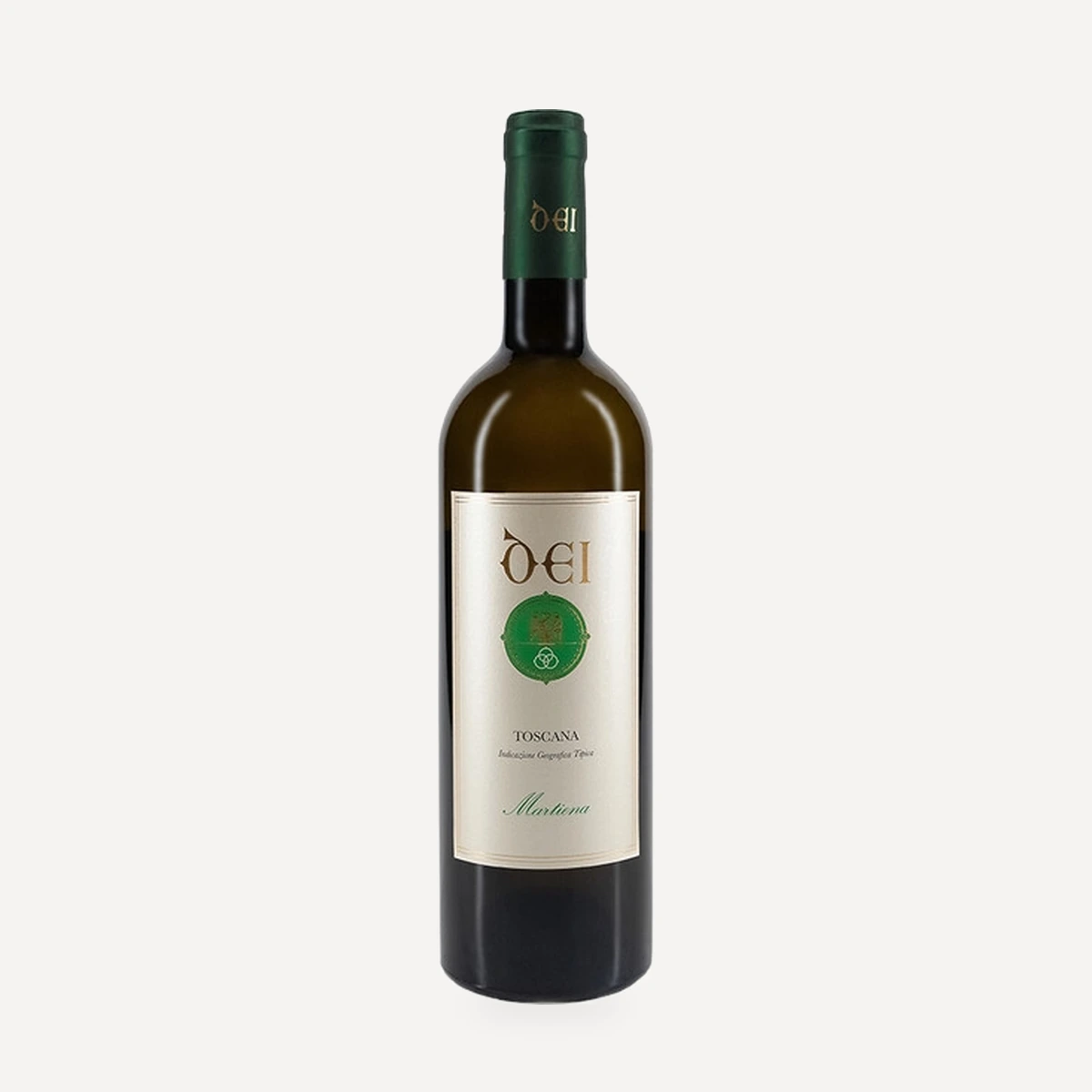
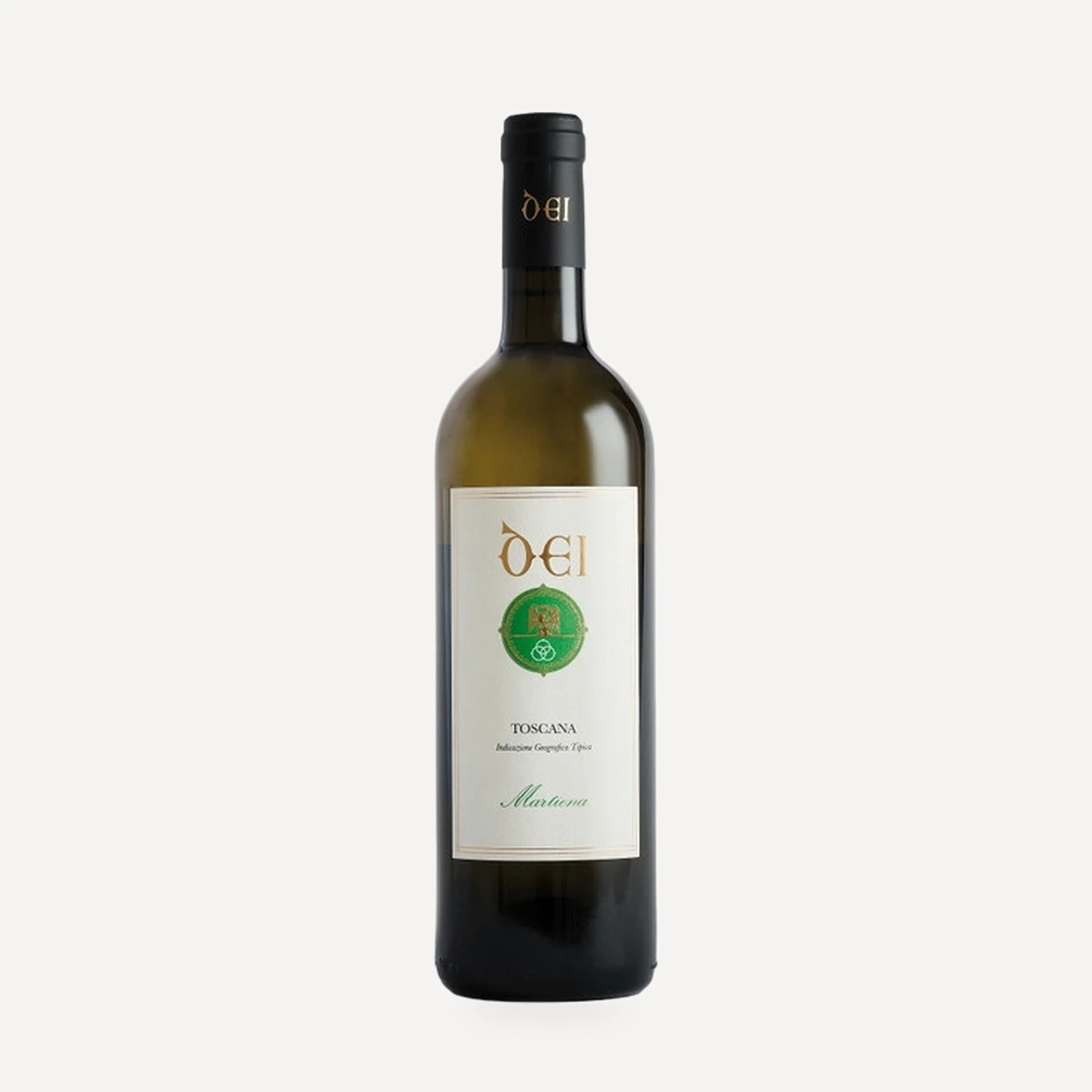
Martiena Toscana IGT
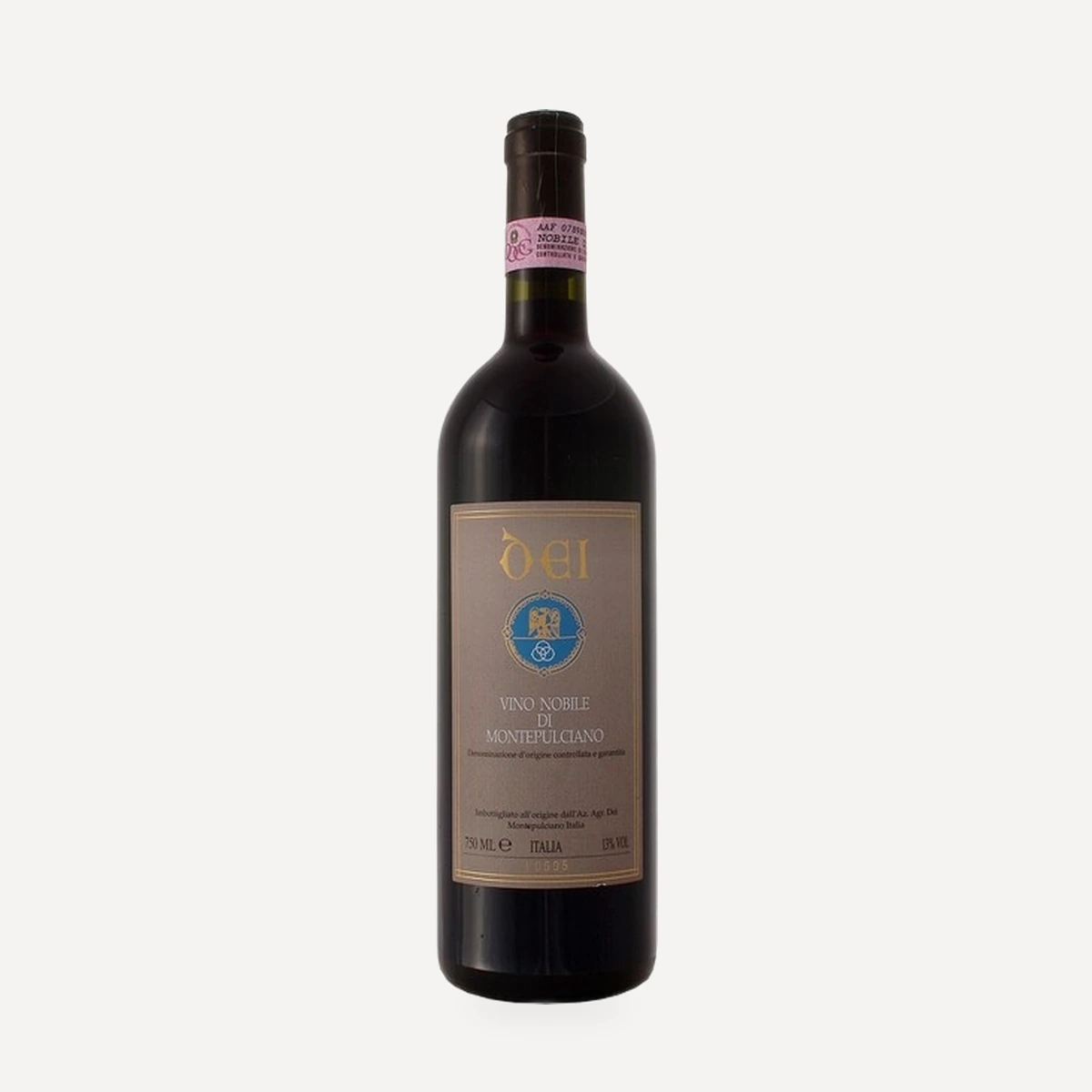
Vino Nobile Montepulciano DOCG
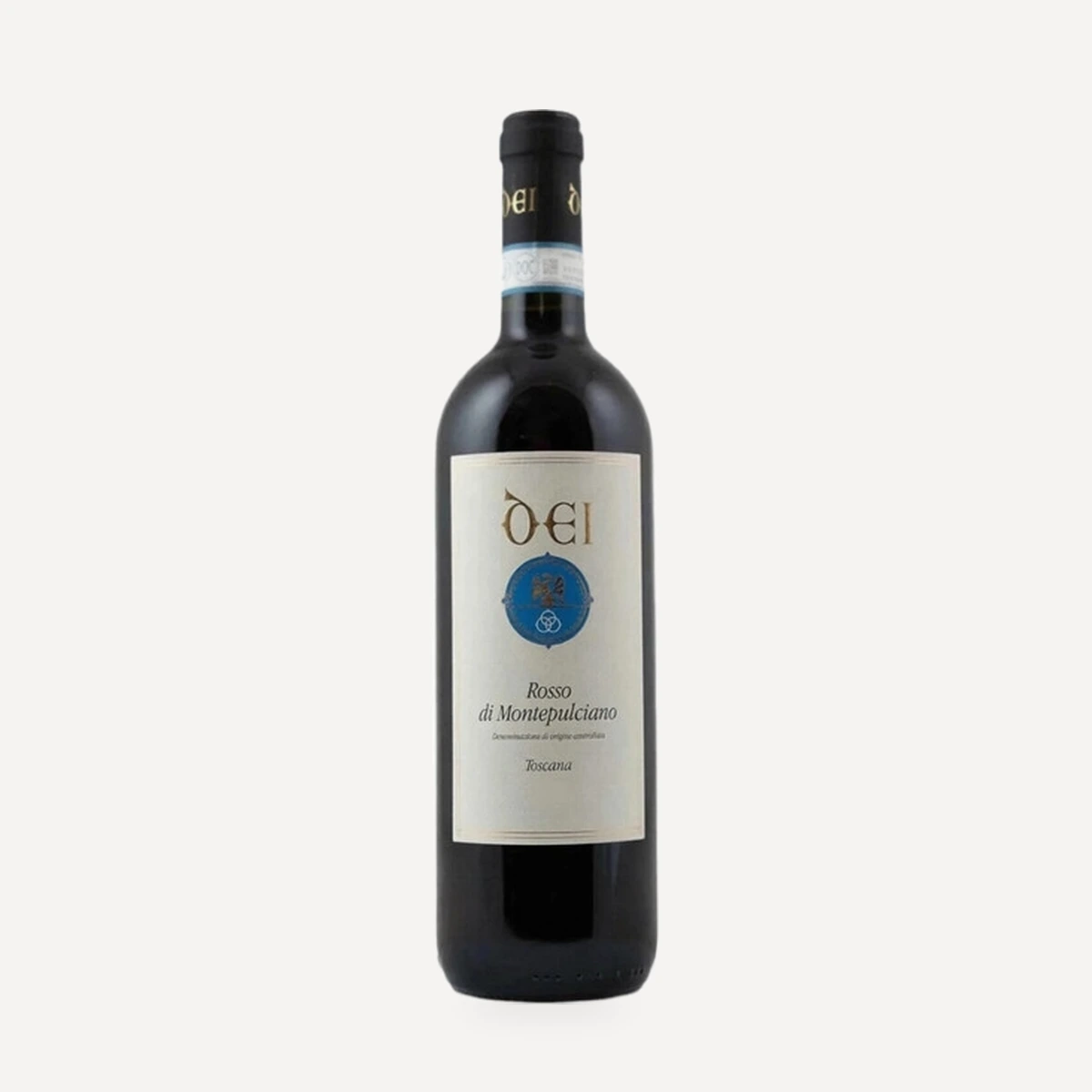
Rosso di Montepulciano DOC
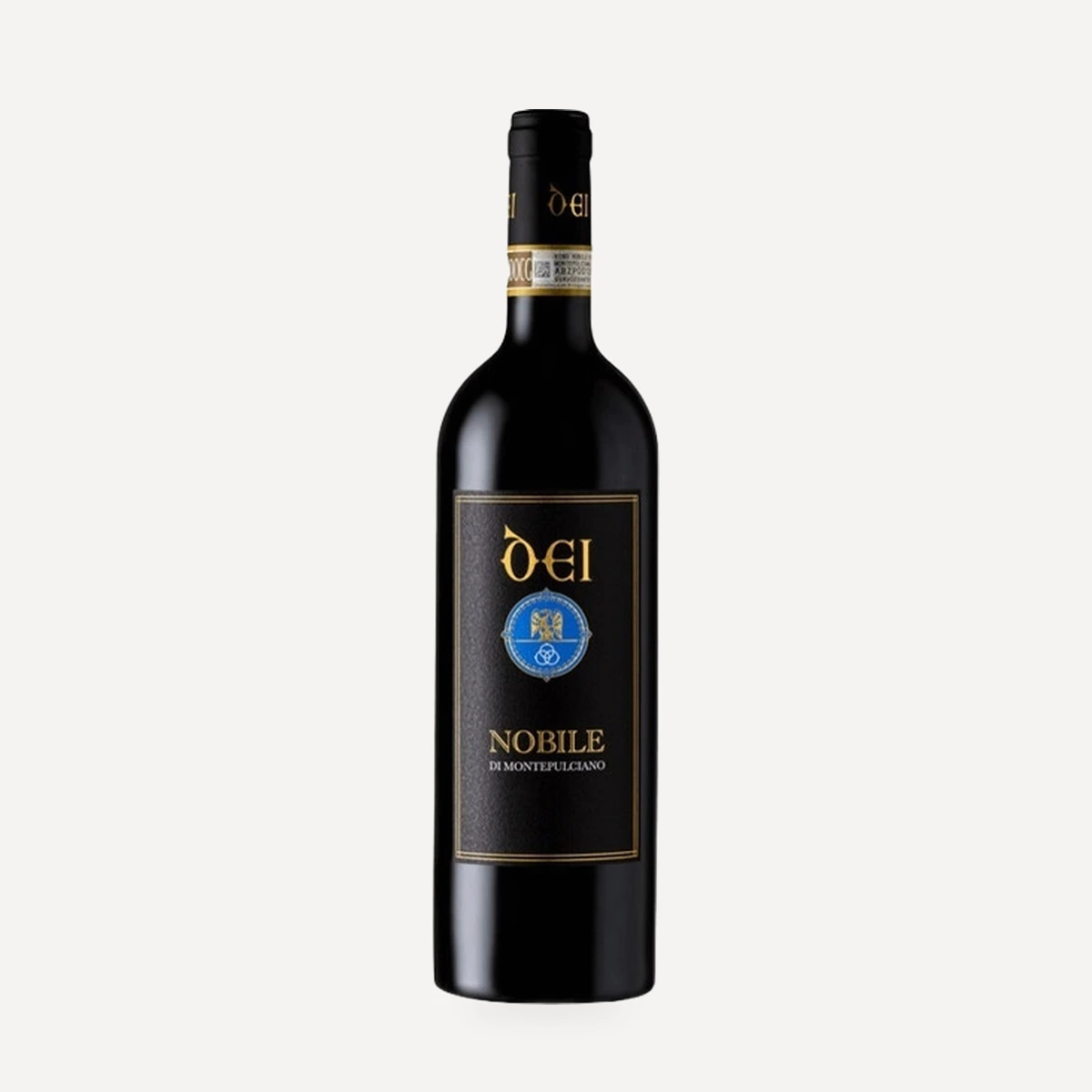
Vino Nobile di Montepulciano DOCG
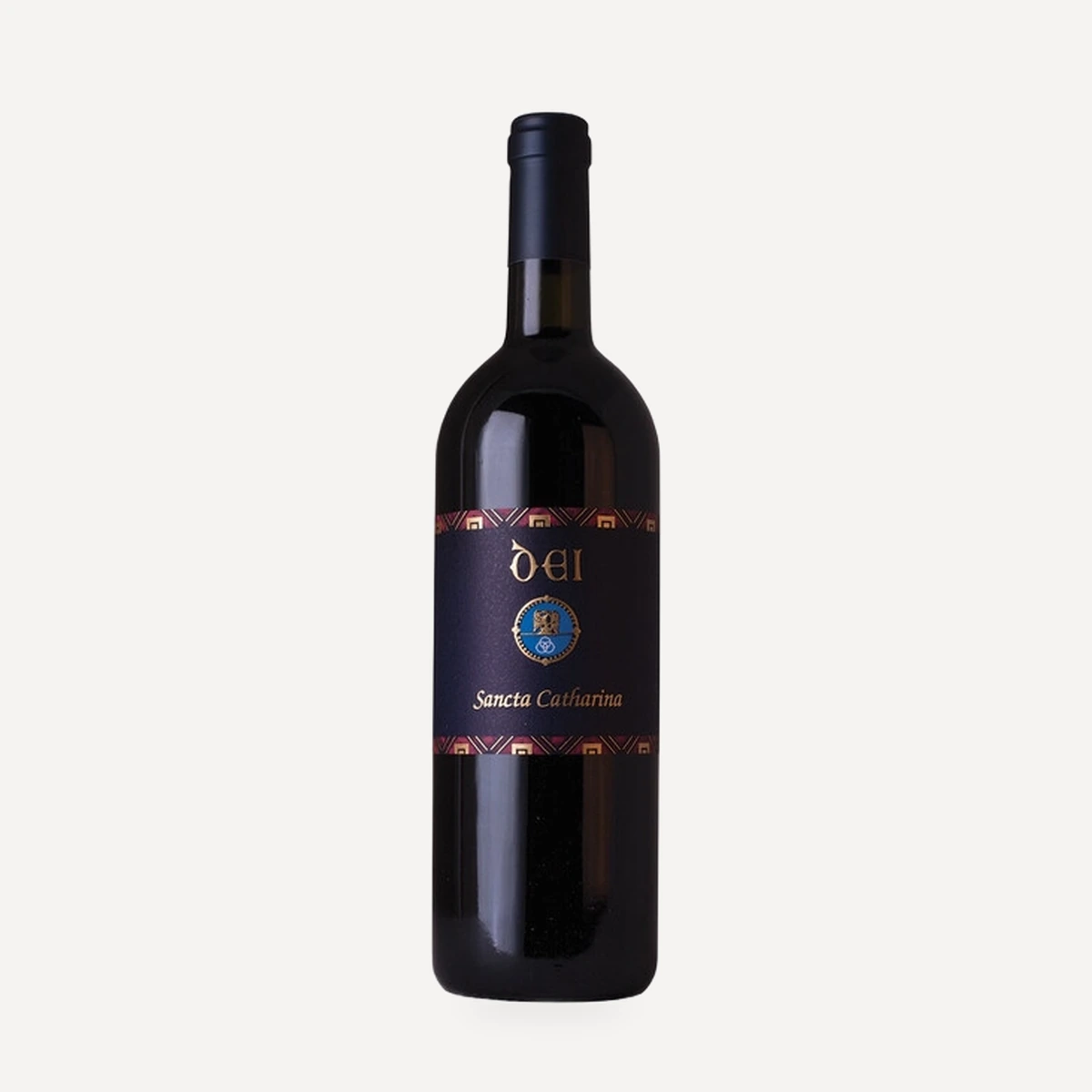
Sancta Catharina Toscana IGT