History
The historical background
Phylloxera officially reached Etna in 1881 and destroyed a large proportion of its vines. The high silicon content of some volcanic soils helped individual vines survive, although complete surviving vineyards remained extremely rare. Tenuta delle Terre Nere now cultivates less than one hectare of ungrafted vines in Calderara Sottana that predate the outbreak and have passed through three centuries of history.
The Etna DOC regulations were established in 1968. Article 7 allowed Etna wines to bear the name of the historical subzone from which their grapes came, but a provision in a 1991 ministerial decree subsequently compromised that right.
2002: the beginning in Guardiola
Tenuta delle Terre Nere began production and bottling in 2002 on Etna’s northern slope. Guardiola was the first vineyard and supplied the first estate wine. That bottling was also the first Etna Rosso to restore a Contrada name to its label and the first presented in a Burgundy-shaped bottle. From the inaugural harvest, the estate vinified and bottled its Contradas separately in order to express their individual identities.
Marco de Grazia described Etna as the “Burgundy of the Mediterranean” on the back labels of the first 2002 bottles, relating the comparison to the volcano’s highly variable soils, elevations, exposures and climate rather than to any direct similarity of flavour.
2004–2007: new bottlings, zoning and old vines
Feudo di Mezzo’s first estate release followed in 2004. In 2005, while represented on the board of the Consorzio di Tutela Etna D.O.C., Tenuta delle Terre Nere began a campaign to obtain formal ministerial recognition for Etna’s historical subzones and restore their effective use on labels. The work involved reconstructing the historic boundaries of the Contradas in the principal Etna municipalities.
The estate’s first Etna Bianco was made in 2005. Marco de Grazia separated the white varieties traditionally interplanted in old red vineyards—Carricante, Catarratto, Inzolia, Grecanico and Minnella—so that the red wine could be based on Nerello alone, then combined the white grapes in a Carricante-led blend. The first estate Etna Rosso release also dates to 2005.
In 2006, de Grazia recognized the exceptional age and ungrafted condition of two small parcels within a roughly four-hectare Calderara Sottana vineyard and vinified them separately. This became Calderara Sottana Prephylloxera, also known as La Vigna di Don Peppino.
In 2007, after twice tasting a 42-year-old Carricante, de Grazia began pursuing a long-lived, single-variety Carricante expression under the Vigne Niche name. Carricante was also planted that year on the northern slope, an area historically devoted to red grapes. The estate produced its first rosato in 2007 at the prompting of de Grazia’s young daughter Elena. Santo Spirito’s first red release also dates from this period.
During the same year, de Grazia acquired a very small Moganazzi parcel. Its production amounted to only three barriques, so it was initially dedicated to a charitable project associated with Florence’s Meyer pediatric hospital, with labels drawn by Elena.
2012–2015: recognition of the Contradas and northern white crus
In 2012, the Ministry of Agriculture approved the proposed zoning of the principal Etna municipalities, based on the reconstructed boundaries of the historical Contradas. The recognition restored established identities and created a basis for future subdivision and qualitative differentiation within them.
The 2013 Cuvée delle Vigne Niche demonstrated the potential of Carricante in the estate’s work. In 2014, seven years after the northern Carricante plantings, the quality and increasing maturity of the grapes enabled the creation of two separately vinified northern white crus: Calderara Sottana and Santo Spirito. The estate approached their development through separate trials intended to identify the appropriate grape material, parcels, soils and vineyard work. San Lorenzo’s first red release followed in 2015.
2017–2021: Moganazzi, Montalto, Contrada Salice and Dagala di Bocca d’Orzo
After acquiring an additional parcel beside the original Moganazzi holding and renting another adjoining piece, Tenuta delle Terre Nere began bottling Moganazzi under its own name with the 2017 harvest.
The estate also extended its research beyond the northern slope. After years of studying elevations, geology and historical boundaries, and six years of experimental vinification from the southern side, de Grazia acquired a small, old Carricante vineyard at Montalto, at approximately 950 metres. Its first vintage was 2019.
In Milo, de Grazia sought an eastern-slope property at an altitude high enough to preserve the area’s austere freshness but low enough to avoid excessive climatic severity. A small property in Contrada Salice was purchased in 2019 after approximately twenty years of neglect. Its dry-stone walls were rebuilt by hand while the vineyard was prepared to return to production.
Bocca d’Orzo had been almost entirely buried by Etna’s 1981 lava flow. In 2017 the estate discovered a surviving vineyard on an island of ground completely surrounded by the flow. Following negotiations with its four owner-brothers, Tenuta delle Terre Nere acquired the parcel in 2018. De Grazia added the Sicilian term dagala, meaning an island and, in viticultural usage, something comparable to a clos. The first vintage, 2019, produced three barriques and was bottled in 2021.
Terroir
Etna and the estate’s northern base
Tenuta delle Terre Nere is based on Etna’s northern slope, in the hilly belt between Solicchiata and Randazzo. Its northern vineyards lie in the municipalities of Castiglione di Sicilia and Randazzo, while additional holdings extend east to Milo and south to Montalto in Biancavilla.
Etna DOC forms a crescent across three sides of the volcano, from Randazzo in the north to Biancavilla in the south. Its approximately 120 km² volcanic belt includes exposures ranging from fully south-facing to fully north-facing. The denomination recognizes 133 historical Contradas, 81 of them on the northern side.
Elevation and climate
Viticulture across Etna DOC ranges from about 400 metres to more than 1,000 metres. The estate’s vineyards extend from approximately 600 to 1,000 metres, producing marked differences between individual sites. Summer day–night temperature swings can reach 30°C. Rainfall across the Etna area averages six to ten times the Sicilian norm, and a significant share can fall during a harvest that is the latest in Sicily and among the latest in Europe.
The northern holdings occupy a broad range of elevations and microclimates. San Lorenzo marks the northwestern boundary of Etna DOC and has the denomination’s coldest conditions. Guardiola reaches 900–1,000 metres at the upper limit of the DOC. Santo Spirito is lower and more gently contoured, descending toward the Alcantara.
Milo, on the eastern slope, receives about twice the average rainfall of the northern and southern areas. Its predominantly east-facing vineyards are broken by large ravines, and the steep terraces lose direct sun early behind the volcano. Warm, humid scirocco winds cross the Ionian Sea before reaching the vineyards; summer-evening fog is possible. The result is a fresh, humid and breezy environment requiring particular care.
Montalto lies on the fully exposed southern side at 900–950 metres. Persistent breezes and the coolness of the high elevation balance the full southern exposure.
Volcanic geology
Successive lava flows over millennia have repeatedly formed and buried soils, with each flow creating a distinct mineral environment. Complex soil veins can change over distances of only a few hundred metres.
Calderara and San Lorenzo derive from lava flows and volcaniclastic deposits associated with the effusive and explosive activity of the Ellittico volcano approximately 60,000–15,000 years ago. Although young in absolute geological terms, these are among the oldest exposed surfaces available for planting because later lava flows buried most older soils. Bocca d’Orzo, Calderara and San Lorenzo are identified as the three northern Contradas with “pure” Ellittico terroir; other Ellittico sites are mixed with sedimentary alluvium deposited by the Alcantara.
Soil expressions differ sharply. Calderara Sottana is exceptionally stony, with fist-sized black pumice and basalt and little ash. Guardiola is lean and high, dominated by volcanic sand, basaltic rubble and limited ash. Feudo di Mezzo has deeper mixed soils with a prevalence of ash. Moganazzi combines ash-rich topsoil with underlying layers of stone. Santo Spirito has deep, dark, loose soils rich in ash. San Lorenzo combines ash and black pumice. Contrada Salice includes deep volcanic material and ripiddu ash with lower-than-average drainage, while Montalto has deep, loose ash-rich soil with small stones.
Winemaking
Organic farming and sustainability have been part of Tenuta delle Terre Nere’s approach since its inception. Vineyard management receives the greatest concentration of work because the extreme and variable climate makes complete, consistent ripening essential. The aim is to deliver healthy, fully mature fruit that permits restrained intervention in the cellar.
The estate comprises about 30 plots across nine sites. With the exception of approximately 7 ha of newer plantings, most vineyards are between 50 and 100 years old. Less than one hectare in Calderara Sottana is more than 140 years old, ungrafted and pre-phylloxera.
Traditional Etna goblet and modified goblet training are widely used. Guardiola’s steep, narrow terraces and high elevation make cultivation entirely manual and particularly demanding. Its poor soil naturally limits production to approximately 3.5–4.5 tonnes/ha. Elsewhere, named parcels generally yield about 4–6 tonnes/ha. Complete ripening is especially important at high elevation, where acidity is heightened and lean soils accentuate tannin.
Harvest timing follows the elevation, exposure and individual site. Montalto Carricante may be picked in the second week of September; northern Carricante generally follows in late September; Feudo di Mezzo begins the red-cru harvest in early October; Calderara, Moganazzi, Santo Spirito and Bocca d’Orzo follow through October; high Guardiola and cold San Lorenzo can extend into the final ten days of the month.
The estate’s sustainability framework treats the biosphere and the health of individual ecosystems as primary ethical values. It combines respect for traditional agricultural knowledge with continuing scientific inquiry and frames the farm as a limited system in which extracted resources should be returned through circular practices. Staff and collaborators are included in this responsibility, with the goal of passing the land to future generations in better condition.
Separate vinification by place
Grapes from individual Contradas have been vinified and bottled separately since the first harvest in 2002. Separate trials also shaped the white-cru program by identifying suitable Carricante material, parcels, soils and vineyard work. Cellar intervention is deliberately restrained so that variety and microclimate remain legible.
White and rosato production
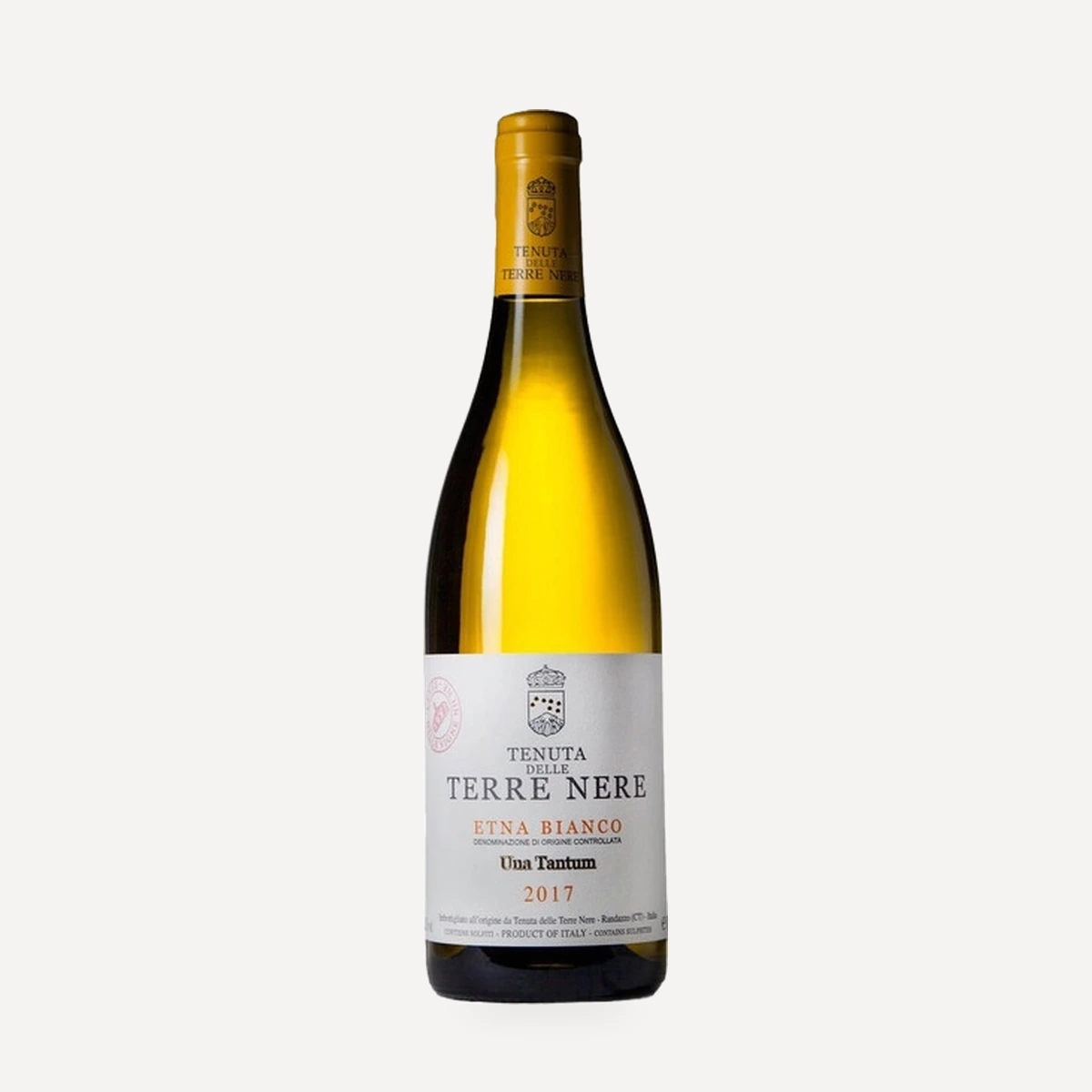
The principal Etna Bianco is made by soft pressing followed by low-temperature fermentation in stainless-steel vats. It draws on old and young vineyards across several Etna slopes and combines Carricante with Catarratto, Inzolia, Grecanico and Minnella.
The rosato is also softly pressed and fermented at low temperature in stainless steel. It is based on Nerello Mascalese from younger estate vines.
Carricante from Montalto and Contrada Salice is softly pressed, fermented at low temperature in stainless steel and aged in steel for nine months.
Calderara Sottana and Santo Spirito Carricante were historically softly pressed and fermented at low temperature in 5- and 10-hectolitre French-oak vessels, followed by malolactic fermentation and nine months in French oak. For the 2024 vintage, both were handled without oak and without malolactic fermentation: fermentation and nine months of ageing took place entirely in stainless steel.
Red production
The general Etna Rosso is macerated through the end of alcoholic fermentation. Fermentation is temperature-controlled at approximately 25–28°C, followed by spontaneous malolactic fermentation and ageing in 50-hectolitre French-oak casks. Bottling follows approximately 14–16 months in wood and one month in stainless steel.
The named red crus—Feudo di Mezzo, Moganazzi, Santo Spirito, Guardiola, Calderara Sottana, La Vigna di Don Peppino, Dagala di Bocca d’Orzo and San Lorenzo—undergo temperature-controlled alcoholic fermentation at approximately 28–30°C. Spontaneous malolactic fermentation and maturation take place in French-oak barriques and tonneaux. The standard sequence is about 14 months in wood, followed by one month in stainless steel before bottling.
Philosophy
The estate’s central ambition is to express Etna’s refined, multifaceted volcanic environment as purely as possible. Nature is understood as generous but severe, demanding respect, meticulous care and substantial manual work.
Vineyard work takes precedence because reliable ripening under Etna’s extreme conditions begins with close attention to each site. High-quality fruit then permits a light cellar touch focused on revealing the character of the grape variety and its particular terroir.
The pursuit is not framed as technical perfection. Instead, the goal is an ideal relationship between what nature provides and what experience, sensitivity and imagination suggest. Teamwork, delicacy and attention to nuance are treated as essential to that interpretation.
Sustainability is grounded in an “ethics of the Earth” extending beyond purely human interests. Responsibility, conscience and justice inform an approach that values the continuity of the biosphere, combines traditional knowledge with scientific research and favors a circular model of returning resources to the environment. Stewardship means preserving what earlier cultivators transmitted and passing it forward in improved condition.
Wines
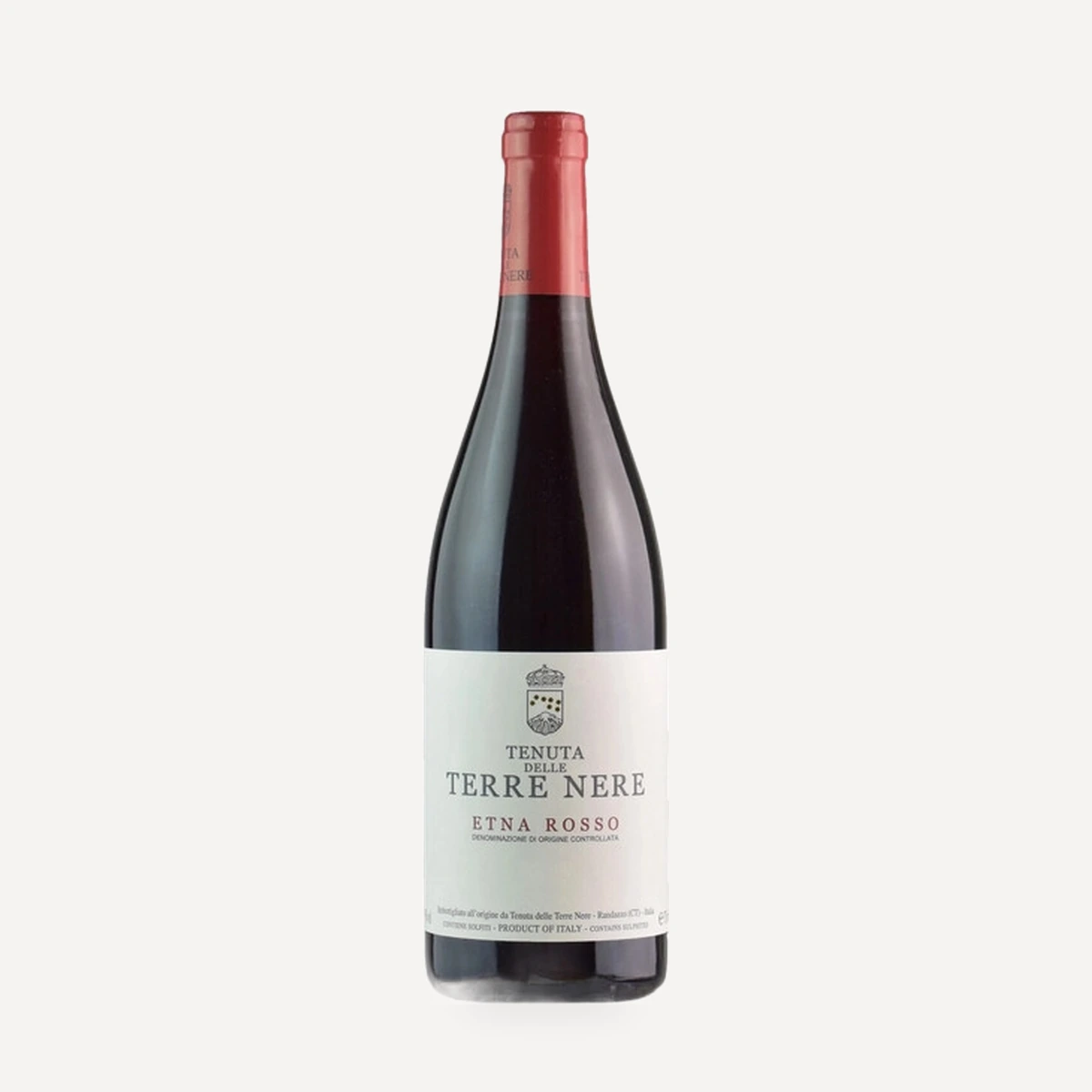
Etna Rosso DOC
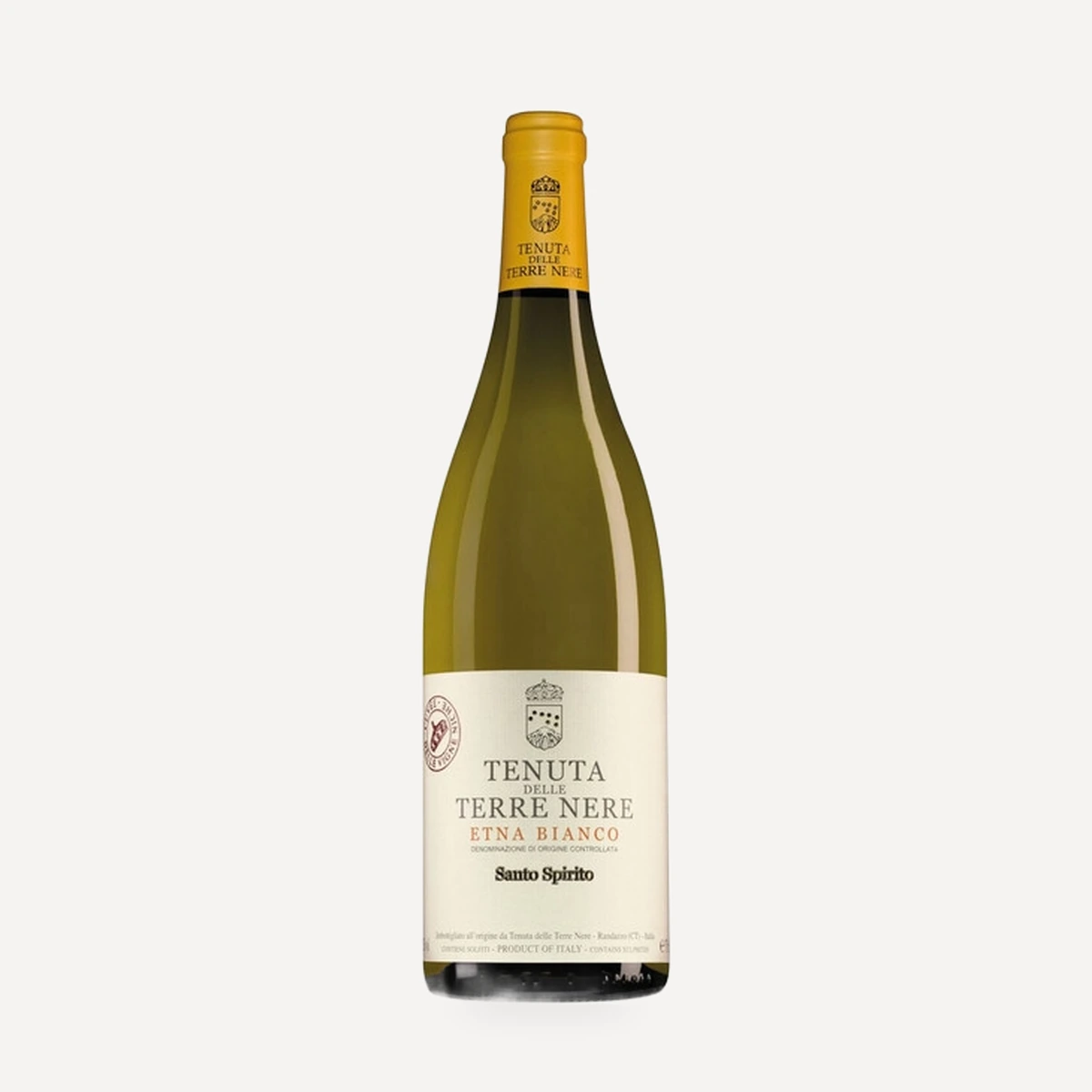
Cuvée delle Vigne Niche Santo Spirito Etna Bianco DOC
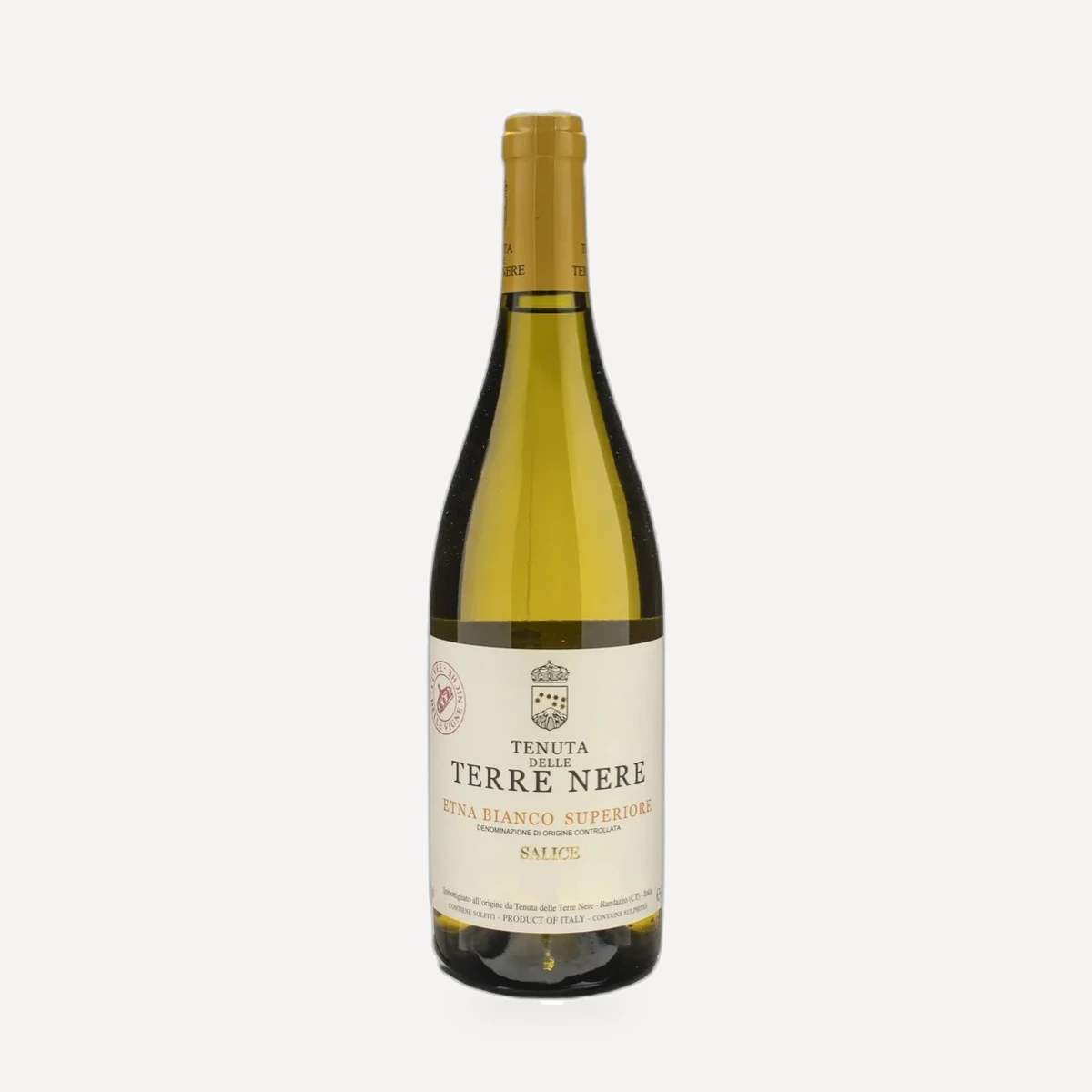
Etna Bianco Superiore – Contrada Salice DOC
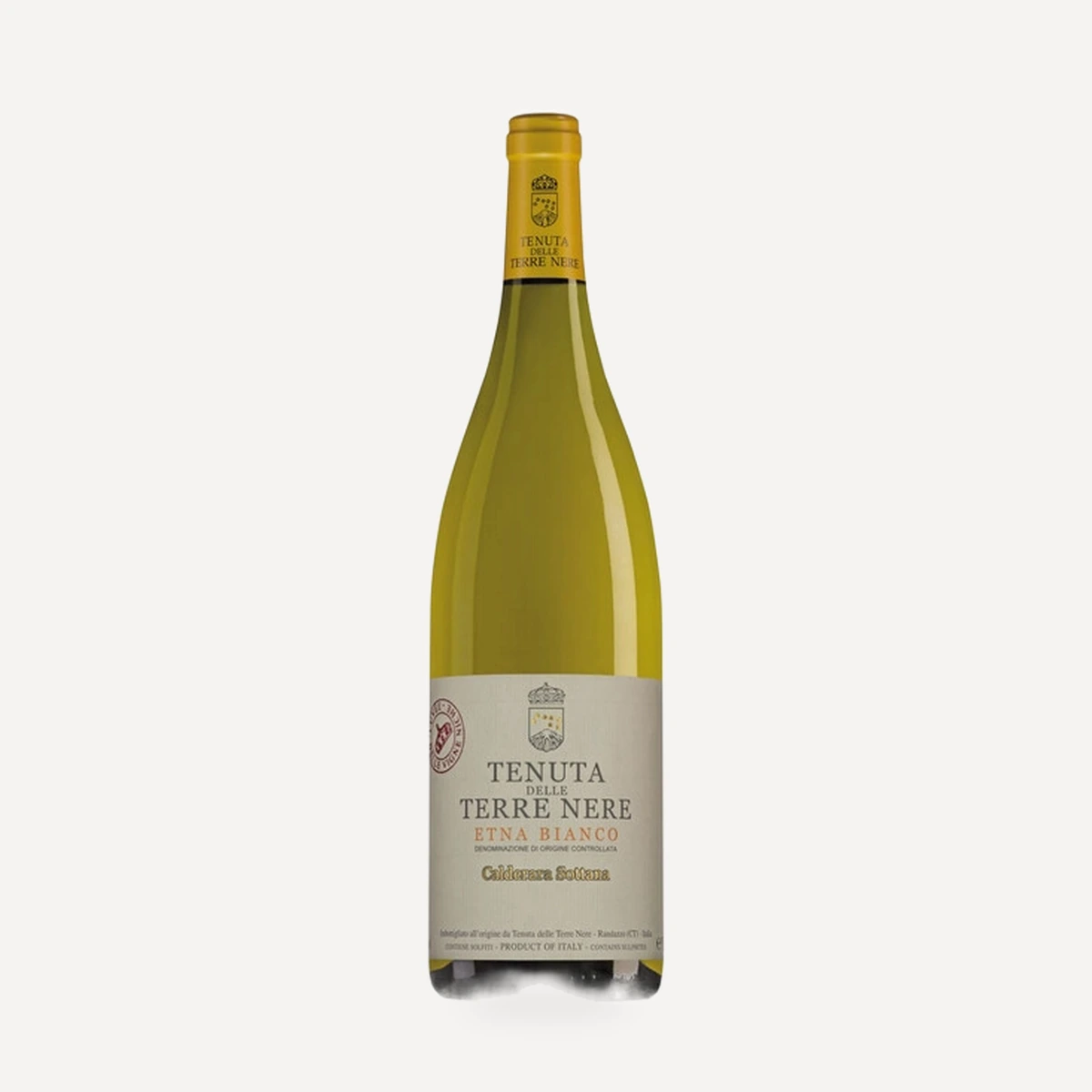
Cuvée delle Vigne Niche Calderara Sottana Etna Bianco DOC
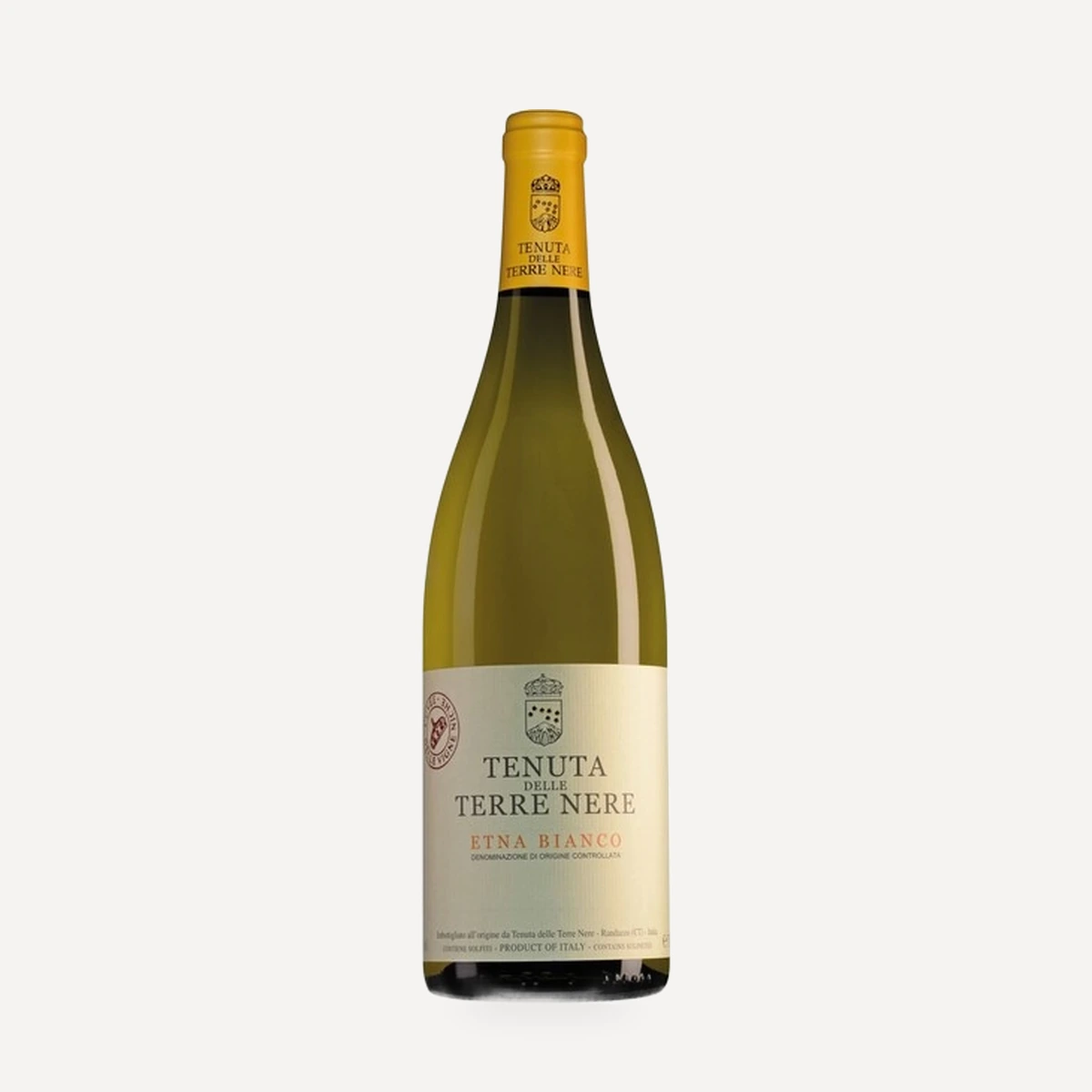
Etna Bianco Cuvée delle Vigne Niche
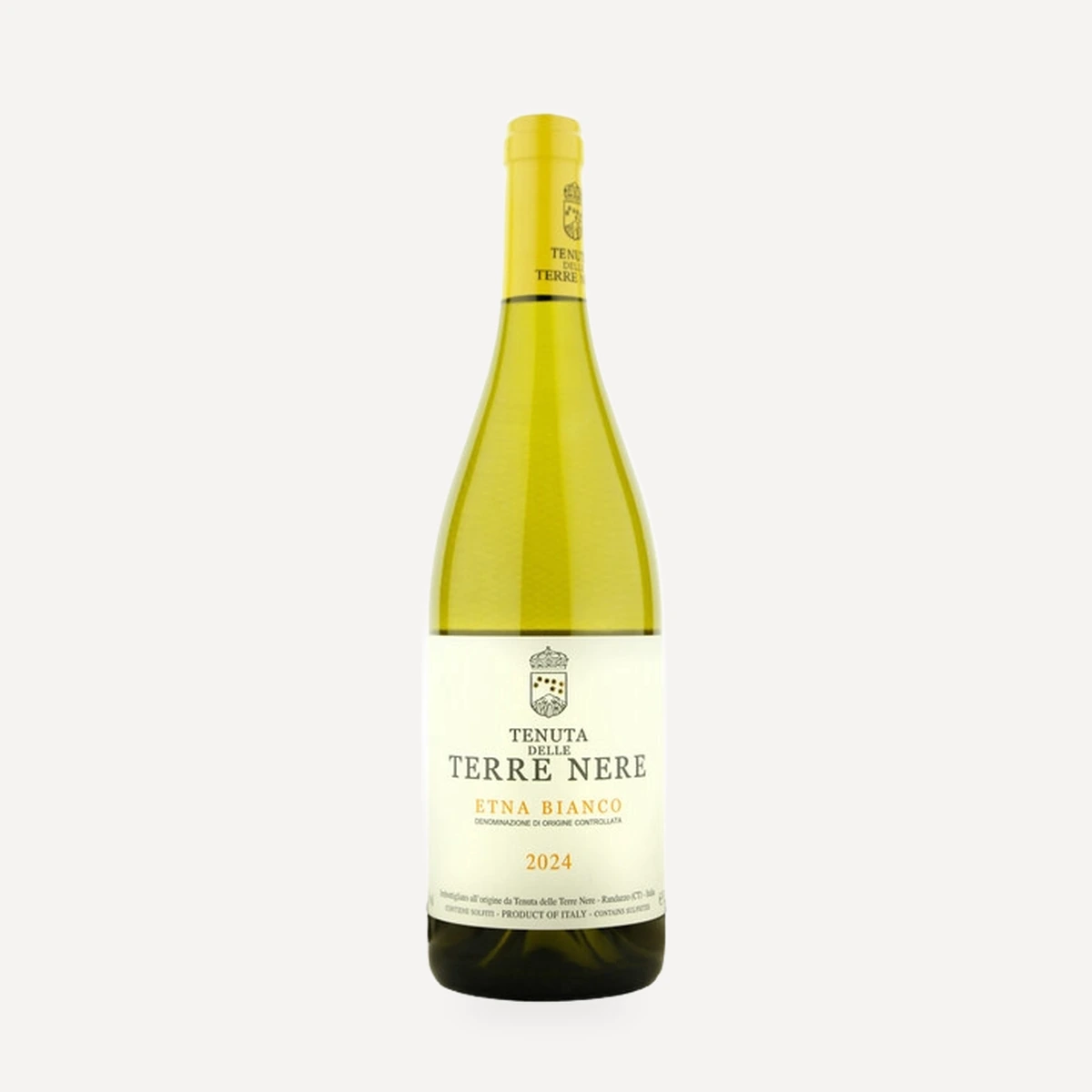
Etna Bianco DOC
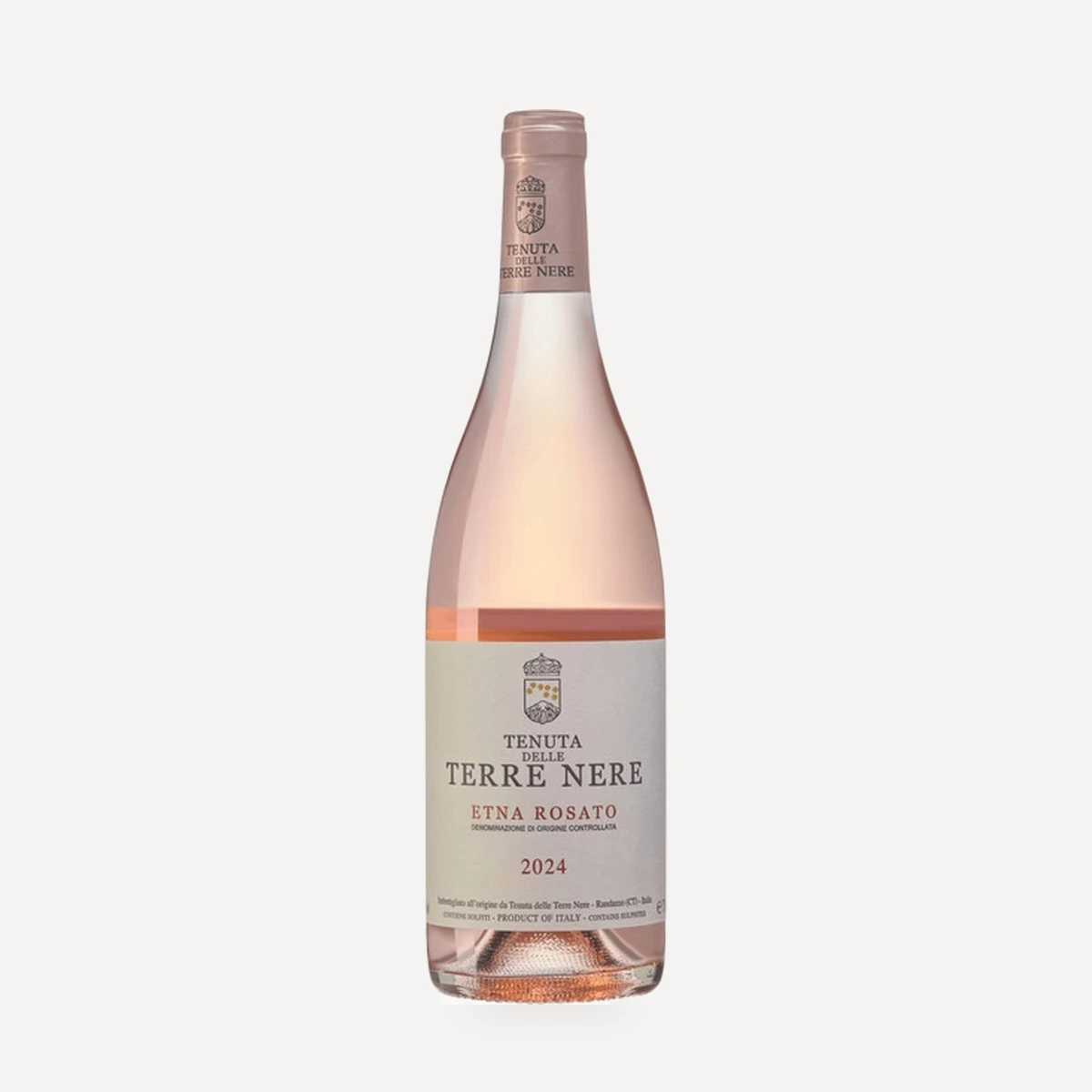
Etna Rosato DOC
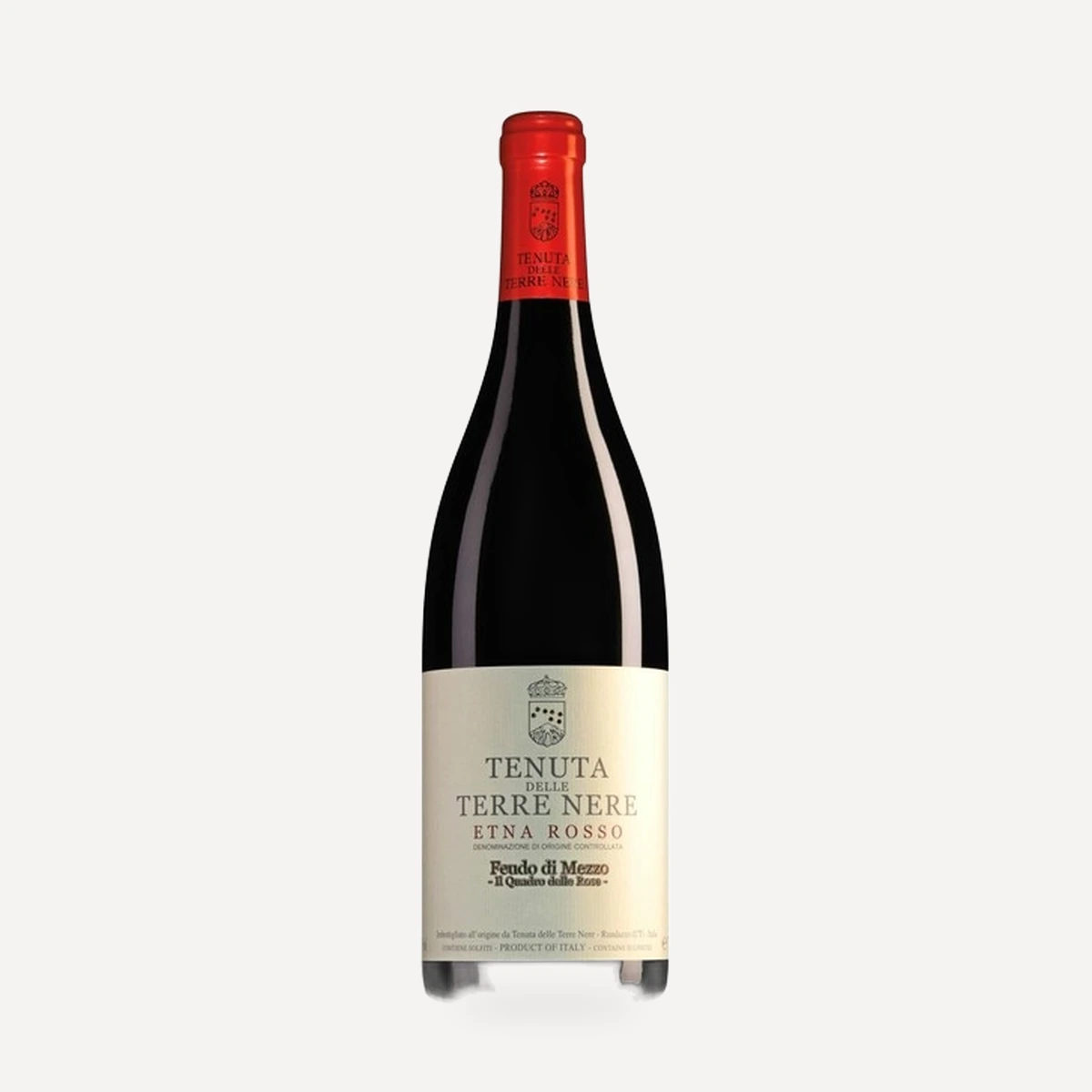
Feudo di Mezzo Etna Rosso DOC
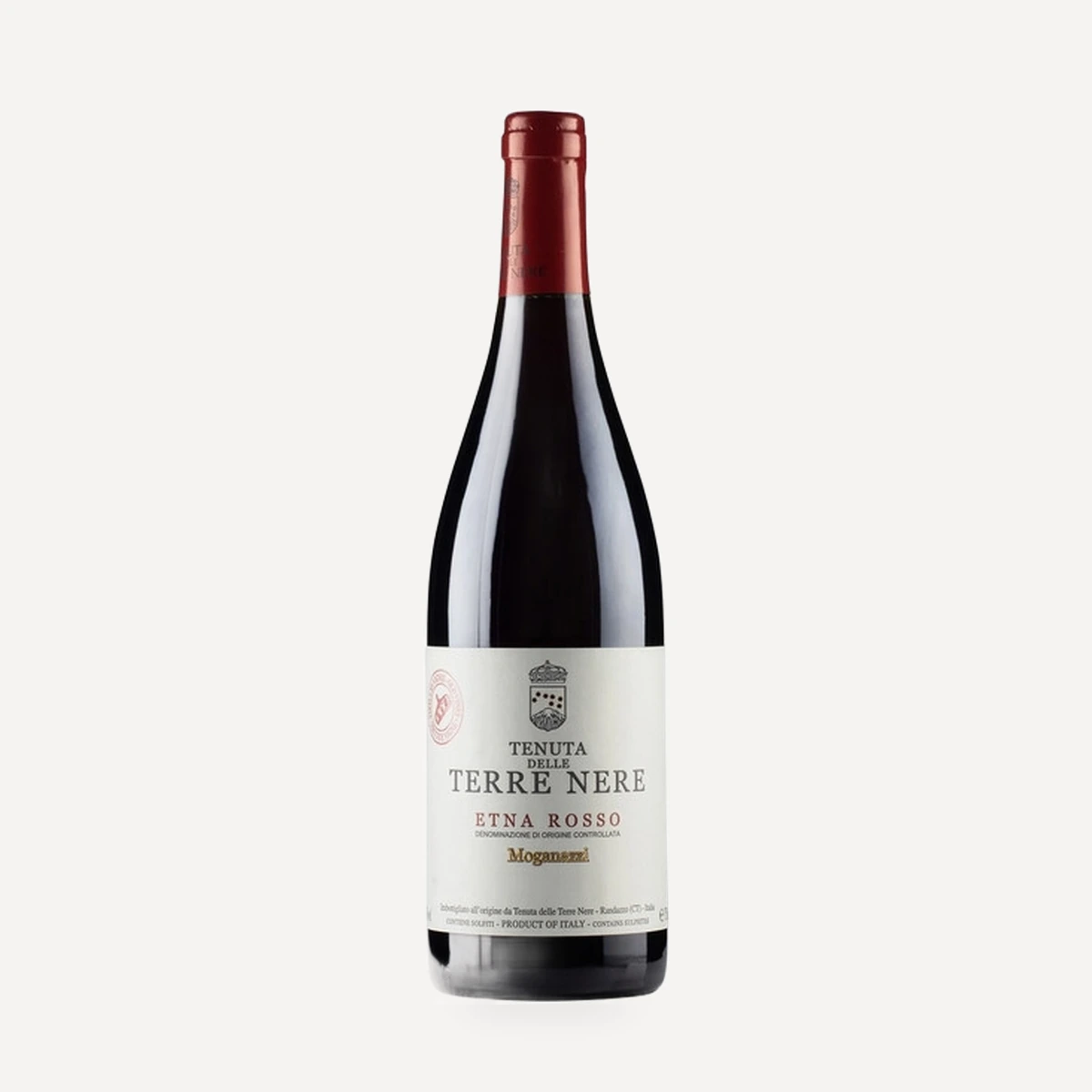
Moganazzi Etna Rosso DOC
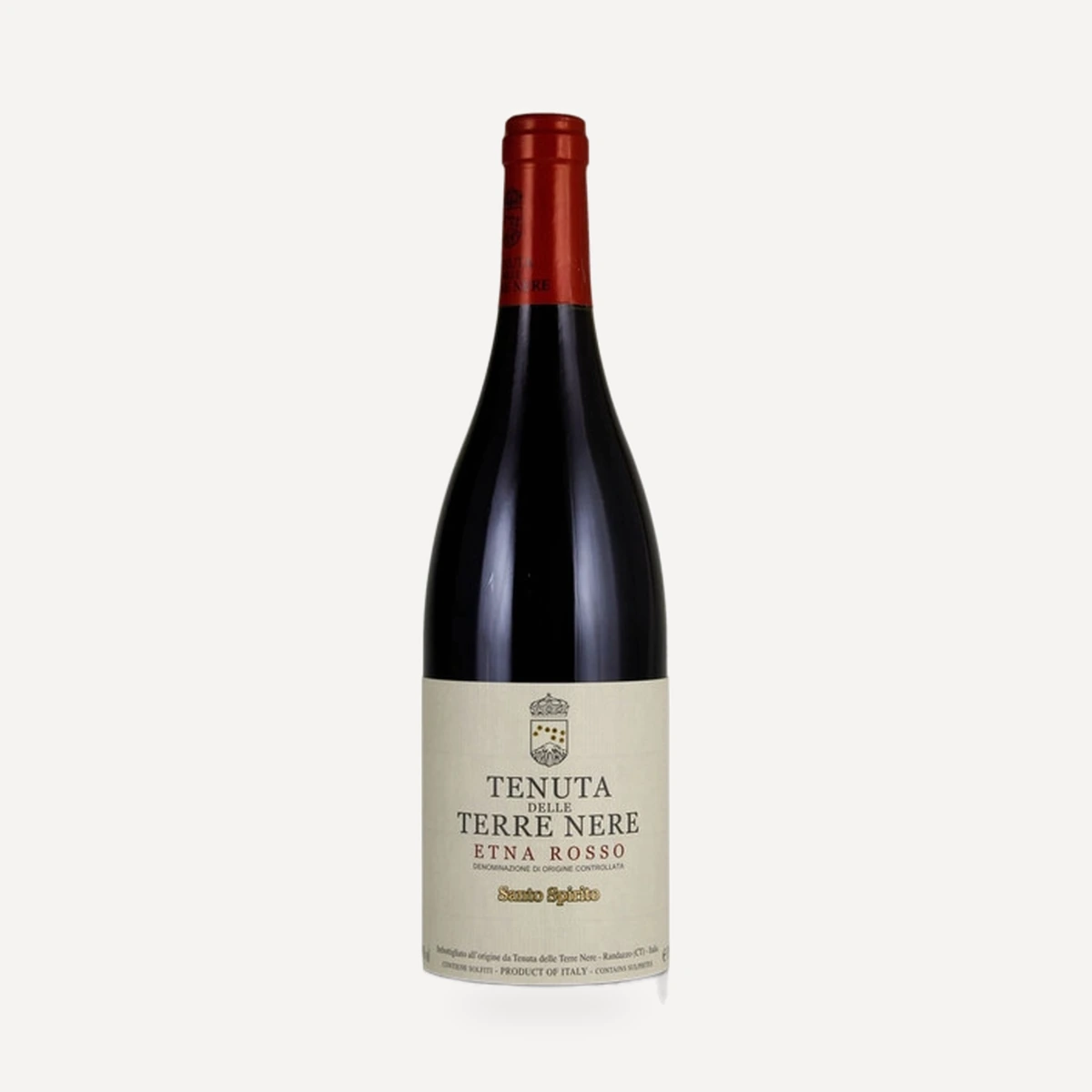
Santo Spirito Etna Rosso DOC
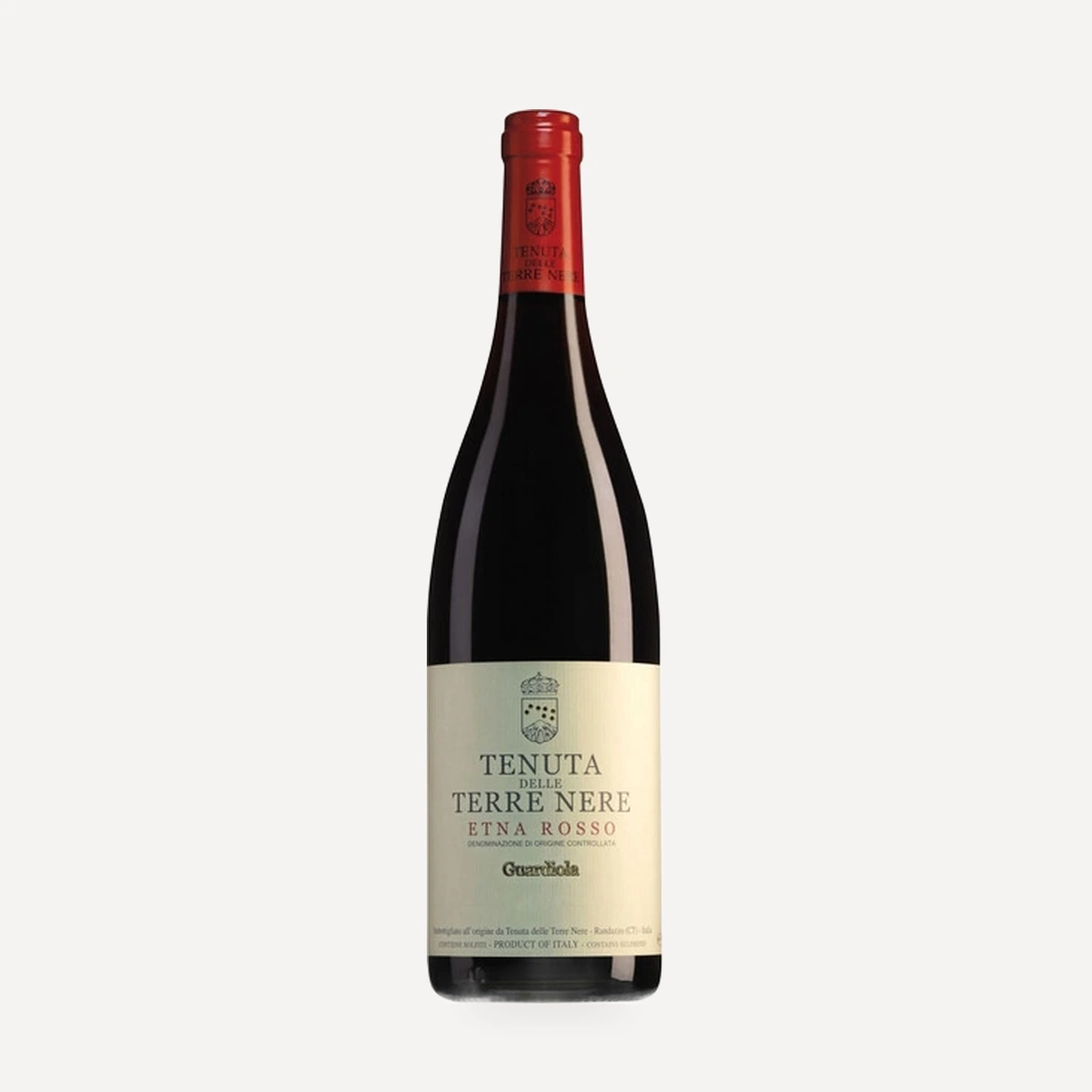
Guardiola Etna Rosso DOC
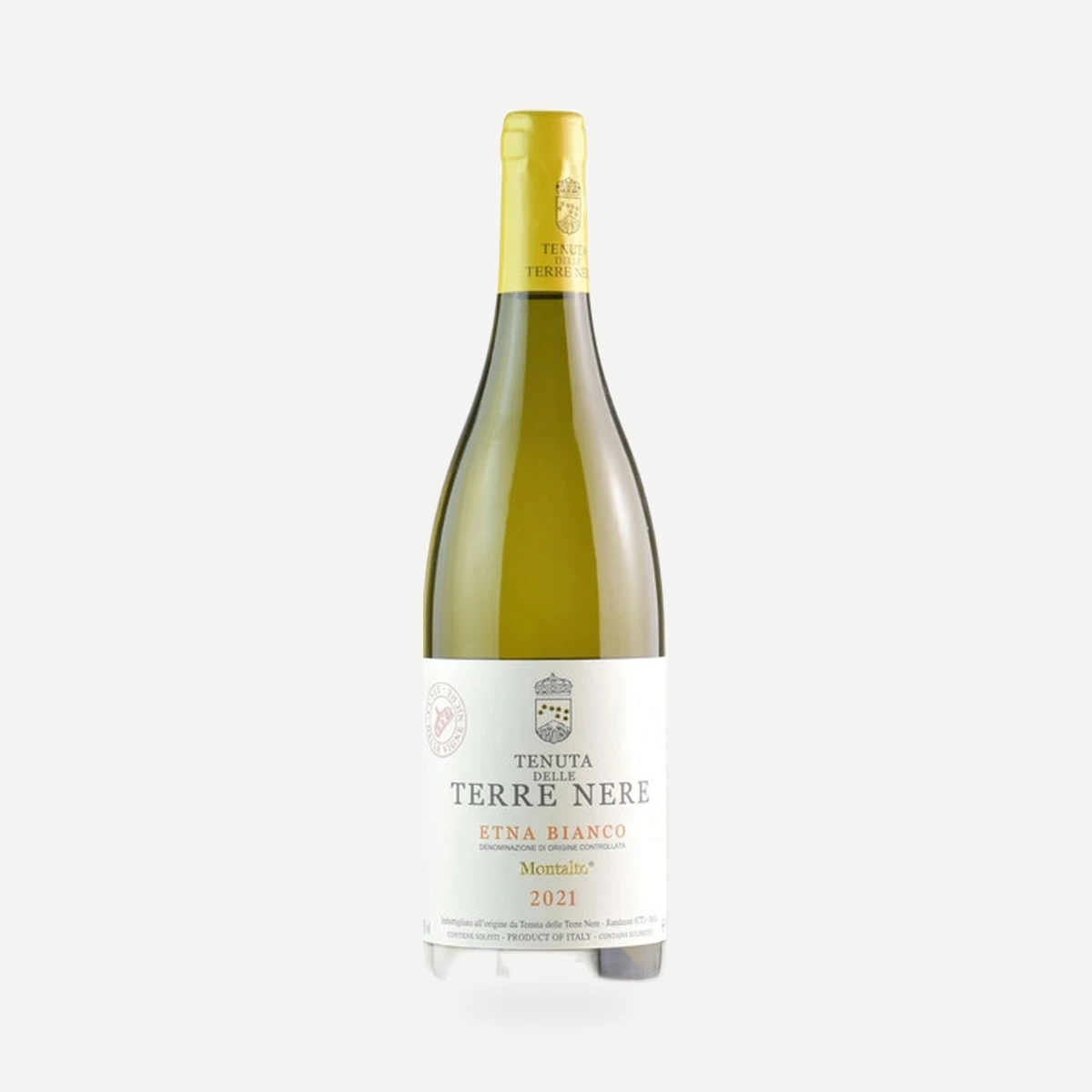
Cuvée delle Vigne Niche Montalto Etna Bianco DOC
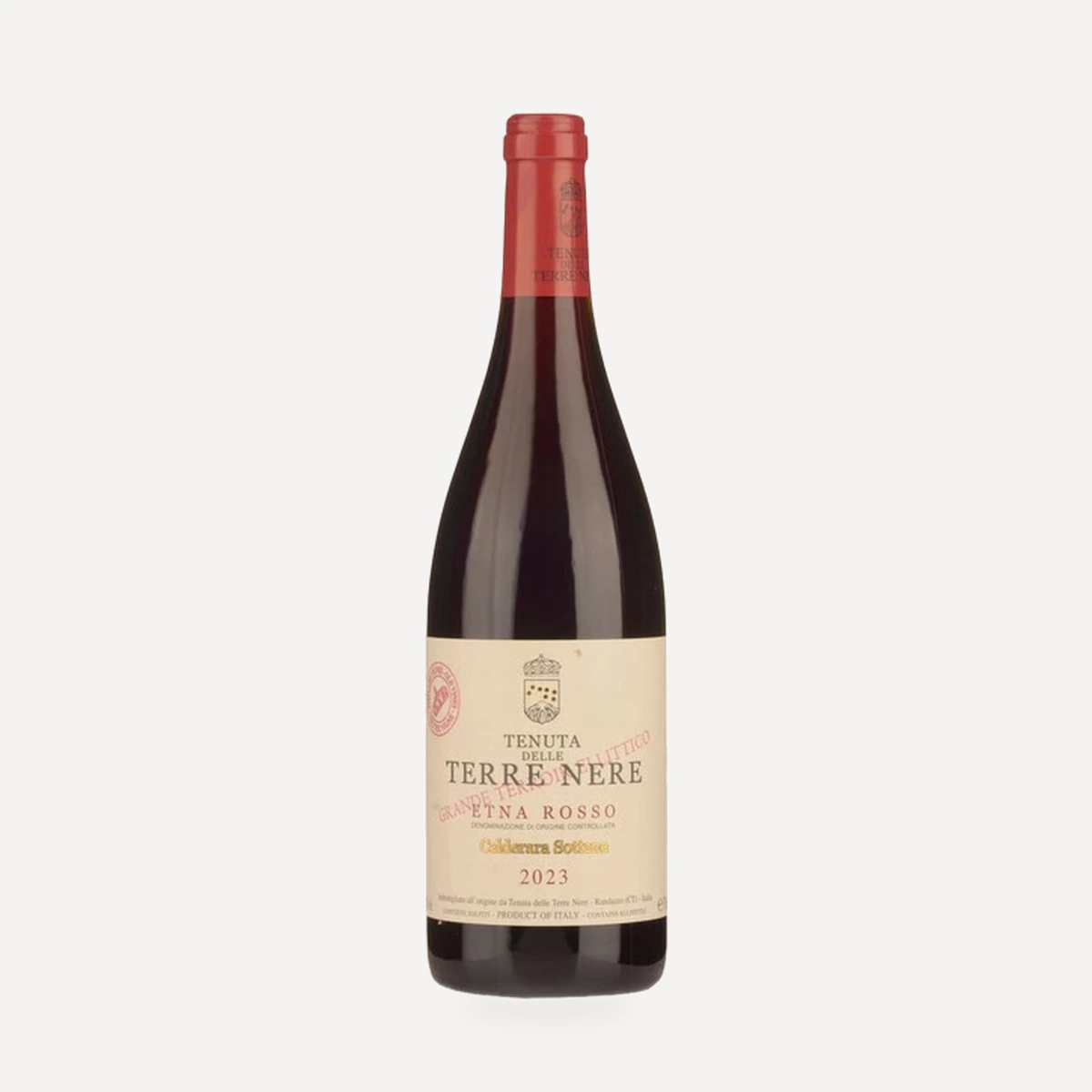
Calderara Sottana Etna Rosso DOC
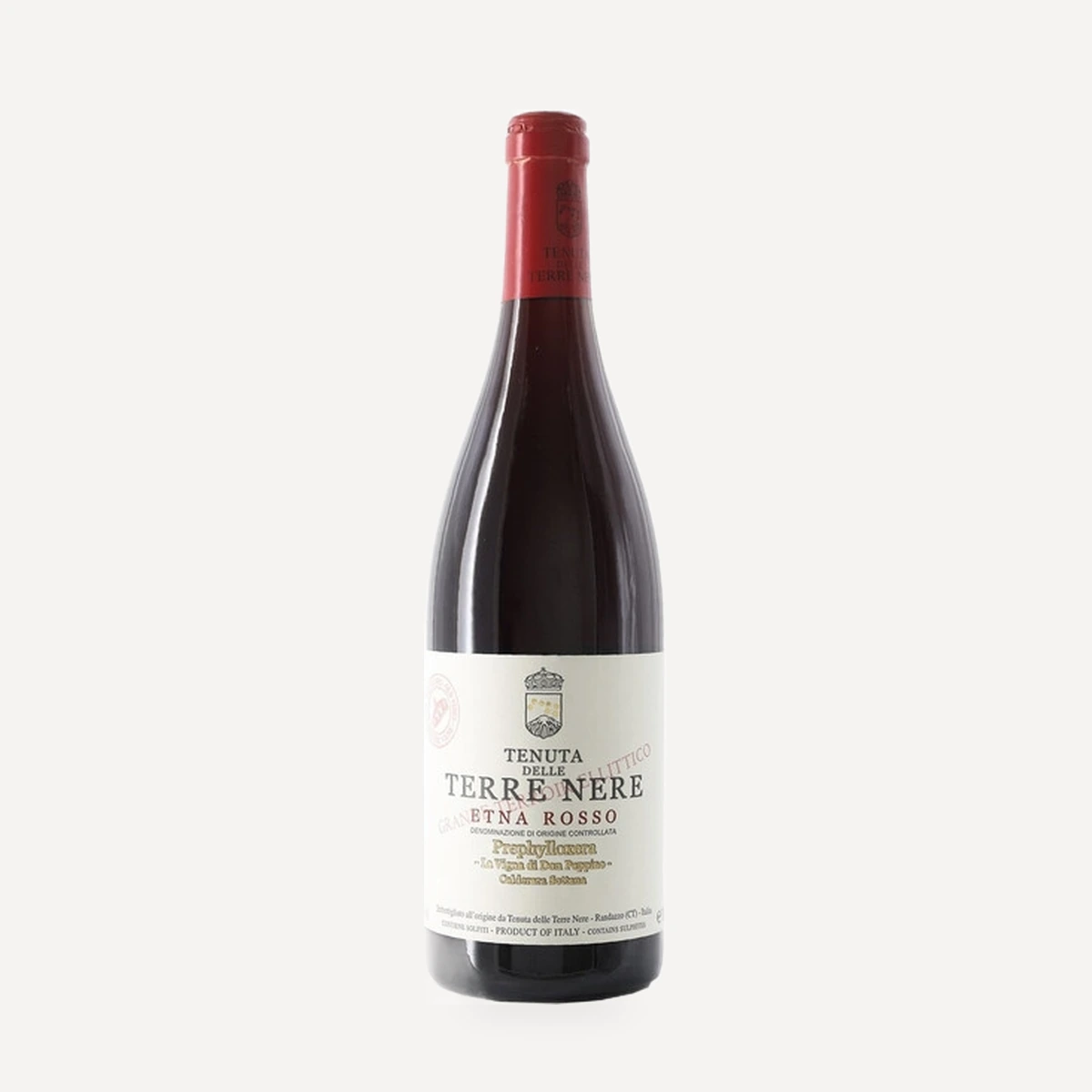
Calderara Sottana Prephylloxera Etna Rosso La Vigna di Don Peppino DOC
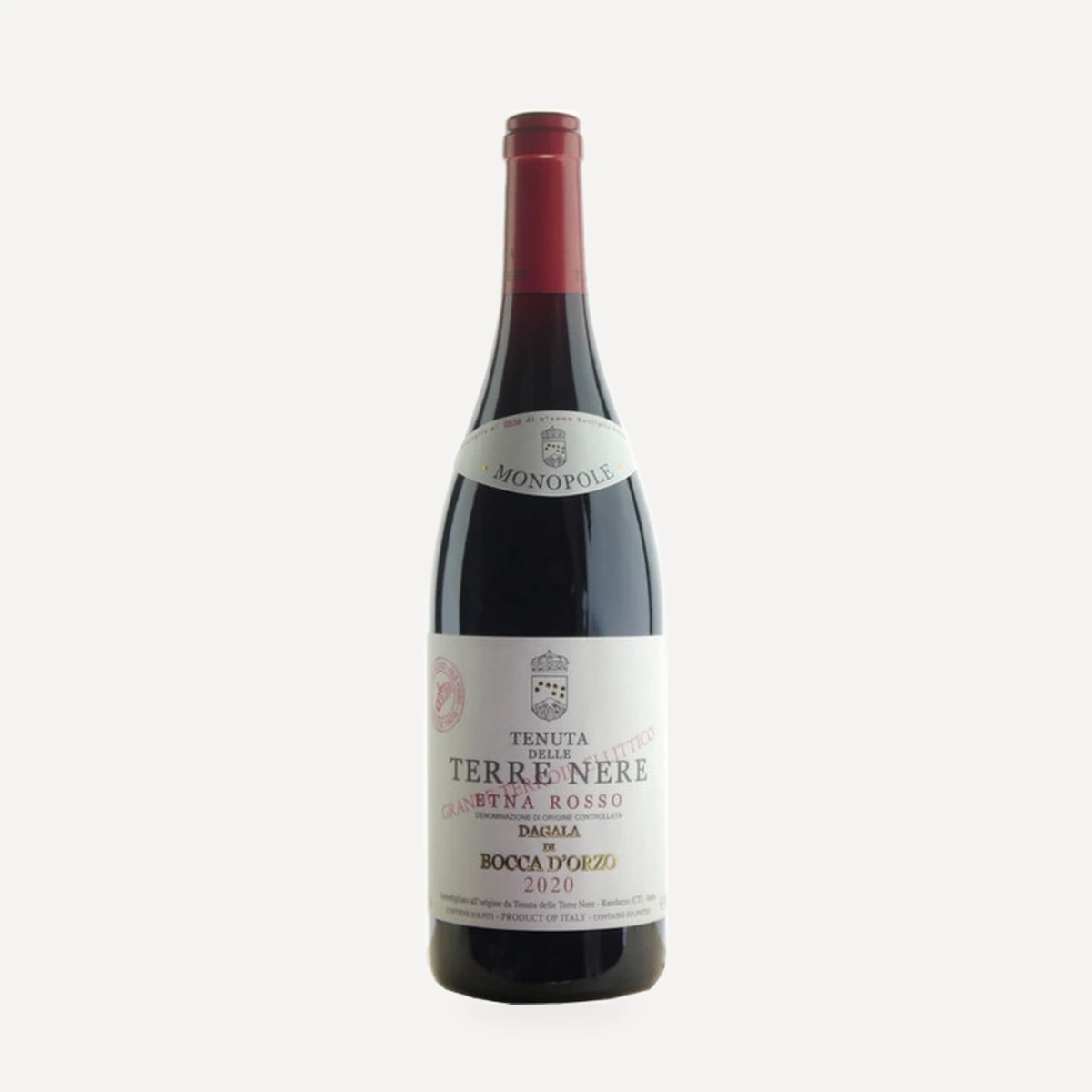
Dagala di Bocca d’Orzo Etna Rosso DOC
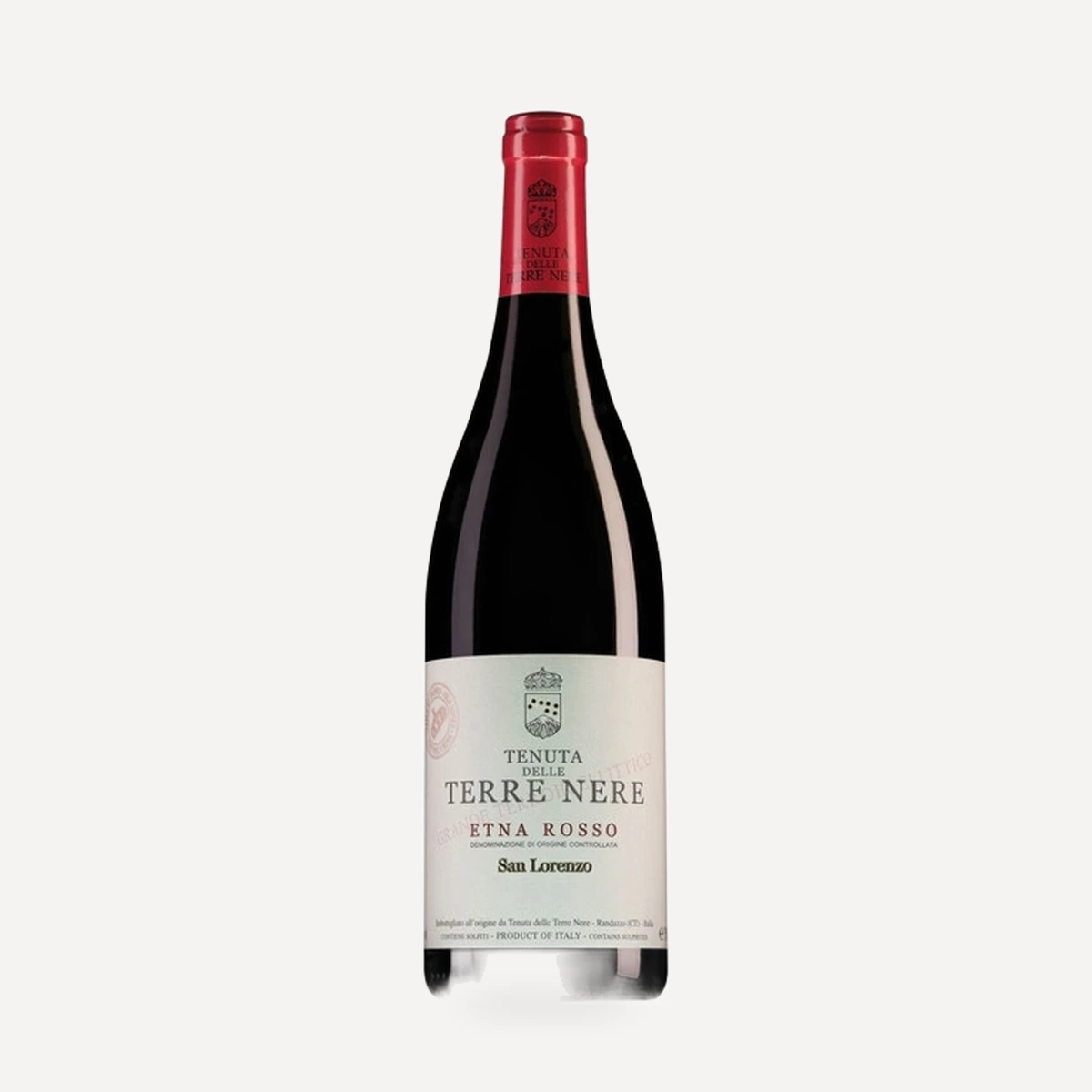
San Lorenzo Etna Rosso DOC
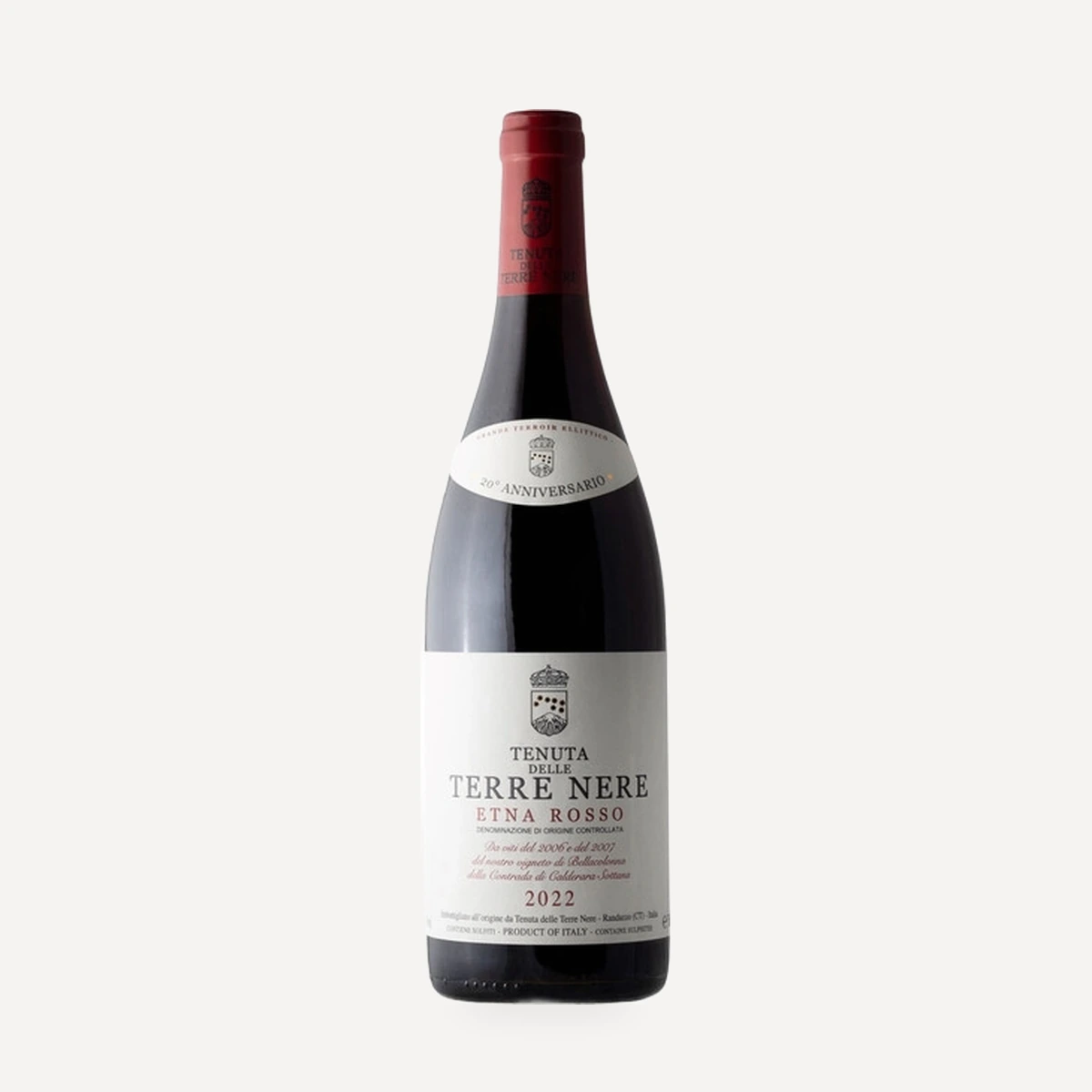
Bellacolonna Etna Rosso DOC
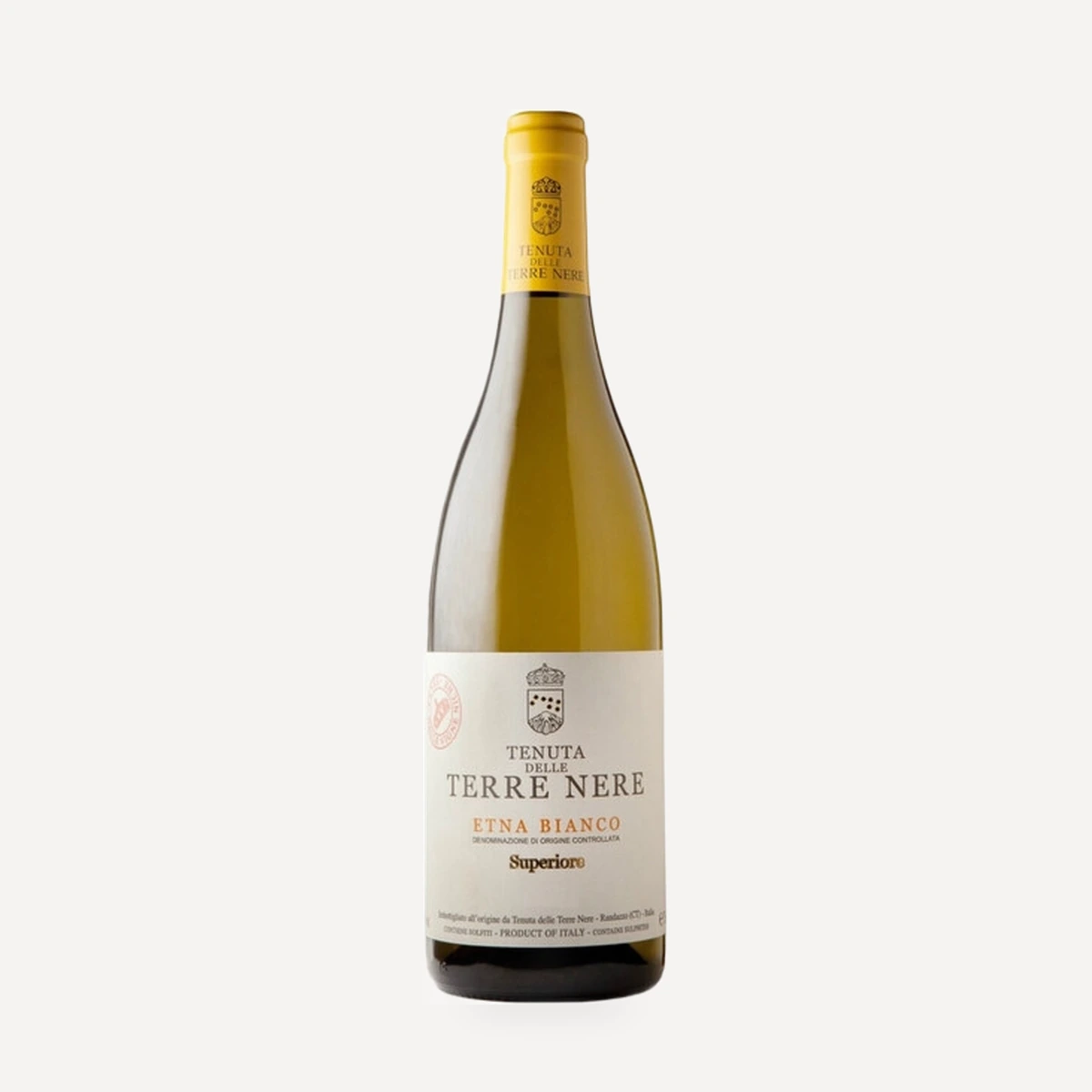
Vigne Niche Superiore Etna Bianco DOC