History
The Castelborgo estate and the construction of the Castello
The present estate grew from the holdings assembled by the Cissone and Bongiovanni families. On 9 March 1735, King Charles Emmanuel invested the Turin advocate Giovanni Antonio Cissone with the district of Santa Maria, in the jurisdiction of Alba, and the ancient fief of Santa Vittoria d’Alba. This granted him the title Count of Castelborgo, reversible to his nephew and heir Manfredo Bongiovanni.
Also in 1735, Manfredo began building the aristocratic palazzo that would become Castello di Neive, financed with his uncle’s support. He was among the area’s wealthiest landowners: more than 500 Piedmontese giornate, approximately 200 ha, were attributed to him. Marble inscriptions in the private chapel date completion to 1753, after roughly 15 years of construction.
The family property register of 1742 already depicted the “Cassina di S. Stefano.” The family’s devotion to Saint Stephen was also reflected in its altar in the parish church. In 1755 Manfredo owned 542 Piedmontese giornate distributed among Caveja, Montà—today Valtorta—Cascina Nuovo—today Gallina—Santo Stefano, Bosco, Palasina, Casala, Ponzetto, Basarino, Brichet, Amandola, Bricco d’Alutto, Riofreddo, Longoria, Pianmezzanto and Moglie.
An estate inventory compiled in 1767 by architect and administrator Giovanni Antonio Borgese recorded 536 brente of black wine, including 100 brente of “Nebioli” from Cassina di S. Stefano; one brenta was approximately 50 litres. The separate accounting indicates that Santo Stefano Nebbiolo was already being vinified and stored independently.
From Giovanni Antonio Bongiovanni to Camillo di Castelborgo
After Manfredo’s death, the estate passed to his firstborn son Giovanni Antonio Bongiovanni di Castelborgo, then still a minor. Borgese administered the property until 1773, while Giovanni Antonio studied in Turin and became a notary. Giovanni Antonio later served as mayor of Neive in 1798 and planted an early local vineyard of Pinot Nero, reflecting his strong interest in France.
In 1796 Napoleon’s forces took Alba and crossed lower Neive on their way to Canelli. The period brought heavy demands for money and provisions, the abolition of noble and ecclesiastical rights and the requisition of religious estates. Giovanni Antonio was obliged to purchase Cascina Vicenziana for 6,000 lire. When Piedmont was proclaimed a republic in December 1798, he and the Marquis Falletti of Barolo represented local interests.
Camillo Bongiovanni di Castelborgo was born in 1802. A senior state official and correspondent of Cavour, he shared Cavour’s interest in viticulture and maintained relations with the French-born oenologist and wine merchant Louis Oudart. Oudart arrived in Italy in 1826 and worked at the royal estate of Pollenzo with General Paolo Francesco Staglieno.
Oudart made a “Nebiolo di Neive 1857” in the Castello cellars. It received a gold medal at the 1861 National Exhibition in Florence, held at Stazione Leopolda from 15 September to 8 December. A “Nebiolo di Neive 1858” earned another gold medal at the 1862 International Exhibition in London. Camillo died that same year; his second wife, Luigia Candiani di Olivola, and daughter Eleonora inherited the property, which was subsequently administered by external trustees.
Candiani and Riccardi-Candiani stewardship
Eleonora Bongiovanni di Castelborgo, later Countess d’Harcourt-Castelborgo, was the last of her family line. She produced the surviving bottle of Pinot di Neive 1904 and, in 1925, a bottle labelled “Nebiolo” di Neive; both remain in the historic collection.
The estate ultimately passed through the Candiani family to Guido Riccardi, son of Adolfo Riccardi and Adele Candiani. He inherited the Candiani name and became Guido Riccardi-Candiani. He married Anna Miglioretti di San Sebastiano e Bourcet in 1915 and managed estates at Neive, Olivola and San Sebastiano da Po. A collector of art and rare books, he also provided land for a chapel in Neive, designed by Carlo Biscarra with interior decoration by Cesare Ferro.
Neive’s vineyards were added to the Barbaresco production area in 1933 despite opposition from producers in Barbaresco and Treiso. In 1934 Guido Riccardi-Candiani became a vice-president of the newly constituted Consorzio dei vini pregiati “Barolo e Barbaresco,” alongside Giuseppe Cappellano; Gastone di Mirafiori Guerrieri was the first president. The oldest surviving bottle from the Castello bearing Barbaresco on its label dates to 1937.
Foundation under the Stupino family
In 1963 Giacomo Stupino and his brother Domenico purchased the Castello and part of its land. Messoirano, Montebertotto, Valtorta and Basarin were already Stupino properties; the acquisition added Santo Stefano, Gallina, iCortini and Marcorino. Giacomo, a surveyor familiar with the soils around Neive, selected the partly uncultivated Santo Stefano hillside over already planted alternatives because he recognised its potential.
The first Stupino-family bottle carrying the Castello di Neive name appeared in 1964. Its label already included the Santo Stefano cru and the decorative frame around the stylised Castello. That year also began an informal collaboration with Bruno Giacosa: both producers identified Santo Stefano on their labels, and part of the vineyard’s grapes was supplied to Giacosa without a written contract. Between 1967 and 1970, more than 6 ha of uncultivated Santo Stefano were replanted with American rootstocks field-grafted with buds from the estate’s best vines.
Research, Arneis and new markets
Italo Stupino brought an engineer’s scientific outlook and previous industrial experience to the estate. His collaboration with the University of Turin began in the 1970s. After his 1970 marriage, his wife Mita’s preference for white wine encouraged him to seek an indigenous white variety for the estate, whose only white grape at the time was Moscato. Following trials of Favorita, Erbaluce, Cortese and Arneis, he chose Arneis and sought advice from Roberto Paglietta and Professor Italo Eynard.
A joint clonal-selection project involving Castello di Neive, the University of Turin, the University of Bologna and the C.N.R. began in 1976. After two years of ampelographic and technological investigation in Roero, wood from 23 prospective clones was grafted onto different rootstocks. A trial vineyard was planted at Montebertotto in 1977, with each row assigned a rootstock and the candidate clones randomly distributed. An equivalent trial at Montaldo Roero did not continue.
In 1979 the small yields from every clone/rootstock combination were microvinified separately. Viticultural work involved Mannini, Bovio, Anna Schneider, Vittorino Novello and other researchers; Vincenzo Gerbi, Dino Marengo and Marco Rissone worked on the enological side under microbiologist Annibale Gandini. Chemical analyses and tastings led to the registration of clones CVT 15, CVT 19 and CVT 32. The completion of the trial coincided with the birth of Italo’s daughter Carolina.
Barbaresco reached California in 1979, distributed first by Almaden under the Charles Lefranc Cellars name and later by William Grant. Wine made from the remaining 1982 Arneis trial grapes became the estate’s first Arneis vintage. Cellarmaster Natale “Talin” Brunettini buried the few retained bottles in sand to protect them from light and temperature changes, following advice relayed by Gino Veronelli. The family unsuccessfully sought the extension of the Roero appellation to Neive, so the 1982 wine and subsequent vintages were sold as table wine. Arneis entered the United States in 1983 and joined Barbaresco exports to Japan in 1991. A surviving 1982 bottle was opened in 2014 at 32 years of age.
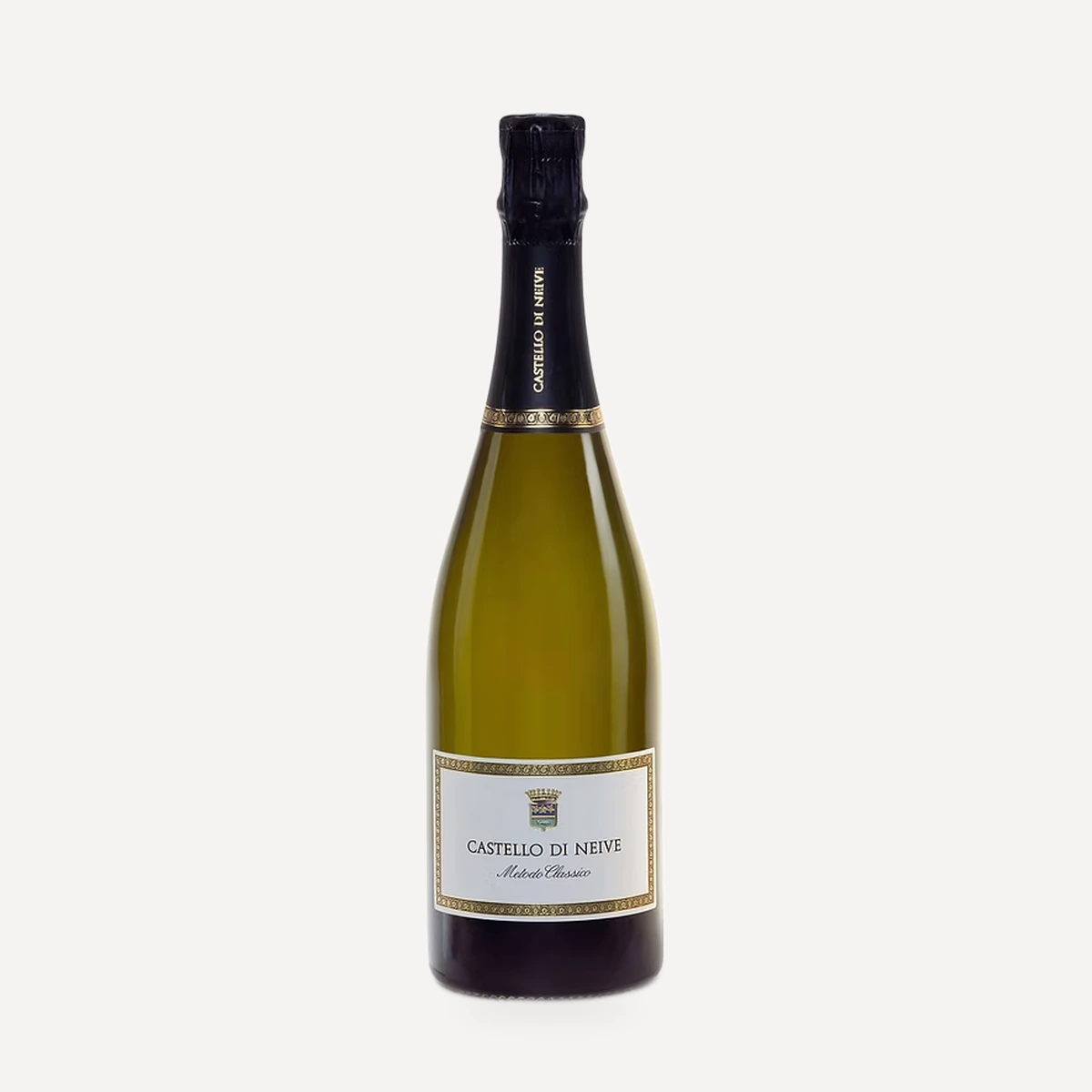
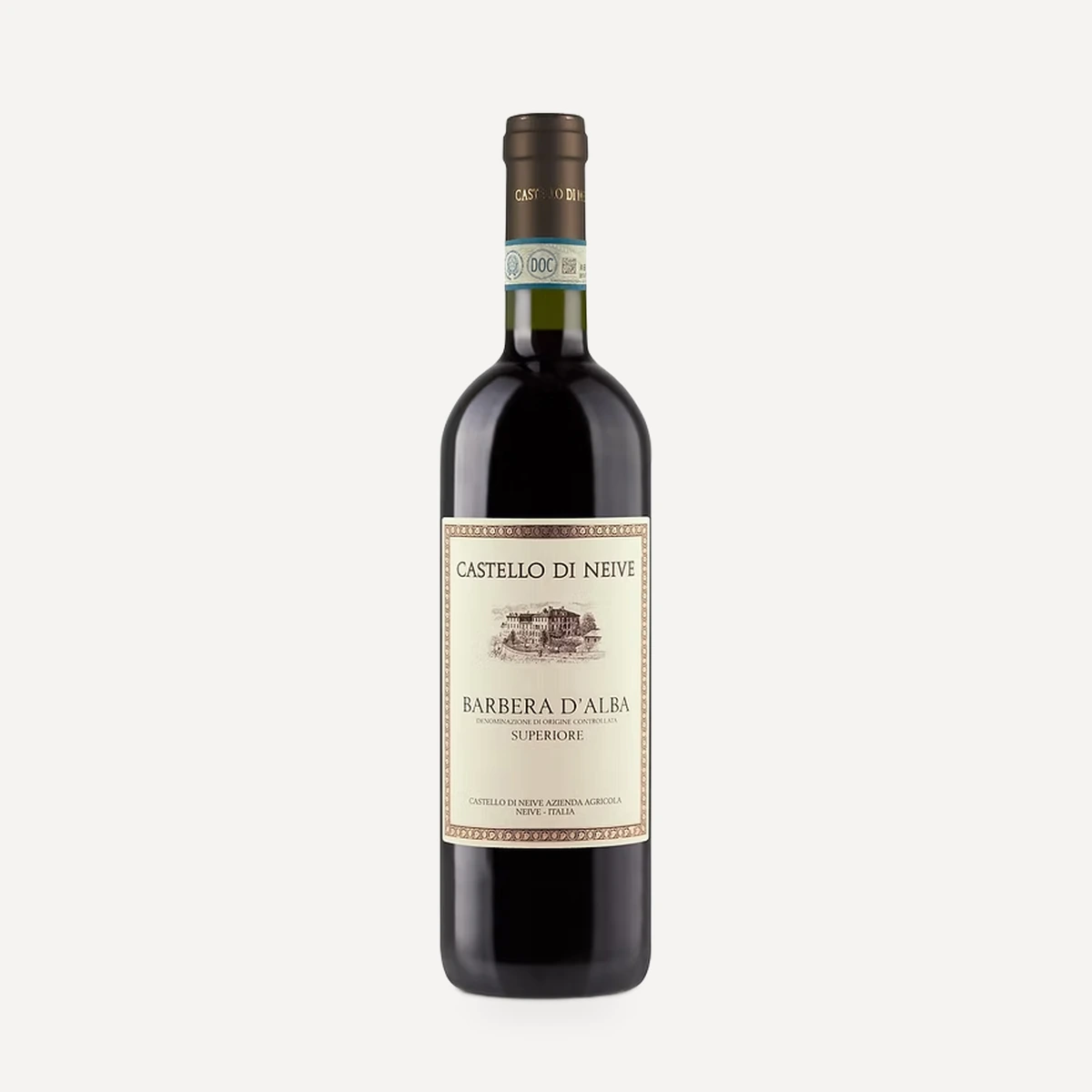
In 1990, memories of Pinot Nero made by Giacomo and the suitability of the underground cellars for refermentation led Italo and Giulio Stupino to plant two Pinot Nero vineyards: one for a still red and one for a long-aged classic-method blanc de noirs. During the 1990s, consultant Giancarlo Scaglione helped develop these wines, Barbera d’Alba Rocca del Mattarello from an old parcel aged for one year in barriques, and a passito made from Arneis dried naturally on the vines. Rocca del Mattarello was discontinued after the old vineyard was removed and was succeeded by Barbera d’Alba Superiore.
Cellar development and vineyard renewal
The historic cellars underwent an initial renovation in 1997. Stainless-steel fermenters with automatic pump-over systems replaced old concrete vessels; removal of the concrete exposed an underground infernotto. Slavonian-oak casks were replaced with more delicate French-oak vessels.
Claudio Roggero joined in 1999 alongside long-serving estate manager and cellarmaster Natale Brunettini. Roggero progressively assumed responsibility for the cellar, vineyards and hazelnut groves and became technical manager. In 2001 Italo, who had previously shared care of the estate with Giulio and their sisters Anna and Piera, took full responsibility for management and gradually left his other professional activities.
Santo Stefano also evolved. In 2001 an old Riccardi-Candiani parcel was replaced with Nebbiolo and Barbera; five Nebbiolo clones selected by the C.N.R. and University of Turin were planted for comparative study. In 2005 the southwest-facing summit was planted to Barbera and the east-facing portion to Riesling Renano. A further small Nebbiolo parcel followed in 2011, using cuttings from the best earlier clones, a new trial clone and massal selections from old Santo Stefano and Valtorta vines.
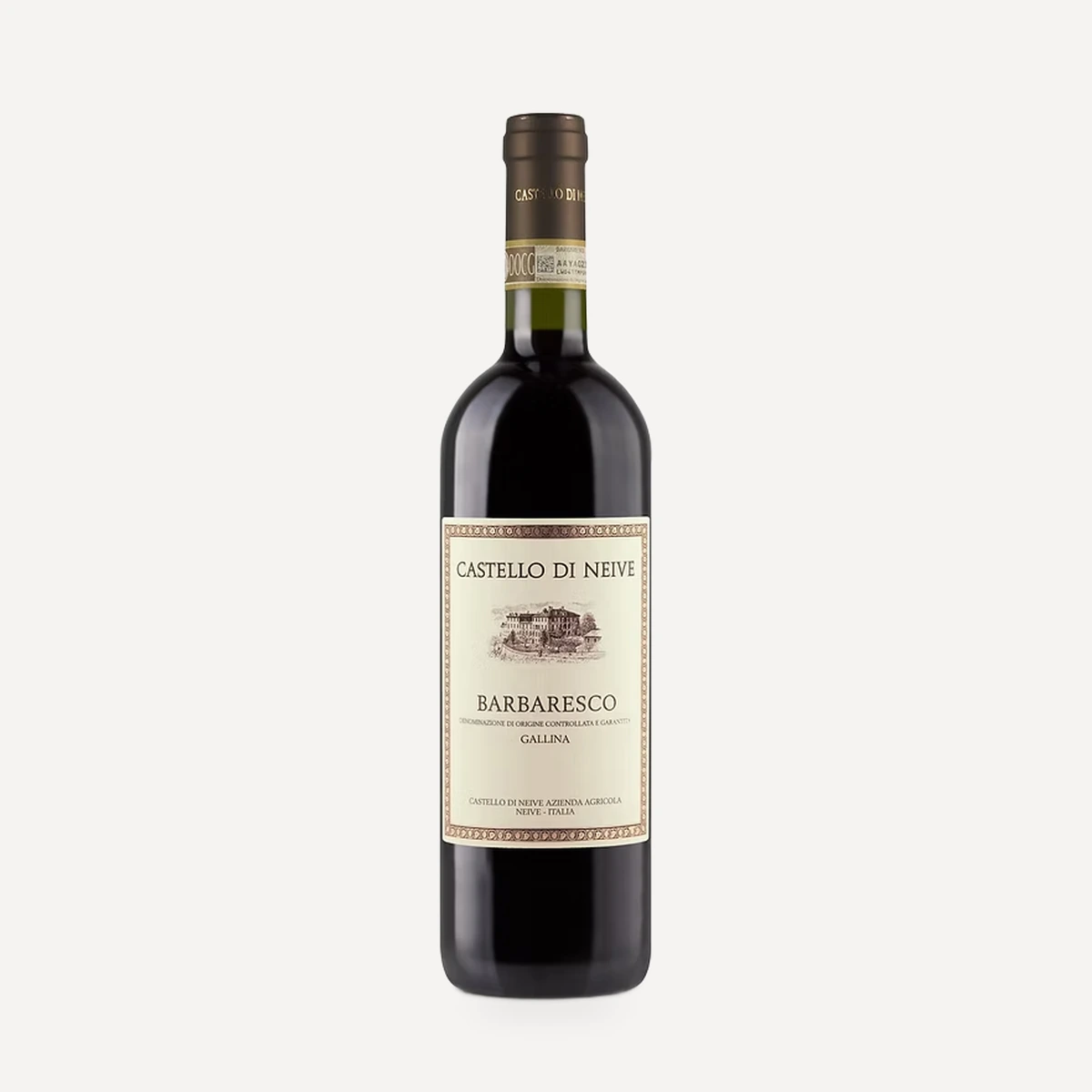
At Marcorino, a warm, well-exposed vineyard was removed in 2003 and replanted partly to Barbera d’Alba Superiore and partly to Albarossa, chosen on Roberto Paglietta’s advice. DNA work later established Albarossa as a cross of Barbera and Chatus rather than Barbera and Nebbiolo. Its early estate vintages used Langhe Rosso DOC; Piemonte Albarossa entered the Piemonte denomination in 2010. From 2008, part of the Nebbiolo grown at Gallina was vinified separately as Barbaresco Gallina.
The technical cellar and recent continuity
In 2012 Italo Stupino and Leonardo Locascio agreed to distribute much of the range throughout the United States through Winebow–Leonardo Locascio Selections. The logistical limitations of the historic cellars and the demands of the new distribution arrangement prompted Italo and Claudio Roggero to equip a modern technical cellar in six months. It was ready to receive Pinot Nero for classic-method sparkling wine on 17 August 2012.
During the same vintage, Bruno Giacosa ceased buying Santo Stefano Nebbiolo, ending the verbal agreement made with Italo and Giulio Stupino. From then on, the Santo Stefano monopole name was reserved for Castello di Neive labels. The technical cellar also made possible a Barbera d’Alba without added sulphites, subsequently used as a university teaching example.
The 18th-century cellars were renovated again in 2015 and dedicated to wood maturation. Their stable humidity, temperature and quiet provide the ageing environment for the principal wines. The work also uncovered an icehouse, now used to store the historic Barbaresco collection.
In 2016 the century-old Casetta in the Castello garden was restored as the starting point for cellar visits and as a tasting room. The same year, the complete range entered Sagna SpA’s national Italian portfolio through an agreement with Italo Stupino.
New equipment installed in 2017 included a gentle destemmer, a hermetically sealable Willmes press and a new bottling line. The broader family continuity now links Italo’s scientific, research-led approach with Carolina Stupino’s forward-looking focus on sustainability. The estate combines its historical vineyards and cellars with SQNPI integrated production, regenerative practices and EQUALITAS certification.
Terroir
The estate’s 27 ha of vines occupy selected exposures within almost 60 ha of property around Neive. The eight named holdings present markedly different combinations of slope, aspect, soil and local climate.
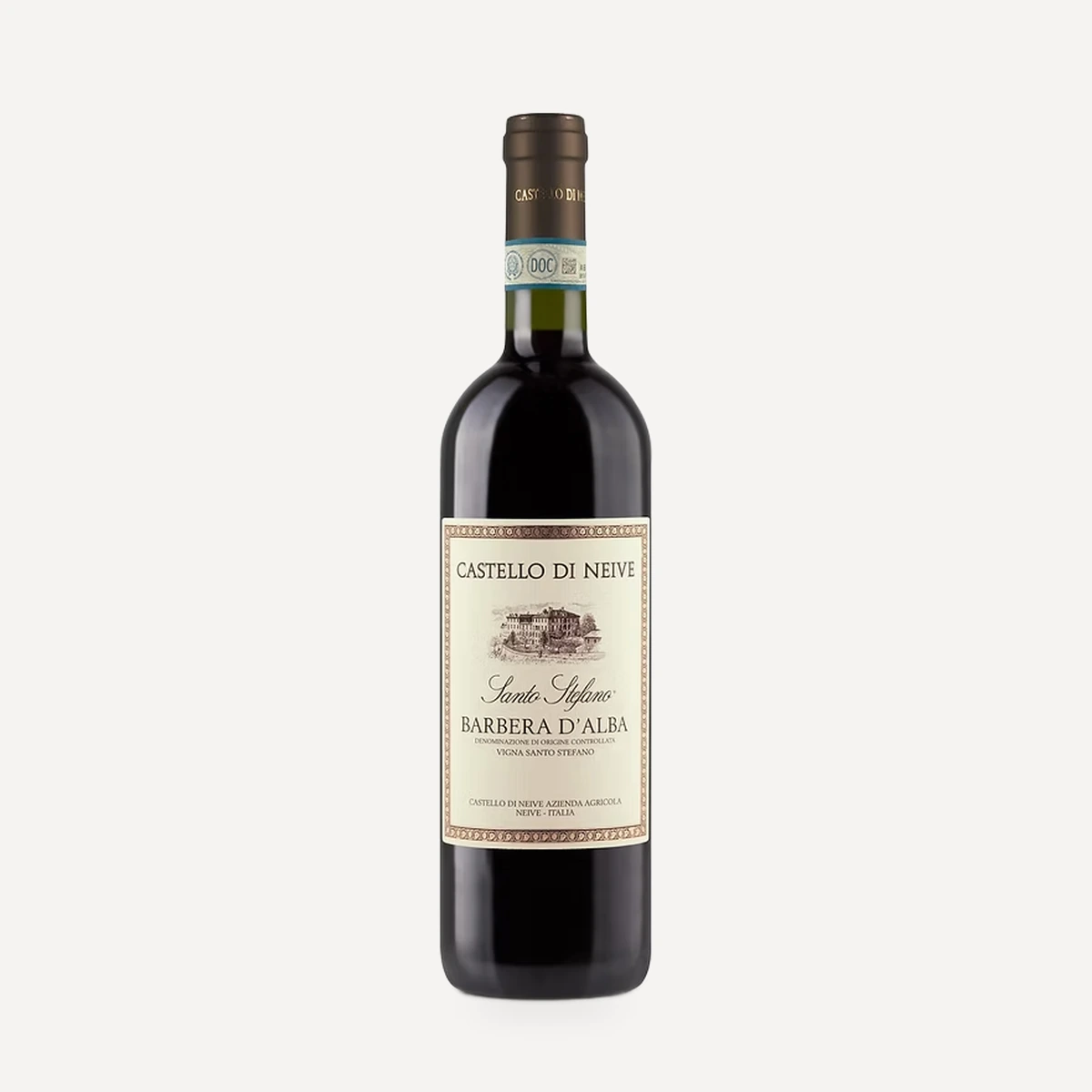
Santo Stefano lies in the Albesani area, close to the Tanaro. Its south-to-southwest exposure supports technological and phenolic ripeness even in difficult vintages. The river moderates summer heat and winter cold, while water-retentive clay acts as a reservoir during prolonged drought. Most vines are more than 50 years old, with deep roots able to draw water and nutrients from mineral-rich layers.
Messoirano forms a steep natural amphitheatre facing from east to south. Its airy microclimate naturally limits vine disease; its soils are calcareous marl of the Santa Agata formation. Montebertotto has a mild microclimate capable of supporting an olive grove and is closely associated with Arneis.
Marcorino reaches 300 m at Cascina Marcorinasso, with vineyards averaging 280 m and pronounced slopes. East-, south- and southwest-facing sectors carry different varieties. The soils are old, compact, low-fertility calcareous marl, naturally limiting yields.
Basarin is fully south-facing, steep and windy, with compact calcareous marl. Valtorta lies in the San Cristoforo area of Neive and faces southeast. Gallina combines a warmer southwest face for Nebbiolo with a cooler east face for Moscato and Pinot Nero. iCortini lies immediately below the Castello near the San Rocco gate; its three parcels vary in exposure, planting date, clone and fertility.
Winemaking
All vineyards are managed for the quality requirements of finished wine rather than grape production as an end in itself. The objective is clean, healthy, intact fruit with the required technological and phenolic maturity.
Inter-row cultivation is kept to a minimum so spontaneous flora can remain and support vineyard biodiversity. Under-vine vegetation is managed mechanically. Insect mating disruption and an estate weather station help reduce pesticide use by monitoring and controlling risks more precisely.
Technological maturity is supported by site exposure, slope and vineyard management. Phenolic maturity is assessed through both laboratory analysis and tasting of the berries; harvesting begins only when the two forms of evaluation agree.
The estate follows the Sistema di Qualità Nazionale per la Produzione Integrata—SQNPI—and regenerative-viticulture principles. EQUALITAS certification covers social, environmental and economic sustainability.
Estate compost turns vineyard and winemaking residues into a resource. These materials are combined with cattle manure and biomass digestate and slowly transformed into humus for vineyards and hazelnut groves. A microbial-fertilisation project cultivates a mixture of yeasts, bacteria, nematodes and mycorrhizae intended to colonise plant roots and make naturally occurring soil nutrients available without chemical fertilisers.
Two complementary cellars
Production is divided between two facilities in Neive. The 18th-century cellar beneath the Castello was designed for wine production with ceilings high enough for large casks. Renovated in 2015, it now provides natural humidity, stable temperature, darkness and quiet for wood maturation of the principal wines. Its underground infernotto also provides constant conditions for refermentation and slow lees ageing of classic-method Piemonte Pinot Nero.
The technical cellar, completed for the 2012 harvest, handles processes requiring speed, precision and efficient logistics. Its rational layout provides more working space and accommodates modern equipment. Fermentation tanks have mirror-polished interiors for cleaning, controlled internal temperatures and automatic pump-over systems.
Grape handling, pressing and fermentation
The gentle destemmer installed in 2017 reduces damage to grape skins. A hermetically sealable Willmes press replaced the earlier Bucher machine. Faster extraction reduces must oxidation, while the sealed design permits dry-ice maceration and aroma extraction from skins with limited oxidation. These features are intended to preserve freshness and fruit and reduce sulphite requirements.
Red-wine fermenters support automatic pump-over and temperature control. Some vineyard components are vinified separately to preserve site character; others are combined because their complementary attributes produce balanced wines.
Maturation and sparkling-wine work
The principal red wines are transferred to the historic cellar after fermentation for wood maturation. French-oak vessels replaced Slavonian oak in 1997. The underground cellar is also used for classic-method Pinot Nero refermentation and slow maturation on the lees before remuage and disgorgement.
Bottling and storage
The bottling line rinses bottles with sterile water, dries them with two air jets, purges oxygen with nitrogen and fills at low pressure through equipment with electro-polished internal surfaces. Vacuum corking draws corks from below to reduce the risk of cork fragments entering bottles. An air-conditioned, dark stockroom holds both unlabelled bottles at rest and packaged bottles awaiting shipment.
Philosophy
Castello di Neive frames its work around tradition, research and creativity. The estate’s historical buildings, documented wine history and individual vineyards create an obligation to treat every vineyard and cellar decision with precision.
Italo Stupino’s engineering training shaped a scientific approach: inherited practice is respected but never accepted without examination, and improvement remains a constant objective. This outlook led to sustained cooperation with universities and the C.N.R., clonal research in Arneis and Nebbiolo, experimental plantings and investment in precise cellar equipment.
The cellar approach avoids fixed recipes. Grapes and vineyard identity guide winemaking, with some sites kept separate and others deliberately combined for balance. The broader objective is healthy fruit, minimum necessary sulphites, technical cleanliness and wines capable of developing over time.
Carolina Stupino extends this continuity with a forward-looking emphasis on social, environmental and economic sustainability. SQNPI integrated production, regenerative practices, estate compost, microbial fertilisation and EQUALITAS certification place this work within the family’s longer tradition of research-led adaptation.
Wines

Barbaresco Riserva Albesani - Vigna Santo Stefano

Barbaresco Albesani - Vigna Santo Stefano
Barbaresco Gallina

Barbaresco
Barbera d'Alba Superiore
Barbera d'Alba Vigna Santo Stefano
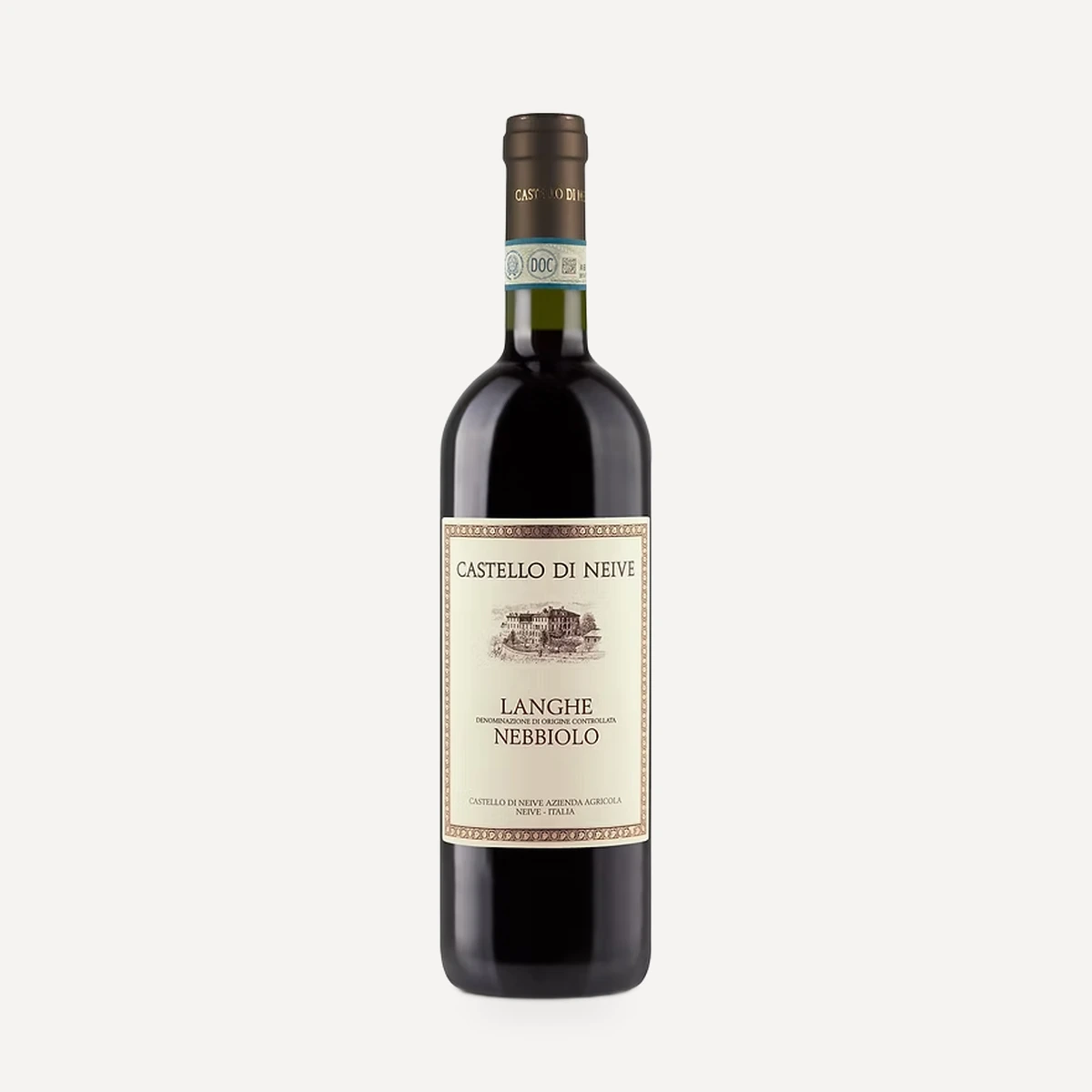
Langhe Nebbiolo
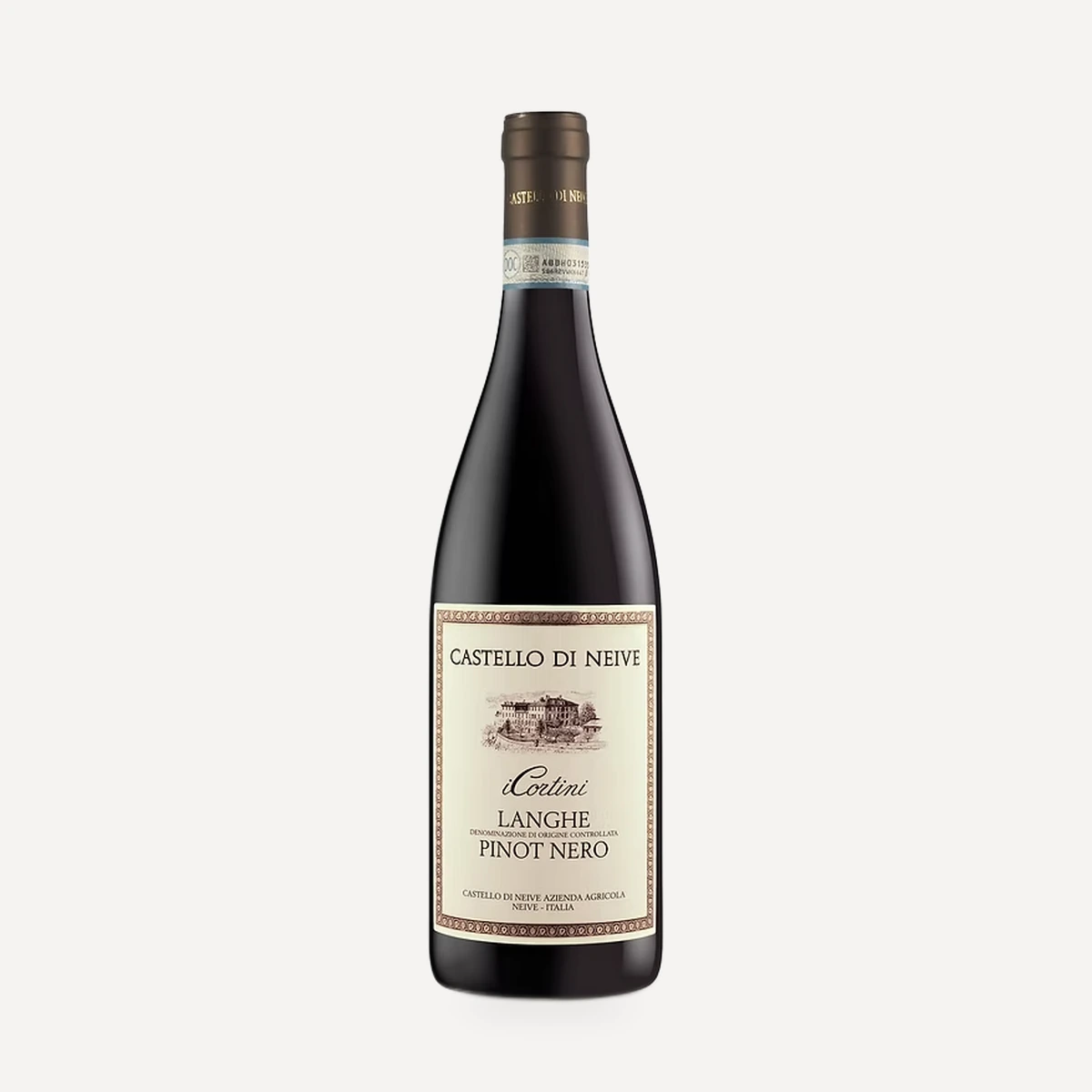
Langhe Pinot Nero i Cortini
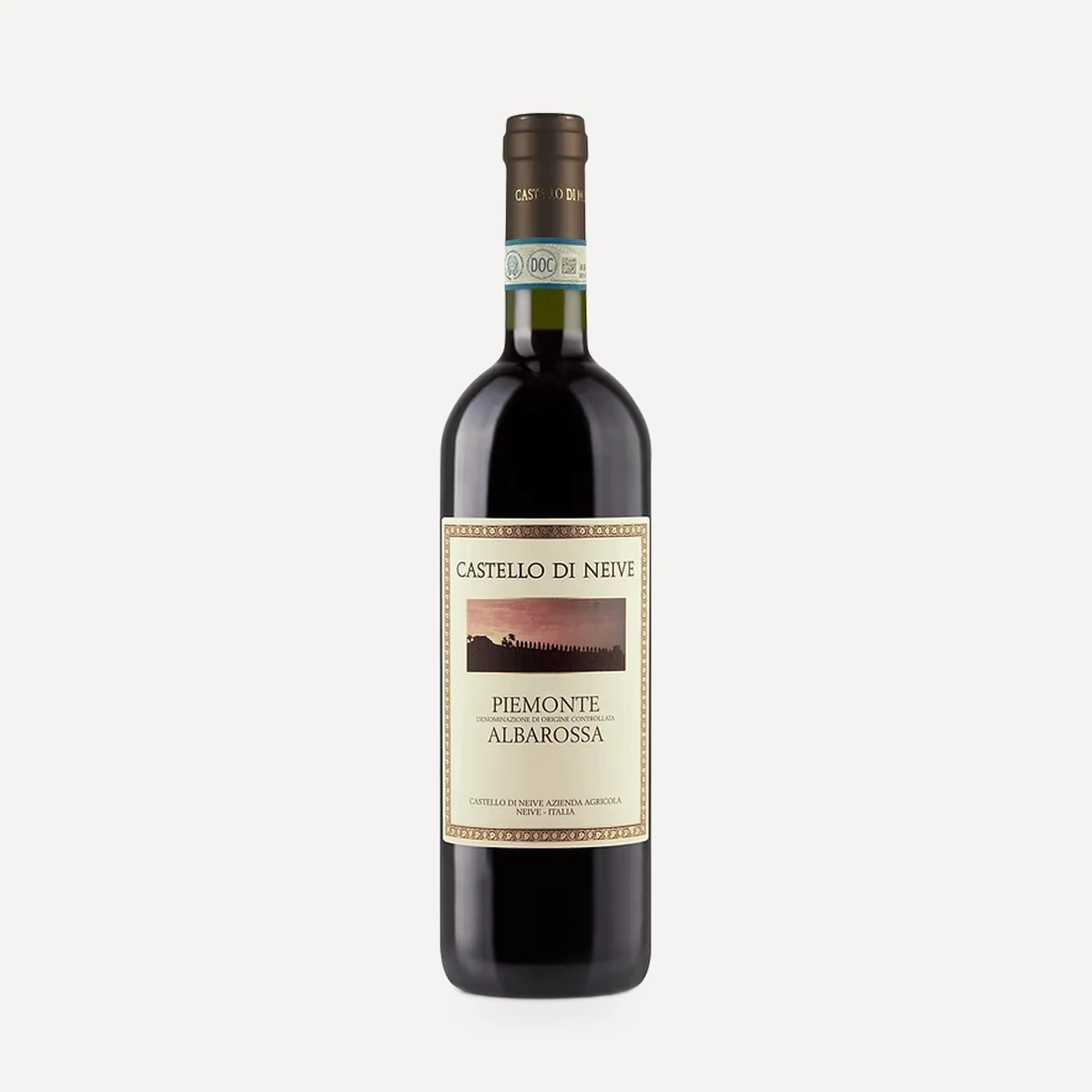
Piemonte Albarossa
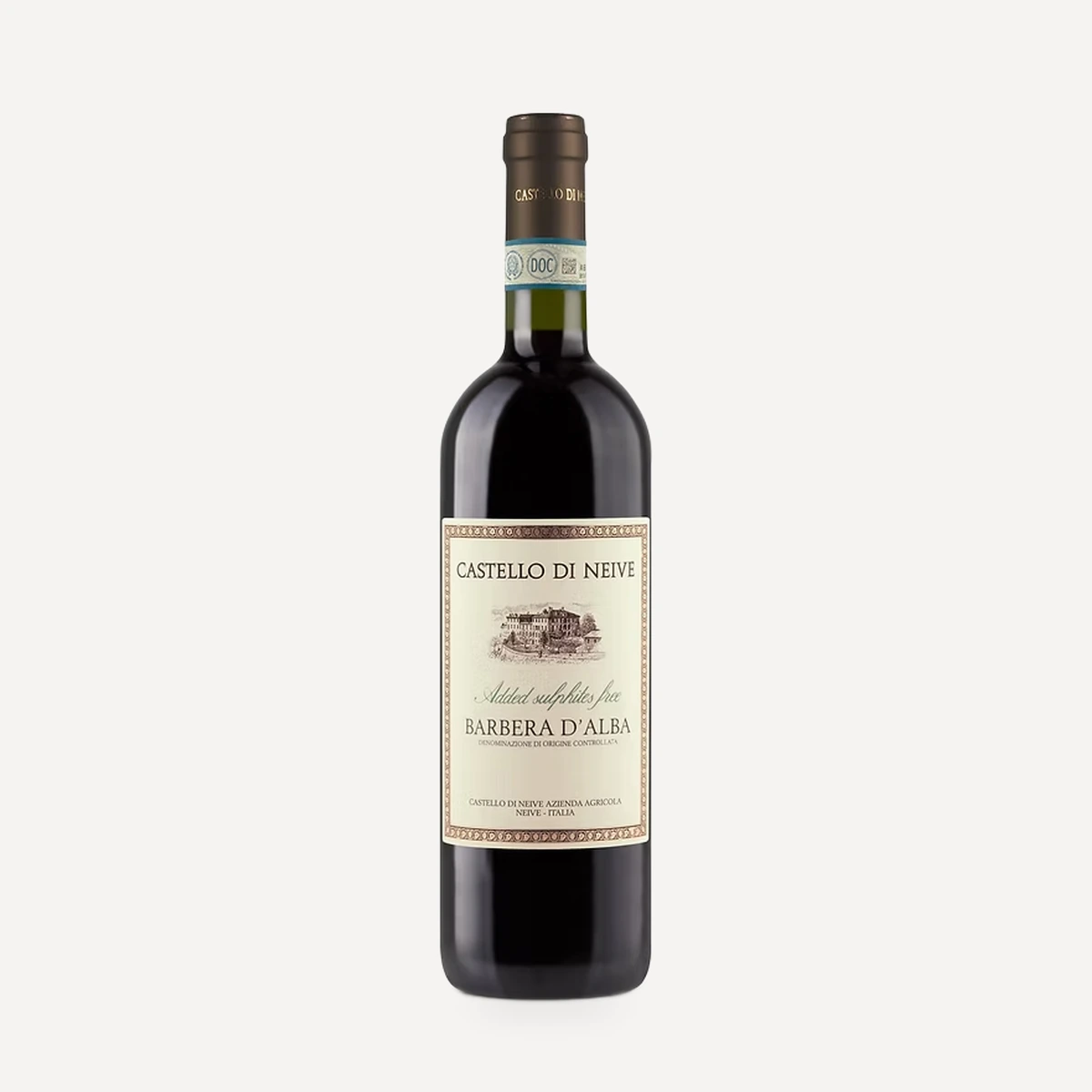
Barbera d'Alba Added Sulphites Free
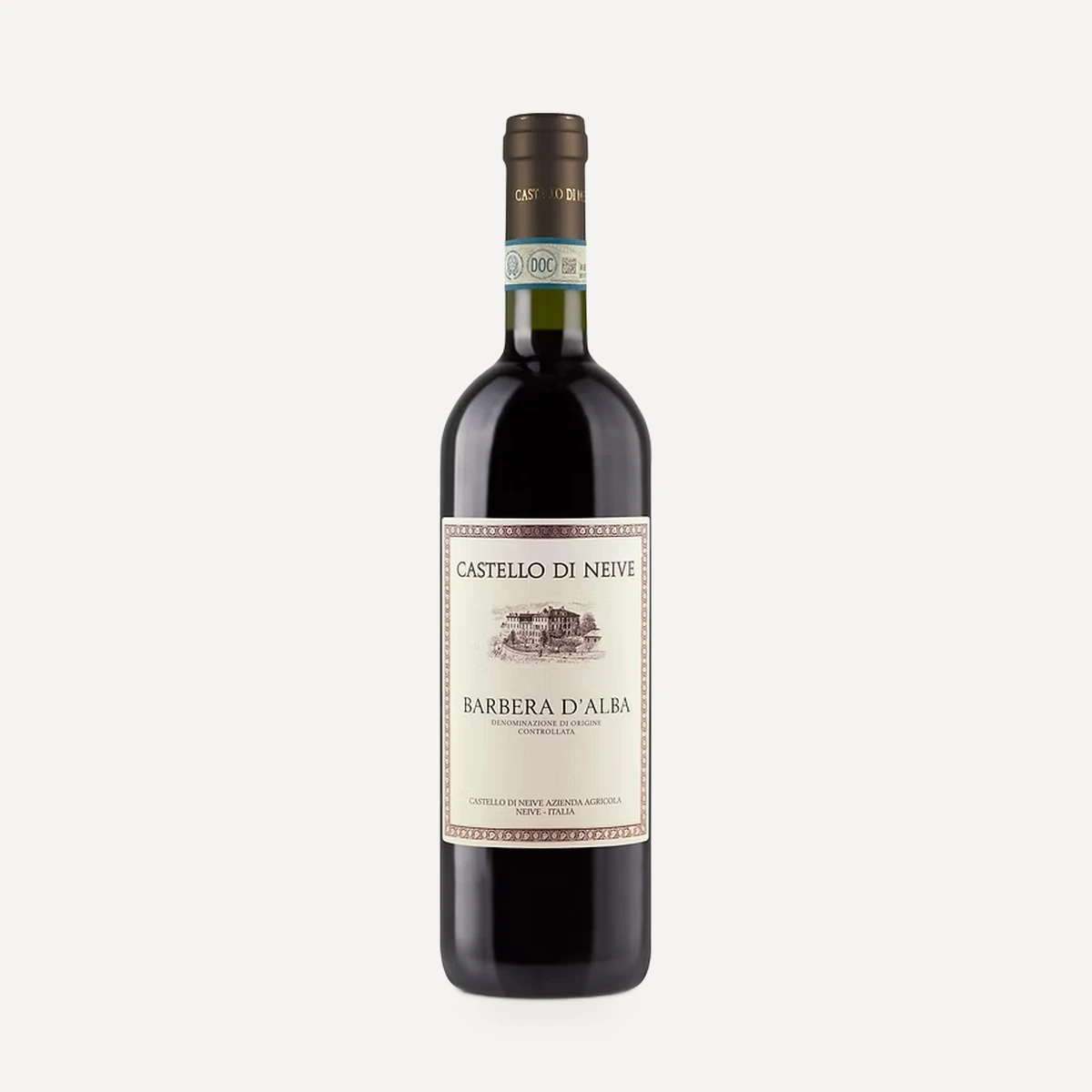
Barbera d'Alba
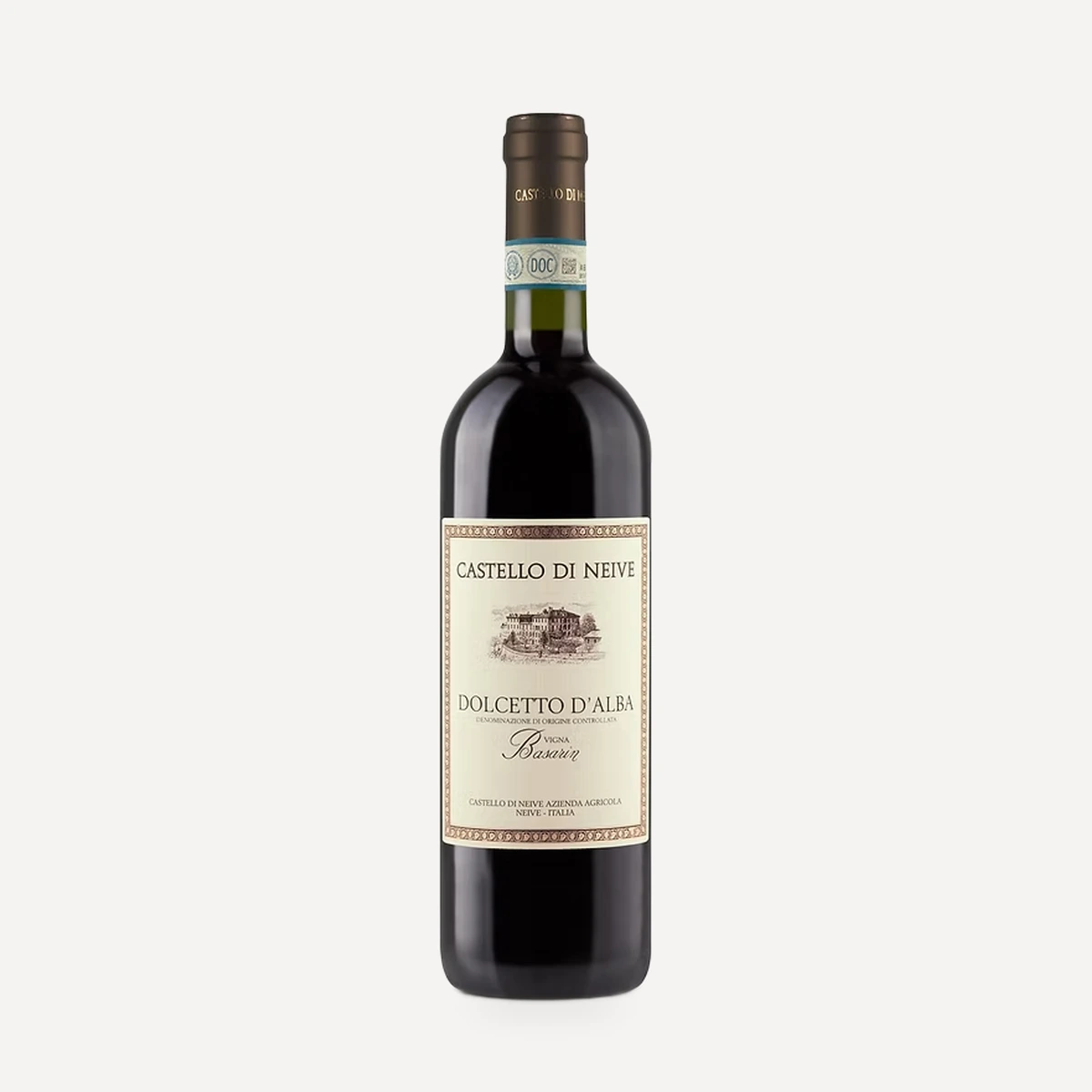
Dolcetto d'Alba Vigna Basarin
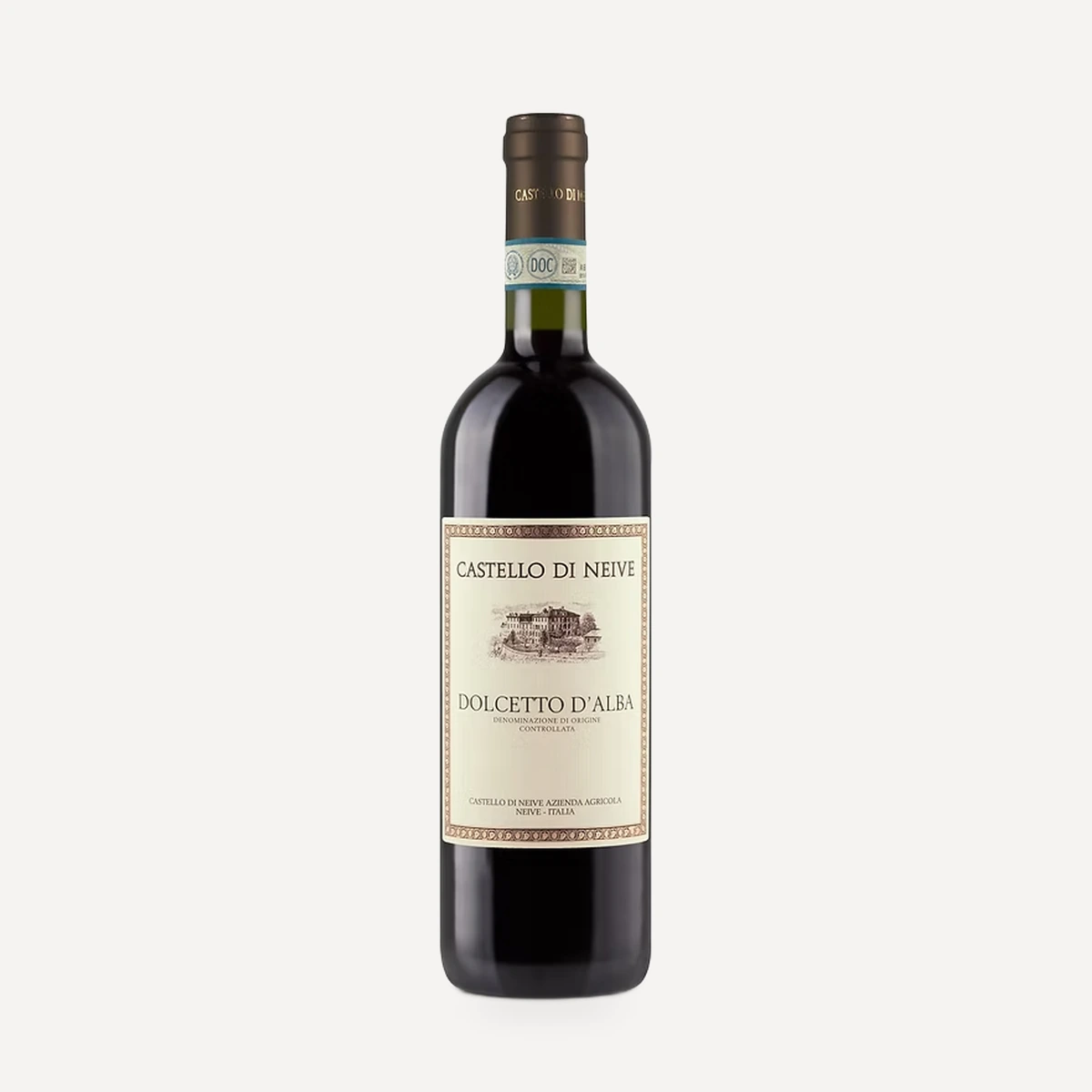
Dolcetto d'Alba
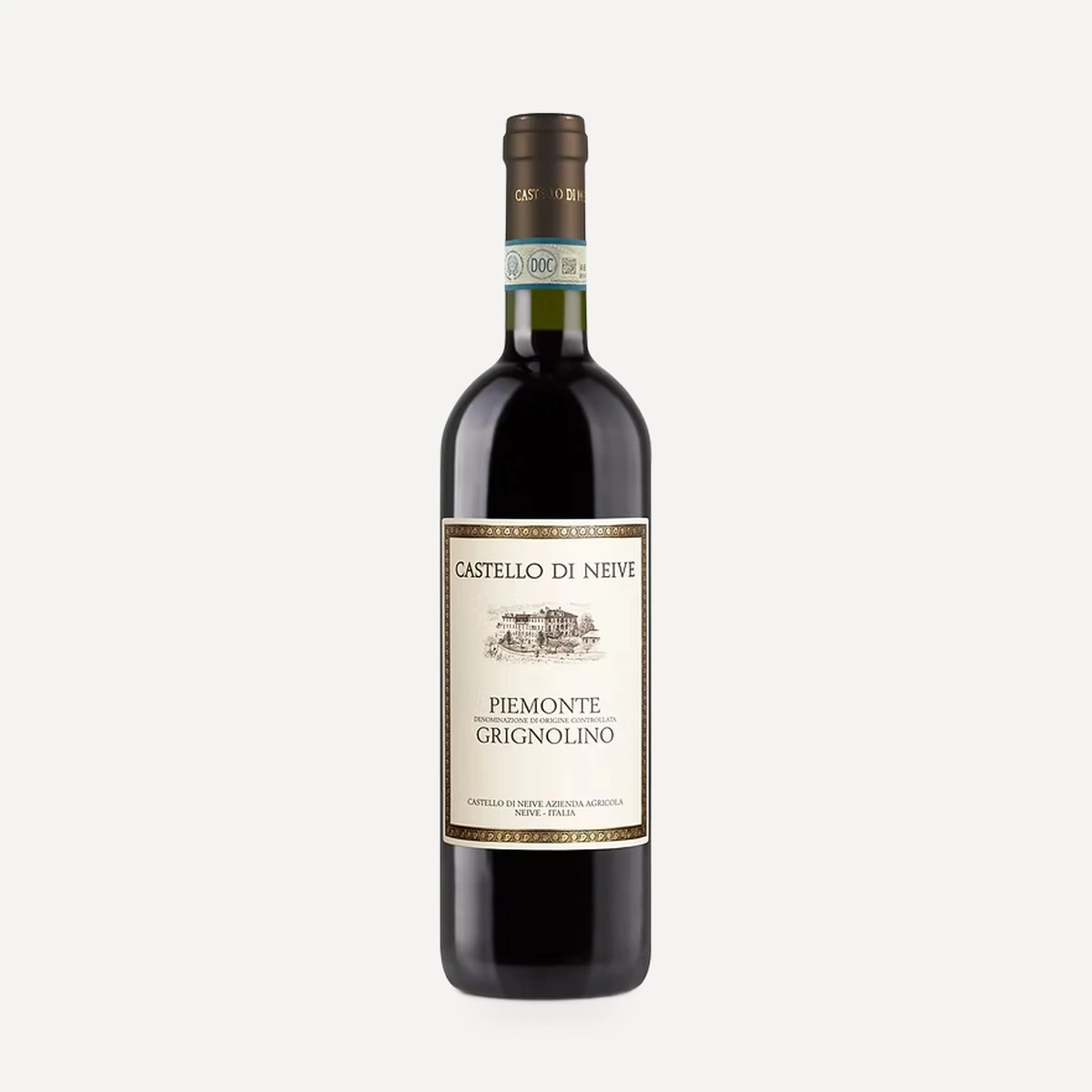
Piemonte Grignolino
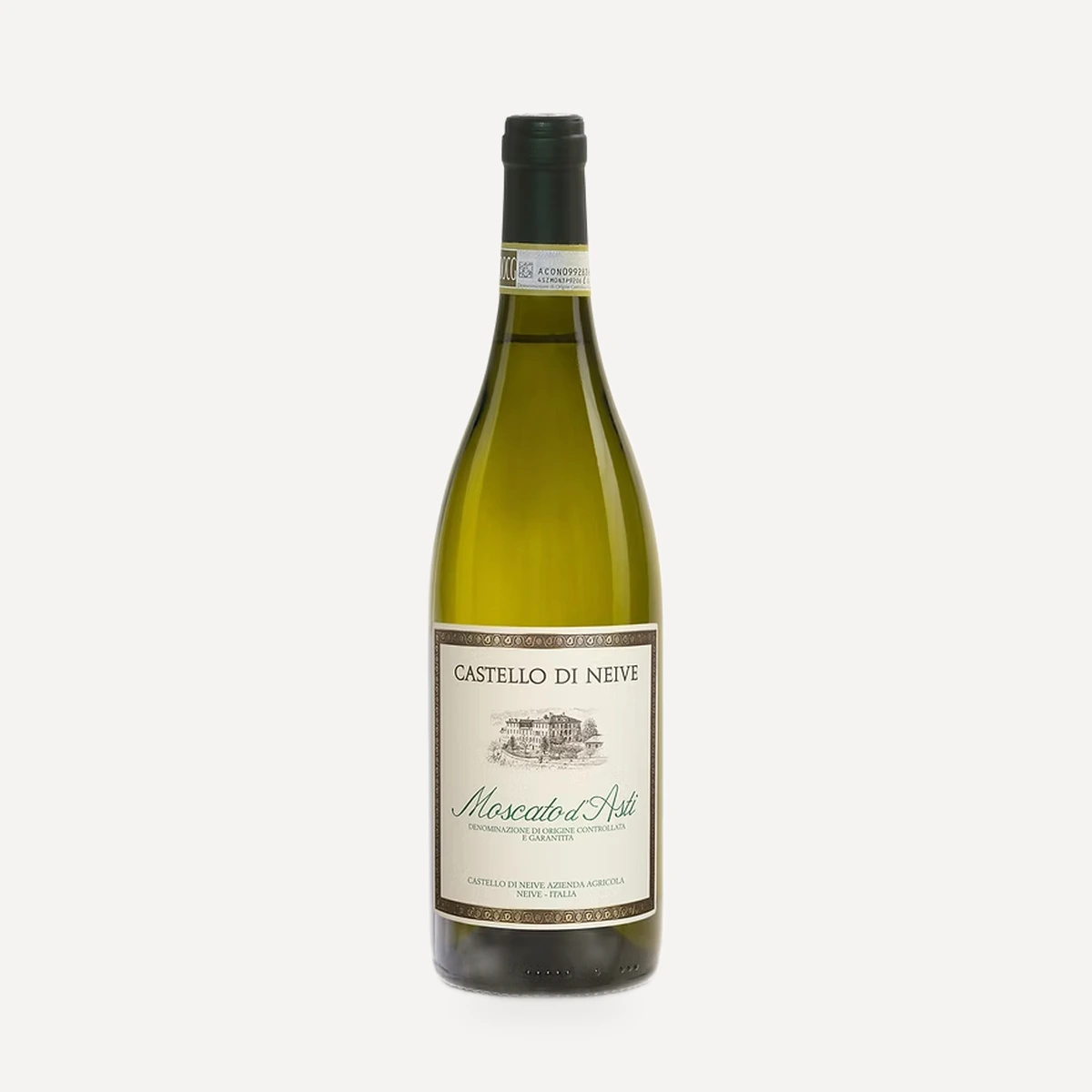
Moscato d'Asti