History
Agricultural roots: 1834–1864
The Rocca family’s documented connection with Barbaresco begins in 1834, the birth year of the ancestor Francesco Rocca (1834–1894). Nineteenth-century notarial records place the family in the commune from that date.
In 1864, Francesco arranged a dowry mortgage in favour of his future wife, Luigia Cheinasso. The document described him as a farmer born and resident in Barbaresco and recorded that he and his brother Giuseppe jointly owned houses, sites, vineyards and wooded or sloping land within the commune. Subsequent records and family testimony portray a mixed farm in which viticulture contributed to household income alongside forage cultivation and livestock raising.
Rabajà and the move from the village: 1958–1967
In 1958, Francesco Rocca (1907–1978), a nephew of the earlier Francesco, and his wife Bo Maria Adelaide purchased Rabajà together with its namesake farmhouse. The family and business moved from the centre of Barbaresco to the southern entrance of the village, in the Rabajà area. The farmhouse remains the estate’s headquarters.
Rabajà grapes already commanded substantially higher prices than other Nebbiolo grown for Barbaresco. After the Second World War, the family delivered its grapes to a cooperative cellar; by 1967, the cooperative was bottling them separately with the geographical indication “Vigneti in località Rabajà Sud-Ovest,” demonstrating that this part of Rabajà was already being treated as a distinct origin.
The first family-labelled vintage: 1978
Bruno Rocca, born in 1951 and the son of Francesco, redirected the family enterprise towards specialised winegrowing. The 1978 harvest became the first whose wine was bottled under the family name.
A period of experimentation followed as Langhe wines, and Barbaresco in particular, gained greater international visibility. Bruno renewed and modernised the business to improve quality and bring greater recognition to Rabajà. Vineyard and cellar management were radically reconsidered: maximising volume ceased to be the objective, and the work was instead organised around distinctive wines capable of expressing their individual places of origin.
Expansion during the 1990s
During the 1990s, the estate consolidated its international presence and acquired or began managing vineyards beyond its original Barbaresco holdings. This expansion introduced Langhe Nebbiolo, Barbera d’Alba, Dolcetto and Chardonnay to the range.
Work in Fausoni, below the homonymous hamlet near Neive, began in 1991. Its management marked the start of the estate’s Chardonnay production; Chardonnay, Barbera and Nebbiolo were assigned to different exposures within the site.
Currà, Marcorino and the Neive holdings
Currà was purchased in 2001. Its four hectares became a major Neive holding, and from 2012 its refinement and personality encouraged a stronger commitment to the vineyard’s fruit.
Marcorino, a Nebbiolo vineyard immediately below the medieval village of Neive, became the estate’s latest vineyard acquisition. The family has subsequently invested in developing its quality.
San Cristoforo added two non-adjacent Nebbiolo plots in Neive, within a cru bordered by Basarin, Currà, Fausoni and Gaia Principe.
The present generation
Bruno’s children, Luisa and Francesco Rocca, now work alongside him. Their role continues the family’s attachment to its place of origin, respect for the land and its grape varieties, and pursuit of balance between natural rhythms and human work. The estate remains artisanal and familial: observations and experiences are shared and analysed, with knowledge accumulated through daily work across generations.
Terroir
Barbaresco and the estate’s vineyard geography
Production is centred on Barbaresco, in southern Piedmont. The Barbaresco production zone is restricted to Barbaresco, Neive, Treiso and San Rocco Seno d’Elvio, a small hamlet of Alba. The wider denomination covers approximately 682 hectares and produces just over 50,000 quintals of Nebbiolo grapes.
The estate’s headquarters and historic Rabajà holding are in Barbaresco. Currà, Fausoni, Marcorino and San Cristoforo are associated with Neive.
Geological origin and soils
The hills originate in the Tertiary or Cenozoic era, beginning nearly 70 million years ago. They formed through uplift of the Earth’s crust and were subsequently inundated by the sea. The estate’s land is estimated to have lain beneath 300–500 metres of seawater.
White tuffaceous marl is mixed with grey-blue marl and thin sandy strata. These clay- and limestone-rich soils contain abundant microelements and are considered central to Nebbiolo cultivation. Valley floors, wet or level ground, and insufficiently sunlit sites are excluded from quality Barbaresco production.
Rabajà is more specifically described as having clay and tuff soils with marl and limestone.
Exposures and local distinctions
At Fausoni, Chardonnay occupies an eastern exposure, Barbera a southern exposure and Nebbiolo for Barbaresco a south-western exposure. Currà’s combination of position, terrain and microclimate is associated with refinement and harmonious tannins. Marcorino lies directly beneath the medieval settlement of Neive. San Cristoforo adjoins Basarin to the south, Currà to the west, and Fausoni and Gaia Principe to the north.
Appellation framework
Barbaresco obtained DOC status in 1966 and DOCG status in 1980. In 2007 it became the first wine to employ Menzioni Geografiche Aggiuntive, an official division into 66 crus intended to identify the attributes contributed by individual sites. In 2014, the Barbaresco hills entered Italy’s fiftieth UNESCO World Heritage site.
Barbaresco requires at least 26 months of ageing from 1 November of the harvest year, including a minimum of nine months in wood.
Winemaking
Plant-by-plant cultivation
The vineyard is treated as the decisive origin of wine, while the cellar serves principally to preserve what the grapes already contain. Fertilisation, dormant and green pruning, crop thinning, grassing between rows, tying and shoot topping are not performed according to a predetermined protocol. Each intervention is guided by accumulated knowledge of individual vines and even individual canes.
The family records each vine’s phenological stages, its soil and the productive capacity of its canes. Every plant is treated as distinct: the aim is to let that individuality appear in its fruit while respecting the vine’s natural productive capacity and avoiding forced performance.
Living Nebbiolo archive
A living genetic repository preserves material selected from the estate’s best Nebbiolo plants, all at least 60 years old and still productive in its vineyards. Following a long process of selection, grafting and qualitative analysis, an experimental vineyard was created in Neive. Each row serves as the living memory of one estate plant. This clonal-selection project is intended to conserve the work of earlier generations and maintain Nebbiolo’s quality and characteristics over time.
Harvest and selection
Harvesting is performed by hand, exclusively into small ventilated crates. The grapes undergo a second selection on arrival at the cellar so that only intact fruit proceeds to destemming.
Preservation of fruit
Cellar work is conceived as preservation rather than technological transformation. The objective throughout processing is to protect the fruit’s integrity, avoid forcing its development and handle it gently.
Reception and destemming
Hand-picked grapes arrive in small ventilated crates and undergo a second selection at the cellar entrance. Intact selected clusters pass to a destemmer that was modified by hand to the family’s specifications. It separates the berries gently without breaking either stems or berries.
Separate vinification and fermentation
Every vineyard is vinified separately. Fruit from larger plots may be divided between two or three vats, allowing differences in quality to be followed independently and only the lots considered most faithful to their origin to reach the final bottle.
Alcoholic fermentation begins naturally and without forcing, in a process the family describes as an ennobling extraction. After alcoholic fermentation, the wine rests in wood, where spontaneous malolactic fermentation begins.
Wood selection
Cooperage is selected through close examination of individual producers, the history of each vessel, the forest supplying its timber and the properties of every stave. Only wood seasoned for at least 40 months is chosen. It must have dried outdoors without mechanical drying, with the intention of supporting rather than overwhelming the wine’s natural evolution.
Bottling
Bottling employs as little sulphur dioxide as possible. The wines are bottled without filtration or fining, preserving the continuity of the process from vineyard to bottle.
Philosophy
Bruno Rocca frames the family’s objective not as “making” wine but as guiding its evolution so that the land, rather than the producer, supplies its defining signature.
The vineyard is the central absolute of the family’s work. Francesco Rocca describes the cellar as a cradle of preservation and rejects predetermined formulas in viticulture: study, experience, observation and daily contact with the vines gradually form an individual conception of agriculture and wine. Technique and technology must adapt to nature’s timing rather than force it.
This approach depends on detailed familiarity with every vine, shared analysis of each working experience and continual training within the family. Quality is pursued through respect for natural productive capacity, gentle handling and the avoidance of coercive interventions in both vineyard and cellar.
The family presents its work as artisanal and collective. Luisa Rocca regards it as a way of life rather than merely an occupation. Passion, the family’s history in Barbaresco and responsibility towards its place of origin are treated as inseparable from the finished wine.
Wines
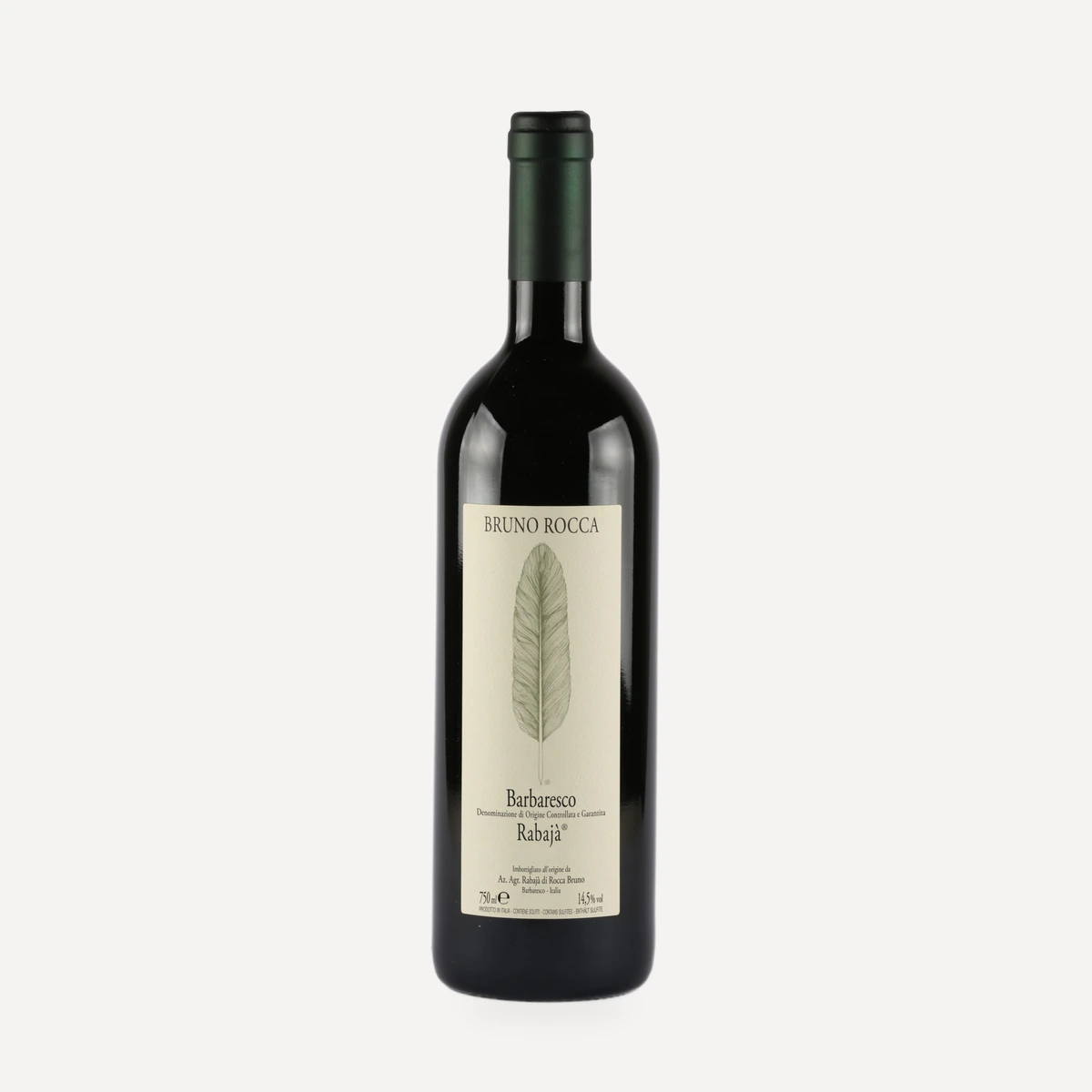
Barbaresco Rabajà DOCG
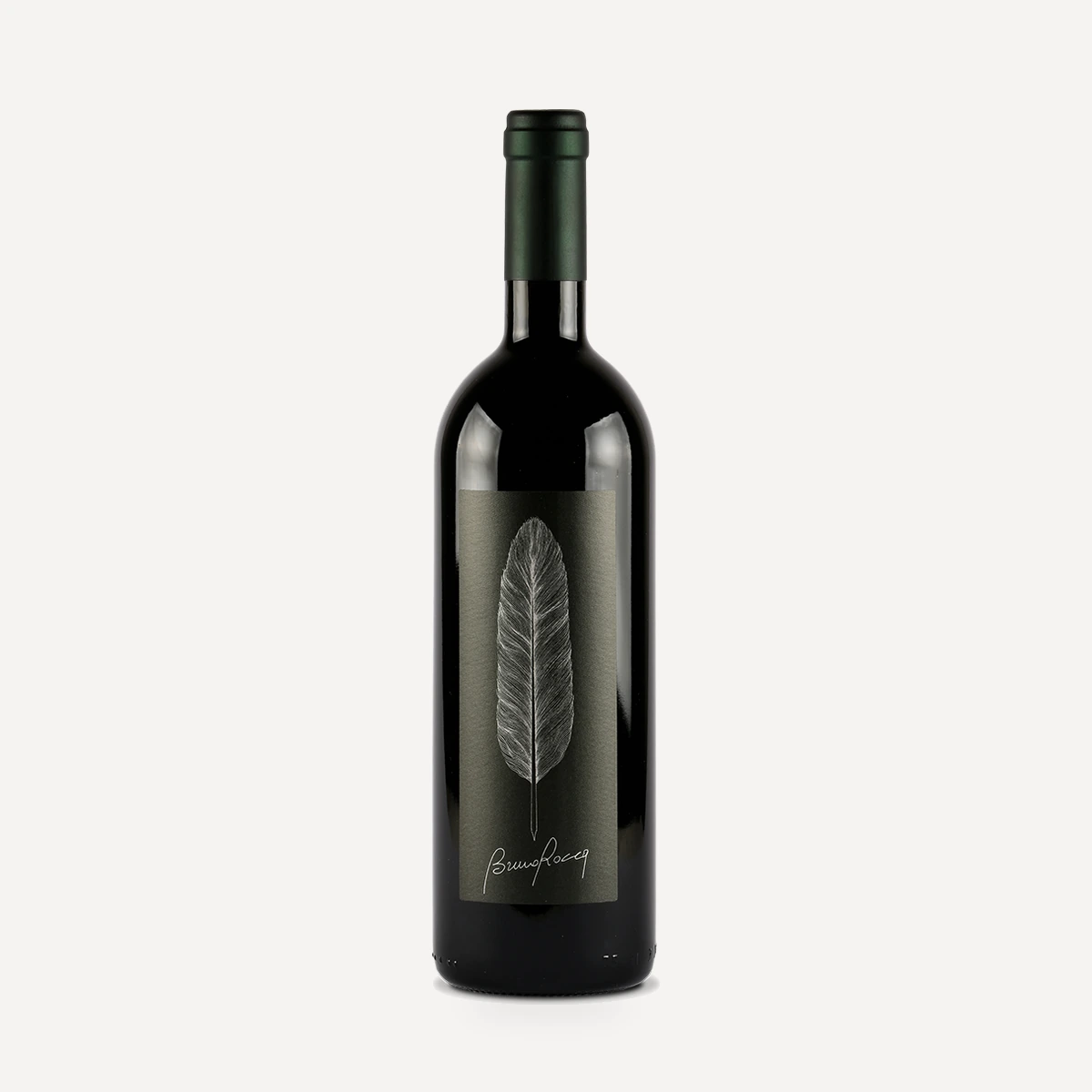
Barbaresco Maria Adelaide DOCG
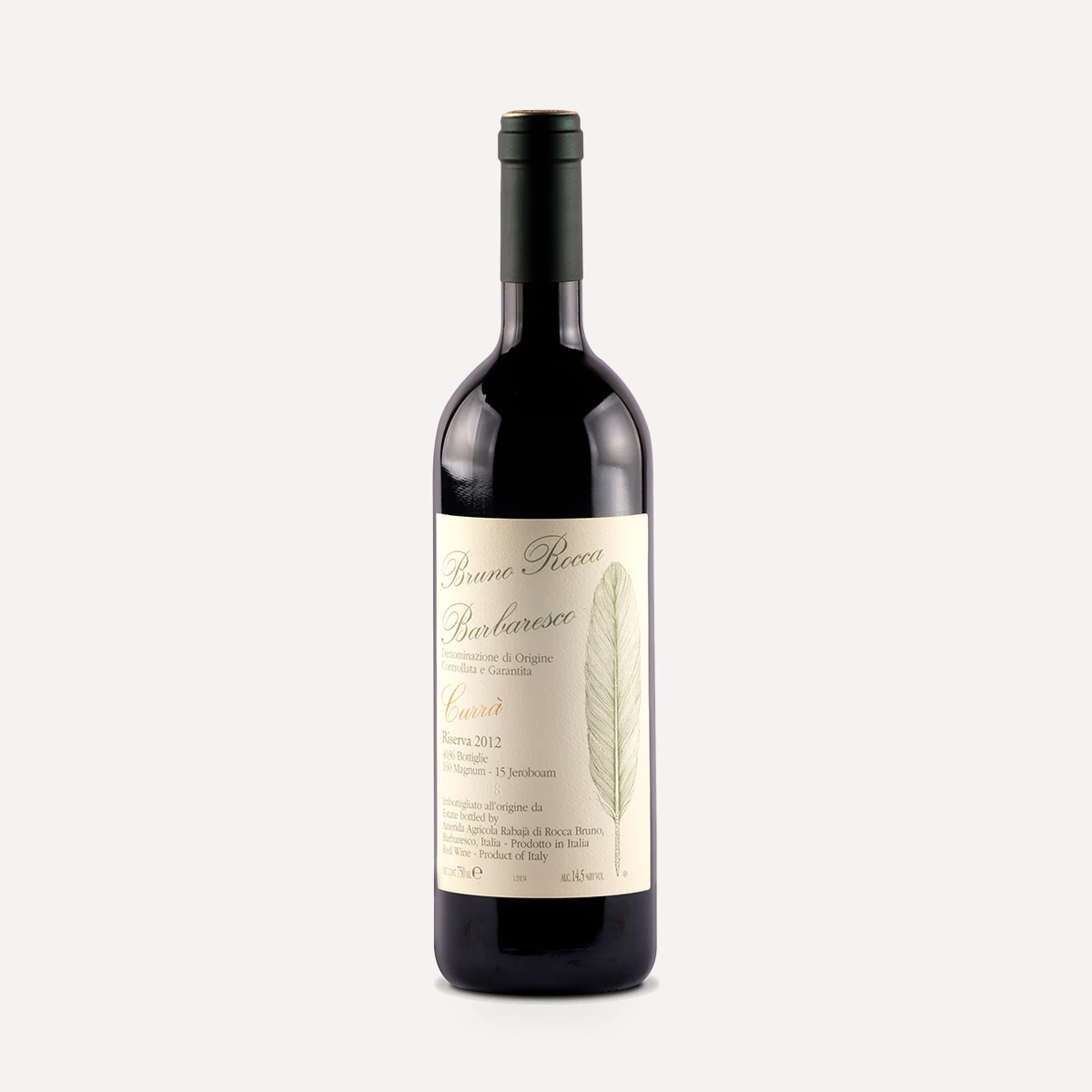
Barbaresco Riserva Currà DOCG
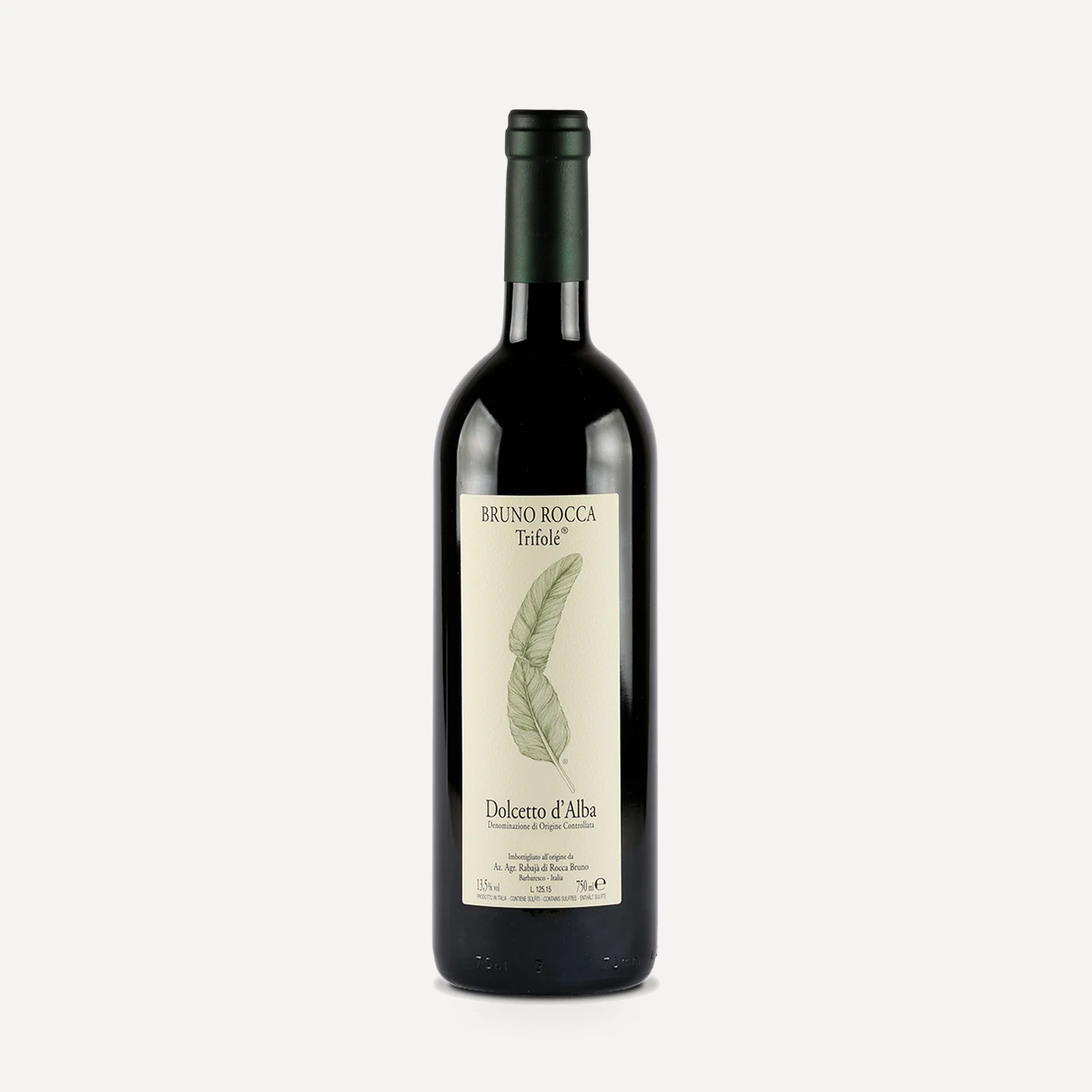
Dolcetto d'Alba Trifolé DOC
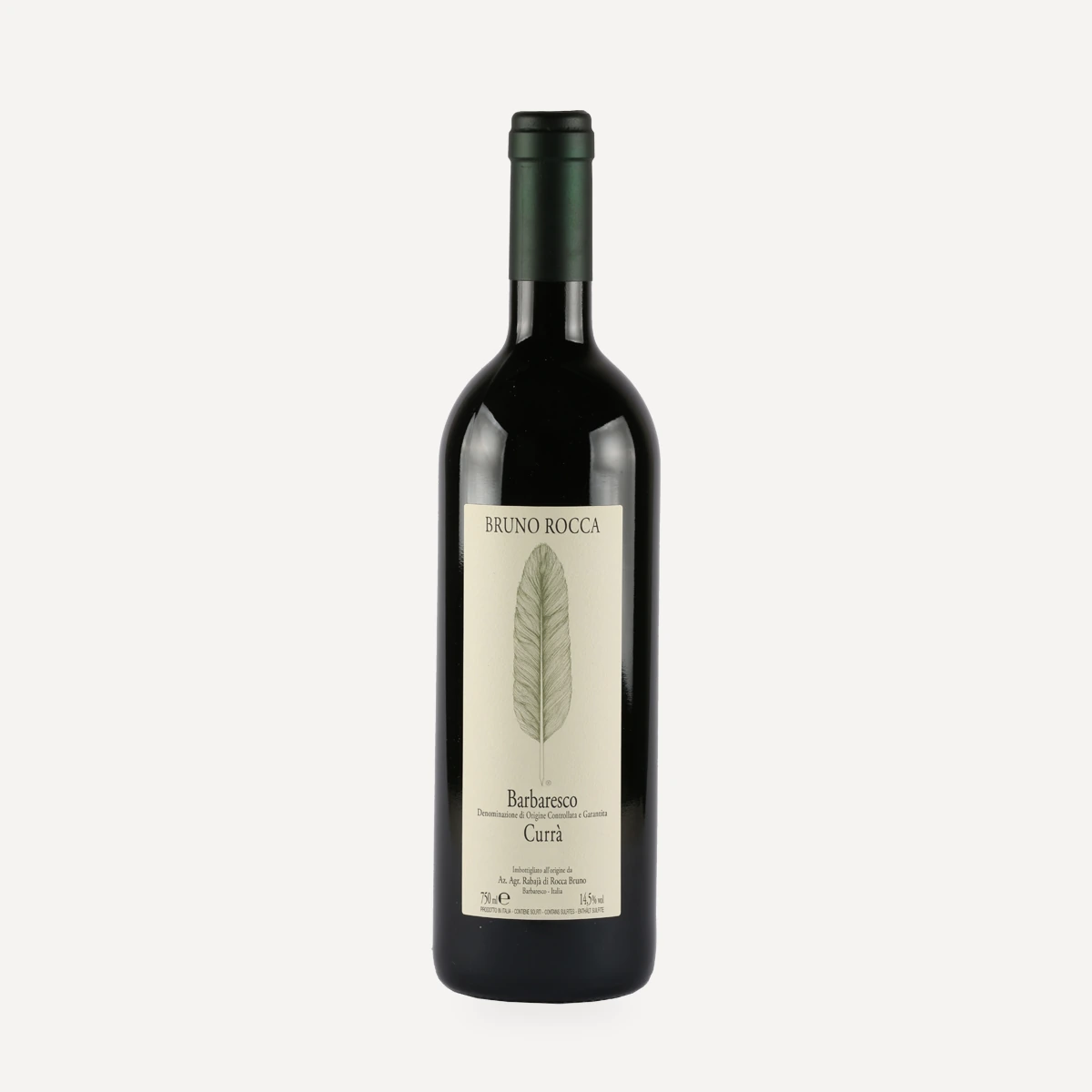
Barbaresco Currà DOCG
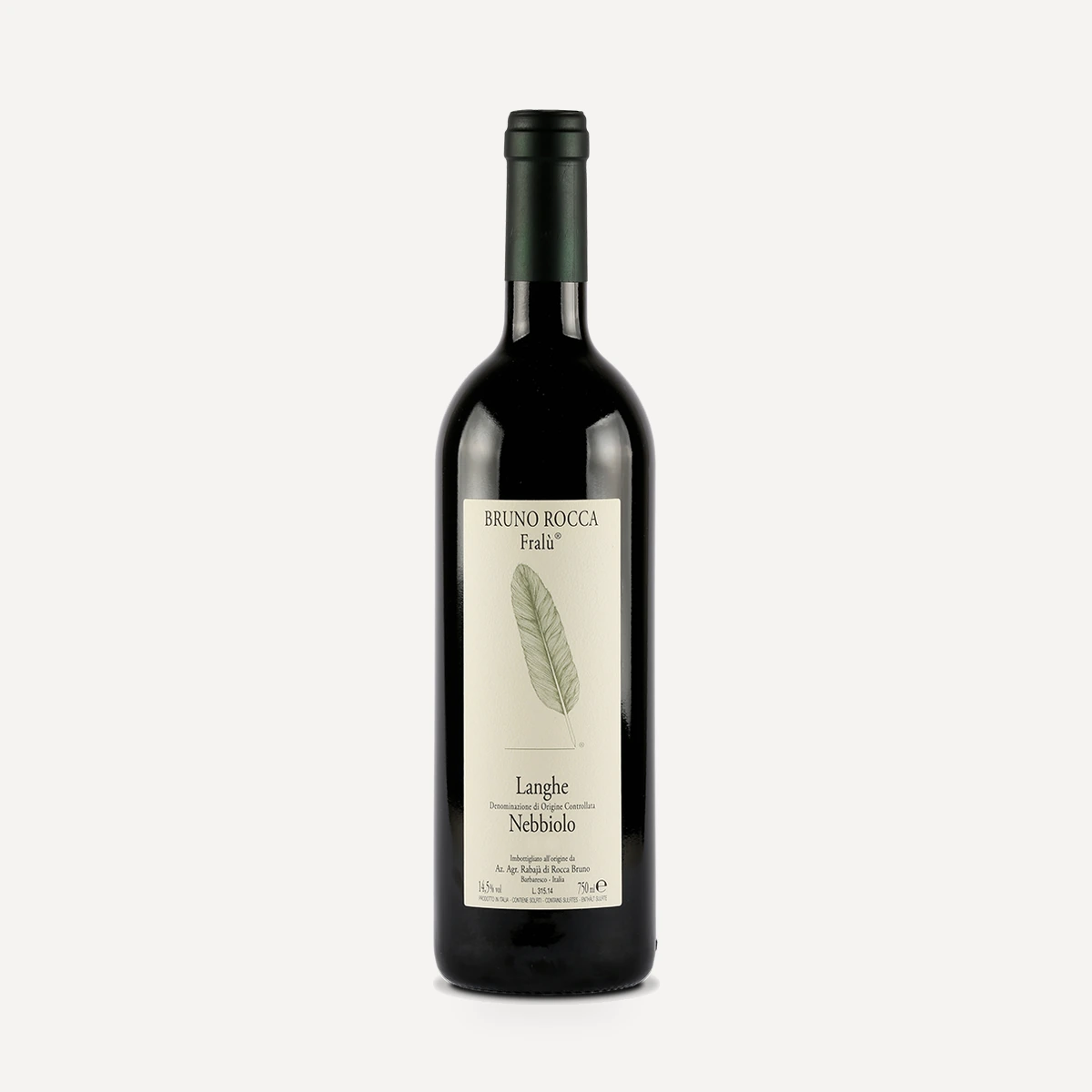
Langhe Nebbiolo Fralù DOC
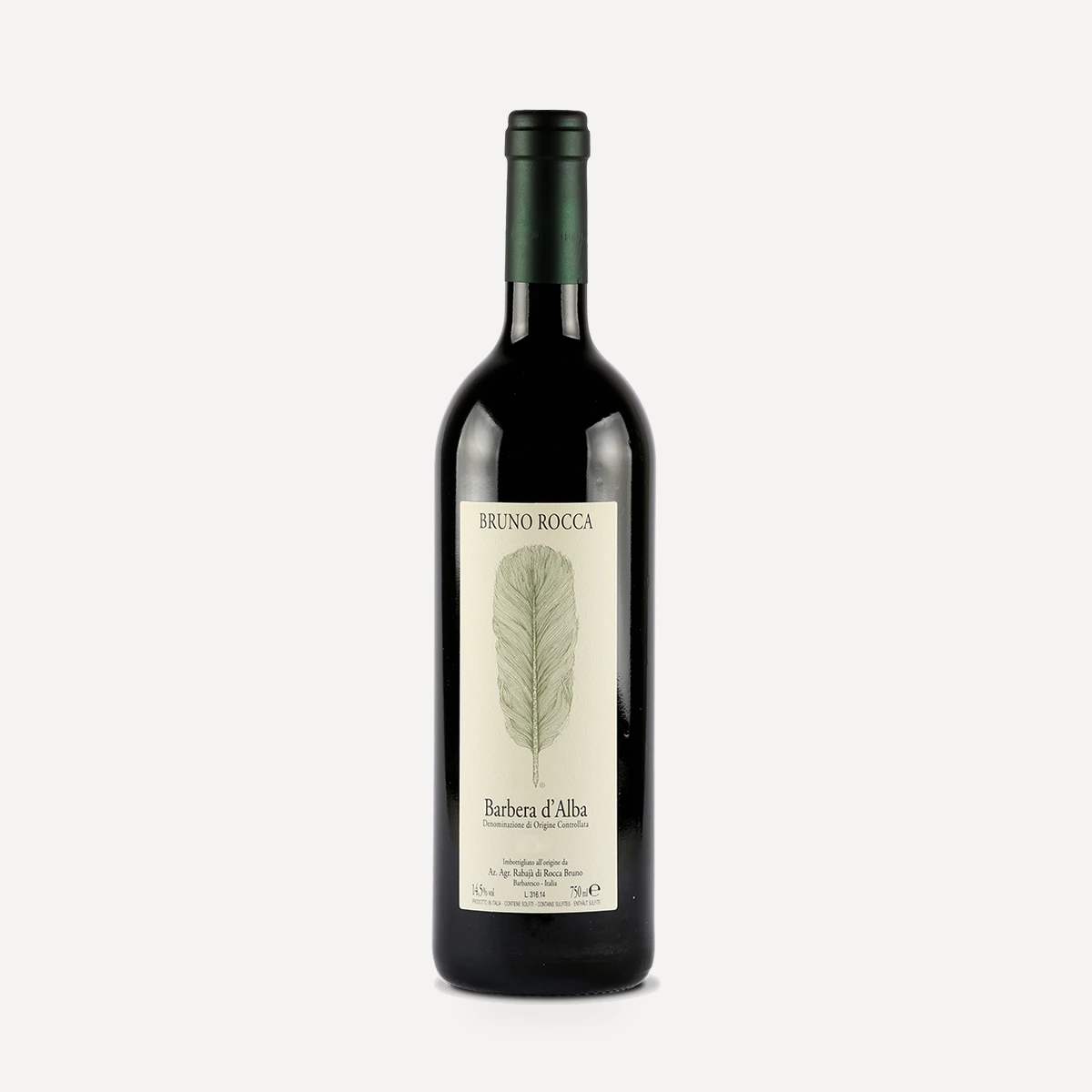
Barbera d'Alba DOC
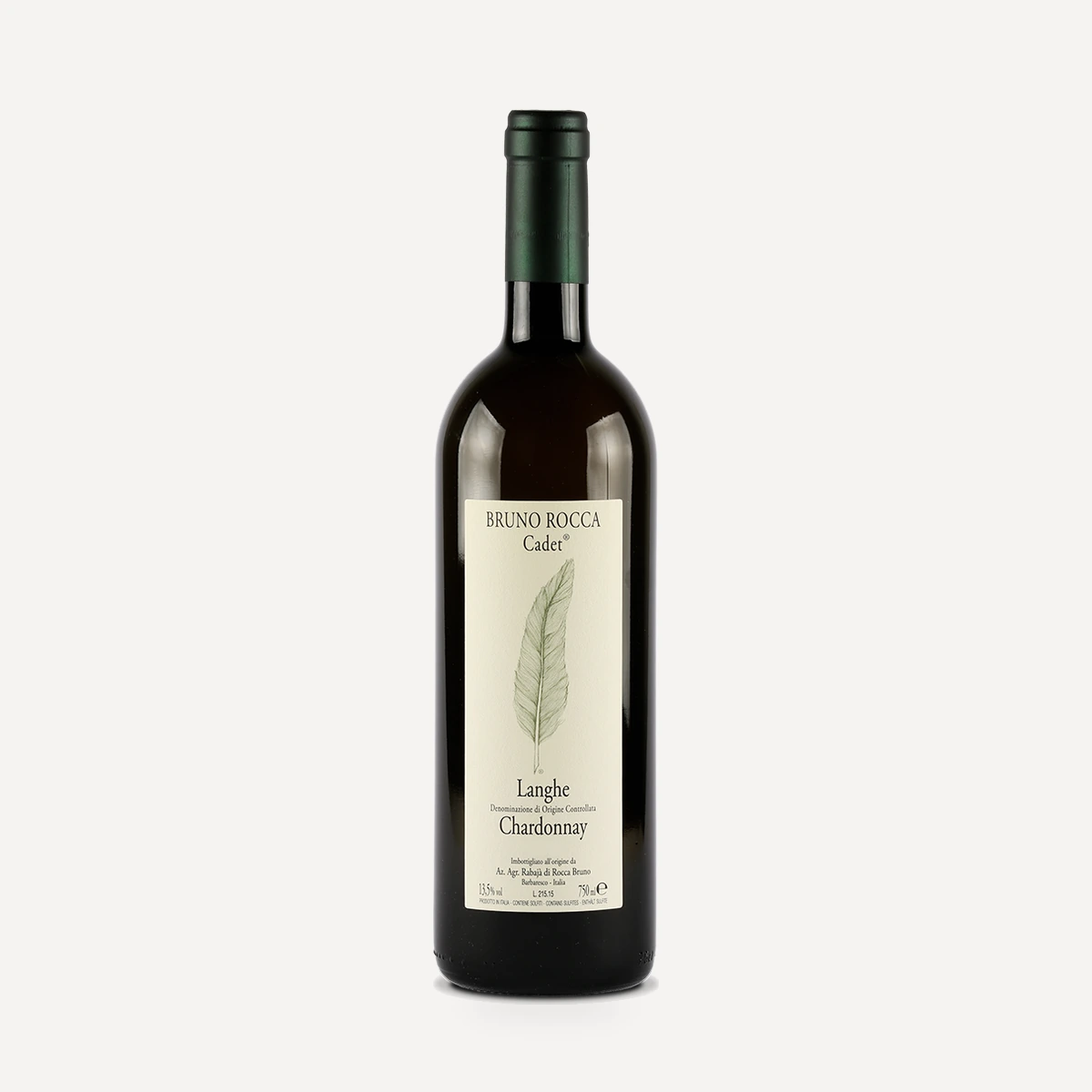
Langhe Chardonnay Cadet DOC
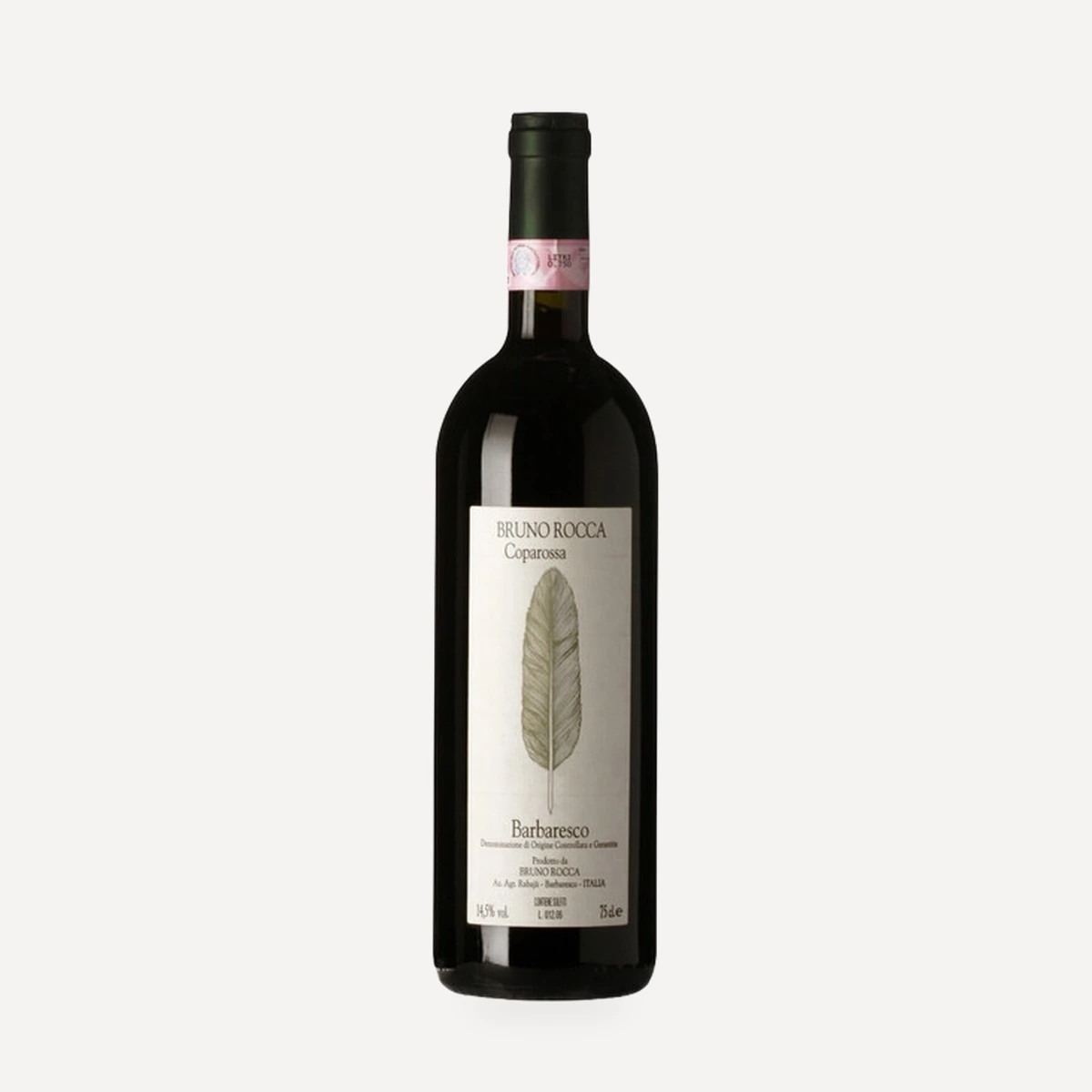
Coparossa Barbaresco DOCG
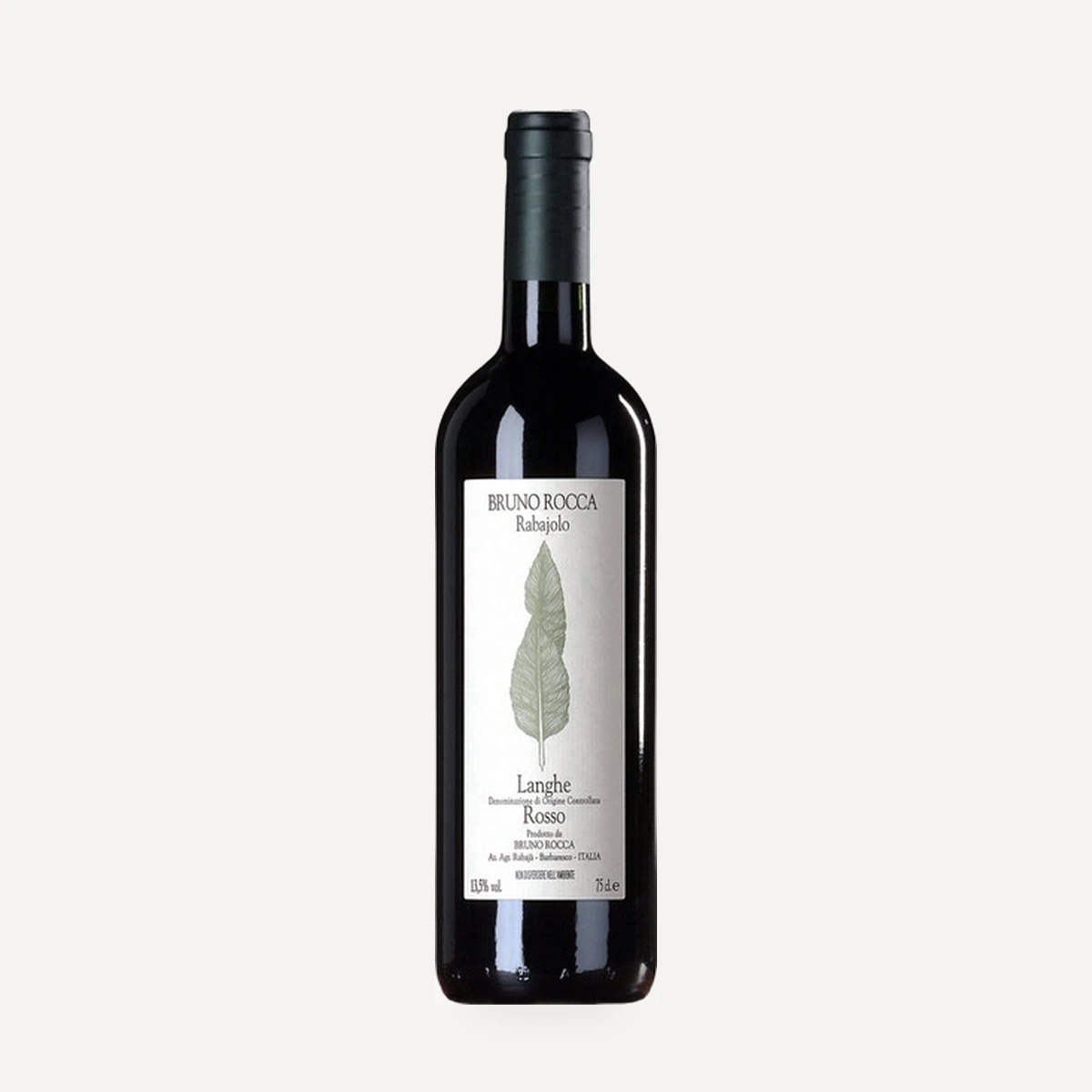
Rabajolo Langhe Rosso DOC
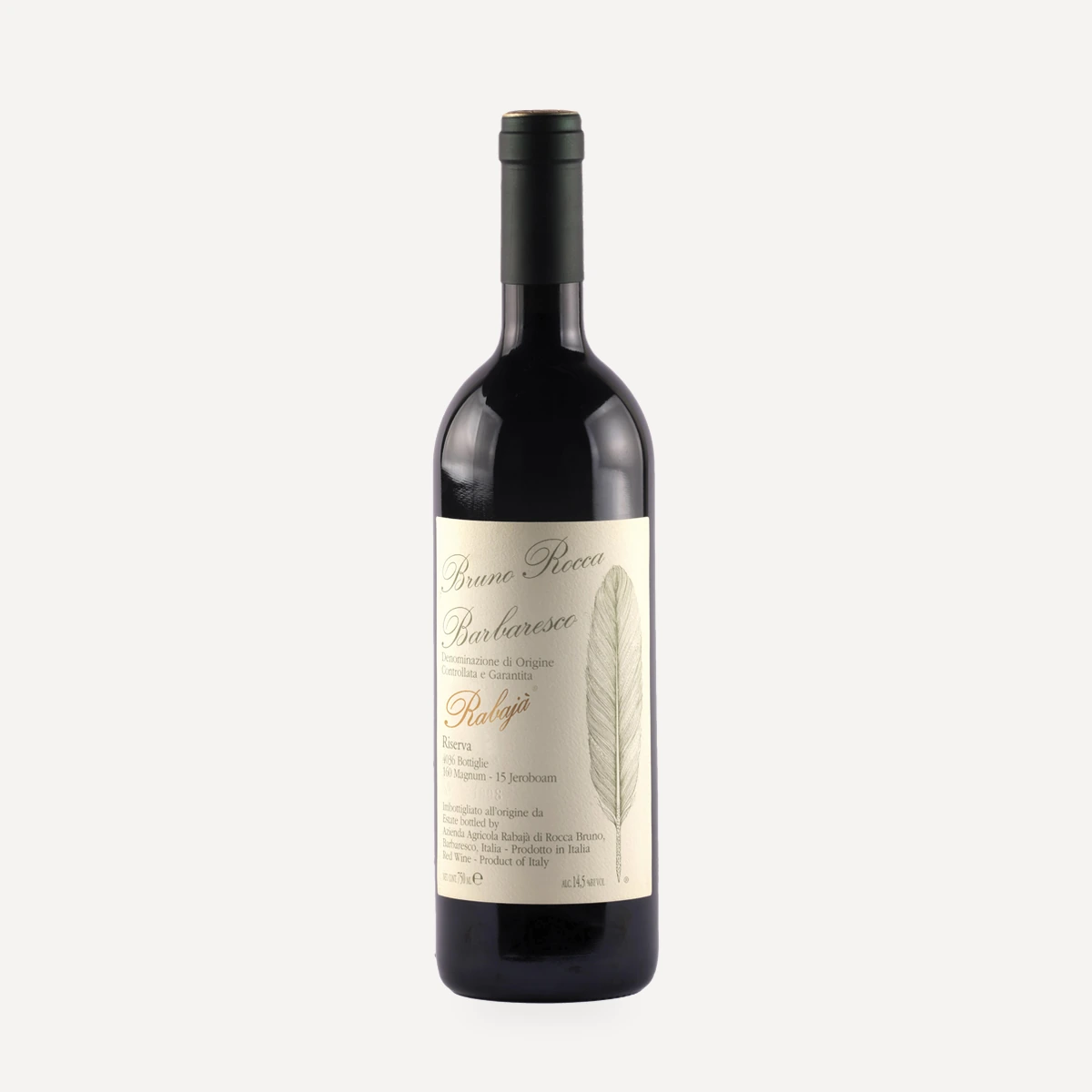
Barbaresco Riserva Rabajà DOCG
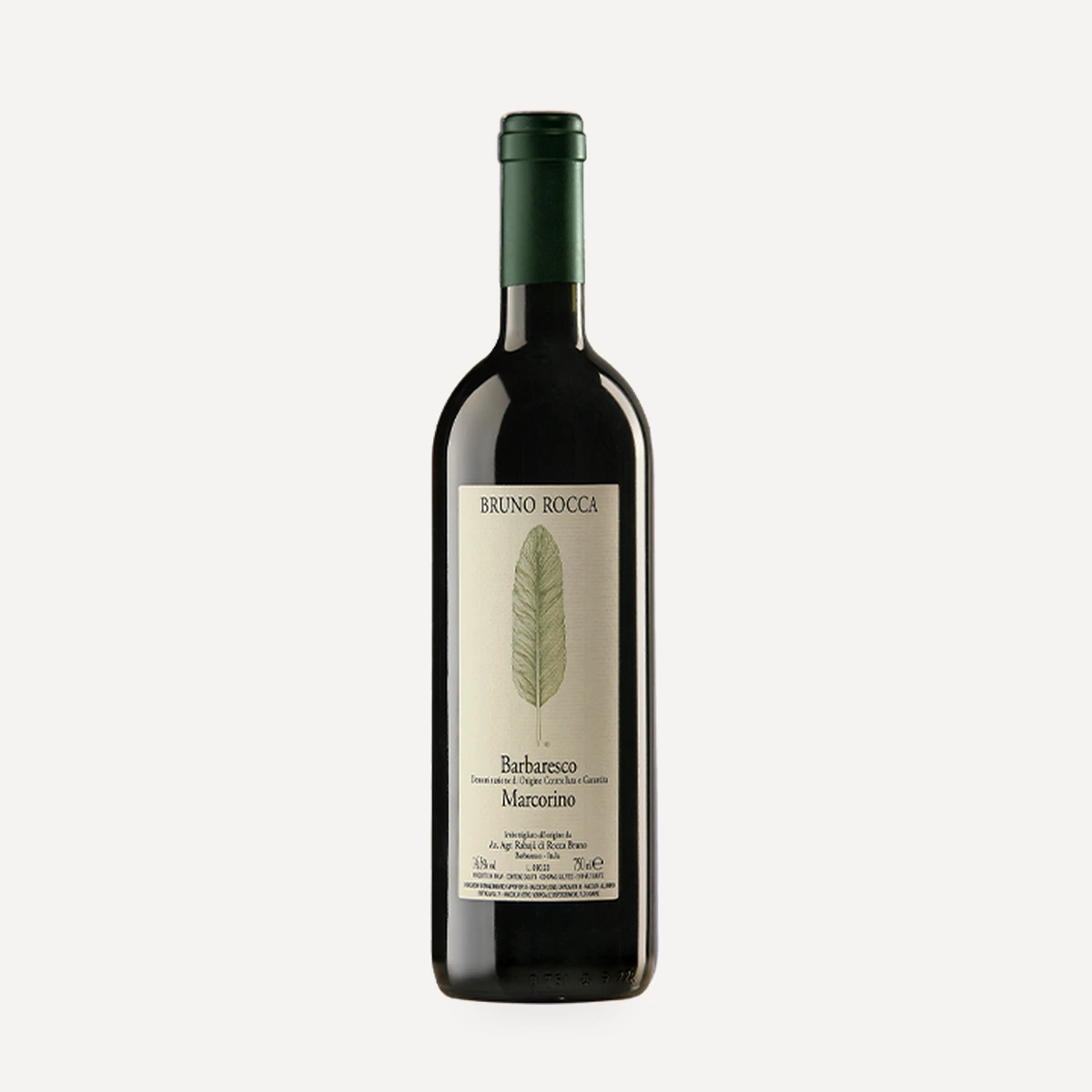
Barbaresco Marcorino DOCG
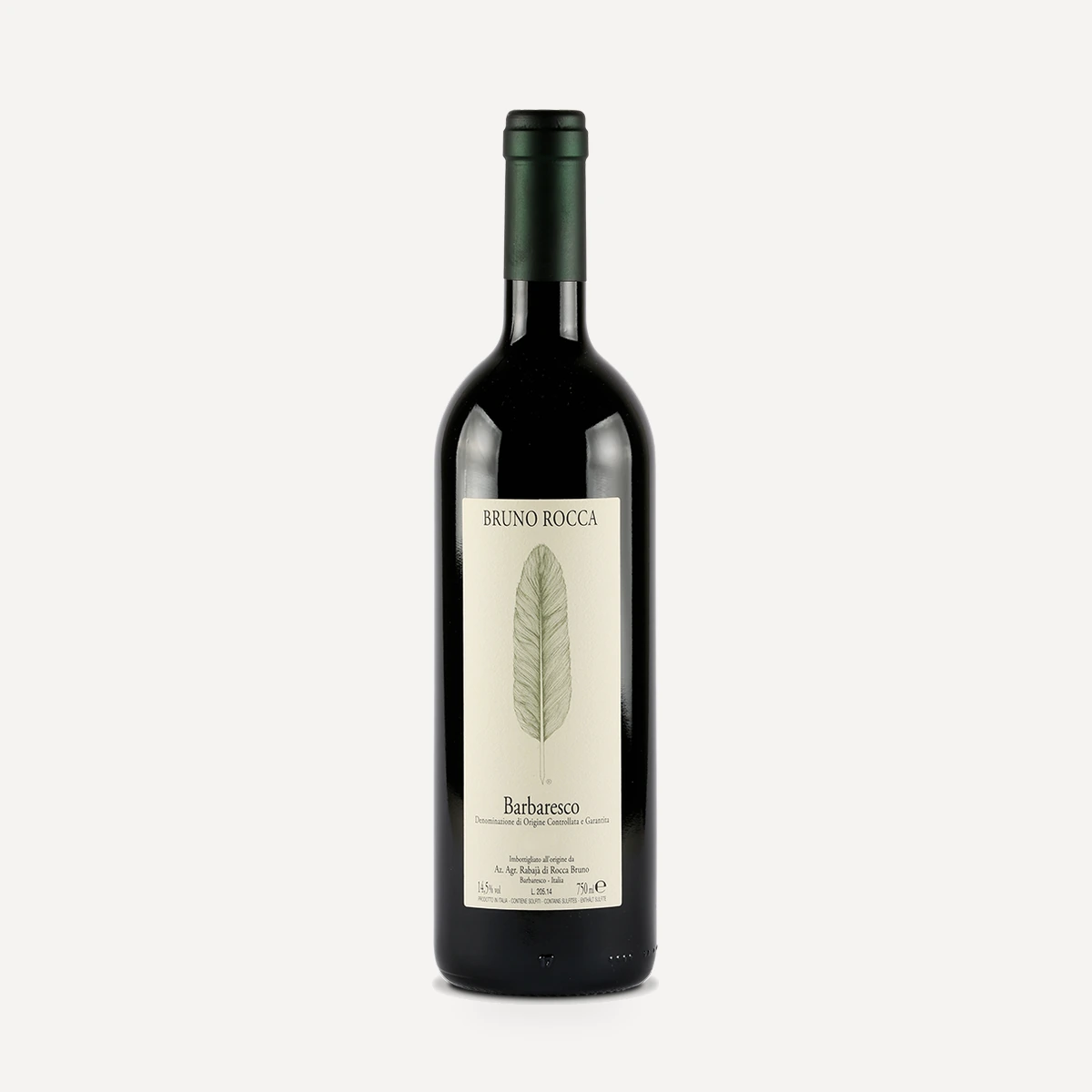
Barbaresco DOCG