History
Foundation and the rise of Verduno Pelaverga
Bel Colle was founded in Verduno in 1978 by the brothers Franco and Carlo Pontiglione together with Giuseppe Priola. The Pontiglione and Priola families chose to invest in Verduno at a time when the area was still peripheral to the better-known centres of the Langhe, despite its viticultural potential.
Oenologist Paolo Torchio played a decisive role in the estate’s development. Under his guidance, Bel Colle became one of Verduno’s leading wineries, the first Italian producer of Verduno Pelaverga and an important participant in the revival of the denomination. Torchio developed a recognisable style centred on clean, highly elegant wines whose finesse was paired with what Bel Colle describes as an austere, feminine character.
The Alta Langa experiment of the 1980s
During the 1980s, an experimental polyclonal vineyard was planted with Pinot Noir and Chardonnay at Vesime in the Bormida Valley. It was among the first vineyards in the area established with these varieties and was created for the emerging Alta Langa project, conceived as Piedmont’s traditional-method sparkling wine. Its diverse plant material causes the grapes to ripen at different times, so harvesting takes place in several passes.
Investment in native varieties during the 1990s
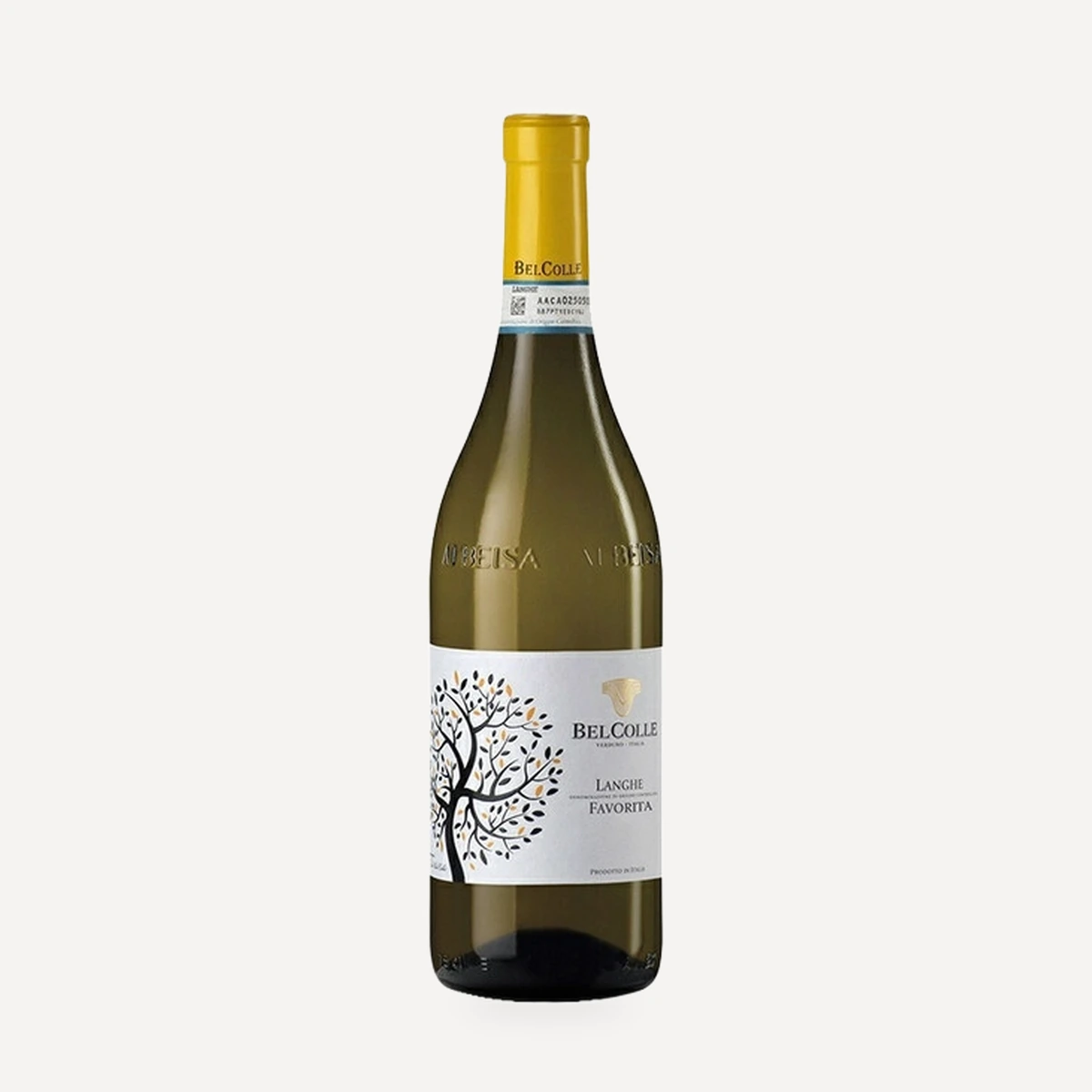
In the 1990s, Bel Colle strengthened its commitment to the traditional grapes of the Langhe. Investment focused on Nebbiolo for Barolo and Barbaresco, together with Barbera and Dolcetto. White varieties also became an important part of the programme: Arneis, Favorita and Nascetta—the latter a rare native variety associated with Novello—were given substantial space.
Continuity from the early 2000s
Mario Albrito joined Bel Colle in the early 2000s. A student of Paolo Torchio and a follower of Torchio’s native-variety-centred approach to oenology, Albrito became the custodian of the winery’s historical knowledge and a specialist in the terroirs of Verduno and the surrounding hills.
Bosio family ownership from 2015
The Bosio family of Santo Stefano Belbo acquired Bel Colle in 2015. The family renewed the purchase and rehabilitation of vineyards and focused production on Barolo, Barbaresco, Langhe Nebbiolo, Barbera d’Alba and Barbera d’Asti. It simultaneously renewed the emphasis on quality white-wine production and Alta Langa Metodo Classico.
Under Bosio ownership, vineyard holdings have expanded into highly regarded sites. Bussia in Monforte d’Alba was added relatively recently, while the estate’s vineyard programme encompasses Monvigliero, Castagni and Neirane around Verduno and La Morra, Pajorè in the Barbaresco area, Turna Lunga at Valdivilla, Bionzo in the Astigiano area and the historic experimental Alta Langa vineyard at Vesime.
Present direction
Bel Colle is directed by oenologists Luca Bosio and Mario Albrito. Luca Bosio represents the family’s new generation, pursuing new projects, additional vineyards in suitable zones and new labels. Albrito contributes more than 40 harvests of experience and continuity with the approach established by Paolo Torchio. Together they are developing sustainable viticulture, careful separation of vineyard parcels and single-vineyard wines intended to articulate differences among Langhe terroirs.
Terroir
Verduno and the northern edge of Barolo
Bel Colle stands on a panoramic ridge along the road between the hamlets of Rivalta and Santa Maria di La Morra, near the boundary of Verduno and La Morra. Verduno forms the first edge of the Barolo hills when approached from the Alba plain and, from the opposite direction, the final extension of the Langhe before the Tanaro separates them from the Roero. Its hills follow the bend of the Tanaro between Roddi and La Morra, with steep vineyard slopes descending into valleys broken by woodland.
The winery’s position forms a natural terrace overlooking the Roero hills, the succession of the Langhe, the Braidese plateau, the Tanaro Valley, the Maritime Alps and the forests of Alta Langa.
Geology and soils
The Verduno holdings lie on grey-blue marl interspersed with sand and fossil material. Verduno is also a geological border zone. On the western side, where the hills descend gently towards the Tanaro, younger soils alternate clay marl with layers of large chalk crystals. These conditions are associated with intensely perfumed, delicate and finely structured expressions of Barolo.
Terroir varies materially among the individual sites. Monvigliero combines pale, loose soils with a dry climate. Bussia has marl over a limestone matrix. Borgo Neirane is distinguished by clay-limestone soils crossed by chalk veins. Pajorè combines very steep slopes, strong southern exposure and an almost terraced arrangement. Turna Lunga occupies an approximately 35% slope on an eastern Langhe ridge. Bionzo is hot, exposed and extremely dry, while the Alta Langa vineyard lies farther south-east at Vesime in the Bormida Valley.
Pelaverga and Verduno
Pelaverga was introduced to the Verduno area in the seventeenth century and is grown within a restricted zone around the commune, in one of Italy’s smallest denominations. The local expression combines a light ruby colour and delicacy with acidity and tannic structure. Its aromatic identity centres on small red fruits, spice and a distinctive white-pepper note.
Winemaking
Bel Colle follows a low-impact model intended to extend sustainability across every vineyard operation. Vineyard work is performed manually with organic compounds and preparations. Systemic treatments and herbicides are not used.
Fertilisation is organic. Leguminous plants provide permanent or seasonal inter-row cover and are incorporated as green manure to support soil vitality. Pest management relies on pheromone traps for mating disruption and coloured traps; these measures have allowed the estate to eliminate pesticide use.
Harvesting and all canopy operations are manual. Canopy work is intended to support each vine’s natural resilience and its ability to ripen sound fruit. The approximately 35% slope of Turna Lunga requires entirely manual cultivation. At Vesime, the polyclonal Pinot Noir and Chardonnay vineyard ripens unevenly and is therefore harvested in several passes. Harvested bunches are selected by hand before vinification.
Bel Colle employs manual harvesting and bunch selection, followed by gentle crushing and measured maceration. Fermentations are conducted without forcing and use selected indigenous yeasts from the local area. Wines intended for extended maturation spend long periods in barrel.
The approach is deliberately non-interventionist: cellar work is intended to accompany each wine’s natural development and preserve the identity of its grape variety rather than impose a uniform style. Native and rare Langhe varieties—including Pelaverga, Nascetta, Favorita and Arneis—are vinified with particular attention to their varietal characteristics.
Turna Lunga provides a vineyard-specific example of this approach. Its Moscato is fermented with indigenous vineyard yeasts derived from a pied de cuve prepared from bunches harvested and crushed in the vineyard. For Alta Langa, the Pinot Noir and Chardonnay from the experimental polyclonal vineyard at Vesime are harvested in several passes to accommodate differences in ripening.
Philosophy
Bel Colle’s work is centred on expressing the native identity of Piedmont and the distinctions among individual Langhe terroirs. The estate describes its cellar philosophy as artisanal and non-interventionist: vinification should avoid forcing the wine, accompany its natural evolution and enhance the identity of each grape variety.
Tradition is paired with detailed vineyard interpretation. Careful parcel separation supports single-vineyard bottlings intended to make individual sites increasingly legible. Sustainable, low-impact vineyard practices are treated as an expression of respect for the land rather than as a separate technical programme.
The preservation of rare local grapes is central to this identity. Pelaverga, Nascetta, Favorita and Arneis are presented as the “Gems of Langa.” Alta Langa forms part of the same territorial vision: Pinot Noir and Chardonnay, after decades in the high hills, are treated as established components of the local viticultural landscape. The combined leadership of Luca Bosio and Mario Albrito links experimentation and vineyard expansion with the historical, native-variety-focused approach developed by Paolo Torchio.
Wines
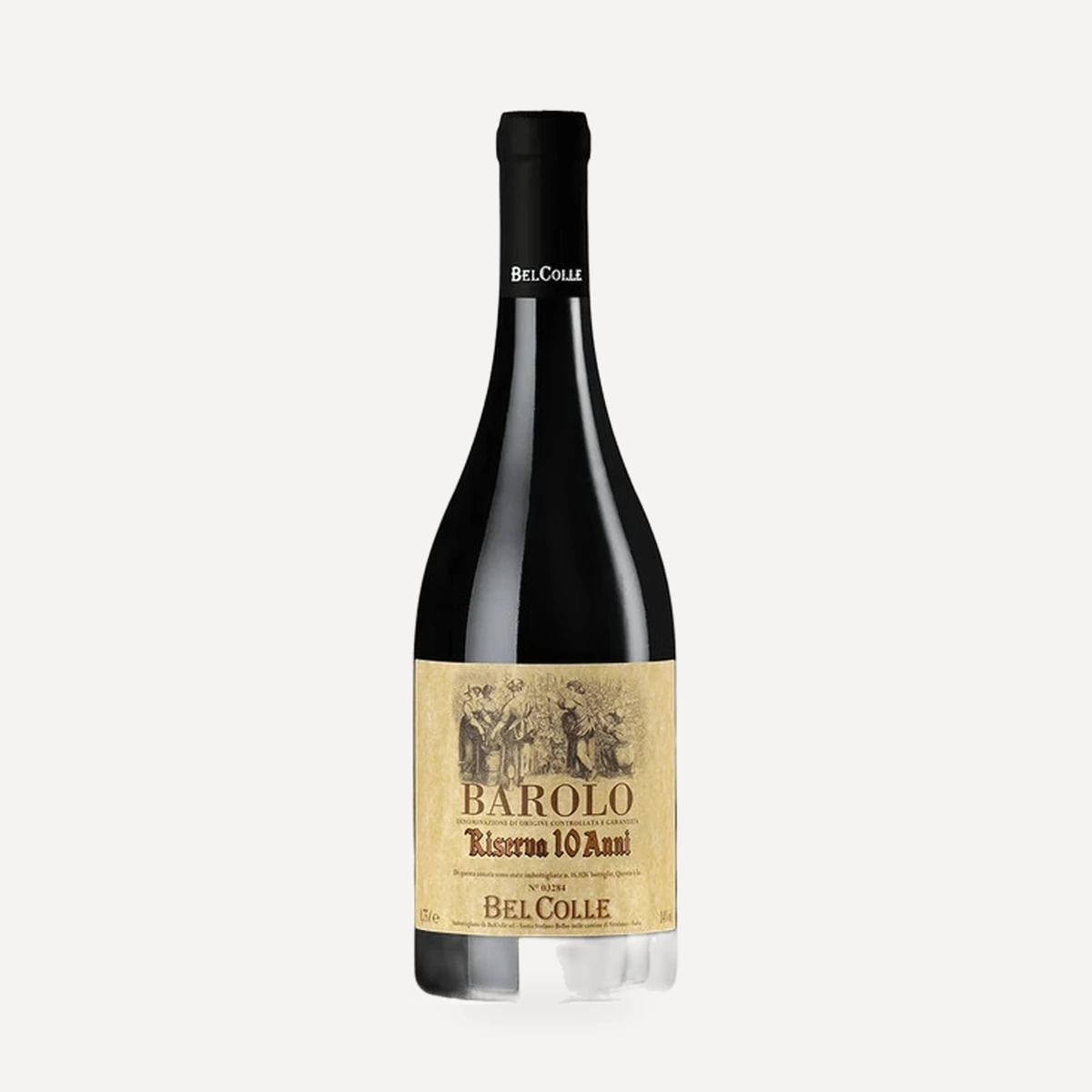
Barolo Riserva 10 anni DOCG
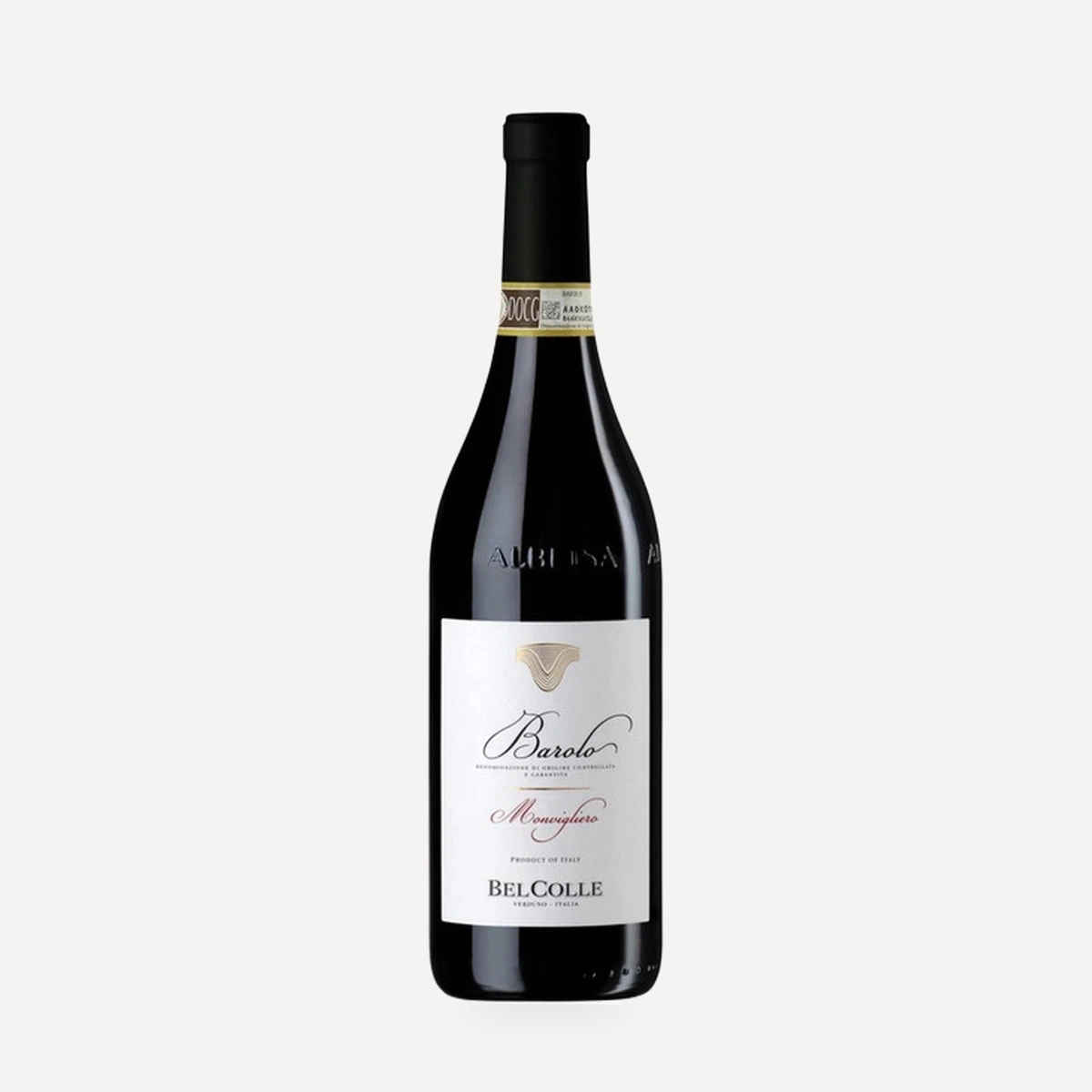
Barolo Monvigliero DOCG
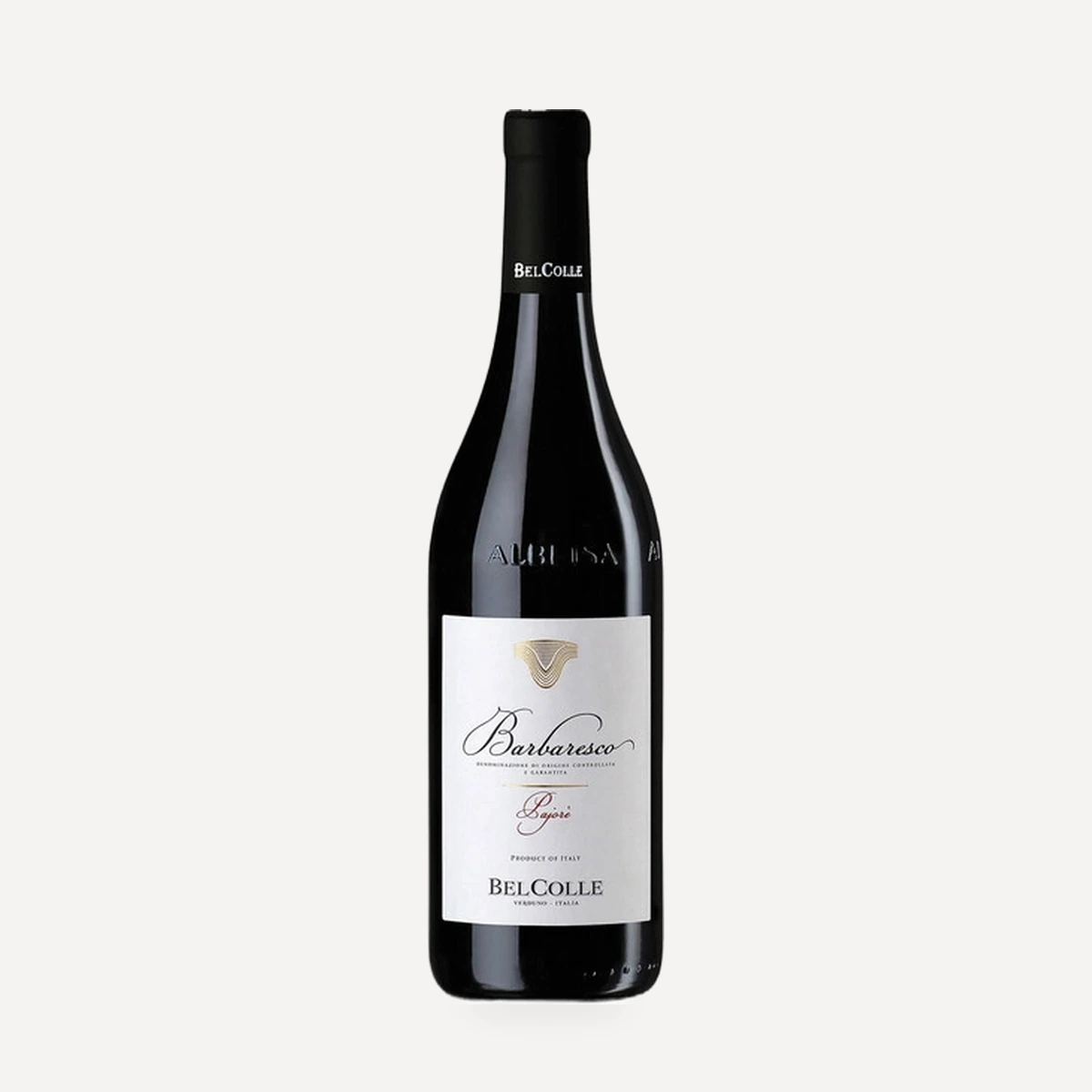
Barbaresco Pajorè DOCG
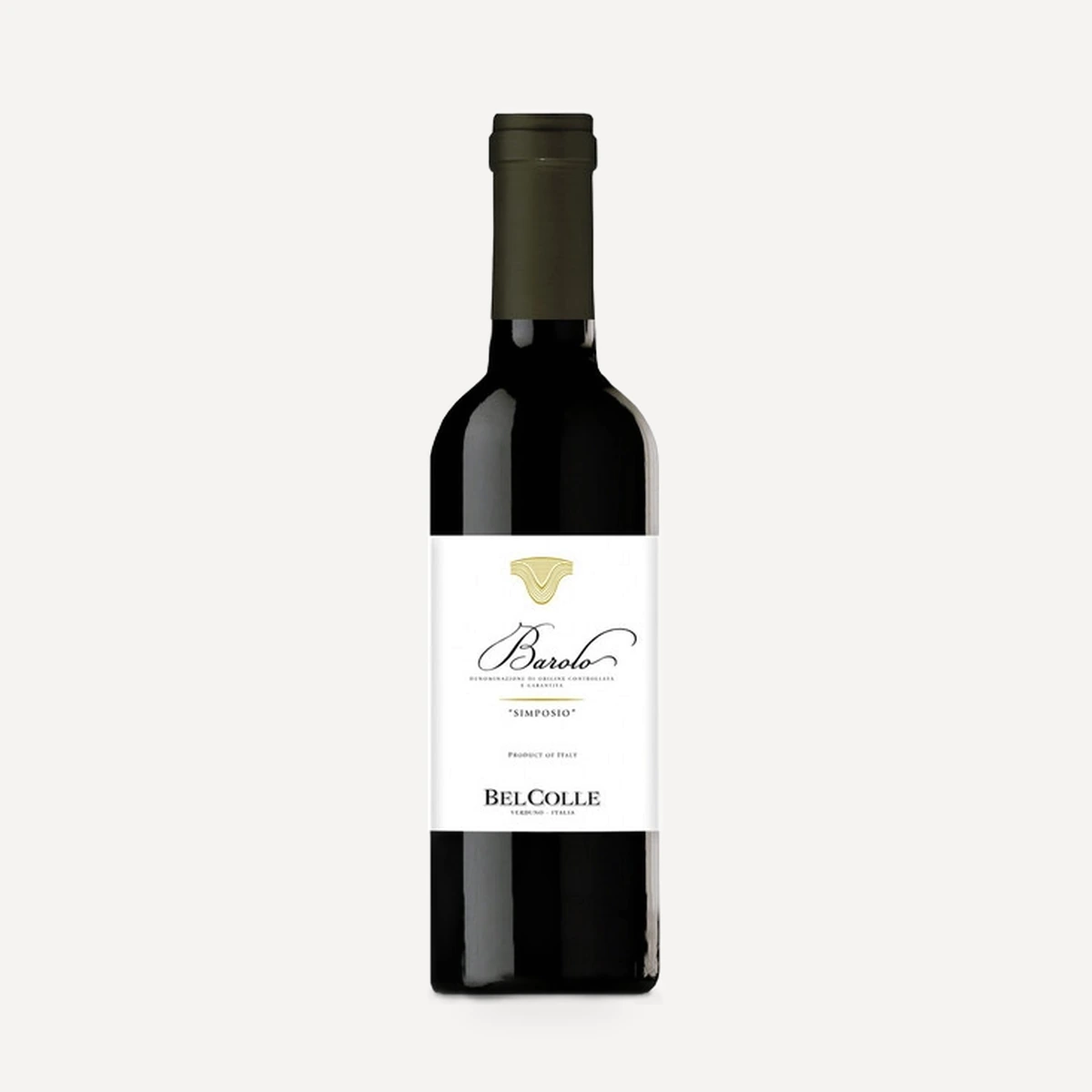
Barolo Simposio DOCG
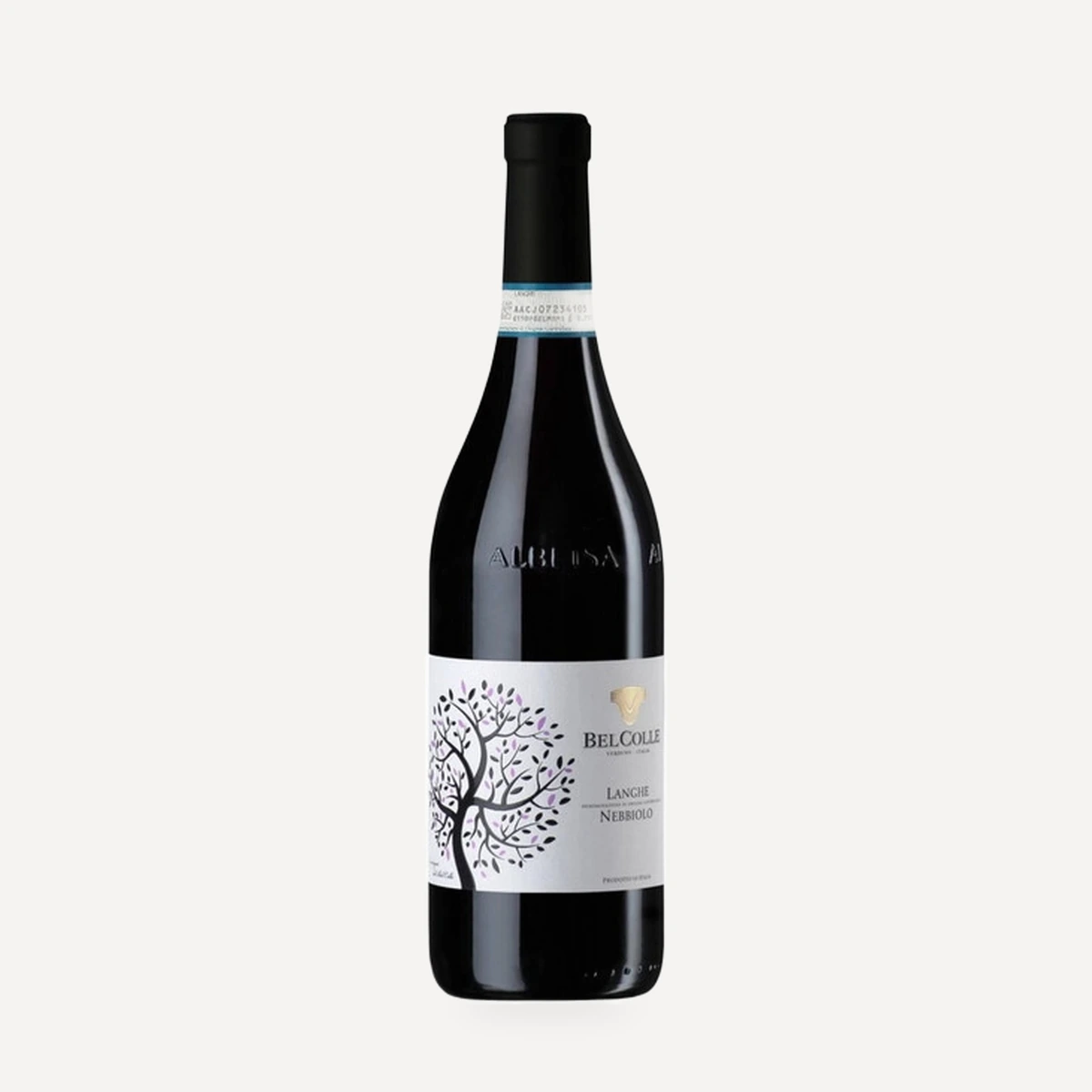
Langhe Nebbiolo DOC
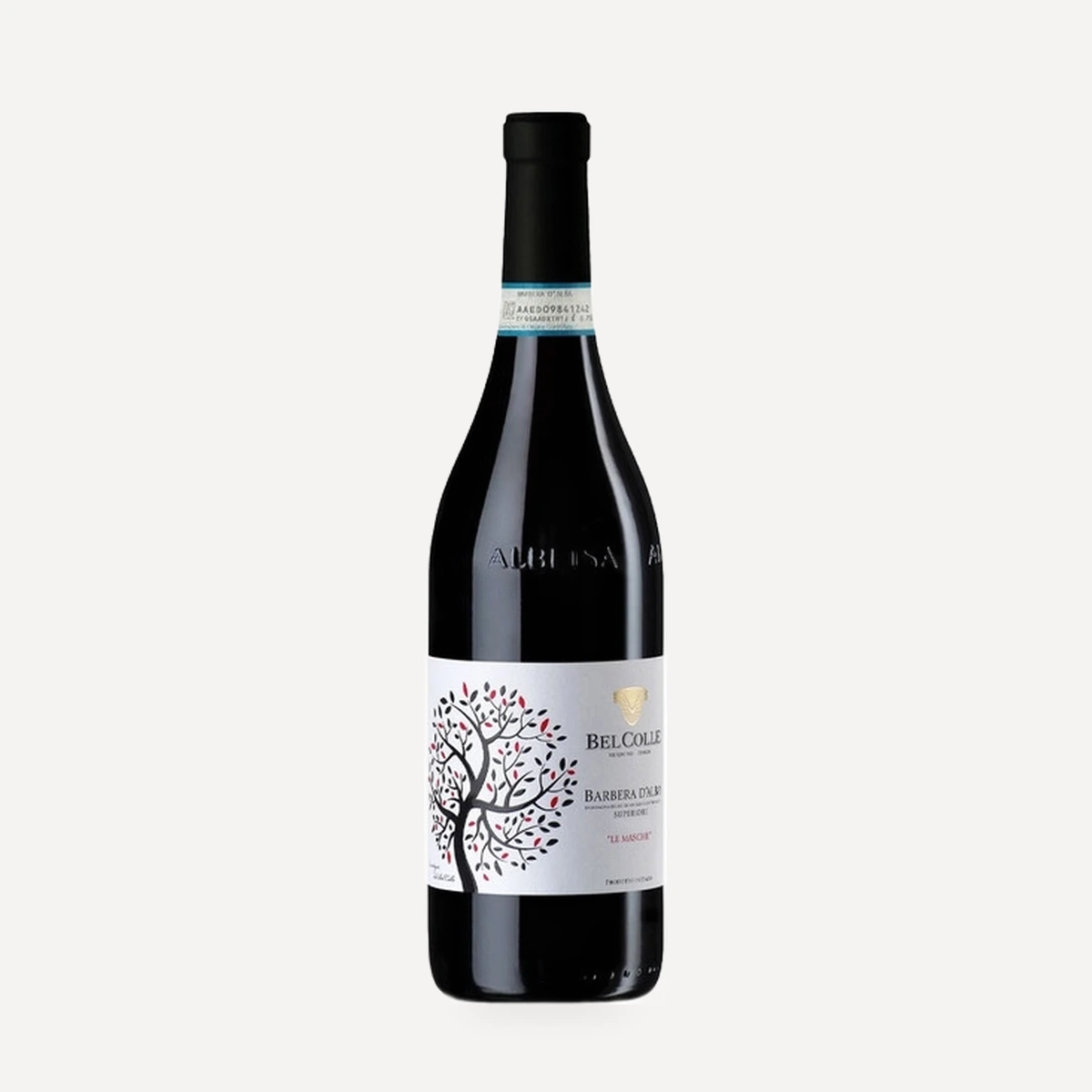
Barbera d’Alba Superiore Le Masche DOC
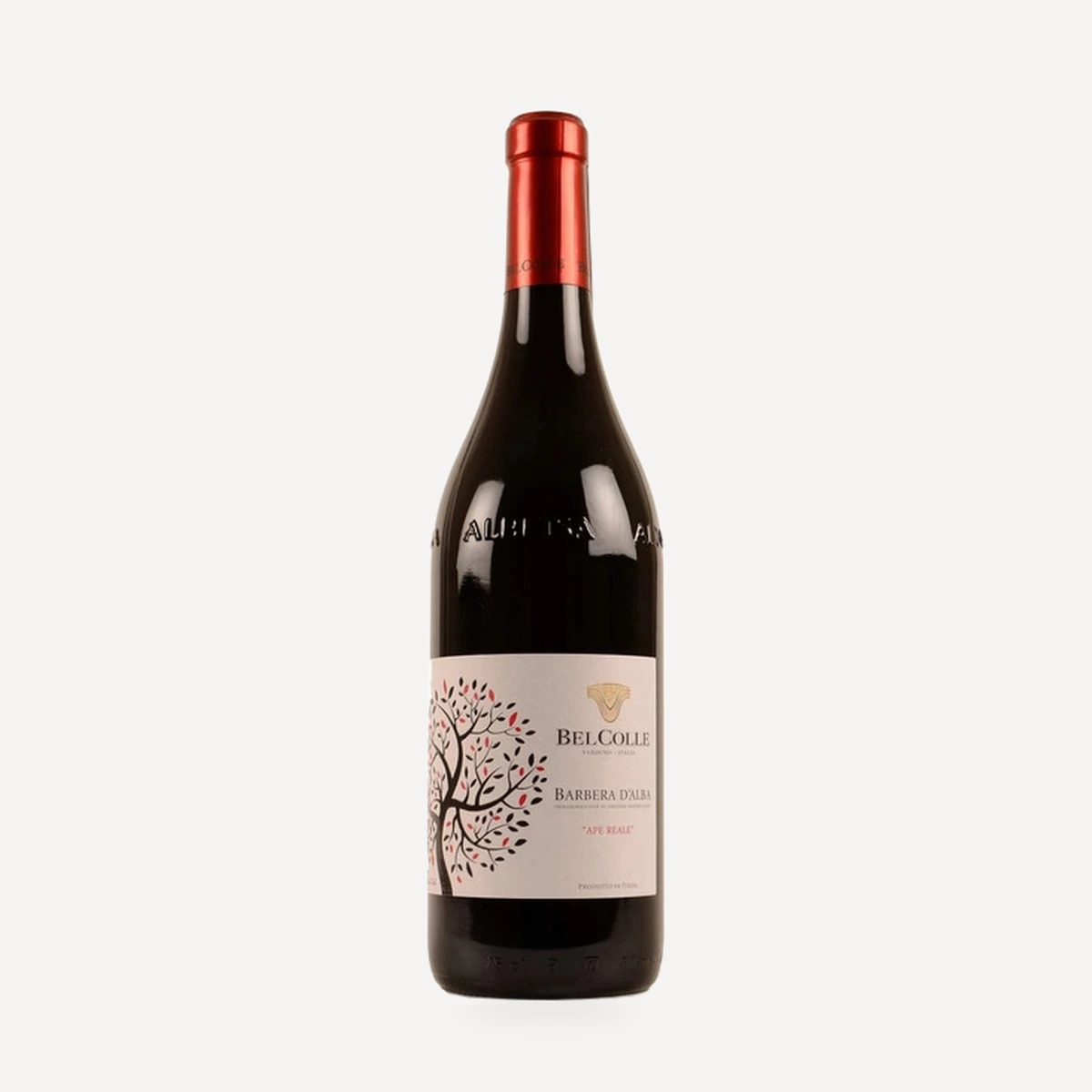
Barbera d’Alba Ape Reale DOC
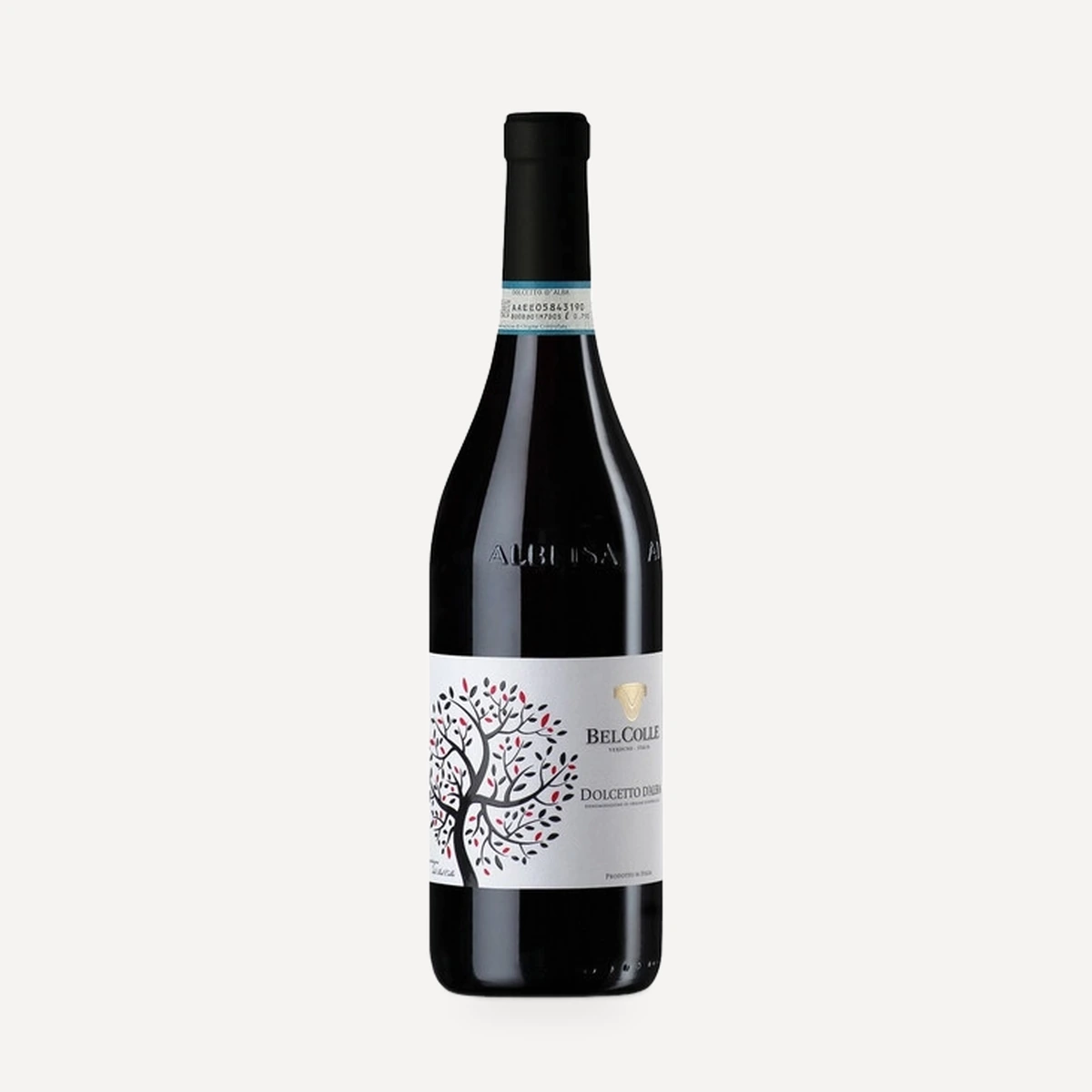
Dolcetto d’Alba DOC
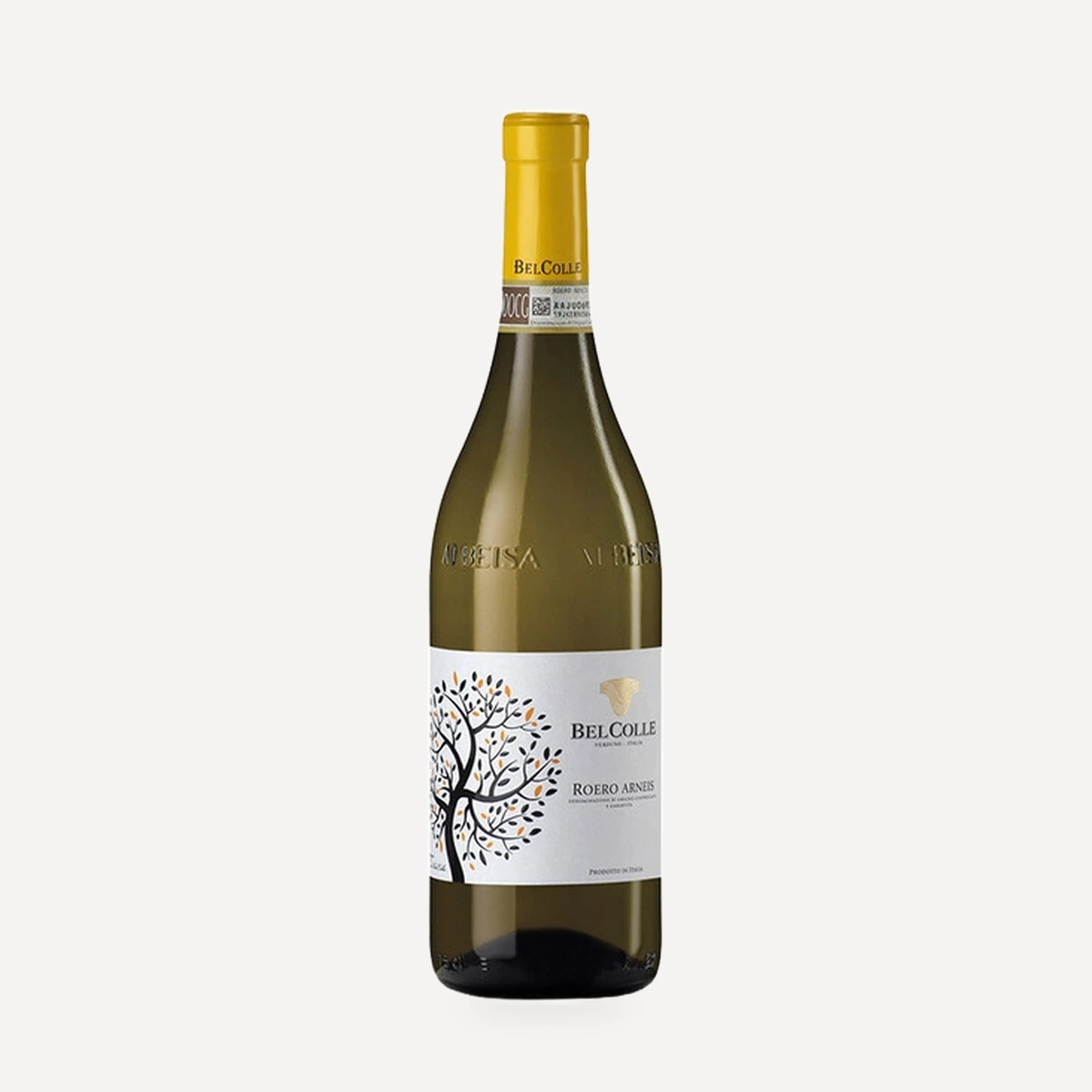
Roero Arneis DOCG
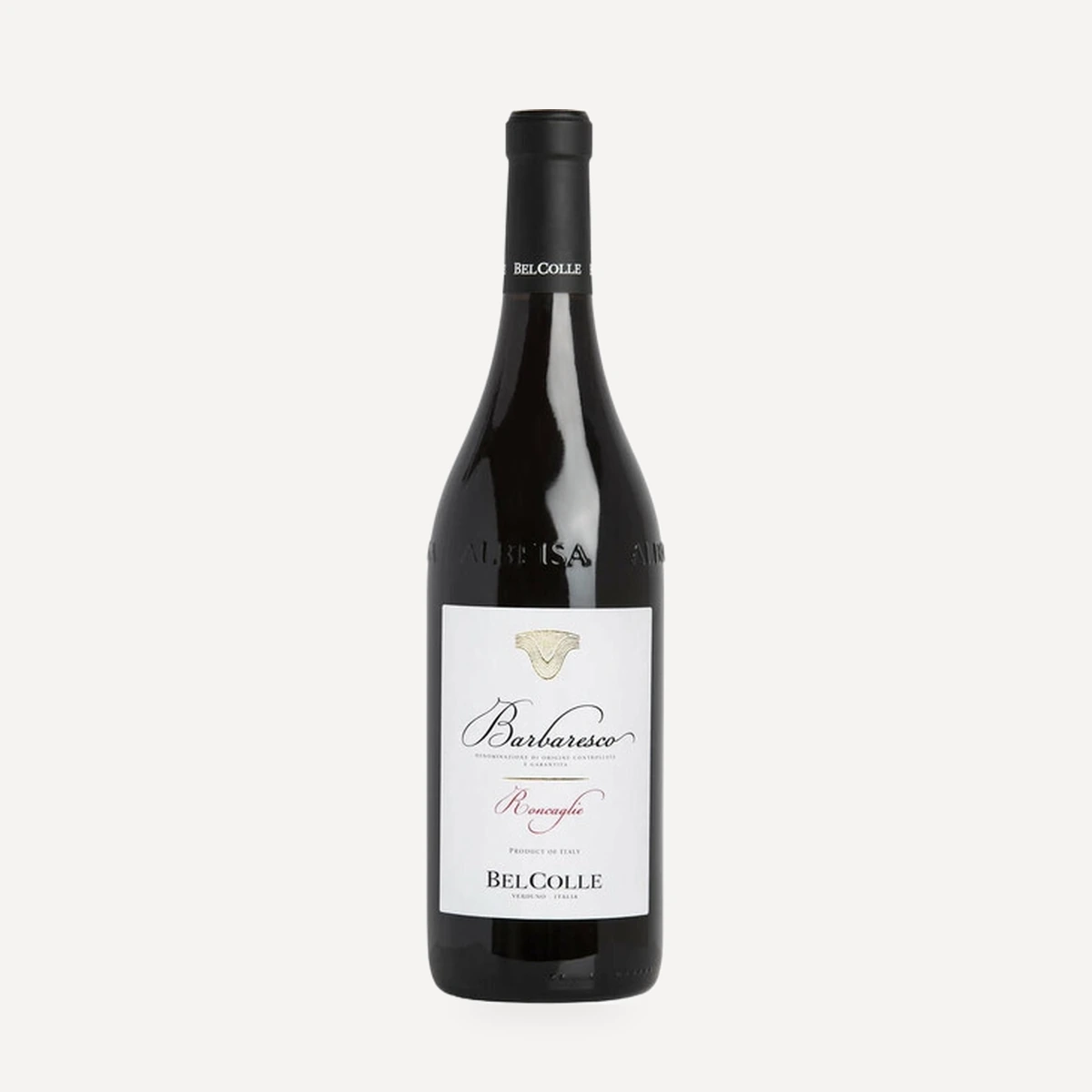
Barbaresco Roncaglie DOCG
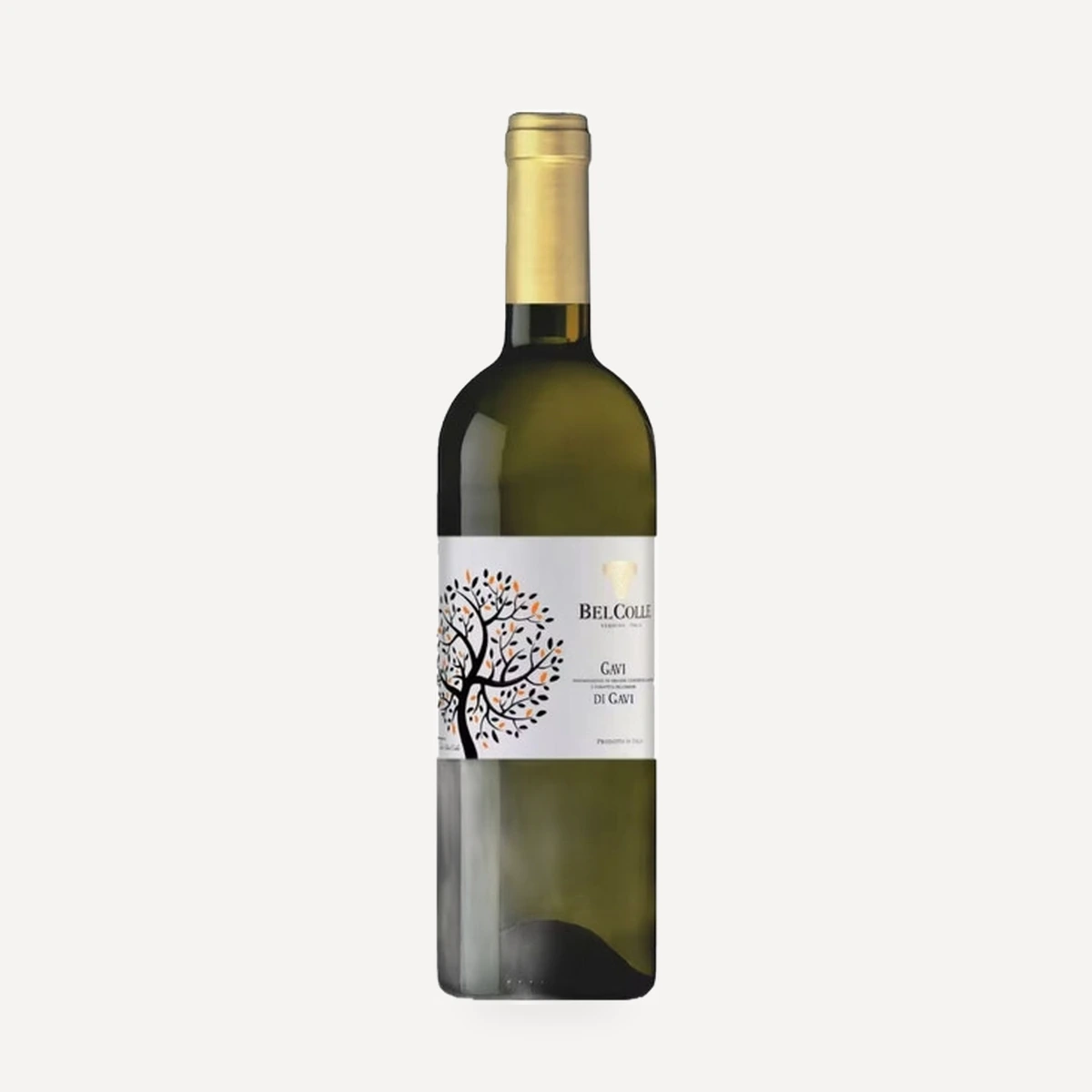
Gavi di Gavi DOCG
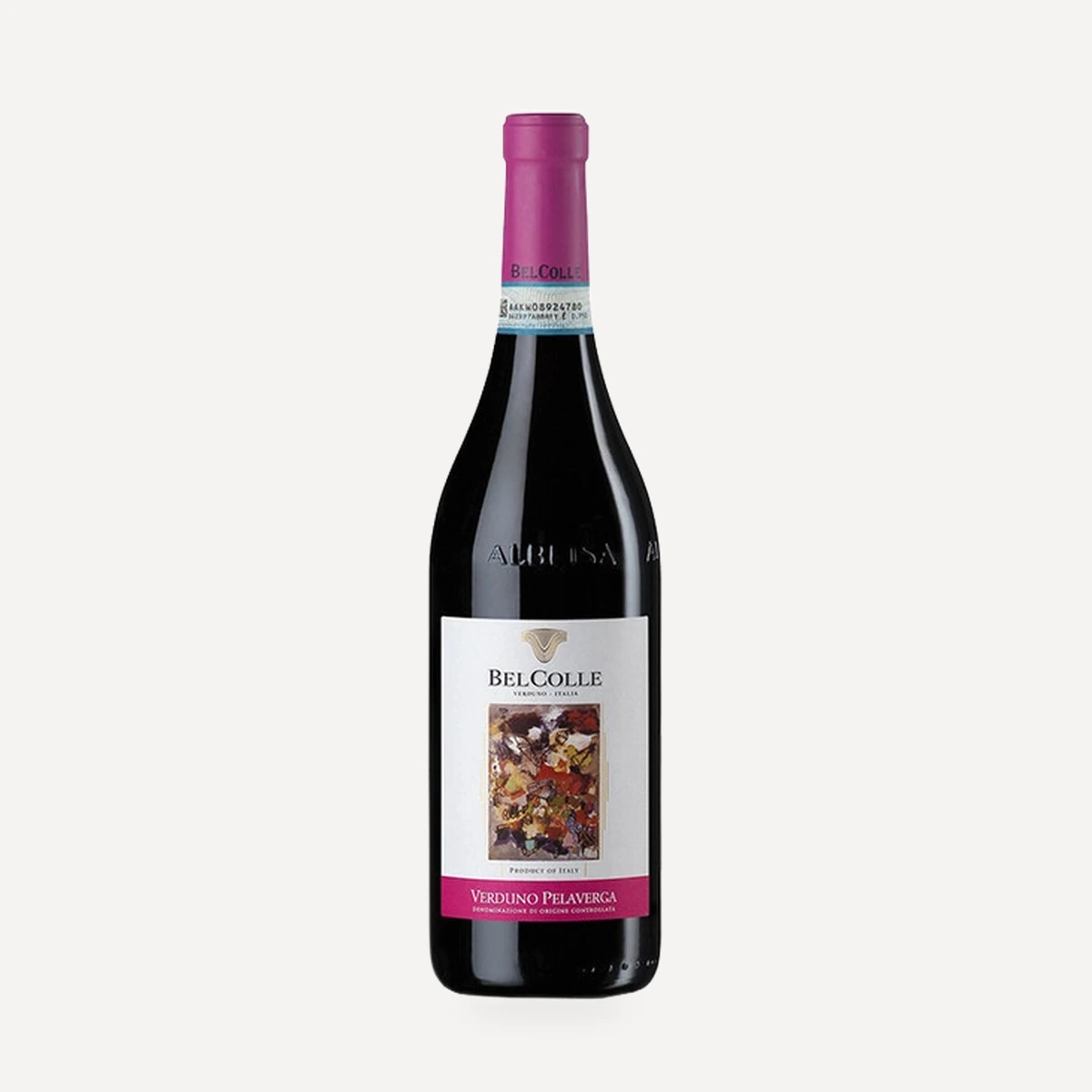
Verduno Pelaverga DOC