History
Origins and establishment
The Barale family’s winegrowing roots reach back to the period surrounding the creation of the Kingdom of Italy, when Barolo had only recently emerged in the Langhe through the efforts of the Marchesi Falletti and Camillo Benso, Count of Cavour. Francesco Barale, Sergio Barale’s great-grandfather, was among the early producers of Barolo.
The house dates its establishment to 1870, the birth year of Francesco’s son Carlo Barale. Carlo’s enterprise subsequently gave the family’s historic brand its identity.
Carlo Barale and Barale Rinaldi
Carlo married Margherita Rinaldi in 1900. For approximately the next twenty years he worked with his father-in-law in Barale Rinaldi, one of the early cellars established in the village of Barolo.
During the opening years of the twentieth century, Carlo acquired the present manor house in the centre of Barolo. He founded his own cellar there and later entrusted the business to his sons Giovanni Battista, Francesco and Giuseppe under the name Fratelli Barale.
Recognition and export
The family coat of arms incorporates the numerous medals received at international exhibitions from the end of the nineteenth century and during the early twentieth century. In 1934, Fratelli Barale became one of the first Italian cellars authorized to use the National Mark for the export of its wines.
Sergio, Eleonora and Gloria
Sergio Barale, Giuseppe’s son, inherited the family’s accumulated experience. His work included sustained research into the estate’s vineyard positions, experimental planting of Nebbiolo CN142 in Bussia and the recovery of an almost abandoned Pinot Nero vineyard as the basis for a traditional-method sparkling wine.
In 2013 the vineyards began conversion to organic cultivation. Sergio now passes the family tradition to his daughters Eleonora and Gloria. The business remains family-owned and based in the nineteenth-century manor house in Barolo, beside its underground ageing cellars and winemaking facilities.
Terroir
The holdings are distributed among Barolo, Monforte d’Alba and Neive, with additional fruit originating in Castellinaldo. Vineyard positions range from approximately 250 to 300 metres in current production descriptions, although historic holdings were recorded at elevations reaching 350 metres.
The hills contain marine-derived formations that emerged during the Miocene. Sergio Barale associates this ancient seabed with the trace elements underlying the changing expressions found from one hill to another.
Sant’Agata fossil marls recur in Castellero, Cannubi, Bussia, Preda and other Barolo-area holdings. The textures vary by site: calcareous silty-clay loam in Castellero; fossil marl with silty-clay-loam texture in Cannubi; calcareous sandy or silty soils in parts of Bussia; clay marls interspersed with grey-brown sand at Monrobiolo; and compact grey marl alternating with sand at Serraboella. Preda and Bussia include pale, lean soils selected for old Barbera vineyards.
Exposure is treated as a primary factor in matching varieties to sites. The Barolo vineyards generally face southeast, south or southwest. Historic holdings in Barolo, Castellero and Cannubi are associated with a more elegant, ethereal expression of Nebbiolo, while Bussia in Monforte d’Alba is associated with greater structure. The cooler, east-facing side of Bussia was historically used for Dolcetto.
Winemaking
All vineyards are cultivated organically, and the wines carry organic certification. Conversion began in 2013 as part of an effort to align viticulture with the surrounding environment.
Spontaneous vegetation is retained between the rows. Fertility is supported with natural manure, including manure from horses raised on the property. Weed control is performed manually, while copper and sulfur are the exclusive crop-protection materials identified. These practices are intended to maintain natural soil fertility and protect native flora and fauna; several also correspond to biodynamic principles.
Sites are selected and planted according to each variety’s requirements and the geological shape of the hills. Low Guyot is the principal training system, generally at densities of 3,500–4,500 vines/ha; some Barbera and Dolcetto blocks reach 5,000 vines/ha. Chardonnay and Pinot Nero may be trained to spur-pruned cordon.
Massal selection has preserved old Nebbiolo material in Castellero, particularly Michet and Rosè, alongside Lampia. This material was used to establish Monrobiolo in 2014. The estate has also experimented with Nebbiolo CN142 in Bussia.
Harvesting is manual, with careful selection of bunches. White and sparkling-wine varieties are generally gathered in early September; Dolcetto follows during September, while Nebbiolo and Barbera are picked in October. Exact timing is adapted to the individual vineyard and intended style.
The nineteenth-century manor house in central Barolo serves as the administrative and commercial headquarters. Winemaking facilities and historic underground ageing cellars stand beside it. Traditional cellar practices are integrated with modern equipment, with a stated preference for preserving varietal and site character.
Red grapes are generally softly crushed and destemmed. Fermentation may take place spontaneously with indigenous yeasts in oak vats or stainless-steel tanks. Recorded red-wine temperatures range from 25 to 27 °C, with macerations from approximately one week to 15–30 days depending on the material. Extraction relies on frequent, gentle wetting or pumping over of the cap.
Nebbiolo intended for the principal appellations matures in medium-sized French-oak casks of 15–30 hl, generally with only the essential rackings. Ageing periods range from two years for Barbaresco to approximately 30 months or three years for Barolo. Bottle maturation commonly follows for at least 12 months. The Bussia Riserva selection receives further maturation in vitrified concrete tanks and/or glass demijohns. Several red wines are bottled without filtration or other pre-bottling intervention.
Barbera may ferment in oak or steel and mature in 500-litre tonneaux. Dolcetto is fermented in steel and may undergo a short period in medium-sized oak to encourage malolactic fermentation. Langhe Nebbiolo receives a shorter period in medium-sized oak followed by bottle ageing.
White grapes undergo cold treatment or maceration followed by gentle pressing and static clarification. Fermentation takes place in stainless steel at approximately 16–18 °C; Chardonnay may complete fermentation and spend 12 months in 500-litre tonneaux with regular bâtonnage. Arneis is briefly matured in steel with bâtonnage before bottling.
Traditional-method sparkling production includes two to three days of cold maceration, gentle pressing, cold static settling and fermentation in steel at 16–18 °C. Cold stabilization and lees ageing in steel with bâtonnage precede bottling in the autumn after harvest, using fresh must from the new vintage to initiate the second fermentation. Bottles mature in the underground cellars for at least 36 months on the lees. Remuage is performed by hand on traditional pupitres; the current style is zero dosage.
Barolo Chinato is based on Barolo aged for at least ten years, infused with china calisaia bark, rhubarb root, gentian, cinnamon and other herbs, fortified to 17% alcohol and rested for at least one year in 700-litre oak barrels. Grappa di Barolo is distilled from fermented Nebbiolo pomace in traditional discontinuous steam stills and matured for 12 months in 500-litre tonneaux.
Philosophy
The family places the vineyard at the centre of quality and regards each wine as an expression of its grape variety and precise place of origin. Sites are matched to the needs of individual varieties and planted with respect for the hills’ geological form.
Its self-described “Green Resistance” expresses a commitment to protecting the territory and those who inhabit it. Consumer health, native flora and fauna, natural soil vitality and the long-term integrity of the landscape are treated as connected priorities. Organic cultivation and practices aligned with biodynamic principles form the practical basis of this position.
The cellar philosophy combines inherited methods with modern technology while favouring gentle handling and time. The objective is harmony rather than a strongly imposed cellar style, allowing variety and origin to remain prominent. Historic underground cellars, medium-sized vessels, restrained racking and the avoidance of unnecessary pre-bottling treatments support that approach.
The family also treats genetic diversity as part of its heritage. Massal selection has kept old Michet and Rosè Nebbiolo material in cultivation, while research into vineyard positions and selected modern material such as CN142 reflects a willingness to experiment without abandoning territorial identity.
Continuity is a central family value: Sergio Barale’s work develops the experience inherited from Giuseppe and earlier generations while preparing Eleonora and Gloria to carry it forward.
Wines
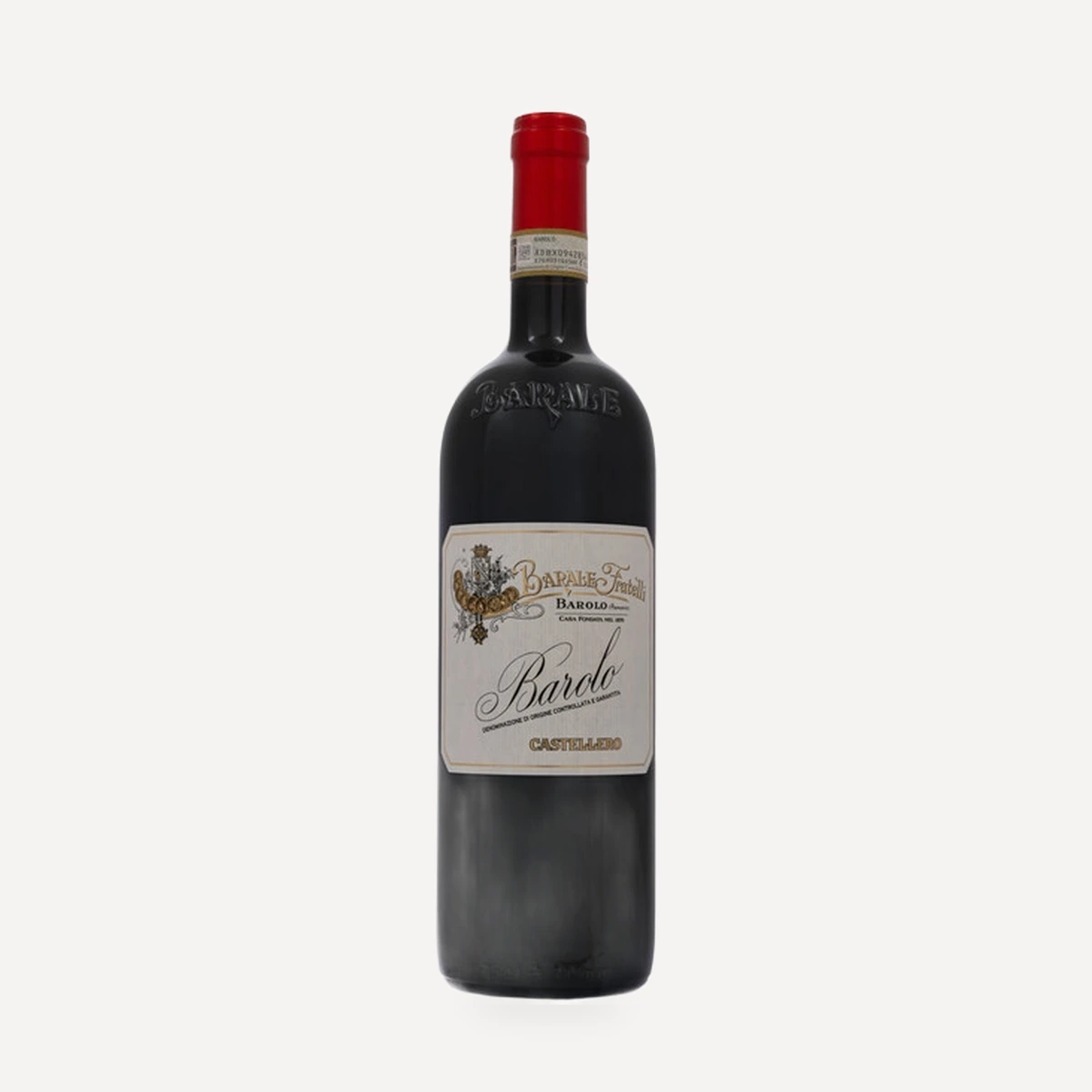
Barolo Castellero DOCG
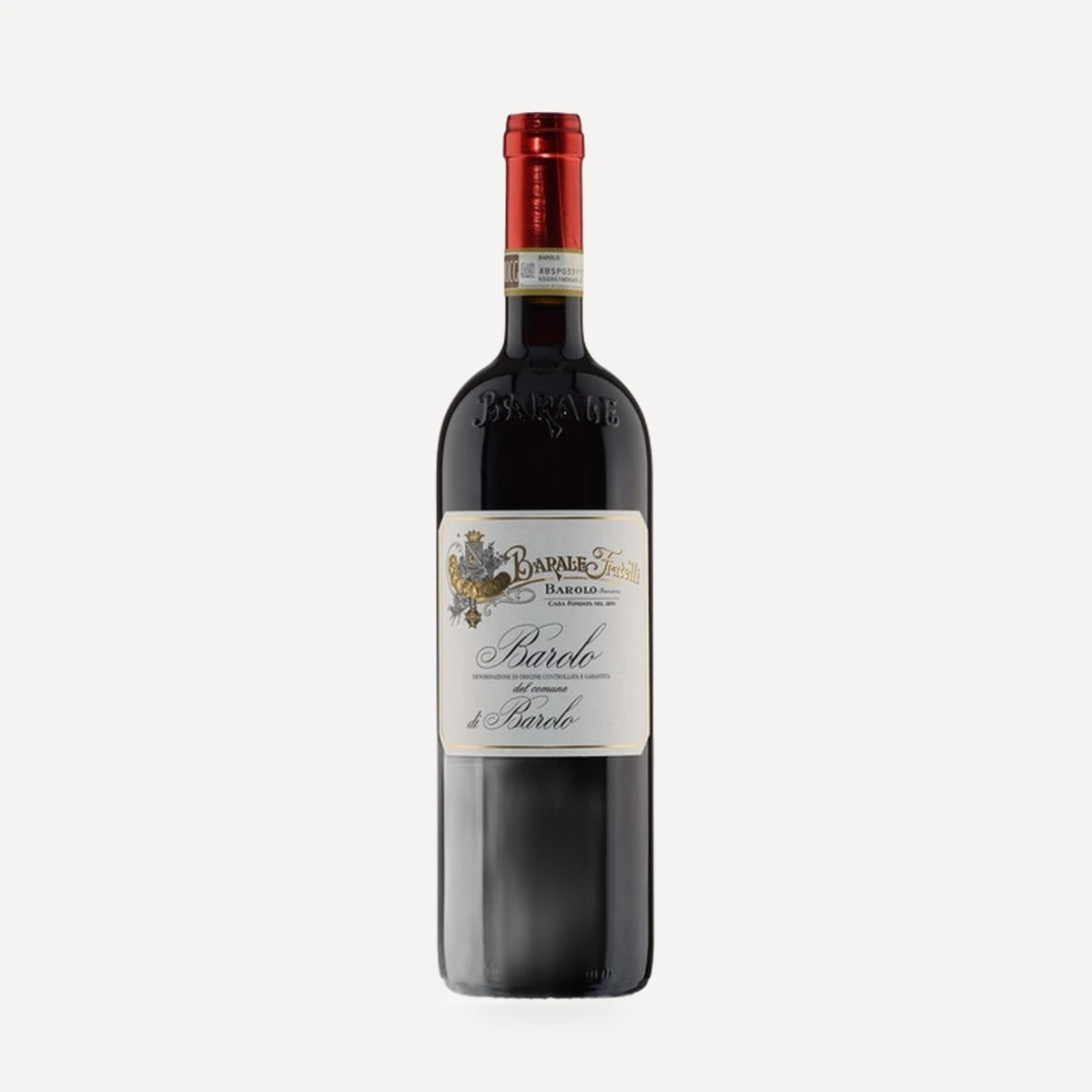
Barolo del Comune di Barolo DOCG
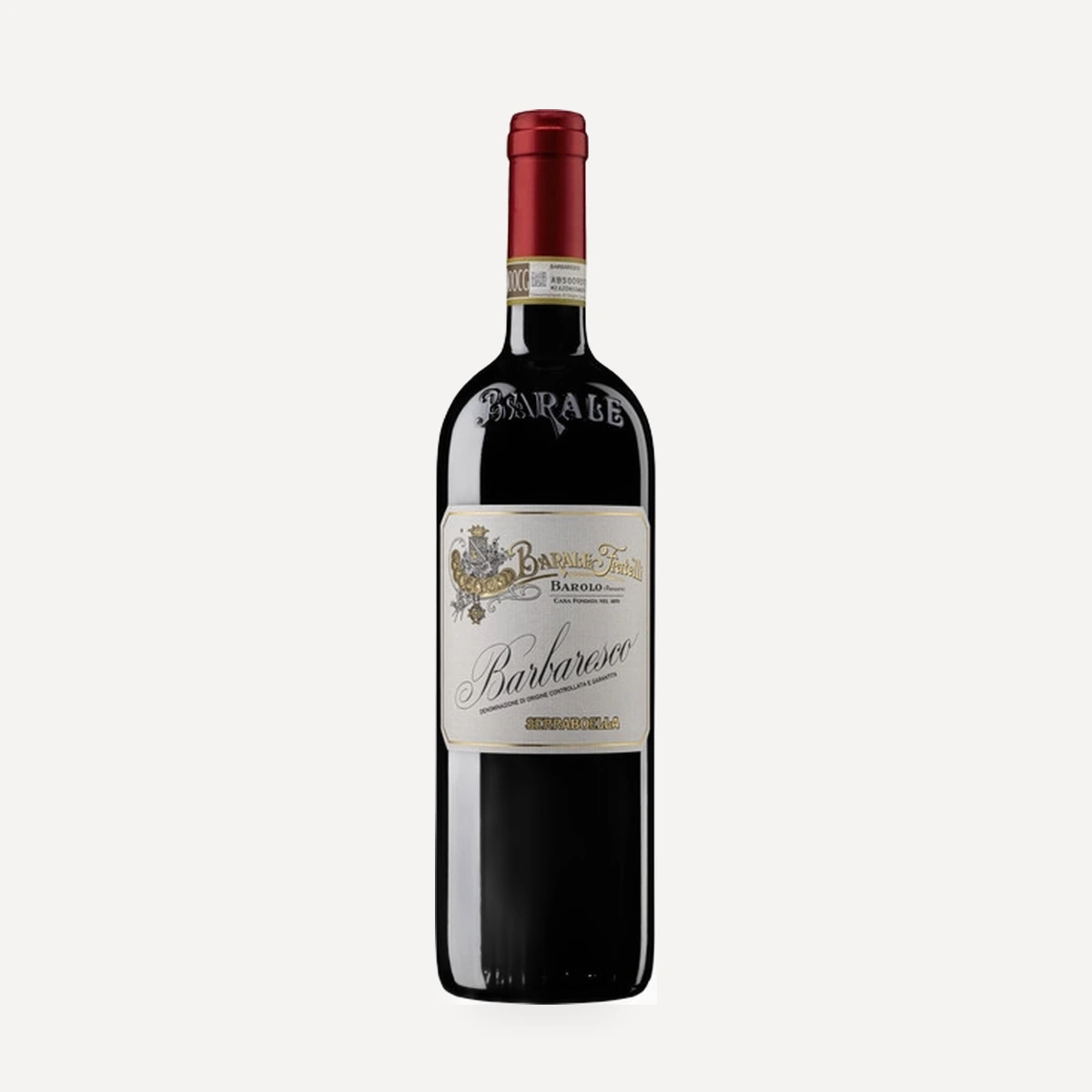
Barbaresco Serraboella DOCG
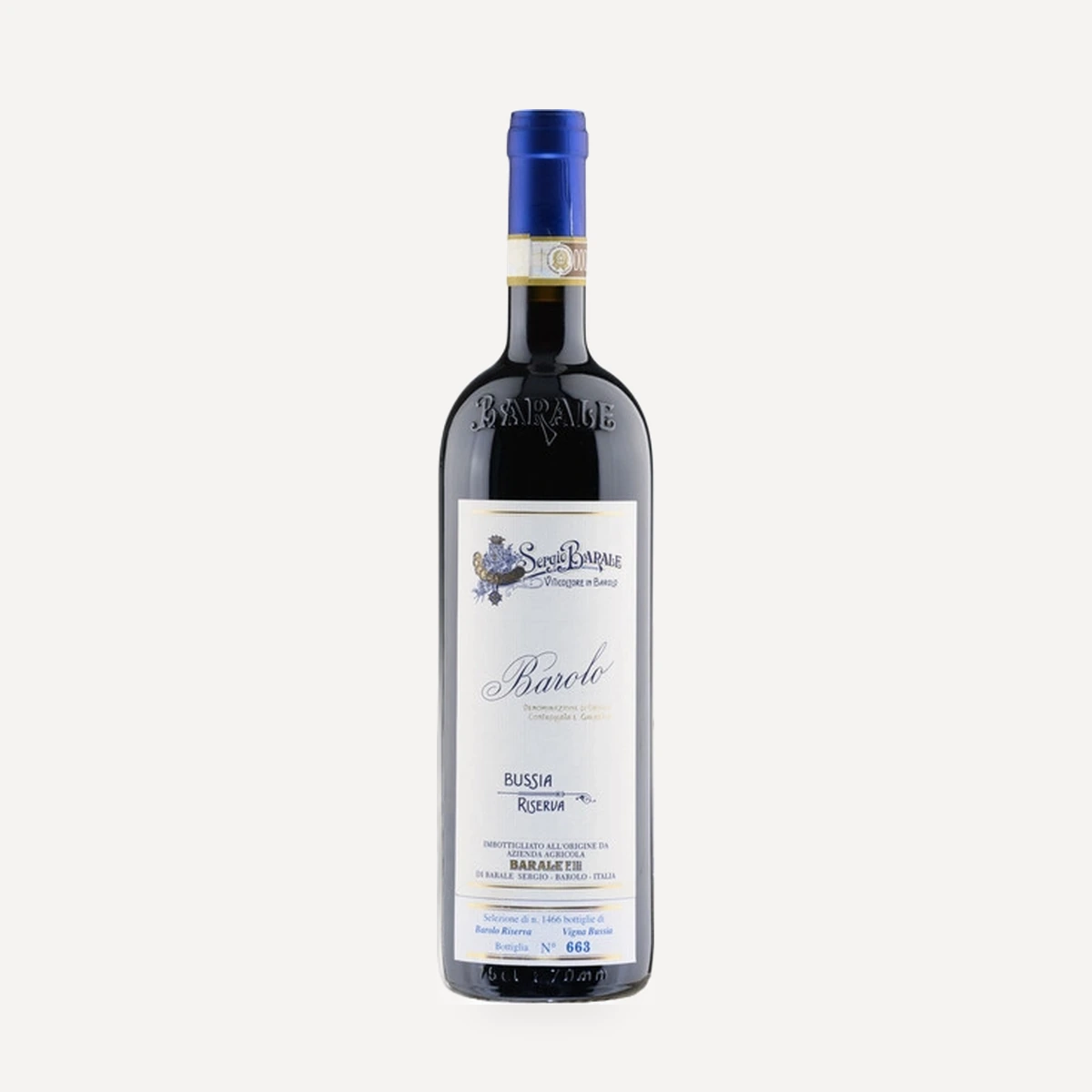
Barolo Riserva Bussia DOCG
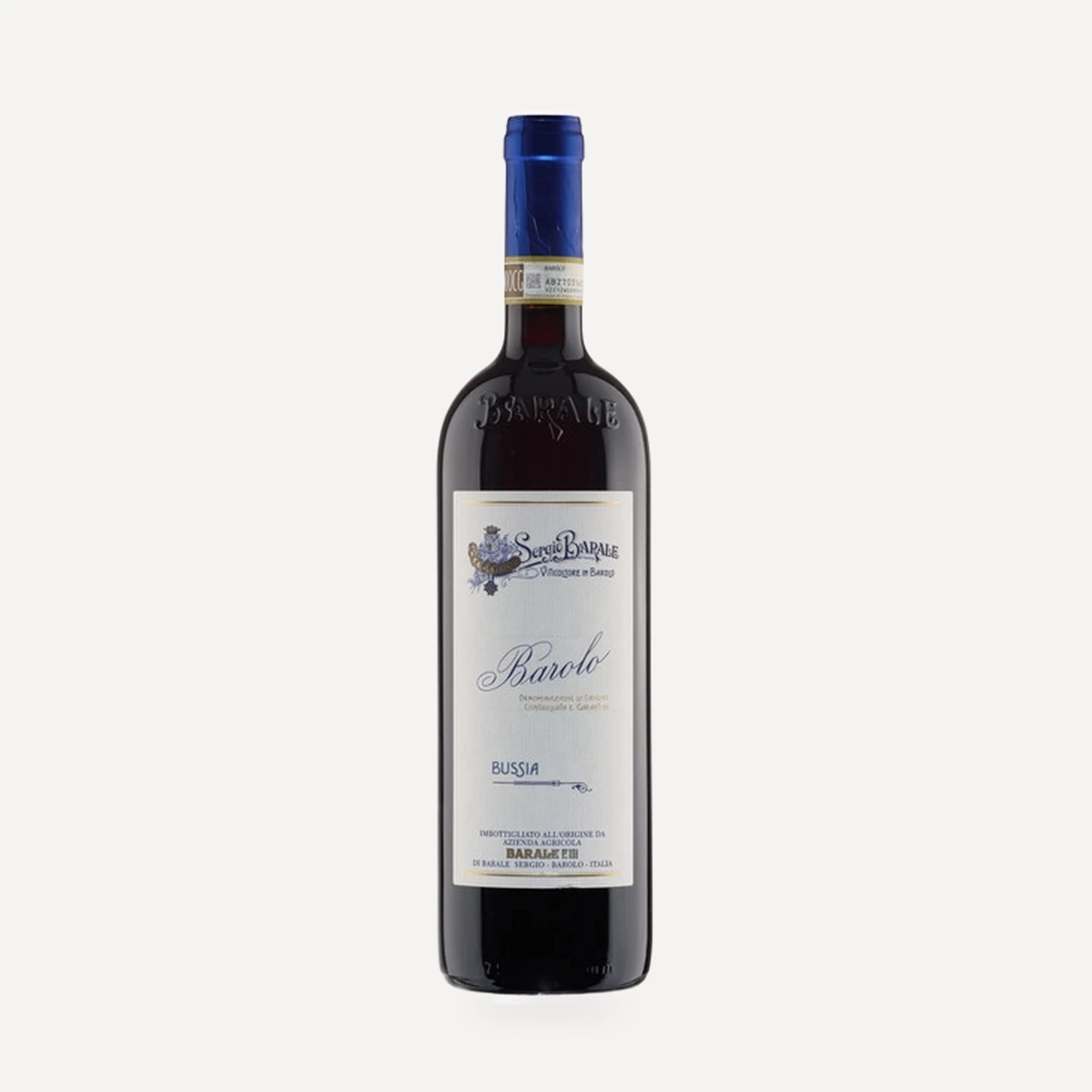
Barolo Bussia DOCG
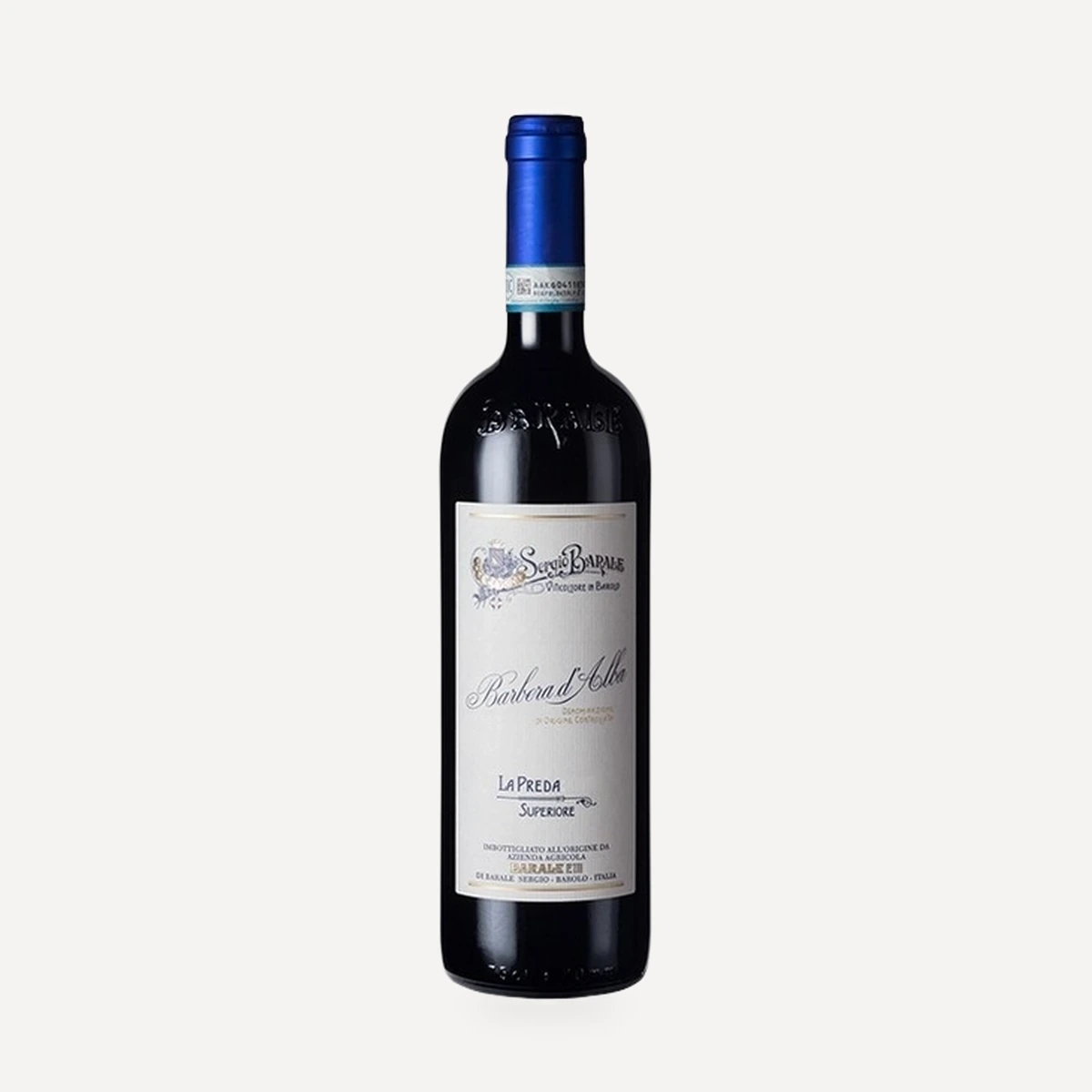
Barbera d’Alba La Preda DOC
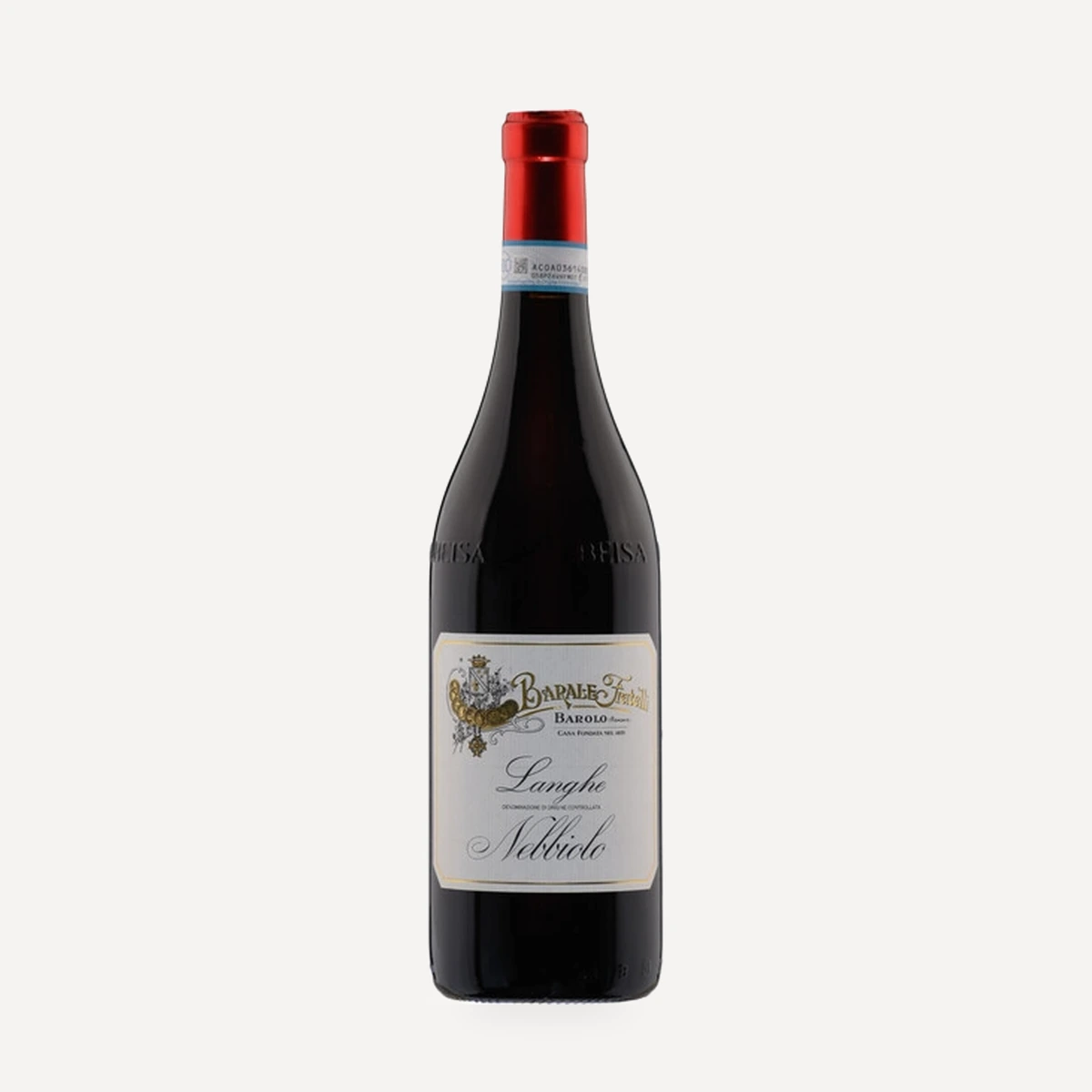
Langhe Nebbiolo DOC
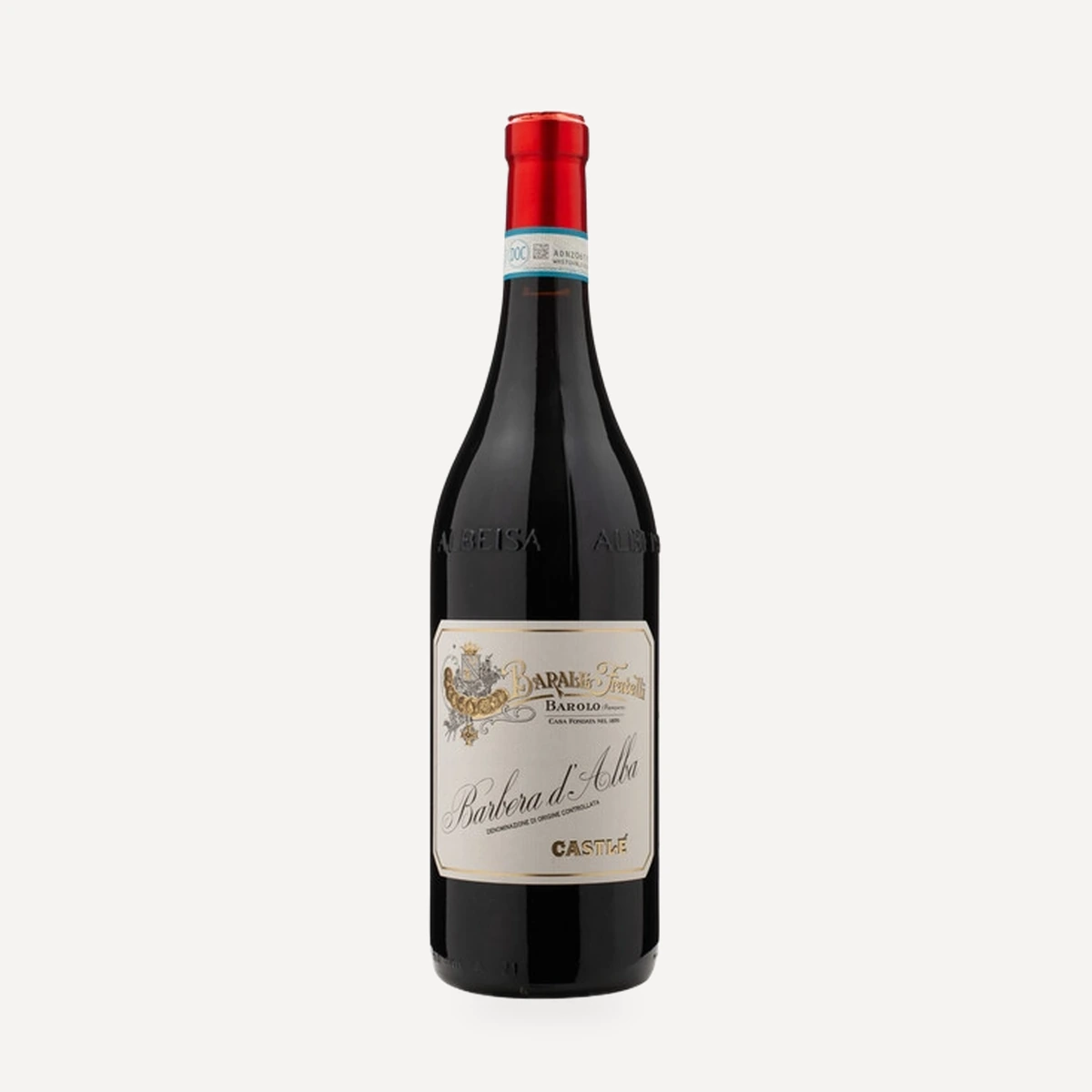
Barbera d’Alba Castlé DOC
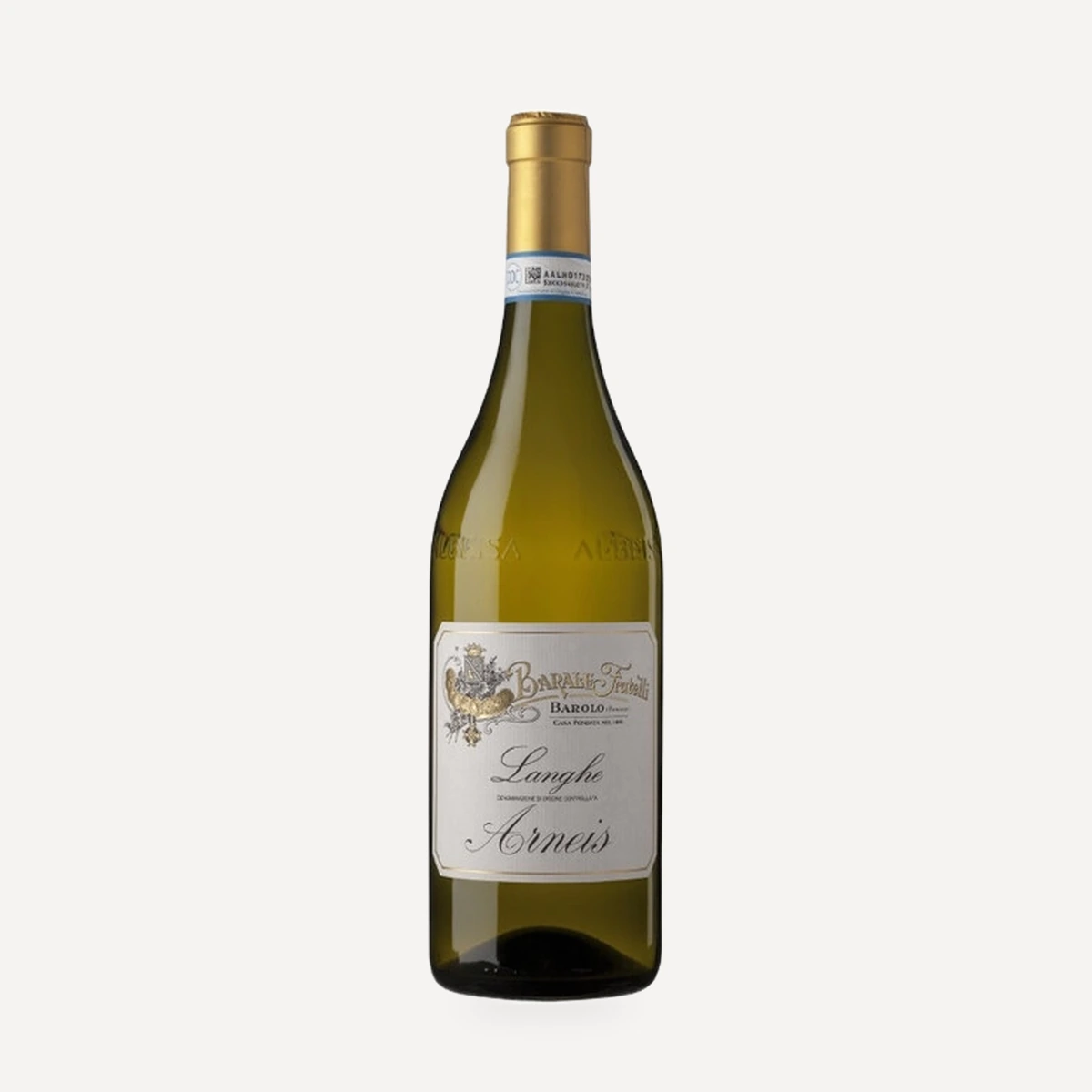
Langhe Arneis DOC
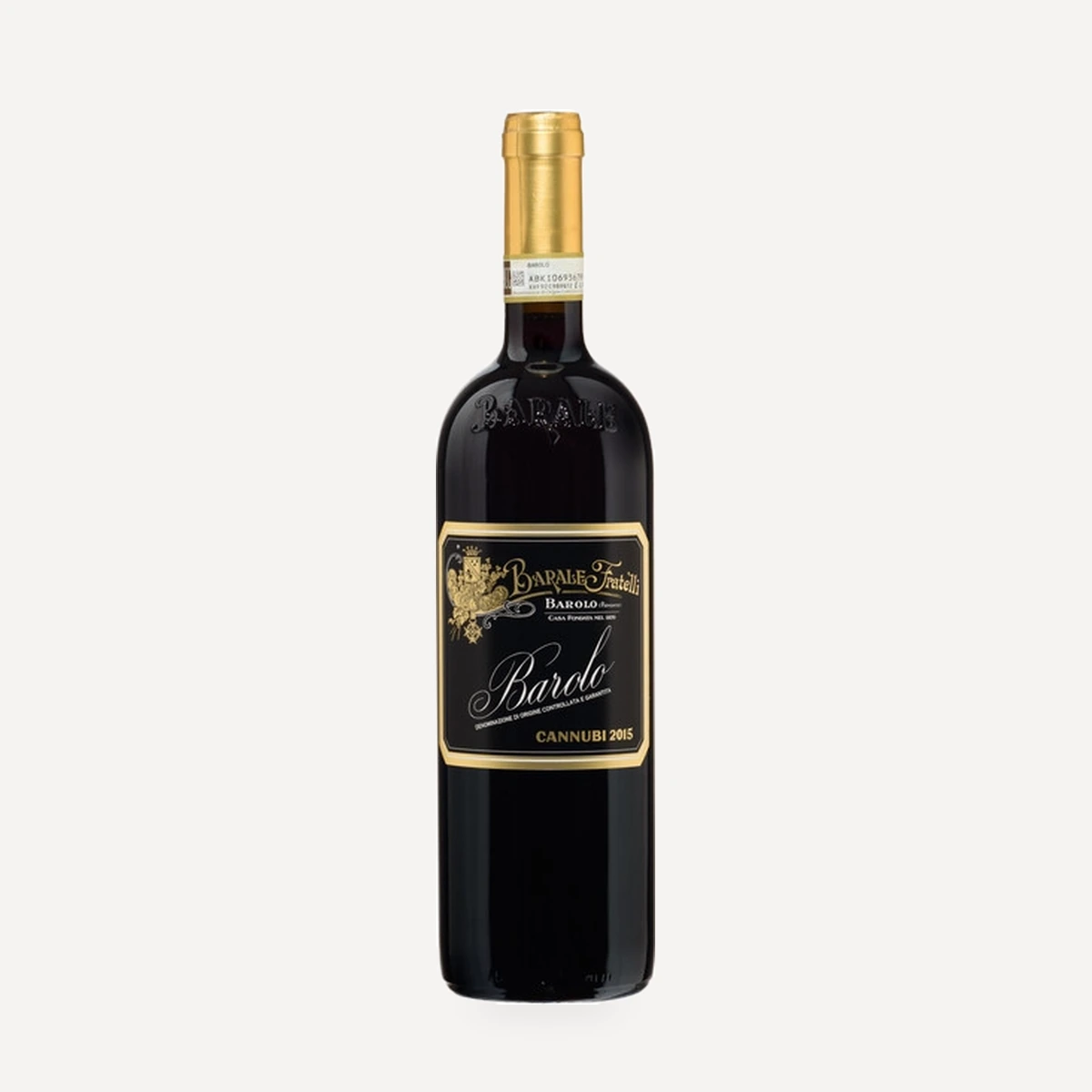
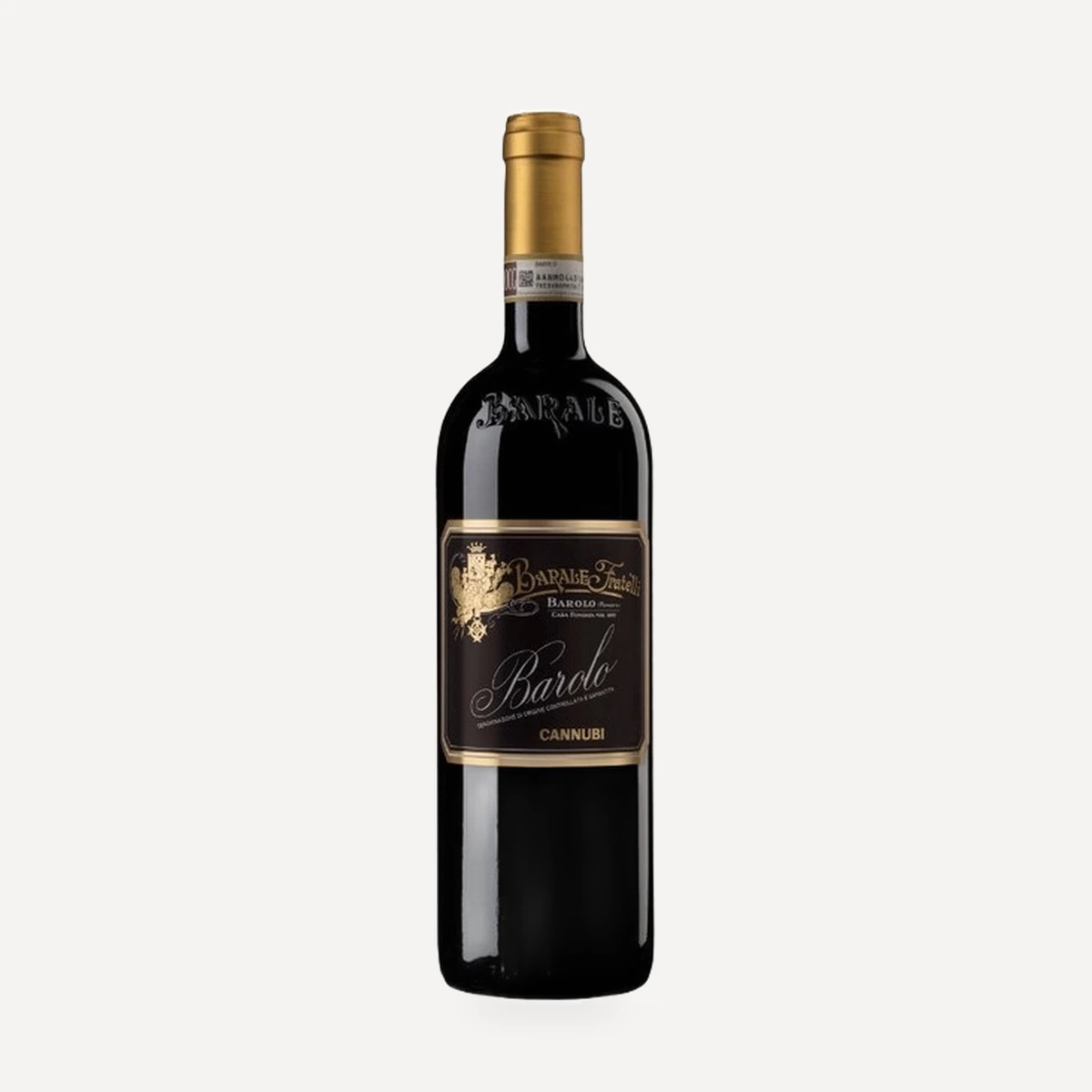
Barolo Cannubi DOCG
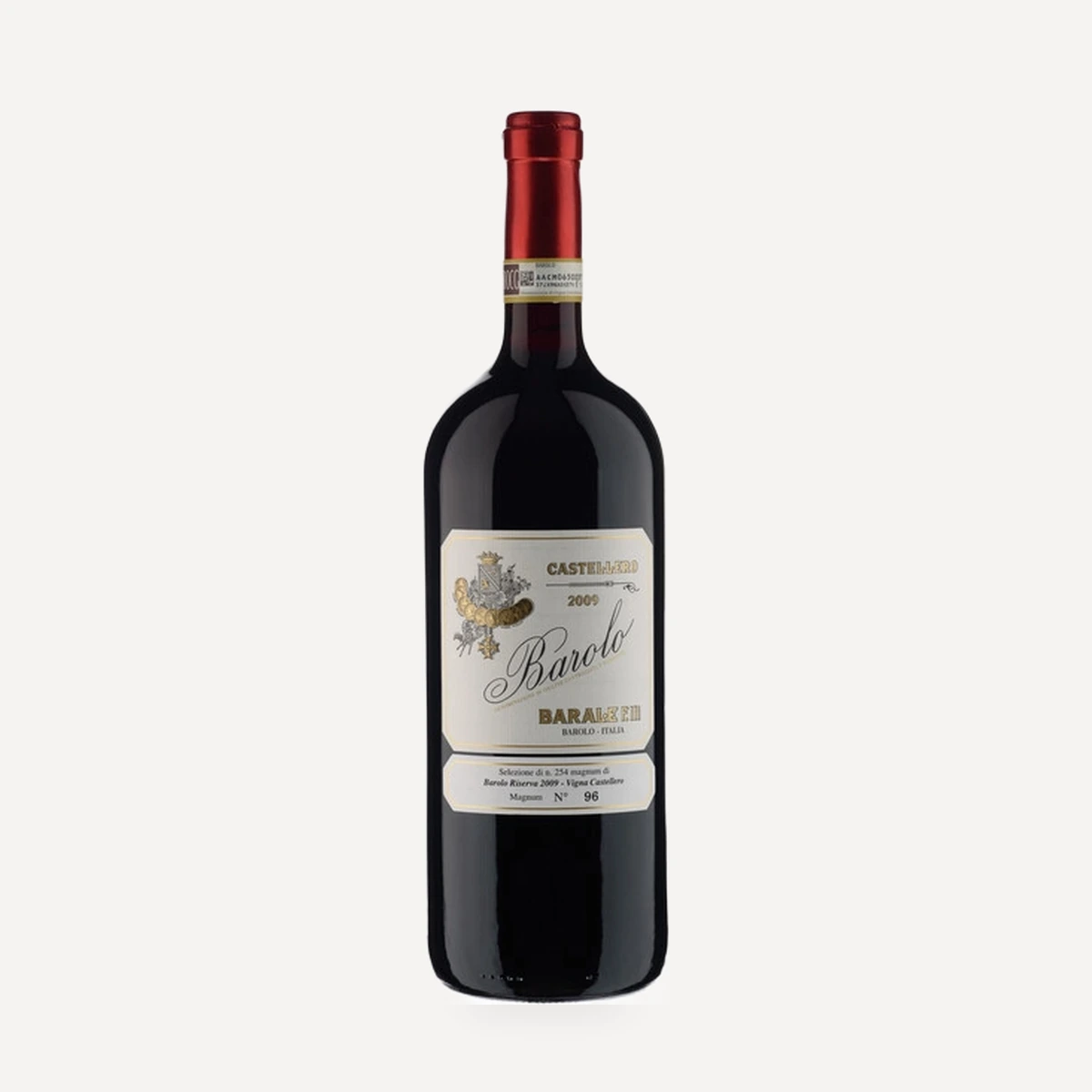
Barolo Vigna Castellero Riserva DOCG
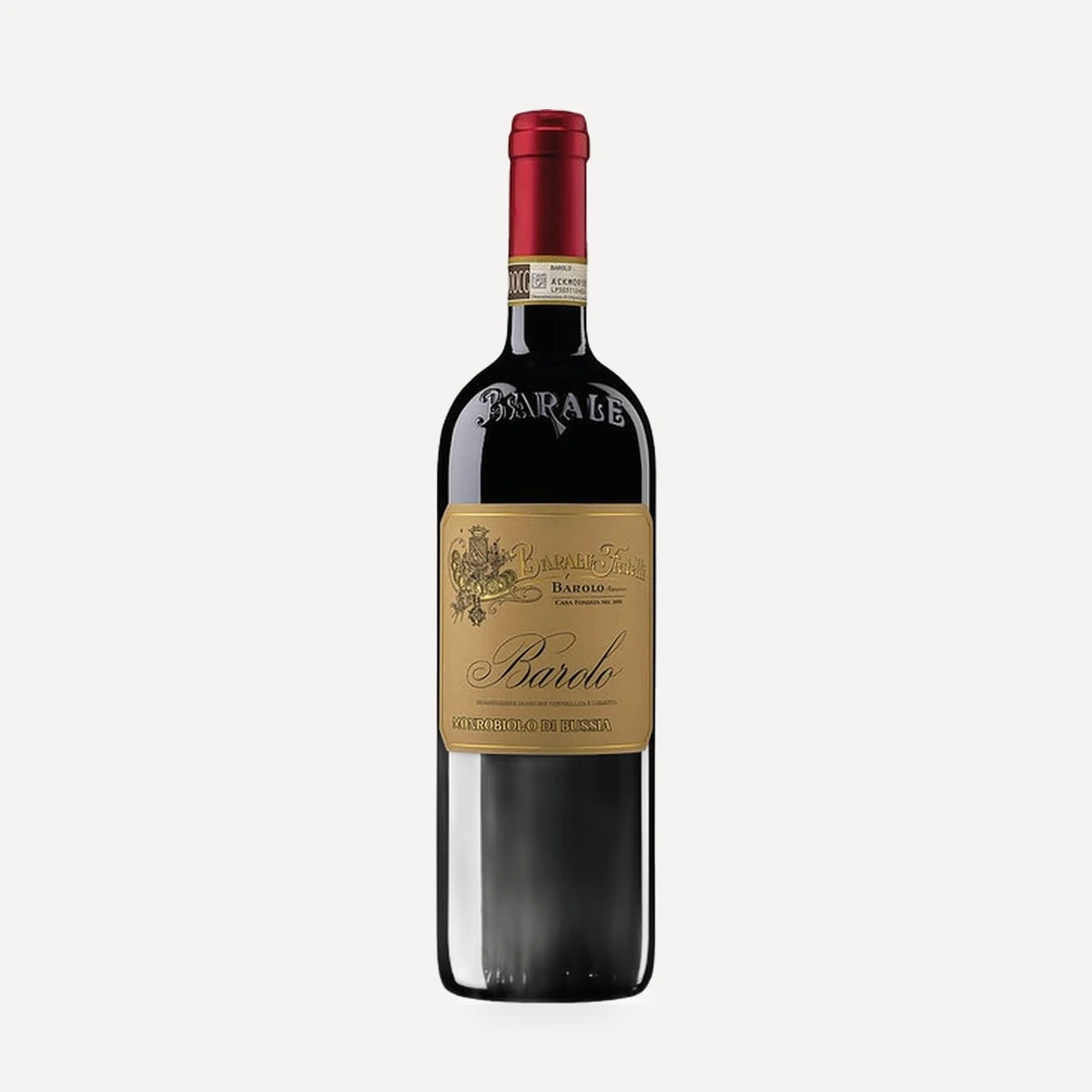
Barolo Monrobiolo di Bussia DOCG
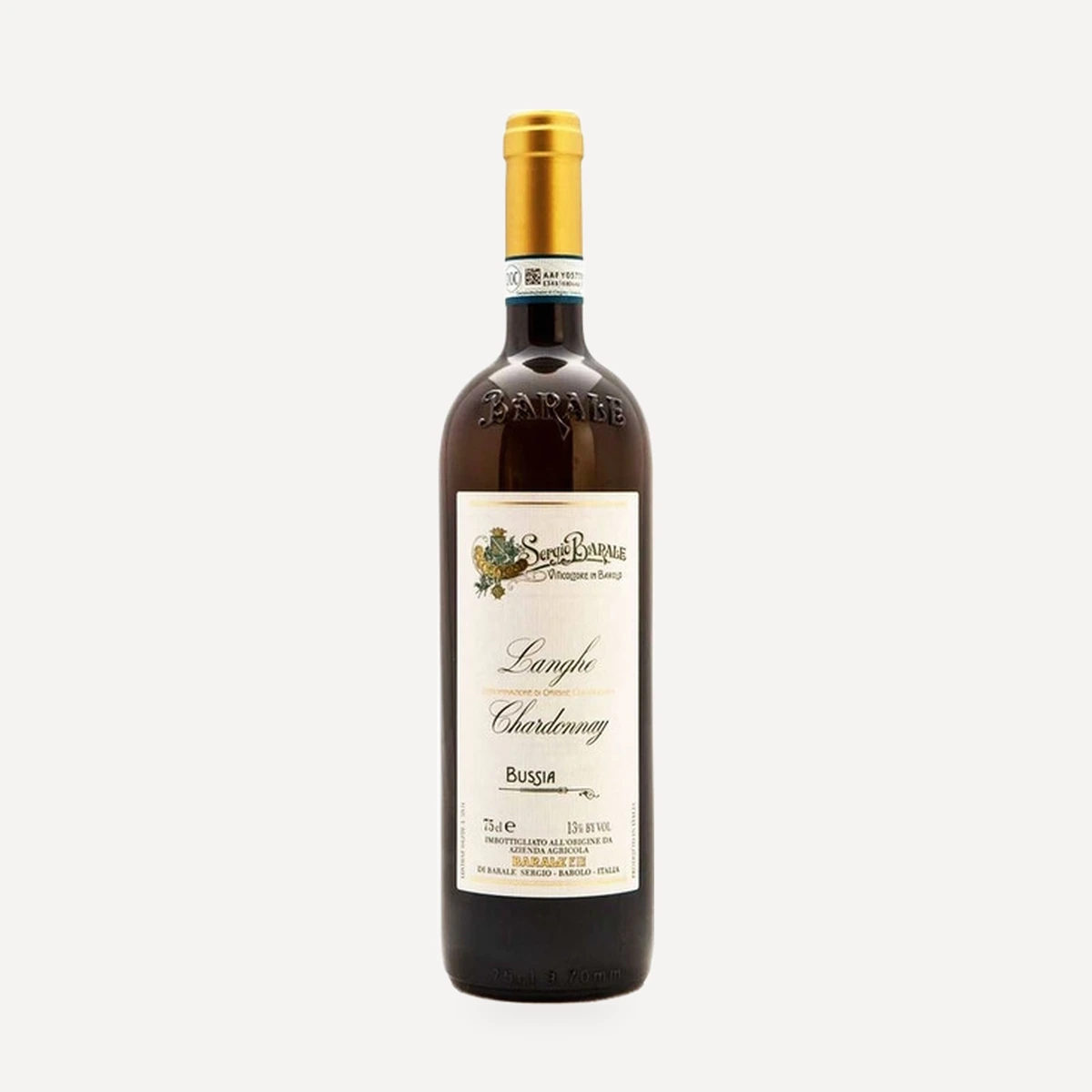
Langhe Chardonnay Vigna Bussia DOC
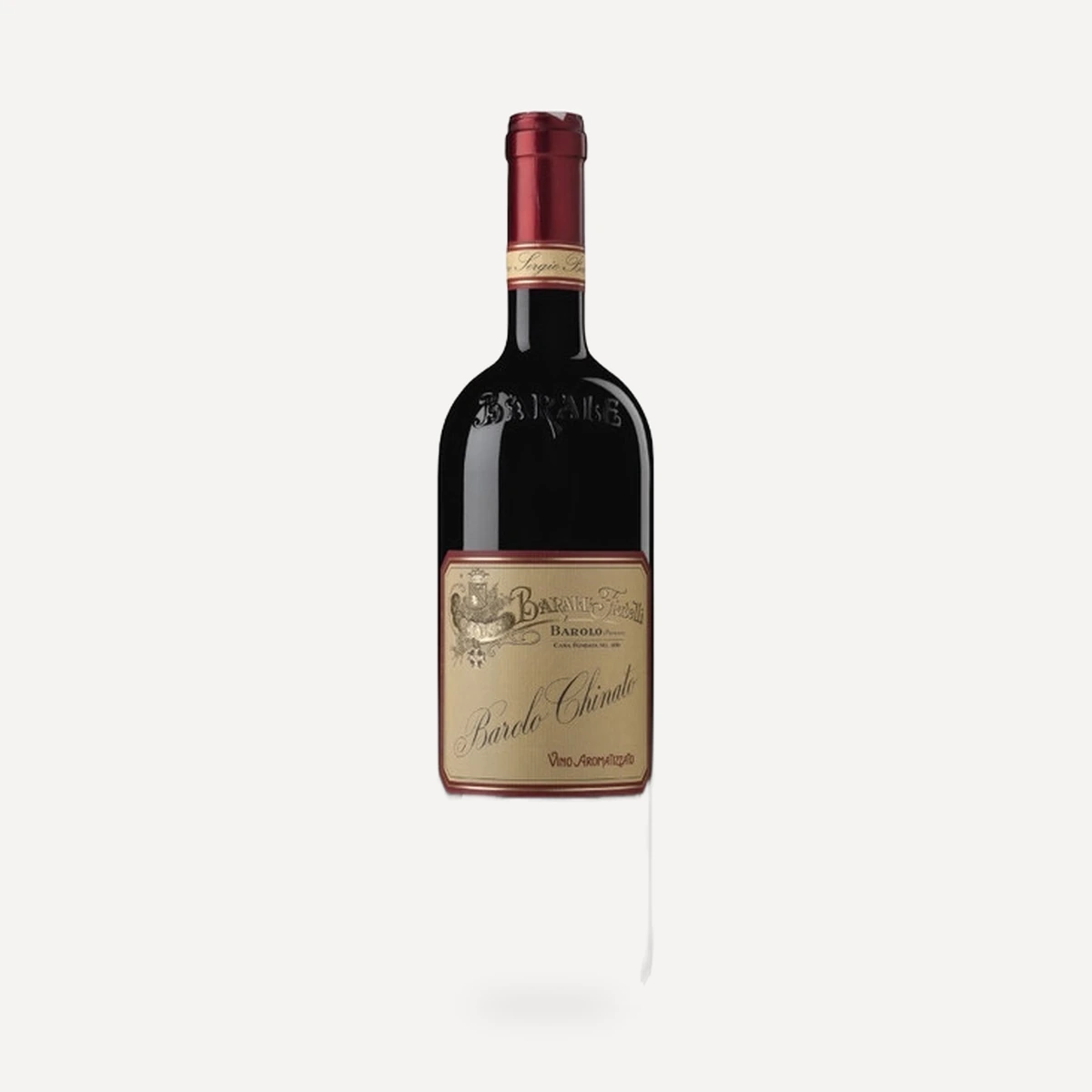
Barolo Chinato