History
The eighteenth-century farmhouse
Dosio Vigneti occupies an old farmhouse on Serradenari hill, at the edge of the historic village of La Morra. The building dates from the first half of the eighteenth century. Its elevated, wind-exposed position, open toward the Maritime Alps and overlooking the plains of Cuneo and Turin, later made it the centre of the estate and its winemaking activity.
1974: foundation
Dosio Vigneti was founded in 1974, when the first estate vineyards were acquired in the municipality of La Morra. A passion for viticulture and the belief that the surrounding hills were well suited to vines led to the conversion of the large historic farmhouse into a winery. Serradenari, around 500 metres above sea level, became the estate’s home and production centre.
The vineyards were developed with both traditional Piedmontese and international varieties. Nebbiolo, Barbera, Dolcetto and Freisa were joined by white grapes including Riesling and Sauvignon. Other vineyard material represented in the estate’s later portfolio includes Arneis, Cabernet Franc and Merlot.
1982: Fossati
Dosio introduced its first Barolo Fossati in 1982, before Fossati was formally identified as an Additional Geographic Mention. It was the first Barolo to carry the Fossati name. The site lies on the southeastern side of the hill, near the boundary where La Morra gives way to the municipality of Barolo. Its close association with Dosio made Fossati one of the defining vineyards in the estate’s history.
2003: Serradenari
The first Barolo Serradenari was released in 2003. The decision to invest in high-elevation Nebbiolo was regarded as a risk at the time because Serradenari reaches approximately 500 metres. The estate’s vineyards within the mention occupy its south-facing side, where exposure and soils accompany the freshness associated with altitude. A municipal map dated 30 September 1880 and prepared by La Morra surveyor Ravinale Filippo identifies Serradenari as the highest point among the Barolo vineyards.
2008: the first Riserva
Dosio added its first Riserva to the range in 2008. It originated from the Fossati cru, extending the estate’s longstanding work with that vineyard.
2010: the Lanci family
In 2010 the Lanci family succeeded the founders as owners. Renovation gave the property a new configuration while preserving the historical character of the farmhouse. New presentation and tasting areas were created to make greater use of the estate’s position among the vineyards, with views across the Cuneo plain to Monviso.
2017: a municipal Barolo
In 2017 the classic Dosio Barolo adopted the municipal designation and became Barolo DOCG del Comune di La Morra.
2021: new wines and cellar equipment
The range expanded in 2021 with Barbaresco DOCG, Langhe DOC Riesling and Langhe DOC Freisa. During the same year, new truncated-conical vats were introduced alongside the traditional large and medium-sized casks. The development reflected an approach in which selectively employed technology supports established cellar practices.
2022: winery expansion
In 2022 the winemaking and maturation rooms were renovated and enlarged in response to growth in production. Indoor and outdoor hospitality areas were expanded at the same time, increasing the spaces available for tastings and visitors.
The detailed sustainability programme identifies the 2022 harvest as the beginning of SQNPI certification. The certification covers integrated production conducted under the relevant regional protocols.
2023: hospitality and loss
Antica Dimora Dosio opened in 2023 as an Agri-Wine Resort adjoining the estate, extending Dosio’s activities into hospitality centred on the Langhe landscape. Engineer Lanci died in January 2023.
2024: Olivia
In 2024 Dosio launched the first vintage of Langhe DOC Sauvignon Olivia, produced from the 2023 harvest. The wine was dedicated to Olivia, Engineer Lanci’s Weimaraner and the winery mascot. The two had taken daily walks among the Sauvignon vines in front of the house; Olivia continued the same route after his death, preserving their familiar ritual.
Terroir
A mosaic of elevations and microclimates
The vineyards occupy the rolling Langhe landscape at elevations ranging from approximately 250 to 500 metres. They extend across eastern and western sides of the hills, with predominantly southern exposures that provide sunlight from the warmer morning hours through the gentler afternoon. Differences in elevation, aspect, soil and microclimate shape the character of the individual sites.
The winery stands at the high point of Serradenari hill, around 500 metres above sea level. The position is open to winds and toward the Maritime Alps, with views across the Cuneo and Turin plains and as far as Monviso. The Alps form a broad backdrop to the estate vineyards.
Serradenari
Serradenari is the highest MGA in the Barolo production area. A La Morra municipal map dated 30 September 1880 identifies it as the highest point among the commune’s Barolo vineyards. Dosio’s estate vineyards occupy a sunny south to southwest-facing slope around the winery. The high position brings lower-than-average temperatures and pronounced differences between daytime and nighttime temperatures. Consequently, the vines grow slowly and the grapes ripen late.
The Nebbiolo sources represented in the technical material span approximately 350–480 metres, with blue marl and clay and a small sandy component in the broader Serradenari holdings. The old Serradenari vineyard is described separately with limestone-clay soils containing sandy inserts, a south to southwest exposure and vines averaging about 40 years old.
Fossati
Fossati lies on the southeastern side of the hill, at the boundary where La Morra meets the municipality of Barolo. It is a warmer site with limestone-related soils. The vineyard represented in the technical material lies at approximately 330–380 metres, faces southeast and has blue-grey marl. Its Nebbiolo vines average about 40 years old.
Bussia
Bussia is a historic Barolo cru in the municipality of Monforte. Its source vineyard lies at approximately 240–280 metres on yellowish-white marl and clay mixed with very fine sand and a limestone component.
Montersino
Montersino lies among the southernmost hills of the Barbaresco appellation, in the hamlet of San Rocco Seno d’Elvio in Alba. The vineyard is around 300 metres above sea level and faces south. Its soils are blue marl with a calcareous matrix. Proximity to the Langa Canyon, Rocche dei Sette Fratelli, creates a distinct microclimate, while elevation and exposure encourage slow, even Nebbiolo ripening.
Sauvignon at La Morra
The Sauvignon vineyard associated with Olivia lies at approximately 480 metres in La Morra. It faces south to southeast and has limestone-clay soil.
Winemaking
Dosio follows integrated pest-management principles recognised and regulated through the European Union Rural Development Plan. The programme combines monitoring technology, biological protection and predominantly manual vineyard work to reduce environmental impact.
Agro-weather 4.0 stations monitor climatic and meteorological conditions. Their data also help predict pathogen development so that treatments can be timed to actual risk. The estate primarily uses newer-generation crop-protection products selected for lower environmental impact and compatibility with bees and other beneficial insects.
No herbicides are used. Controlled grass cover keeps the soil aerated through its roots, maintains soil structure and protects slopes against erosion. Close vine spacing is intended to encourage deep rooting. Green manure is practised by rotating cover plants such as legumes and grasses and incorporating them into the soil, adding organic matter for vine growth and improving drought resistance.
Biological pest-control methods include pheromone-based mating disruption against vineyard moth pests. Biodiversity is treated as part of the working ecosystem rather than separately from production.
Almost all vineyard operations are manual, including pruning and shoot thinning. Harvest is entirely by hand: bunches are cut, placed in baskets and transferred quickly for processing because of the vineyards’ proximity to the winery.
SQNPI certification—Sistema di Qualità Nazionale Produzione Integrata—applies from the 2022 harvest under the detailed sustainability programme. The scheme recognises agricultural products grown in accordance with regional integrated-production protocols.
The eighteenth-century farmhouse on Serradenari hill forms the centre of production. Its winemaking and maturation areas have been repeatedly restored and adapted while retaining the historical building. Substantial enlargement culminated in the 2022 renovation of the vinification and ageing rooms.
Traditional large and medium-sized casks remain central to maturation. In 2021 the cellar added new truncated-conical vats, integrating contemporary equipment with established ageing practices. Technology is used selectively to optimise production without overriding natural rhythms.
The cellar follows a low-intervention approach. Vinification protocols are designed to reduce sulfite use and preserve the distinctions among sites. Published red-wine protocols demonstrate the use of destemming and crushing, temperature-controlled fermentation and maceration, daily pump-overs, spontaneous malolactic fermentation and maturation in oak vessels. For the estate’s principal Nebbiolo sites, maceration may extend to 50–60 days; submerged-cap maceration can be continued in favourable vintages. The white-wine protocol represented by the high-elevation Sauvignon uses temperature-controlled fermentation, followed by maturation in stainless steel on the lees with periodic bâtonnage.
Philosophy
Terroir and the interpretation of individual vineyards are central to Dosio’s production philosophy. Variation in elevation, exposure, microclimate and soil is treated as a source of identity, particularly in the separate expression of the Barolo MGAs Serradenari and Fossati.
The estate frames its work as a continuous reinterpretation of tradition. Restorations preserve the historical character of the eighteenth-century farmhouse, while carefully selected technology—from vineyard weather stations to truncated-conical cellar vats—is used to improve precision without altering natural rhythms.
Quality is understood to encompass the finished wine, vineyard and cellar work, soils and buildings. Traditional knowledge and manual practice guide daily operations, while low-intervention vinification seeks to reduce sulfites and allow each site to retain its character.
Environmental responsibility begins with healthy soil and extends to biodiversity, resource use, employees, local communities and future generations. The stated objective is to preserve and enhance a product rooted in its territory rather than separate wine production from the surrounding landscape.
Wines
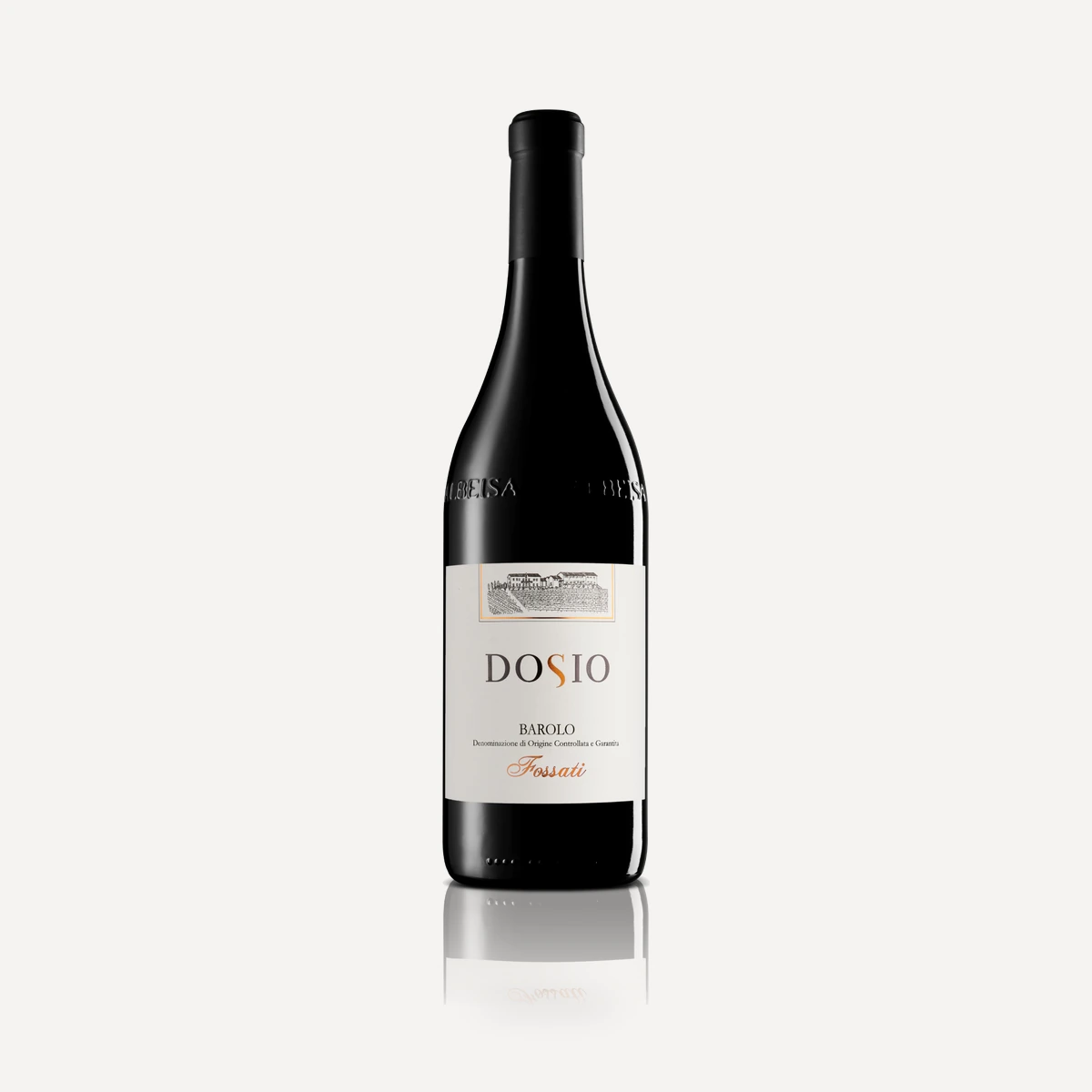
Barolo Fossati DOCG
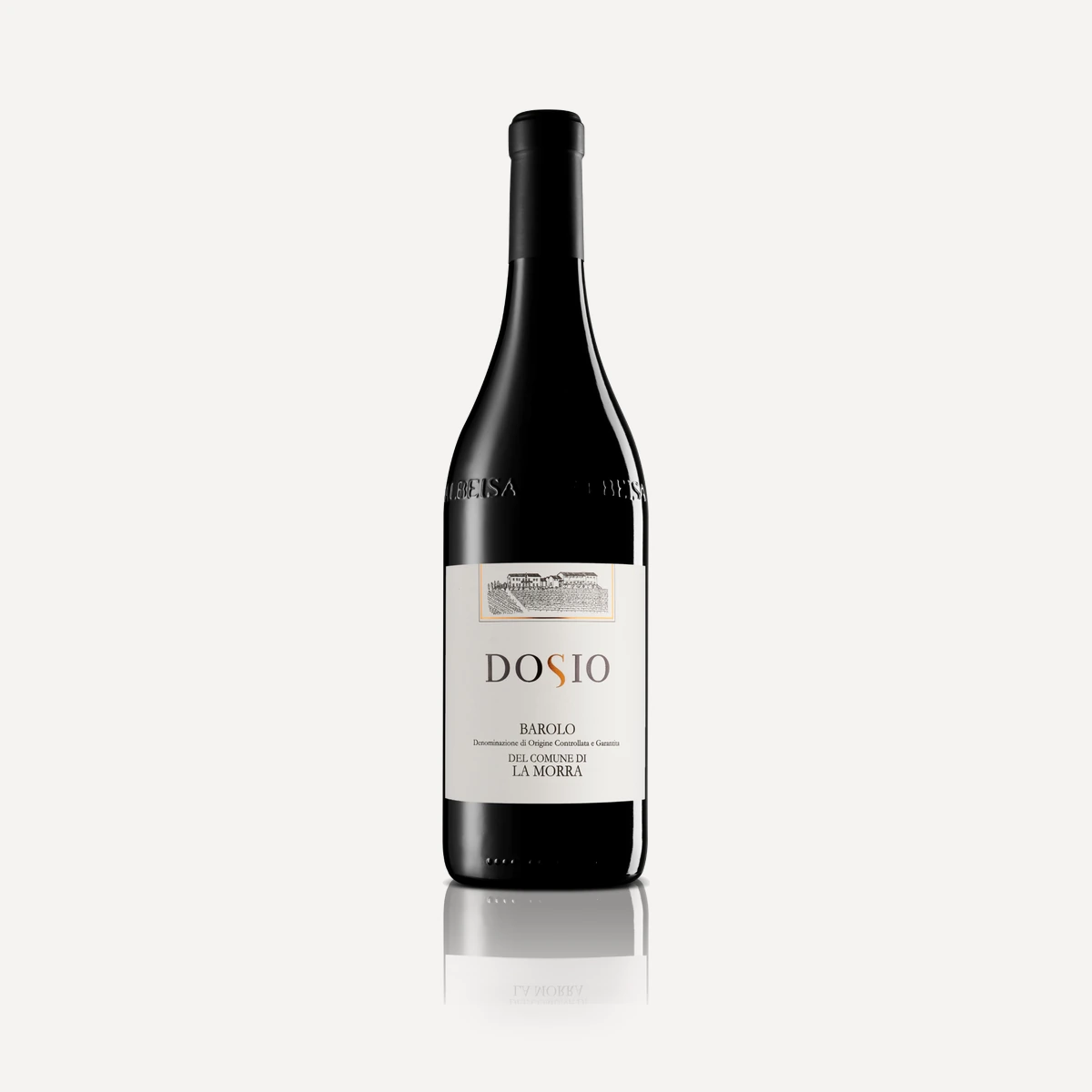
Barolo del Comune di La Morra DOCG
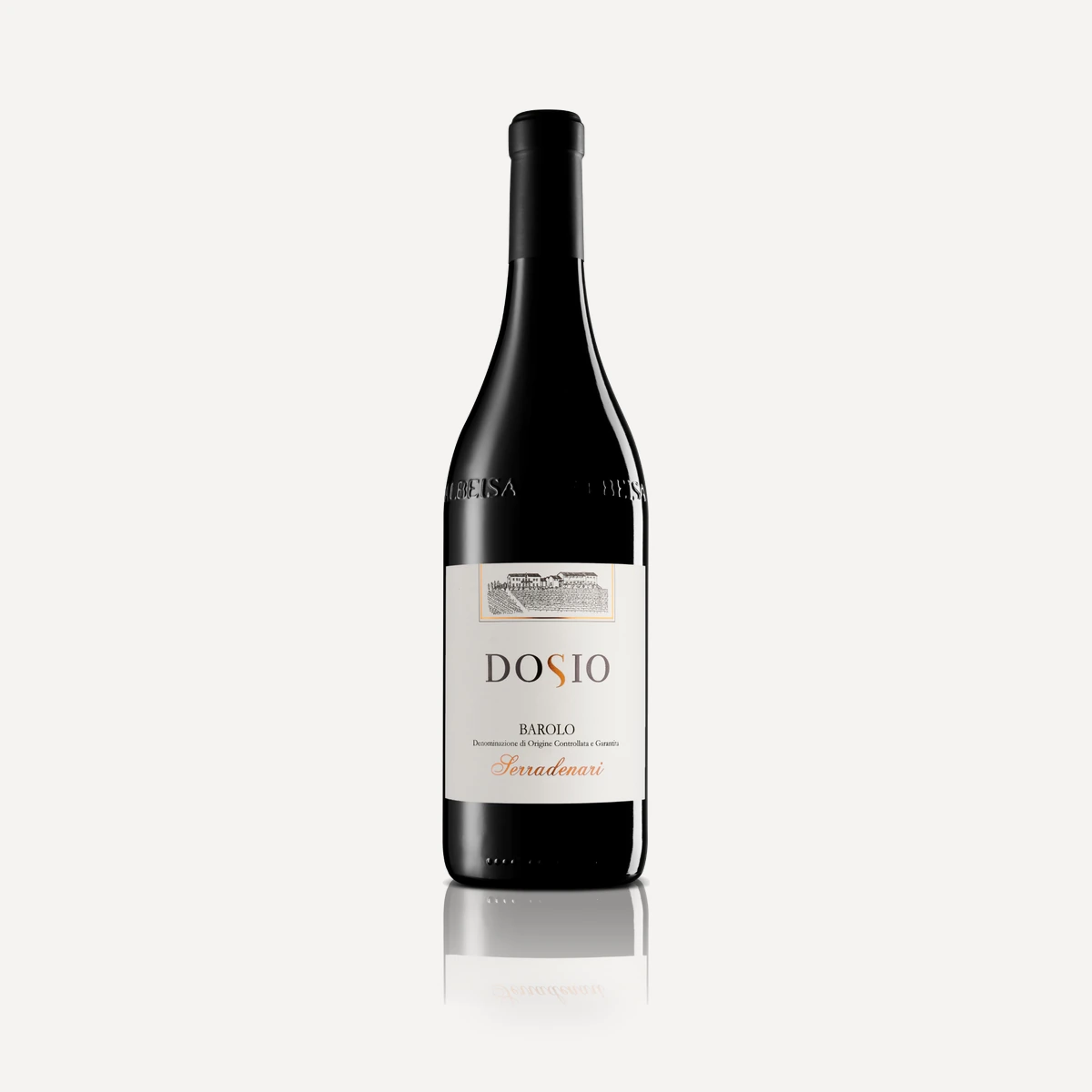
Barolo Serradenari DOCG
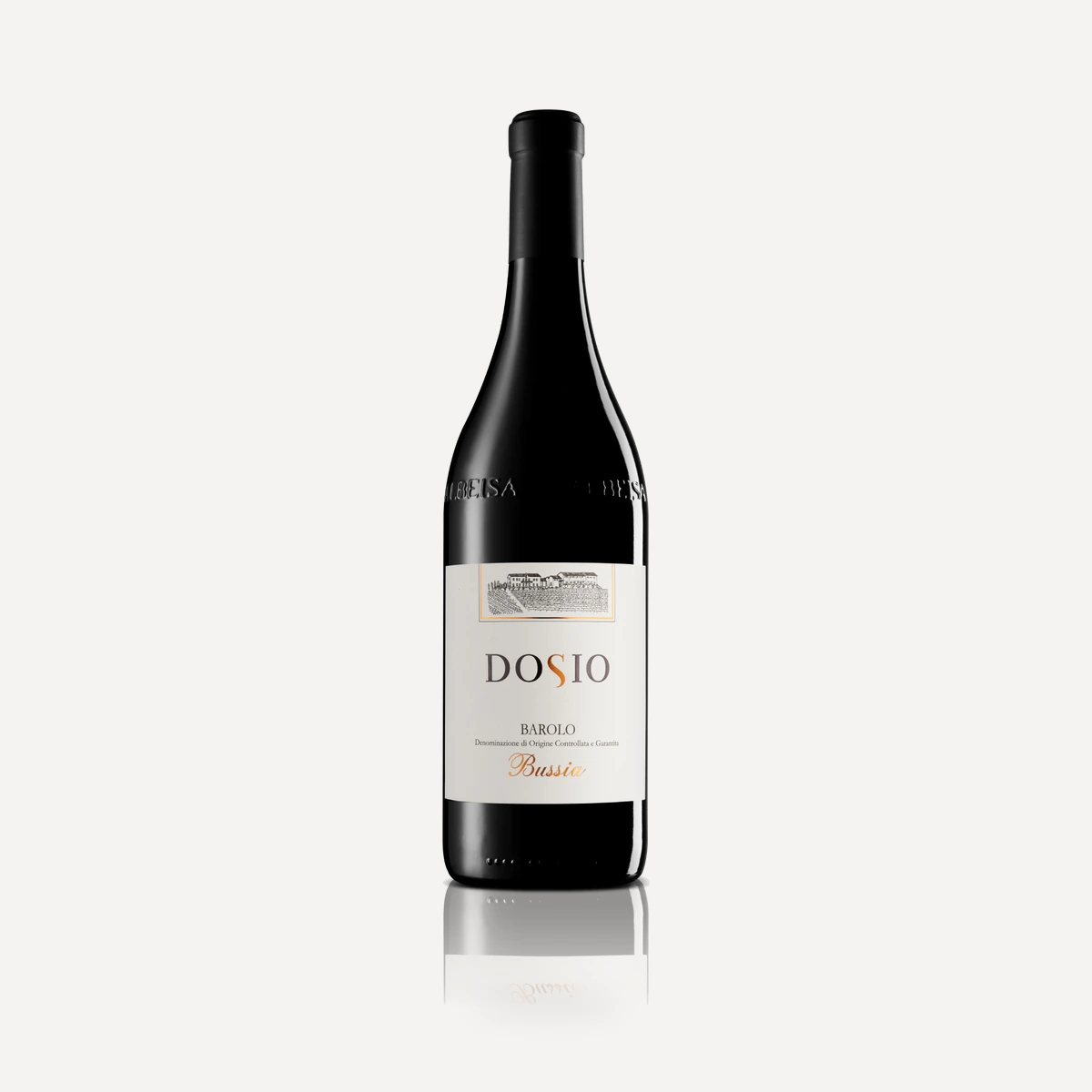
Barolo Bussia DOCG
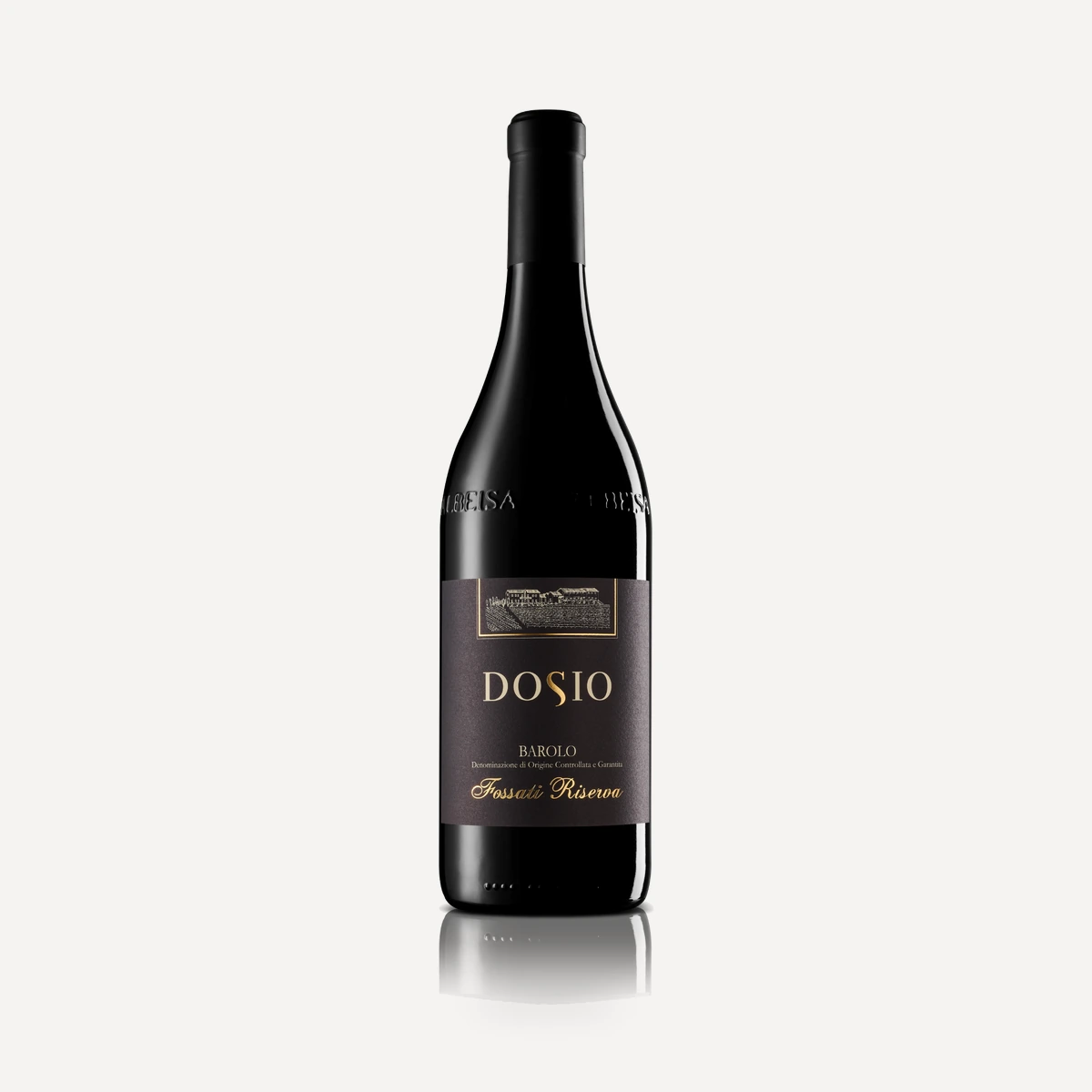
Barolo Fossati Riserva DOCG
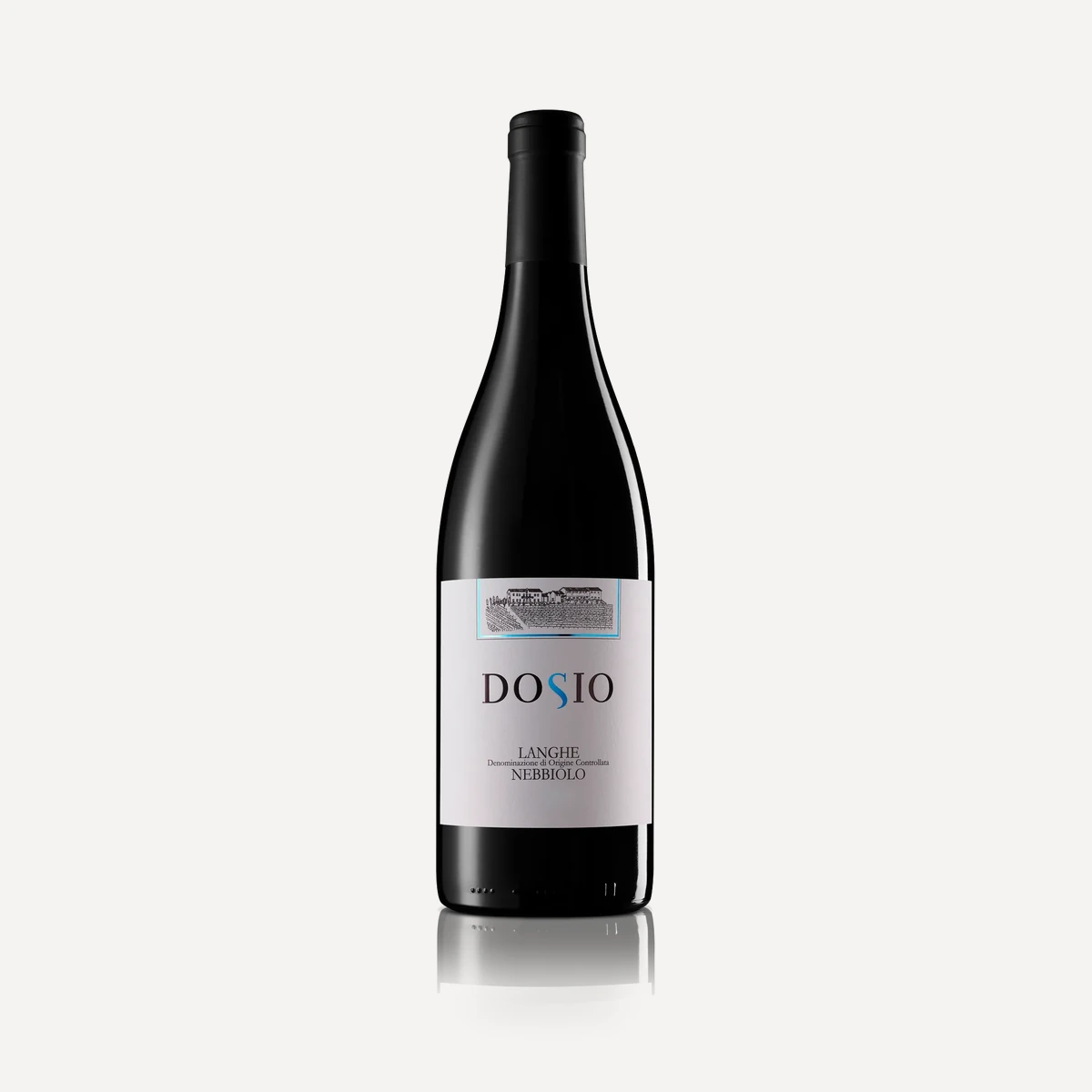
Langhe Nebbiolo DOC
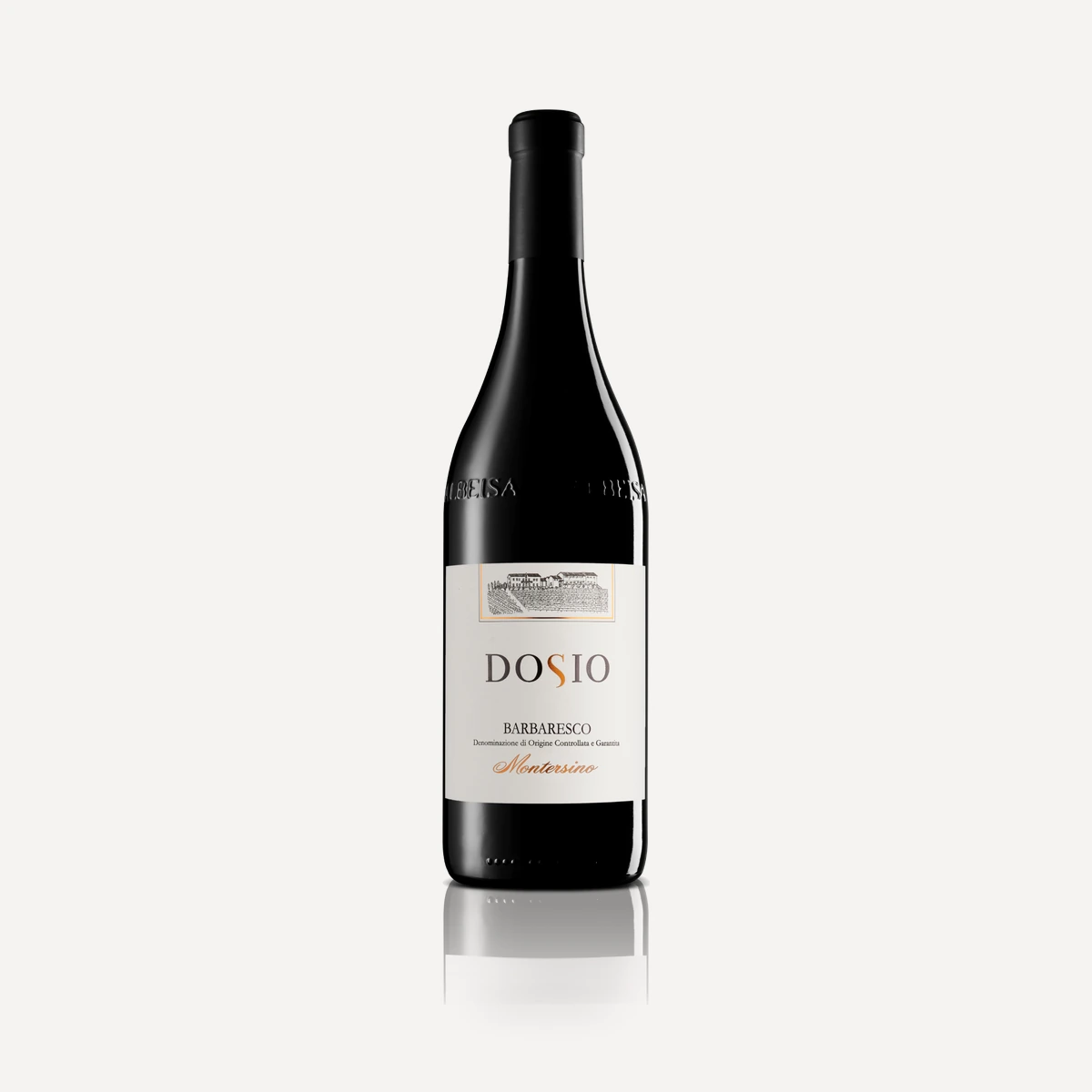
Barbaresco Montersino DOCG
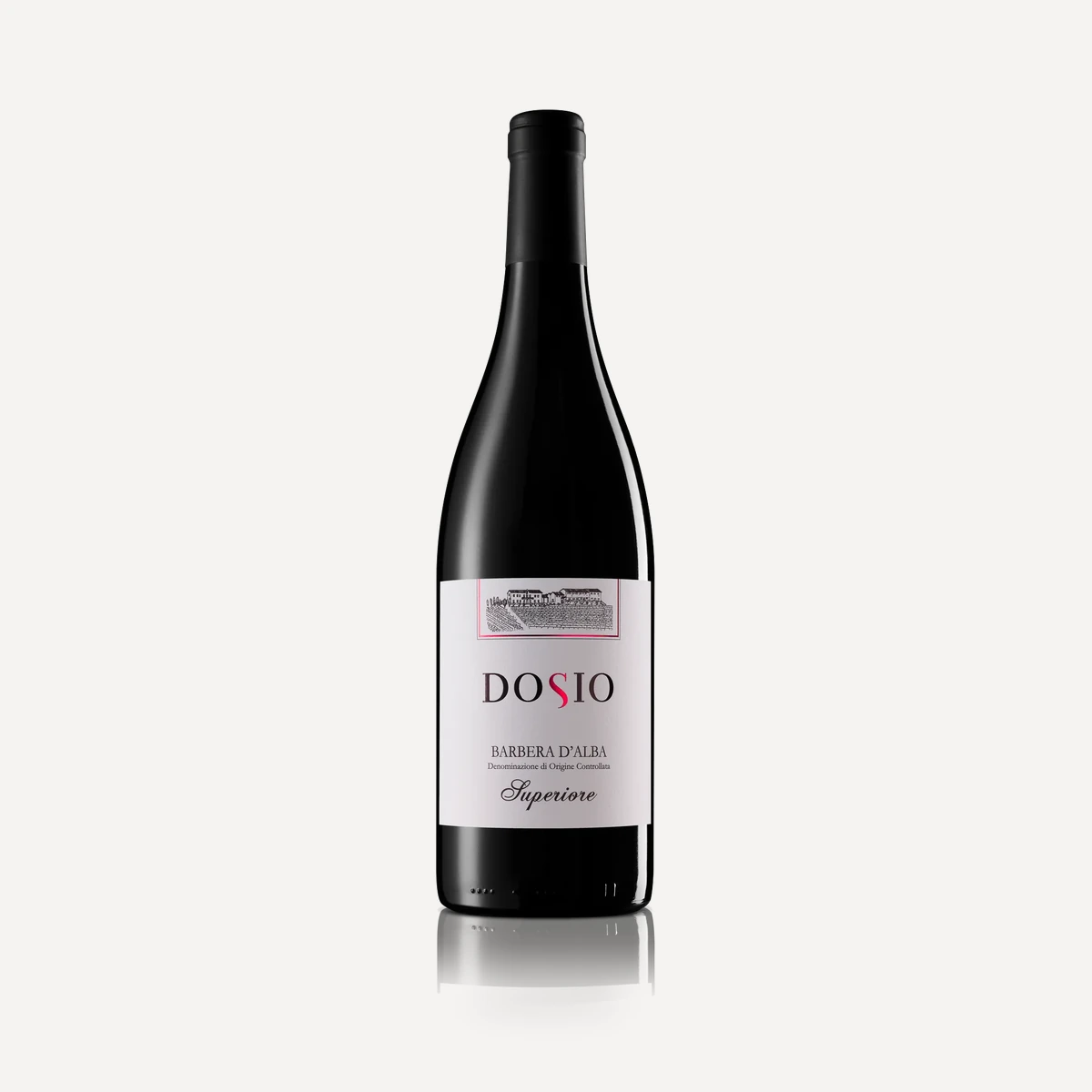
Barbera d’Alba Superiore DOC
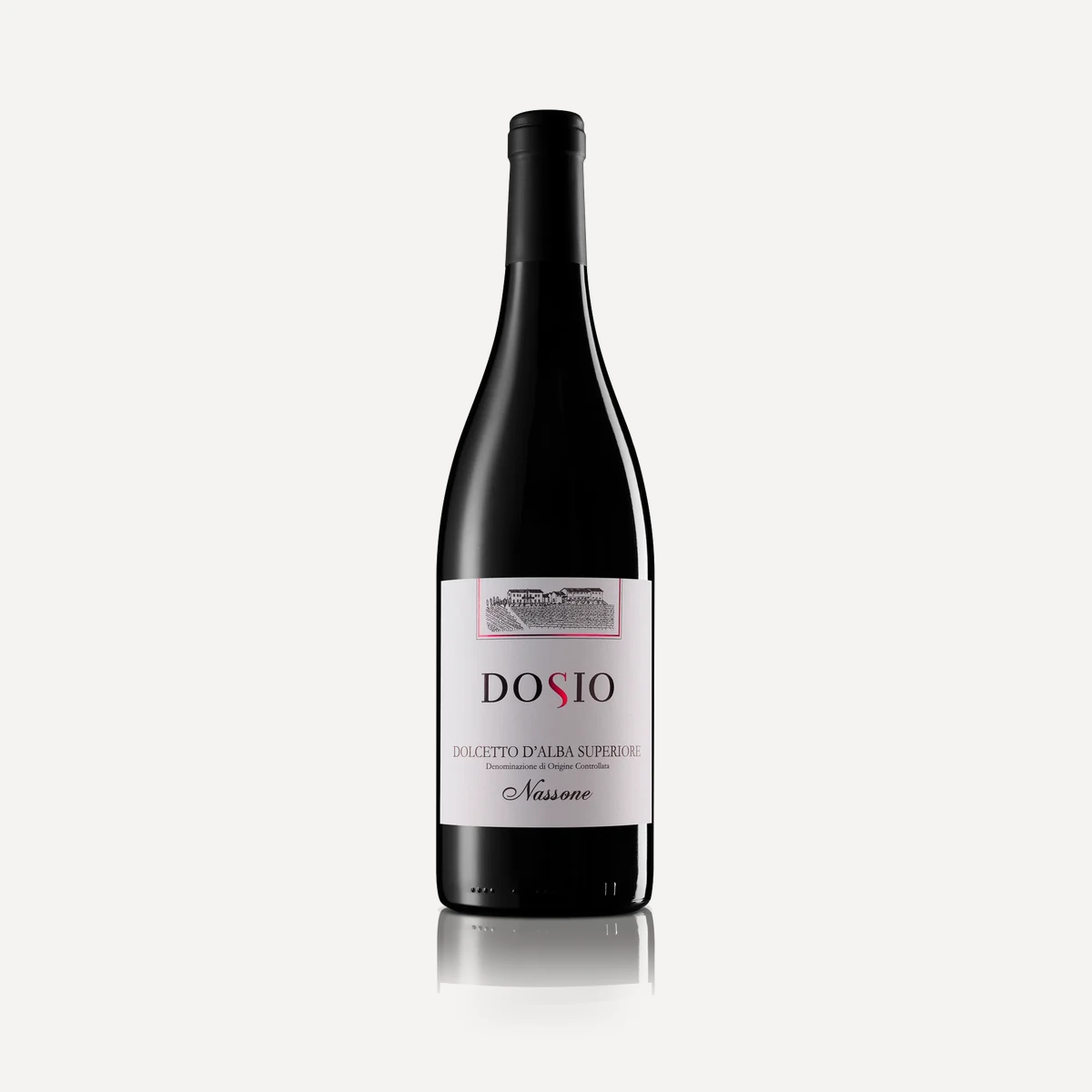
Dolcetto d’Alba Superiore Nassone DOC
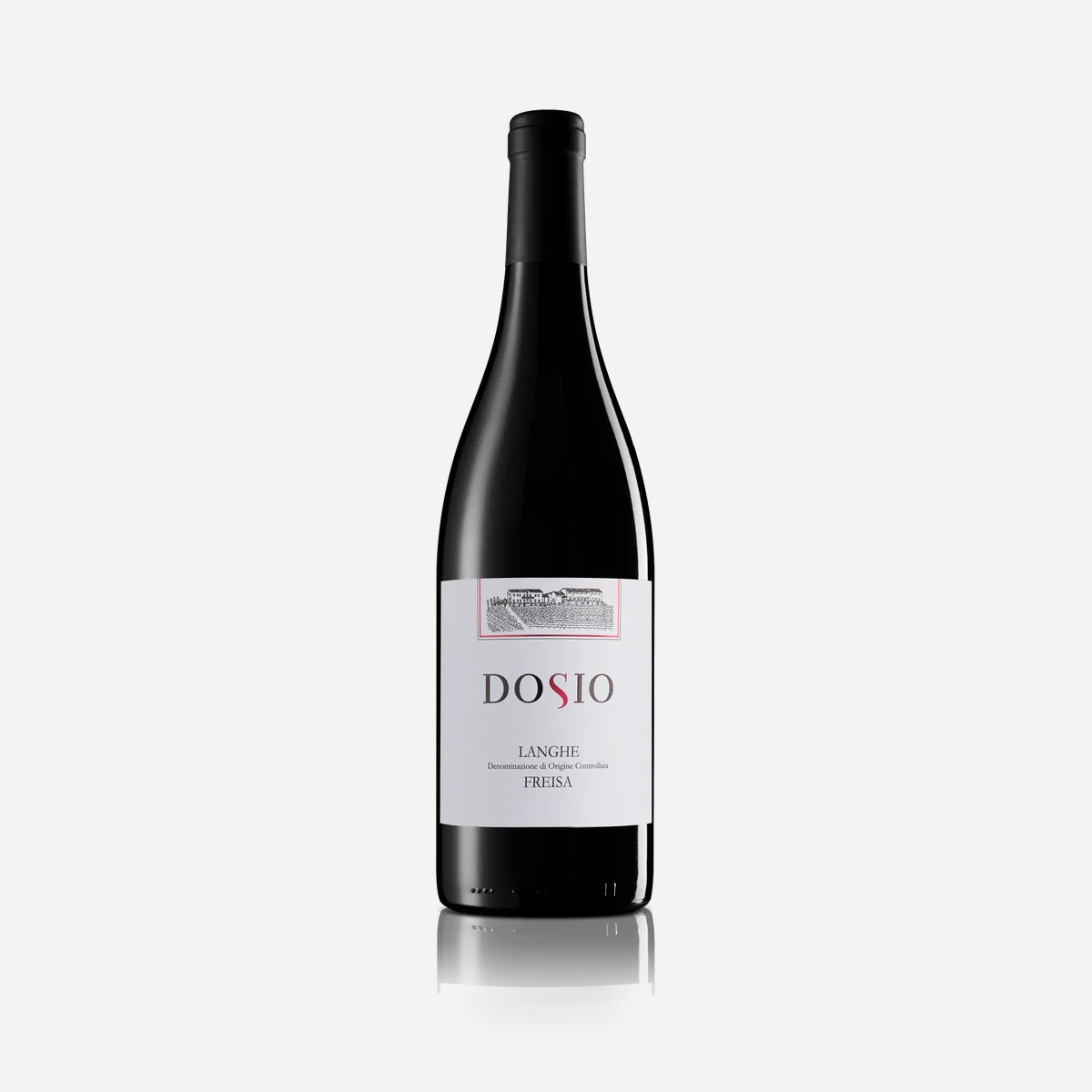
Langhe Freisa DOC
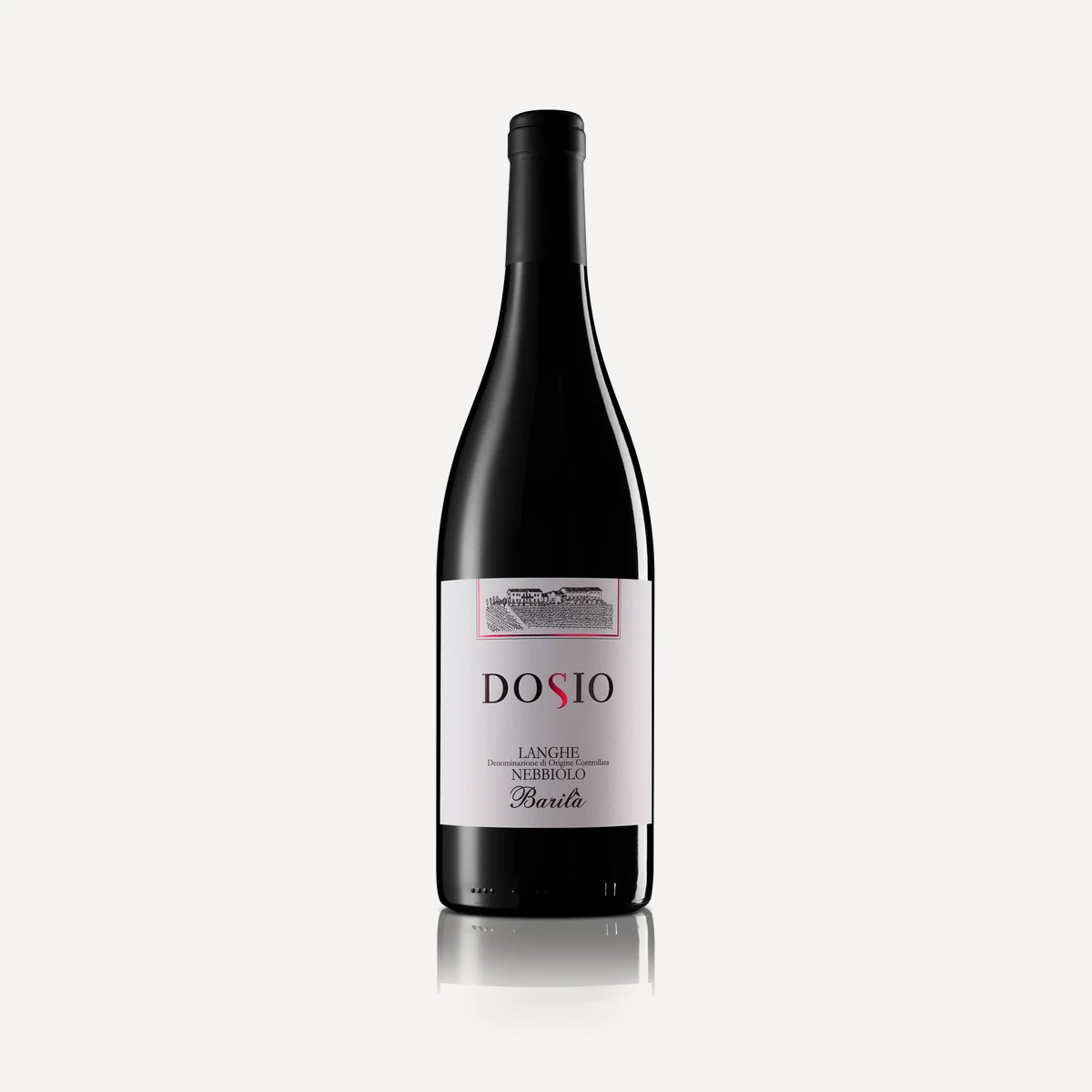
Barilà Langhe Nebbiolo DOC
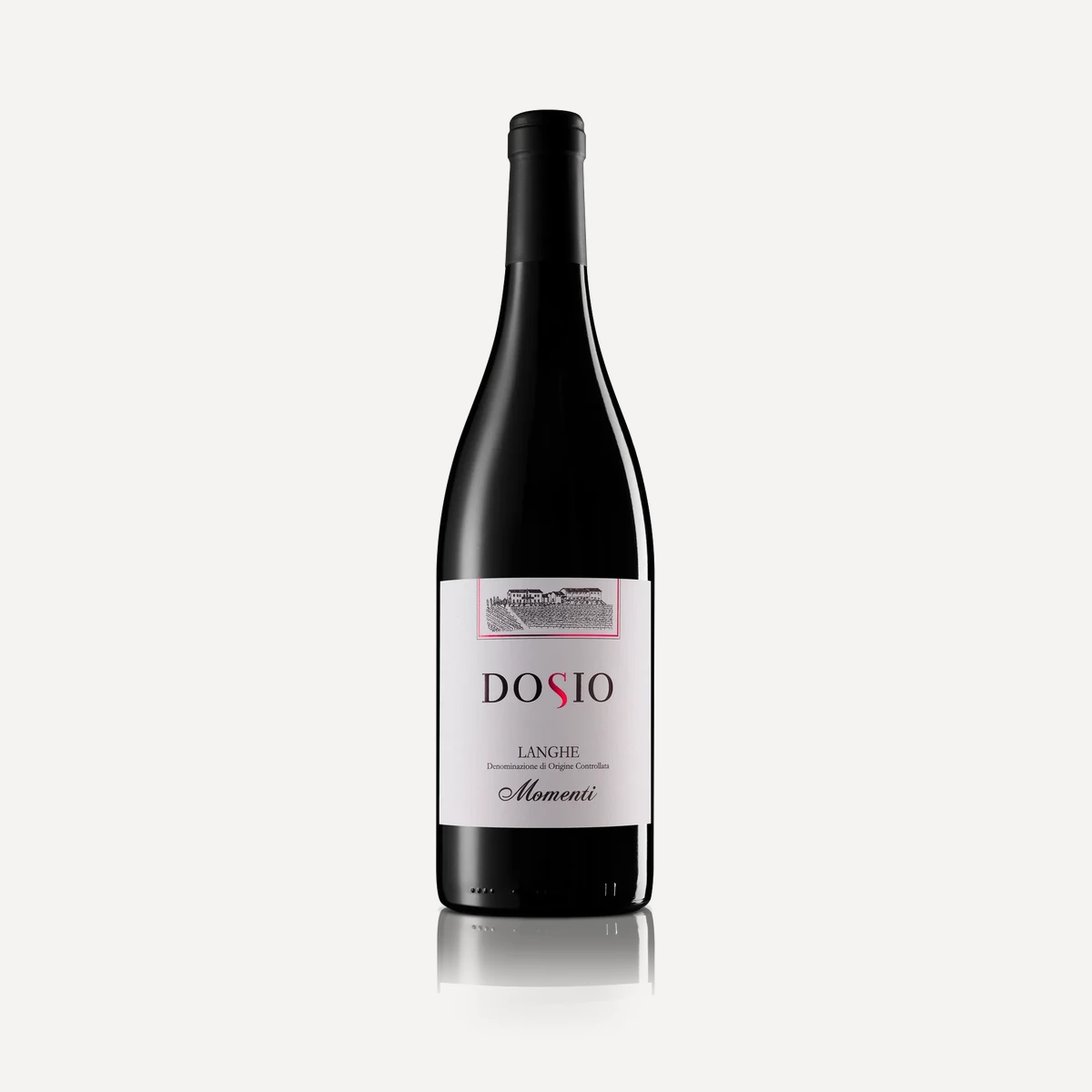
Momenti Langhe DOC
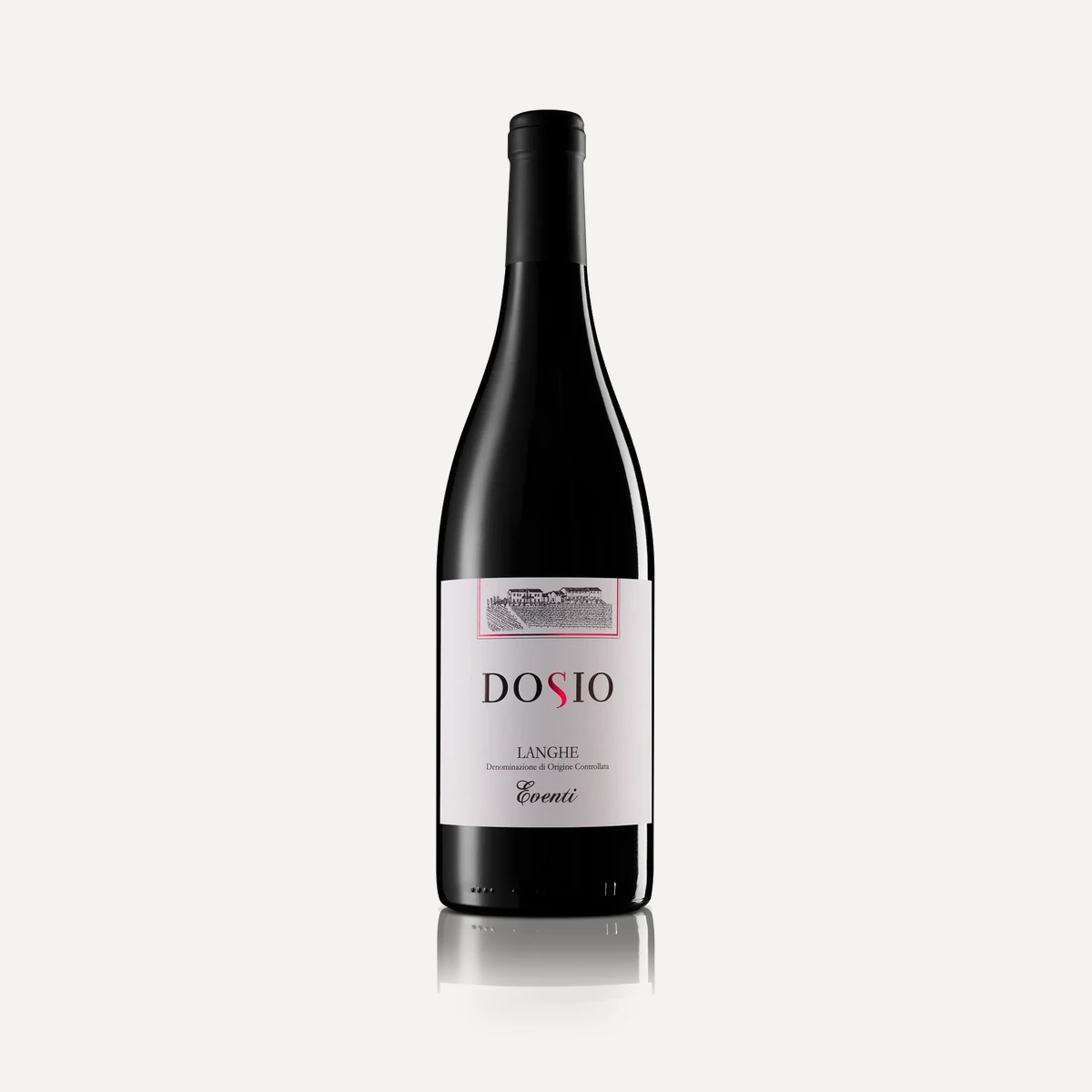
Eventi Langhe DOC
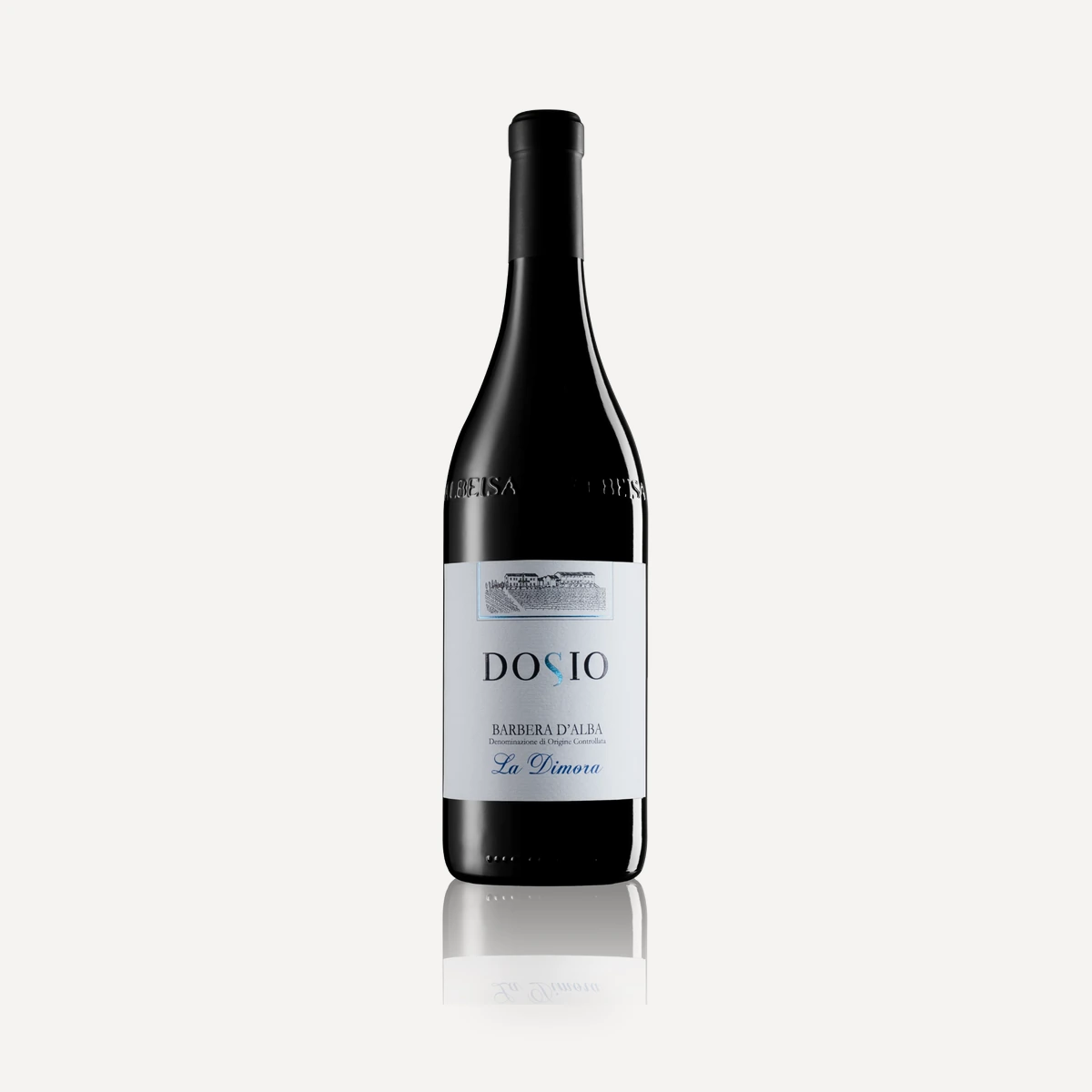
Barbera d’Alba La Dimora DOC
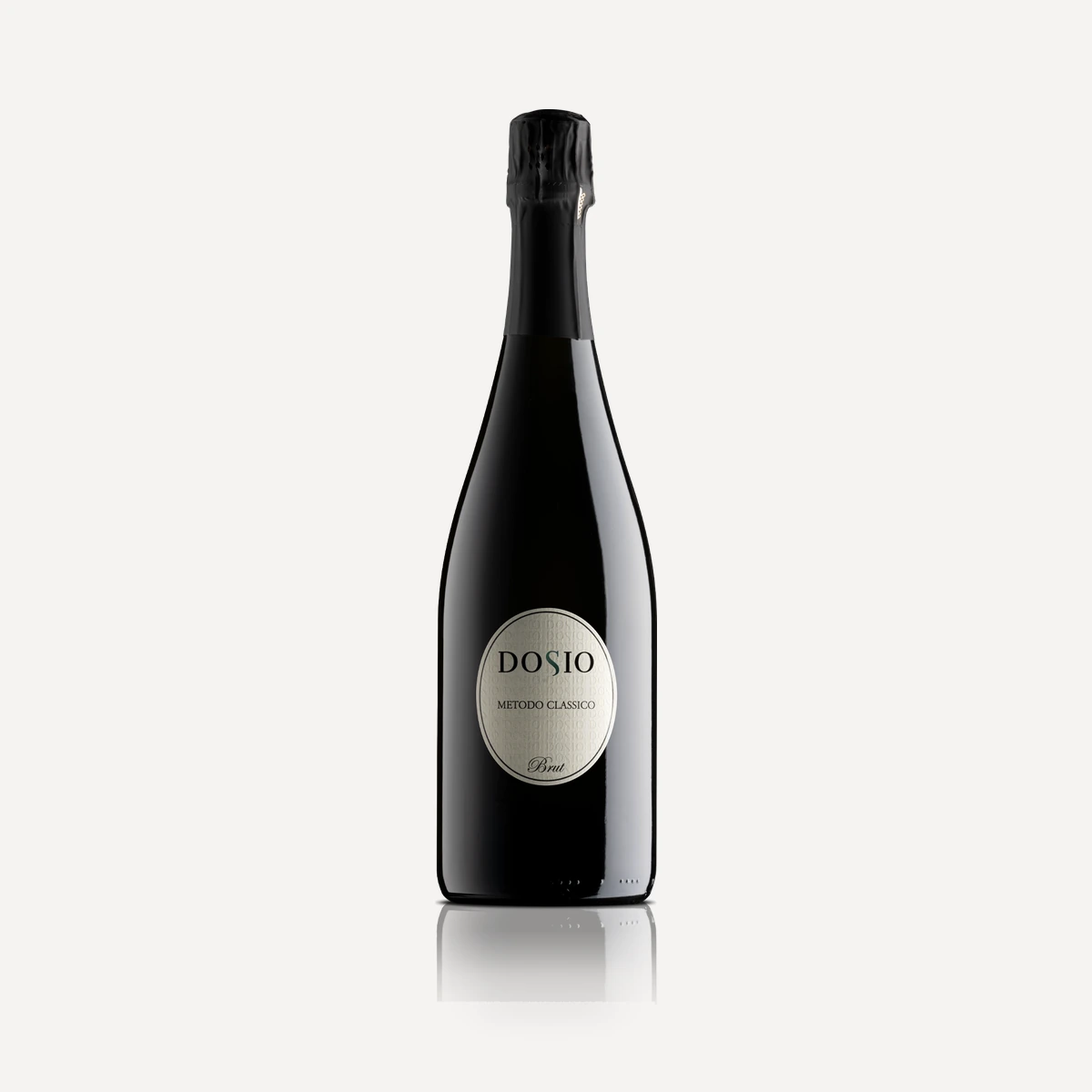
VSQ Metodo Classico Brut
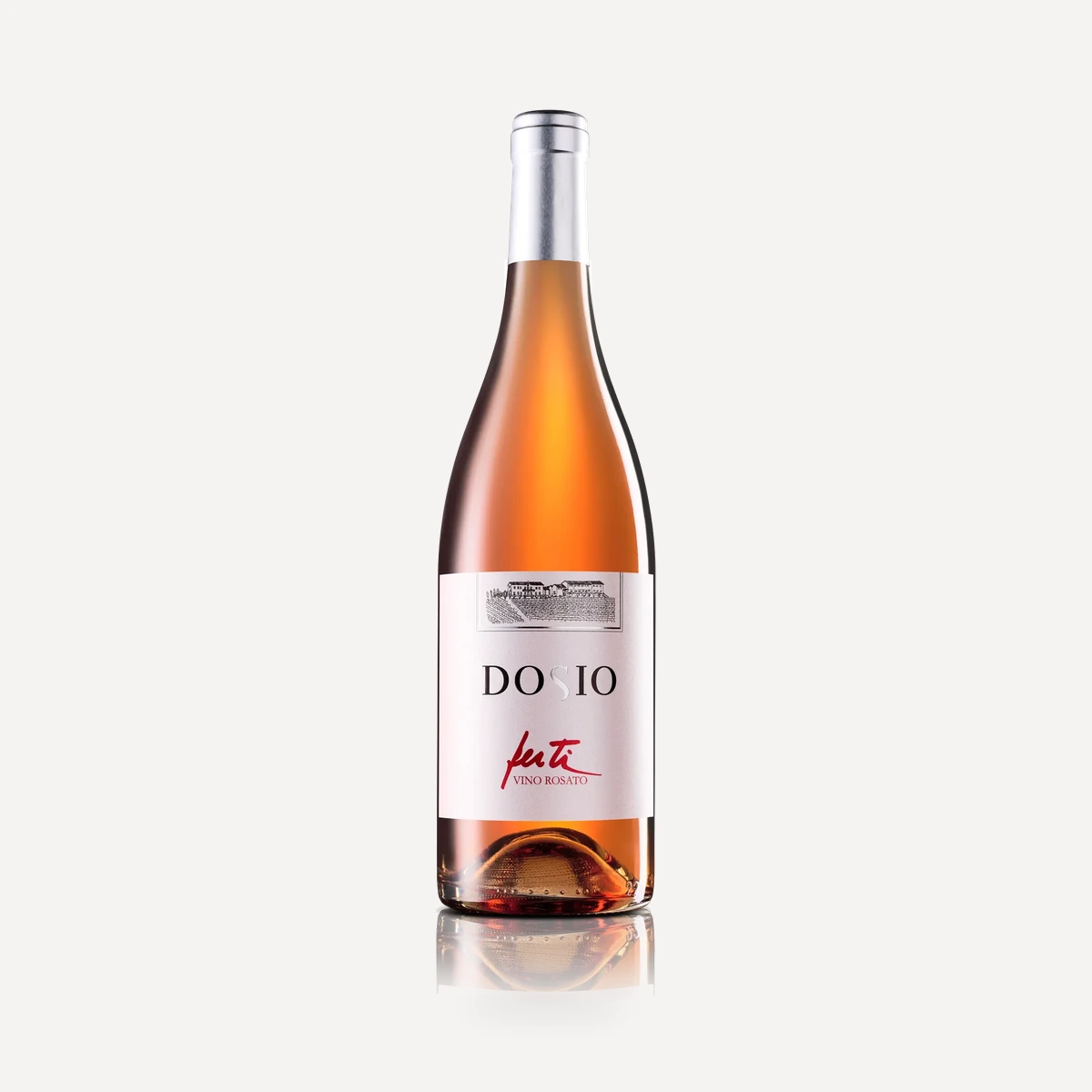
Per Ti Vino Rosato
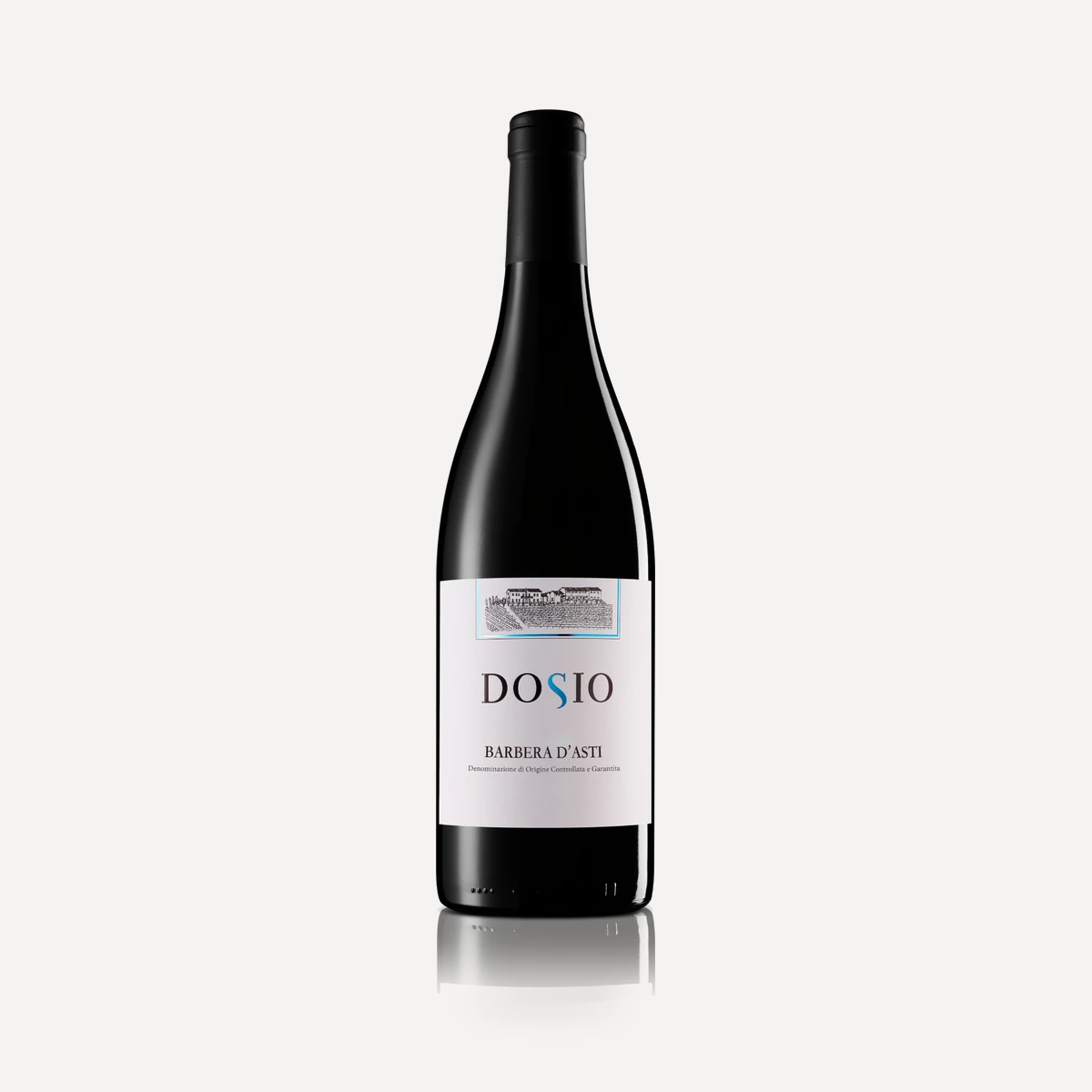
Barbera d’Asti DOCG
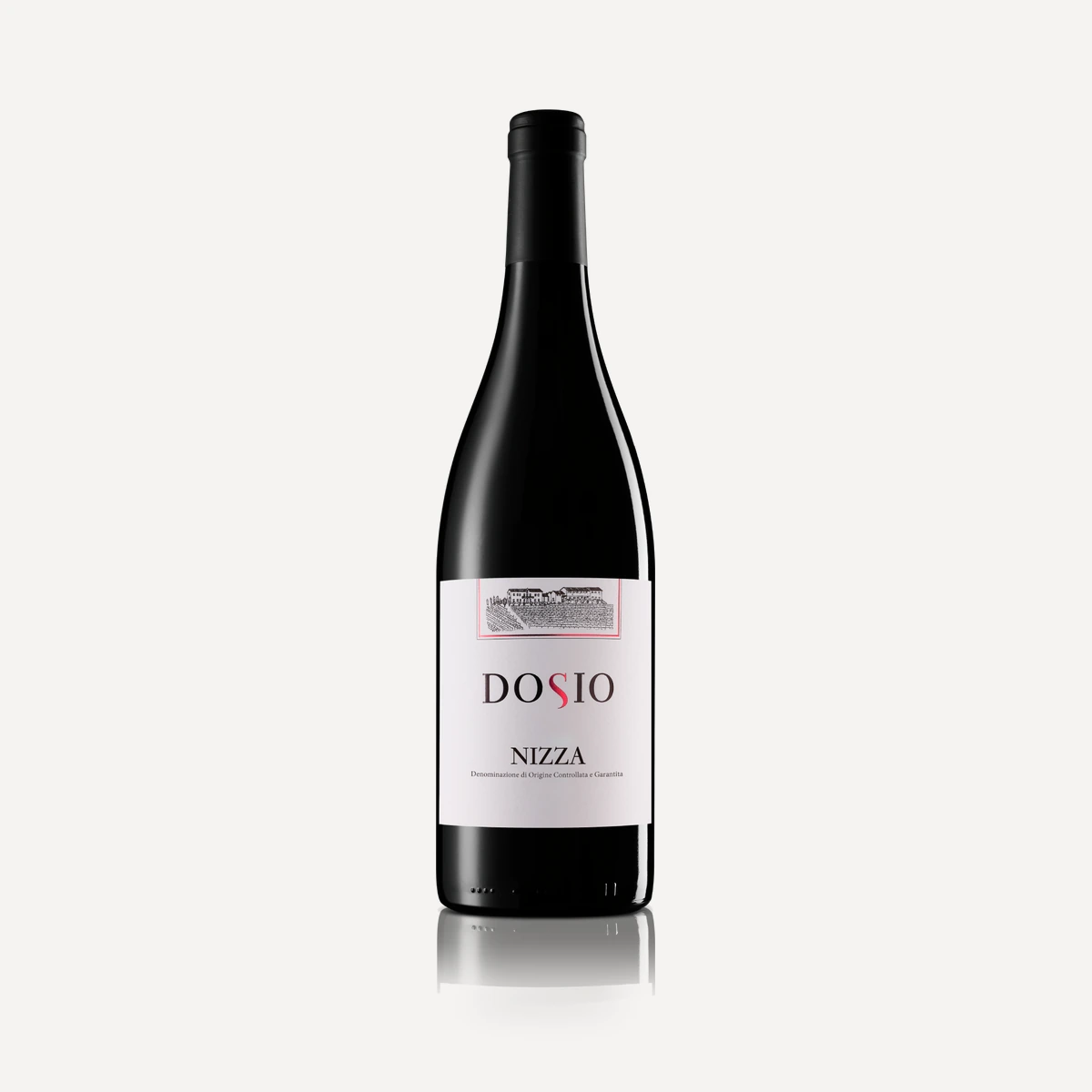
Nizza DOCG