History
Foundation and the Angelini era
Fazi Battaglia was created in 1949 through the union of the Fazi and Battaglia families, initially operating from a small cellar in Cupramontana. A few years later, the Angelini family—and Francesco Angelini in particular—developed the business into a nationally recognized Italian wine brand. Francesco Angelini had founded a pharmaceutical enterprise and had also served as mayor of Ancona.
The direction established in the 1950s rested on two decisions that were unusual in the Italian wine sector of the period: substantial investment in vineyard quality and a concentrated commitment to Verdicchio, then a comparatively little-known variety. This focus connected Fazi Battaglia closely with the promotion of Verdicchio and the Marche wine territory.
The amphora bottle
In 1953, a design competition sought a distinctive bottle that would refer to antiquity while making Verdicchio immediately recognizable. Architect Antonio Maiocchi won with a sinuous amphora-shaped design inspired by ancient Etruscan containers. In the United States, the bottle acquired the nickname “the Sofia Loren.” Its emerald-green form and neck scroll became closely associated with Fazi Battaglia, Verdicchio and the wider identity of Italian wine.
The scroll continues to be rolled and tied around the bottle neck by hand, preserving an artisanal element within the design. The original amphora was later supplemented by modern white-glass interpretations.
Development of the vineyards
The southern Maiolati Spontini vineyard was planted in 1967. It was replanted in 2005 using the accumulated experience of the estate’s work with Verdicchio: clones were selected for quality, while rootstocks were matched to the characteristics of the site.
The Montecarotto vineyard was established in 2004. Most of the 16-hectare Mergo vineyard followed in 2017 after extensive land levelling and hydraulic works designed to prepare the site for planting; 5 hectares lie approximately 100 metres from the main vineyard.
Renewal of the Amphora Line
Beginning with the 2015 vintage, the identity of Titulus and its historic vessel was renewed through a relaunch of the amphora presentation. The original emerald-green bottle remained associated with Titulus, while other wines adopted a contemporary version in white glass.
Return of the Angelini family and renewal
The Angelini family subsequently returned to Fazi Battaglia with the intention of continuing the quality and innovation programme begun in the 1950s. The renewal started in the vineyards, with greater attention to the distinctive qualities of particular clones and the introduction of manual harvesting for selected lots.
The historic cellars at Castelplanio were completely renovated while their original exterior architecture was retained. Smaller tanks were installed to keep Verdicchio batches more precisely separated according to soil, clonal selection and vineyard exposure. The programme combines operational efficiency with continued study of Verdicchio and experimentation in both vineyard and cellar.
Terroir
Fazi Battaglia’s core vineyards occupy the hills of the Castelli di Jesi, with different soils, elevations and exposures used to produce distinct expressions of Verdicchio. The separately described holdings are distributed among Maiolati Spontini, Mergo and Montecarotto, in landscapes connected with the Esino river, the Esino and Misa valleys, the Marche Apennines and the Gola della Rossa.
Maiolati Spontini
The historic northern vineyard stands on the north side of Maiolati Spontini, above a gentle hill descending toward the Esino river. It occupies 30 hectares between 250 and 350 metres above sea level and faces north to northeast. The cooler orientation helps preserve acidity. Its calcareous-alkaline soils contain clay and are associated with structure and suitability for extended ageing.
A second Maiolati Spontini vineyard lies on the southern side of the commune, facing nearby Cupramontana. Its 24 hectares form an amphitheatre at more than 400 metres above sea level. The south to southeast exposure permits partial overripening, contributing greater richness and roundness. Medium-textured, slightly alkaline, calcareous soils are associated with body, extract, fragrance and finesse. The elevation creates a marked day-to-night temperature range, particularly during the final stage of ripening.
Mergo
Mergo stands on the left bank of the Esino between Serra San Quirico and Rosora, just below the Gola della Rossa and within sight of the Apennines. The vineyard covers 16 hectares on a hill at 330 metres above sea level and faces northeast. Its clayey, alkaline and calcareous soil has the highest clay content among the owned vineyard soils. This combination is associated with body, alcohol, fragrance and finesse.
Montecarotto
The Montecarotto vineyard also lies on the left bank of the Esino, where the Esino and Misa valleys meet. Its 8 hectares occupy a small hill at 240 metres above sea level with a southwest exposure. The soil is medium-textured, predominantly clayey, slightly alkaline and moderately calcareous. The combination of soil, exposure and greater distance from the mountains is associated with structured, fragrant and comparatively round expressions.
Winemaking
The viticultural programme is centred on Verdicchio and on matching vineyard material to individual sites. Vineyard selection focuses on areas considered especially suitable for the variety, while differences in soil, elevation and exposure are studied as sources of distinct expressions.
The replanted southern Maiolati Spontini site uses quality-selected clones on rootstocks chosen according to local conditions. The current renewal programme gives further emphasis to clonal distinctions and employs manual harvesting for selected lots.
At Mergo, extensive land levelling and hydraulic works preceded the 2017 planting. The vineyard is trained entirely to Guyot at 4,000 vines per hectare, with rows spaced 2.5 metres apart and vines spaced 1 metre apart. Montecarotto is planted at approximately 4,150 vines per hectare. Research and experimentation continue in both the vineyards and cellar.
The historic Castelplanio cellars have been completely renovated while preserving the exterior appearance of the original architecture. Smaller tanks allow Verdicchio batches to remain more precisely separated according to vineyard soil, selected clone and exposure. This parcel-sensitive organization is intended to retain and study the distinctions among the estate’s vineyard sites.
The broader production programme combines continued experimentation with a respect for established practice. Manual harvesting is used for selected lots, and cellar work is coordinated with the continuing study of Verdicchio begun in the vineyards.
Philosophy
Fazi Battaglia defines Verdicchio as the central expression of its identity. Its approach originated in the decision to concentrate on the variety while investing in vineyard quality, selection and research. Differences among soils, elevations, exposures and clones are treated as elements to preserve and examine rather than blend away automatically.
The current programme joins tradition with creativity, research and a willingness to explore new production methods. Its declared principles include integrity, transparency, production rigour, respect for the aptitude of each territory and the promotion of native grape varieties. The renovation of the historic cellar reflects the same balance: original external architecture was retained while the interior was adapted for more precise small-batch work.
The amphora bottle embodies this relationship between continuity and change. Its recognizable historic form and hand-tied scroll remain in use, while modern white-glass versions extend the design into the contemporary range.
Wines
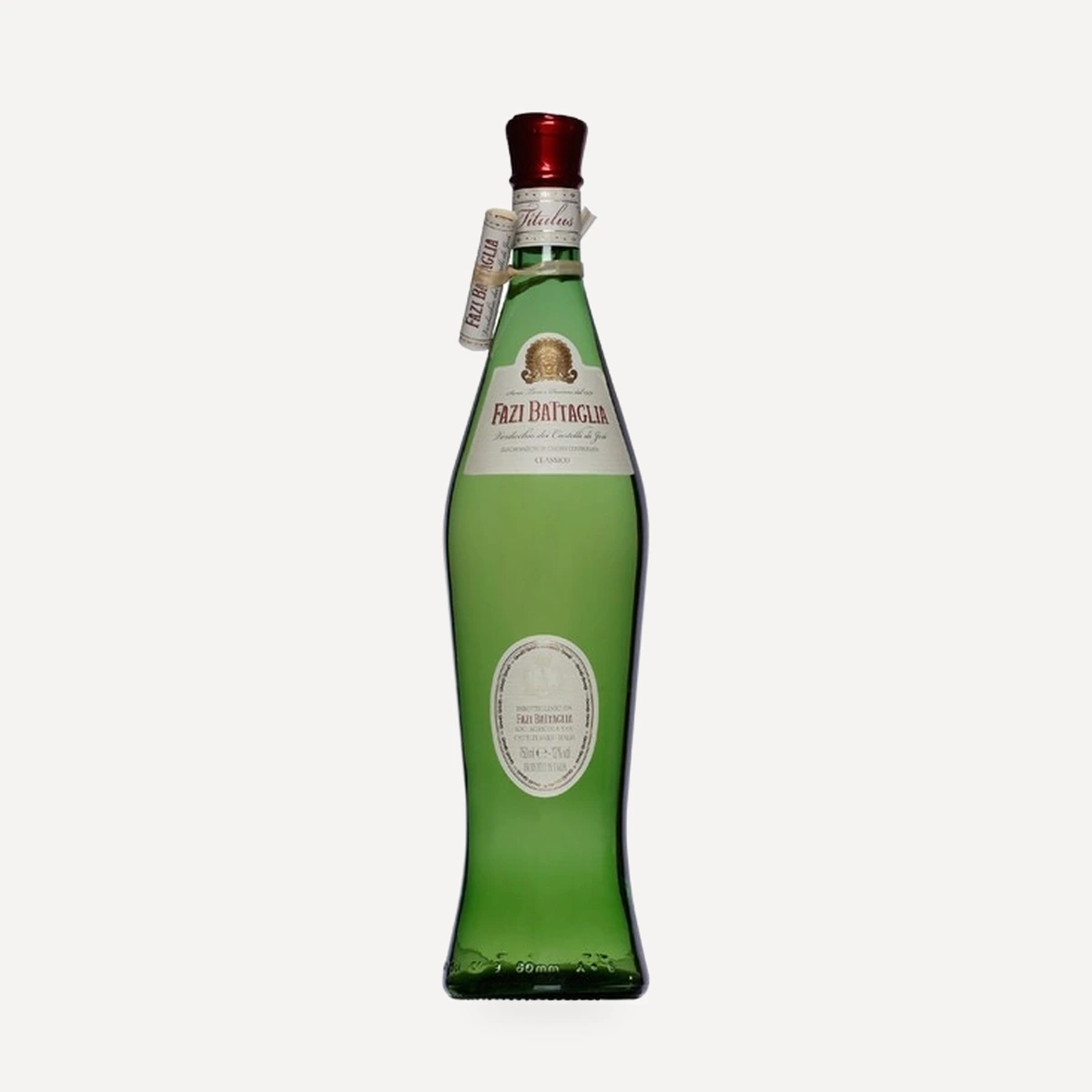
Titulus Verdicchio dei Castelli di Jesi Classico
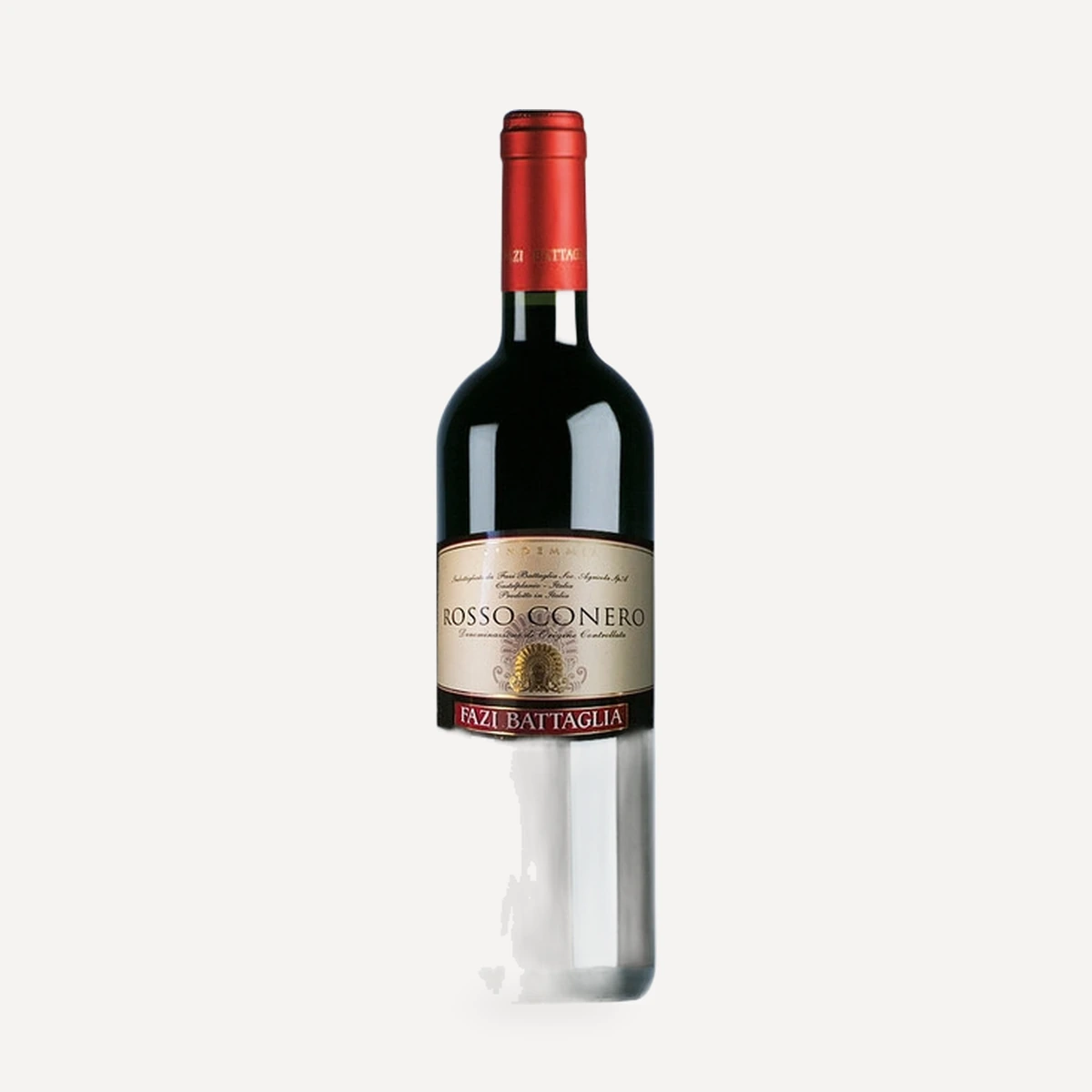
Rosso Conero DOC
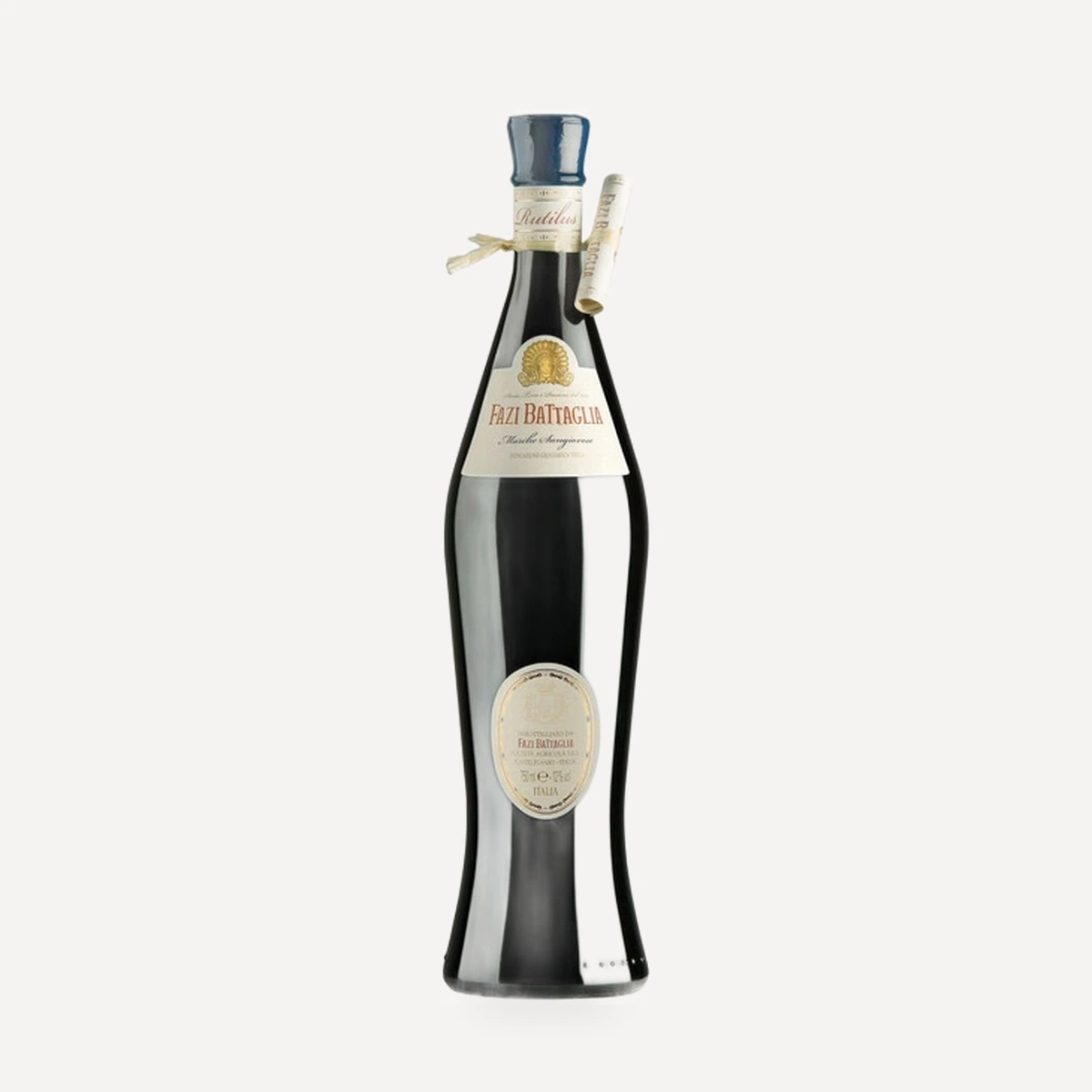
Rutilus Marche IGT
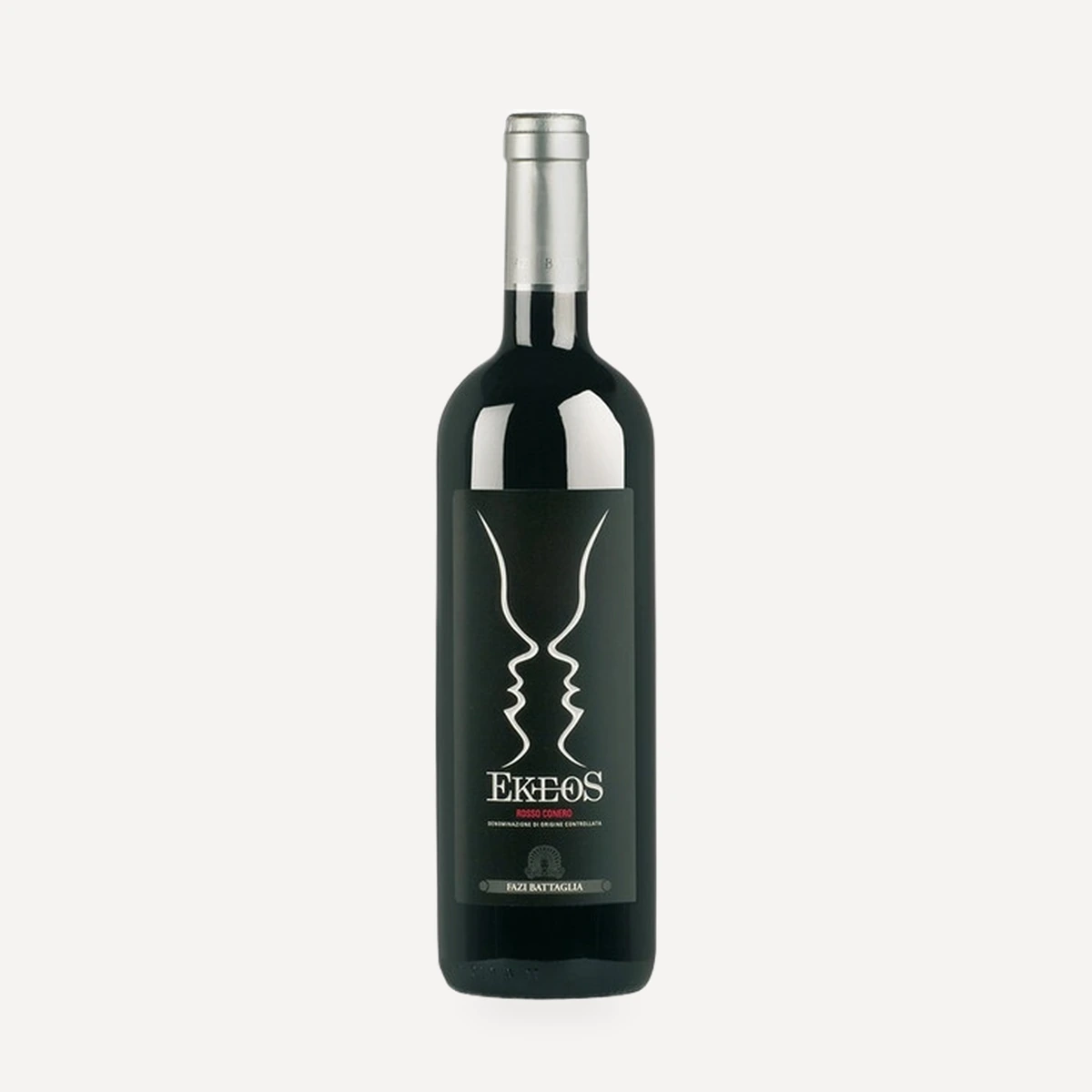
Ekeos Rosso Conero DOC
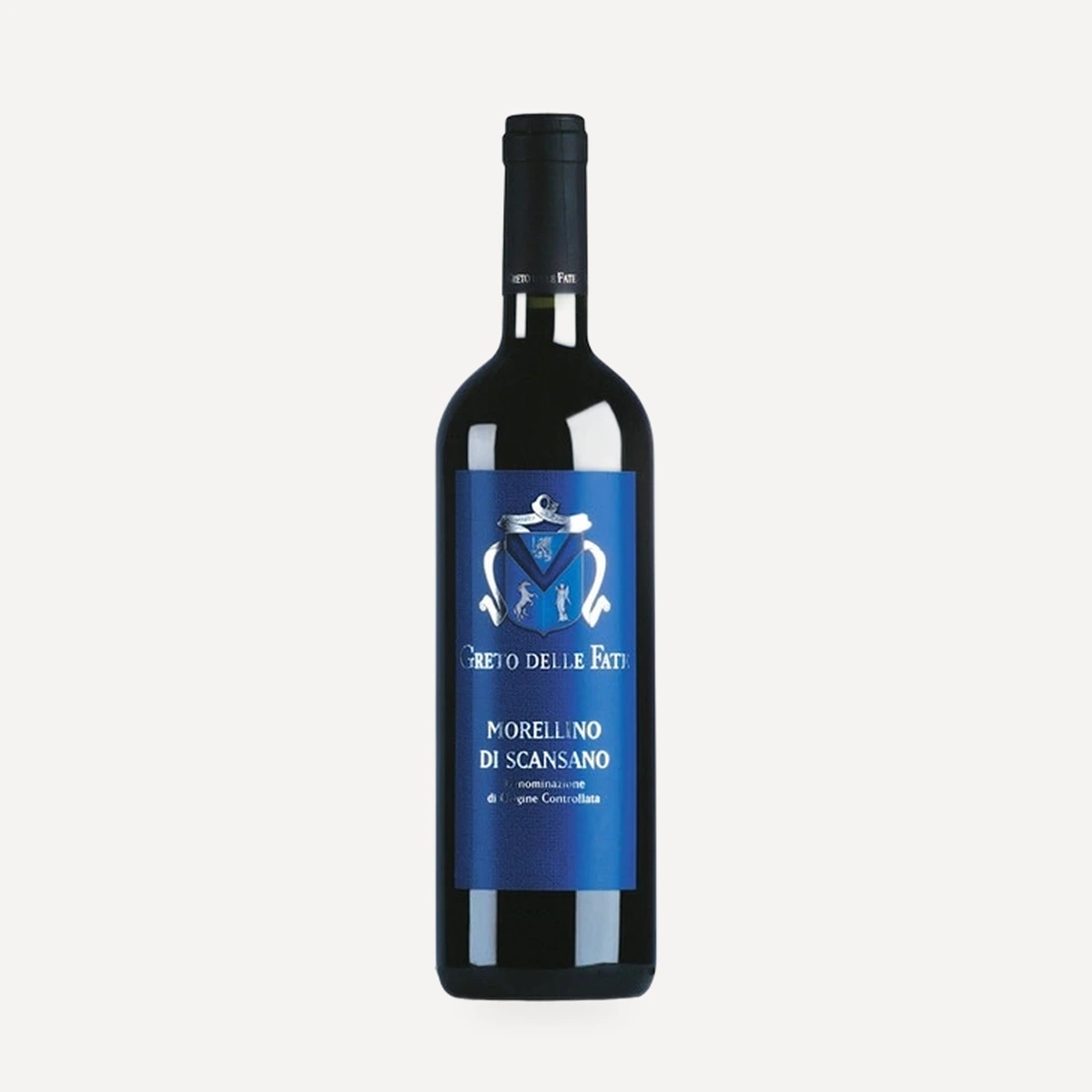
Greto delle Fate Morellino di Scansano DOCG
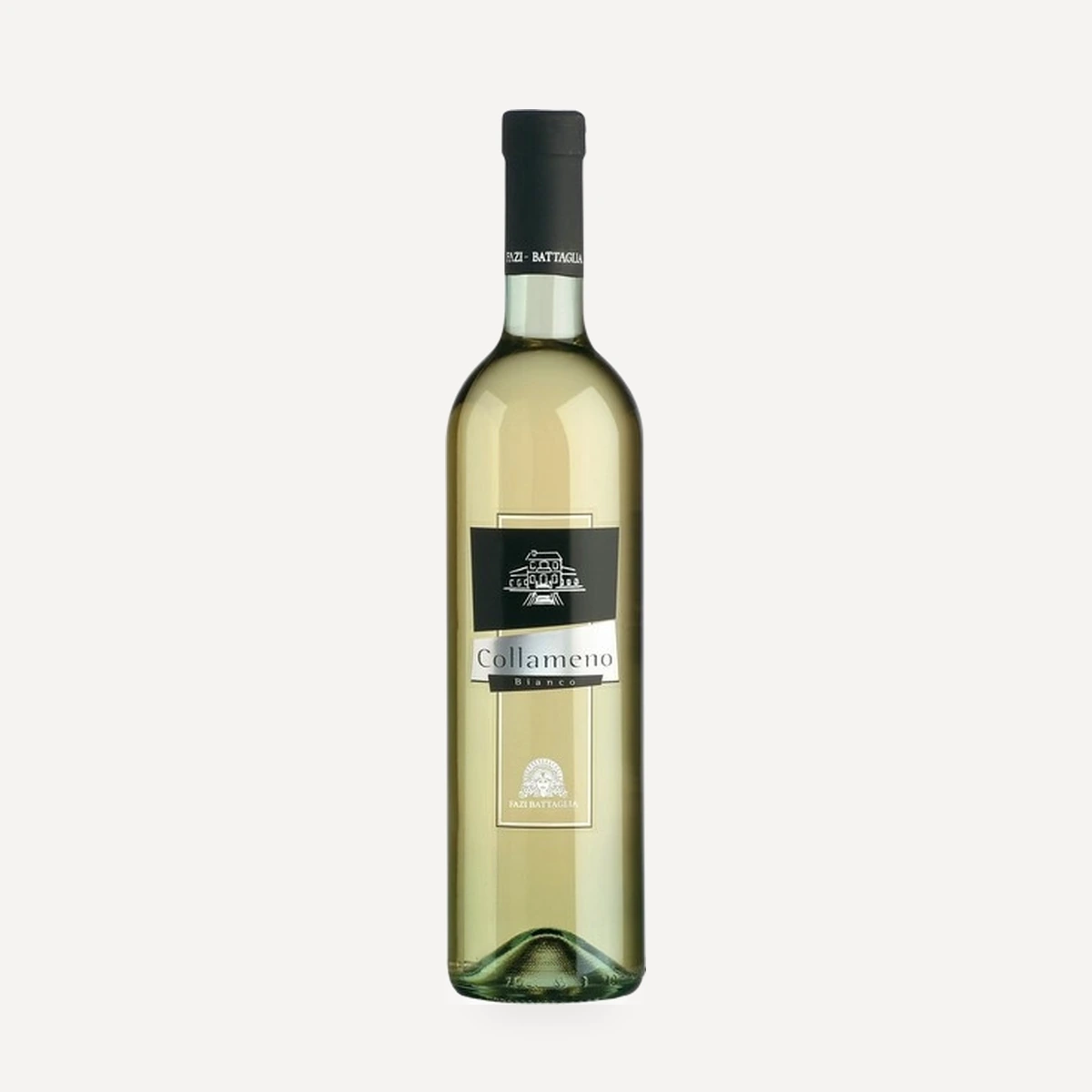
Collameno Bianco IGT