History
Burgundian roots and the foundation of Bertani
Before founding the business, Gaetano Bertani travelled to Burgundy. There he learned contemporary viticultural and winemaking techniques from his friend Jules Guyot, the noted French viticulturist and winemaker. Gaetano subsequently joined his brother Giovan Battista Bertani in establishing the Cav. G.B. Bertani winery in Valpantena in 1857.
The brothers brought French technical ideas into a Veronese wine culture then dominated by sweet Recioto. Their dry Secco-Bertani represented a break with that convention and helped establish a distinct dry-wine style in Verona. Bertani also invested early in bottled wine and export markets.
Expansion, exhibitions and international distribution
The company took part in the principal Italian wine exhibitions of its period, including events in Verona, Milan and Turin. Its wines and winemaking innovations received international recognition. A document preserved in the Verona Chamber of Commerce records worldwide distribution of Bertani Valpolicella Valpantena by 1888.
The historic Secco recipe combined 80% local varieties from the hills around the Grezzana headquarters with 20% other varieties, a composition documented for 1889. The Veronese Academy of Agriculture later awarded Bertani a gold medal for innovation linked to quality and respect for its territory, and a symposium was devoted to the Secco-Bertani production method. The House of Savoy also authorized Bertani to display the royal crest.
Soave, Tenuta Novare and the first Amarone
Soave Bertani was served at the luncheon celebrating the coronation of King George VI. By the middle of the twentieth century, Bertani had acquired Tenuta Novare in Valpolicella Classica, concluding a search lasting roughly half a century for a site capable of producing a wine designed for long ageing.
The first official vintage of Bertani Amarone della Valpolicella Classico was 1958. It was made through the natural appassimento of Corvina and Rondinella followed by slow fermentation and exceptionally long maturation. Ernesto Barbero served as Bertani's oenologist from 1959 to 1989 and articulated the stylistic objective as a balance between Amarone's concentration and longevity and the freshness and drinkability of a fine dry red.
Ognisanti subsequently became Bertani's first single-vineyard wine. Its name comes from the old Ognissanti church within the vineyard, a building that belonged for centuries to the friars of San Tomaso.
Revival of historic styles and development of the crus
Bertani revived Secco and Soave as the Original Vintage Edition range, returning to historic recipes and production ideas while presenting them in a contemporary form. The Cru di Bertani project later created two single-vineyard interpretations of Tenuta Novare: Valpolicella Classico Le Miniere di Novare and Valpolicella Classico Superiore Ognisanti di Novare.
Bertani became part of Angelini Wines & Estates in 2013. In 2021 it presented a renewed Valpolicella Valpantena range—Valpolicella Valpantena, Valpolicella Ripasso Valpantena, Amarone della Valpolicella Valpantena and Recioto della Valpolicella Valpantena—reaffirming Valpantena as the production district in which Bertani began in 1857. The same presentation introduced the 2012 Amarone della Valpolicella Classico after an additional year of maturation chosen to achieve the intended balance.
The Library and recognition of the estate's trajectory
The Library project opened in 2022 as an archive of historic Amarone della Valpolicella Classico vintages kept in the Grezzana cellars. Forty-eight vintages were held from 1958 through 2015; Master of Wine Nick Jackson selected and classified 43 of them by four stylistic families: Exuberance, Gentleness, Harmony and Finesse.
In October 2022, Bertani was named Winery of the Year in Gambero Rosso's Italian Wines 2023. The award recognized the estate's long-term trajectory, stylistic consistency and ability to develop agricultural and winemaking knowledge while retaining its roots in classicism and tradition.
Renewal of the Grezzana winery
On 1 May 2024, Bertani reopened its historic Grezzana winery after redeveloping more than 400 m² of hospitality space. Westway Architects, under Maurizio Condoluci, combined new architecture with restored historic elements, archive material and colours recalling Verona. Three reception rooms—Sala Fondatori, Sala Archi and Sala Torchi—were connected by a handmade acidified-concrete floor. Sala Archi incorporated the arches of an older structure and introduced a visual museum route through the company's history.
The project retained working objects as part of the visitor narrative, including original wicker harvest baskets and an original wooden arela. The winery also introduced the Valpolicella Classica and Library Experience tours and opened its Wine Club during spring 2024.
Recent projects
In May 2025, the estate announced Casa Bertani at The Roof in Cortina d'Ampezzo, a three-year hospitality and gastronomy partnership intended to run through the Milano–Cortina 2026 Winter Olympics. The venue was designated for Bertani launches, presentations, limited releases and Wine Club dinners.
Also in May 2025, the Grezzana winery presented a special Library Experience for Cantine Aperte. The event drew on the historic Amarone collection and the hospitality areas inaugurated the previous year.
Terroir
The Veronese territories
Bertani works across four distinct Veronese areas: Valpolicella Classica, Valpolicella Valpantena, Soave and Lugana. Its approach treats each as an individual territory rather than imposing a single production model.
Valpolicella Classica
Valpolicella Classica lies between the warm influence of Lake Garda and cool air descending from the Monti Lessini. Valleys fan southward from the mountains toward the Veronese plain. The area's geological diversity includes basalt, marine gravel and breccia, limestone mixed with clay, and red and white limestone. Traditional dry-stone marogne, constructed from stones cleared from the ground, retain parts of the vineyard landscape.
Tenuta Novare, at Arbizzano di Negrar, is the principal site for Bertani Amarone della Valpolicella Classico and the estate's two named crus. Amarone parcels are associated with limestone and basalt soils. Le Miniere di Novare lies above the Novare mine tunnel, a feature reflected in its iron-associated identity. Ognisanti occupies terraces above the old Ognissanti church.
Valpolicella Valpantena
Valpantena is a pre-Alpine valley northeast of Verona in the central Monti Lessini. Its marl-limestone soils contain substantial iron. The valley was known historically for its fertility, and its name derives from the Latin Pantheon, interpreted as the valley of all the gods. Grezzana, Bertani's headquarters and historic winery location, lies within this production district.
Soave
The Veronese vineyard arc closes to the east around Soave, where limestone and volcanic formations create a contrast between light and dark soils. Vineyards, many traditionally trained to pergola, share the hills with cherry and olive trees. The Sereole vineyard lies between Soave and Monteforte d'Alpone. Soave Vintage comes from the western slope of the Soave hill, north of the castle.
Lugana
The Lugana Le Quaiare vineyards occupy morainic hills south of Lake Garda, between Desenzano del Garda and Sirmione, within the historic core of the appellation.
Winemaking
Bertani links tradition to continuing research and reassessment. Vineyard work is directed toward understanding and preserving the genetic heritage of its vines and protecting the land's biodiversity. The stated approach relies on non-invasive ecological practices rather than a declared certified farming regime.
The Novare massal selection of Corvina Veronese is retained in both named crus. Amarone parcels use double-Guyot training, and their average vine age is 20 years.
The 2024 season illustrates the estate's responsive vineyard management. Mild March temperatures encouraged early budbreak amid frequent rainfall. Spring frost affected some areas, but timely plant-health interventions and vine resilience limited significant damage. Heavy rain in May and June required intensive canopy and disease management while supporting strong vegetative growth. Heat in July and August accelerated veraison and ripening.
Corvina and Rondinella intended for messa a riposo were harvested from the sunniest sites beginning in early September. Late-September rain complicated the final phase, but supervised selection delivered healthy, aromatic fruit with marked acidity and salinity. Only healthy, intact bunches enter the appassimento process; they are placed individually by hand on wooden arele in the drying loft.
Historic winery and cellar
Bertani's production headquarters are in Grezzana, where the historic cellar contains large maturation barrels and the Amarone archive. The working heritage preserved in the renovated visitor route includes original wicker harvest baskets and a wooden arela used to illustrate the post-harvest resting process.
Natural appassimento
Fruit destined for Amarone della Valpolicella Classico undergoes natural drying in traditional fruttai. Healthy, intact bunches are laid by hand, one by one, on wooden racks. Bertani rejects forced temperature and humidity control, allowing natural ventilation and seasonal conditions to govern dehydration.
Rest duration responds to vintage conditions. The 2015 Amarone spent 78 days in the drying room. The broader Amarone Classico protocol allows approximately 120 days on racks, followed by crushing in early January. The 2024 harvest benefited from strong day-to-night temperature variation during drying.
Recioto della Valpolicella Valpantena also undergoes natural drying at the Grezzana winery. Its fermentation is stopped when residual sugar reaches 120 g/L.
Fermentation
Amarone Classico must ferments slowly in concrete vats, sometimes for more than 50 days. The 2015 vintage fermented for 45 days. This extended, deliberately patient fermentation is intended to build glycerol and higher alcohols while retaining aromatic richness and elegance.
Concrete is also important outside Amarone: Valpolicella Valpantena matures for about six months in cement; Le Miniere di Novare spends six to nine months in concrete; Catullo combines French oak maturation with a further year in 100-hL concrete vats; and Soave Vintage matures in concrete for nine months.
Maturation vessels
Amarone della Valpolicella Classico matures for seven years in 50–100 hL Slavonian-oak barrels, followed by approximately one year in bottle. The broader stylistic commitment is to maturation of at least six years in Slavonian oak before bottle ageing.
Other cellar vessels are selected according to origin and style. Amarone della Valpolicella Valpantena spends 24 months in 30-, 54- and 75-hL barrels. Valpolicella Ripasso Valpantena uses barrels of the same capacities together with 100-hL concrete vats. Catullo matures for 12 months in 75-hL French-oak barrels and another year in 100-hL concrete. Ognisanti di Novare matures for one year in French oak, while Sereole spends four to five months in French-oak vats. Recioto della Valpolicella Valpantena matures for about 12 months in cherry-wood barrels. Secco Vintage spends 18 months in traditional 750-L Veronese casks made from chestnut and cherry wood.
Lugana Le Quaiare remains in stainless steel for about three months after fermentation on its fine lees. The settled lees are returned to suspension twice weekly to build complexity and savoury character.
Bottle maturation and patience
Bottle ageing is treated as an active part of production. Amarone Classico rests for about one year after its long cask maturation. The crus, Catullo, Amarone Valpantena, Recioto, Soave Vintage and Secco Vintage receive additional bottle ageing ranging from three months to at least six months. The combination of unforced drying, slow fermentation, large-format wood and prolonged maturation defines Bertani's emphasis on elegance, dryness and longevity rather than extraction or immediate release.
Philosophy
Bertani defines tradition as an active choice shaped by research, comparison, courage and respect for nature. Continuity does not mean reproducing a fixed formula: past work is respected while vineyard and cellar decisions are reconsidered continually.
Three values organize this approach: respect, coherence and patience. Respect applies to the territory, vineyard genetic heritage and the natural conditions governing appassimento. Coherence means maintaining a recognizable dry, elegant style without pursuing easier production options or changing direction with fashion. Patience is expressed most clearly in Amarone Classico through natural drying, long fermentation, years in large Slavonian oak and further bottle maturation.
Territory takes precedence over technique as an end in itself. Bertani seeks wines with a clear identity from Valpolicella Classica, Valpantena, Soave and Lugana while adapting vessels and methods to each origin. In Amarone, the declared stylistic goal is elegance over power, moderate visual extraction, dryness, freshness and the capacity for extended development.
The estate also presents innovation as a form of respect for tradition. Historic recipes and vessels may be recovered, as in the Original Vintage Editions, while the crus interpret individual Tenuta Novare vineyards through contemporary parcel-focused work. Biodiversity, non-invasive ecological practices and preservation of massal selections form the environmental dimension of the same philosophy.
Wines
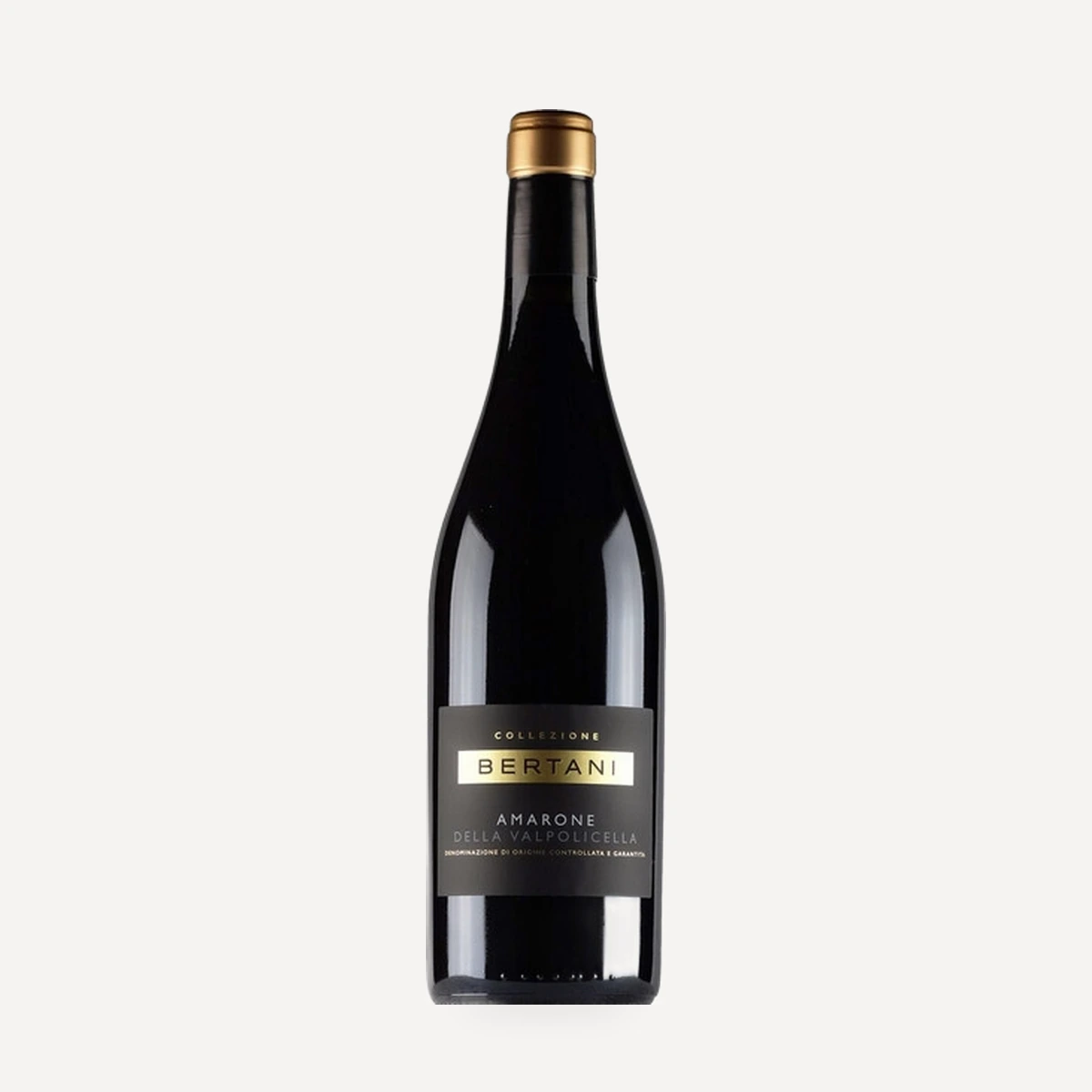
Amarone della Valpolicella Classico
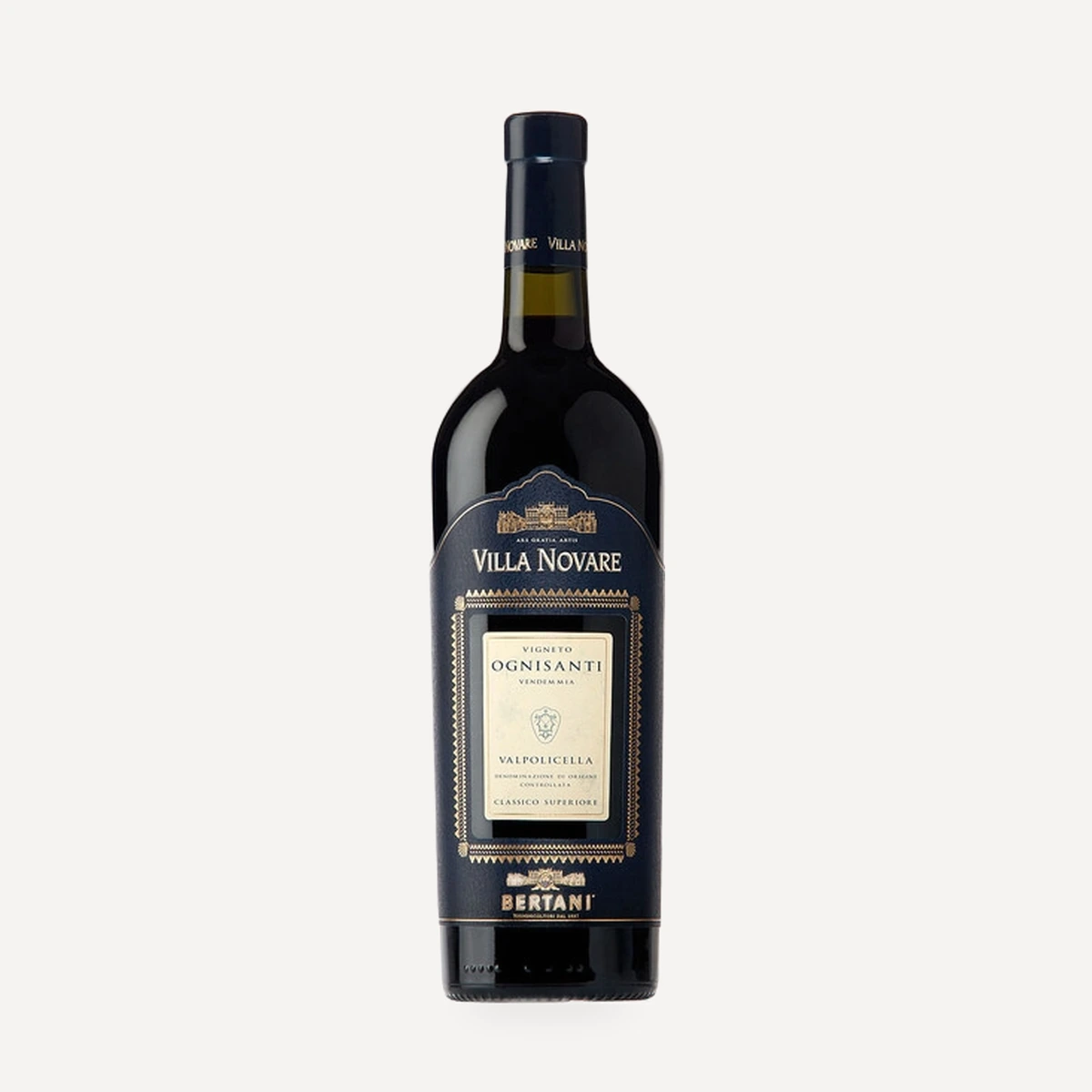
Ognisanti di Novare Valpolicella Classico Superiore
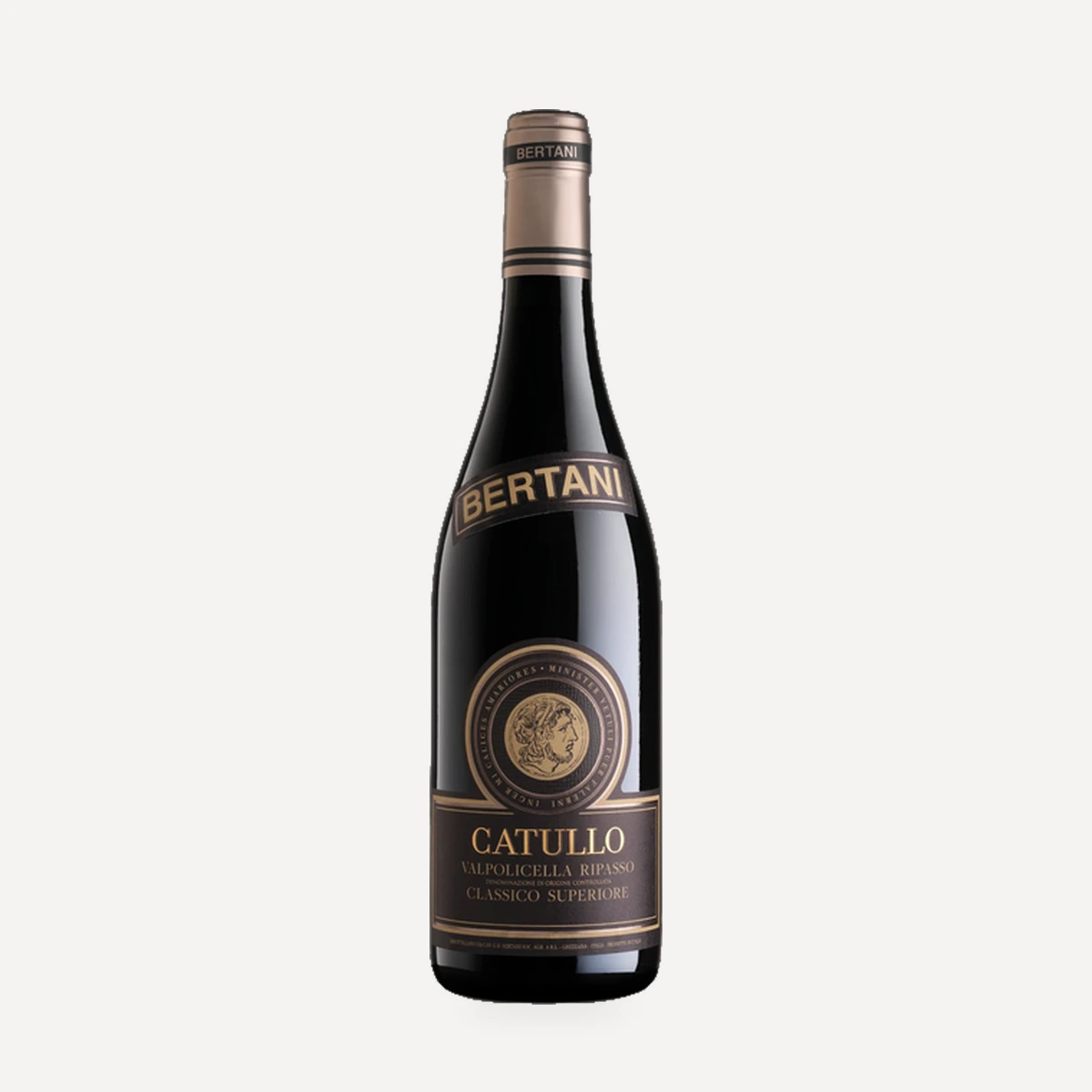
Catullo Valpolicella Ripasso Classico Superiore
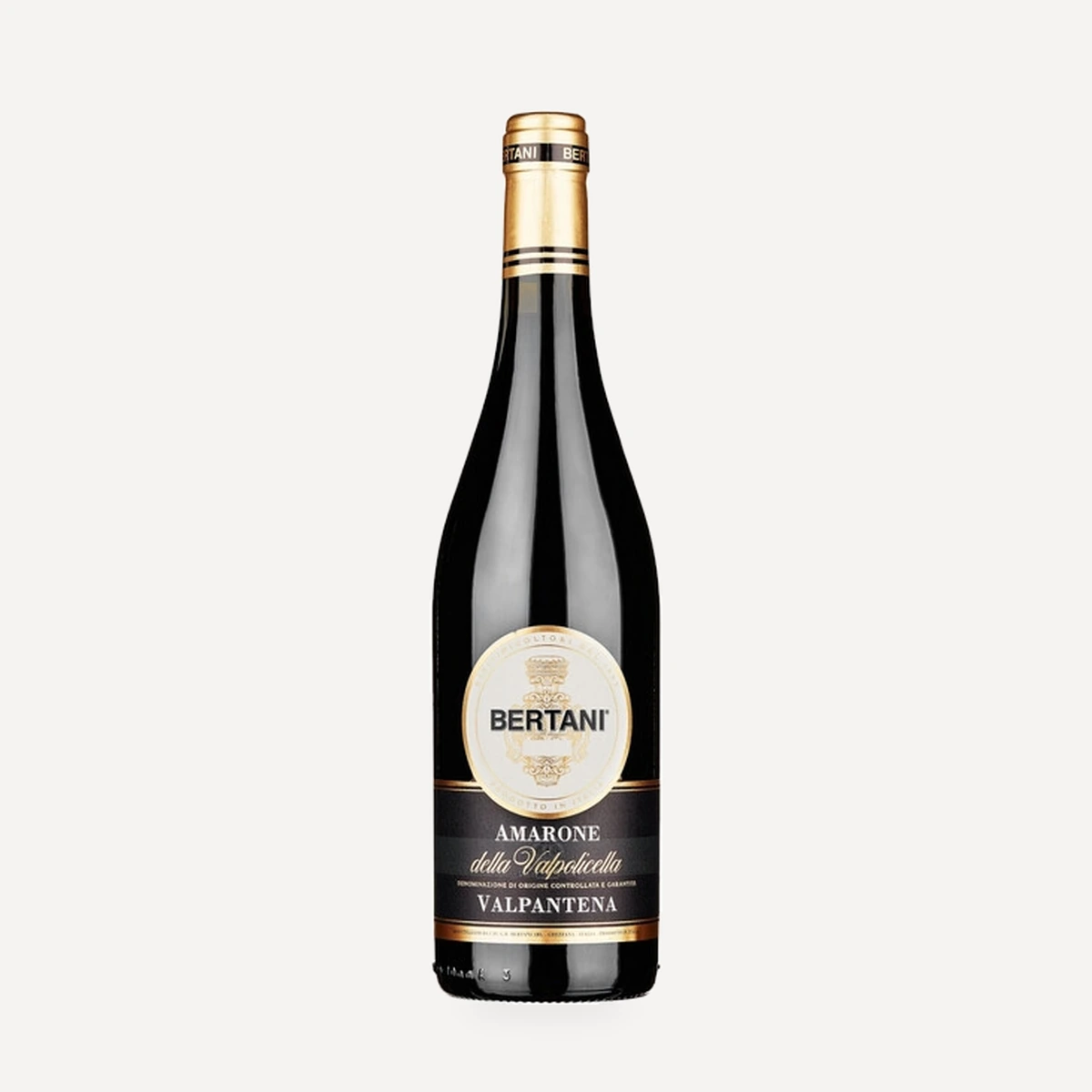
Amarone della Valpolicella Valpantena
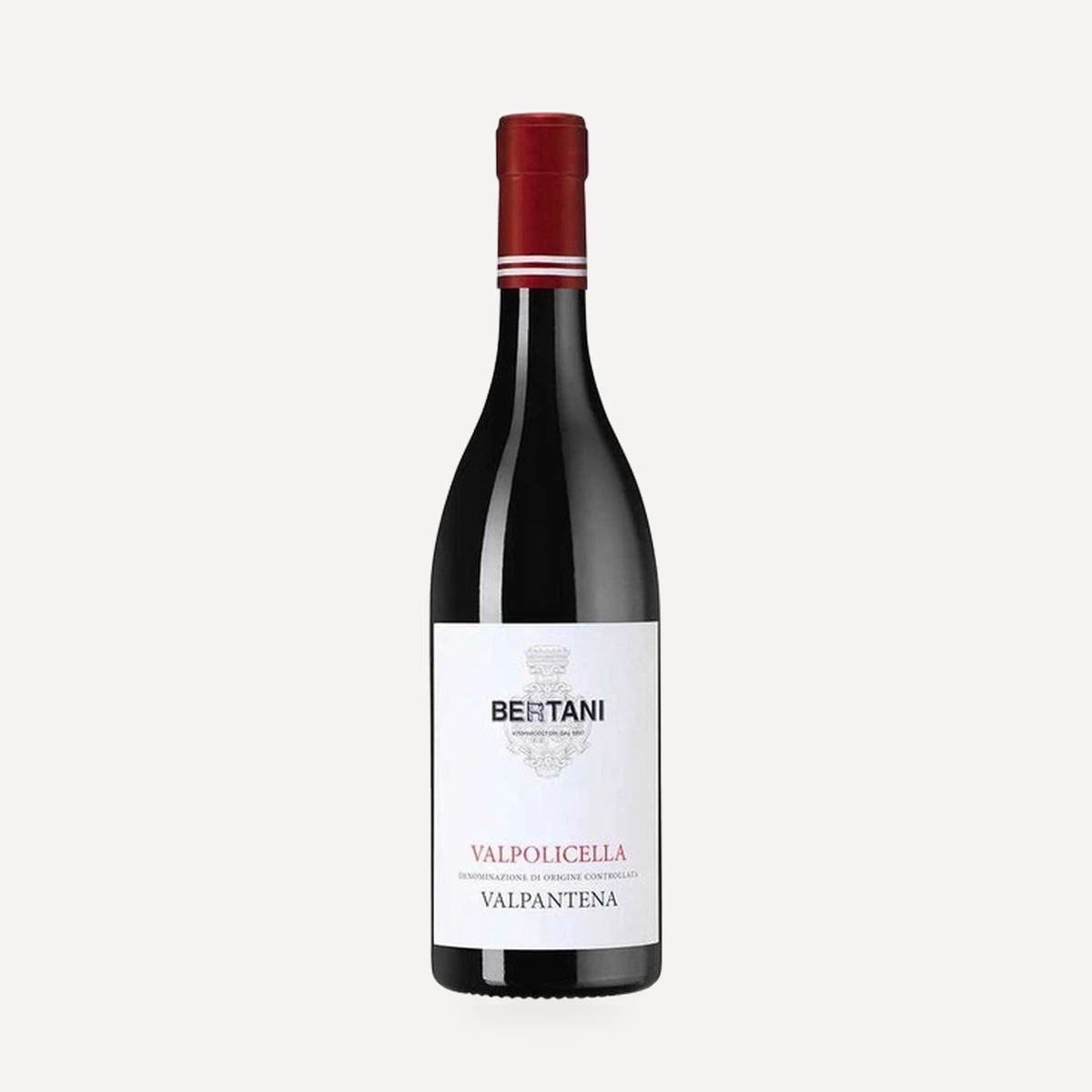
Valpolicella Valpantena
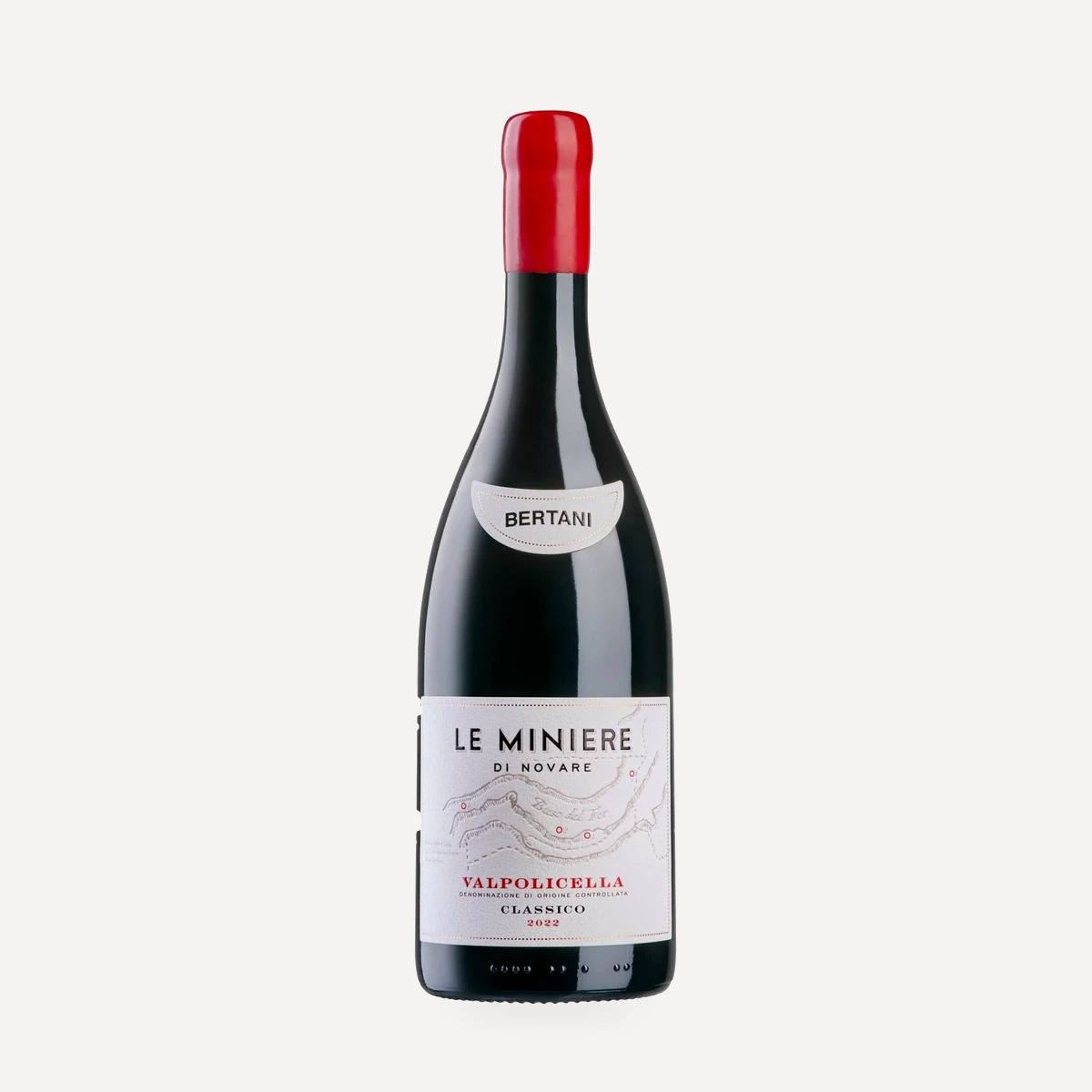
Le Miniere di Novare Valpolicella Classico
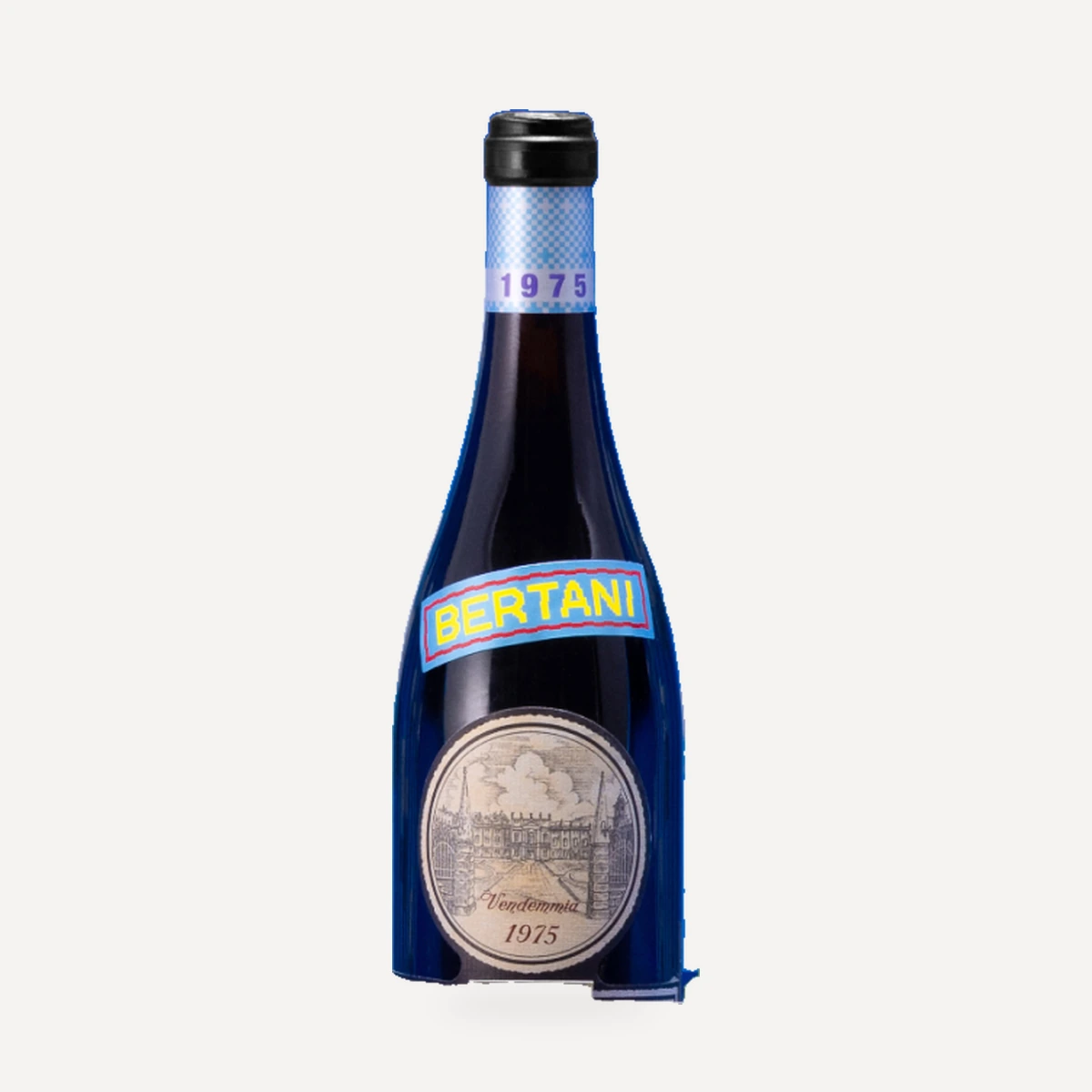
Amarone della Valpolicella Classico 1975 (Limited Edition)
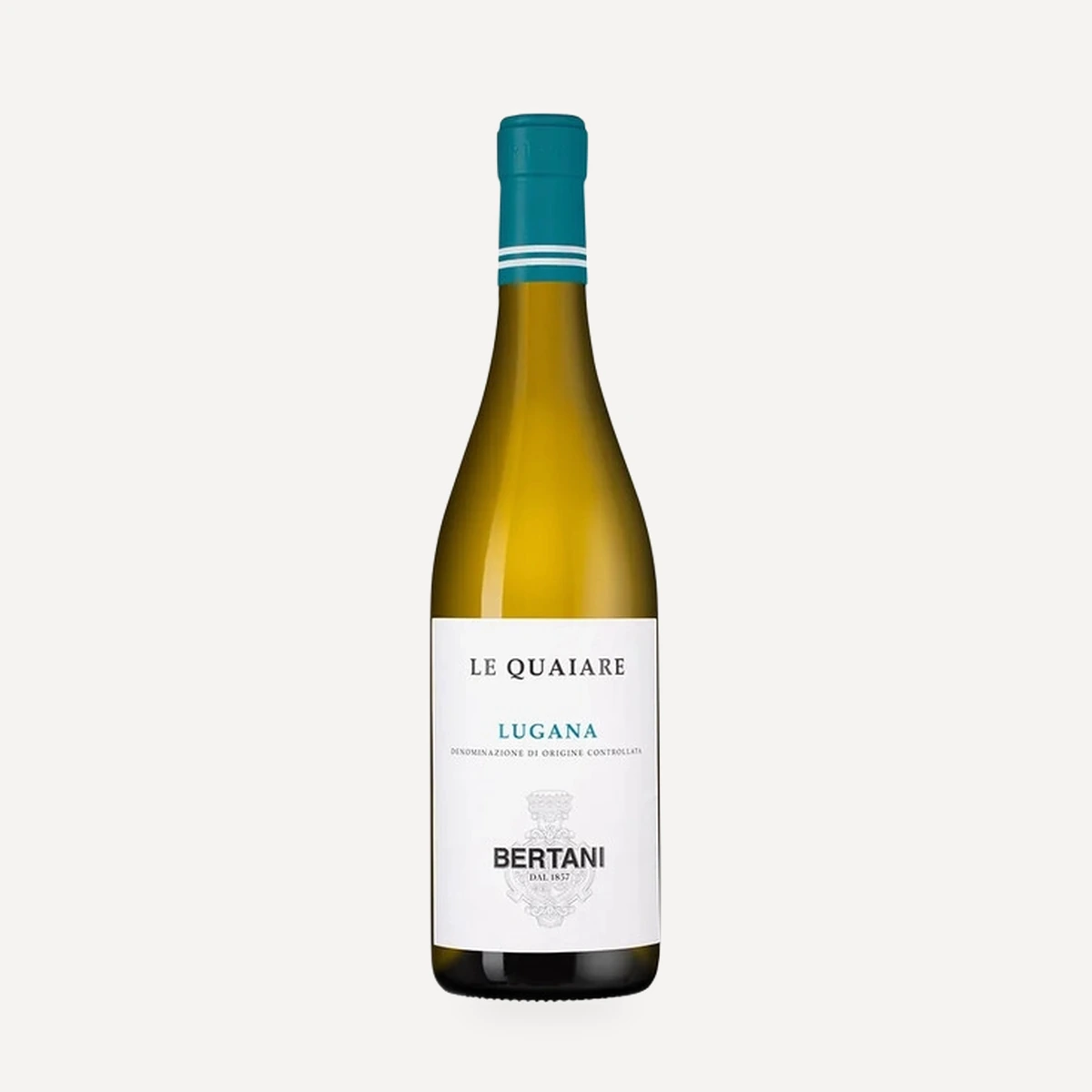
Lugana Le Quaiare
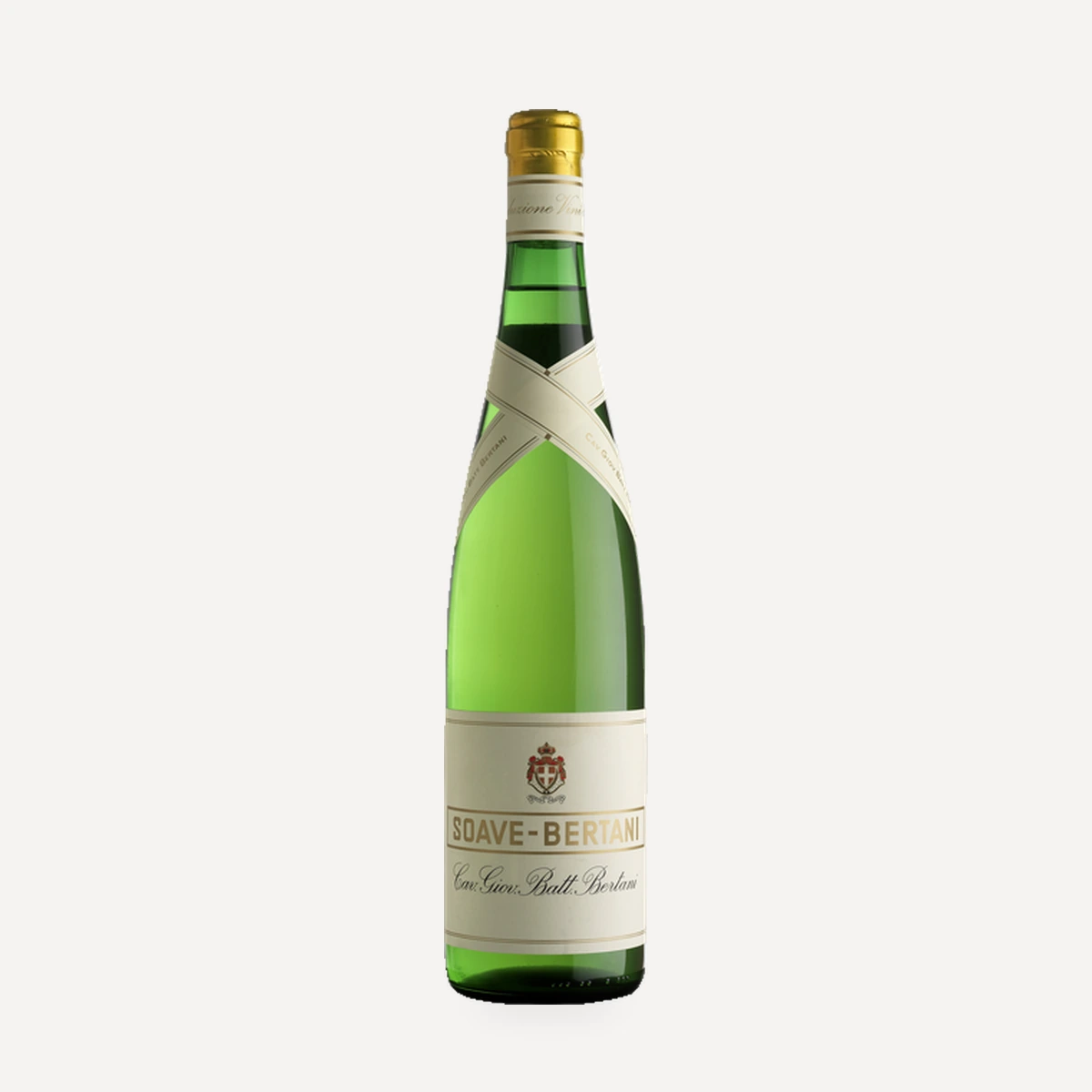
Soave Vintage
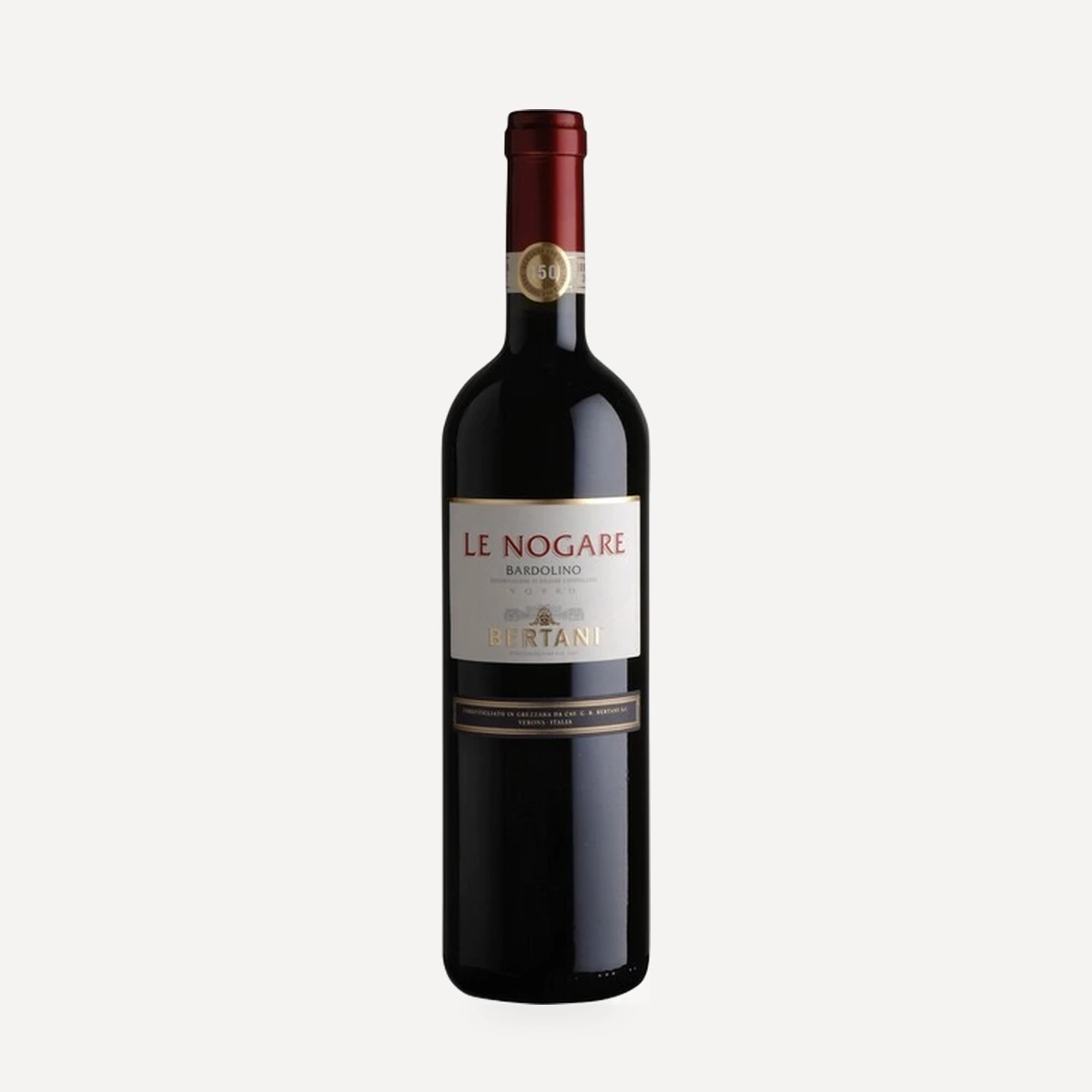
Le Nogare Bardolino DOC
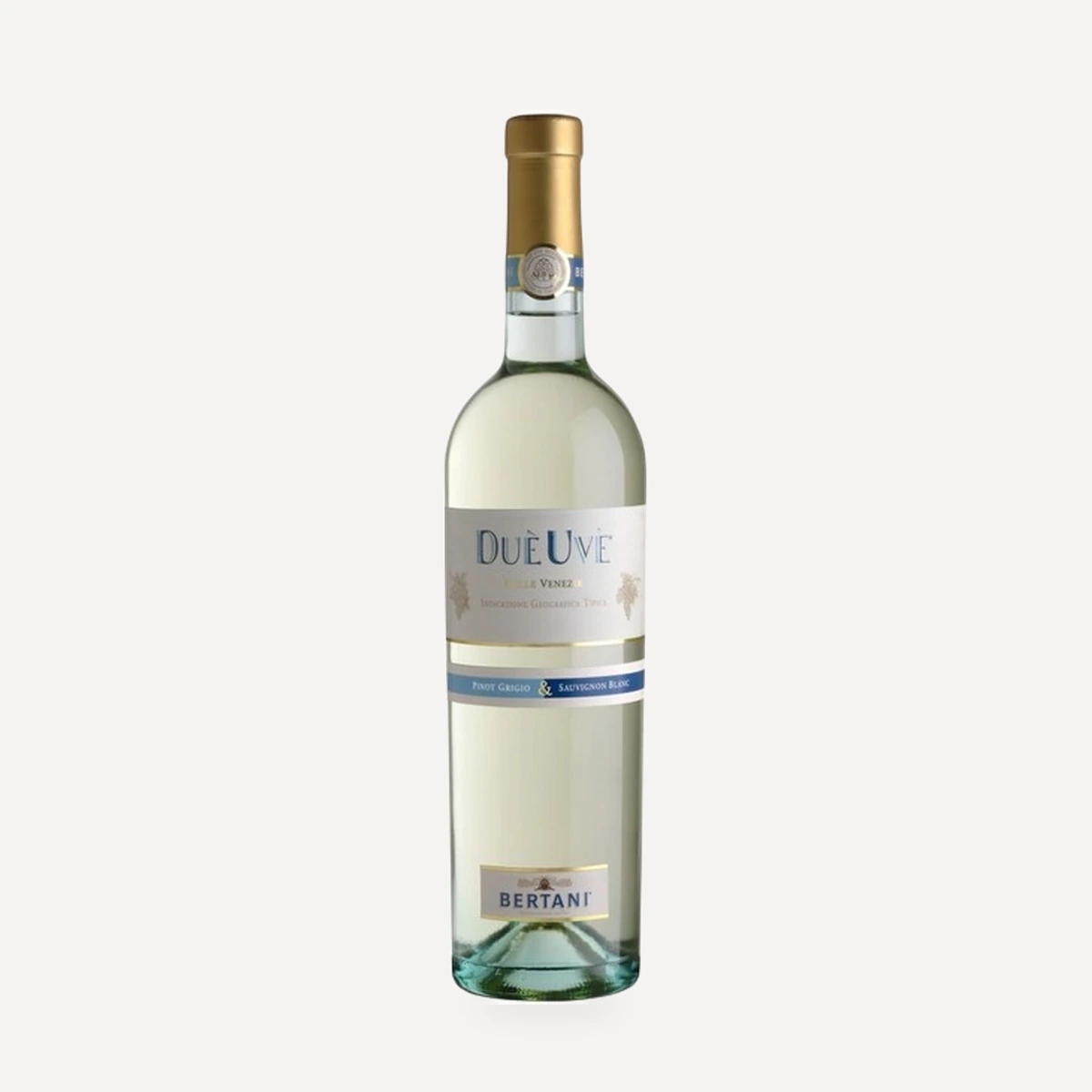
Due Uve Bianco delle Venezie IGT
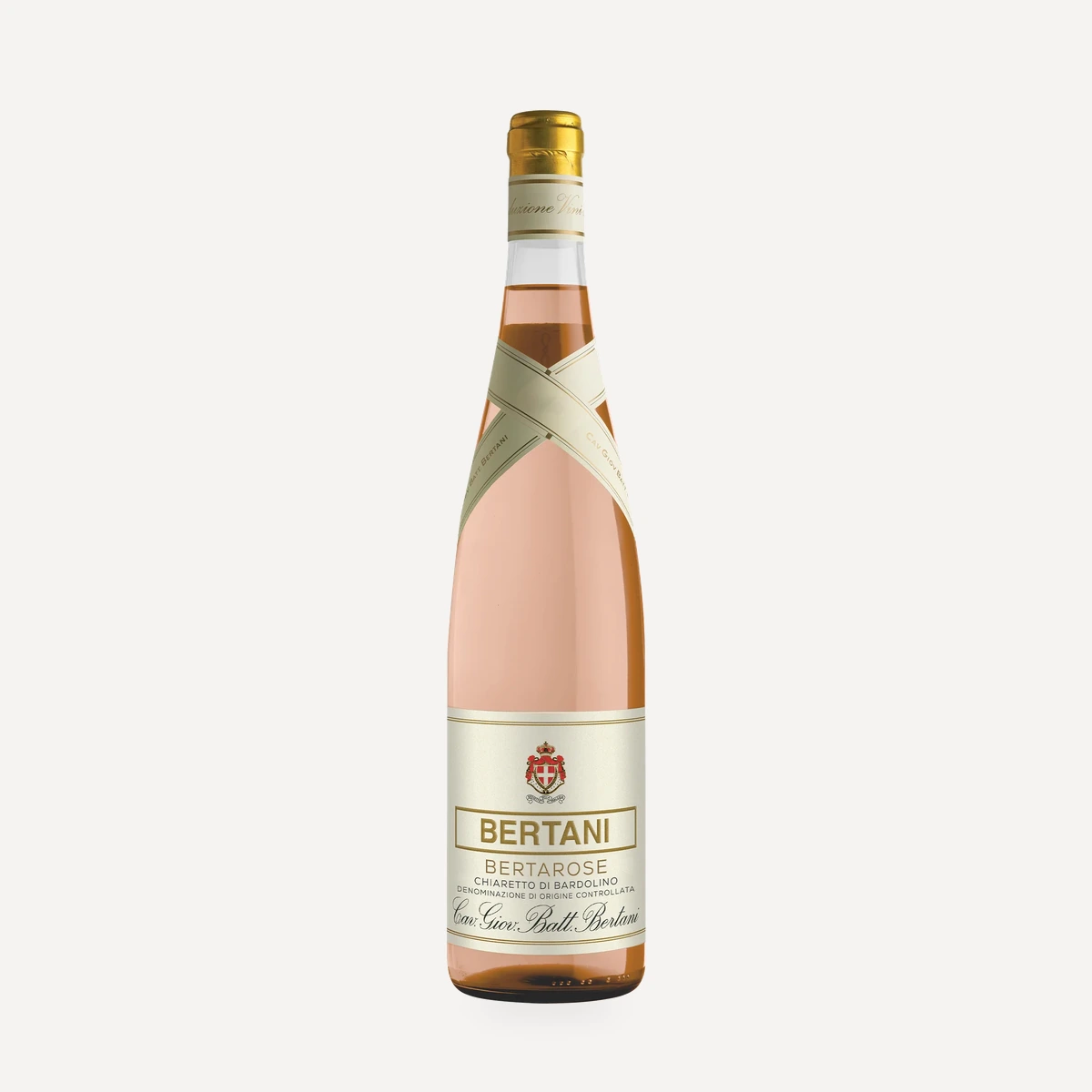
Bertarose Original Vintage Edition
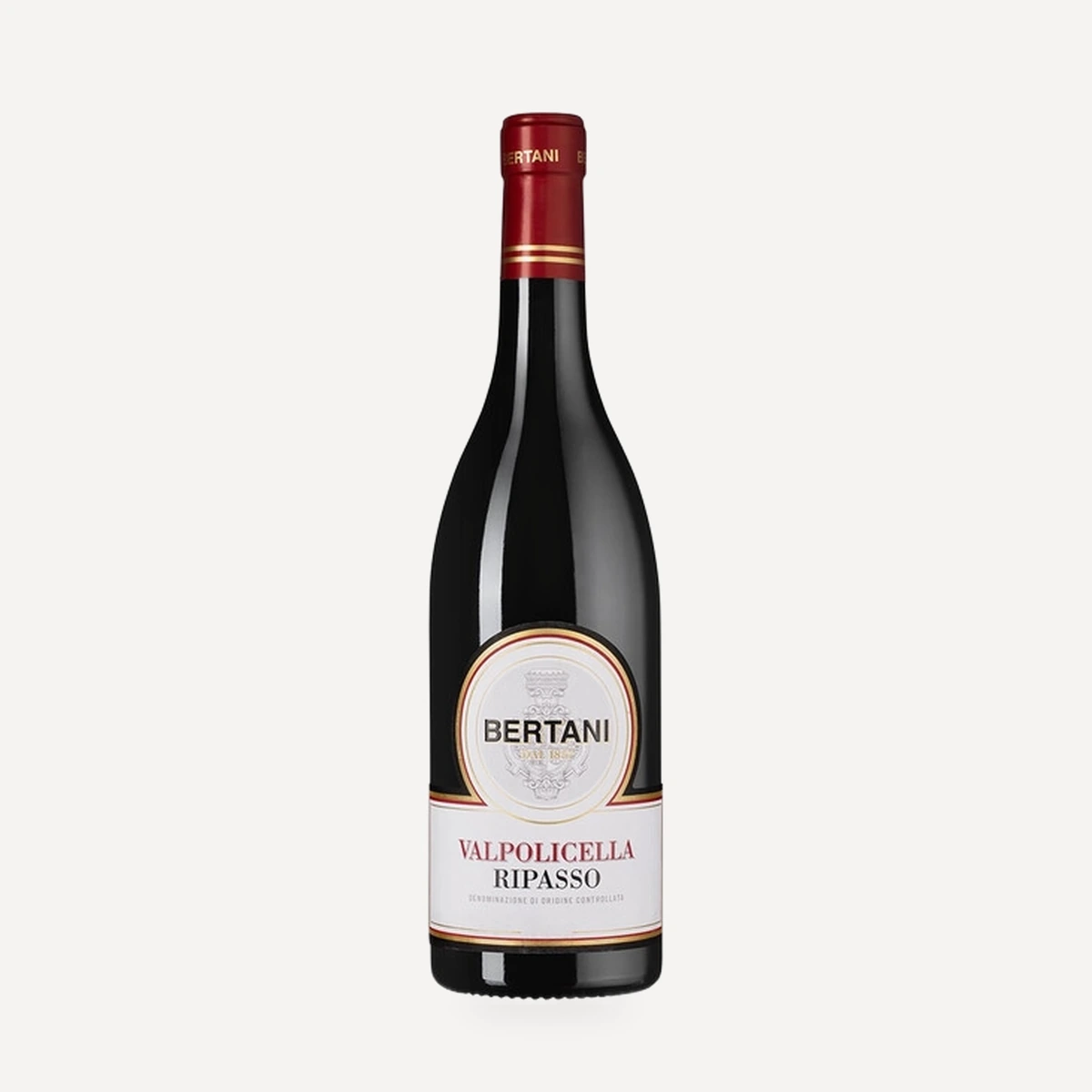
Valpolicella Ripasso Valpantena
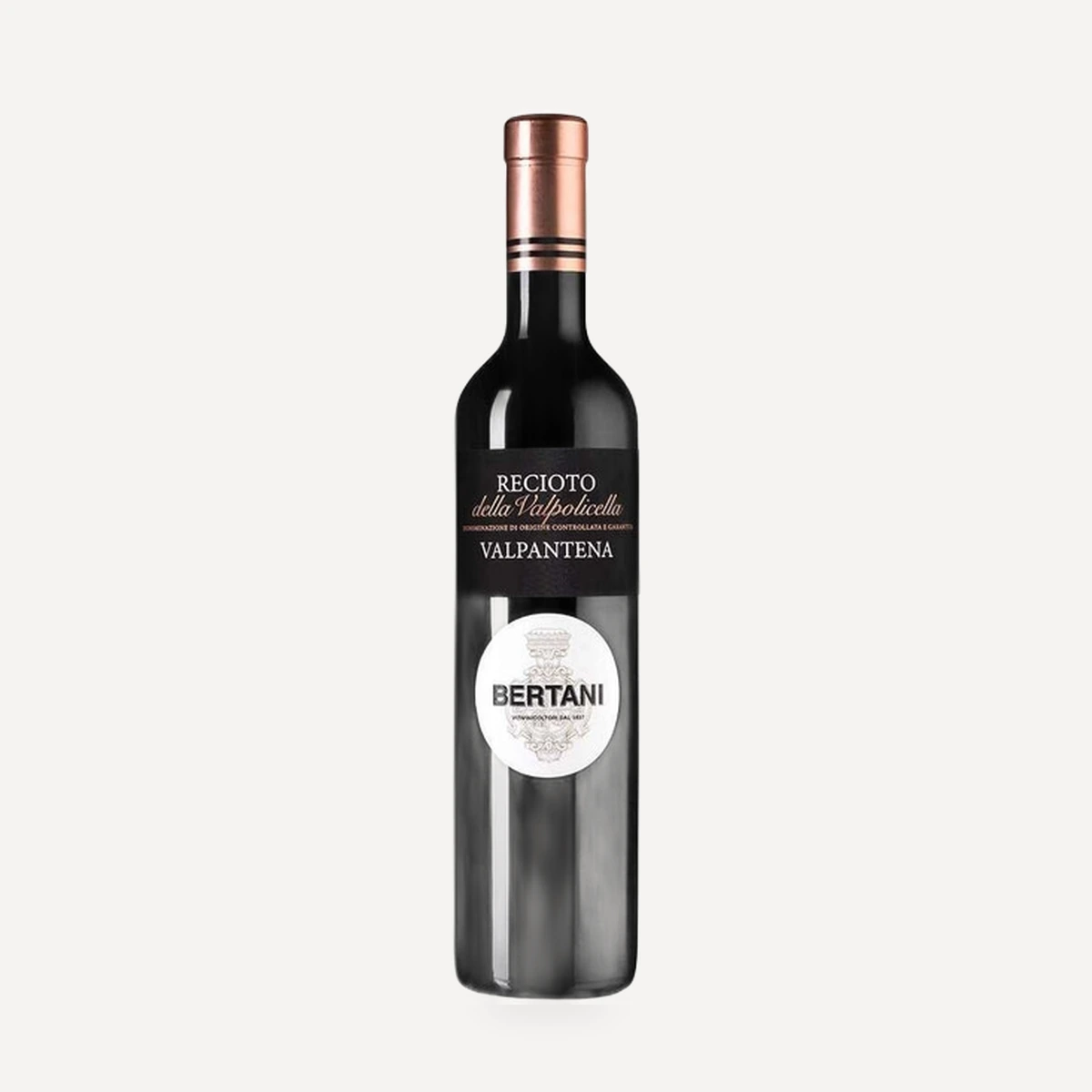
Recioto della Valpolicella Valpantena
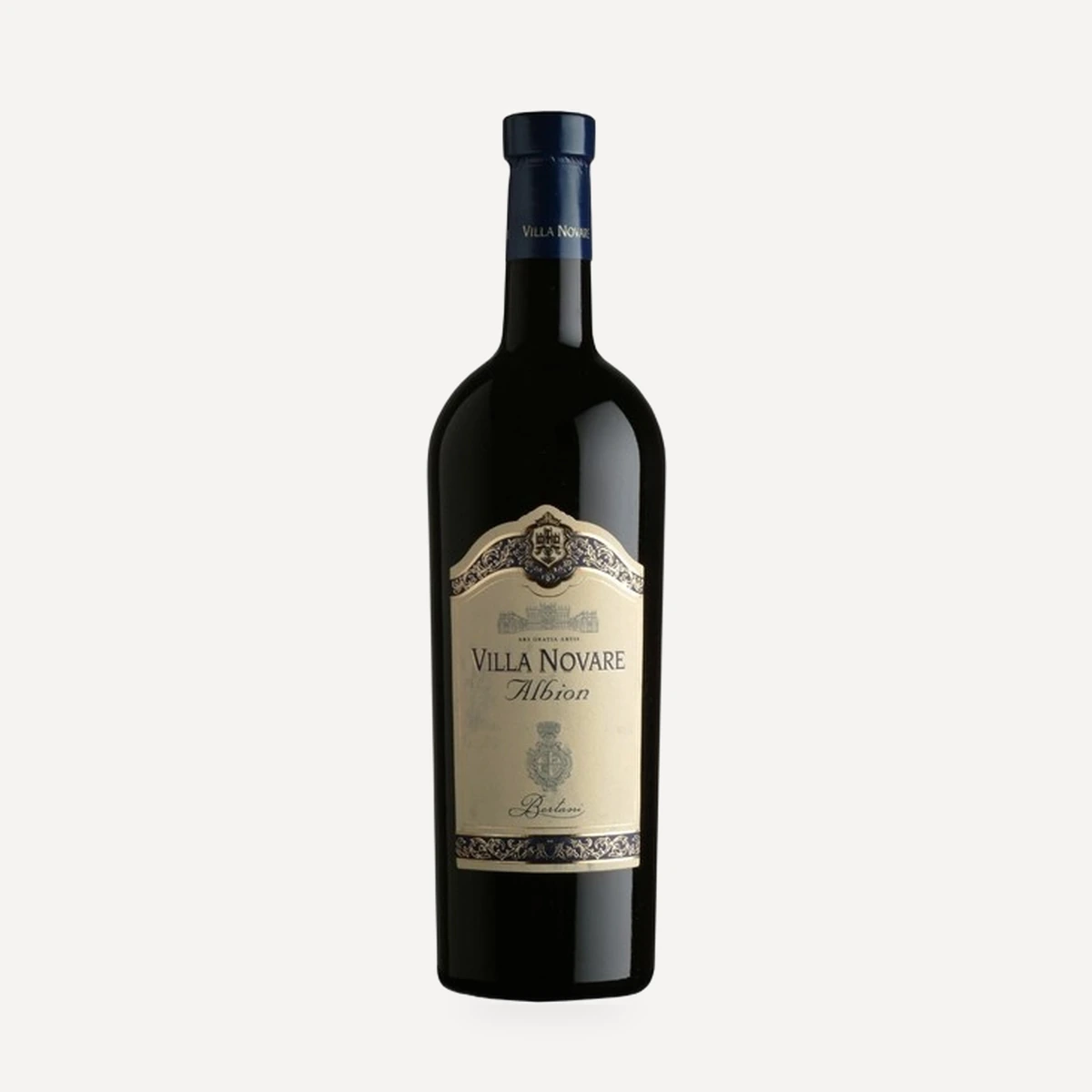
Villa Novare Albion Veneto IGT
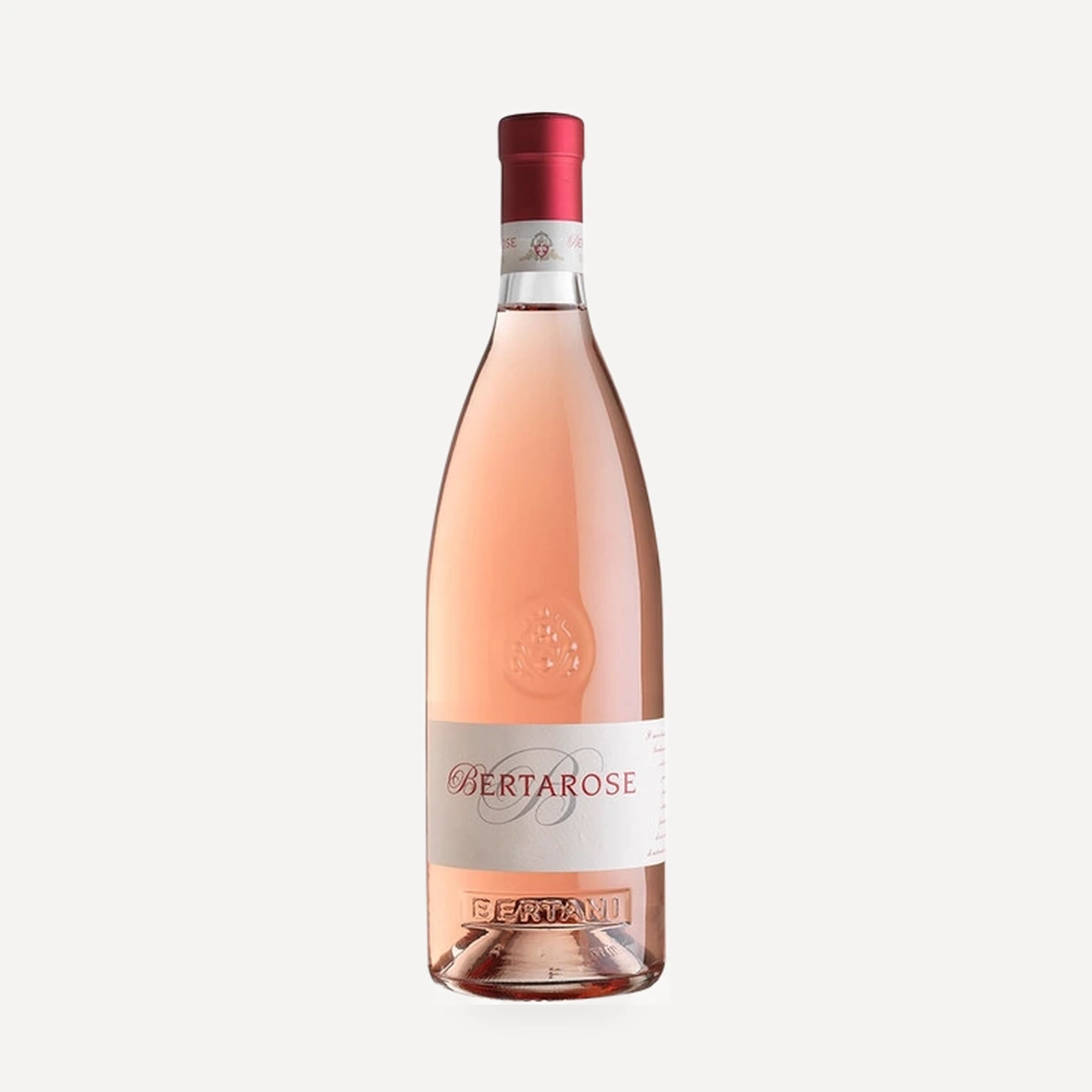
Bertarose Chiaretto Veneto IGT
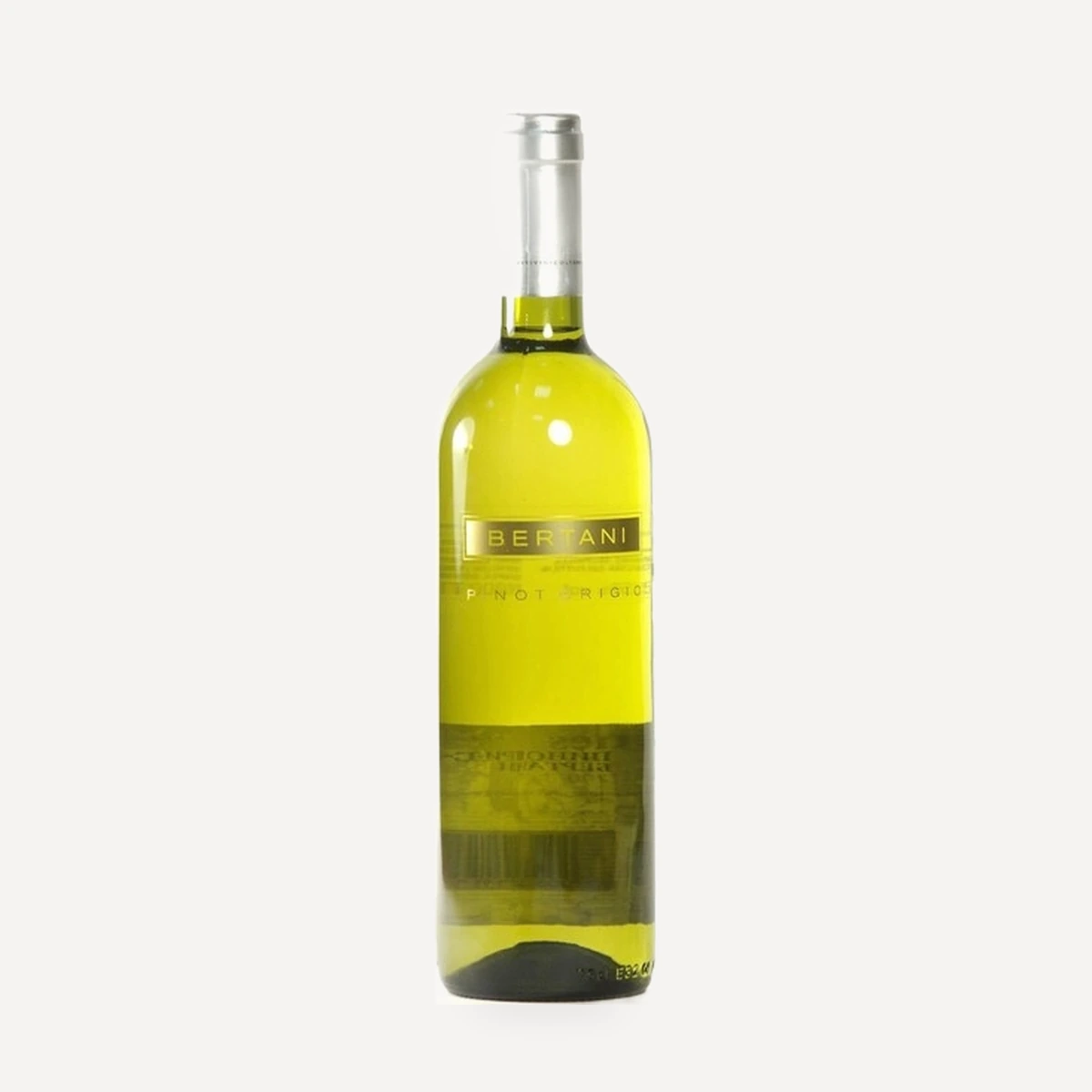
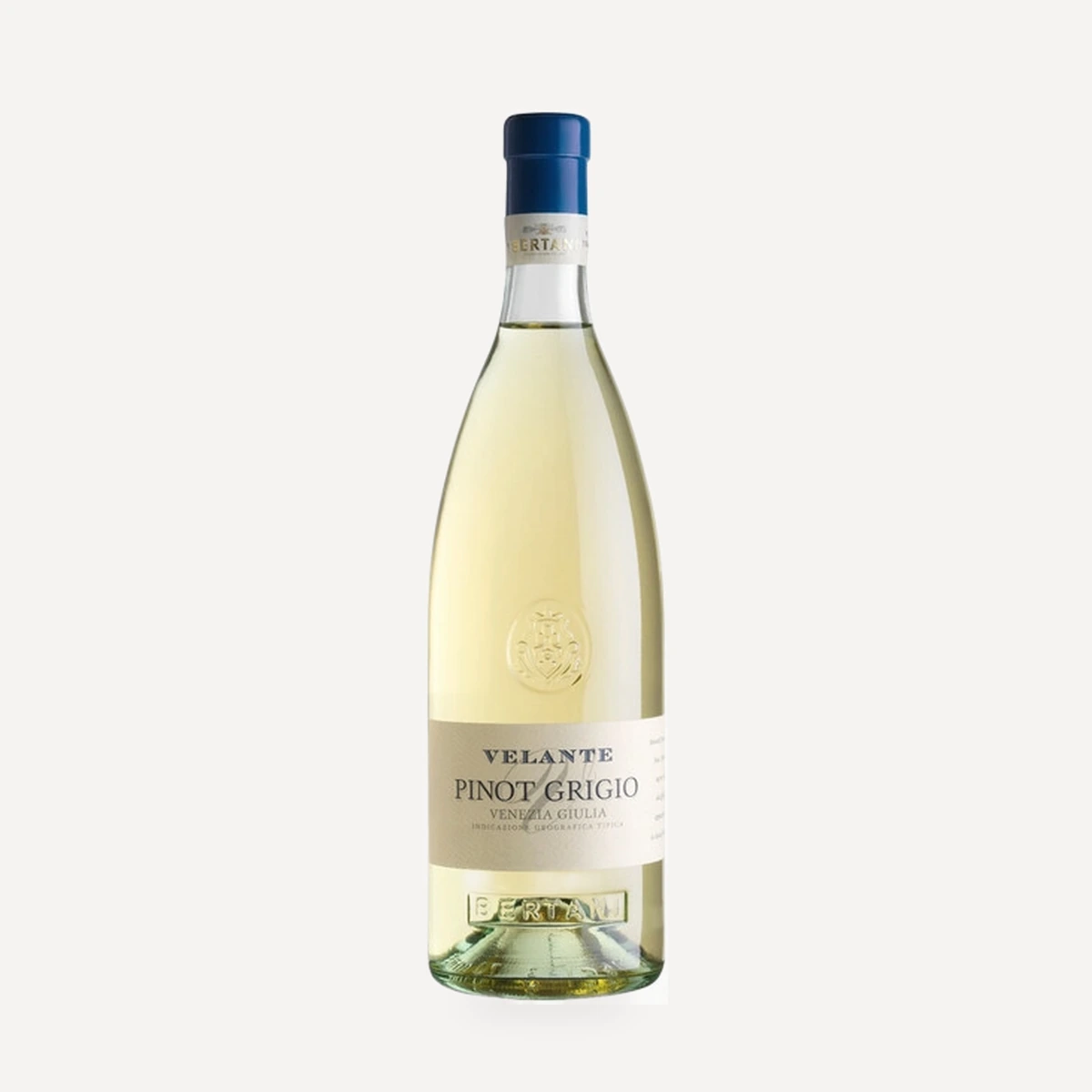
Pinot Grigio
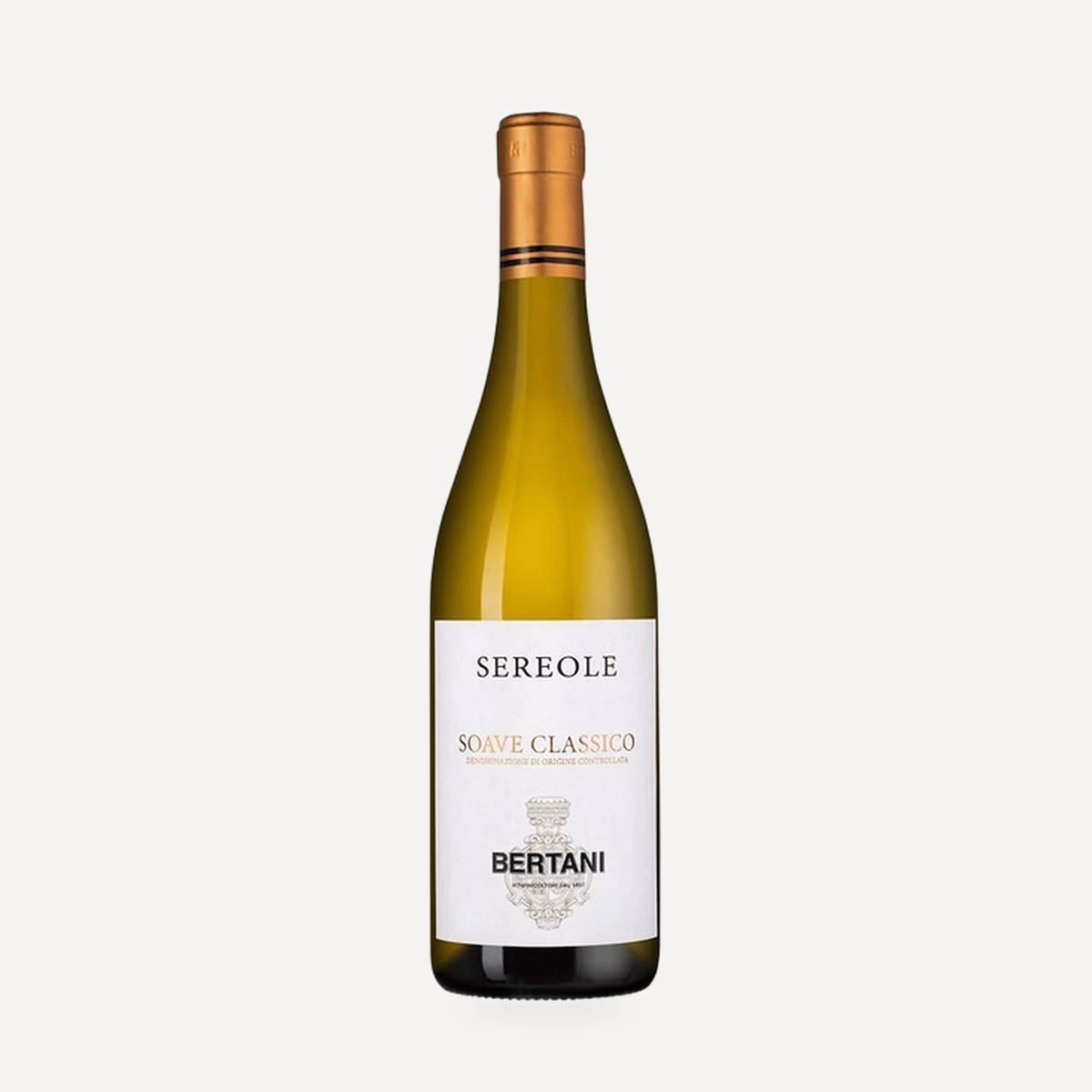
Sereole Soave Classico
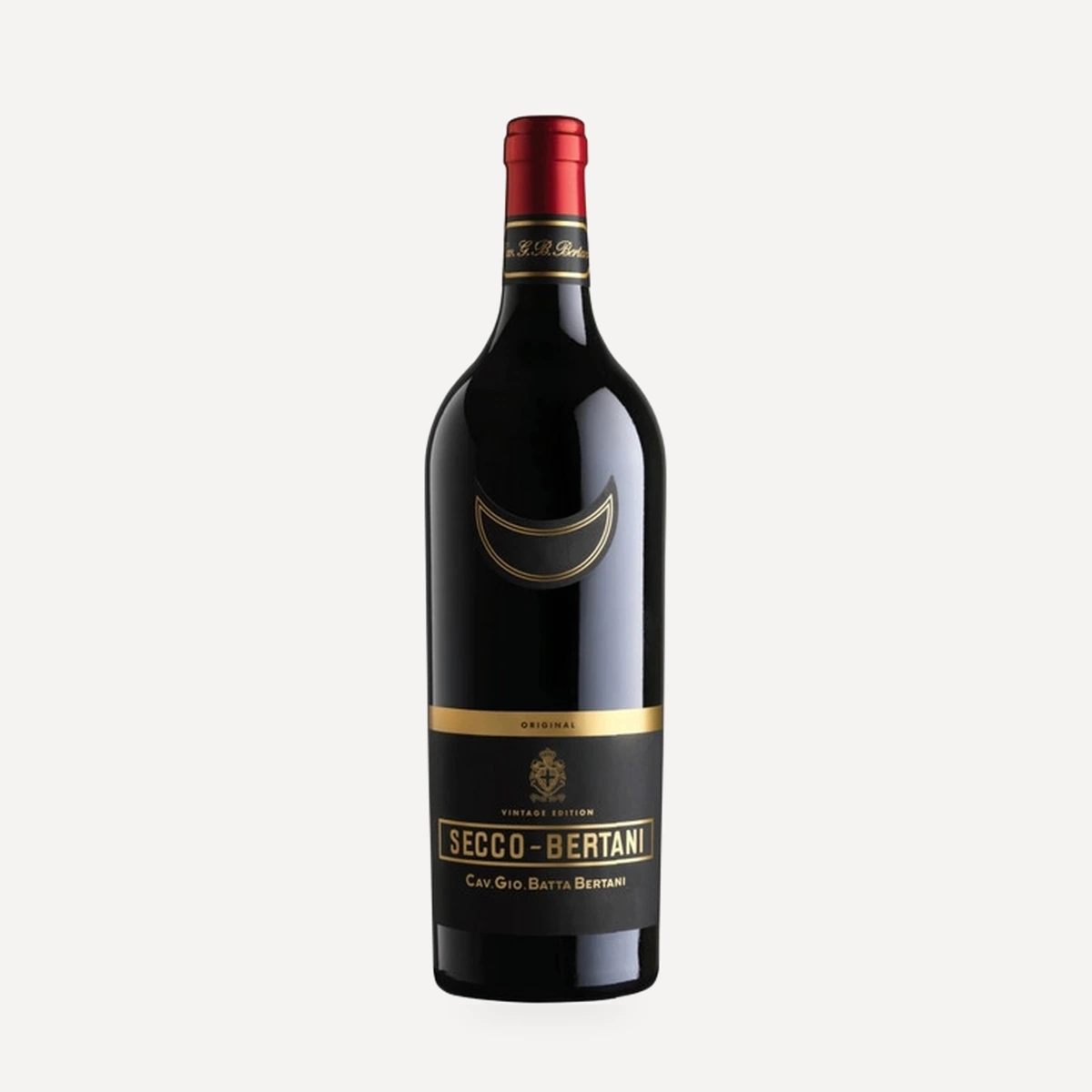
Secco Vintage
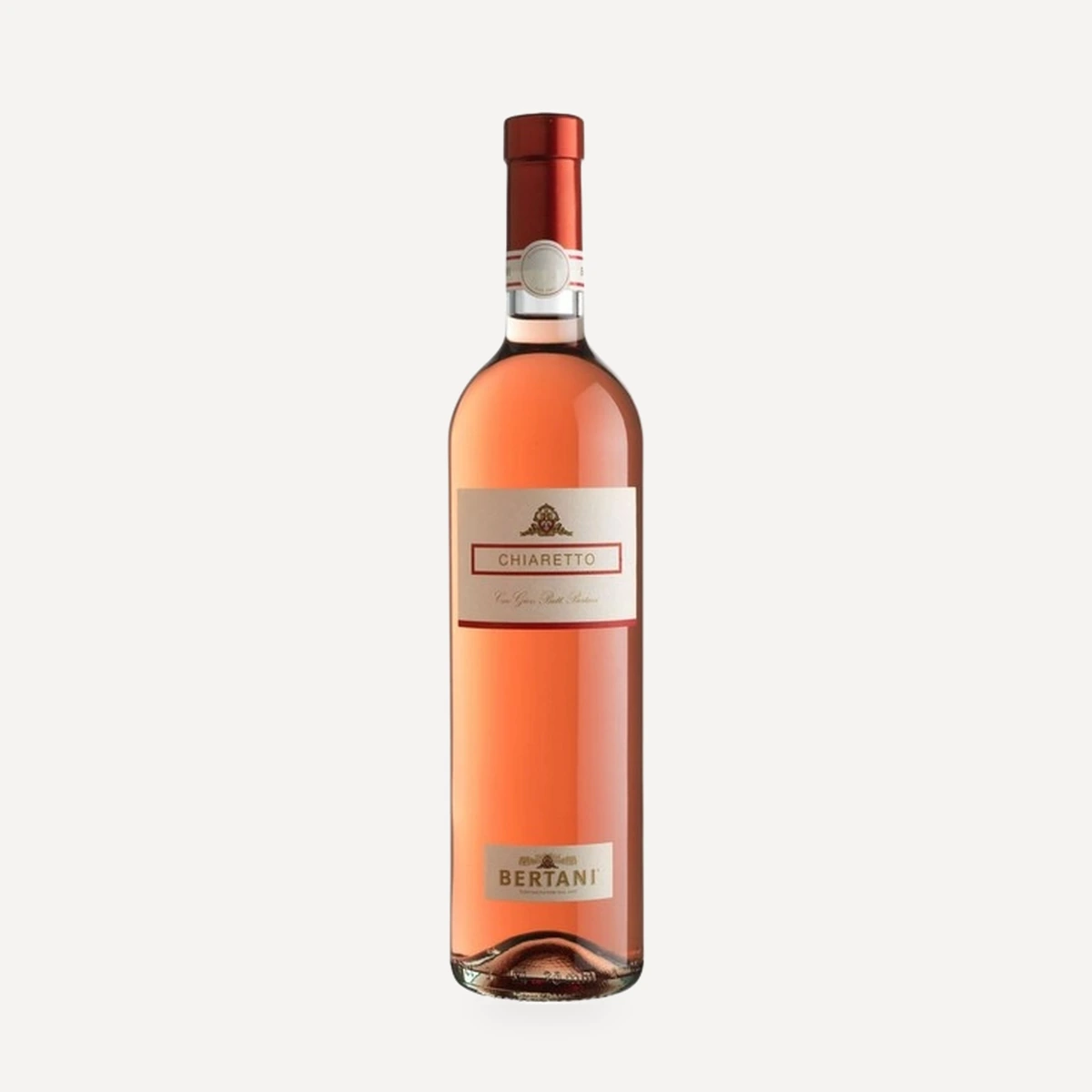
Linea Tradizione Chiaretto Bardolino
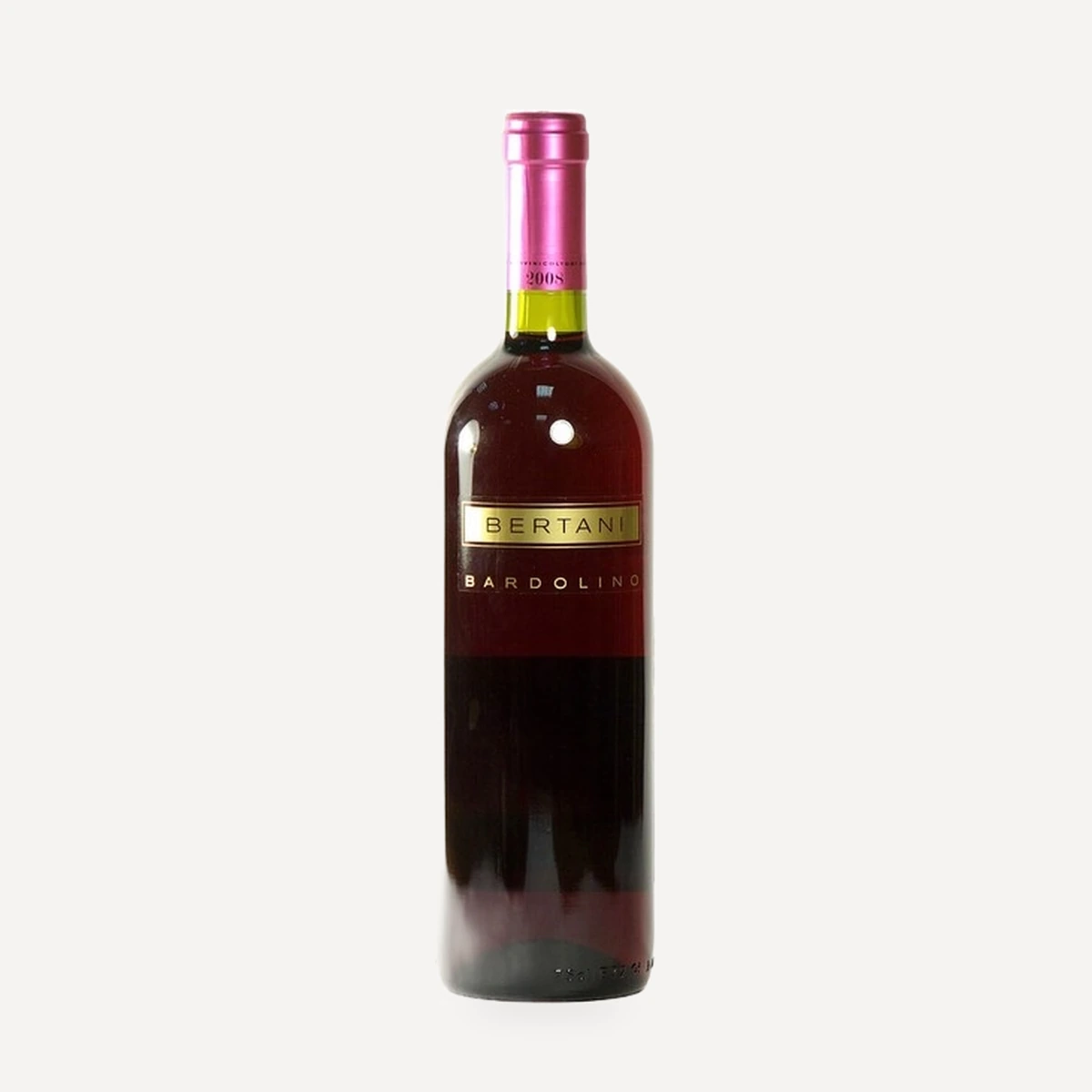
Bardolino Classico
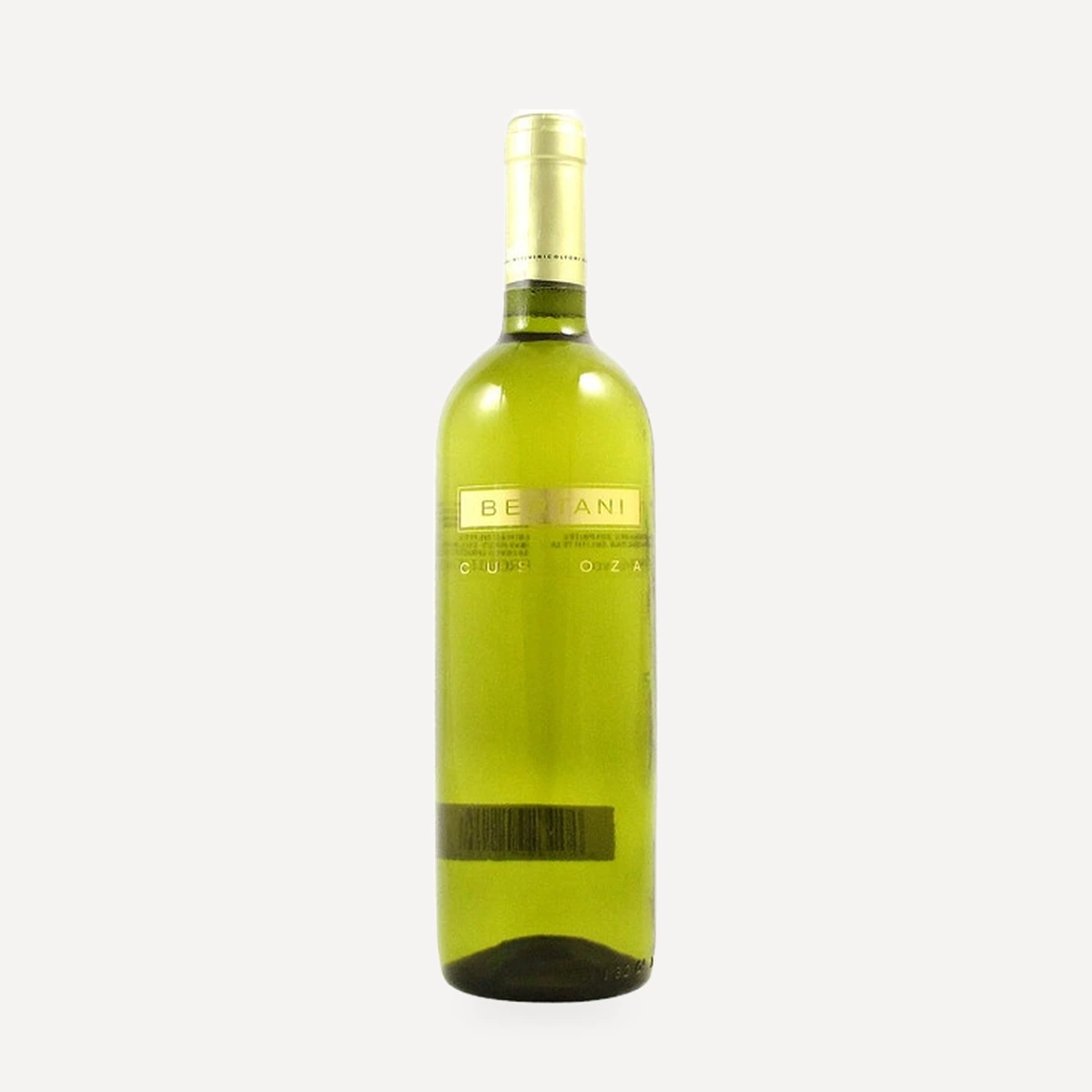
Custoza
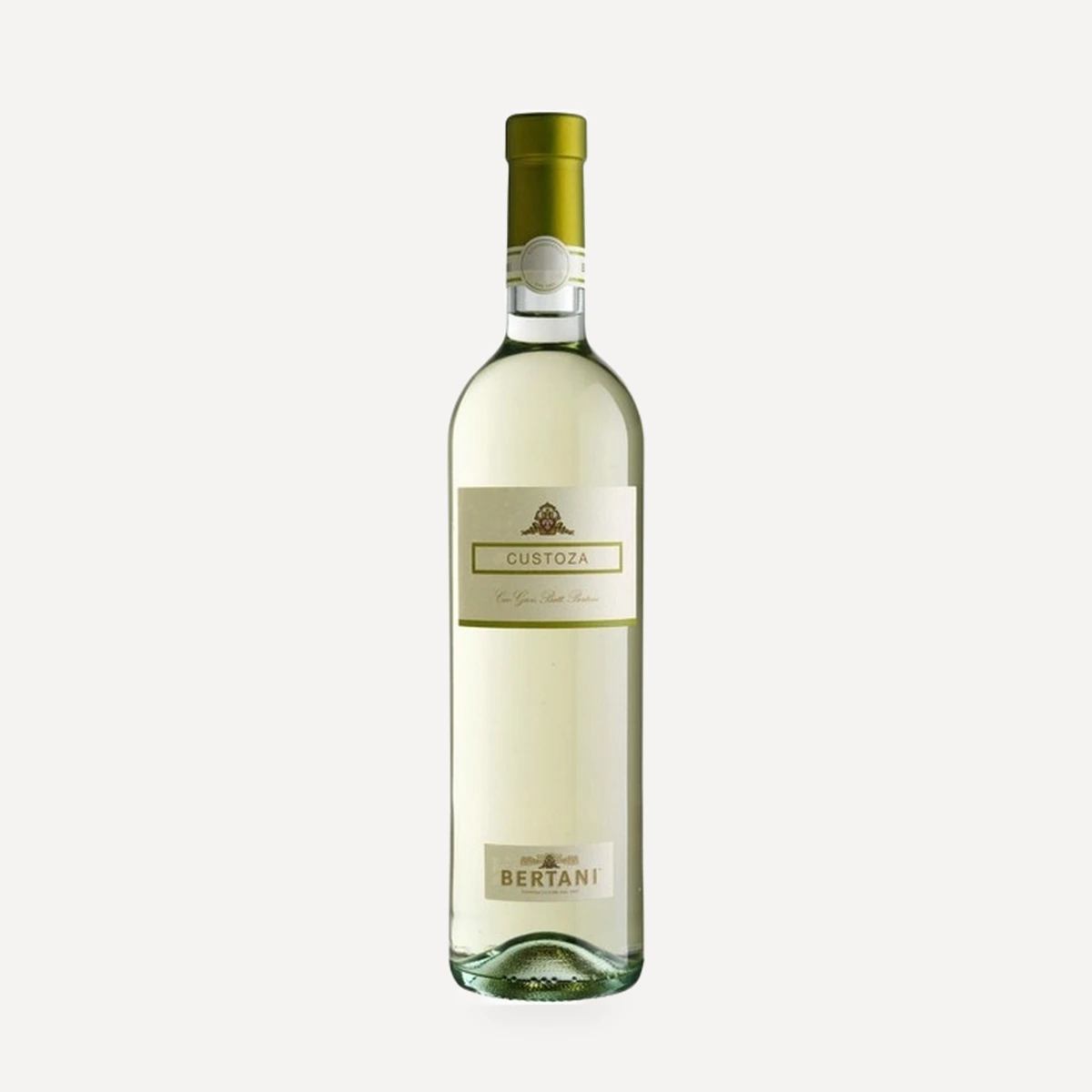
Linea Tradizione Custoza
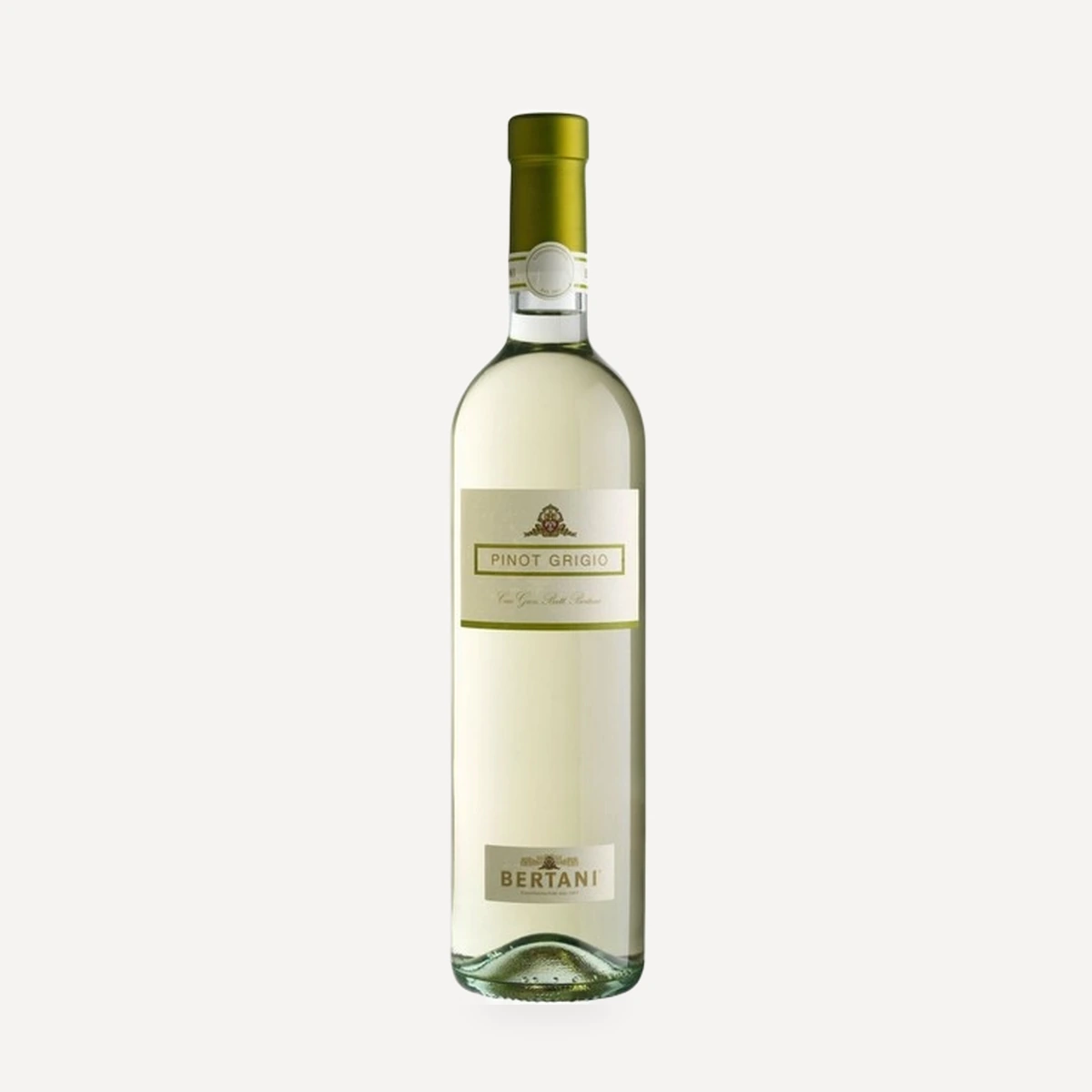
Linea Tradizione Pinot Grigio