History
A farmstead in Bricco Barolo
Cascina Lo Zoccolaio is a traditional agricultural residence at Bricco Barolo. Its name has two connected explanations: it refers to the locality of Lo Zoccolaio, while the locality itself is associated with an early resident who made wooden footwear.
The estate’s identity is tied to the vineyard landscape of the Langhe, on the hills along the right bank of the Tanaro. Its vineyards occupy the slope of Bricco Barolo rising from the Castello di Barolo toward Monforte. The wider Langhe and Roero wine landscape received UNESCO World Heritage recognition in 2014.
Three generations
Tradition and innovation have been transmitted through three generations at Cascina Lo Zoccolaio. The available family history does not identify the generations by name or provide dates for the foundation and succession of the estate.
The cellar’s development reflects the debate between innovators and traditionalists that forms part of Langhe wine culture. Cascina Lo Zoccolaio initially embraced the modernist use of barriques and subsequently returned to larger wooden vessels. This was not framed as a rejection of innovation, but as a search for balance between inherited practice and contemporary methods.
Renovation and contemporary identity
A more recent, undated renovation reinterpreted local colours and materials through a distinctly contemporary architectural vocabulary. The resulting building was designed to harmonize with the surrounding vineyards through contrast.
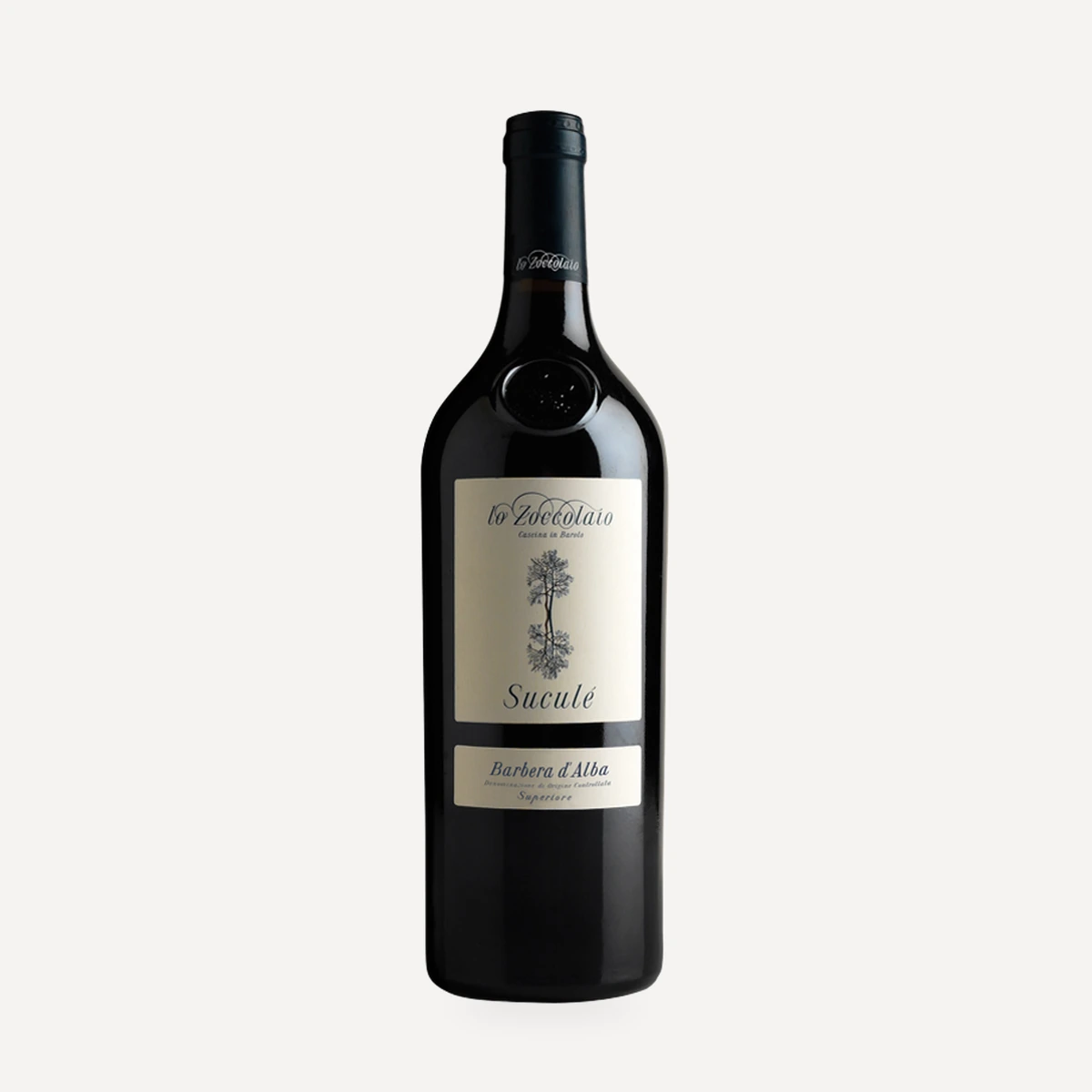
The current estate comprises 30 ha of vineyards, 14 ha of which are planted with Nebbiolo intended for Barolo. In addition to its vineyards in Barolo, the property encompasses holdings at Ornate in Monforte d’Alba, in Verduno, and at Ravera in Novello. Ravera supplies the estate’s black-label Barolo Ravera cru.
Cascina Lo Zoccolaio currently operates as a Villalanata brand.
Terroir
Cascina Lo Zoccolaio lies at Bricco Barolo in the Langhe, on the hills to the right of the Tanaro. The principal vineyards follow the slope that rises from the Castello di Barolo toward Monforte and predominantly face southwest.
The property extends beyond the commune of Barolo to Ornate in Monforte d’Alba, Verduno and Ravera in Novello. Ravera is identified as a distinct cru and the source of the estate’s black-label Barolo Ravera. The demanding exposure requirements of Nebbiolo are central to the estate’s selection of vineyard sites.
The vineyard landscape is part of the broader Paesaggi vitivinicoli di Langhe e Roero, recognized as a UNESCO World Heritage site in 2014.
Winemaking
Vineyard management follows the rhythms of the growing cycle and excludes herbicides. Diverse vegetation is maintained between the rows through controlled grassing and green manure.
Harvesting is carried out manually and without haste. Grapes are selected by hand so that only the best clusters proceed to vinification. Lower yields are accepted as a means of concentrating quality.
The estate emphasizes the relationship between varieties and their growing conditions. Nebbiolo requires particularly suitable soils and exposure and ripens late, with harvest beginning in the second half of October. Barbera is described as robust and adaptable, retaining high natural acidity even at full maturity. Dolcetto ripens early, around mid-September, although its short harvesting window, strong pigmentation, low acidity and pronounced tannins make vinification demanding. Cabernet Sauvignon has a thick skin and tolerates humid or rainy conditions, but incomplete ripening can dominate its character and reduce finesse. Pinot Nero requires attentive work in both vineyard and cellar, favours suitable sites that are not excessively warm, and needs extended maturation to express its finesse.
Cascina Lo Zoccolaio follows each stage from vineyard to cellar, beginning with manual harvesting and selection of the best clusters. The grapes undergo gentle pressing, followed by fermentation, maturation and bottling.
Production combines established Langhe practice with modern equipment and methods. The cellar originally adopted barriques as an expression of wine-making modernism, then moved back toward larger wooden vessels in pursuit of a more balanced relationship between tradition and innovation.
The renovated cellar is both a production space and an architectural component of the estate. Warm lighting illuminates the ageing barrels, some of which retain purple traces left by wine on the wood.
Philosophy
Cascina Lo Zoccolaio presents tradition and innovation as a continuing dialogue rather than opposing choices. Its guiding idea is a middle course: inherited practices are respected while being enriched with contemporary techniques, architecture and a sense of freshness.
In the vineyard, this approach is expressed through respect for natural rhythms, the avoidance of herbicides, managed vegetation between the rows, green manure, manual harvesting and rigorous grape selection. Lower yields are accepted in pursuit of quality.
In the cellar, the same principle led from an early modernist emphasis on barriques back to larger wooden vessels, without abandoning modern methods and equipment. The estate’s contemporary renovation likewise reinterprets the colours and materials of the Langhe instead of reproducing traditional architecture literally.
Wine is treated as an expression of the people and territory of the Langhe, rather than merely as a commercial product or fashion.
Wines
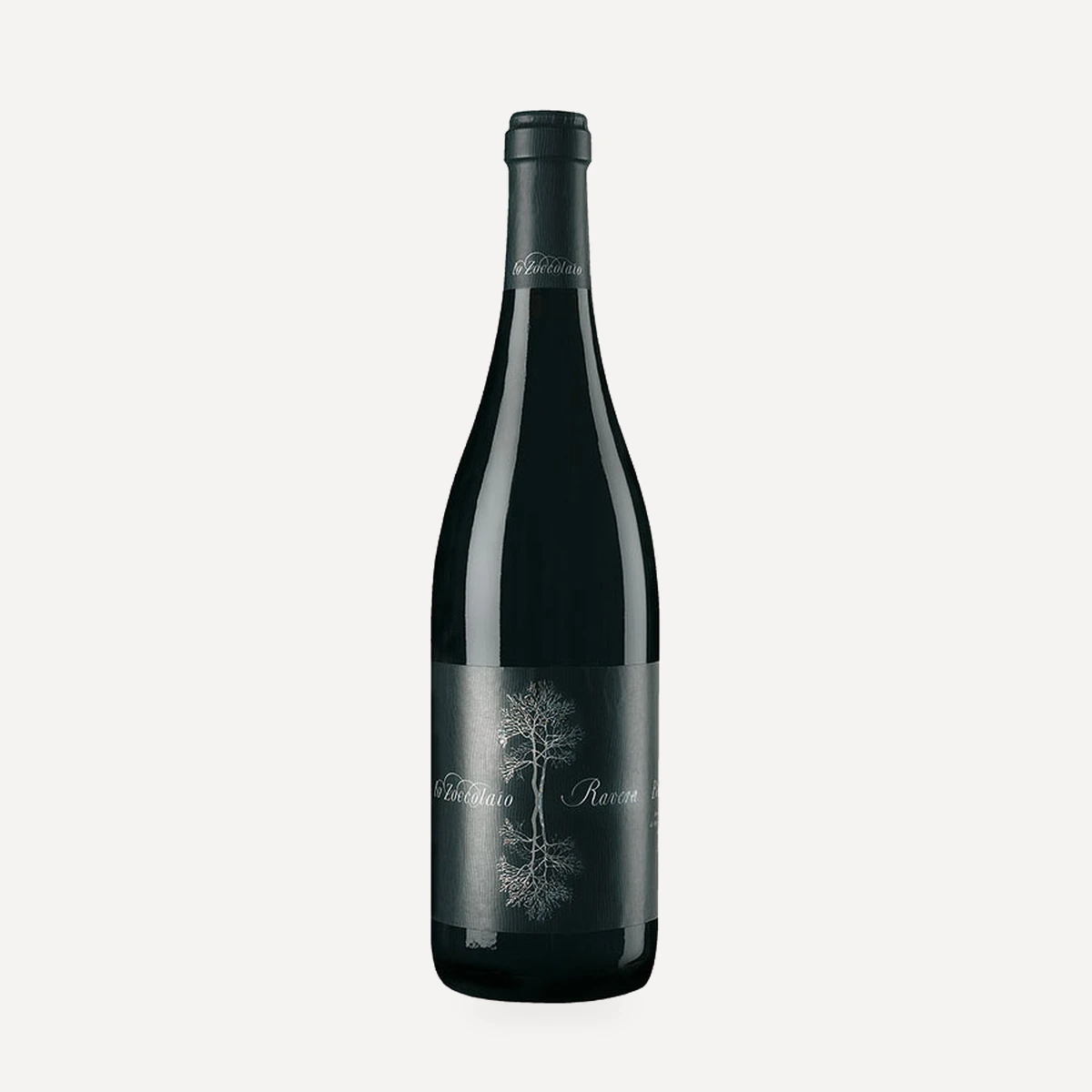
Barolo Ravera Riserva DOCG
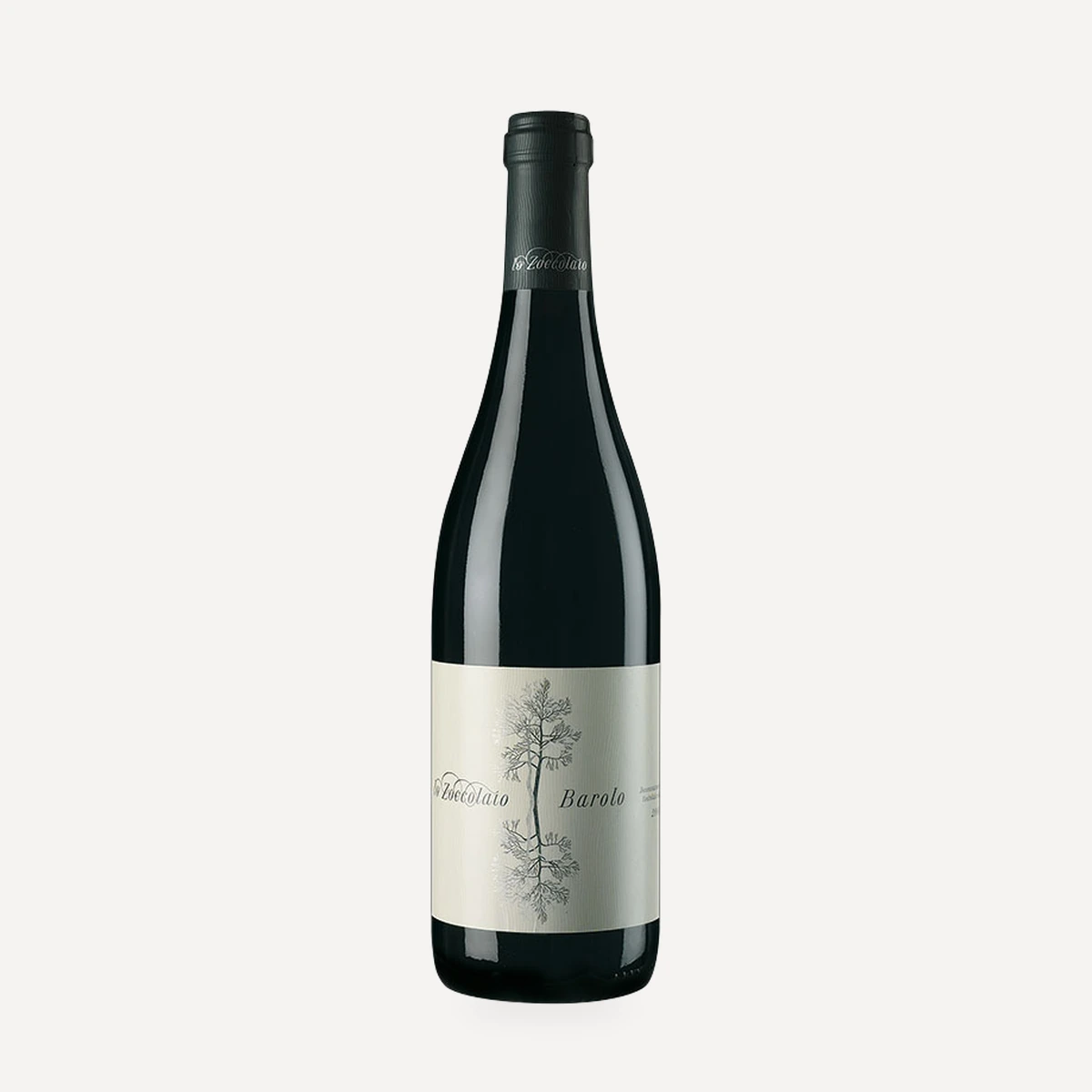
Barolo DOCG
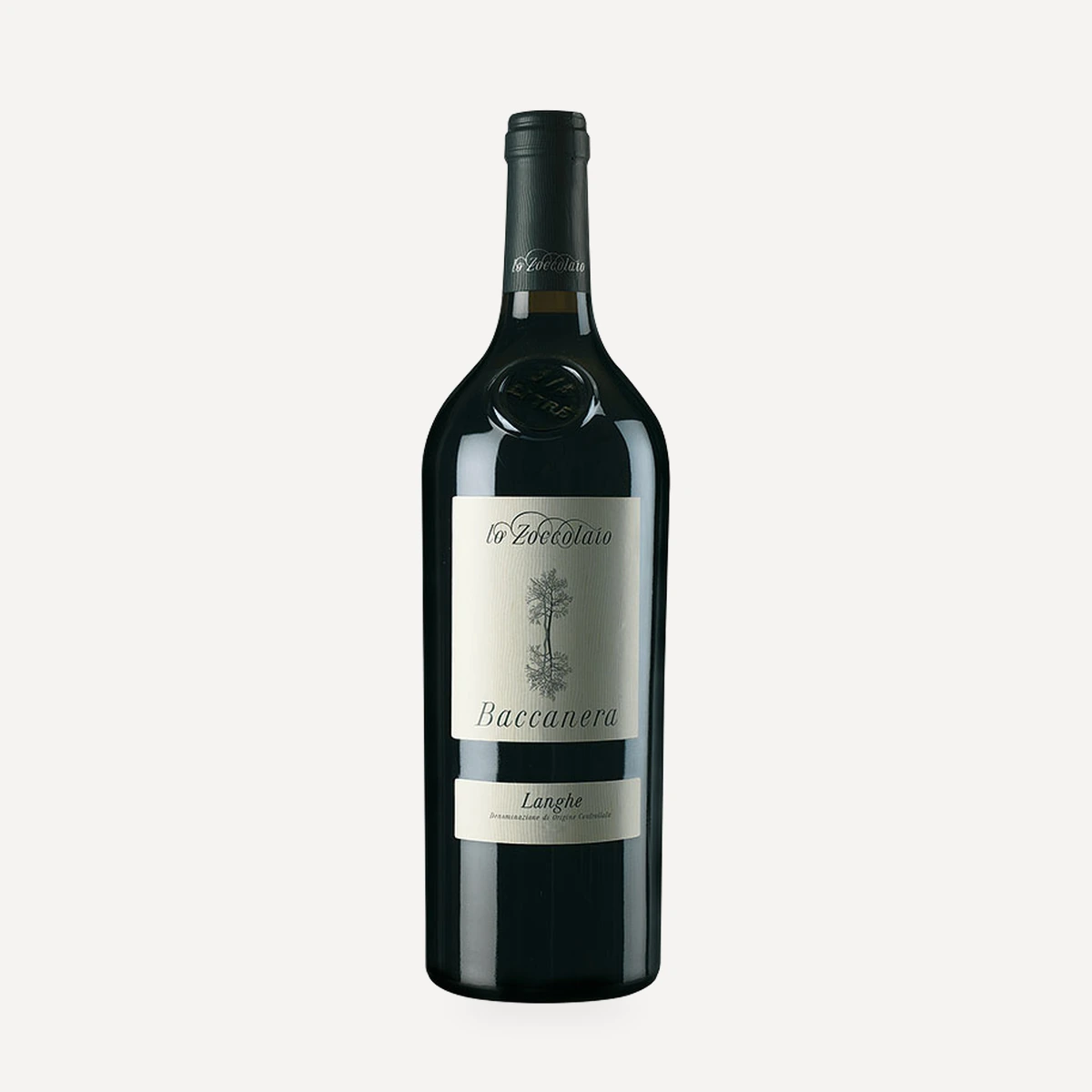
Langhe Rosso Baccanera DOC