History
Foundation and nineteenth-century expansion
In 1878, Emanuele Alberto Guerrieri, Count of Mirafiore and son of the first King of Italy, founded Casa E. di Mirafiore using his estates in Barolo and Fontanafredda. He combined wine production with a programme of social and physical development for the resident workforce. He completed the employees’ village, built farmhouses, cellars, stables and a church, and established the F.A.O.—Fratellanza Agricola Operaia—an early recreational association for employees.
Production was organised according to criteria considered innovative for the period, with particular emphasis on quality and Barolo. In 1887, the cellars installed concrete vats built under a patent held by the Swiss company Borsari; they are presented as the first concrete wine vessels in Europe. In the same year, the wines obtained their first gold medal at a wine competition in Cologne.
Between 1887 and 1890, contemporary chronicler Fantini credited Count Emanuele Alberto with taking Barolo beyond a restricted luxury market and giving it an international commercial presence. As awareness of Barolo grew, the count acted as a guarantor of the wine’s quality and typical character. By 1890, Barolo Mirafiore was exported internationally, with distinctions recorded in Brussels, Chicago and San Francisco.
Succession, depression and disappearance of the brand
After Emanuele Alberto’s death, Casa E. di Mirafiore reached its maximum commercial expansion around 1900. Management passed to his son Gastone, whose interests and abilities did not match those attributed to his father, and the business began to deteriorate.
In 1929, the combined effects of the economic depression arriving from the United States and phylloxera drove the company into decline and bankruptcy. In 1931, the internationally known Mirafiore brand was sold for 100,000 lire. It was then left substantially unused and gradually disappeared from the market, remaining dormant for more than 70 years.
Return and cultural renewal
In 2008, Mirafiore returned to the heart of the estate and again became an operating winery, resuming production of its Barolo crus. The revived project interpreted innovation as the recovery of historical practices and unconditioned local tradition.
In 2010, the estate opened the Bosco dei Pensieri and inaugurated the Fondazione Mirafiore. The woodland itinerary joined nature, literature, silence and meditation, while the foundation was conceived by Oscar Farinetti to encourage critical thought and cultural growth through accessible and enjoyable events.
In 2015, Casa E. di Mirafiore collaborated with the University of Gastronomic Sciences in Pollenzo, Slow Food and Eurostampa on “Nutriamo il Pianeta / We Feed the Planet.” Connected to the themes of Expo Milano 2015, the initiative supported young Terra Madre farmers wishing to attend “Terra Madre Giovani – We Feed the Planet.” Students were also invited to design and narrate labels addressing the role of networks of small agricultural producers. A very limited edition of Barolo Riserva 2005 was dressed with the twelve selected designs.
In 2016, the 2007 Barolo Riserva received a Platinum Best Medal and Best in Show mention at the Decanter World Wine Awards.
Organic farming, certification and contemporary projects
In 2018, Casa E. di Mirafiore became a certified organic agricultural estate, with its historic cellars in the village and land in the Barolo and Fontanafredda areas. The same year produced its first certified-organic harvest.
In 2019, Piercarlo Grimaldi published La Vigna Magica: Le pietre antropomorfe ritornano a popolare la Langa, introduced by Oscar Farinetti. The book explored rural magic, wine divinities and the anthropomorphic stones associated with Vigna Magica.
The agricultural company began its currently reported organic winemaking activity in 2020. That year also became the reporting period for its first Sustainability Report. The sustainability programme subsequently led to Equalitas Sustainable Organisation certification, vegan-product certification and recognition as a Historic Brand by the Italian Government. The first vegan-product certificate was issued in March 2022, and Casa E. di Mirafiore joined Accademia della Vigna in the same year.
In 2024, the estate conducted its first large soil-characterisation project: 13 principal vineyard zones, 34 soil pits—where possible extending to bedrock—and 76 chemical and physical analyses. Vineyard renewal continued, including a new 2.7-ha Timorasso planting at Berzano di Tortona. The year also marked the launch of Bosco Vigna, integrating forest and fruit trees among vine rows to reverse monocultural simplification and rebuild biodiversity. The initial 2024 programme planted more than 150 specimens; the subsequent programme grew to more than 350 trees.
Casa E. di Mirafiore’s current agricultural certificate, issued by CCPB on 30 October 2025, covers organic and in-conversion crops, organic wine grapes and certified organic wine production through 30 October 2028.
Terroir
Location and landscape
Casa E. di Mirafiore is based at Serralunga d’Alba in north-western Italy, in Piedmont’s Langhe. Its historic core lies within the vineyard landscape recognised by UNESCO in 2014 for the exceptional universal value of its agricultural scenery. The core owned vineyards are concentrated in Serralunga d’Alba—principally around the winery in the Fontanafredda subzone—and in Barolo, on land connected with the estate since its foundation in 1878. The broader 2024 agricultural holding also extends to Alba, Dogliani and Berzano di Tortona.
The core Langhe vineyards occupy middle and upper slopes at approximately 300–480 m, with an emphasis on southern and south-western exposures and varieties assigned to the slopes considered best suited to them. Across the expanded agricultural holding, vineyard elevations range from 202 to 546 m and recorded orientations span 19°–348°.
Geological framework
The historic area has ancient sedimentary soils of marine origin. Compact marly clay is generally poor in nutrients, creating difficult growing conditions in which vines develop slowly and send roots deeper in search of water and nourishment. The wider vineyard soils are described as predominantly silt loam, with locally clay-dominant or sandy sectors, alkaline to subalkaline pH and no coarse skeletal fraction.
The 2024 soil-characterisation programme divided the estate into 13 principal zones and opened 34 soil pits, extending to bedrock where possible. Seventy-six samples from surface and deeper horizons were subjected to chemical and physical analysis. The work confirmed geological origins associated, according to zone, with the Marne di Sant’Agata Fossili and Formazione di Lequio. It also identified the effects of landslides, drought years and human intervention on the evolution of individual sites. The resulting microzone data are used to interpret vine performance, the quantitative and qualitative differences in Nebbiolo and the sensory character of Barolo.
Weather and water
Sun warming the hills alternates with precipitation, producing substantial vintage-to-vintage variability. No vineyard irrigation is practised. This limits direct water use but makes soil depth, permeability and stored moisture especially relevant to resilience. A network of estate weather stations and forecasting models supports decisions on plant protection and disease risk.
Winemaking
Organic management and vineyard structure
The vineyards have been certified organic under EU organic rules since 2018, with CCPB as control body. Organic and in-conversion wine grapes are covered by the current certificate, alongside organic winemaking. Synthetic products are excluded from the estate’s stated farming approach. Vineyard interventions follow a low-impact programme informed by soil type, variety, the preceding year’s yield and both quantitative and qualitative production objectives.
Vines are vertically trellised and predominantly Guyot-pruned. Spur-pruned cordon survives in existing blocks but is excluded from new plantings. Permanent and naturally occurring inter-row vegetation protects soil, flora and fauna. Spontaneous vegetation is allowed to develop at appropriate times along rows, ditches, banks and grassy margins to form ecological corridors. Wild mallow, yarrow, knapweed, dandelion, cornflower, borage and clover provide pollen and nectar for wild bees, bumblebees, hoverflies and butterflies, while lacewings and parasitoid wasps help regulate vineyard pests. Overseeding with species such as lucerne is used to diversify vegetation and improve soil properties. In 2024, 110 kg of melliferous and flowering seed mixtures were sown to connect vineyards with surrounding woodland and pasture habitats.
Soil fertility
Soils are generally medium-textured, alkaline and low in organic matter, nitrogen and potassium. Targeted organic fertilisation is therefore carried out each autumn, using manure whenever possible. Local suppliers are preferred, including nearby farms supplying manure. Between 2018 and 2024, the estate purchased 1,659,116 kg of manure. Manure represented 78.2% of fertilisers used during that period, mixed-organic products 11.1% and other organic fertilisers 10.7%.
Plant protection and monitoring
Fertiliser and plant-protection decisions are supported by an estate network of weather stations, disease-forecasting models, scouting, historical harvest data and continuous monitoring. Treatments use reduced quantities and non-aggressive permitted active ingredients, with intervention limited to demonstrated need. During 2024, 5,108 observations were recorded in an application to follow pathogens, evaluate treatment effectiveness, assess plant growth and produce seasonal reports.
Grape moths and other damaging Lepidoptera have long been managed through sexual confusion. A total of 20,309 dispensers was installed for grape-moth control. The estate does not irrigate its vineyards.
Biodiversity and climate resilience
Environmental impact is assessed every three years with the Biodiversity Friend protocol required by Equalitas. Monitoring includes a soil-biodiversity index at five vineyard points and an air-quality lichen index at six representative positions. Soil biodiversity remained high, while the lichen index averaged 64 against a sufficiency threshold of 45. The 2022 soil-biodiversity measurement scored 126 despite severe drought during sampling.
Bosco Vigna began in 2024 as integrated reforestation among the vine rows. The initial planting exceeded 150 forest and fruit specimens and the programme subsequently surpassed 350. Agronomists selected native species and introduced varieties adapted to the hill ecosystem to diversify soil nutrients, restore flora and fauna, generate small air currents, moderate the vine microclimate, encourage fertility and reduce diseases associated with extreme conditions.
The adjoining Bosco dei Pensieri forms another ecological reservoir, with mature downy oak, Turkey oak, hornbeam and wild hazel, shrub-rich undergrowth, clearings, naturally regenerating areas and ecotones linking woodland and vineyards. Its permanent cover and root systems reduce erosion, stabilise slopes, retain rainwater, filter air, add organic matter and support carbon sequestration.
Production principles
Winemaking follows traditional Piedmontese methods and is based on grapes from estate vineyards. Indigenous yeasts selected from the estate’s own grapes are used. During red-wine fermentation, frequent pump-overs promote extraction of tannin and colour, while extended submerged-cap maceration increases extraction from the skins. Malolactic fermentation precedes the assembly of parcels in wines made by blending several vineyards.
The cellar does not use stabilisation or fining. Filtration is limited to very coarse media intended to avoid altering the wine. Ageing favours large and medium-sized oak vessels and concrete tanks, followed where required by bottle maturation. Reduced transfers during ageing form part of the traditional approach.
Organic winemaking under the agricultural company’s current reporting framework began in 2020. Production follows separate flow diagrams for each wine type. In 2024, grape processing yielded 99,784.77 litres across Alta Langa Spumante, Langhe Nascetta, Colli Tortonesi Timorasso, Dolcetto d’Alba, Langhe Nebbiolo and Barbera d’Alba Superiore. The same year’s bottling comprised 97,296 standard bottles, 480 magnums and 110 three-litre bottles across the reported releases.
Depending on the process and product, wines may also carry CCPB vegan certification. No animal-derived ingredients are used in certified vegan production. Since 2024, eligible organic wines may also be certified by CCPB under Japan’s JAS organic framework.
Packaging
Bottle glass contains 89.8% recycled cullet. Ninety per cent of labels and all reported cartons are FSC-certified. Most wines use Vinventions SÜBR micro-natural closures made from cork granules and biodegradable plant-derived materials without polyurethane.
Philosophy
Casa E. di Mirafiore defines its work through four linked principles: tradition, respect, elegance and change.
Tradition is treated as the governing reference for cellar practice. Traditional Piedmontese vinification and ageing techniques shape the house style, while the contemporary project interprets innovation as a return to historical methods rather than their rejection.
Respect applies to local viticultural and winemaking customs and to the land itself. Varieties are matched to the hill positions considered most suitable, while cultivation responds to the natural requirements of the soil and vines.
Elegance is pursued through precision, balance and quality in each daily decision, with the objective of expressing the connection between a variety and its place of origin.
Change means adding value while beginning again from the estate’s origins. Organic farming is framed as a deliberate modern choice made possible by advances in viticulture, with synthetic products excluded in favour of environmental protection, finished-wine quality and long-term sustainability.
The wider mission combines organic grapes and wine, product safety and authenticity, safe working environments, workers’ rights, environmental protection and energy conservation. Environmental stewardship, artisanal quality and the development of people and community are treated as parallel dimensions of the business. Relationships with suppliers are intended to rest on trust, collaboration, responsible innovation and a short local supply chain.
The manifesto presents Mirafiore as a community of people and ethical principles, conscious of its history and prepared to accept change and risk as conditions of growth. Its emblematic image—people with a crown on their heads and earth in their hands—joins aristocratic origins to agricultural work.
Wines
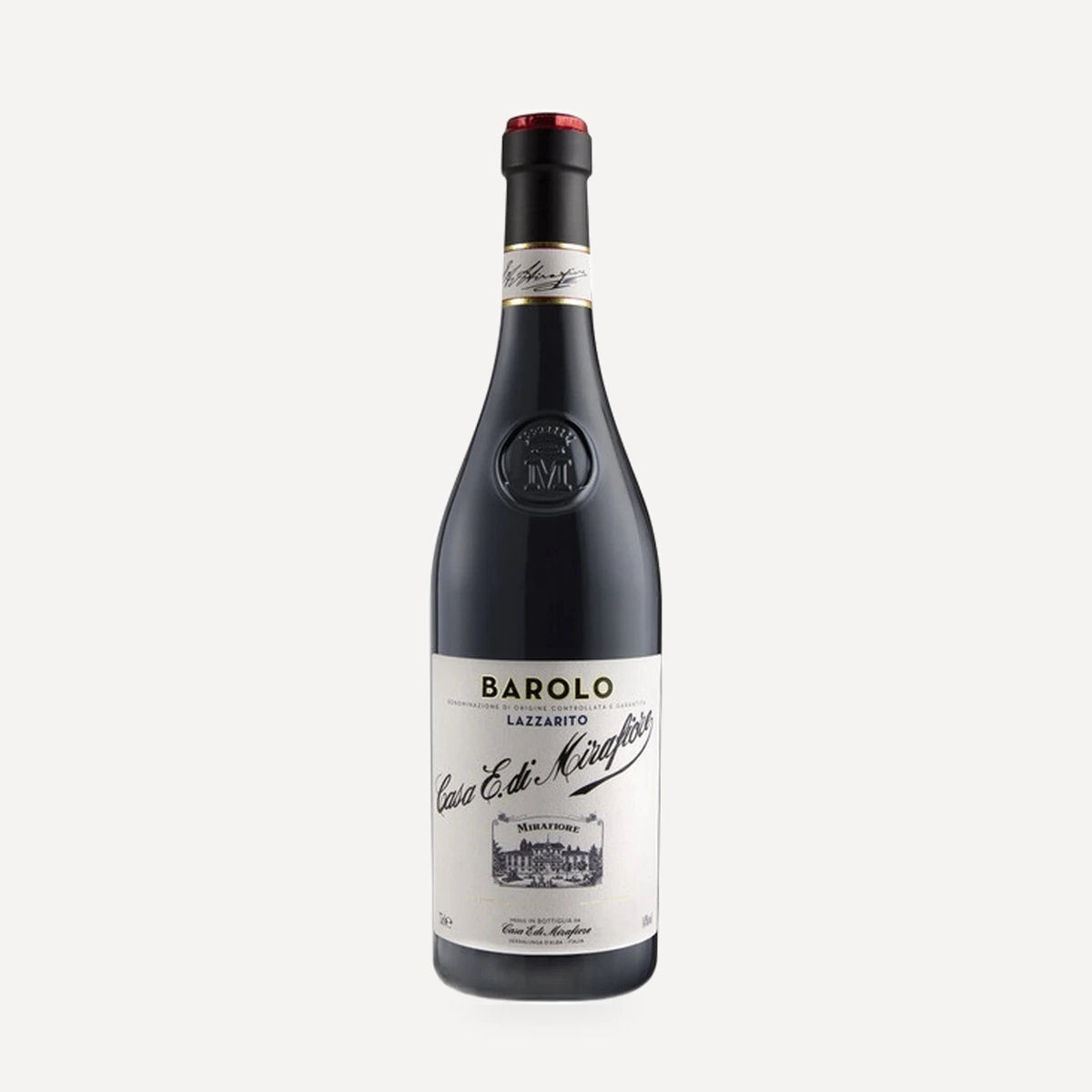
Barolo Lazzarito
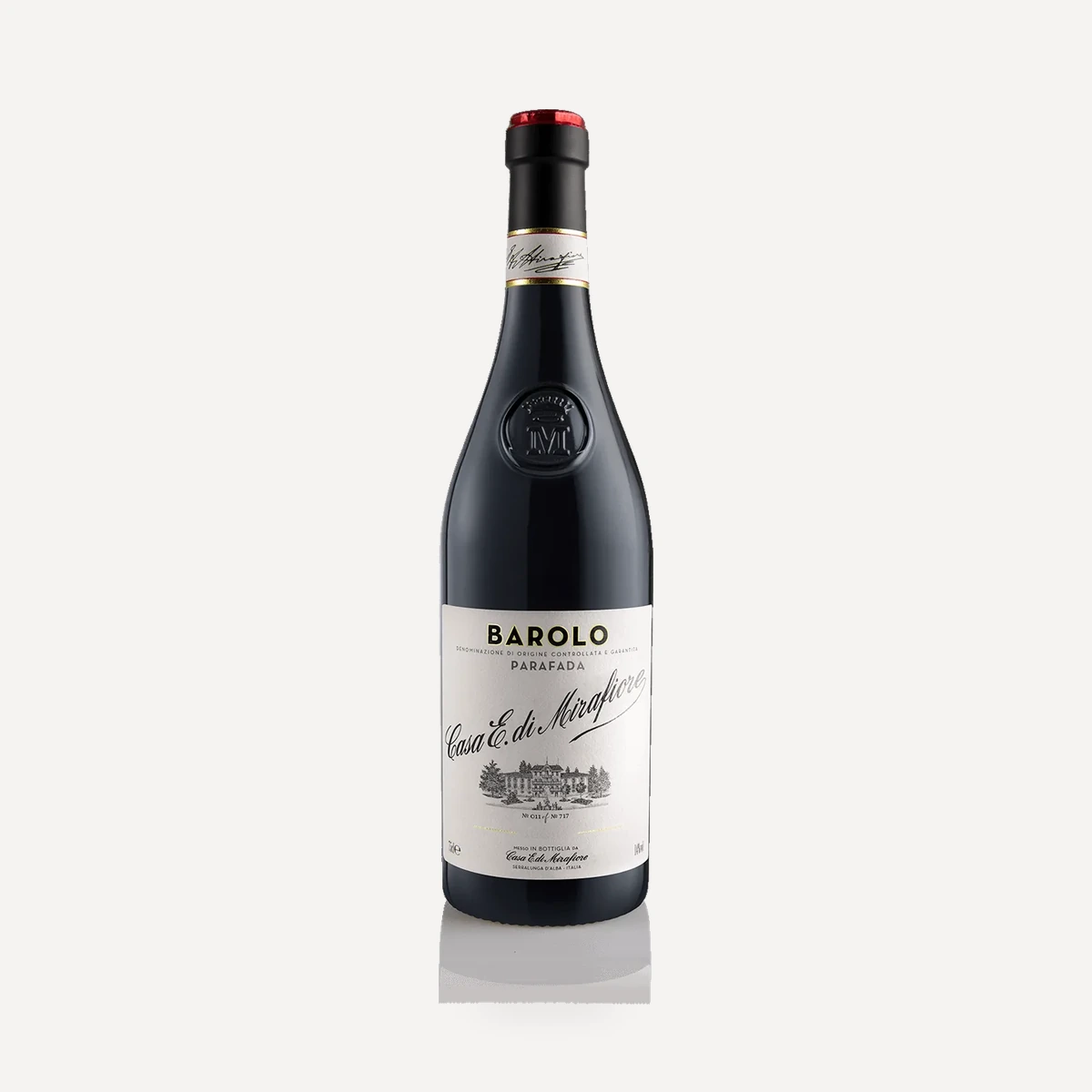
Barolo Parafada
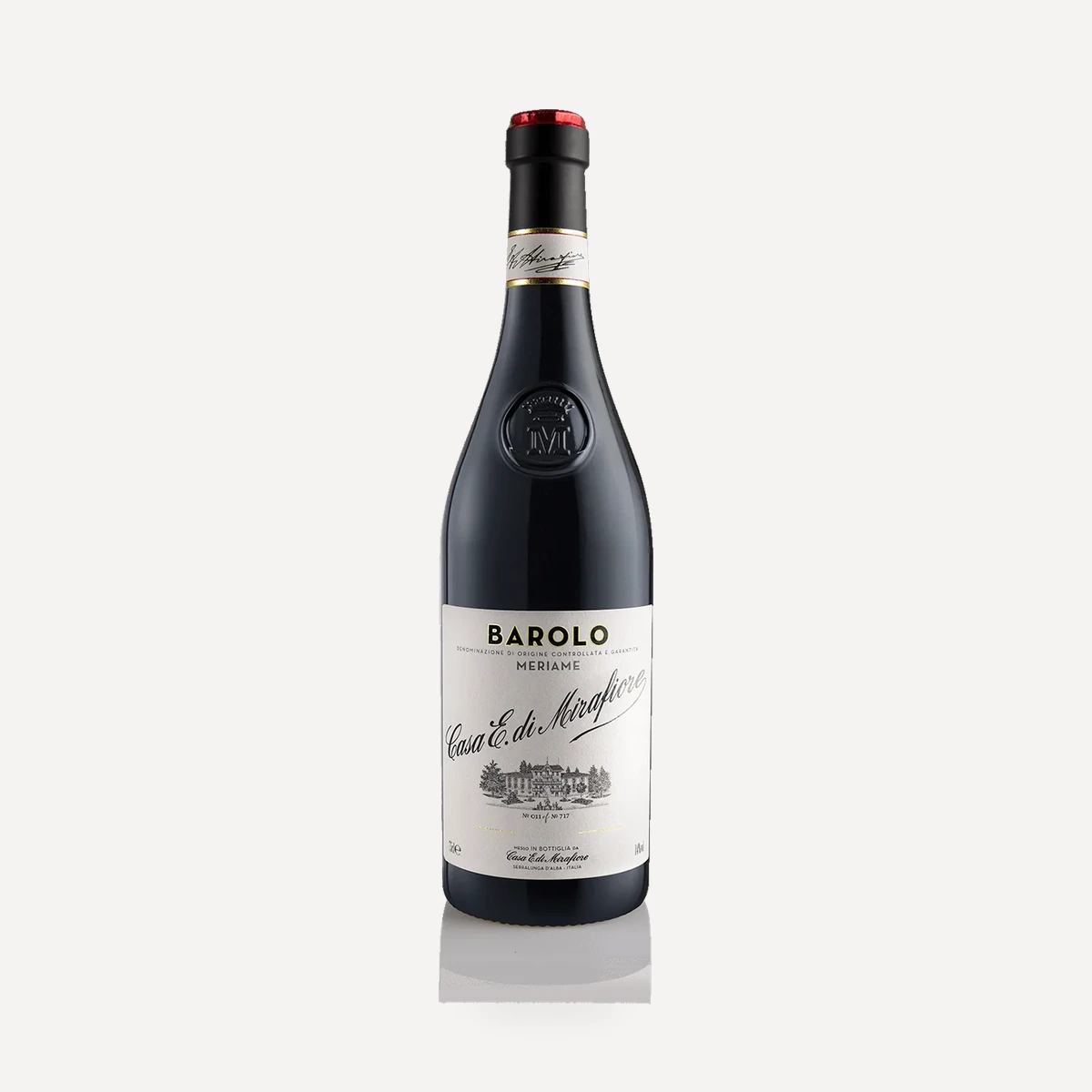
Barolo Meriame
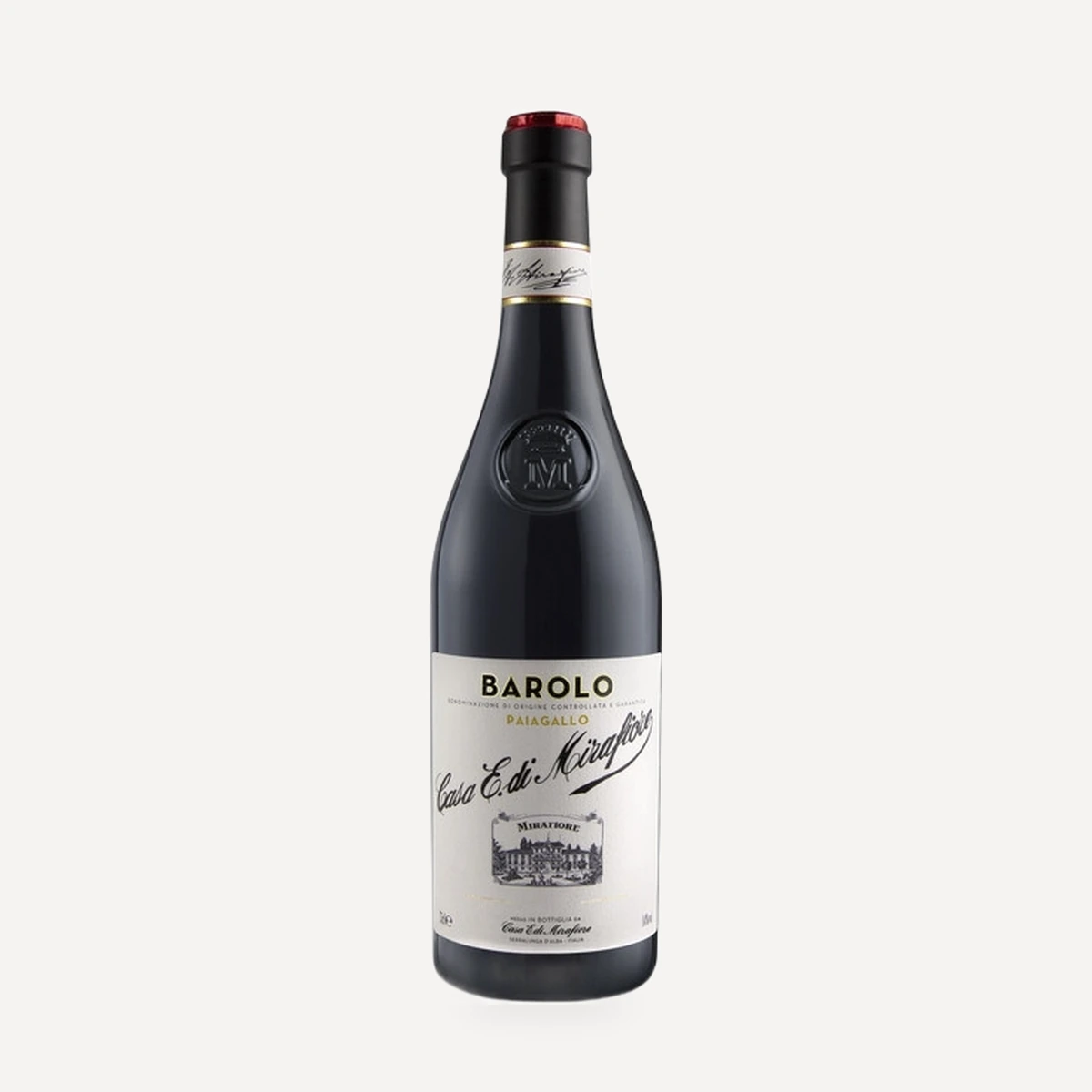
Barolo Paiagallo
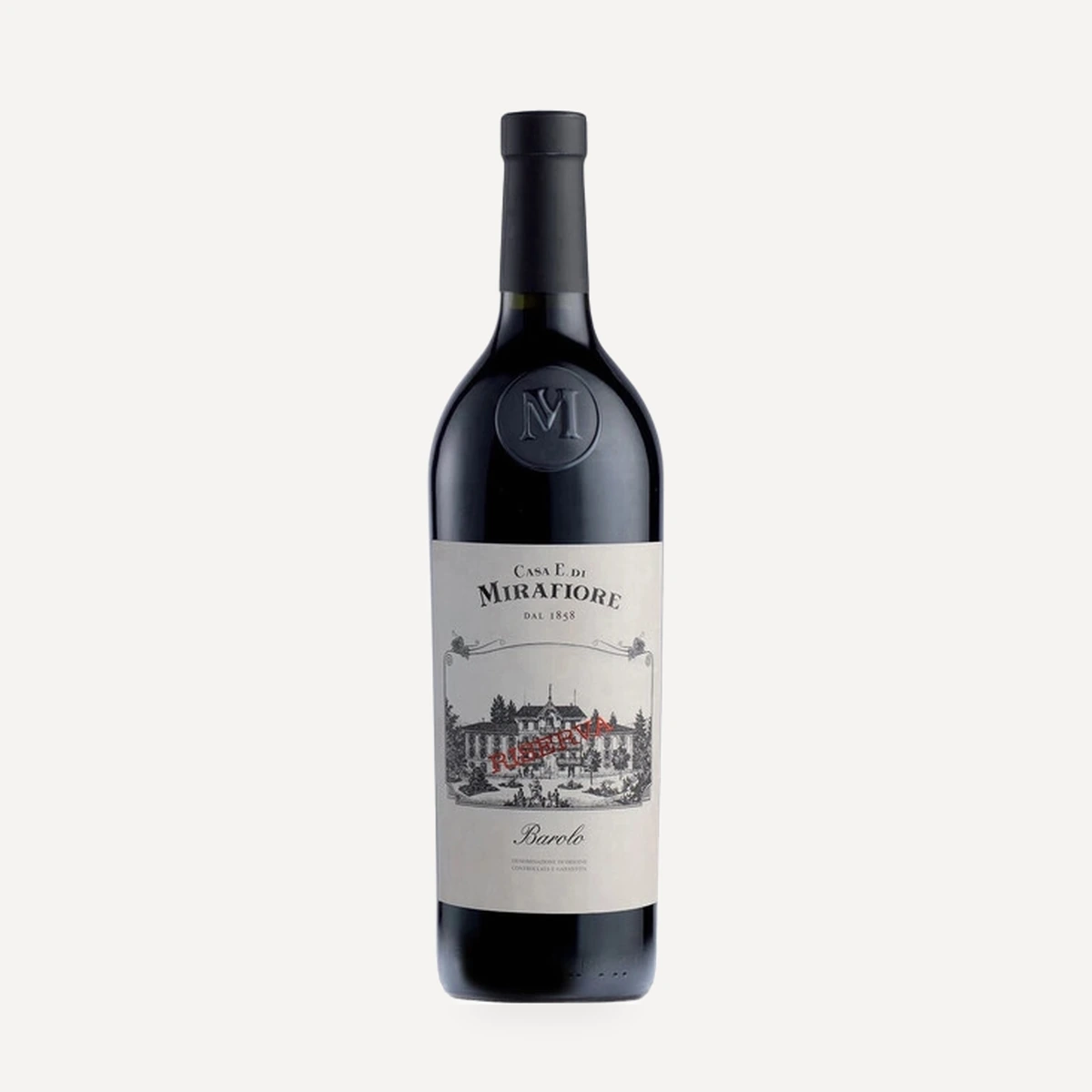
Barolo Riserva
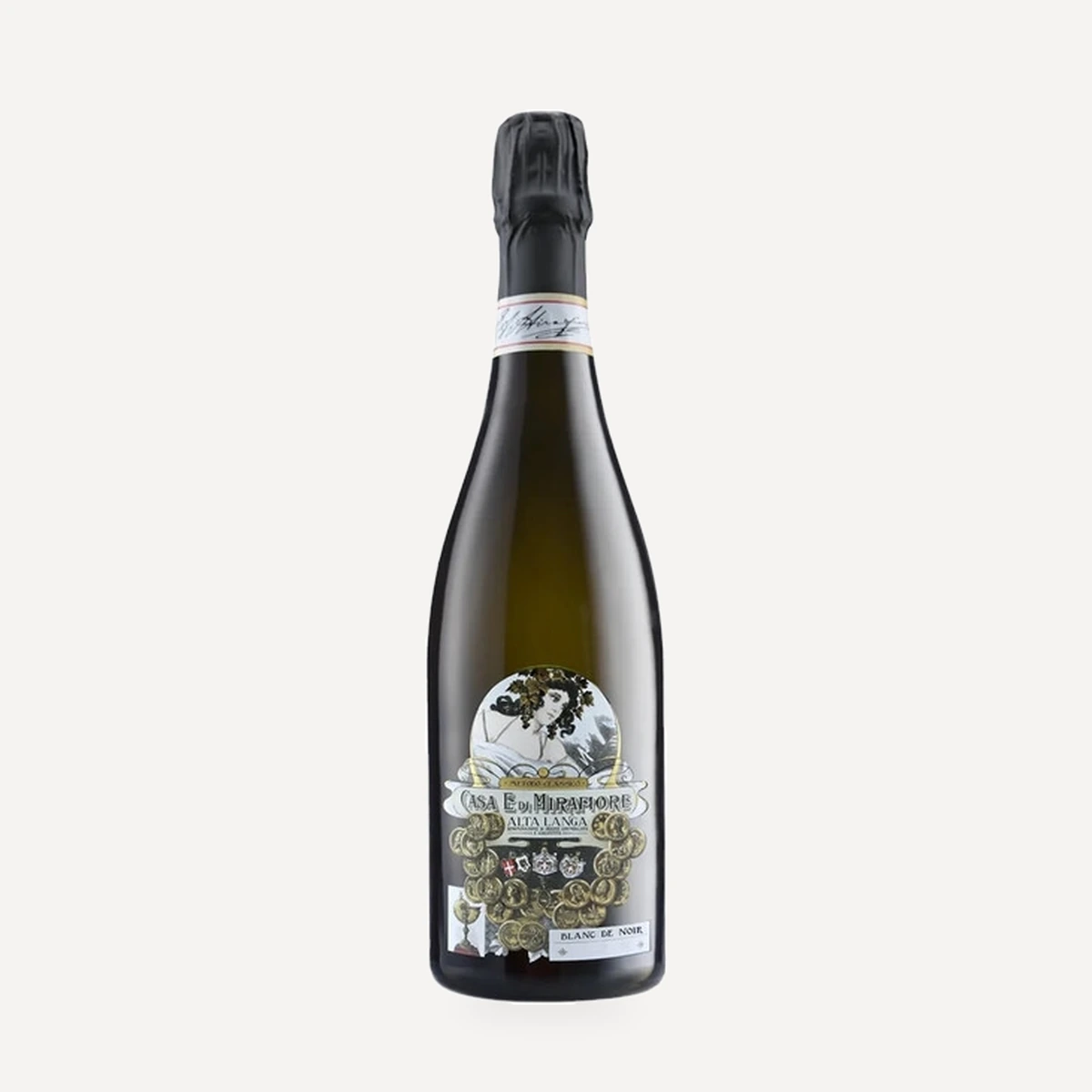
Alta Langa Blanc de Noir
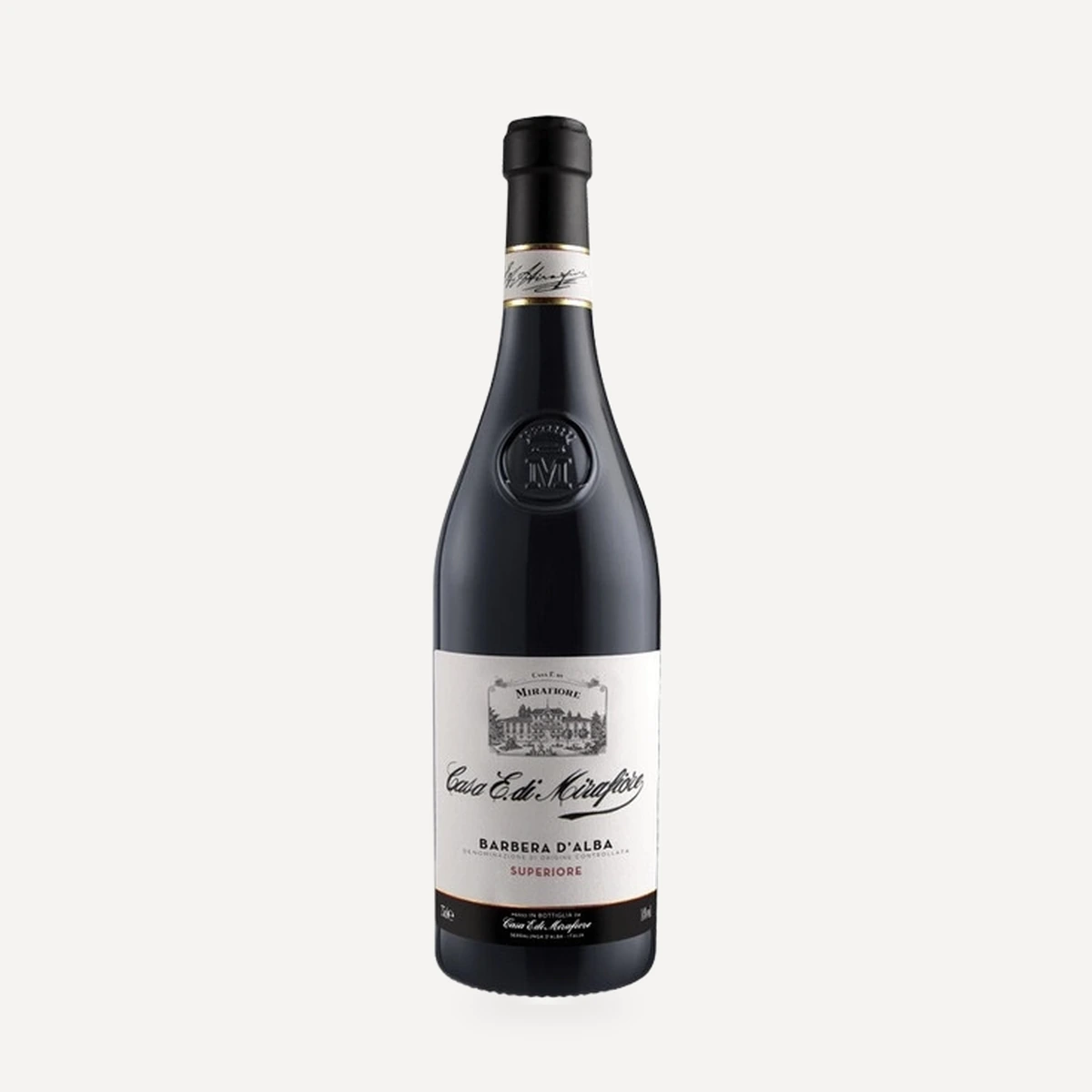
Barbera d’Alba Superiore
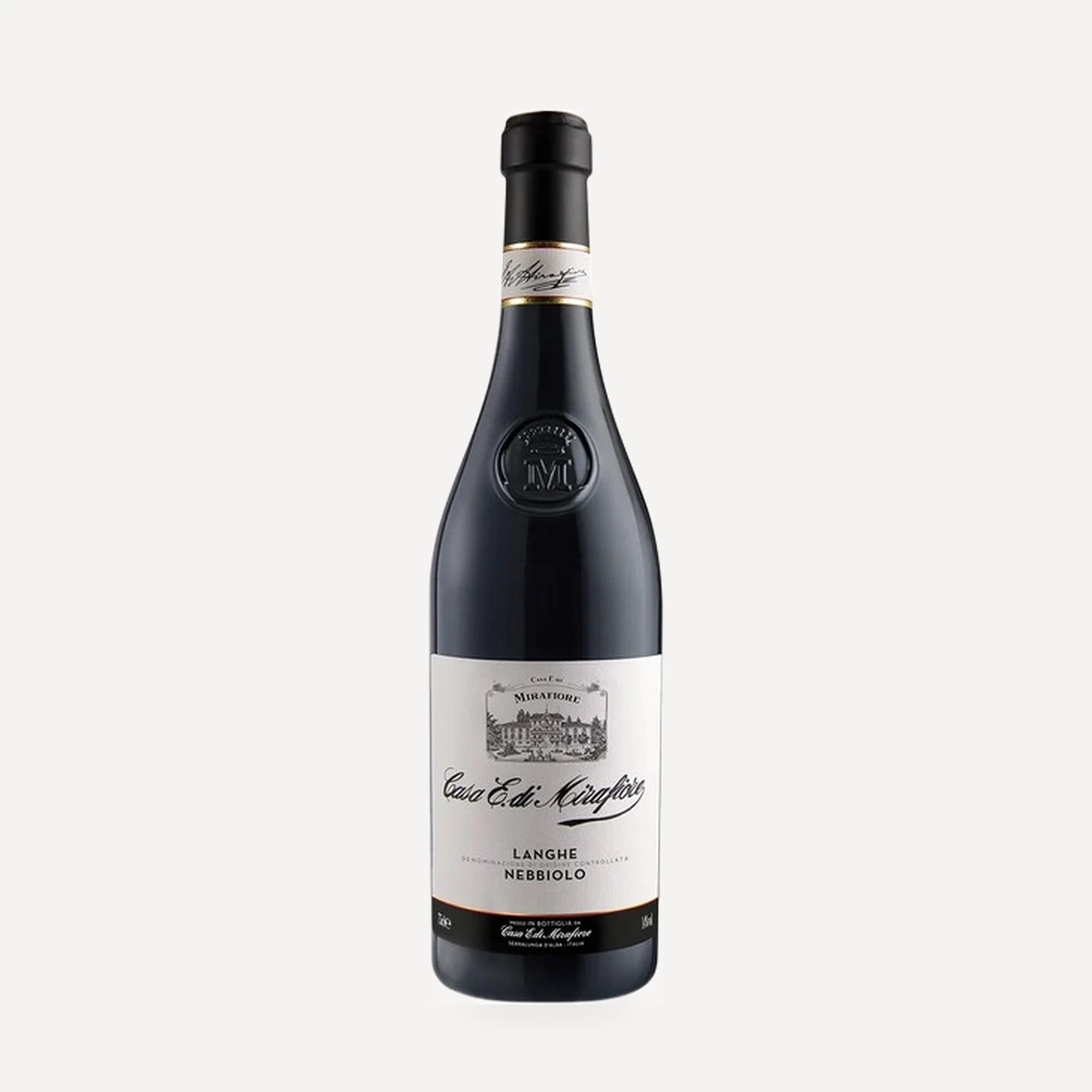
Langhe Nebbiolo
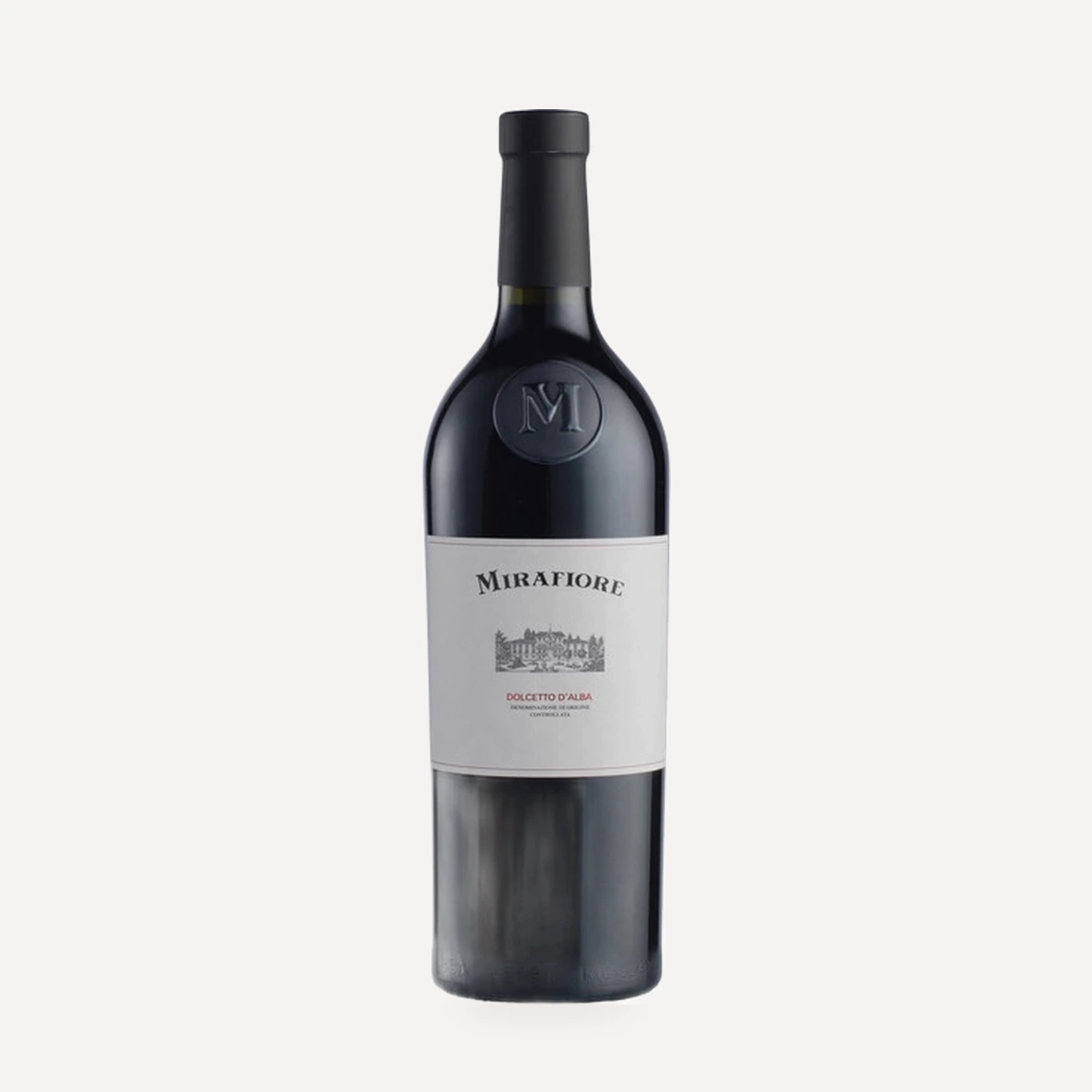
Dolcetto d’Alba
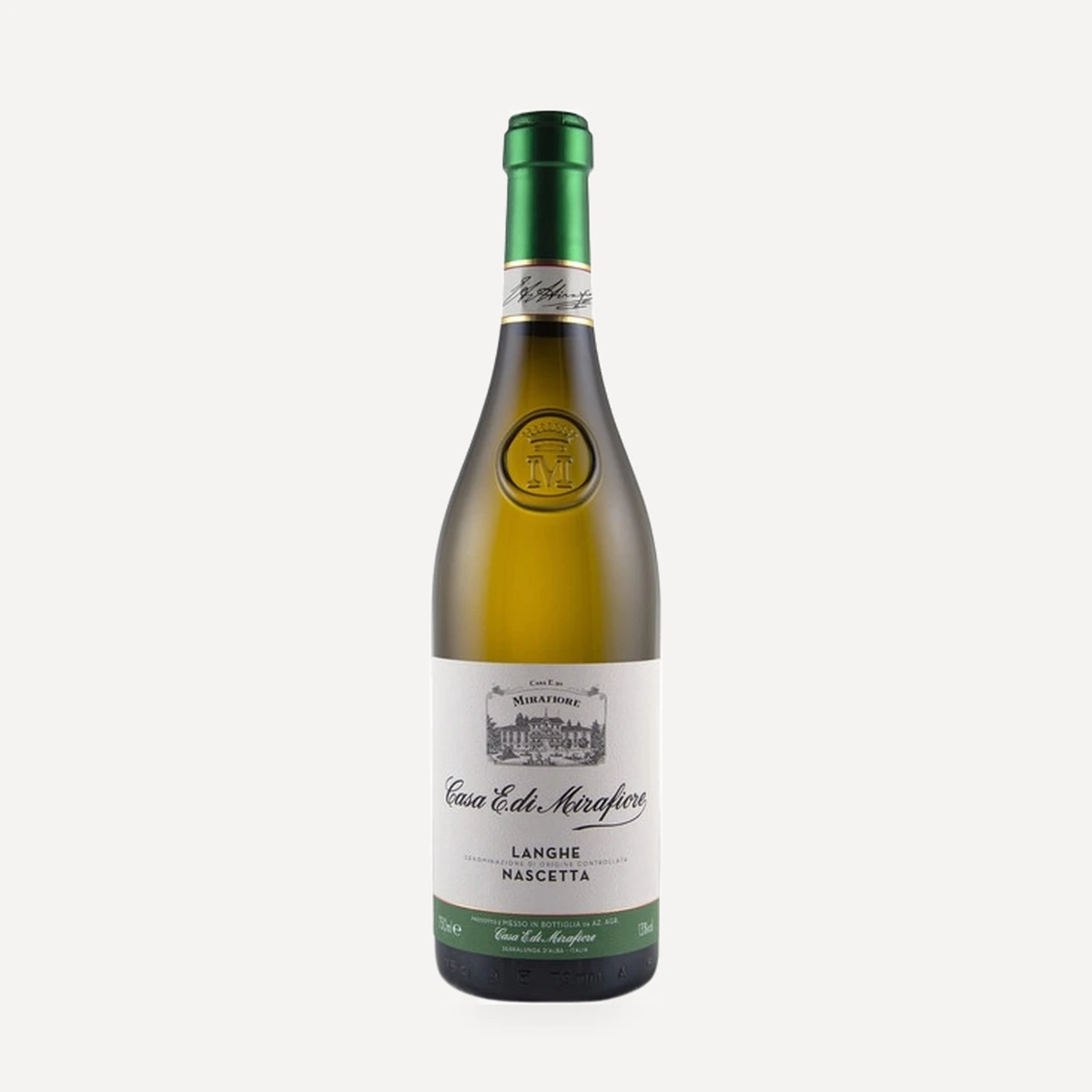
Langhe Nascetta
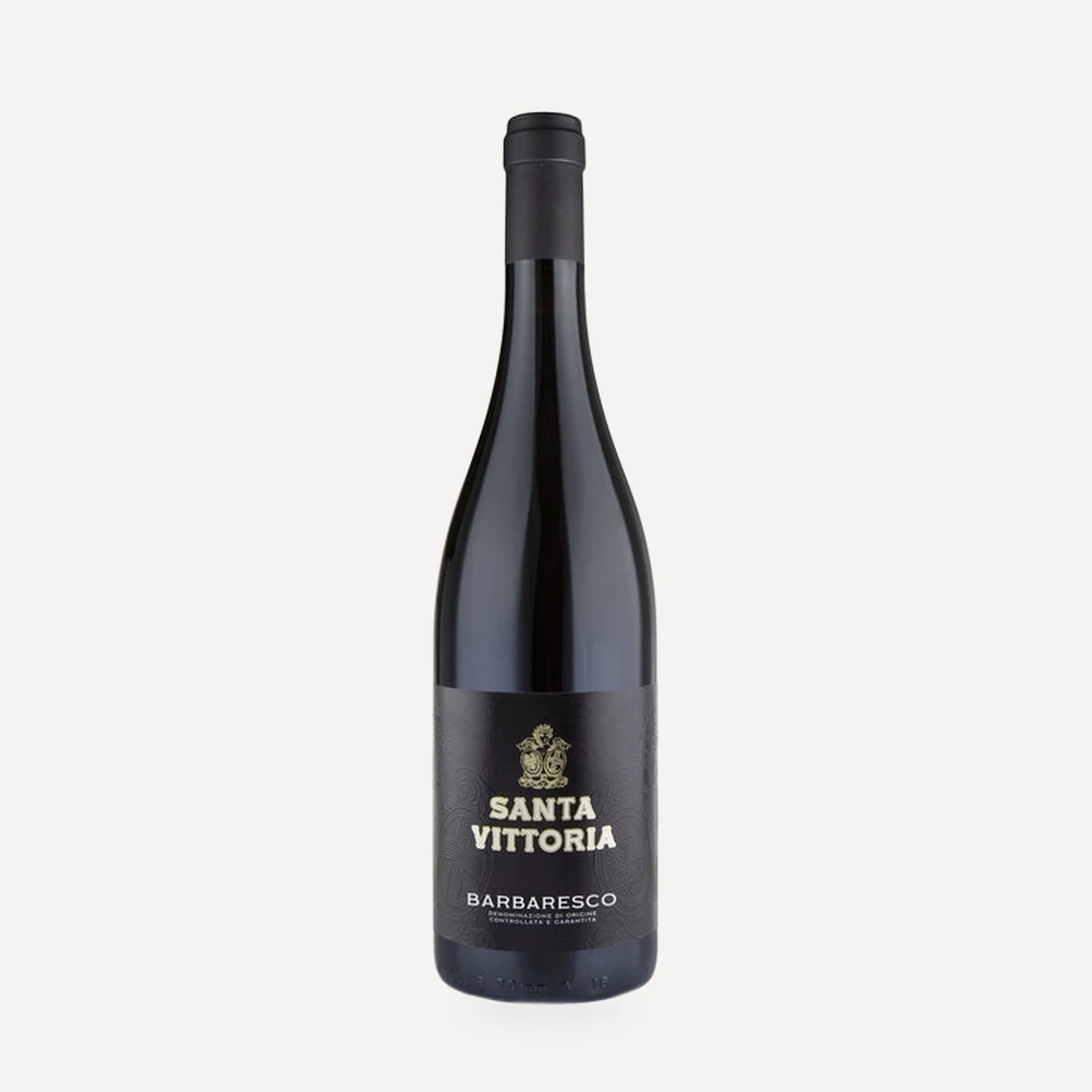
Santa Vittoria Barbaresco DOCG