History
The family estate, 1921–1964
Paolo Scavino’s family winery dates from 1921. Lorenzo Scavino and his son Paolo belonged to the generations that established its vineyard-centred identity. Both devoted their working lives to the vineyards, guided by a conviction that the hills of the Langa could produce fruit of distinction even through difficult periods.
A surviving bottle and label design used by Lorenzo and Paolo remained part of the family’s historical memory. The 1964 vintage was the last occasion on which that format appeared before Enrico Scavino revived it for a commemorative bottling nearly five decades later.
One of the estate’s oldest documented vineyard plantings was established on the central crest of Cannubi in 1946. The site subsequently became an important part of the family’s single-vineyard work.
Separate expression of vineyards, 1978–1996
In 1978, Enrico Scavino persuaded his father Paolo to vinify the Nebbiolo from Fiasco separately. The family had consistently considered these grapes the best from the site, and the decision was intended to demonstrate the vineyard’s individual potential. The resulting Bric dël Fiasc became one of the estate’s defining wines and one of the early examples of a single-vineyard Barolo presented as a grand cru expression.
Further Fiasco plantings followed in 1979 and 1984. Beginning with 1985, the estate also vinified Cannubi as a distinct cru. In 1990, the family acquired Rocche dell’Annunziata in La Morra, a vineyard subsequently reserved for its Barolo Riserva.
The Barolo CAROBRIC® was created in 1996 by combining three historic terroirs. The name reflects its composition from Cannubi, Rocche di Castiglione and Bric dël Fiasc. Although the vineyards are assembled, their parcels are vinified and matured according to the same Barolo regime used to preserve distinctions of origin.
Expansion and new vineyard expressions, 2000–2007
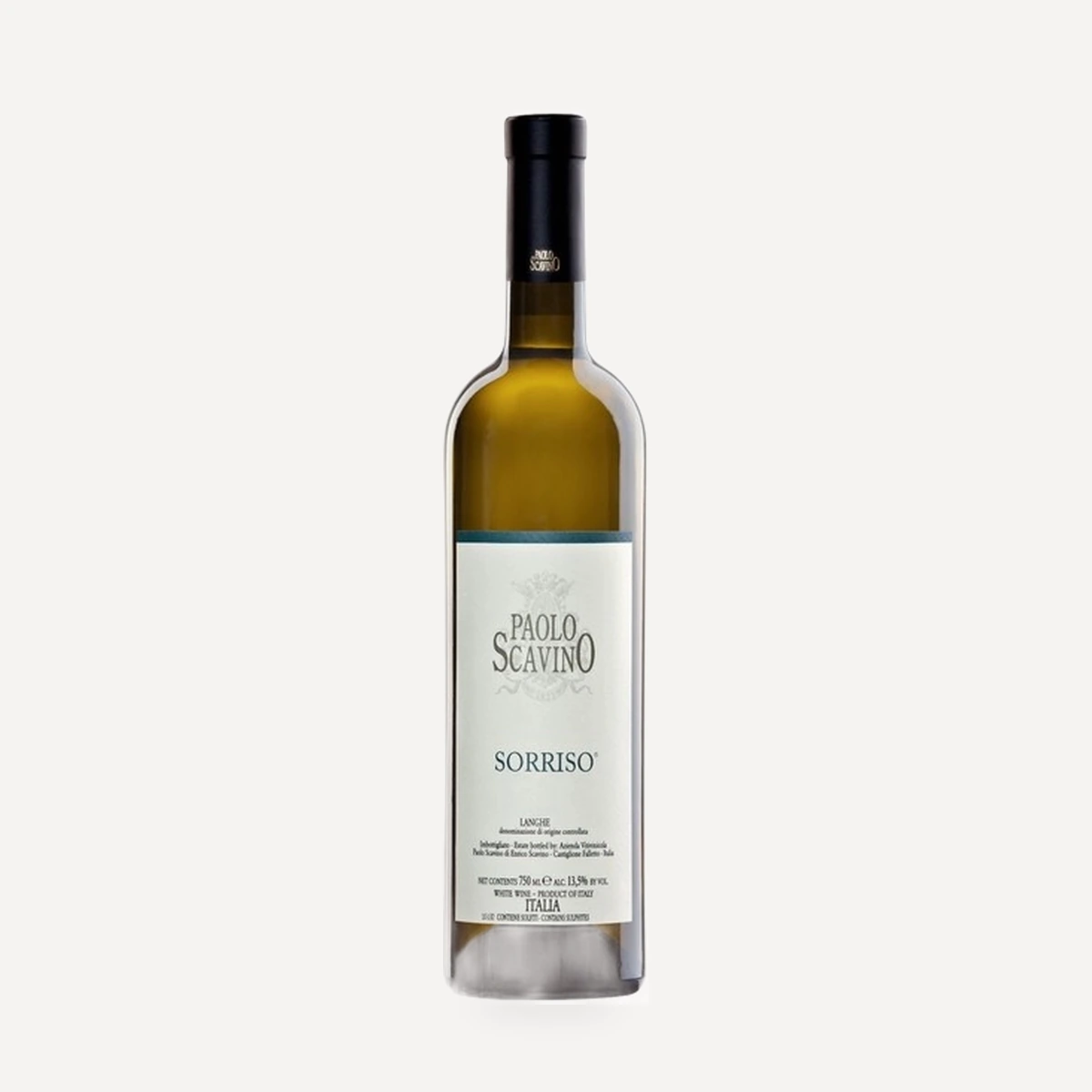
The family first vinified fruit from Monvigliero in the 2000 vintage. Until the 2007 vintage, this component was incorporated into the blended Barolo. The same year also marked the creation of SORRISO®, a Langhe DOC white combining Chardonnay, Sauvignon blanc and Viognier.
Enrico Scavino identified the potential of Bricco Ambrogio in Roddi and purchased the cru in 2001. When hail affected the estate in 2002, Bricco Ambrogio was the only estate cru left untouched. Its fruit was consequently bottled on its own, providing the vineyard’s debut as an individual Barolo even in a difficult growing year.
The Scavino family purchased Monvigliero in 2007 and began presenting it as a single-cru Barolo. The documented vineyard includes vines planted in 1968 and 2005.
Renewed plantings and the 90th anniversary, 2008–2013
Planting and renewal continued across the documented holdings. Bricco Ambrogio received a planting in 2008; Fiasco was planted again in 2009, 2012 and 2013; and Rocche dell’Annunziata received plantings in 2010 and 2013, supplementing its 2000 planting.
In 2011, the estate marked the 90th anniversary of its 1921 foundation with Barolo Riserva Novantesimo 2011. Enrico selected fruit from historic vineyards and, for the first time since 1964, reproduced the bottle and label once used by Lorenzo and Paolo. The project was conceived as a tribute to their work, tenacity and respect for the land. Enrico also presented it as part of the inheritance being carried forward with his daughters, Enrica and Elisa.
Terroir
The documented holdings extend across several communes of the Barolo area and present marked differences in altitude, exposure, geological composition and vine age.
Fiasco, in Castiglione Falletto, lies at 260 m with a south-western exposure. Its central position within the Barolo area is associated with a meeting of soils described as Tortonian and Helvetian. Marne di Sant’Agata fossili and limestone occur with whitish-grey limestone and yellow-grey sandstone, producing a geological combination associated with both finesse and power.
Cannubi, in the commune of Barolo, occupies the central crest of Cannubi hill at 290 m and faces south-south-east. Its soil is limestone-rich Marne di Sant’Agata fossili. The documented block was planted in 1946, and the age of the vines forms part of the natural combination responsible for its low yields.
Monvigliero, in Verduno, is situated at 310 m with a south-eastern exposure. Its light-coloured soil is predominantly limestone, interspersed with chalky veins characteristic of the commune.
Bricco Ambrogio, in Roddi, lies at 275 m and faces south to south-east. Its soils consist of limestone and Marne di Sant’Agata fossili.
Rocche dell’Annunziata, in La Morra, is the highest of the individually documented sites at 385 m, with a south-south-eastern exposure. Its calcareous profile includes very hard sandstone at depth and soft whitish to light-yellow sands in the subsoil, interlayered with limestone.
The estate’s blended Barolo draws on the best-performing plots from seven crus. Differences in soil, altitude and exposure are retained through separate vinification and maturation before the final selection and blend.
Winemaking
Viticultural decisions are presented as site-specific. Barbera is assigned to sunny, well-drained exposures and kept at low yields so that it can reach adequate maturity, richness and complexity. Dolcetto also requires a favourable exposure, but excessive warmth is avoided in order to preserve acidity; the estate retains Dolcetto vines documented as approximately 50 years old.
At Cannubi, the low yield arises from a combination of natural factors that includes the advanced age of vines planted in 1946. Across the documented crus, repeated planting dates show both the preservation of older blocks and progressive renewal: Bricco Ambrogio retains plantings dating from 1947–1950 alongside later additions, while Fiasco and Rocche dell’Annunziata received new plantings through 2013.
The final Barolo blend is determined parcel by parcel after separate vinification and maturation, allowing the performance of each vineyard block in the individual vintage to guide selection.
Barolo workflow
Plots are handled separately throughout vinification and maturation. The grapes are destemmed and lightly crushed, followed by maceration and alcoholic fermentation in temperature-controlled stainless-steel tanks with indigenous yeasts. Malolactic fermentation takes place in oak barrels.
Each parcel matures for 10 months in neutral French-oak barrels, followed by 12 months in large casks. The final blend is assembled only after a further cellar selection of the strongest-performing plots of the vintage. The wine then spends approximately one year in stainless steel and 10 months in bottle before release.
Tartaric stabilization occurs naturally during the low winter temperatures. For CAROBRIC® and the vineyard-designated Barolos, applying the same vinification and maturation framework is intended to make the distinctions among vineyards more legible.
Rocche dell’Annunziata Riserva follows a longer schedule than the other Barolos, receiving one additional year in large cask and one additional year in bottle.
Other disclosed cellar practices
Barbera d’Alba is vinified and matured entirely in stainless steel. SORRISO®, the Chardonnay–Sauvignon blanc–Viognier blend, is likewise vinified and aged in stainless steel.
Langhe Nebbiolo undergoes a low-temperature fermentation to moderate extraction. It receives a short period in neutral oak, with the remainder of its maturation in stainless steel to retain freshness and varietal character.
Philosophy
The family places the vineyard at the centre of its work. Lorenzo and Paolo’s legacy is framed through care for the vines, tenacity during difficult periods and confidence in the quality and character of the Langa hills.
The cellar objective for Barolo is the clearest possible expression of terroir. Applying comparable vinification and maturation to different crus is intended to emphasize their inherent distinctions rather than differences created by cellar treatment. The blended Barolo follows the complementary principle of bringing together variations in soil, exposure and altitude to express the wider zone with harmony and complexity.
Parcel separation also allows vintage performance to determine the final selection. Individual plots are assessed after vinification and maturation, and only the best-performing components of that year enter the final Barolo blend.
The 2011 anniversary project connected this approach explicitly to family continuity: Enrico revived Lorenzo and Paolo’s historic presentation while identifying Enrica and Elisa with the responsibility of carrying their values and work forward.
Wines
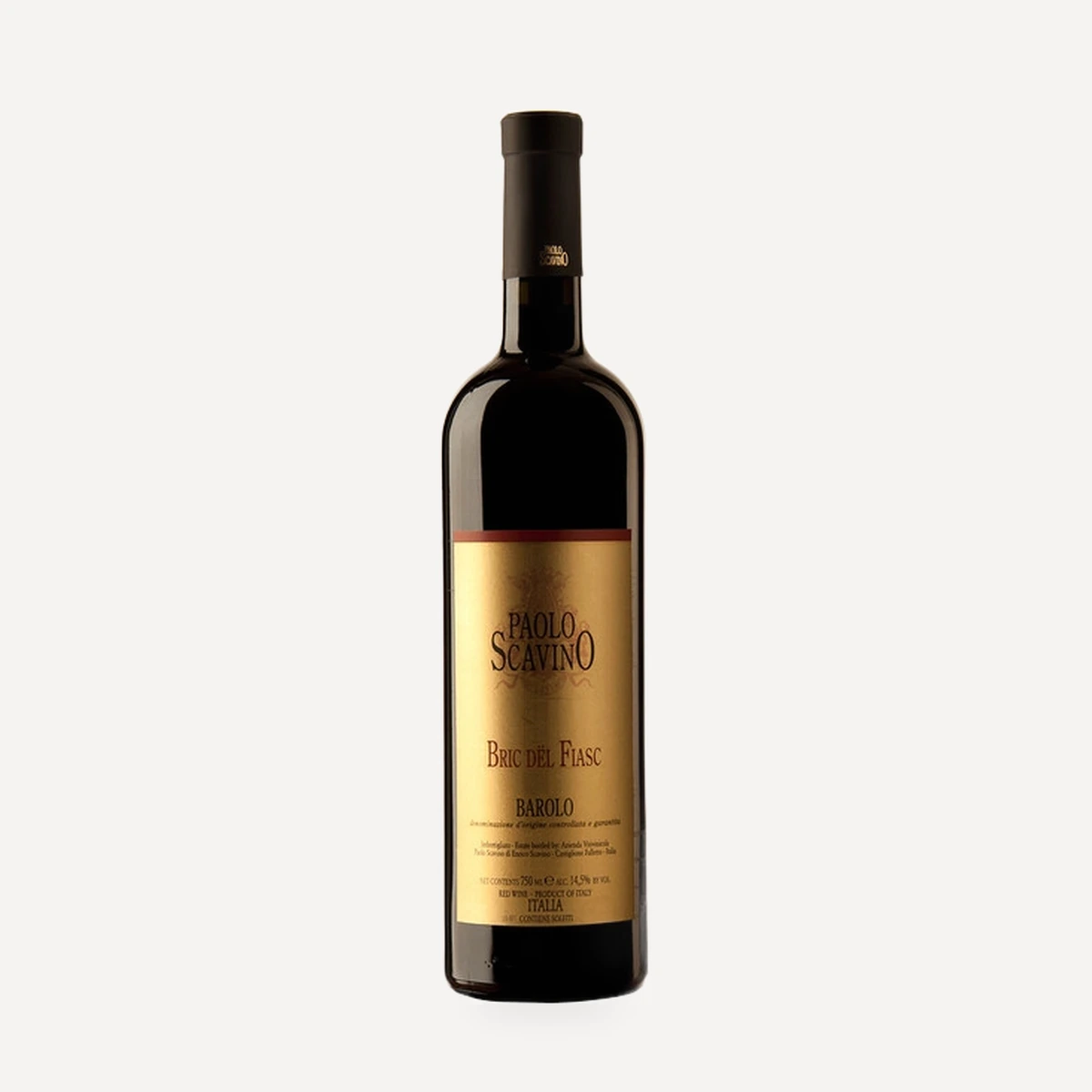
Barolo Bric dël Fiasc® DOCG
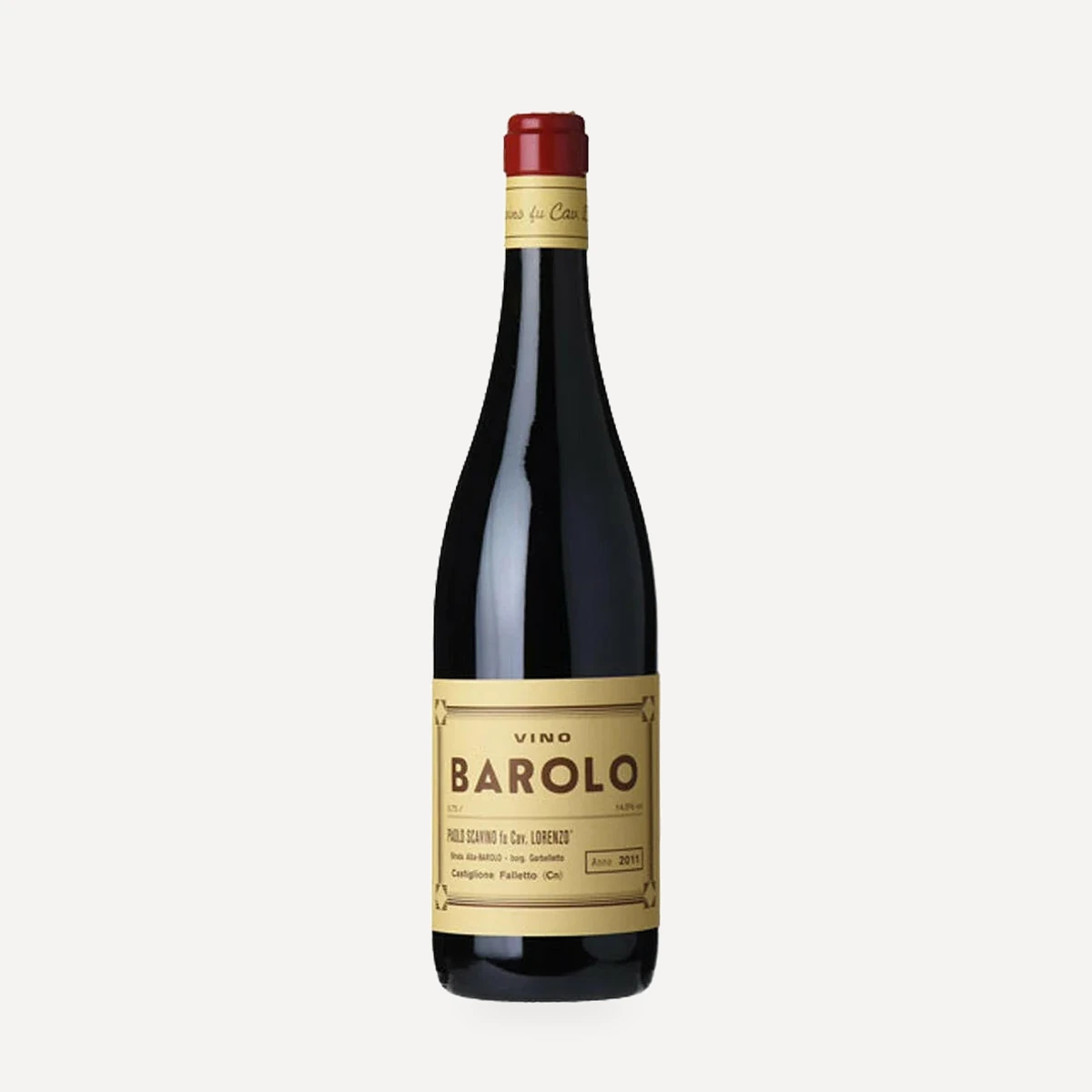
Barolo RISERVA Novantesimo 2011 DOCG
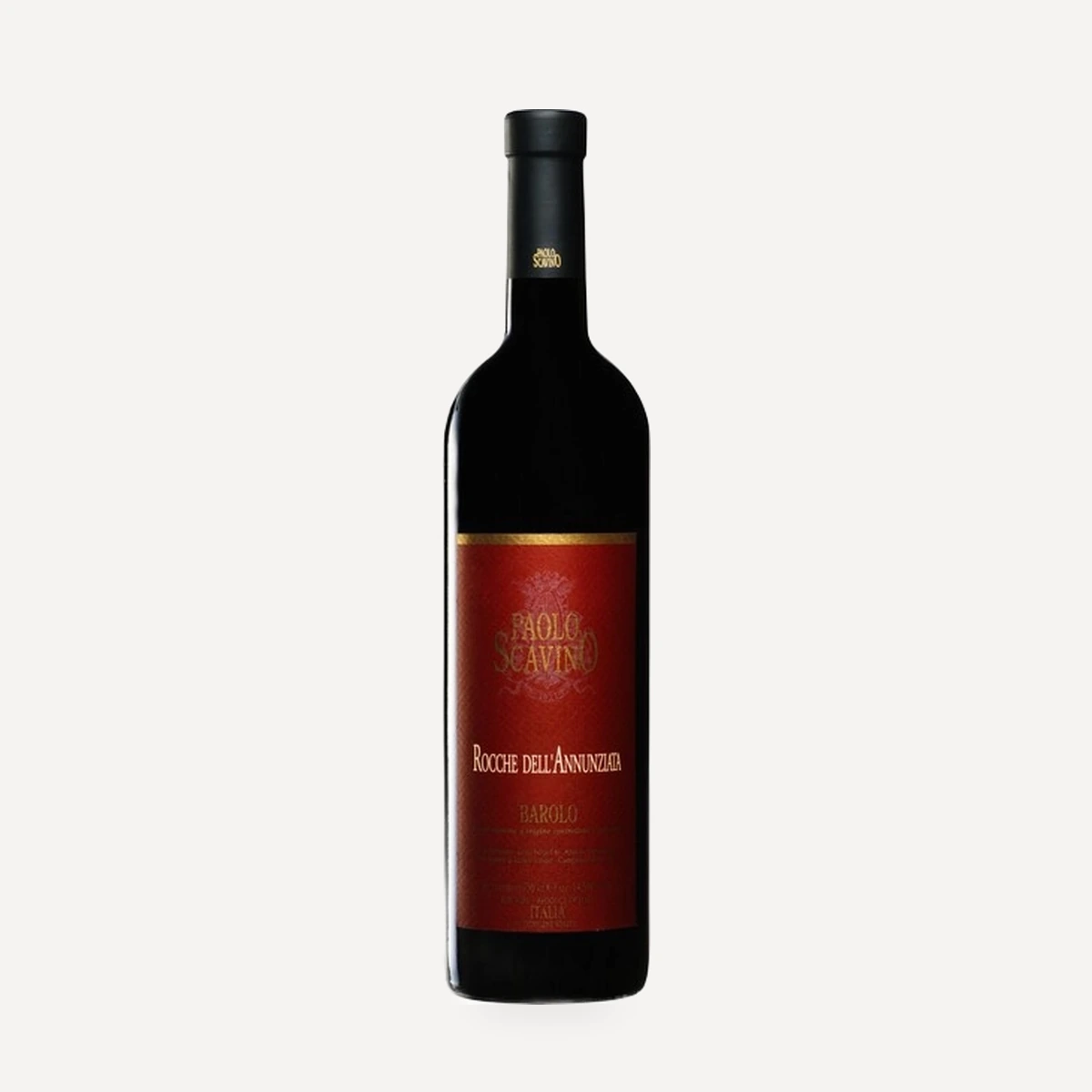
Barolo RISERVA Rocche dell’Annunziata DOCG
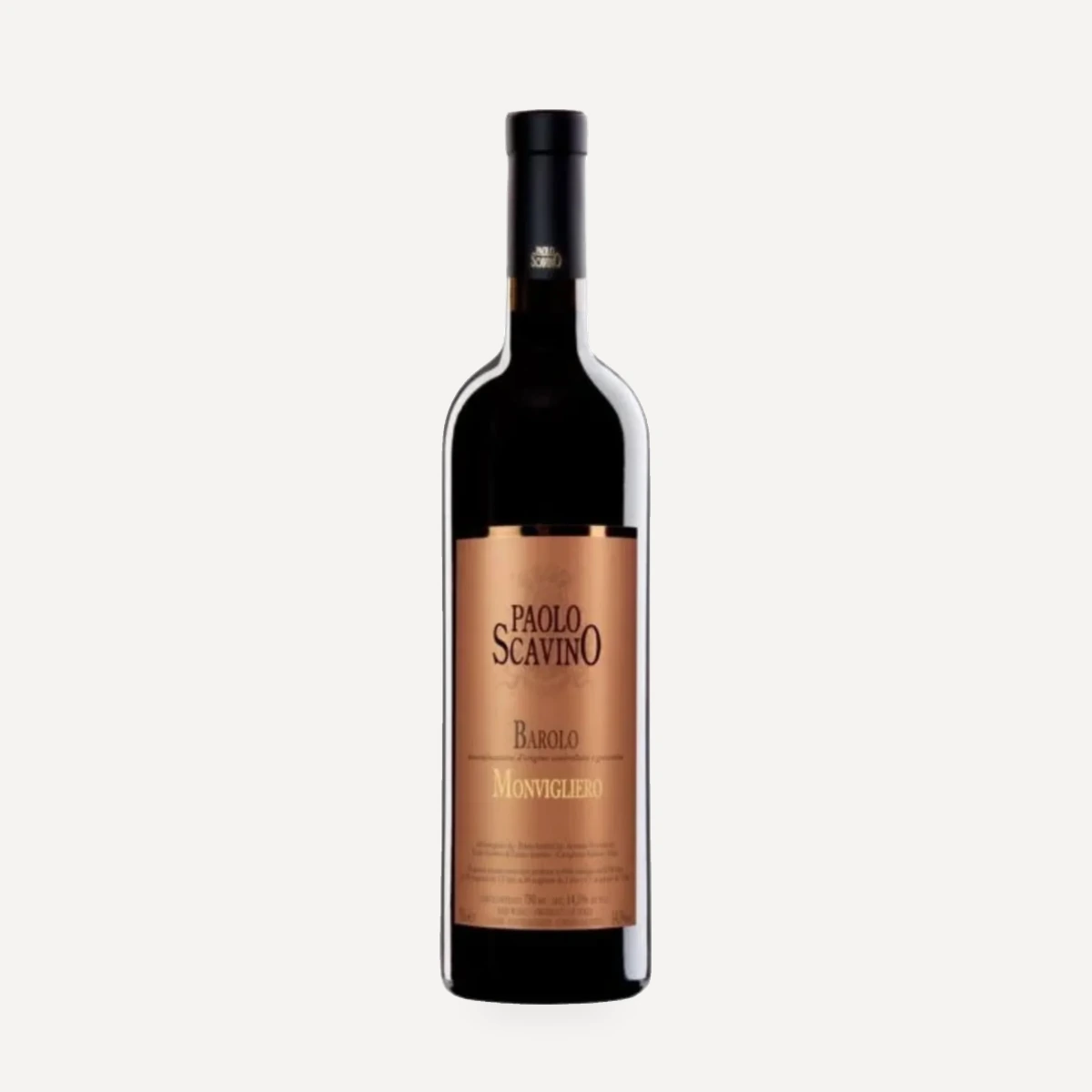
Barolo Monvigliero DOCG
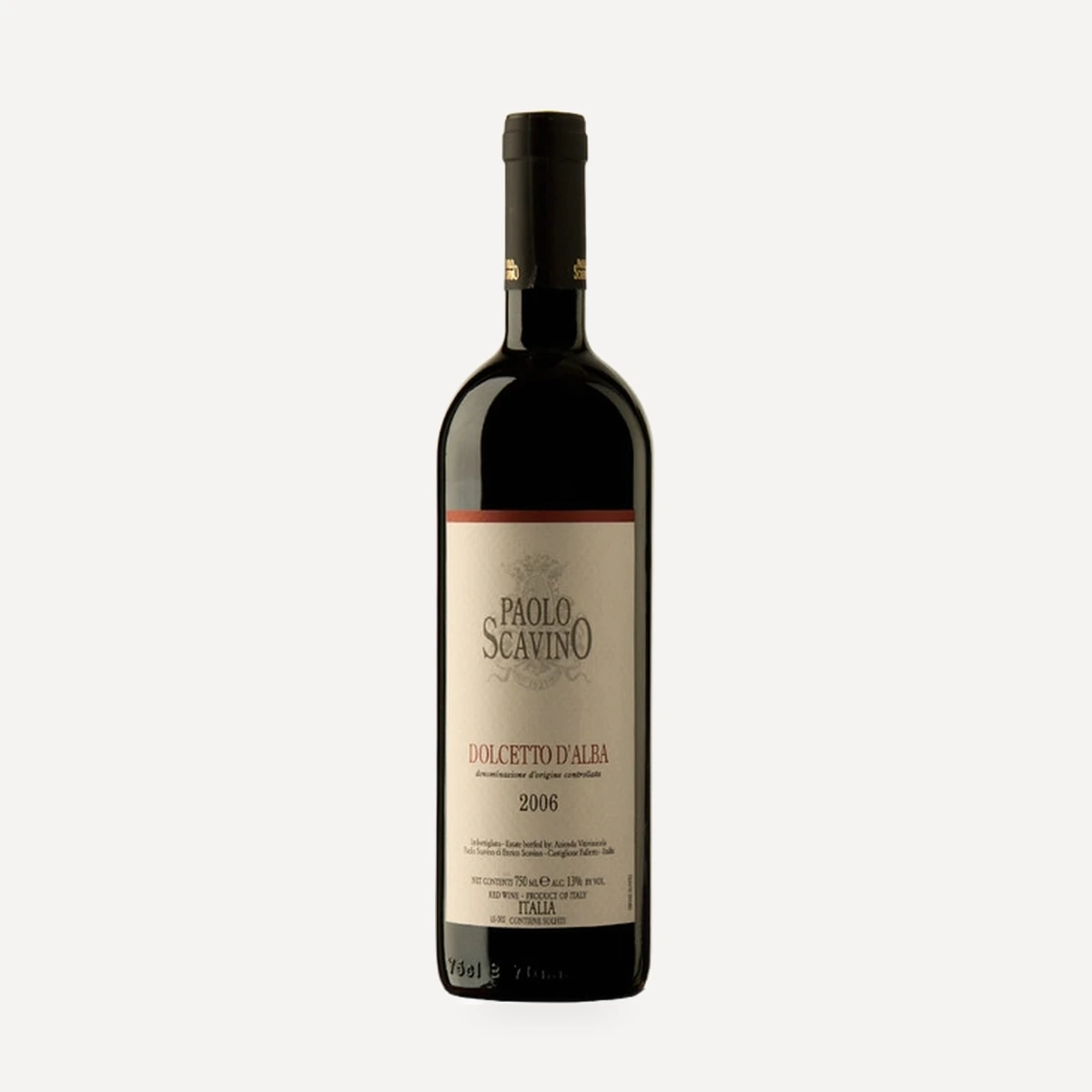
Dolcetto d'Alba DOC
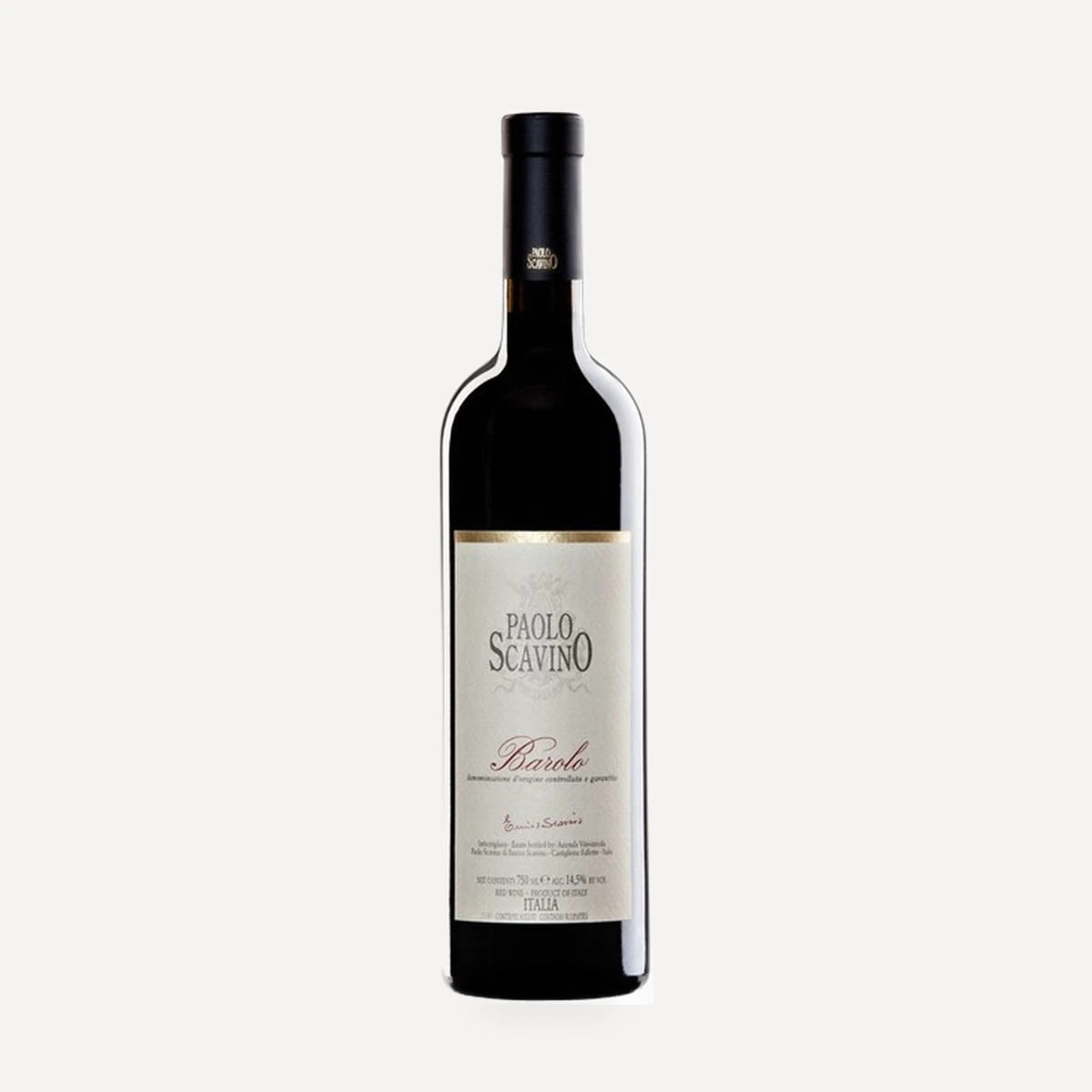
Barolo DOCG
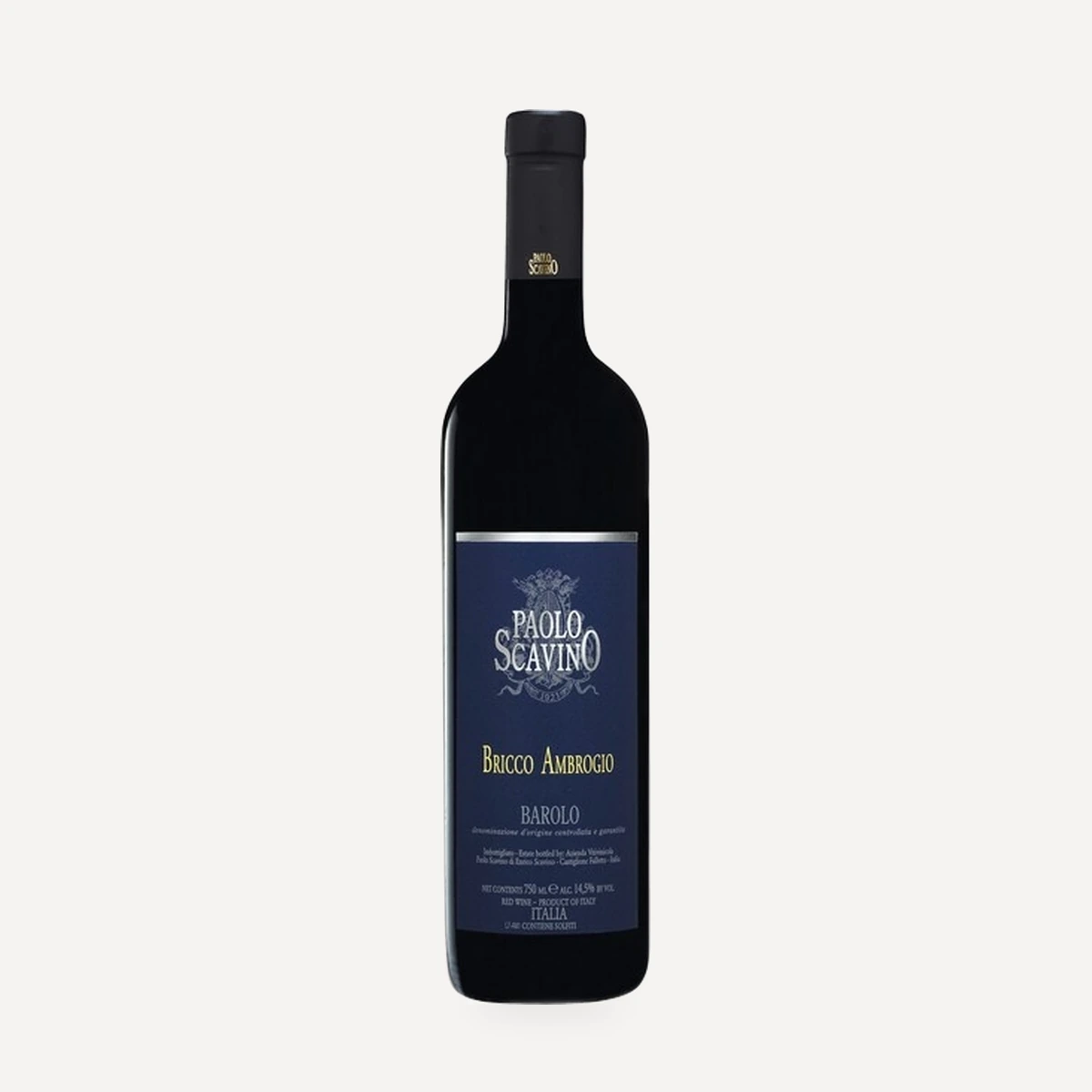
Barolo Bricco Ambrogio DOCG
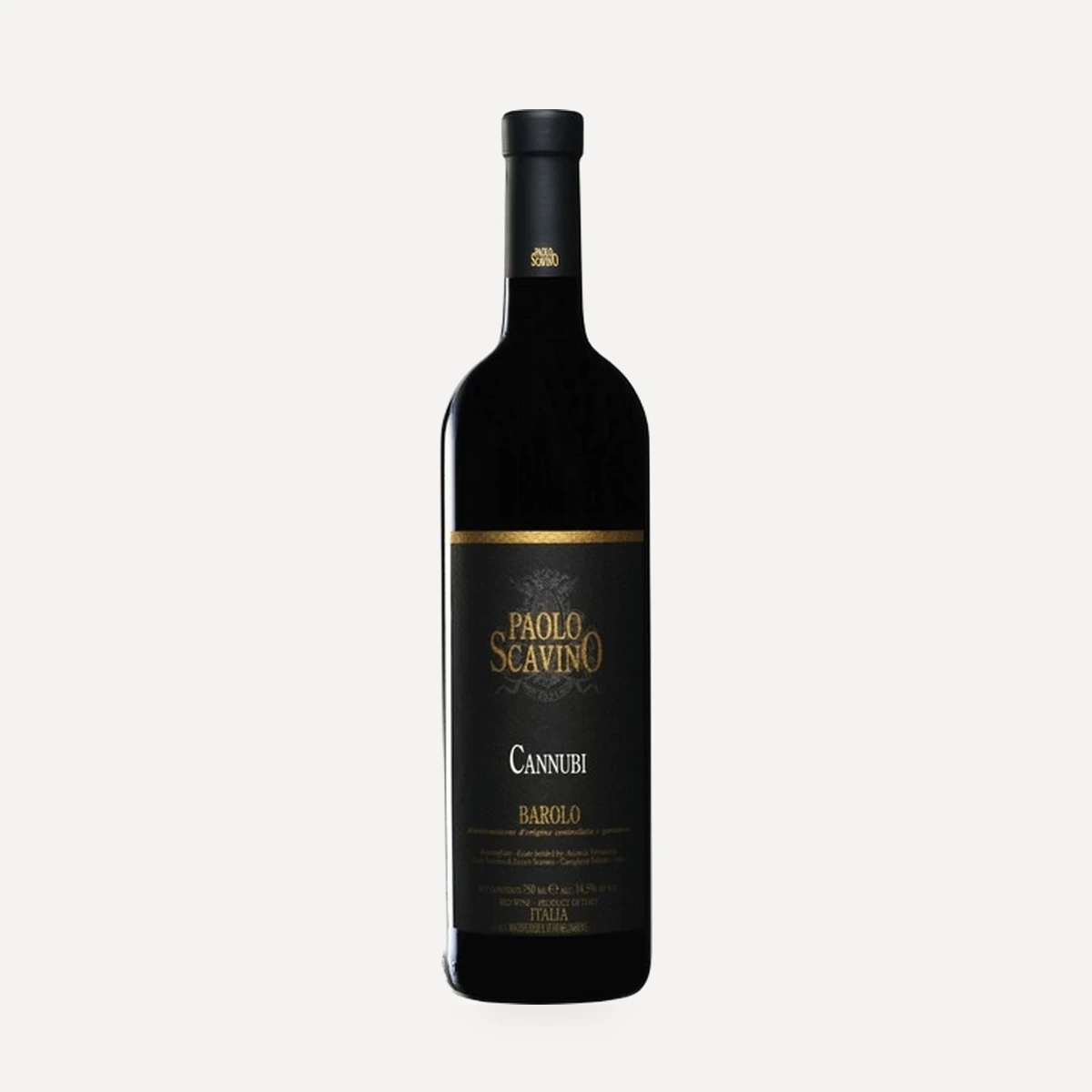
Barolo Cannubi DOCG
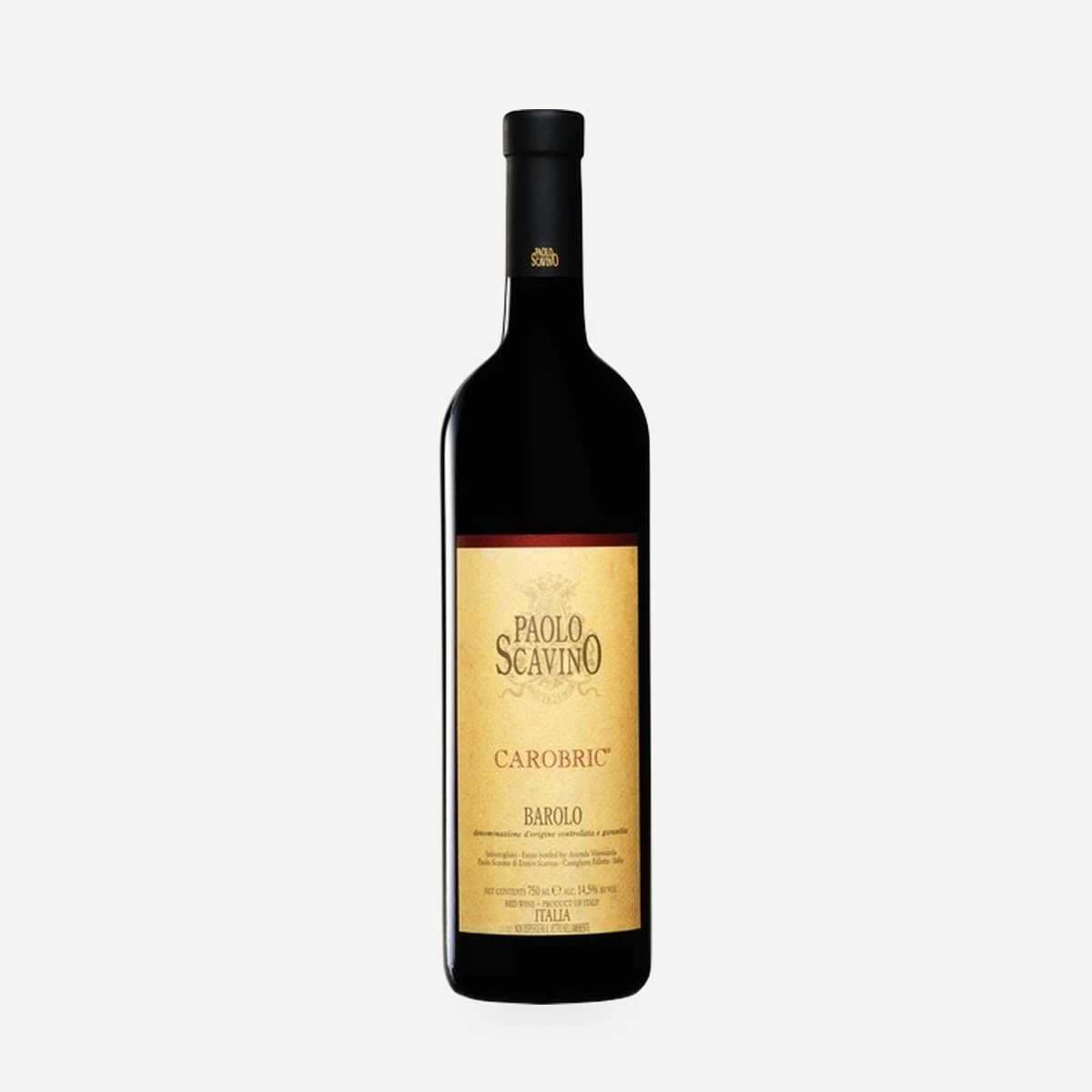
Barolo CAROBRIC® DOCG
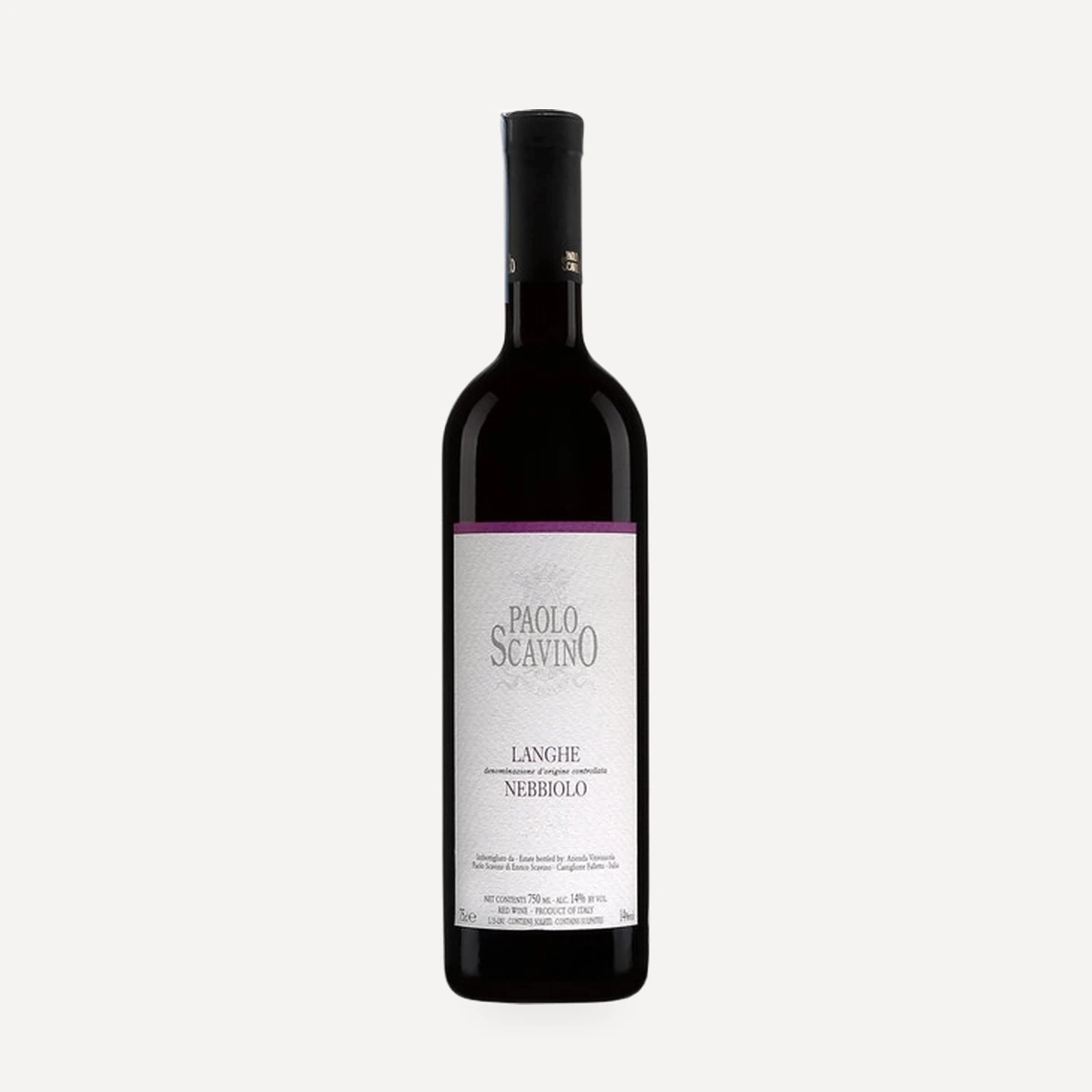
Langhe Nebbiolo DOC
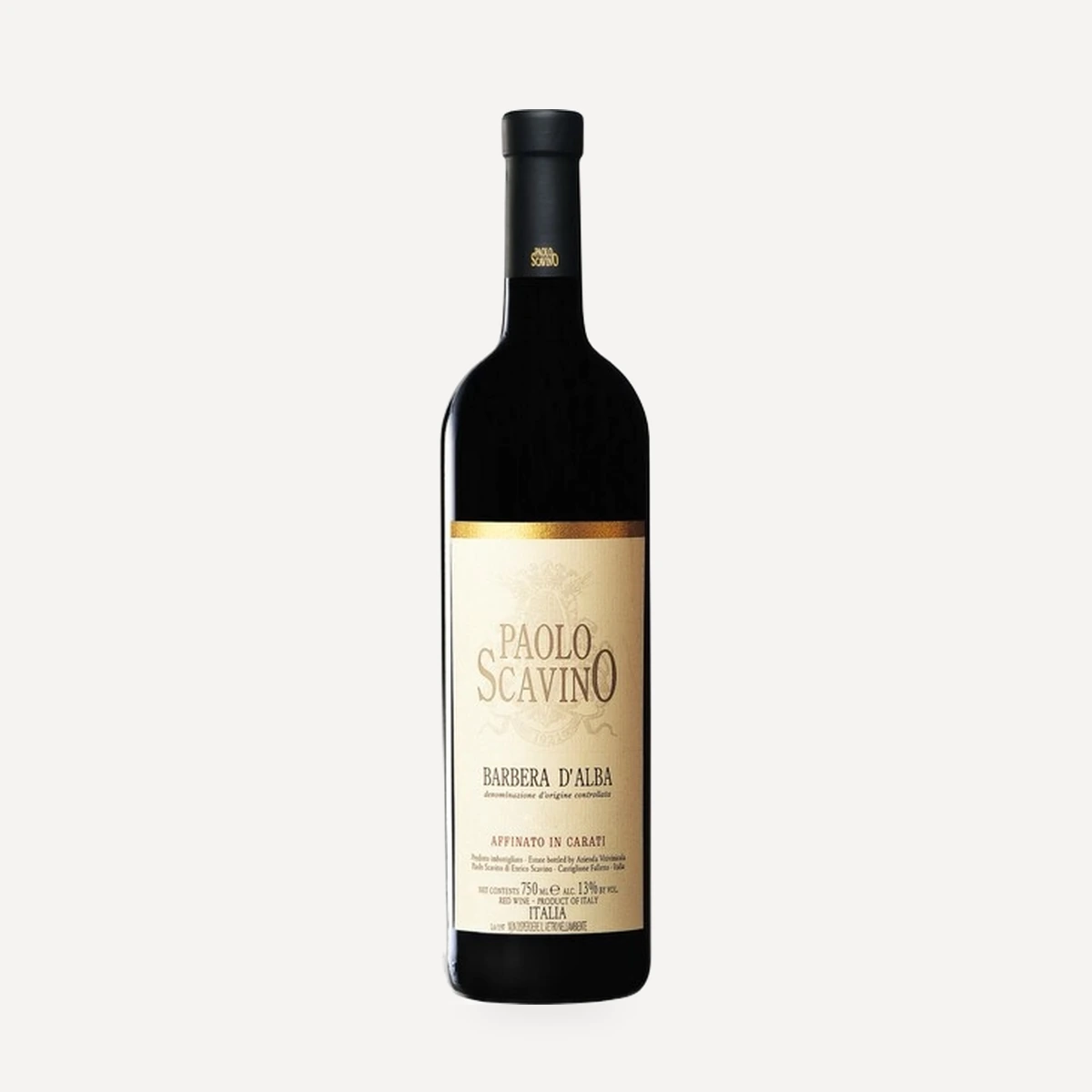
Barbera d'Alba Affinato in Carati DOC
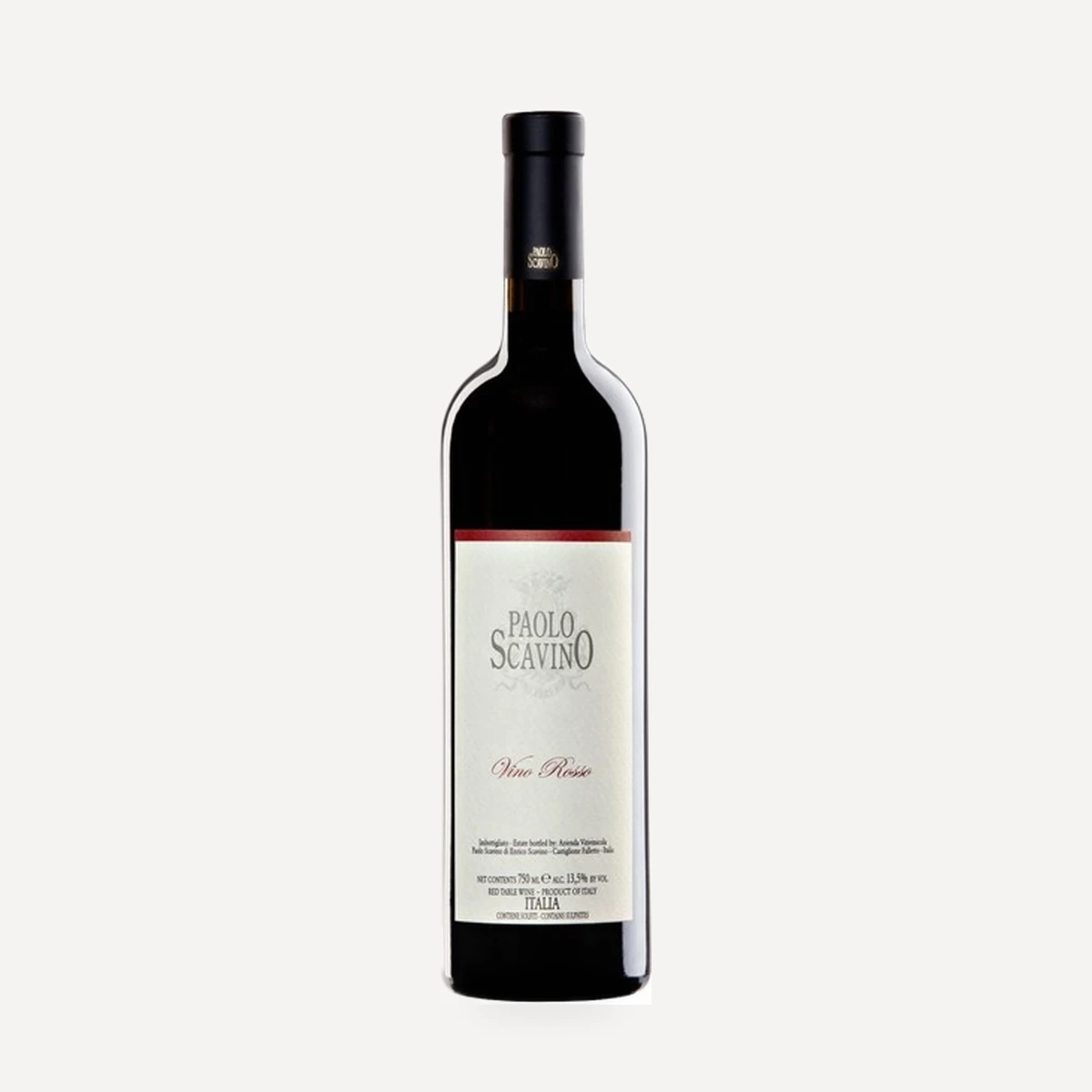
Vino Rosso