History
Agricultural origins: 1901–1970
The Parusso family's documented connection with its present vineyards begins in 1901, when Gaspare Parusso, great-grandfather of Marco and Tiziana, acquired the family's first vineyard at Mariondino in Castiglione Falletto. The holding was small and its grapes were delivered to the local cooperative cellar.
In 1925 the family acquired Cascina Rovella in Bussia, Monforte d’Alba. The farmhouse—on the ridge descending from Monforte d’Alba toward Castiglione Falletto and overlooking Barolo—subsequently became the home of the estate and part of its vineyards.
Around 1960 the farm combined animal husbandry with orchards, vineyards and wheat fields. Wine production remained limited and was principally intended for family consumption. Armando Parusso worked primarily as a livestock farmer and began producing wine in the hope that it could provide a better return than animal farming.
Armando Parusso and estate bottling: 1971–1985
In 1971 Armando Parusso, Gaspare’s grandson and the father of Marco and Tiziana, began bottling the family wine and released the first Barolo carrying the Parusso name. He sought technical assistance from early trained wine specialists, an approach that Marco later recognized when he tasted approximately 50 surviving bottles of the 1971 wine.
Marco and Tiziana: 1986–1999
Marco Parusso completed his studies at the Alba school of oenology in 1986 and began working alongside Armando. He was the youngest of three brothers and the only one to pursue oenological studies; his two brothers were already employed outside the farm. Tiziana joined the family business shortly afterward.
Marco credits encounters with Alfredo Roagna and Domenico Clerico, together with travel—especially in Burgundy—with strengthening his decision to pursue winegrowing. From the outset, he wanted the wines to express both the land and the family’s conception of wine as food. His first vintage was 1986. That year he separated vineyard areas and produced small quantities—fewer than 10,000 bottles—including Mariondino and Bussia Vigna Rocche. He also introduced the estate’s first crop thinning, despite Armando’s reservations: discarding grapes conflicted with the older generation’s experience of agricultural scarcity.
The 1986 methanol scandal became part of a wider change in Italian wine. Small growers could guarantee the complete chain themselves and place their own names behind the product. Toward the end of the 1980s Marco joined Langa In, a group of roughly 20 small producers who attended exhibitions, tasted together and built their markets collectively. Slow Food and Marco De Grazia’s work with the Barolo Boys also helped bring attention to small growers at a time when bottlers dominated the market.
In 1989 Marco acquired a vineyard in Bussia Vigna Munie. In 1990 Marco and Tiziana formally founded Azienda Parusso Armando di Parusso F.lli.
Refining the vineyard and cellar approach: 2000–2013
The turn of the millennium marked a change in Marco’s understanding of lees. Until 2000 he regarded them as something to remove; afterward, extended contact with natural lees and autolysis became central to his idea of protecting, enriching and extending the life of wine.
The estate had initially removed as much as 50% of a crop. From 2000 Marco moved thinning later, to approximately 30–40 days before harvest. He found that this reduced sugar and acidity, moderated alcohol and encouraged sweeter, more active polyphenols.
Mariondino received its orange label in 2003, reflecting the citrus character Marco associated with the site and his cold-working cellar methods. Another estate account dates the beginning of separate Mosconi vinification to the 2003 vintage.
In 2007 Marco introduced a post-fermentation infusion stage. Tanks are filled and the wine remains with the solids under controlled micro-oxygenation for approximately two months, normally until Christmas. This was designed to retain compounds that he believed had previously been lost and to continue tannin polymerization before maturation in barriques with the natural lees.
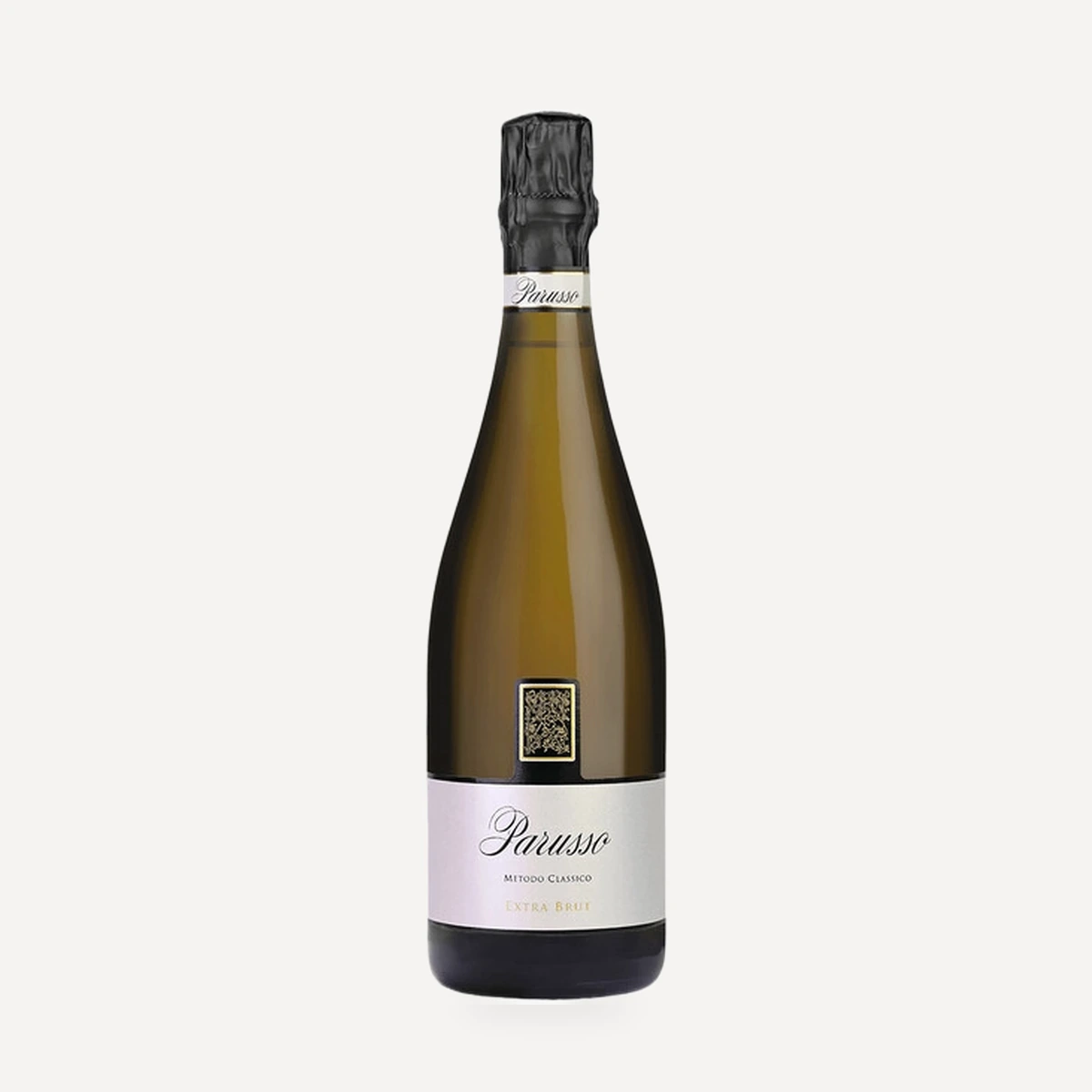
Two books about Italian sparkling wine, received in 2008, prompted Marco to investigate the historical use of Nebbiolo for sparkling wine and the use of must rather than sugar for secondary fermentation. The Parusso Metodo Classico project began in 2010, partly as an experiment and partly as a recovery of an older regional practice.
Expansion, architecture and a new family generation: 2014–2021
In 2014 the old family farmhouse was renovated while retaining the architectural language of the Langhe. A contemporary architectural artwork, La Vite della Vita, was added: intersecting vines form an embrace and open toward the sky.
In November 2015 Marco and Tiziana began cultivating the land of Cascina Baconotta at Santa Rosalia, Alba. In 2016 an 8 ha property there was acquired and the separate Vegliamonte brand was created.
By 2019 Parusso managed 28 ha of vineyards in Monforte d’Alba and Castiglione Falletto, supported by a team of ten people. That year Tiziana’s daughter Giulia and Marco’s son Francesco joined the business, opening the fifth-generation chapter of the family enterprise.
In 2021 the family celebrated 50 years since Armando bottled the first Barolo under the Parusso label.
Terroir
Parusso is based at Cascina Rovella in Bussia, on the ridge that descends from Monforte d’Alba toward Castiglione Falletto and overlooks Barolo. Its vineyards lie in the Barolo district of the Langhe, principally in Monforte d’Alba and Castiglione Falletto.
The estate describes this position as a meeting place of hills formed from two soil types it calls Tortonian and Elvezian. Across the holdings, limestone, clay, marl, sandstone and sand occur in changing combinations. Short distances can bring significant differences in soil structure and composition, exposure, altitude and microclimate.
The slopes are steep. Water movement down the hills has created richer and leaner bands even within the same horizontal row. This variability underpins the estate’s plot-by-plot approach to nutrition and pruning.
Principal cru environments
Bussia has predominantly white, chalky and marly soils and is associated with finesse and elegance. The combined Rocche and Munie vineyards cover approximately 5 ha and lie at 280–300 m. The broader Bussia soil is described as sandstone, marl, silt and limestone. Rocche faces south to south-east and receives the gentler morning sun; Munie faces south to south-west and is warmer and more exposed.
Mosconi, in Monforte d’Alba, has white tufaceous marl, with light clay and darker bands also noted. Its elevation is given as 370–400 m on the vineyard specification, while a later interview describes the site at approximately 300 m. Its south-east to south exposure gives it morning sun and earlier afternoon shade.
Mariondino, in Castiglione Falletto, lies at approximately 290 m and faces west. Its marl and clay-sand structure includes sandstone, sandy veins and marine fossils. The valley opening toward Alba and the Tanaro makes it a colder, generally later-ripening site.
Winemaking
Viticulture is organized through soil micro-zoning. Rather than treating a vineyard uniformly, the estate differentiates individual sections according to soil, vigor and microclimate, then adjusts nutrition and pruning to each condition.
The steep slopes contain both richer and leaner bands created by downhill water movement. Richer areas receive principally mineral nutrition and are pruned to allow greater vegetative expression; leaner zones receive organic matter and are pruned shorter to preserve their balance. High-quality humus and selected microorganisms are used to increase nutrients, oxygenation and aeration in the soil.
No herbicides are used. Natural grass is retained between rows, while diverse species are also sown to compete with more aggressive vegetation and with the vines. The intended result is a deeper root system and stronger, more stable plants with greater resistance to disease and climatic change.
Disease management emphasizes prevention. Synthetic products may be used against fungal pressure only when considered strictly necessary. Sustainability is understood as an equilibrium combining care for the soil, strong plants, respect for vineyard workers and pragmatic intervention when required.
Crop thinning began at Parusso in 1986. The estate formerly removed up to 50% of the grapes. Since 2000, thinning has generally been delayed until 30–40 days before harvest; Marco associates this timing with lower sugar and acidity, less alcohol and sweeter, more active polyphenols.
Ripeness is assessed by tasting the grapes. Harvesting is performed entirely by hand, with bunches placed carefully into small perforated baskets. The objective is to preserve intact, transportable grapes with sufficient sap and stem condition for the subsequent resting stage.
Reception and grape resting
Harvested baskets are transferred to a dedicated room where temperature, ventilation and humidity are controlled. The bunches rest intact in their baskets for approximately three to four days. Negative-ion ionization and diffused natural propolis are used to maintain air hygiene; propolis serves as a natural antibacterial and antifungal agent.
Marco treats this rest as a second maturation. The berry skins relax, vegetal water evaporates from the stems and oxygen enters the rachis. In his interpretation, the stored oxygen later supports spontaneous fermentation, tannin polymerization and antioxidant protection.
Maceration and fermentation
After resting, the grapes undergo approximately one week of cold maceration in rotary fermenters. The rotomacerator mixes liquid and solids while allowing close temperature control. No sulphur dioxide is added at this stage. Cold extraction is used to retain fruit, floral and citrus compounds and to obtain finer tannins.
The temperature may then be raised to approximately 30°C for one or two days; another technical discussion describes an initial peak of as much as 35°C for colour extraction. Fermentation is subsequently controlled at 21–23°C for reds and around 16°C for whites. Near the end of alcoholic fermentation, the tank may be warmed again for about one and a half days to 28–30°C to extract firmer tannin components.
Alcoholic fermentation is spontaneous, using indigenous yeasts. General accounts give a fermentation-maceration period of approximately 15–20 days in rotary fermenters; Marco elsewhere describes the principal extraction phase as 12–15 days.
Ripe stems average approximately 70% of the fermenting mass. Their oxygen is intended to regulate and stabilize the must and provide antioxidant protection. The stem component also permits total skin-and-solid contact to continue beyond 50 days.
Infusion, oxygen and maturation
Since 2007 the process has included a post-fermentation infusion. The tank is filled and the wine remains with the solids under controlled micro-oxygenation for approximately two months, usually until Christmas. Oxygen retained in the stems and introduced in controlled doses is used to continue polymerization.
After separation from the marc, the wine and its indigenous lees are transferred to small oak barrels. General estate specifications give a minimum of 18 months in small oak for principal reds. Marco’s account of Barolo describes two years in new, ultra-fine-grained barriques with the mother lees. Extended lees contact and natural autolysis are intended to protect the wine and enrich it with additional substances and aromatic complexity.
Sulphur dioxide is avoided during fermentation and maturation and added only in small quantities before bottling. Bottles are refined at a controlled temperature of 15°C; some wines receive at least six months of bottle maturation.
Philosophy
Parusso defines itself first as a family of farmers. Love of the Langhe, attachment to place and gratitude toward nature form the basis of its work, while art and experimentation are treated as compatible with agricultural tradition.
The central objective in the vineyard is to extend each plant’s natural life cycle and obtain balanced grapes. Respect for terroir does not mean uniform treatment or non-intervention: every vineyard and even contrasting bands within a row are managed according to their individual strengths, deficiencies, soil and microclimate.
Marco describes sustainability as a state of equilibrium encompassing soil care, stimulation of deep-rooted plants, protection of vineyard workers, reduced dependence on synthetic products and energy-conscious cellar management. Pragmatism is explicit: prevention comes first, but intervention remains acceptable when necessary to maintain balance.
The cellar philosophy combines recovered practices with modern technology. Grape resting is linked to an old method associated with Roman times, while rotary fermenters, controlled temperature, ionization and micro-oxygenation are employed to manage extraction and maturation precisely. Marco rejects the idea that quality follows automatically from leaving wine untouched; in his view, human care, knowledge and technology are necessary to guide grapes toward a stable and balanced wine.
Wine is conceived as food rather than simply a beverage. The desired style combines substance, mature and polymerized tannin, fruit, finesse and energy. Extended contact with natural lees is intended to make wines approachable when young while retaining the capacity for long development. Marco calls this result “dynamic,” explicitly distinguishing it from biodynamic wine.
Wines
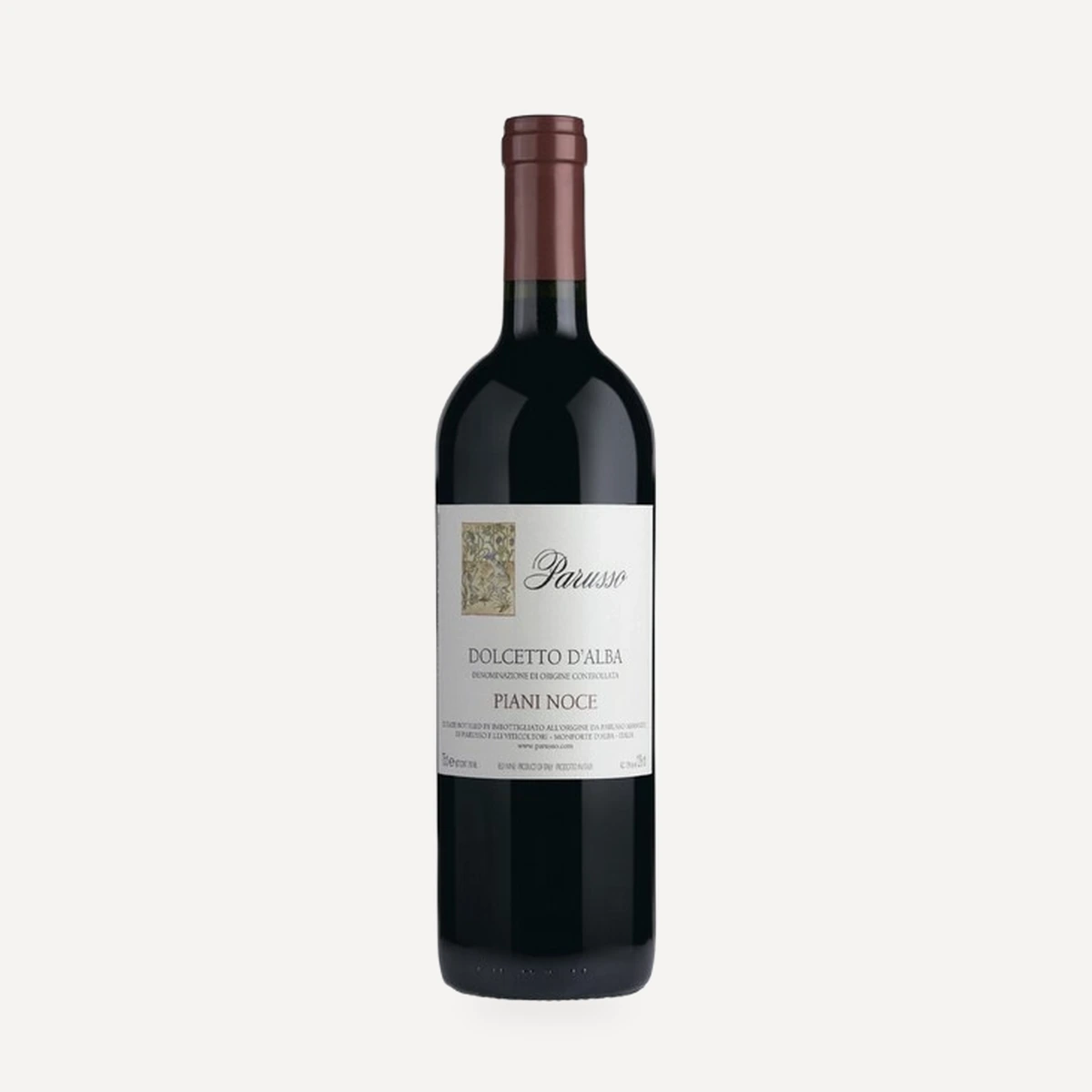
Dolcetto d'Alba Piani Noce DOC
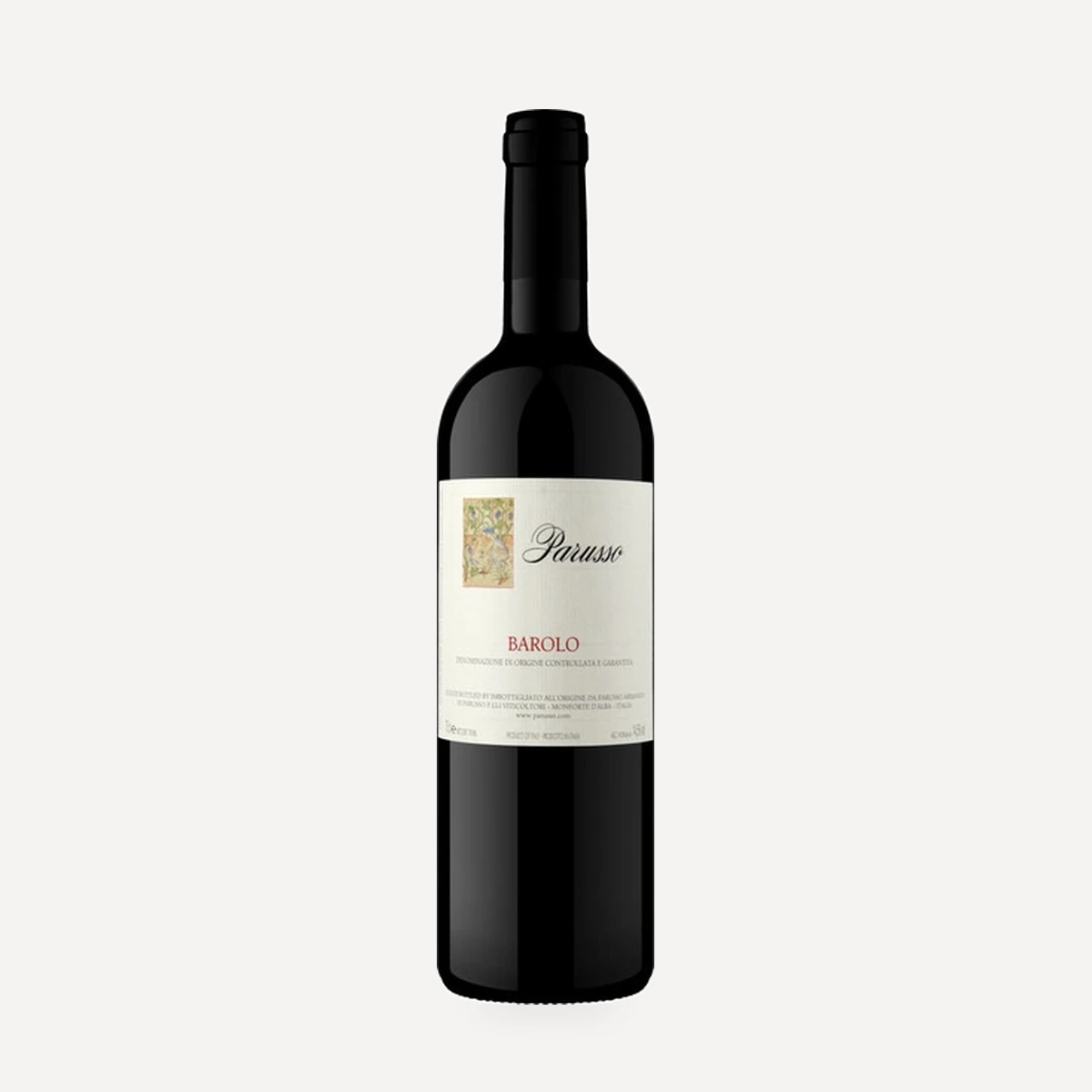
Barolo DOCG
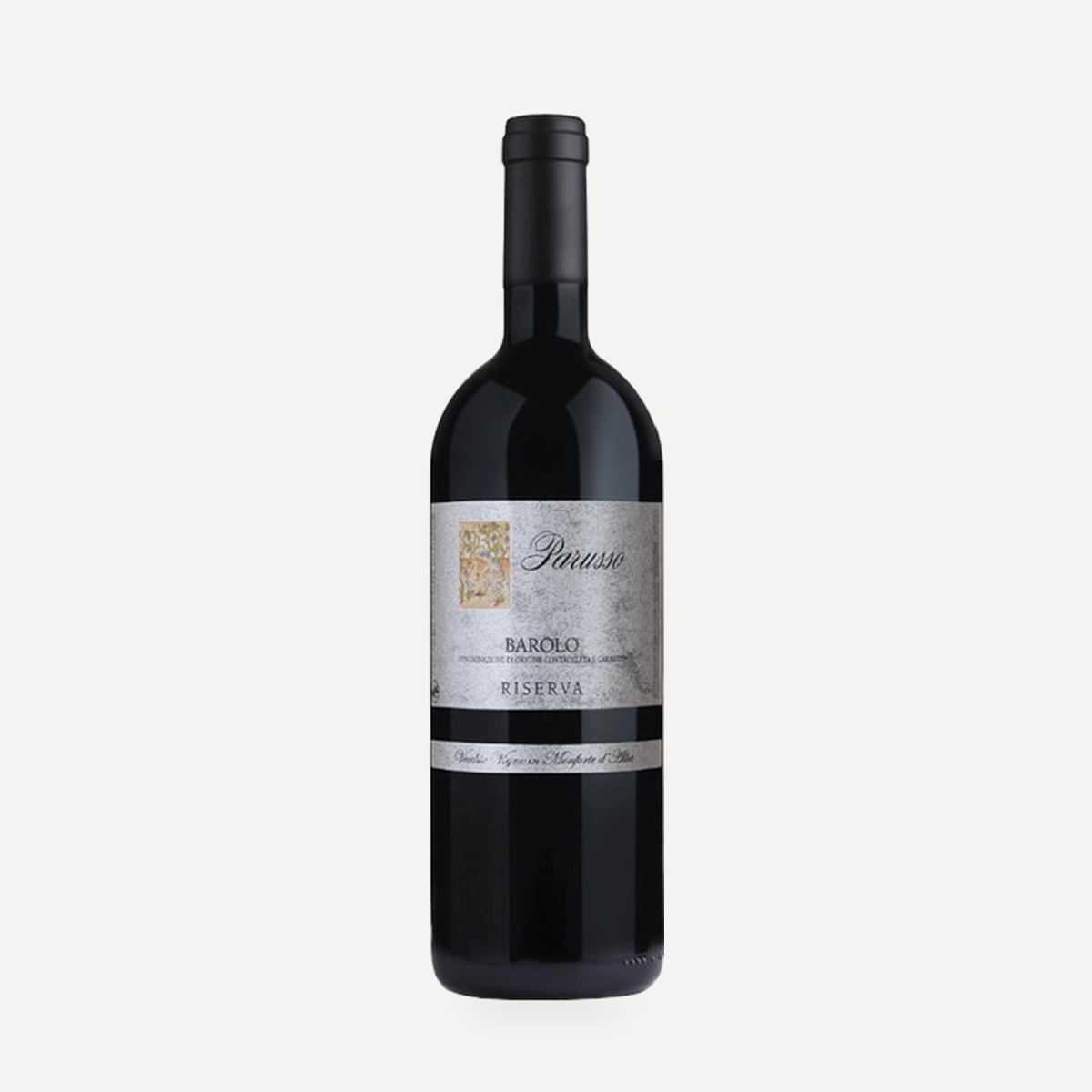
Barolo Bussia Riserva Vigna Munie DOCG
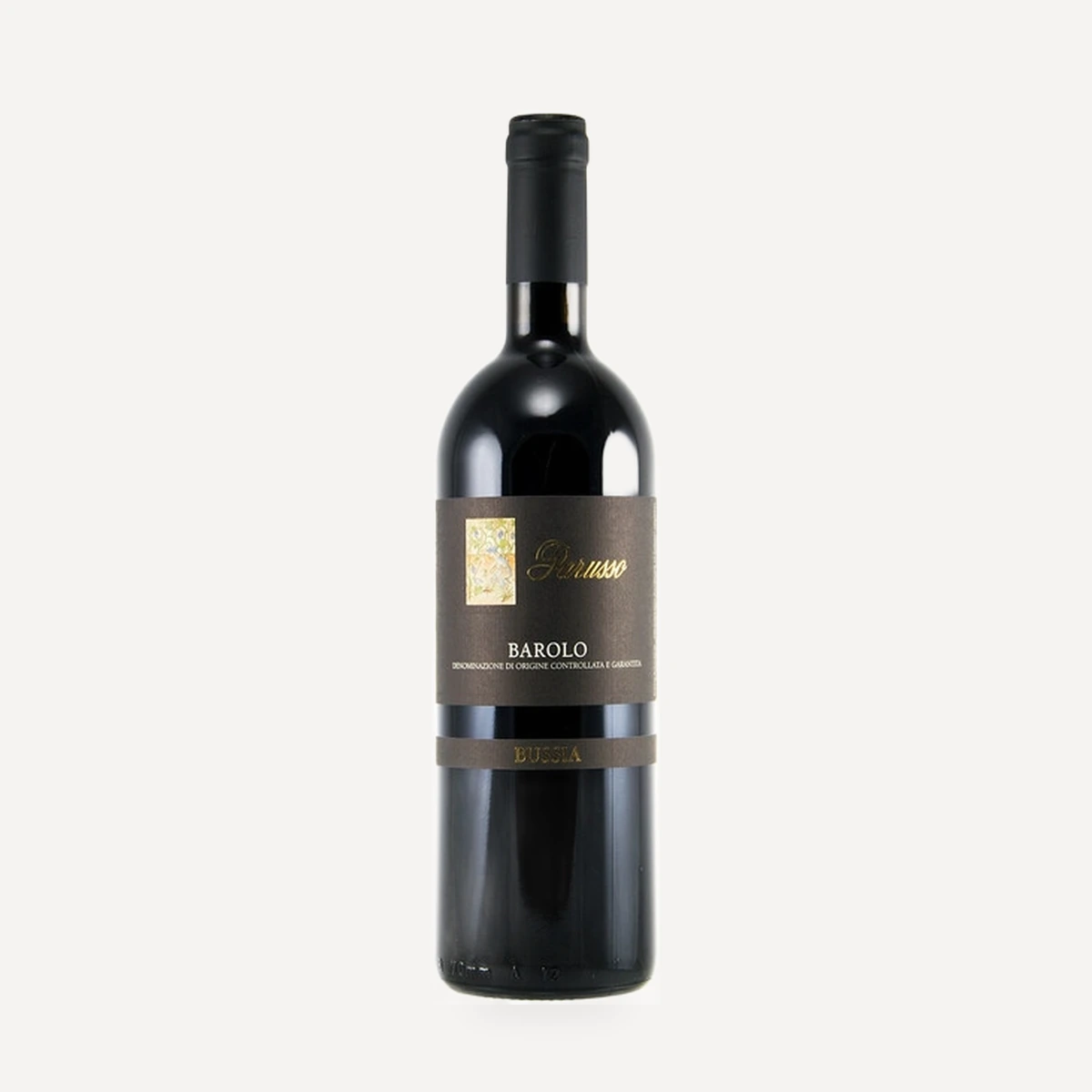
Barolo Bussia DOCG
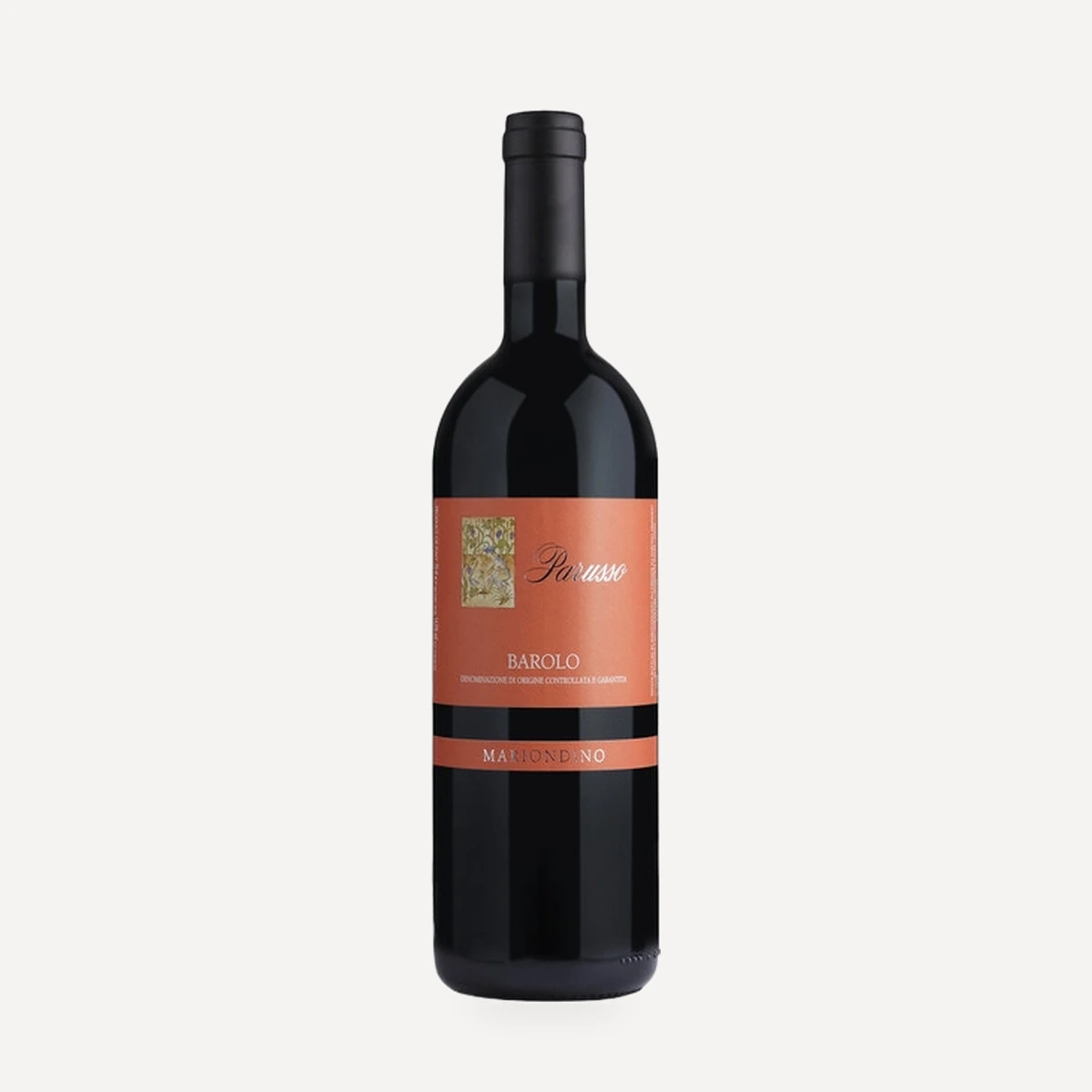
Barolo Mariondino DOCG
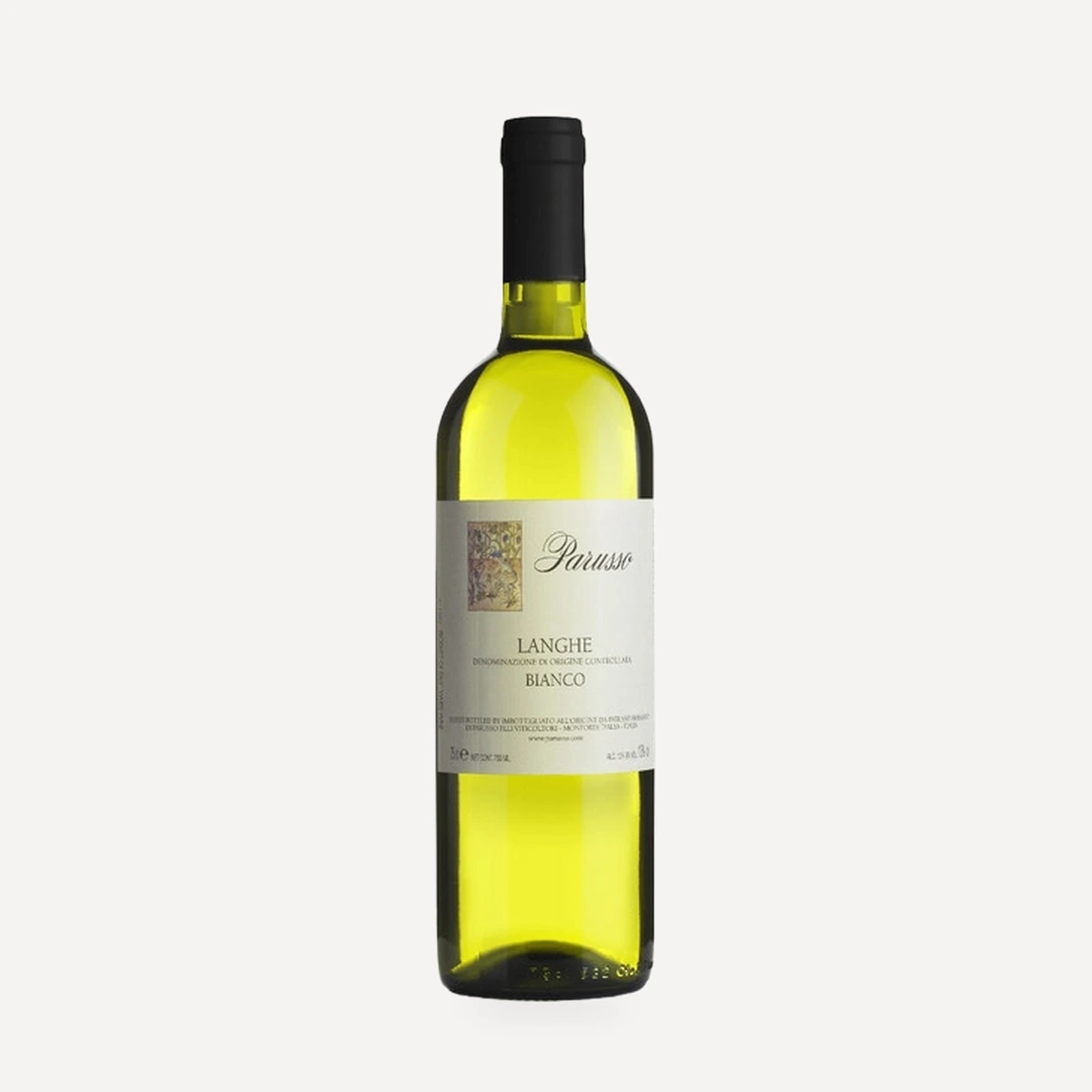
Langhe Bianco DOC
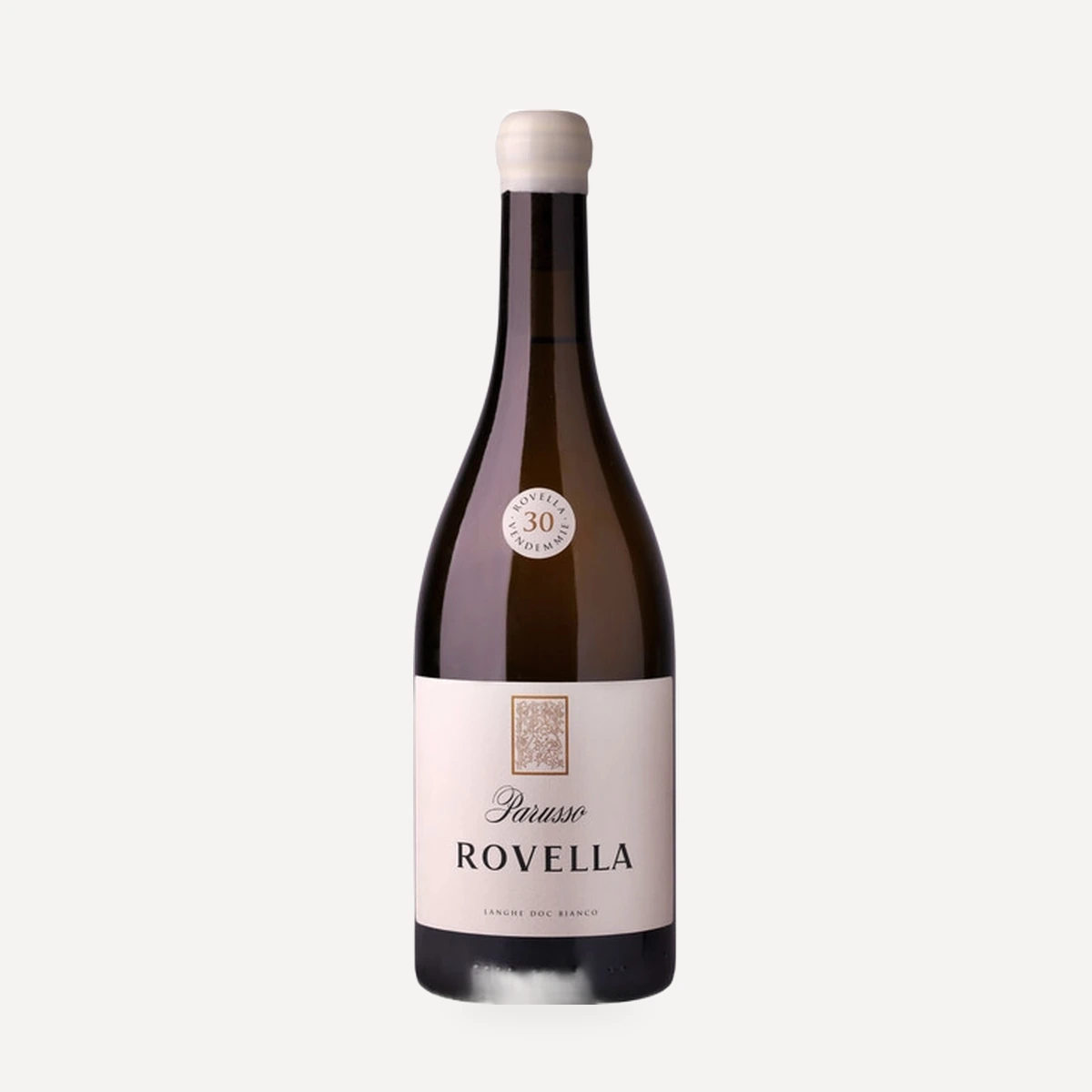
Langhe Rovella DOC
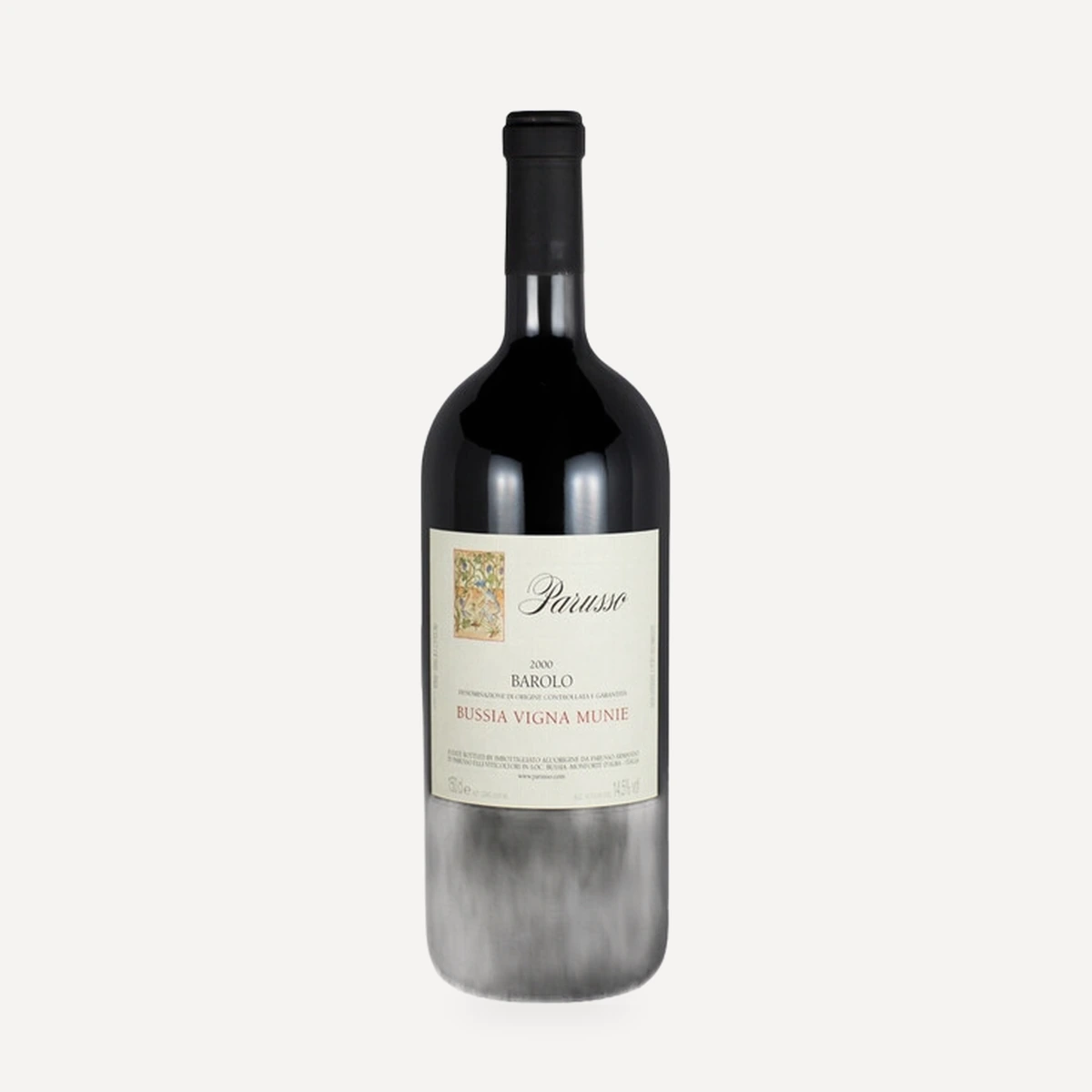
Barolo Bussia Vigna Munie DOCG
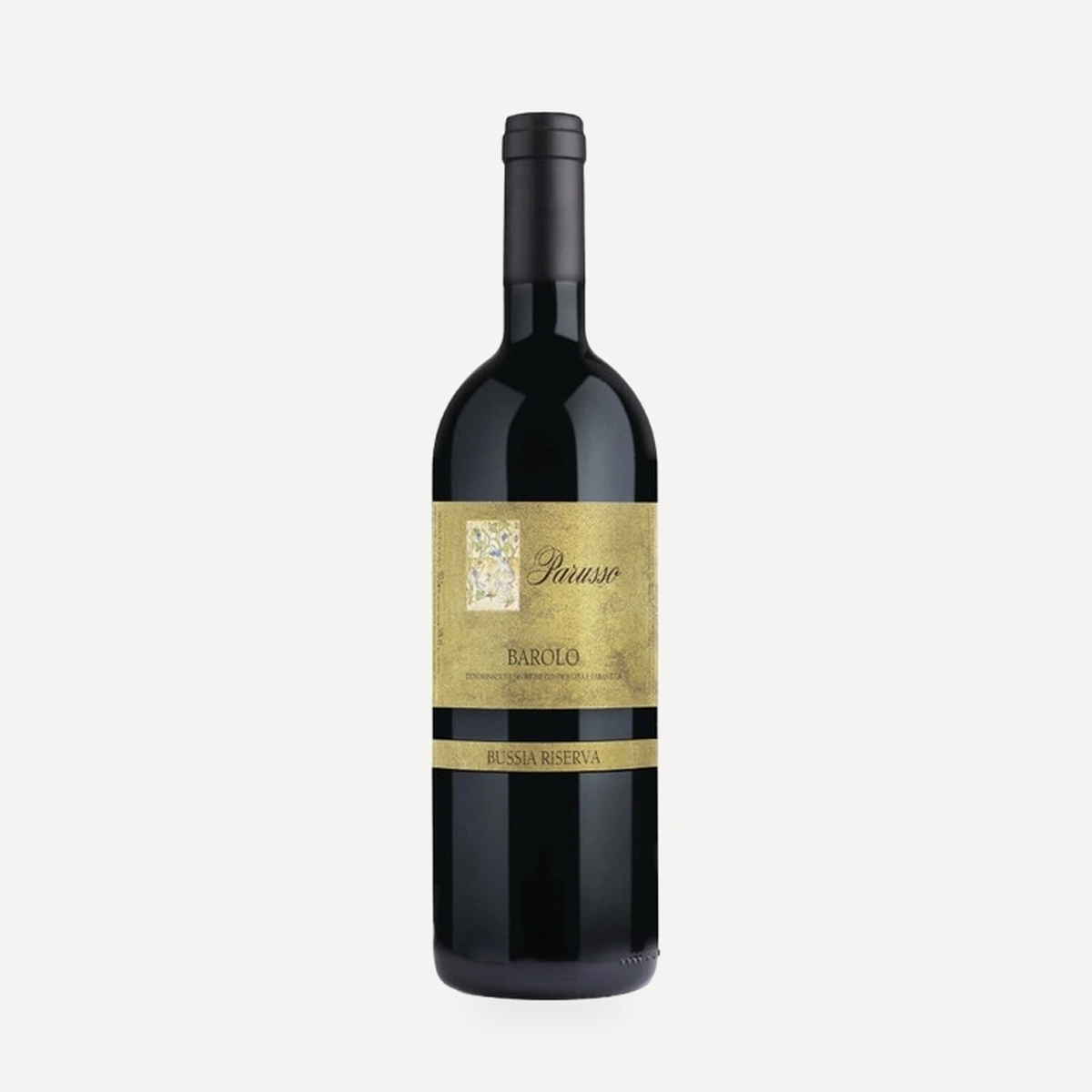
Barolo Bussia Riserva DOCG
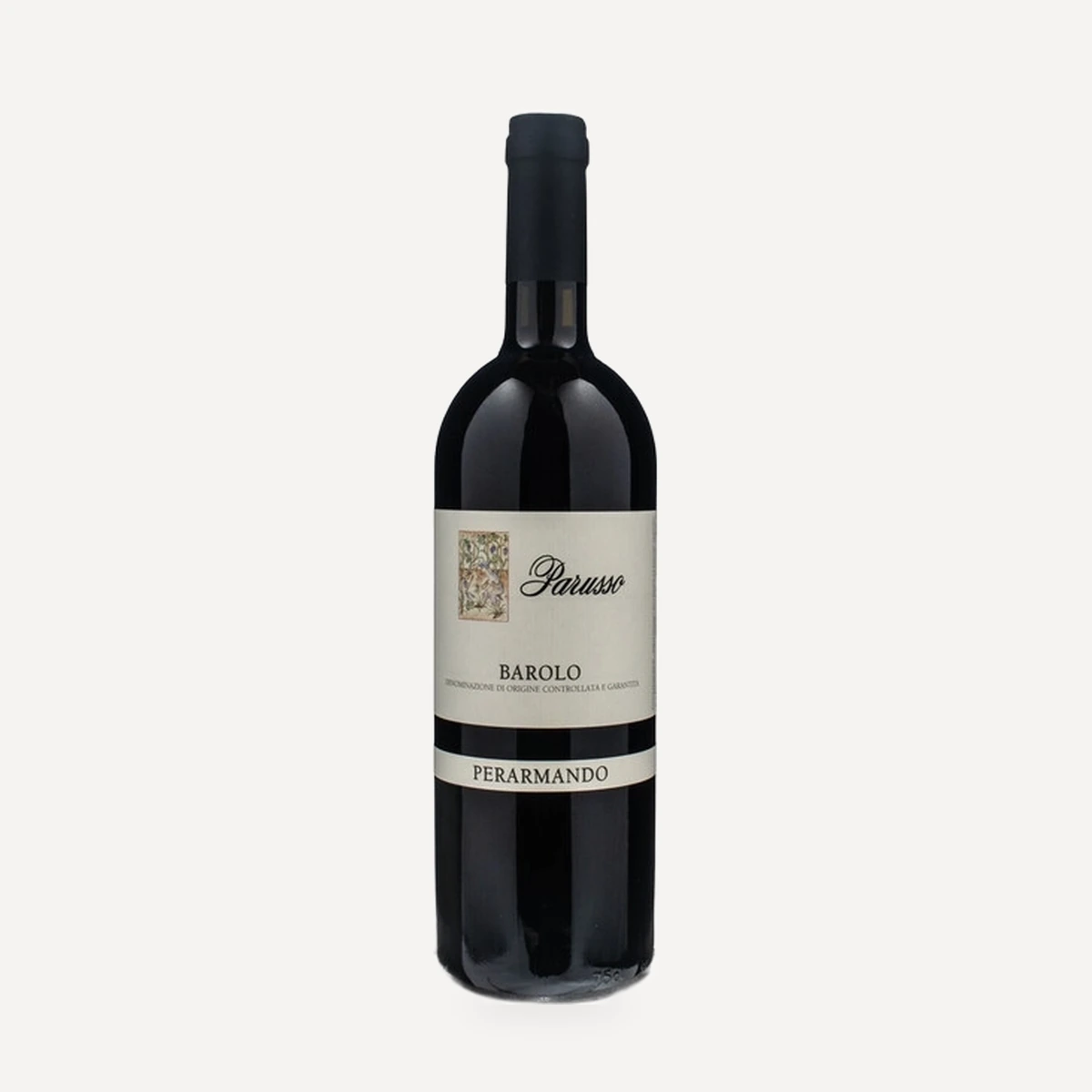
Barolo Perarmando DOCG