About this wine
Vineyard and terroir
Serradenari MGA occupies the highest part of La Morra. The wine comes from Cascina Sorello, an estate of approximately 4.5 hectares set in a natural amphitheater overlooking the Piedmontese Alps. The vines grow at almost 500 metres above sea level, face South/South-West and range from 20 to 40 years old. The site has the typical soils of La Morra. Its favorable sunlight and greater altitude permit a later harvest than in the Annunziata vineyards. The resulting Barolo has a firmer edge than the estate’s other Barolos while retaining the characteristic profile of La Morra.
Grapes
100% Nebbiolo.
Vinification
The grapes are picked by hand in October, destemmed and crushed. Alcoholic fermentation takes place in temperature-controlled stainless-steel vessels. Skin contact lasts approximately three to four weeks, covering both fermentation and the subsequent post-fermentation maceration, with a traditional submerged cap. Malolactic fermentation takes place in stainless steel.
Ageing
The wine matures for approximately two years, divided between barriques and 25 hl oak casks, followed by approximately one year of refinement in bottle.
Technical data
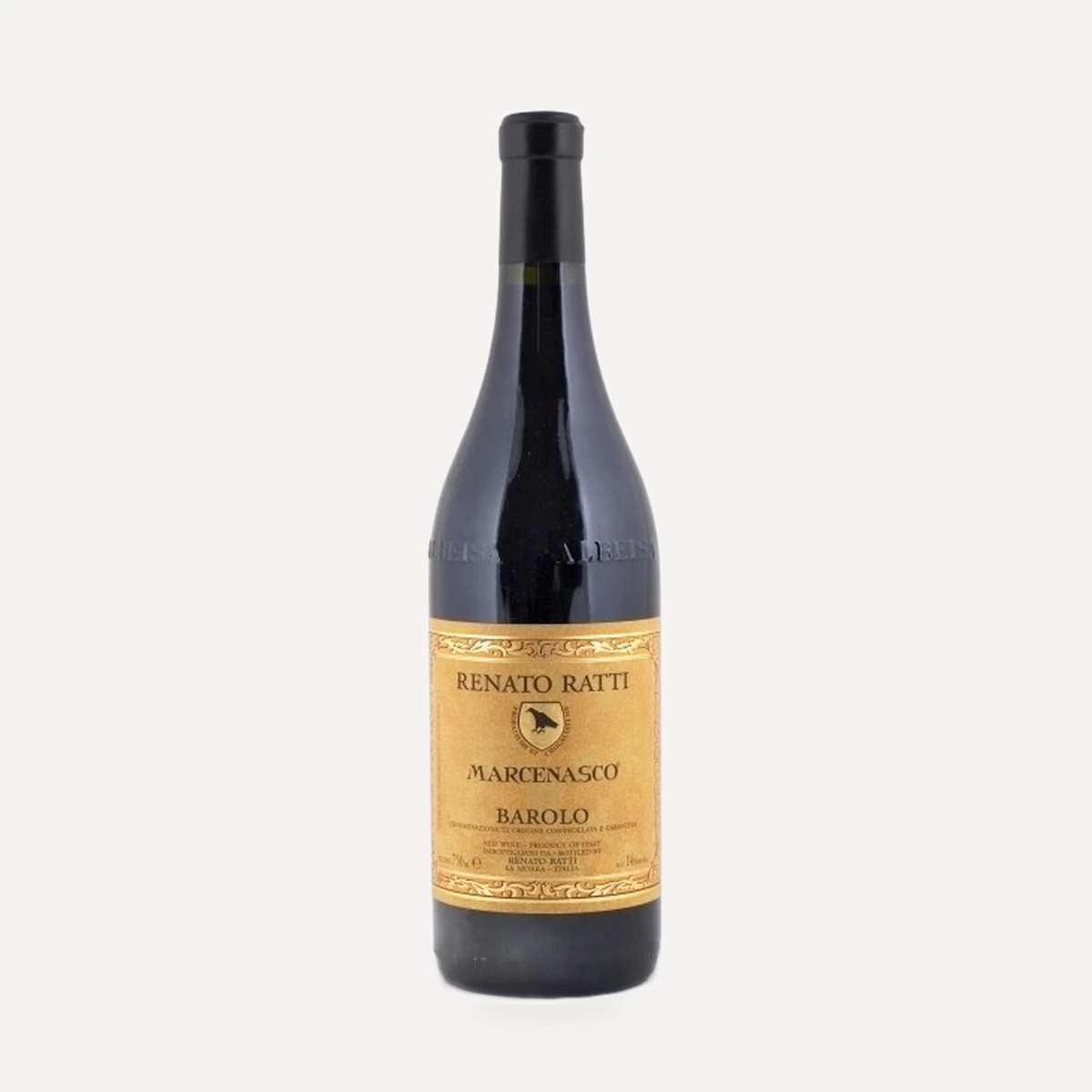
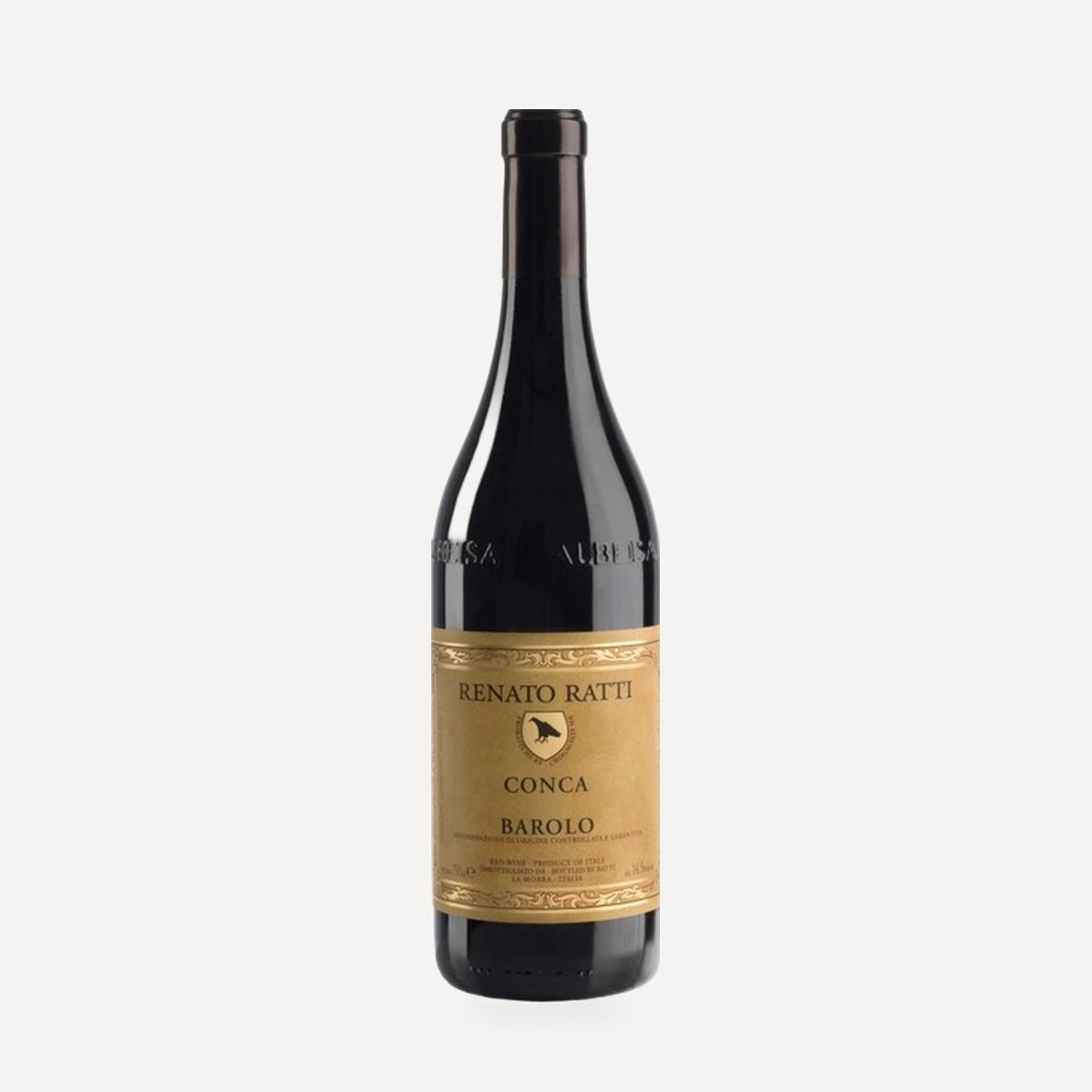
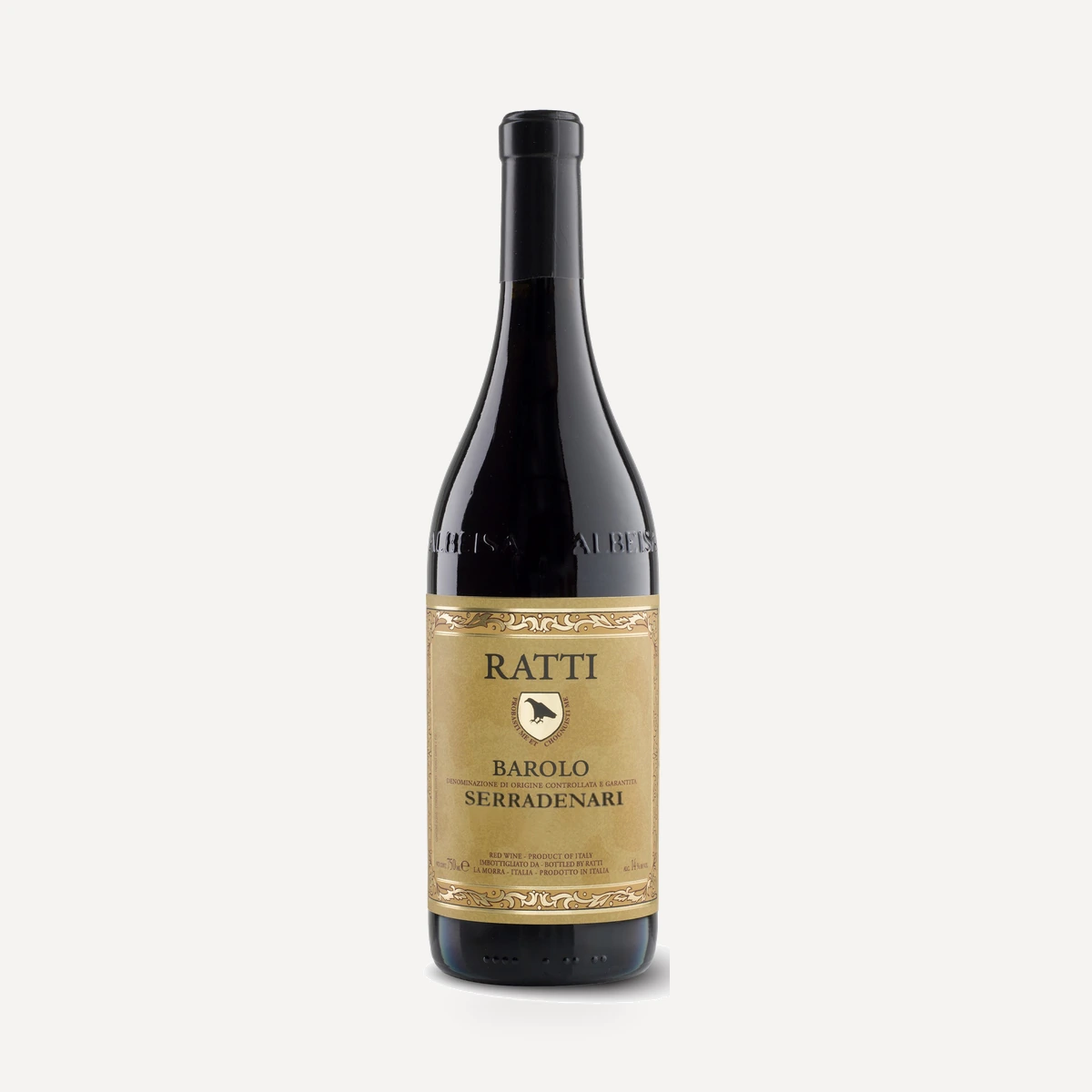
Barolo DOCG. The inaugural vintage was 2019 and went on sale in 2023. The wine is presented in the Albeisa bottle, created by Renato Ratti in 1973 to identify the wines and distinctive character of the territory around Alba.
Tasting profile
Garnet red. The aroma combines plum, violet and tobacco. The palate is full-flavored, with well-defined tannins and acidity.
Serving and pairing
Suitable for substantial dishes, spit-roasted or grilled red meats, game, refined preparations of white or red meat, and mature cheeses.
Label / history
The historical label depicts the coat of arms of a local noble family: a black hawk against a gilt background. Its Latin inscription, “Probasti me et cogniusti me,” is translated as “You tried me, you knew me.”