History
Renato Ratti’s formation, 1934–1964
Renato Ratti was born in Villafalletto in 1934 into a family of doctors and veterinarians. He chose wine instead of the family professions and trained at the Alba School of Enology alongside a generation that would later participate in Barolo’s development.
From 1955 to 1965, Ratti worked for Cinzano in Brazil, overseeing Vermouth production and vineyard cultivation. He contributed technical innovations to the development of viticulture in the arid Sertão. His professional formation also included encounters with French wine culture: Burgundy introduced him to the geography of individual crus, while Bordeaux demonstrated the importance of establishing and communicating value.
In 1962, Renato married Beatrice Sitia of Genoa. Their first visit to the Belvedere of La Morra proved decisive. Captivated by the surrounding hills, Beatrice called the area their “Promised Land.”
Founding at Annunziata, 1965–1968
Renato returned to Piedmont in 1965 and bought his first Barolo vineyard, a small parcel in the historic Marcenasco zone below the Abbey of La Morra, consecrated to the Most Holy Annunciation. He established the winery in the Monastery of San Martino di Marcenasco, subsequently known as the Annunziata Monastery.
The monastery appealed to Ratti as the local counterpart of a French château: a historic building embedded in the landscape and capable of embodying a wine estate. Its connection with Nebbiolo extended back more than five centuries. The first Barolo Marcenasco, made entirely from a single vineyard, was vinified in the ancient abbey in 1965.
A new method and the geography of crus, 1969–1973
In 1969, Renato’s nephew Massimo Martinelli, also an enologist, joined the business. Together they refined the vinification, maturation and bottle-aging method for Barolo Marcenasco. Conca entered production with the 1970 vintage, followed by Rocche dell’Annunziata in 1971.
By 1971, their research had crystallized into a method built around three ideas: the identity and delimitation of a specific subzone, the classification of vintages, and bottle refinement as a means of developing softness, elegance and longevity. Fermentation and maceration became shorter, maturation in wood was reduced to two years, and bottle refinement assumed a central role. The method was intended to express cru personality with less excessive human intervention.
Renato translated the concept of distinct origins into a thematic map of Barolo vineyards and a classification of vintages. His wider program also included a new pricing policy, the Albeisa bottle and the Piemonte tasting glass, conceived as complementary tools for defining the identity and value of Piedmontese wine.
In 1970, he created the Ratti Museum of Alba Wines in the ancient cellars of the Annunziata Monastery. It was the first museum in the Langhe devoted specifically to the history of local winemaking. In 1973, he devised the modern Albeisa bottle as an identifying container for the wines and territory around Alba.
Expansion and cultural work in the 1970s and 1980s
During the 1970s, the Marcenasco, Conca and Rocche vineyards in La Morra were expanded. The Colombè vineyards at Mango and the vineyards associated with Villa Pattono at Costigliole d’Asti were renovated.
The museum became a destination for visitors seeking a deeper understanding of Barolo and the Langhe. Renato prepared a Barolo vintage chart and the first chart of the historic subzones of Barolo and Barbaresco. He also began publishing books about Piedmontese and Italian wines in 1971.
During the 1980s, Renato became a prominent enologist, writer, historian and communicator. He served as President of the Barolo Consortium and later as Director of the Asti Consortium. He participated directly in drafting production regulations for the wines of the Alba area, particularly the DOCG rules. At the Asti Consortium he brokered an interprofessional agreement between growers, winemakers and major sparkling-wine companies. He also conducted early international conference-style tastings for the Italian Trade Agency, helping communicate Piedmontese and Italian wine abroad.
Pietro Ratti and the second generation, 1988–2005
Renato Ratti died suddenly in 1988 at the age of 54. His son Pietro, born in 1968 and newly graduated from the same Alba School of Enology, entered the company that year.
During the 1990s, Pietro continued expanding and restructuring the family vineyards while pursuing Renato’s research into the distinctive identities of individual subzones.
The new Annunziata winery was completed in 2005. Its structure was created to continue the work on origin-sensitive vinification and refinement begun in 1965. The building was integrated into the hill, with concealed lines and colors continuous with the surrounding vegetation.
Recognition, expansion and sustainability, 2010–2024
In 2010, the historical subzone charts created by Renato were acknowledged and incorporated into the respective regulatory frameworks for Barolo and Barbaresco.
In 2019, the family acquired a vineyard in Serradenari, the highest part of La Morra. The Cascina Sorello estate introduced Nebbiolo cultivation at almost 500 metres, with later ripening than the Annunziata vineyards. Part of the estate was assigned to Langhe Nebbiolo, while the 2019 harvest became the first vintage of Barolo Serradenari, released in 2023.
The vineyards began following Green Experience requirements in 2022 and SQNPI integrated-production rules in 2023. In 2024, the company began working toward certification under the Equalitas standard for winegrowing sustainability, covering environmental, social and economic performance.
The museum’s renewal, 2025
Pietro conceived a redesigned Renato Ratti Museum of Barolo and Wines of Alba in the restored Annunziata Monastery. The renewed museum was inaugurated on October 25, 2025. It combines objects from Renato’s original ethnographic collection with timelines, maps and multimedia installations devoted to his life, the geography of La Morra’s crus and the evolution of Langhe wine culture.
The second generation continues to frame its work around quality, research, passion, respect for history and territory, and openness to the future. Where Renato’s task was to build a new understanding of origin, Pietro defines the present task as conserving that legacy while reconciling production, culture and sustainability.
Terroir
Ratti’s approximately 50 hectares of vineyards are divided among six estates in La Morra, Mango, Costigliole d’Asti and Dogliani. Their geographical separation creates materially different soils, microclimates and conditions for different grape varieties.
La Morra and Annunziata
The historic nucleus lies at Annunziata in La Morra. Marcenasco occupies the zone below the abbey, an area associated with Nebbiolo for more than five centuries and documented under the name Marcenascum as early as the 12th century.
Rocche dell’Annunziata lies at about 300 metres, faces southeast and contains blue marl interspersed with veins of sand. Renato Ratti placed it in the first category of his Barolo chart.
Conca is a compact amphitheatre-like MGA of approximately 7,000 m² below the Annunziata cellar. Its bluish soil and particular microclimate support the reddish-purple Anemone coronaria. The Benedictine monks of the abbey already recognized the locality.
The characteristic land of La Morra also supports Barbera, retaining acidity while contributing elegance.
Serradenari
Cascina Sorello occupies approximately 4.5 hectares in Serradenari, the highest part of La Morra. It lies in a natural amphitheatre at almost 500 metres, faces south to southwest and looks toward the Piedmontese Alps. The vines are between 20 and 40 years old. The combination of altitude and solar exposure delays harvest relative to Annunziata, a feature considered important as climatic conditions change.
Other vineyard areas
Nebbiolo associated with Ochetti comes from sandy hills on the left bank of the Tanaro and, in part, from vineyards in the Langhe hills. The Colombè vineyards at Mango and other Langhe Dolcetto sites reach approximately 500 metres.
At Costigliole d’Asti, Barbera vineyards surround the historic Villa Pattono in Monferrato. A Sauvignon Blanc parcel of about 7,000 m² faces ancient Lebanese cedars within the villa grounds.
The Dogliani Chardonnay vineyards face northeast, stand on calcareous marl and are planted at approximately 6,000 vines per hectare. The productive vines average around ten years of age.
A small Timorasso vineyard lies at Sarezzano near Tortona. Pinot Noir and Chardonnay for Alta Langa grow in a small high-altitude vineyard at almost 700 metres.
Winemaking
The approximately 50 hectares follow integrated and sustainable production regimes under a common farming approach, despite the widely differing microclimates, soils and varieties of the six estates.
Green Experience requirements have guided vineyard management since 2022. Since 2023, agronomic management and vineyard protection have followed the National Quality System for Integrated Production, or SQNPI, applying the production disciplines issued by Regione Piemonte and the associated control plan.
The environmental policy calls for efficient use of natural resources, reduction and responsible handling of waste, preservation of biodiversity and measures that strengthen soil health. In 2024, the winery began a certification pathway under the Equalitas standard, which evaluates environmental, social and economic sustainability.
Harvesting is manual in the vineyard protocols published for Nebbiolo, Barbera, Dolcetto and the other principal varieties. Timing varies by grape and location: white varieties and Barbera or Dolcetto may be gathered from early September, while Nebbiolo is harvested in October. At Serradenari, elevation and exposure allow a later harvest than in the Annunziata vineyards.
The original production base was established in the ancient Annunziata Monastery in 1965. Renato Ratti and Massimo Martinelli refined their method between 1969 and 1971: fermentation and maceration were shortened, wood maturation was reduced to two years, and bottle refinement became an essential part of the wine’s development. The goal was to protect the identifiable character of each subzone while reducing excessive human intervention and developing elegance and longevity.
The Annunziata winery completed in 2005 was designed to continue that origin-sensitive approach. Its construction is largely concealed within the hill, integrating the building’s lines and colors with the landscape.
Current cellar practices retain manual harvesting and origin-separated work. Red grapes are destemmed and pressed, with temperature-controlled alcoholic fermentation in stainless steel. The Nebbiolo protocols employ fermentation followed by post-fermentation maceration under a traditional submerged cap; malolactic fermentation takes place in steel. Oak vessels include 25 hl and 50 hl barrels as well as barriques, followed by substantial bottle refinement. White-wine protocols include gentle pressing, temperature-controlled fermentation, stainless steel and, for selected lots, French barriques, with lees contact and bâtonnage. The Alta Langa process uses gentle pressing, temperature-controlled stainless-steel fermentation, spring tirage and more than 50 months on lees in bottle.
Philosophy
Ratti’s production philosophy rests on four connected principles.
The first is the uniqueness and precise delimitation of individual production subzones. Wine should carry the personality of its cru, with vinification supporting that identity and avoiding excessive intervention.
The second is the recognition that vintages differ and should be classified and understood on their own terms. The third is bottle refinement, treated as a formative stage that develops and preserves softness, elegance and longevity.
The fourth principle is openness to the future. Wine culture changes with time, and innovation is accepted when it extends rather than distorts the first three principles. Making wine is therefore also understood as making and transmitting culture.
Pietro Ratti defines quality, research, passion, respect for family history and territory, and openness to the future as the pillars of the present philosophy. His distinction between the generations is that Renato’s objective was to build, whereas the current responsibility is to conserve—integrating production requirements with care for territory, culture and sustainability.
The formal sustainability policy joins this cultural position to measurable environmental, social and economic responsibilities. It commits the business to traceability and HACCP controls, regulatory compliance, innovation respectful of tradition, biodiversity and soil health, employee development, local cultural activity, transparent stakeholder dialogue and continual monitoring and improvement.
Wines
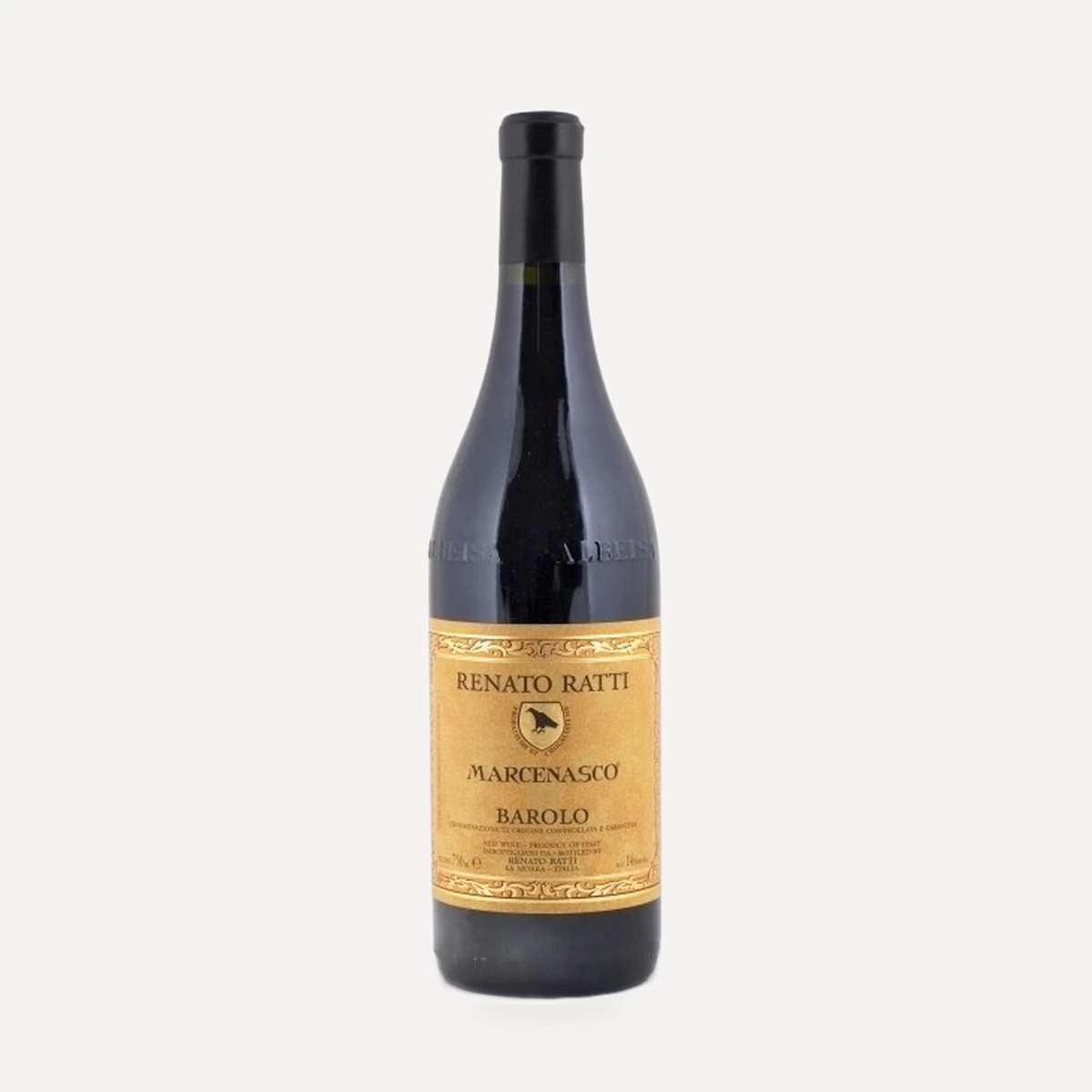
Marcenasco Barolo DOCG
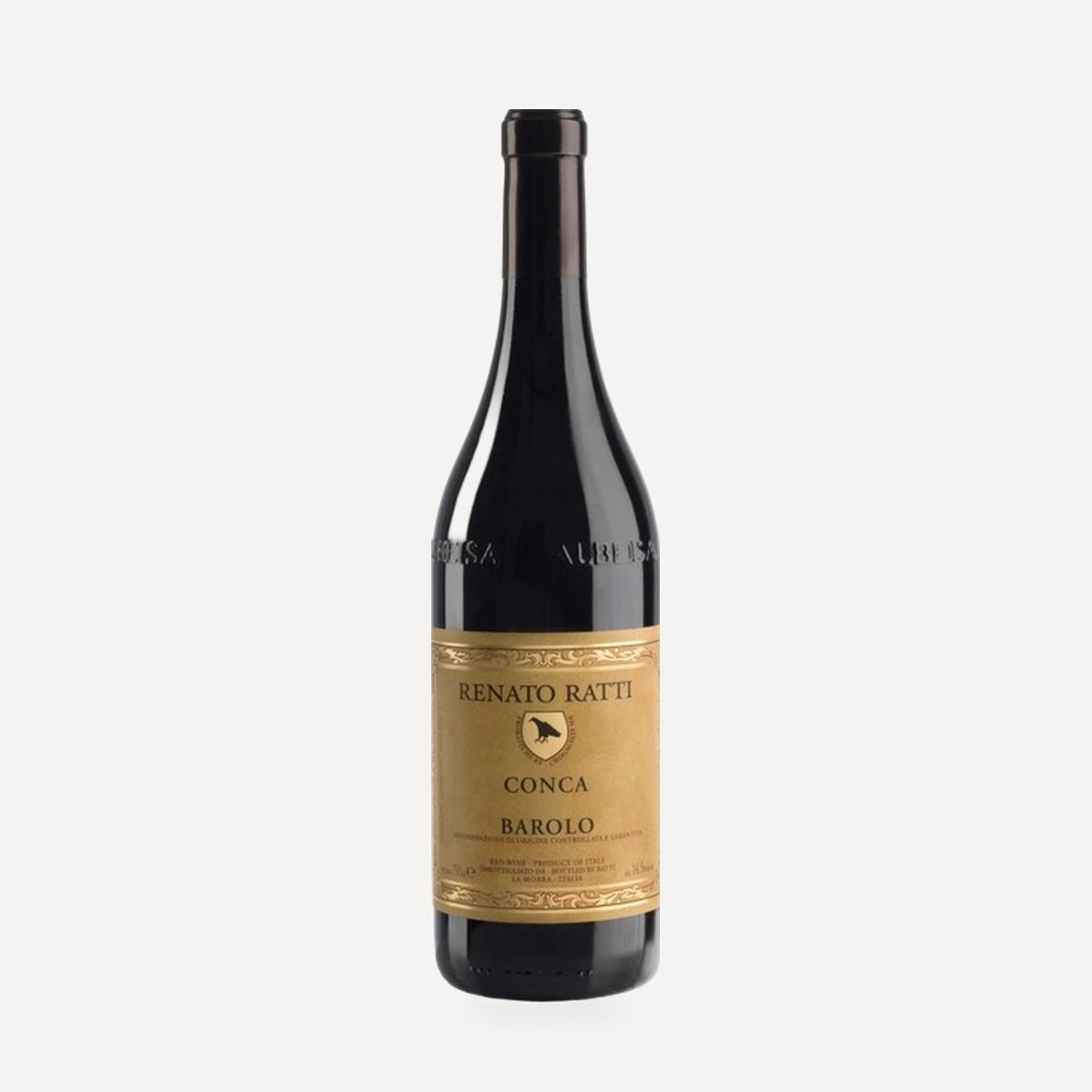
Barolo Conca DOCG
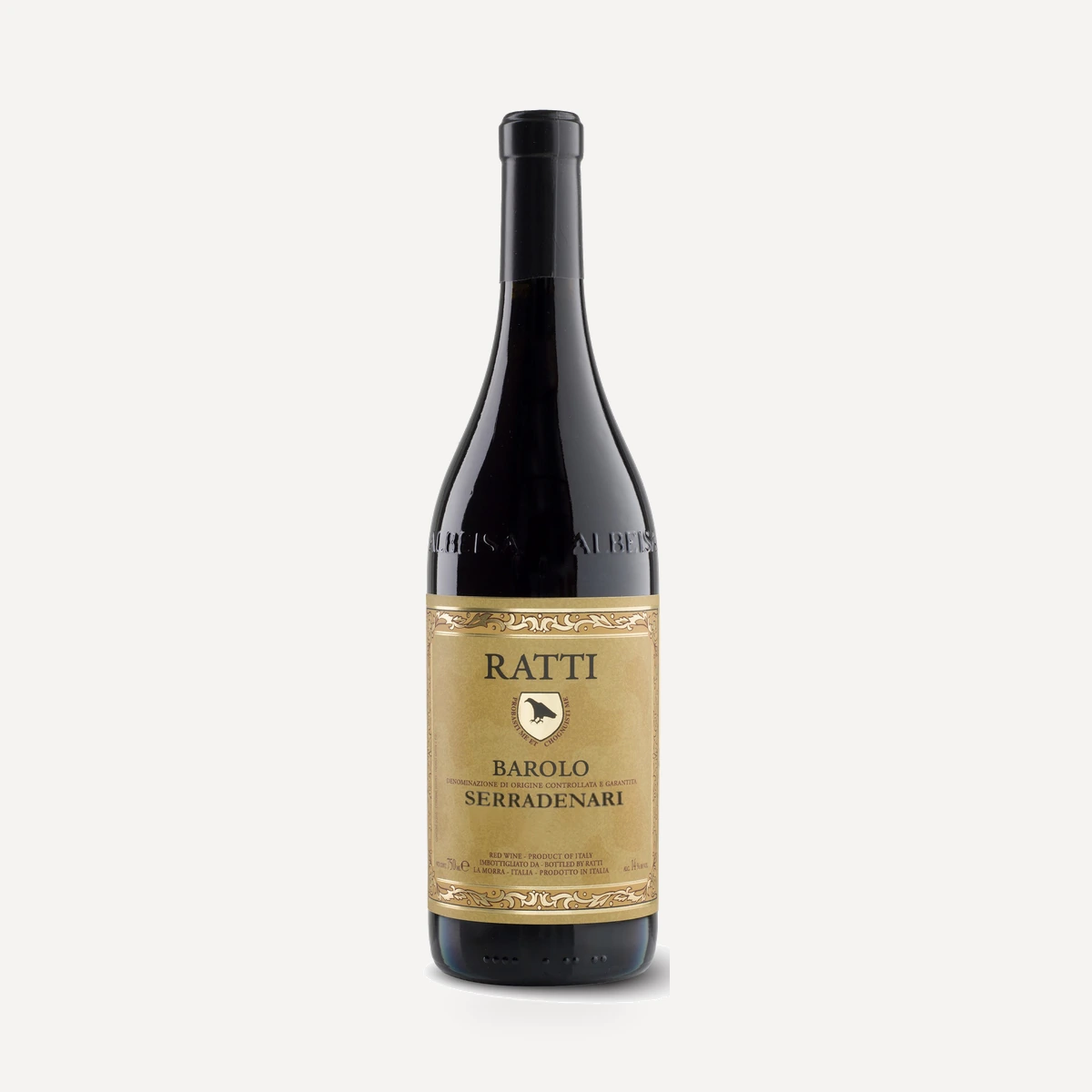
Barolo Serradenari DOCG
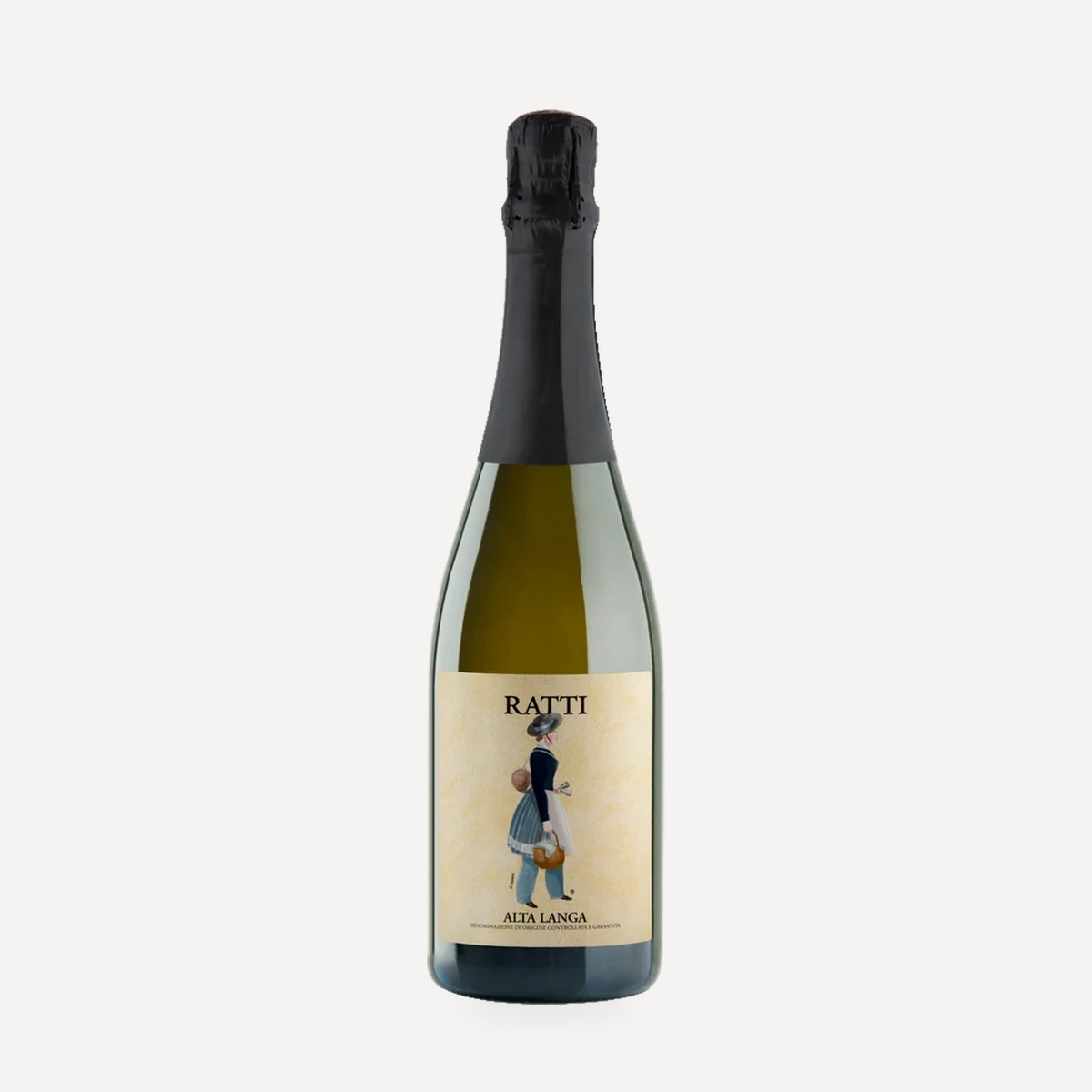
Alta Langa DOCG
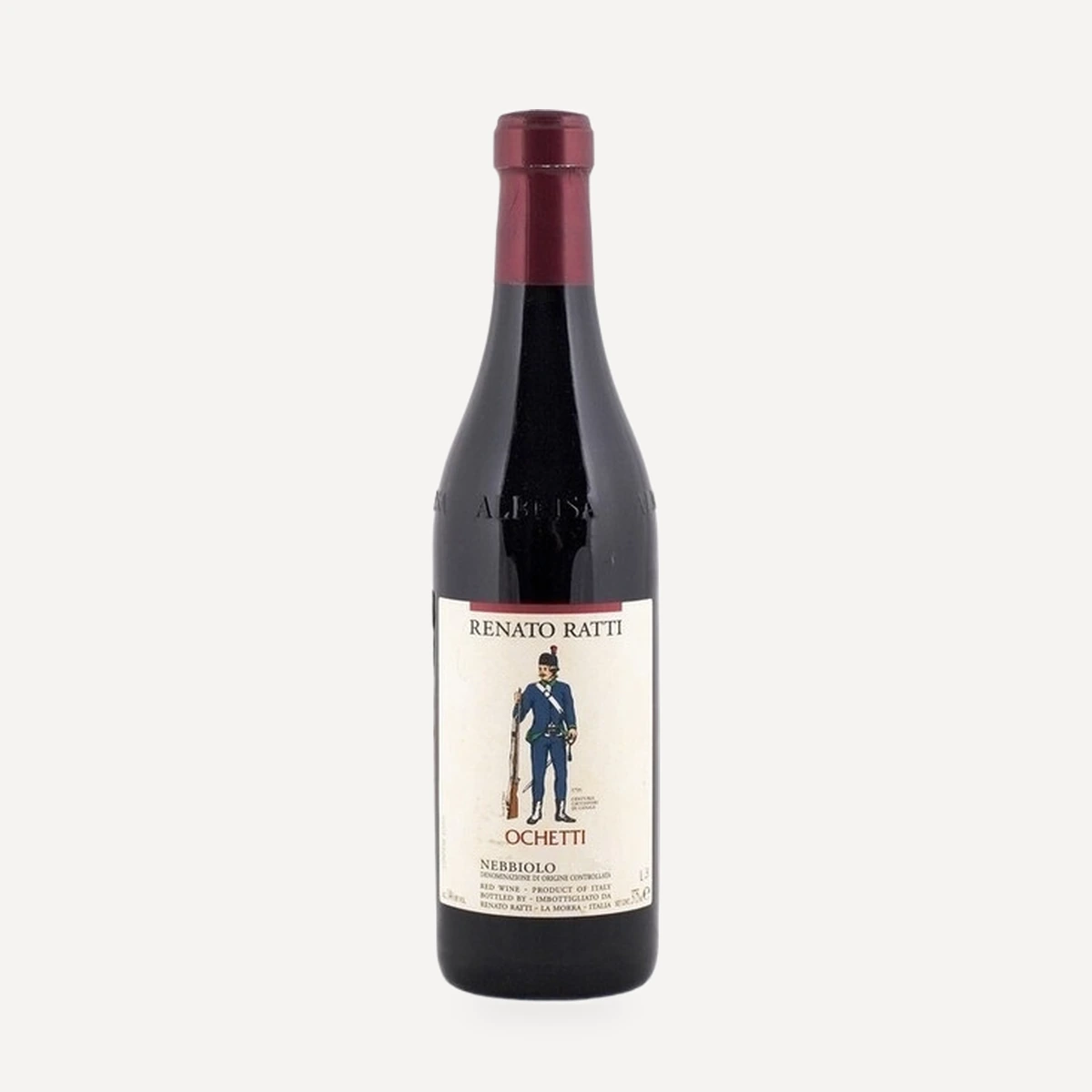
Ochetti Langhe Nebbiolo DOC
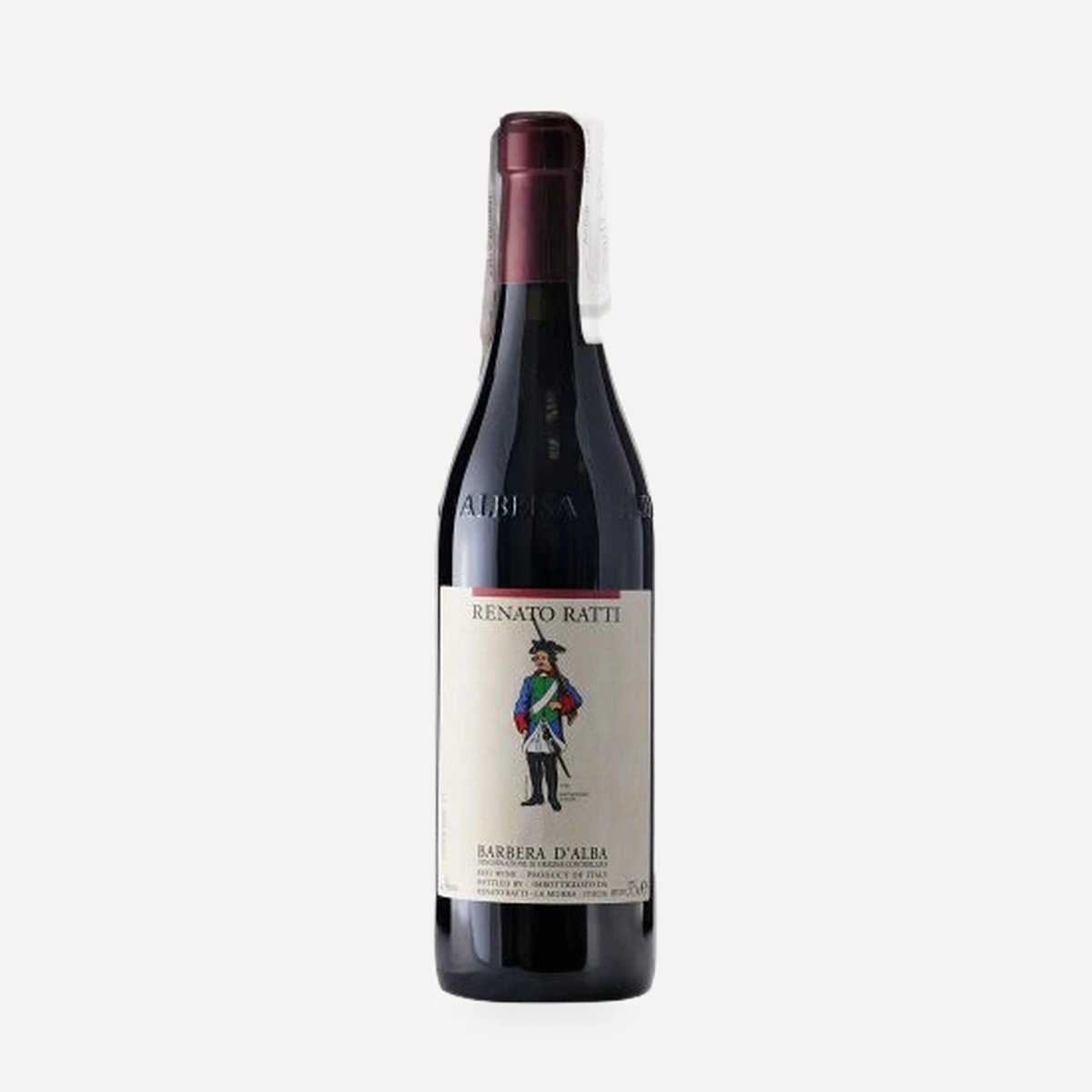
Battaglione Barbera d’Alba DOC
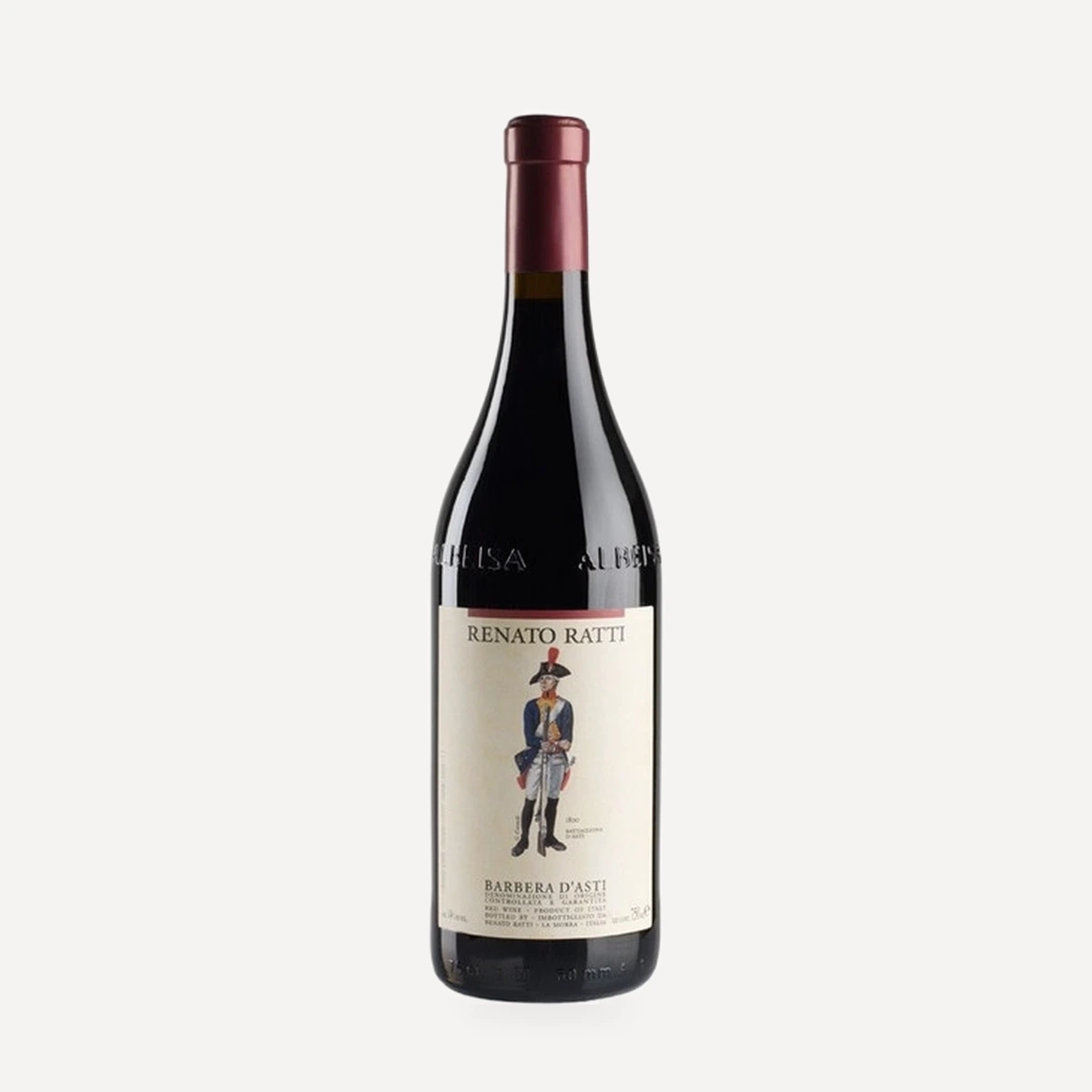
Battaglione Barbera d’Asti DOP
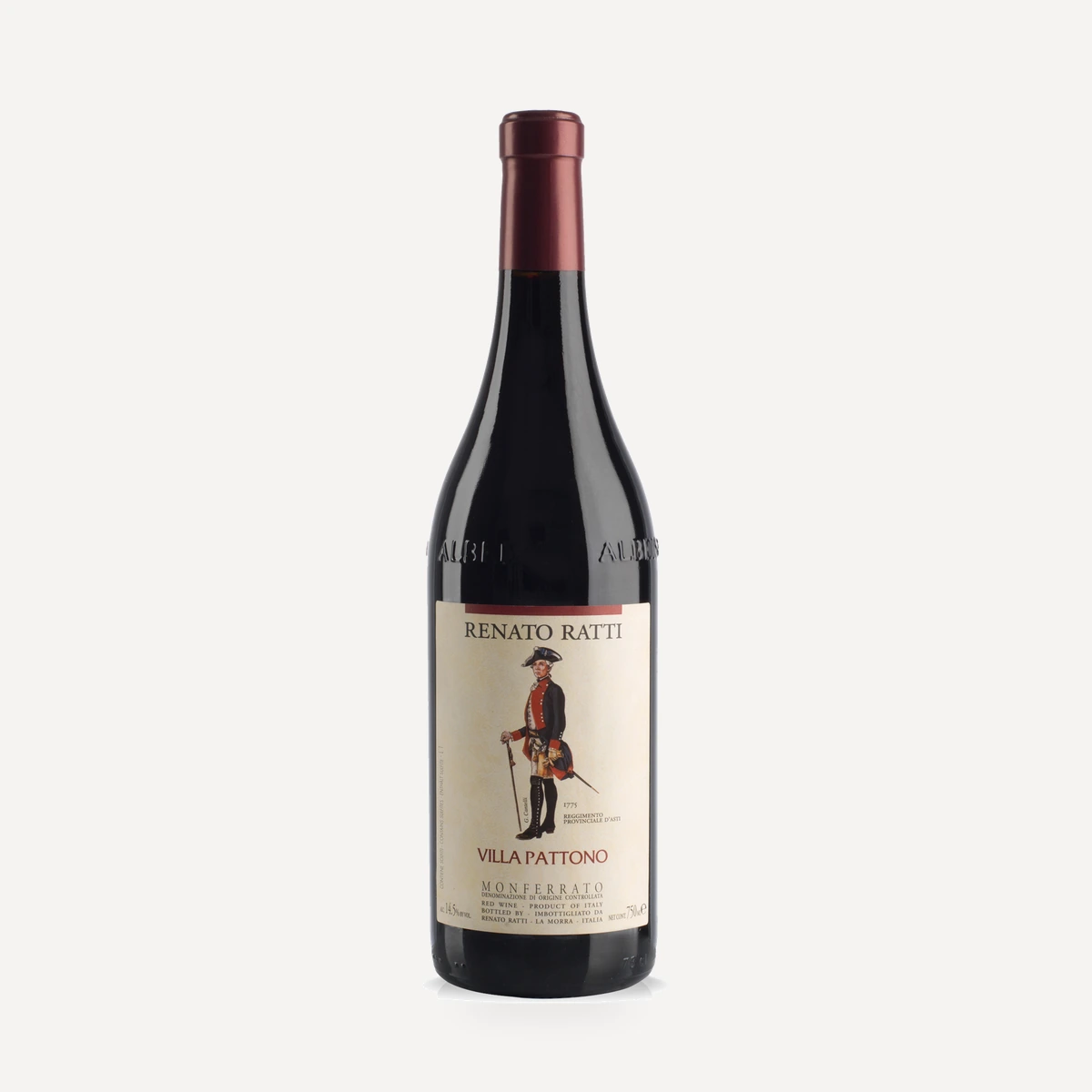
Villa Pattono Barbera d’Asti Superiore DOP
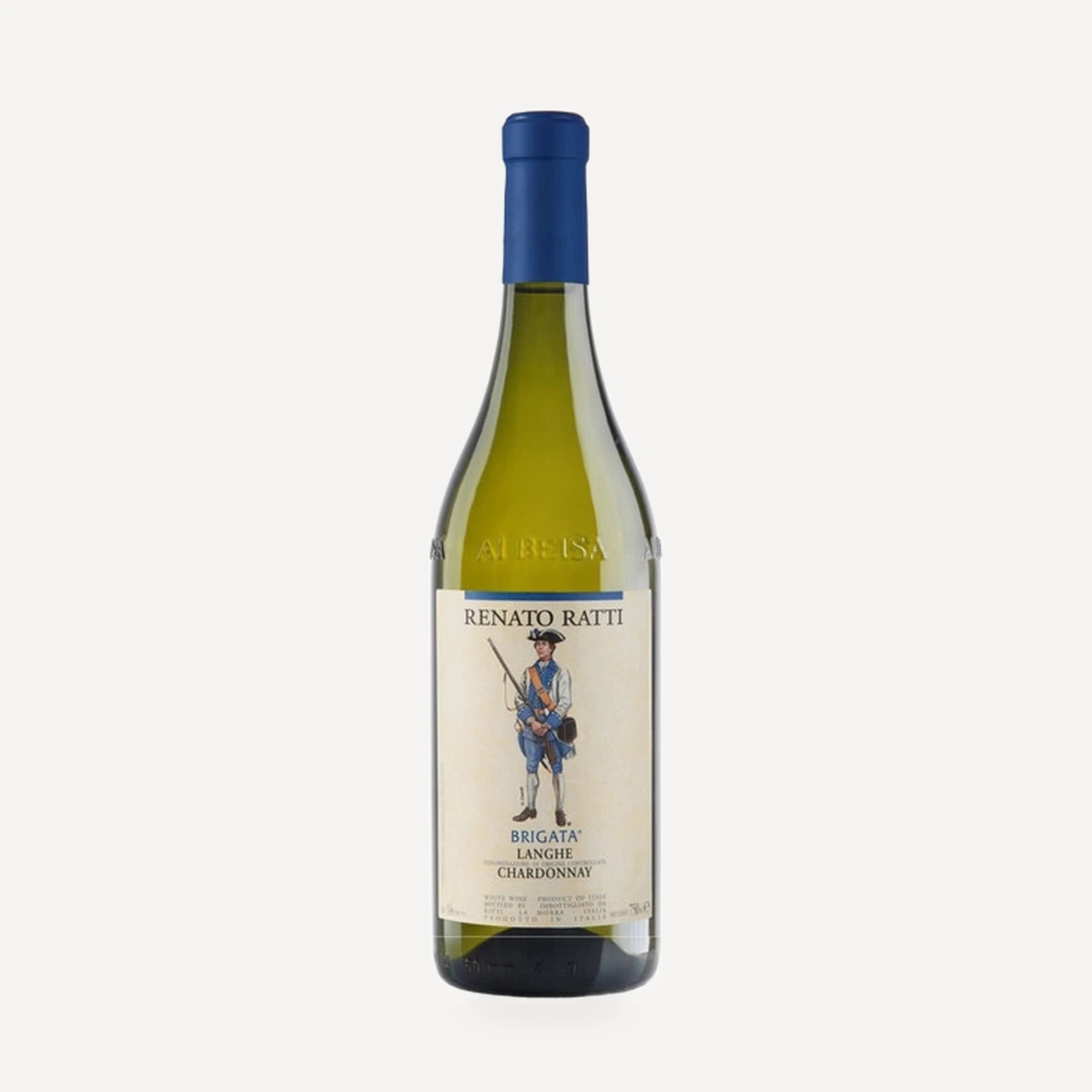
Brigata Langhe Chardonnay DOC
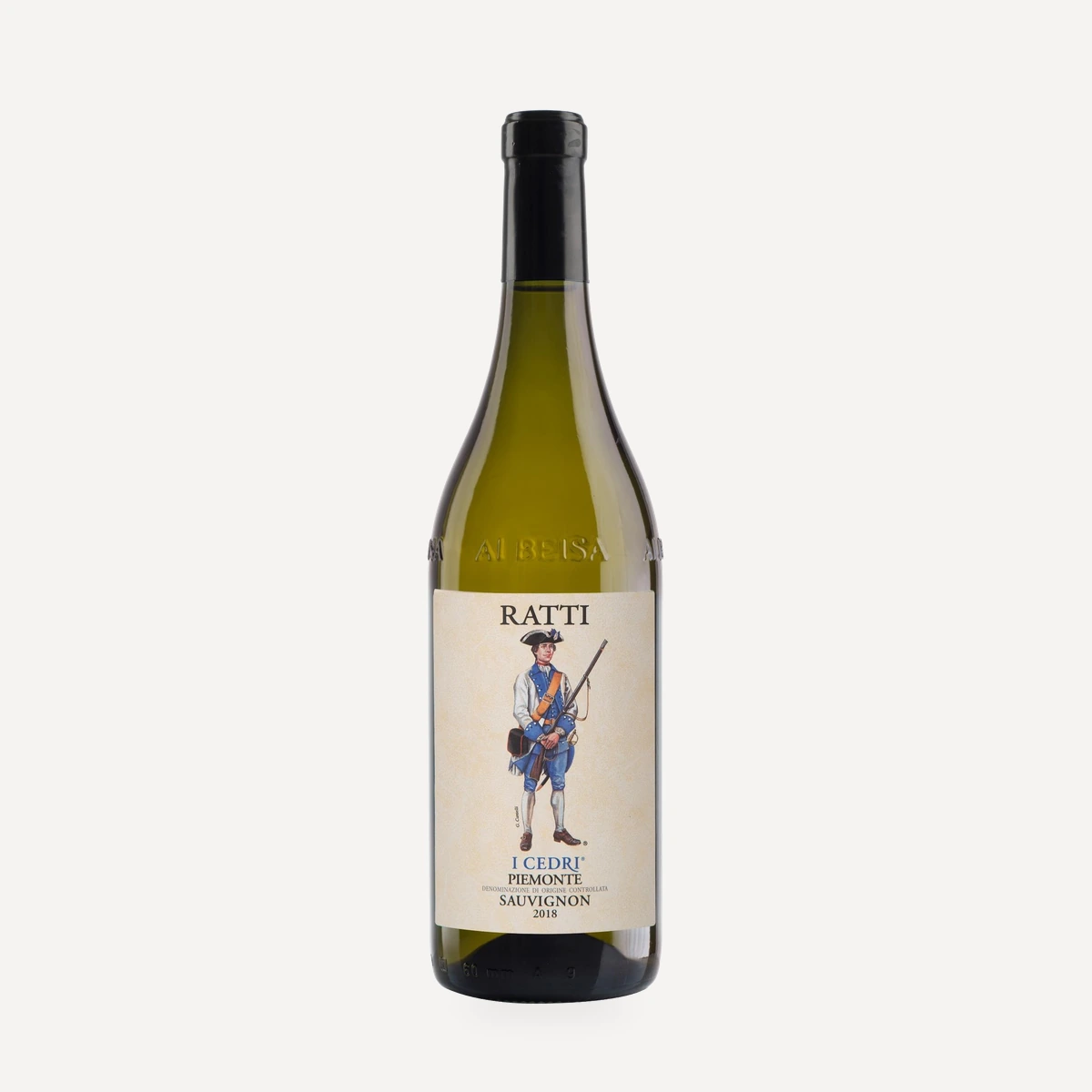
I Cedri Piemonte Sauvignon DOC
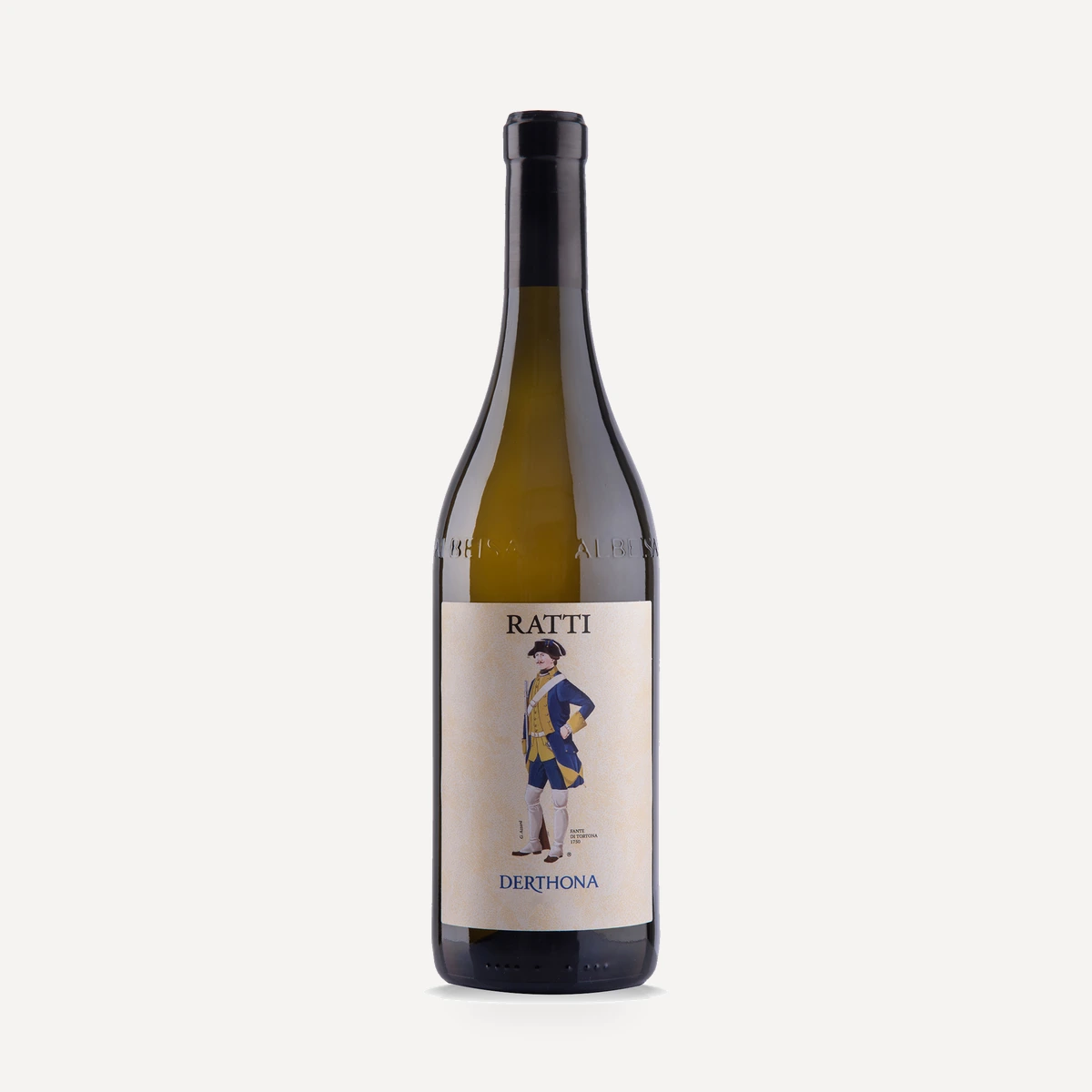
Derthona Colli Tortonesi Timorasso DOC
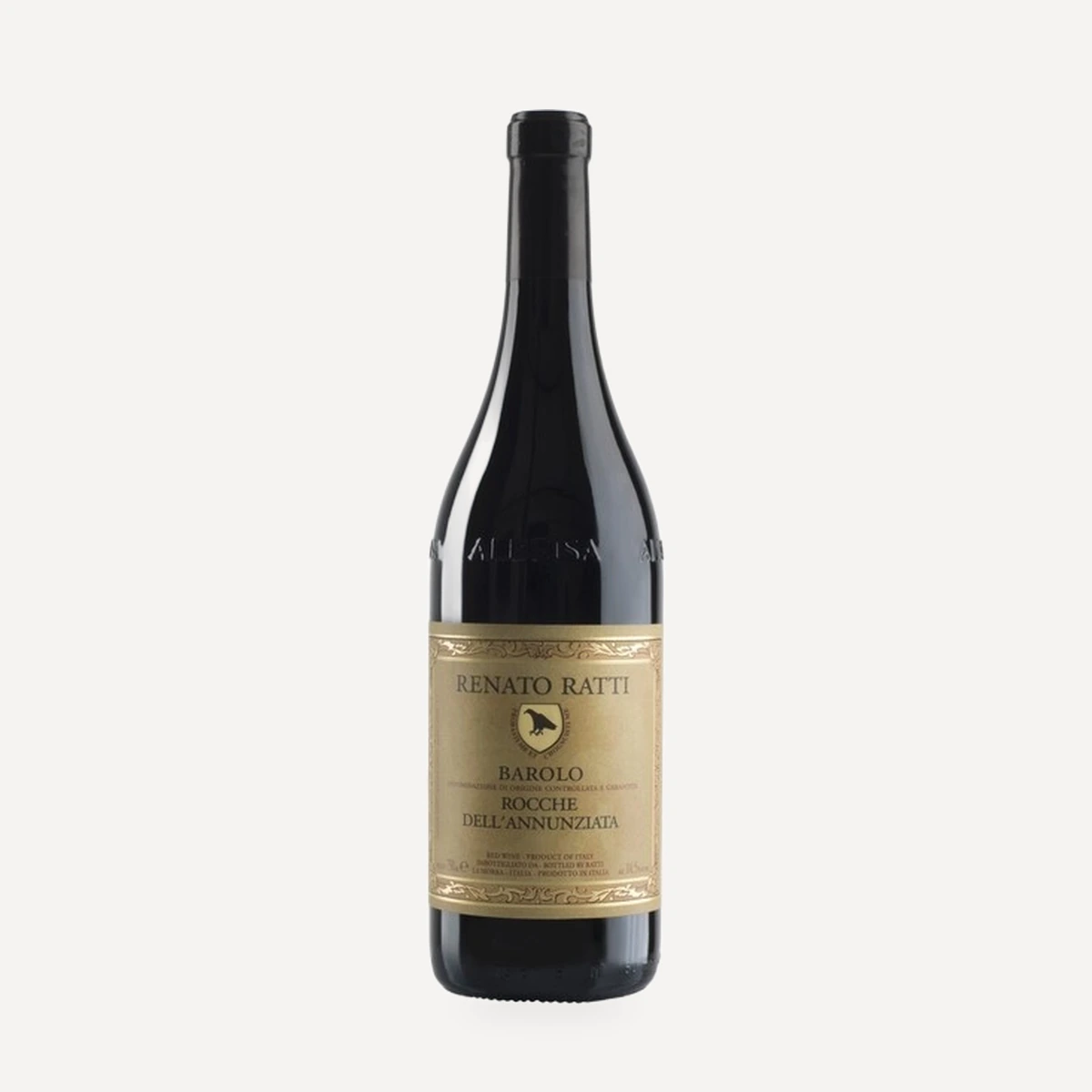
Barolo Rocche dell’Annunziata DOCG
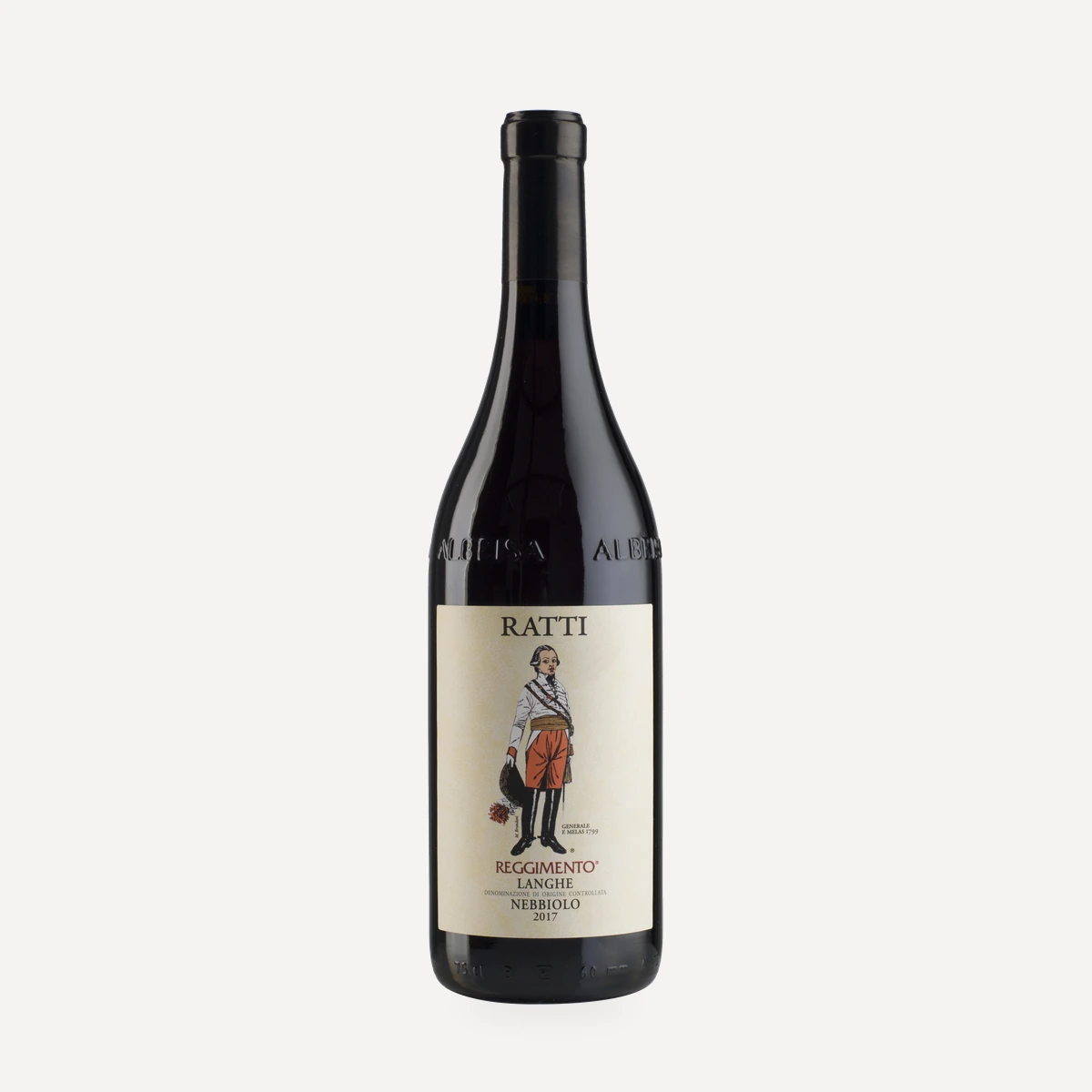
Reggimento Langhe Nebbiolo DOC
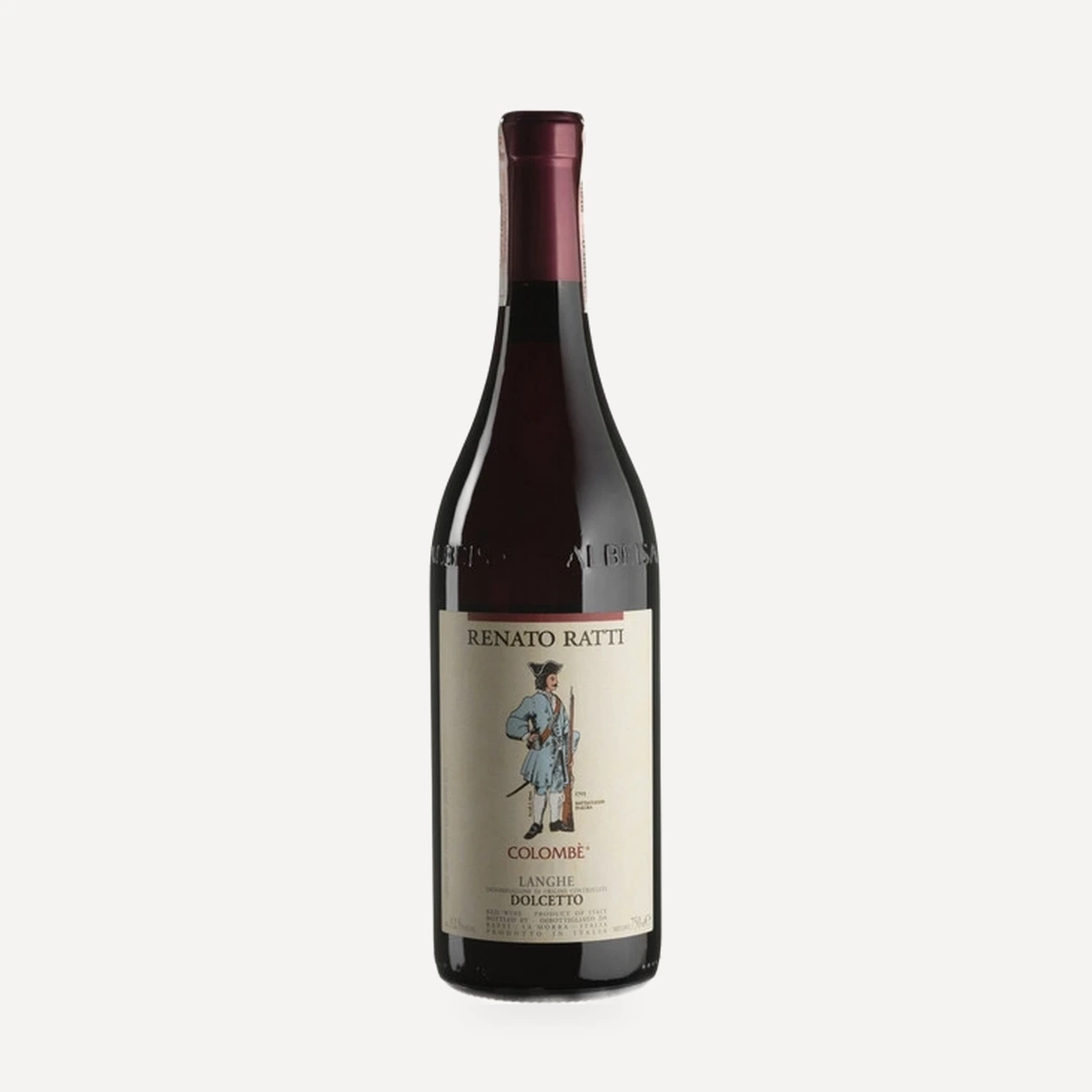
Colombé Langhe Dolcetto DOC