About this wine
Vineyard and terroir
Marcenasco reflects the typical character of La Morra. The place-name has ancient roots: documents preserved in the Rigestum Communis Albae record Nebbiolo cultivation in an area called “Marcenascum” as early as the 12th century.
Grapes
100% Nebbiolo.
Vinification
The grapes are harvested by hand in October, then destemmed and pressed. Alcoholic fermentation takes place in temperature-controlled stainless-steel vessels. Skin contact lasts approximately three to four weeks, spanning fermentation and subsequent post-fermentation maceration under a traditional submerged cap. Malolactic fermentation is carried out in stainless steel.
Ageing
The wine matures for approximately two years in 25 hl and 50 hl oak barrels, followed by about one year of refinement in bottle.
Technical data
Barolo DOCG. First vintage: 1965.
Tasting profile
Garnet red in colour, with aromas of liquorice and tobacco. The palate is full and elegant, combining strength, harmony and fullness with sustained power and length. Its smooth, balanced character reflects the style associated with La Morra.
Serving and pairing
Built for very long ageing and particularly suited to substantial dishes. Pair with spit-roasted or grilled red meats, game, refined preparations of white or red meat, and mature cheeses.
Label / history
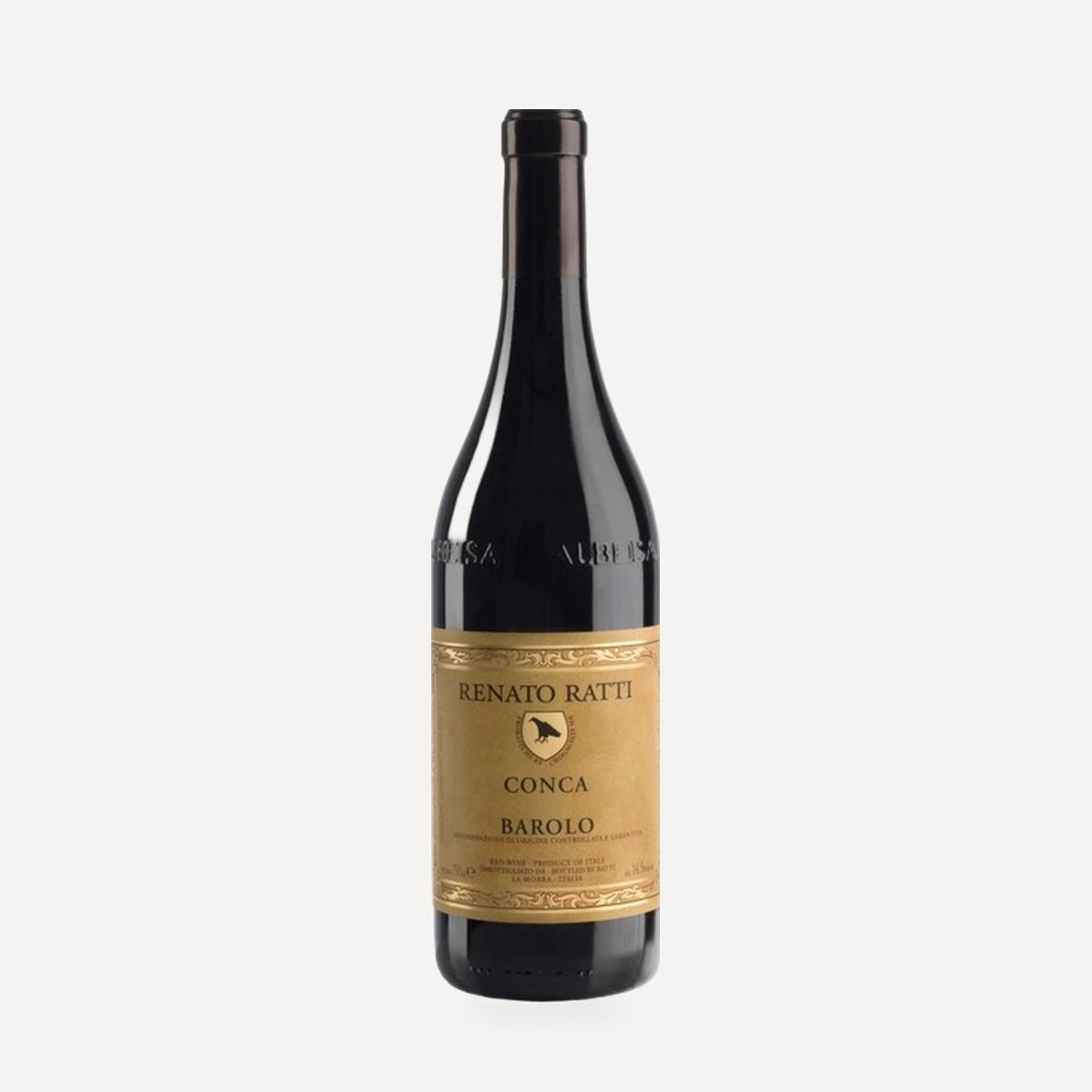
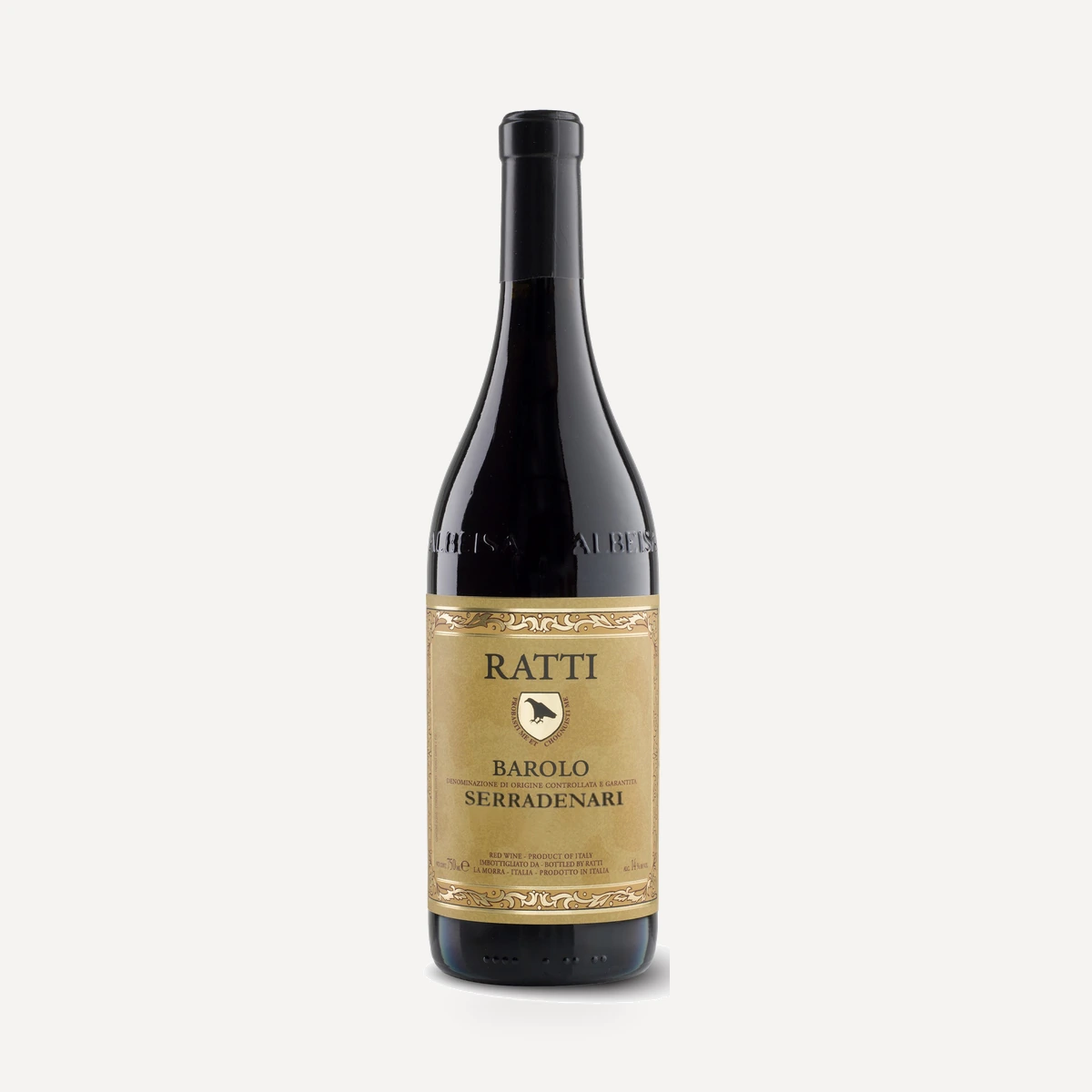
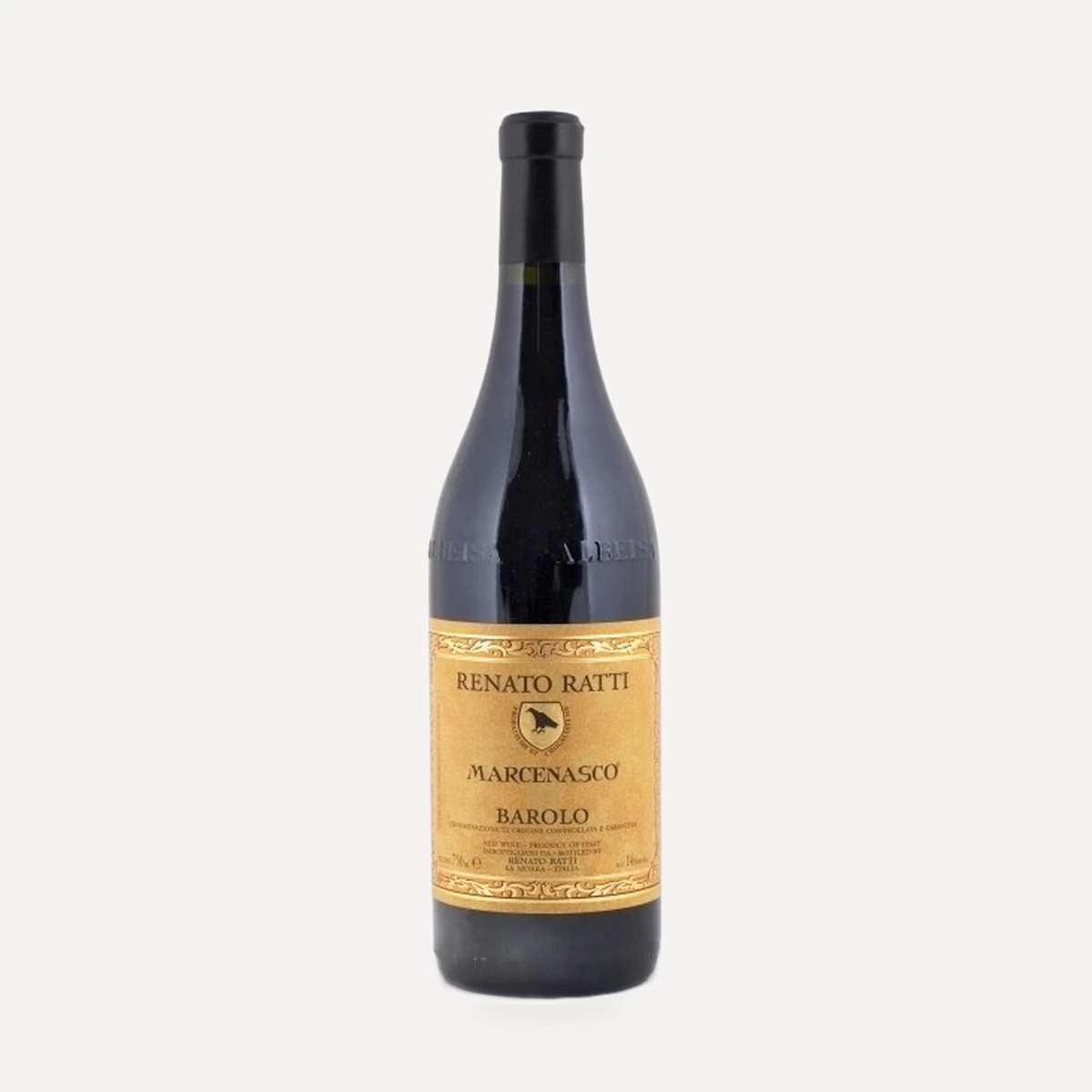
Marcenasco has represented Ratti’s history and identity since its inception. Renato Ratti created the label in 1965 as a tribute to the area’s past. It bears the coat of arms of the local noble family—a black hawk against a gilt ground—and the Latin inscription “Probasti me et cognuisti me,” translated as “You tried me, you knew me.”
The wine is presented in the Albeisa bottle, named after the city of Alba. Renato Ratti created this bottle in 1973 to express the identity of the territory and its wines.