History
From mixed farming to wine
Salcheto was founded in 1984 as a traditional mixed-crop farm centred on an existing historic vineyard. Its name came from the stream marking the estate boundary. The watercourse crossed a valley formerly rich in willows—salco in old popular Tuscan—whose flexible branches, known as vinchi, were traditionally used to fasten vines to their supports.
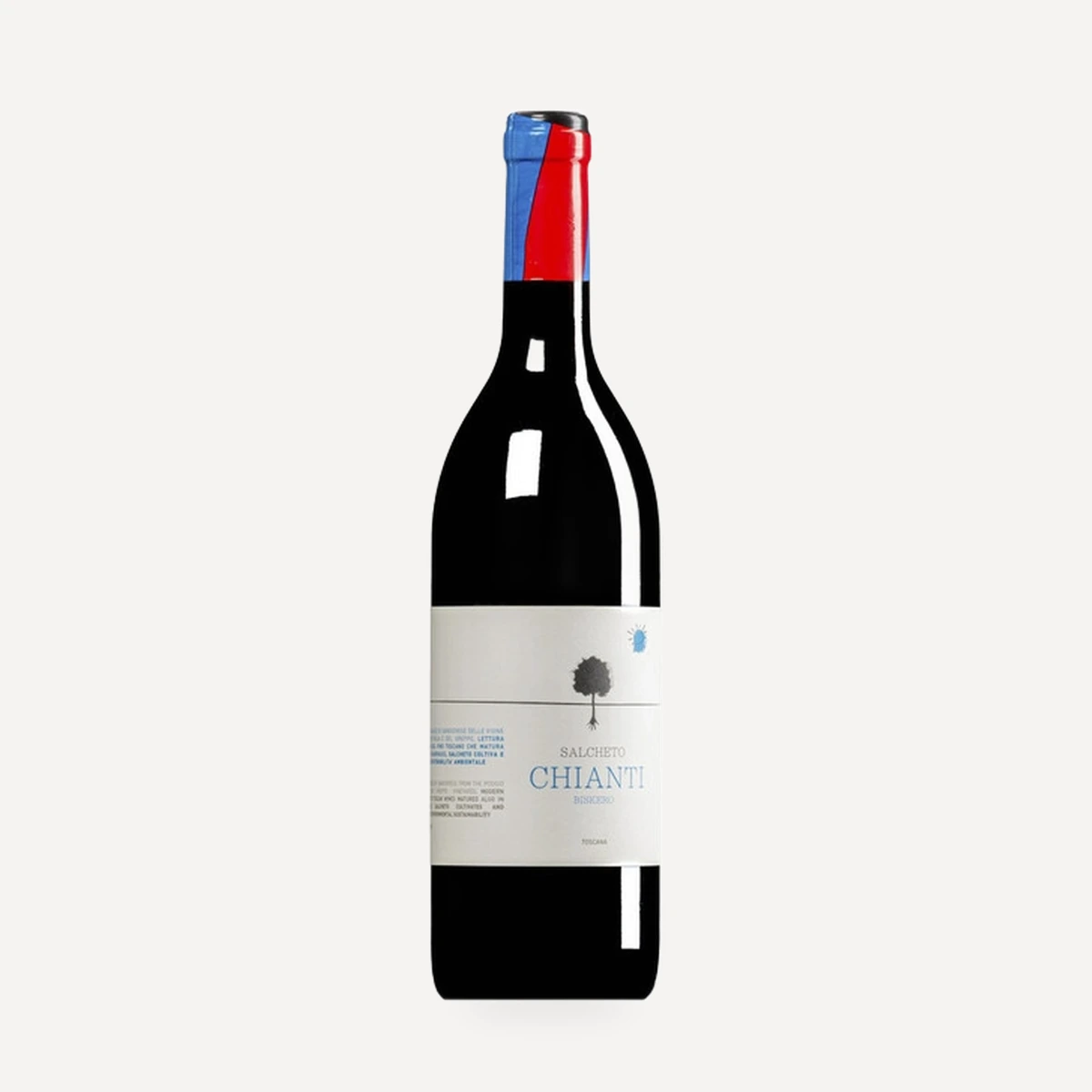
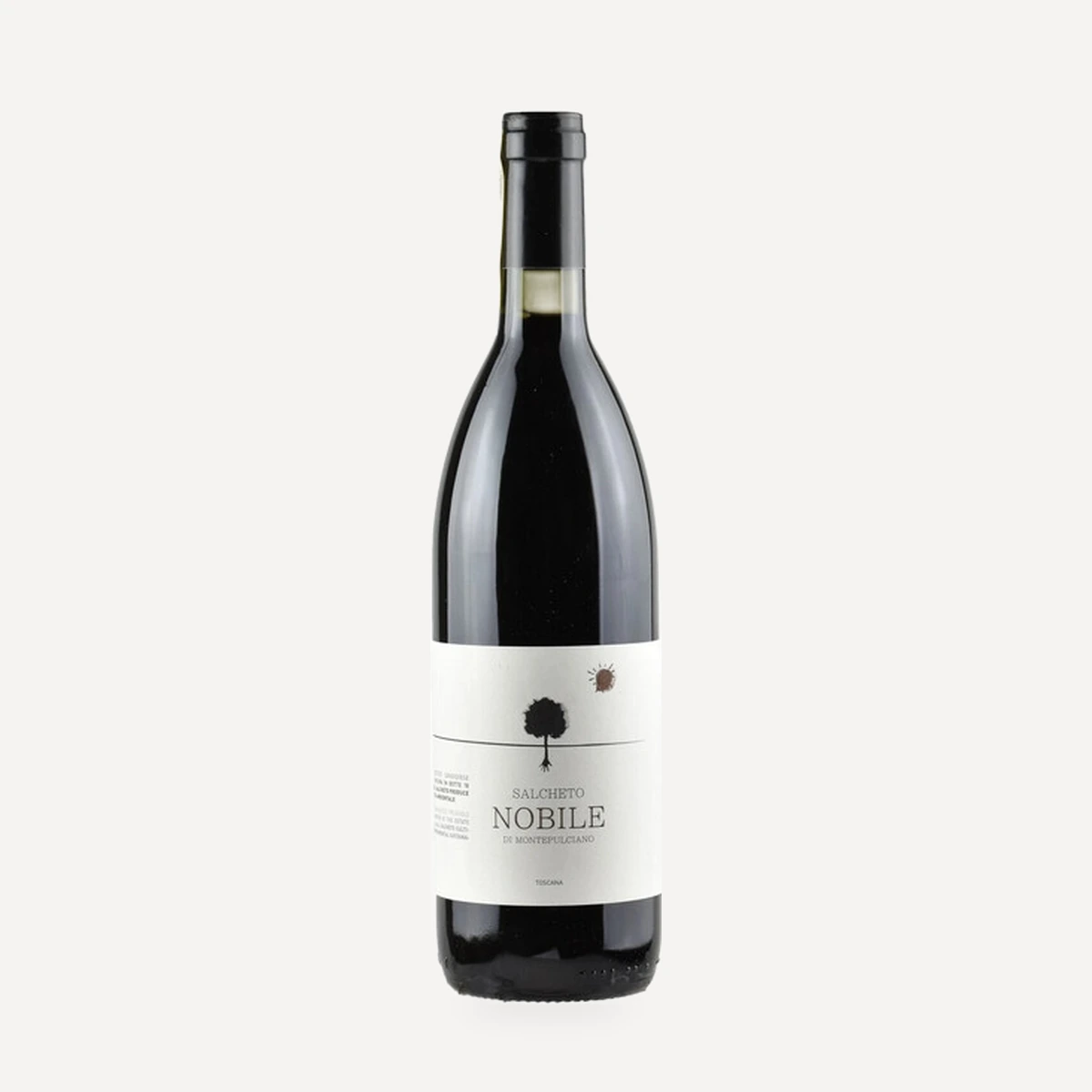
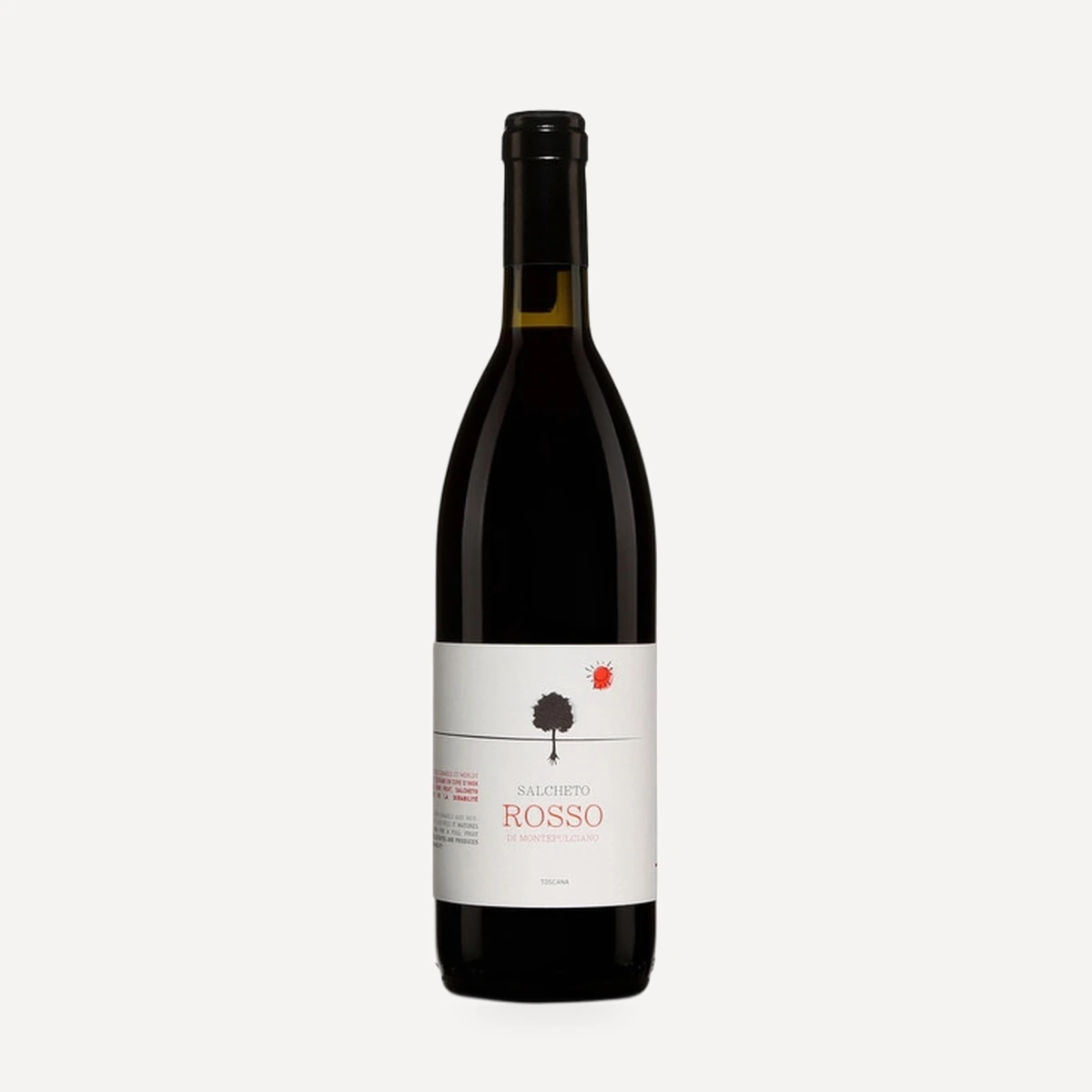
The estate’s wine vocation emerged during the 1990s. The first vintage of its Vino Nobile di Montepulciano was 1990, followed by Rosso di Montepulciano in 1992 and Chianti in 1997.
Michele Manelli and the specialist wine estate
Michele Manelli arrived in 1997, accelerating Salcheto’s conversion into a specialist wine producer. The estate’s Vino Nobile soon received recognition in Italy and abroad. Its Chianti also debuted with the 1997 vintage.
After an initial period of experience and limited investment, Manelli concluded that the business needed to expand while preserving artisanal quality. The plan also addressed the internationalisation of the wine trade and the increasing need for organisational efficiency. Financial partners associated with the De Feo and Prashker families joined the expansion.
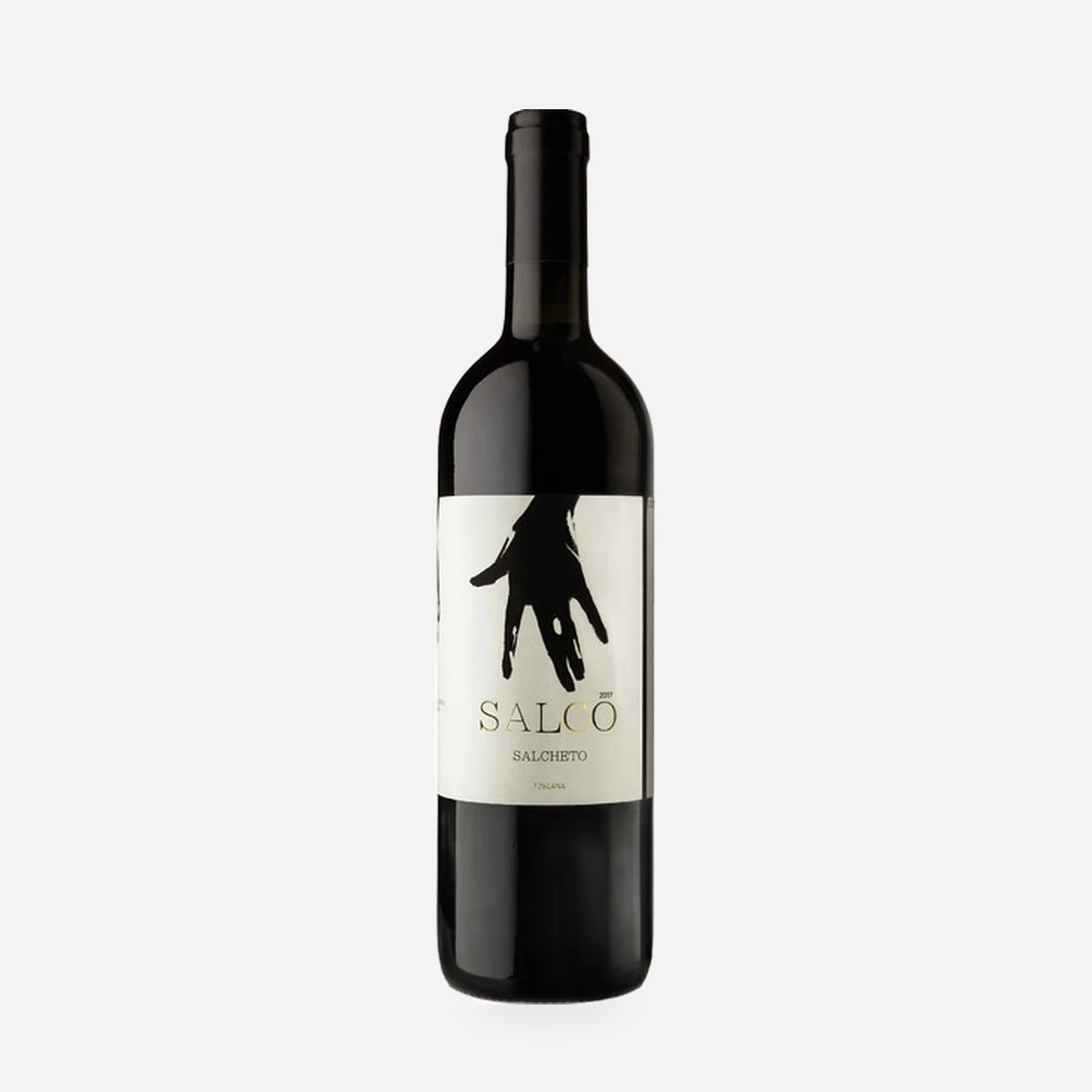
Salco, the estate’s cru from its most mature vineyard, was first produced in 1999. The wine is based on an estate selection of Sangiovese Prugnolo Gentile whose fruit readily reaches slight overripeness. A late-harvest white, later incorporated into the Obvius family as Giallo Oro, began with the 2007 vintage.
The new cellar and environmental accounting
Construction of a new cellar began in 2009 and was completed in 2011. The project pursued energy autonomy first through lower consumption and then through renewable energy generated within the farm. Its systems incorporated solar light tubes, vertical gardens, adiabatic irrigation of the roof and work yard, natural night ventilation, low-enthalpy geothermal exchange beneath the vineyards, photovoltaic generation and energy recovered from pruning residues. Fermentation-generated carbon dioxide was also harnessed to move must and pomace without conventional pumps.
A 2009 life-cycle assessment calculated emissions of 1.83 kg CO2 equivalent per bottle and identified three principal areas for improvement: agricultural fuel and inputs, cellar climate control, and packaging—especially glass. In 2010 Salcheto became the first wine business to certify the carbon footprint of a bottle of wine. The experimental study followed ISO 14064; the work was driven by environmental specialist Antonio Ferro and a research group of academics, researchers and certification professionals. The Salcheto Carbon Free working group was led by Domenico Andreis.
The research led to the Montepulciano Charter on the Carbon Footprint of Wine in 2011. Water Footprint analysis also began in 2011, followed by work on biodiversity indicators. These initiatives helped inspire the Wine Sustainability Forum of 2013–2015 and, subsequently, the Equalitas supply-chain sustainability standard.
New wines, packaging and working practices
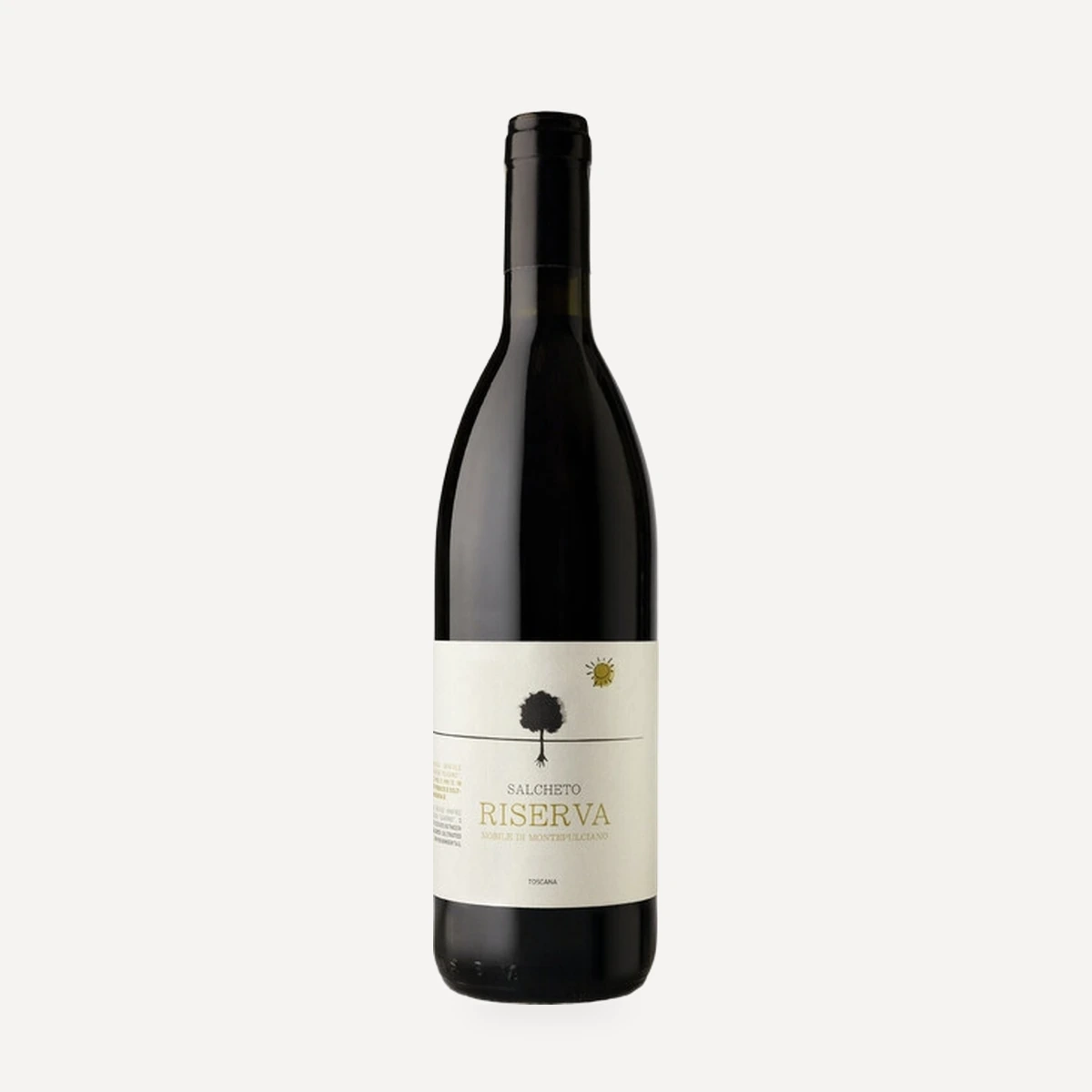
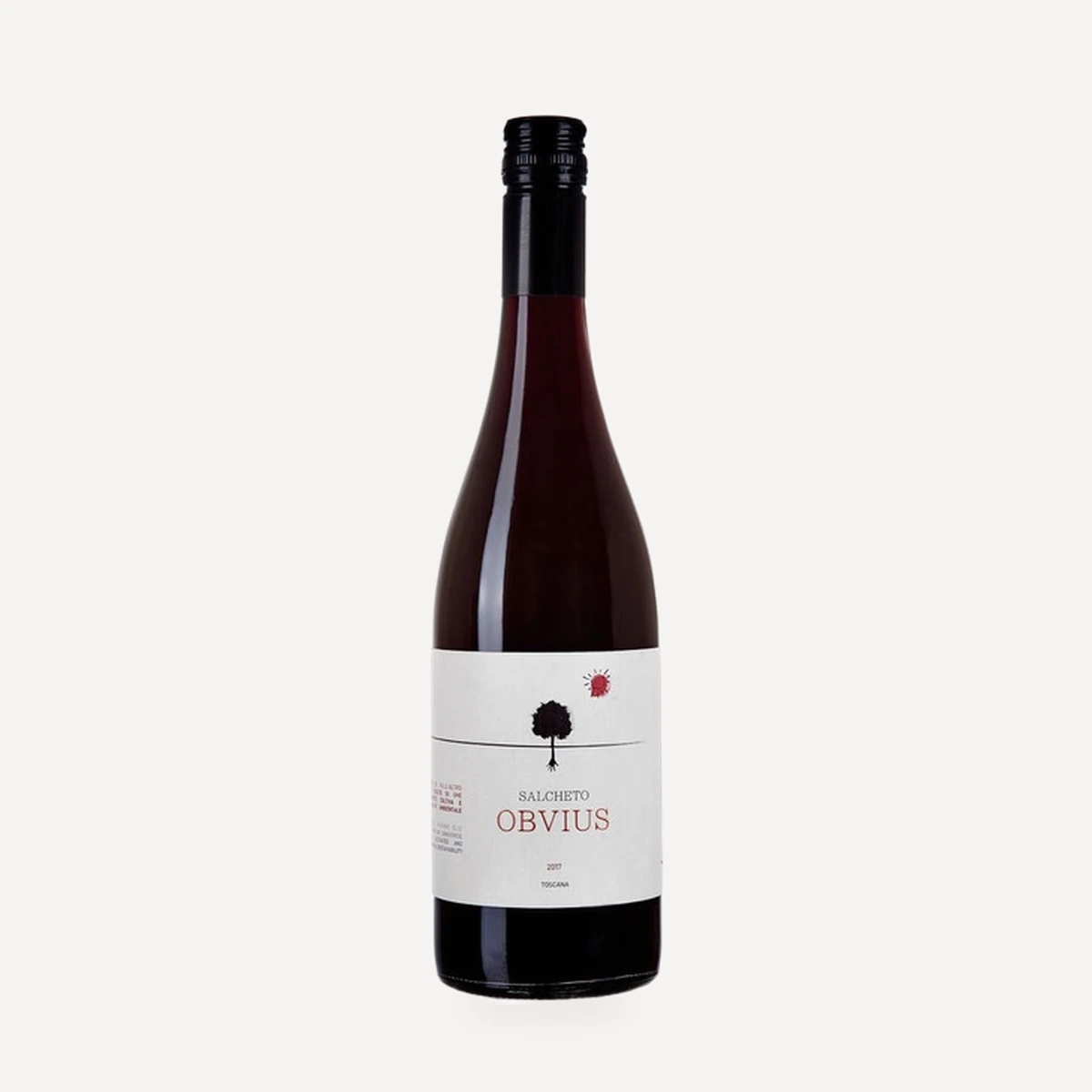
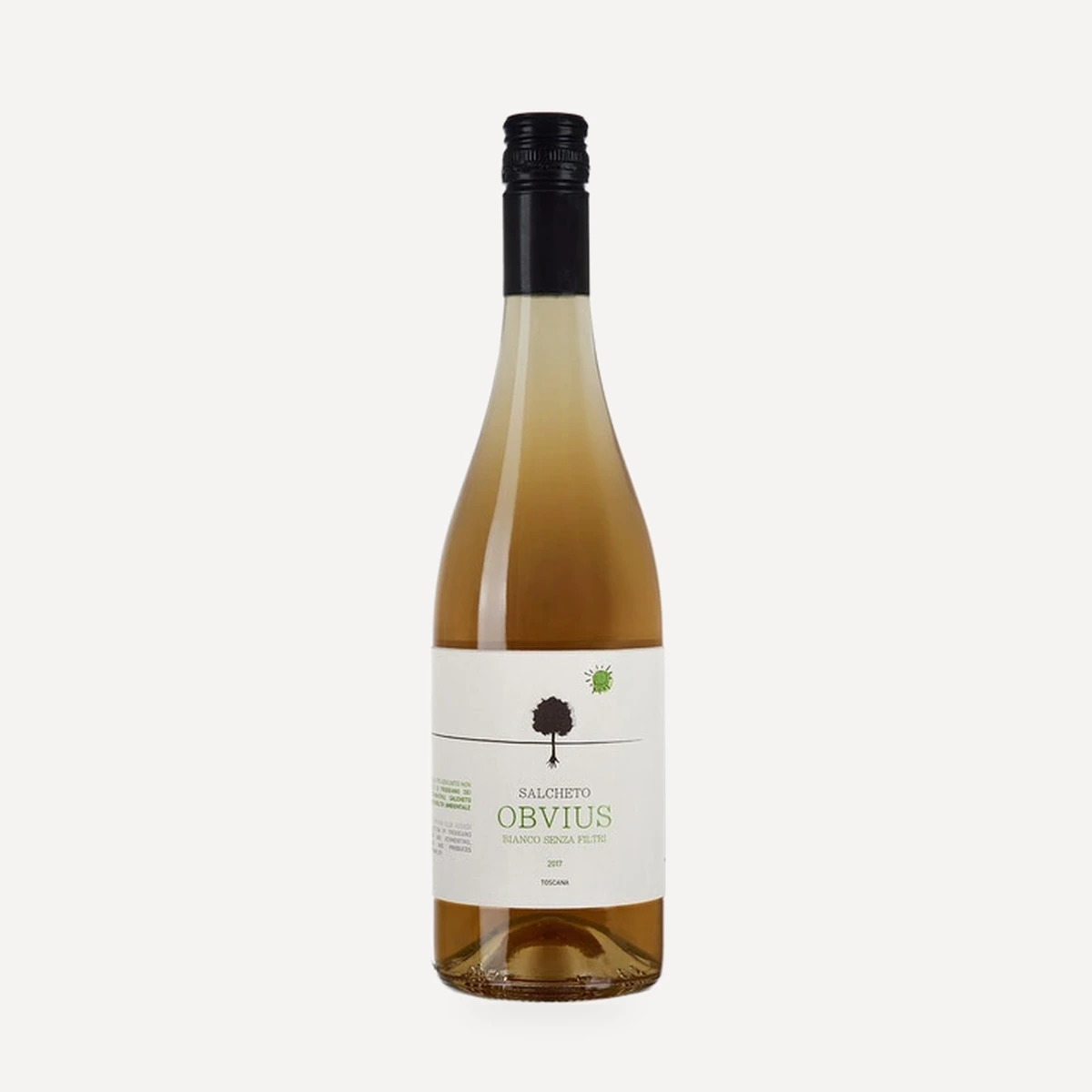
Riserva entered production with the 2010 vintage. Obvius Rosso followed in 2012, inaugurating a family conceived around “grapes only”: native fermentation, no selected yeasts, no added sulphites, no added tannins and, for applicable bottlings, no filtration. Obvius Rosato began with the 2013 vintage and Obvius Bianco with the 2016 vintage.
Salcheto began using a locally produced ultralight bottle in 2013. Between 2010 and 2020, changes including lighter packaging reduced the relevant carbon impact by about 40% and avoided more than 2.3 million kg of CO2-equivalent emissions. During the COVID-19 lockdown, the estate introduced a Bag-in-Box project intended to progress towards carbon-negative packaging.
Sustainability also shaped trade-fair presentation: a stand requiring no electricity appeared in 2012; a 2015 stand was made from waste collected during its own construction; and stands have been designed for zero waste since 2016. Used barrels have been repurposed into eyewear, while discarded hospitality bottles have been turned into drinking glasses.
Social sustainability and Benefit Corporation status
Investment in social and labour policies began in 2015. Salcheto introduced an organisational model based on transparent relationships, training, employee participation, incentives and career plans incorporating sustainable-development content. In 2017 it became the first Italian winery to establish a corporate welfare plan for employees.
Salcheto subsequently became a Società Benefit, placing responsibilities for the sustainable development of the business and its communities into its corporate framework. Its sustainability reporting and integrated management are independently certified against Equalitas. On the tenth anniversary of the sustainable cellar, Salcheto received the Robert Parker Green Emblem.
Collaboration and rural networks
Salcheto became the lead participant in Cuore Nobile, a network joining small agricultural businesses to share skills and resources. Organic farming and Equalitas-aligned business management are founding requirements. Salcheto leads projects involving marketing, distribution, and environmental and social values, while members contribute expertise spanning wine, olive oil, ancient-grain flour and pasta, truffles, chestnuts, Cinta Senese products and rural tourism.
Terroir
Salcheto is based at Via di Villa Bianca in Montepulciano, Siena, overlooking the Val di Chiana. The main estate lies in a water-rich valley beneath the hill town, beside the Salcheto stream that defines part of its boundary. The stream and the willows that once flourished along it gave the estate its name.
The vineyards were recorded at approximately 450 m above sea level, among the higher positions in the area. Their soils are of Pliocene origin, with a mixed tuffaceous and clay composition. Clay soils and pronounced day-to-night temperature changes are credited with maintaining freshness in the wines, including during hot and dry seasons.
The wider vineyard holdings extend beyond the Montepulciano home estate to Chiusi, Trequanda and sites identified as Abbadia/Greppo. This creates distinct estate contexts: the vineyards surrounding the Montepulciano cellar; Poggio Piglia at Chiusi; the bush-trained La Bandita site at Trequanda; and the later Abbadia or Greppo holding. Vine density across the holdings was recorded between 2,500 and 5,000 vines per hectare.
Winemaking
Salcheto farms more than 60 ha of certified-organic vineyards under the European Organic Protocol. Its wider sustainability management is independently certified to the Equalitas standard. Fertilisers are produced internally through composting, while Biodynamic Horn Manure Preparation 500 is used to stimulate the soil. Planting densities have ranged from 2,500 to 5,000 vines/ha, and La Bandita was established as an alberello vineyard.
The vineyard calendar begins with winter pruning in January and February, when the dormant vines have minimal energy demand. Pruning is used to balance productivity and vegetative vigour and to prepare an even spring restart. During March and April, the team begins phytosanitary protection, selects the shoots that will carry fruit and removes excess growth. The developing canopy is arranged to remain balanced and ventilated, reducing microclimates favourable to pathogens such as downy mildew.
Around flowering and fruit set, shoots are directed towards the upper wires and secondary or late growth is removed. Weather is monitored closely during periods of high downy-mildew susceptibility. Later in the cycle, attention also covers powdery mildew and the successive generations of grapevine moth. After leaf fall, work shifts towards equipment maintenance, drainage and water management in preparation for winter rain.
Grapes destined for the most selective work are chosen in the vineyard and can pass through three further selection stages in the cellar, down to individual berries. The estate has also renewed its focus on vineyard selection and sorting tables during difficult harvests.
Biodiversity management includes an experimental index tracking the biological quality of the soil and farm ecosystem. Beehives are managed through the seasons both for honey production and as part of the estate’s attention to pollinating insects and environmental health. Willow and other vegetation associated with the stream valley form part of the farm landscape.
Cellar design and energy flows
The cellar was designed as an off-grid, energy-autonomous production facility. Energy efficiency precedes on-site generation: solar light tubes illuminate work areas; vertical gardens, adiabatic irrigation of the roof and yard, and natural night ventilation reduce summer cooling demand. Low-enthalpy geothermal exchange takes place beneath the vineyards, photovoltaic panels generate electricity, and pruning residues contribute renewable energy. Across its first decade these measures saved more than 1.1 million kWh.
Grapes can enter by gravity from the roof-level work yard directly into the tanks, protecting berry skins and limiting mechanical handling. Specially designed vessels use the carbon dioxide naturally generated during fermentation to move must and pomace without pumps. The gas also provides a protective environment, while controlled admission of outside air supplies oxygen to indigenous yeasts.
Selection and fermentation
For the most exacting selections, sorting begins in the vineyard and continues through three cellar stages down to individual berries. Native yeasts play an important role in the cellar. Some Sangiovese lots ferment in wood; documented vessels include 70 hl wooden fermenters. Traditional operations used for older-vine selections have included long maceration, progressively adjusted pump-overs, punch-downs, a final static phase and control of peak fermentation temperatures.
The Obvius process was developed around grapes as the only ingredient: no selected yeasts, added sulphites, tannins or other additives. Fermentation and maturation take place in stainless steel, and relevant white and rosé versions are left unfiltered. Obvius Rosso matures for four months in patented pressurised steel tanks developed for Salcheto. Bottling under pressure limits oxygen pickup, aided by screwcaps or micro-agglomerated closures.
Maturation approaches
The cellar uses stainless steel, large oak vats, 300-litre tonneaux and smaller barrels. The core Vino Nobile approach combines fermentation in wood with 18 months in large and small oak and at least six months in bottle. Riserva uses the Governo Toscano method with slightly overripe or dried Sangiovese Prugnolo Gentile, followed by 24 months in large and small wood and at least 12 months in bottle. Salco receives two years in wood and may remain in bottle for as long as four years before release. Earlier technical material also records Slavonian oak vats of up to 33 hl and Allier barriques.
Young territorial reds mature principally in stainless steel, although part of the Chianti blend may spend four months in 300-litre American-oak tonneaux. The production range therefore combines long wood and bottle ageing for Vino Nobile selections with protective steel maturation for fruit-centred wines.
Packaging and resource management
The locally produced Salcheto Light Bordeaux bottle weighs approximately 370 g in its current form. Cork and other closures are sourced through efficiency-focused supply chains, while the capsule contains 35% recycled PET and is fully recyclable. Wood and paper materials come from responsibly managed FSC- or PEFC-certified sources. Wastewater, including water used to wash sprayers, is purified and recycled. The English sustainability material records 98% separation of waste at the on-site recycling area.
Philosophy
Salcheto frames wine quality, environmental responsibility, social cohesion and economic durability as parts of the same business model. The objective is continuous improvement rather than a fixed claim of sustainability. Environmental accounting therefore covers energy and materials used both directly and indirectly, including farming, transformation, packaging and upstream supply chains.
Michele Manelli’s approach seeks to preserve artisanal wine quality while equipping the estate for international markets and organisational efficiency. Technology is used to reduce handling, energy demand and oxygen exposure, but native yeasts, traditional Tuscan methods, vineyard selection and long bottle ageing remain central where appropriate. The intended style emphasises territorial identity, drinkability, aromatic precision and reliability over time.
Obvius expresses the lowest-input side of this philosophy. Its goal is not affiliation with a predefined wine category, but a clean and balanced wine in which the grape remains the protagonist. Removing additives was presented as a decision made for taste as well as for technological and ethical reasons.
The social dimension begins with employees. Transparency, training, participation, incentives, career development and corporate welfare are treated as components of sustainable growth. As a Società Benefit, Salcheto has also formalised responsibilities towards the communities in which it operates.
Cuore Nobile extends the same principles beyond the estate. Small farms retain their individual histories and products while pooling resources, knowledge and market access to improve resilience, certified sustainability and the quality of rural experiences.
Wines
Nobile
Salco
Riserva
Obvius Rosso
Obvius Bianco
Rosso di Montepulciano