History
The Serristori family
The noble Serristori family can be traced to the 13th century. Over the following centuries, its members played political and cultural roles in Tuscany and developed an enduring association with Florence. The family became counts in 1515 and was among the prominent Florentine families of the Renaissance.
Renaissance Florence and the family properties
Successive generations acquired land and other properties, including Palazzo Serristori in Florence. The family’s palace on the Lungarno remains a material expression of its long connection with the city.
Sant’Andrea in Percussina
About four centuries ago, the Serristori family acquired the Sant’Andrea in Percussina estate through marriage from the Machiavelli family. Niccolò Machiavelli had lived there during his exile from Florence and wrote major works there, including The Prince, The Mandrake (Mandragola) and Clizia.
The wine enterprise
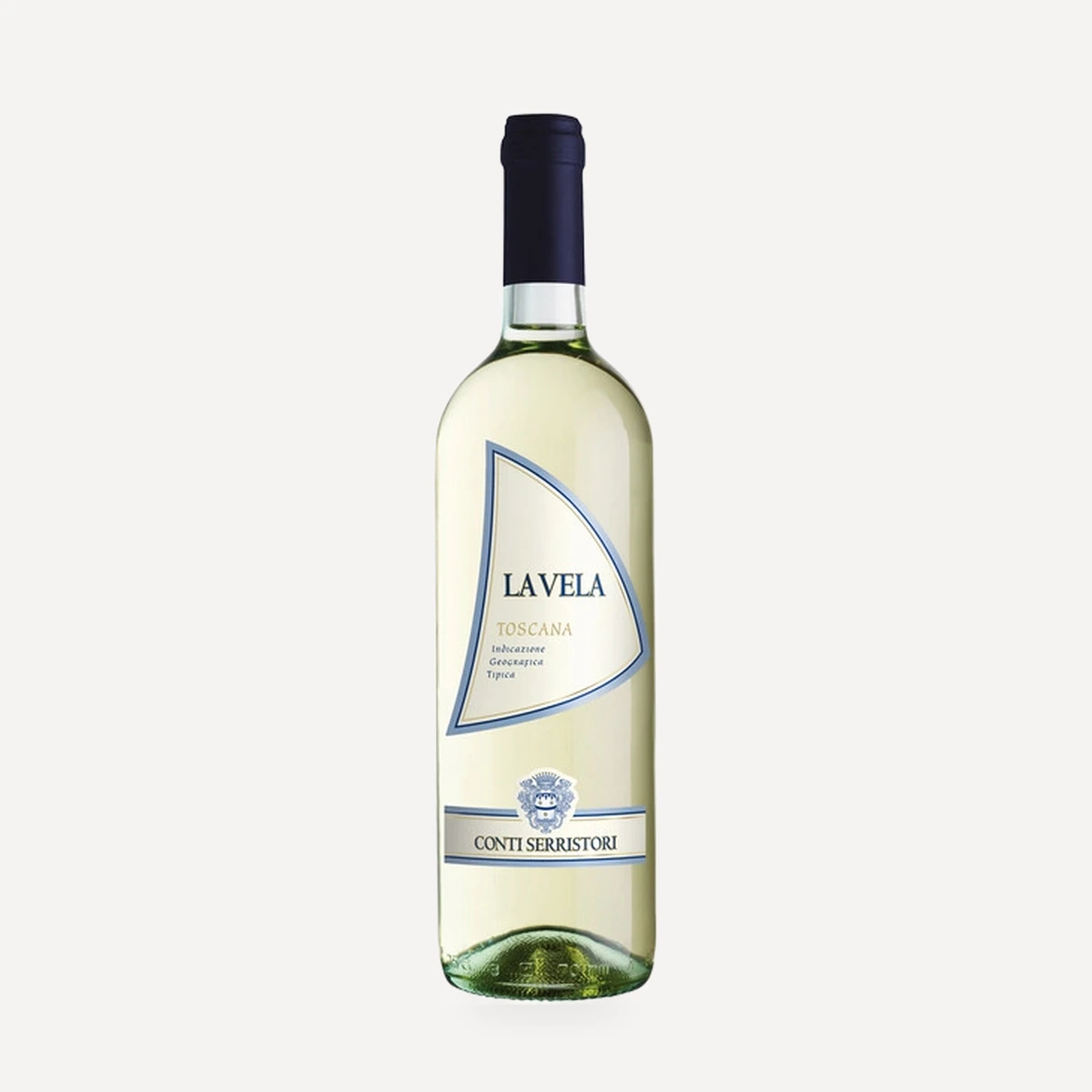
Conti Serristori’s origins as a wine enterprise date to the 17th century. Its identity has remained centred on traditional Tuscan wines, particularly Chianti and Chianti Classico, alongside Sangiovese and Vernaccia di San Gimignano. The contemporary range also includes a Tuscan white and Santelmo Vino Liquoroso.
Terroir
Conti Serristori is rooted in Tuscany, with Chianti and Chianti Classico forming the central geographical frame of its red-wine identity. These hilly districts lie in the heart of the region and combine temperate climatic conditions with environments suited to viticulture.
The broader range extends beyond the two Chianti territories to Vernaccia di San Gimignano and Toscana IGT. Trebbiano Toscano, Malvasia and other white grapes used for the Tuscan white are grown across gentle Tuscan hills. No individual vineyard elevations, exposures, soil profiles, rainfall figures or estate-specific microclimates are identified.
Winemaking
Viticulture is approached with respect for nature and the soil. Sustainability and the enhancement of native grape varieties form part of the agricultural identity, while the range remains closely tied to Tuscan varieties and denominations.
No specific certification, soil-management programme, cover-crop regime, vine-training system, planting density, yield policy, disease-control protocol, irrigation practice or harvesting method is identified.
Philosophy
Conti Serristori defines its identity through “Traditional Tuscany”: a combination of the Serristori family’s historical relationship with Florence, an attachment to the land and a commitment to quality. Its viticultural principles emphasise respect for nature and soil, attention to sustainability and the enhancement of native varieties.
The portfolio is intended to express recognisable Tuscan traditions through Chianti, Chianti Classico, Sangiovese, Vernaccia di San Gimignano and other regional styles. Tradition is therefore framed not only as family history, but also as continued engagement with Tuscan grapes, denominations and landscapes.
Wines
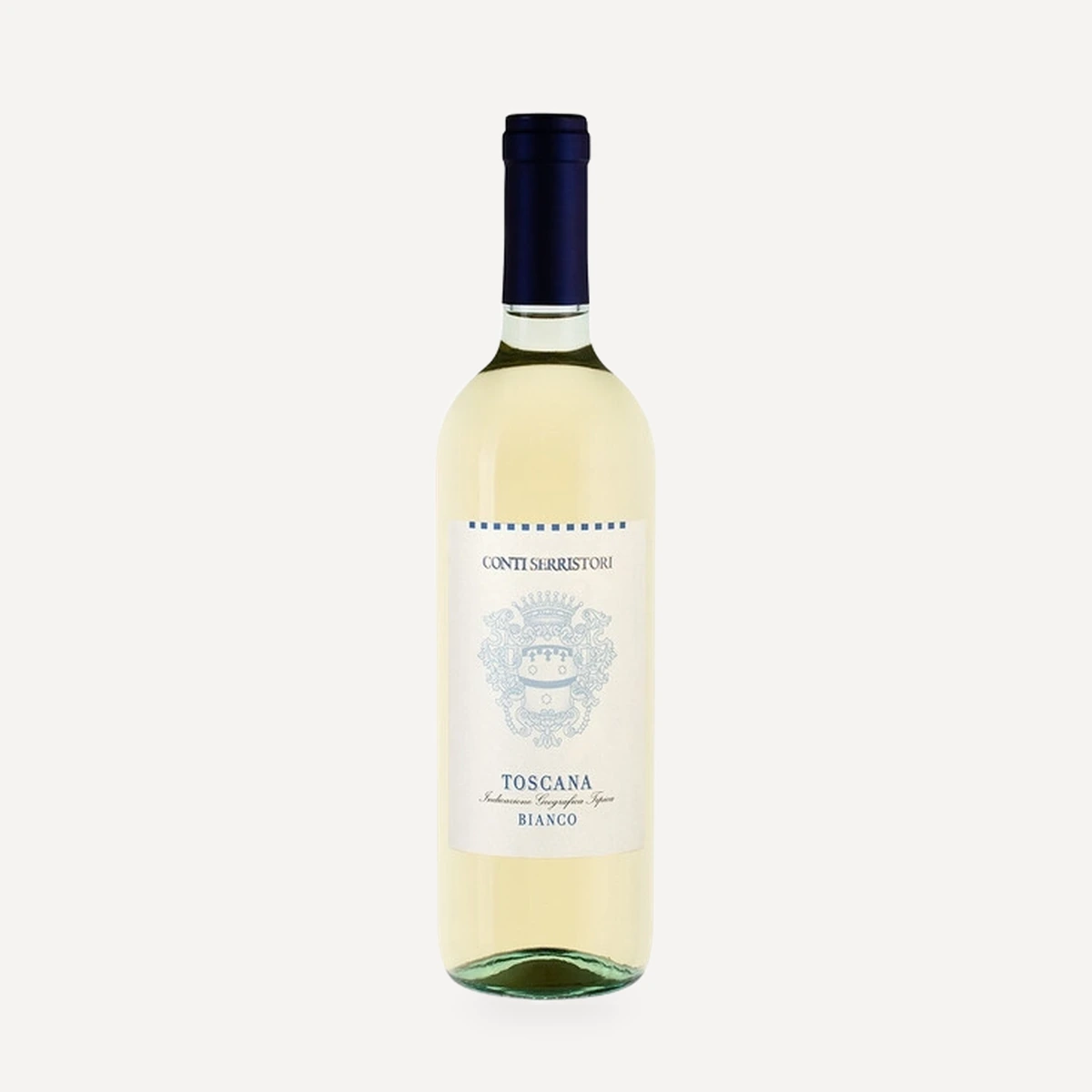
Toscana Bianco IGT
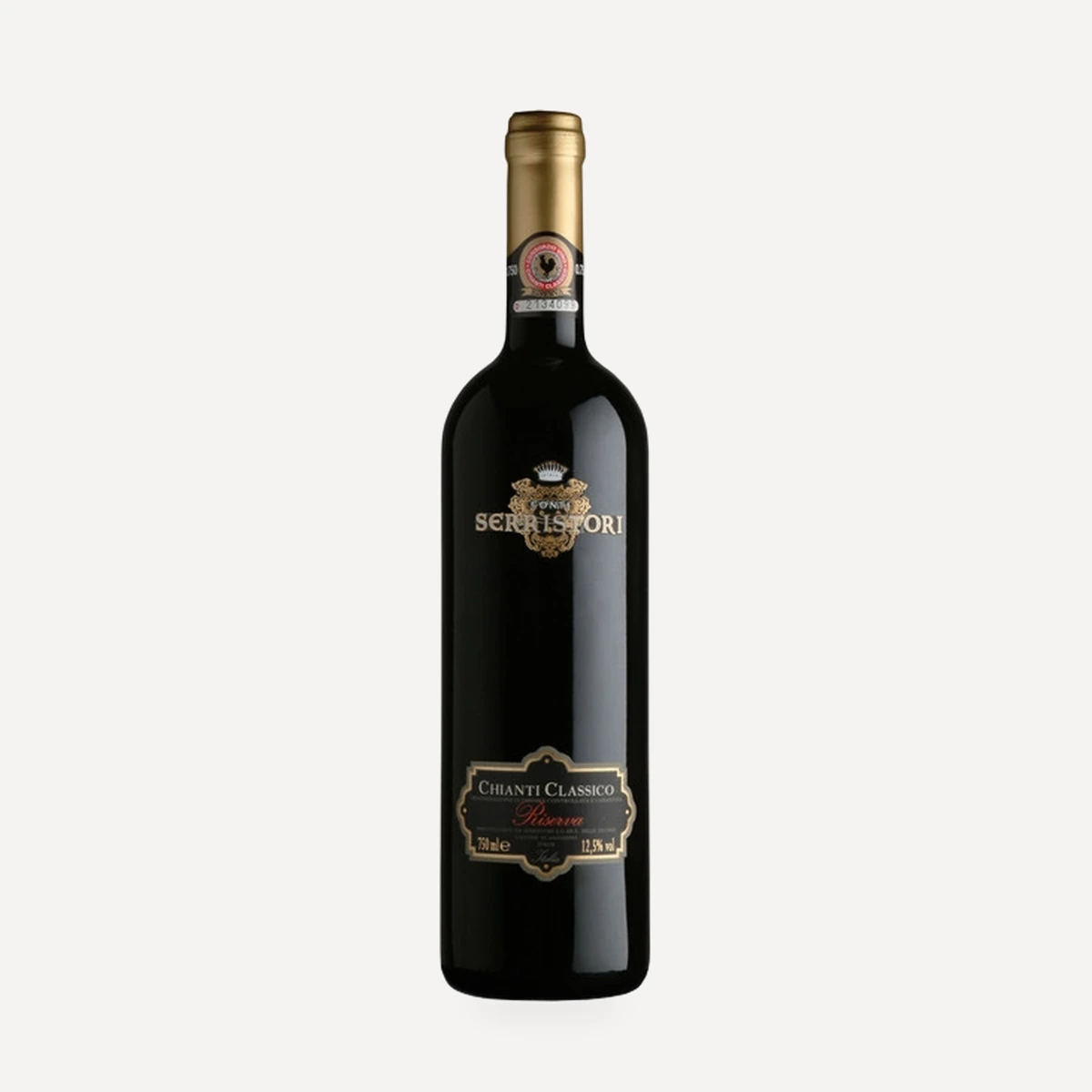
Chianti Classico Riserva DOCG
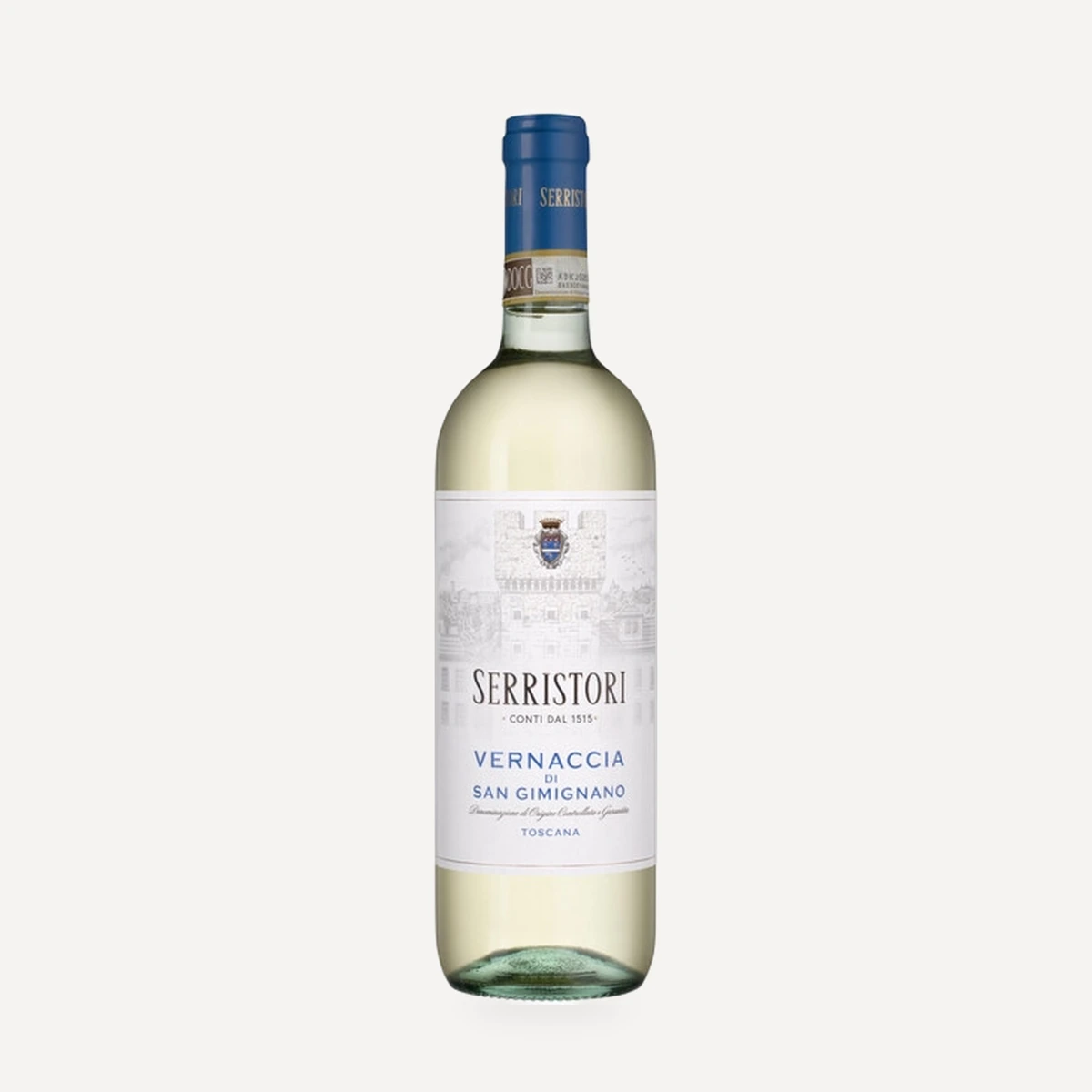
Vernaccia di San Gimignano DOCG
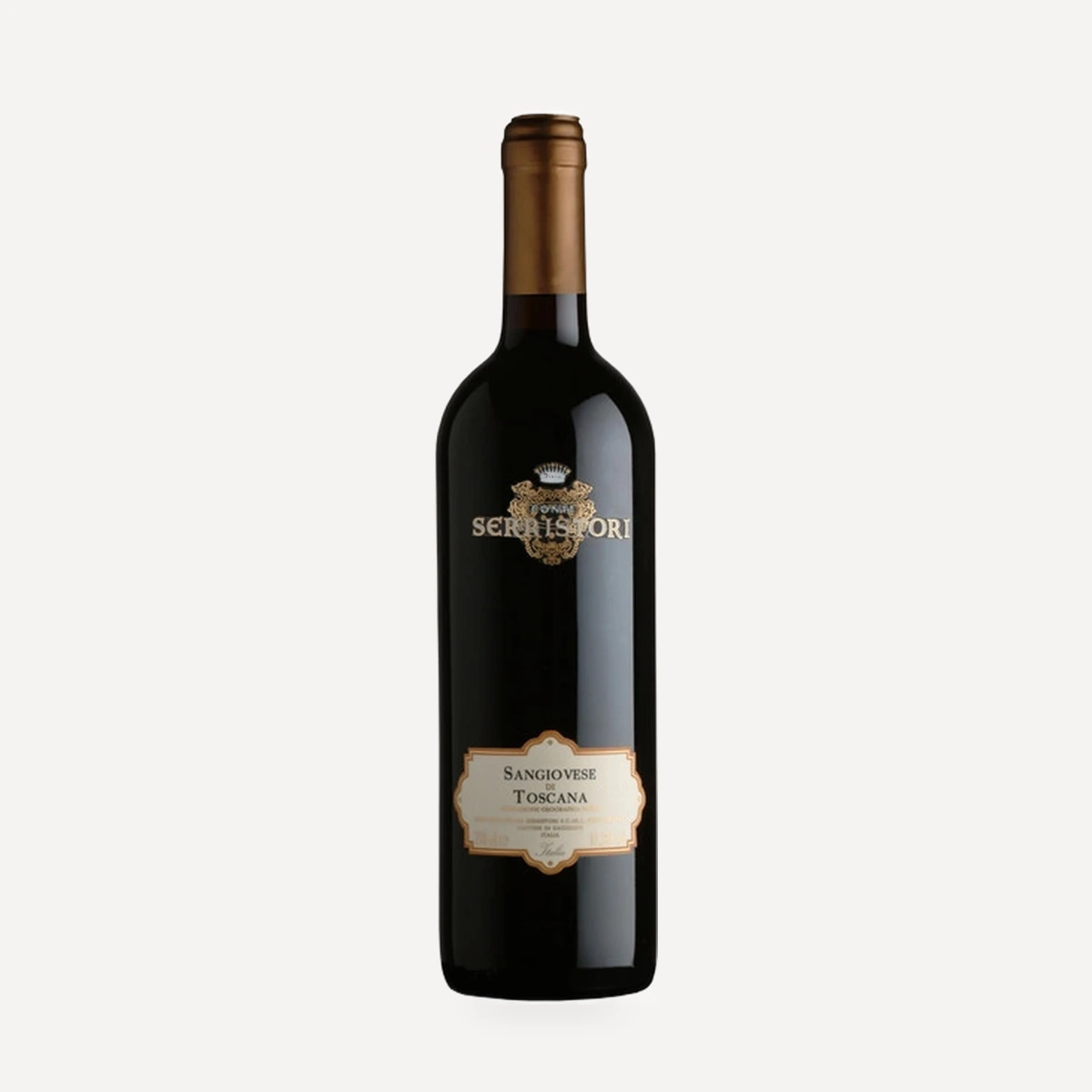
Sangiovese di Toscana IGT
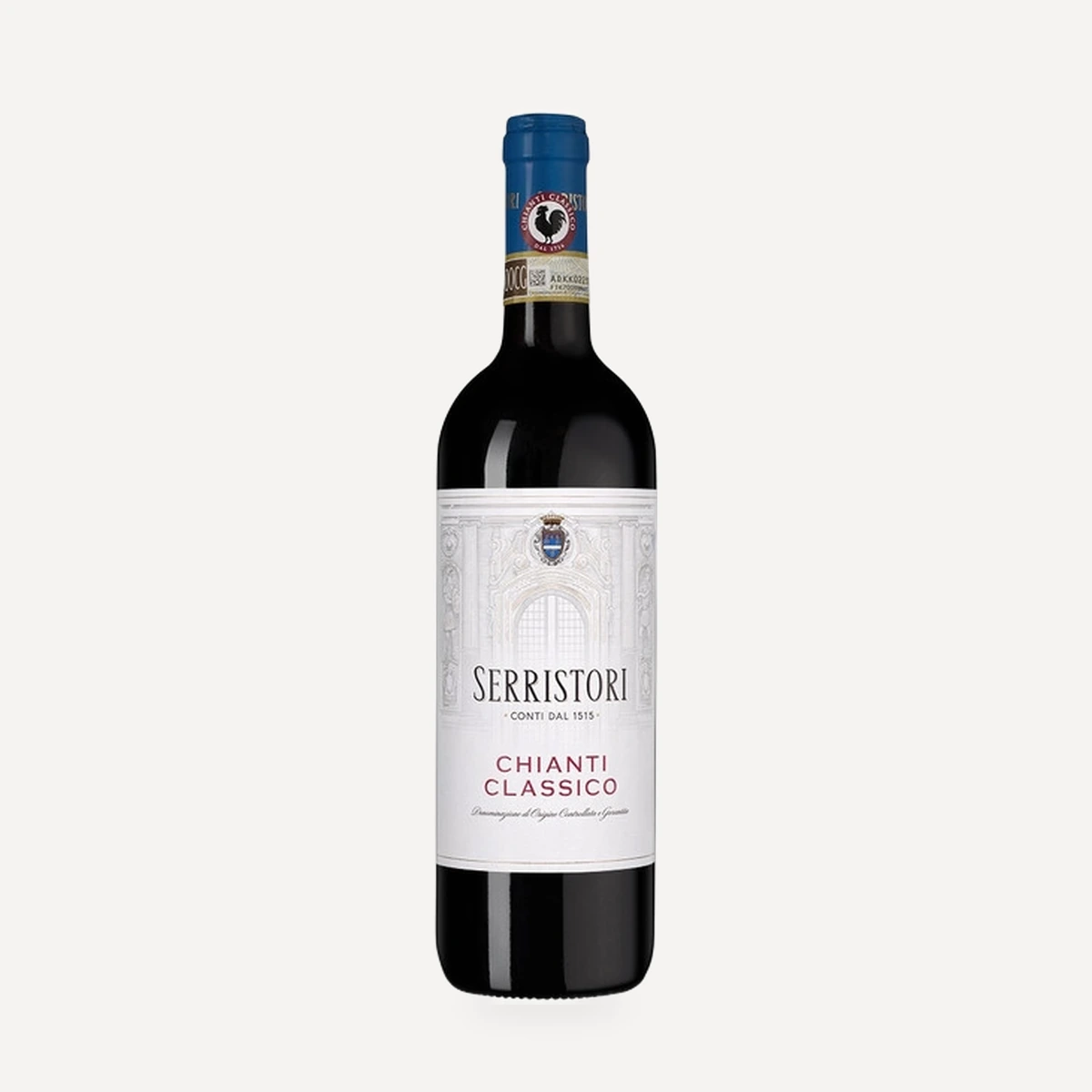
Chianti Classico DOCG
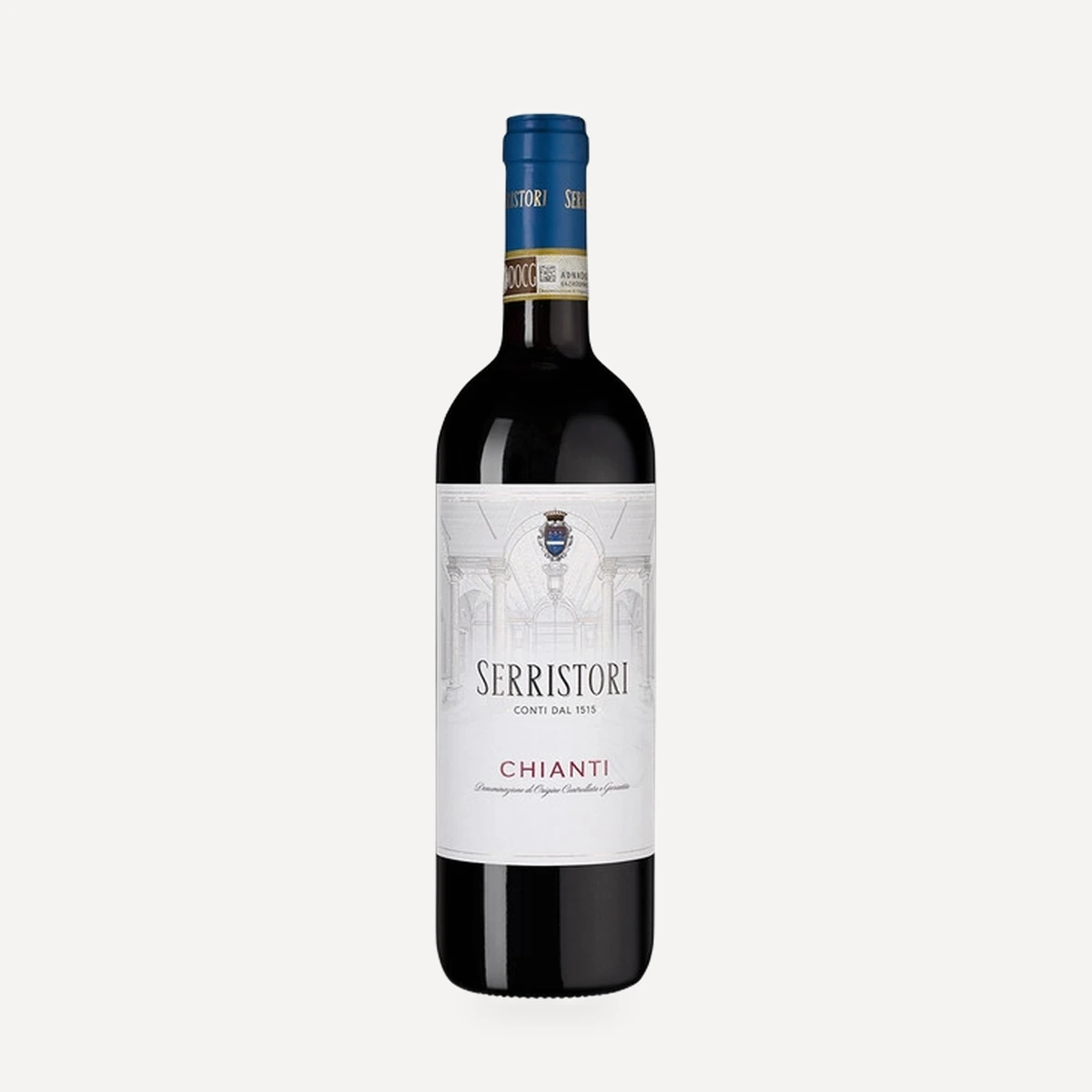
Chianti DOCG