History
A contemporary Italian collection
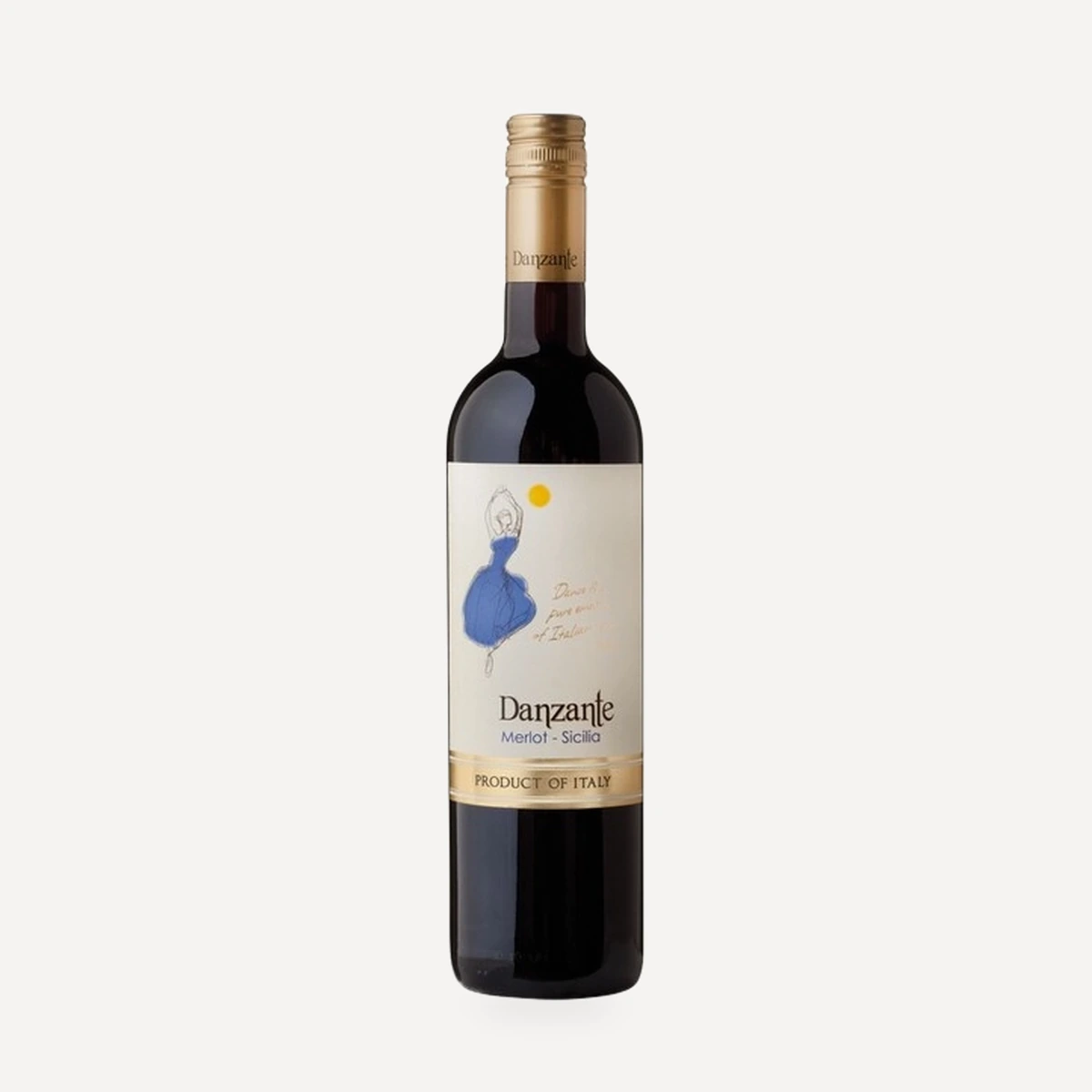
Danzante was conceived as a contemporary collection of Italian wines with a strong identity rooted in the country's winemaking heritage. Its purpose is to bring wine into everyday occasions, with conviviality, accessibility and sensory pleasure forming the central elements of the brand.
More than 20 years of grower collaboration
The collection developed through collaborations with experienced winegrowers in established Italian production areas. These relationships have been selected and cultivated over a journey of more than 20 years. The growers follow a rigorous production approach intended to preserve Italian winemaking expertise and regional character.
A multi-region identity
Danzante does not present itself as a single-estate operation. Its production model joins two principal geographical areas: Tuscany provides the fruit and wines associated with Chianti and Toscana Rosso, while Tre Venezie supplies the selections used for Pinot Grigio and Prosecco. Vineyards are chosen for the quality and flavour of their grapes. Danzante's enologists subsequently evaluate the resulting wines through dedicated tastings, select those intended for the cellar and oversee their preparation for the collection.
The present collection
The current range comprises four expressions: Chianti DOCG, Pinot Grigio Delle Venezie DOC, Toscana Rosso Toscana IGT and Prosecco DOC. Together they express the project's contemporary interpretation of Italian wine, spanning Tuscan reds, a northeastern Italian white and a sparkling wine.
Terroir
Tuscany
Tuscany forms the geographical base for Danzante Chianti and Toscana Rosso. The Chianti fruit comes from optimally south-facing vineyards. Their soils are stony and well drained, while the temperate climate combines generally sunny summer days with substantial temperature changes between day and night.
The other Tuscan red-wine vineyards also face south, an exposure that assists complete fruit ripening. Soils vary within this area but are particularly rich in sand and clay. Summers are characteristically hot and sunny.
Tre Venezie and the Adriatic influence
Tre Venezie provides the selections associated with Pinot Grigio and Prosecco. The Pinot Grigio production area is relatively high in altitude, with cool summers and warm air currents arriving from the Adriatic. This combination supports the variety's development.
Prosecco hills
The Glera fruit comes from hills within the Prosecco DOC appellation. The area lies between the sea and the foothills of the Alps. It has a temperate climate and a regular breeze that helps the grapes dry rapidly after summer rain. Glera has grown in this area for several centuries.
Winemaking
Danzante works with experienced winegrowers in established Italian production areas. The collaborations have been developed over more than 20 years and are associated with a rigorous approach to production. Vineyard selection prioritises the quality and flavour of the grapes.
Training systems vary by production area. Spurred cordon is used for the Chianti and Toscana Rosso vineyards, while the Pinot Grigio vineyards employ both spurred cordon and Pergola Trentina. Pinot Grigio is harvested by hand in September. The Tuscan red grapes are also collected in September, with Chianti harvested around the middle of the month and Toscana Rosso picked at full ripeness. The Prosecco harvest begins in September.
Selection and cellar intake
Danzante's enologists conduct dedicated tastings to identify the wines that meet the collection's requirements. The selected lots are taken into the cellar for further preparation and completion as Danzante wines.
Red-wine production
Chianti grapes are harvested around mid-September and undergo an average maceration of approximately 8–10 days. Fermentation is maintained at 28–29 °C to achieve polyphenolic extraction while preserving the characteristic aromatic profile of Sangiovese. The wine then remains in temperature-controlled stainless-steel tanks until bottling.
Toscana Rosso fruit is picked at full ripeness in September. Fermentation is continuously monitored at 28–29 °C, balancing polyphenolic extraction with retention of the fruit-driven aromatic profile. The wine subsequently spends six months in temperature-controlled stainless-steel tanks.
White-wine production
Pinot Grigio is harvested manually in September and gently pressed. The must ferments for 15 days at 20 °C, followed by four months of maturation in stainless-steel tanks to build complexity.
Sparkling-wine production
Glera is harvested from September onward and gently pressed. The must undergoes an initial fermentation in stainless steel to create the base wine. After the assemblage is defined, the base wine undergoes its second fermentation in pressurised stainless-steel tanks. The completed sparkling wine is then bottled. The process is identified as the Martinotti–Charmat method.
Philosophy
Danzante defines itself through Italian charisma, contemporary conviviality and the pleasure of shared everyday moments. Wine is treated as part of an Italian culture of passion, art, light-heartedness and enjoyment with friends and family.
Quality rests on established winemaking knowledge, careful regional and vineyard selection, long-term relationships with experienced growers and dedicated evaluation by enologists. The model is intended to retain the identity of recognised Italian production areas while presenting their wines in a contemporary and approachable collection.
The project also connects wine with Italy's culinary and cocktail culture. Rather than treating bottles as isolated products, Danzante frames them as part of gatherings, food, mixed drinks and an informal but attentive approach to enjoying wine.
Wines
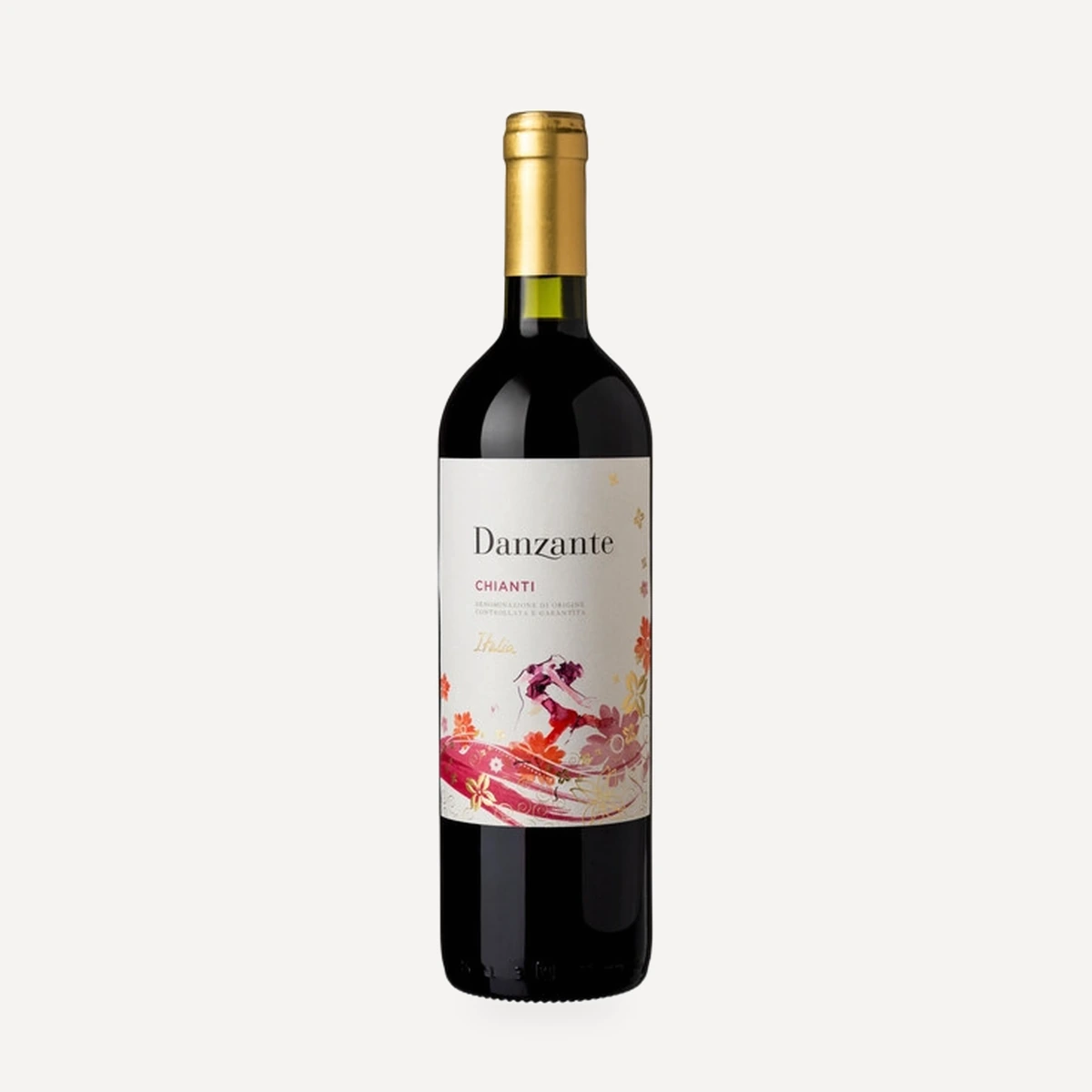
Danzante Chianti
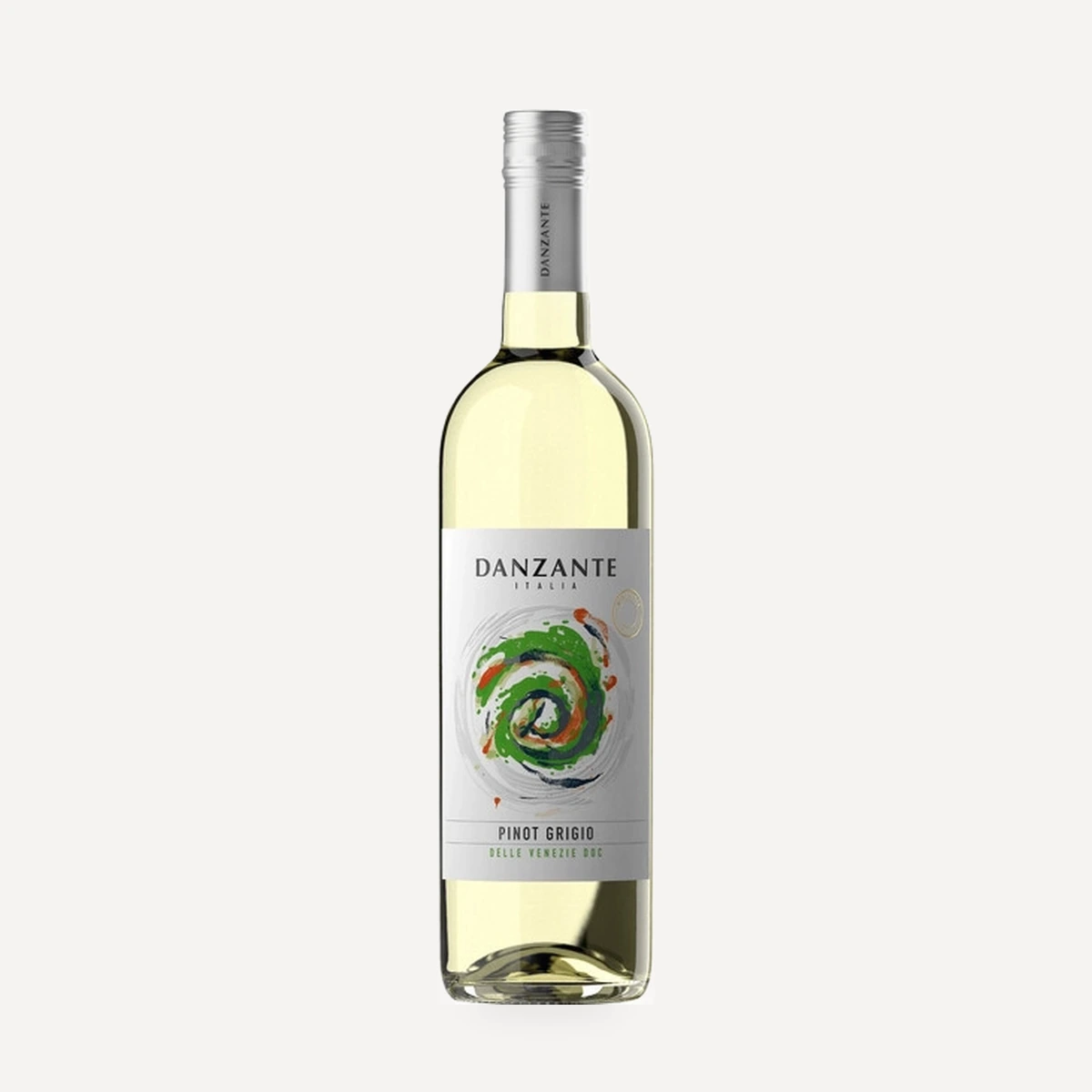
Danzante Pinot Grigio
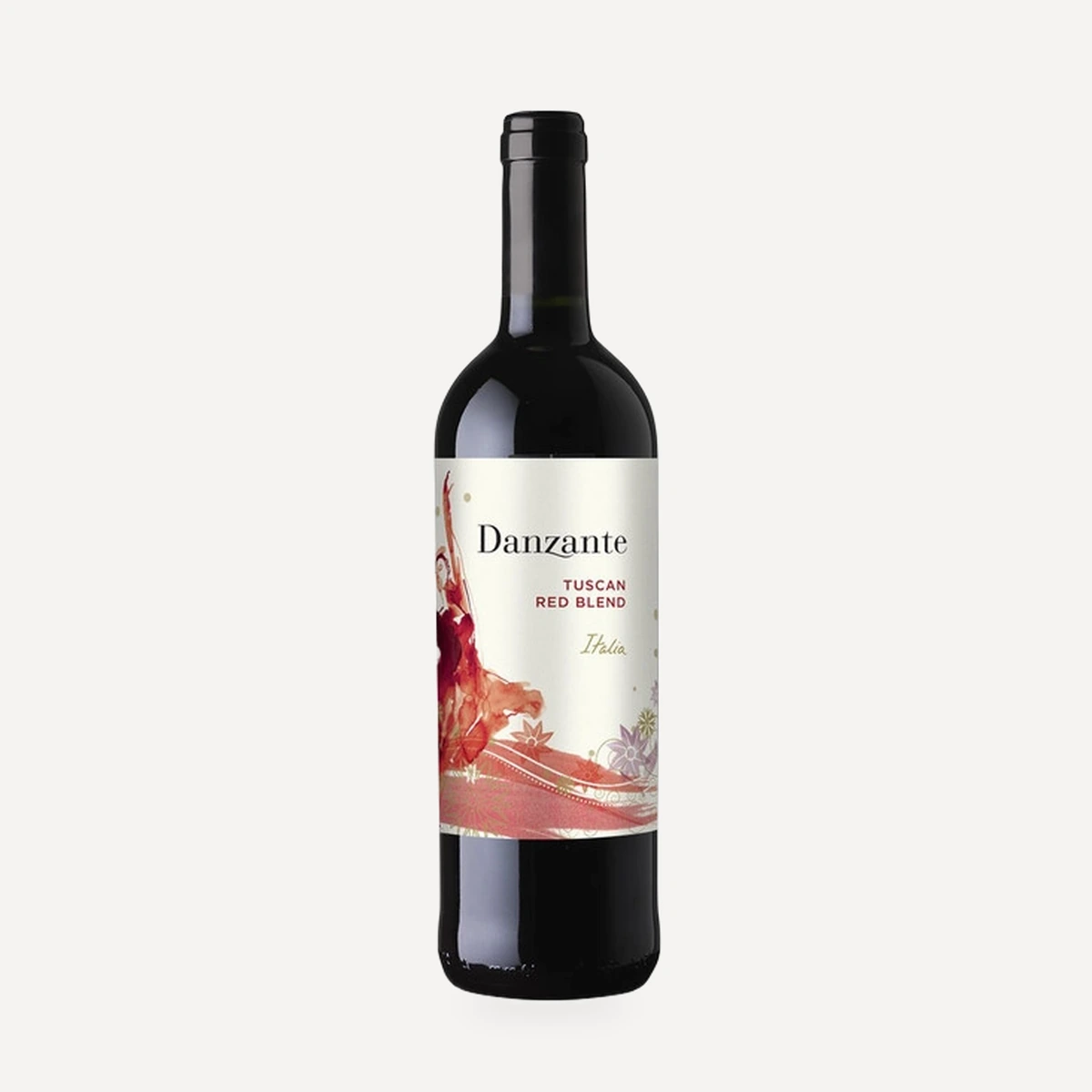
Tuscan Red Blend
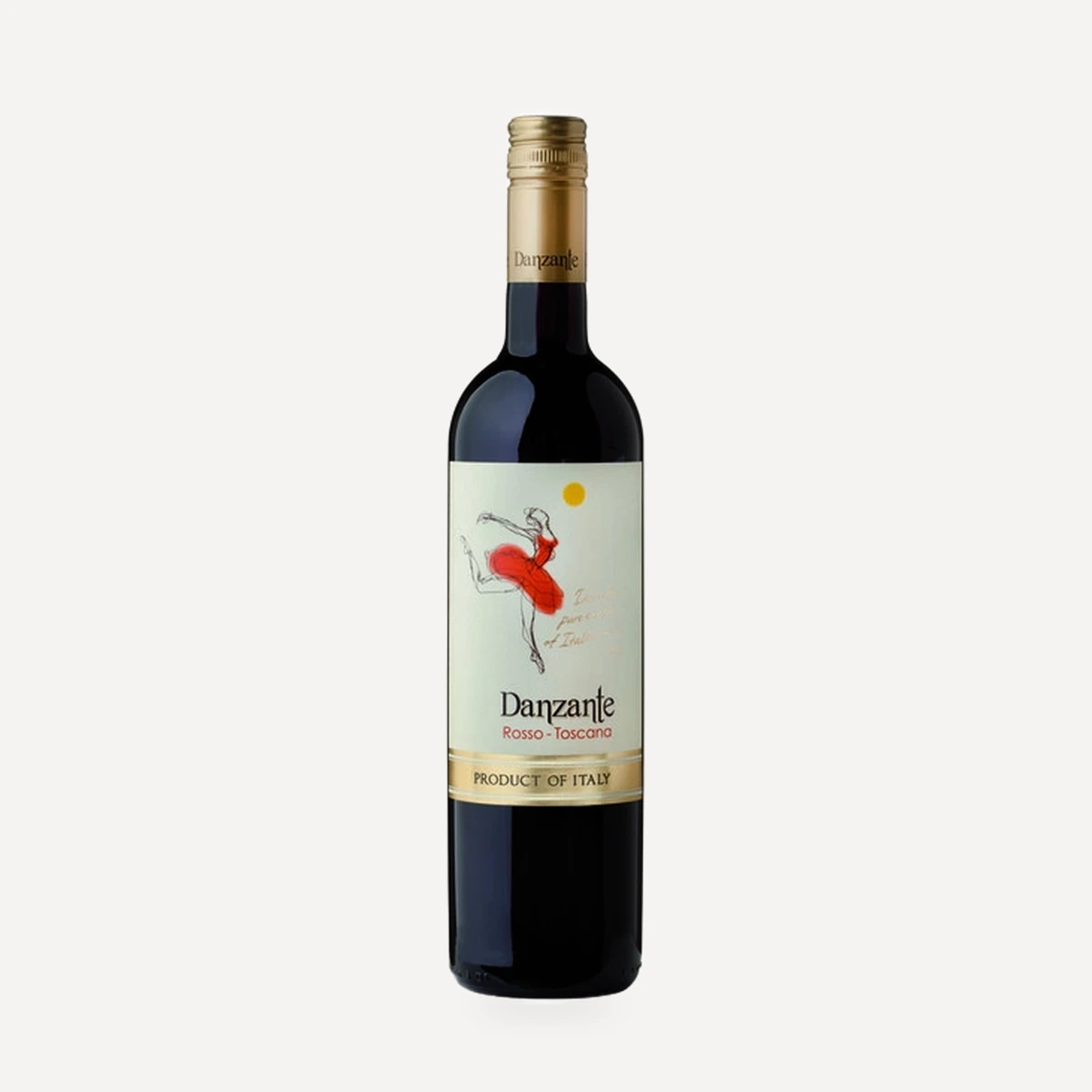
Danzante Toscana Rosso
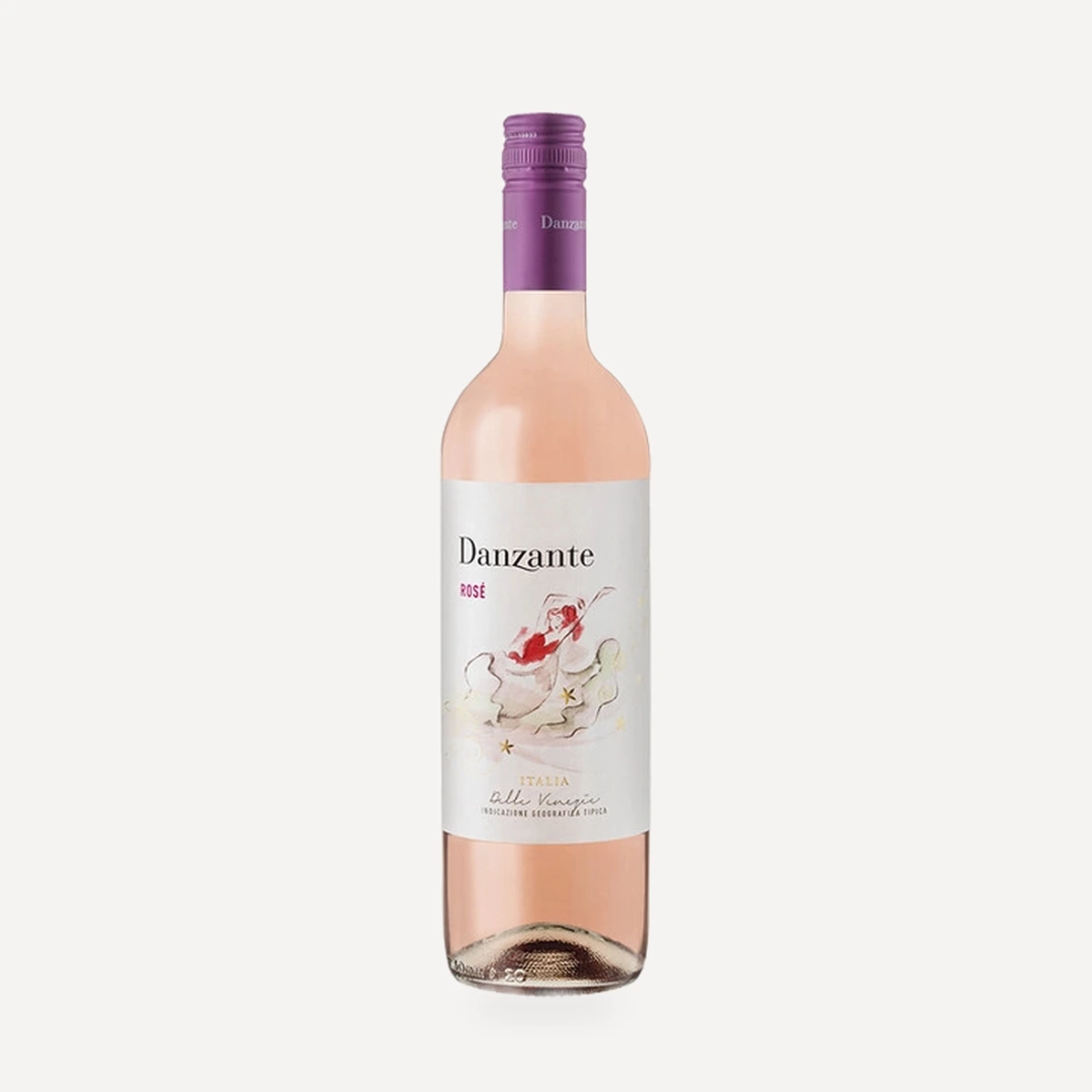
Rose delle Venezie IGT
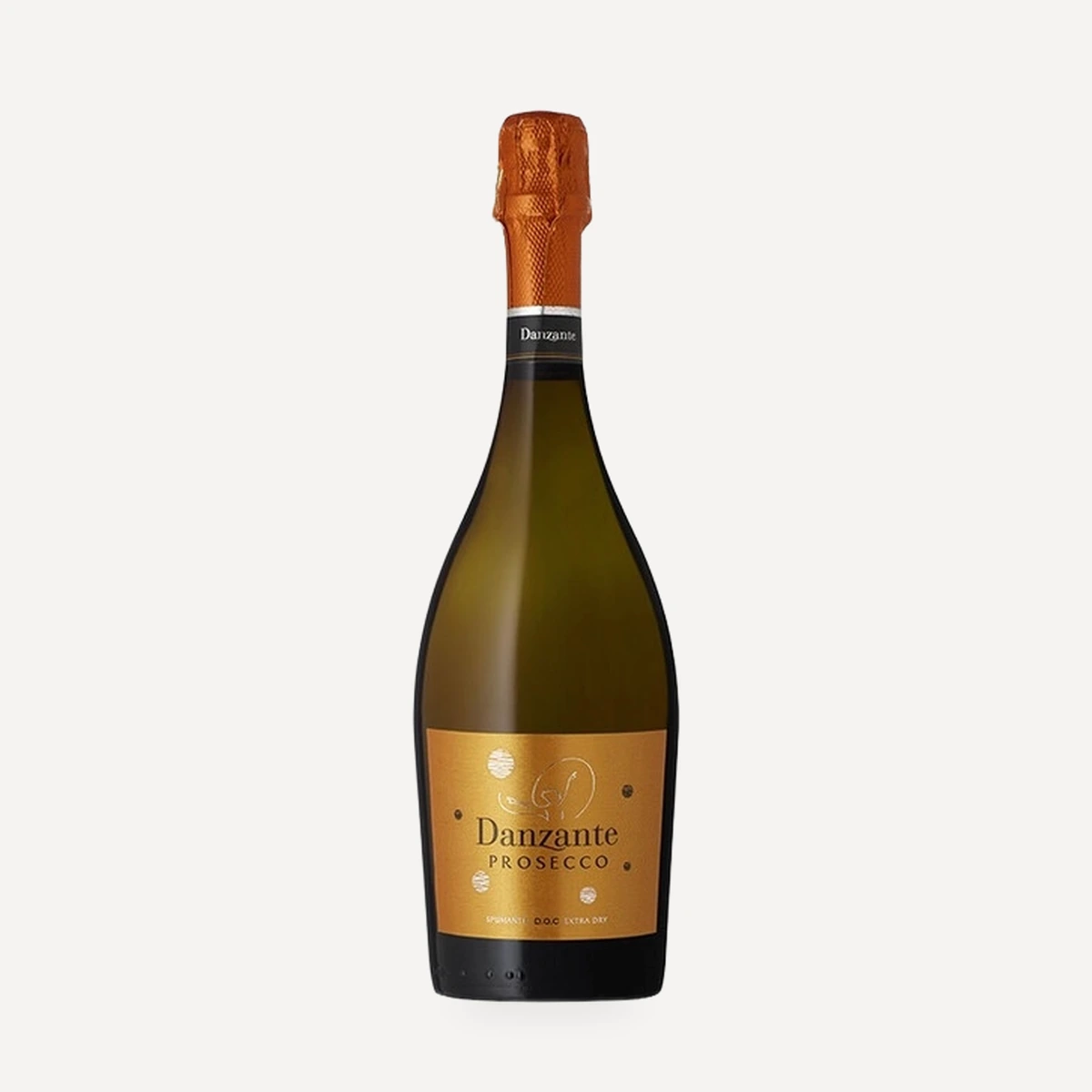
Danzante Prosecco