History
Luciano’s formation: 1946–1973
Luciano Sandrone was born in La Morra on 12 February 1946 to Ottavio and Rosa Sandrone. The family moved to Barolo while he was still an infant. He attended primary school in Barolo Castle from 1952 and grew up in a modest household without a viticultural inheritance.
His professional life in wine began in 1963 at Giacomo Borgogno & Figli. The small scale of that cellar required versatility, exposing him to production, deliveries and customer relations. Following military service, he moved to Marchesi di Barolo in 1967. He remained there until 1990, progressing from trainee to a position of responsibility in the cellar and replacing his early mentor, Pinoto Scarzello. His duties also extended to vineyard supervision and maintenance of the historic Via Roma cellar. Visits to Burgundy during the 1980s, including Romanée-Conti and the vineyards of Montrachet, sharpened his interest in the relationship between vineyard and cellar.
Mariuccia Allario, properly Maria Giuseppina, arrived in Barolo in 1966 and met Luciano while both were connected with the Borgogno family. They married on 20 April 1969. Their daughter Barbara was born on 3 October 1970.
The first vineyards and the first Barolo: 1974–1981
Luciano began managing approximately 5,000 m² at Le Coste in Barolo in 1974. It was a morning-facing site above the village and became the setting for his first independent experiments.
In 1977, without inherited land, he purchased his first Nebbiolo vineyard in Cannubi Boschis from Giovanni Carlo Cabutto, known as “Re cit.” The neglected planting had to be replanted completely. Luciano subsequently acquired a neighbouring plot, beginning the gradual consolidation of what would become a 1.5-hectare holding. The original parcel was only about one Piedmontese giornata, or 3,810 m².
The estate traces its independent production activity to 1978, when Luciano and Mariuccia committed themselves to making their own wine in the family garage. His first Barolo came from the 1978 harvest. At Vinitaly in 1981, an American buyer purchased almost the entire production of 1,500 bottles, giving the small venture its first decisive commercial opening.
Between the end of the 1970s and the beginning of the 1980s Luciano also purchased approximately 2,000 m² at Rivassi, adjoining Le Coste. He rented Vignane in Barolo in the early 1980s, after following the property for years.
Defining the range and production model: 1982–1990
Luciano continued attending Vinitaly from 1982, steadily building relationships in Italy and abroad. In 1985 he introduced the cobalt-blue label with the Sandrone name in gold, establishing a common visual identity for the developing collection.
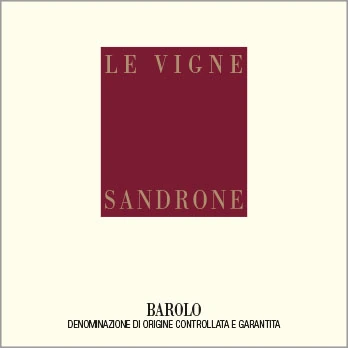
That year he also began producing the blended Barolo that became Le Vigne, initially combining separately handled lots from Le Coste and Cannubi Boschis. Gino Veronelli encouraged him to vinify Cannubi Boschis independently. Luciano retained both ideas: a single-vineyard Barolo from Cannubi Boschis and a traditional blended Barolo assembled only after the component vineyards had been vinified separately. The first Le Vigne was produced from the 1985 harvest and entered the market in 1990.
As the estate required full-time attention, Mariuccia left her employment at Marchesi di Barolo in spring 1986. She worked in the vineyards and cellar, including tying, green pruning and the hand bottling then required by the small operation. Luciano continued his outside employment until 1990.
In 1987 Luca Sandrone qualified as a wine technician at the Istituto Tecnico Enologico Umberto I in Alba. In the same year, Luciano noticed an anomalous vine in a small leased parcel at Le Coste belonging to Natale Ronzana, known as “Talin.” Its sparse, loose bunches, unusually small dark-blue berries, low vigour and deeply lobed leaves differed markedly from the surrounding vines. Luciano marked the plant, followed it through successive seasons and began microvinifications. Field grafting from the late 1980s into the early 1990s demonstrated that its characteristics could be reproduced. The research eventually involved ampelographer Anna Schneider.
The 1989 and 1990 vintages brought the wines broad international attention. Luciano regarded 1990 as the vintage that first established the estate’s quality: uniform ripening, useful day-night temperature variation and concentrated Nebbiolo produced wines of breadth and structure. A subsequent tasting of the 1990 Cannubi Boschis in 1994 generated significant American demand.
A family company and Valmaggiore: 1991–1998
Luca joined the estate permanently in 1992 after qualifying as an oenologist and gaining experience at Deltetto in Canale. That year he purchased Albarella in Barolo, a vineyard from which Luciano had already bought grapes. Barbara returned permanently in 1994 after accounting studies, English-language study in England, work with Air Europe and employment at a Milan legal office.
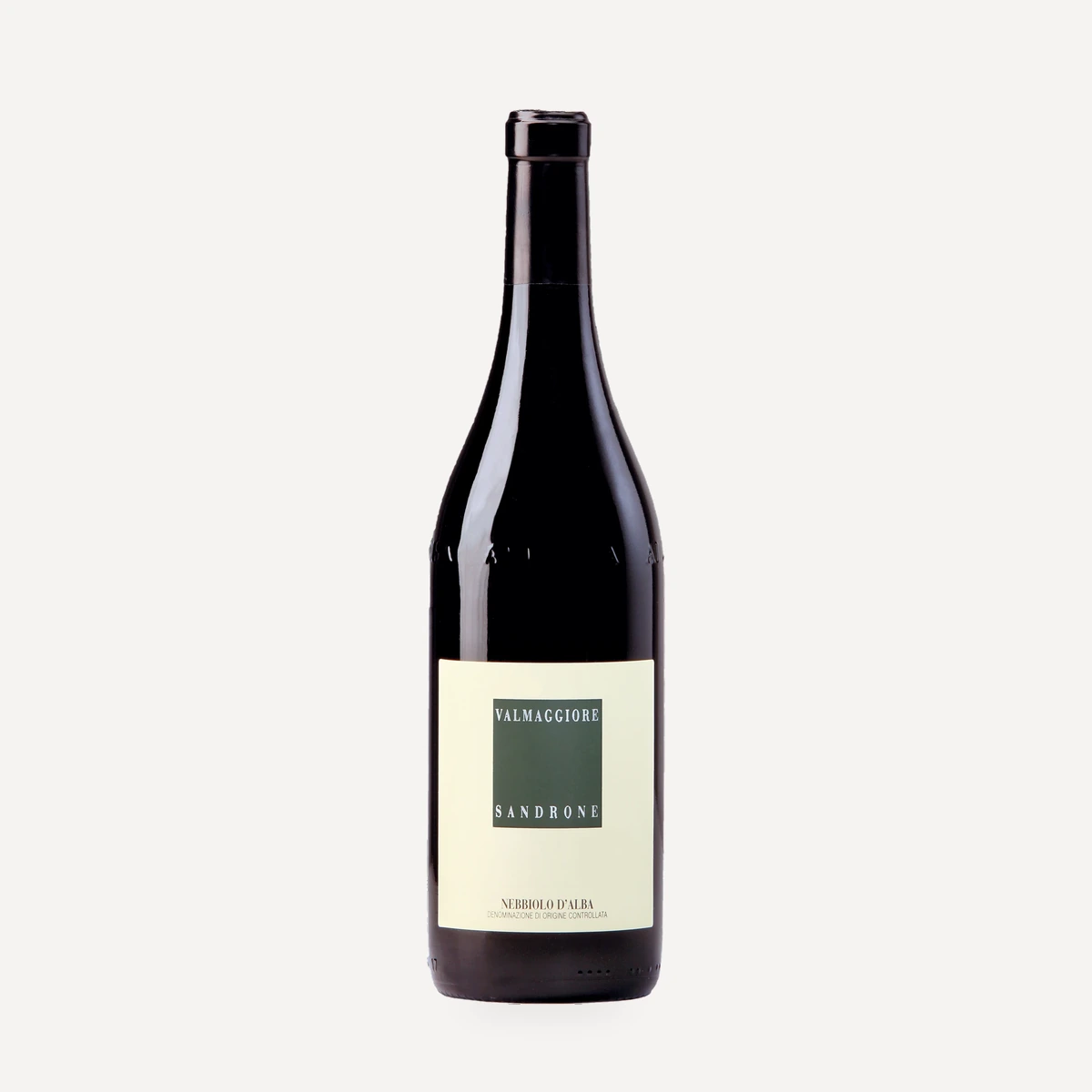
During the early 1990s Luciano, Luca and Barbara encountered Valmaggiore in Vezza d’Alba. Its steep, south-facing natural amphitheatre, sandy soils and established association with Nebbiolo prompted the family to assemble numerous small plots and create a contiguous vineyard while following the hill’s contours. The first Valmaggiore bottling came from the 1994 harvest.
Vignane, first rented in the early 1980s, was purchased in the mid-1990s. By the same period, propagated descendants of the unusual Talin vine had entered production. Vineyard and cellar trials continued because Luciano was not yet satisfied that the resulting wine was ready for release.
The Via Pugnane winery: 1999–2010
The new winery on the valley floor opposite Cannubi Boschis was completed in 1999 after one year of construction. Production moved from the family garage to Via Pugnane, where purpose-designed spaces and equipment allowed more precise vinification, maturation and experimental work.
From 1999 through 2002, Luciano vinified a small lot from Dino Gastaldi’s vineyard at Le Coste di Monforte. Its consistency, including in the difficult 2002 season, convinced him of the site’s potential. At Christmas 2002, he asked to be contacted if Gastaldi ever decided to part with it.
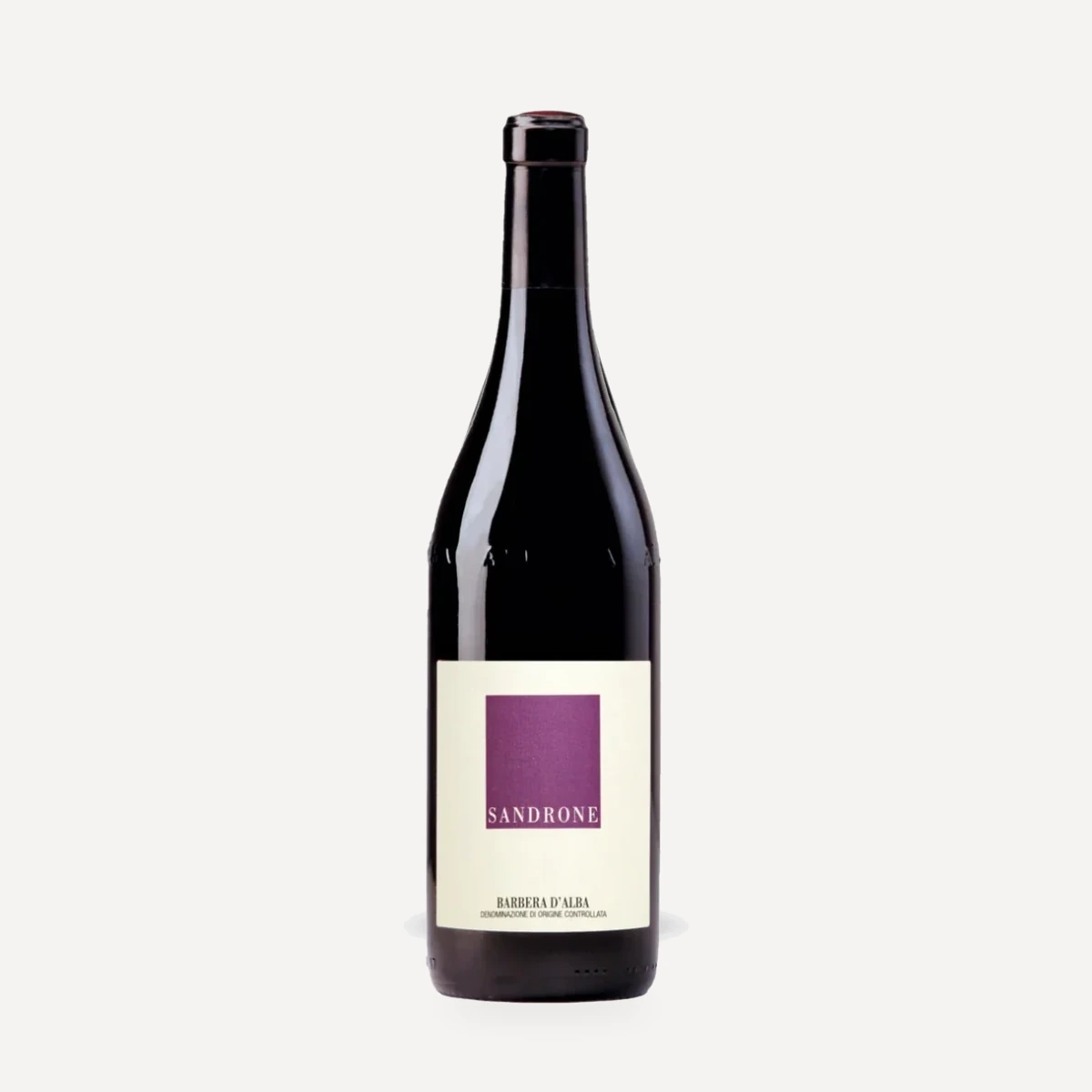
The estate bought the Pé mol farmhouse and surrounding land in Monforte d’Alba in 2000. For three years it produced a Barbera-based Langhe DOC Rosso named Pemol, after which the short-lived project was discontinued. In the early 2000s, Luciano reclaimed previously uncultivated ground at Rocche di San Nicola in Novello and planted Barbera. Relationships based first on grape purchases, then leases and ultimately acquisition also secured parcels at Ravera.
In the early 2000s Franco Vincitori began an approximately ten-year collaboration that helped structure the estate’s international market development. Anna Rech subsequently continued the export work.
The Sibi et Paucis library programme was launched in 2004 once climate-controlled storage space was available. From each vintage, 10–15% of the Nebbiolo-based production is retained without creating a separate selection. Valmaggiore returns to the market six years after harvest with a silver seal, while the Barolos return after ten years with a gold seal. The Latin name means “for oneself and for a few” and was proposed by Marisa Stratta from the writings of Pliny the Younger.
Expansion, succession and completed projects: 2011–2024
Between 2011 and 2014, the winery gained a south-facing wing. The project provided better accommodation for agricultural machinery, more rational vinification areas and additional underground rooms for preserving historical vintages. A stylised bicycle was installed outside after the 22 May 2014 Giro d’Italia time trial passed the cellar.
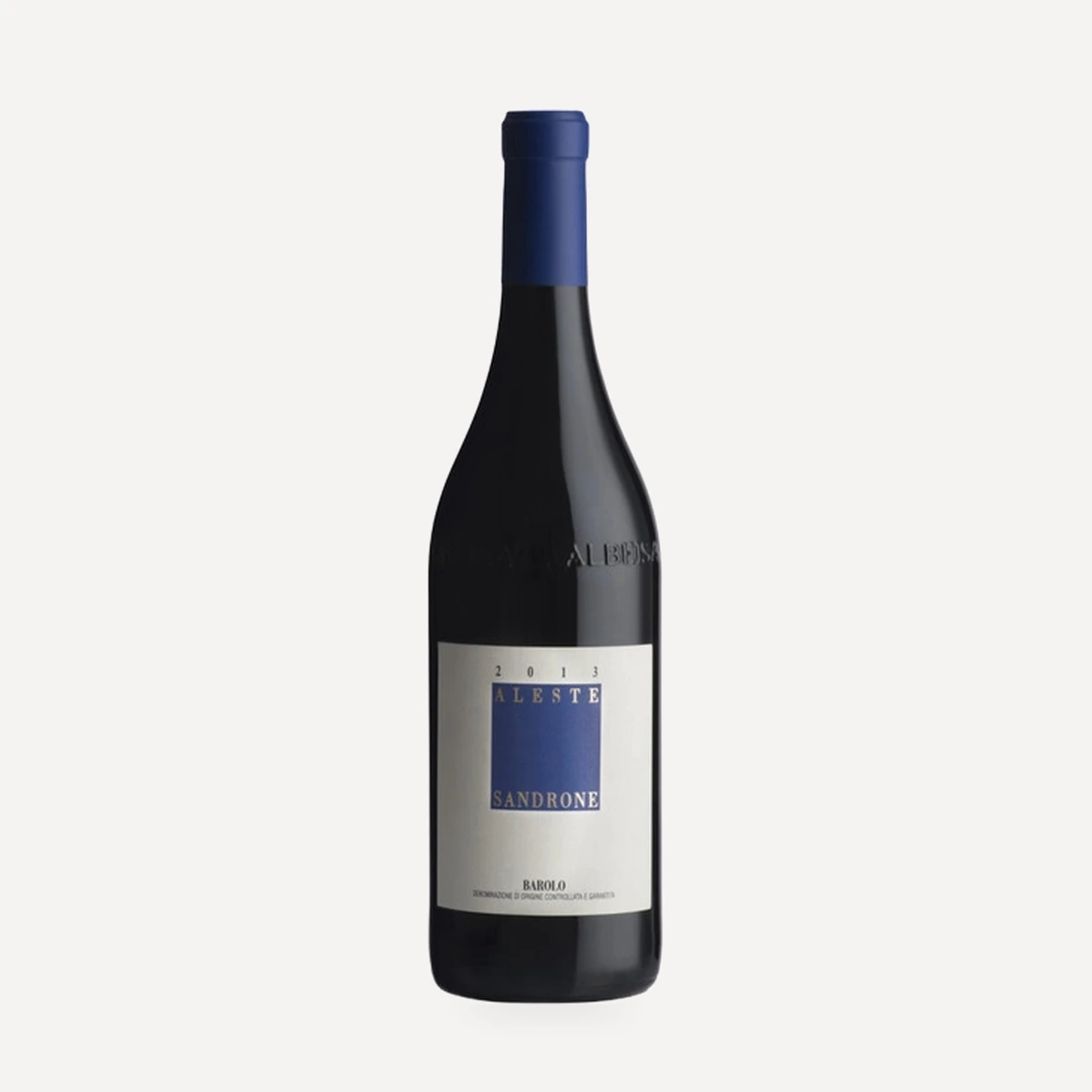
The final small Cannubi Boschis parcel was acquired in 2015, completing the present 1.5-hectare holding. In 2017 DNA analysis conclusively identified the Talin vine as Nebbiolo. From the 2013 vintage, Cannubi Boschis Barolo was renamed ALESTE, joining the first parts of the names Alessia and Stefano and dedicating Luciano’s first vineyard wine to the next generation. The first Vite Talin, also from 2013, was released in 2019 after six years of maturation and more than 25 years of trials.
Dino Gastaldi returned in 2018 with an offer to lease Le Coste di Monforte with a future purchase option. From the 2019 vintage it joined Vignane, Cerviano-Merli, Baudana and Villero in Le Vigne. The family purchased the 1.92-hectare parcel in 2021.
Sanitisation work on the Talin material produced the first experimental plantings behind the house in 2021. Further grafted vines were planted in the vineyard in 2024, 37 years after the original discovery. Research with CREA continues into the aromatic character of the grapes and wine.
Luciano Sandrone died on 5 January 2023. His wife Mariuccia, brother Luca, daughter Barbara and grandchildren Alessia, Stefano and Giacomo had progressively become involved in the family business, carrying the project into its second and third generations.
Terroir
Langa and Roero
The estate works on both sides of the Tanaro. To the river’s right, Langa is defined by compact, structurally firm marl, grey in places and bluish in others. Its slopes are demanding, and the soils are structurally rich but poor in readily available substance. To the left, in Roero, sand becomes more prominent within the marl and frequently contains fossil shells, creating a softer soil structure.
These differences derive from separate geological emergence. The Po Sea once covered the area. Langa emerged during the Miocene, approximately 15 million years ago; Roero followed 10–12 million years later during the Pliocene. The Tanaro now separates the two formations.
The climate is cold-temperate or continental: sun and heat do not consistently dominate the other atmospheric influences, and every vintage acquires an individual climatic identity. The Ligurian Apennines and Maritime Alps form barriers against dominant Mediterranean influence. Recent warming and reduced precipitation have altered the relative advantages of cooler, more humid sectors.
Barolo-side vineyards
Cannubi Boschis and Vignane lie in Barolo; Merli in Novello; Villero in Castiglione Falletto; Baudana in Serralunga d’Alba; and Le Coste di Monforte in Monforte d’Alba. The estate sought sunny positions protected from irregular winds and stagnant humidity, matching altitude, exposure and soil composition to Nebbiolo.
Cannubi Boschis occupies the long Cannubi hill north of Barolo and has marl of moderate compactness. Vignane lies at mid-slope on landslide-prone ground with dependable water availability. Merli receives cooler, damper influence from the Tanaro valley, a characteristic that has become useful in warmer, drier years. Baudana provides an elevated, open position with a 270-degree view across the northern Alpine arc. Villero is a sheltered, cradle-shaped site protected from wind. Le Coste di Monforte combines a south to south-southeast orientation, 410 m elevation and fresh influence from Alta Langa while remaining protected from excessive cold and summer heat.
Valmaggiore
Valmaggiore lies approximately 20 km from Barolo in Vezza d’Alba. It is a steep, south-facing natural amphitheatre in Roero with soft, sandy soils. Its form gives the vines full sun and allows low winter sunlight to warm the slope. The surrounding Roero landscape retains orchards, vegetable gardens, meadows and woodland alongside vines.
Winemaking
The estate works 27 ha directly across Langa and Roero, using grapes only from vineyards that it owns or rents. Site selection is based on the compatibility of altitude, exposure and soil composition with Nebbiolo, Barbera or Dolcetto.
Intervention is deliberately moderate. Agronomic operations are preferred to drastic chemical measures, and water and solar energy are treated as resources to be used responsibly. The vegetative cycle is followed vine by vine, with intervention intended to guide, correct or support each plant according to its behaviour and the conditions of the vintage.
Harvest is manual and selective. Timing is treated as a strategic decision rather than a purely logistical one: bunches are assessed in the vineyard, the best are selected and less mature fruit is left aside. Valmaggiore requires complete manual cultivation row by row because of its extreme gradient, followed by selective picking of the ripest grapes.
The Talin programme represents a long-term massal-selection and research effort. An anomalous vine identified in 1987 was observed over successive seasons, multiplied through field grafting and tested through microvinifications. DNA analysis confirmed Nebbiolo in 2017. Sanitised plants entered an experimental plot in 2021 and grafted vineyard plantings followed in 2024. Research with CREA is examining the aromatic character of the grapes and resulting wine.
Cellar and parcel handling
The Via Pugnane winery was completed in 1999 on the valley floor opposite Cannubi Boschis. Its purpose-designed spaces and equipment replaced the family garage and enabled more controlled vinification, maturation and research. A south-facing wing added between 2011 and 2014 created more rational areas for vinification equipment and agricultural machinery, together with new underground rooms for the historical-bottle library.
Vineyard origins are preserved through separate harvesting, vinification and maturation. Lots may continue independently as site wines or be assembled only after repeated tasting. For Le Vigne, the component vineyards remain separate through vinification and maturation before the final blend is renewed for each vintage. Barbera and Dolcetto parcels are likewise vinified separately before blending.
Open stainless-steel vats are used for the primary fermentation and maceration of the principal Nebbiolo wines, with spontaneous fermentation from indigenous yeasts. Dolcetto undergoes alcoholic and malolactic fermentation in stainless steel. For Barbera, Valmaggiore and the principal Barolos, malolactic fermentation and maturation take place in 500-litre French-oak vessels. Bottle refinement is integral: at least three months for Dolcetto, about nine months for Barbera and Valmaggiore, and at least 18 months for Le Vigne and ALESTE.
Vite Talin follows a distinct protocol developed for its unusually concentrated fruit: complete destemming; warm anaerobic pre-fermentation maceration; fermentation with indigenous yeasts in upright 50-hL wooden vats; approximately 20–35 days of total maceration depending on the vintage; settling of coarse lees in stainless steel; malolactic fermentation and two years in 500-litre French-oak tonneaux; a further year in large oval French-oak casks; and three years of bottle refinement before release.
Time and the wine library
Time is treated as an active production factor rather than a means of quickly softening youth. Sibi et Paucis reserves 10–15% of every vintage of the Nebbiolo-based wines in climate-controlled underground storage. These are not special selections: they are portions of the normal lots retained in ideal conditions. Valmaggiore is released after six years with a silver seal, while the Barolos return after ten years with a gold seal.
Philosophy
Luciano established a quality-first philosophy without the advantage of inherited land. Its foundation is a restricted focus on three native varieties—Nebbiolo, Barbera and Dolcetto—grown only in vineyards owned or rented by the family. The limited collection of six red wines is intended to keep technical and operational attention concentrated on identity, consistency and origin.
The family seeks intensity without heaviness: fragrance, harmony, longevity and a balance in which no single structural element dominates. Vintage variation is not treated as a defect to be erased. Each harvest has its own conditions, and the goal is to reveal those differences while retaining a recognisable Sandrone style.
In the vineyard, the vine is regarded as resilient but intolerant of excess: overly fertile soils, exaggerated intervention, strong wind and stagnant humidity are avoided. Work is based on close familiarity with individual vines and sites. Harvest represents both the culmination of the vineyard year and the beginning of the cellar process.
In the cellar, the family’s stated role is to accompany the natural progression from bunch to must and wine. Time governs maturation; shortcuts intended to disguise youthful angularity are rejected. The production model combines the traditional Barolo practice of blending sites with separate vinification and maturation of each origin, allowing the final composition to respond to each vintage.
Environmental responsibility is expressed through moderate intervention, preference for agronomic solutions, responsible use of water and solar resources, workplace safety and care for the land inherited by future generations. Family continuity is central: Luciano’s experience is carried forward by Mariuccia, Luca, Barbara and the emerging generation of Alessia, Stefano and Giacomo.
Wines
Barolo Aleste

Barolo Vite Talin
Nebbiolo d'Alba Valmaggiore
Barbera d'Alba
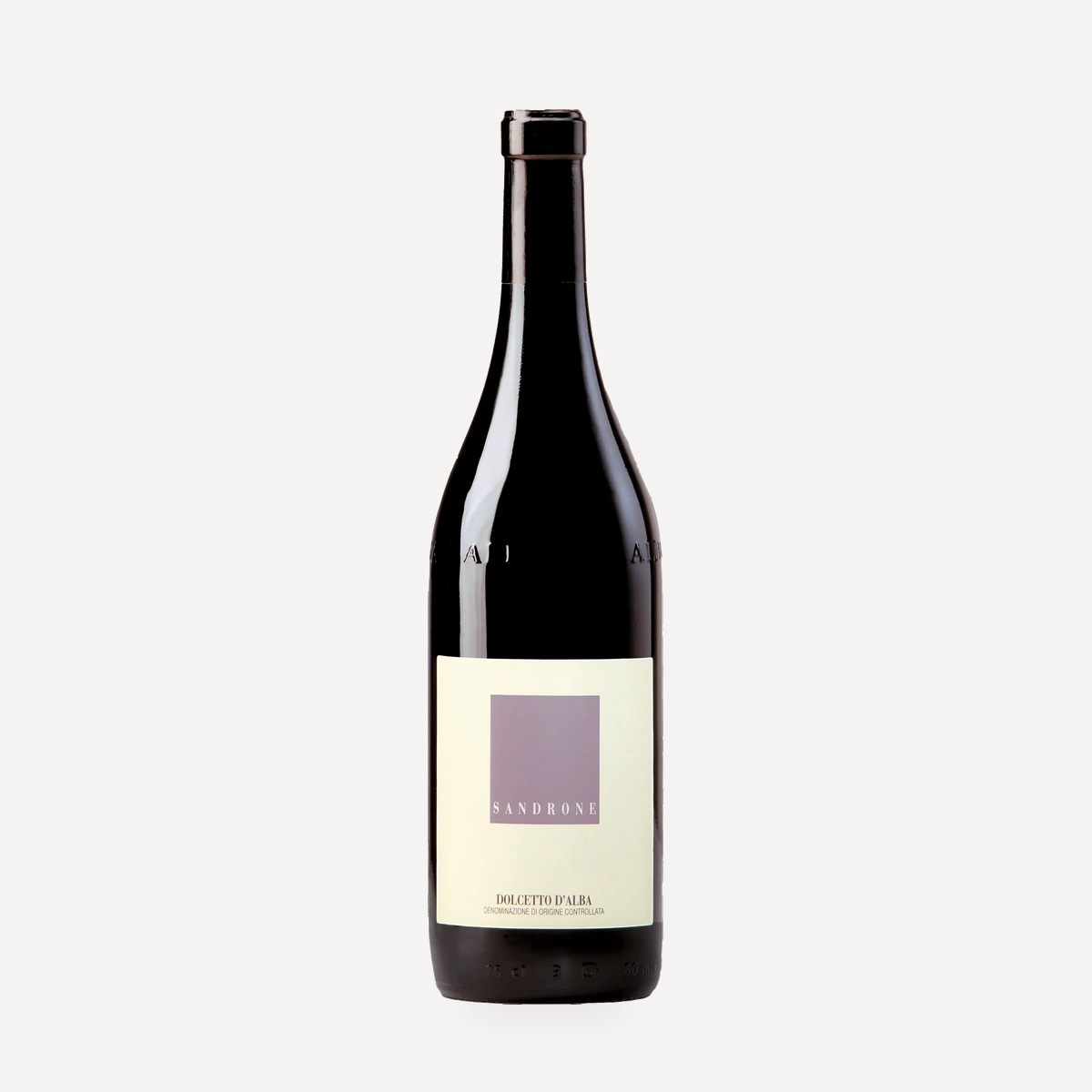
Dolcetto d'Alba