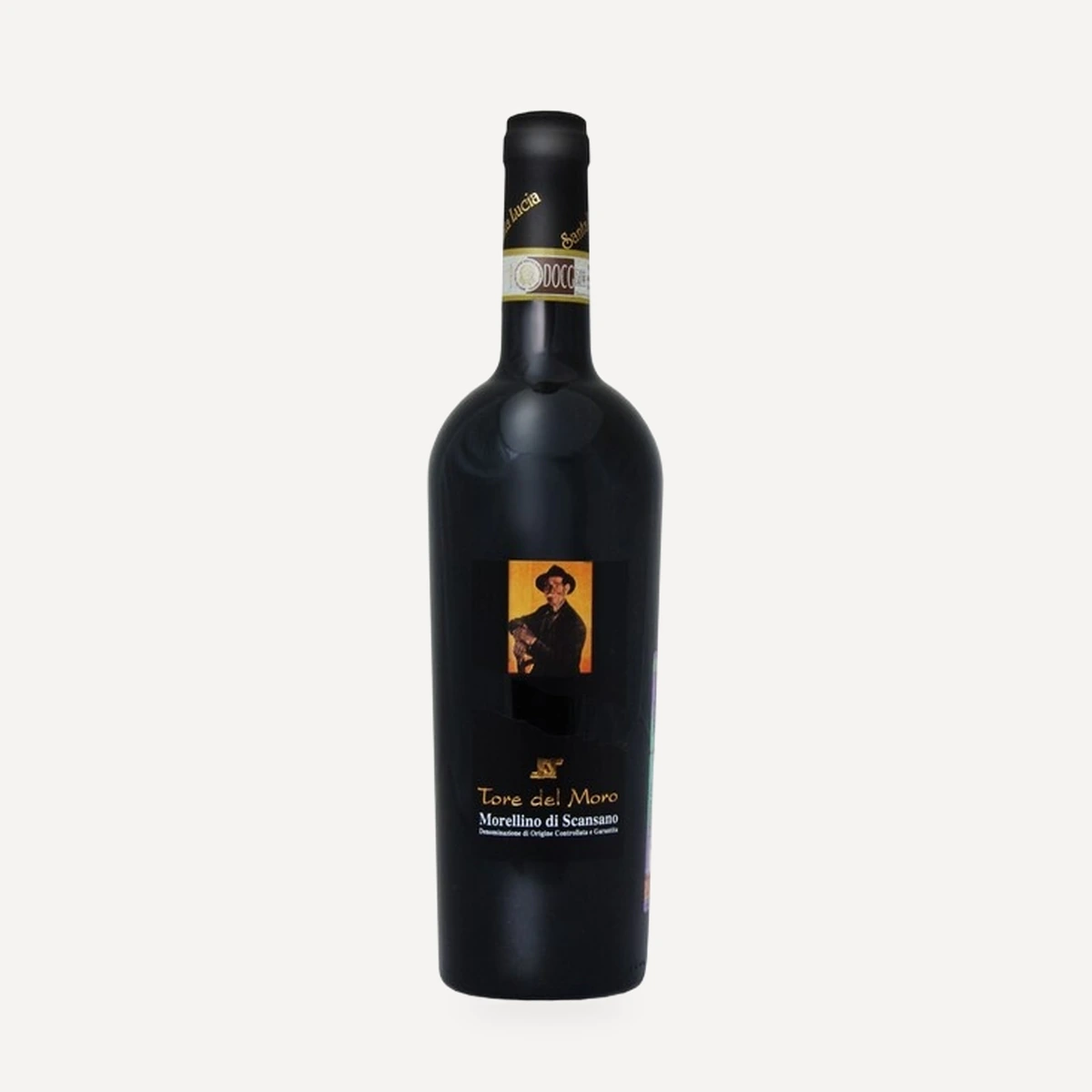
History
Medieval landscape and ecclesiastical lands
The estate occupies land at the meeting point of the Pisan and Florentine sections of the Arno valley, on the first hills separating the Arno from Valdera. Its present agricultural complex incorporates the western part of the former San Gervasio estate, once associated with the Counts of Montauto and, earlier, the Florentine Marquises Alemanni Uguccioni. It also includes part of the Montecastello estate, land adjoining Fattoria di Varramista and portions of the Montopoli property once connected with the Florentine Guicciardini family.
During the Early Middle Ages and into the Carolingian period, much of the surrounding territory belonged both spiritually and temporally to the bishops of Lucca. The Romanesque parish church of San Gervasio exercised religious authority over an extensive district, possessed a baptismal font and had numerous monasteries and churches under its jurisdiction. In the administrative reorganisation of the mid-12th century, San Gervasio, Palaia and Montopoli became dependencies of the imperial town of San Miniato.
Many of the monasteries and churches formerly dependent on San Gervasio have disappeared. Within the estate, the 120-metre poggio di Santa Lucia appears to have been levelled by human activity and preserves remains of a former monastery. Below it lie a vineyard, terraced olive trees, an ancient spring and a large brick washhouse, probably associated with the monastic settlement. The estate takes its name from this hill.
The legend of Santa Lucia and the baptismal font
A local tradition relates that an ancient wooden statue was removed from the abandoned monastery and its baptismal font to the castle of San Gervasio. The statue is said to have disappeared and reappeared when Montecastello received a baptismal font in 1260, because the church there faced the hill of Santa Lucia. The story is linked to the historical transfer of baptismal fonts from monasteries outside civil jurisdictions, first to feudal castles and later to the municipalities that superseded them.
Pontedera’s historical setting
Medieval Pontedera stood at the edge of Pisan territory, protected by the Armonico moat and by a bridge over the Era near its confluence with the Arno. It was placed under the patronage of Calcinaia; the baptismal church of San Filippo e Iacopo, built in 1271 through a concession and initiative of San Martino in Kinzica, was likewise subordinated to Calcinaia.
Pontedera was repeatedly sacked during conflicts with Pisa and occupied by Florentine forces, who filled the moat before it was later reopened. The historical account preserved by the estate places Florence’s definitive occupation after the passage of Charles VIII in 1435. Florence found the town depopulated and resettled it with 100 families from Camporgiano in Garfagnana and another 100 from Albiano in Lunigiana. These settlers initially received a 50-year tax exemption, later renewed for a further 50 years.
In 1855, Ripetti described Pontedera as a substantial settlement with a broad central road lined by fine residences. He also characterised its Friday markets as exceptionally busy, benefiting from the town’s position at the outlet of the Pisan Valdarno.
Long-established vineyards
Nineteenth-century works record that vineyards and flourishing olive trees were already present after the year 1000 on the fertile land between Montopoli and the south-eastern side of Pontedera. The vines were not limited to the period’s customary tree-trained plantings on terraces; they also grew in continuous rows.
An elderly estate farmer recalled that his family had worked podere Roma—the central one of the three vineyard plateaus—as sharecroppers for generations. The wine was sold while the grapes were still on the vines, before harvest, and local intermediaries set its value through a form of auction.
The vineyards were subsequently renewed with propagation material taken from their predecessors, preserving the established plant material. Valley floors separating the three vineyard plateaus were also reforested.
Research and recent development
Since 2003, Fattoria Santa Lucia has participated in the University of Pisa scientific centre’s programme for the enhancement of lesser Tuscan grape varieties. The collaboration focuses particularly on an estate Ciliegiolo clone, with some rows managed directly by the university’s Department of Agriculture.
On 24 June 2014, during the night of San Giovanni, the estate presented CheRubino, described as its newest label and conceived as a leading expression of the property and its maritime-influenced setting.
Terroir
Fattoria Santa Lucia lies in the inland part of the province of Pisa, where the Pisan Arno valley ends and the Florentine Valdarno begins. The estate occupies the first slopes of the hills separating the Arno from Valdera. With no intervening higher ground and the sea approximately 20 km away in a straight line, the vineyards receive maritime breezes that reach and refresh them on summer evenings.
The 12 hectares of vineyards occupy three neighbouring plateaus—poggio di Santa Lucia, podere Roma and Borgo alla Cantina—separated by small, recently reforested valley floors. Most rows face south-east.
The soils are medium-textured mixtures of sand and Pliocene clay, interspersed with lenses of marine gravel containing abundant fossil shells. On poggio di Santa Lucia the ground becomes distinctly sandy, while fossils recall the sea that once covered the hills. The hill rises to 120 metres and carries vines above terraced olive plantings.
A lake occupies the valley floor and includes a small island, water lilies and habitat used by migratory birds. Sunny slopes around poggio di Santa Lucia face the medieval settlements of Montecastello and San Gervasio.
Winemaking
The estate is certified organic and presents BioAgriCert as its certifying body. Its approach centres on varieties described as native or traditional to the property.
The vineyards were renewed using propagation sticks taken from the pre-existing vines, with the aim of maintaining continuity in their plant material. Planting density is approximately 6,000 vines per hectare. Vines are trained to a semi-lateral spur-pruned cordon at spacings of 2.20 m by 0.70–0.80 m. Selective crop management targets approximately 1 kg of grapes per vine, equated with roughly one Bordeaux bottle per plant.
Harvesting is manual, with grapes placed in boxes. The traditional sequence begins with Ciliegiolo at the end of August, continues with Sangiovese and finishes with San Colombano at the beginning of October.
Since 2003, rows devoted to Ciliegiolo have supported the University of Pisa programme for lesser Tuscan grape varieties. Some are managed directly by the university’s Department of Agriculture as part of work on the estate’s Ciliegiolo clone.
Vinification and ageing take place at Borgo alla Cantina. Red grapes are fermented in steel vats under strict temperature control at 28–29°C, followed by approximately two weeks of skin maceration, adjusted to the conditions of the vintage.
Wines selected for extended maturation rest in barriques and tonneaux made from fine French oak. They then continue maturing in bottle. Oenologist Francesco Bartoletti determines ageing periods and blending decisions.
The cellar combines these established practices with temperature-controlled stainless steel and a stated commitment to developing new techniques while retaining the area’s wine tradition. Estate wine and olive oil are bottled on the property and are also offered in bulk and, where applicable, in 5- and 10-litre bag-in-box formats.
Philosophy
Fattoria Santa Lucia presents continuity with local agricultural tradition as the foundation of its work. The vineyards are propagated from pre-existing estate material, and the production philosophy favours grape varieties regarded as native or historically established on these lands.
The estate seeks to preserve the area’s longstanding wine culture while advancing new techniques. This balance appears in its use of manual harvesting, organic farming, traditional varieties, controlled steel fermentation and maturation in French oak and bottle.
Its research partnership on Ciliegiolo extends that philosophy beyond commercial production: selected rows support the study and enhancement of a lesser Tuscan variety, linking inherited plant material with scientific work. The broader property is managed as an integrated agricultural landscape of vineyards, olive groves, coppice woodland, reforested valley floors and hospitality facilities.
Wines
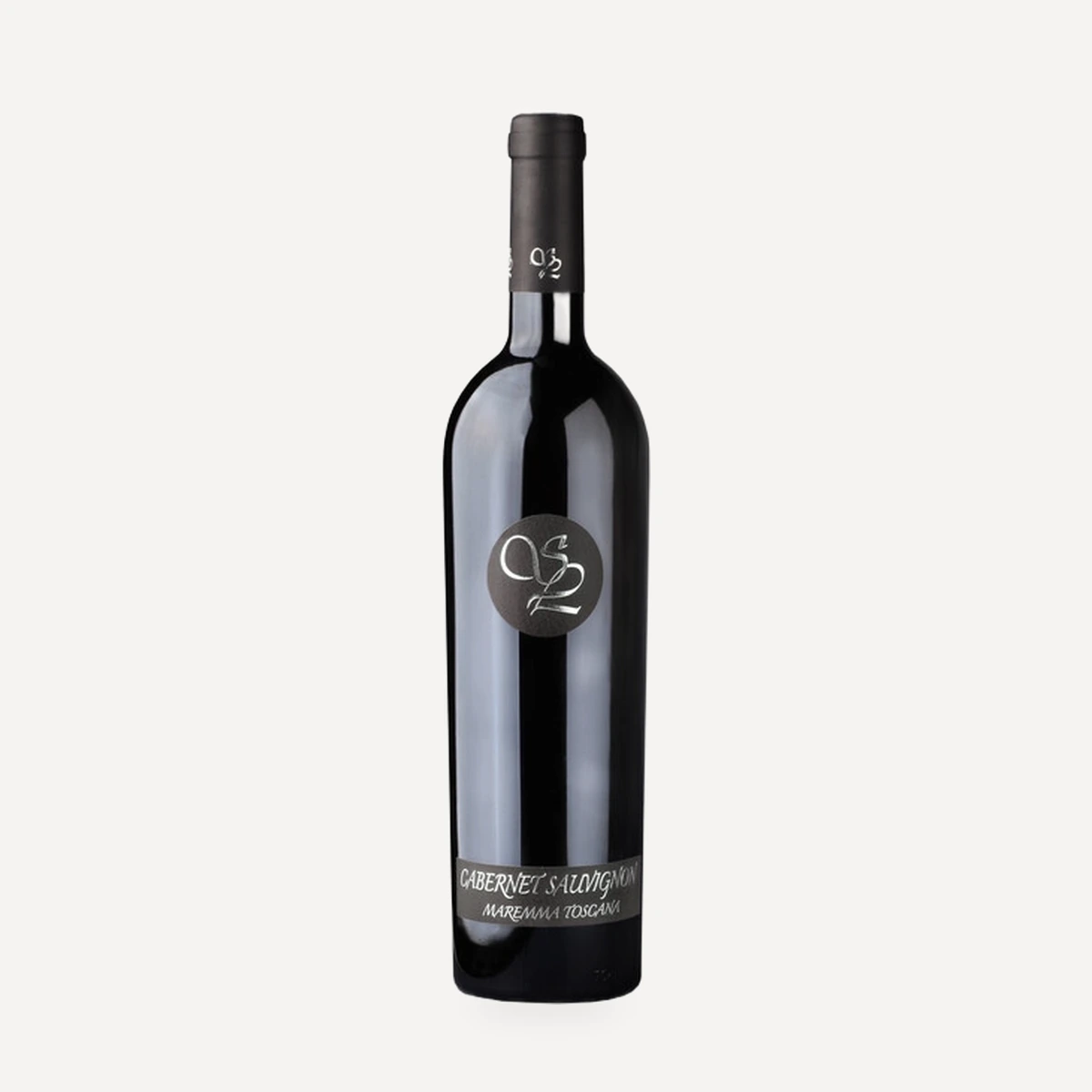
SL Cabernet Sauvignon Capalbio DOC
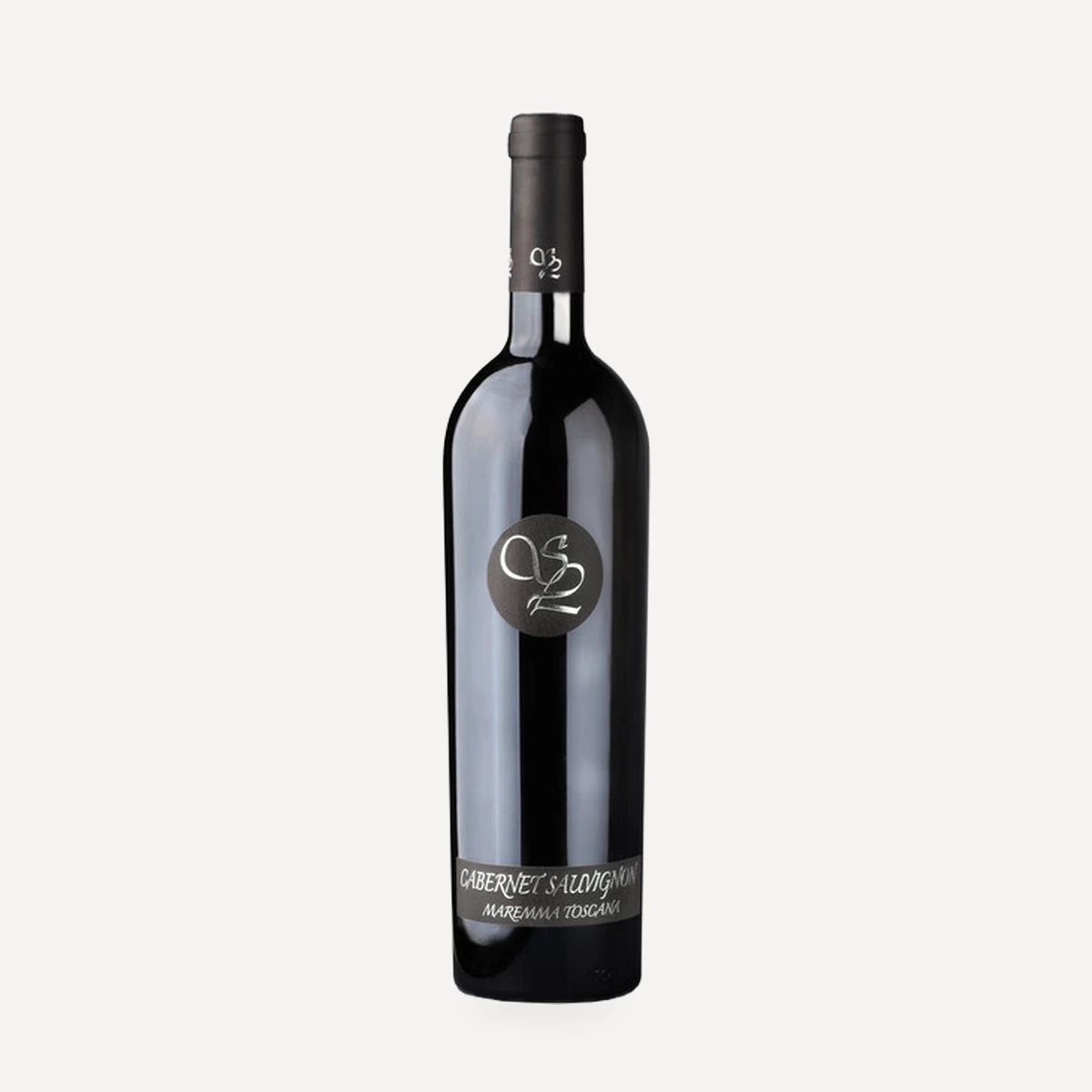
SL Cabernet Sauvignon Maremma Toscana DOC
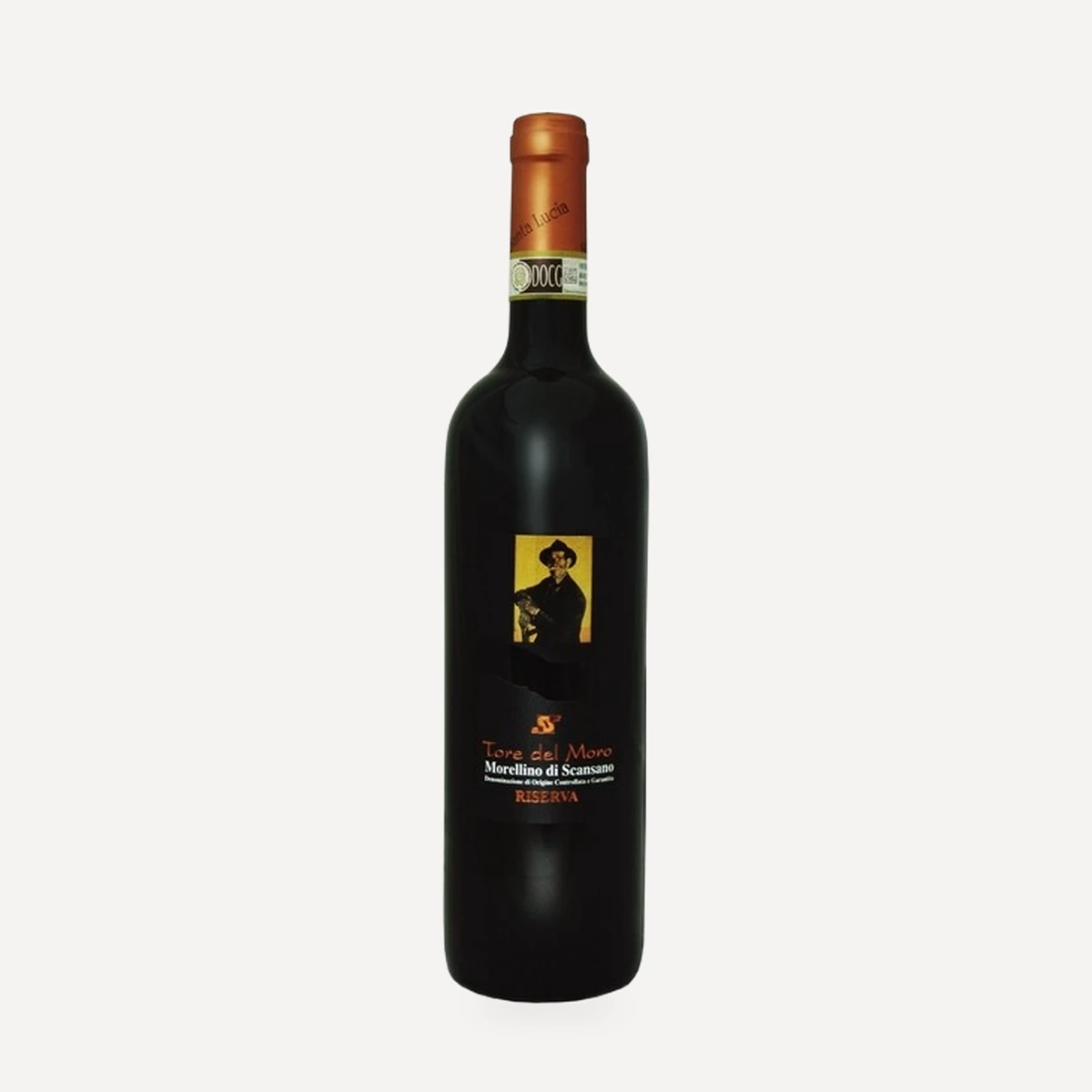
Tore del Moro Riserva Morellino di Scansano DOCG
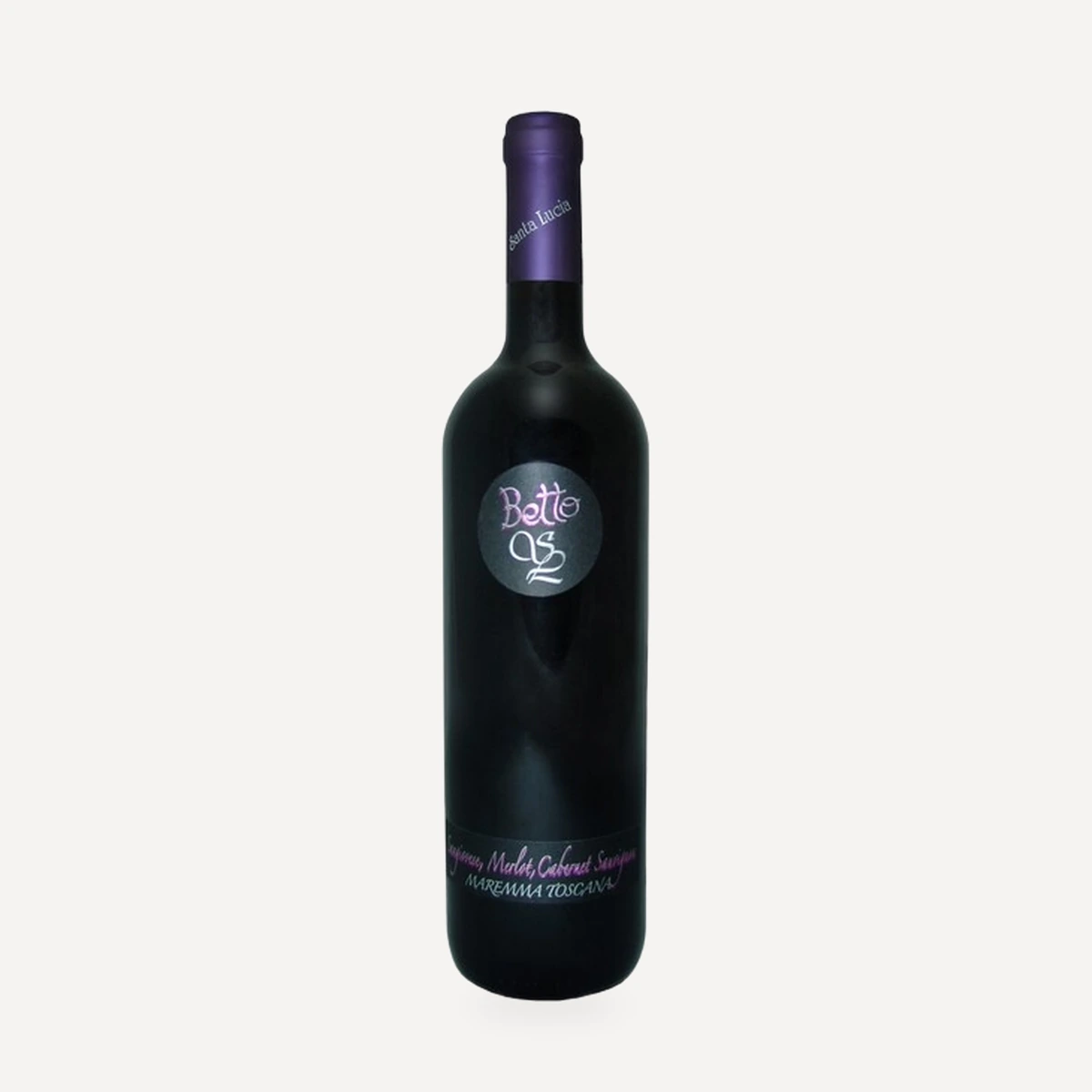
Betto Maremma Toscana Rosso IGT
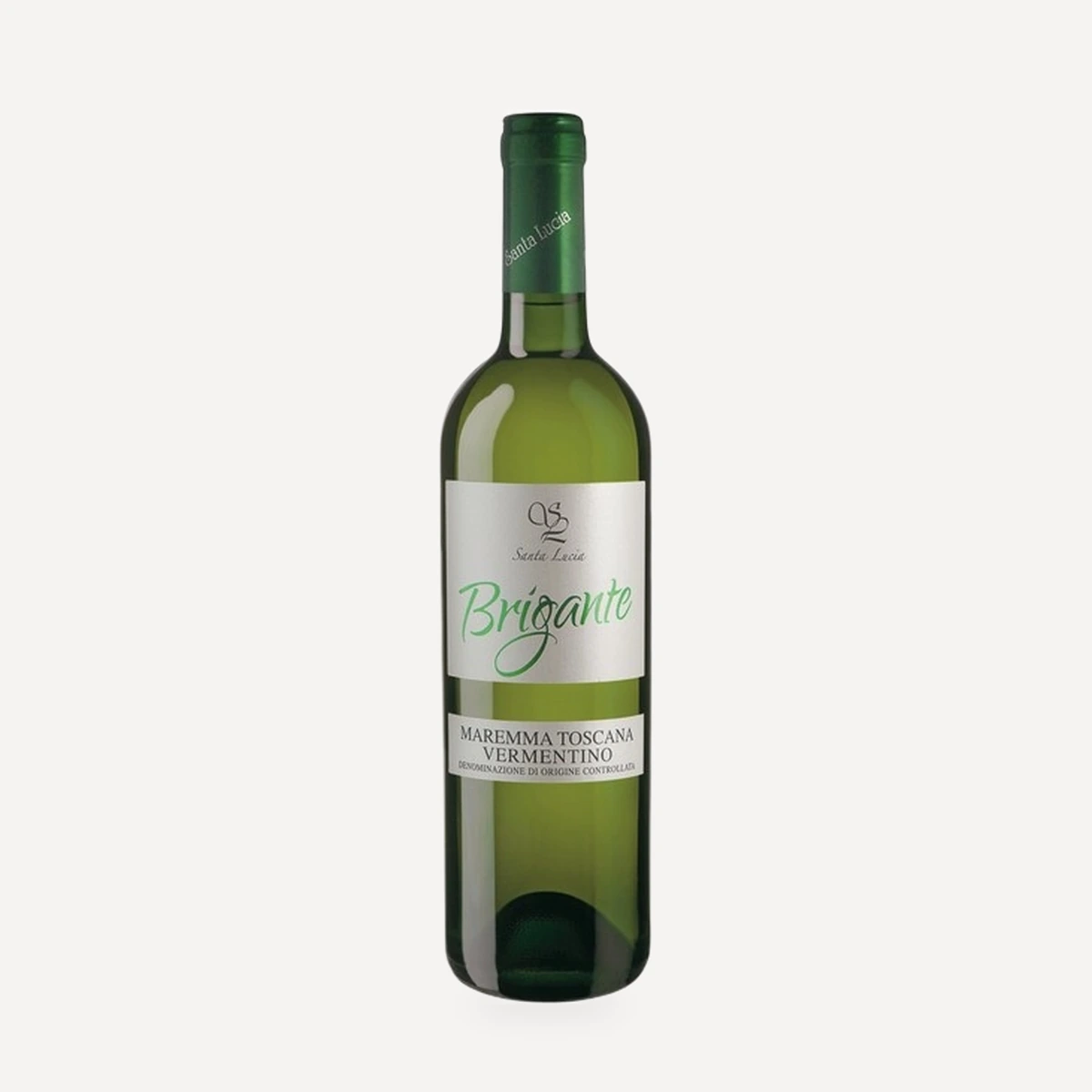
Brigante Vermentino Maremma Toscana DOC
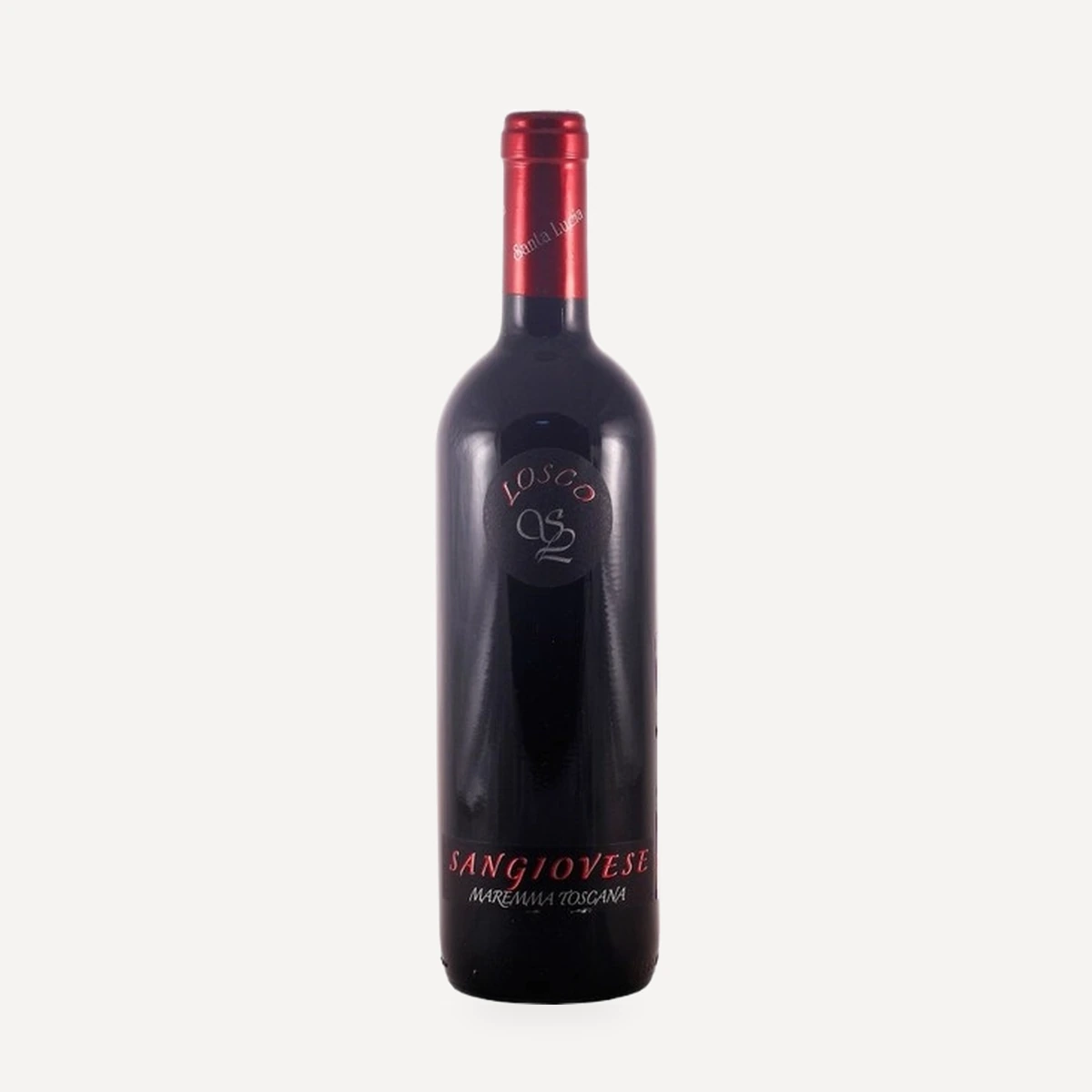
Losco Sangiovese Maremma Toscana DOC