History
Family background
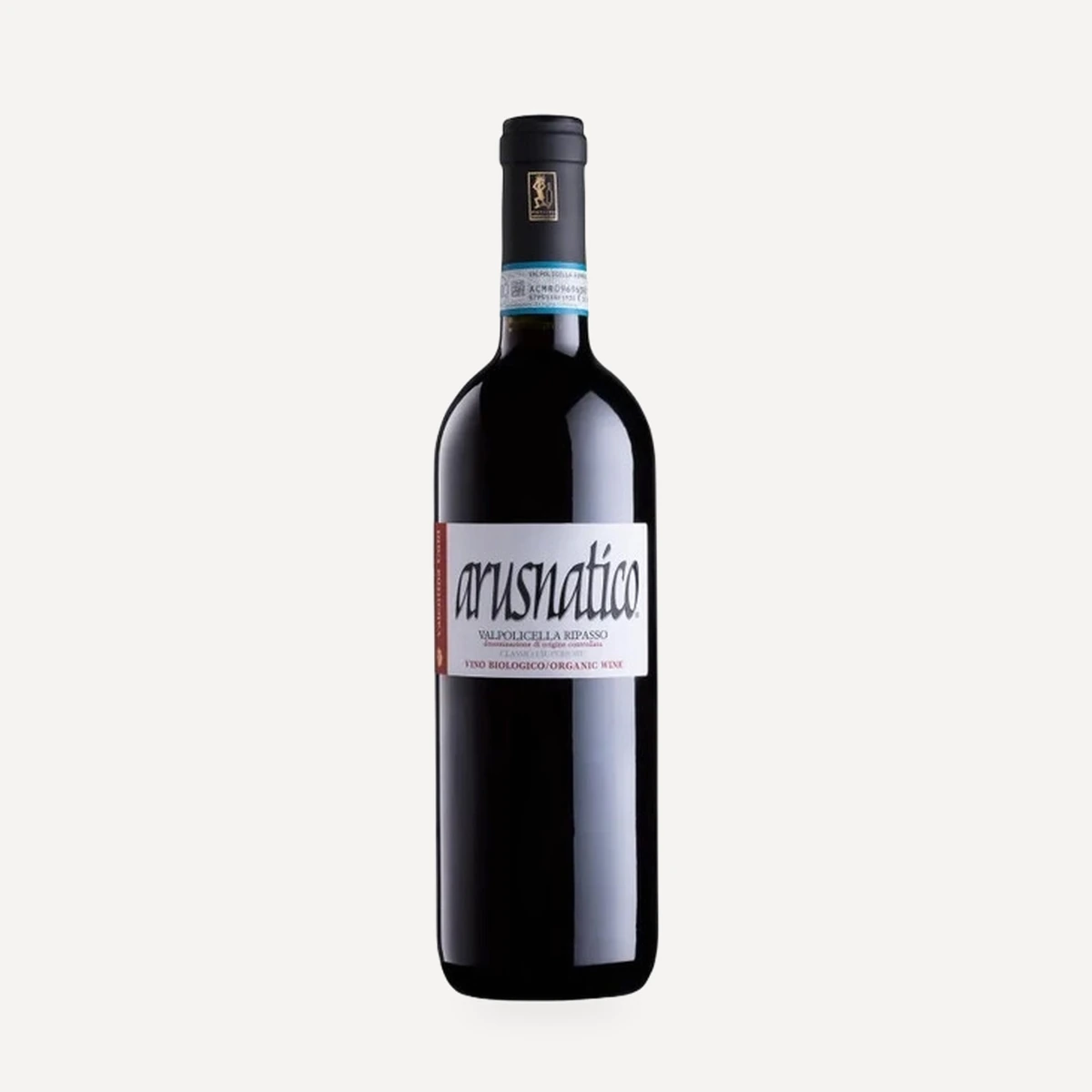
The estate’s story begins with Valentina and Giancarlo, who grew up and met in Valpolicella. Giancarlo came from a family involved in winegrowing since the 19th century. Valentina developed her interest in oenology after meeting him.
1969: the estate takes shape
In 1969 the couple invested their savings in Fumane, purchasing 7 hectares of what would become a 10-hectare vineyard holding. The acquisition included land in the named crus Monte Tenda, Monte Crosetta and Rasso. These vineyards became the core asset of the family estate.
Vineyard development
The oldest portion of Monte Tenda was planted to Rondinella in the 1970s. Corvina was subsequently introduced there. Casterna, the vineyard immediately behind the winery, was replanted in 1997. Monte Crosetta was planted to Corvina around the turn of the 21st century, while Rasso combines earlier pergola-trained Corvina with later Guyot plantings.
Conversion to organic farming
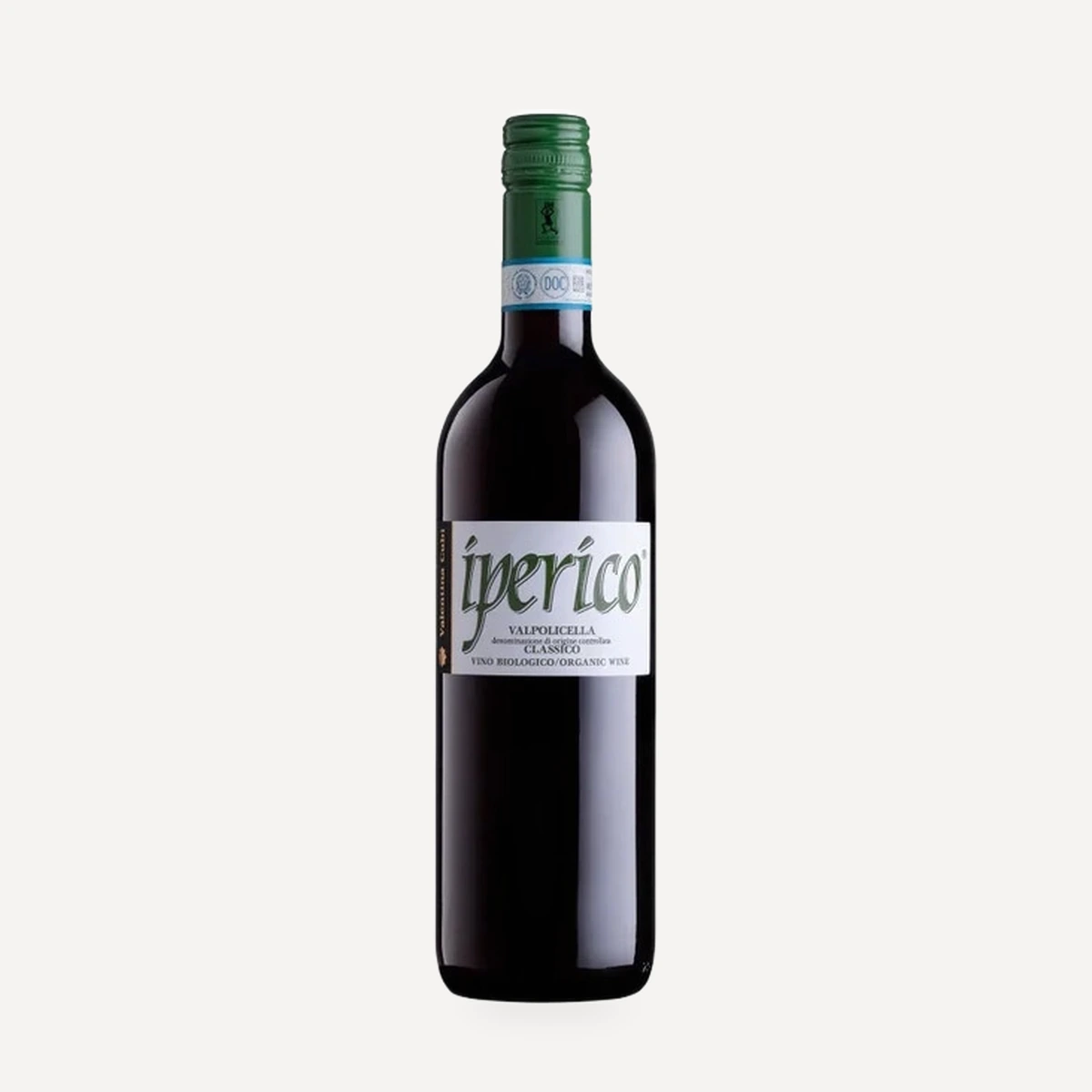
The organic project began with trials in a vineyard near Verona and was then extended to the wider estate. The first certified organic wine production dates to 2010, and Iperico was the first certified organic wine bottled. Because the preceding conventional regime had already been environmentally conscious, the family was able to convert the vineyards without losing its old vines.
A second phase began in 2010, extending organic cultivation to the higher and older vineyards. This process concluded with their certification in 2014. Valentina was the principal advocate for certification, which became part of the family’s broader philosophy rather than simply a production category.
The first organic Morar Amarone came from the 2010 vintage and was released in 2016.
Hospitality and diversification
The old rural courtyard was adapted for agritourism, with five guest rooms comprising two suites and three double rooms. Alongside wine, the farm developed organic extra-virgin olive oil under the Verbasco name and spirits distilled from Amarone and Recioto pomace. Vineyard and cellar visits, tastings and food-and-wine experiences broadened the estate’s hospitality activity.
Terroir
The vineyards occupy sites in and around Fumane and San Pietro in Cariano. The principal hillside holdings are south- or south-east-facing, with the general vineyard description placing them between 290 and 350 metres above sea level. Casterna is a separate, lower site at 170 metres, Monte Crosetta lies at 260 metres and Rasso at 290 metres.
The vineyards are terraced and lie close to Lake Garda. Breezes from the lake maintain airflow through the canopy, reduce fungal pressure and temper the vineyards. Day-to-night temperature differences help preserve freshness while the grapes ripen. Monte Tenda is approximately 4 km from Lake Garda and receives its cooling winds directly; Rasso’s altitude also provides persistent air movement.
A high proportion of stones or rocky skeletal material is a recurring feature. The broader terraced soils combine abundant rock with clay, whose water-retaining capacity allows the vineyards to be cultivated without irrigation.
Casterna differs from the higher limestone-rich sites. Its soils are ancient and alluvial, with calcareous clay interspersed with gravel and sand. Monte Tenda is particularly rich in limestone, with abundant rock and sand. Monte Crosetta has a comparable combination of limestone and rocky material, while Rasso has limestone-rich soil and a very stony skeleton visible at the surface.
The principal indigenous varieties are Corvina, Corvinone, Rondinella, Molinara and the rare Negrara. The estate also maintains rows of Merlot, Cabernet and Syrah, together with Sangiovese and Croatina. The non-Valpolicella varieties are vinified separately so that wines carrying the Valpolicella, Amarone and Recioto names remain expressions of the traditional local blend.
Winemaking
Organic farming began with experiments in a vineyard near Verona and expanded across the estate. Certified organic production started in 2010, followed by a second conversion phase for the higher and older vineyards. That phase concluded with certification in 2014. The transition preserved the old vines because the previous conventional farming had already followed environmentally considerate principles.
The farming programme is intended to maintain healthy soils, restore organic matter and improve fertility. Synthetic plant-protection products and herbicides are avoided because of their effects on soil vitality and microfaunal diversity. Vegetable compost enriched with microorganisms is combined with appropriately matured animal-derived organic matter.
An autumn multispecies green manure brings together herbs selected to support the soil’s physical, chemical and biological processes. The objective is balanced fertility and the prevention of imbalances that would require corrective intervention. Casterna maintains permanent vegetation between the rows to aerate the soil, stimulate biological activity and provide habitat for beneficial insects.
Preparations 500P and 501, associated with Rudolf Steiner’s agricultural approach, are employed to support the humification of organic matter and balanced plant architecture. Microorganisms are also applied to foliage and soil to encourage mycorrhizal activity, plant nutrition and plant health.
The vineyards have no irrigation system. Their clay component retains water, while the rocky structure and continuous Lake Garda ventilation shape the growing environment. Both Guyot and pergola systems are retained. Pergola is considered increasingly useful in hot, irregular seasons because its horizontal canopy shades the vines and its hanging bunches remain ventilated.
All estate grapes are harvested by hand. A trained and trusted team selects the bunches in the vineyard so that only sound fruit reaches the cellar. Some selections, particularly for dried-grape production, involve choosing only the best portion of each bunch.
The estate works exclusively with grapes grown in its own vineyards. Its production philosophy begins in the vineyard, with manual harvesting and bunch selection carried out by an experienced team.
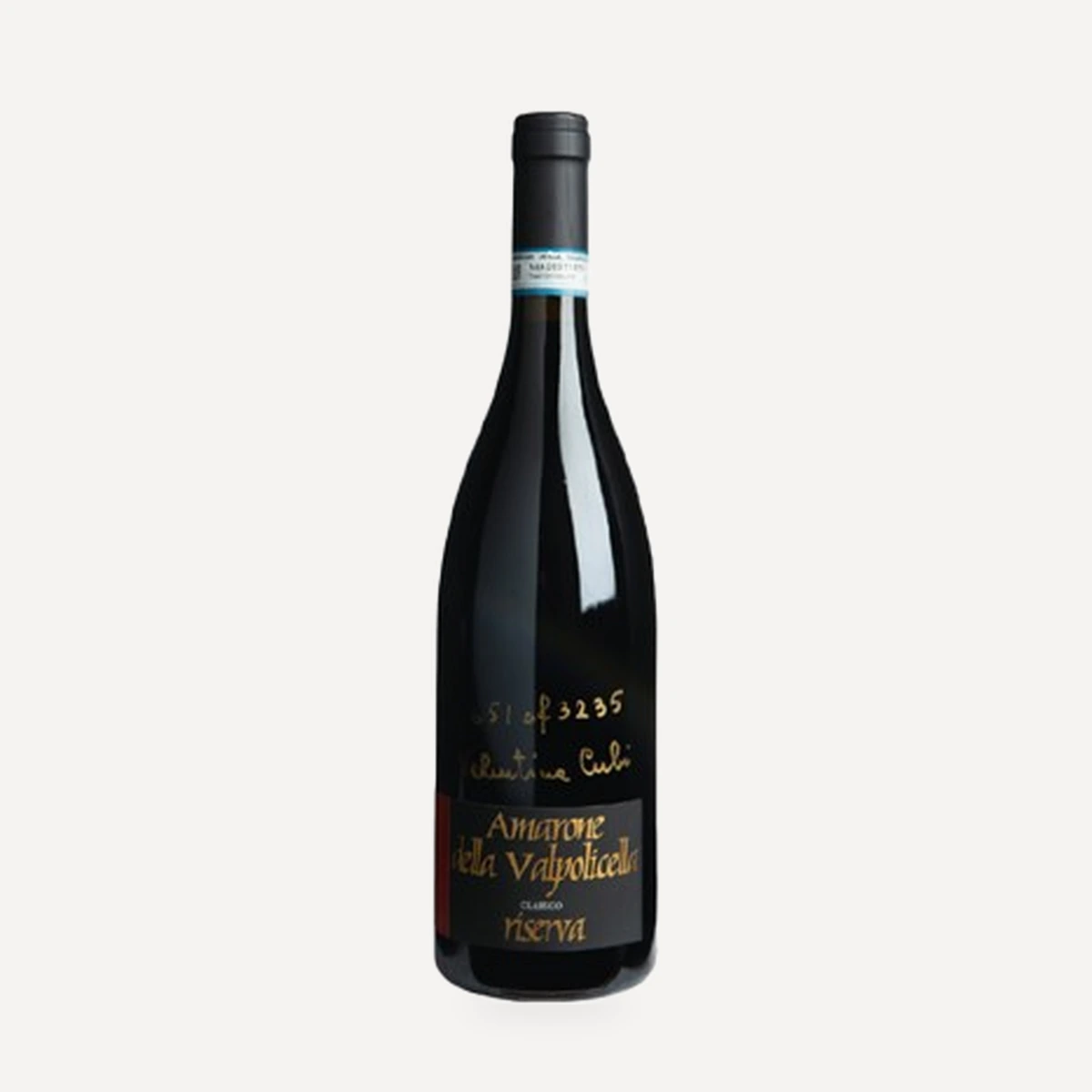
Fermentation is treated as the central moment of the cellar year. Stainless-steel vessels, including truncated-conical tanks, form an important part of production. Estate bottlings document skin maceration, pumping over or punching down according to the wine, while selected wines ferment with indigenous yeasts. Wines intended for Amarone and Recioto are made from Corvina, Corvinone and Rondinella dried for at least 90 days for Amarone and 120 days for Recioto.
The cellar uses both stainless steel and wood for maturation. Fresh Valpolicella is racked, clarified by settling and matured in steel before bottling. More structured wines mature in wooden vessels and subsequently spend additional time in bottle. Amarone is held for a particularly long cellar maturation and released only after repeated tasting and evaluation. Release decisions follow a quality-led protocol rather than a fixed commercial timetable.
The range also includes spontaneous fermentation without added yeasts or sulphites, a traditional Ripasso refermentation over Amarone pomace, and a bottle-fermented sparkling rosé developed through two years of experimentation with Corvina.
Philosophy
The family describes itself as a group of wine artisans. Its central conviction is that a great wine originates in the vineyard rather than the cellar. Estate-grown grapes, manual harvesting and close bunch selection put that principle into practice.
Organic farming is presented as a way of life involving conviction, effort, investment and passion—not merely a commercial distinction. The long-term objective is to work in harmony with nature and leave future generations a healthier and more rewarding environment. Soil vitality, humus, microbial life and balanced fertility are therefore treated as foundations of quality.
The estate also seeks to preserve the identity of the traditional Valpolicella blend. International and non-local varieties are kept separate from Valpolicella, Amarone and Recioto production so that those wines remain tied to local grapes and their sites.
Quality decisions are deliberately separated from commercial schedules. Wines are analysed and tasted through repeated evaluations, and release takes place only when the family considers them ready. Hospitality and sharing are parallel values: visitors are invited to see the progression from vineyard work to finished bottles and to experience the rhythms of the farm.
Wines
Iperico
Amarone Riserva
Iltabarro
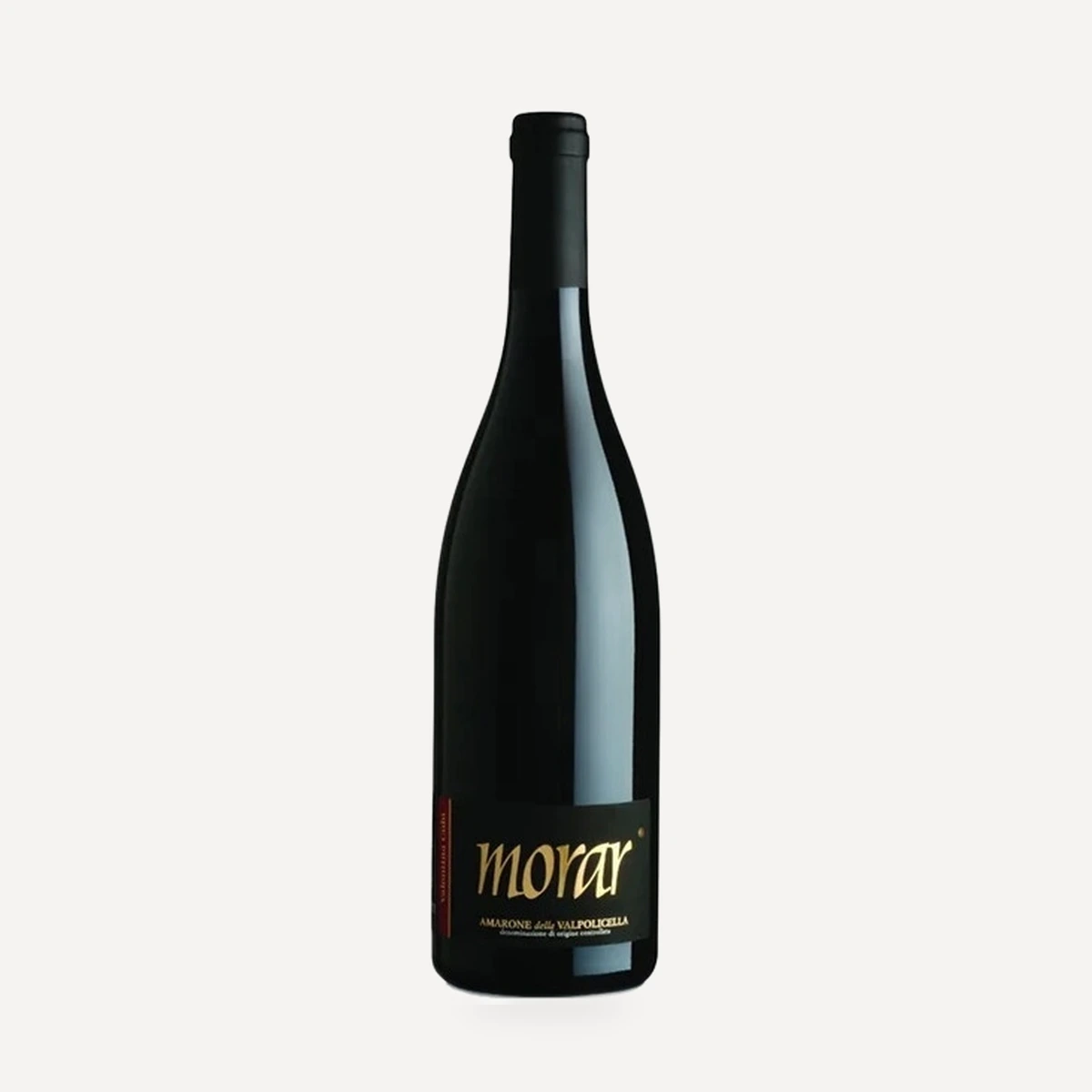
Morar
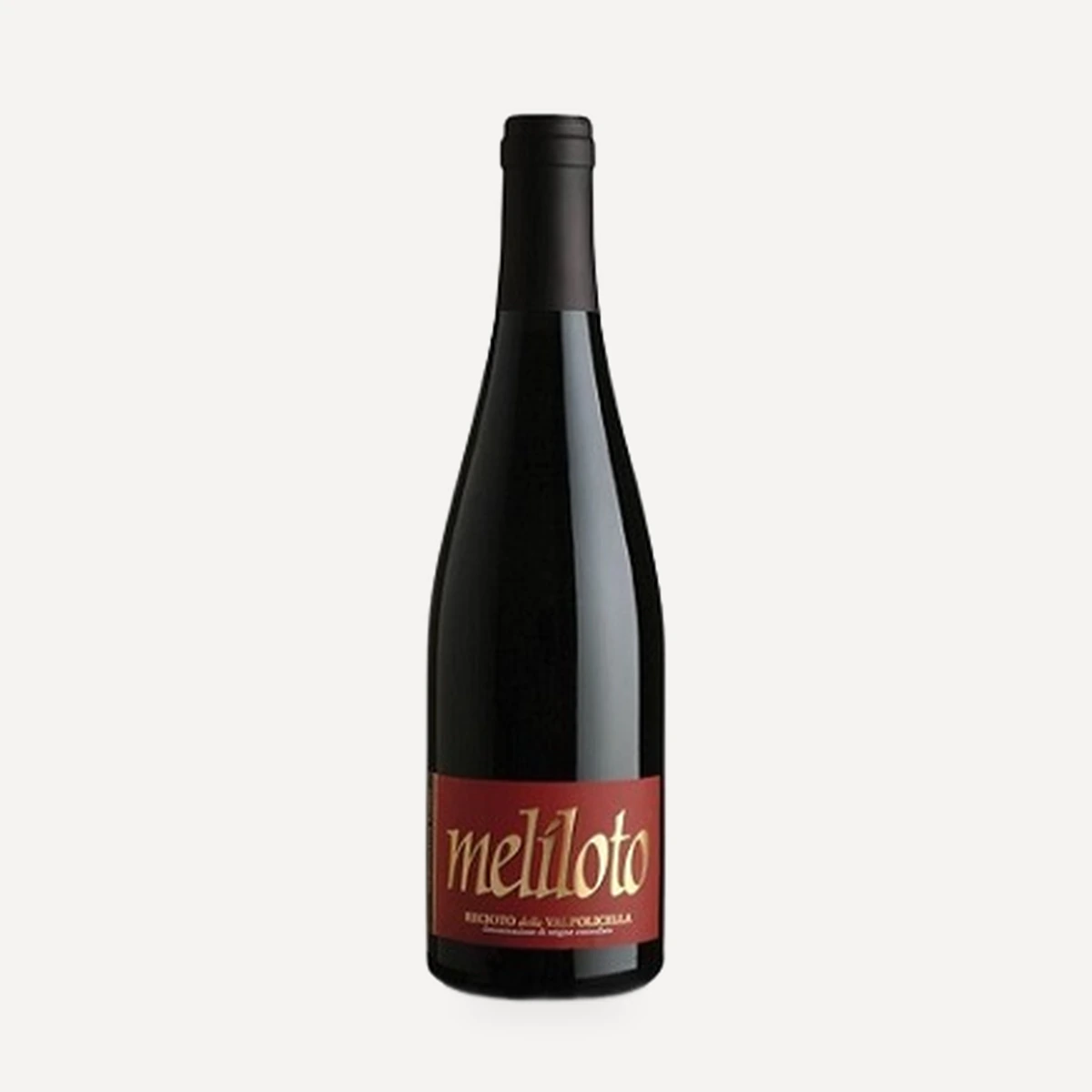
Meliloto
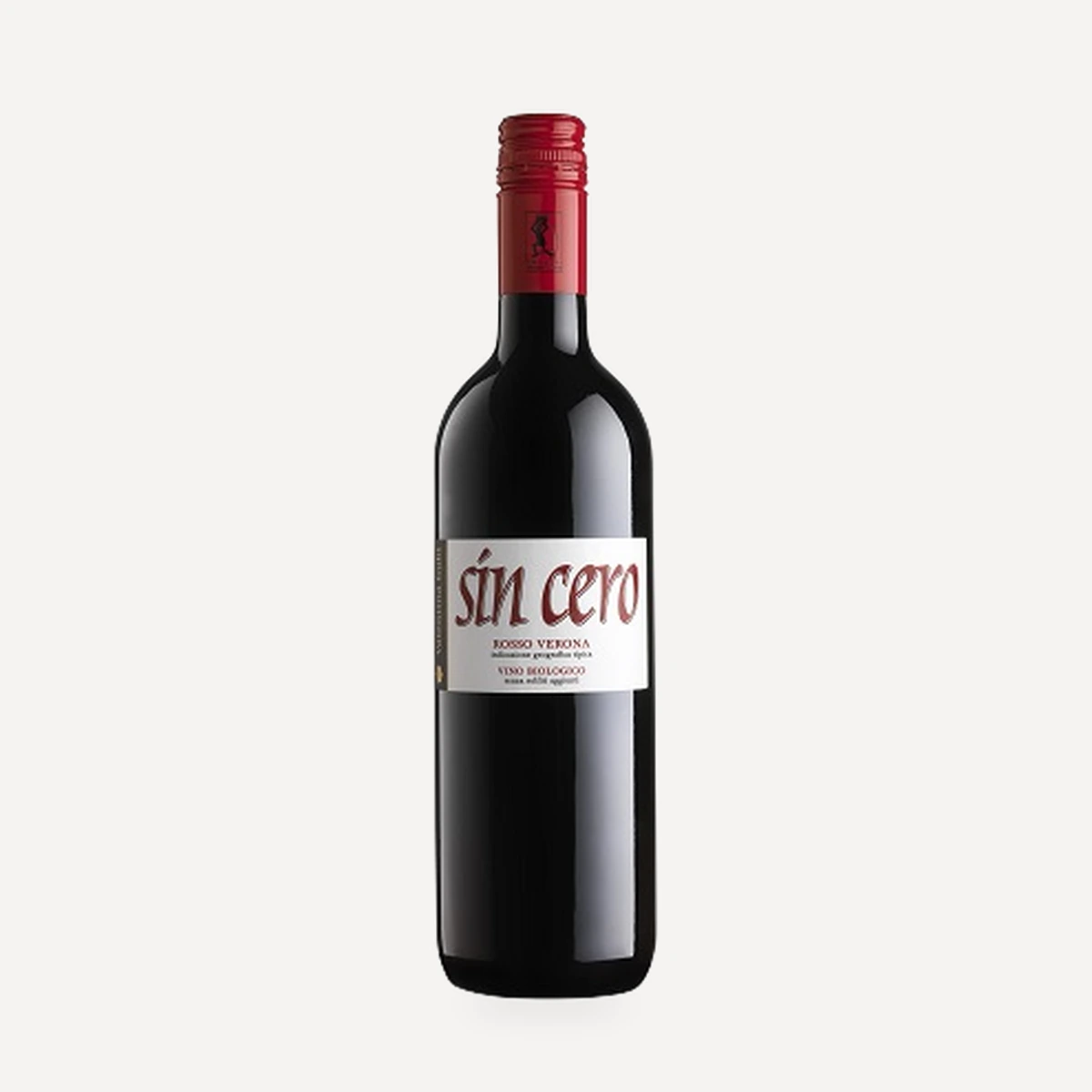
Sin Cero

QB