Storia
A five-generation inheritance
Antonella Corda grew up in a family involved in viticulture for five generations. Her childhood was spent around the family farm and vineyards, absorbing the experience of her parents and grandparents. Her mother, Maria Argiolas, daughter of Antonio Argiolas, nurtured her attachment to the land, while her father taught her the value of sustained work. Her maternal grandfather Antonio was particularly attached to the Mitza Manna vineyard.
Antonella studied Agricultural Sciences and Technology at the University of Sassari. She subsequently moved to Trentino-Alto Adige, where she completed a master’s specialization in vine-and-wine-system management at the Fondazione Edmund Mach. This combination of family experience and formal agronomic training became the basis of her independent project.
2009: the first replanting
The project began to take physical shape in 2009 with the first replanting of an old vineyard inherited from Antonella’s maternal grandfather. Her mother had wanted to replant these highly distinctive, stony soils, formed on an ancient riverbed. The work marked the renewal of inherited land rather than a break with the family’s viticultural past.
2010: foundation of Antonella Corda
Antonella returned to Sardegna in 2010, assumed responsibility for the family viticultural inheritance and founded the estate bearing her name in Serdiana, her mother’s place of origin. She established and tended new vineyards while developing a small, quality-focused boutique winery centered on Sardinian varieties.
From 2010 through the first commercial bottling, the estate conducted experimental vinifications, including work in a small cellar in Cagliari. The objective was to unite a centuries-old family tradition with modern agronomy, detailed study of soils and microclimates, and a lower-impact approach to vineyard management.
2013–2016: cellar construction, experimentation and first bottles
Construction of the estate cellar took place in 2013. Four years of experimentation preceded the first bottled wines in 2016. That year Luca D’Attoma began assisting the project as an experienced oenological consultant, bringing extensive work with organic and biodynamic viticulture. The estate adopted measures intended to reduce its environmental impact and began its first commercial bottlings.
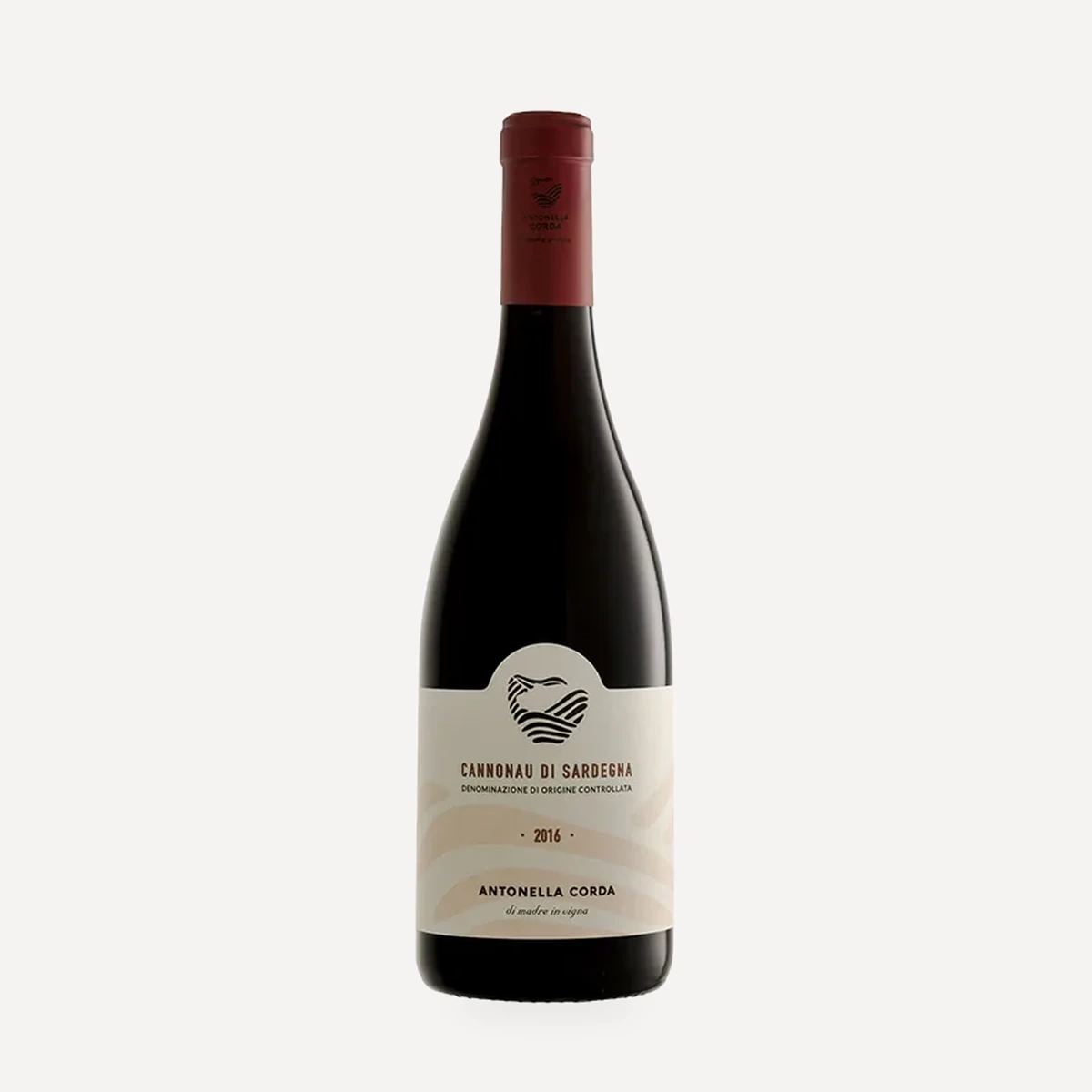
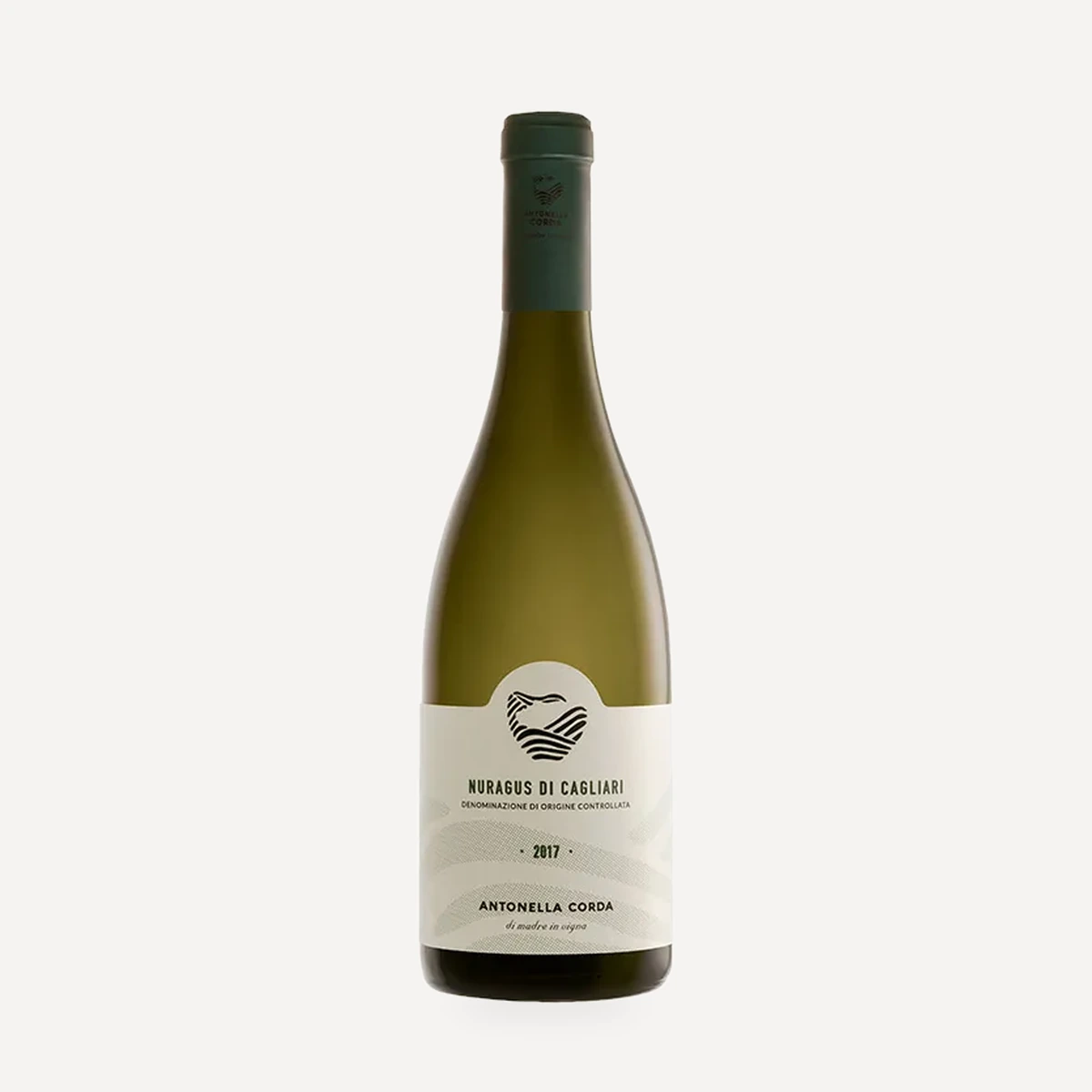
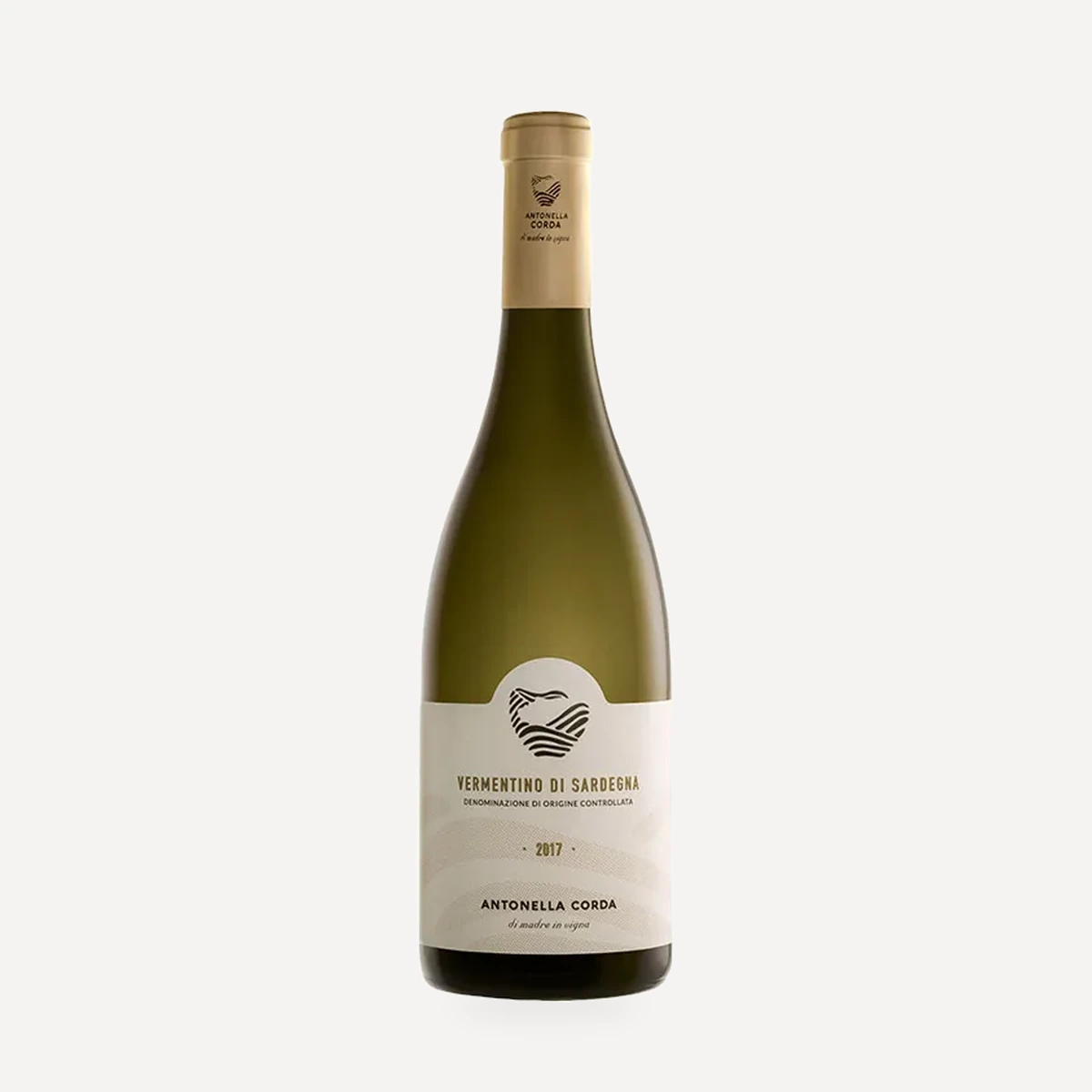
The inaugural range focused on Vermentino di Sardegna DOC, Nuragus di Cagliari DOC and Cannonau di Sardegna DOC. The first bottled vintage was 2016, following the preceding experimental-production period.
2017–2018: market debut and formal inauguration
Antonella Corda presented its three initial wines at Vinitaly in April 2017 after receiving positive feedback at ProWein in Düsseldorf. The new cellar was formally inaugurated at the end of May 2018 with vineyard and winery visits and a tasting of the estate’s range.
The 500 m² building was designed as a contemporary interpretation of the traditional rural Campidanese house. Its scale and form were chosen to limit its visual impact on the surrounding landscape. At the time of inauguration, the estate was also developing water-reuse systems and planning photovoltaic generation.
In 2018, the estate received Gambero Rosso’s Cantina Emergente recognition for the 2019 edition of Vini d’Italia, two years after its first market release. The estate then had 15 ha in production and an annual output of approximately 30,000 bottles. Antonella expressed an intention to remain small and prioritize qualitative development rather than expansion for its own sake.
2019: amphora wine and broader public engagement
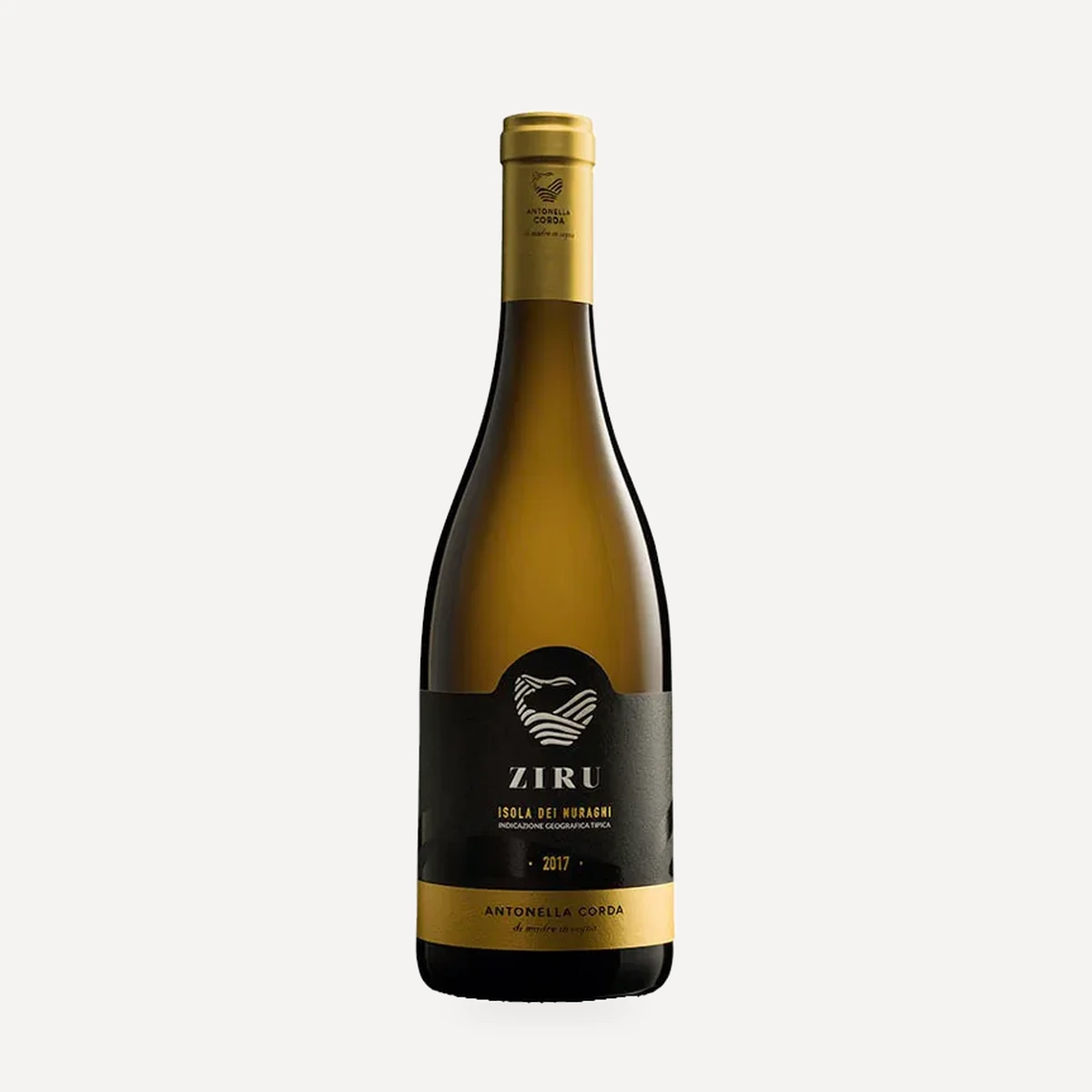
In 2019 the range expanded with Ziru Isola dei Nuraghi IGT, a Vermentino from the 2017 harvest. The name comes from the Sardinian word for the ceramic jars and amphorae traditionally used to store oil and wine. The inaugural production comprised 830 bottles. The grapes were harvested by hand in late August, macerated on their skins for about 20 days and transferred to terracotta amphorae to complete fermentation and undergo 24 months of maturation; the wine was bottled without filtration.
Ziru received its Italian trade premiere at Vinitaly in April 2019. The estate also participated in Cantine Aperte for the first time, hosting vineyard and cellar tours, guided tastings, food, music and horse-drawn carriage rides through the property.
2024
Antonella Corda participated in Great Wines 2024 at Donna Olimpia 1898 in Bolgheri on 8 April 2024, presenting its wines to Italian hospitality professionals in collaboration with its distributor Philarmonica.
Terroir
Antonella Corda is based at Pranu Raimondo in Serdiana, in the lower Campidano of southern Sardegna, a few kilometres from Cagliari. The surrounding landscape is formed by gently rolling hills historically devoted to agriculture, with vineyards, olive groves, grain fields and rotational arable land.
Water availability and a mild Mediterranean climate are central features of the estate’s growing environment. Maritime influence reaches vineyards situated only a few kilometres from the sea. The property encompasses contrasting combinations of sand, clay, silt, limestone and rounded stones, while some Vermentino is associated with marl-calcareous soils influenced by the nearby sea.
Mitza Manna lies at 200 m above sea level. Its sandy, clayey and silty soil contains a substantial limestone component. Mitza S’ollastu, near the boundary with Ussana, combines sand, silt and clay with a strong presence of pebbles. Part of the inherited vineyard land occupies the ancient bed of a river and is notably stony. Together, these variations are the basis of the estate’s parcel-by-parcel study of soils and microclimates.
Vinificazione
The viticultural approach is based on detailed analysis of soils and microclimates and on reducing the impact of farming. Practices identified across the estate’s early development include organic fertilization, green manure, maintained ground cover, elimination of pesticides, biological or integrated pest-control measures, and sustainable irrigation.
The vineyard area entered organic conversion around 2017–2018. Water-reuse systems were being developed during the cellar’s inauguration period, while renewable energy formed part of the broader sustainability program and a photovoltaic installation was planned.
Grapes for the original range were harvested by hand. For the amphora project, Vermentino was picked manually at the end of August. The estate’s guiding principle is to integrate human work with the characteristics of the land while preserving it for the next generation.
The estate initially carried out experimental vinifications in a small cellar in Cagliari. A dedicated cellar was constructed in 2013, followed by continued experimentation and the first bottled vintage in 2016. The building covers approximately 500 m² and recalls the form of a traditional rural Campidanese house; its design was intended to sit discreetly within the landscape.
The first commercial range was produced from hand-harvested grapes and included maturation in stainless steel. The cellar also works with French oak for Cannonau and terracotta amphorae for Ziru. The amphora project began with the 2017 Vermentino harvest: the grapes were picked by hand at the end of August, macerated on their skins for about 20 days, and the must was then transferred to terracotta vessels to complete fermentation and mature for a further 24 months. The inaugural 830-bottle lot was bottled without filtration.
The production philosophy favors measured extraction and preservation of varietal fragrance. The estate’s early development was deliberately kept at boutique scale; annual production stood at approximately 30,000 bottles in 2018.
Filosofia
Antonella Corda’s philosophy rests on love for the land, dedication to work and respect for each site’s agricultural vocation. Her own formulation is that cultivating land means adding value to its fruit without exploiting it. Sustainable cultivation is therefore understood as a way for human work to complement the territory rather than override it, leaving the land intact for future generations.
The project deliberately joins inherited knowledge with innovation. Family experience provides continuity, while formal agronomy, soil and microclimate analysis, careful vineyard renewal and experimentation in the cellar supply the modern dimension. The objective is not expansion alone: Antonella has expressed a preference for remaining small and prioritizing quality.
The estate’s identity is strongly maternal. “Di Madre in Vigna” evokes the transfer of experience from Maria Argiolas to her daughter, while the stylized female face in the logo pays tribute to the mother-goddess image. The resulting project presents winegrowing as both a family inheritance and a responsibility toward the land.
Vini
Cannonau di Sardegna
Nuragus di Cagliari DOC
Vermentino di Sardegna DOC