Storia
Before La Sughera
Regula Graf and Francesco Welti worked as winegrowers in Ticino, Switzerland, for almost 15 years and won several prizes for their wines. They had known the area around Aglientu for approximately 30 years before establishing their Sardinian project. Their decision was driven by confidence in the quality and potential of Sardinian grapes and in the natural setting of northern Sardegna.
2012 — Acquisition of the estate
Graf and Welti acquired the property near Aglientu in September 2012. The land included a house requiring renovation. They became the founders, owners and working operators of the new estate, naming it La Sughera after the centuries-old cork oak standing near the house.
2013 — Vineyard and hospitality
The vineyard was planted in 2013. During the same period, the main house was converted into a bed and breakfast, combining winegrowing with accommodation among the vines.
2019 — The new cellar
Construction of the vinification cellar was completed after several years of delay, and the new facility became operational in 2019. It gave the estate its own working space for the natural-wine production developed by Graf and Welti.
2022 — VinNatur membership
La Sughera was admitted to VinNatur in 2022. The membership corresponded with an established approach based on spontaneous fermentation, very limited additions in the cellar, biodiversity and nature-oriented vineyard management.
2023 — New vineyard apartments
In 2023, two holiday apartments were completed in a converted former stable. They expanded the estate’s accommodation alongside the bed-and-breakfast rooms in the main house.
Terroir
La Sughera lies in the hills near Aglientu in northern Sardegna, facing Corsica and positioned between the sea and the mountains. The property occupies an elevated site at more than 450 metres above sea level, despite its relative proximity to the island’s northern coast.
The land faces southeast. This orientation reduces the force of the sometimes powerful northwesterly Maestrale wind, while the vineyard remains generally well ventilated. The air movement helps limit disease pressure and supports nature-oriented cultivation.
Gallura’s soils at the estate are granite-bearing and lightly sandy. Summers are generally hot and dry, but cool nights moderate conditions and support the development of aromatic complexity. Winters are described as damp and windy. Cooling nocturnal winds are an important feature of the site.
The elevated vineyard looks across the surrounding macchia, Gallura, the sea and the Corsican mountains. These maritime, mountain and wind influences form the setting in which La Sughera cultivates Vermentino alongside a group of Sardinian varieties, including several rare or locally significant grapes.
Vinificazione
Vineyard work follows organic principles and is intended to go beyond baseline organic rules, although no formal organic certification is identified. The central objectives are biodiversity, natural balance, preservation of soil structure and protection of Sardegna’s varied grape heritage.
Winter ground cover keeps the soil covered and helps maintain its structure. Sheep graze this vegetation during winter, turning it into food while naturally fertilizing the vineyard. Stone piles colonized by shrubs and other plants are retained as ecological niches for small animals, insects and birds. Additional habitat is provided by ecological compensation areas and trees along the vineyard margins.
The naturally well-ventilated hillside reduces disease pressure and facilitates ecological management. This work supports both established grapes and less familiar Sardinian varieties, including Caricagiola, Bovale Sardo, Cagnulari and the rare white Arvesiniadu. La Sughera has belonged to VinNatur since 2022.
La Sughera’s dedicated vinification cellar became operational in 2019. Production is organized as an artisanal natural-wine operation, with cellar work intended to remain aligned with the same nature-oriented principles followed in the vineyard.
Fermentations are spontaneous. No cellar additives are used apart from small quantities of sulfur, with a stated range of 0–50 mg/L. The wines are made without filtration. This restrained approach is intended to produce aromatic, complex wines that continue to open and develop after being poured.
Across the range, the cellar works with both single-variety wines and blends that preserve the identities of Vermentino and Sardinian grapes such as Arvesiniadu, Caricagiola, Bovale Sardo and Cagnulari. The broader production objective is to avoid standardized profiles and retain the distinctiveness of the varieties and site.
Filosofia
La Sughera’s philosophy combines natural-wine production with the preservation of Sardegna’s grape diversity. Its guiding preference is for authenticity, originality and individual character rather than conventional, uniform profiles.
The estate treats vineyard and cellar as parts of the same nature-oriented system. In the vines, this means promoting biodiversity, maintaining natural balance and protecting habitats. In the cellar, it means spontaneous fermentation and avoiding additives other than small amounts of sulfur.
Vermentino remains central to the estate, but the project also seeks to give renewed relevance to older Sardinian grapes that have been overshadowed by its commercial success. Caricagiola, Bovale Sardo, Cagnulari and the rare Arvesiniadu therefore have an important place in the vineyard and range. A local Moscato clone is maintained as another expression of regional plant material.
The founders describe quality, authenticity and originality as the objectives of their work. Their approach joins ecological cultivation and careful stewardship of the surrounding environment with an ambition to produce aromatic, complex wines that reveal themselves progressively in the glass.
Vini
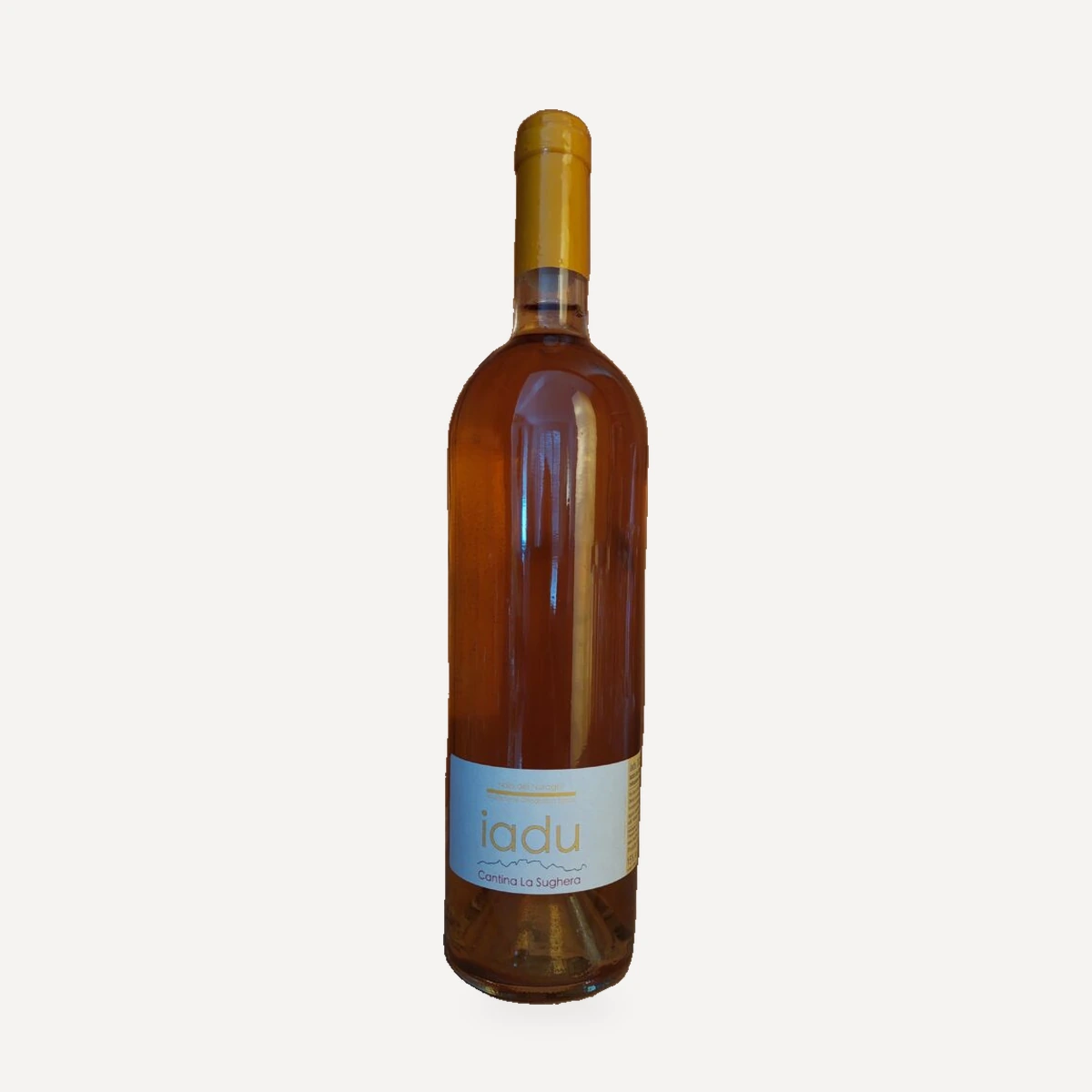
Iadu
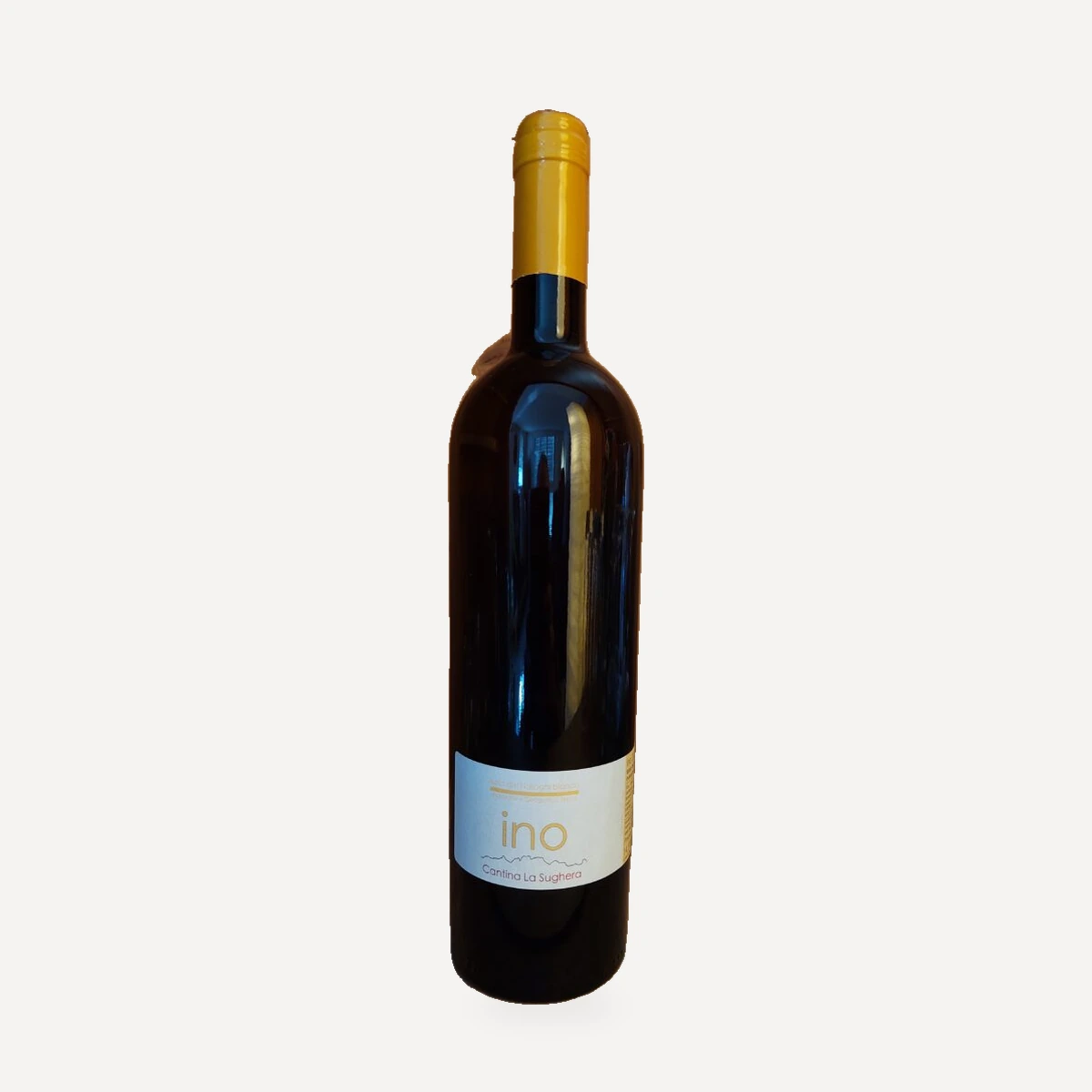
Ino
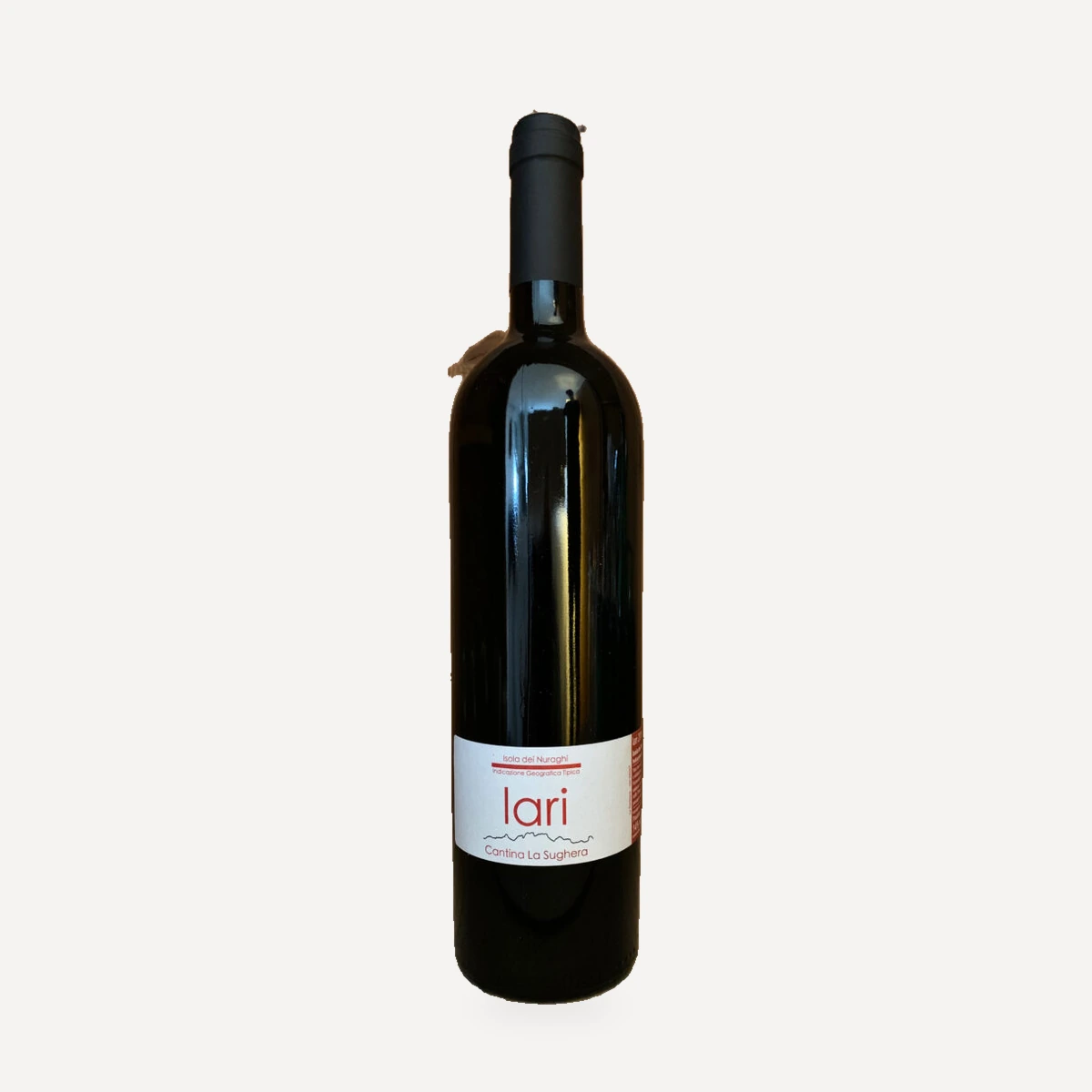
Lari
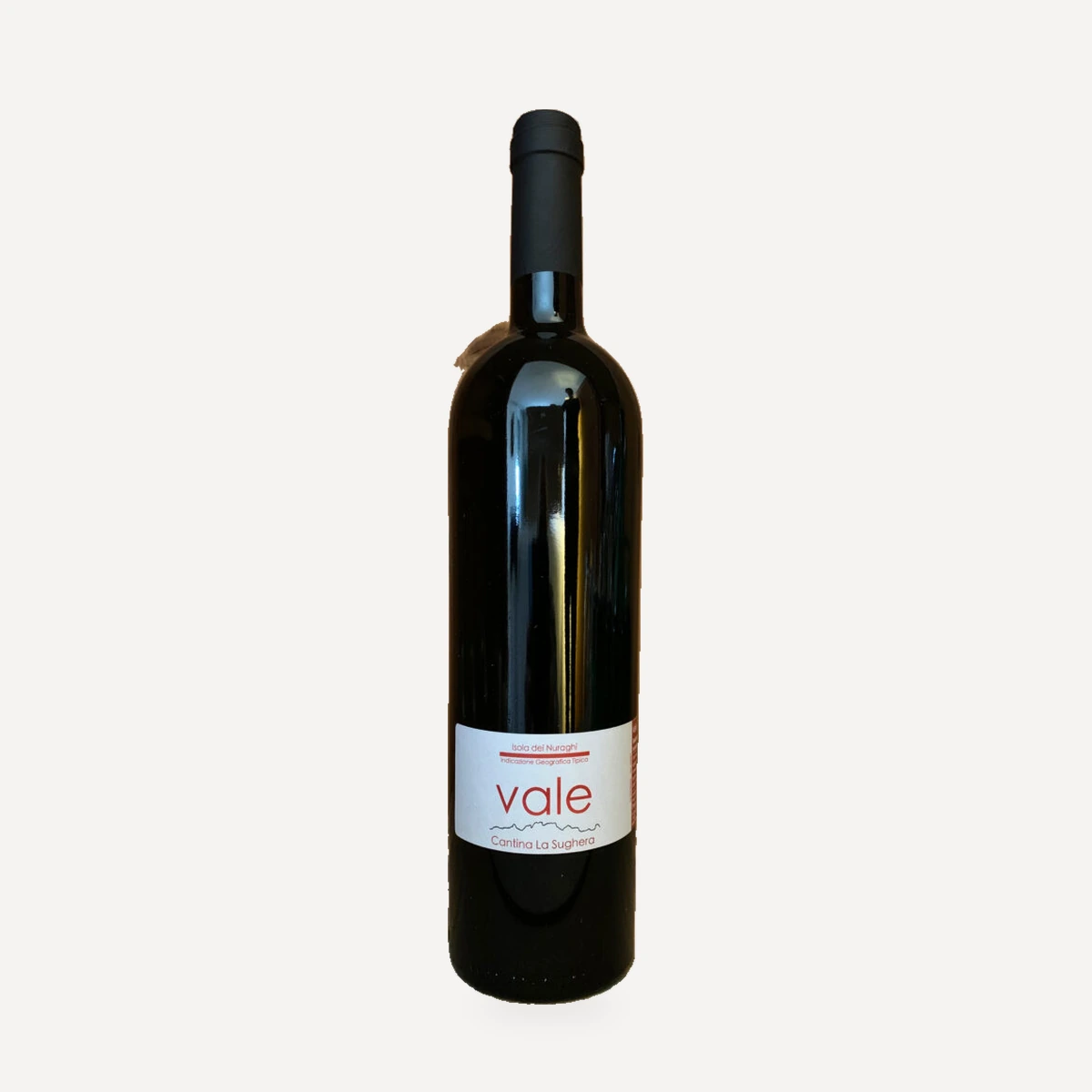
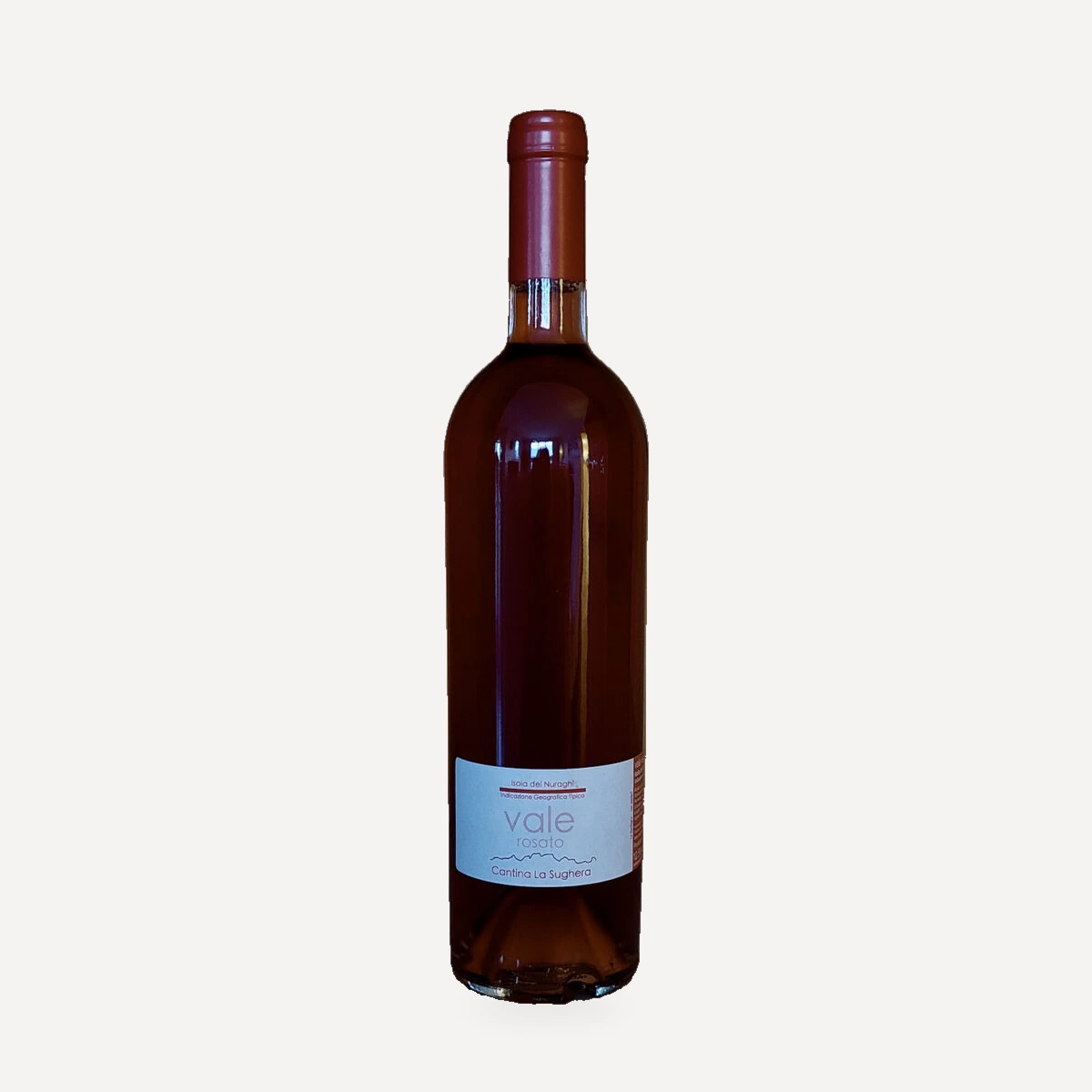
Vale