Storia
Family foundations
Simone Sedilesu grew up among the vines in a family with several generations of wine producers. He learned viticulture and winemaking from both his grandfather and his father, turning that inherited knowledge first into a personal passion and then into a profession.
Training and experience
Before establishing Vike Vike, Sedilesu completed a degree in oenology and gained professional experience abroad. This formal training and international experience supplemented the practical knowledge transmitted within his family.
2015: creation of Vike Vike
In 2015, Sedilesu founded his own winery in Mamoiada. He named the project Vike Vike, a local-dialect expression meaning “Look, look,” associated with surprise and wonder.
The winery developed around leased vineyards rather than owned land. Sedilesu currently manages 4.5 ha, with an annual output of approximately 25,000 bottles. Because the vineyards are rented, the sites represented by the labels can change from one year to another; Sedilesu regards this as an opportunity to explore different expressions of Mamoiada’s ghiradas.
Production focuses principally on Cannonau, alongside a much smaller quantity of Granatza. The latter combines fruit from vineyards cultivated by Sedilesu with a portion purchased each year. The vineyards are farmed organically and worked by hand, while each site is vinified separately to retain its individual character.
Terroir
Mamoiada
The vineyards lie within Mamoiada, in the province of Nuoro, across elevations ranging from 500 to 900 m above sea level. Strong temperature differences between day and night are an important feature of these high-altitude sites.
Mamoiada contains approximately 300 ha of vineyards. Cannonau is its principal cultivated grape, while the white-berried native Granatza is undergoing renewed development. Granatza is also identified with the wider Barbagia area.
Soils and ghiradas
The vineyards stand on loose, slightly acidic granitic soils. At Gurguruò, the soil is described more specifically as sand derived from decomposed granite.
Local vineyard units are known as ghiradas: individual sections of vineyard bounded by dry-stone walls or capezzagne. Each represents a distinct place and a history of winegrowing transmitted between generations. The combination of altitude, exposure and soil gives each ghirada an individual expression, which the winery preserves by vinifying its fruit separately.
Vinificazione
The winery manages 4.5 ha under organic methods and describes its agricultural approach as sustainable and respectful of the territory. Every vineyard is leased rather than owned, allowing the set of ghiradas represented in the range to vary between vintages.
All vineyard work is performed by hand. The central objective is to bring sound, fully suitable fruit into the cellar, reflecting the principle that wine quality is established in the vineyard and should subsequently be guided rather than manipulated.
Cannonau is the principal variety. Its harvest is brought forward slightly relative to the customary local timing to retain more marked acidity and produce a more agile expression. Granatza occupies a much smaller share of the cultivated area. Fruit from each vineyard is kept separate during vinification so that the identity of the individual ghirada is preserved. Grapes entering the cellar undergo rigorous selection.
Fruit from each vineyard is vinified separately. Fermentations start spontaneously, with no additions apart from a small quantity of sulfites. Gentle pressing is used across the wines presented by the winery.
Cannonau is harvested slightly earlier to retain acidity and support a more agile style. The ghirada approach treats the individual vineyard as the basic production unit, allowing the character of each leased site to remain distinct.
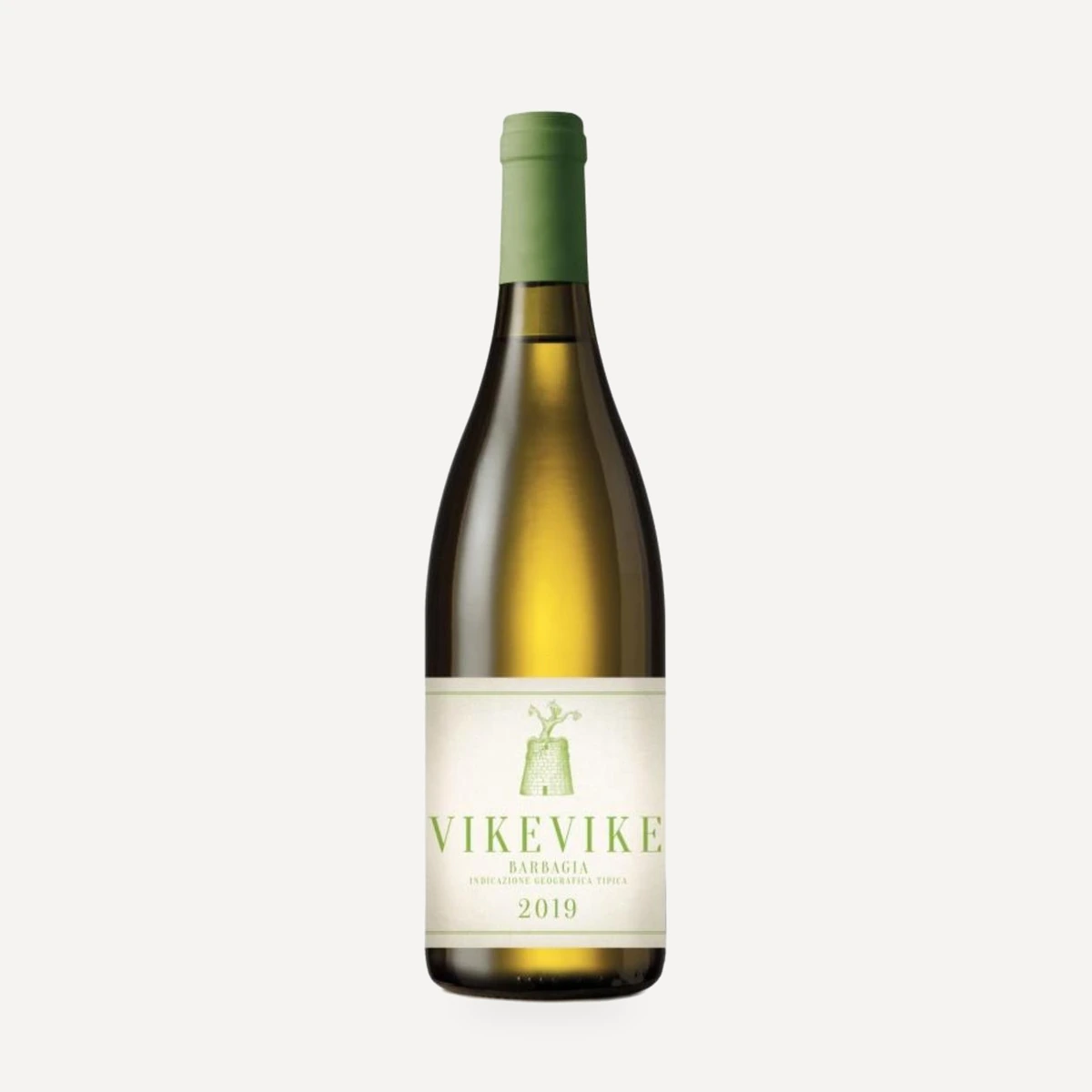
Granatza is assembled from several Mamoiada vineyards. It is fermented and matured in a 25 hL oak cask, with the aim of producing a complex white wine capable of developing over time.
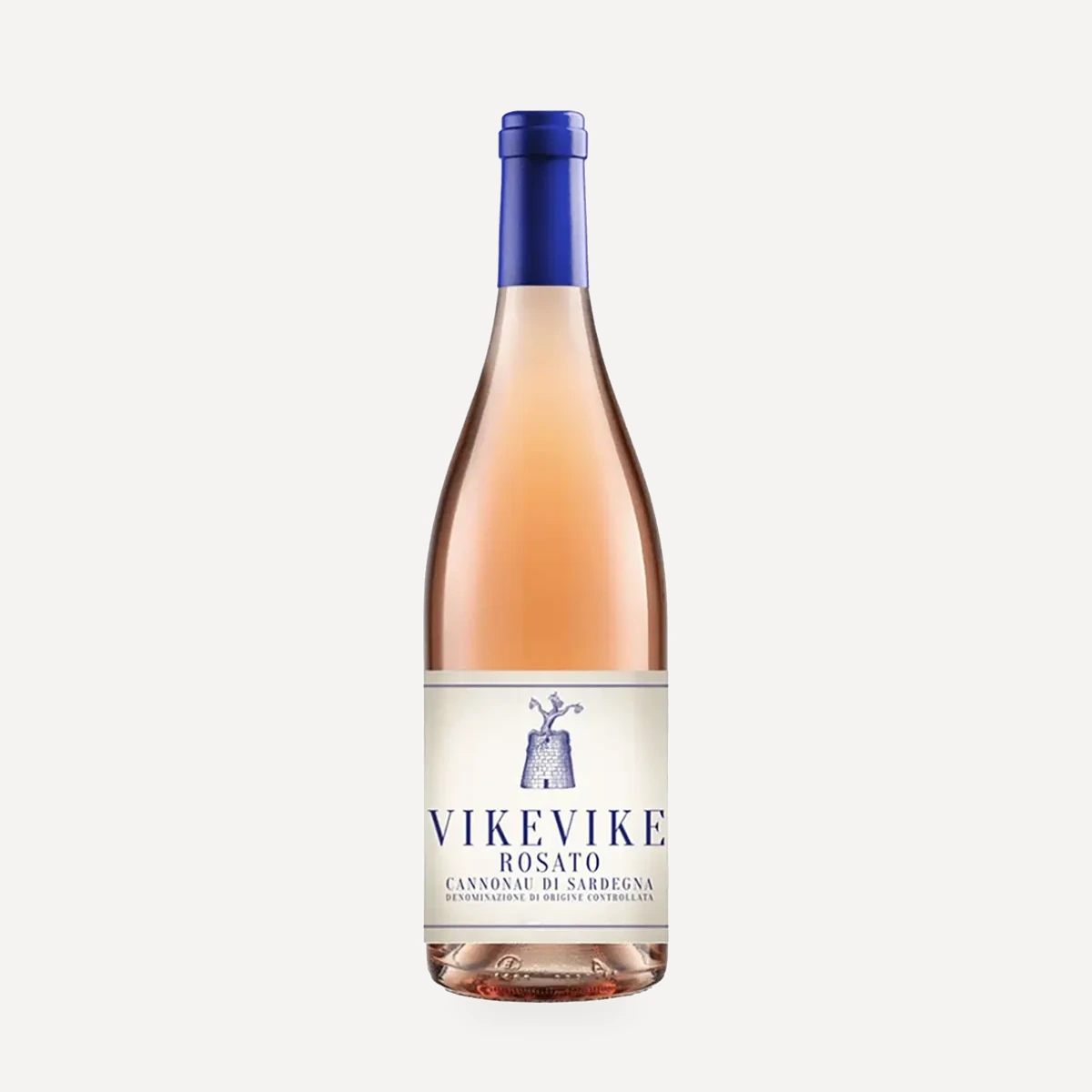
Rosato uses grapes from lower-lying portions of the vineyards, where ripeness is generally considered less suitable for red-wine production. It is the only wine matured entirely in stainless steel, an approach directed toward freshness and ease of drinking.
Oak vessels used elsewhere in the range include 50 hL casks and 500 L barrels, while maturation periods vary according to the vineyard selection. Stainless steel is reserved for the Rosato.
Filosofia
Vike Vike’s philosophy is organized around three elements: soil, grapes and the hands that cultivate them. Its stated purpose is to make wines that speak of their place while respecting the particular conditions of each vintage.
The guiding idea inherited by Simone Sedilesu is that wine is made in the vineyard. The annual objective is therefore to bring the best possible grapes into the cellar, where the wine should be guided rather than manipulated. Organic agriculture, manual vineyard work, spontaneous fermentation, very limited additions and separate vinification of each vineyard put that principle into practice.
Leasing every cultivated vineyard is treated as an opportunity rather than merely a constraint. Changes in the available sites can alter the labels from year to year, while allowing Sedilesu to explore different ghiradas and their individual expressions.
The project combines inherited family knowledge with Sedilesu’s oenological education and experience abroad. Its mission links the wines to affection for Mamoiada’s land and to a passion transmitted through several generations.
Vini
Vikevike Granazza