Storia
A new direction in 2011
Cantina Giba began a new course in 2011, when its management and mission were radically changed. This transition preceded the formal birth of the present winery project and established the direction that would shape its relationship with the wines and vineyards of Sulcis.
Foundation in 2013
Cantina Giba was founded in 2013 through the initiative of three partners: Giovanni Irde, oenologist Andrés García Blas and Paolo Boi. The business was established in Giba, in the heart of the Carignano del Sulcis production area, where surviving phylloxera-resistant Carignano vines provided an important foundation for the project.
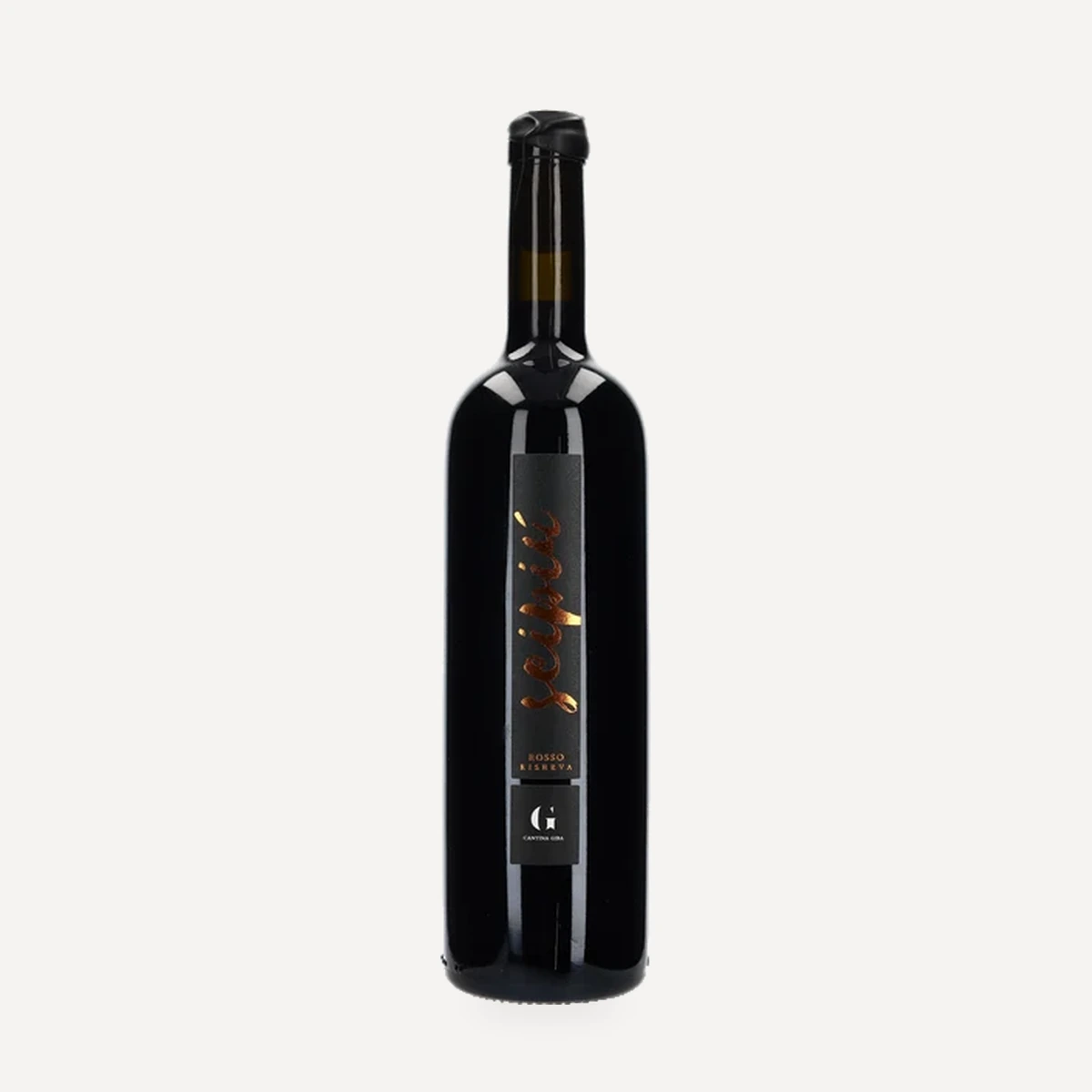
The winery centred its production on Carignano and Vermentino growing on clay and sand soils facing the sea. Production was organised into three monovarietal lines—Giba, 6Mura and Seipiù—each intended to express Sulcis through a distinct maturation regime. Carignano is used for the reds, rosato and traditional-method sparkling rosé, while the whites are made exclusively from Vermentino.
Andrés García Blas assumed responsibility for production and vinification. His objective has been to reconcile the historic character of Carignano with modern cellar technology, refining the grape's expression without separating it from its place of origin. Manual harvesting, selection in the vineyard and measured use of barriques became central elements of the production model.
Development of the range and identity
The winery combined its traditional focus with continuing experimentation. This included the development of a traditional-method 6Mura Rosé and the establishment of differentiated maturation approaches for the three wine lines.
By 2018 the business was also introducing a redesigned label presentation as part of a broader renewal of its visual identity. The new presentation accompanied releases shown at Vinitaly and was described as a substantial but gradual change to the company's image.
Vineyard base and present scale
The vineyard holding currently covers 20 hectares, divided between Tenuta 202 in Giba and Is Muras. The wider range also draws on vineyard locations identified in Giba, Masainas, Sant'Anna Arresi, Porto Pino and Calasetta.
Annual output is approximately 85,000 bottles. Production is positioned primarily for a specialist market and the HORECA channel. Northern Europe—particularly Germany, France, Belgium and the Netherlands—is the principal export area; approximately 15% of sales are made directly in Sardinia and another 15% in the rest of Italy.
Terroir
Setting
Cantina Giba lies in Sulcis, in southwestern Sardinia. Its 20 hectares are divided between Tenuta 202 in Giba and Is Muras. The vineyards occupy low-lying coastal terrain, generally between sea level and 50 metres, with predominantly south to southwest exposures. Clay, sand and calcareous clay-loam formations occur across the identified vineyard sources, and some sites face the sea.
The coastal setting brings the vineyards into direct contact with salt-laden winds. The maestrale blowing in from the sea is associated with the marked saline character found in the local Vermentino. Vineyard sources used across the range extend through Giba, Masainas, Sant'Anna Arresi, Porto Pino and Calasetta. Porto Pino is associated with ungrafted vines close to its sandy seashore.
Carignano
Carignano is the principal local variety. It is presented as a native grape of probable Spanish origin, brought to Sardinia during Aragonese rule in the fourteenth century. Its corresponding names are Carinena in Spain and Carignan in France.
The variety is vigorous and capable of abundant, regular production. It has limited resistance to fungal diseases, particularly powdery mildew, but tolerates saline winds and cold spring weather well, making it suited to coastal cultivation. Its notable resistance to phylloxera has allowed vines in some parts of Sulcis to remain ungrafted. More recent, quality-focused counter-espalier plantings accompanied the development and recognition of the Carignano del Sulcis DOC.
Vermentino
Vermentino is the estate's white variety. It is aromatic, combining distinct but delicate fragrances with natural acidity that can support ageing. In the coastal vineyards it develops freshness, minerality and a saline expression associated with exposure to the sea-borne maestrale. The variety is also known in southern France and Corsica as Malvoisie Précoce d'Espagne or Malvoisie à gros Grains.
Vinificazione
Harvesting is carried out by hand, with selection performed in the vineyard. Depending on site and vine material, the training systems comprise espalier or counter-espalier, spur-pruned cordon and traditional Sardinian bush vines.
Across the vineyard sources identified for the range, vine ages extend from approximately 10 to 110 years. Planting density ranges from 4,000 to 7,000 vines per hectare. Reported yields range from approximately 1,500 to 6,000 kilograms per hectare, with the oldest Carignano bush vines occupying the lowest-yielding end of that range. Harvest timing extends from late August for the earliest fruit to late September for mature Carignano.
Carignano's tolerance of saline winds and cold spring weather supports its cultivation close to the coast. Its resistance to phylloxera has also allowed ungrafted vines to survive in parts of the area. The variety requires attention to fungal pressure, particularly powdery mildew.
Oenologist Andrés García Blas directs production and vinification with the objective of joining the historic character of Carignano to modern winemaking technology. The approach begins with manual harvesting and selection in the vineyard, followed by maturation choices designed to give each of the Giba, 6Mura and Seipiù lines its own identity.
Stainless-steel tanks are used for primary fermentations across the range. Maturation regimes vary between stainless steel, bottle and French oak, including barriques and larger oak vessels. Oak is used selectively rather than as a uniform treatment for every wine.
The cellar's repertoire also includes maturation on fine lees with variable-frequency bâtonnage for structured Vermentino and secondary fermentation in bottle for traditional-method Carignano rosé. Bottle maturation forms part of the release process, with its duration adjusted to the particular style and tier. These methods reflect the broader balance between established regional character and continuing technical experimentation.
Filosofia
Cantina Giba's central aim is to make wines with a strong relationship to Sulcis, conveying the area's individual character and perceived potential. Carignano and Vermentino are treated as the principal vehicles for that expression, and the three monovarietal lines are differentiated through their maturation rather than through blending with other varieties.
The production philosophy seeks a meeting point between the historic taste of Carignano and contemporary technology. Andrés García Blas's stated objective is to refine the grape without suppressing its territorial identity. Manual harvesting, selection in the vineyard, careful use of barriques and preservation of the vineyard environment form the practical core of this approach.
Tradition is paired with continued research into new styles and changing preferences. The traditional-method Carignano rosé is one expression of that experimental direction. The winery positions itself as a small, specialist producer aimed principally at customers attentive to distinctions of origin and terroir.
Vini
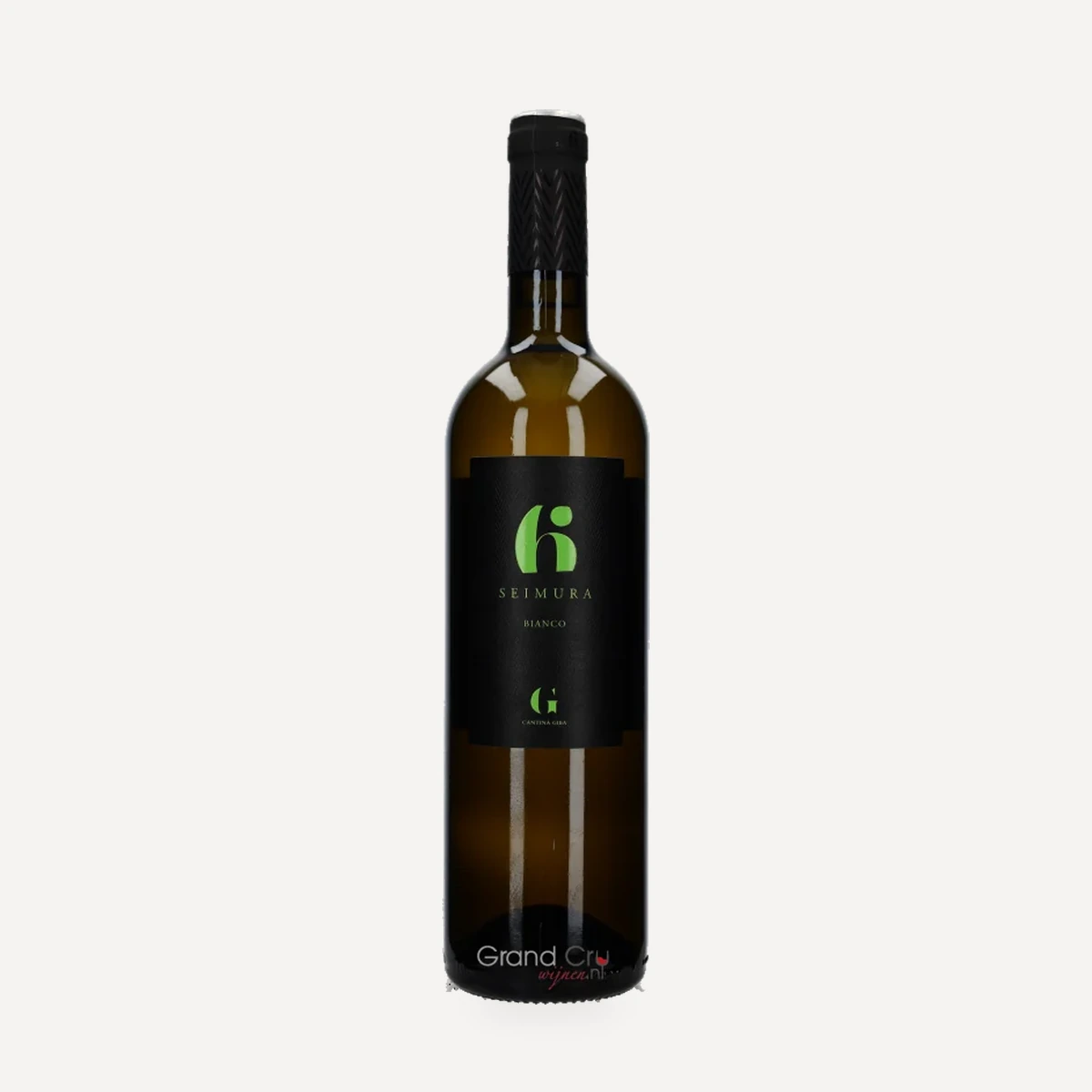
6 Mura Bianco
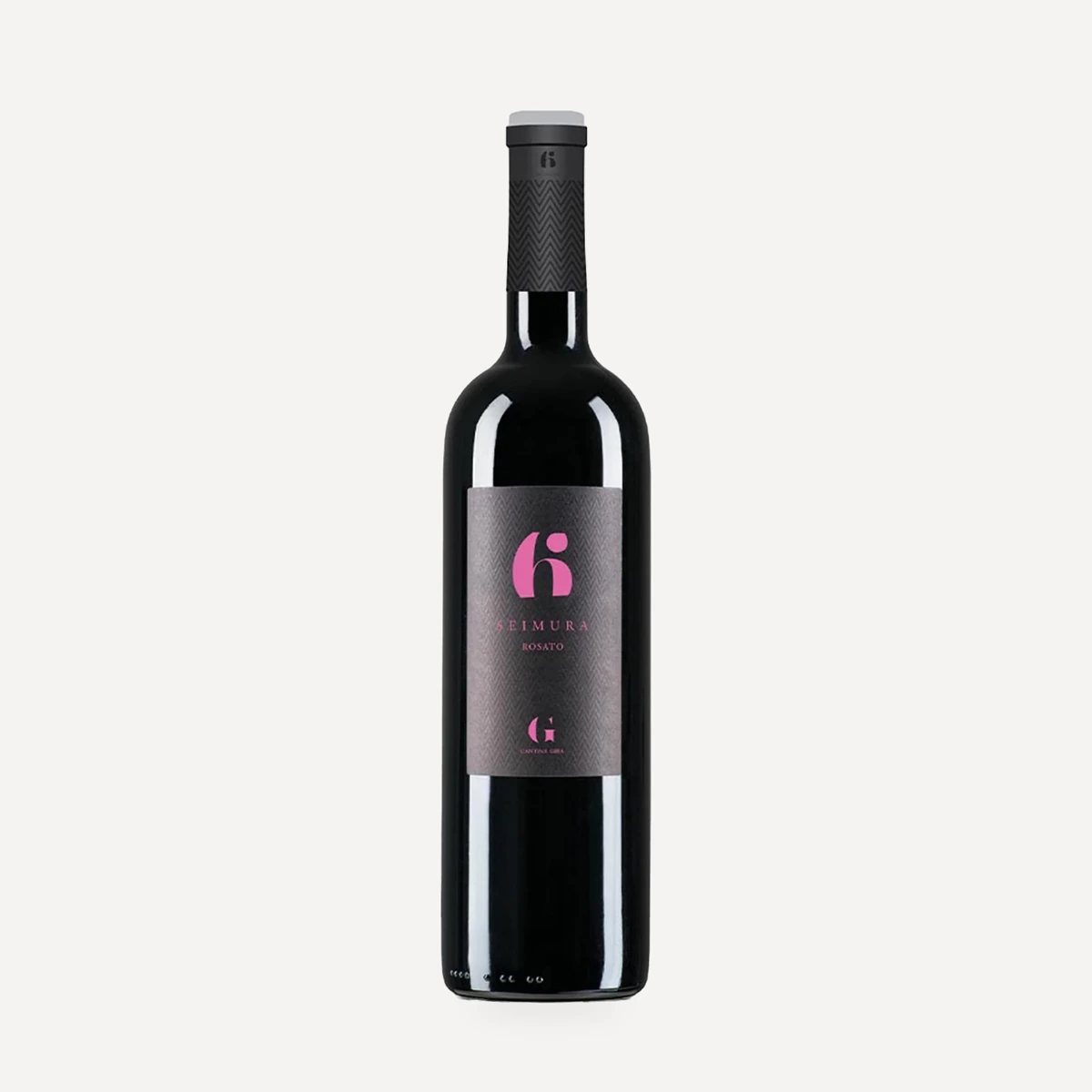
6 Mura Rosato
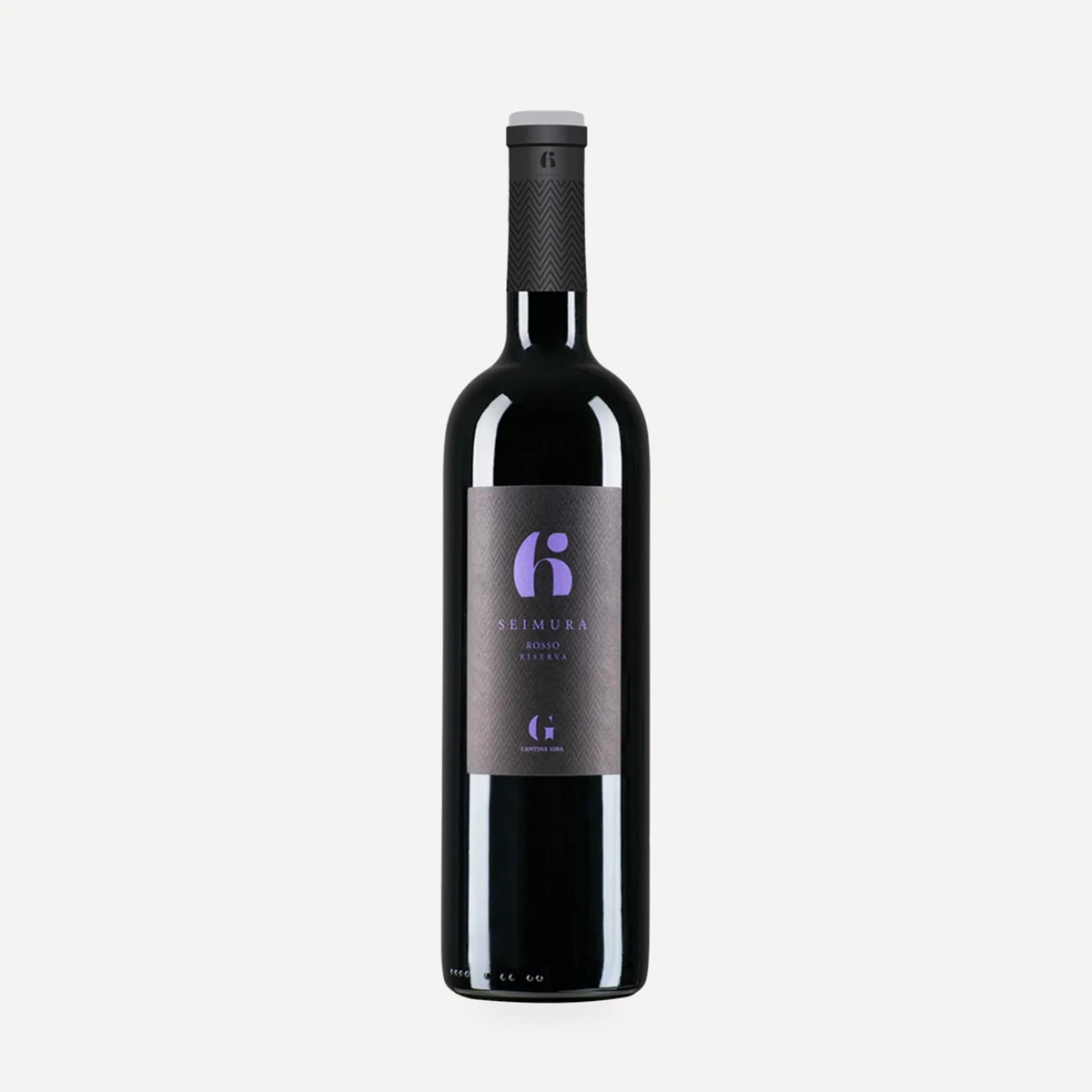
6 Mura Rosso
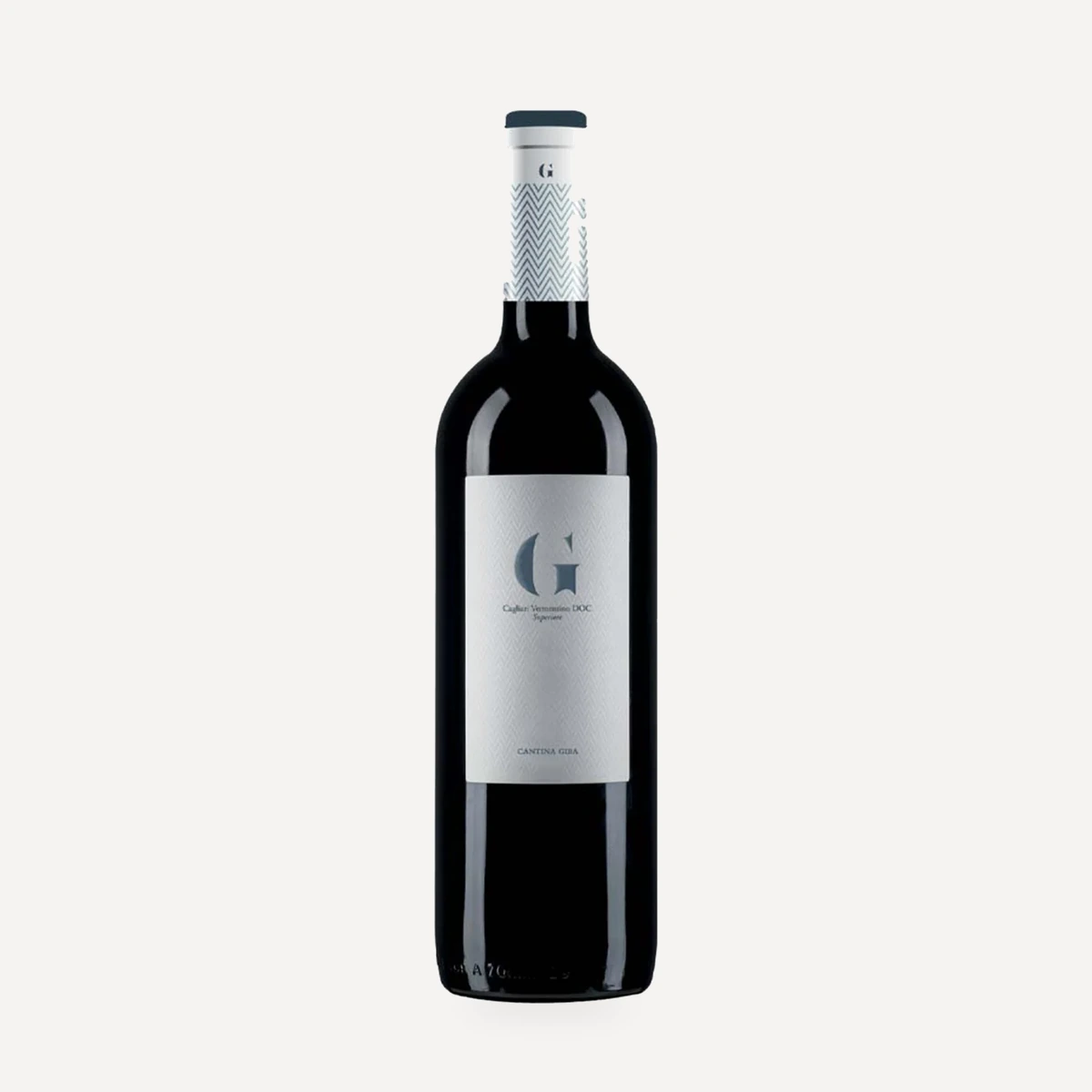
G Bianco
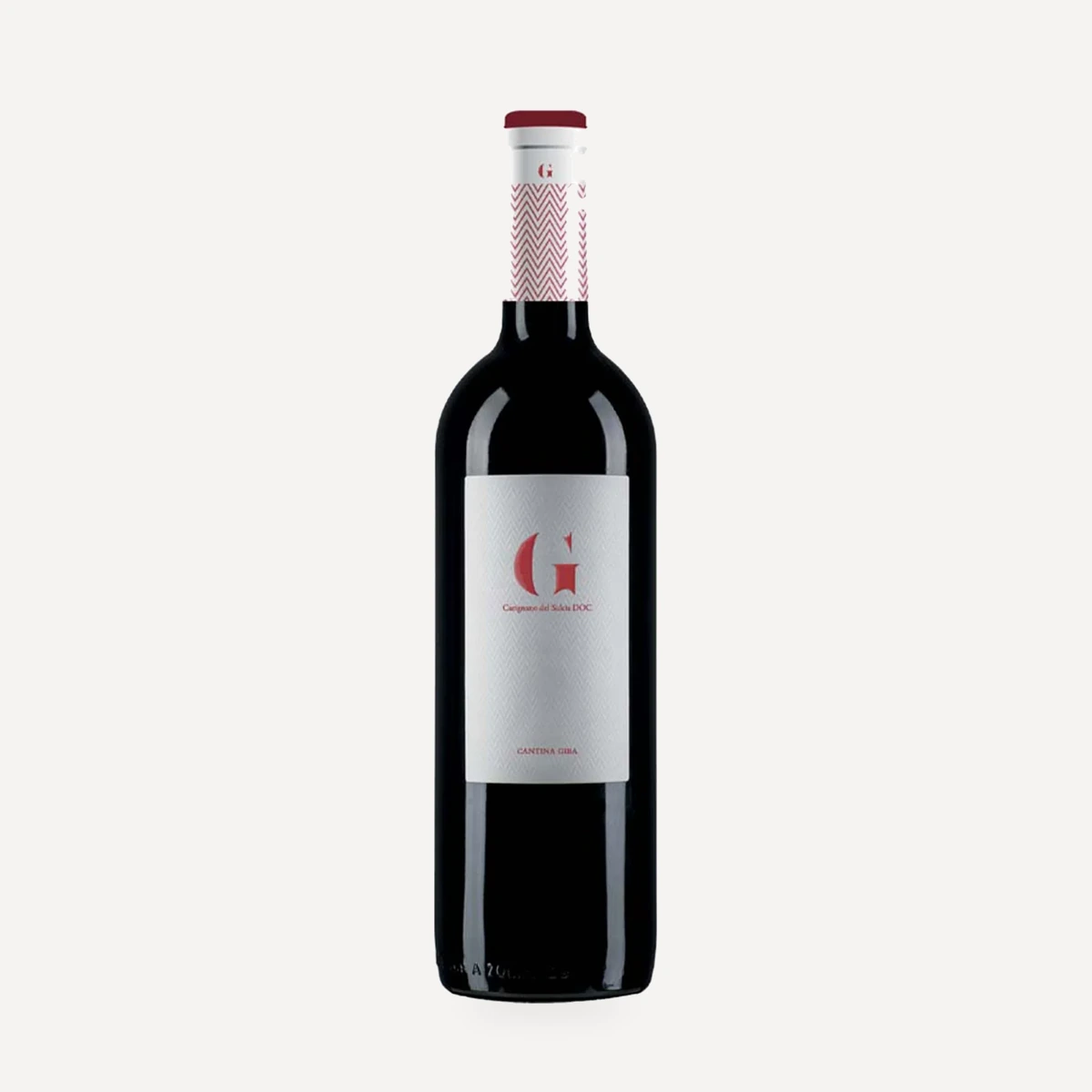
G Rosso
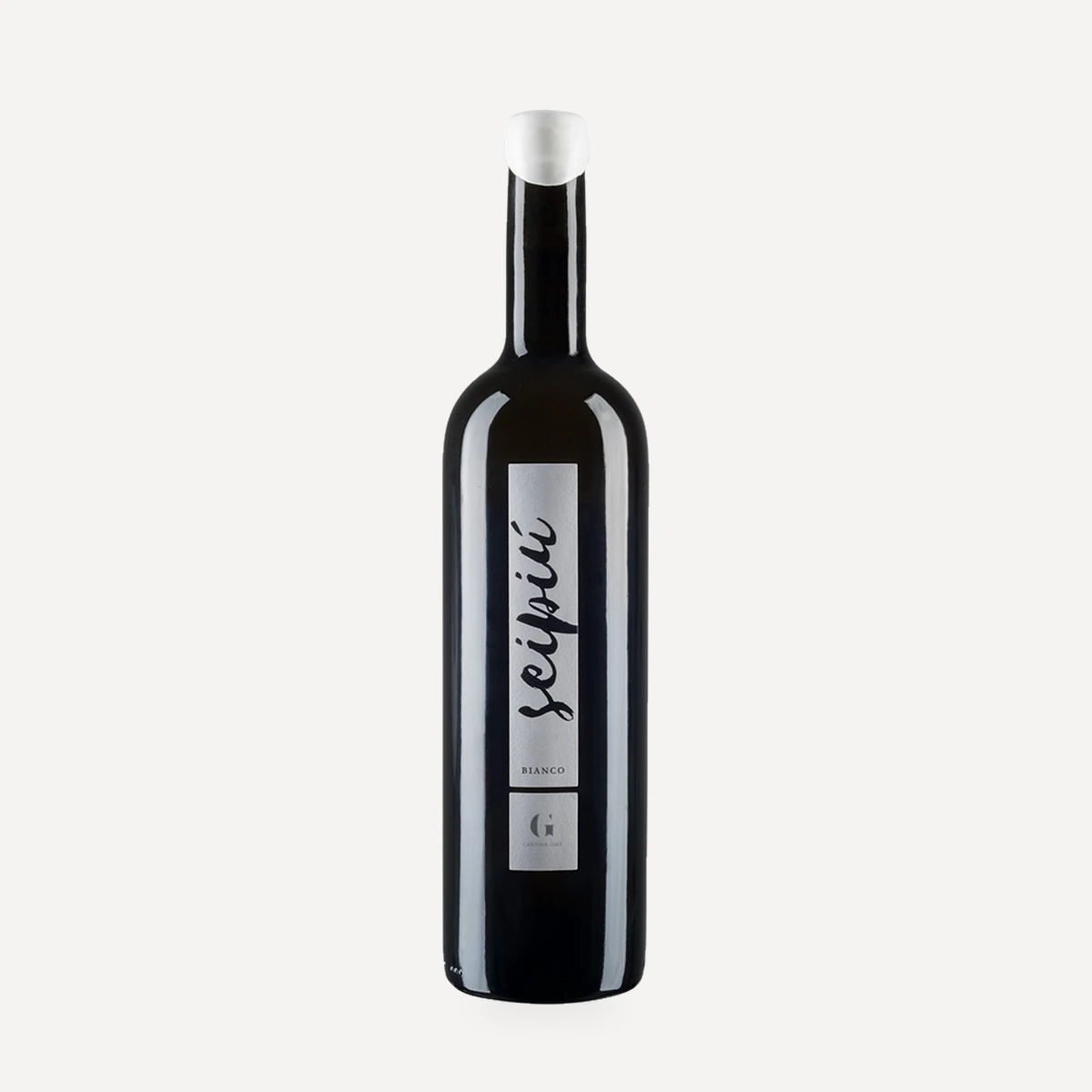
Sei Più Bianco