Storia
Family roots in Oddoene
The Berritta family has cultivated vines and olive trees for several generations and describes itself as a family of winegrowers spanning three generations. Its agricultural roots lie in the Valle di Oddoene, below Dorgali and a few kilometres inland from Cala Gonone. The valley’s cultivated fields became an important part of Dorgali’s economic recovery after the Second World War, when previously uncultivated or unproductive land was assigned to local families and progressively planted with vines and olive trees.
Antonio Berritta founded the winery and spent his working life as a vigneron. The family’s holdings developed around Oddoene, where its vineyards grow at the foot of Monte Tundu. The estate later added small vineyard parcels in Filieri, another historic Dorgali growing area.
1980s–2005: recovery of Panzale
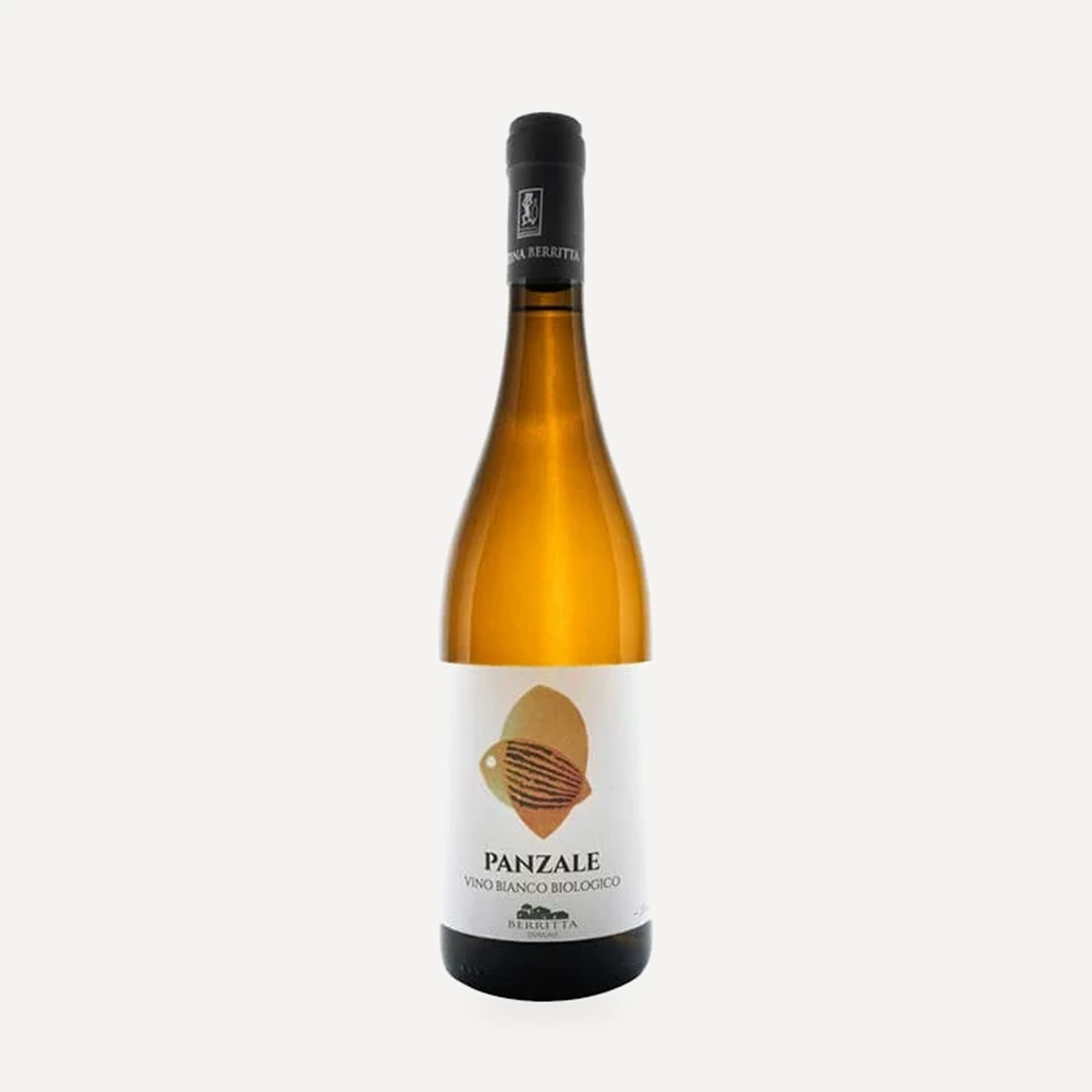
Beginning in the 1980s, Antonio Berritta undertook a long programme of recovery and selection for Panzale, a rare white grape traditionally present in the family vineyards. The variety had formerly been used primarily as a table grape or dried grape. Antonio’s objective was to select suitable plant material and demonstrate that Panzale could produce a dry varietal wine. The estate has bottled Panzale since 2005.
2011–2018: new bottlings and a renewed visual identity
The first bottle of Nostranu was produced in 2011. During 2017 the winery introduced a new logo and began renewing the presentation of its wines with Dorgali illustrator Maurizio Brocca. Nostranu received a vine-centred label in May 2017. Later that month, the first Monte Tundu was released: a 2014-vintage Cannonau di Sardegna DOC Classico that had been bottled a few weeks earlier. Its name refers to the large rounded rock overlooking the Valle di Oddoene and the family vineyards.
The 2016 Panzale was bottled in June 2017 with a new amber bottle, wax seal and label inspired by the grape’s almond character and by the form of a fish. A new Thurcalesu label followed, using contour lines around Dorgali and a map marker to locate the winery. In January 2018 the renewed Don Baddore label completed the principal redesign programme.
Marinu debuted in March 2018 from the 2017 vintage. Its name and conception refer to the light maritime breeze travelling inland from Cala Gonone, across the granite formations that protect Oddoene. The rosé project had been under development for some time before the difficult 2017 growing season produced the first bottled vintage.
2019–2021: organic certification, geographic recognition and new varieties
Organic certification began appearing on labels with the 2019 vintage. In October 2019, the Regione Sardegna approved “Vigna di Oddoene” for the regional list of vineyard place names used in the designation of DOP wines. The request had originated with Berritta as part of its effort to associate Dorgali Cannonau more precisely with the distinctive growing conditions and history of Oddoene.
Agris Sardegna’s Akinas research project subsequently recorded the genetic identity of Panzale in its database of Sardinian minor native varieties. In April 2020 the regional agricultural authority formally recognised Panzale, together with several other local varieties. The winery publicly marked that recognition in February 2021. Panzale is also known locally as “Pansale.”
Two new wines reached the market in August 2020: Baillanu, from Cannonau grown on basaltic Filieri parcels, and Istranzu, a varietal Syrah. Syrah had first been suggested for Oddoene by Tuscan agronomist Maurizio Saettini during a visit arranged by oenologist Roberto Gariup. The planted Syrah initially contributed to Don Baddore and later became the basis of Istranzu. Francesco Berritta participated in recounting this development.
The first Vermentino, Tziu Martine from the 2020 vintage, was bottled on 21 April 2021 and released shortly afterwards. Its name refers to the Tziu Martine coastal locality near Cala Gonone. Its label continued the collaboration with Maurizio Brocca, using black volcanic rocks, white space, silver detailing and the colours of the local sea.
Recent direction
The estate now produces nine wines and approximately 30,000 bottles annually. It cultivates about 10 hectares of vines and describes approximately 20 hectares as the vineyards’ full potential. By 2024, all its land had been converted to the organic model. The continuing direction combines traditional vineyard work, manual harvesting, indigenous fermentations, detailed identification of Dorgali growing areas and hospitality among the Oddoene vineyards.
Terroir
Valle di Oddoene
The principal vineyards lie in the countryside of Dorgali, in the Valle di Oddoene at the foot of Monte Tundu. The valley is a few kilometres in a straight line from the sea at Cala Gonone. Mediterranean vegetation surrounds the vineyards, while a line of granite formations moderates the light maritime breeze moving inland from the coast.
Oddoene is treated as a distinct cru, with its own combination of soil and microclimate. The soils are described as freely draining weathered granite, locally mixed with limestone. Estate parcels used for the principal varieties are documented at approximately 120 and 180 metres above sea level. The lower parcels include south-east-facing sites. The valley contains Cannonau, Panzale, Vermentino and Syrah, with vine ages documented between approximately 20 and 45 years depending on the parcel and selection.
In October 2019, “Vigna di Oddoene” entered the regional list of vineyard place names used for DOP wines. The initiative reflected Berritta’s commitment to zonation: identifying wines closely with an individual vineyard or growing area whose characteristics can be recognised.
Filieri
Filieri is a historic Dorgali cru containing small Cannonau parcels at approximately 450 metres above sea level. The soils are basaltic and associated with an extinct volcano, contrasting with Oddoene’s weathered-granite sites. The parcels are described as having favourable exposure, and their vines are approximately 35 years old.
Vinificazione
The vines are trained using traditional methods and agronomic practices directed toward organic production. The approach is intended to respect the plants, soil, surrounding environment and inherited local practices. All the estate’s land had been converted to the organic model by 2024, and organic certification has appeared on labels since the 2019 vintage.
Grapes are harvested by hand into boxes. Several selections involve careful picking from the best or oldest vines, followed by further selection before destemming. The estate distinguishes younger Cannonau vines, approximately 20 years old, from older selections reaching approximately 40–45 years. Panzale and Vermentino selections are associated with vines of about 25 years, while the Filieri Cannonau parcels contain vines of about 35 years.
The organic commitment is framed as a responsibility to preserve soil, landscape and biodiversity for future generations. Berritta also aligns itself with a model of independent winegrowing that reduces or eliminates synthetic chemistry, uses environmental resources consciously and maintains the relationship between wine and its place of origin.
Grapes are handled manually, and natural alcoholic fermentation with the indigenous yeasts present on the fruit is a defining production principle. Methods vary according to grape colour, parcel and intended structure.
For white grapes, harvested fruit may be chilled overnight or brought to 5–6°C before processing. After destemming and pressing, some musts remain with the skins for 12–18 hours at 18°C; another white-wine protocol extends skin contact to 48 hours before separating the skins and continuing fermentation at 20°C. Fermentation takes place in stainless steel with indigenous yeasts. Wines may remain in steel for approximately five months or rest on fine lees until the following spring, followed by clarification and bottling.
The rosé protocol uses 6–12 hours of maceration, gentle pressing and static settling. Fermentation proceeds in stainless steel at 18°C for approximately 20 days, followed by six to eight months in steel and several months in bottle.
Red-grape protocols begin with manual selection and destemming. Fermentation and maceration take place either in stainless steel, traditional wooden vats or French-oak truncated-conical vessels. Skin contact ranges from approximately 8–10 days for younger-vine selections to at least 15 days, approximately 20 days or as long as 25–30 days for more structured lots. Manual punching down is performed daily or repeatedly throughout fermentation. One Syrah protocol concludes with gentle pressing in a manual press before transfer to medium or small French-oak vessels.
Depending on the selection, maturation may involve six to eight months in stainless steel; approximately 12 months in concrete; six to eighteen months in medium or large barrels; or twelve to twenty-four months in French oak. One older-vine Cannonau protocol includes weekly lees stirring in large wooden barrels until spontaneous malolactic fermentation. Bottle ageing ranges from one month to approximately six months or longer. At least one long-aged red is bottled by hand without filtration.
Filosofia
Berritta’s philosophy joins family continuity, manual work and precise identification with Dorgali’s growing areas. Wine is intended to carry a strong identity derived from grapes worked by hand and fermented naturally with their indigenous yeasts.
The family gives particular importance to recovering local material and stories. The long selection of Panzale transformed a traditional table and drying grape into a varietal wine, while names and labels preserve Dorgali places, words and memories. International Syrah is treated through the Sardinian idea of s’istranzu: an outsider welcomed and honoured until it becomes part of the community.
Zonation is another central principle. Oddoene and Filieri are presented as distinct crus rather than interchangeable Dorgali vineyards. The successful request for the “Vigna di Oddoene” place name was intended to connect Cannonau more explicitly to the valley’s soils, microclimate, agricultural history and family roots.
Organic farming is framed as a commitment to the plants, soil, landscape, consumers and future generations. Traditional cultivation remains central, while cellar work uses temperature control, stainless steel, concrete and a range of wooden vessels where they serve the character of the grapes. The balance sought is therefore not tradition opposed to technique, but inherited practice supported by careful, low-intervention handling.
Vini
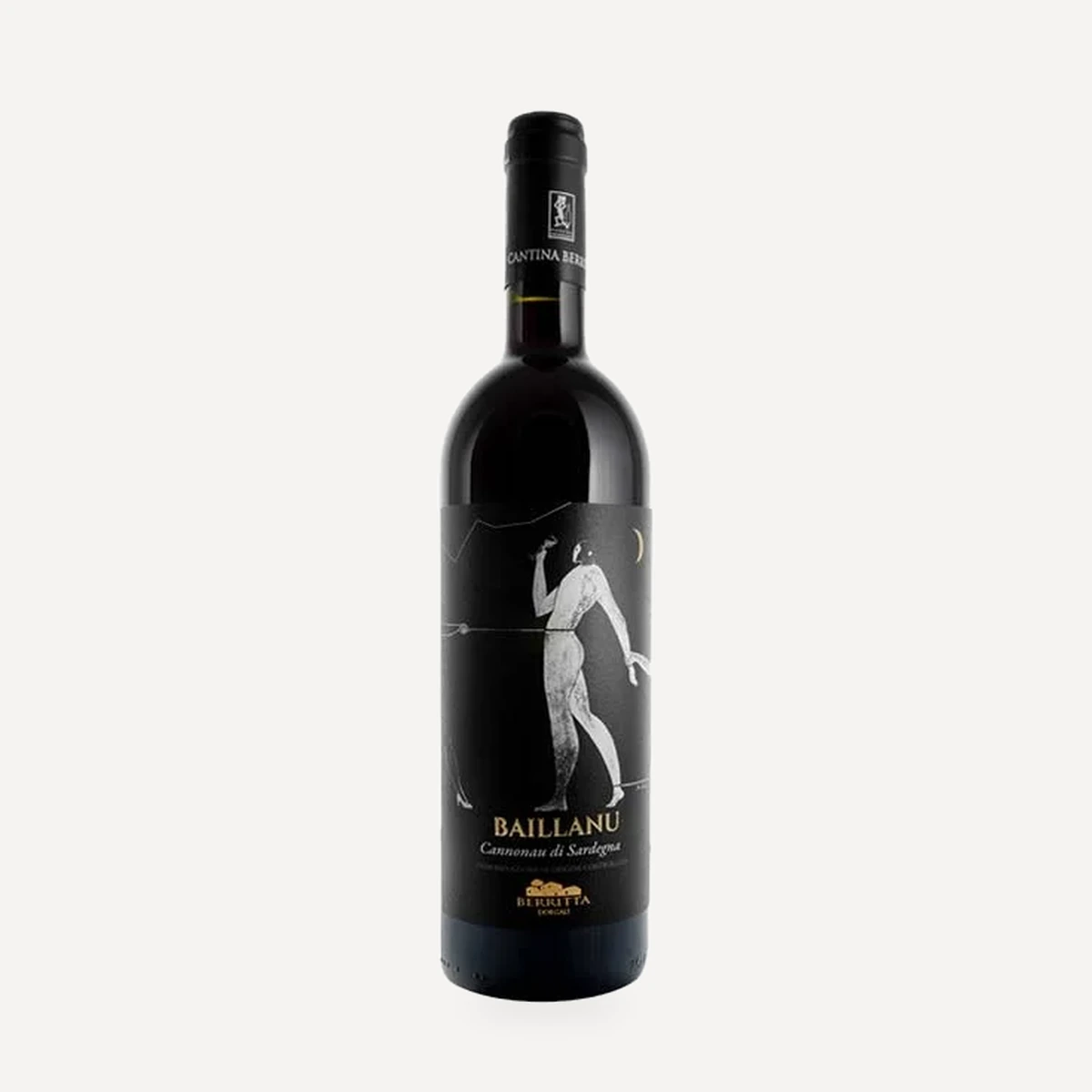
BAILLANU Cannonau di Sardegna Doc
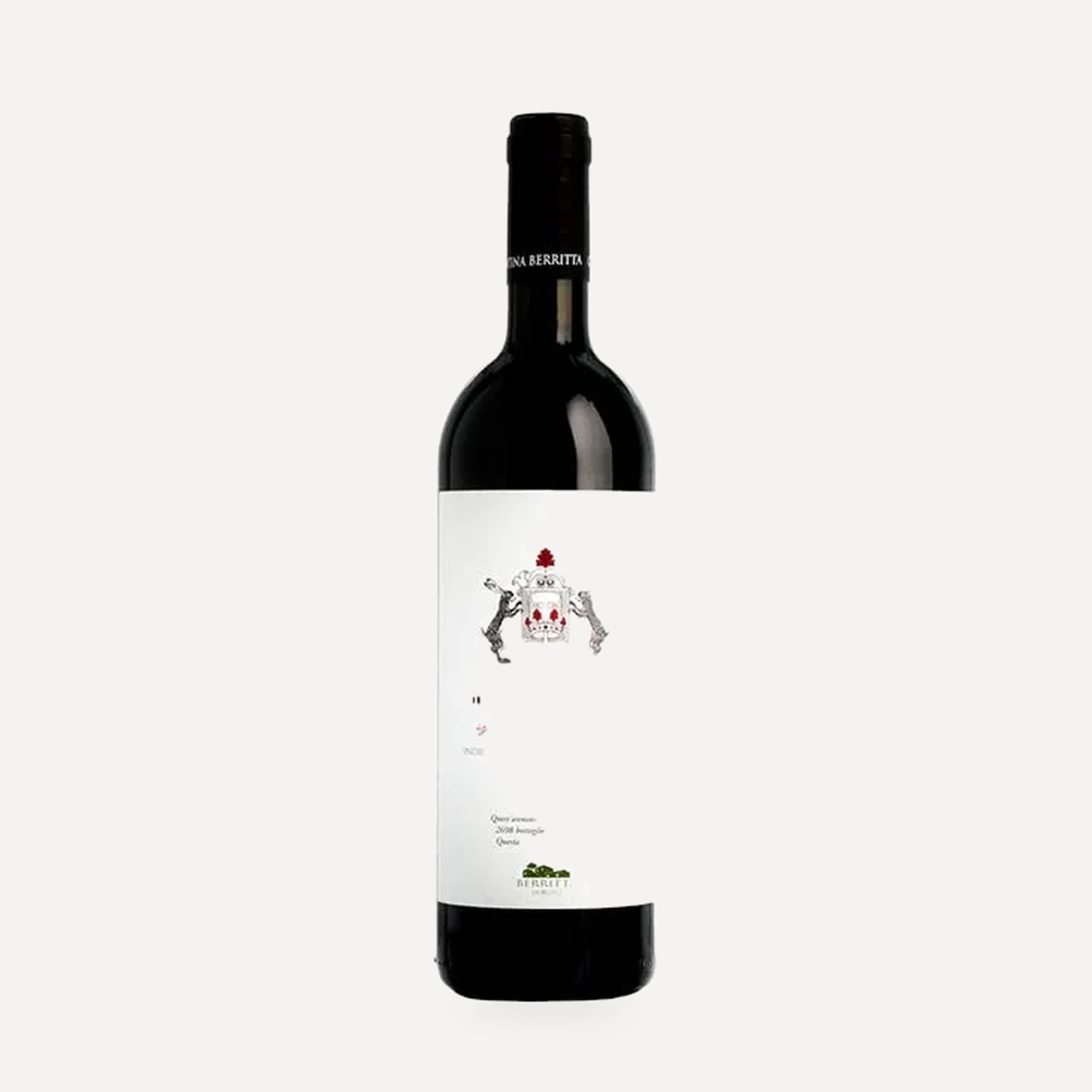
DON BADDORE Isola dei Nuraghi IGT
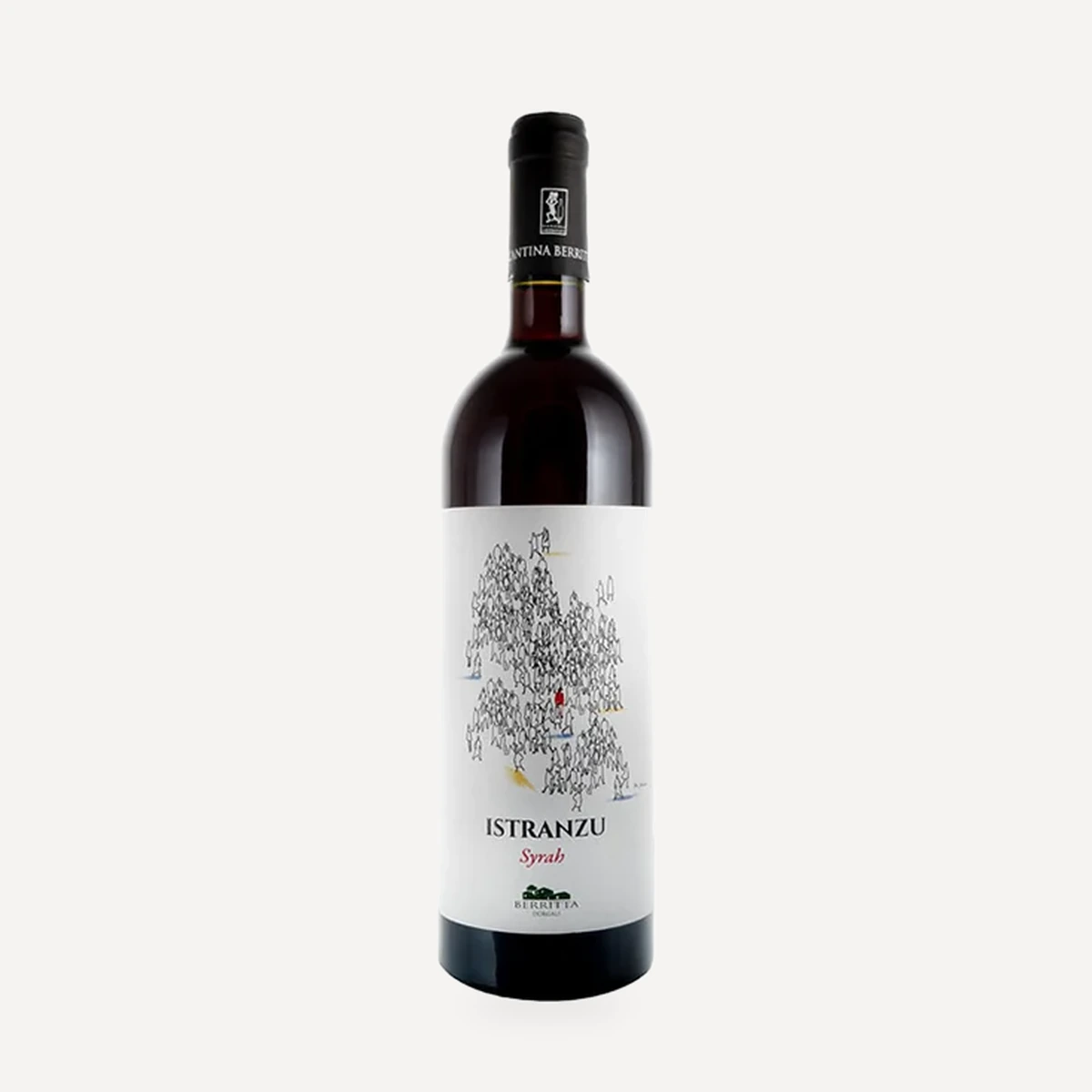
ISTRANZU Isola dei Nuraghi IGT
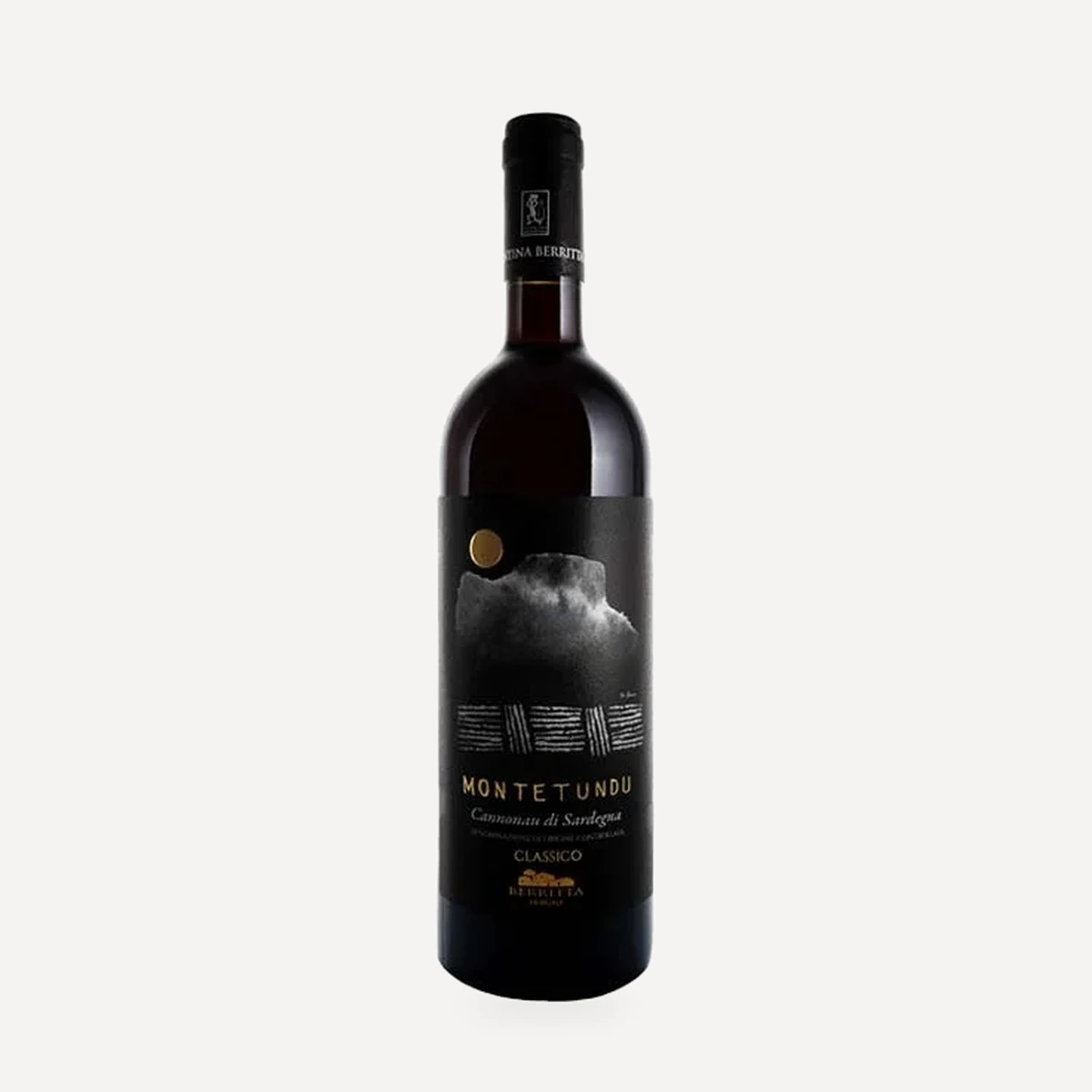
MONTE TUNDU Cannonau di Sardegna Doc Classico
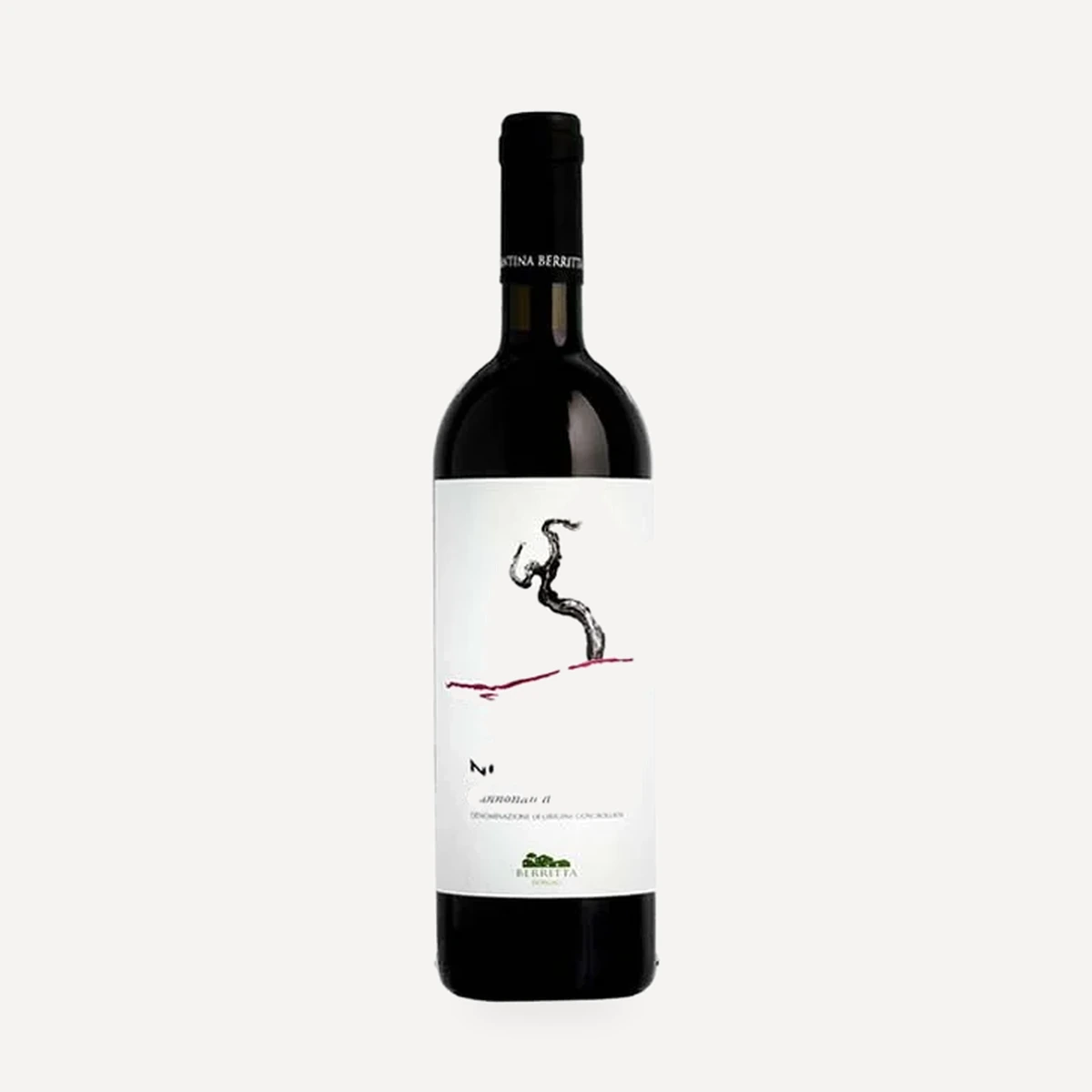
NOSTRANU Cannonau Doc