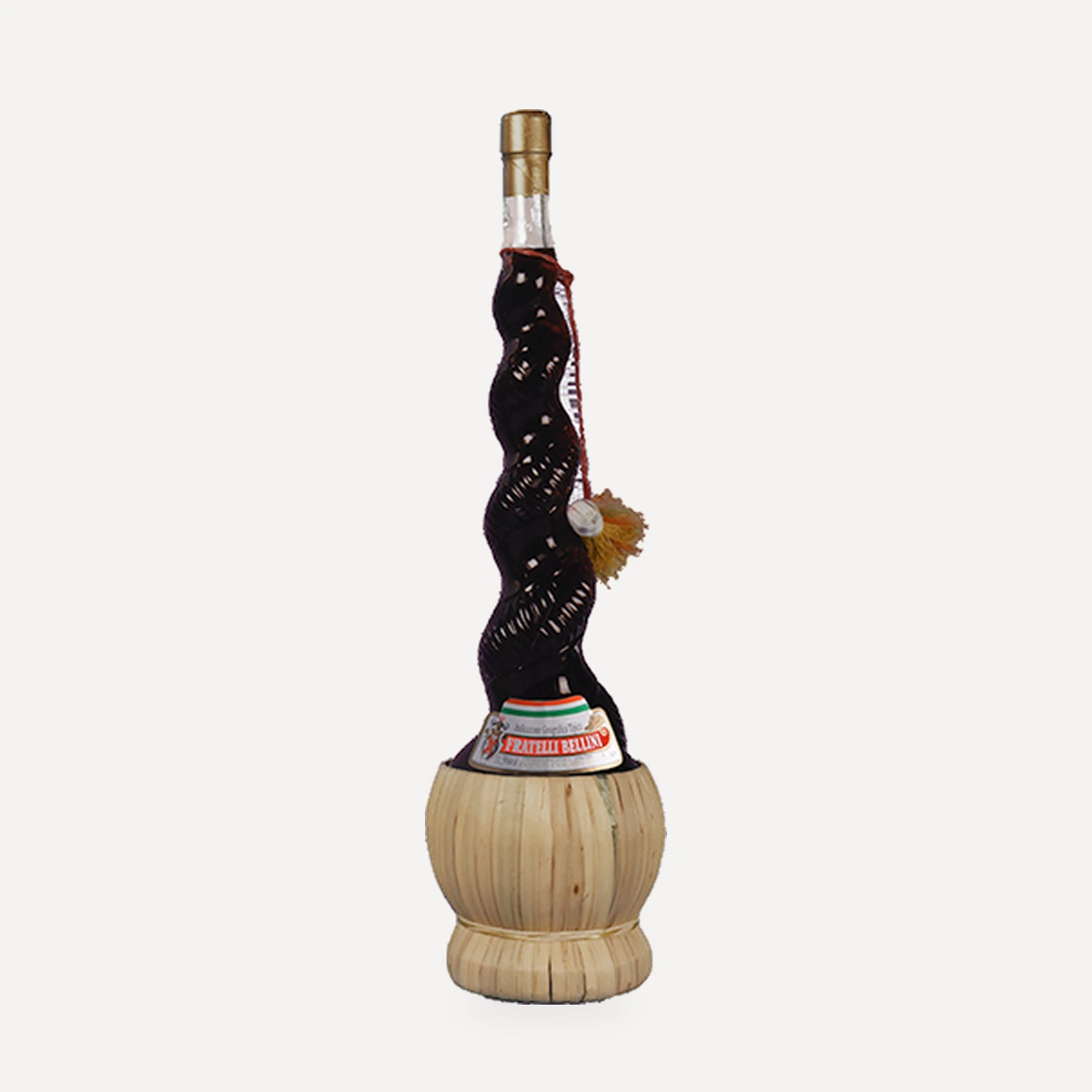
Storia
Late 19th century: the beginnings
The Bellini family descends from an established line of landowners. In the closing years of the 19th century, the family began distributing products from its farms within the surrounding area, placing particular emphasis on wine. This agricultural and commercial activity marked the beginning of the Bellini wine business.
The 1950s: European expansion
The winery entered a period of strong growth during the 1950s. Its commercial reach expanded beyond the Italian market and into other European countries, establishing the international foundation of the business.
Fifth-generation development
The fifth generation of Bellini winegrowers consolidated the family's established European markets and extended distribution overseas. Management remained in family hands while the business pursued organizational and technological renewal alongside its inherited winemaking traditions.
The production model combines historic family vineyards with fruit from vineyards rented from nearby farms with which Bellini has maintained long-standing relationships. This structure supports a portfolio that extends beyond the native Sangiovese tradition while retaining a connection to the character of Tuscan and Chianti wines.
Quality systems and modernization
A formal quality-management system compliant with UNI EN ISO 9001 has operated since 1998. The ISO certificate records its first issue on 22 July 1999; the current certificate shown is for ISO 9001:2015 and covers the processing, bottling and sale of common, I.G.T., D.O.C., D.O.C.G., D.O.P. and I.G.P. wines, including Chianti and Chianti Rùfina.
BRC and IFS food-safety certification followed in 2020. By 2024, the production operation at Via Vallombrosana in Pelago held BRCGS Food Safety Grade A and IFS Food Higher Level certification. The quality program encompasses HACCP controls, internal and external inspections, third-party audits, product traceability, fraud prevention and continual process improvement.
The 2025 objectives included further market development, improvements in employment and supplier satisfaction, fewer complaints, stronger contamination controls and enlargement of the barrel cellar to improve customer hospitality.
Terroir
Historic vineyards
The Bellini family's historic vineyards lie within Chianti Rùfina, the smallest and highest of the traditional Chianti zones. They occupy hillsides at approximately 300–400 metres above sea level, amid olive groves and woodland. The surrounding cultural landscape includes Romanesque parish churches, towers and medieval castles.
The soils are sandy and calcareous. Ventilation and marked temperature differences between day and night form the principal climatic elements identified for the vineyards. These conditions support Sangiovese with acidity and tannic structure suited to ageing.
Chianti Rùfina setting
Chianti Rùfina lies northeast of Florence on the slopes of the Tosco-Romagnolo Apennines, approximately 20 kilometres from central Florence. The production area extends through Rufina, Pontassieve, Londa, Pelago and Dicomano. Its high-hill environment is influenced by the Sieve River—the largest tributary of the Arno—and by the nearby Apennines. The interaction of river, mountains and varied geology produces a heterogeneous mosaic of local microzones.
The wider Chianti Rùfina territory covers 12,483 hectares. At the time described, 750 hectares were registered for Chianti Rùfina, with potential expansion to about 1,000 hectares. These regional figures are not Bellini estate measurements.
Vinificazione
Grapes are sourced partly from historic family vineyards and partly from vineyards rented from long-standing neighbouring farm partners. Sangiovese is the central native variety, accompanied by Cabernet/Cabernet Franc, Merlot and Syrah. The international varieties were introduced to broaden the range while maintaining the traditional character associated with the territory.
Selection is performed manually in the vineyard before the grapes enter the fermentation cellar. No specific organic, biodynamic or other vineyard-farming certification is attached to Bellini's own viticulture.
Reception and fermentation
Grapes undergo manual selection in the vineyard before delivery to the fermentation cellar. Following destemming, the must moves by gravity into stainless-steel tanks. Alcoholic fermentation takes place under temperature control.
Depending on the wine, the must remains in contact with the fermentation solids for 15–24 days. All red wines subsequently undergo temperature-controlled malolactic fermentation to develop greater roundness and suppleness.
Maturation and cellar operations
Maturation may take place in wood, stainless steel or concrete. The English production description gives a range from approximately six months for simpler wines to as long as six years for the most complex bottlings.
The certified operational scope additionally encompasses transfers, clarification, stabilization, filtration and blending. Both still red and still white wines are processed, including wine bottled in glass and wine handled in bulk.
Bottling, hygiene and traceability
Bottling follows HACCP hygiene procedures and product-traceability requirements. The quality system incorporates internal and external inspections, third-party audits, food-defence and food-fraud mitigation measures, legal and denomination compliance, and controls intended to prevent or reduce risks to consumer health. Modern machinery is used to maintain consistent production standards.
Filosofia
Bellini's approach joins family continuity with organizational and technological renewal. Tradition is treated as a working foundation rather than an obstacle to modernization: new equipment, certified controls and process improvement are intended to increase consistency and quality while preserving the identity of the wines.
The family regards Sangiovese as the historic native reference point of its territory. Cabernet/Cabernet Franc, Merlot and Syrah broaden the range, but the stated objective is to use them without losing the typical character associated with Tuscan and Chianti wine.
The management program places customer satisfaction, food safety, authenticity, accurate labelling and regulatory compliance at the centre of the business. Customer needs and service performance are monitored, while employees are expected to report nonconformities and propose improvements. Continuing training supports this culture of shared responsibility.
Environmental commitments include use of photovoltaic energy, waste reduction, process optimization, lower atmospheric emissions, correct waste and wastewater management, and reduction of noise impact. Social commitments follow SA8000 principles, including nondiscrimination, fair and transparent working conditions, contractor compliance, employee welfare, training and workplace-injury prevention.
Vini
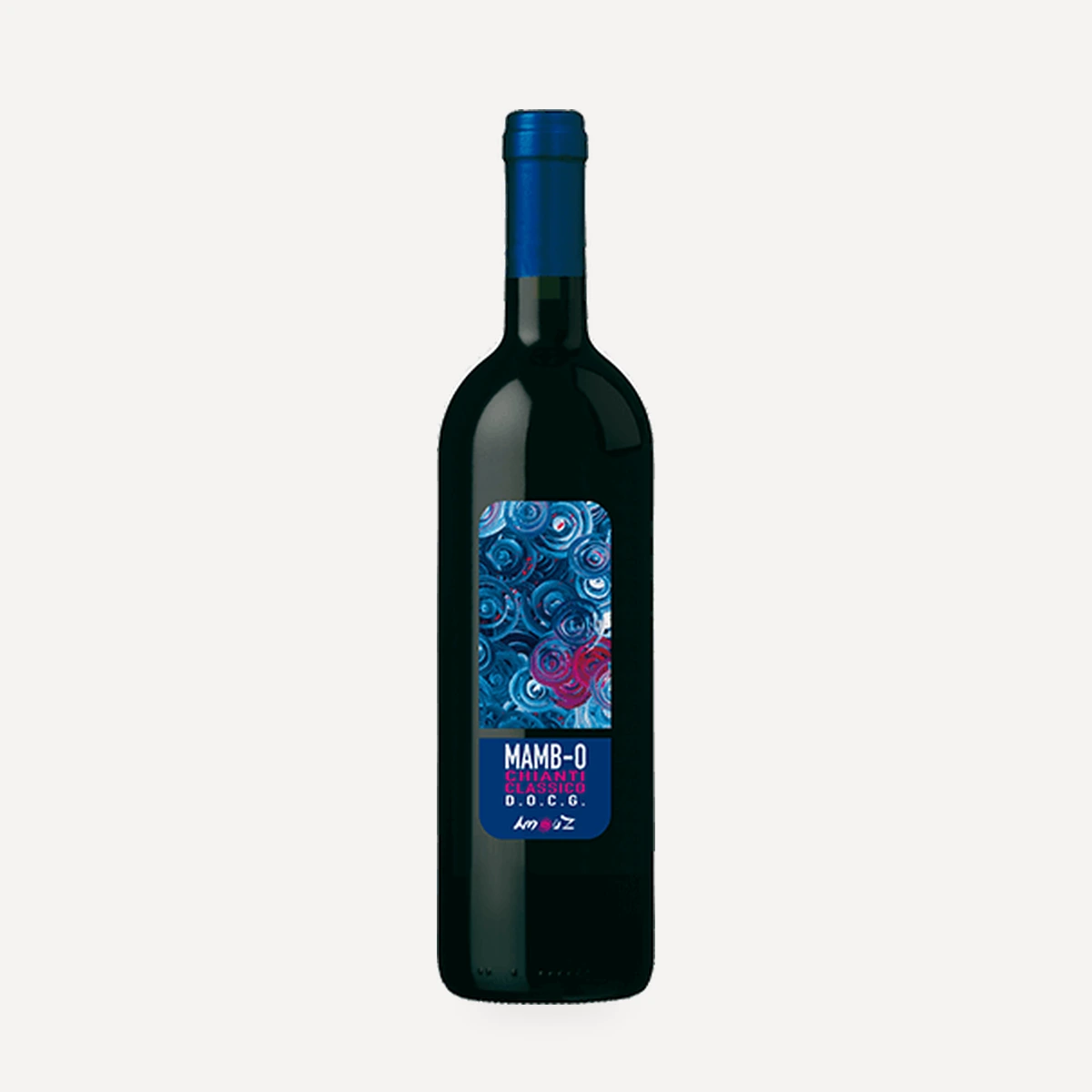
MAMB-O Chianti Classico
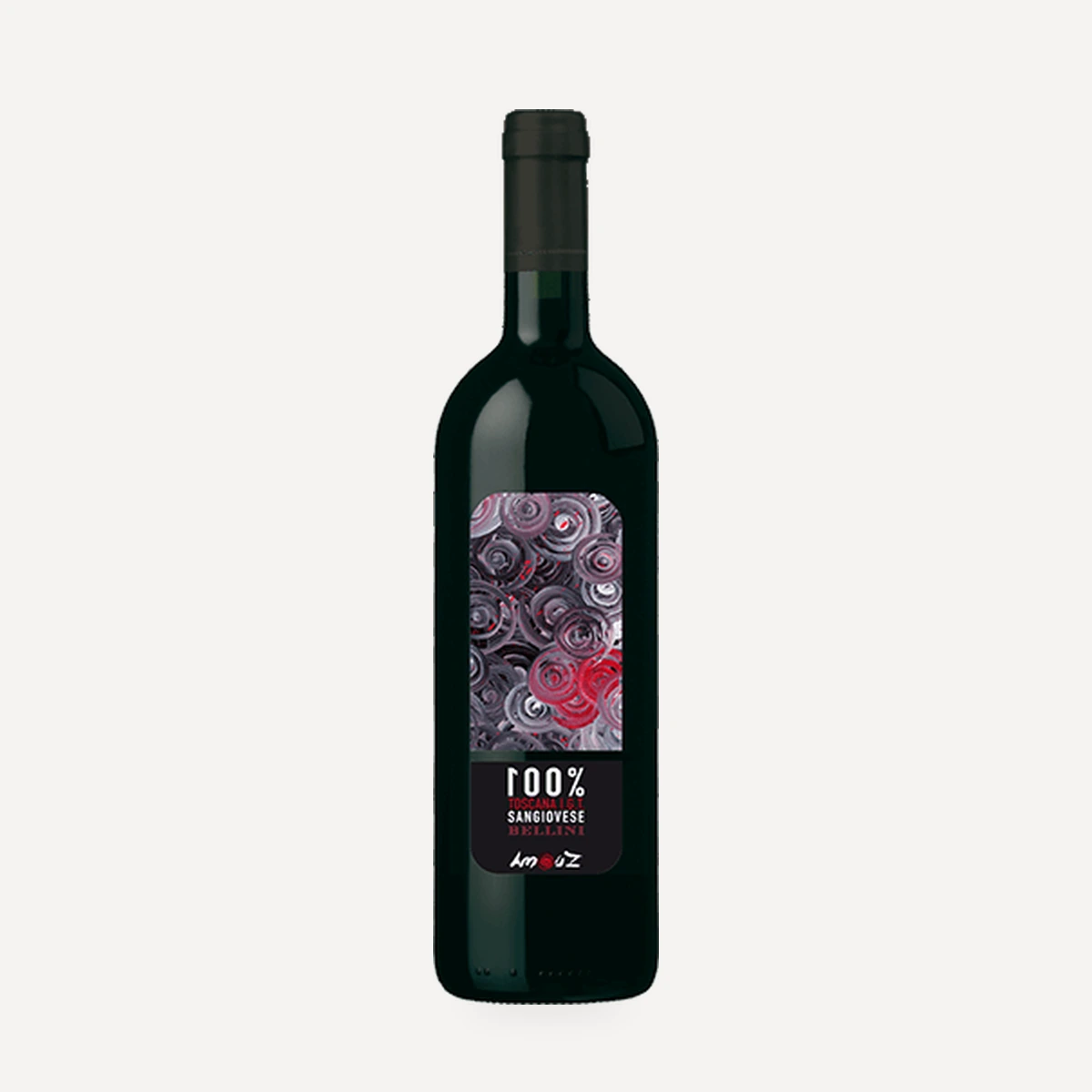
Mamb-O 100% Sangiovese
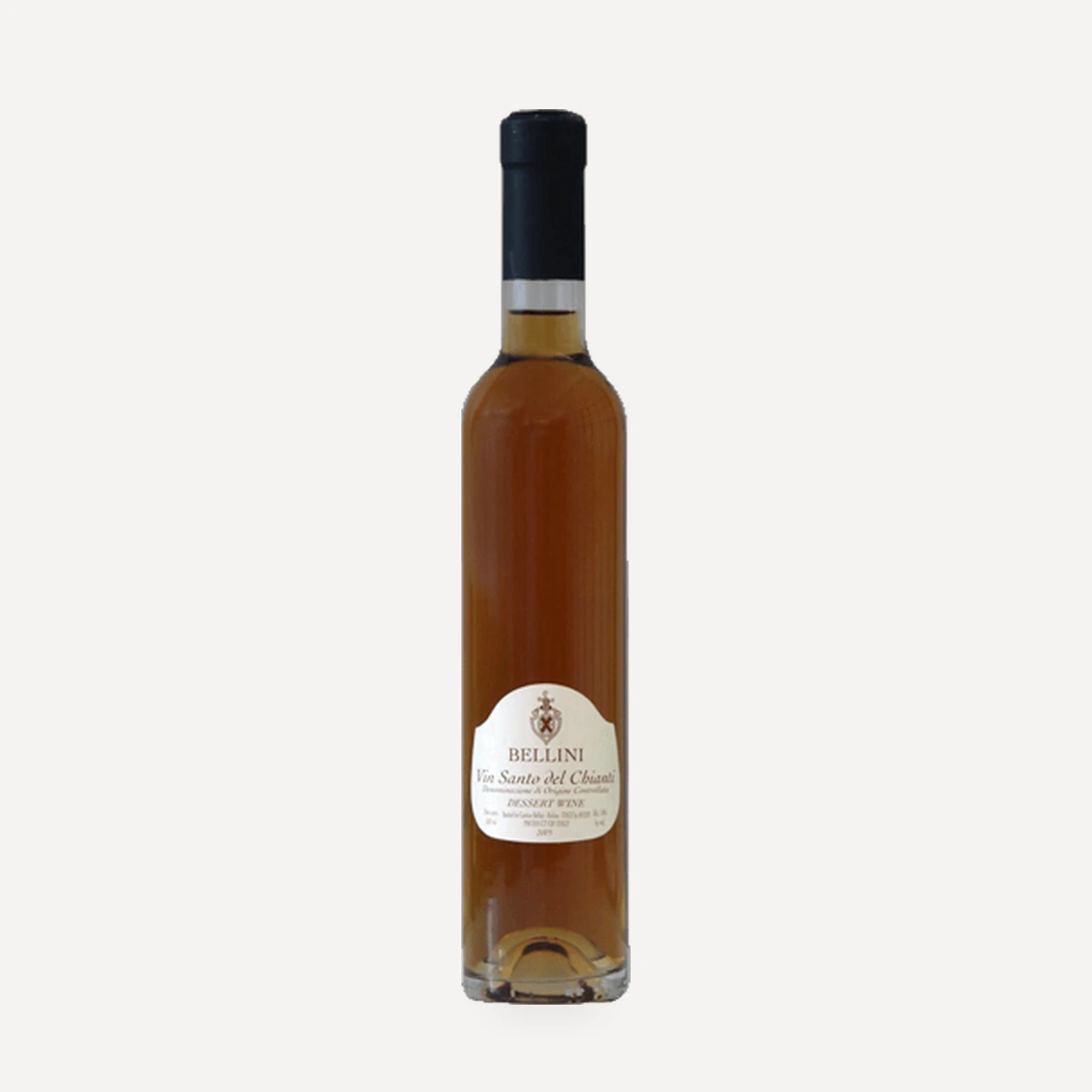
Vin Santo Del Chianti D.O.C.