Storia
The family vineyard before Bibi Graetz
The project’s roots lie in Vincigliata, the Graetz family’s historic vineyard on a hill above Florence. Its old field-blended vines followed the traditional Chianti composition: Sangiovese, Canaiolo and Colorino together with approximately 20–30% white grapes, including Trebbiano and Malvasia.
During the 1970s, Bibi’s father, Gidon Graetz, objected to a contemporary practice that involved strengthening colour and structure with concentrated must from Sicily. His response was to plant complete rows of Colorino at Vincigliata. Those plantings explain the unusually important presence of Colorino in the family vineyard and later supplied a structural component of the inaugural Colore.
2000: the winery is founded
Bibi Graetz founded the winery in 2000 on the hill of Fiesole overlooking Florence. Raised in a family of artists, he chose wine as his life’s work and took over the old vines at Vincigliata. The first vintages of Testamatta and Colore were created there; Colorino from the family vineyard contributed to the character of the first Colore.
Old vines became central to the developing project. Bibi was drawn to their finesse, elegance and fruit purity, and gradually assembled what is described as one of Tuscany’s largest collections of old vineyards. The red-wine holdings and grape sources expanded beyond Fiesole to elevated sites including Lamole and Montefili in Chianti Classico, Londa toward the Rufina valley, Olmo and Siena.
Giglio Island and the white-wine project
Giglio Island also has a personal connection to Bibi, who spent part of his childhood there. On morning journeys toward the vineyards, he listened to local farmers travelling with their donkeys and absorbed their knowledge of island viticulture. Years of research and work with the island’s Ansonica eventually led to a white counterpart to Testamatta. Testamatta Bianco was first produced in 2016.
The island project centres on old and sometimes century-old terraced vines rooted in granitic sand and rock. Pietrabona supplies a south-facing expression, while Serrone, Radice, Scopeto and Olivello form a group of elevated terraces that generally face north. Grapes are processed at the island winery in Giglio Castello.
The twentieth harvest and Olmo
The 2019 Testamatta marked the twentieth harvest since the first 2000 vintage. It was presented as a milestone in Bibi’s pursuit of a distinctive expression of Sangiovese.
In 2020 Bibi leased the 12-hectare Olmo vineyard. Its elevation of up to 450 metres and constant wind added another high, cool site to the red-wine project. In the same year, individual components from Vincigliata and Olmo became the basis of the Balocchi di Colore releases. The labels continued the family’s artistic involvement: Bibi asked his children to paint them, with Margherita creating the artwork for N°1 and Ingrid for N°3.
Aurora in central Fiesole
Aurora, in Fiesole’s principal square and overlooking Florence, is presented as the project’s new city château. It is dedicated to Testamatta and Colore and conceived as both a winery and the Graetz family home. The business address is Piazza Mino 37, Fiesole.
Terroir
Hills around Florence and inland Tuscany
The red-wine project draws on vineyards around Fiesole and on other elevated Tuscan sites. Old vines, altitude, wind and poor, stony ground are recurring features. Soils range from clay loam and sandy clay loam to mixtures rich in galestro, clay and skeletal stone.
Vincigliata encircles its hill above Florence and is bordered by forest. Its aspects run from southwest to south in the area used for the single-vineyard wine, while older parcel descriptions also identify a northwestern exposure. The site reaches approximately 250 metres and contains clay-loam soil with galestro.
Olmo is a 12-hectare, west-facing vineyard reaching 450 metres. Its landscape is compared to an Alpine passage. Constant wind moderates heat and preserves freshness during warm seasons; the soil is sandy clay loam with abundant galestro. Lamole and Montefili lie in Chianti Classico at approximately 600 and 400 metres respectively. Londa is north of Florence toward the Rufina valley, while the Siena source lies in southern Tuscany at about 250 metres.
Giglio Island
Giglio is an exposed maritime environment in which sea, sun, wind and salt act on granite close to the shoreline, creating sandy, rocky soils. Ansonica has a long history in this setting. The very old vineyards overlook the sea, and their deep-rooted vines are adapted to dry, windy conditions.
Pietrabona occupies terraces on the island’s southwestern side, faces south and rises from approximately 50 to 150 metres. Its vines grow in ancient granitic formations weathered into sand and rock. Serrone, Radice, Scopeto and Olivello are elevated terraces that generally face north. Constant sea breezes, altitude and the low Alberello alla Gigliese training system help the vines withstand wind, winter weather, heat and drought.
Vinificazione
Natural viticulture, old vines, high elevation and stony soils define the vineyard approach. The estate favours native Tuscan grapes, with Sangiovese, Canaiolo and Colorino at the centre of the red project and Ansonica central to the island work.
Red vineyards are divided into parcels and harvested according to ripeness. In some documented seasons, an individual vineyard was revisited as many as eight times. Grapes are picked by hand, selected first in the vineyard and subjected to a second selection at the winery before destemming. Two sorting tables have been used for this second pass. Separate harvesting and élevage preserve parcel identity until the final blend is decided.
Green harvesting in the 50–80-year-old Sangiovese vineyards is performed later than usual when fruit is intended for the sparkling base, allowing suitable sugar concentration while recovering bunches that would otherwise be discarded during thinning.
On Giglio, the vines occupy steep maritime terraces. Alberello alla Gigliese is a low, modified Guyot or goblet system, traditionally supported with interwoven canes. Keeping the canopy and fruit close to the ground protects the plants from strong winds and harsh winter conditions. Handpicked clusters are carried in small baskets to the winery in Giglio Castello. Efficient tillage and the deep roots of old vines help the island vineyards endure drought and warm seasons.
No named organic, biodynamic or sustainability certification accompanies the description of natural viticulture.
Red-wine cellar work
Red grapes are destemmed after vineyard and cellar selection and then gently pressed. Small parcels ferment in open-top 225-litre barriques; larger parcels may be assigned to 50-hectolitre wooden vats or stainless-steel tanks. Fermentations are spontaneous and driven by indigenous yeasts, generally without temperature control. The cellar does not use bleeding for the principal parcel selections.
Extraction is manual and adjusted through fermentation. Documented protocols range from up to three punch-downs or pump-overs per day at peak activity, gradually declining to one, to six or eight manual punch-downs daily. Individual old-vine lots have received four or five punch-downs at the peak, declining to two gentle operations that merely keep the cap wet. Maceration for the principal reds has lasted approximately 7–10 days.
After alcoholic fermentation, lots move to old barriques or large wooden casks for malolactic fermentation and maturation. Barriques as old as 20 years are used. Recent parcel protocols give approximately 18 months in old barriques and 50-hectolitre casks, while the principal range overview gives 20 months. Parcels remain separate through maturation before the final blend. Vincigliata’s traditional single-vineyard protocol uses 30-hectolitre wooden casks for indigenous-yeast fermentation without temperature control, followed by several additional days of maceration and approximately 18 months in large cask.
The younger Sangiovese lots are fermented for no more than a week in stainless steel, without post-fermentation maceration, then blended and held for six months in steel before bottling.
White-wine cellar work
Giglio Island clusters are harvested manually. The old-vine Ansonica lots are destemmed and gently pressed, then begin fermentation at low temperature in stainless steel for six or seven days. Approximately 70% of the must is subsequently transferred to barriques for a further ten days without temperature control. This portion matures for about seven months in barrique on its lees with bâtonnage; the remaining 30% continues in stainless steel.
The younger island fruit is destemmed and softly pressed with dry ice. Fermentation proceeds in stainless steel at very low temperature for about two weeks, followed by approximately six months in steel before bottling.
Long Charmat sparkling production
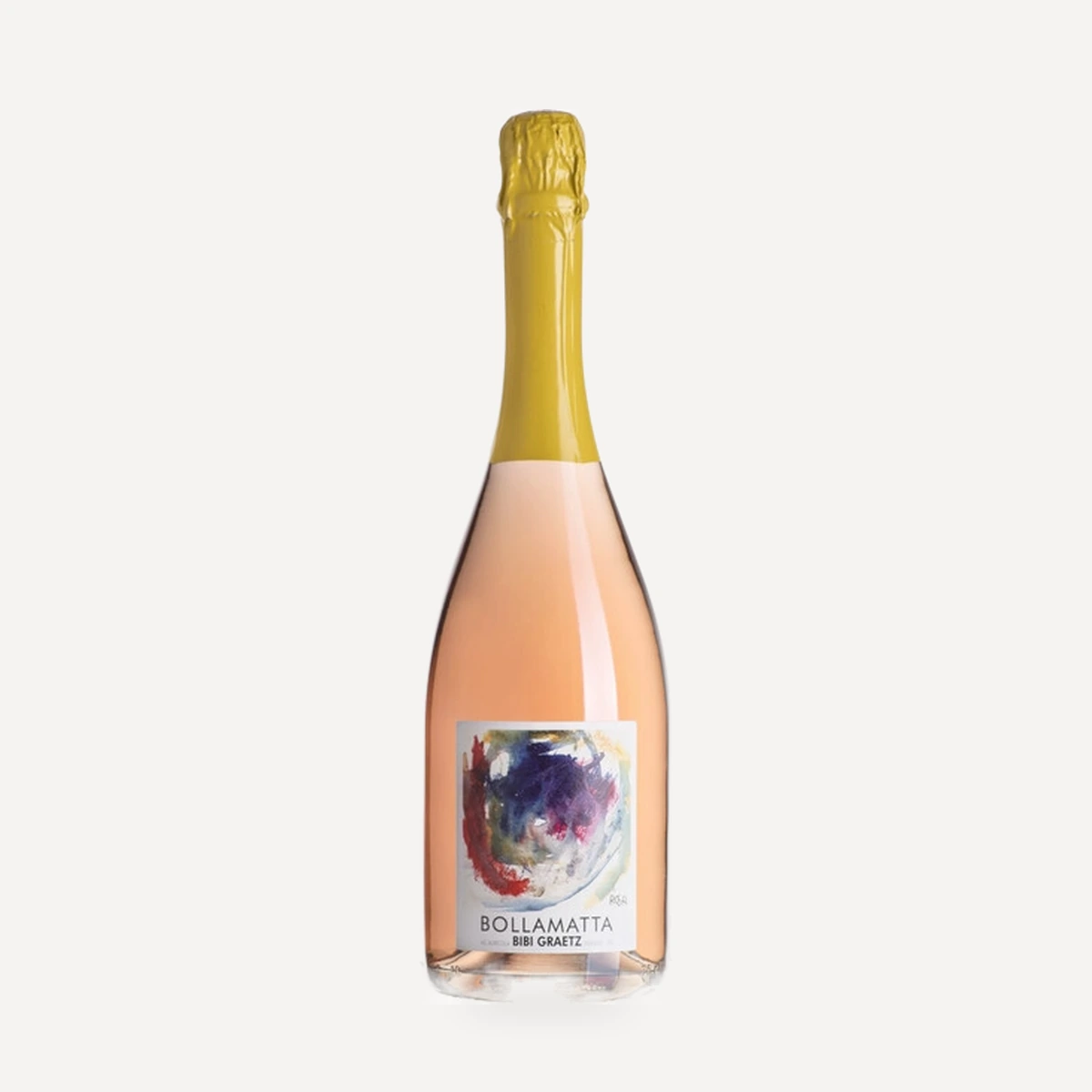
Fruit recovered through the later green harvest is destemmed and very gently pressed. Juice and skins remain together for four to five hours to extract colour and aroma. The first fermentation takes place in temperature-controlled stainless steel. A natural second fermentation follows in autoclave, with the wine retained on its lees for five to six months; this extended cycle is presented as a Long Charmat method.
Filosofia
Bibi Graetz’s approach is built around the expressive capacity of old vines. He values them for fruit purity, finesse, elegance and the complexity made possible by deep roots reaching nutrients below poor surface soils.
Altitude, wind, skeletal ground and natural viticulture are used to reveal the identity of each vineyard. The red project concentrates on native Tuscan varieties rather than treating Sangiovese in isolation: Canaiolo and Colorino are part of the inherited vineyard culture, even as Sangiovese leads the principal wines. Tradition is combined with an experimental, artistic temperament through parcel-by-parcel harvesting, open-barrique fermentation and individual-vineyard studies.
For the island wines, the objective is to preserve the identity of Giglio: granite, sea breeze, salt, sun, exposed terraces and old Ansonica vines. The project also treats the knowledge of the island’s older farmers as a living viticultural inheritance.
Across the cellar, spontaneous fermentation, manual extraction, very old wood and limited separation between wine and place support a stated aim of producing wines with life, transparency and elegance. Vintage and site selection remain active decisions: vineyards or parcels that do not show the desired freshness, acidity and varietal identity may be excluded, and each component is matured separately before blending.
Vini
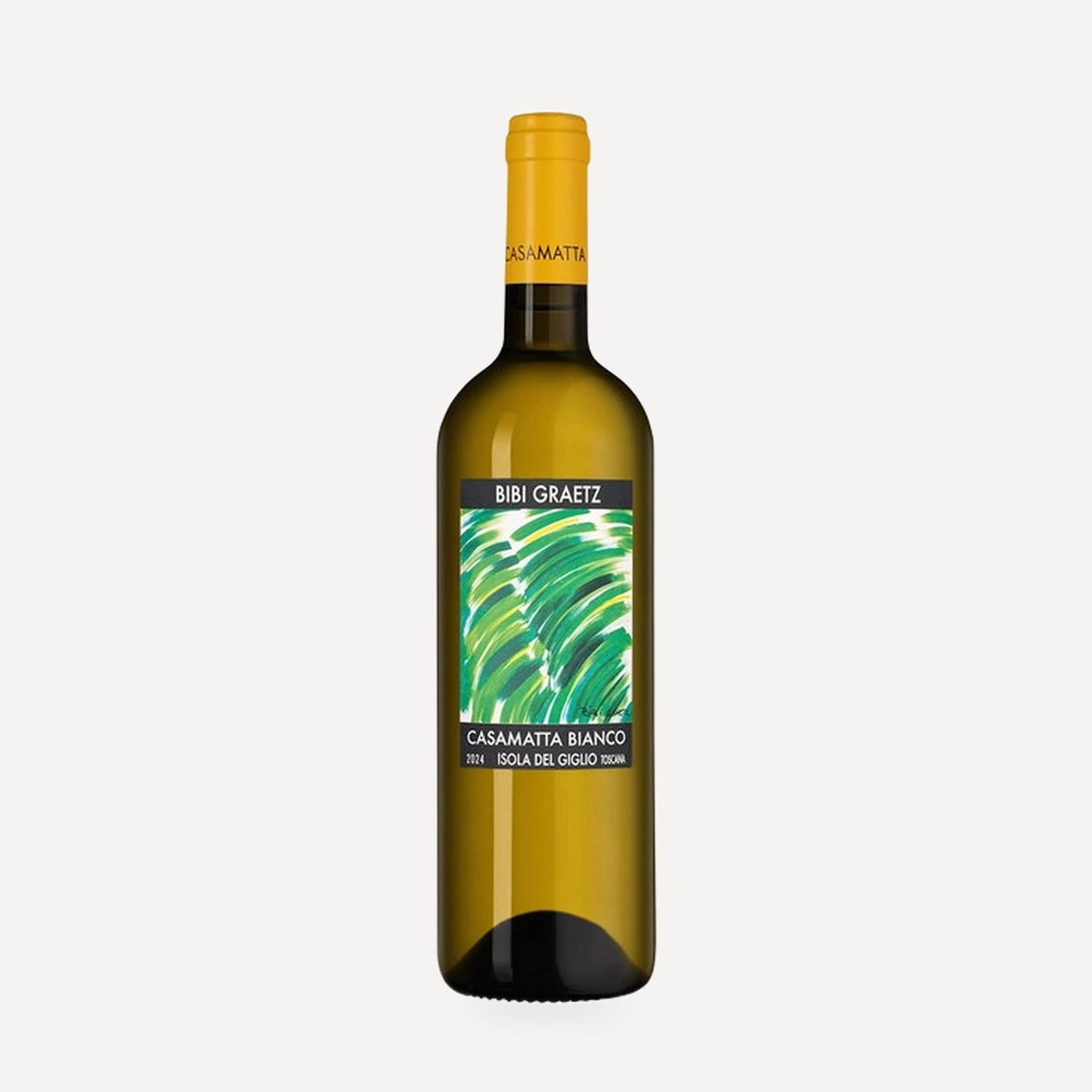
Casamatta Bianco
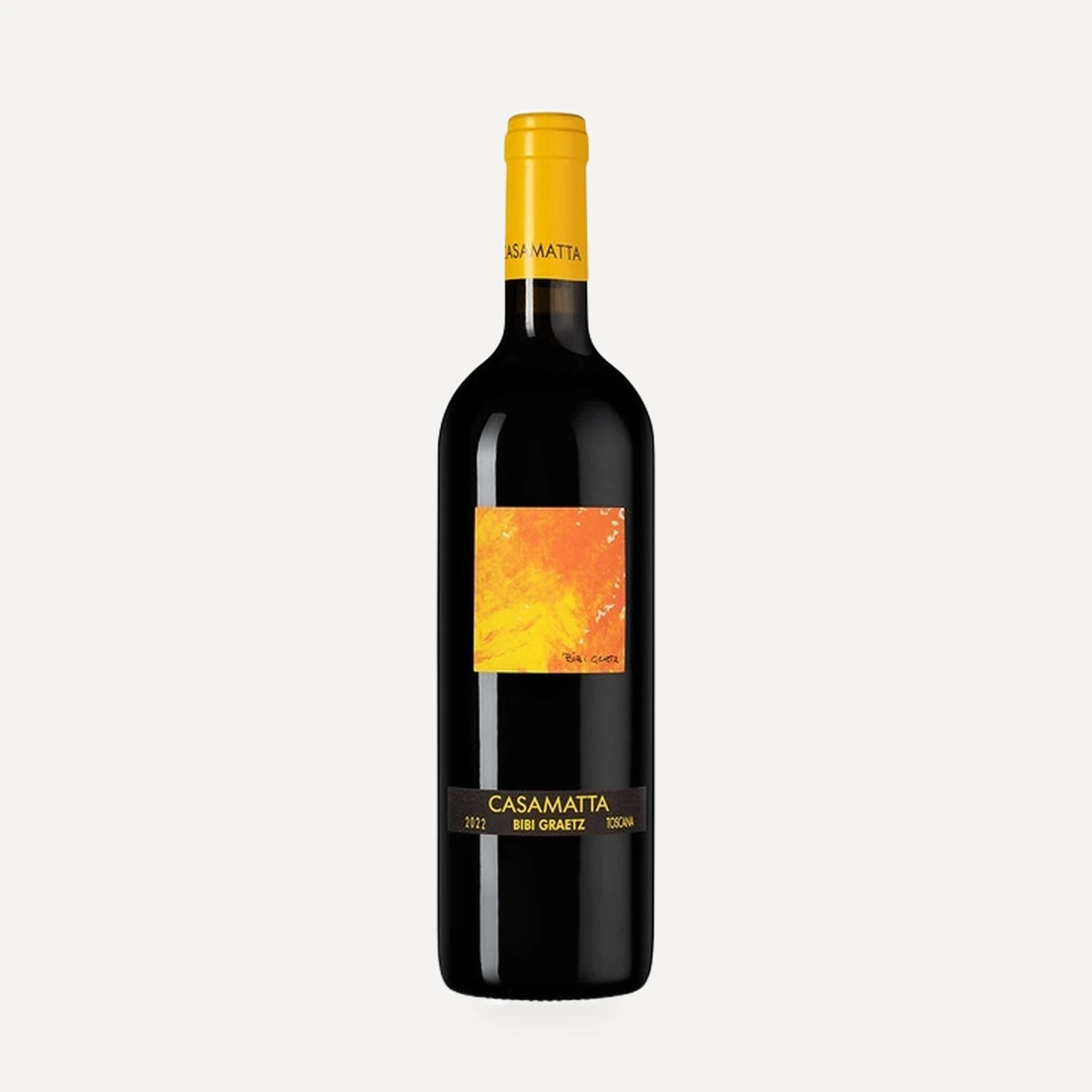
Casamatta Rosso Toscana IGT
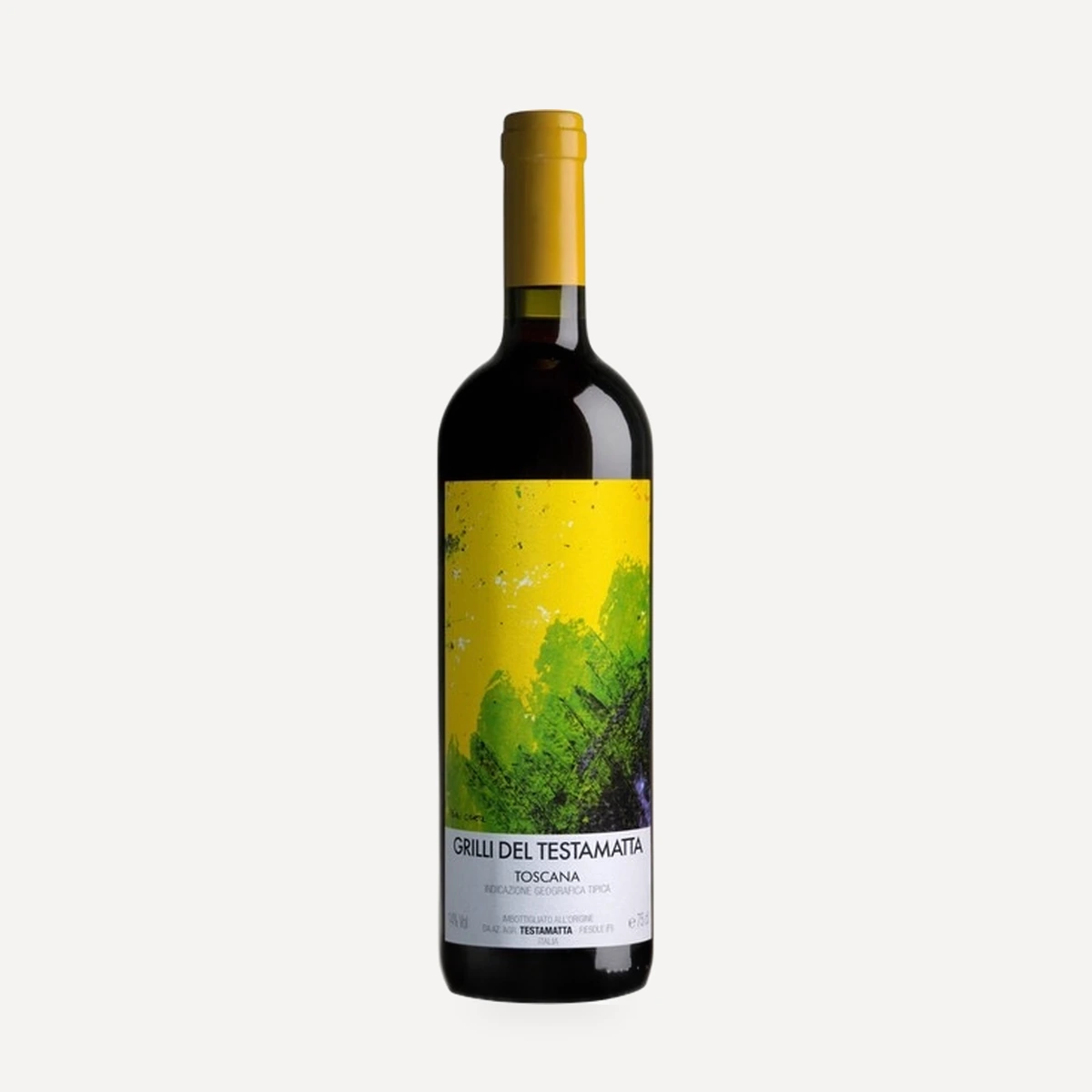
Grilli del Testamatta Toscana IGT
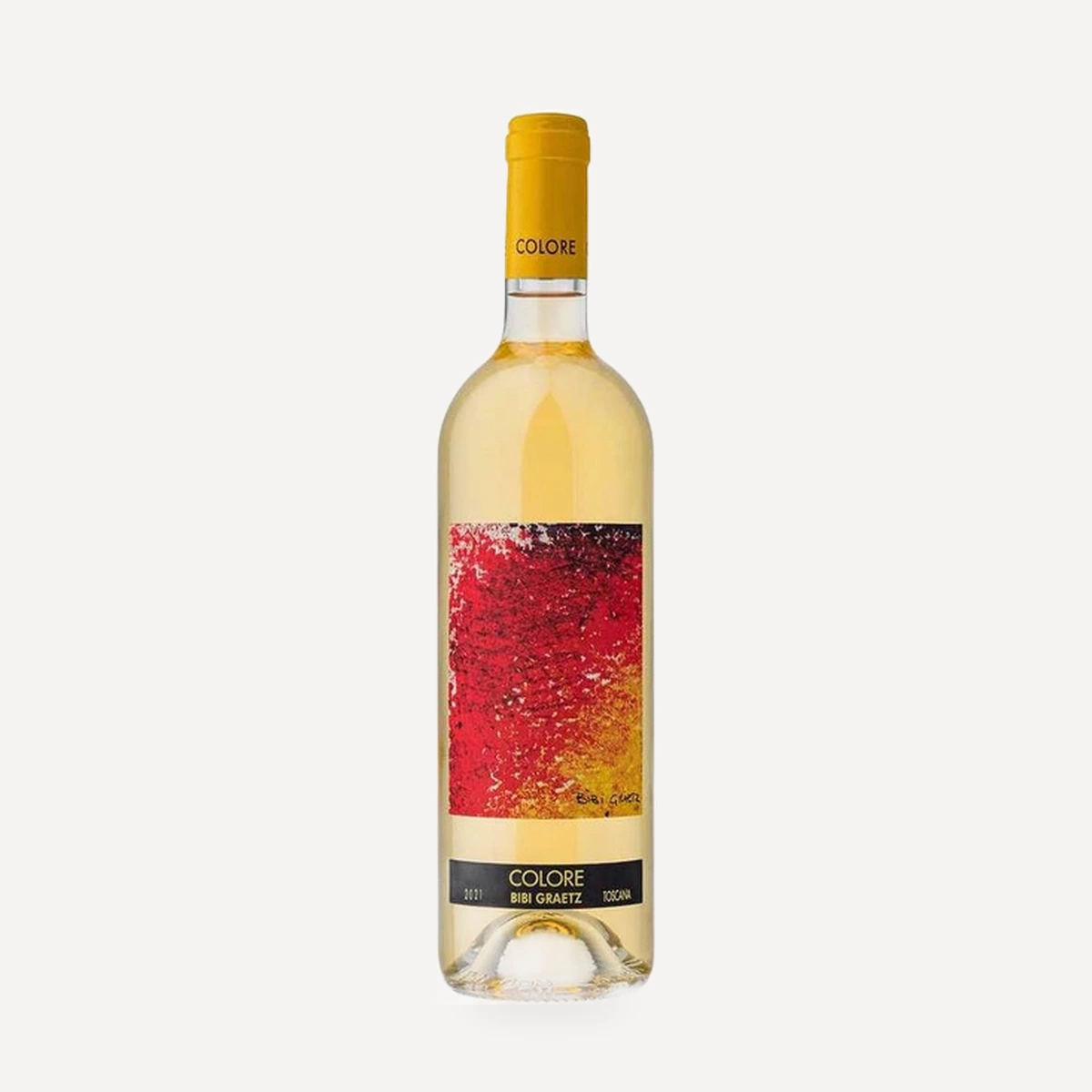
Colore Bianco Toscana IGT
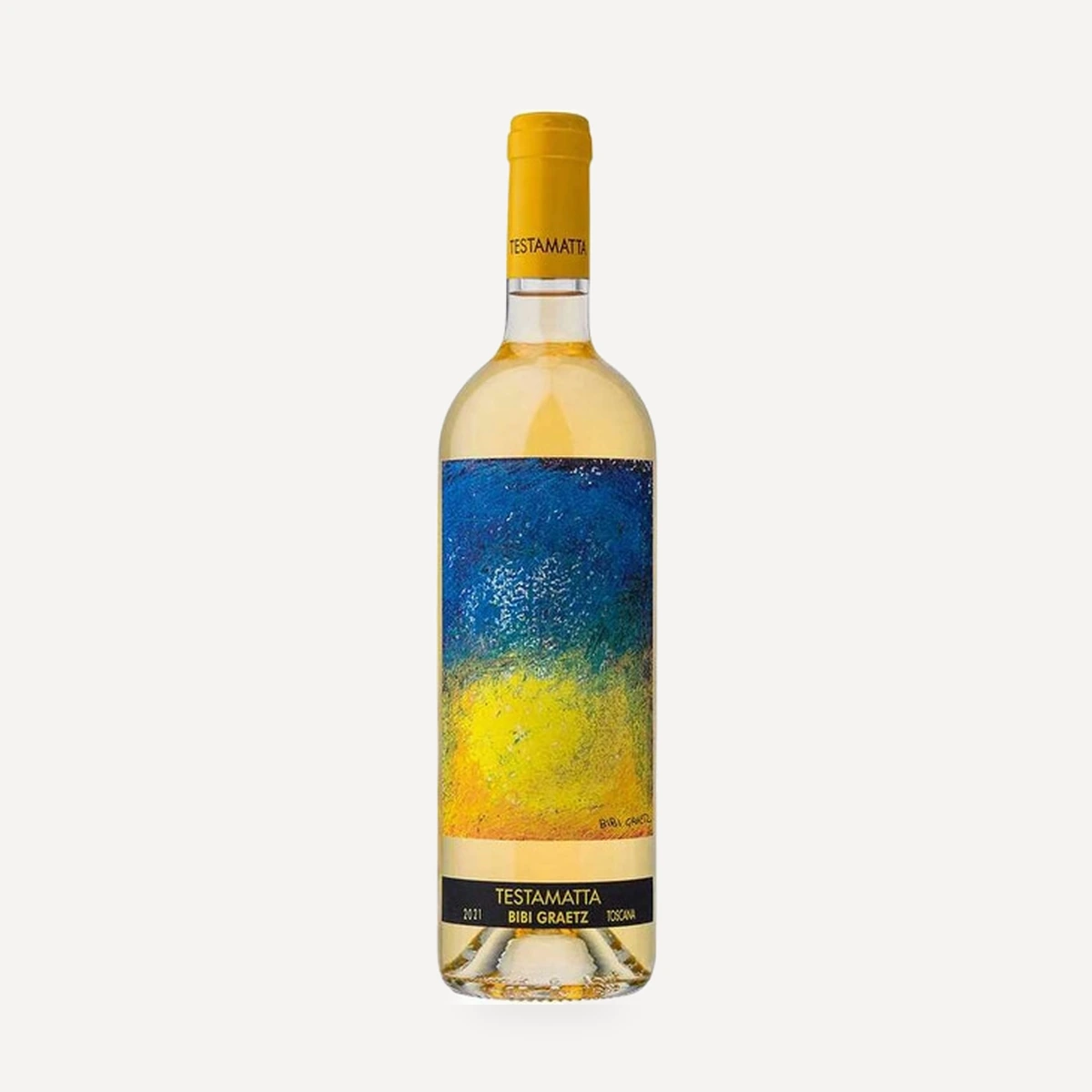
Testamatta Bianco Toscana IGT
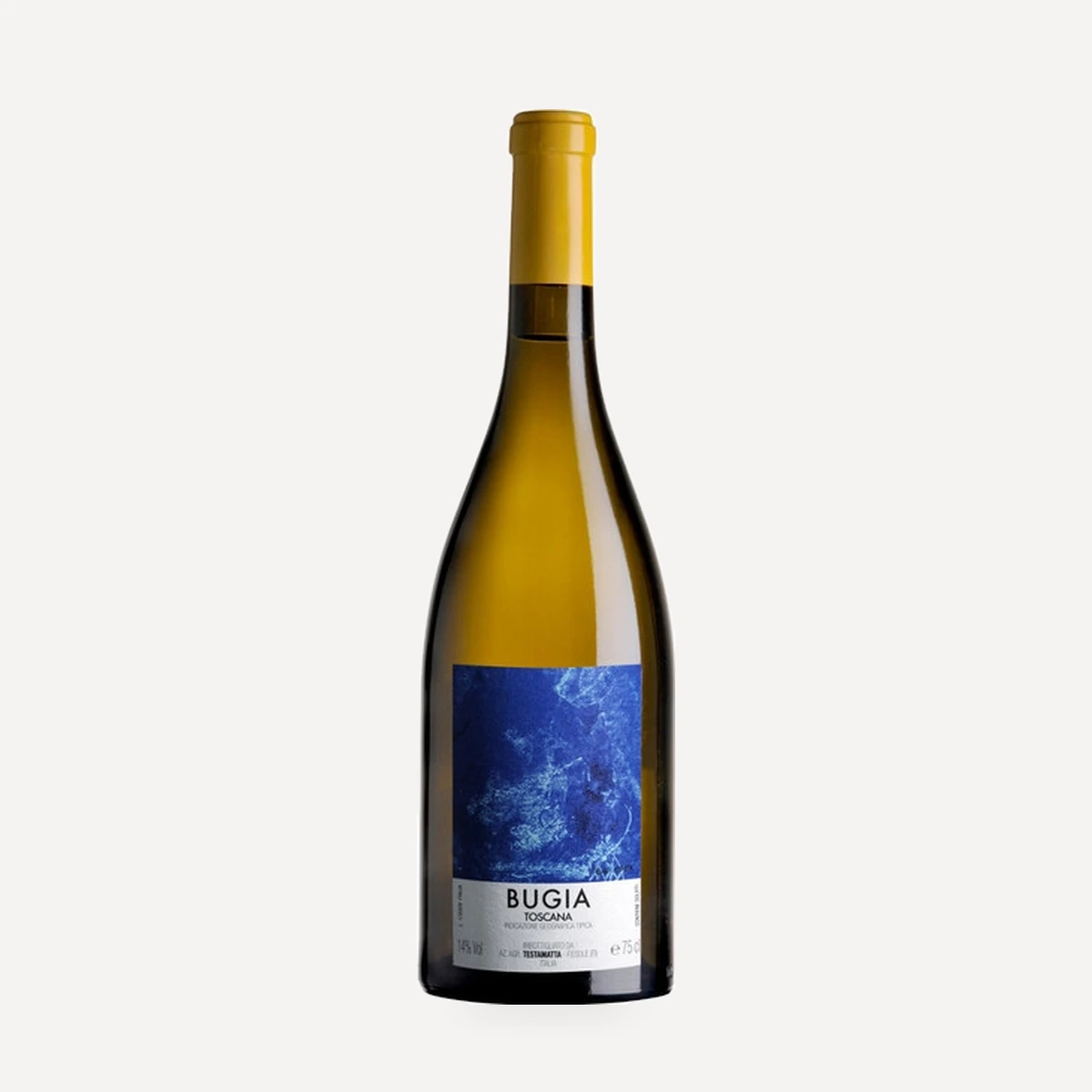
Bugia Toscana IGT
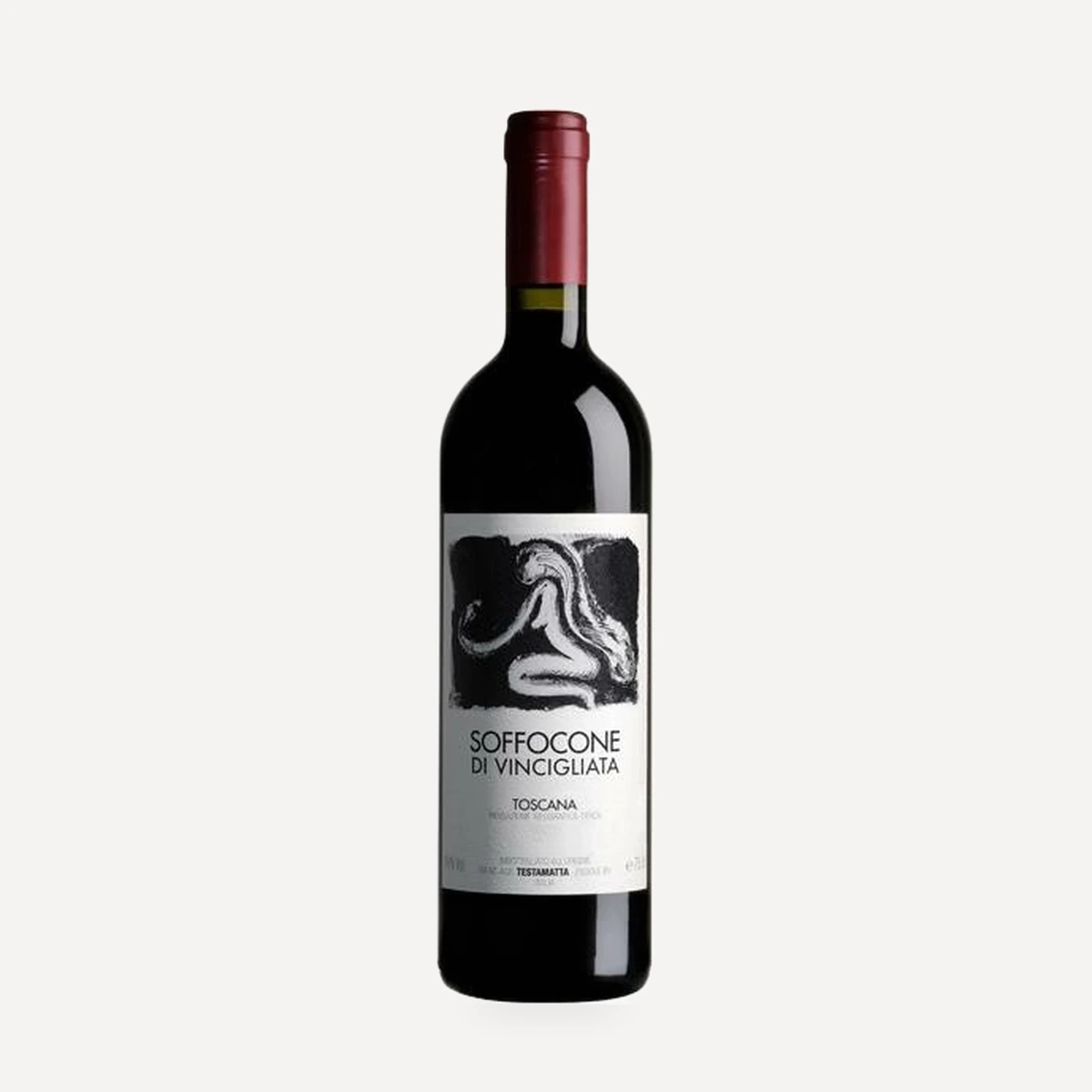
Soffocone di Vincigliata Toscana IGT
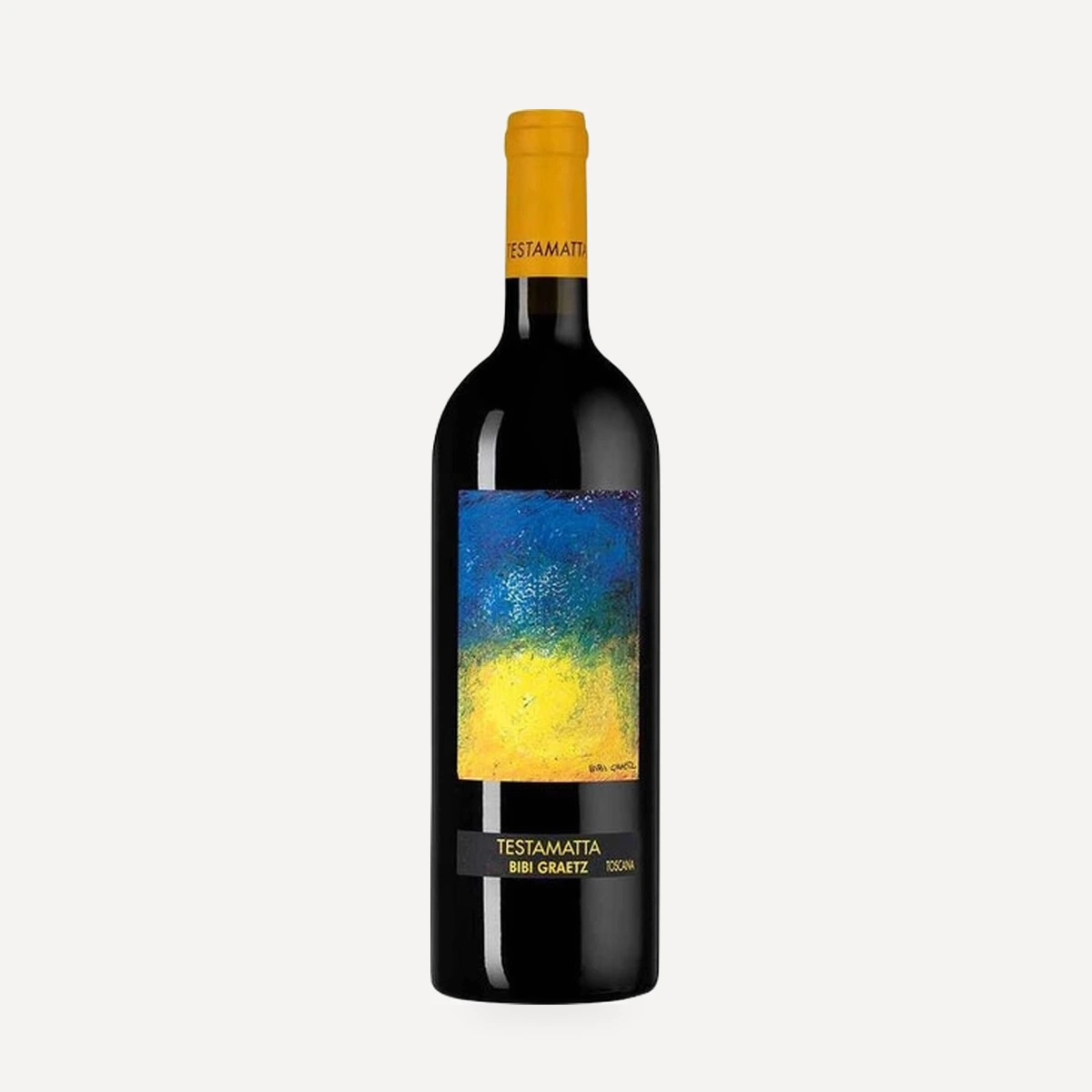
Testamatta Toscana IGT
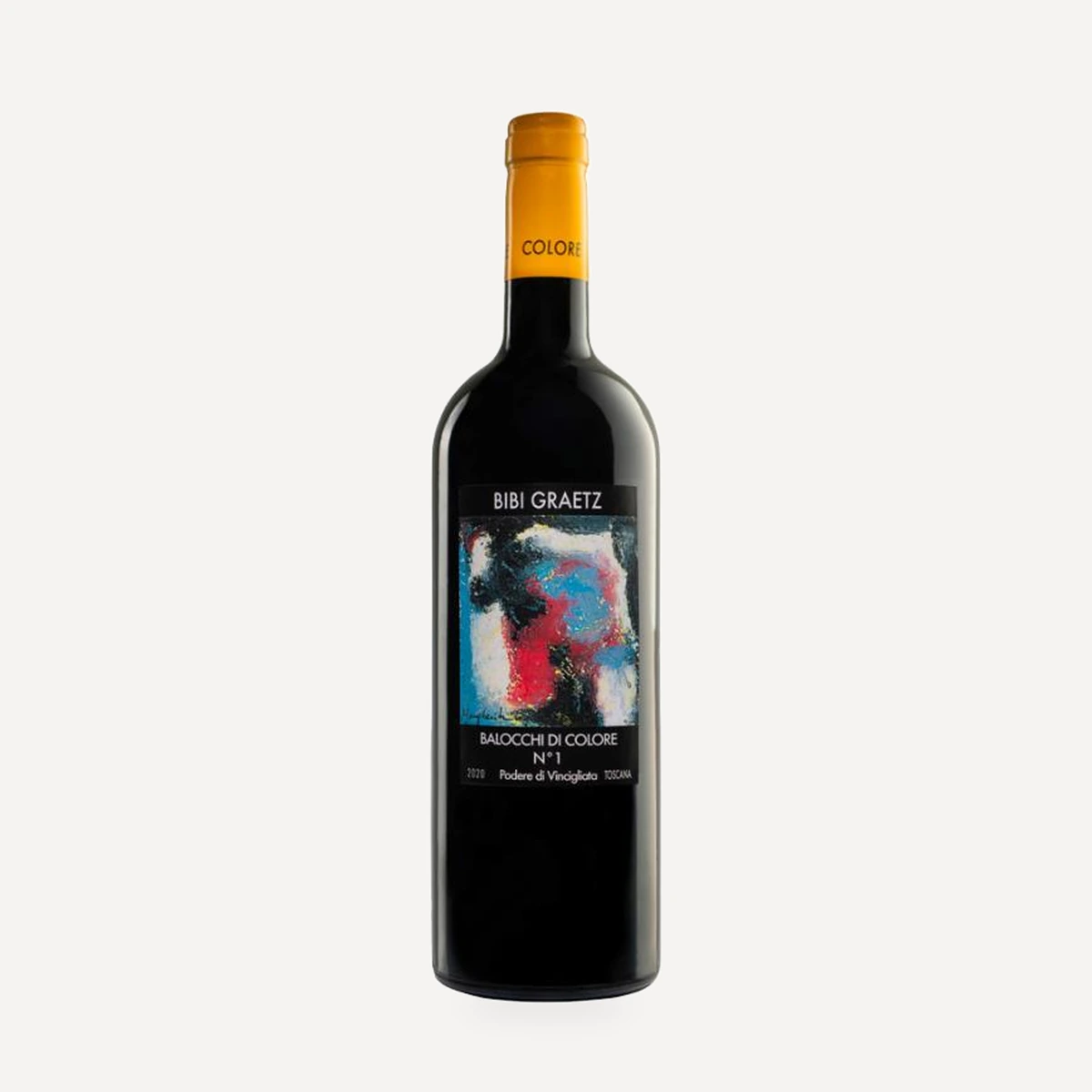
Balocchi di Colore N°1
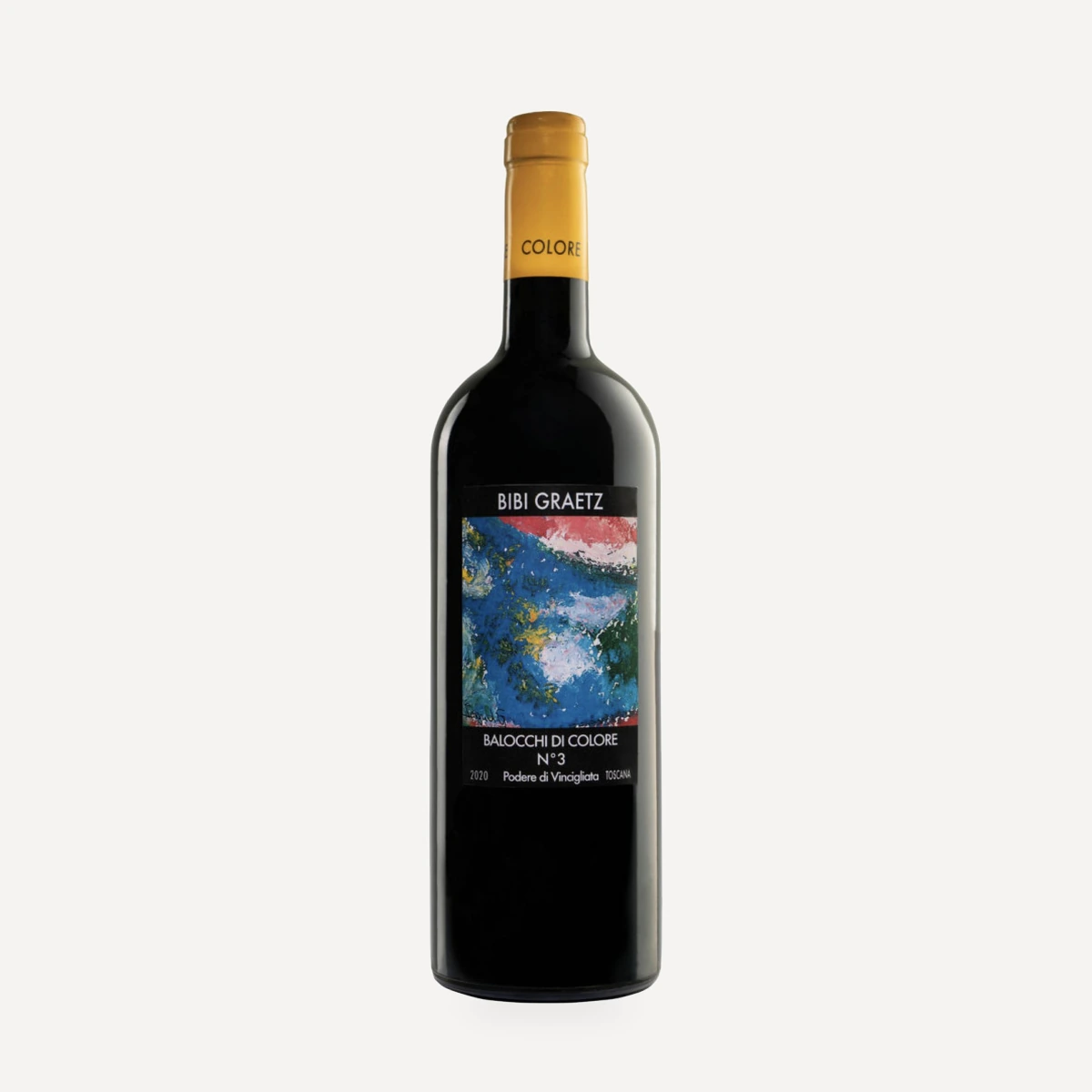
Balocchi di Colore N°3
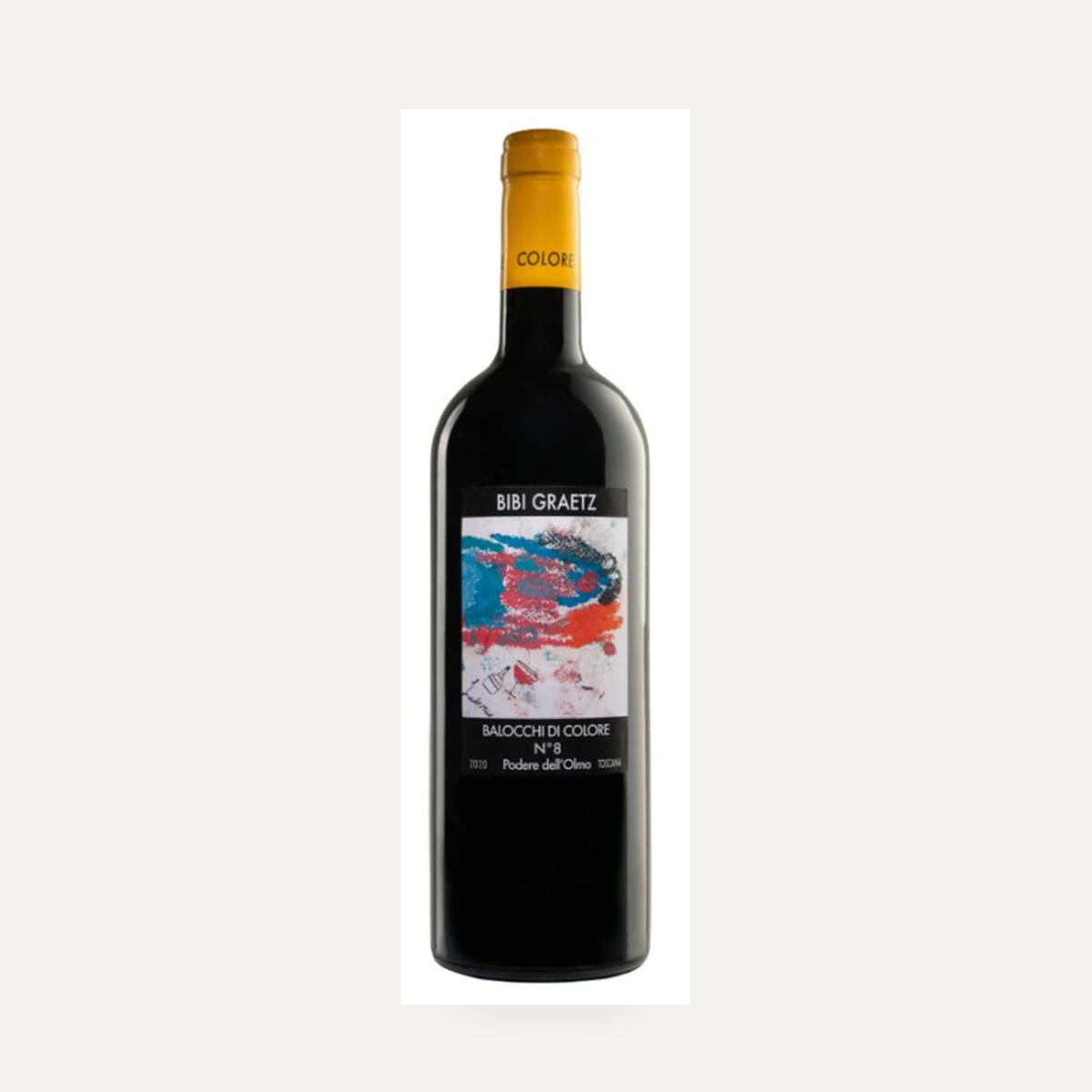
Balocchi di Colore N°8
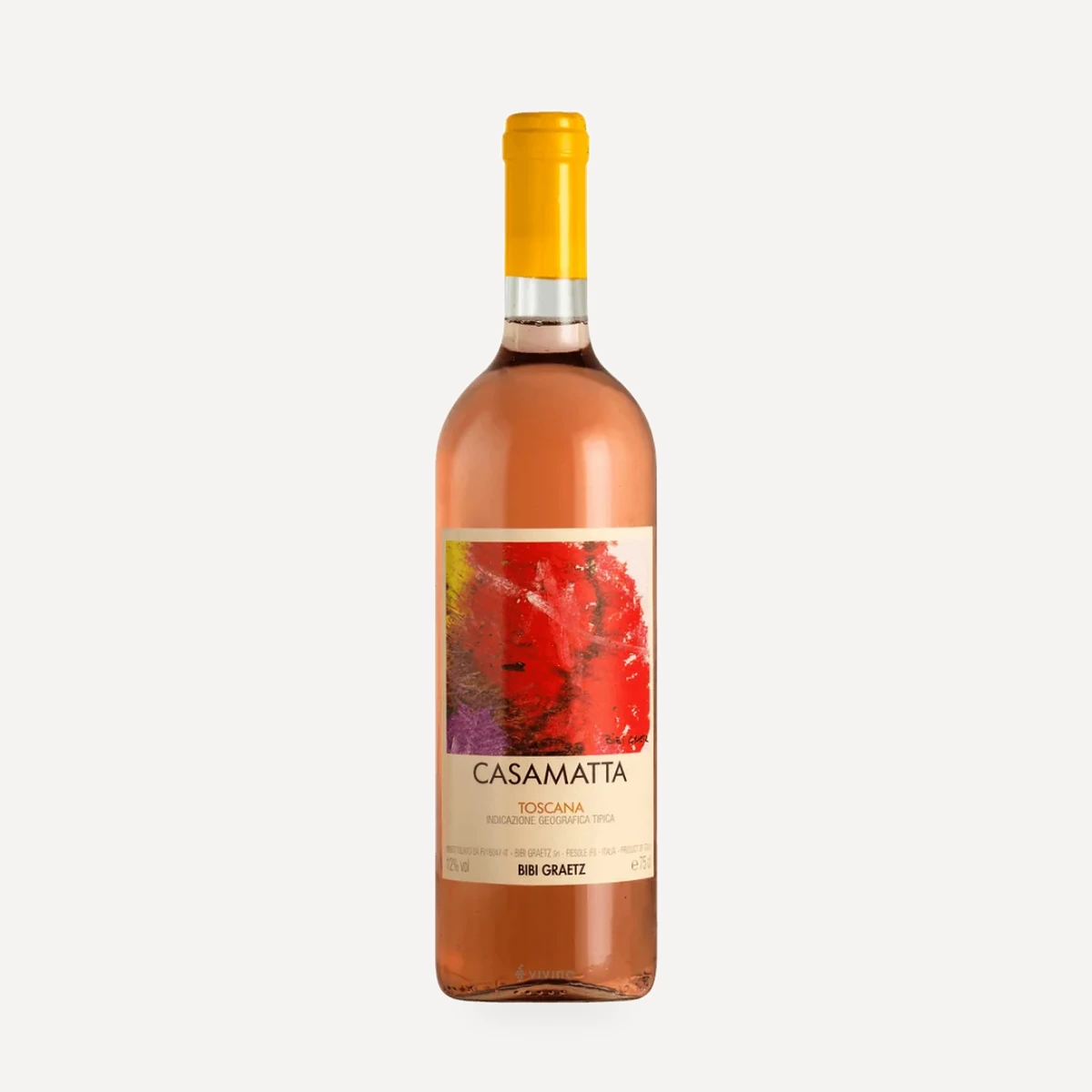
Casamatta Rosato
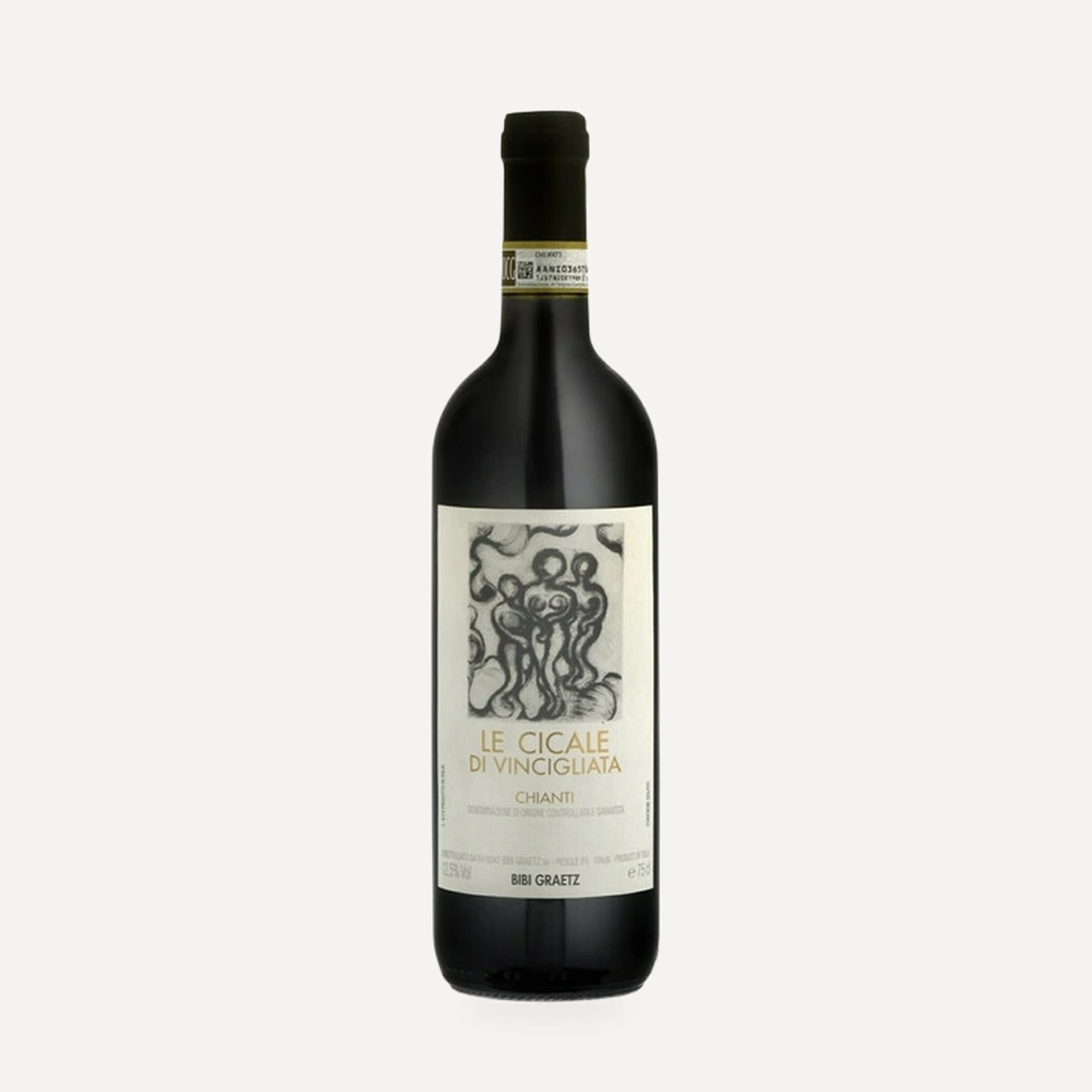
Le Cicale di Vincigliata Chianti DOCG
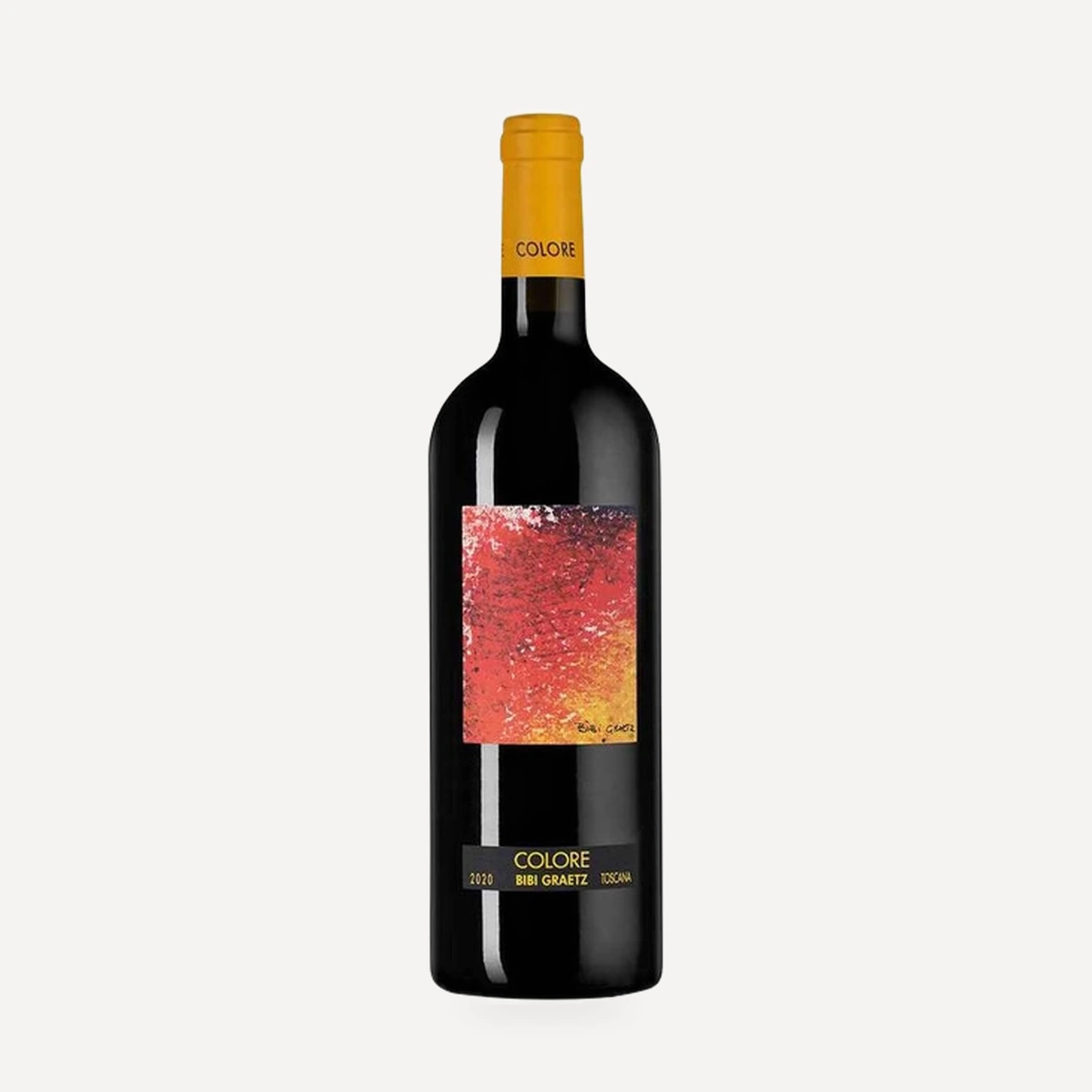
Colore Toscana IGT
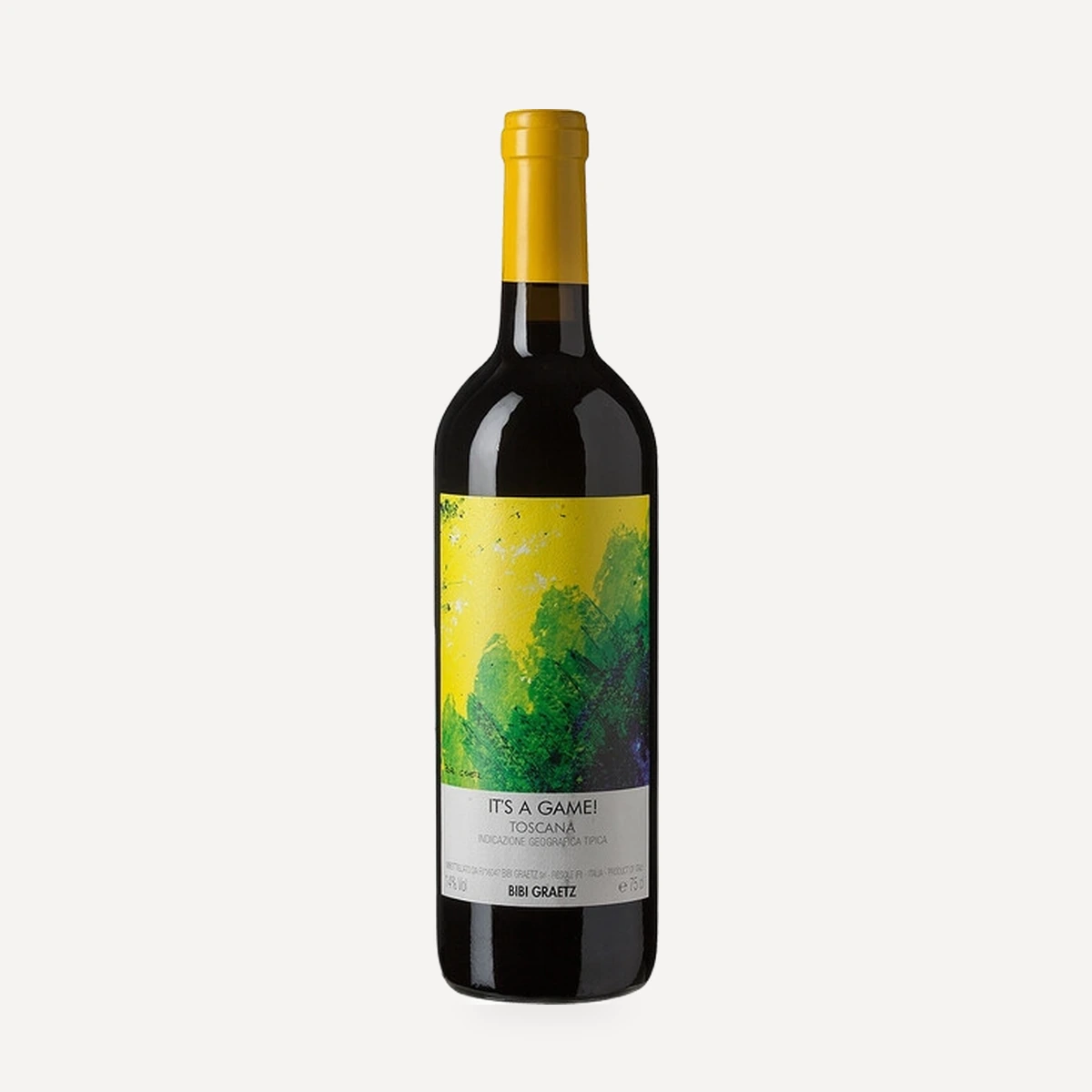
It's a Game! Toscana IGT