Storia
The project begins in 2001
The Biserno Project began in Bibbona in 2001, when brothers Piero and Lodovico Antinori and their nephew Niccolò Marzichi Lenzi recognized the potential of the area. Drawing on centuries of family experience in wine, they initiated a parcel-by-parcel study of the land. This work ultimately defined three distinct entities: Tenuta di Biserno, Campo di Sasso and Collemezzano.
Tenuta di Biserno, covering approximately 40 ha at 90 m above sea level, was the starting point of the project. Its differing vineyard exposures and varying distance from the sea led to a deliberate division of its production into two interpretations of the estate: Il Pino di Biserno and Biserno.
The first estate wines
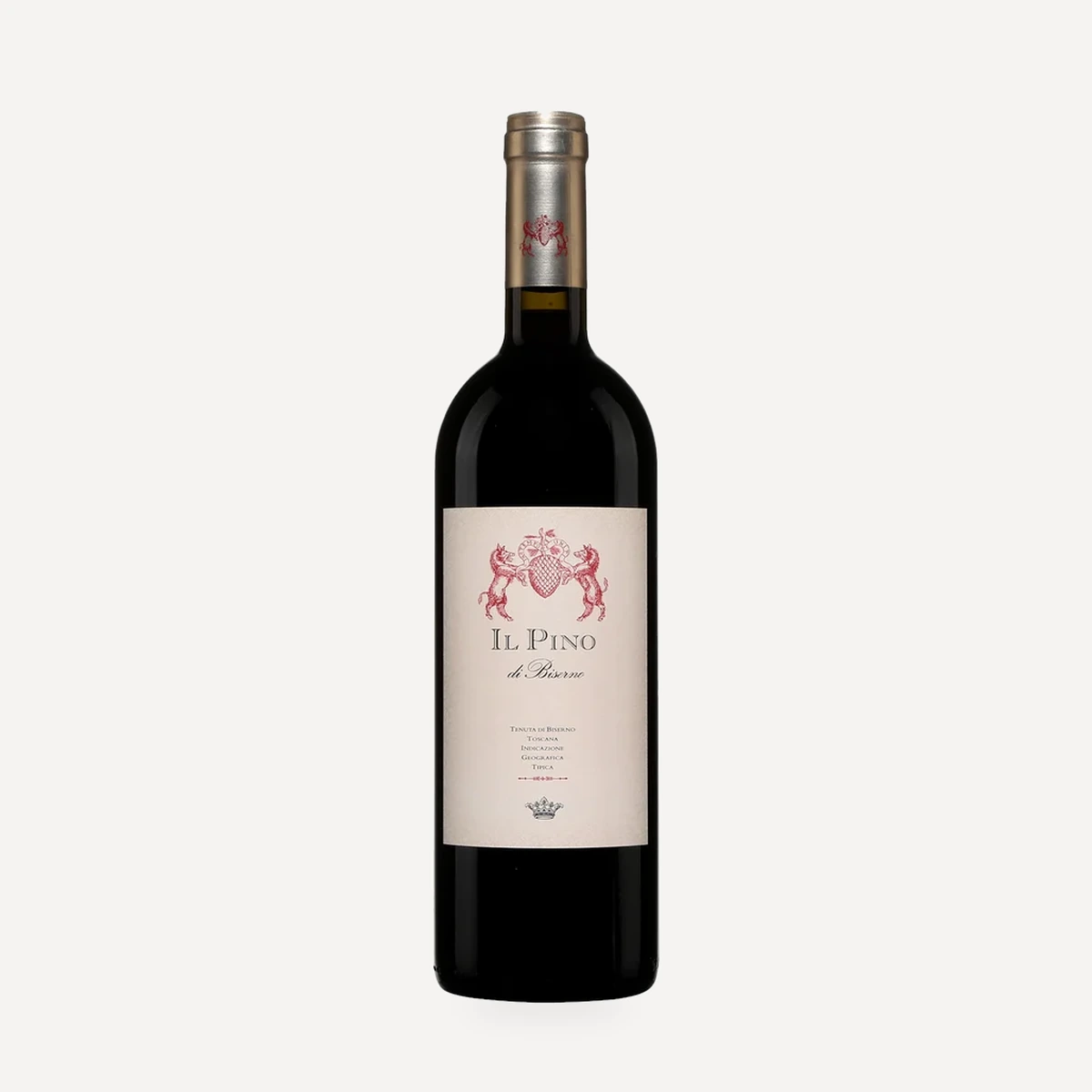
Il Pino di Biserno debuted with the 2004 vintage. It was conceived as the more immediate and versatile interpretation of Bibbona and of the estate's vineyard mosaic.
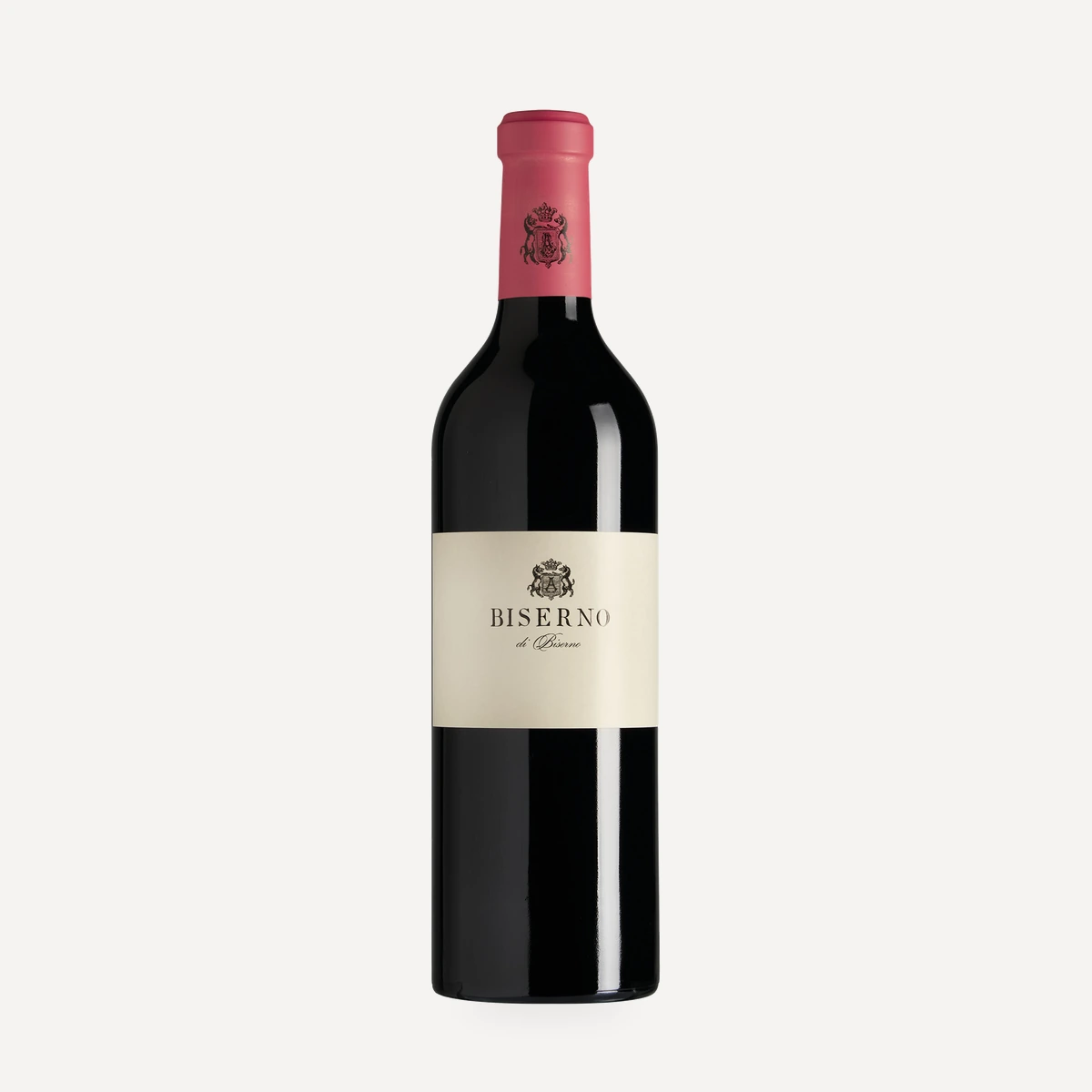
The first vintage of Biserno followed in 2006. Conceived as a Bordeaux-style blend from the estate's most suitable parcels, it became the namesake and principal expression of Tenuta di Biserno.
Management and production development
Niccolò Marzichi Lenzi subsequently became chief executive officer. Technical material issued for vintages through 2021 identifies Helena Lindberg as winemaker and Michel Rolland as consultant.
The estate developed a parcel-based production system in which vineyard lots are kept separate through selection, fermentation and maceration. Its management framework encompasses product quality, occupational safety, environmental responsibility and traceability. By January 2024, the policy was in its seventh revision and incorporated systems corresponding to UNI EN ISO 9001, UNI EN ISO 45001, UNI EN ISO 14001 and UNI EN ISO 22005.
Terroir
Tenuta di Biserno lies in the municipality of Bibbona in Upper Maremma, immediately north of the historic village of Bolgheri. The estate covers approximately 40 ha at 90 m above sea level.
Its soils are principally alluvial and clay-limestone. Technical descriptions further distinguish clay-rich ground and areas of Bolgheri conglomerate. These conditions are associated with the estate's four Bordeaux varieties: Cabernet Franc, Merlot, Cabernet Sauvignon and Petit Verdot.
Vineyard exposure and distance from the sea vary across the property and materially affect varietal expression. This internal diversity underpins the parcel-based study and separate handling of vineyard lots, as well as the distinction between Biserno and Il Pino di Biserno.
The broader Bibbona setting contains varied microclimates shaped by exposure, latitude and proximity to the sea. Seasonal records also emphasize the importance of winter and spring water reserves, summer dryness and day–night temperature variation in maintaining balanced ripening and limiting water stress.
Vinificazione
The estate's vineyard approach begins with matching chosen varieties to the most suitable soils. The stated quality program calls for production per vine to be kept as low as possible while managing production per hectare, supported by appropriate cluster thinning.
Vines are trained to spurred cordon at a density of 6,500 vines/ha. The vineyard is managed and harvested by parcel so that different lots can remain separate during vinification. Harvest timing follows varietal maturity: recent seasons began with Merlot in late August or early September and concluded with the later Cabernet varieties in late September or early October.
Picking is conducted during the coolest hours of the day. The 2022 material explicitly records hand harvesting, while earlier vintages document hand picking into small 15 kg crates. Fruit is selected on a conveyor or vibrating sorting belt before destemming.
Environmental management treats vineyard and olive-growing land, flora, fauna, natural resources and water as interconnected parts of the territory. The objectives are to maintain and enhance this environment, prevent or minimize production impacts and reduce consumption of water, energy and other raw materials. Environmental risks and emerging issues are reviewed through the management system, with regular audits and at least annual management review.
Integrated production is represented by SQNPI certification. The wider management framework adopts UNI EN ISO 14001 for environmental management, together with ISO-based systems for quality, occupational safety and traceability.
Grapes undergo careful selection on a conveyor or vibrating belt before destemming. Earlier descriptions also specify gentle crushing. Parcels are kept separate, and the varieties are vinified independently where specified.
Alcoholic fermentation and maceration take place in temperature-controlled stainless-steel tanks for three to four weeks, with a maximum temperature of 28°C. Earlier descriptions identify the tanks as truncated-conical. Malolactic fermentation is spontaneous in recent production: for Biserno it takes place partly in barriques and partly in steel, while Il Pino di Biserno undergoes spontaneous malolactic fermentation before its divided élevage.
The maturation regime reflects the two expressions of the estate. Biserno 2023 matured for approximately 16 months in selected French-oak barrels, most of them new. Il Pino di Biserno 2023 matured for about 12 months, with approximately 85% in new and used French-oak barriques and 15% in stainless steel. Earlier vintages document changing proportions of oak and steel according to the wine and year, along with at least six months of bottle maturation before release in some years.
After maturation, the Biserno blend is selected before bottling. The overall system is designed to preserve parcel identity through fermentation, use élevage selectively and produce wines combining structure and character with softness and elegance.
Filosofia
The project is founded on detailed observation of individual parcels and on aligning grape varieties with the soils best suited to them. Its declared production priorities are precision, depth and fidelity to place, with the two estate wines intended to present complementary readings of the same vineyard environment.
Biserno represents the most selective and structured expression, drawing on the best-suited parcels and pursuing finesse, elegance, complexity, intensity, persistence and freshness. Il Pino di Biserno is conceived as a more immediate, recognizable and versatile expression of Bibbona, without relinquishing depth or elegance.
The formal management policy places quality and excellence at the center of decision-making. It links product quality to the development of people and skills, continuous staff training, risk prevention and careful selection of land, grapes and vinification techniques. The intended style combines substance and character with softness and elegance.
Environmental responsibility is framed as inseparable from the estate's identity. The goals are to respect local tradition, minimize environmental impact, improve environmental performance continuously and reduce the use of water, energy and other production resources. Quality, safety, environmental performance and traceability are translated into measurable annual objectives, supported by regular audits and management review.
Vini
Biserno