Storia
The Biserno Project begins
The history of Campo di Sasso is rooted in the Biserno Project, initiated at Bibbona in 2001. Brothers Piero and Lodovico Antinori and their nephew Niccolò Marzichi Lenzi recognised the potential of the area and began studying its land parcel by parcel. Their work drew upon centuries of the family's experience in wine.
The parcel study eventually led to the definition of three distinct estates rather than a single undifferentiated property: Tenuta di Biserno, Campo di Sasso and Collemezzano. Campo di Sasso emerged as the coastal, predominantly sandy component of the project, distinguished by its proximity to the Tyrrhenian Sea, its alternating vineyards, arable fields and woodland, and Syrah's established place in its vineyards.
Establishing the Campo di Sasso range
Insoglio del Cinghiale inaugurated the estate's commercial history with the 2003 vintage. It became Campo di Sasso's historic label and its foundational red, centred principally on Syrah alongside other red varieties.
The range expanded into white wine with the first vintage of Occhione in 2019. Made in small quantities, it was conceived around Vermentino and became the estate's only white wine.
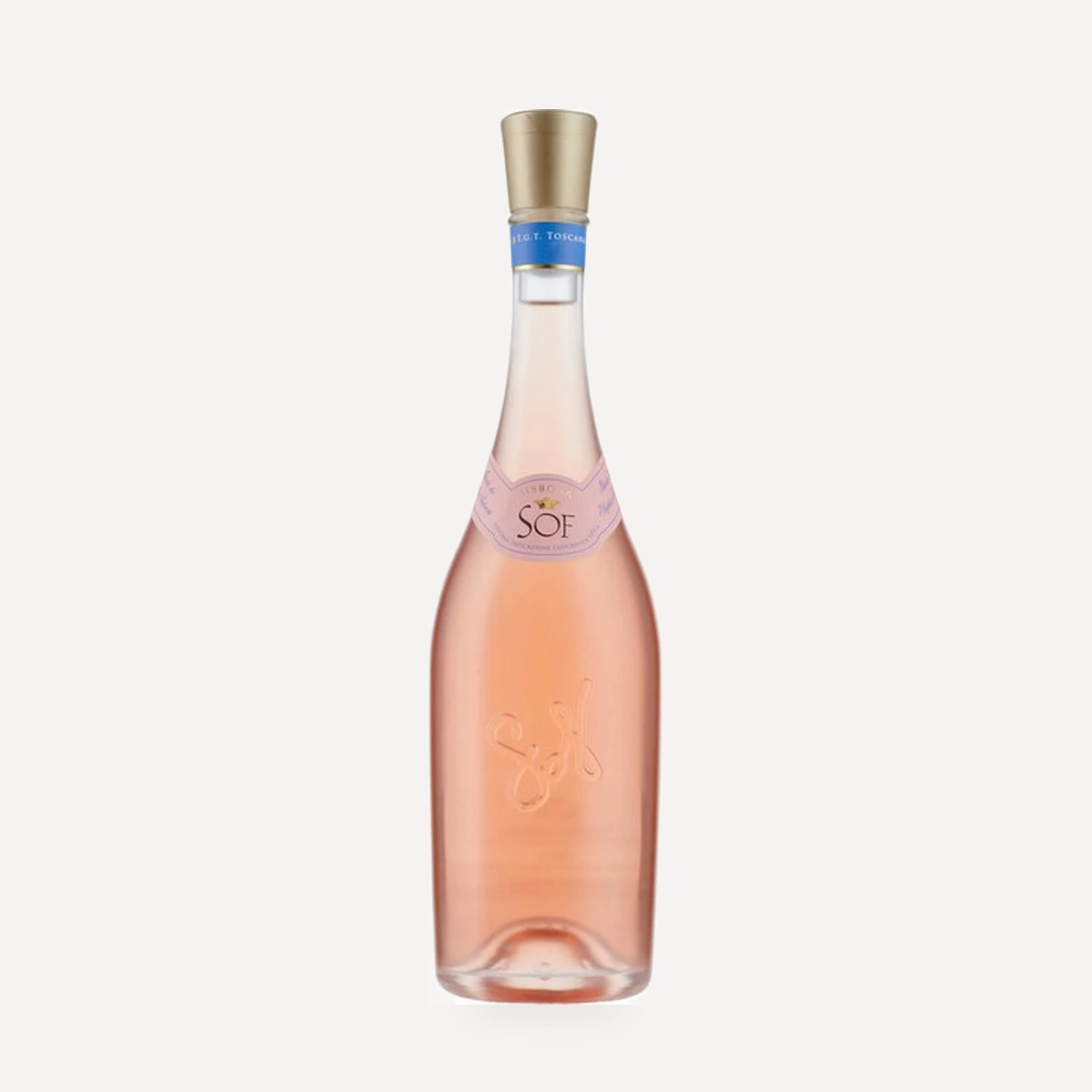
Rissoa followed with its first vintage in 2023, adding a rosato based principally on Cabernet Franc with Syrah. These three releases established Campo di Sasso's red, white and rosato expressions within the Toscana IGT framework.
Terroir
Tenuta Campo di Sasso lies in the municipality of Bibbona in Alta Maremma, close to the Tyrrhenian coast and immediately south of the historic village of Bolgheri. The estate extends across approximately 56 ha. Its vine rows run perpendicular to the coastline and alternate with arable fields and woodland.
The estate is predominantly sandy. Within that broader profile, the sites used for Insoglio del Cinghiale include both clay soils and Bolgheri Conglomerate; the warmer parcels with a greater proportion of sand are reserved for Syrah. The soils associated with Occhione and Rissoa are medium-textured mixtures of sand and pebbles. This variation provides distinct conditions for the red, white and rosato components of production.
Proximity to the Tyrrhenian Sea is the defining climatic influence. Constant sea breezes lower humidity in the vineyards and moderate hot summer temperatures, supporting gradual and complete ripening. The coastal setting is also reflected in the estate's emphasis on freshness and a saline character in its white and rosato expressions.
Vinificazione
Syrah is treated as Campo di Sasso's historic variety, with the warmer and sandier soils specifically assigned to it. The vineyard layout uses a density of 6,500 vines/ha. Spurred-cordon training is employed for the red parcels represented by Insoglio del Cinghiale, while the Vermentino and rosato sites combine spurred cordon and Guyot.
Harvesting is manual and scheduled for the coolest hours of the day. For Vermentino, picking begins in the early morning and includes an initial selection in the vineyard. The 2025 Vermentino harvest took place largely before the beginning of September; the 2025 rosato grapes were gathered in the second half of August. In 2024, Syrah and Merlot were picked first in early September, Petit Verdot around the middle of the month, Cabernet Franc afterwards and Cabernet Sauvignon in the first week of October.
The estate's production policy emphasises matching varieties to suitable soils, limiting the crop carried by each vine, correctly thinning bunches and selecting grapes before processing.
Reception and selection
Harvesting takes place by hand during the cooler part of the day. Red grapes for Insoglio del Cinghiale are carefully selected on a vibrating sorting belt, destemmed and crushed. Grapes for the white and rosato wines are transferred to cold storage immediately after picking and cooled to 8–10°C before passing over a sorting belt.
Red-wine process
The varieties destined for Insoglio del Cinghiale are kept separate during vinification. Alcoholic fermentation and maceration take place in temperature-controlled stainless-steel vats at no more than 28°C for 14–21 days. Spontaneous malolactic fermentation follows. The separate components are then blended and matured for approximately six months, partly in stainless steel and partly in wood, before bottling.
White- and rosato-wine process
After cooling and sorting, Occhione grapes undergo gentle pressing to obtain free-run must. Fermentation takes place in stainless-steel tanks under temperature control; the temperature is gradually raised towards the end of fermentation but does not exceed 16°C, preserving aromatic freshness. The wine remains on fine lees for 30 days with daily bâtonnage, followed by another two months in stainless steel.
Rissoa follows a closely related process. Gentle pressing extracts the free-run must and the intended delicate colour. Fermentation proceeds in temperature-controlled stainless steel, with the temperature gradually increased to a maximum of 16°C near the end. Thirty days on fine lees with daily bâtonnage are followed by two additional months of maturation in stainless steel.
Filosofia
Campo di Sasso was defined through a parcel-by-parcel reading of the Bibbona territory. Its approach begins with differentiating soils and microclimates, assigning varieties to the conditions considered most suitable and allowing the coastal landscape to determine the identity of the wines.
The stated production objective combines territorial character with elegance, immediacy and accessibility. Syrah occupies a central historical role, particularly on warmer sandy soils, while Vermentino provides a white interpretation of the maritime setting. Vineyard selection, controlled yields, bunch thinning, careful grape selection and tailored vinification are used to protect the qualities of each component.
Environmental principles extend beyond the planted rows to the estate's broader mosaic of arable land and woodland. The operating policy treats soil, flora, fauna and water as connected elements and sets objectives of reducing resource consumption, preventing environmental impacts and continuously improving environmental performance.
Vini
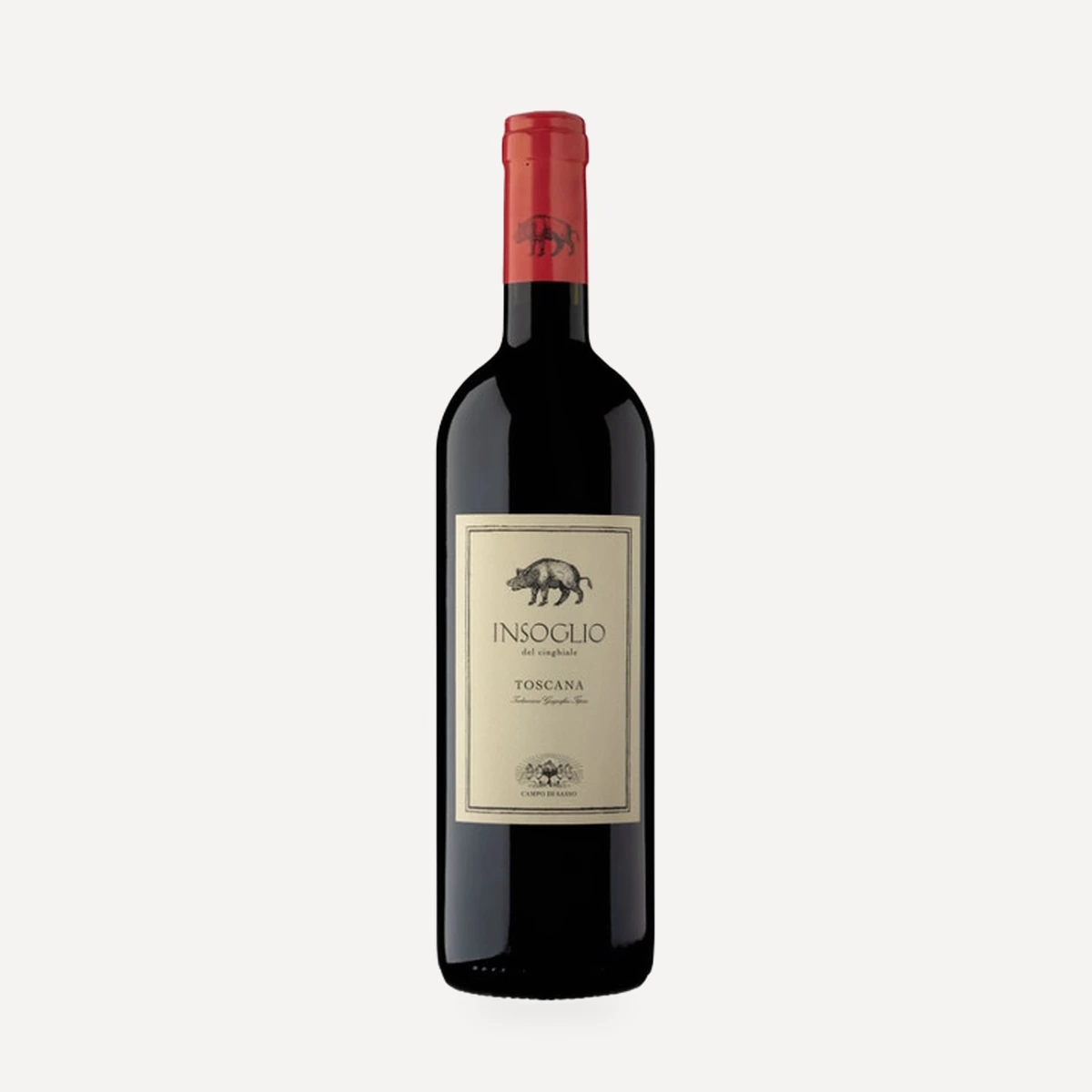
Insoglio del Cinghiale
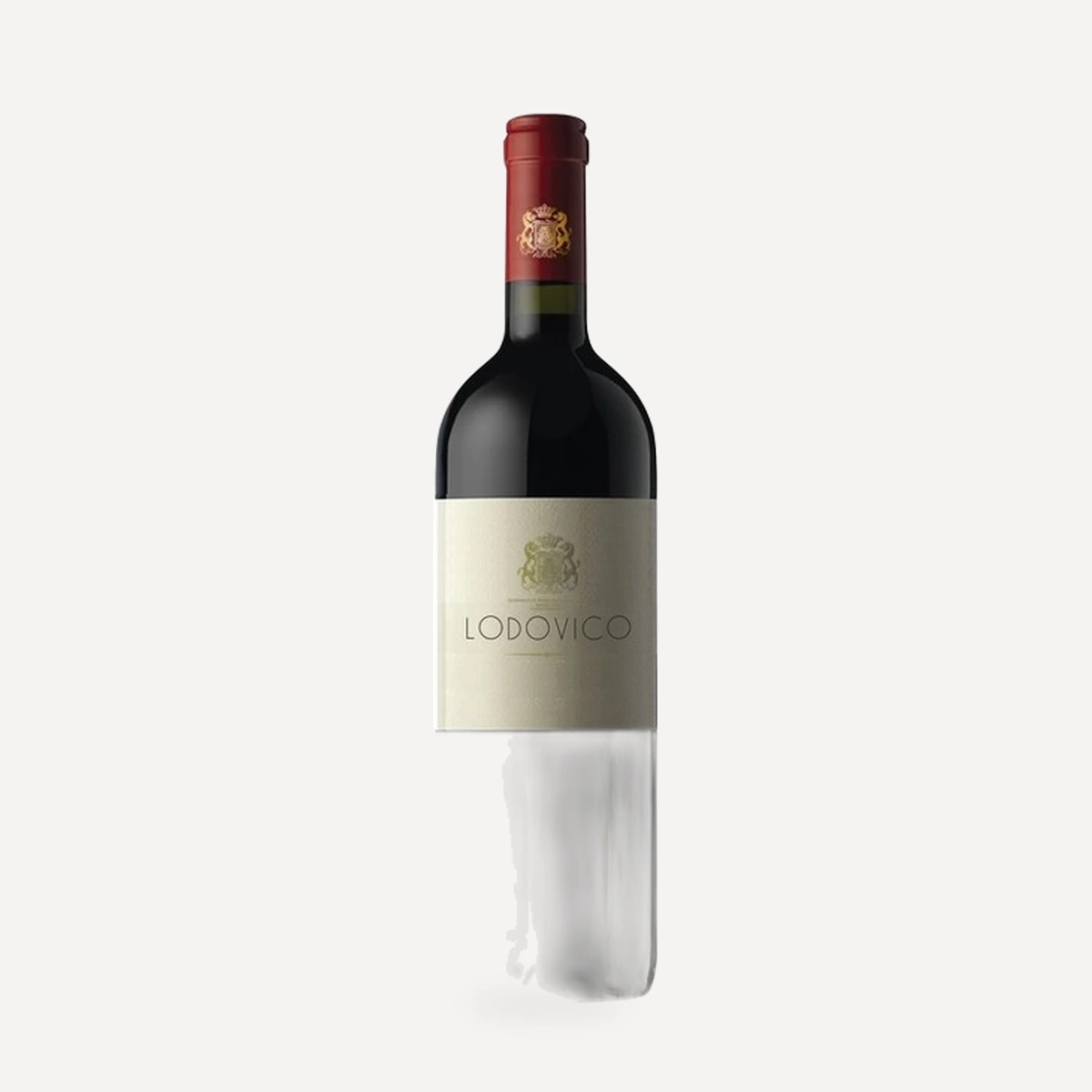
Tenuta di Biserno Lodovico Toscana IGT
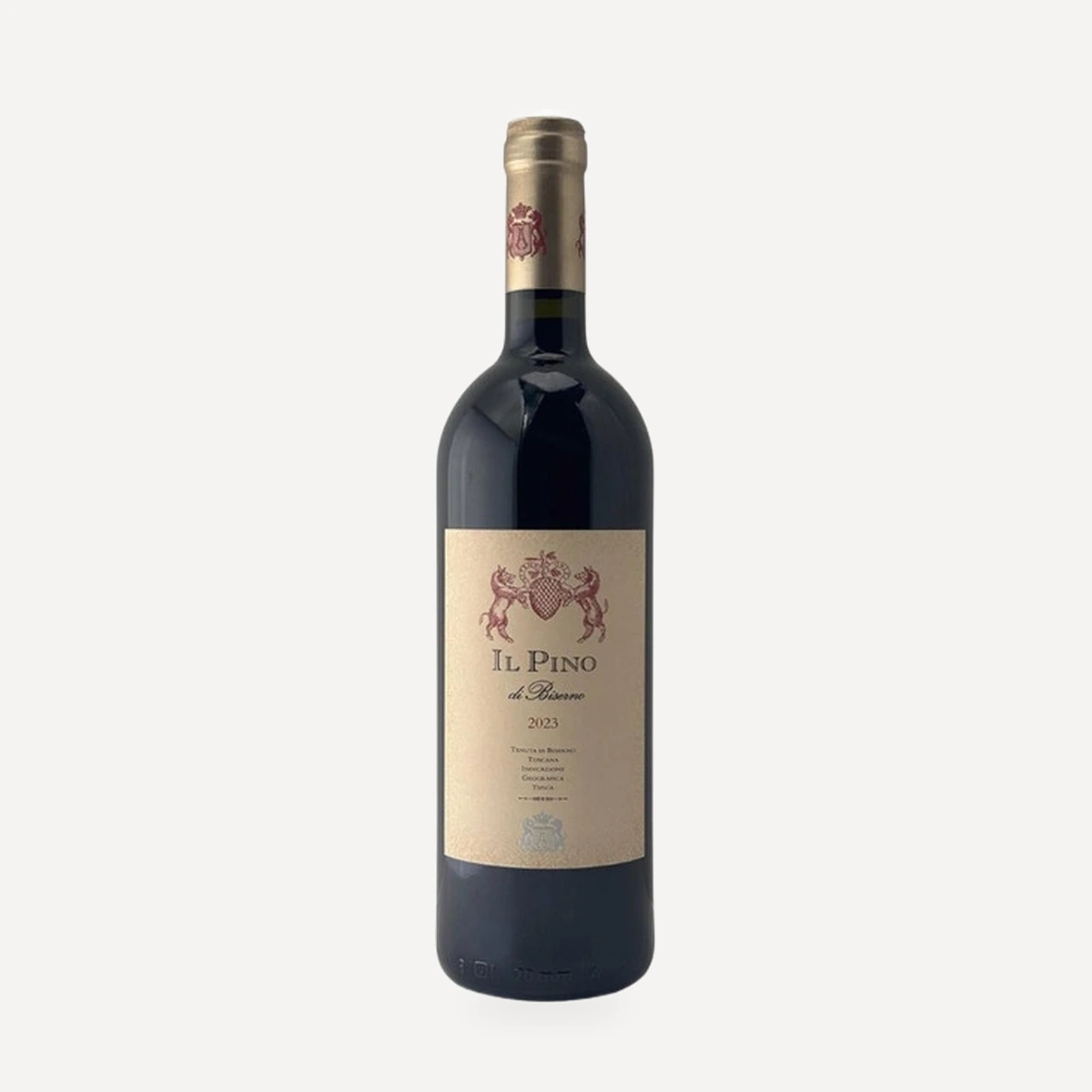
Il Pino di Biserno Toscana IGT
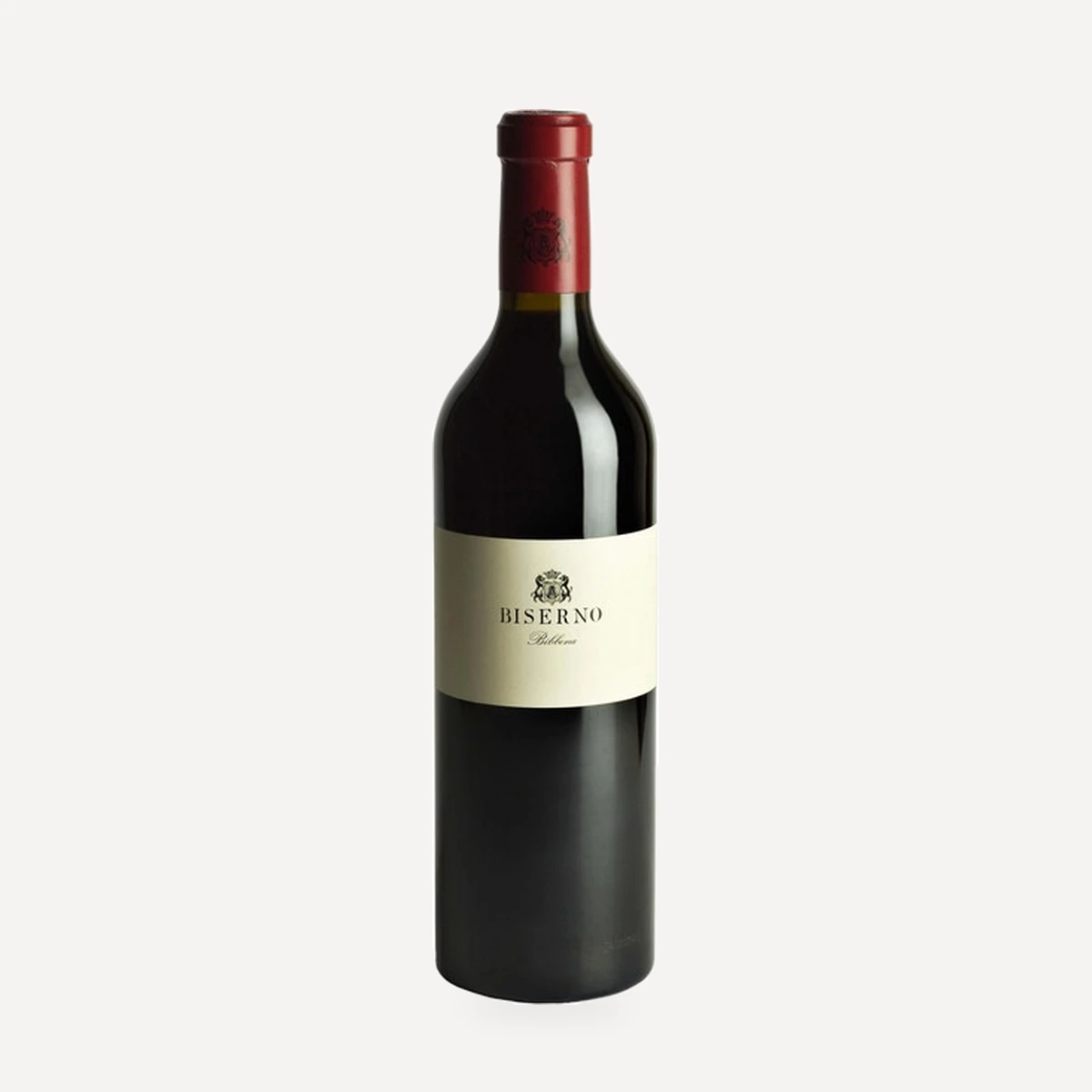
Biserno Toscana IGT
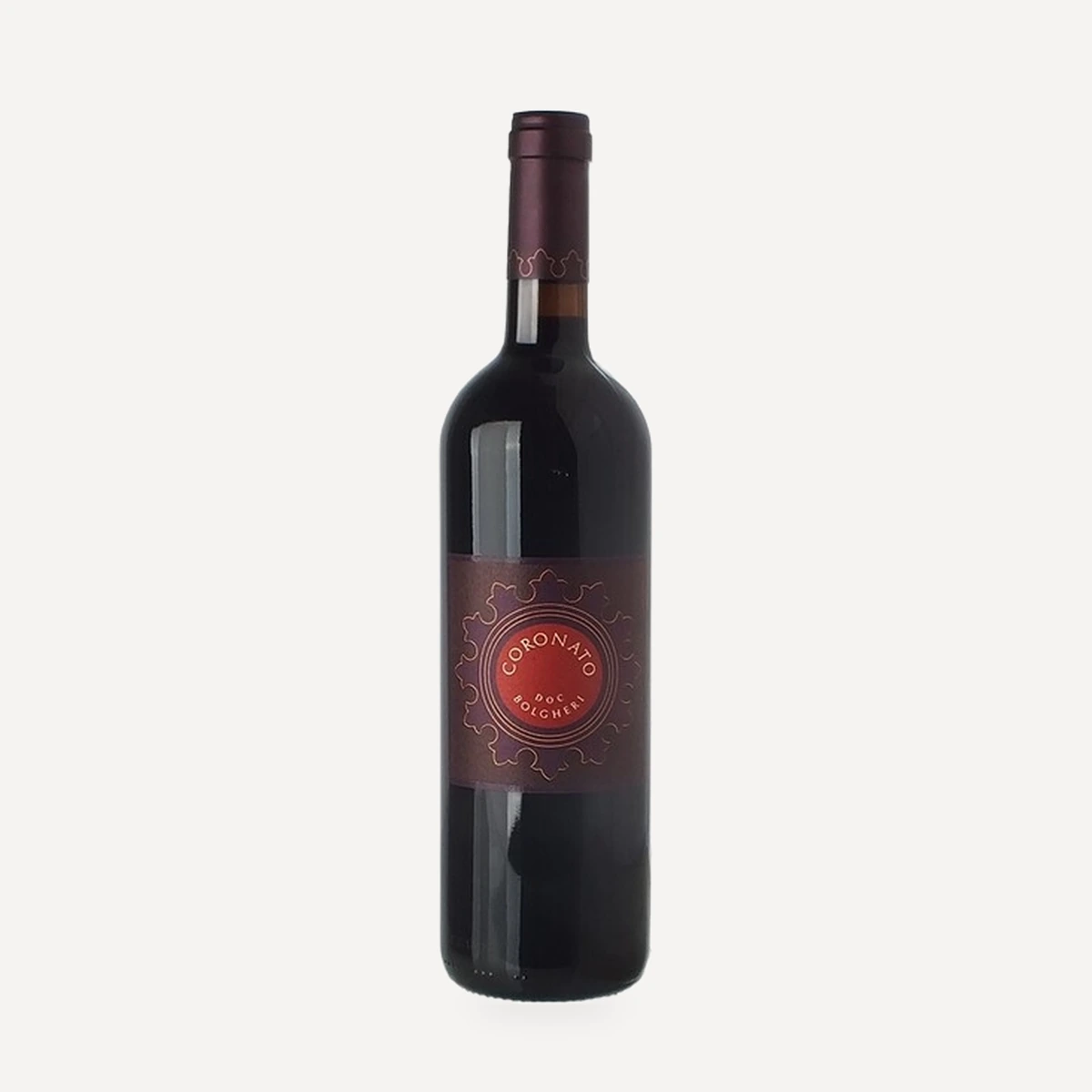
Tenuta dei Pianali Coronato Bolgheri DOC