Storia
Family land and early experiments
Davitha is rooted in family land at Tempio Pausania. Francesco Mariotti chose to cultivate ground previously worked by his father and grandfather, treating the enterprise as a life project rather than simply a profession.
A few years before the formal beginning of Davitha, Mariotti conducted his first winemaking experiments with his mother. Together they attempted to make sparkling Moscato, following a tradition of Tempio Pausania, with the idea of producing a traditional-method version. The experiment did not yield a finished wine, but the concept remained part of his developing plans.
2014: replanting and the birth of the project
Davitha began in 2014. Mariotti started replanting vines that had disappeared over the years from the family properties. His initial work followed a conventional approach under the guidance of an agronomist. He subsequently decided to work independently as a self-taught grower, discovered biodynamics, and adopted its principles without compromise.
The project was conceived around two hectares of vineyards at Tempio Pausania. Its aim was to give renewed value to local viticulture by recovering native varieties and producing innovative wines without leaving the established winegrowing tradition of the territory.
The newly planted vines gradually developed despite difficult periods and setbacks. Mariotti concentrated on precise pruning, low crop loads, orderly shoots and open, well-aerated canopies. This approach allowed him to keep average copper applications to 800–1,000 g and bring healthy fruit into the cellar in September.
2015: first dry vinifications
In 2015 Mariotti made his first dry wines from Caricagiola, Pascale and Vermentino. His early cellar routine was deliberately simple: the grapes were crushed, repeatedly tasted and racked.
2017: the unofficial emergence of Davitha
Caricagiola and Pascale reached bottle in 2017, an event Mariotti regards as the unofficial birth of Davitha. These early wines were simple, clean and elegant, with relatively low alcohol, golden-coloured whites and lightly coloured yet bright reds. Their character convinced him that the altitude of Tempio Pausania, its varieties and its vineyards deserved more determined promotion.
2018: expansion of the old cellar
In 2018 Mariotti began enlarging the old cellar. He envisioned an open facility in which equipment, expertise, professional standards and ethical principles could also be shared with other winegrowers.
2020: the new winery
The new winery was inaugurated for the 2020 harvest. It was designed to accommodate Davitha’s production, permit careful processing of the harvested fruit and provide the time and space required for wines to rest and mature. Its purpose-built rooms allow the complete process—from grape reception to bottling—to be managed independently within the estate.
Terroir
Davitha’s vineyards lie around Tempio Pausania in northeastern Sardegna, within Gallura. They occupy a setting between sea and mountain at the foot of the granitic Monte Limbara massif, whose summit reaches 1,300 m above sea level. Tempio Pausania is described as Gallura’s historic capital.
The vineyard landscape consists of small, multivarietal plots surrounding the town. Caricagiola and Pascale are prominent, alongside Moscato, Vermentino, Barbera sarda and several types of Bovale. Other varieties survive in small proportions and add to the distinctive character of the vineyards of Tempio Pausania.
Vermentino vineyards are identified at approximately 500 m above sea level on granitic soils, interspersed with cork oaks and granite formations at the foot of Monte Limbara. The altitude, local varieties and vineyard conditions contribute to wines characterized by freshness and relatively restrained alcohol.
Vinificazione
All agricultural work follows biodynamic principles. Biodynamics is treated both as an agricultural practice and as a broader relationship among the grower, the farm and natural rhythms. Intervention is made when necessary, with the goals of increasing soil fertility, conserving the entrusted land and delivering healthy grapes to the cellar.
Francesco Mariotti’s canopy management is based on precise pruning, low crop loads, orderly shoot positioning and good vineyard aeration. This work keeps average copper applications to approximately 800–1,000 g and allows healthy grapes to reach the cellar in September. Caricagiola, a naturally productive local variety, is restricted to only a few bunches per vine.
The broader farming objective is an uncompromising form of natural agriculture that is sustainable and has the lowest practical environmental impact, while also safeguarding the human, environmental and economic resources of Davitha.
The winery inaugurated for the 2020 harvest was purpose-built for Davitha’s production. It provides suitable areas for processing harvested grapes and sufficient space and time for resting and maturation. Every stage from grape reception through bottling is managed independently, using rooms arranged around the estate’s vinification methods.
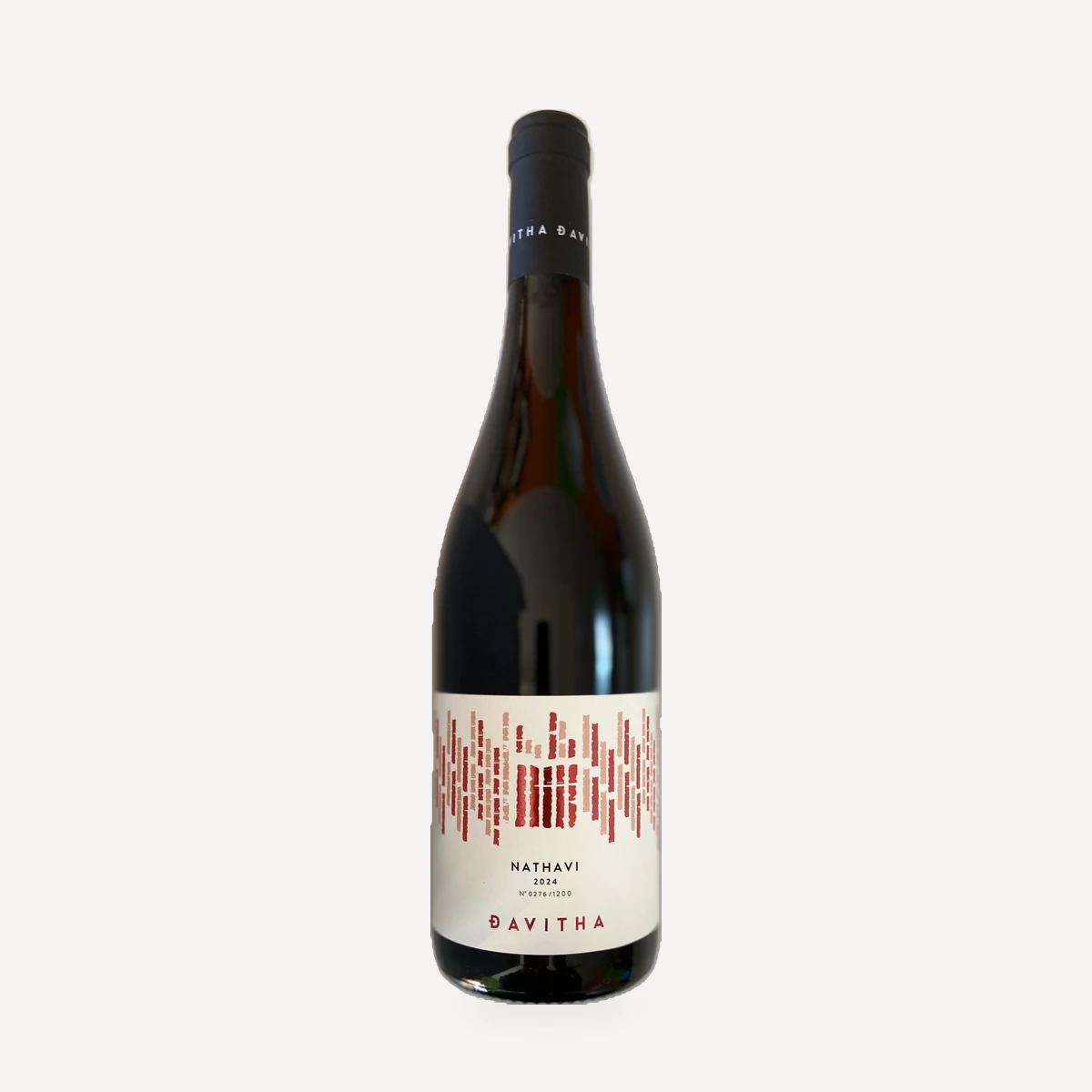
The production is organized around three distinct approaches. Nathavi wines are intended to foreground territory and grape variety through simple vinification, very brief skin contact and processing exclusively in stainless steel; the range avoids extensive maceration and wood maturation. Davitha wines are blends and undergo long macerations. The white blends combine Vermentino and Moscato, while the red blends combine Caricagiola with Pascale; cellar descriptions also identify spontaneous fermentation and maturation in stainless steel and large wooden casks within this range. Dnna is devoted to varietal expressions of Caricagiola and Moscato. Its Caricagiola is vinified as whole berries with long maceration.
Mariotti’s first dry vinifications in 2015 were deliberately minimal: he crushed the fruit, tasted it repeatedly and racked the developing wines. This low-intervention beginning shaped the project’s emphasis on allowing the local grapes, altitude and vineyards to remain recognizable in the finished wines.
Filosofia
Davitha was created to restore value to the local viticulture of Tempio Pausania by recovering native grape varieties. Its approach seeks innovation within the continuity of local winegrowing tradition rather than through the displacement of that tradition.
Mariotti regards Davitha as a life project and places the grower at the centre of the enterprise. He seeks to preserve and enhance the same land cultivated by his father and grandfather. His objective is to adapt to the territory’s particular conditions, accentuating them without distorting them and allowing personal influence to arise principally through the manner of working.
Biodynamics represents both a practical farming system and a worldview: an effort to understand and accommodate nature’s rhythms, intervene only when needed, improve soil fertility and conserve land held in stewardship. It is also intended to sustain Davitha’s human, environmental and economic resources.
The wines are conceived as direct expressions of their place. Nathavi emphasizes clarity of grape and territory through simple cellar work; Davitha represents the estate’s most personal interpretation through blends and long macerations; Dnna isolates important local varieties. Across the project, time, human attention and small details are treated as central to quality.
Vini
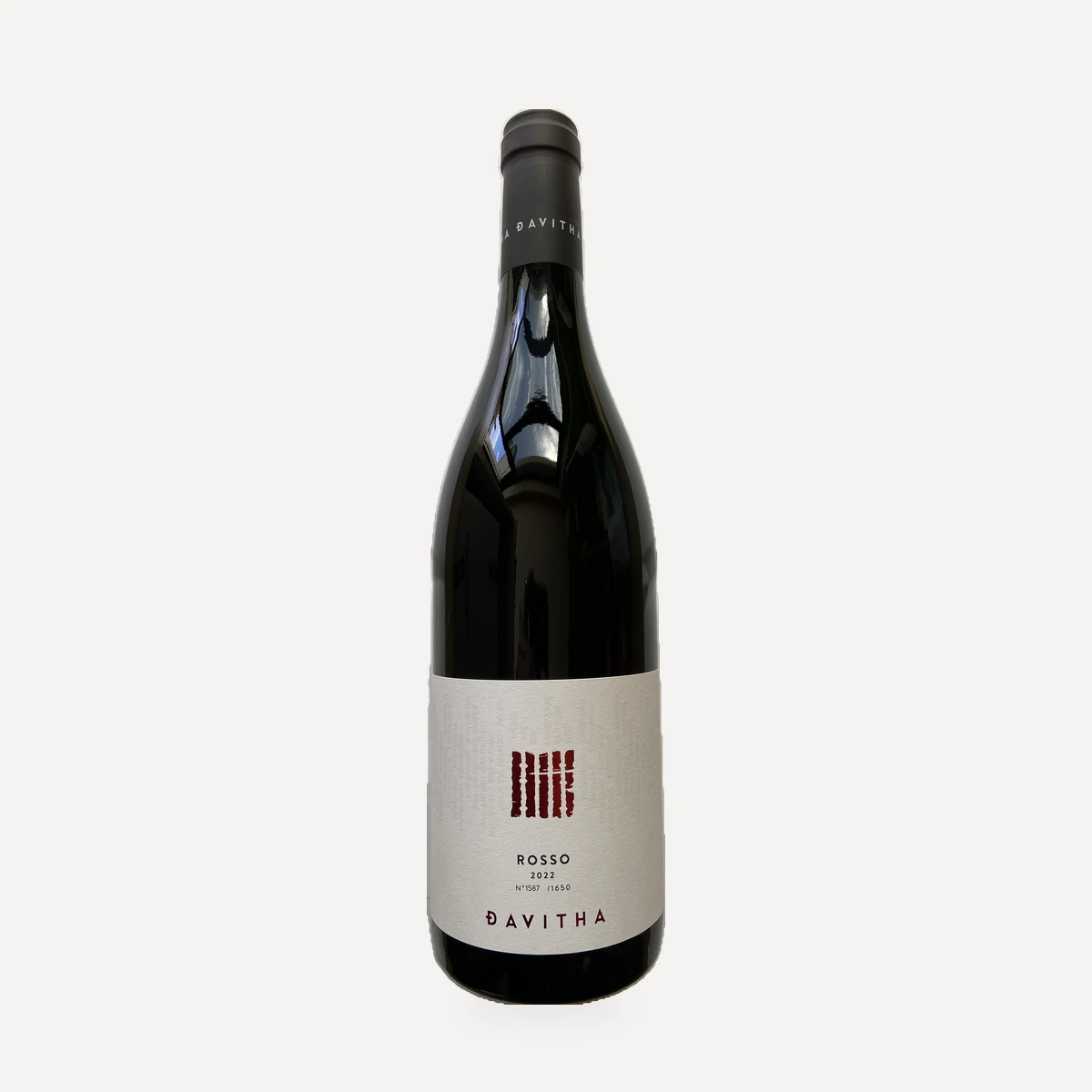
Davitha Rosso
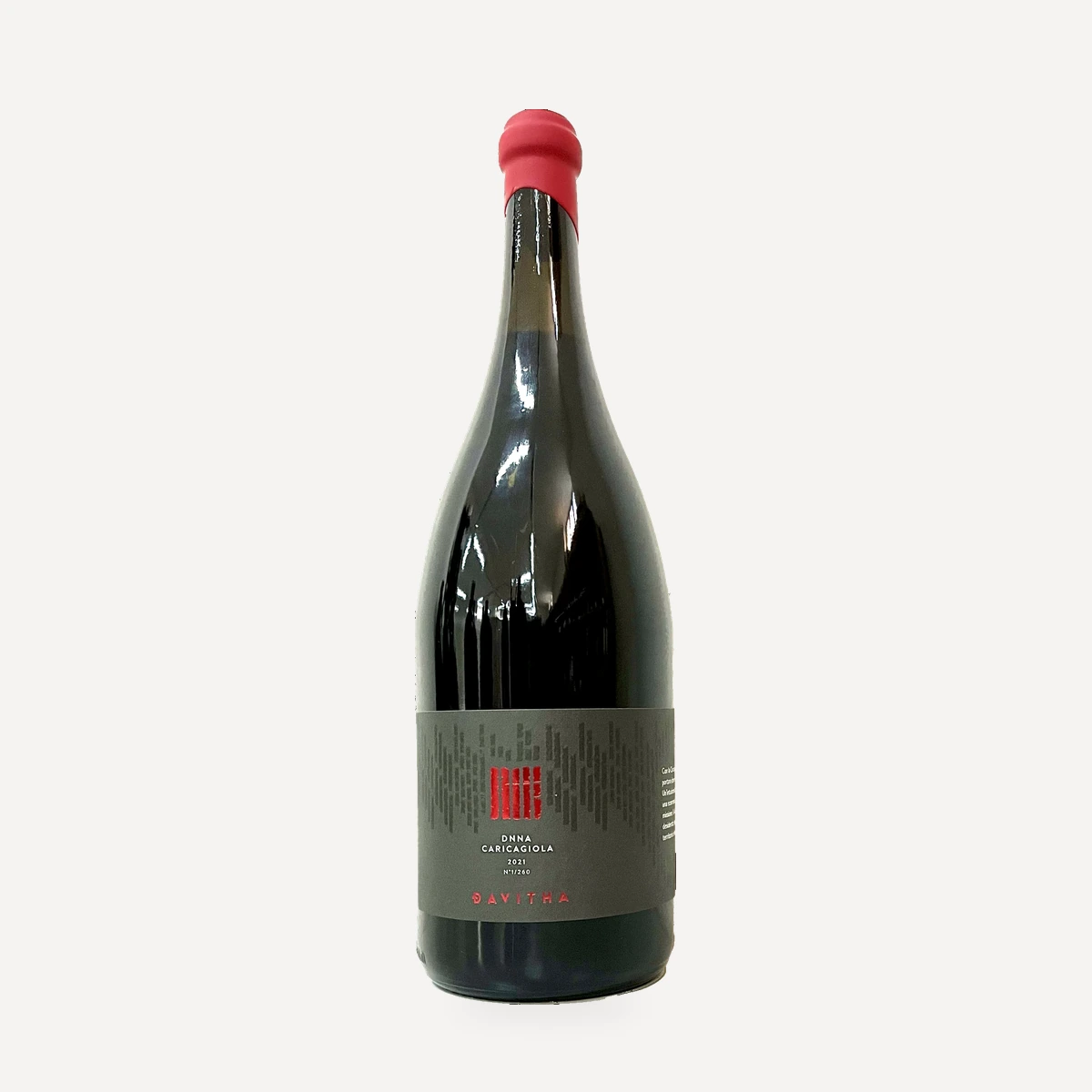
Dnna Caricaghjola
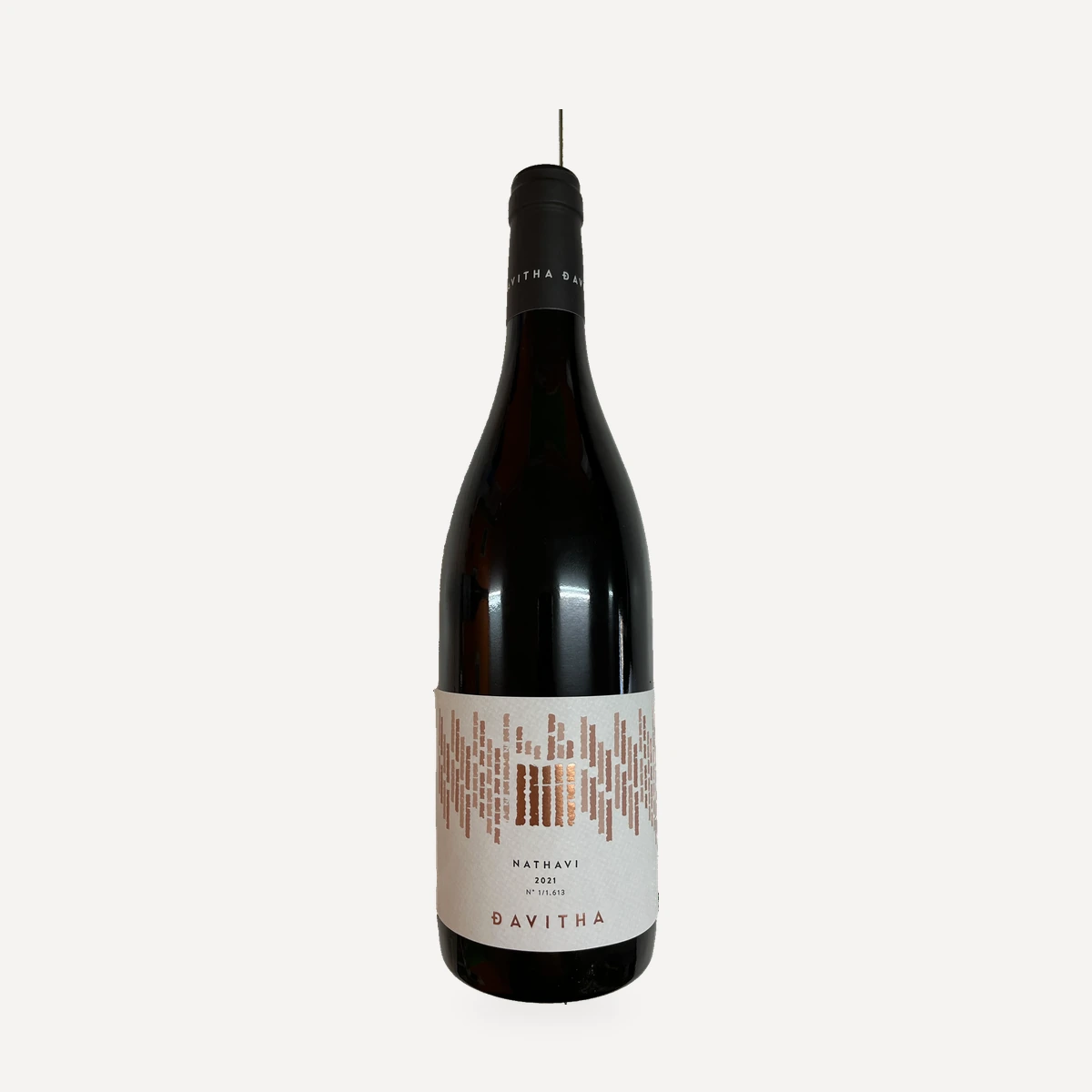
Nathavi rosa
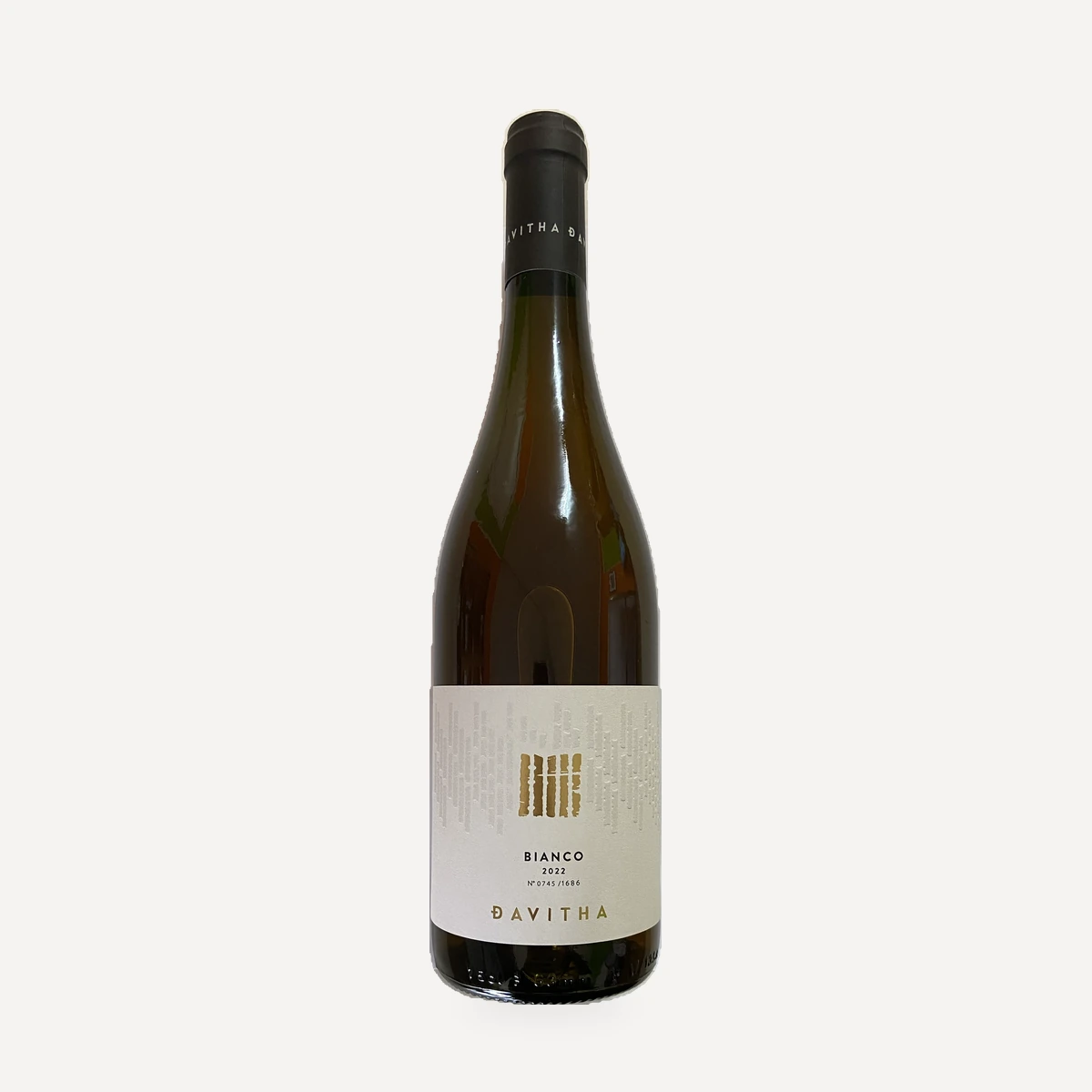
Davitha Bianco
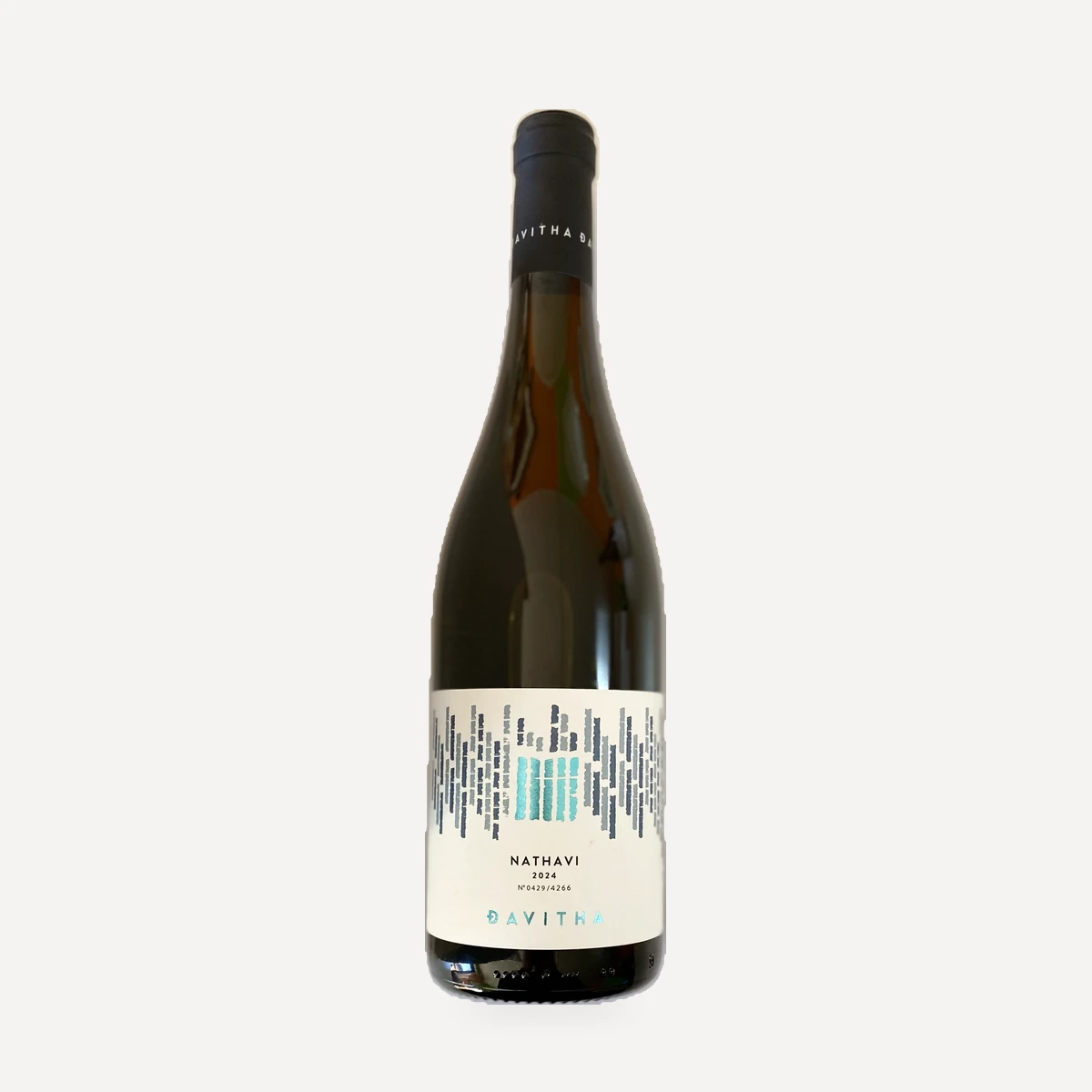
Nathavi Vermentino