Storia
Foundation in 1953
Cantina Dorgali was founded in 1953 on Sardinia’s eastern coast by a small group of farmers from Dorgali. The initiative created a cooperative structure through which local growers could work together while maintaining the agricultural traditions of the area.
Growth of the cooperative
From its original handful of members, the cooperative grew steadily into a substantial community of winegrowers. It now brings together approximately 220 producer-members. The vineyards are cultivated collectively in the same cooperative spirit established at the foundation, while the membership also extends to growers from the surrounding area.
Growth was accompanied by an effort to reconcile inherited knowledge with technical development. The cooperative characterizes its trajectory as one of persistence, expansion and innovation, deliberately contrasting its long record of collaboration with the old phrase attributed to Charles V describing Sardinians as “pocos, locos y mal unidos.”
Recognition in 2016
In 2016 Cantina Dorgali received the Medaglia di Cangrande during Vinitaly. The distinction was presented by the President of the Italian Republic and recognized the work of the cooperative as a whole.
Renewing the production model
A later development project set out to improve and reposition the cooperative’s production by giving greater prominence to the culture, history and traditions of Dorgali. The work began in the vineyards, with lower yields per vine and advance planning of every operation through harvest. In the cellar, the approach favored appropriately scaled technology designed to preserve the varietal character of Cannonau and the area’s other native grapes rather than technical complexity for its own sake.
This program placed Cannonau at the center of the cooperative’s identity. Its purpose was to reveal aspects of the variety that had previously received limited attention and to use the identity of the territory as the basis for improving the entire range.
The 60th and 70th anniversaries
For its 60th anniversary, Cantina Dorgali created commemorative labels honoring notable women connected with events that had taken place 60 years earlier.
The cooperative again linked an anniversary release to women’s history when celebrating 70 years of cooperation. It introduced IMPAVIDA, a commemorative Cannonau grappa whose label honors scientist Rosalind Franklin. The choice refers to Franklin’s contribution, through X-ray crystallography, to the discovery of the molecular structure of DNA and RNA in 1953—the same year in which the cooperative was founded.
Research and market development
Cantina Sociale di Dorgali subsequently joined the Innovinando project with Cantina Sociale di Oliena, Bingiateris and Piero Mancini. The program combines vineyard trials aimed at finding new ways to cultivate traditional varieties and create innovative wines with digital-marketing work intended to develop access to the German market.
Terroir
Cantina Dorgali lies on Sardinia’s eastern side, in the area between the Supramonte and the Gulf of Orosei. Its viticultural landscape comprises broad valleys, plateaus and terraced slopes, with the sea to the east and the mountains to the west.
The territory contains several geological and climatic conditions within a relatively short distance. These local variations provide distinct growing environments across the cooperative’s vineyard holdings. The area is presented as the heart of the Cannonau “Zona Classica,” where Cannonau expresses characteristics associated with the particular combination of soils and climate.
The wider landscape stretches from the Supramonte mountains to the Gulf of Orosei and includes Dorgali and the coastal settlement of Cala Gonone. Agriculture and craftsmanship remain important counterparts to the area’s natural and maritime setting.
Vinificazione
Vineyard improvement is based on low yields per vine and advance planning of all operations through harvest. Attention is directed to every plant, continuing working practices passed down through earlier generations of local growers.
Harvesting remains entirely manual. The cooperative handles approximately 27,000 quintals of grapes in a harvest, although the vineyard-area figure published alongside this quantity differs from the figure used elsewhere for the cooperative’s current holdings.
Cantina Dorgali also participates in Innovinando, whose vineyard component tests new approaches to cultivating traditional grape varieties with the aim of developing innovative wines.
Average production is approximately 18,000–20,000 hl of wine. The production philosophy does not pursue elaborate technology: cellar equipment and processes are selected for their ability to preserve and emphasize the varietal character of Cannonau and the other native grapes cultivated locally.
Monovarietal expression is the guiding principle for the cooperative’s red and white wines. The stated exceptions are wines under the Isola dei Nuraghi IGT, where Cannonau is blended with other varieties.
The historic cellar can be visited as part of guided tours. The cooperative also makes grappa from the lightly moist pomace of selected native grapes. Its grappas are distilled in small copper stills; IMPAVIDA specifically uses discontinuous distillation in steam-heated copper boilers.
Filosofia
Cantina Dorgali defines cooperation as its principal strength. The work of individual growers is brought together through a structure intended to preserve both local agricultural knowledge and a shared identity.
Its quality program begins in the vineyard with low yields and careful planning, then continues with cellar technology chosen to serve the grapes rather than dominate them. Cannonau is the central reference point, while the broader objective is to restore value to the culture, history and traditions of Dorgali.
The cooperative presents its approach as a modern expression of an ancient tradition. Manual harvesting and close attention to individual vines represent inherited knowledge; research, technical adaptation and market development provide the modern component.
For its wines, the guiding principle is varietal purity across both red and white production. Isola dei Nuraghi IGT wines form the deliberate exception, allowing Cannonau to be blended with other grapes.
Vini
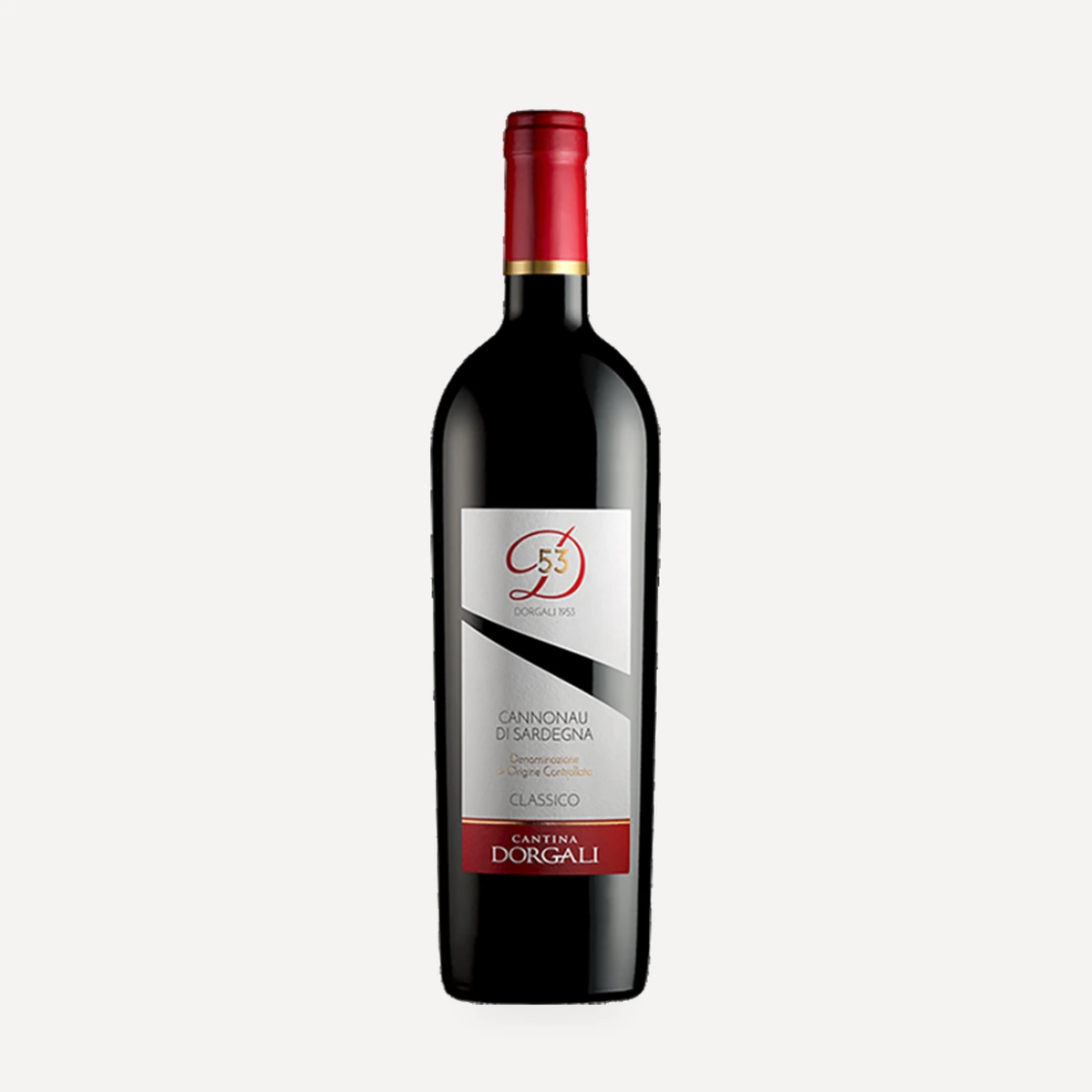
D53
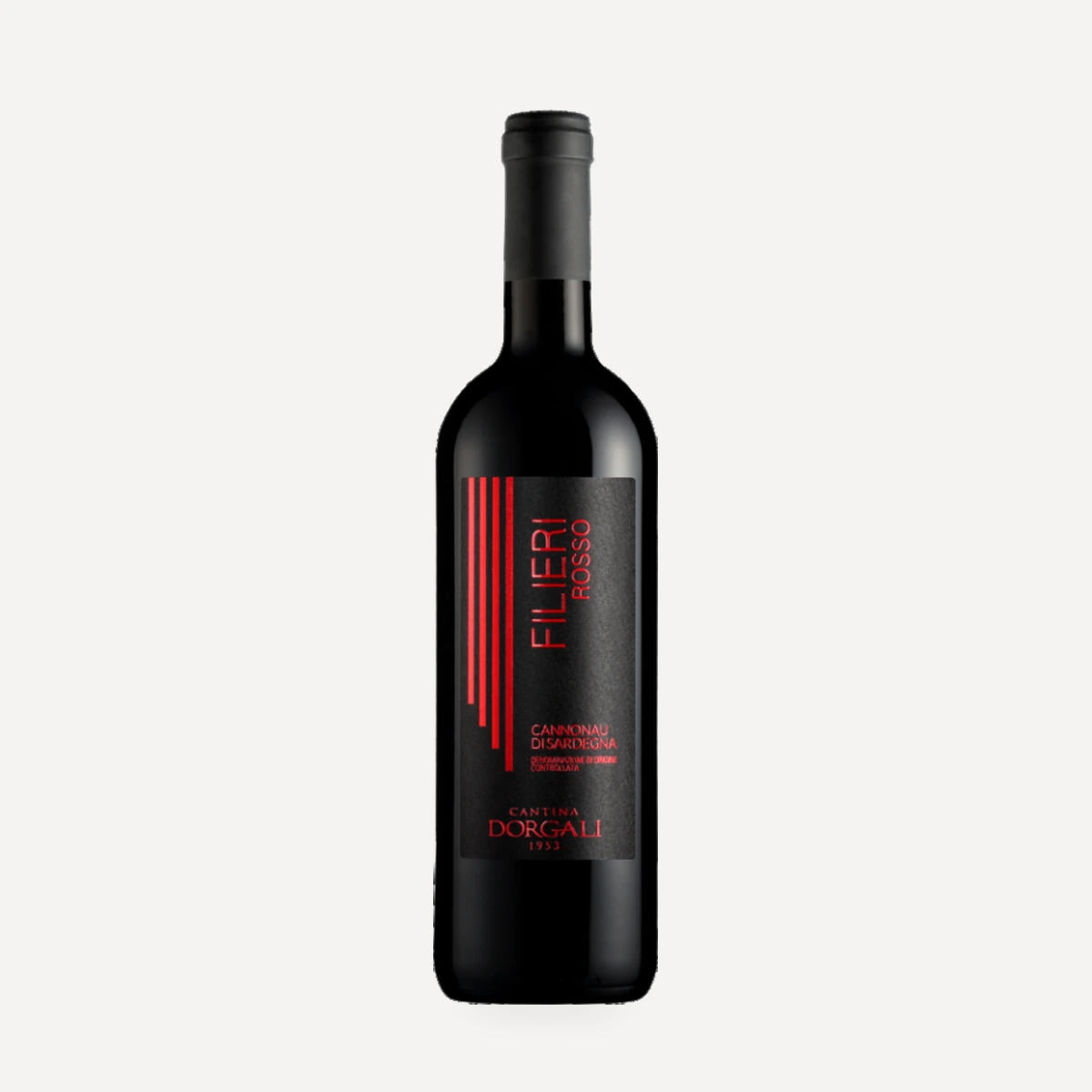
Filieri Rosso
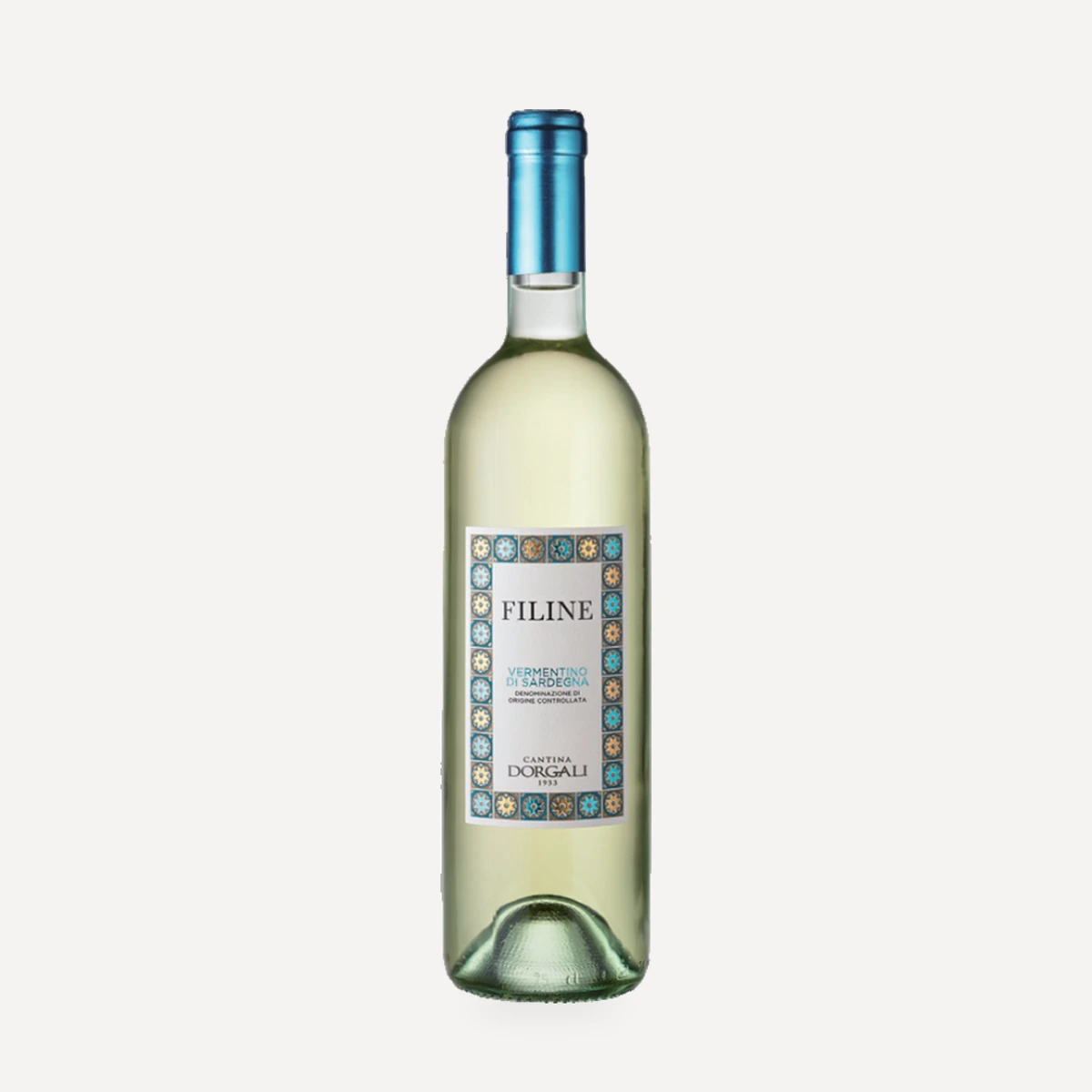
Filine
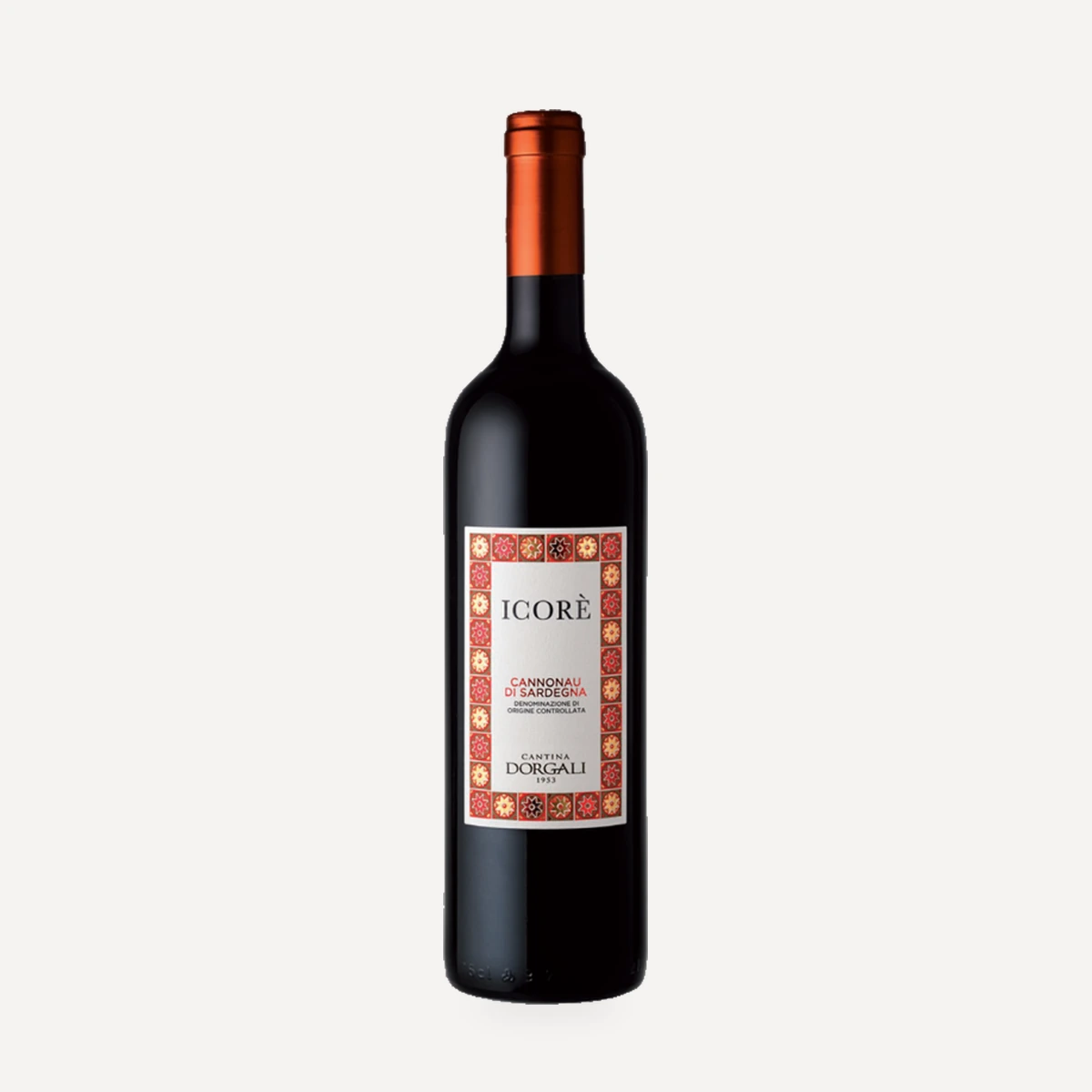
Icorè Rosso
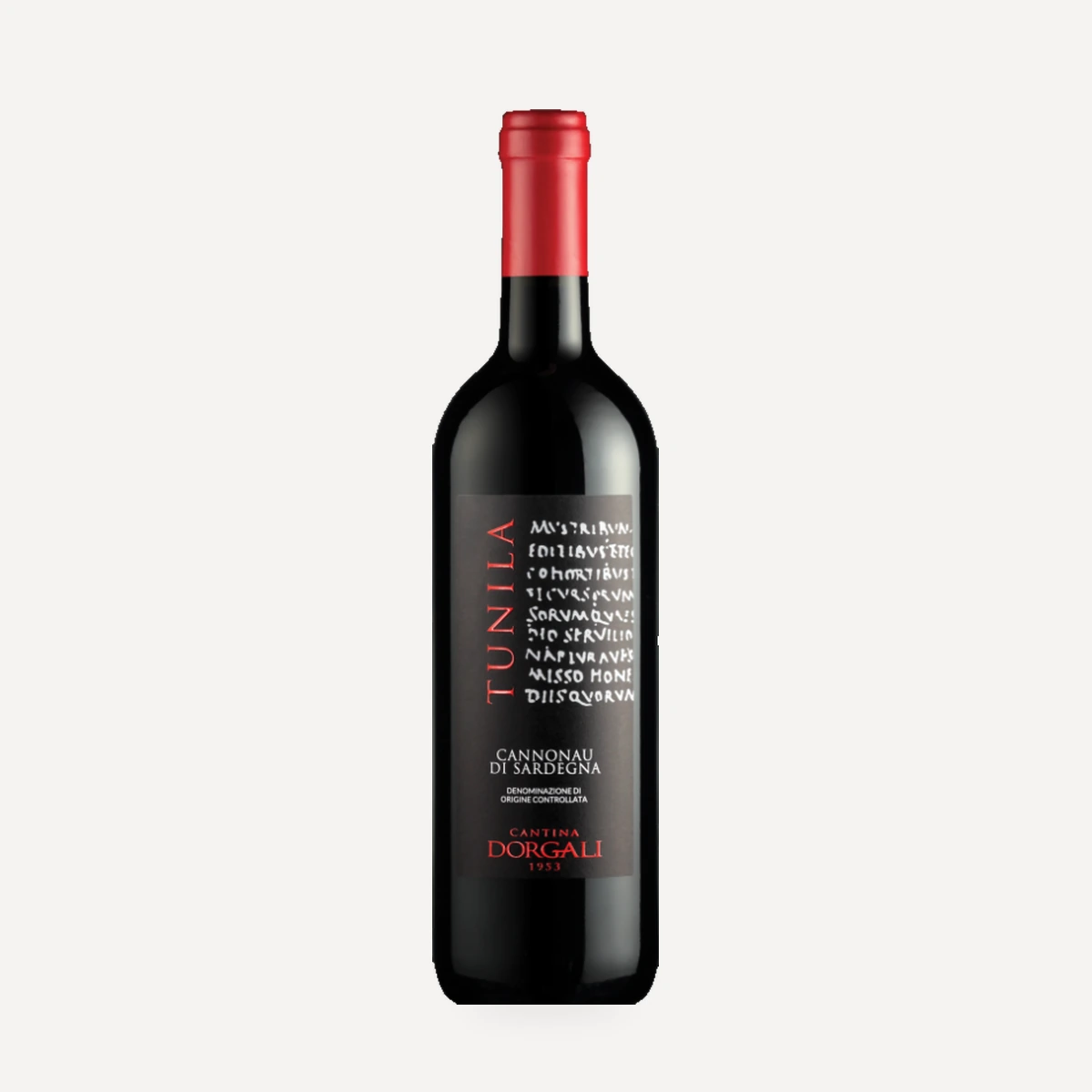
Tunìla
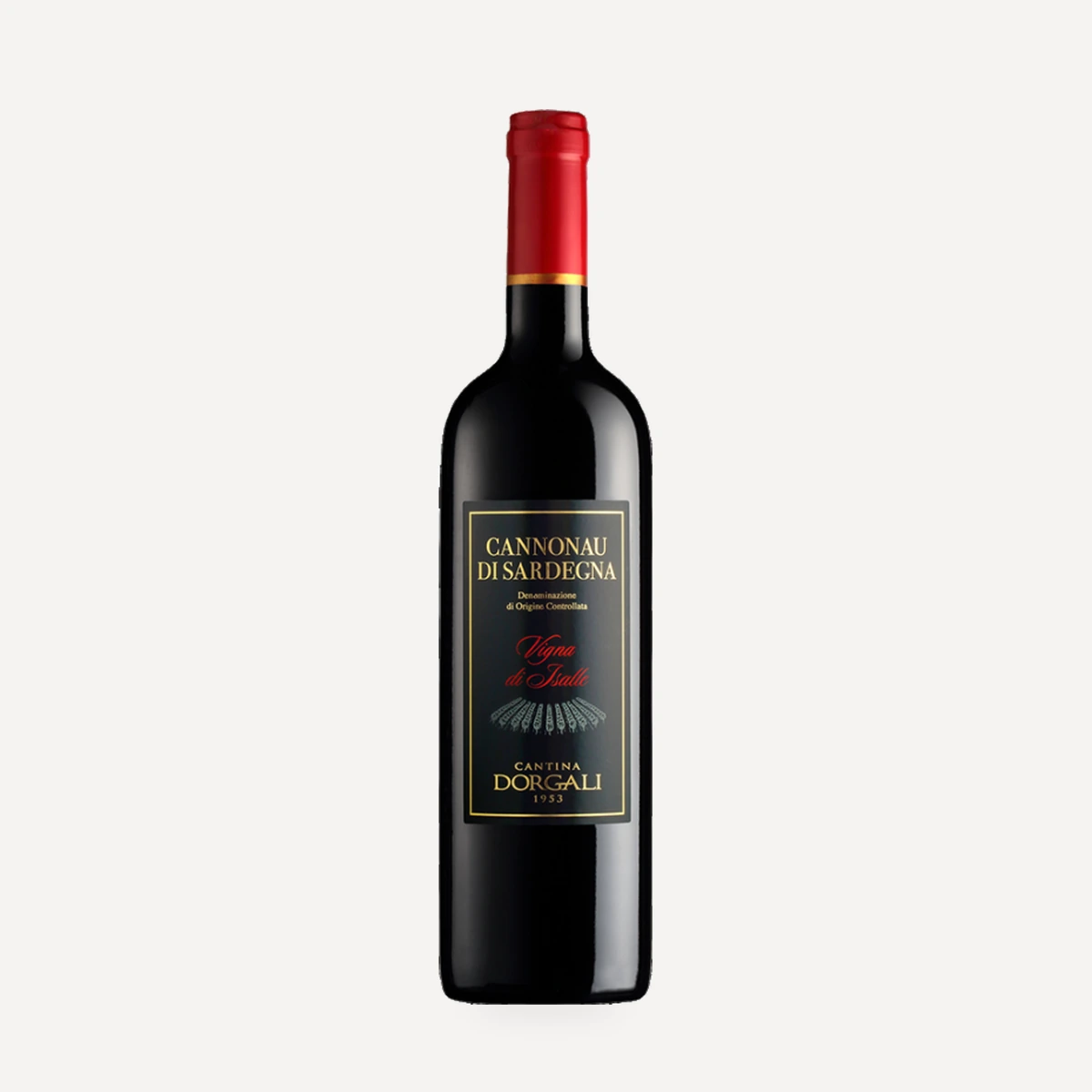
Vigna di Isalle
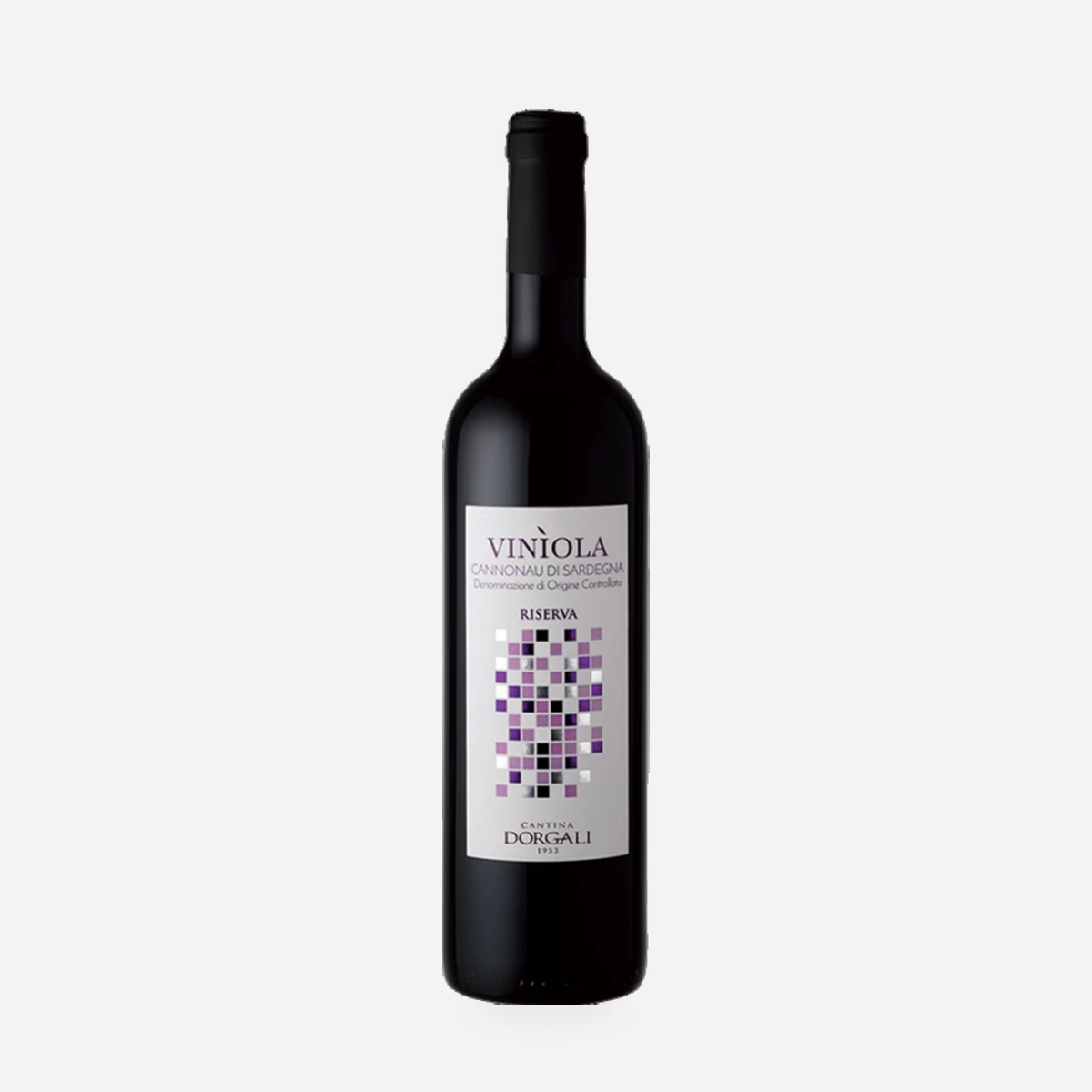
Viniola
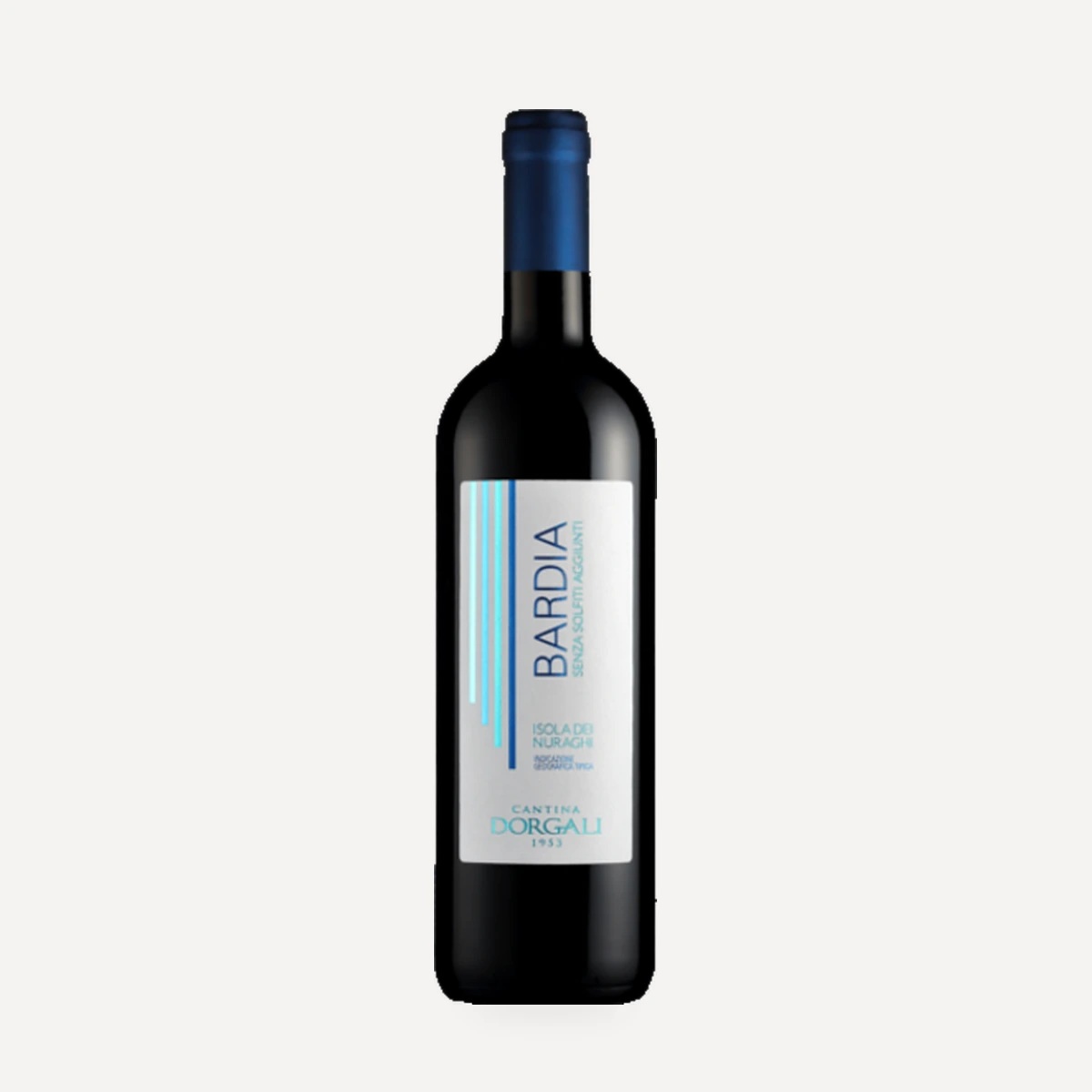
Bardia IGT
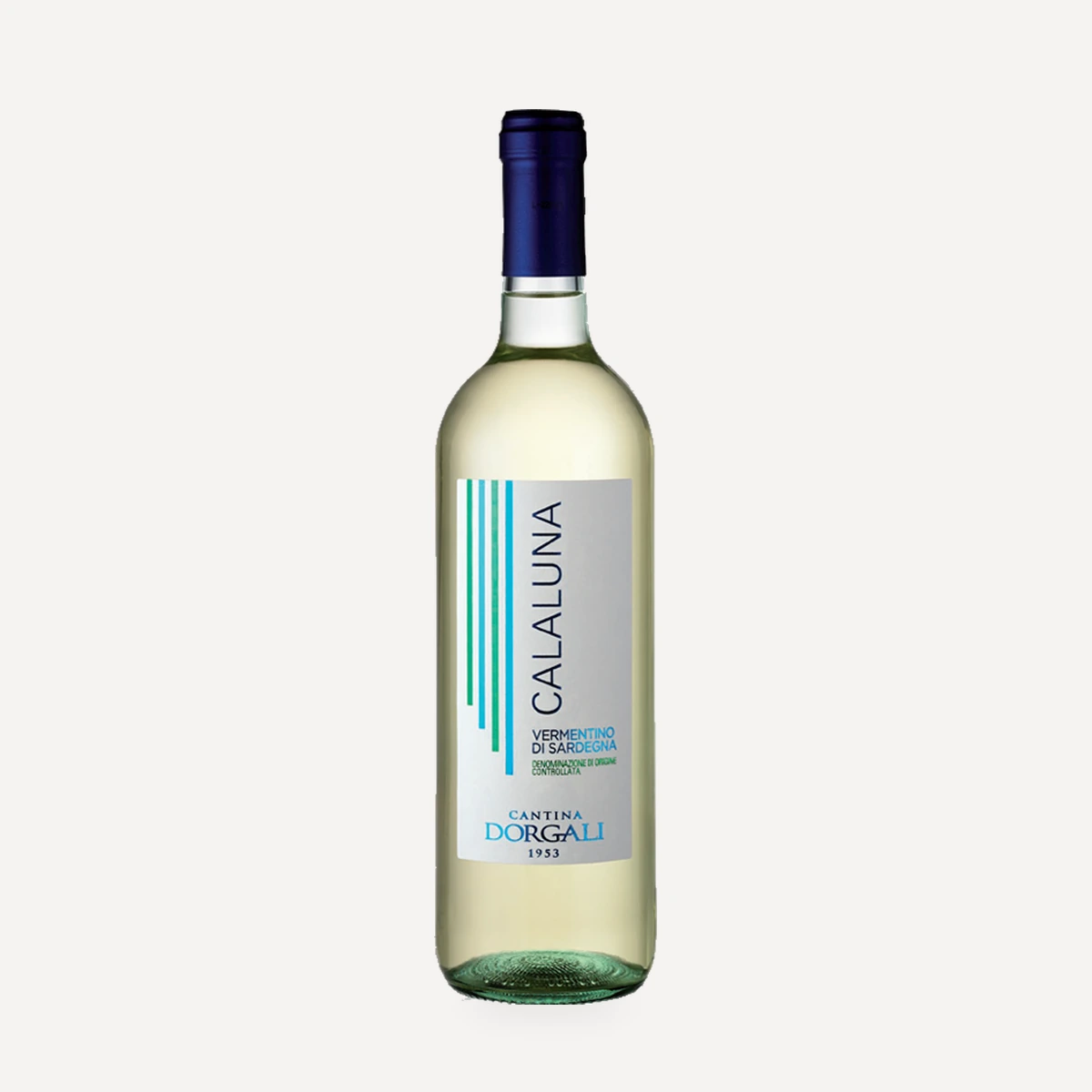
Calaluna
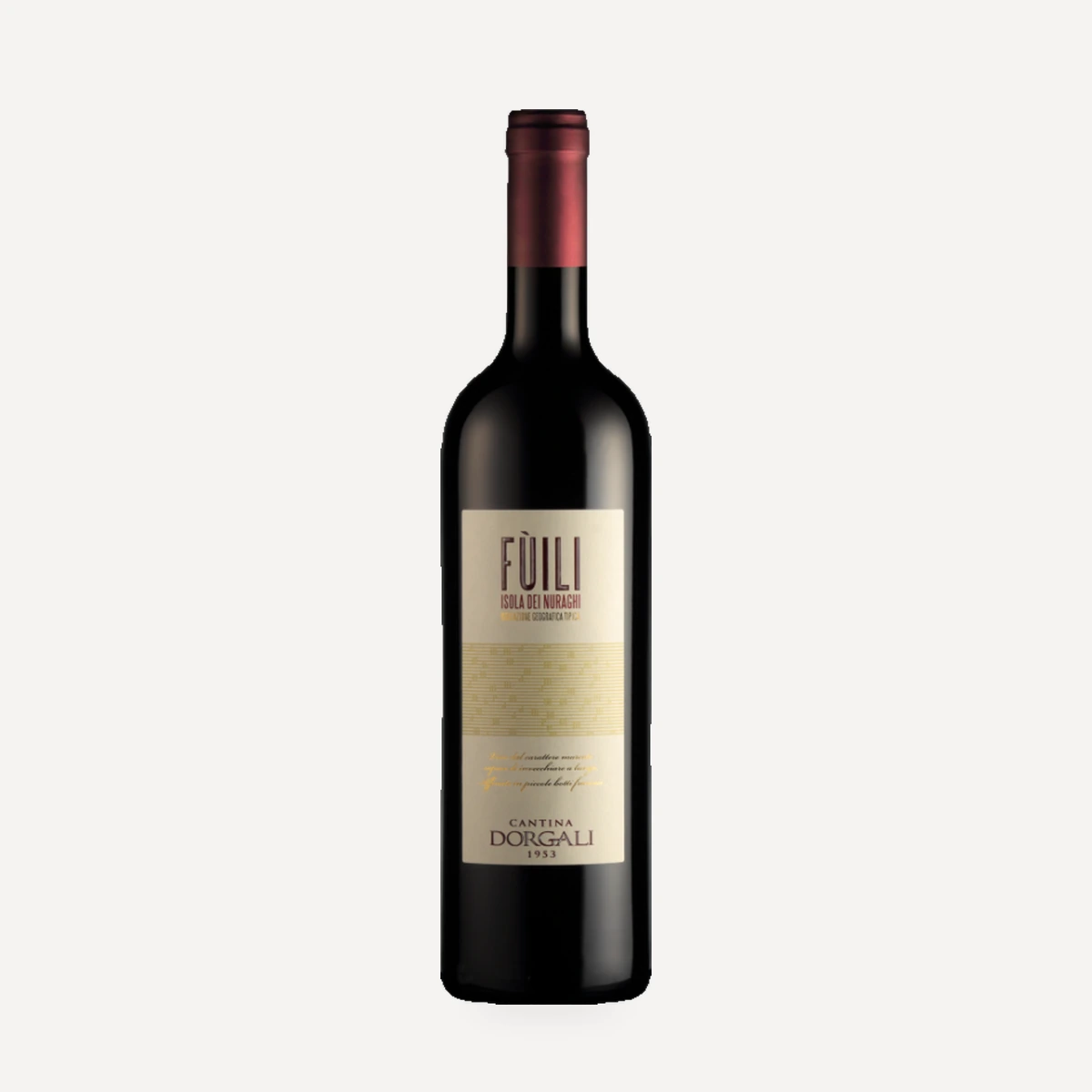
Fùili
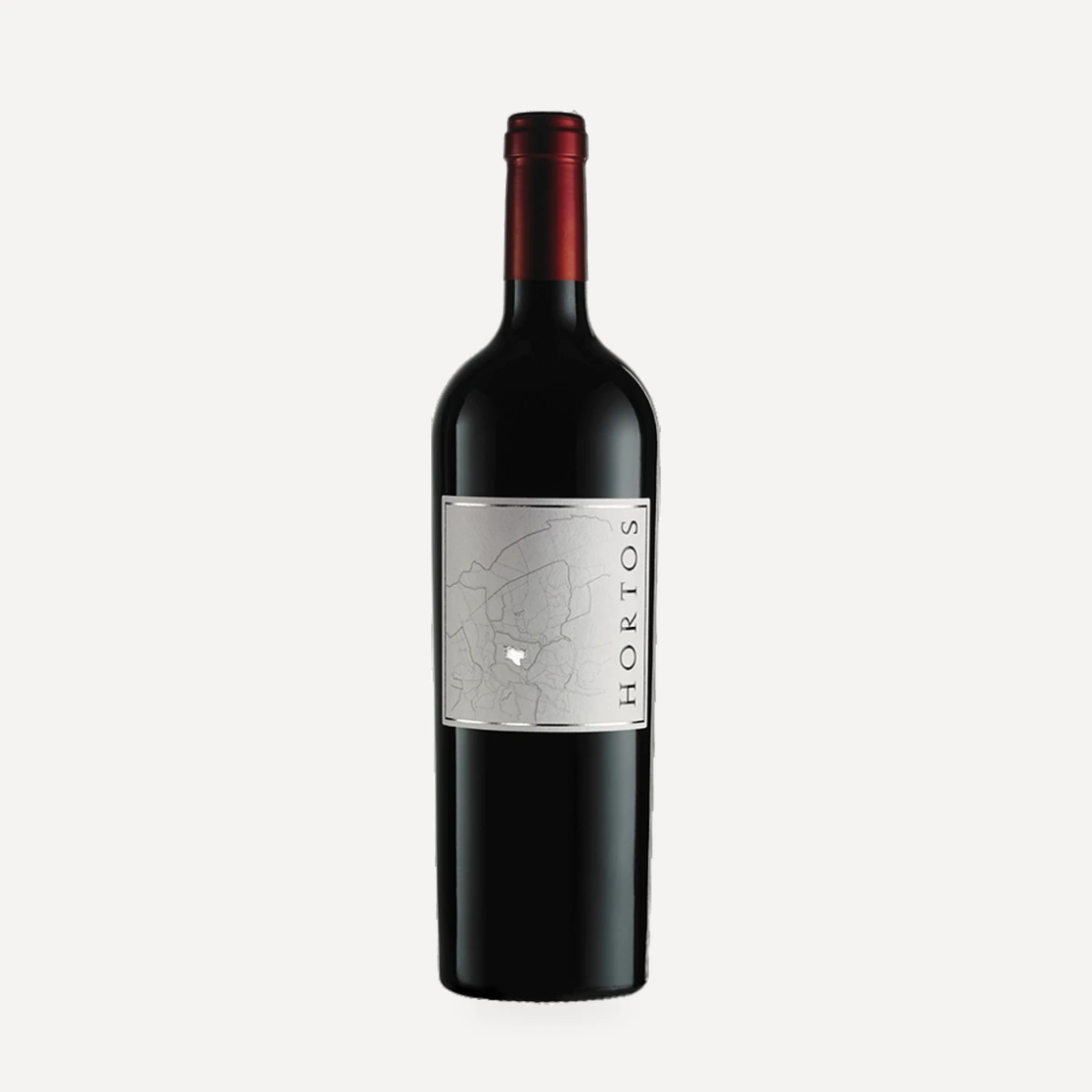
Hortos
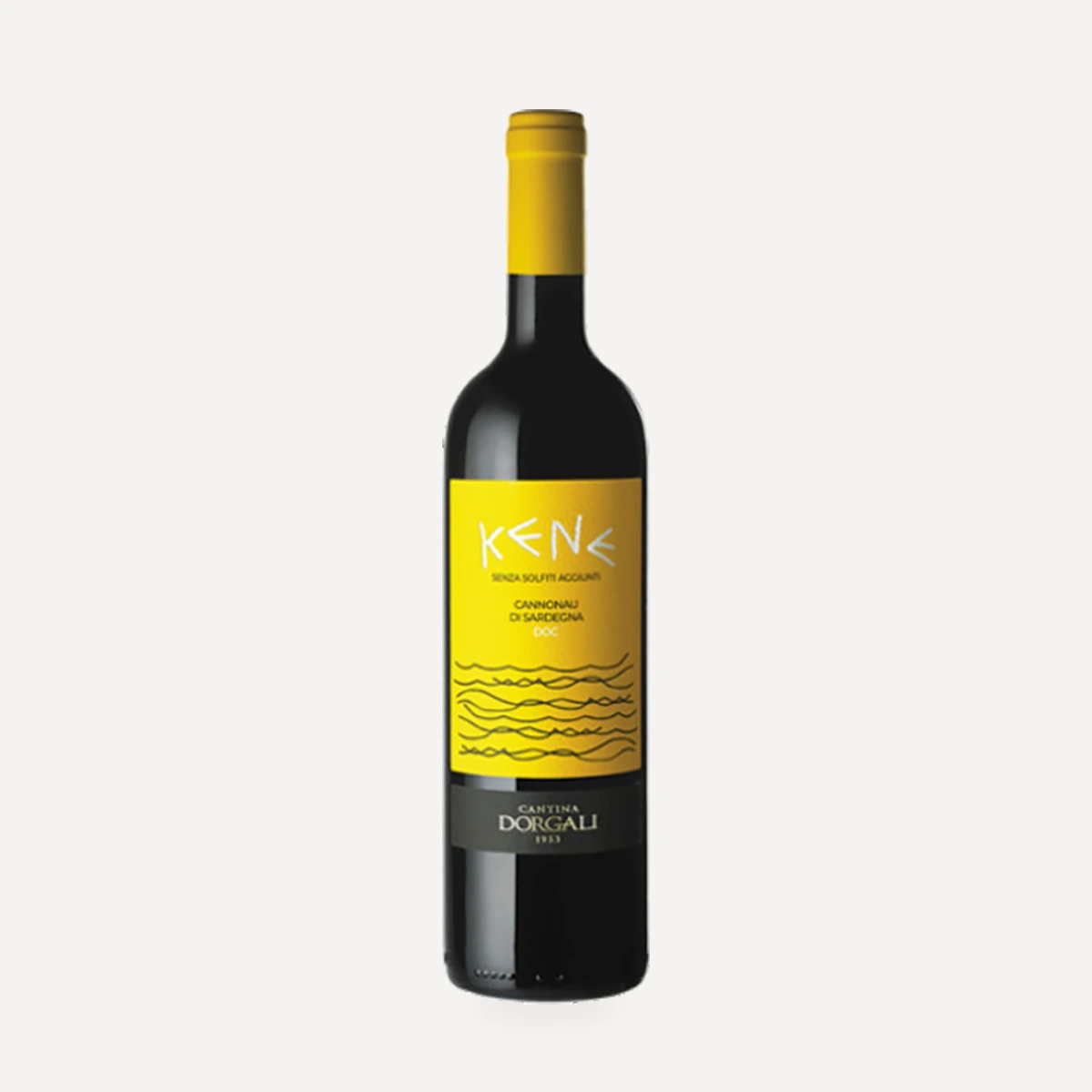
Kene
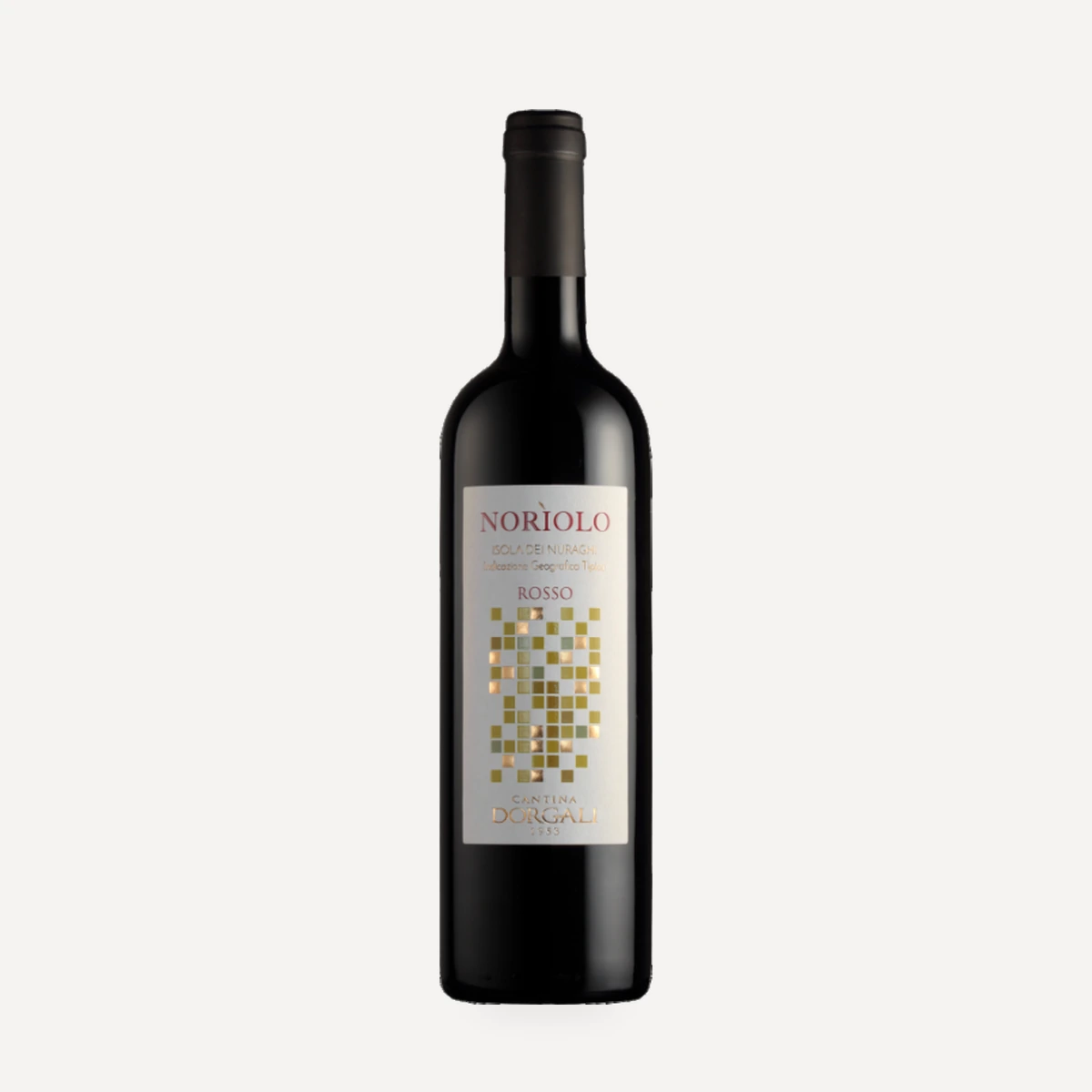
Norìolo
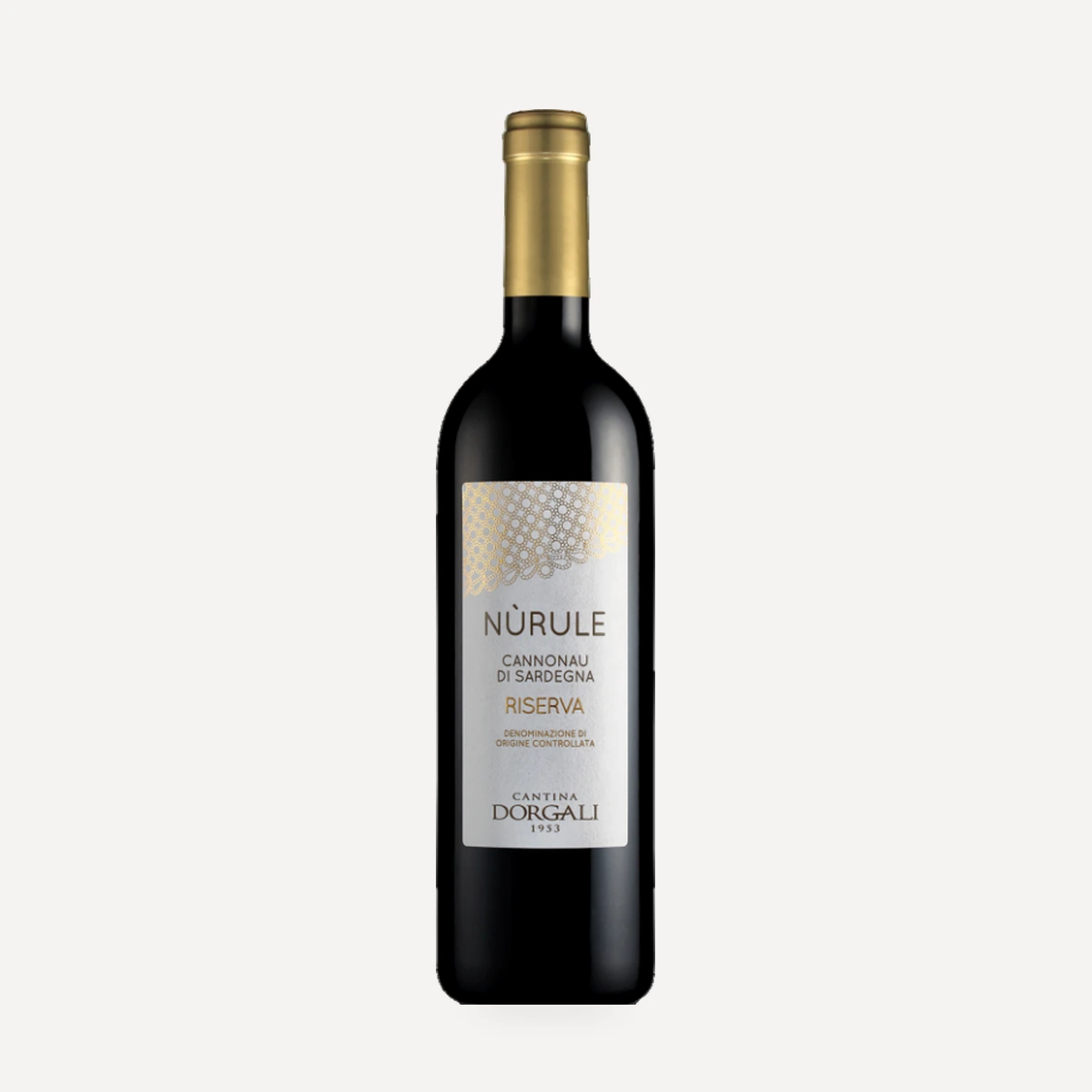
Nùrule
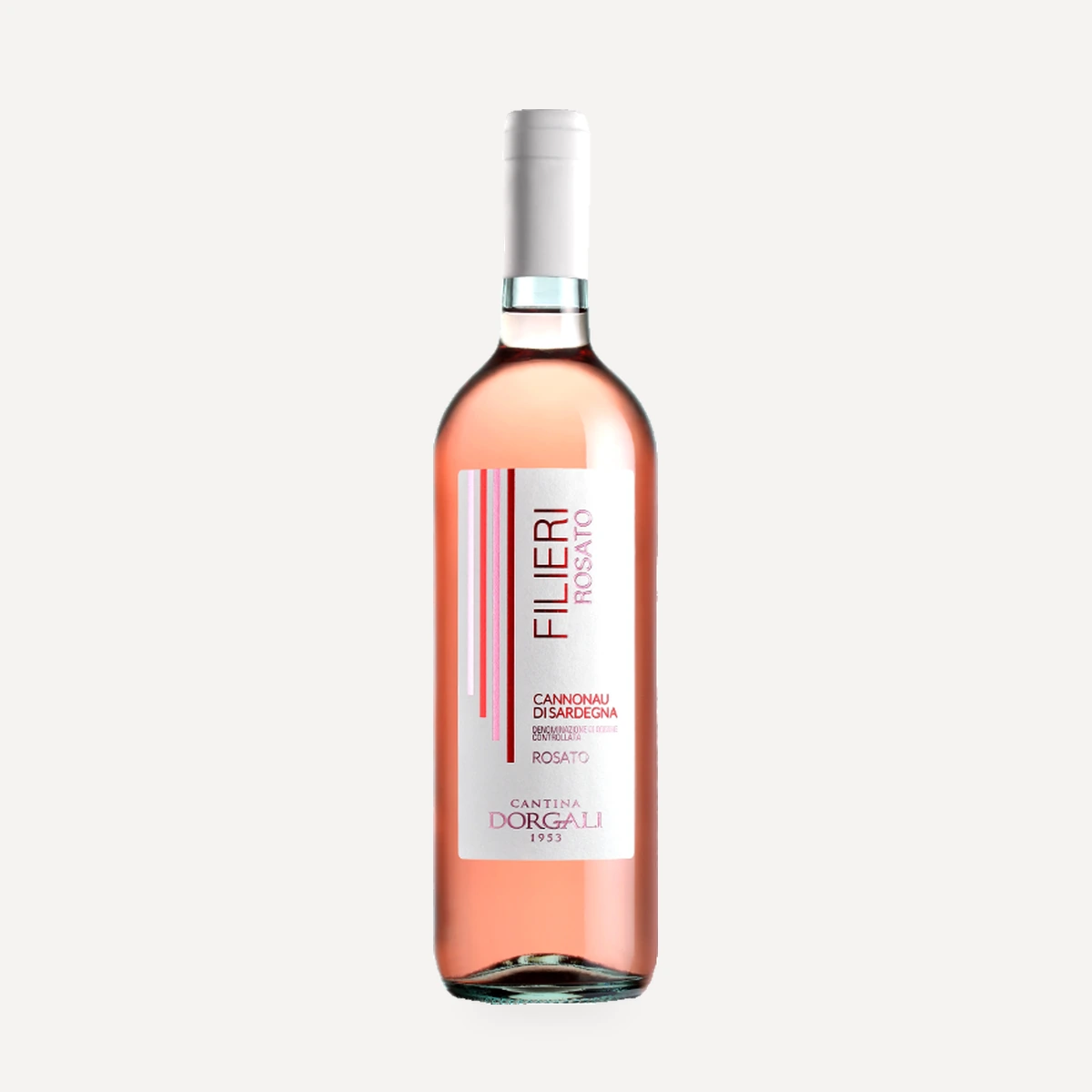
Filieri Rosato
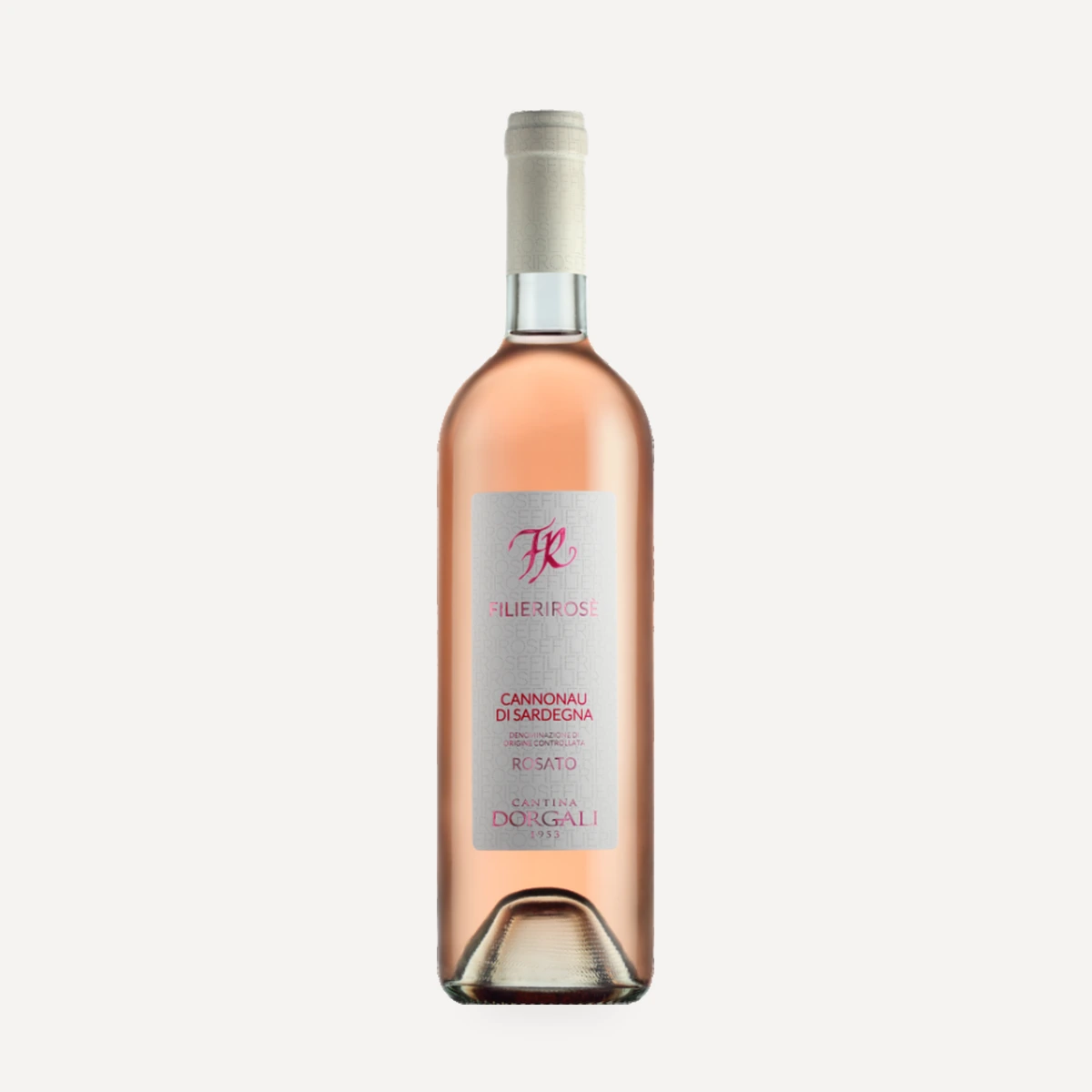
Filieri Rosè
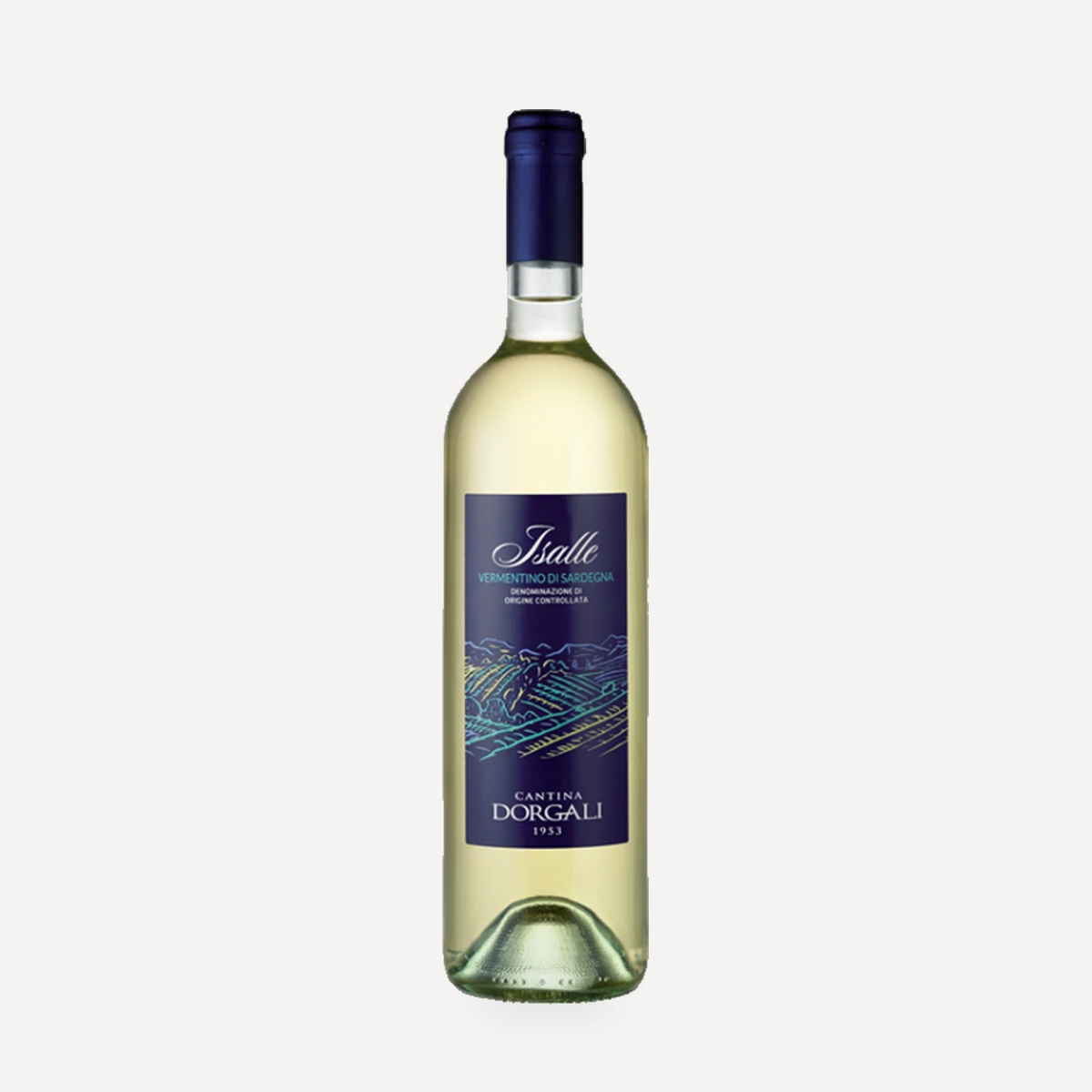
Isalle
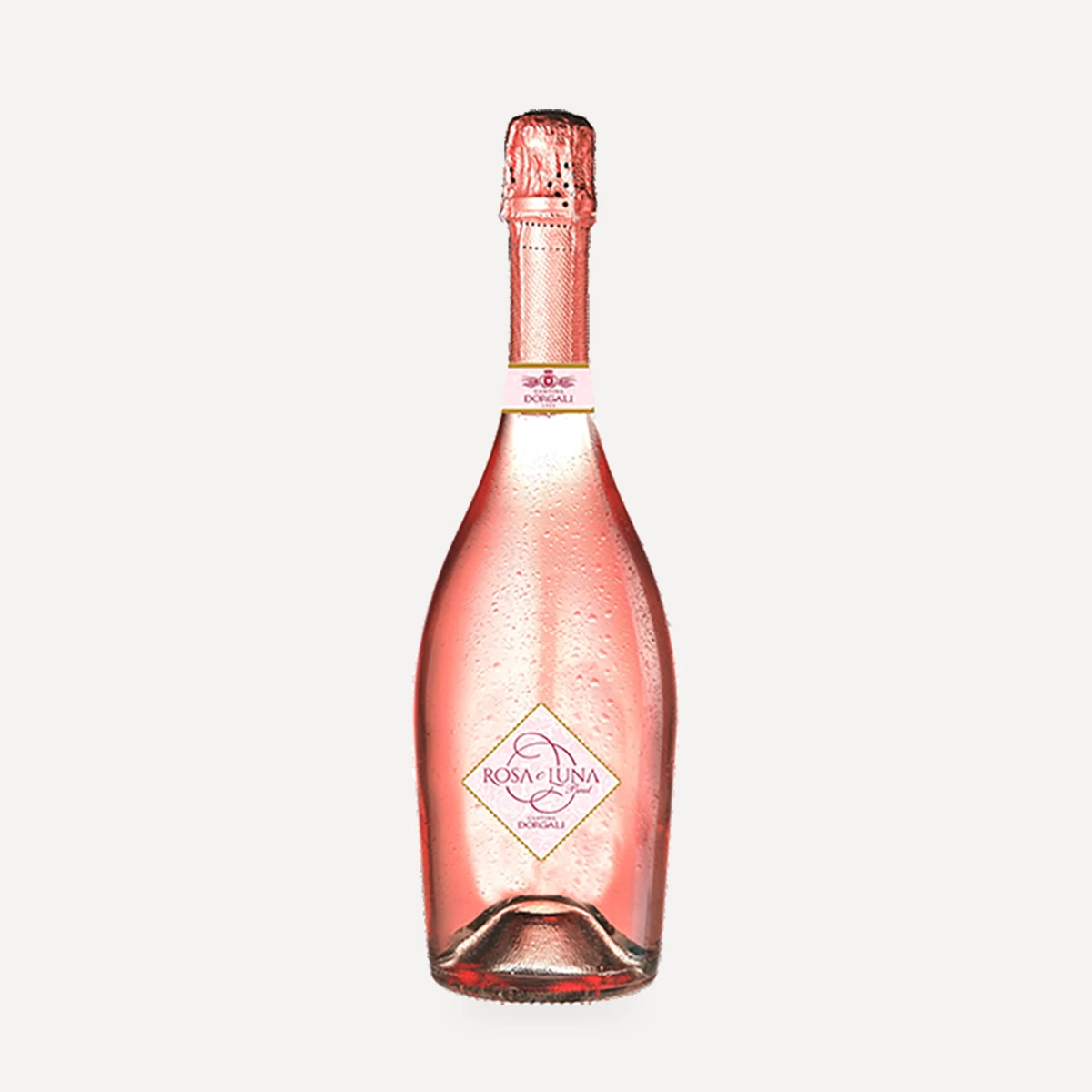
Rosa e Luna
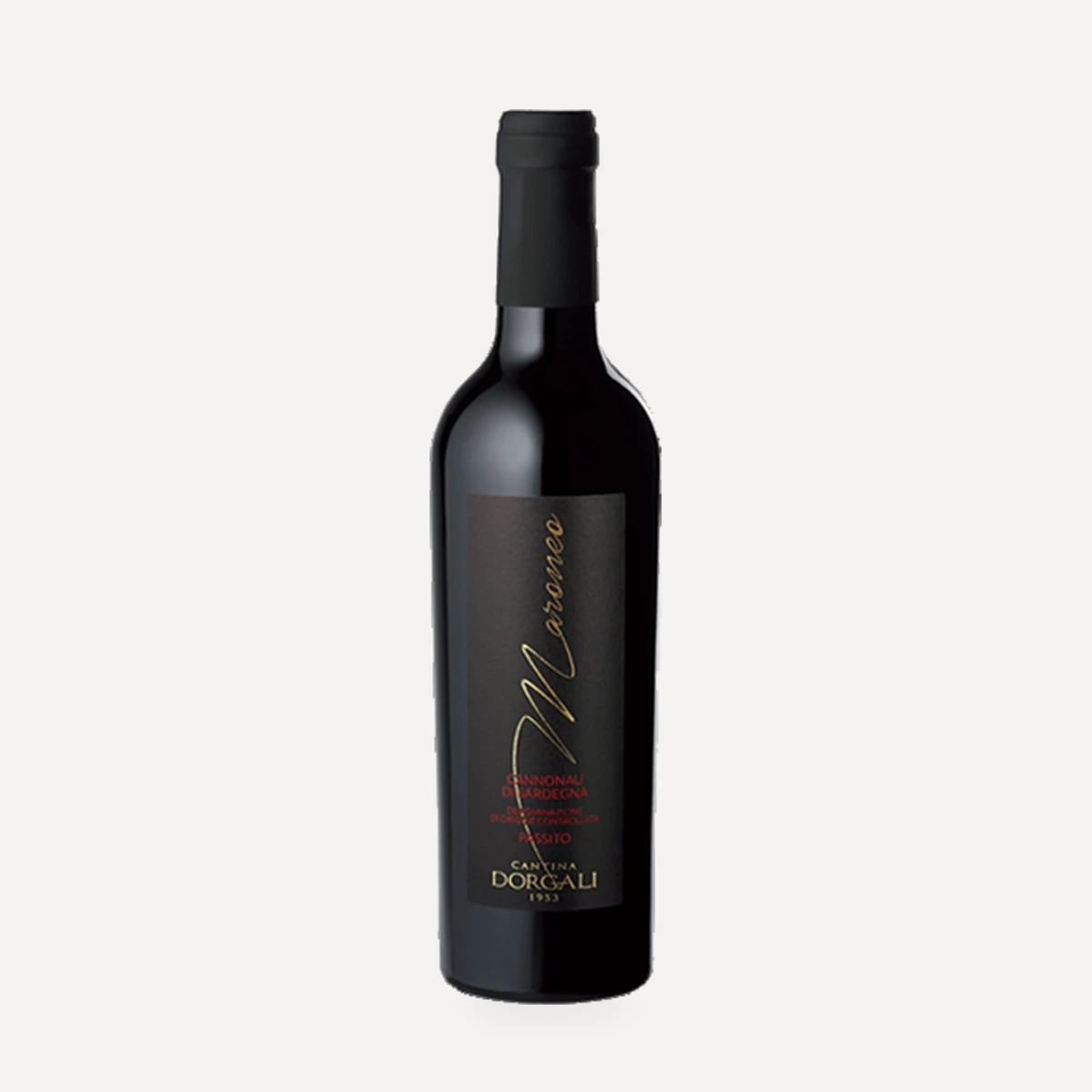
Maronèo
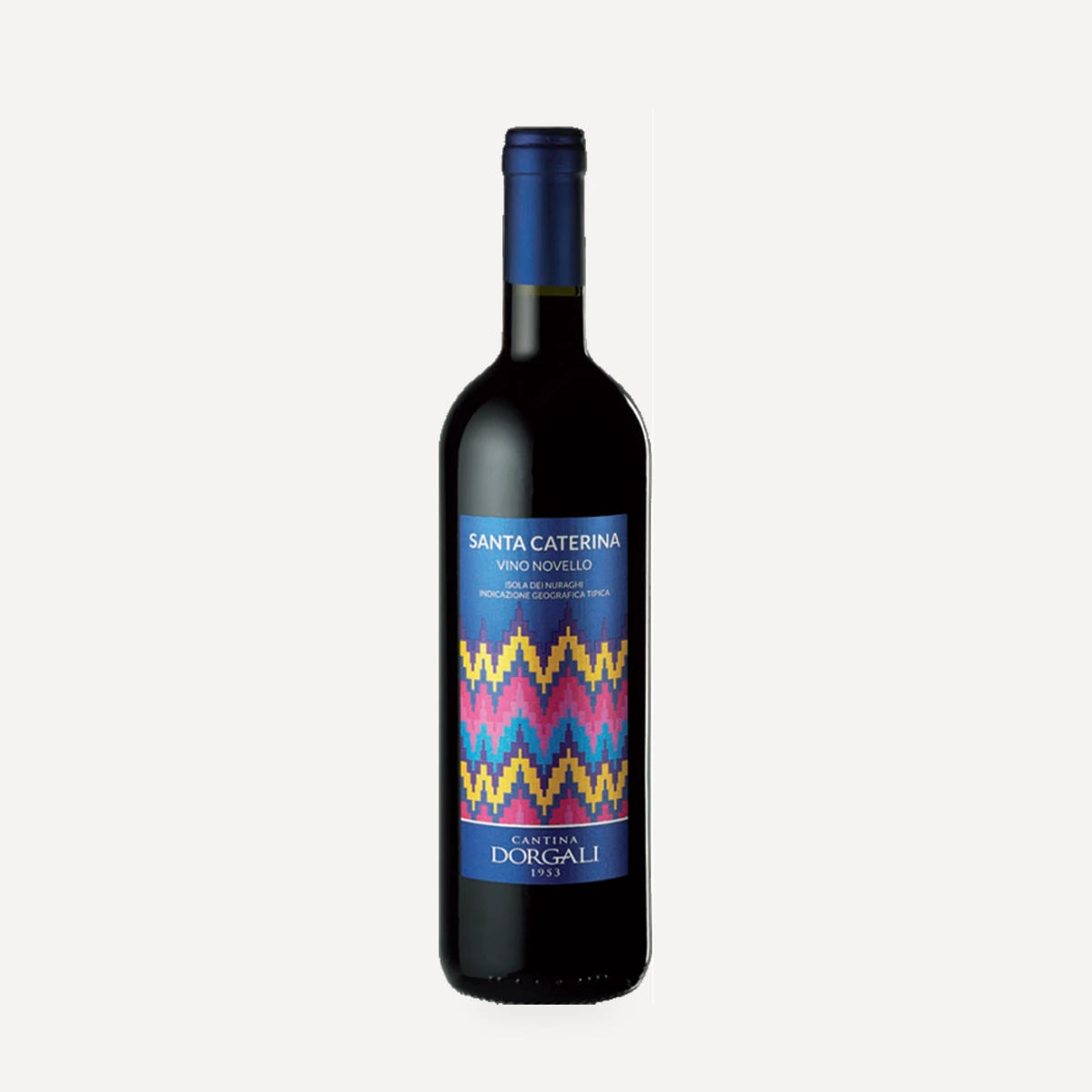
Santa Caterina
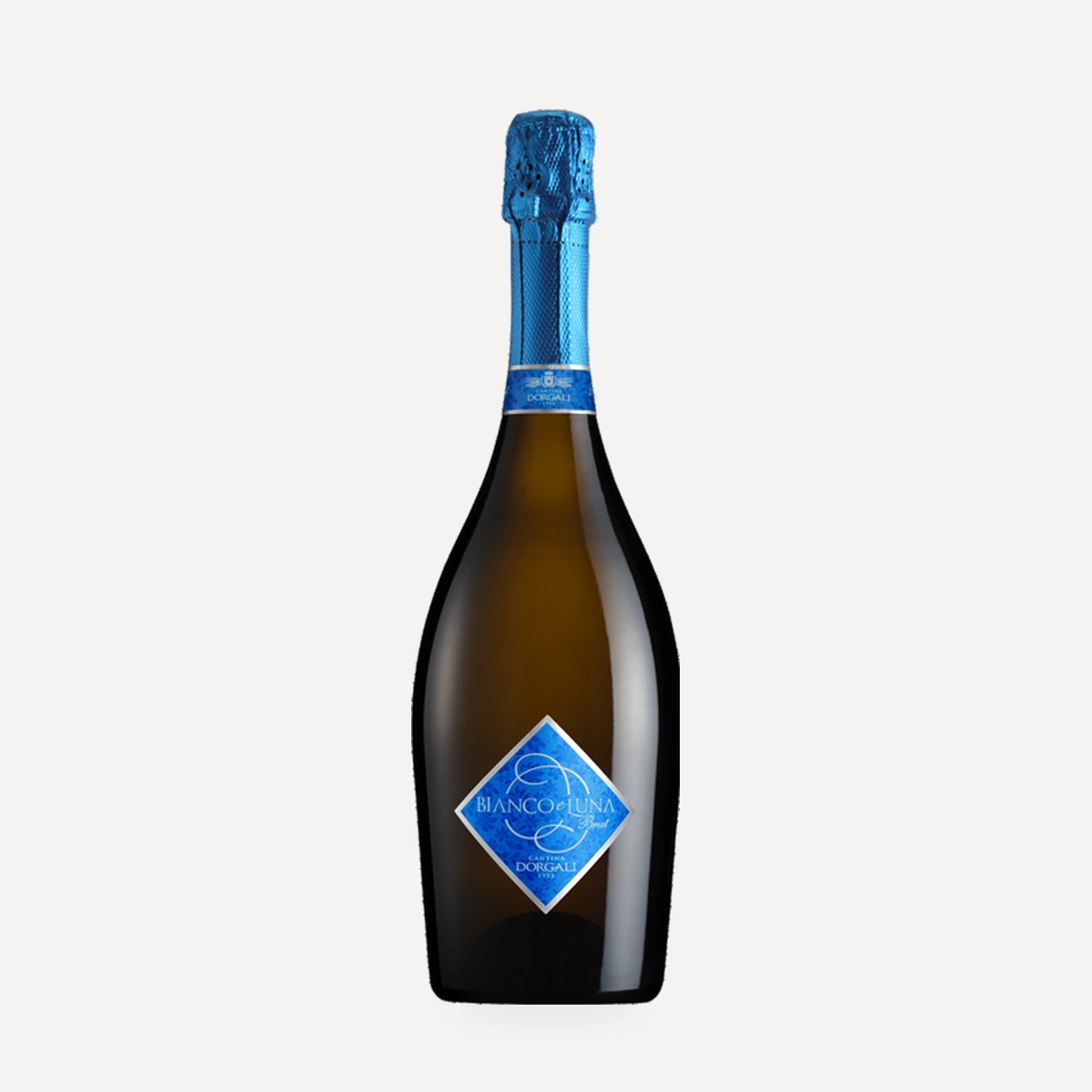
Bianco e Luna