Storia
The Capetta foundation, 1953–1980
The production lineage behind Duchessa Lia began in 1953, when Francesco Capetta acquired a small cellar in Santo Stefano Belbo and founded the Capetta business. Sales of bulk wine under the family name began in 1960. In 1970 the winery installed its first modern sparkling-wine production plant, establishing a technical foundation for the sparkling wines that would later become an important part of the Duchessa Lia range. Commercial distribution expanded across Piedmont, Liguria and Lombardy in 1980.
Flood, recovery and the arrival of Duchessa Lia, 1994–2000
A flood devastated the Santo Stefano Belbo plant in 1994, but production was restarted. Capetta acquired the Duchessa Lia brand in 1996. The brand took its identity from a Monferrato folk story about Lia, a young country woman of the mid-nineteenth century whose natural elegance led the inhabitants of her village to call her the “Duchess.”
Duchessa Lia was developed as Capetta’s premium Piedmontese brand, bringing together DOC and DOCG wines from the Langhe, Roero, Astigiano, Monferrato, Gavi and Acqui. International expansion followed in 2000, reaching markets in Europe, the Americas, Asia and Africa.
Environmental management and modernization, 1999–2015
A chemical-physical pretreatment plant for winery wastewater was built in 1999 to reduce environmental impact and operating costs. In 2004 the operation became the first winery in Piedmont—and one of the first in Italy—to obtain ISO 14001 environmental certification. IFS food-safety certification was subsequently added.
Between 2006 and 2021, cross-flow filtration equipment was progressively introduced for wines and clarification lees, reducing the use of fossil flours and perlite. Rainwater from areas in front of the facility and the sparkling-wine sheds was separated from the internal wastewater network in 2008. Acoustic-impact studies conducted from 2010 to 2012 found no exceedance of applicable limits.
The remaining 3,400 m² of asbestos roofing was removed in 2011. In 2013 the winery converted equipment containing R22, introduced natural-refrigerant solutions, activated an ammonia refrigeration unit with energy-saving controls, installed heat recovery from refrigeration equipment and created an insulated wine-processing and storage department with controlled temperature and humidity. Investments in new production technologies ran from 2010 through 2013.
In 2015 the business moved to electricity certified as coming entirely from renewable sources, began progressively replacing incandescent industrial lighting with LEDs and participated in an environmental-footprint assessment for Asti and Moscato d’Asti. That study identified glass bottles as the dominant element in distribution packaging impact and energy use as the principal cellar-stage impact.
Cellar development and brand renewal, 2017–2021
After two years of trials, a cross-flow lees filter was purchased in 2017, enabling clarification lees to be filtered without perlite or fossil flour. Four boilers were replaced with high-efficiency condensing units in 2019; an ammonia refrigeration installation was also replaced with a 50 kg propane system that eliminated cooling-water use and improved energy efficiency.
In spring 2020 Duchessa Lia introduced a redesigned label identity developed with Giacomo Bersanetti and SGA. The Duchess portrait was simplified and reduced to fewer colours. Hot foil and gold edging were removed in favour of embossing, while polylaminate capsules replaced heat-shrink plastic. The new treatment retained brand recognition while reducing materials and giving the range a more contemporary presentation.
A new barrel cellar was renovated during summer 2020 and inaugurated in September. Designed for controlled temperature and humidity, it combined technical monitoring with maturation decisions based on tasting and vintage character. It was initially dedicated to Barbera d’Asti Superiore Galanera, matured partly in large casks and partly in French oak barriques.
In 2021 new machinery increased the hourly capacity of the still-wine line at Corso Piave 140 while targeting lower water and electricity consumption. The company also encouraged closures made with plant-derived polymers from sugar cane and installed a new sparkling-wine line offering improved production and energy performance.
Industry 4.0 and certified sustainability, 2022–2024
Modernization accelerated in 2022 as Cantine Capetta moved toward an Industry 4.0 production model. The sparkling-wine bottling line was replaced; ten stainless-steel tanks of 1,500 hl each and four 1,000 hl autoclaves were installed; two new high-pressure boilers replaced the former sparkling-department boiler; and the forklift-charging area was moved outside. The underground diesel tank was vitrified as an additional environmental safeguard.
In 2023 the group marked the seventieth anniversary of the family winery. It also secured Equalitas certification for sustainable wine production and SA8000 certification for social responsibility. A closed-loop, in-line sulphur-dioxide dosing system replaced bottle-by-bottle liquid dosing, improving process efficiency and product safety. A noise-reduction system was installed in front of the cooling tower.
In 2024 the operation installed additional heat recovery from refrigeration equipment and calculated the 2023 water and carbon footprints for assessment during the Equalitas audit. Duchessa Lia’s winery-stage footprint for the 2023 campaign was calculated at 1.5979 kg CO₂ equivalent per litre of bulk must or wine ready for sale or bottling.
The 2024 harvest brought 5,283,470 kg of grapes into the shared operation, 38.1% more than in 2023. Abundant rain required repeated disease-control interventions by growers, while relatively cool ripening conditions prolonged maturation. In some cases, fruit was collected before full phenolic and sugar maturity to limit exposure to powdery and downy mildew. Duchessa Lia nevertheless finished 2024 with sales revenue up by approximately 10% and volume up by 8.4%, expanded distribution in central and southern Italy and introduced Piemonte DOC Chardonnay.
The family today
The enterprise continues under the founder’s children and grandchildren and identifies itself as a third-generation family tradition. Duchessa Lia S.r.l. is owned 98% by Capetta I.VI.P. S.p.A. and 2% by Capetta Group S.r.l.; Capetta Group is controlled by the four Capetta siblings. Duchessa Lia, Capetta and Balbi Soprani share the operating site at Corso Piave 140 in Santo Stefano Belbo, while retaining separate brand identities.
Terroir
Piedmontese origins
Duchessa Lia sources across a broad arc of Piedmont: the Langhe of Barolo and Barbaresco, Roero, Astigiano, Monferrato, the hills of Moscato, the Acqui area and the lands of Gavi. The Langhe, Roero and Monferrato vineyard landscapes are associated with the UNESCO-recognized winegrowing territory presented as the cultural setting for the brand.
Langhe and Alba
Nebbiolo for Barolo and Barbaresco comes from the Langhe. Nebbiolo is a late-ripening variety, with collection extending into the second half of October and, historically, toward the period of autumn mist from which its name is associated. Sunny hills around Alba supply Dolcetto for Dolcetto d’Alba; this landscape is characterized by a winegrowing history described as millennial.
Roero
Roero supplies Arneis. Its hills receive abundant sunlight, while more detailed descriptions connect the freshness of the wines with Roero’s sandy ground. The area’s autumn landscape is marked by mist in the valleys, lower temperatures and increasing day–night variation.
Astigiano, Monferrato and the Moscato hills
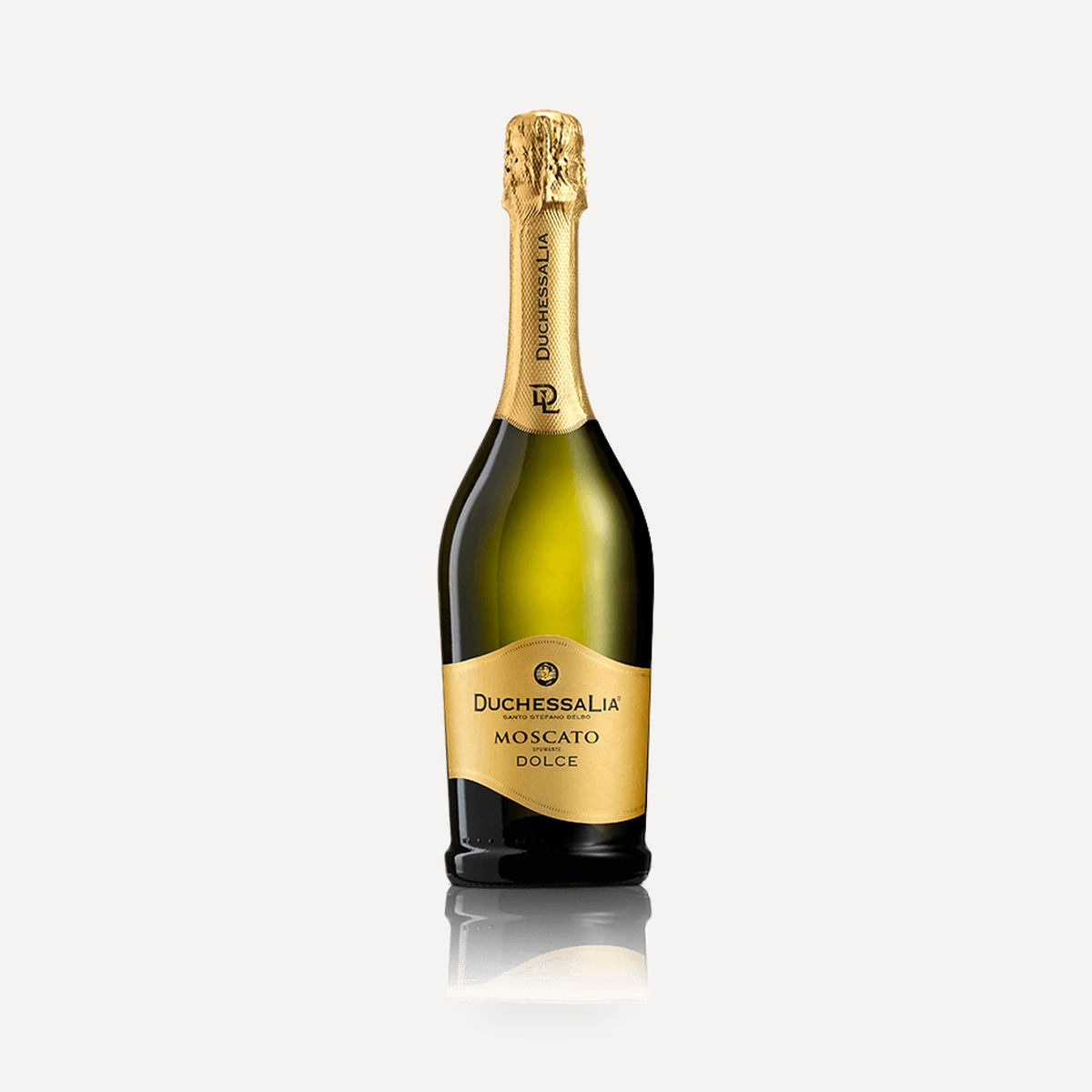
Barbera, Freisa and Grignolino are selected in Astigiano and Monferrato. The Moscato hills extend between the provinces of Cuneo, Asti and Alessandria and include steep, sunny sites used for Moscato d’Asti and Asti. Duchessa Lia also interprets Asti in a dry form.
Acqui and Gavi
The slopes around Acqui supply the locally rooted, delicately aromatic Brachetto. In Gavi, the Apennines meet maritime breezes; Cortese is collected there for Gavi. This interaction between inland relief and air arriving from the sea is the principal climatic influence identified for the Gavi source area.
Vinificazione
Grape selection is the foundation of the production model. The supply chain is described as short and controlled directly by the internal laboratory, with fruit drawn from historically suitable Piedmontese zones and from growers working in the provinces of Cuneo, Asti and the Acqui area.
Harvest timing follows climatic conditions and repeated analysis of bunch maturity. Technical maturity is assessed through the balance of sugar and acidity: grapes for high-acid sparkling bases are collected earlier, while fruit intended for more alcoholic styles remains longer on the vine. Phenolic maturity guides decisions for red varieties, particularly late-ripening Nebbiolo, while aromatic maturity in Moscato and Brachetto is monitored through repeated tasting as terpene expression develops and then declines.
White and aromatic varieties are generally collected before red varieties to preserve acidity and aroma. Hot, dry conditions may require an earlier harvest to prevent excessive sugar concentration; cool, wet seasons may prolong picking. For selected Barbera plots, bunch thinning is used to concentrate ripening in a smaller crop and to deliver healthy, crisp fruit suitable for extended maturation.
The 2024 growing season brought abundant rain throughout the vineyard-working period and required repeated phytosanitary treatments to contain fungal pressure. Lower temperatures slowed and extended ripening. Where powdery mildew or downy mildew threatened the crop, picking sometimes preceded complete phenolic and sugar maturity. Despite those constraints, rainfall increased the quantity of grapes available compared with the preceding year.
Seasonal canopy work described for Piedmont includes tying young shoots into the trellis, removing selected basal leaves after fruit set, trimming shoot tips and thinning clusters between July and August. These operations open the canopy to light and air and help limit powdery mildew, downy mildew and botrytis; leaf removal must remain measured to avoid sunburn on exposed berries.
Production site and control
Duchessa Lia is produced at the shared Corso Piave 140 facility in Santo Stefano Belbo. Vinification and maturation are adapted to individual varieties, with modern equipment used to protect safety, purity, varietal character and territorial identity. The raw material and short supply chain are controlled by the internal laboratory. Winery-management plans define the type and quantity of products permitted at each processing stage and connect these operations with analytical control plans and internal traceability records.
Must processing and filtration
Must is treated through continuous flotation followed by cross-flow filtration. Cross-flow equipment is also used for wine and clarification lees, sharply reducing reliance on fossil flour and perlite and lowering wastewater generated by washing filtration media. A decanter separates lees from must without perlite. Diatomaceous earth has been eliminated from the filtration process.
Fermentation, storage and sparkling-wine capacity
Fermentation and clarification inputs are adjusted to vintage conditions and monitored relative to the volume produced. The insulated processing and storage department maintains controlled temperature and humidity. In 2022 the winery added ten stainless-steel storage tanks of 1,500 hl each and four 1,000 hl autoclaves. The sparkling-wine bottling line and high-pressure boilers were renewed as part of the Industry 4.0 modernization programme.
Oak maturation
The barrel cellar inaugurated in September 2020 maintains controlled temperature and humidity while leaving final maturation decisions to tasting and vintage character. It contains large casks and French oak barriques. Its initial dedicated programme matured Barbera d’Asti Superiore Galanera for at least 14 months, dividing the wine between large wood and barriques to refine its natural tannins without losing varietal identity.
Bottling, SO₂ and sanitation
In 2023 sulphur dioxide addition at bottling changed from dosing liquid directly into each bottle to a closed-loop in-line system, improving dosing efficiency and food safety. Bottling equipment uses clean-in-place washing circuits to limit water and chemical consumption. A semi-automatic machine cleans tanks and barriques while restricting water and detergent use; detergents are selected partly for biodegradability. From 2024, larger detergent containers reduced packaging and residual product waste.
Environmental systems
Heat recovered from refrigeration units warms the wine and sparkling-wine departments. Certified renewable electricity supplies the entire operation, LED lighting has progressively replaced older lamps and water, fuel and energy use are continuously monitored. The winery treats industrial effluent internally through primary sedimentation and equalization before authorized discharge. The 2023 winery-stage carbon footprint attributed to Duchessa Lia was 1.5979 kg CO₂ equivalent per litre of bulk must or wine ready for sale or bottling.
Filosofia
Duchessa Lia’s declared purpose is to interpret the principal wine territories and native varieties of Piedmont through a broad range of DOC and DOCG wines. Varietal recognizability is central: technology is treated as a tool for preserving safety, purity and character rather than as a substitute for the identity of the grape or place.
The brand’s quality position is deliberately inclusive. Good, elegant wine is intended to remain accessible rather than becoming a niche product, with pleasure in the glass connected to the landscape and human history behind it. Selection of raw material, respect for the vintage and maturation guided by tasting form the practical expression of that position.
Sustainability is defined through environmental, social and economic responsibilities. Environmental management addresses waste, water, energy, refrigeration, packaging and emissions; social policy includes worker safety, equal treatment, freedom of association and the rejection of child or forced labour; economic continuity includes protection of growers and stable value for the surrounding territory. The stated objective is continual improvement rather than treating sustainability as a fixed endpoint.
Family continuity remains another guiding element. The founder’s attention to quality is presented as continuing through his children and grandchildren, while modernization—from sparkling-wine technology to Industry 4.0 systems—is integrated with established Piedmontese varieties and traditions.
Vini
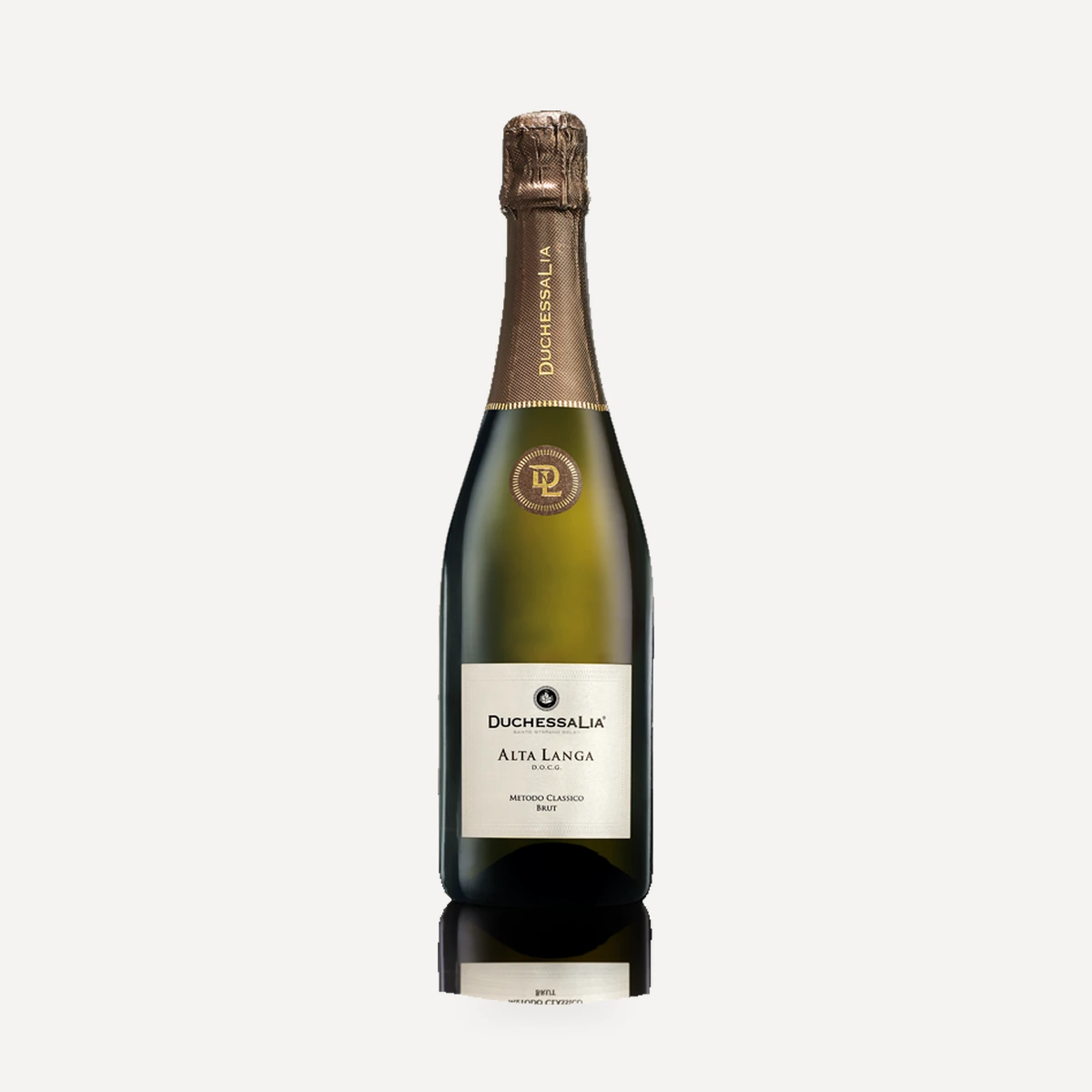
Alta Langa DOCG Metodo Classico
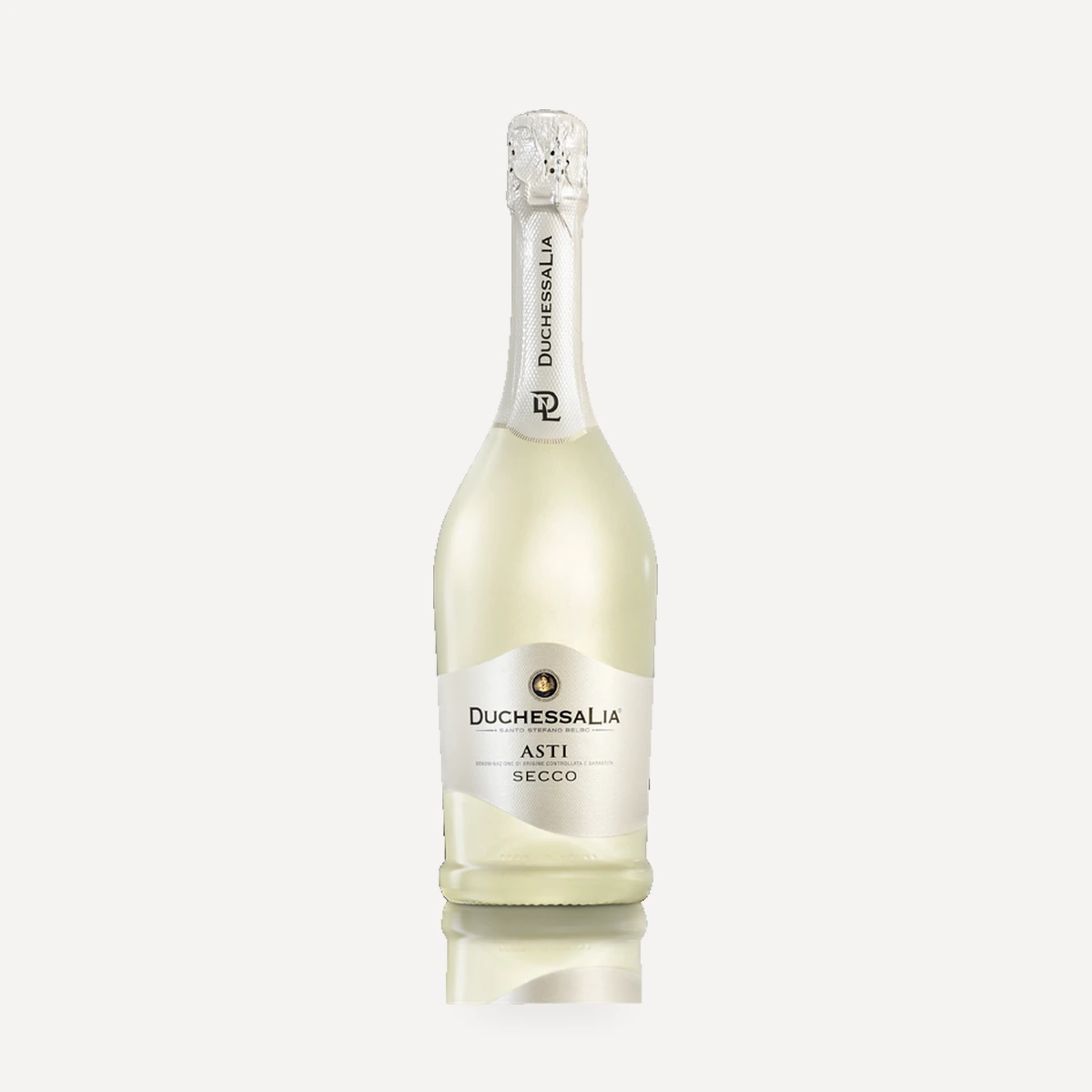
Asti Secco DOCG
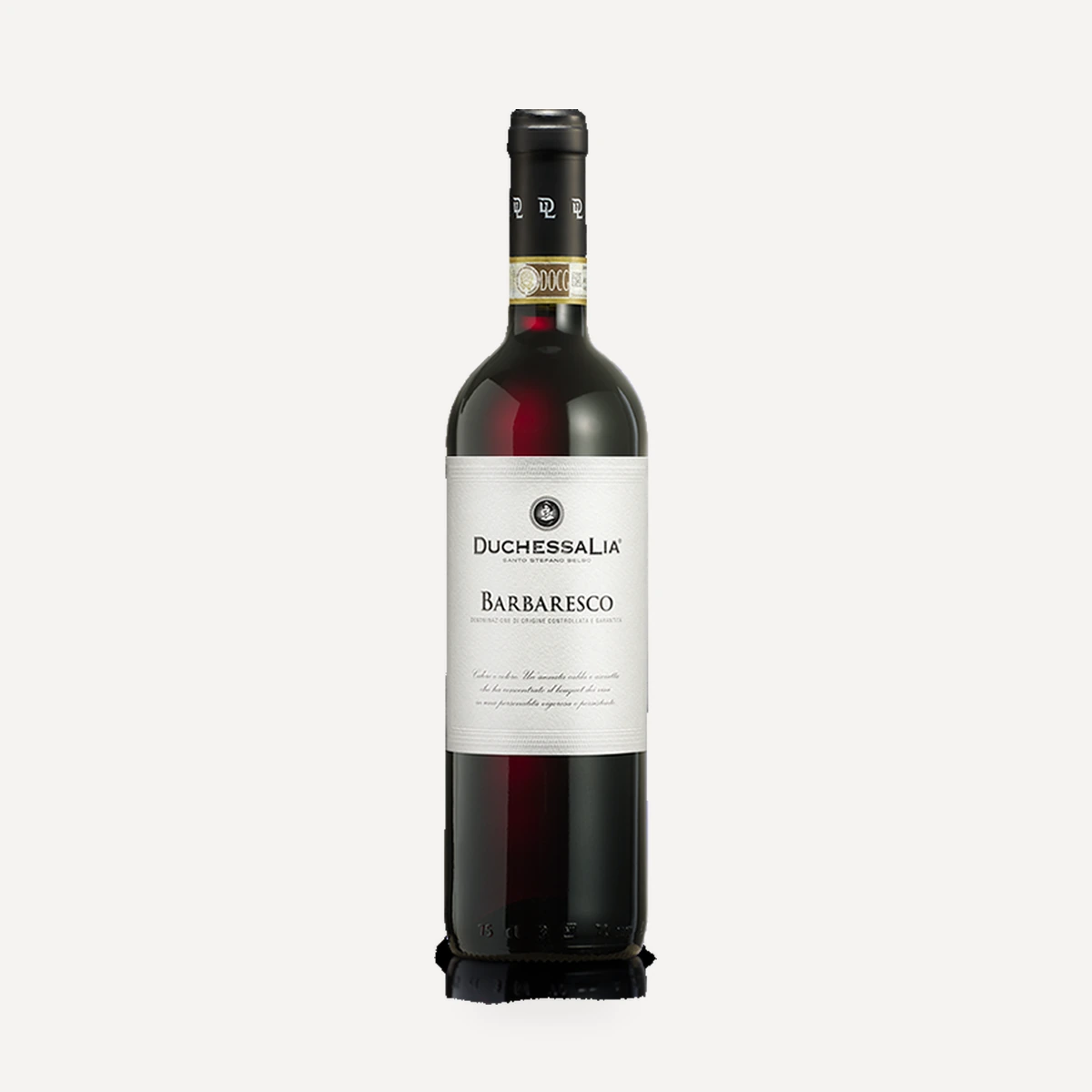
Barbaresco DOCG
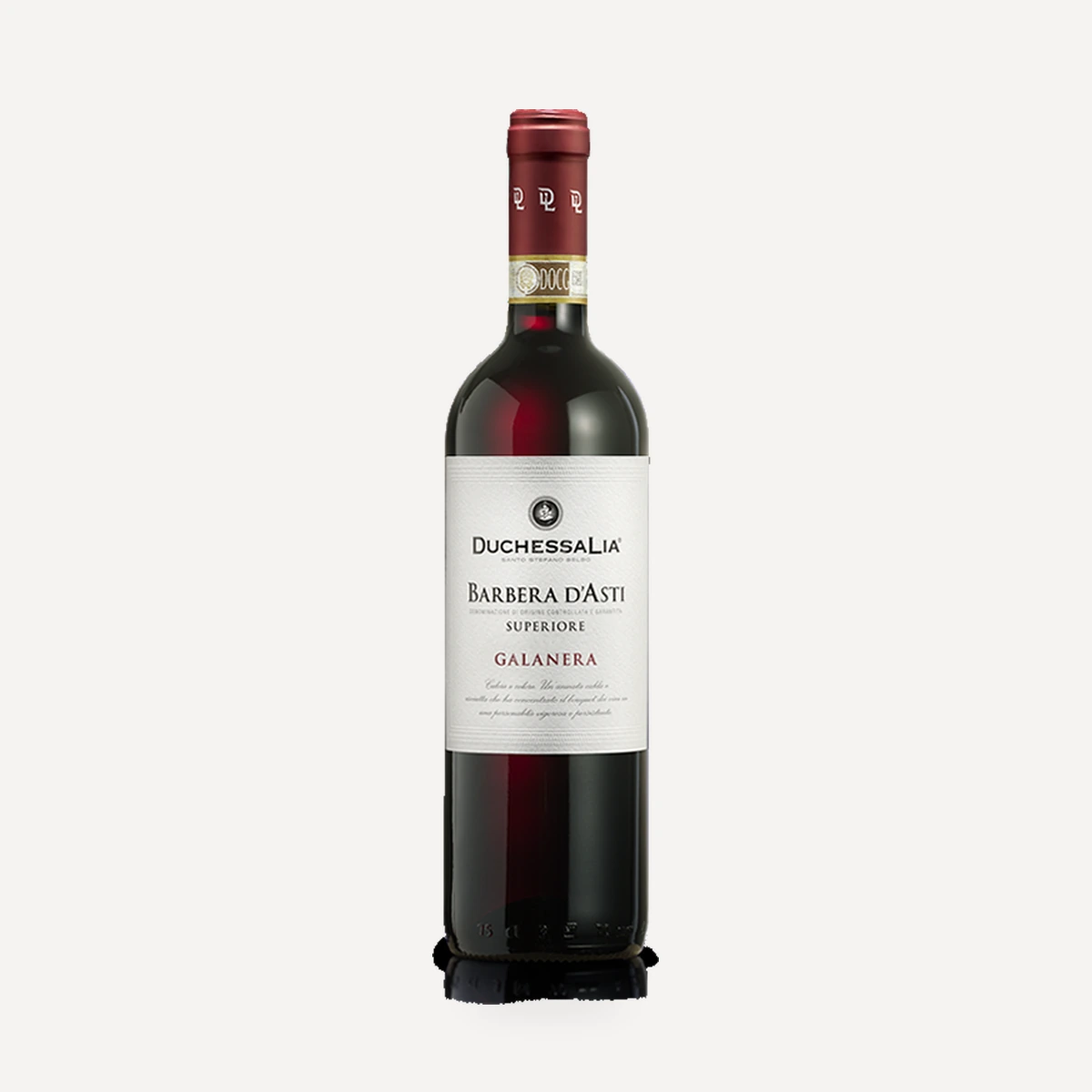
Barbera d’Asti DOCG Superiore Galanera
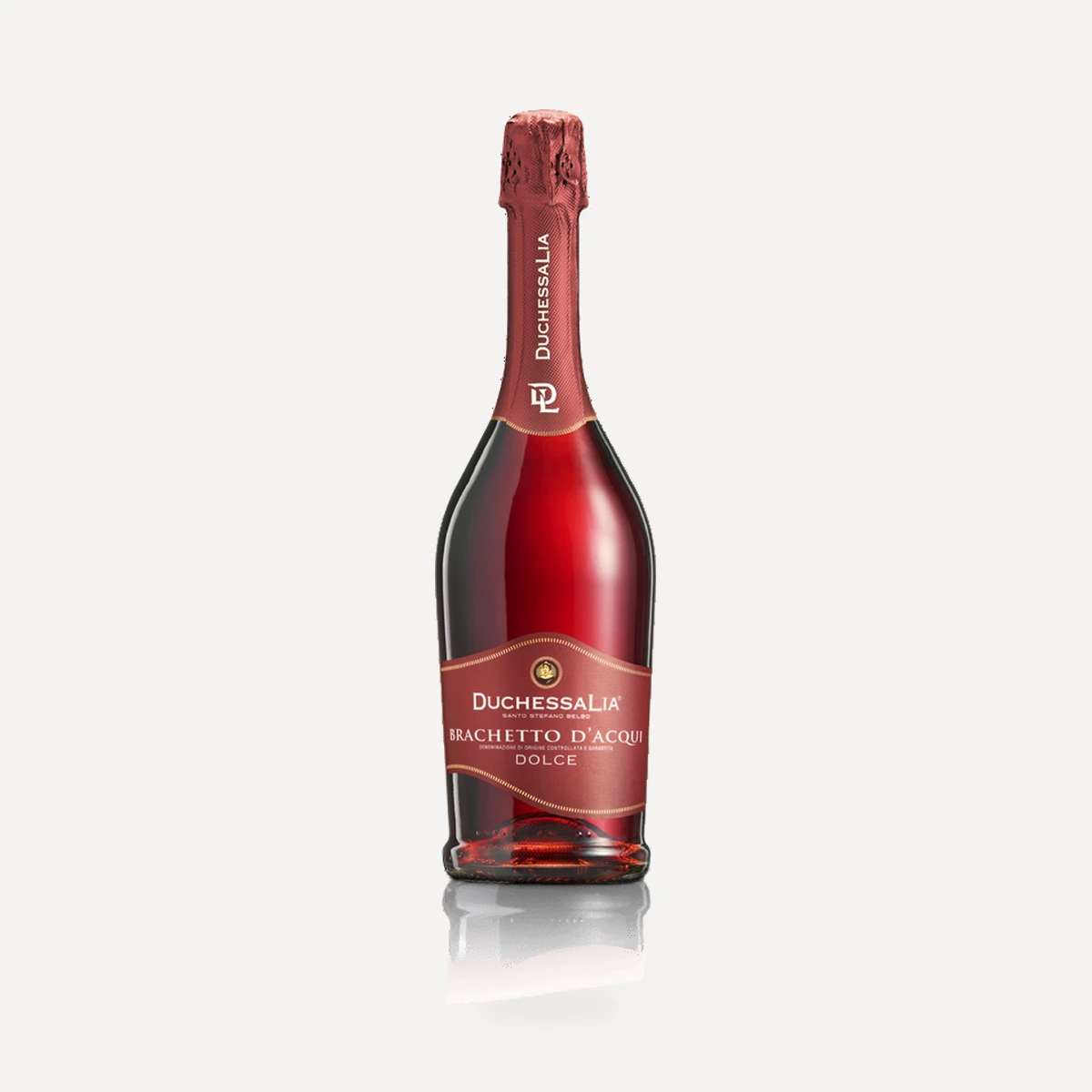
Brachetto d’Acqui DOCG
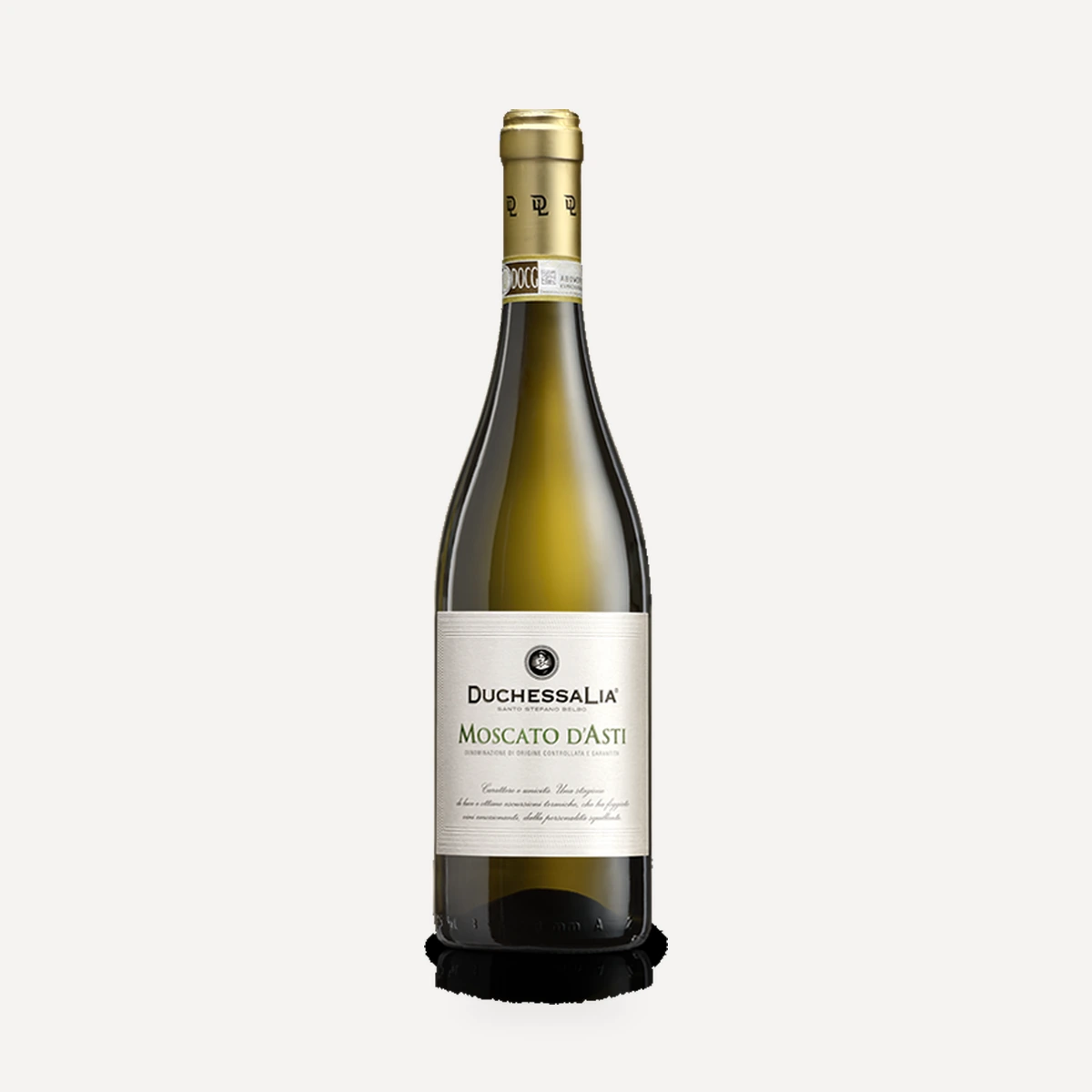
Moscato d’Asti DOCG
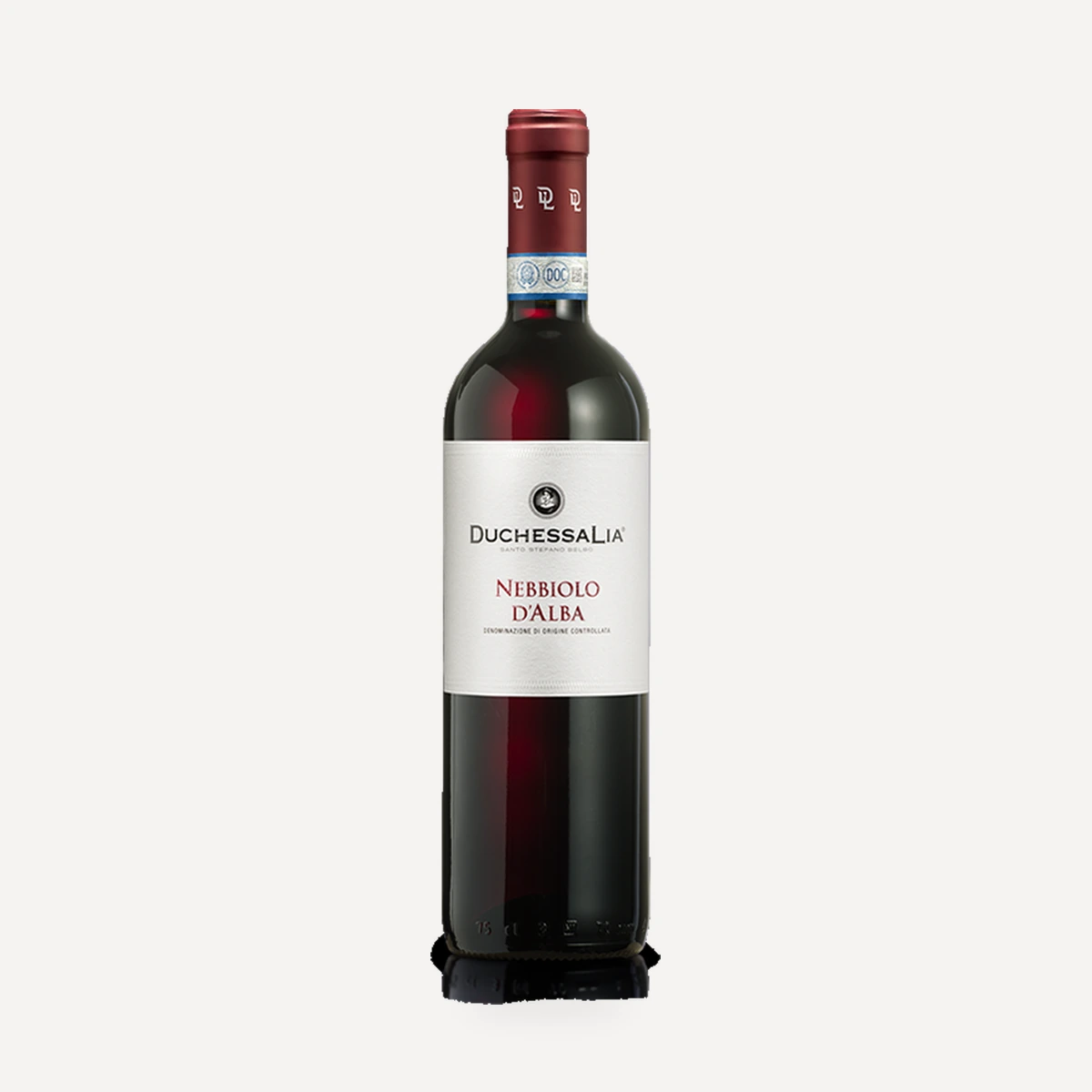
Nebbiolo d’Alba DOC
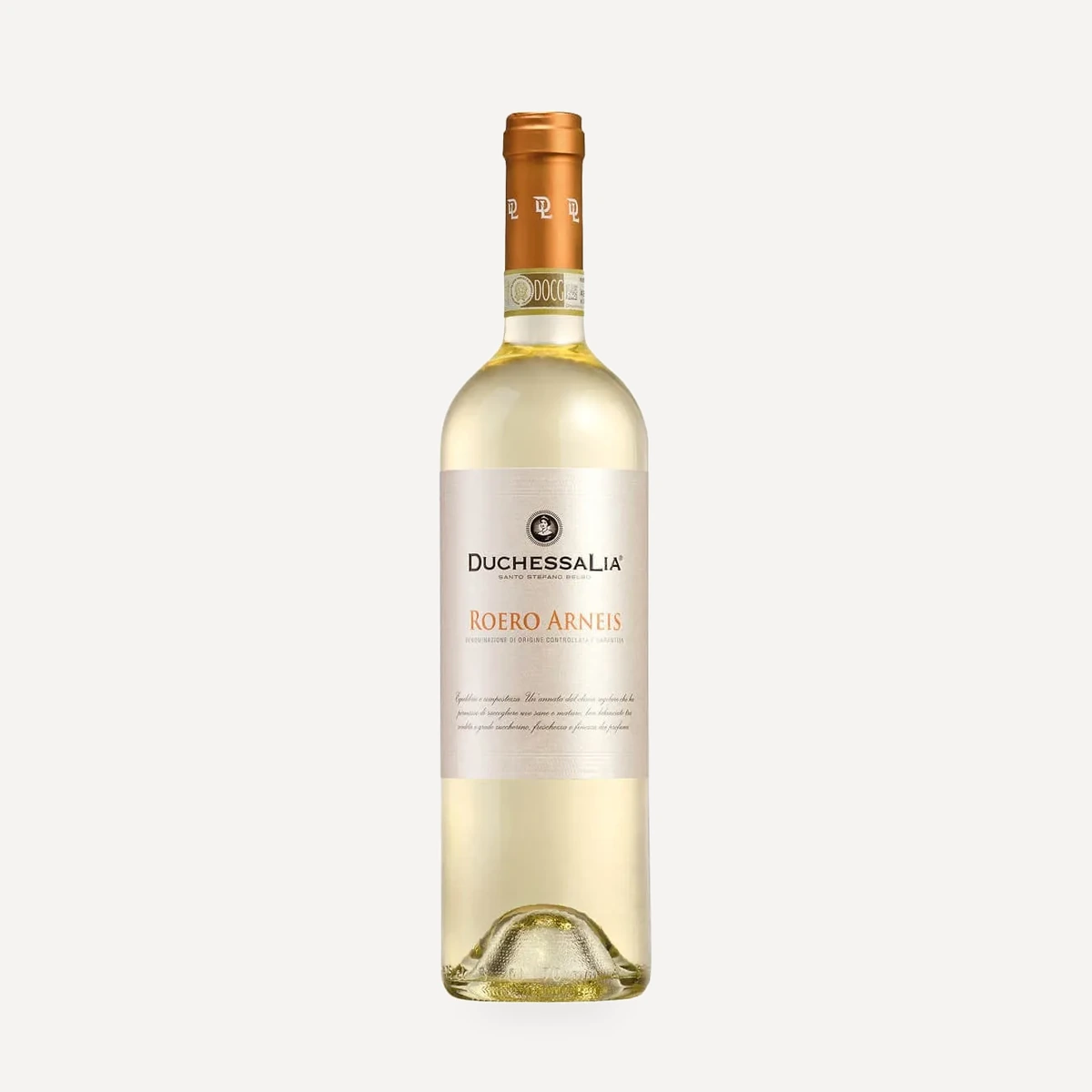
Roero Arneis DOCG
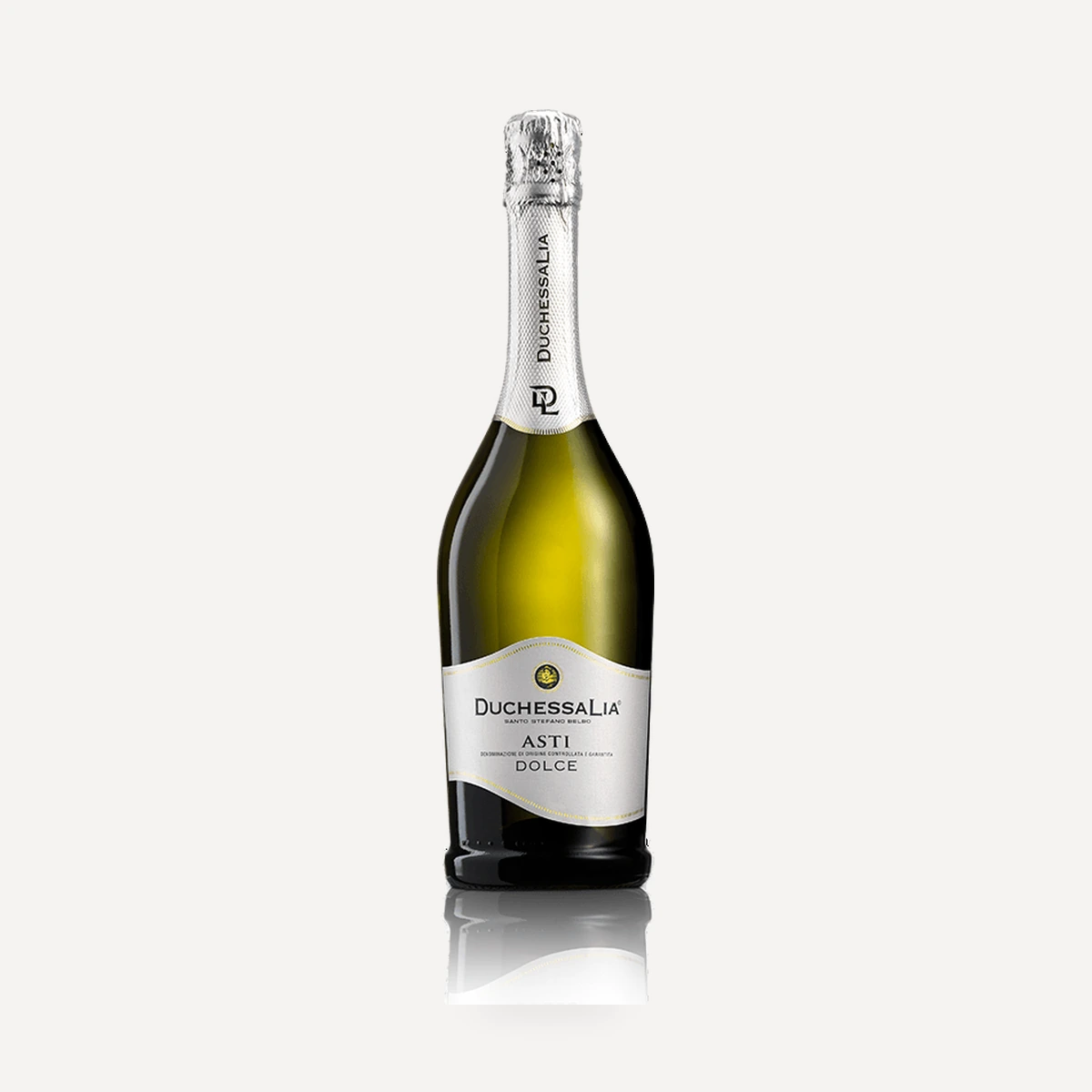
Asti DOCG
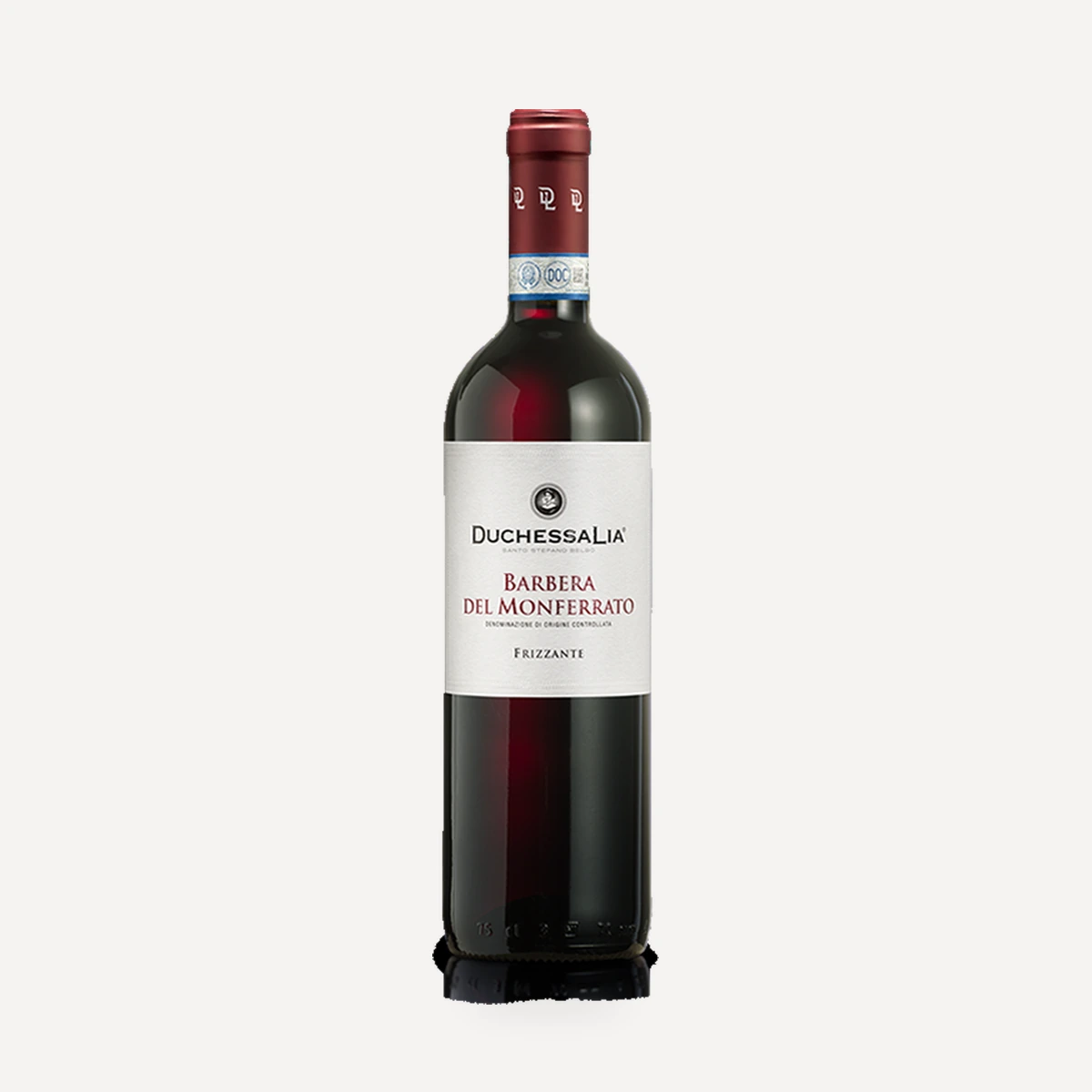
Barbera del Monferrato DOC
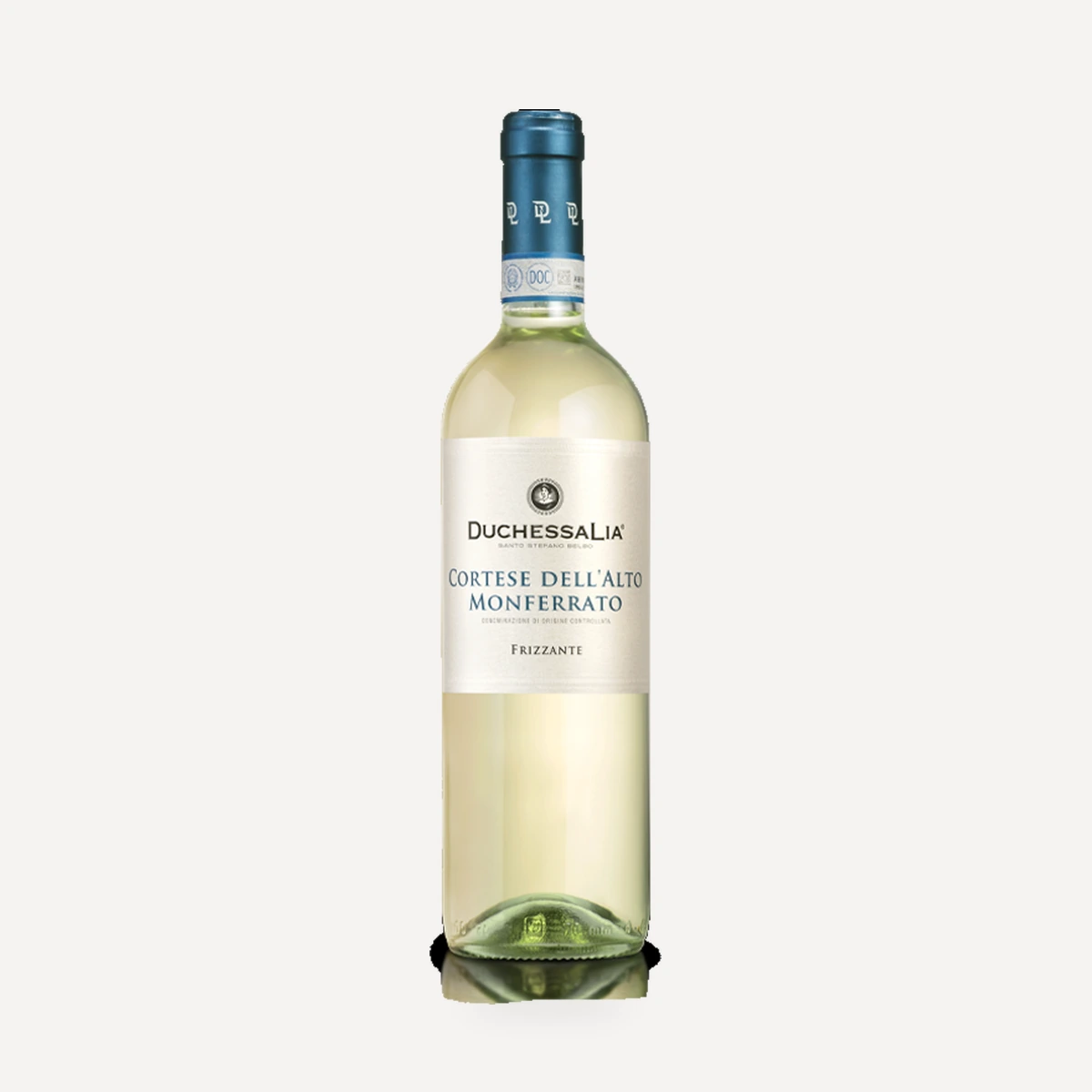
Cortese dell’Alto Monferrato DOC
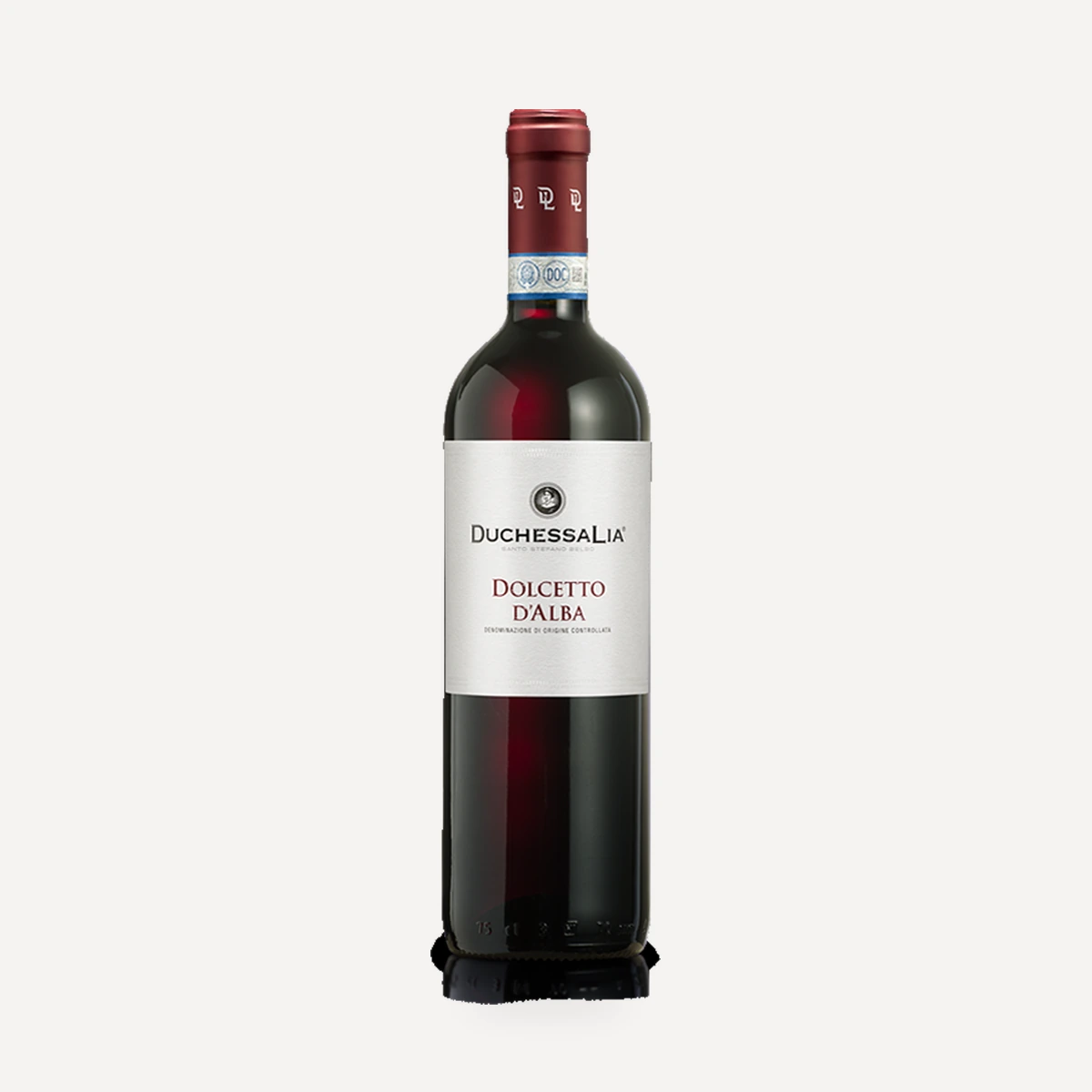
Dolcetto d’Alba DOC
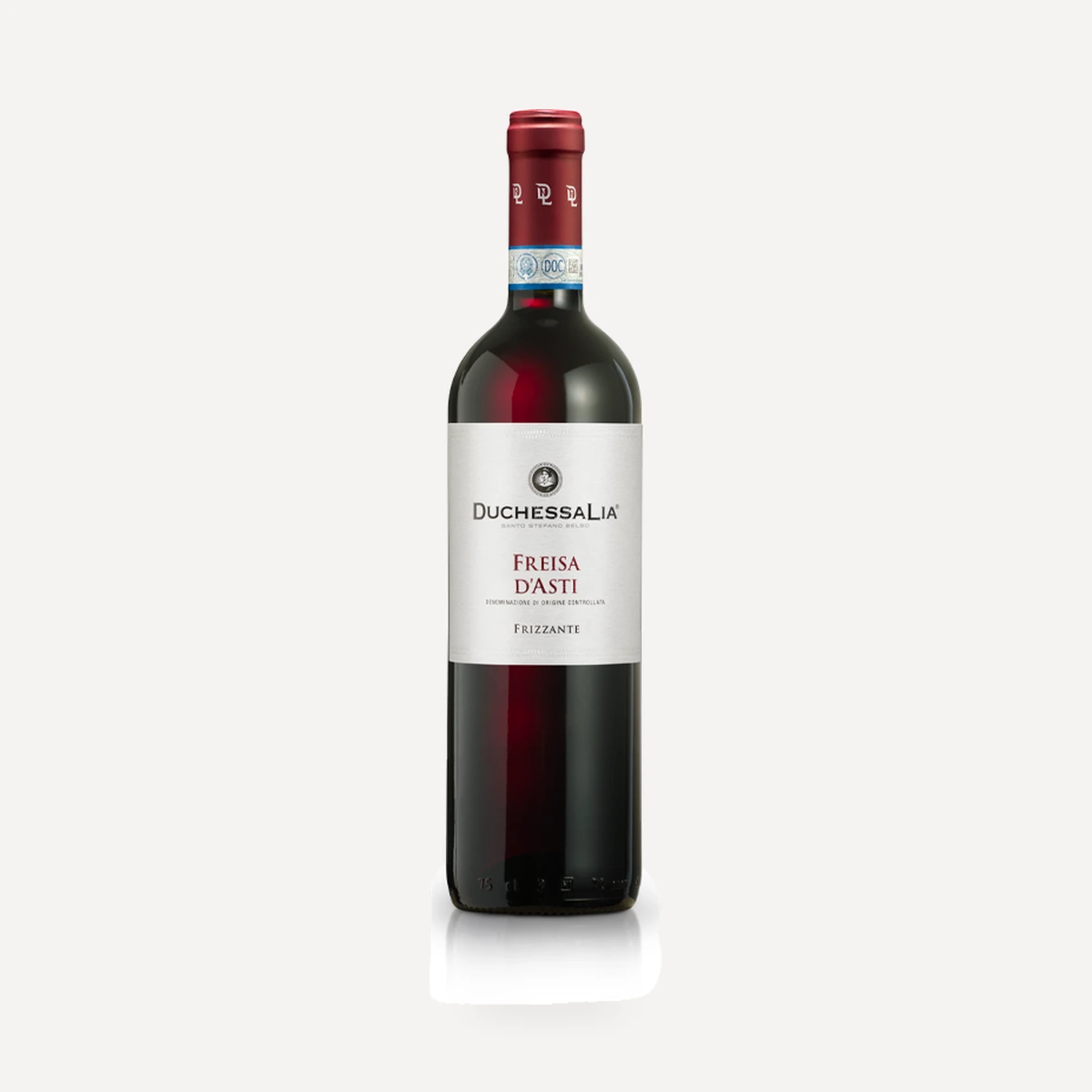
Freisa d’Asti DOC
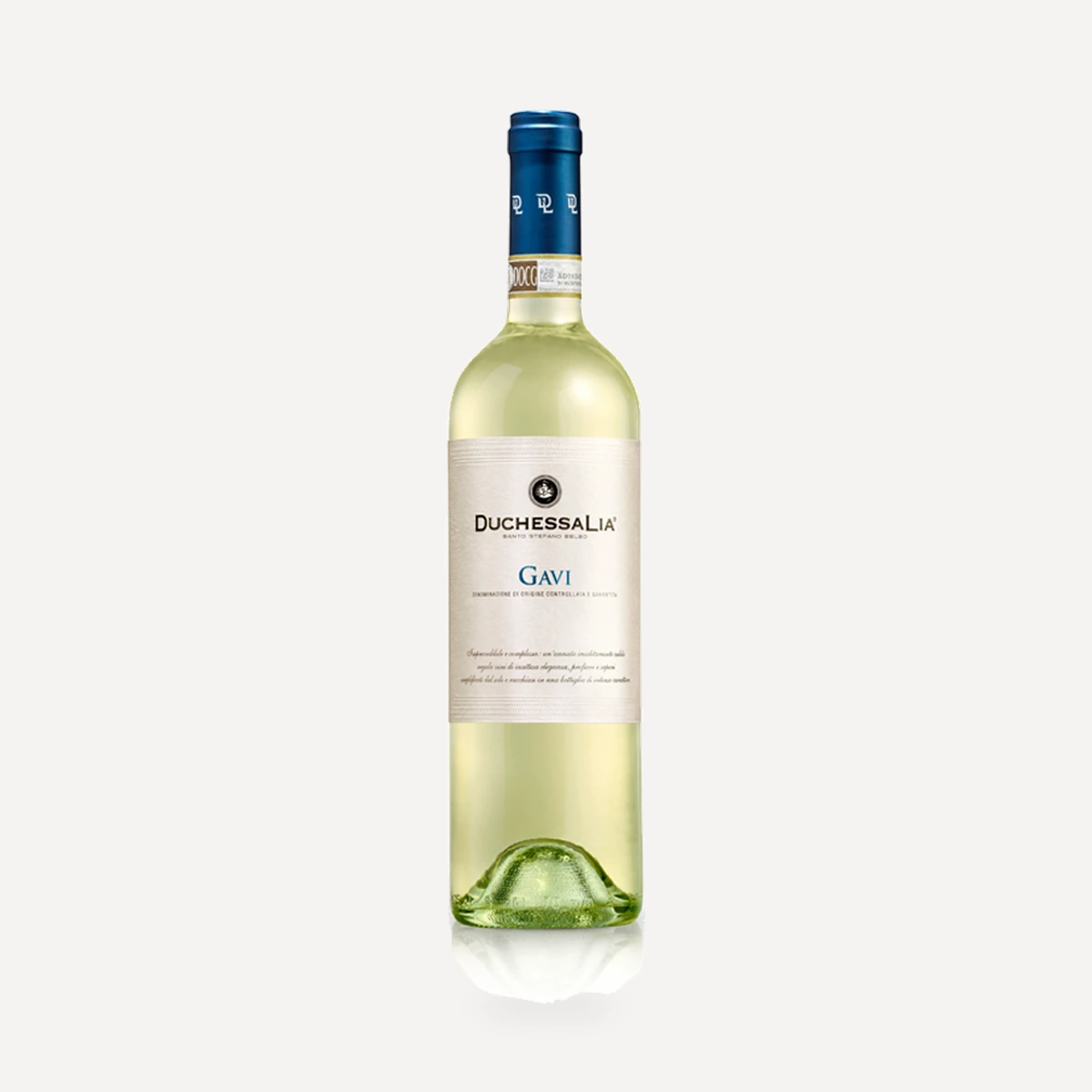
Gavi DOCG
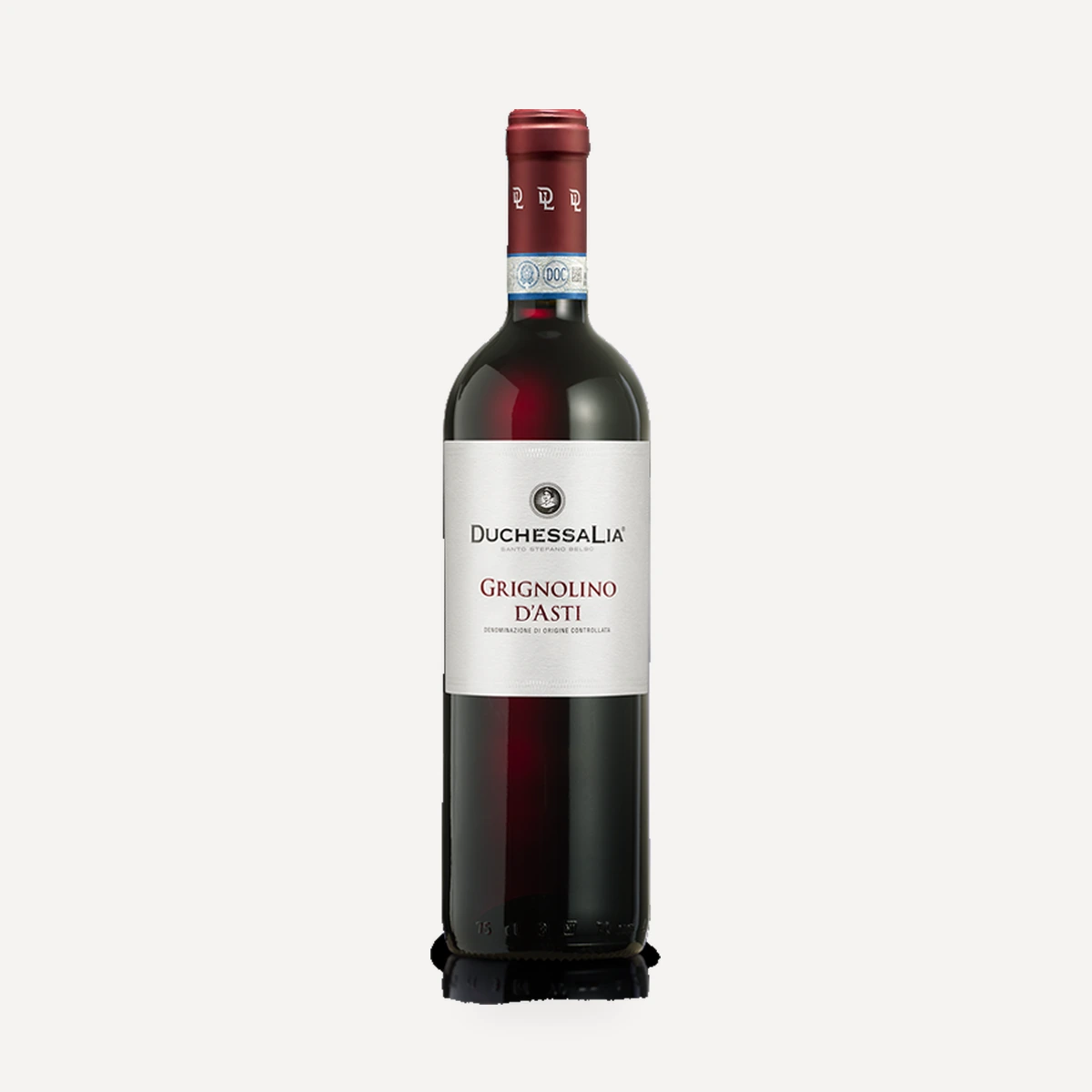
Grignolino d’Asti DOC
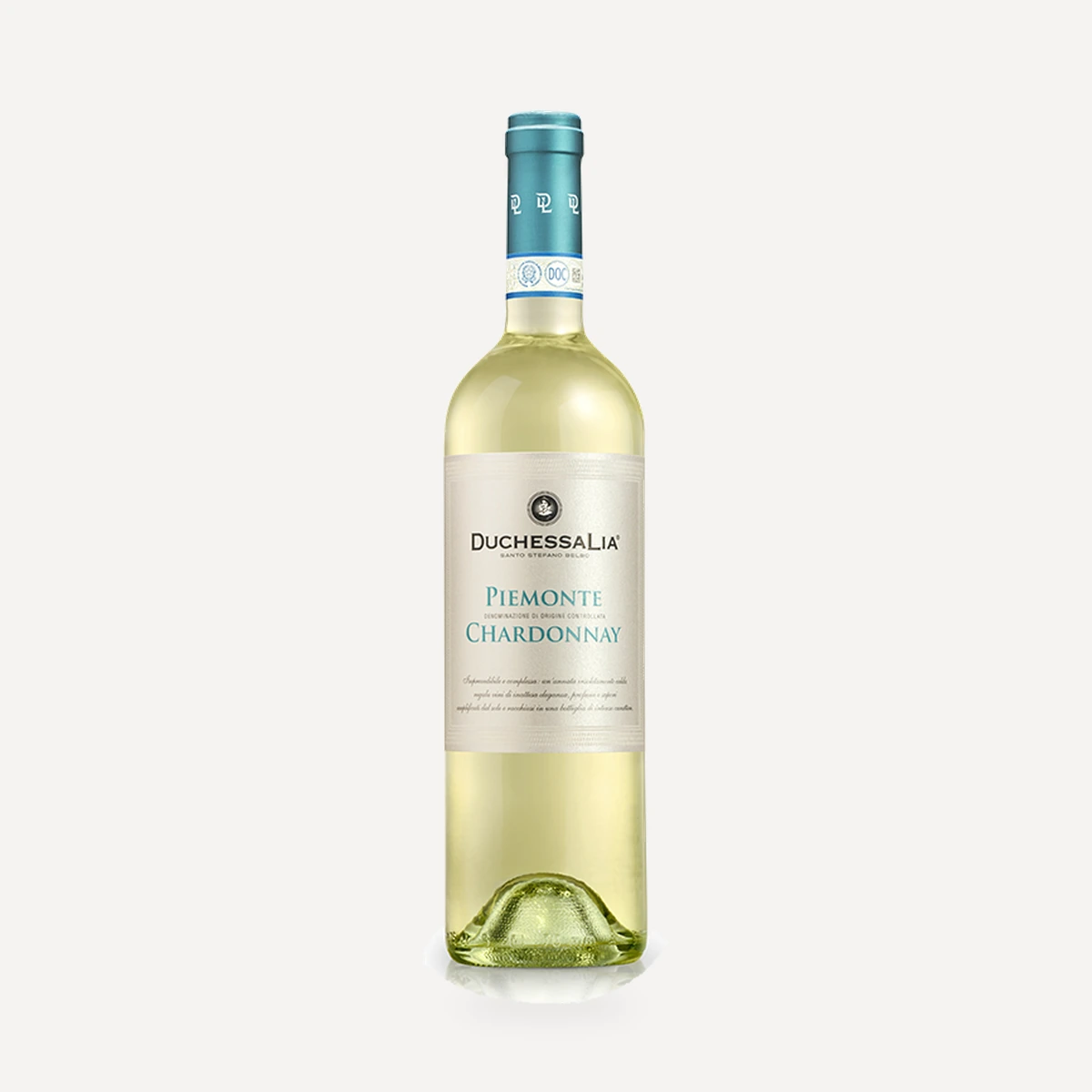
Piemonte DOC Chardonnay
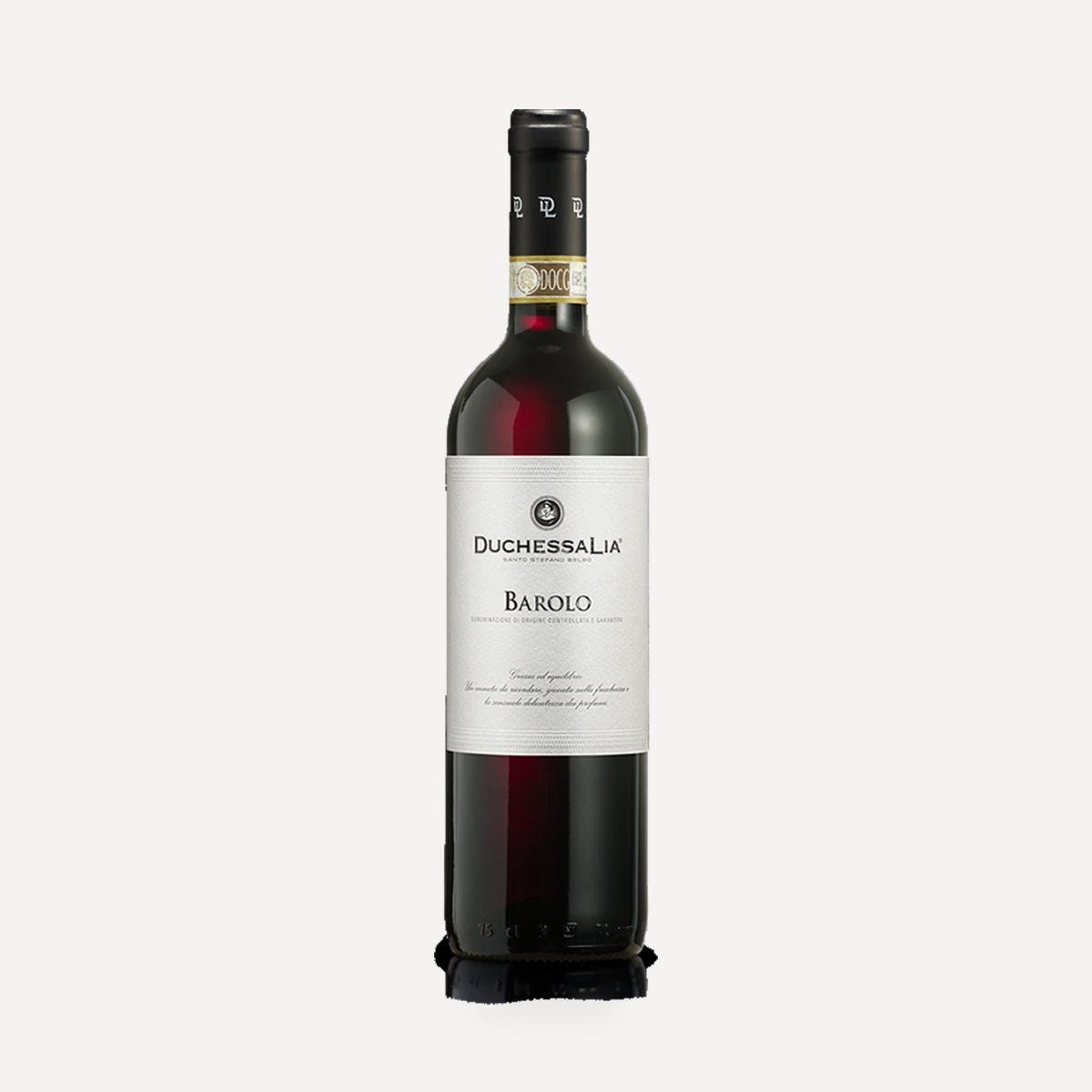
Barolo DOCG
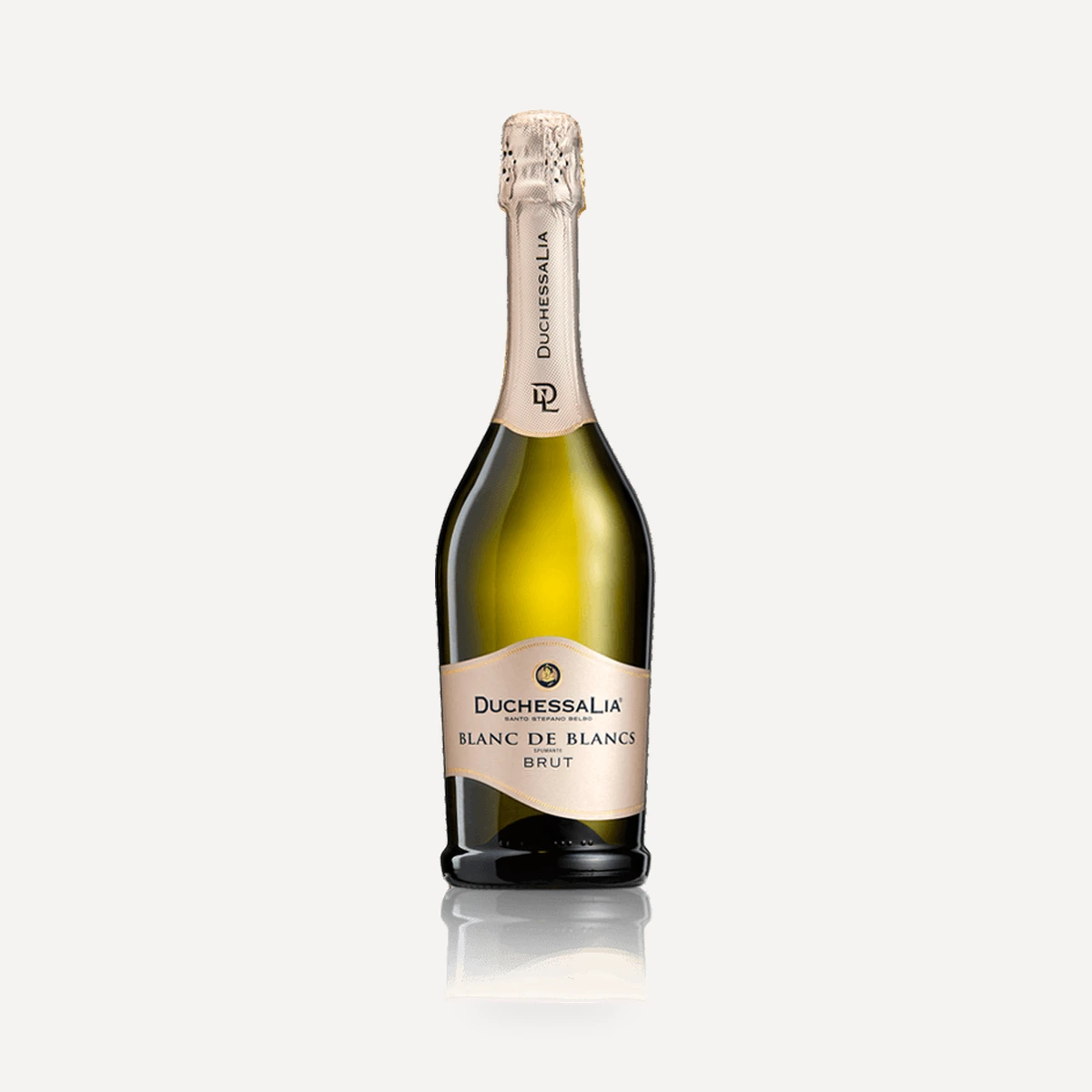
Blanc de Blancs Brut Spumante
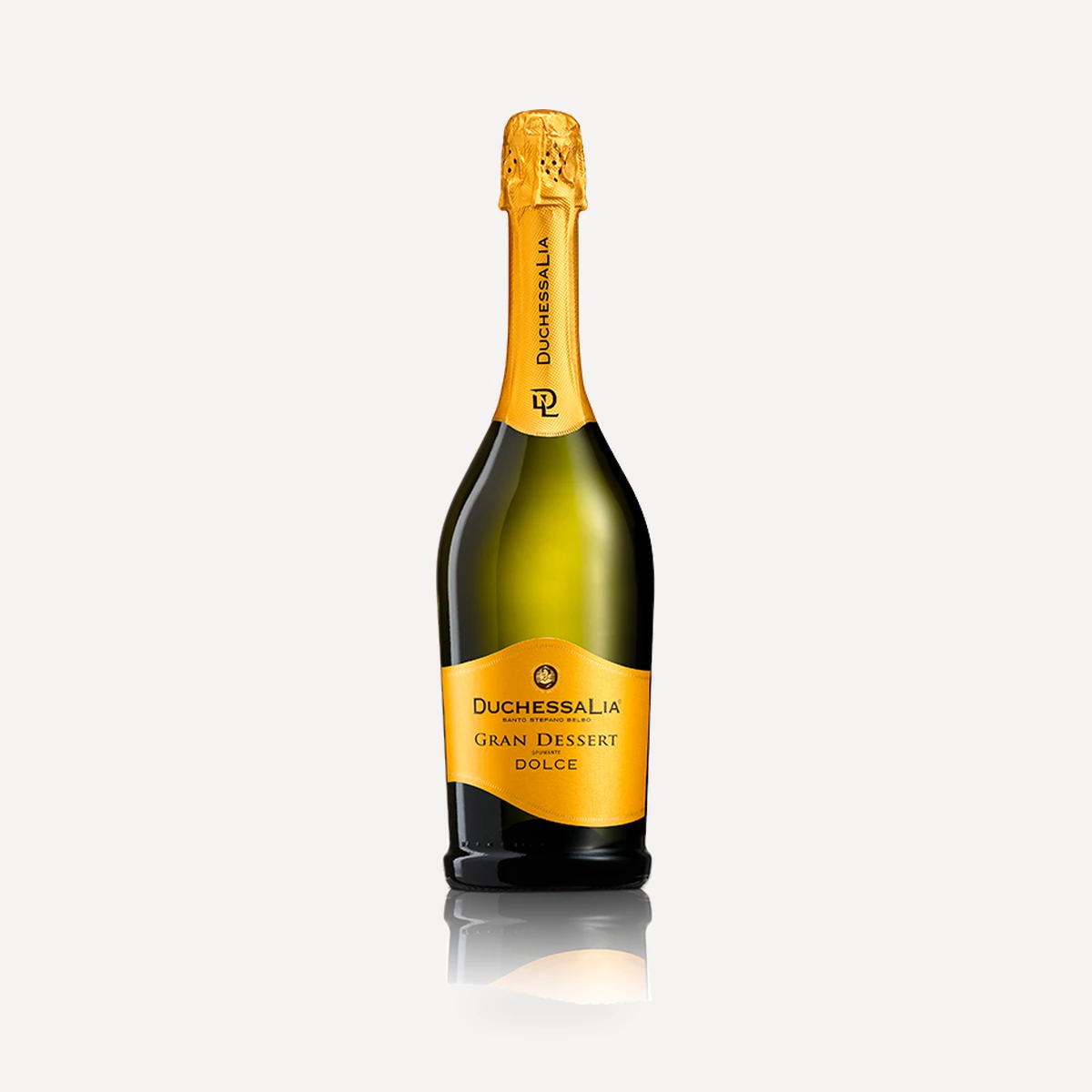
Gran Dessert Spumante
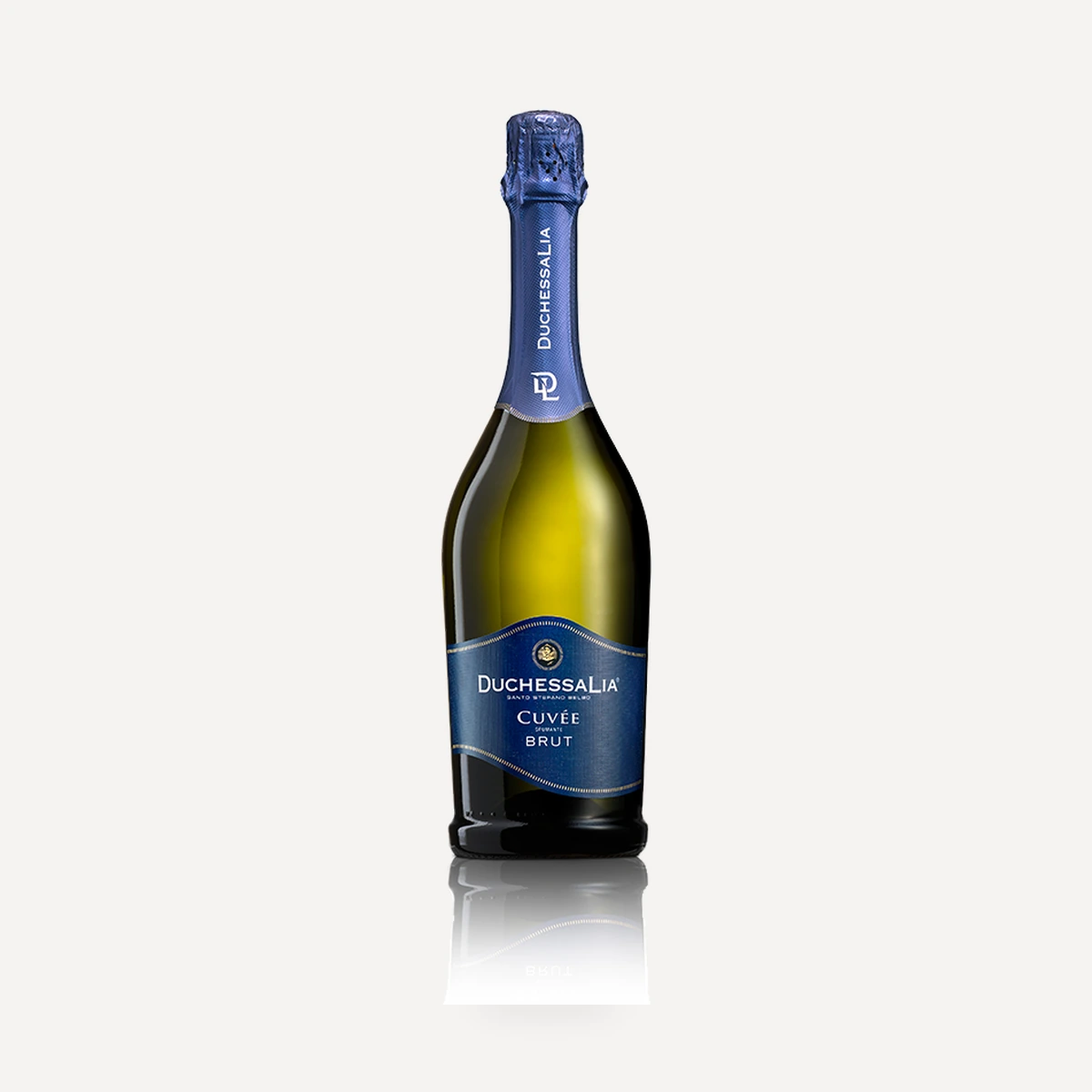
Cuvée Brut Spumante